
Cygnet Earthship

We are on the traditional, ancestral, and unceded lands of the Melukerdee and Lyluequonny people of the South East Nation,
Cygnet,
TAS
This home will be open for in-person tours on the 17th May 2026

About this home

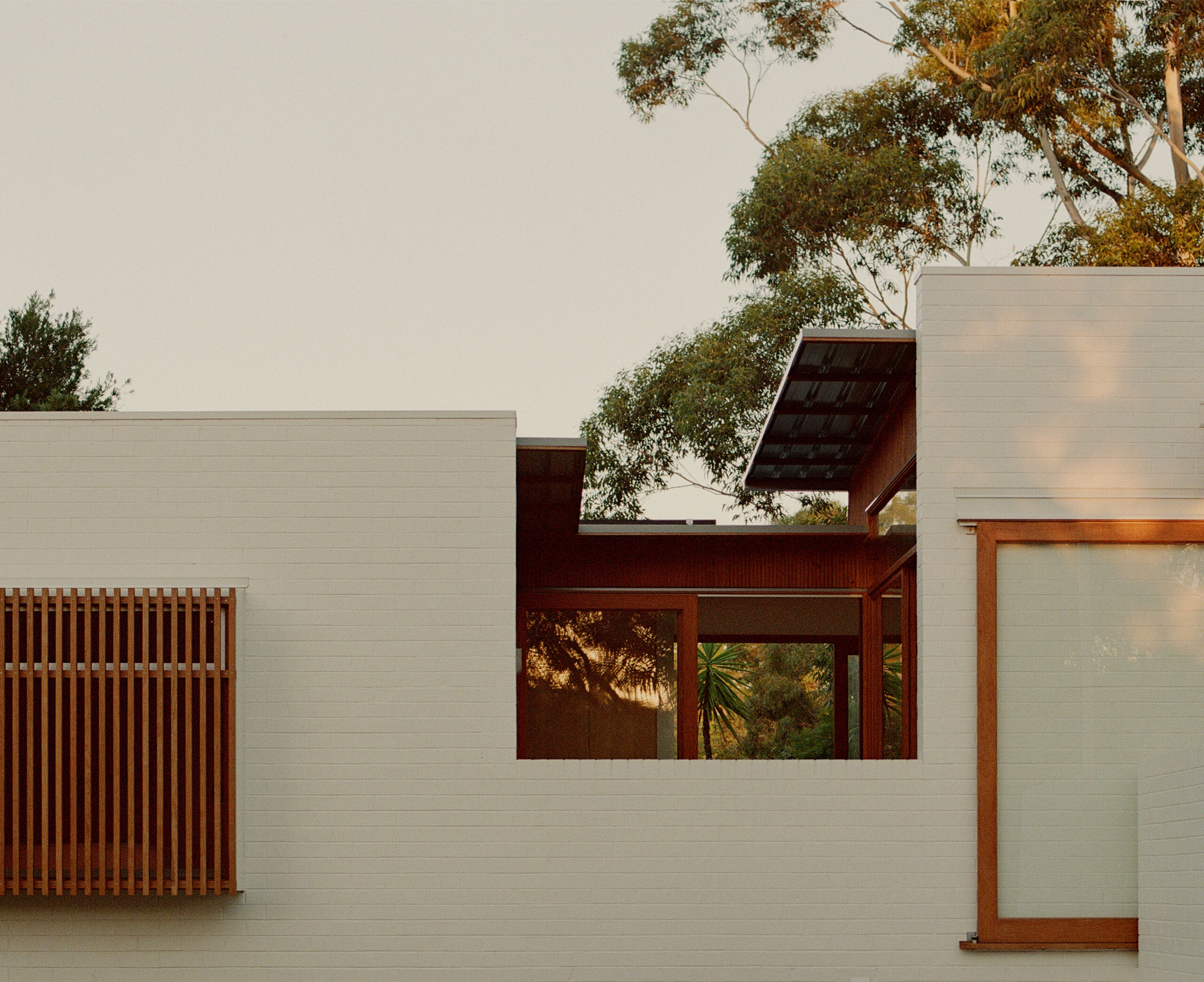
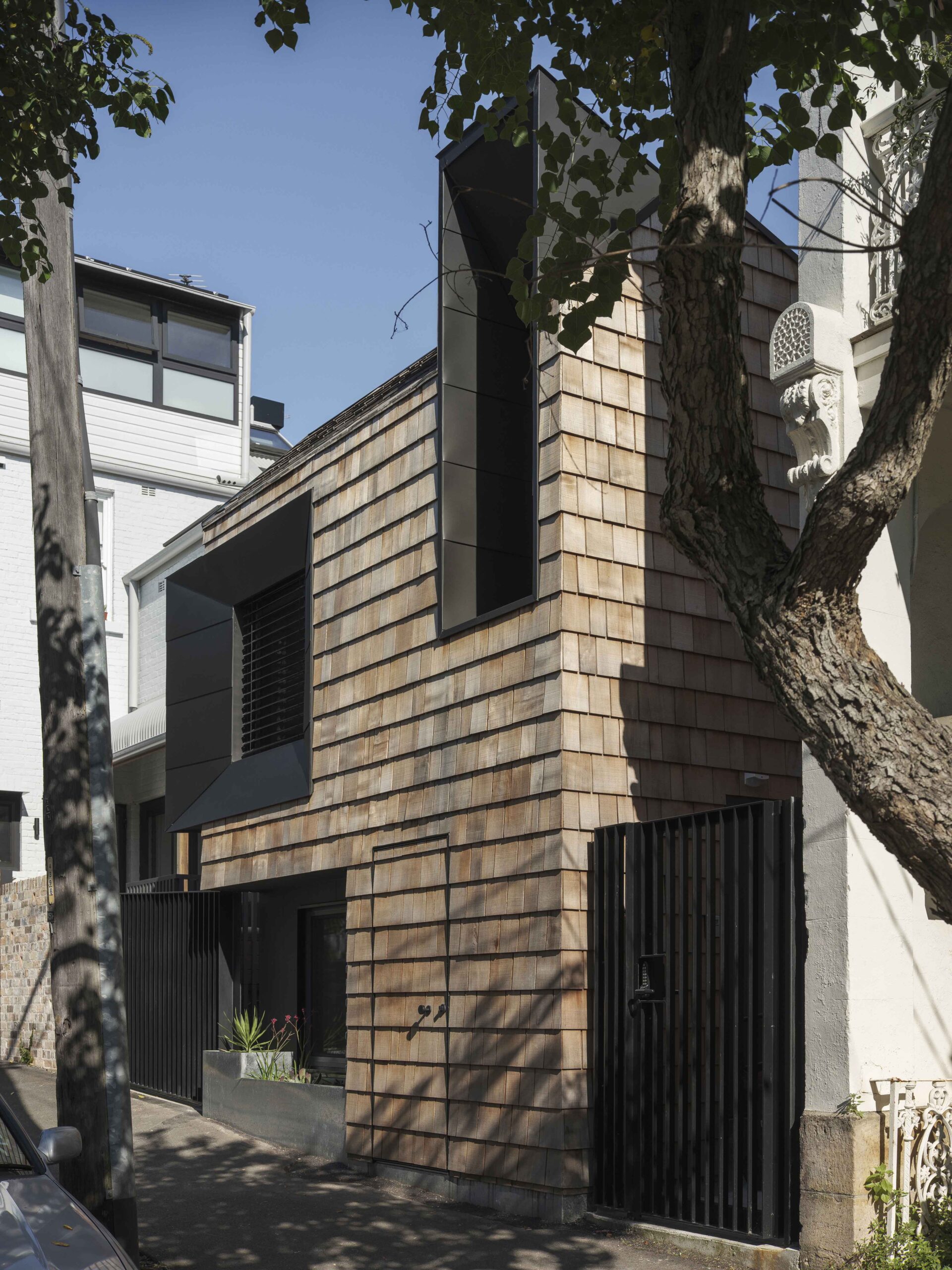
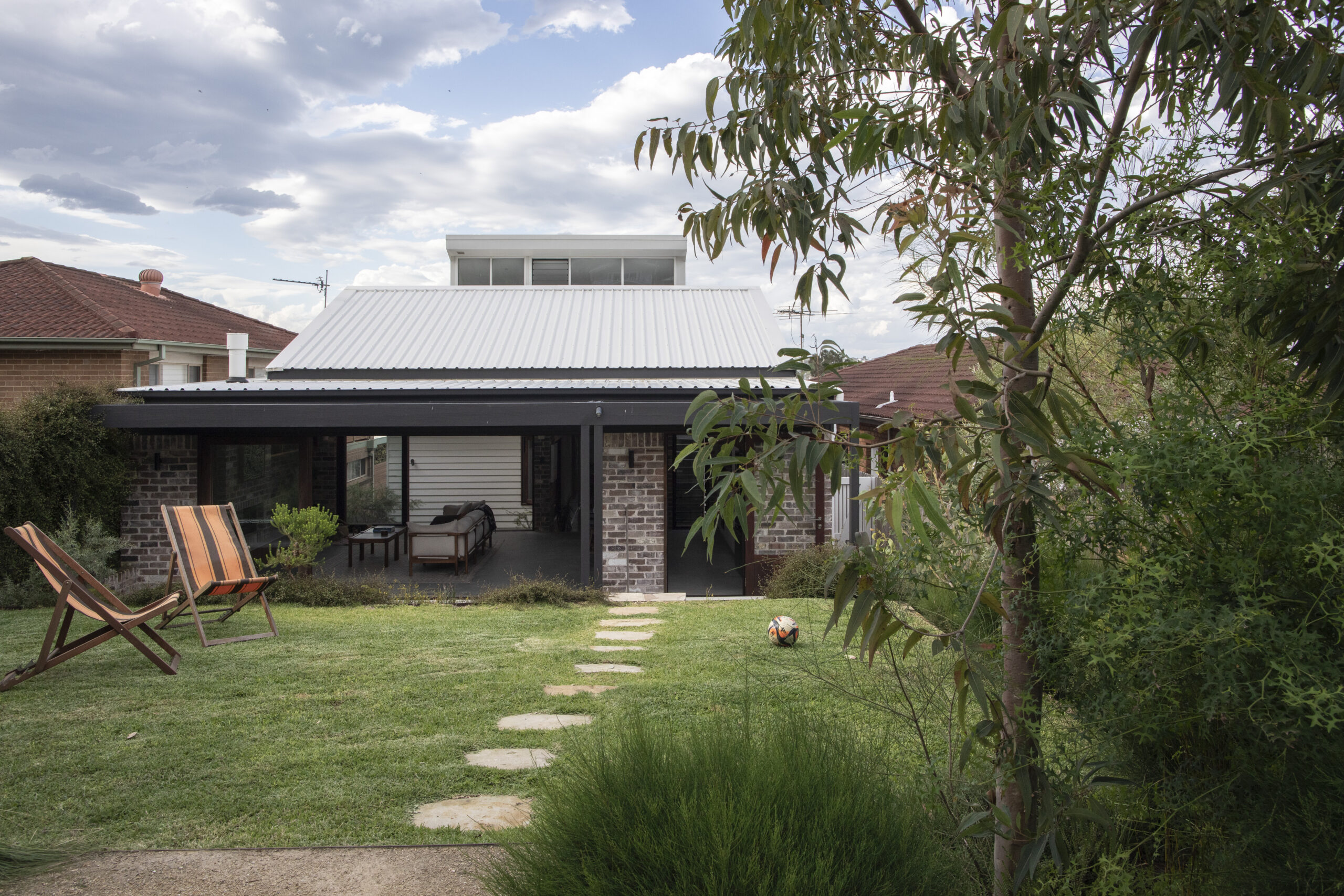
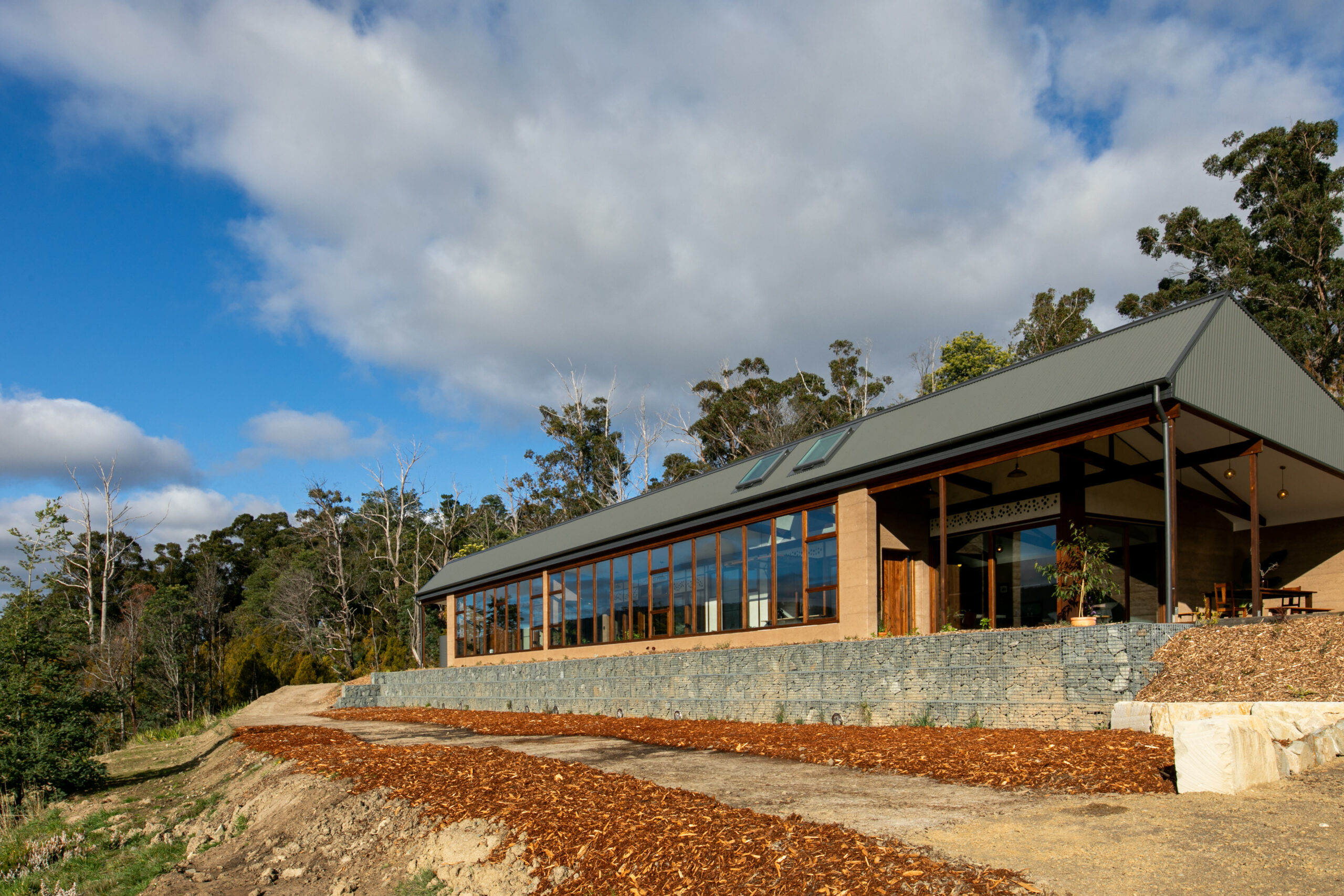
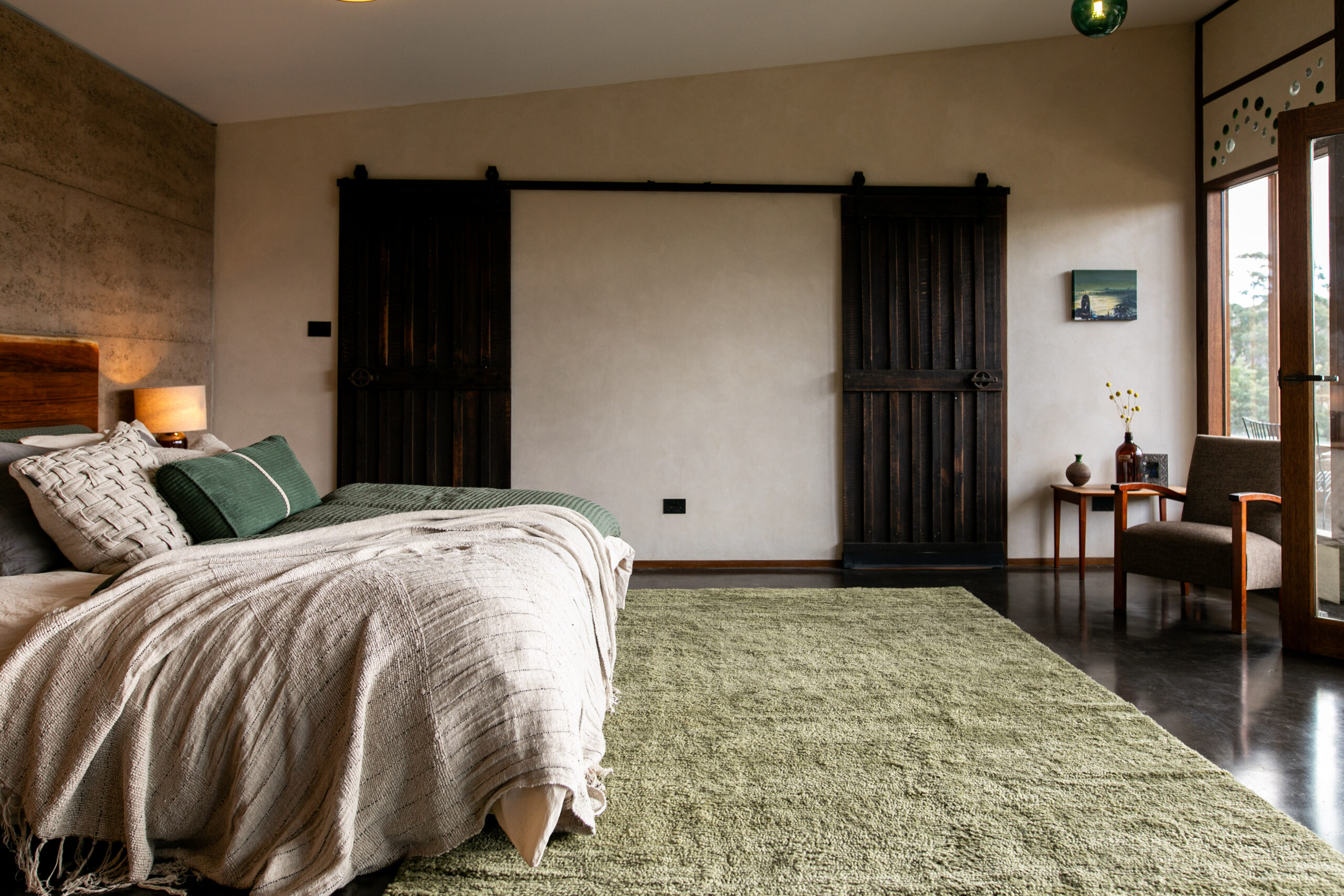
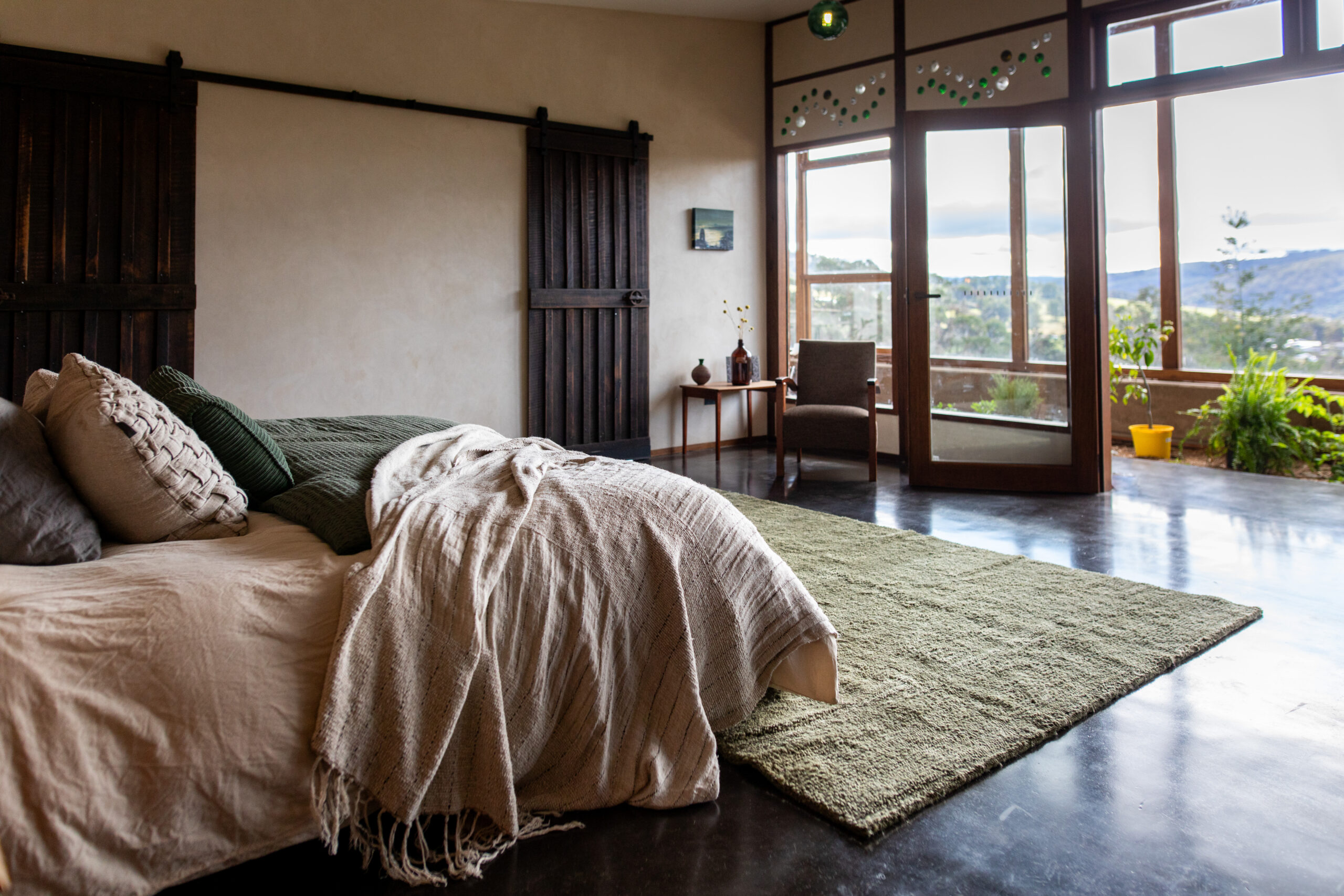
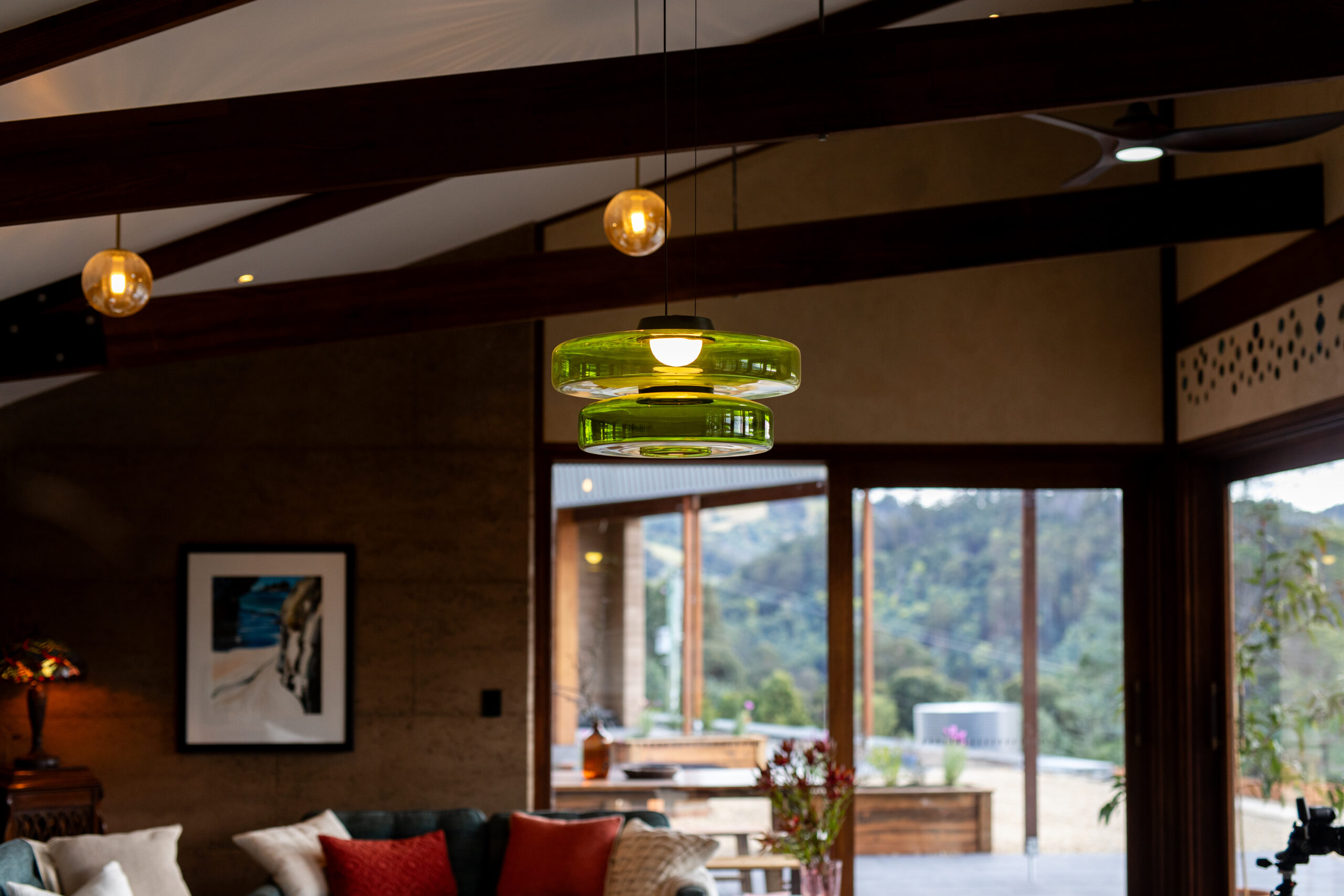
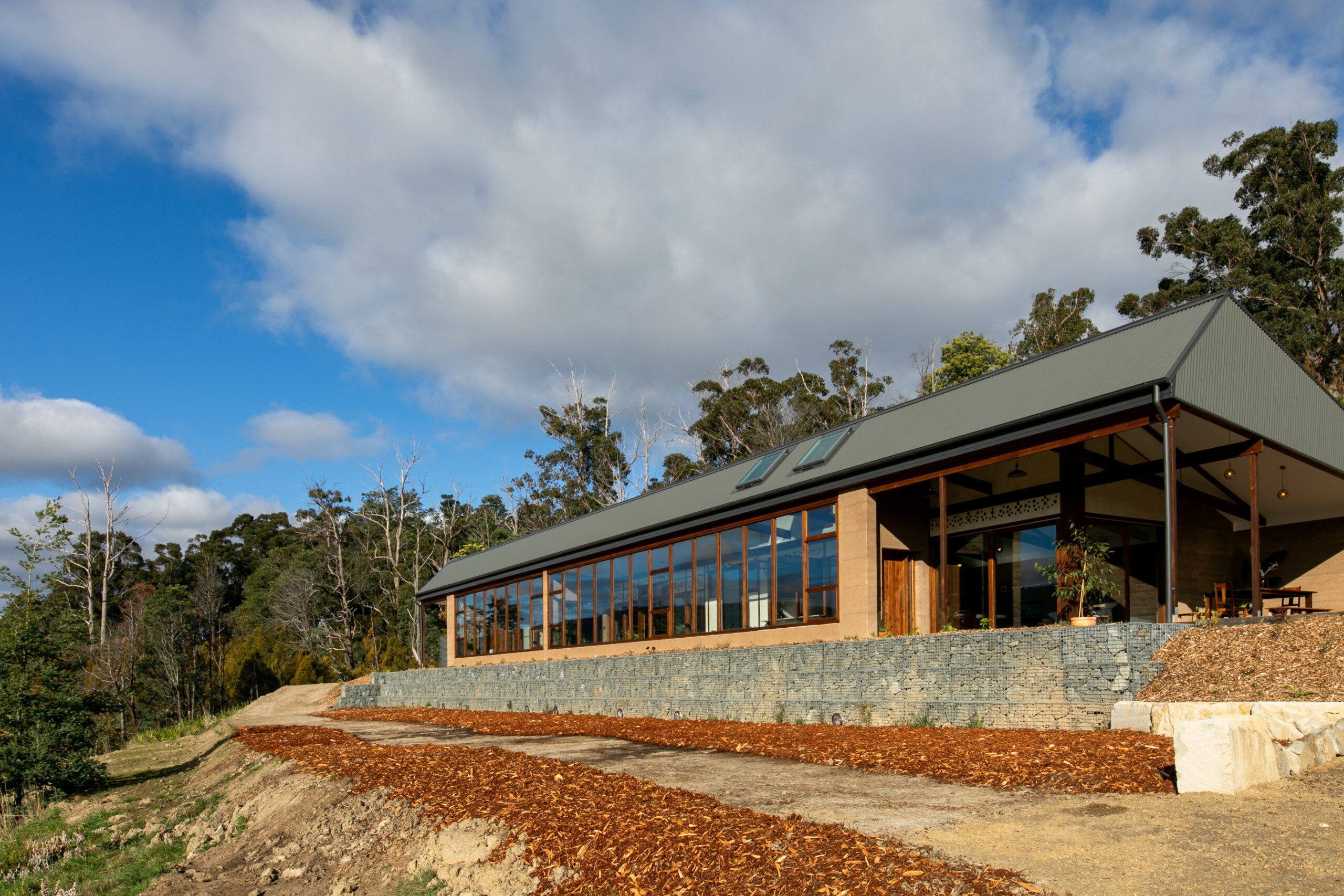
Kate and Matt’s Cygnet Earthship is a high-performance evolution of the traditional "Hobbit house," tailored for Tasmania’s cool climate. Part of a master planned permaculture micro-village, this project uses a strata title cohousing model where five households share 1.6 hectares of land, an orchard, and communal facilities, balancing private living with social and economic resilience.

Sustainability & Comfort
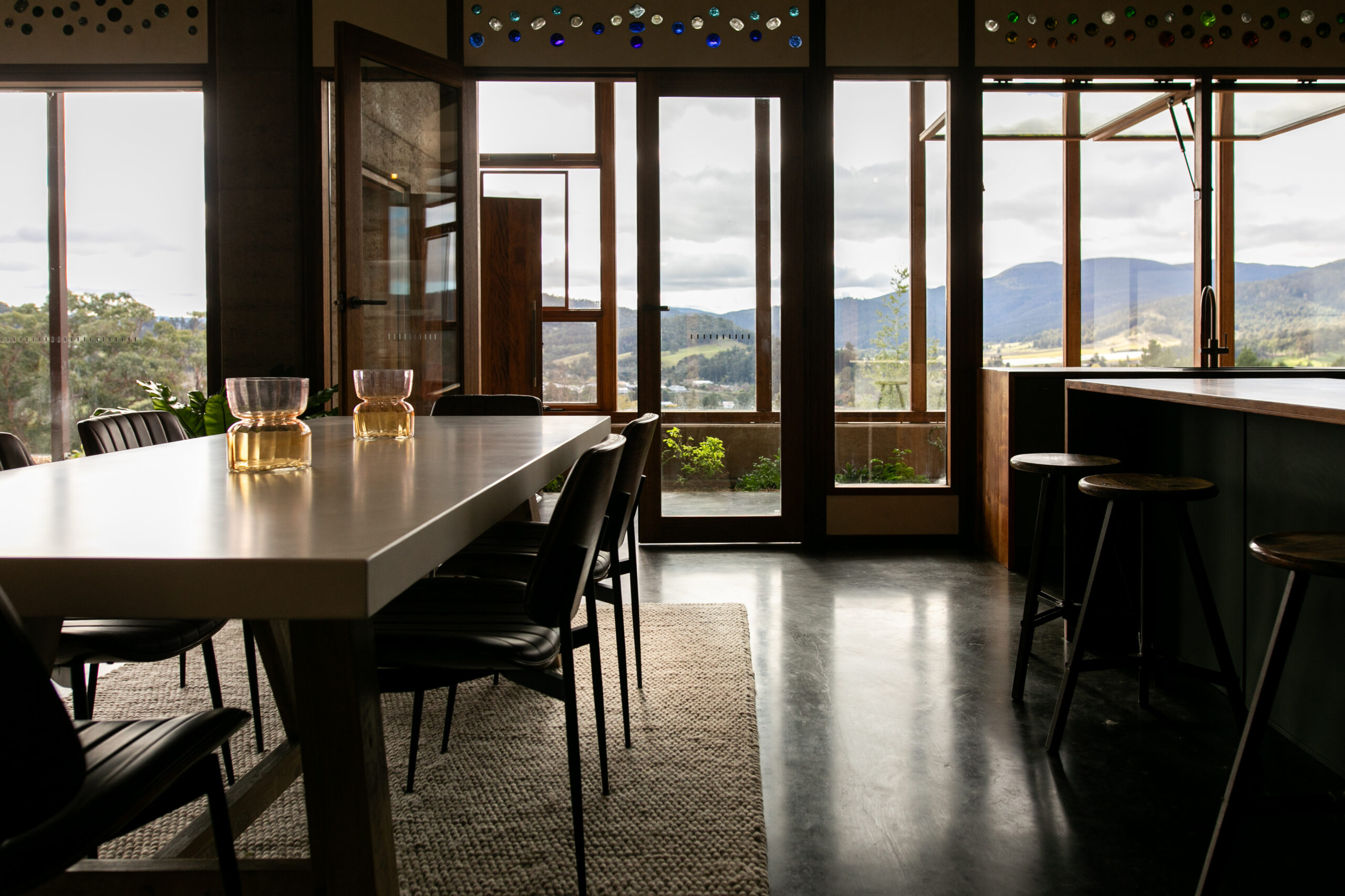
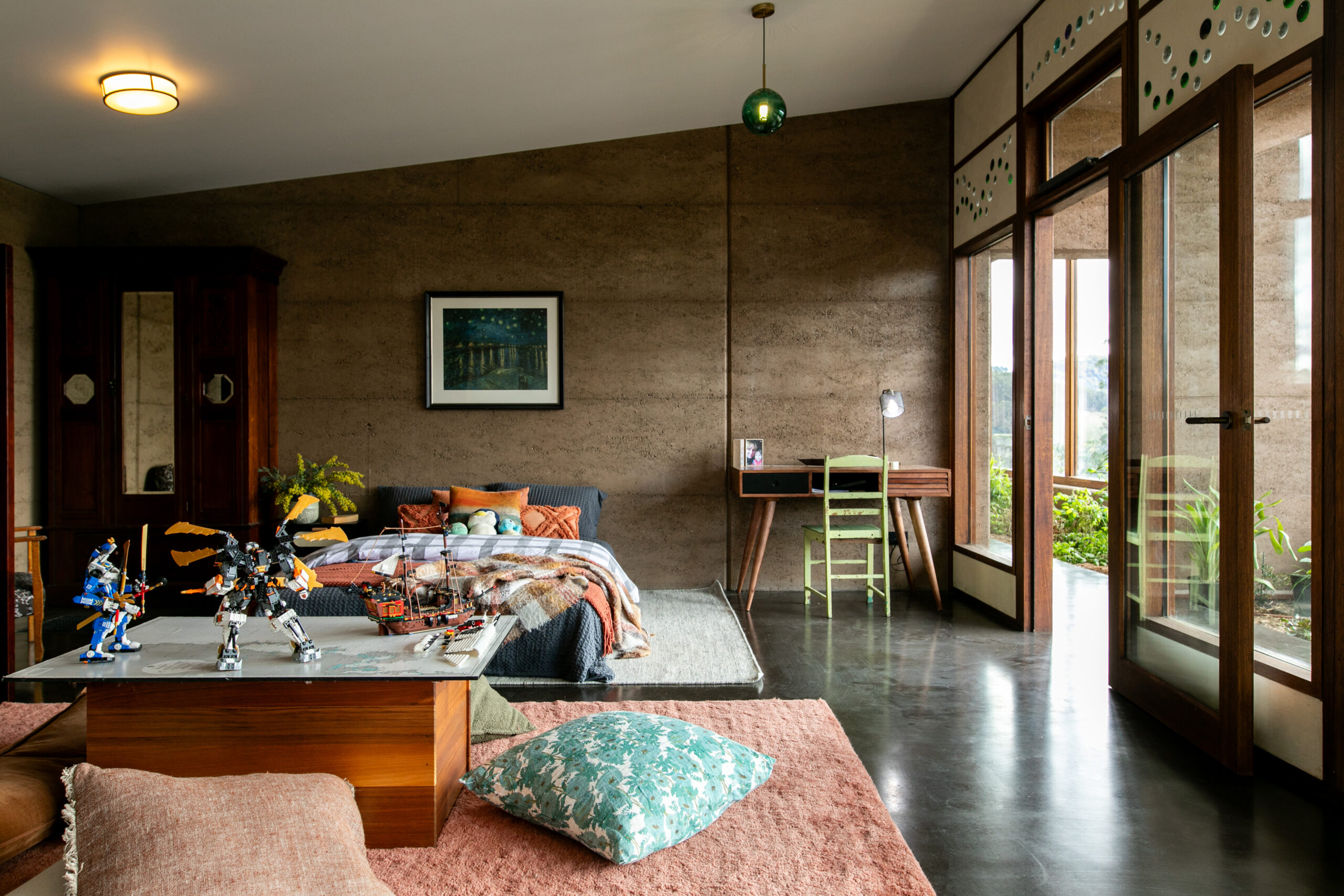
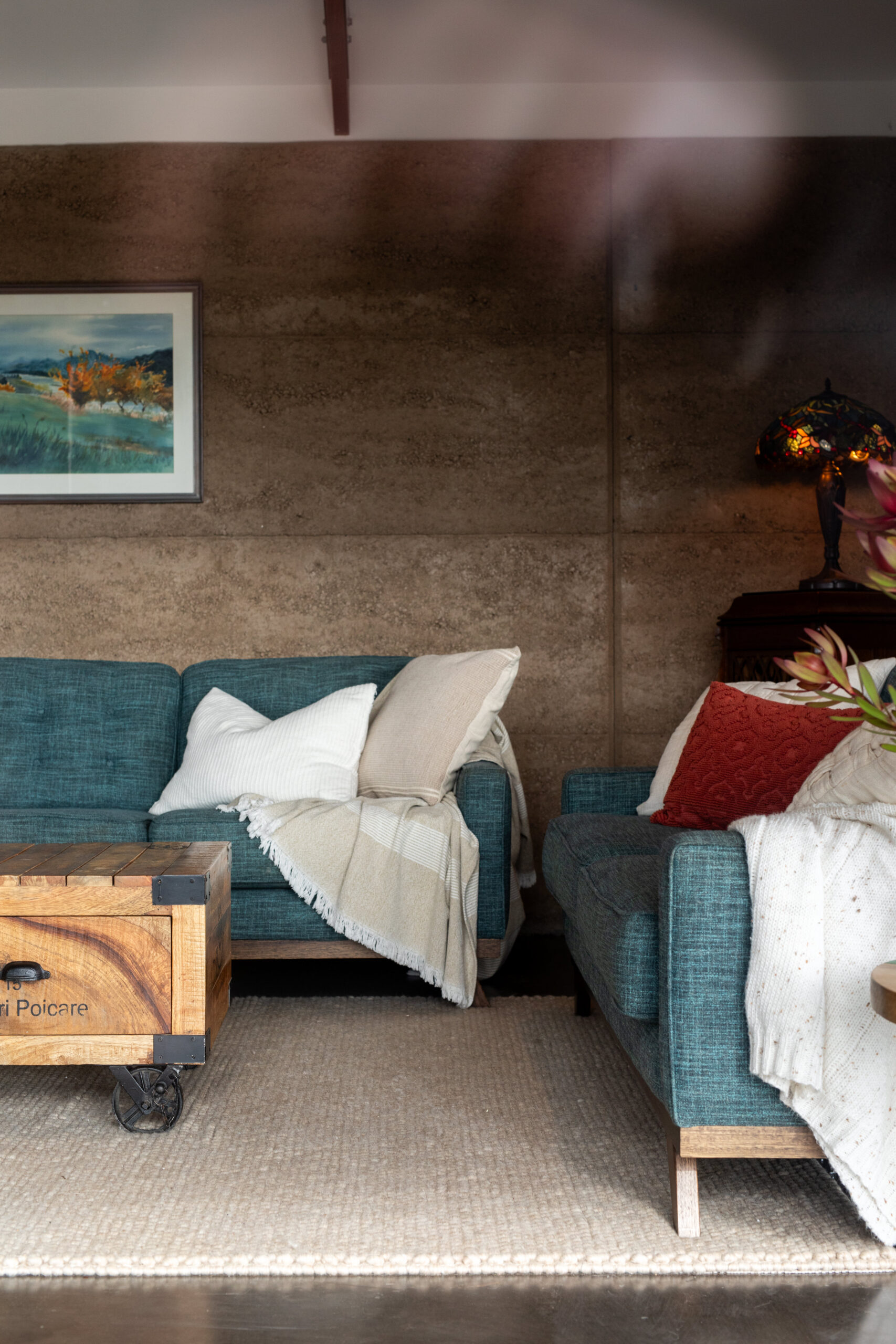
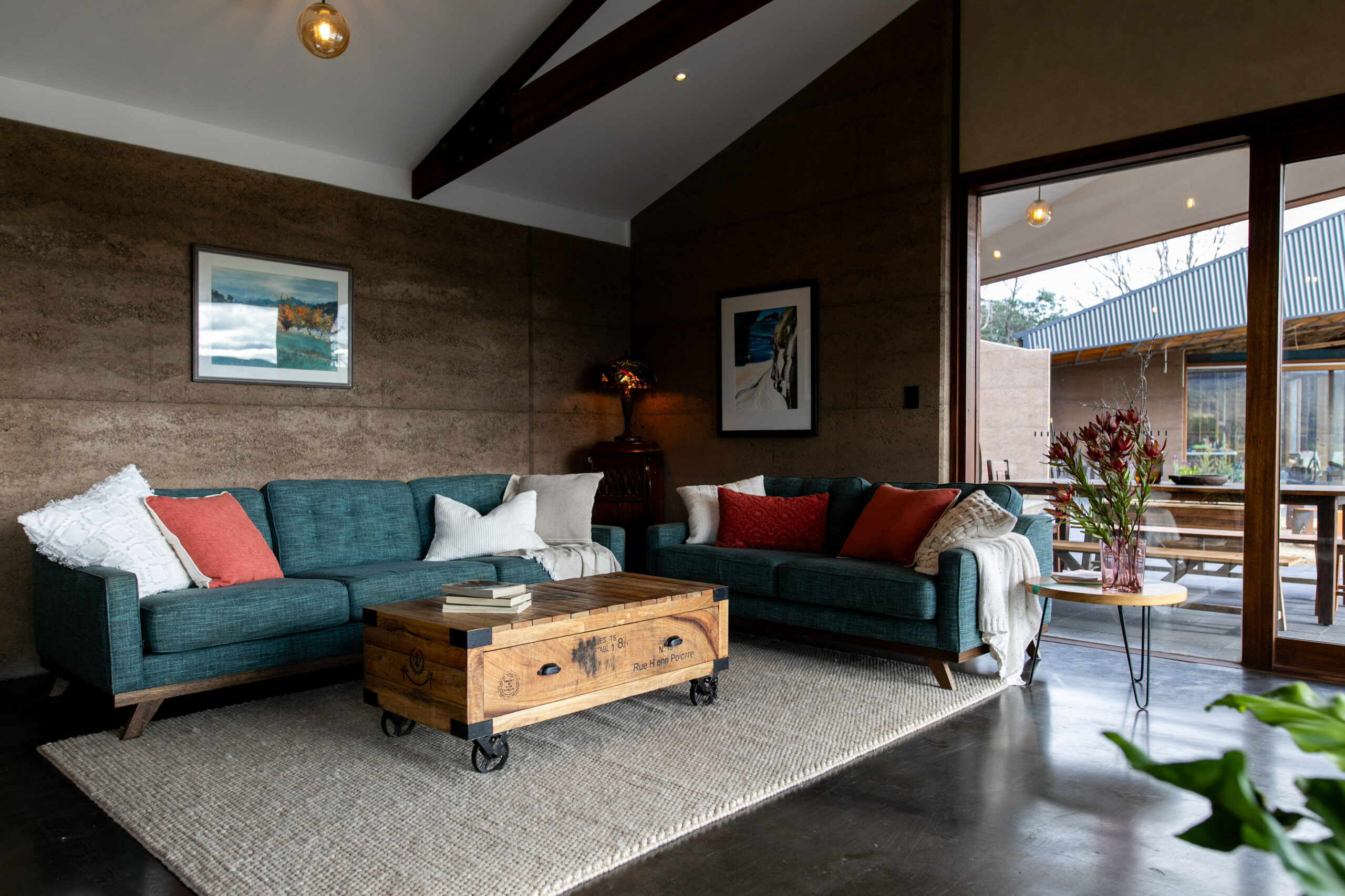
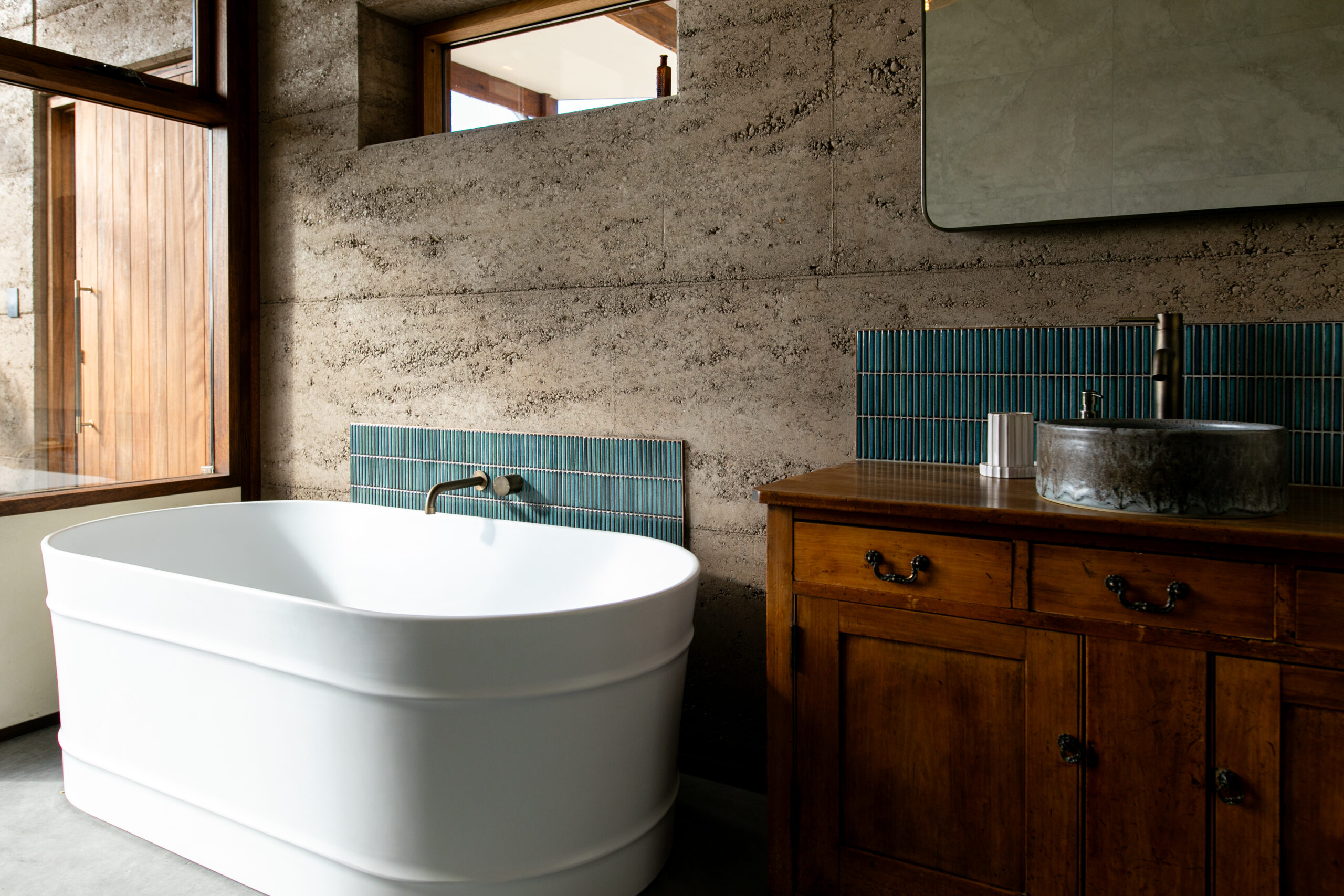
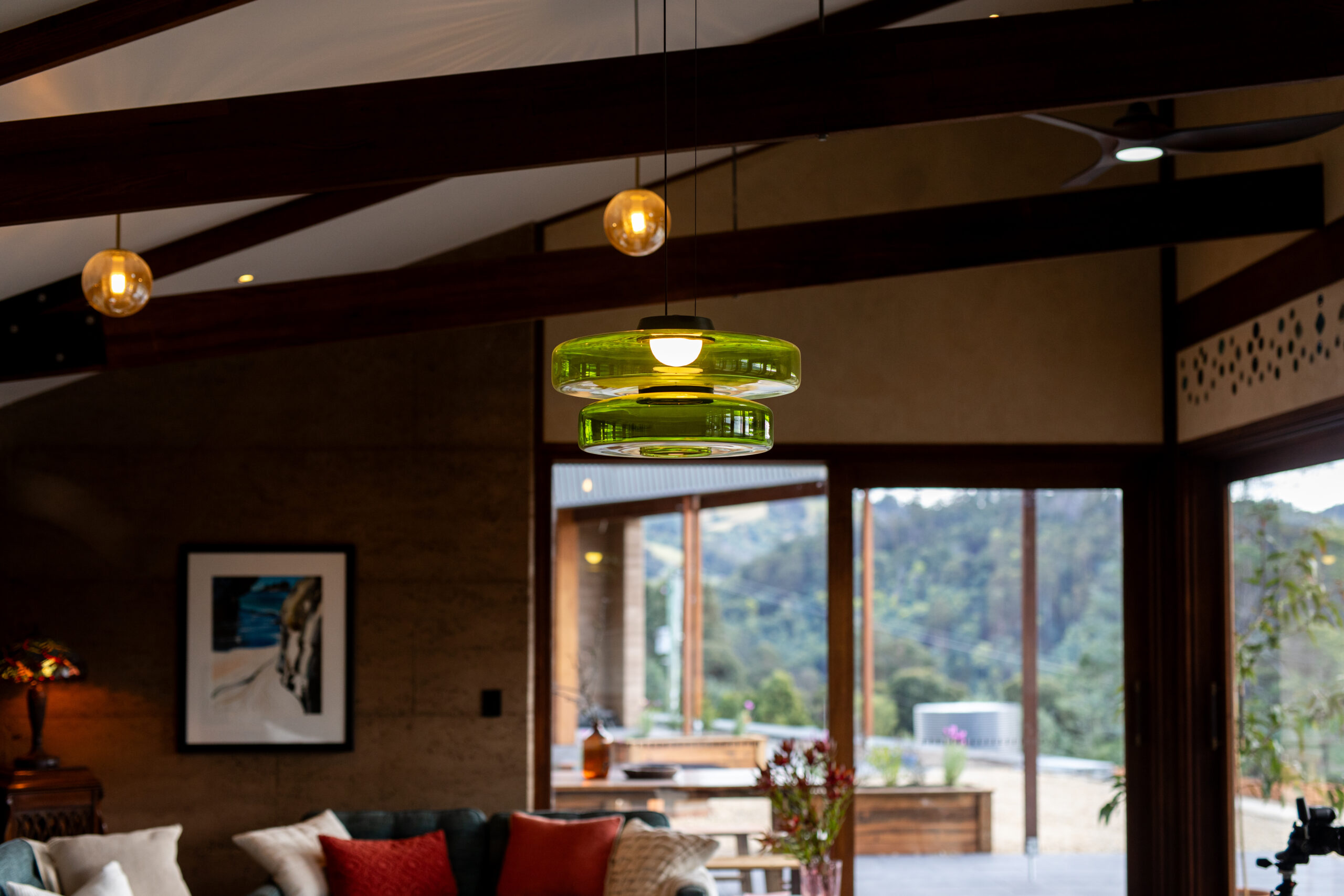
Thermal Mass "Batteries": Rammed earth walls and an insulated concrete foundation act as thermal batteries, absorbing heat by day and releasing it at night to maintain stable temperatures without active heating or cooling.

Passive Airflow: Underground earth tubes draw air through the ground to provide a constant flow of fresh, naturally tempered air year-round.

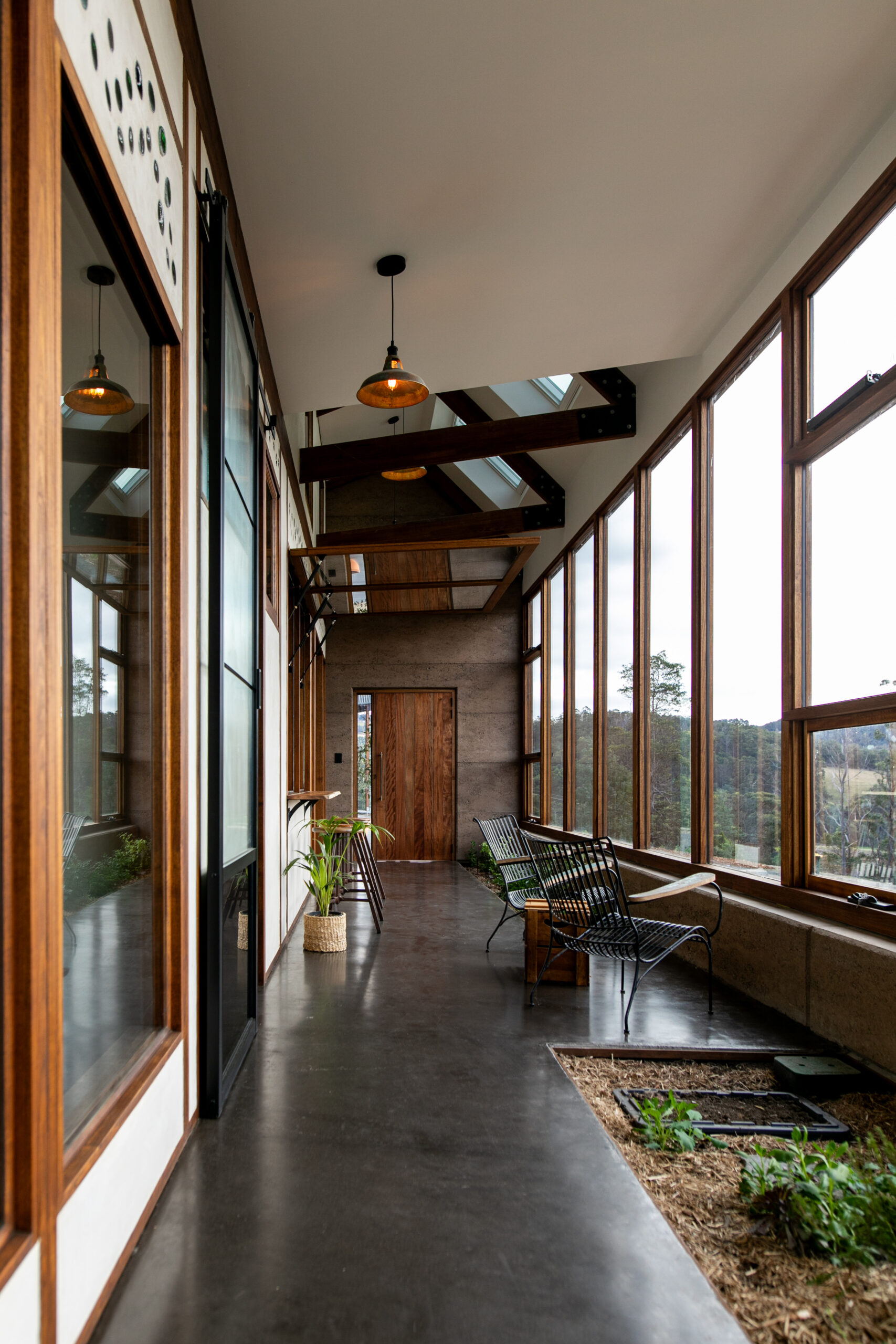
Food-Producing Greenhouse: A north-facing sunroom captures solar energy and serves as a "wet buffer zone" for year-round indoor food production.

Self-Sufficiency: The home is designed to be entirely off-grid, using solar power and harvesting rainwater via large tanks. The solar panels and battery will be installed once energy consumption has been measured from normal everyday use.

Resourceful Design
Regenerative Water: Greywater from sinks, showers, and laundry is filtered through greenhouse planters to nourish indoor food crops.

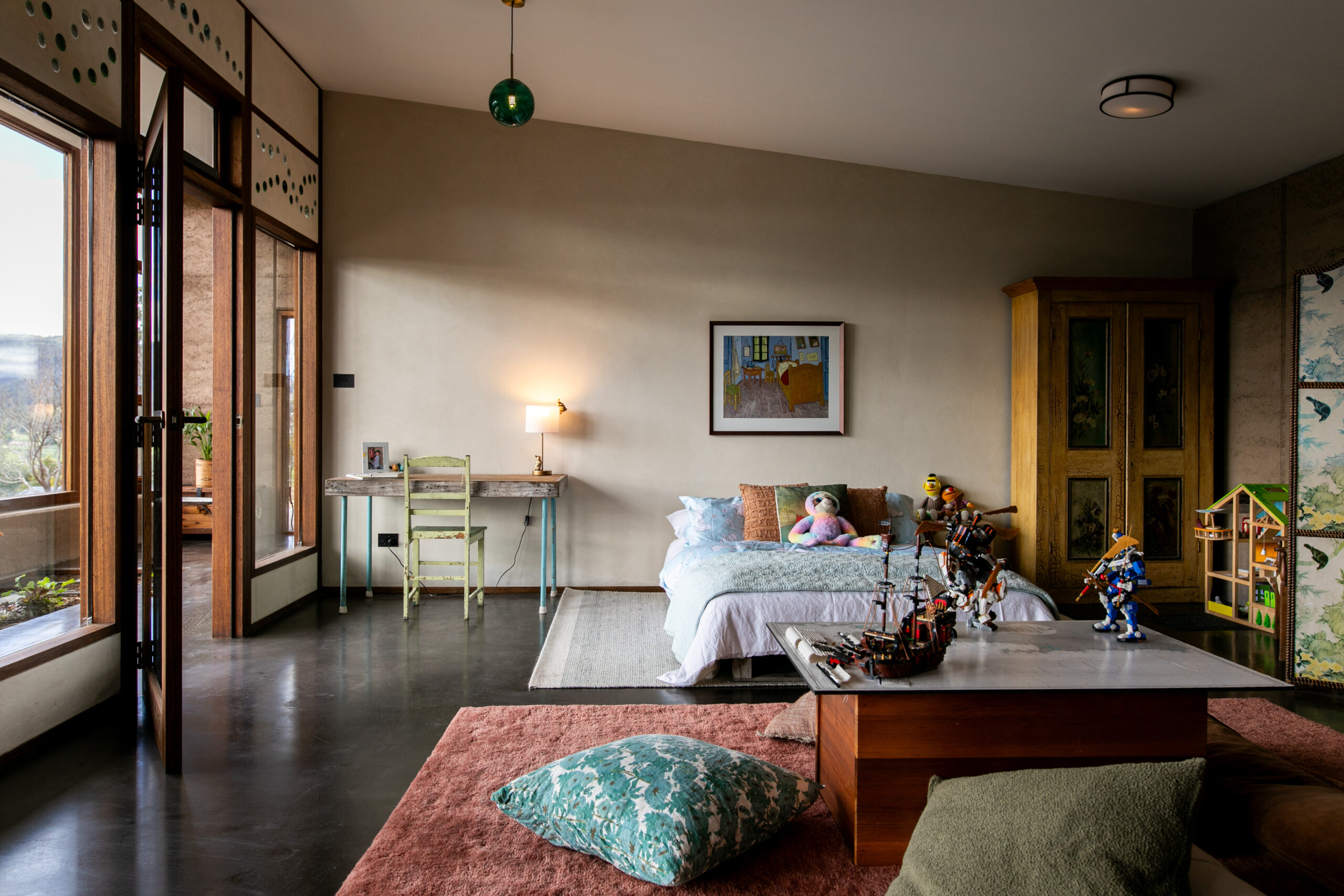
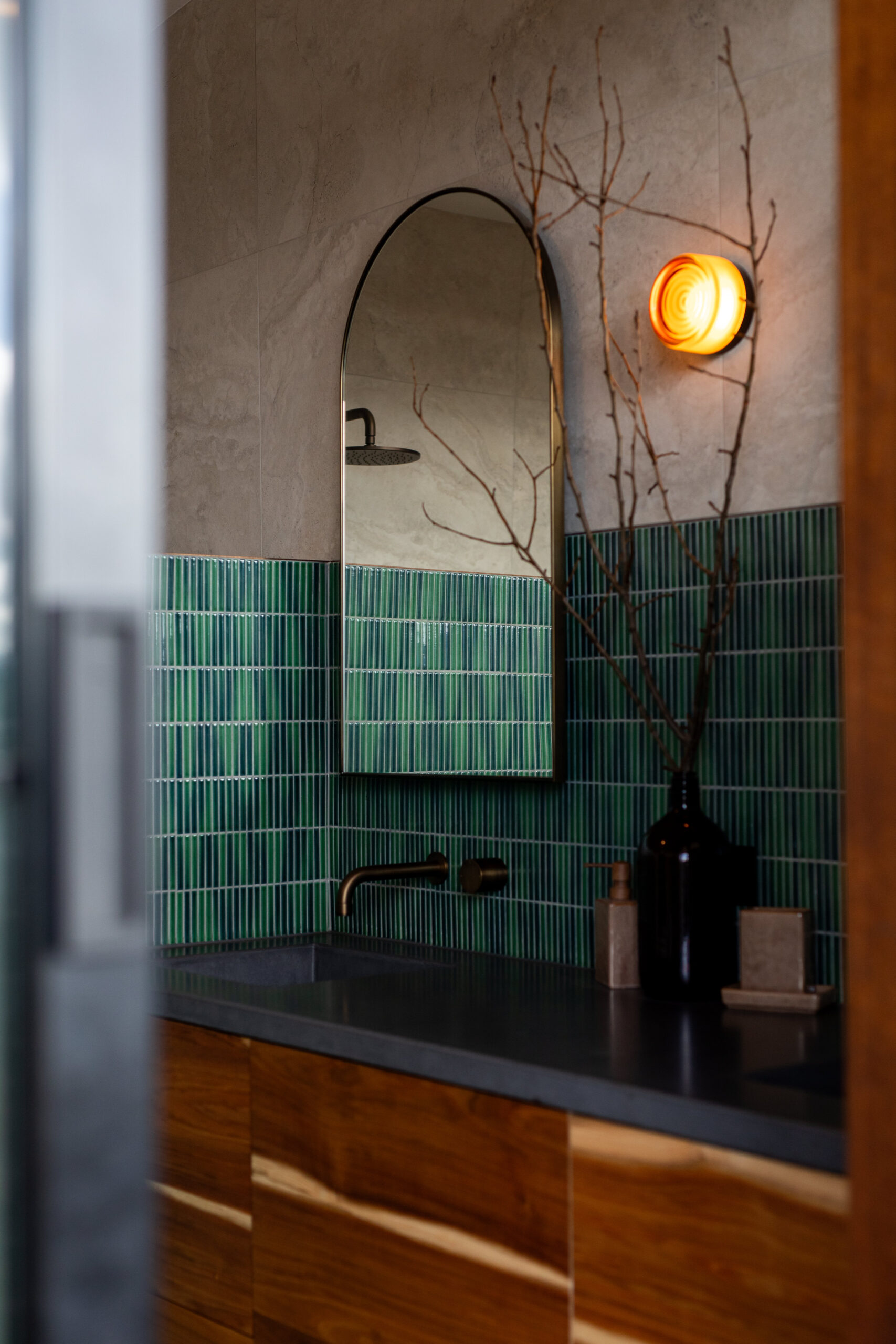
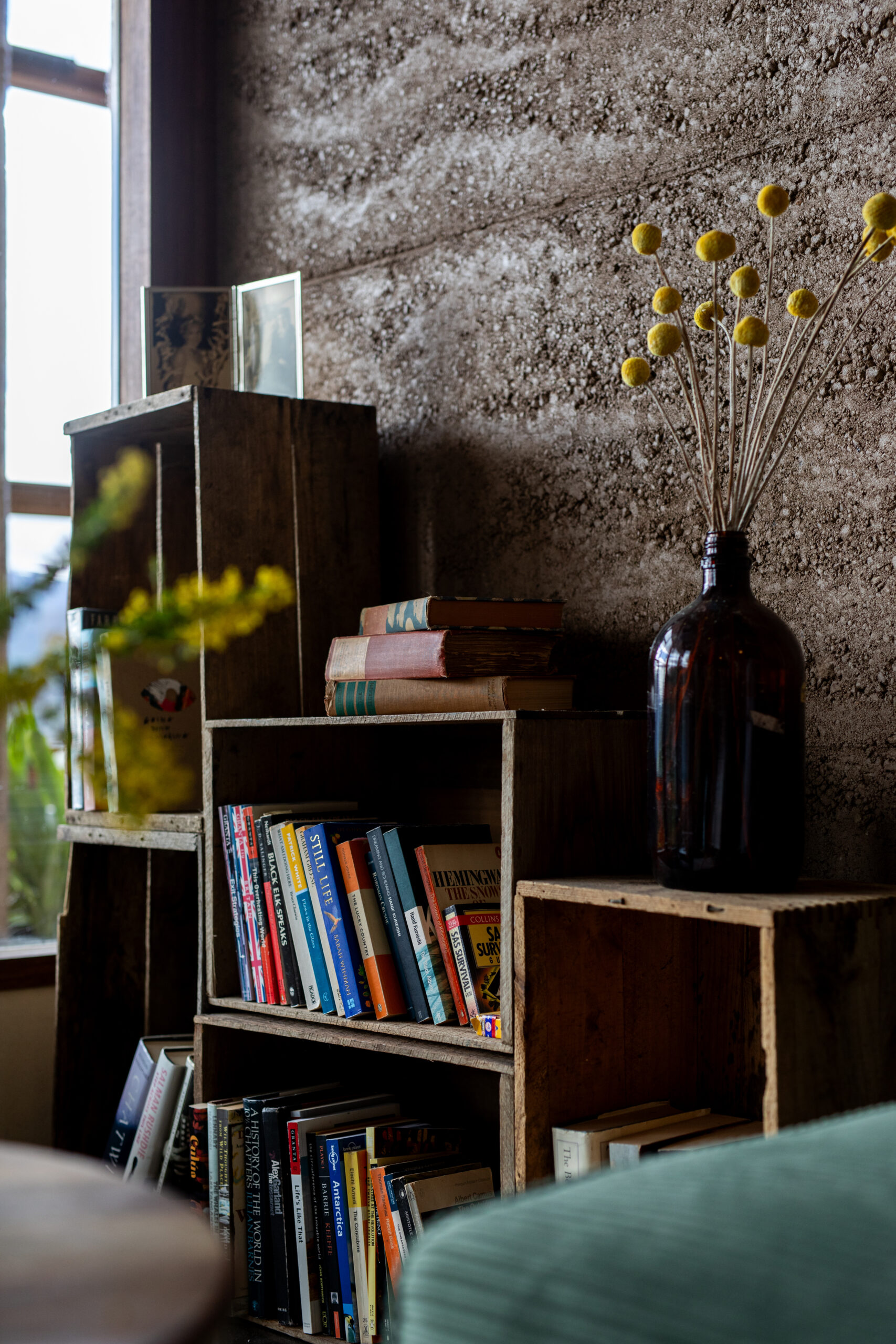
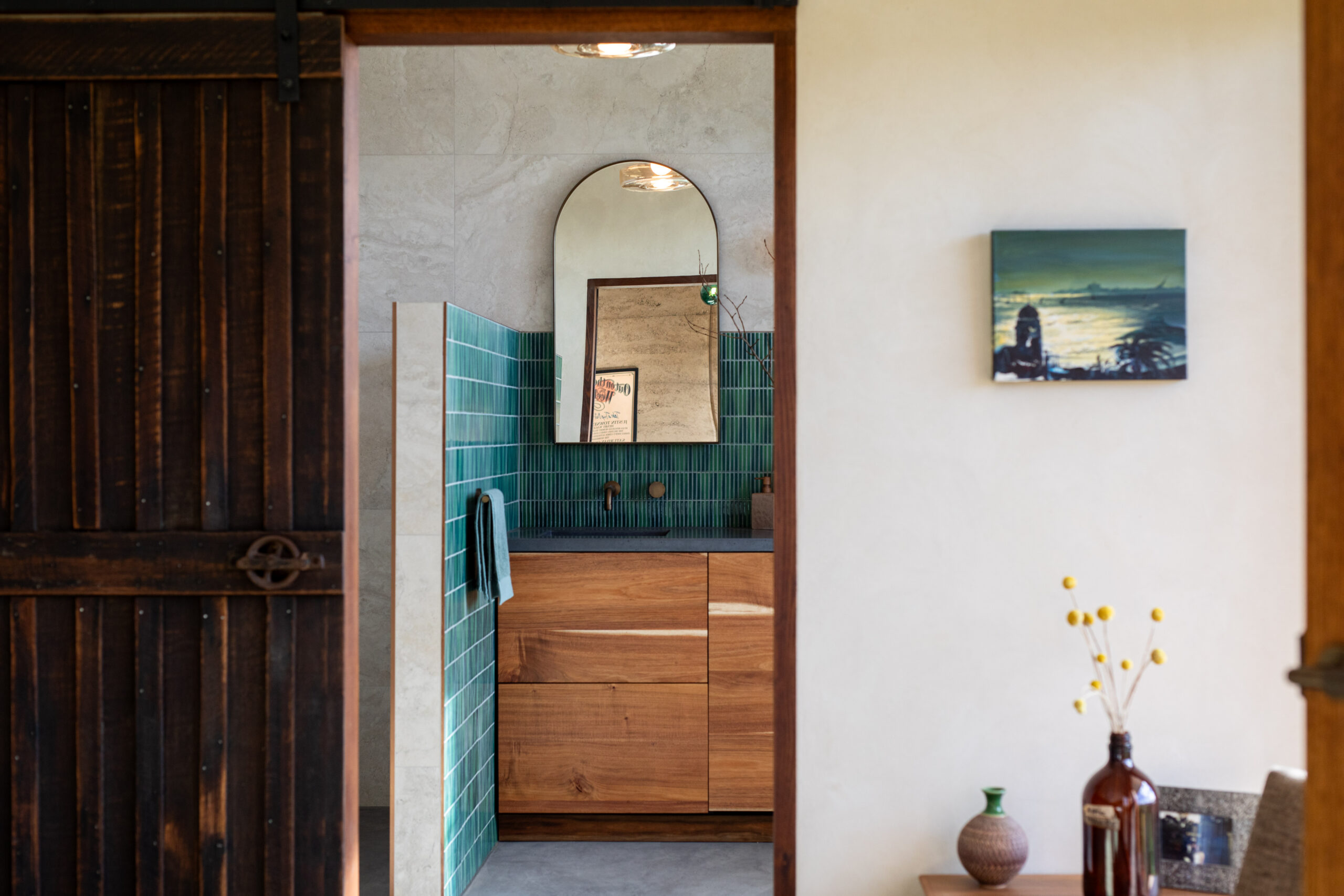
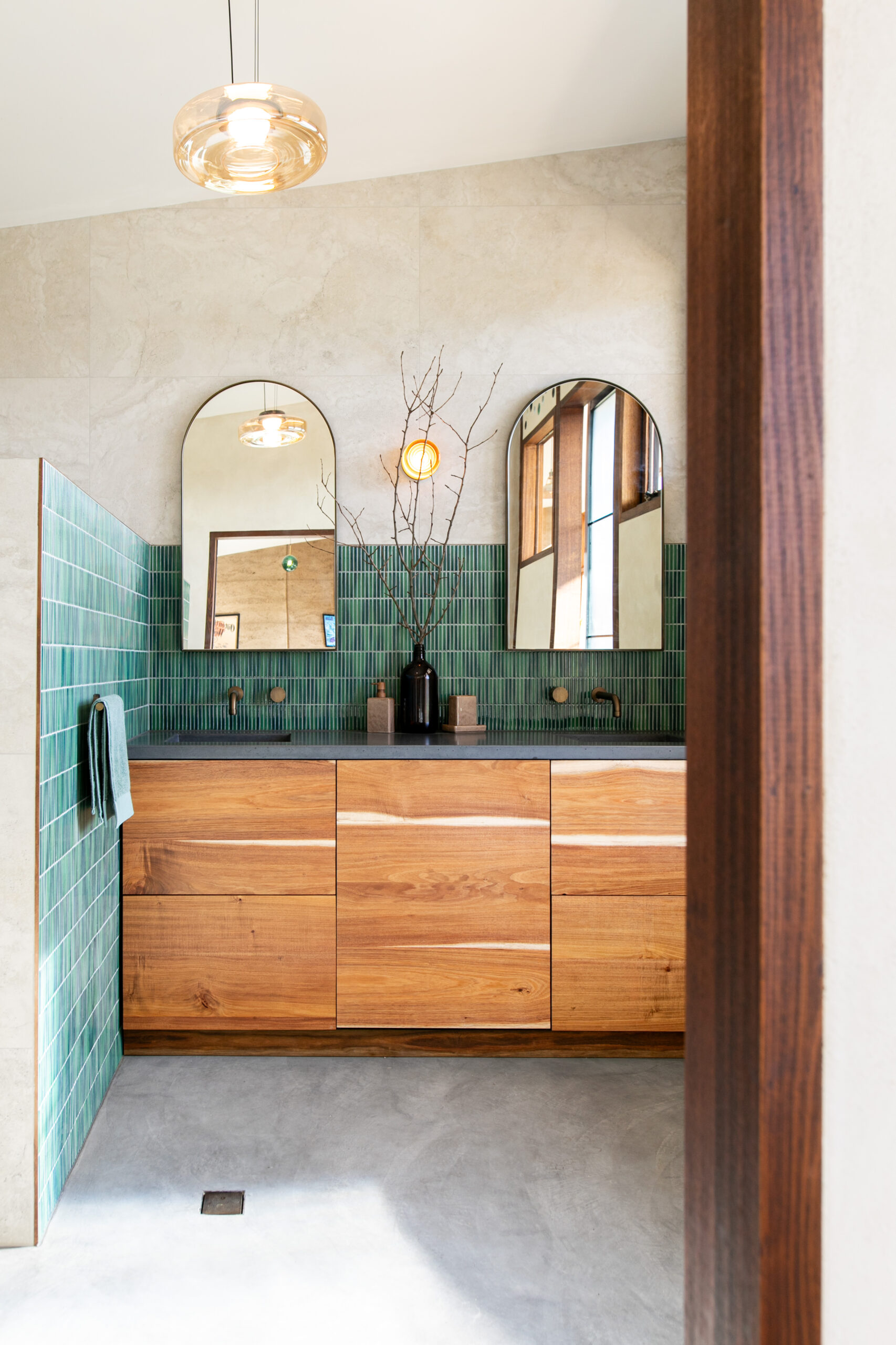
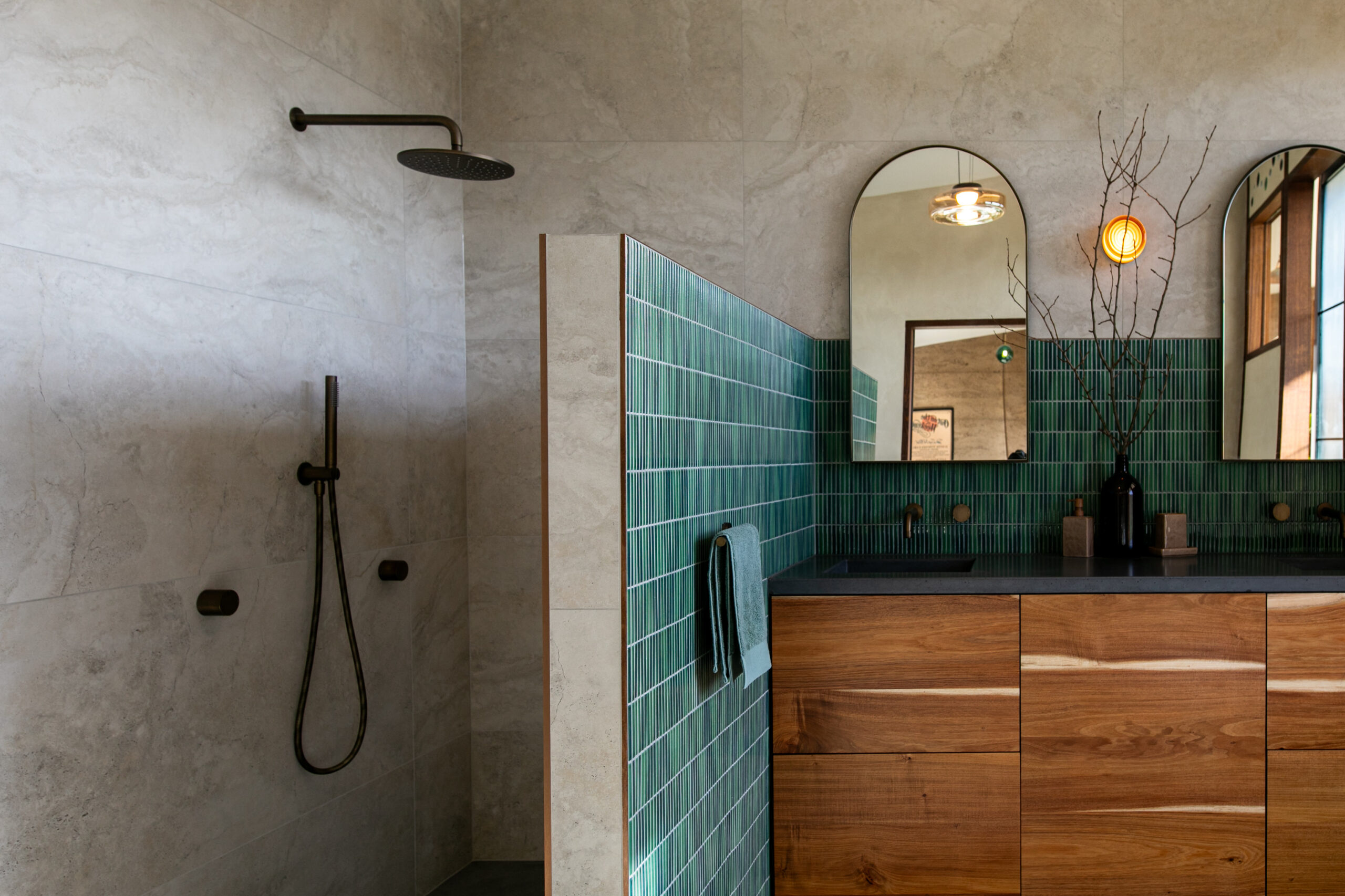
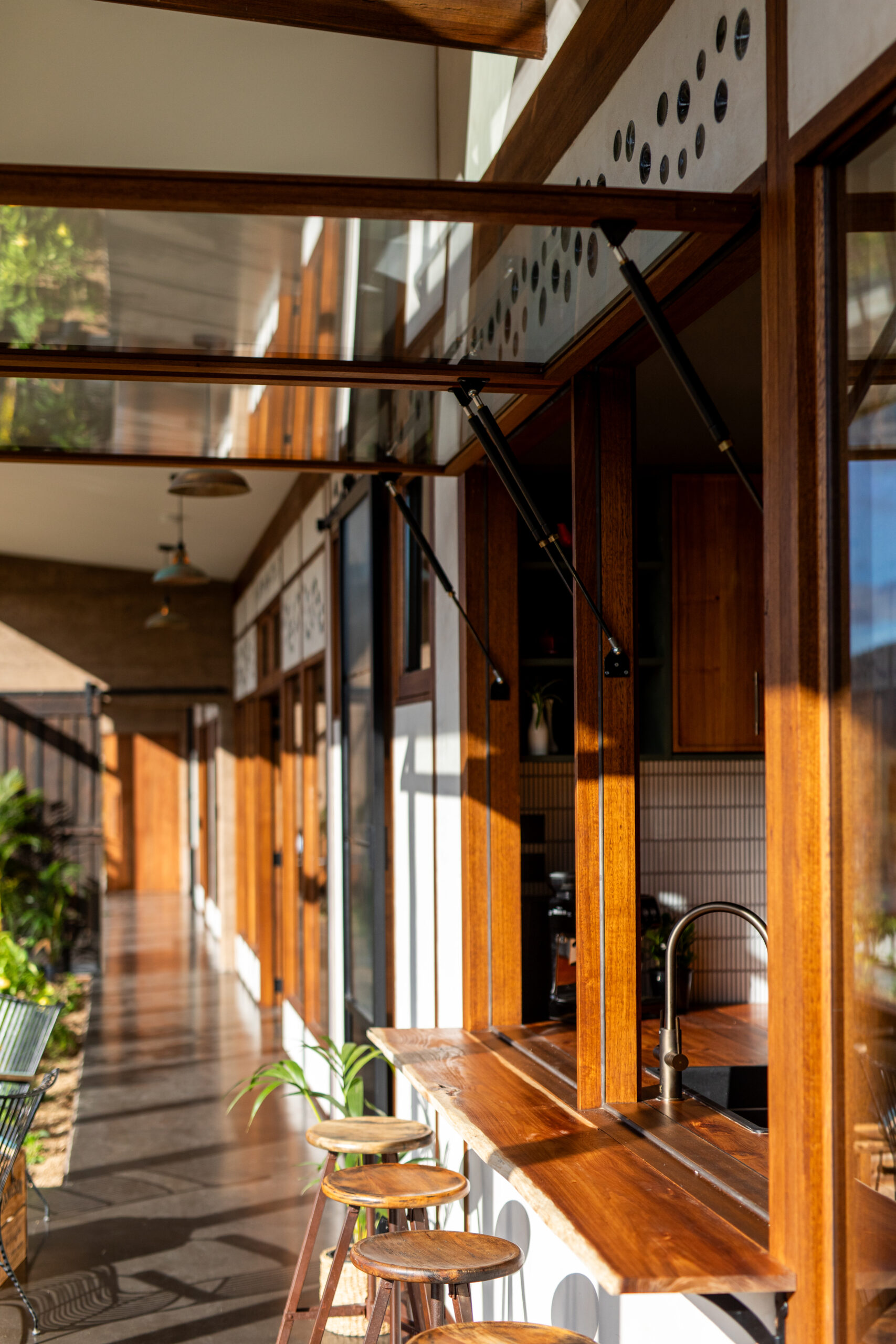
Upcycled Materials: The build features internal cob walls, "bottle bricks" for decorative insulation, and salvaged treasures like old apple shed doors and antique furniture repurposed as vanities.

Climate Readiness
Engineered for Australian extremes, our home is bushfire and heatwave resilient. The non-combustible earthen envelope and earth-sheltered design provides a safer, permanent refuge that remains comfortable even during intense weather events.
Q & A

What motivated you to build or retrofit sustainably?
primarily motivated by a combination of being priced out of the conventional Melbourne property market and a deep-seated desire to live a sustainable, self-sufficient lifestyle connected to a community
Switching from tyres to rammed earth walls was the ultimate game-changer for us. In Tasmania, people think you're crazy not to have a fireplace, but we didn't even install one! These walls act as massive thermal batteries, soaking up the sun and keeping us cozy even when it’s freezing outside.The impact? Our heating bills are $0. It’s transformed our lifestyle—instead of being slaves to the wood pile or stressing over electricity prices, we live in a house that regulates itself. This upgrade also gave the home a beautiful, modern finish that helped us get through Huon Valley Council planning and building approvals. With the aim to be completely off grid (once we know what our energy consumption actually is) means we will be trading bills for independence, allowing us to focus on building our community rather than managing increasing expenses. We’ve proven you can have a high-performance, climate-ready home that’s incredibly comfortable and beautiful.
Our biggest 'wish we’d known' was the massive physical toll. We hit the reality of the Project Management Triangle: you can have Time, Cost, or Quality, but only ever two of the three. Choosing Quality and Cost meant sacrificing our Time. We learned a good and reliable team is essential; you cannot do this alone. Also remember that volunteers are there to learn skills, for a set time and not a long time. They bring enthusiasm and energy, but then when they go, you need to finish what's left to do! The lesson? Pace your passion. Build in 'rest windows,' recruit a reliable team for the heavy lifting. Also protect your physical and mental health so you can actually enjoy the result!
If barriers vanished, our dream is completing the permaculture micro-village. While our home proves the tech works, the true goal is the social resilience of the full five-house community.We’ are nearly finished the 'Father-ship' (Matt’s dad’s home) and have built the Community Hub—the shared common house for music, seed-saving, and education. We’d also expand our regenerative water systems and plant the orchard area to turn the common property into a drought-proof food production community area. For us, the ultimate upgrade isn't just a gadget; it’s transitioning from 'builders' to 'stewards' of a thriving, multi-generational ecosystem. We want to prove that living small and sustainable can lead to a big and connected life.
Back to 2026 Homes
Type: Cohousing, Ecovillage, Standalone house/townhouse
Project: New build
Architect: Martin Freney - Earthship Eco Homes
Designer: We designed our own house
Builder: owner builder
Size: 212.4m2m²
Energy Rating: 7.4 (though the system cannot accurately assess the sustainability of the greenhouse element of the house)
Bedrooms: 2
Bathrooms: 2

Sustainability Features

Building Materials & Envelope

Draught-proofing/air sealing
High-performance insulation
Double or triple-glazed windows
Sustainable or low-impact materials
Recycled or reused materials
Other

Heating, Cooling and Ventilation

Passive heating/cooling (north-facing glazing, cross ventilation, thermal mass, shading, etc.)
Ceiling fans

Energy and Appliances

Rooftop solar PV
Energy monitoring/smart home systems
Efficient lighting (LED, daylighting, solar skylights)
Heat pump hot water
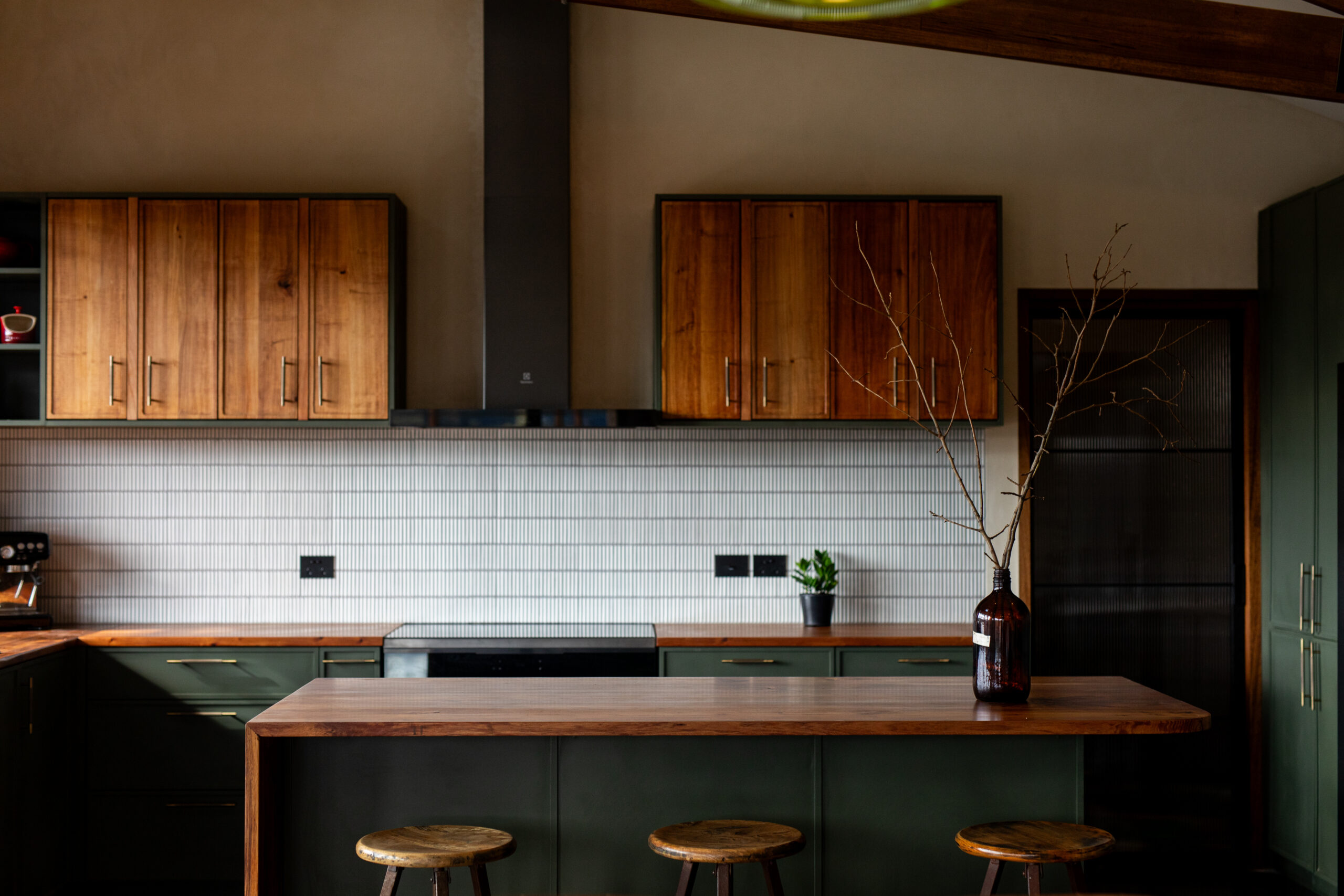
Electric cooktop - induction/ceramic
Other energy-efficient appliances

Water & Waste Systems

Water-efficient fixtures
Rainwater tanks
Greywater system
Other

Landscape & Biodiversity

Native garden
Permaculture garden
Edible garden
Wildlife-supporting habitat

Climate Resilience

Flood
Bushfire
Cyclone/storm
Heatwave

Accessible & Flexible Design Features

Design for flexible use
Design for multigenerational living or dual occupancy
Universal design for accessibility
Share this home:

Related Homes

Home tours delivered to your inbox

Step inside sustainable homes across Australia and get practical ideas you can use in your own