
Moruya House, Redwood Park

Yuin,
Moruya,
NSW
This home will be open for in-person tours on the 17th May 2026

About this home

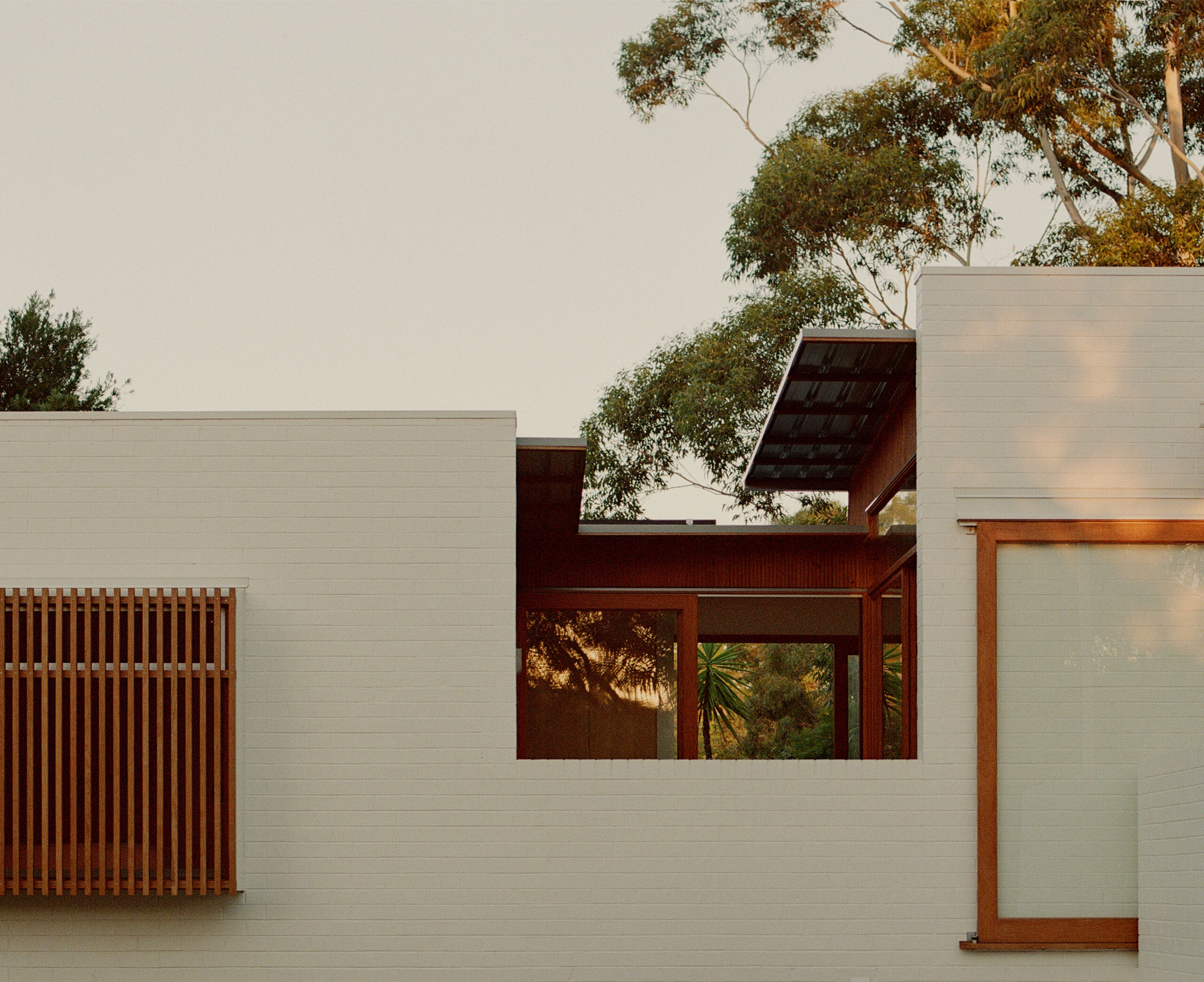
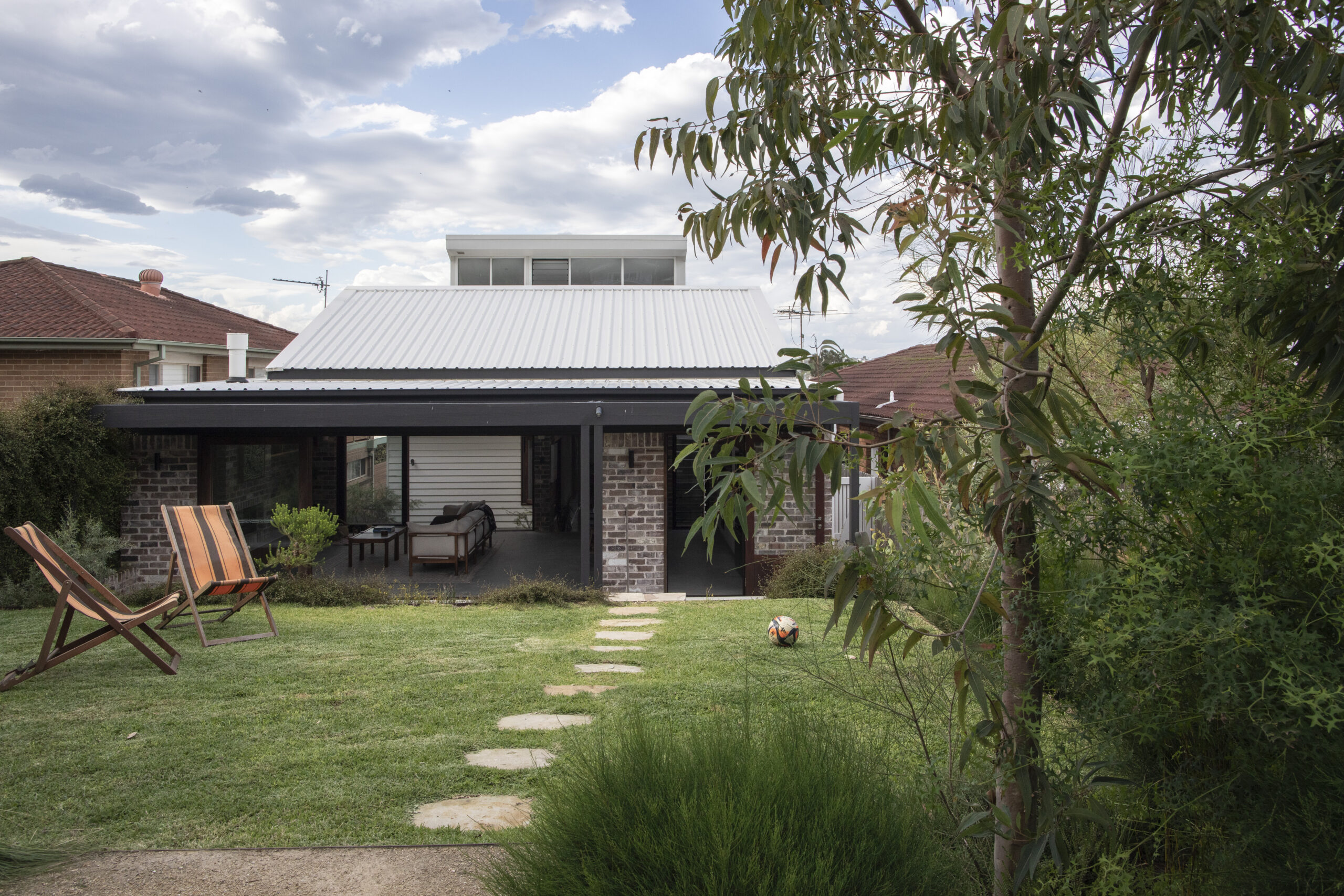
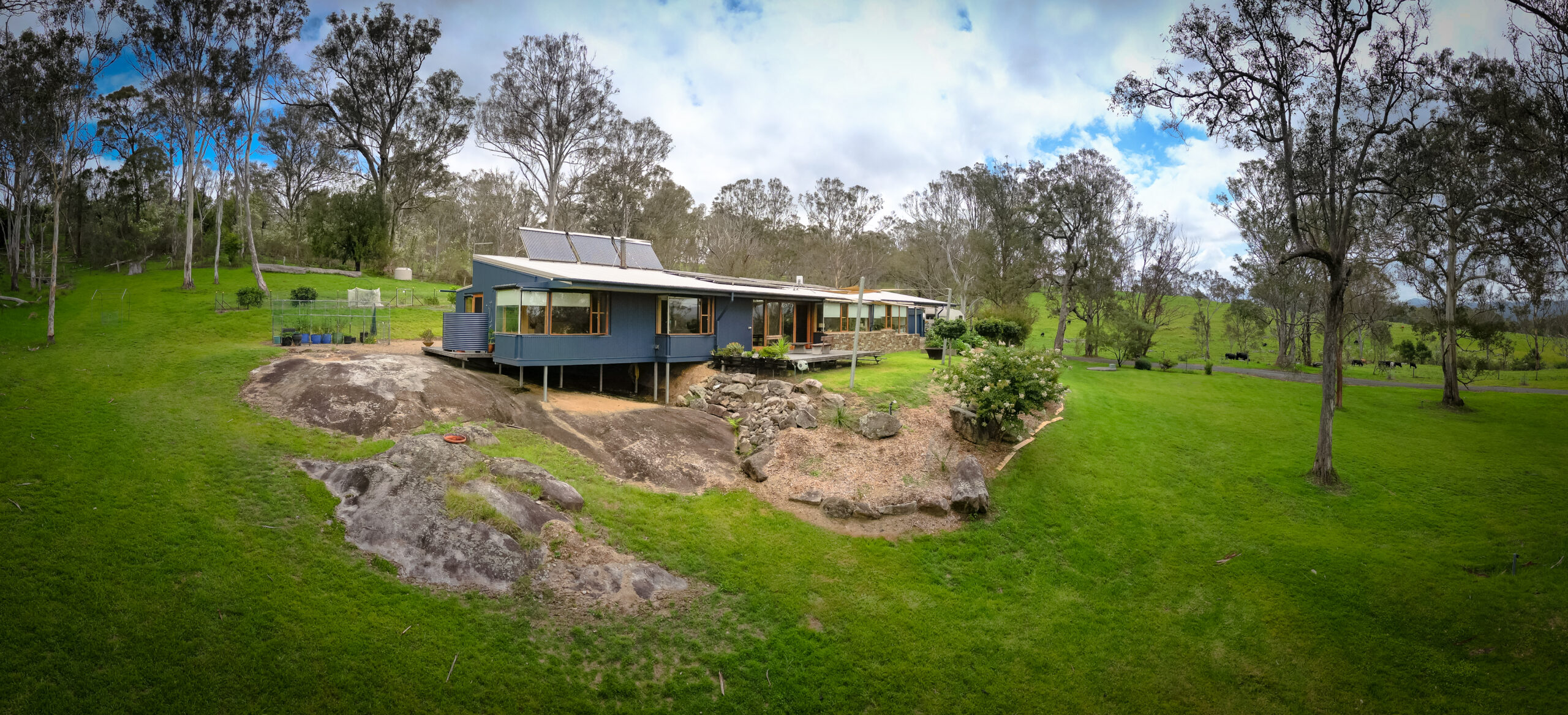
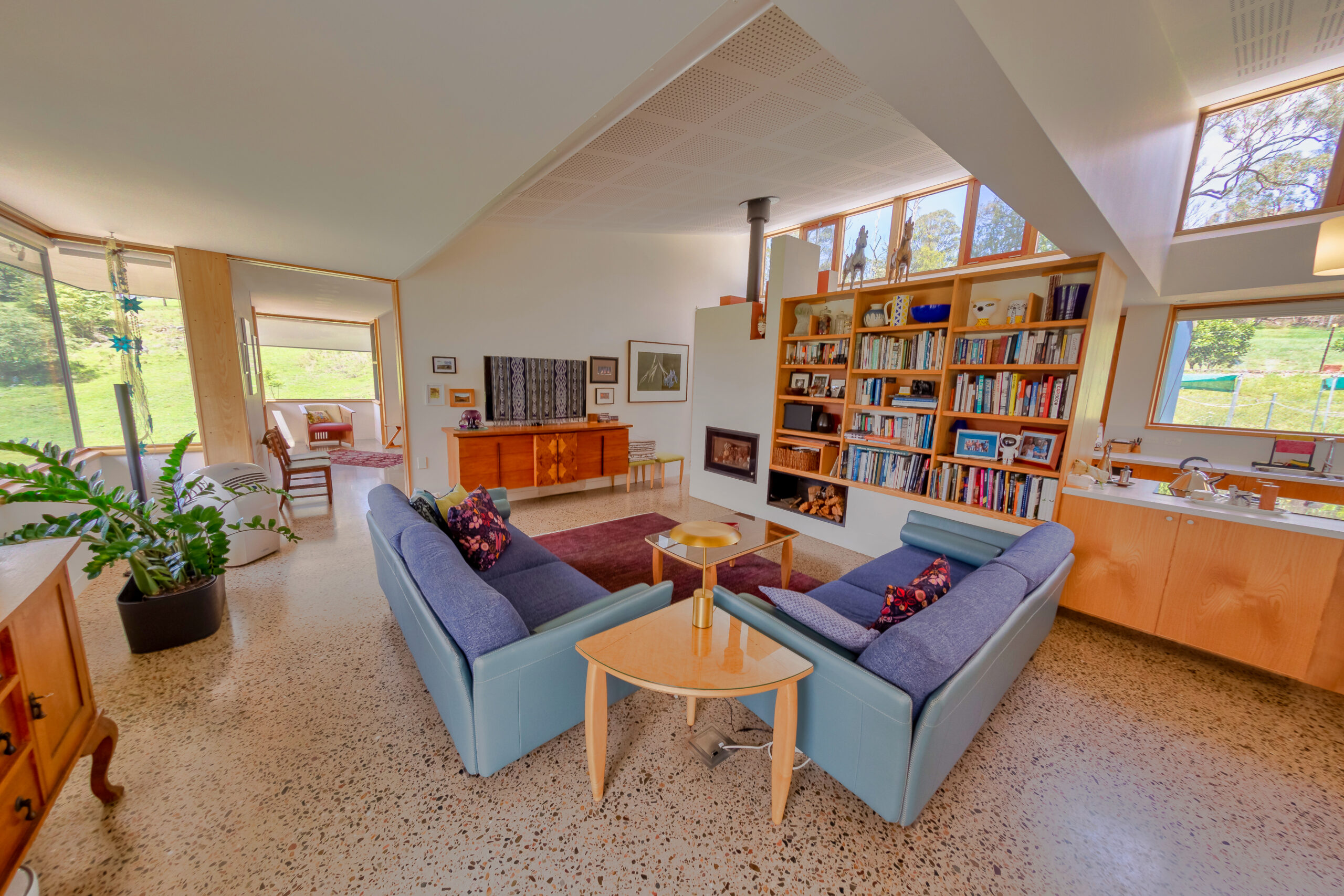
The house is a self build designed by architect Robert Thorne. We wanted a home that would sit comfortably in the rural landscape, with northern views and would provide thermal comfort with thicker than usual walls/ ceiling allowing for bulk insulation, polished concrete floors as a heat sink and solar hydronics floor heating to boost warmth in the cooler months. Roof angle was subject to a fair amount of research and it was decided to angle the roof up to the south to control sun exposure on the northern face and provide southerly high windows for light and ventilation. We had learnt from past projects that a well insulated envelope was vital for winter warmth and good cross flow ventilation was required for summer and we incorporated these ideas into the project. North and western sun angles were assessed to limit summer sun exposure. We were determined to get this right as we had both previously lived in houses in Canberra that were cold in winter and hot in summer. The main walls of the house are 200mm thick filled with R5 Batts and plywood applied to both sides. The ceiling is R6.8 and is completely sealed. Acoustic panels were used extensively to limit noise within the home. Timber framed double glazed windows and bespoke fine timberwork made by the owners are featured throughout the home. Privacy with views rural land and mountains beyond is a bonus. The skills and interests of the owners has determined the floor plan with workshops for hobbies , a versatile floor plan and areas for entertainment and a kitchen garden. A large roof area is an efficient rain harvester.
The build all went very smoothly, only one difficult contractor, and the house is an absolute joy to live in.
Last year we contacted Passivhaus in Canberra to see if they would be able to do a Nathers energy assessment. This they were able to do and we achieved 9 out of 10.
Q & A

What motivated you to build or retrofit sustainably?
we decided to build as our experiences in retrofitting proved disappointing
thorough insulation on all parts of the home (externally , internally) and thermal break window (wood) frames and doors with highly efficient seals
We would have used a different septic system that did not required 24 hour fans and quarterly servicing
Deeper eaves to the north and some garden structures on the south west to provide extra summer shading
Back to 2026 Homes
Type: Passive House or EnerPHit, Standalone house/townhouse
Project: New build
Architect: Robert Thorne
Designer: Robert Thorne and ourselves, I design and make furniture. All the furniture was made by me.
Builder: Myself
Size: 210m²
Energy Rating: 9
Bedrooms: 2
Bathrooms: 2

Sustainability Features

Building Materials & Envelope

Draught-proofing/air sealing
High-performance insulation
Double or triple-glazed windows
Sustainable or low-impact materials
Other

Heating, Cooling and Ventilation

Passive heating/cooling (north-facing glazing, cross ventilation, thermal mass, shading, etc.)
Heat pump (reverse-cycle) heating/cooling
Heat pump-powered hydronic heating

Energy and Appliances

Rooftop solar PV
Battery storage
Efficient lighting (LED, daylighting, solar skylights)
Solar thermal hot water
Electric cooktop - induction/ceramic

Water & Waste Systems

Water-efficient fixtures
Rainwater tanks
Greywater system

Landscape & Biodiversity

Native garden
Edible garden
Wildlife-supporting habitat

Climate Resilience

Bushfire
Heatwave

Accessible & Flexible Design Features

Design for flexible use
Universal design for accessibility
Share this home:

Related Homes

Home tours delivered to your inbox

Step inside sustainable homes across Australia and get practical ideas you can use in your own