
Renovation of 90’s apartment in 70’s building

Wurundjeri Country,
Parkville,
VIC
Online home tour

About this home

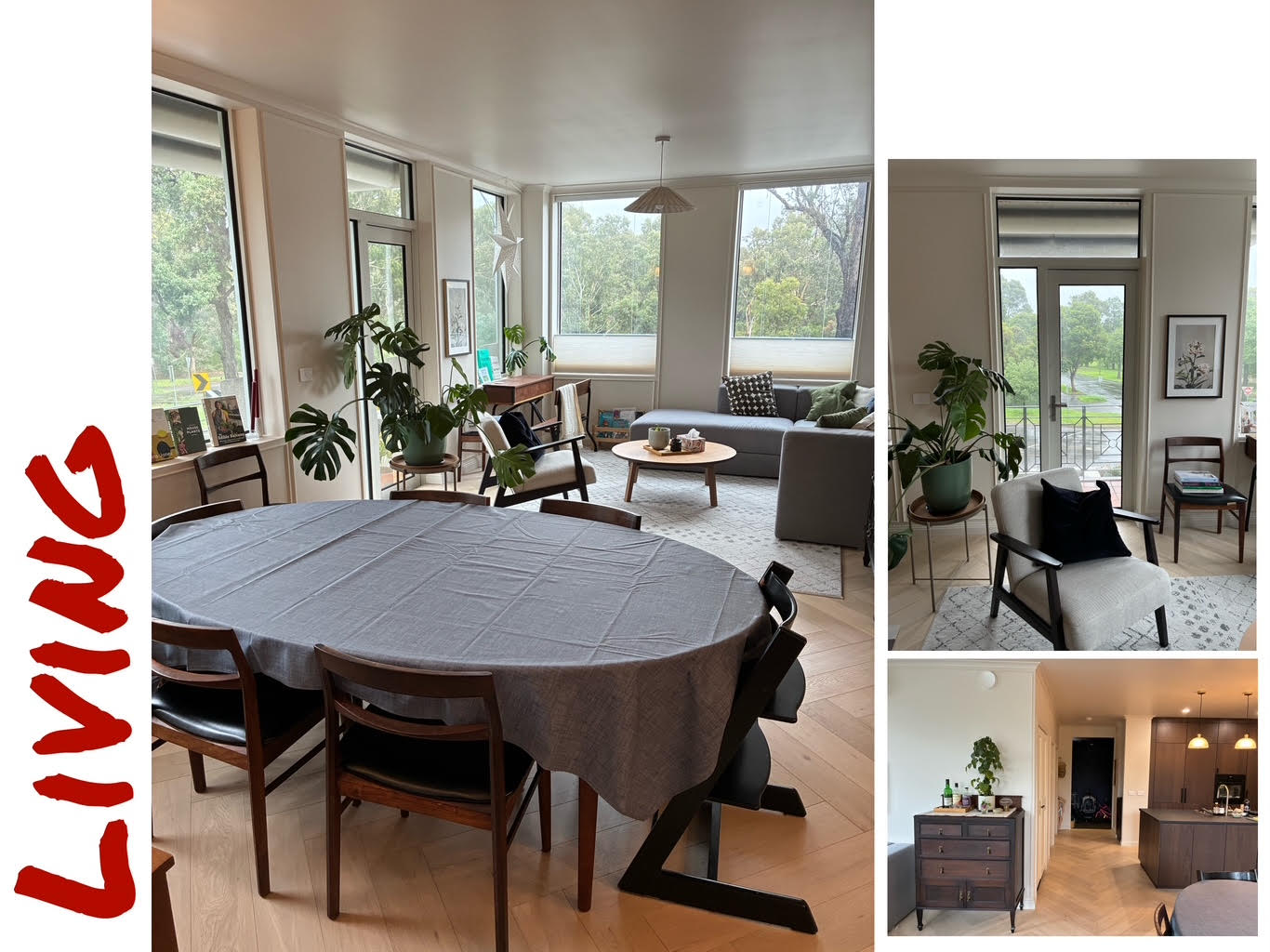
Our building was formerly the National Science Centre, built in the 1970s as an institution for academics. In the 1990s, it changed hands and was converted to residential units with the addition of penthouses with views across the local parks and balconies onto MacArthur Road, which runs through Melbourne’s northern suburbs, becoming Alexandra Parade to the East and connecting to Flemington Bridge in the West.

The apartments are generous in size due to the building's previous proportions. We saw the potential in the corner unit facing into the park; however, as it’s on level 1, it is most exposed to the noisy road. Fortunately, this meant we could at least afford it!

We were keen to sell our new Northcote townhouse, which had been a poor experience since it was purchased with many defects, whilst the stairs and overlooked outlook had not been something we had fully anticipated. The interest rates we had to endure sealed the deal, so we looked to downsize, realising we preferred apartment life, we just needed ‘enough’ space.

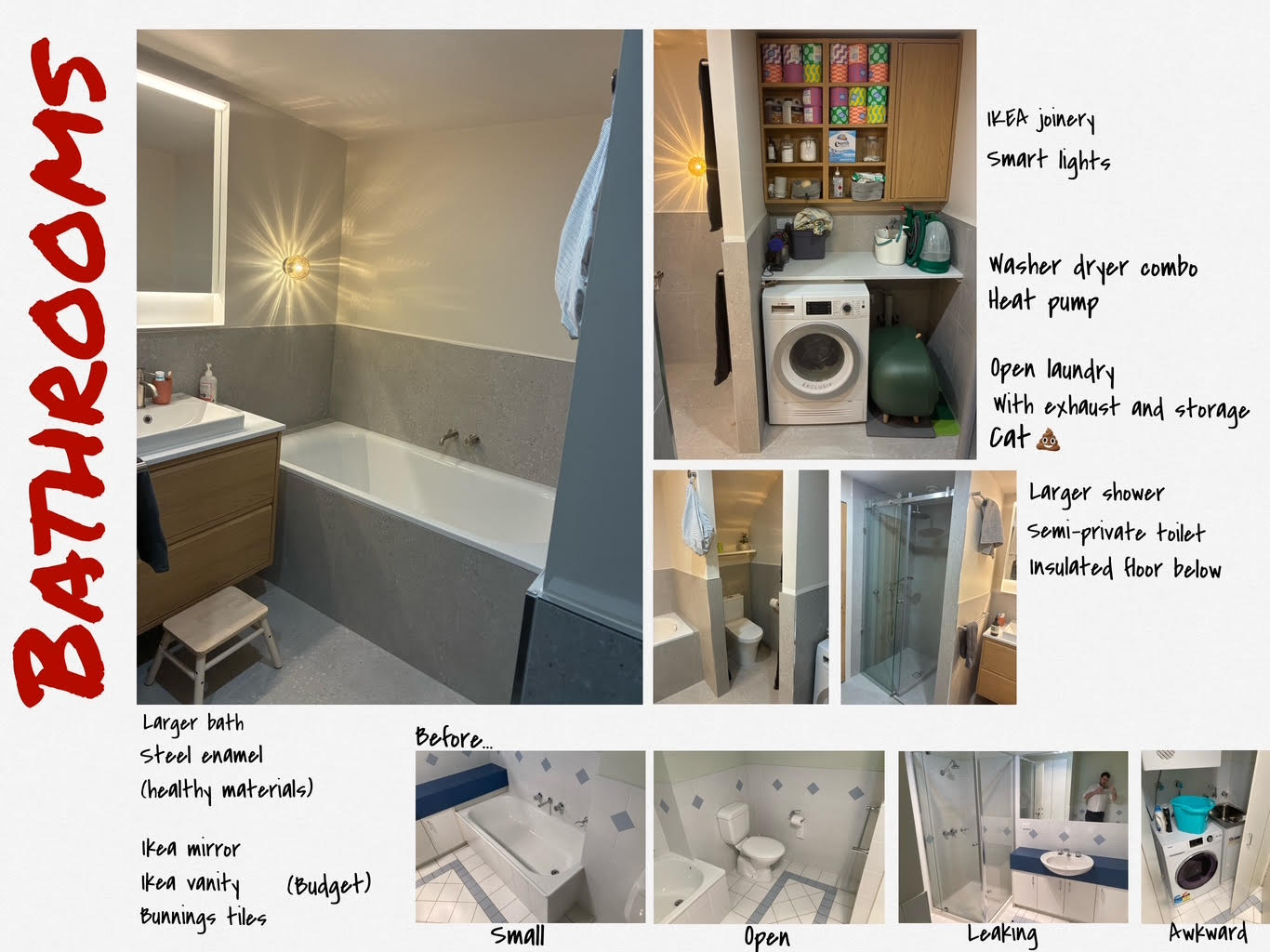
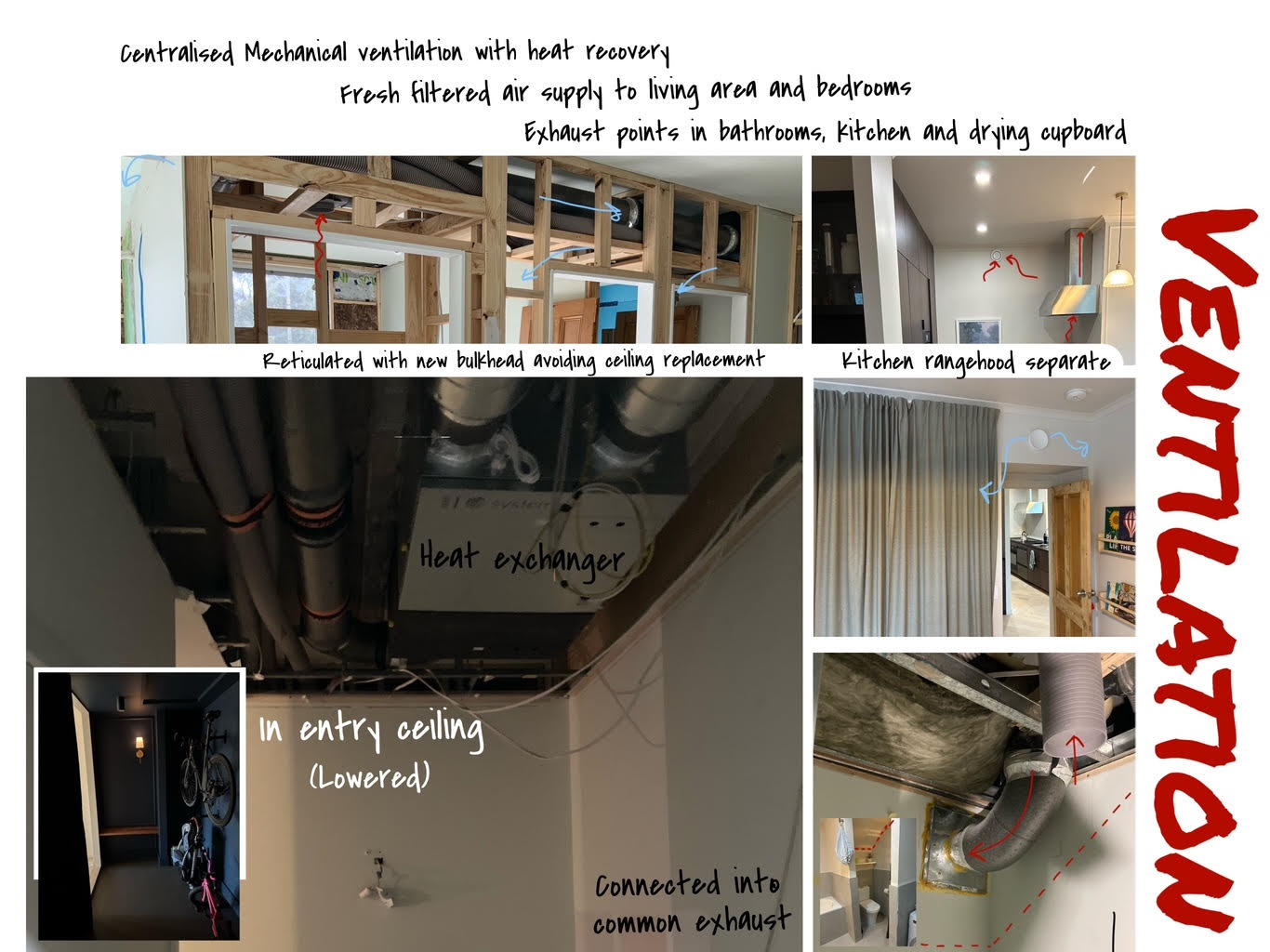
The apartment we found had not been updated since the 90’s and was being used as a short term rental. It was in a state of disrepair with leaking showers causing mould, bathroom ventilation exhausts that discharge to the ceiling cavity and carpets deeply full of dust and grime. It was not suitable for our family, so we took a short term rental for 3 months (that turned to 5) nearby and set about renovating.

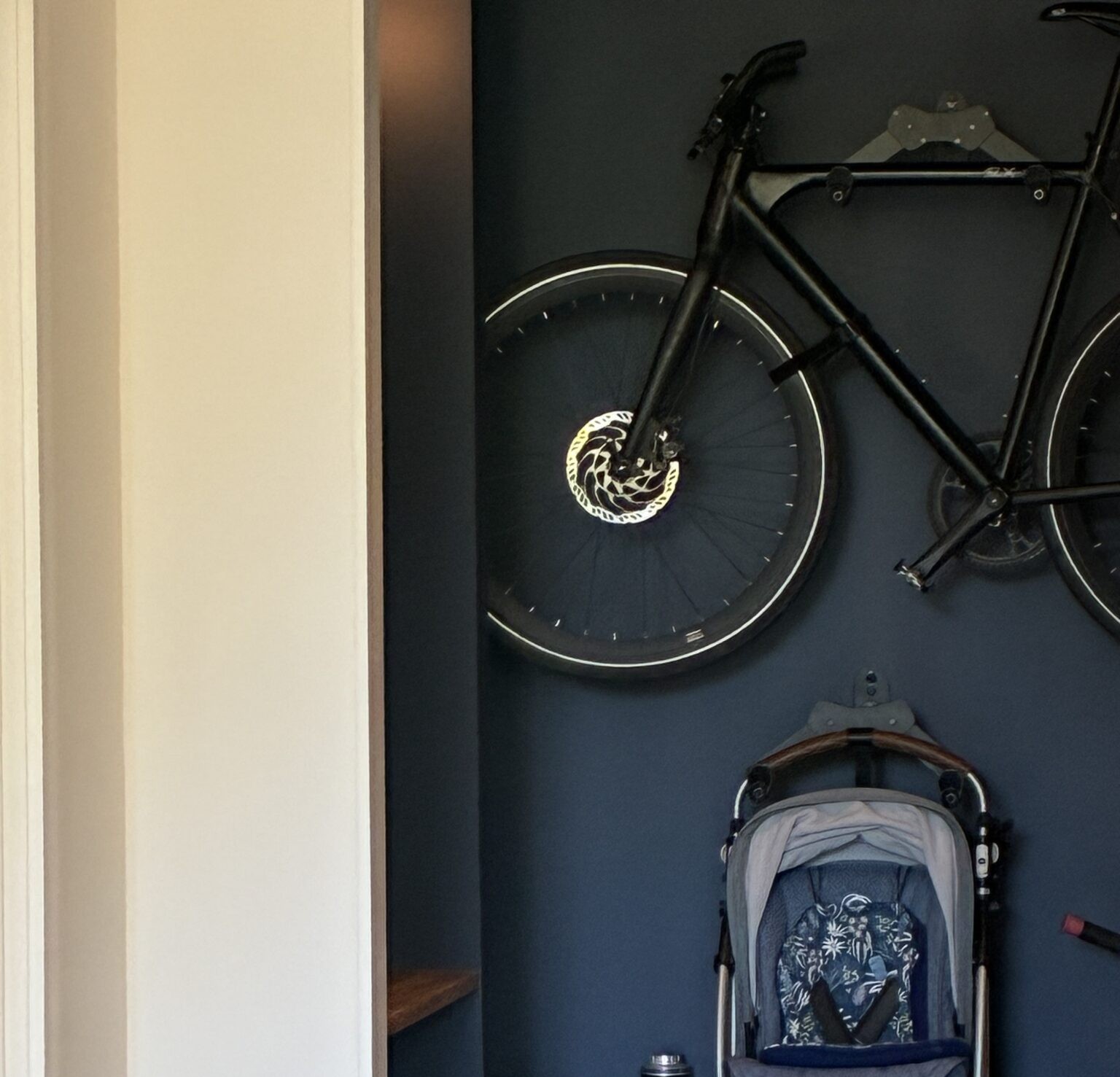
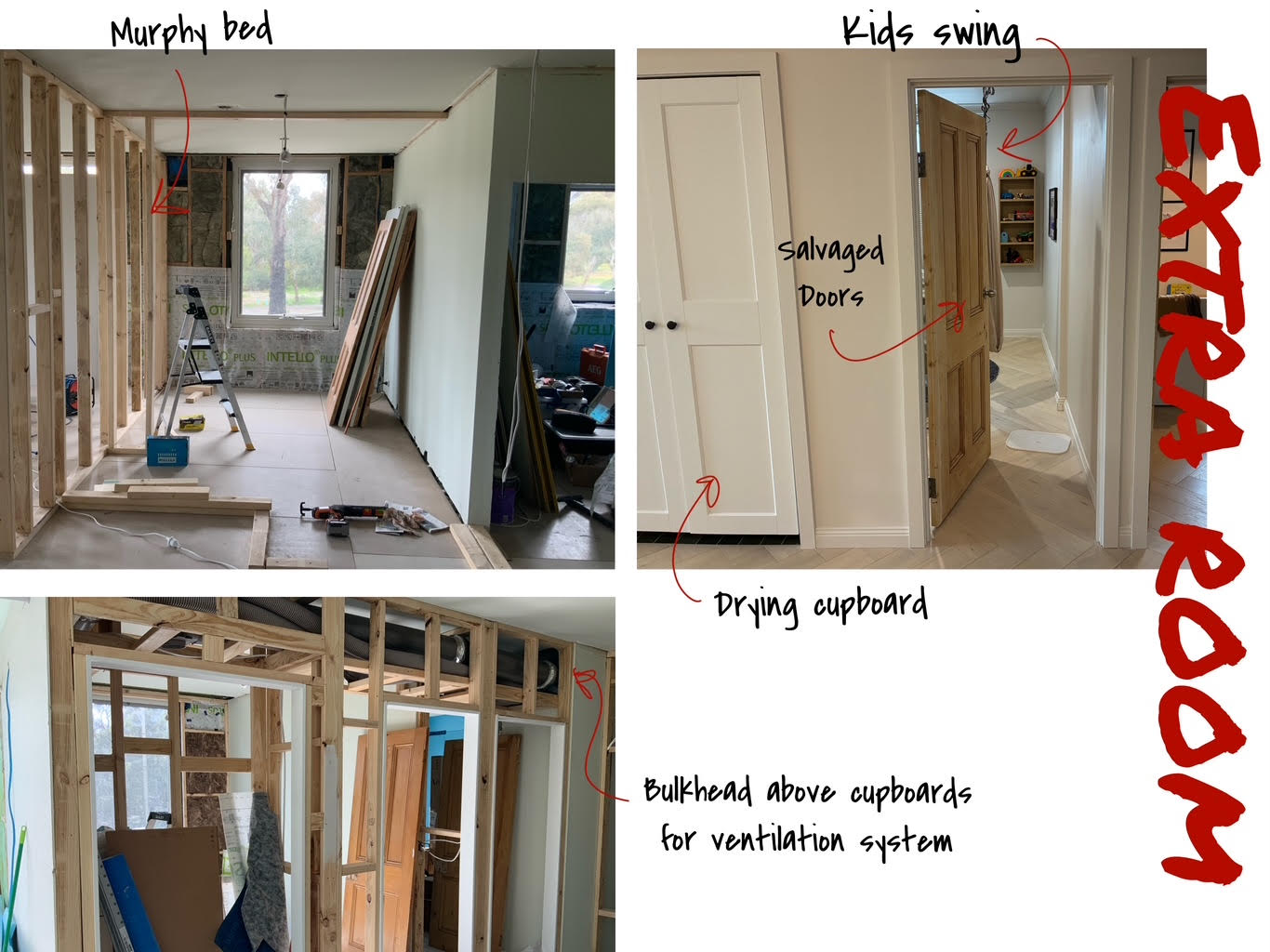
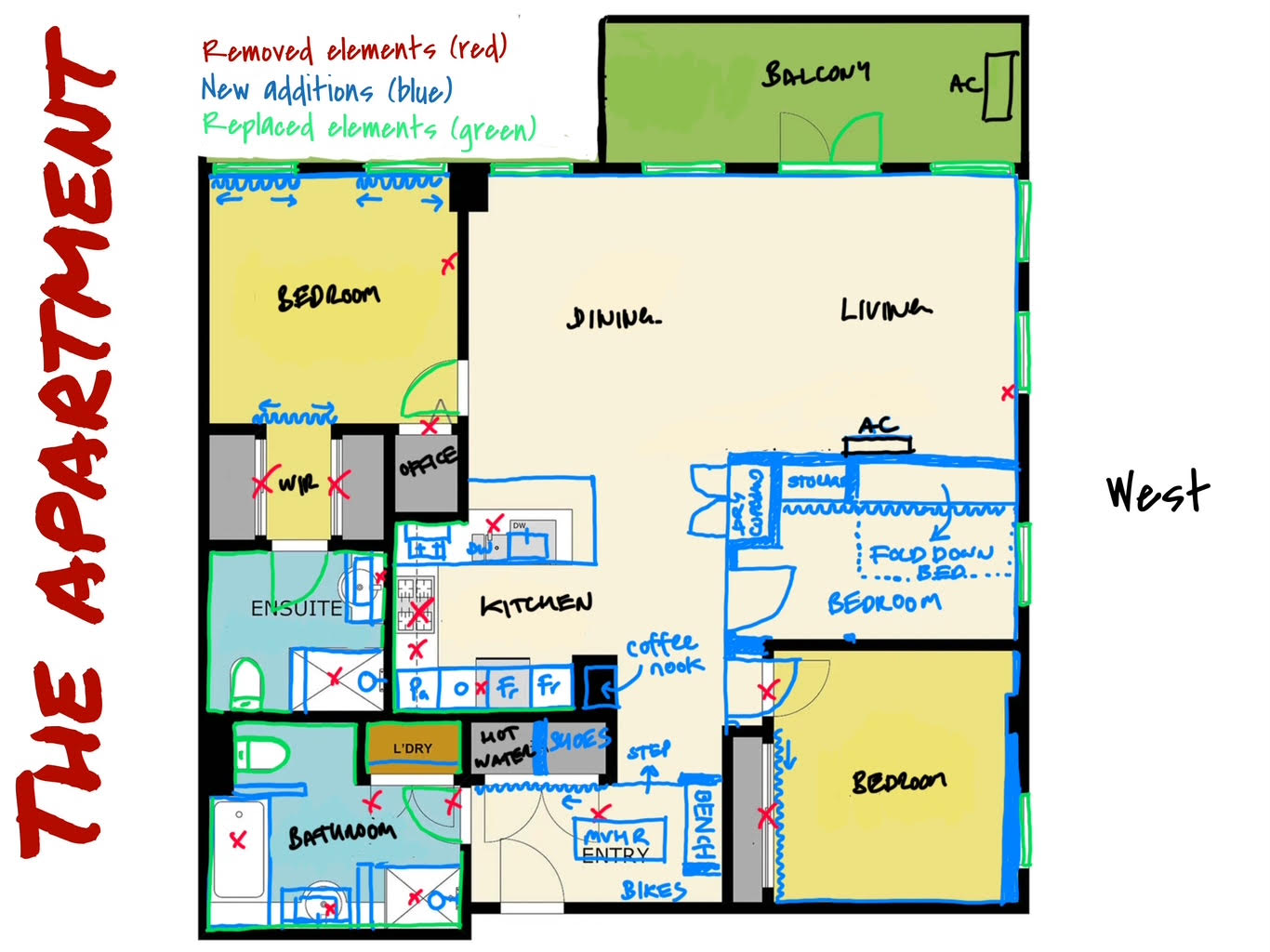
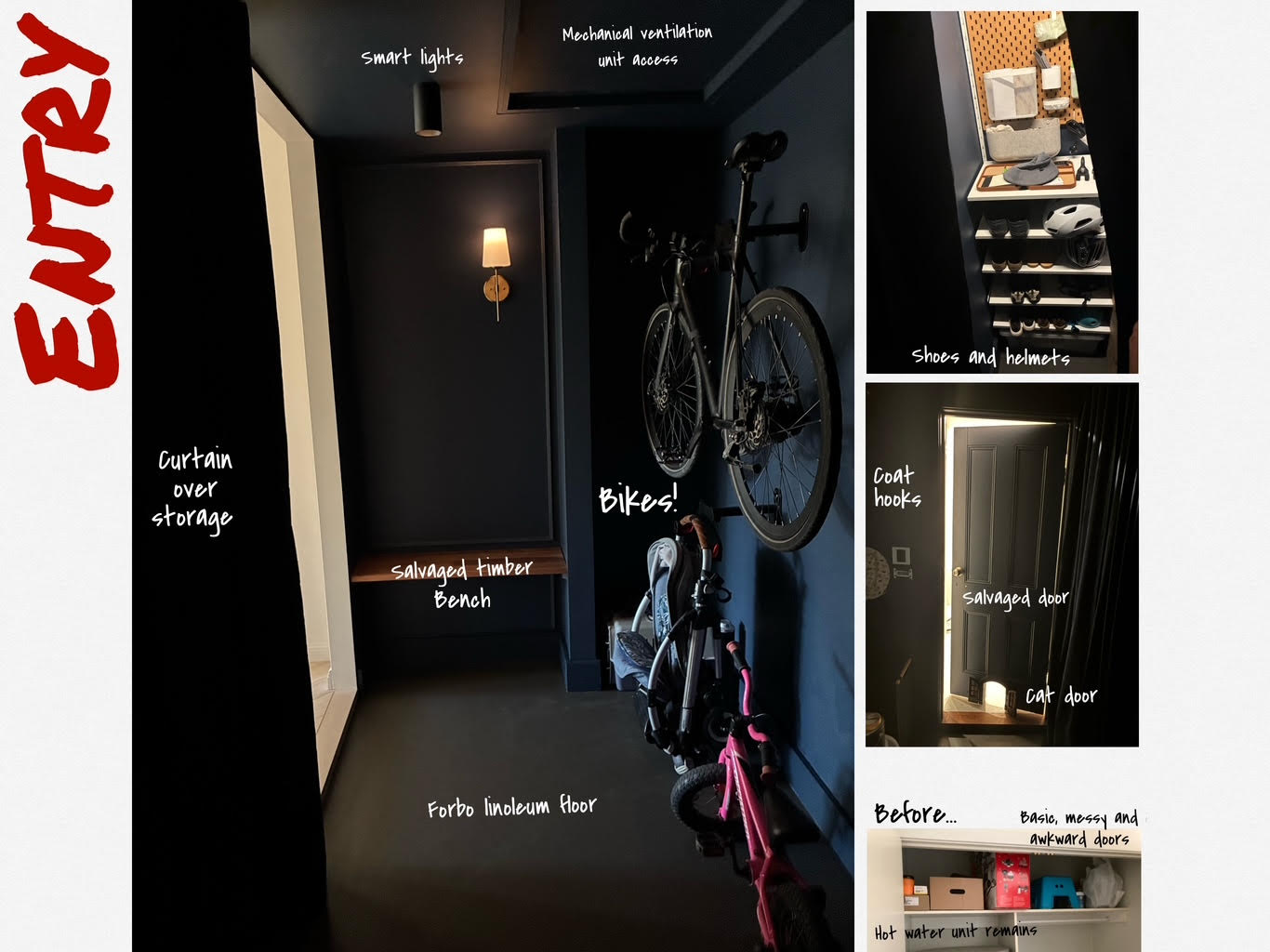
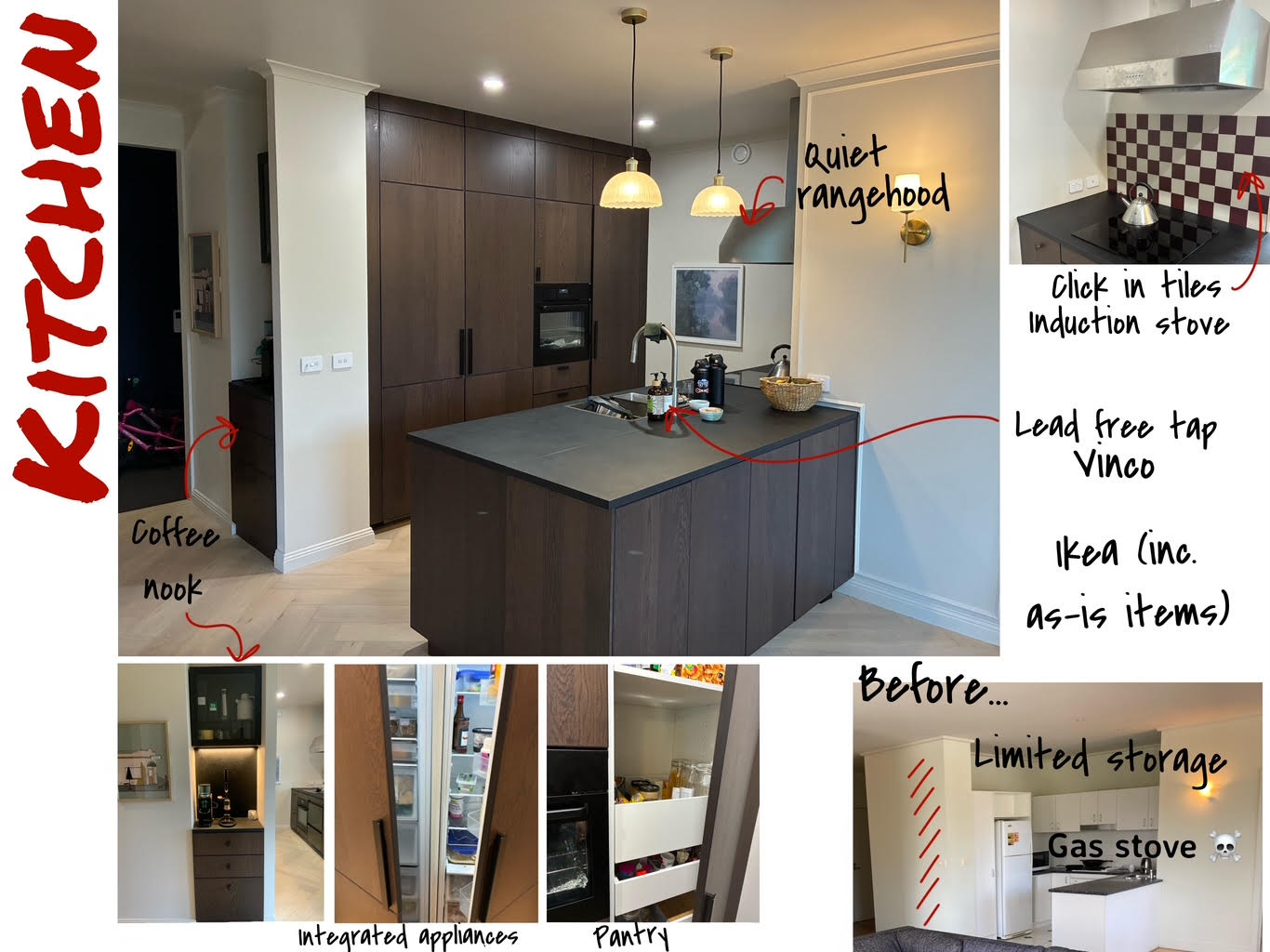
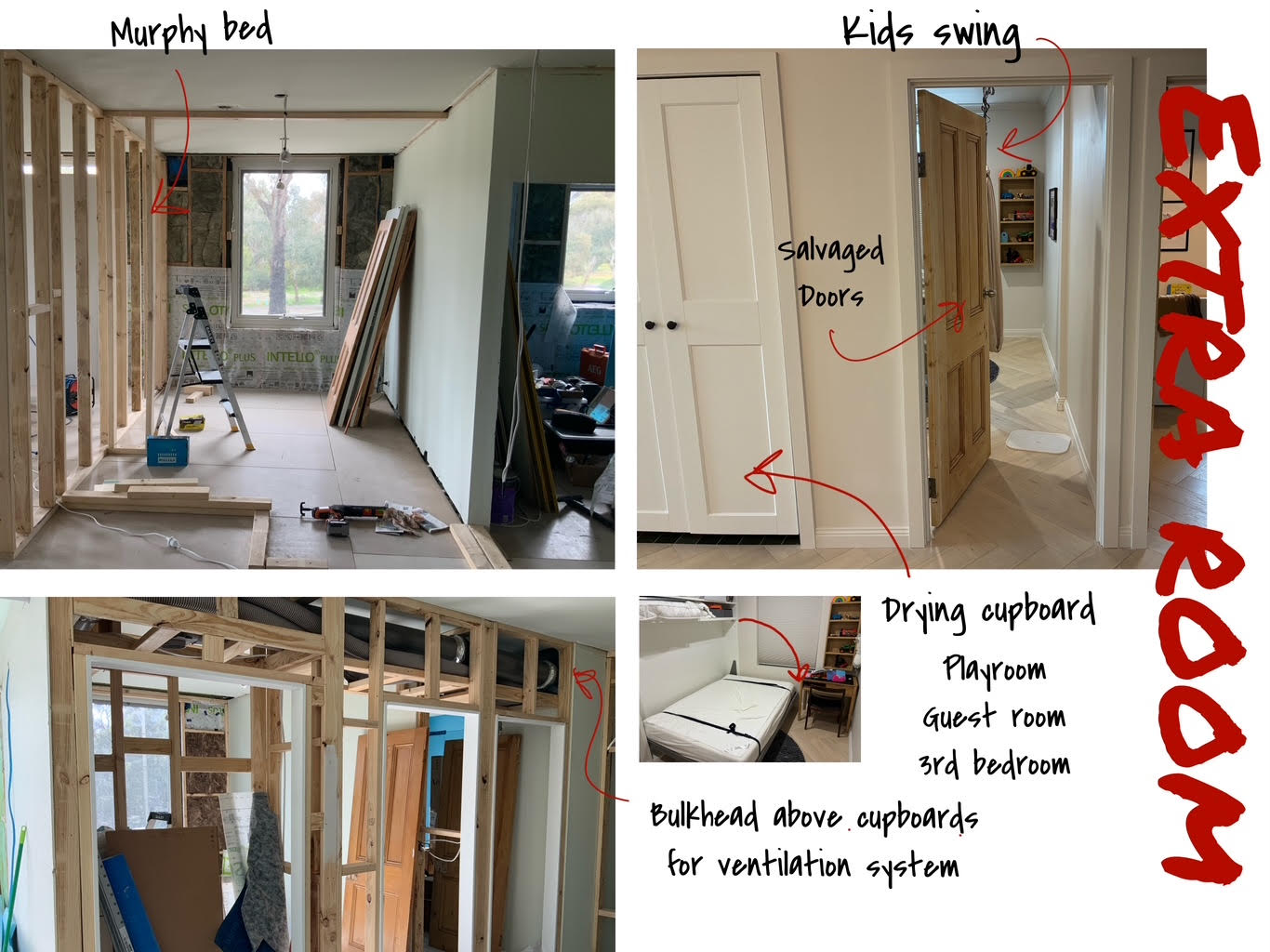
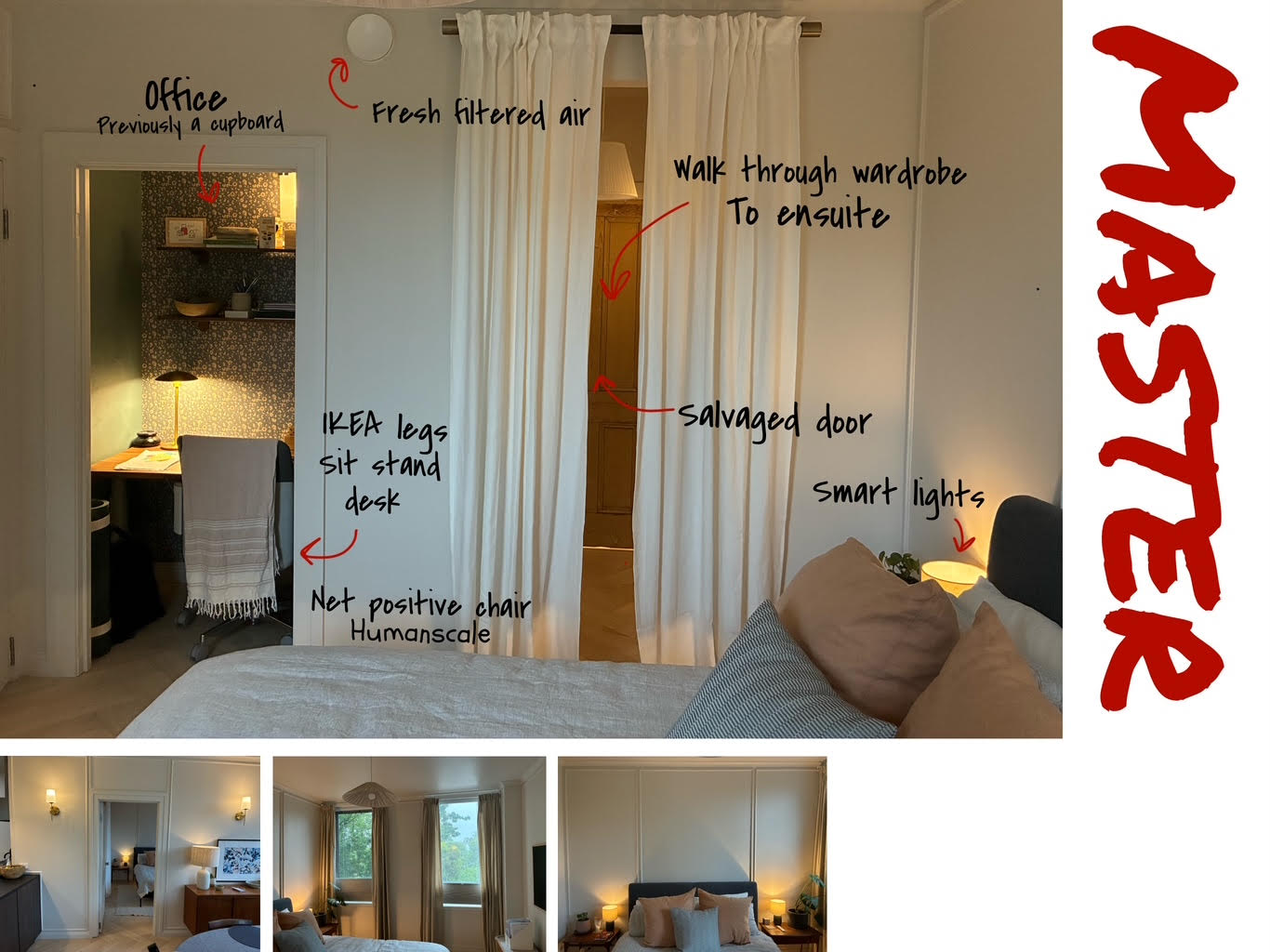
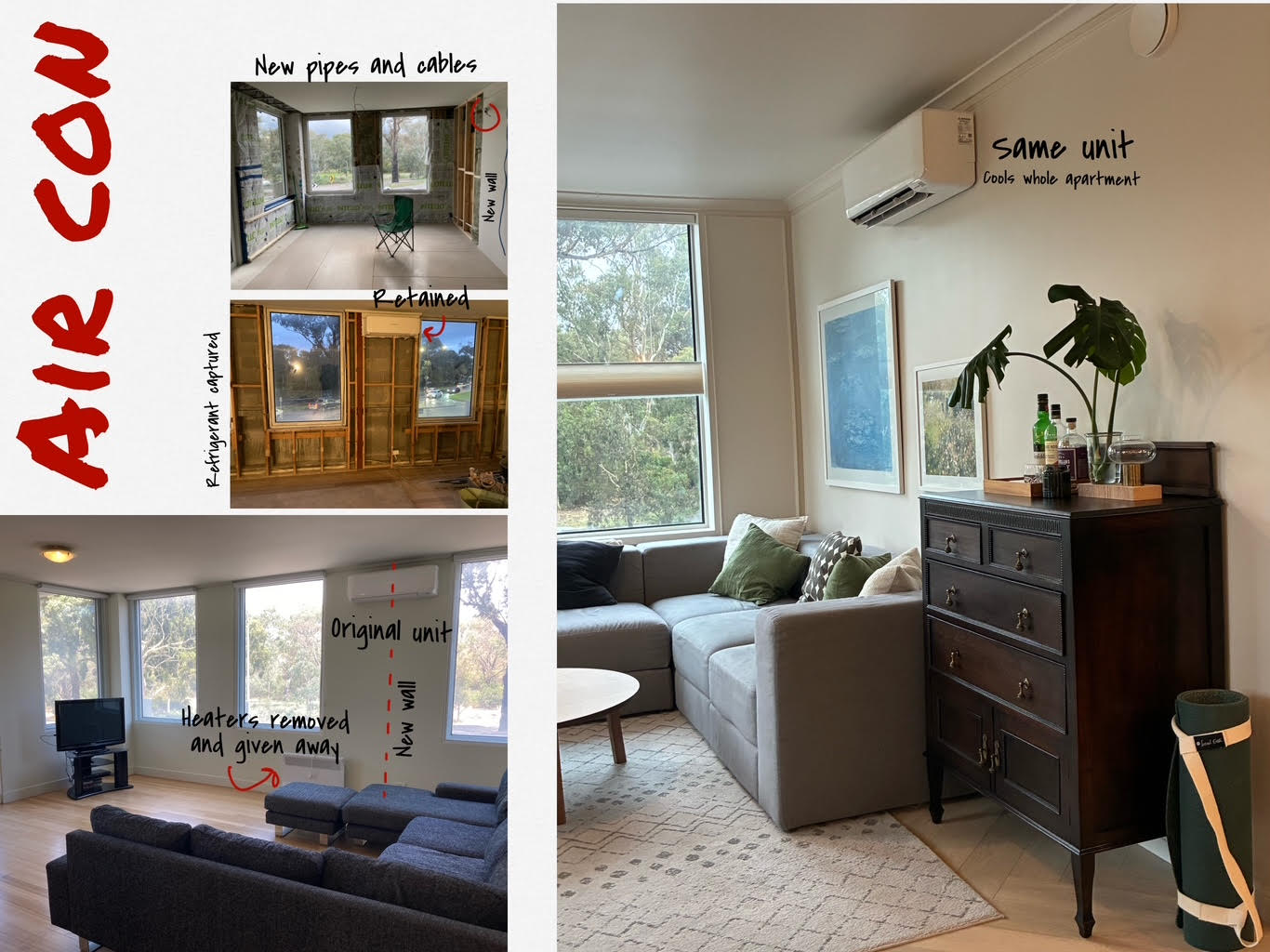
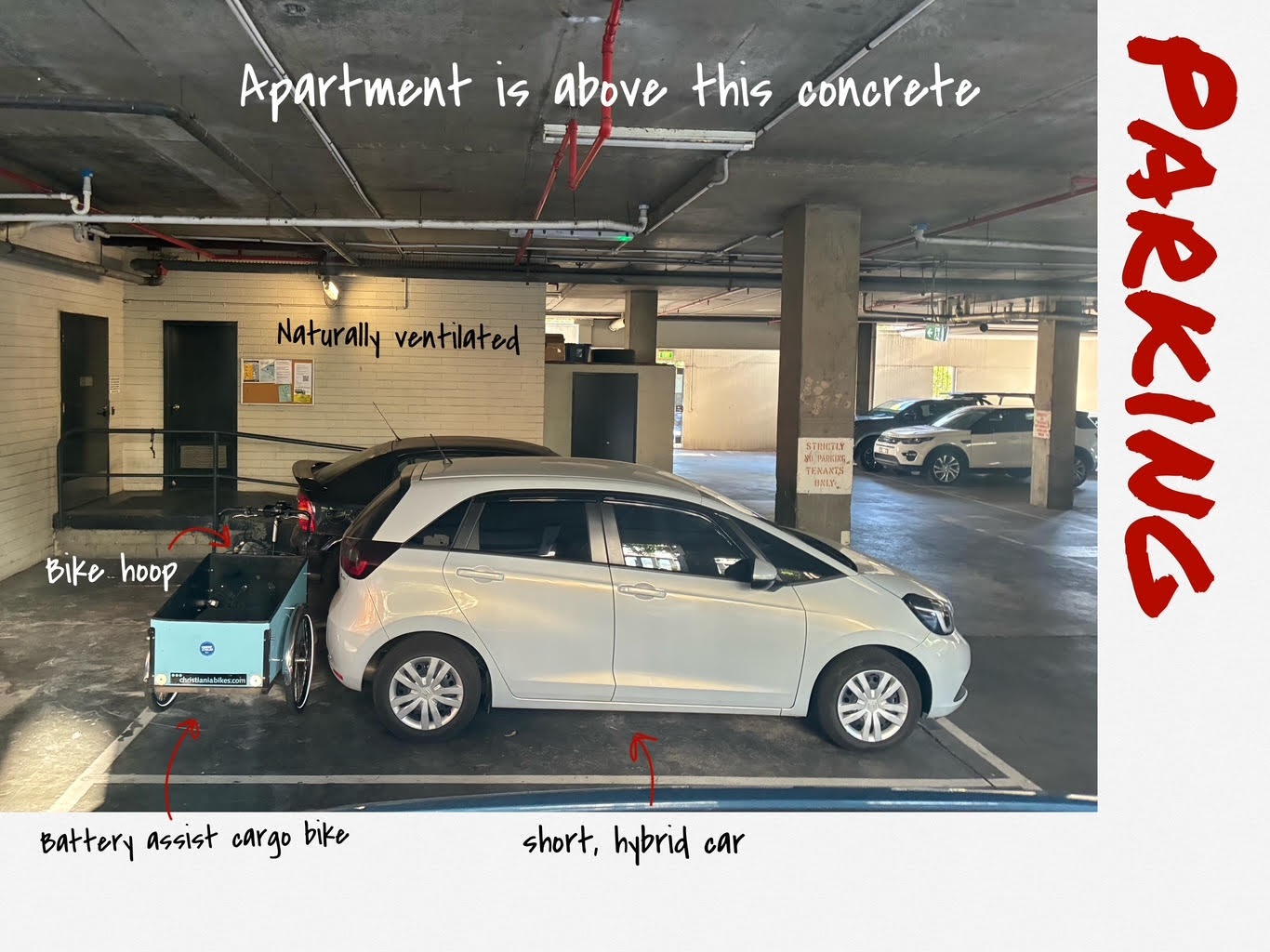
We engaged a builder for the bathrooms and had windows and ventilation systems supplied and installed, whilst we also added a wall to create a 3rd bedroom, replaced the kitchen, integrated bike storage in the entry and turned an excess storage area into a small office nook.

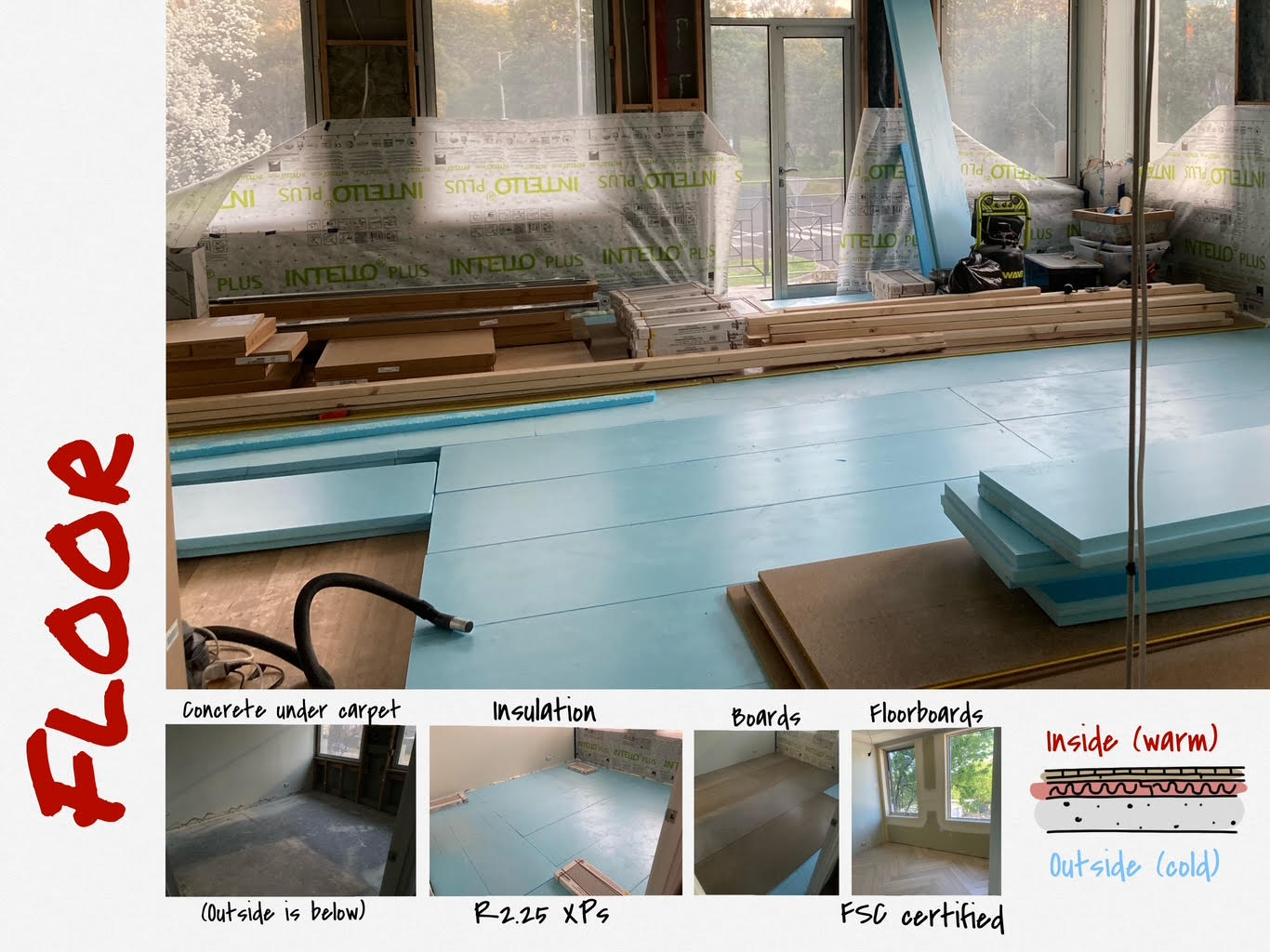
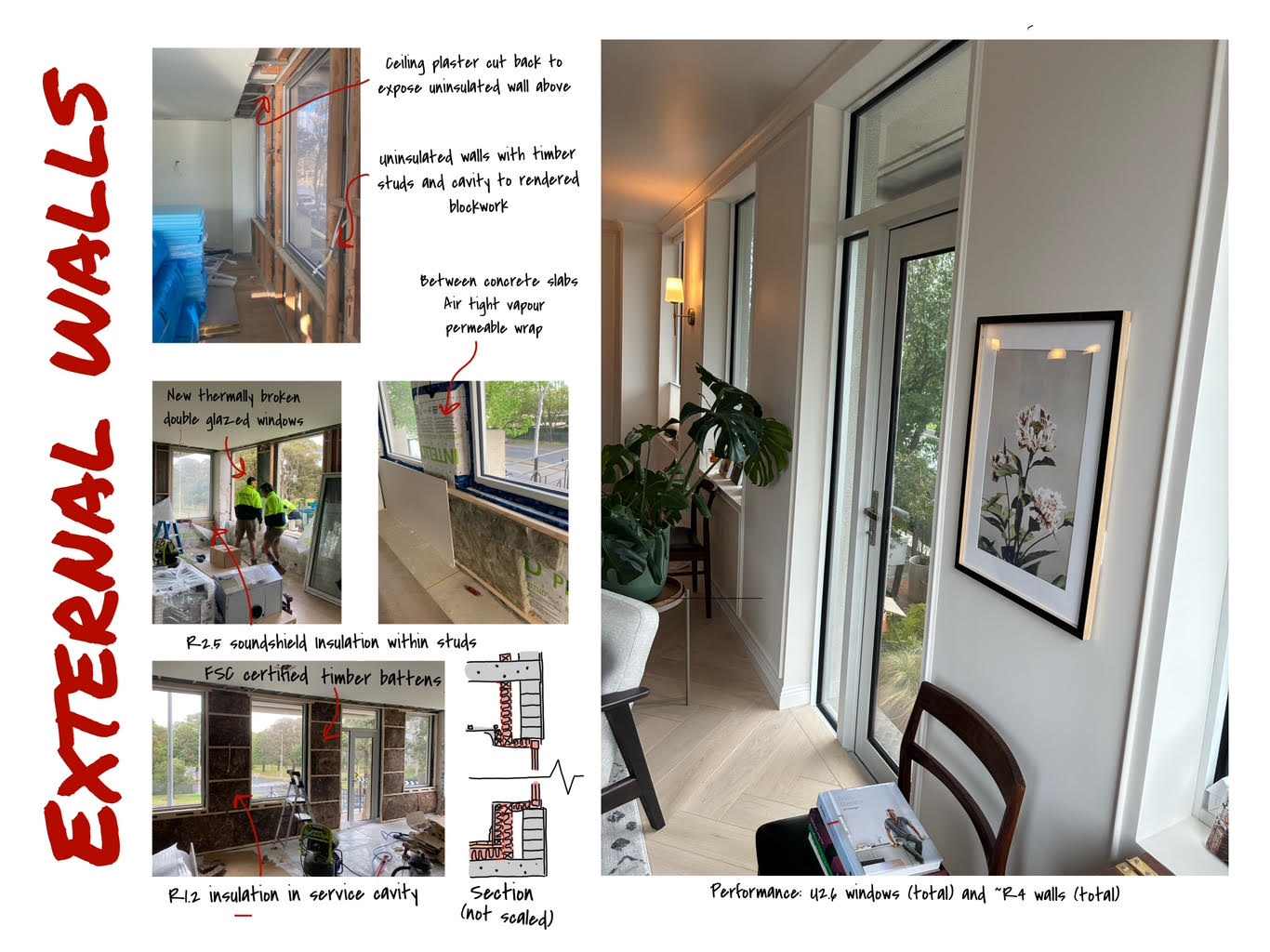
In terms of sustainable design, we insulated and wrapped the exposed surfaces, added a mechanical ventilation system with heat recovery, removed the gas to the stove, the windows were double glazed and thermally broken, and we had a responsible material focus.
Q & A

What motivated you to build or retrofit sustainably?
We wanted a comfortable, affordable and healthy family home. Retrofitting an old apartment was the most sustainable pathway for us.
There are so many, but if we hadn’t insulated and sealed up the floor and walls, I imagine we would be running really high energy costs. But it’s about the sum of the parts, with the thermally broken windows, the ventilation system and the air tight wrap all working together - which also keeps out the noise from the road and all the spiders…
I took on some of the labour myself using my long service leave to save some of the costs, but hadn’t fully appreciated how physical it would be. Everything is designed around the human limits in terms of scale and weight - I think I should have been warming up and down each day like an athlete!
I think in time I would like to add motorised external shading to the west as the sun really gets in over the summer. This will help limit the air conditioning use in the afternoons and give us that bit more heat wave resilience through the summer months.
Type: Apartment/flat
Project: Home retrofit
Size: 110m²
Energy Rating: Approx. 8 stars. Will finalise the calc…
Bedrooms: 3
Bathrooms: 2

Sustainability Features

Building Materials & Envelope

Draught-proofing/air sealing
High-performance insulation
Double or triple-glazed windows
Sustainable or low-impact materials
Recycled or reused materials
Other

Heating, Cooling and Ventilation

Heat pump (reverse-cycle) heating/cooling
Mechanical ventilation with heat recovery (MVHR) system

Energy and Appliances

Energy monitoring/smart home systems
Efficient lighting (LED, daylighting, solar skylights)
Electric cooktop - induction/ceramic
Other energy-efficient appliances

Water & Waste Systems

Water-efficient fixtures
Other

Landscape & Biodiversity

Wildlife-supporting habitat

Climate Resilience

Flood
Bushfire
Cyclone/storm
Heatwave

Accessible & Flexible Design Features

Design for flexible use
Design for multigenerational living or dual occupancy
Universal design for accessibility
Share this home:

Related Homes

Home tours delivered to your inbox

Step inside sustainable homes across Australia and get practical ideas you can use in your own