
Life Cycle House

Lands of the Wurundjeri Woi-wurrung people of the Kulin Nation,
Coburg,
VIC
This home will be open for in-person tours on the 17th May 2026

About this home

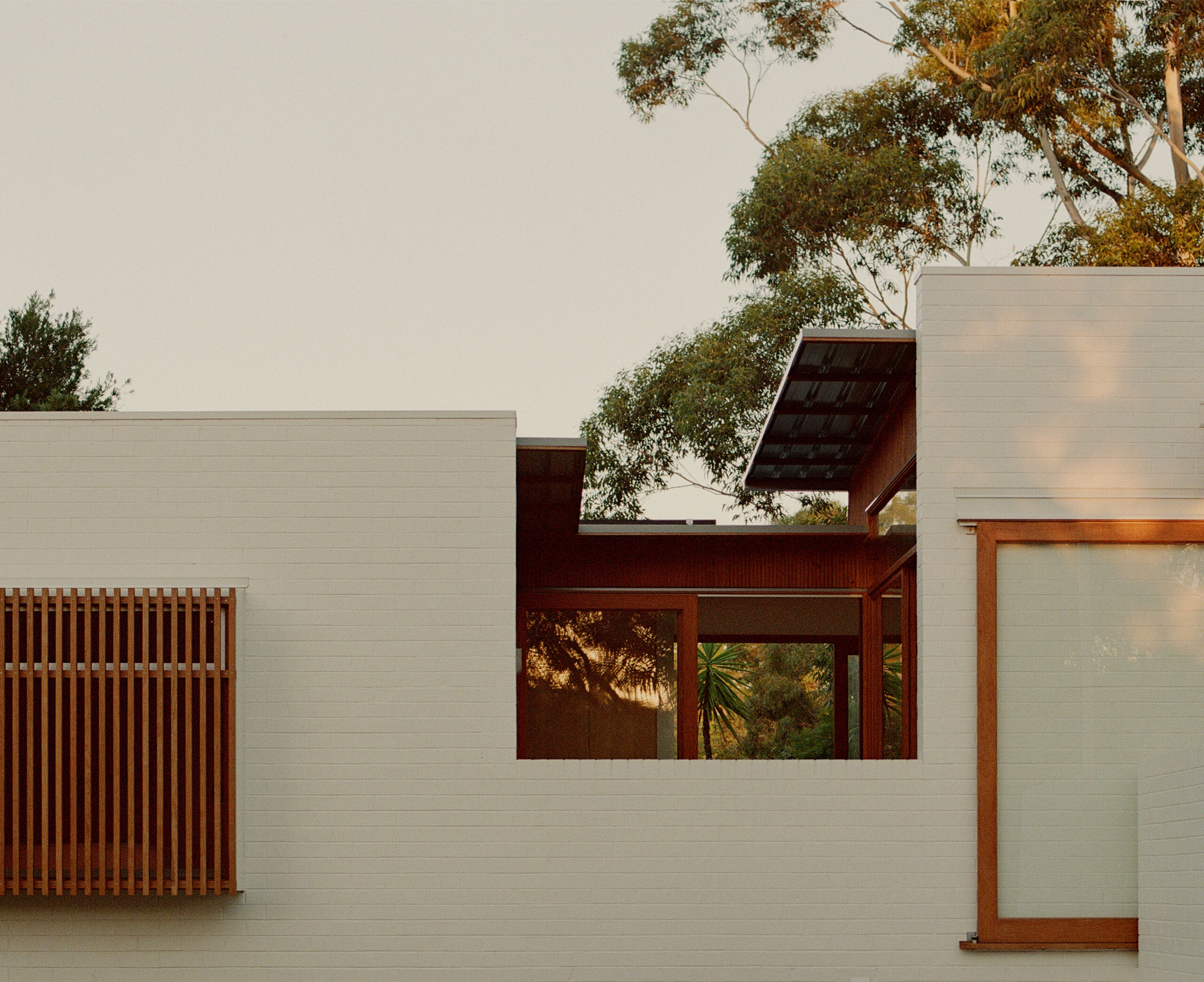
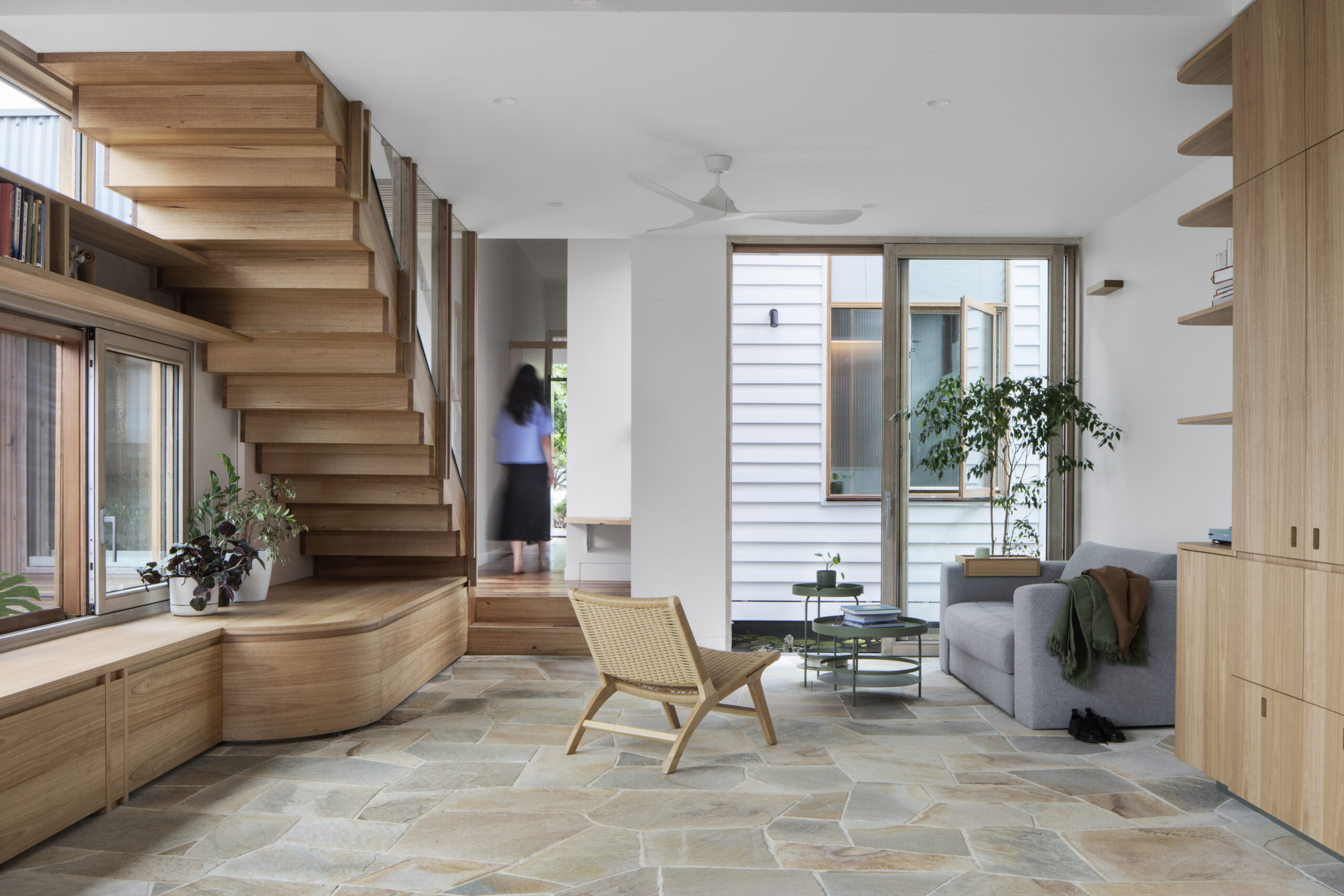
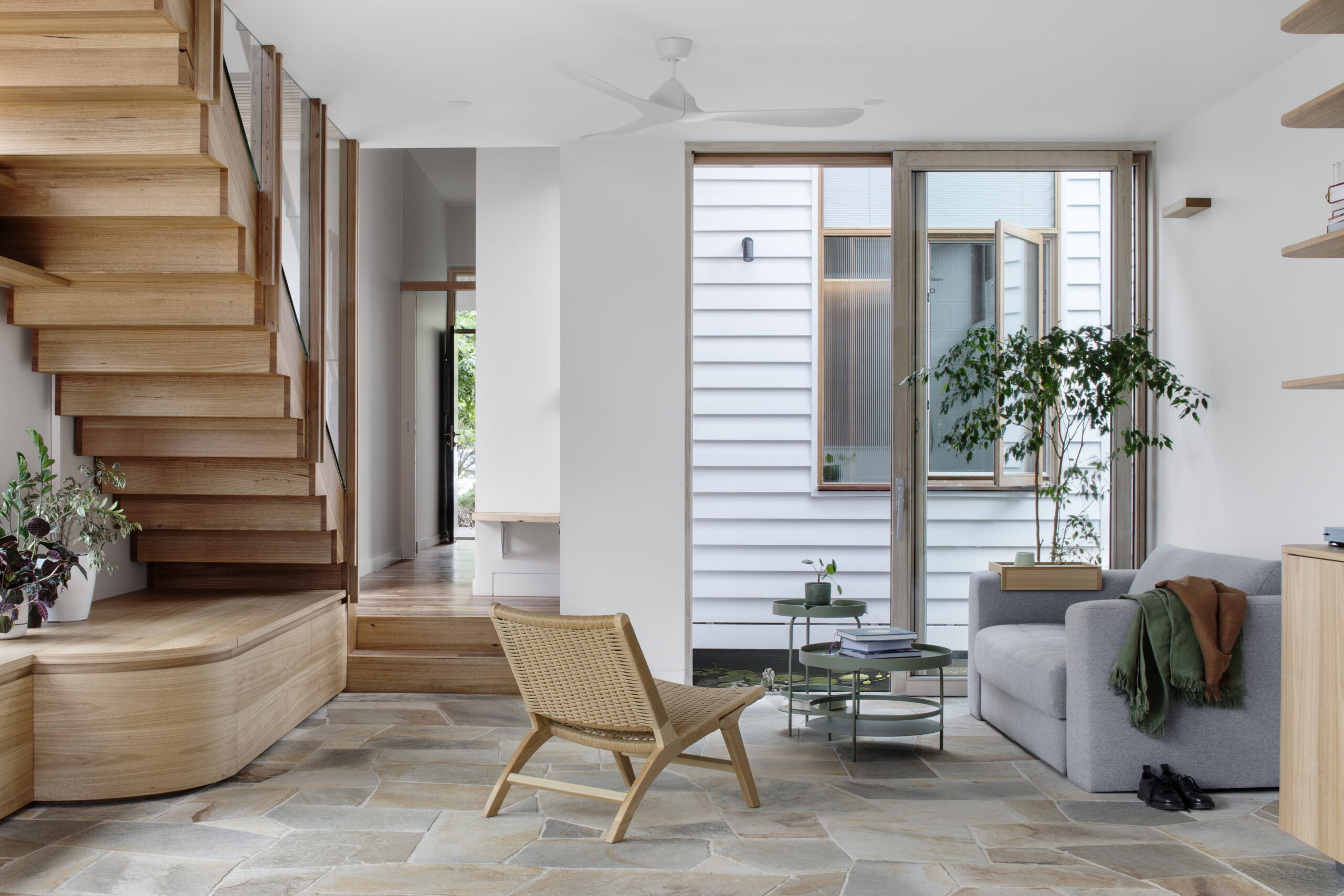
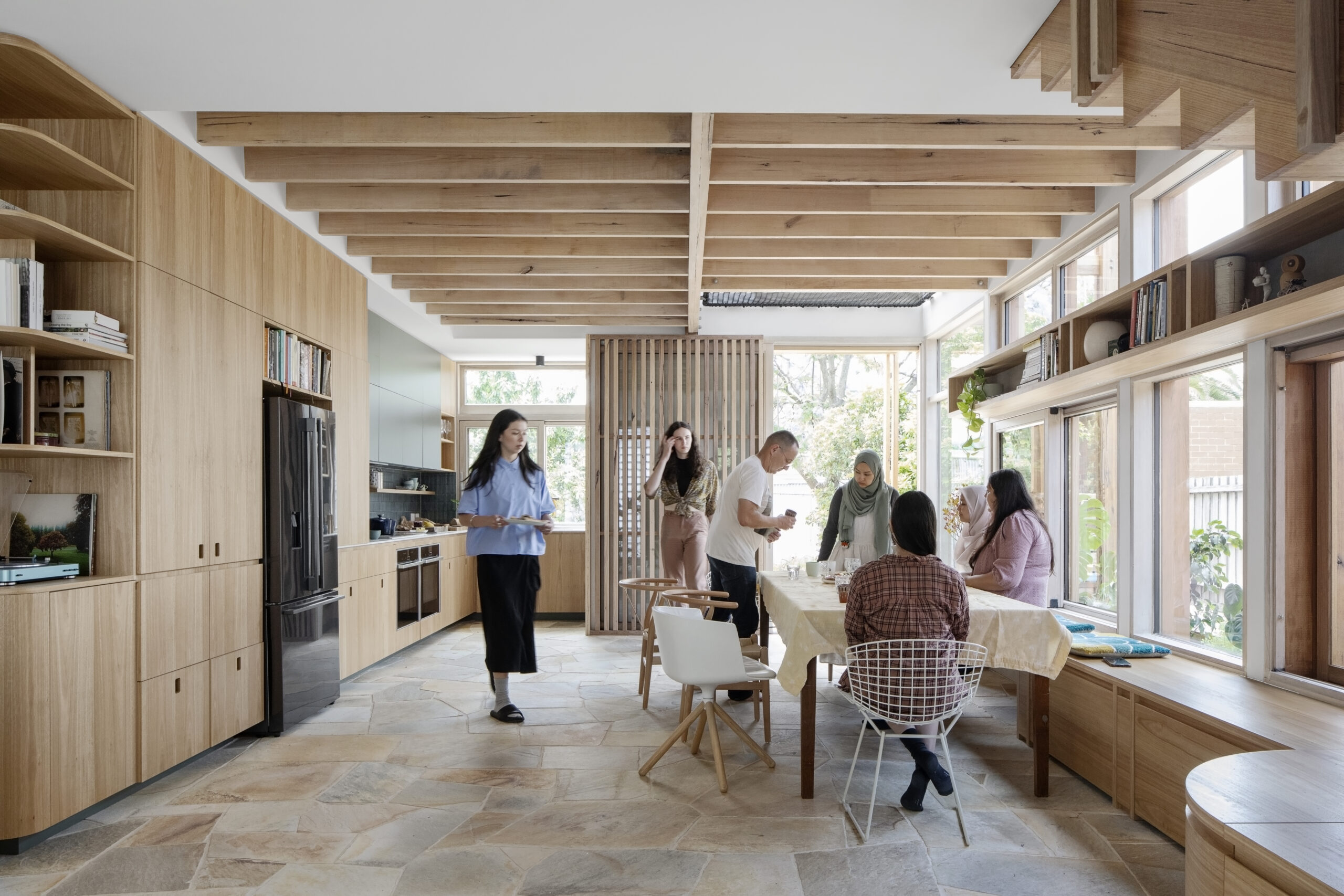
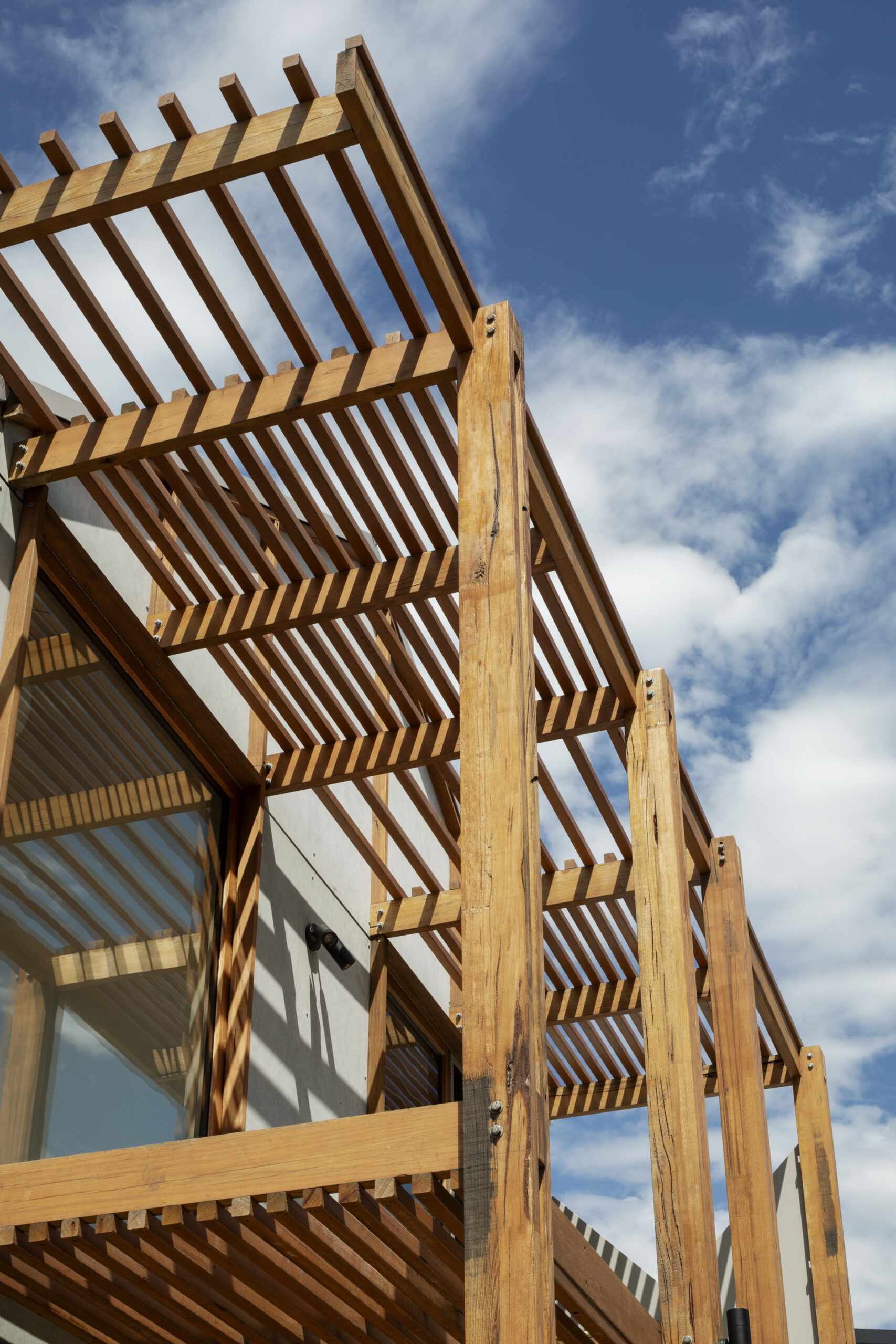
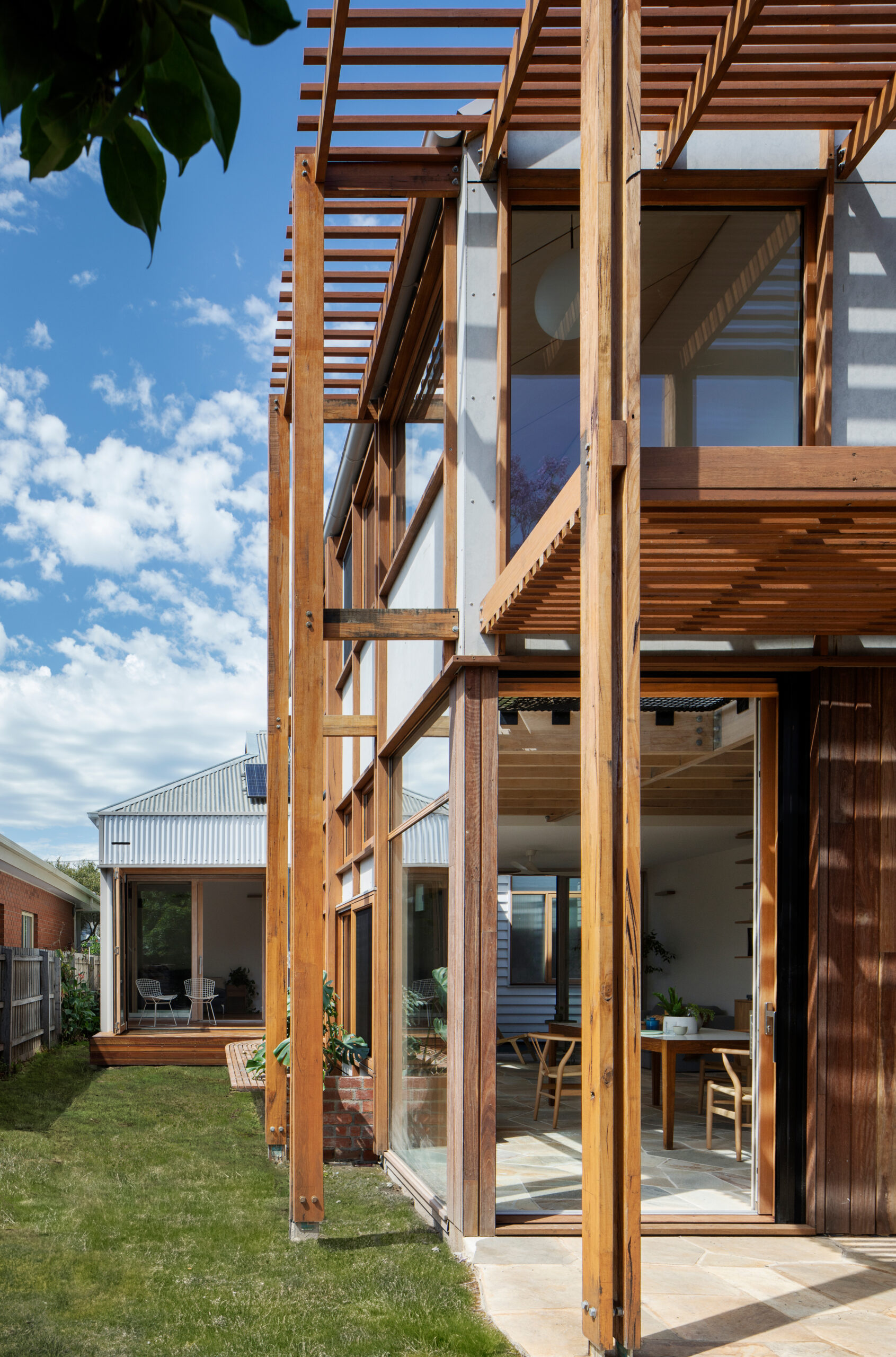
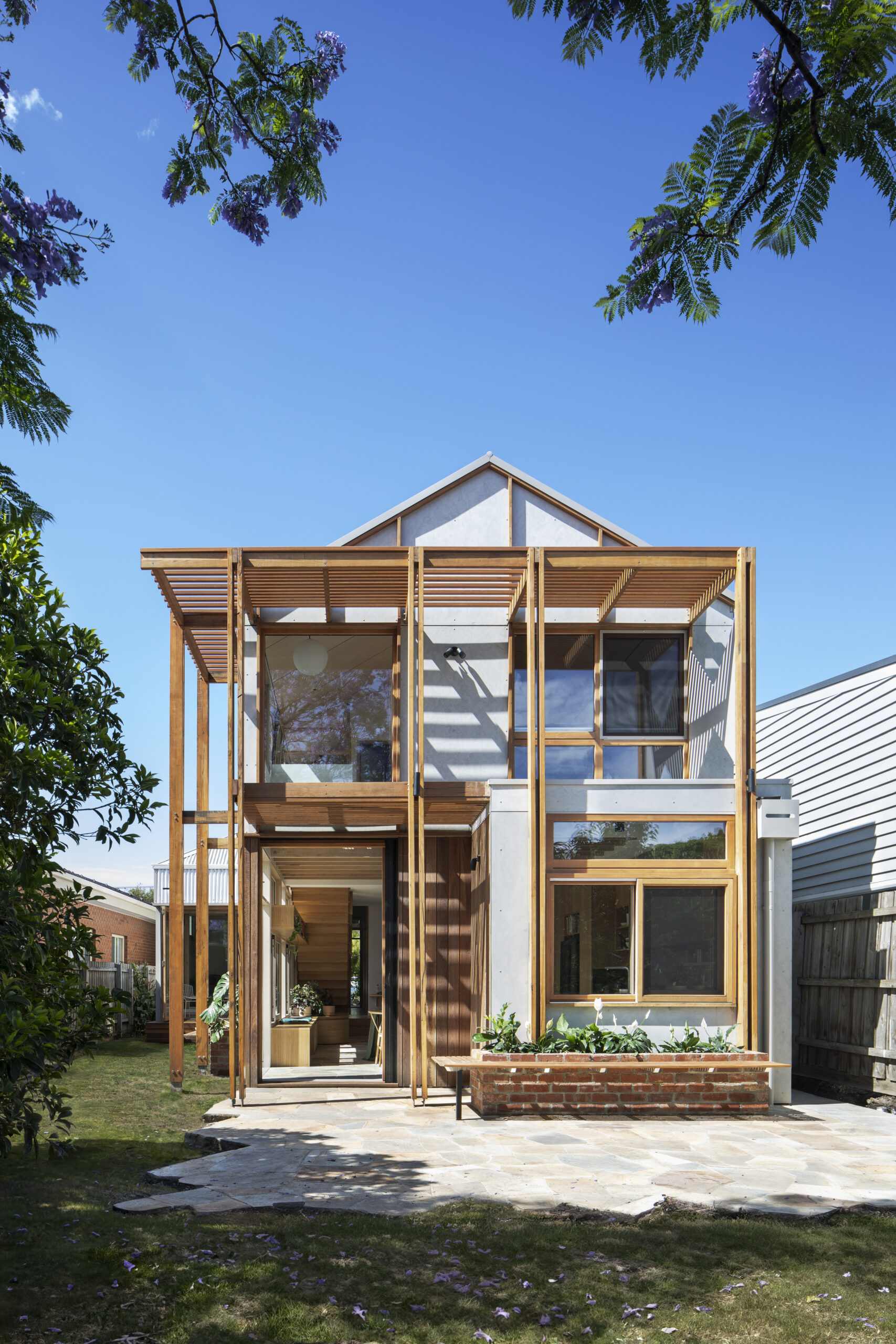
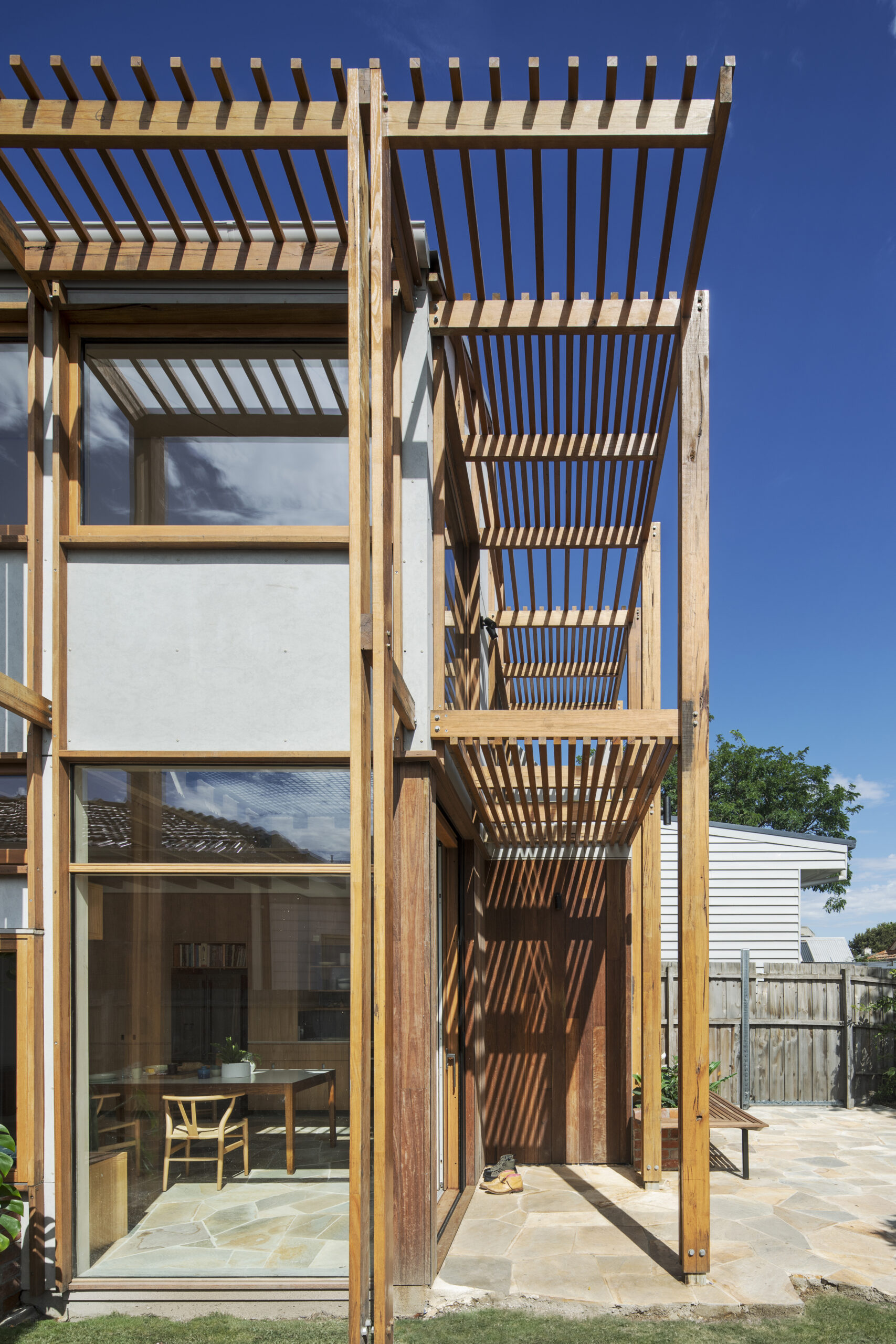
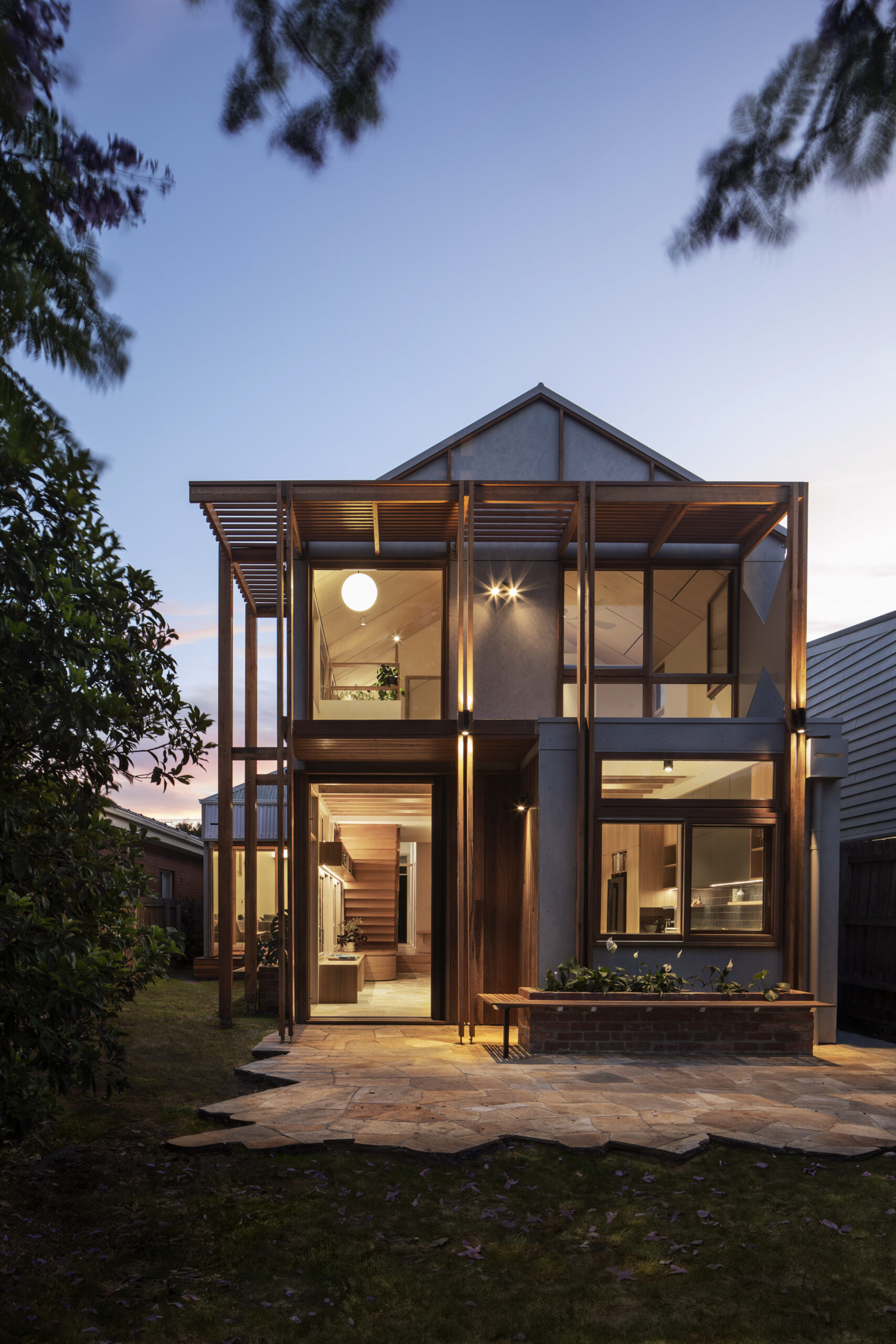
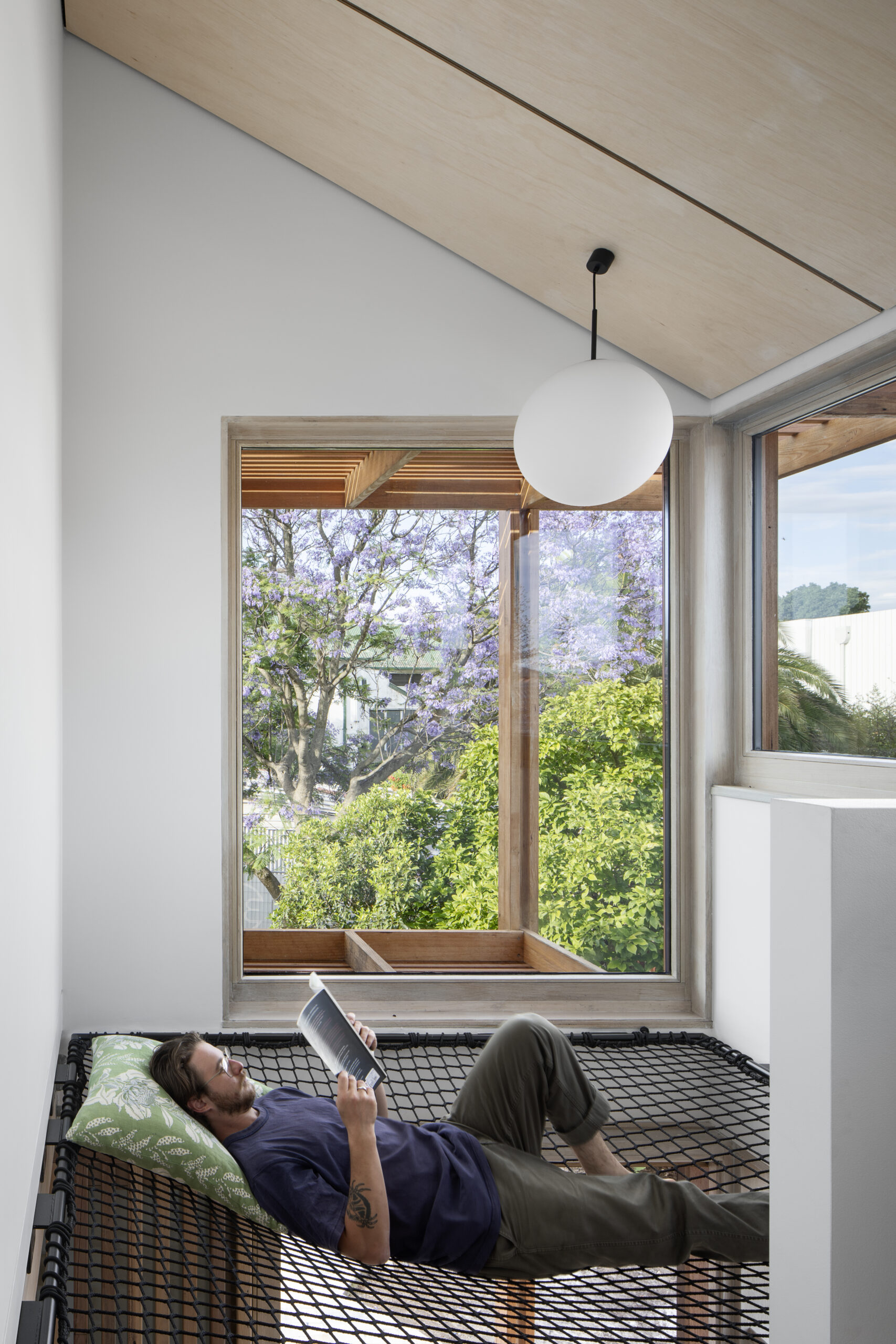
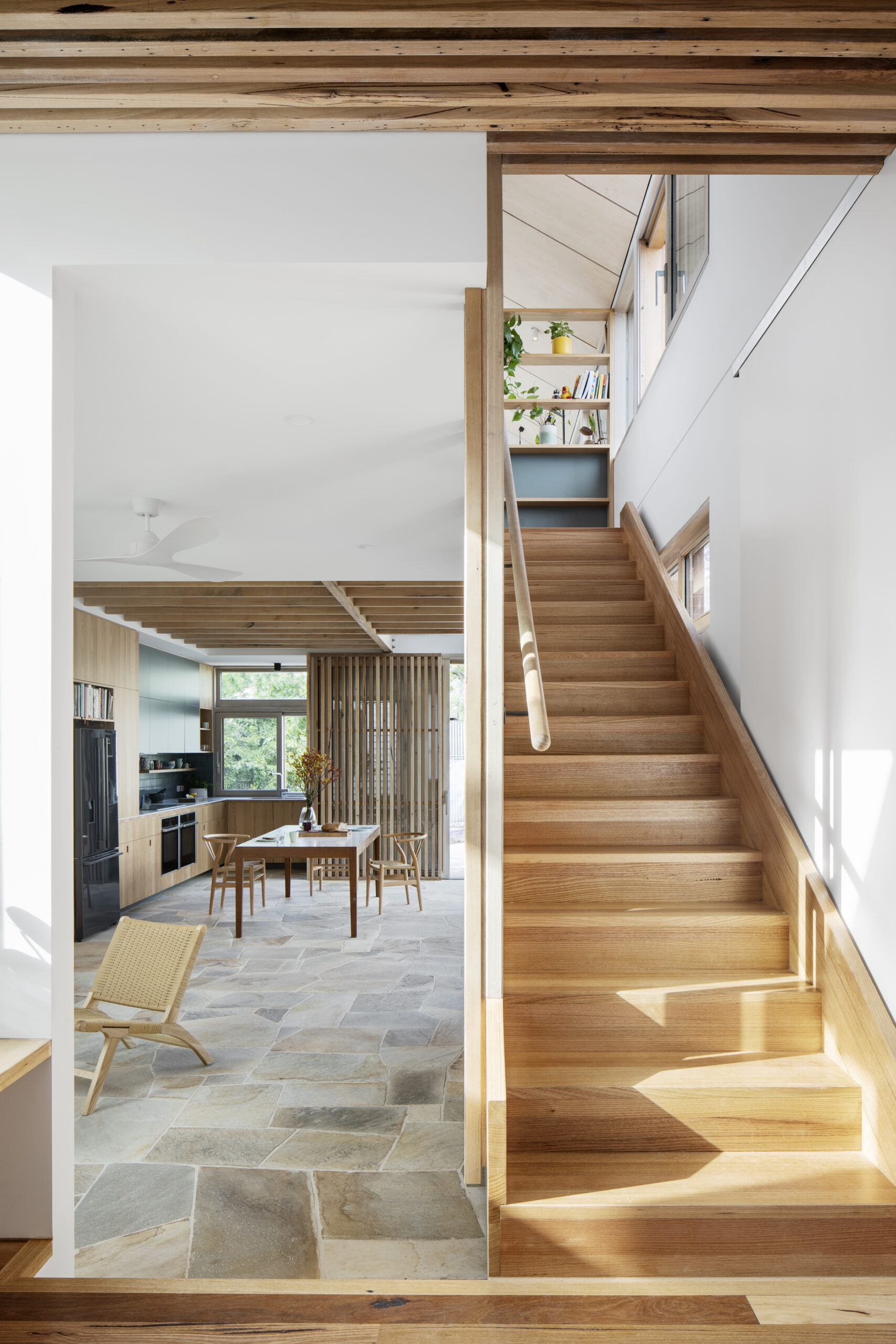
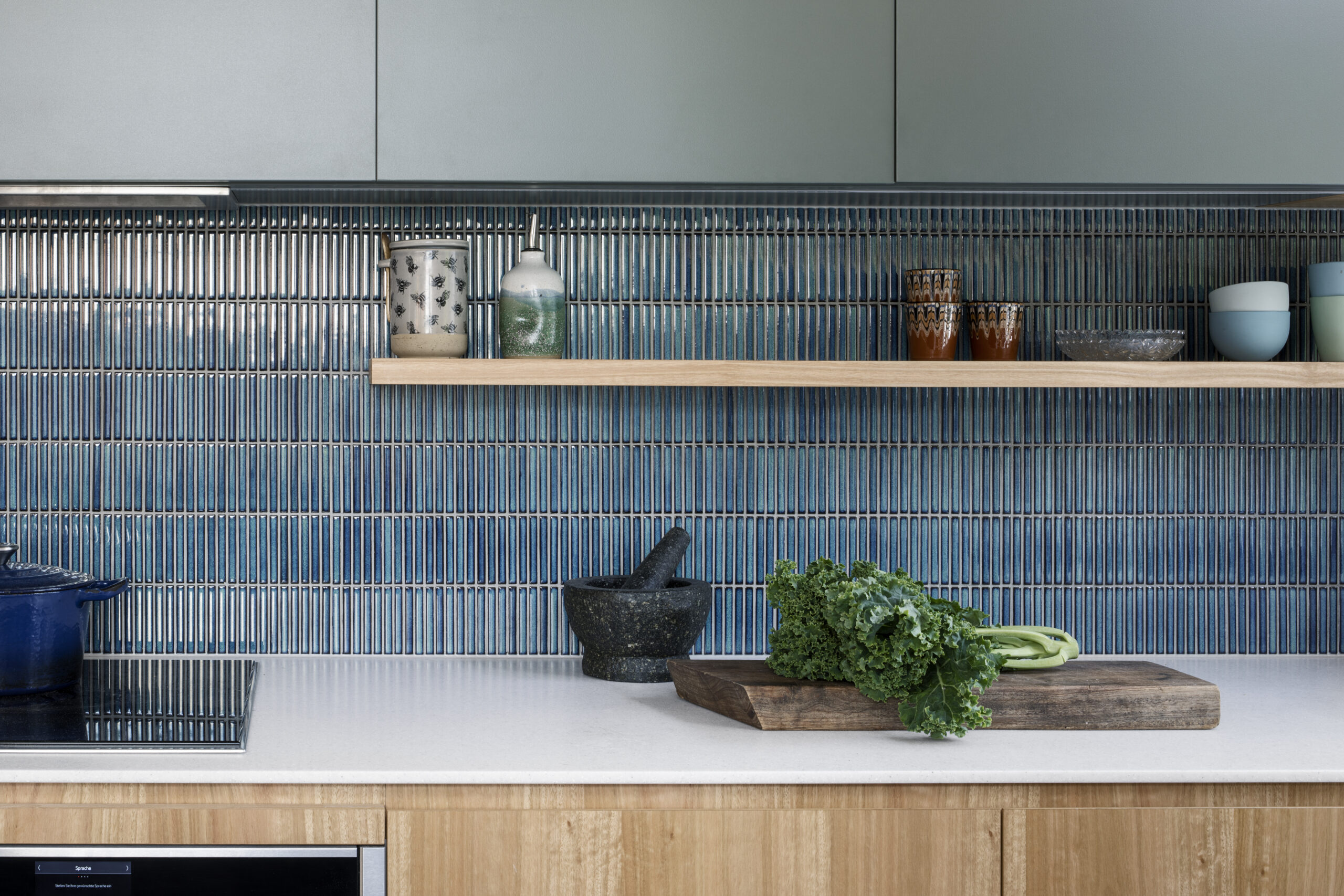
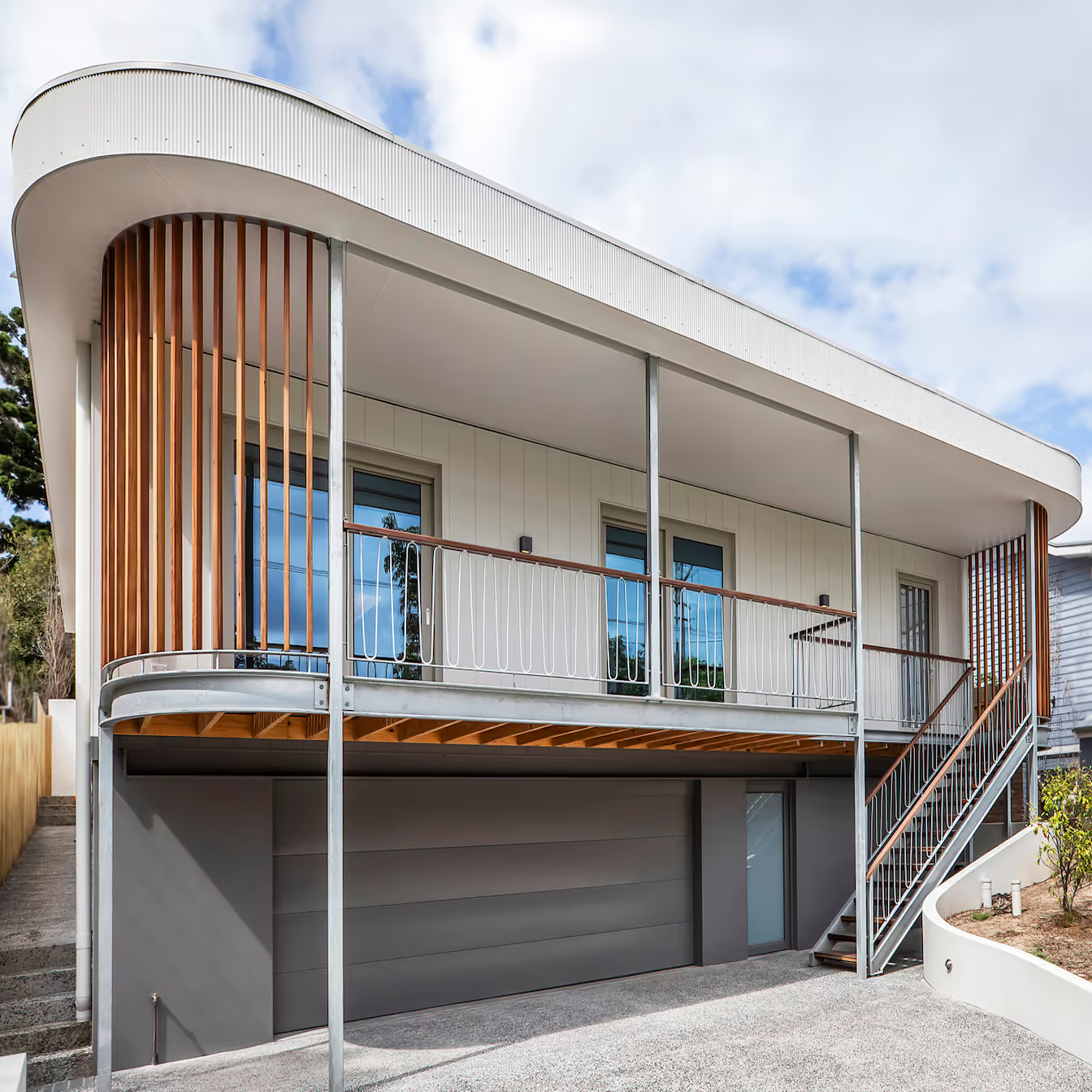
‘Life Cycle House’, winner of the national Sustainability Award, international Architizer Popular Choice Award, and ArchiTeam Sustainability Medal, is a rigorous passive solar design on a modest footprint.

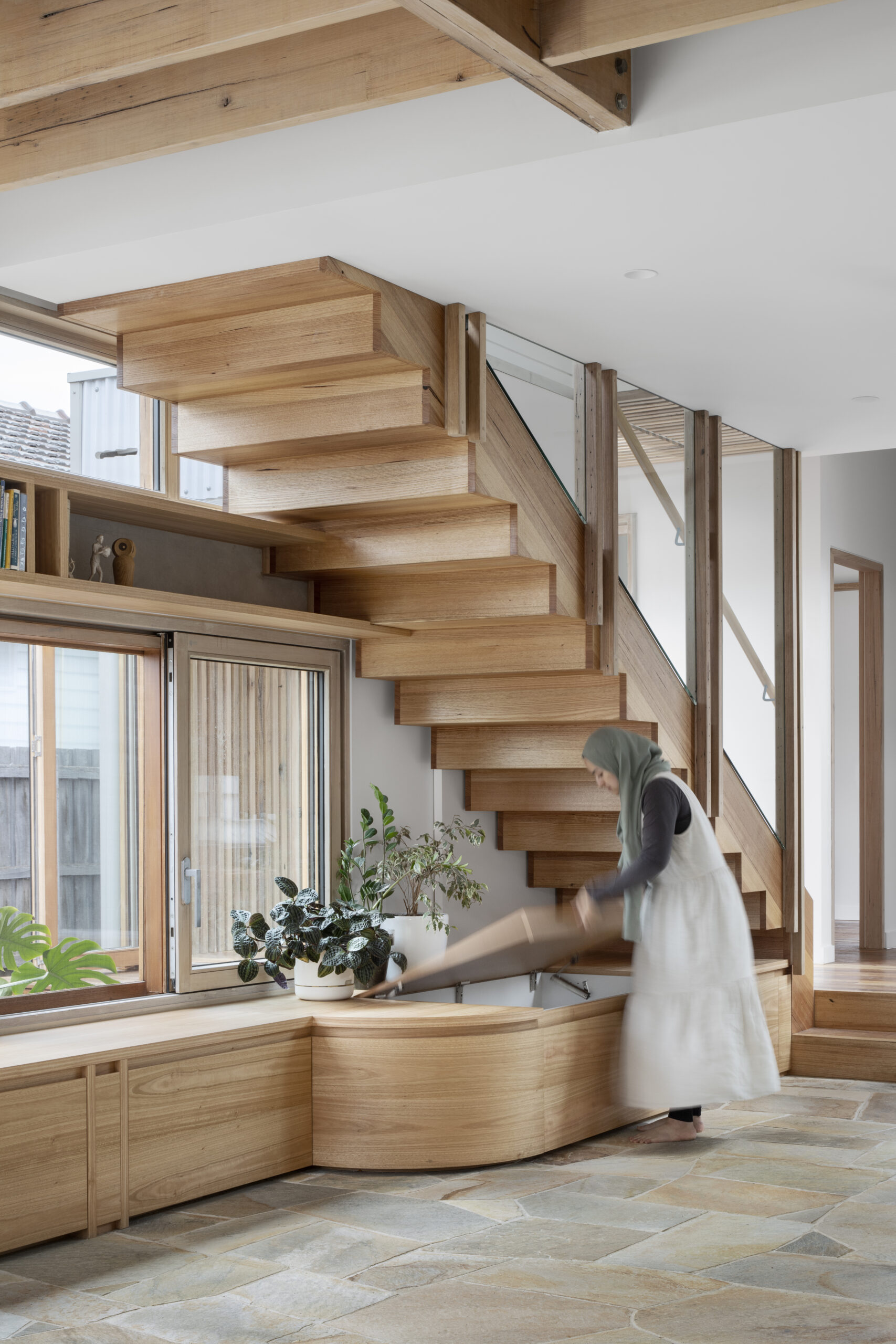
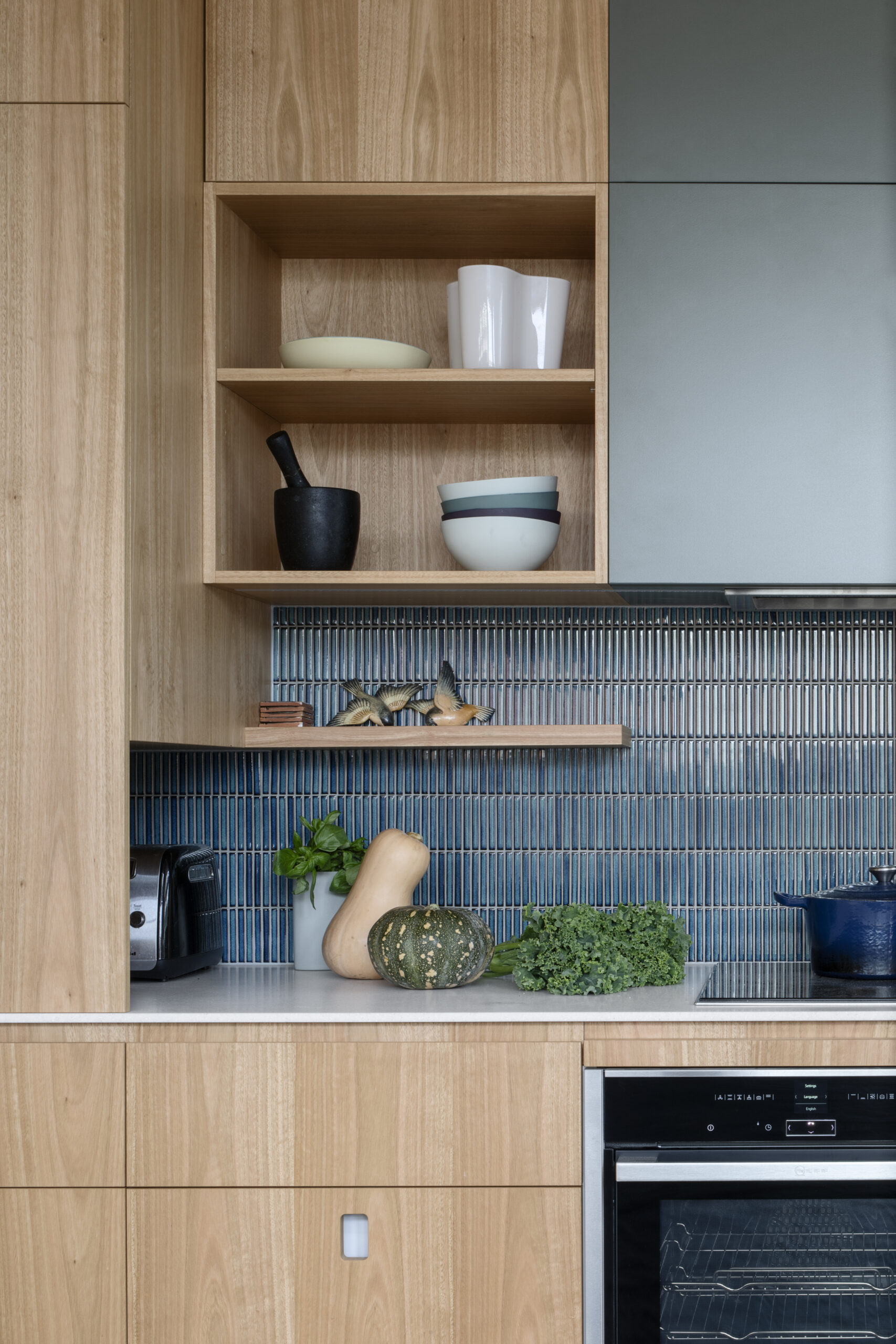
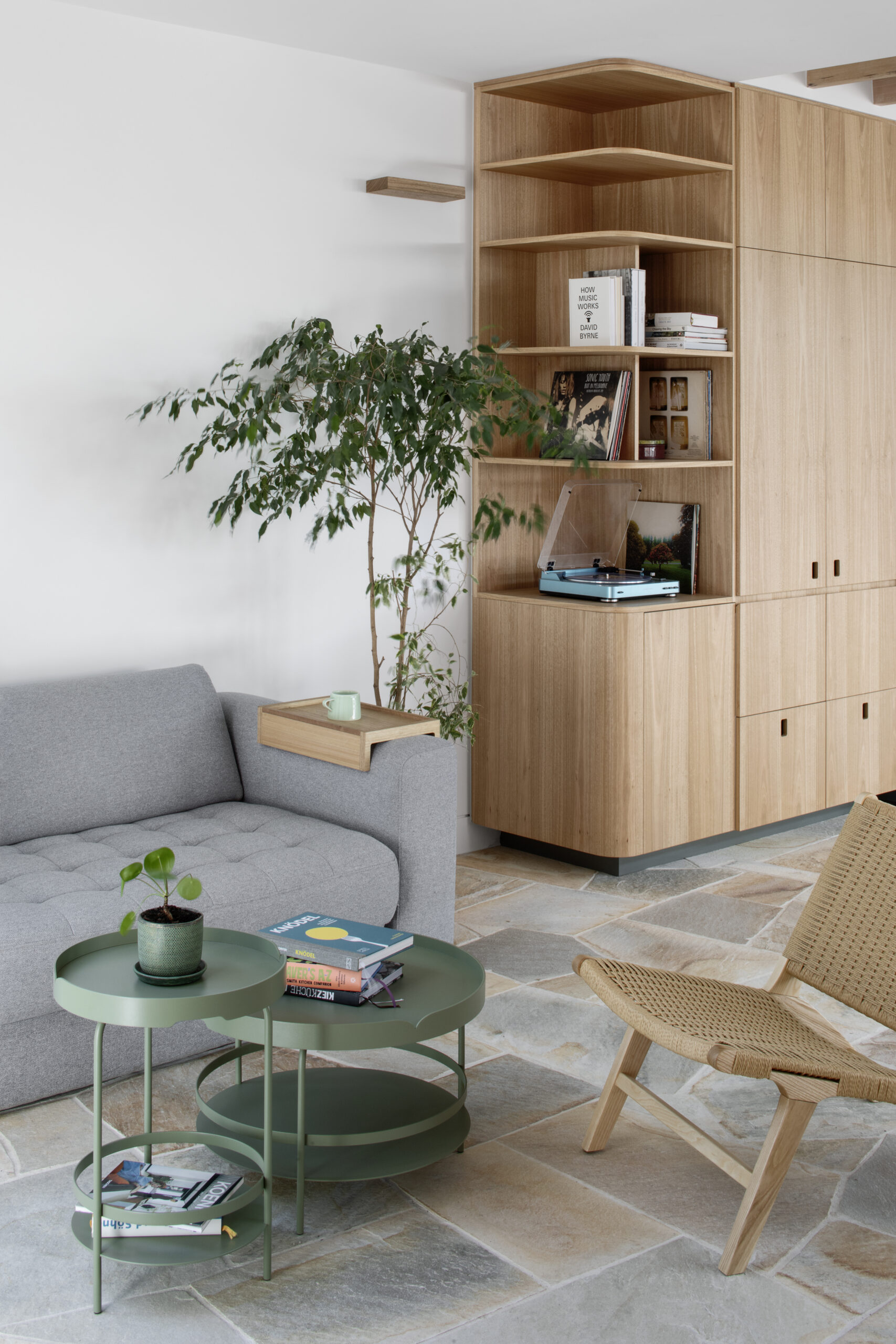
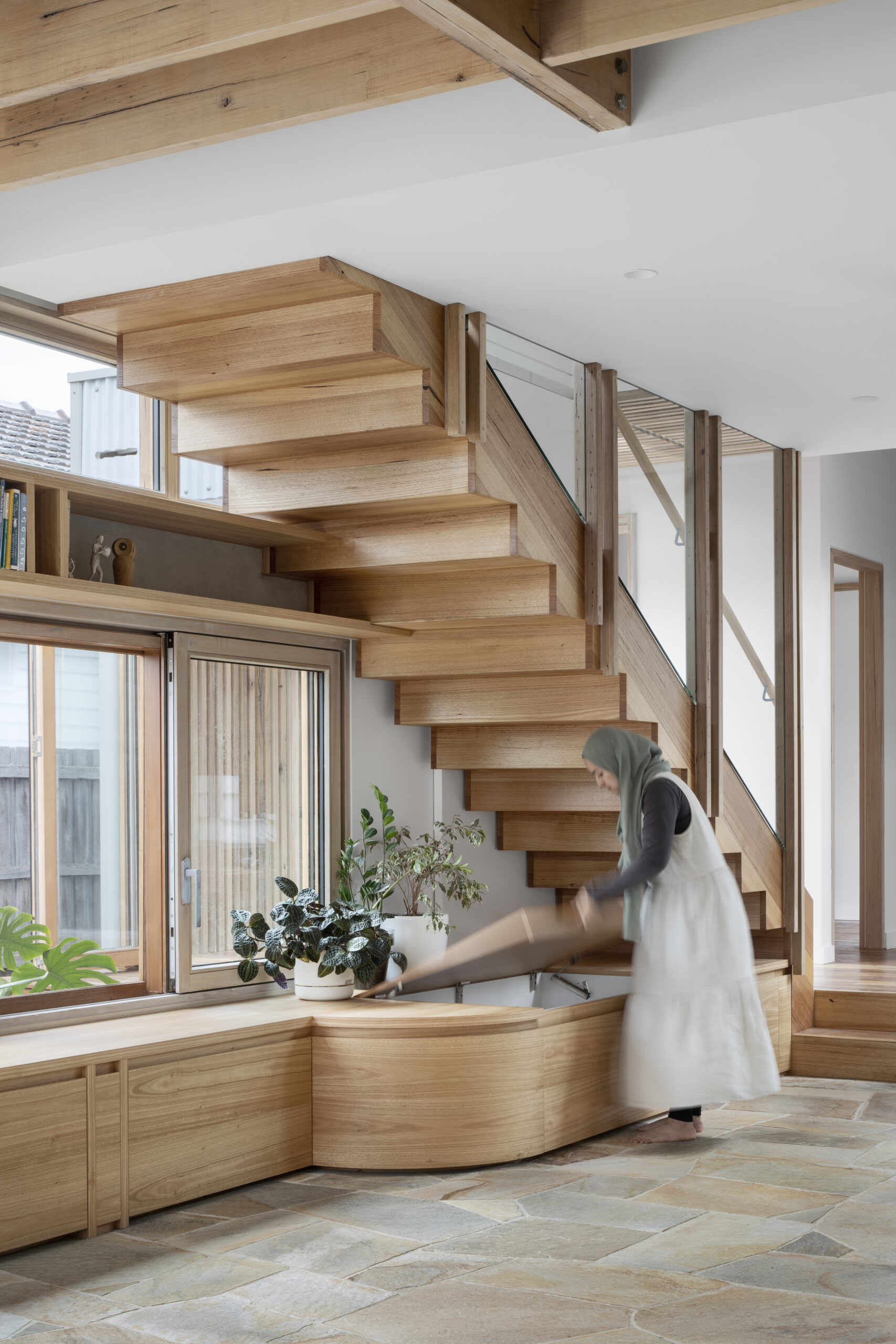
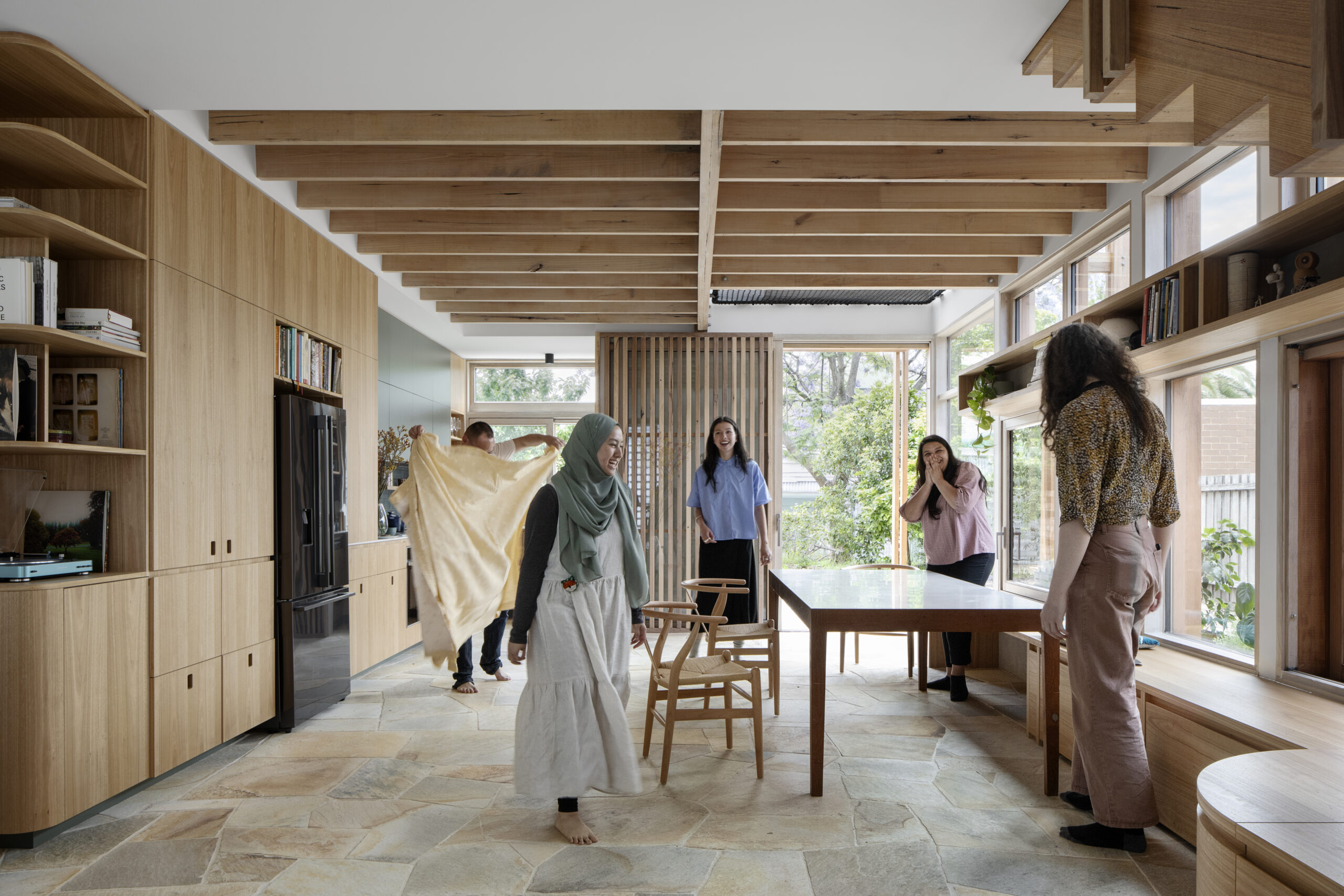
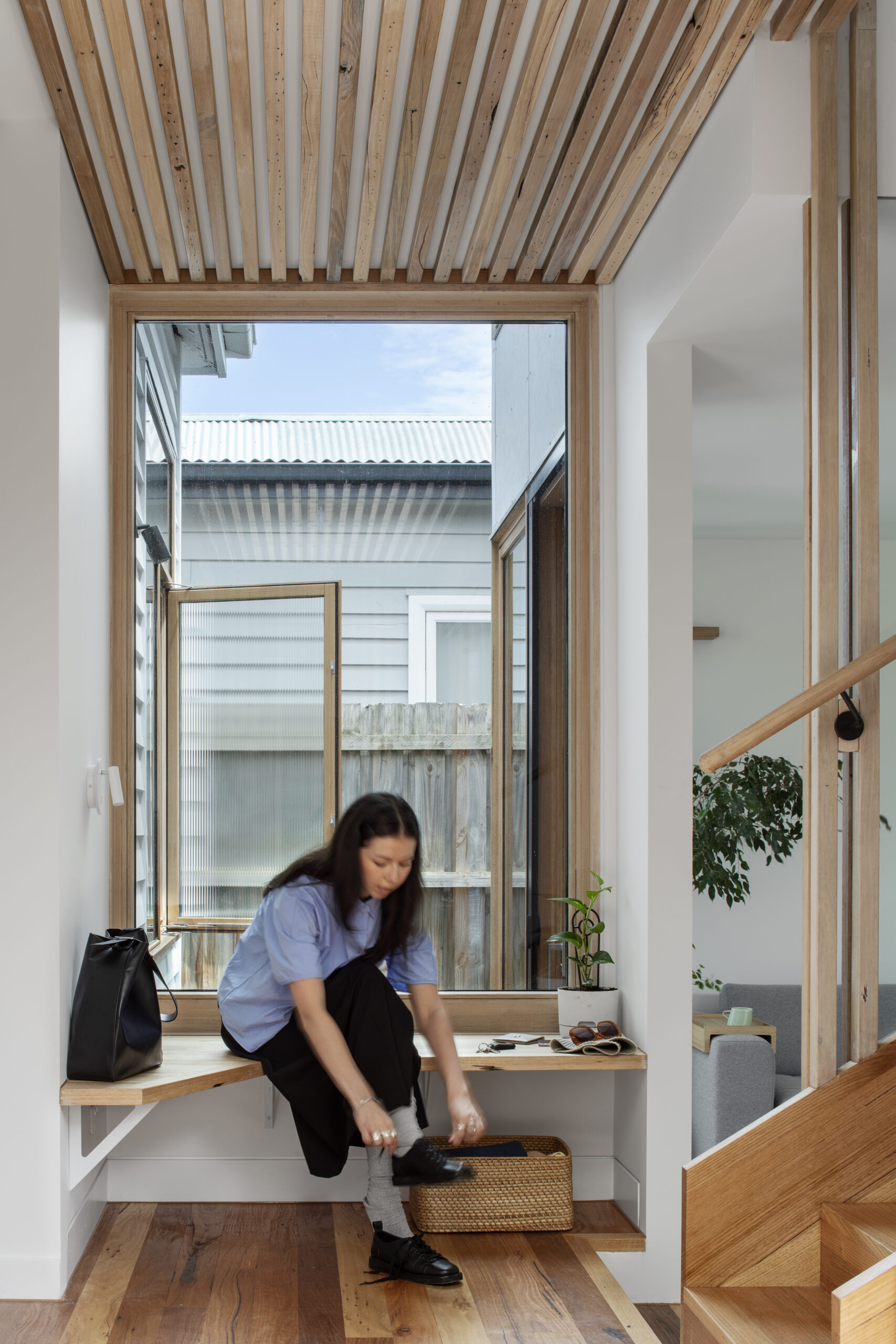
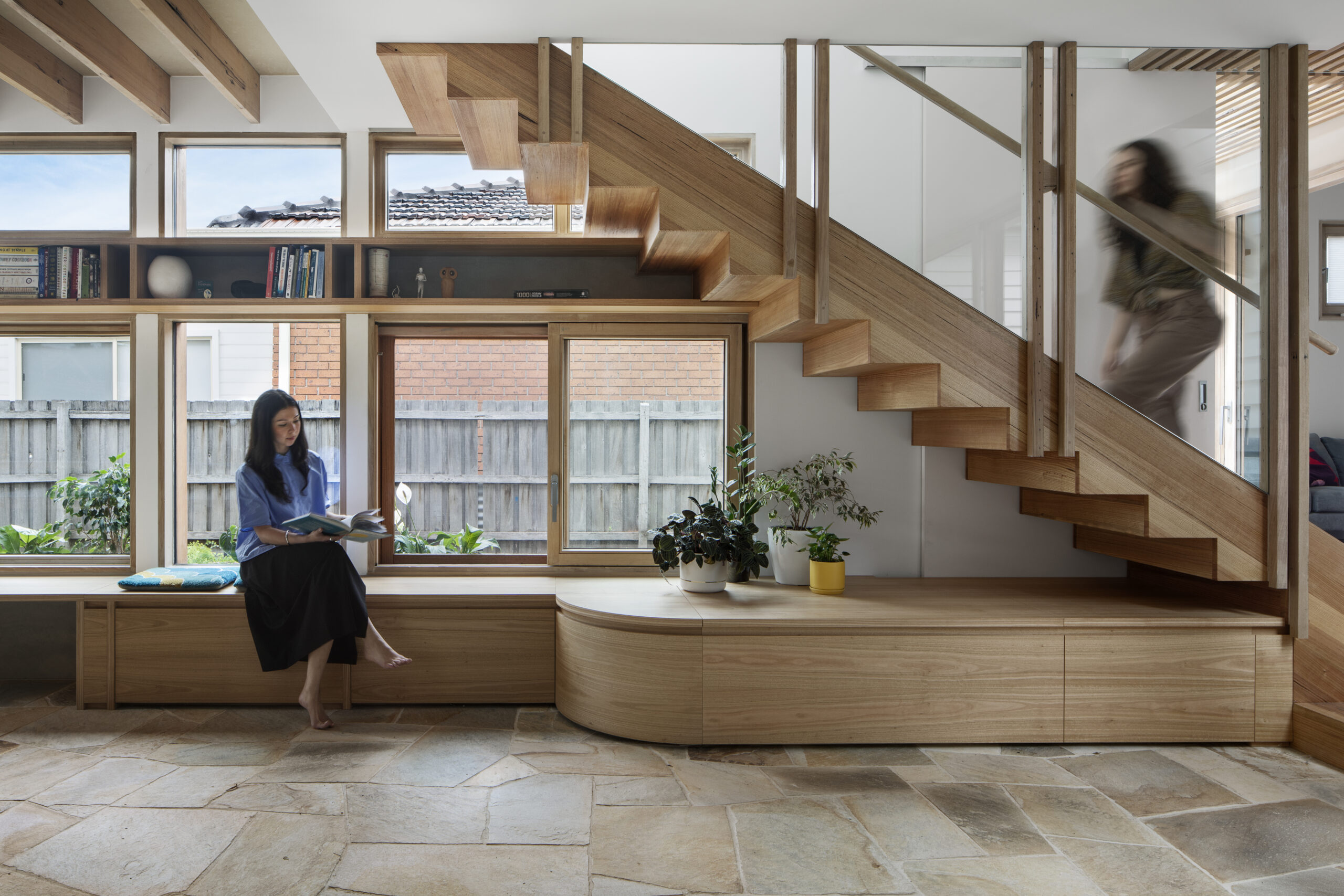
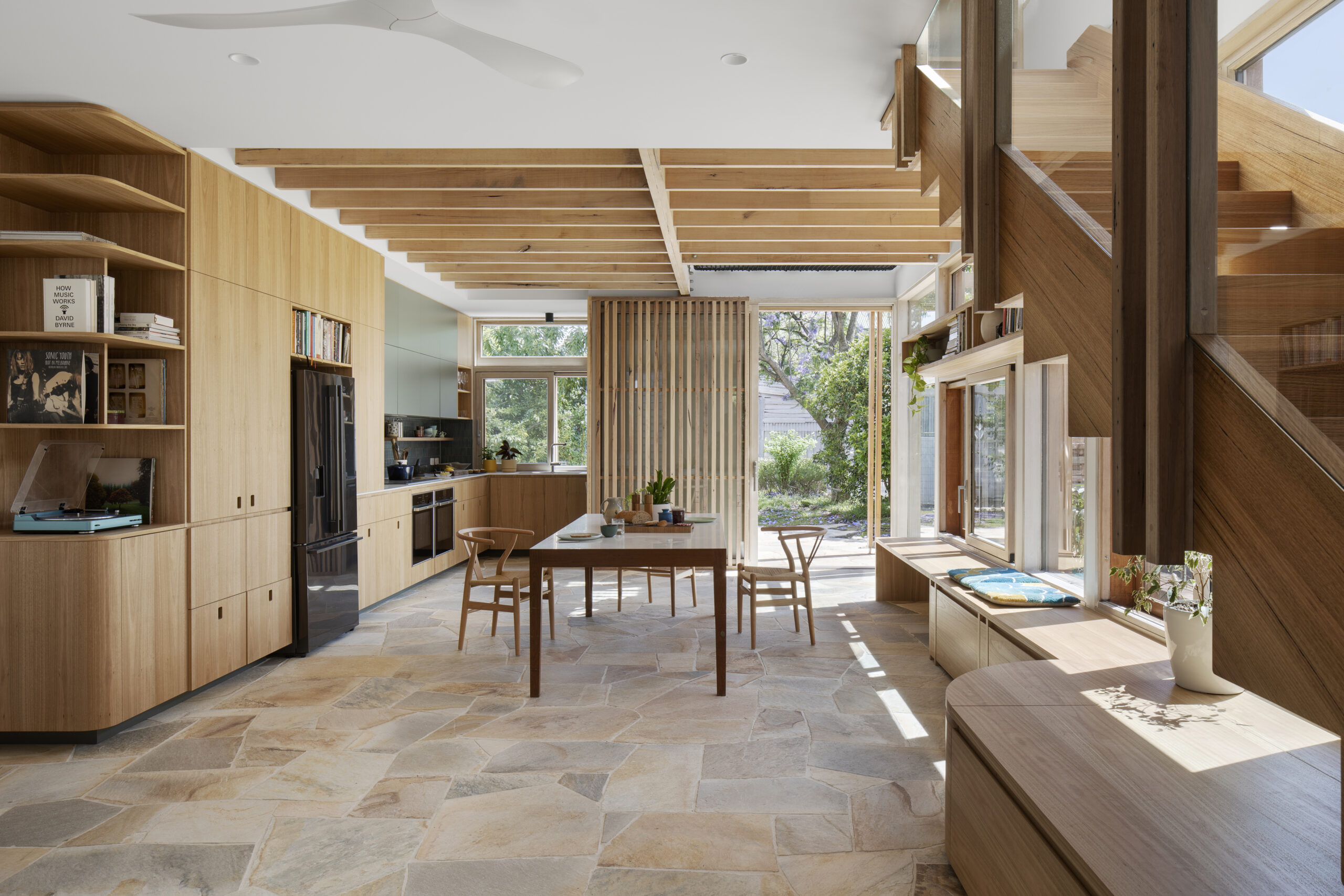
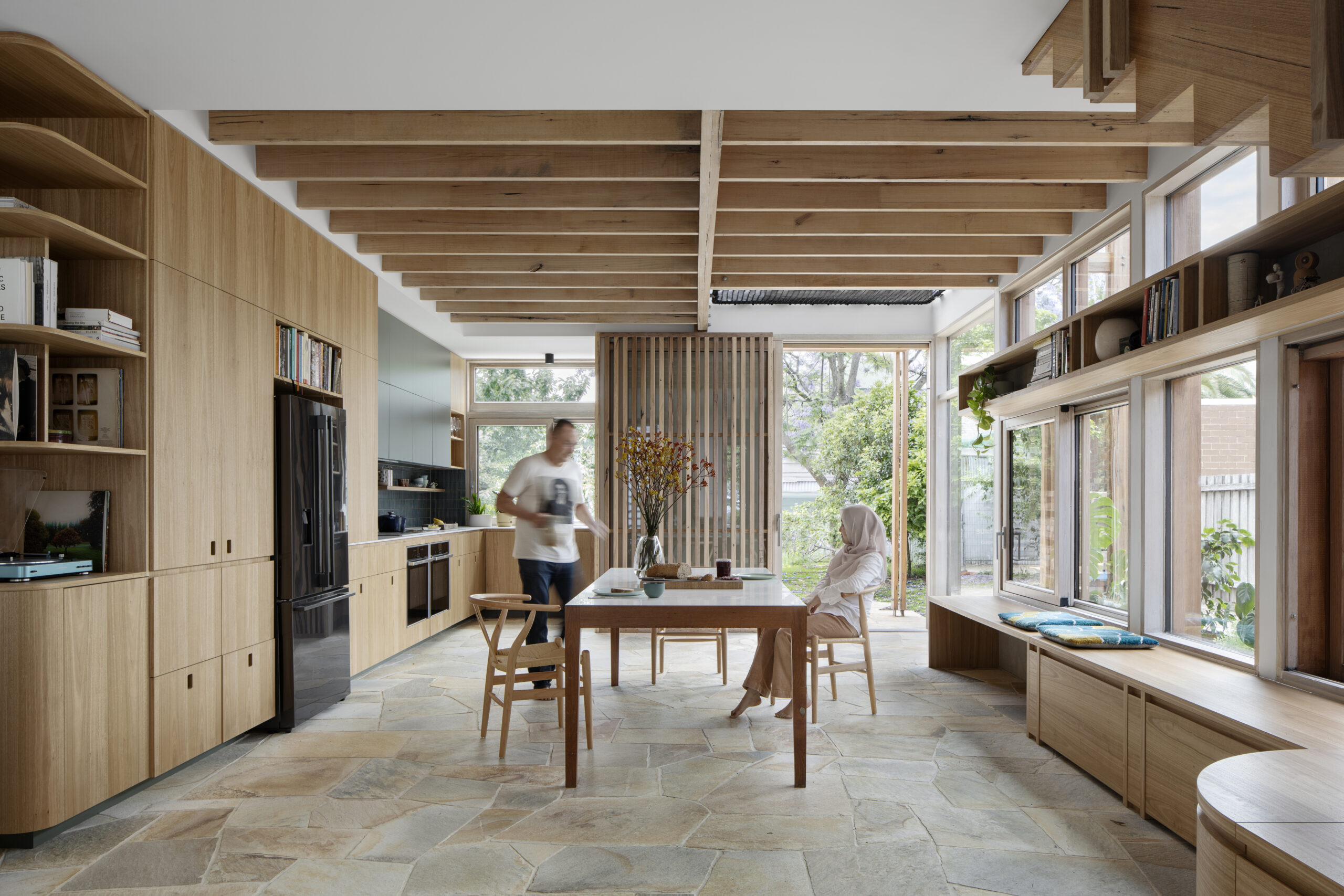
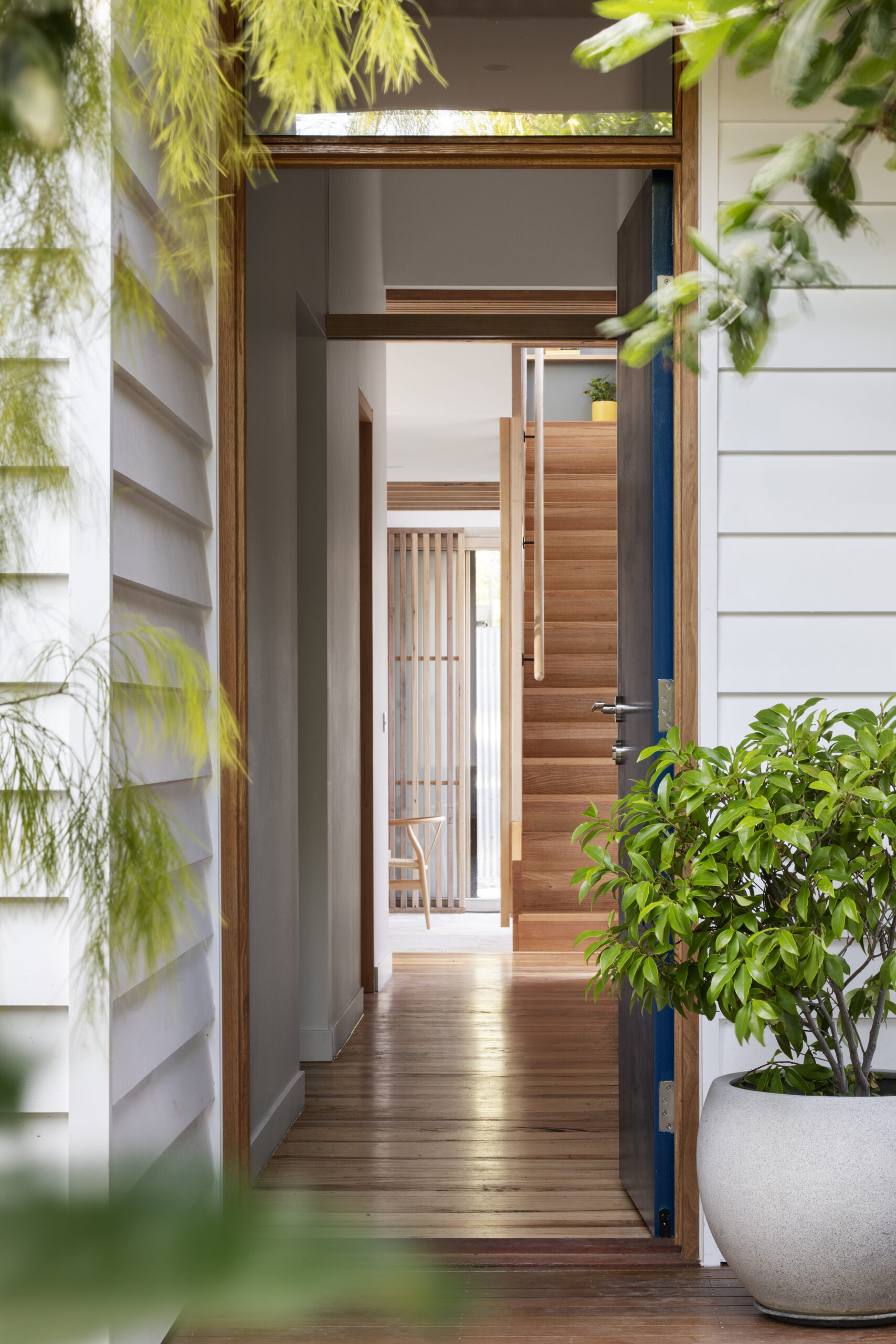
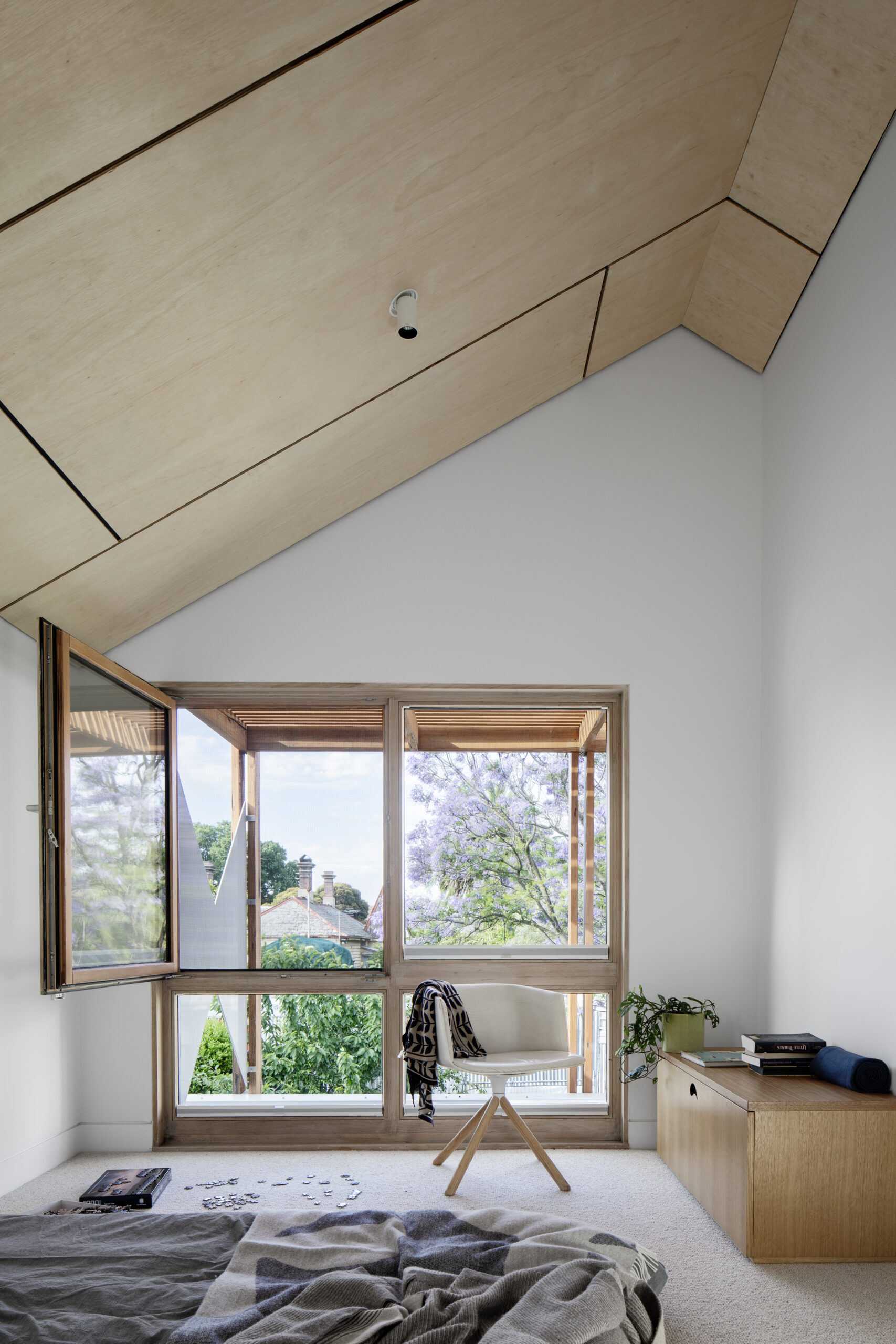
It signals warmth and approachability drawn from a simple form, thoughtful interiors, and play with natural elements and materials. It is not only easy to use but also nurturing and community oriented, re-defining the essence of suburban living.

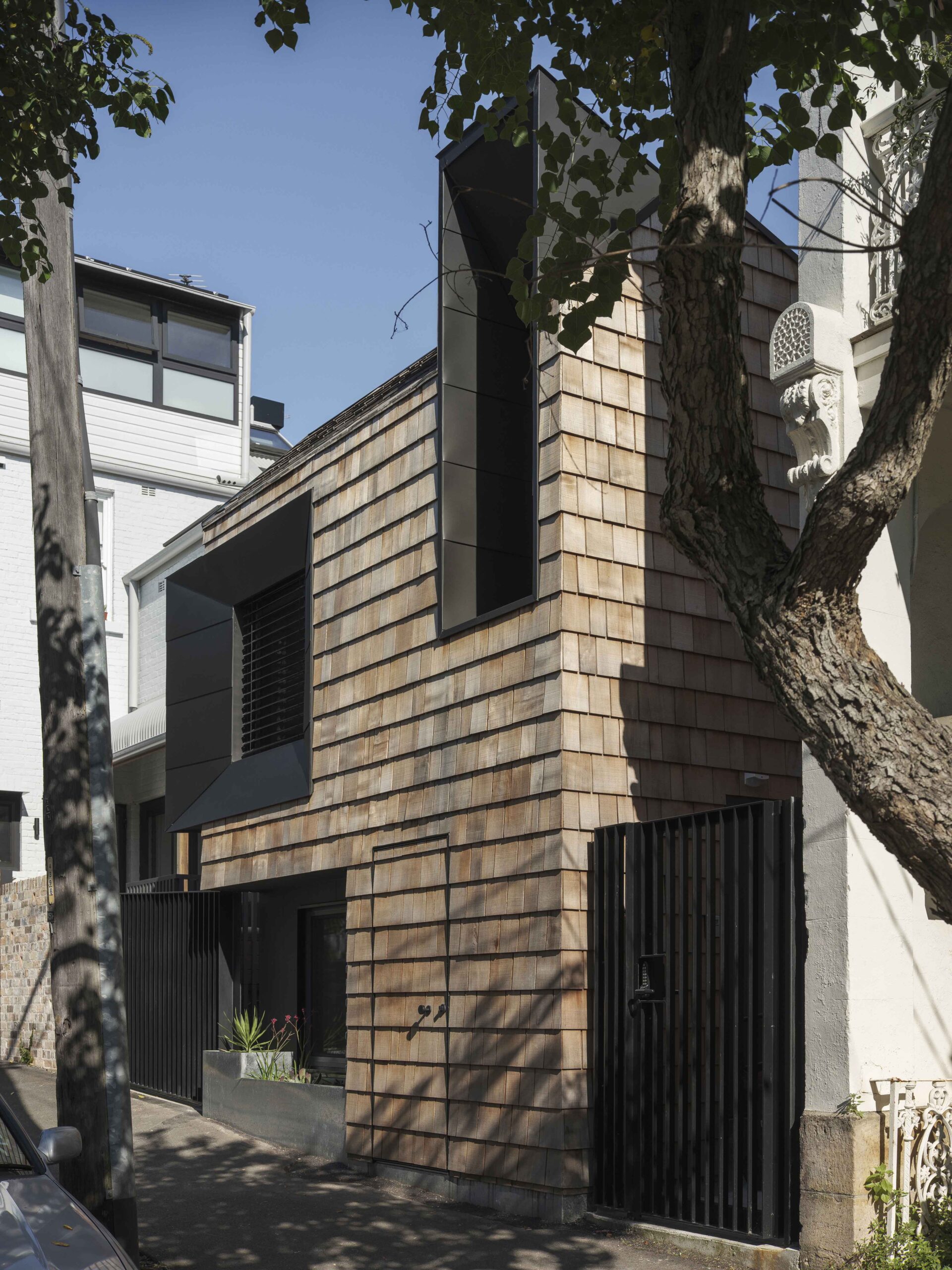
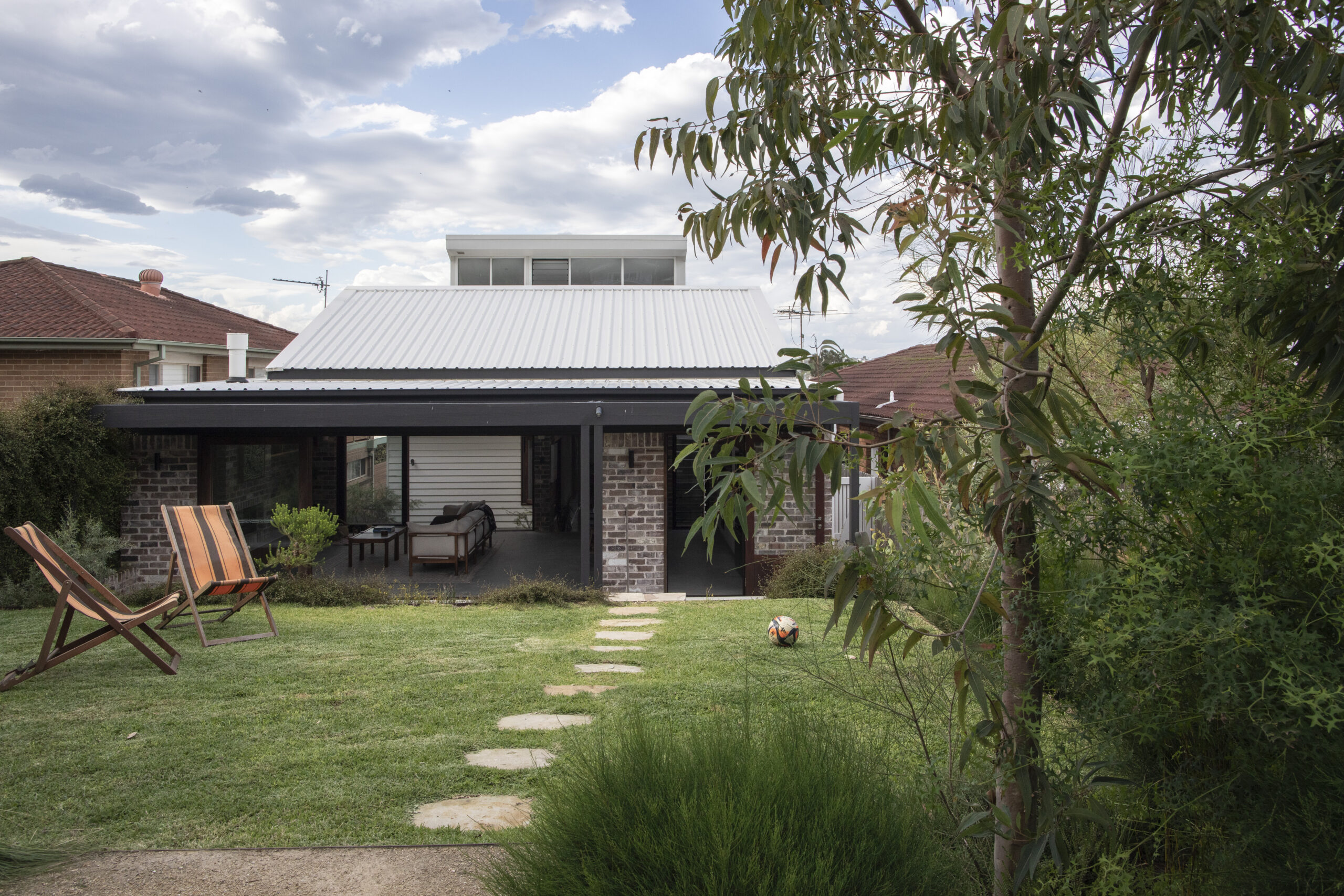
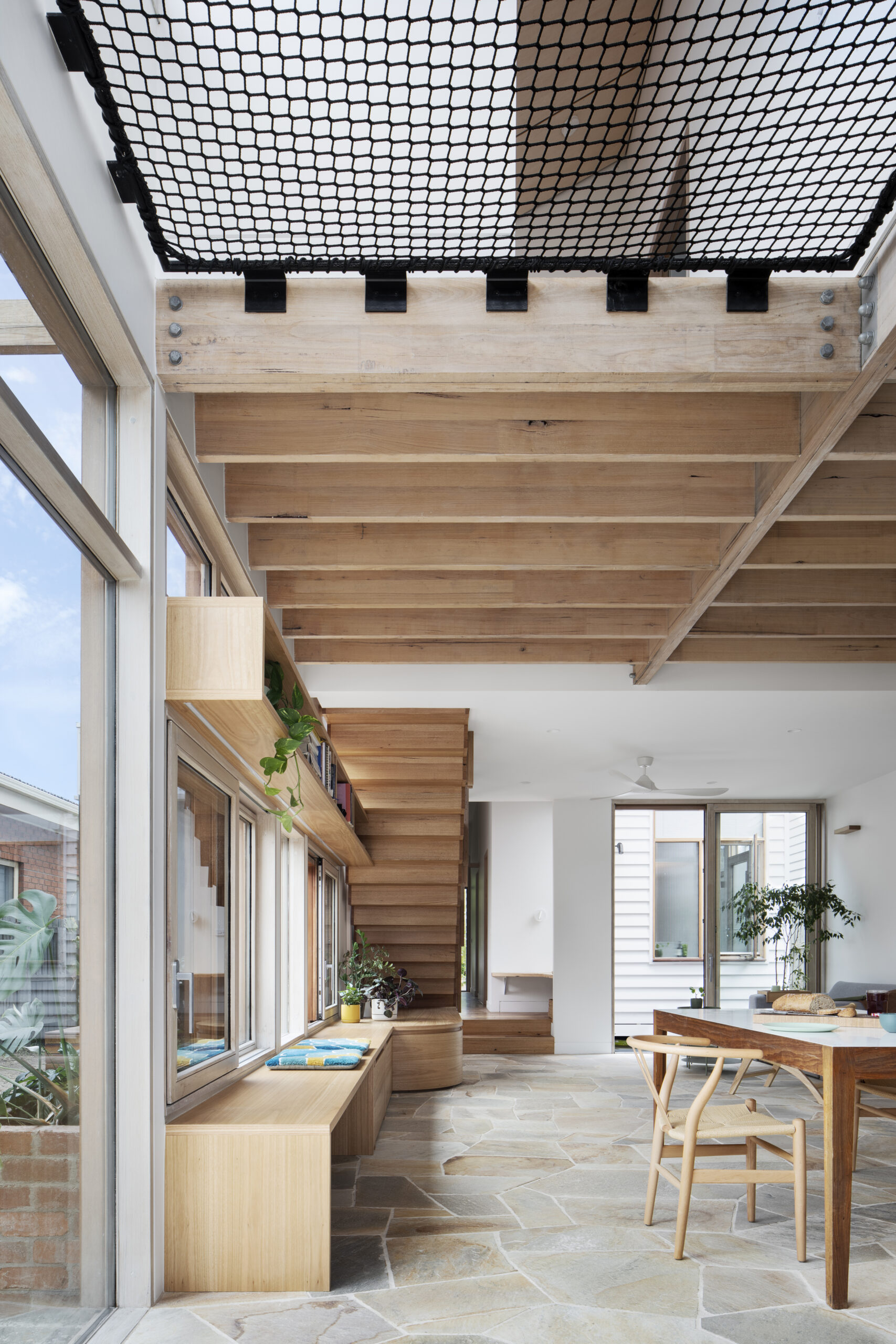
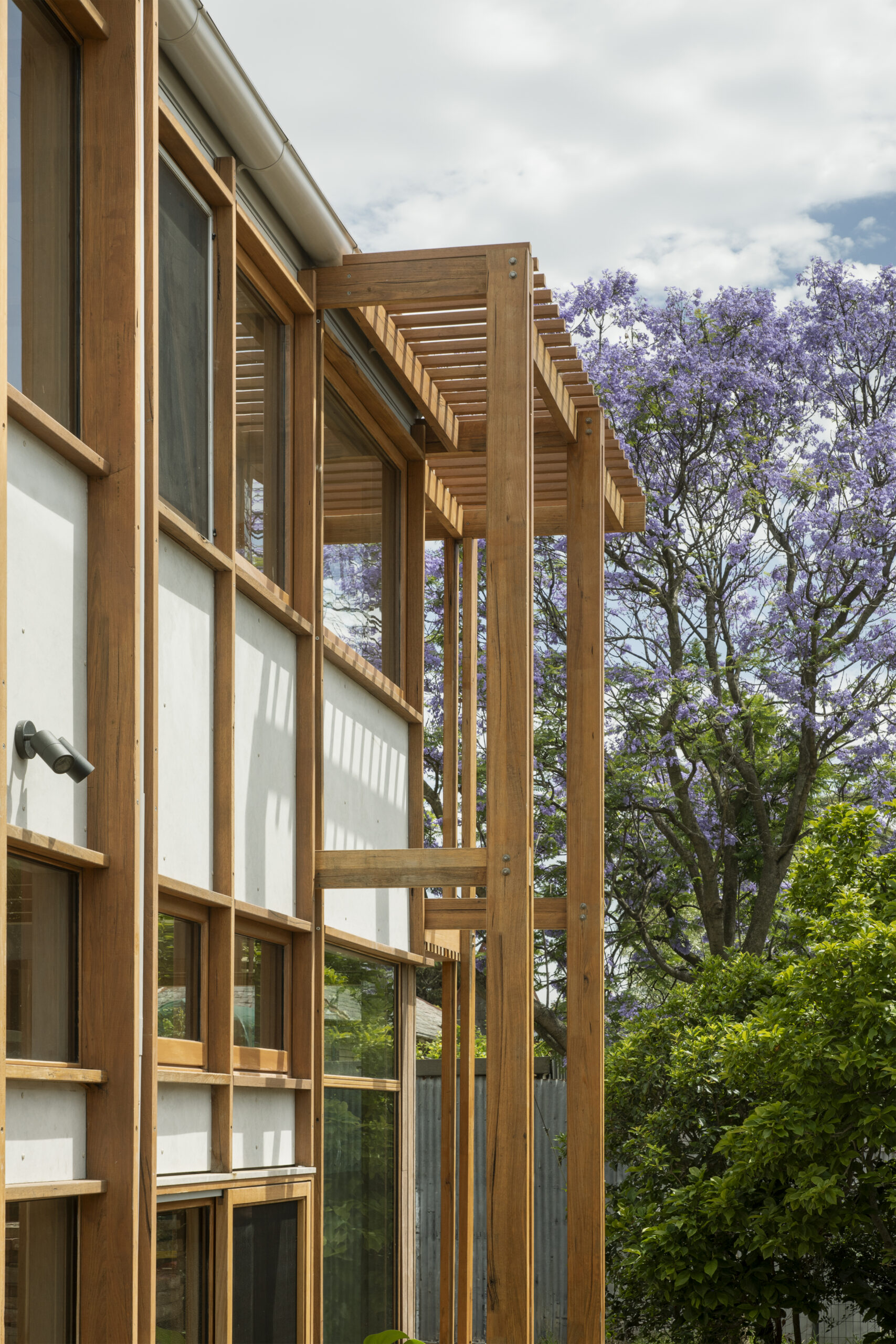
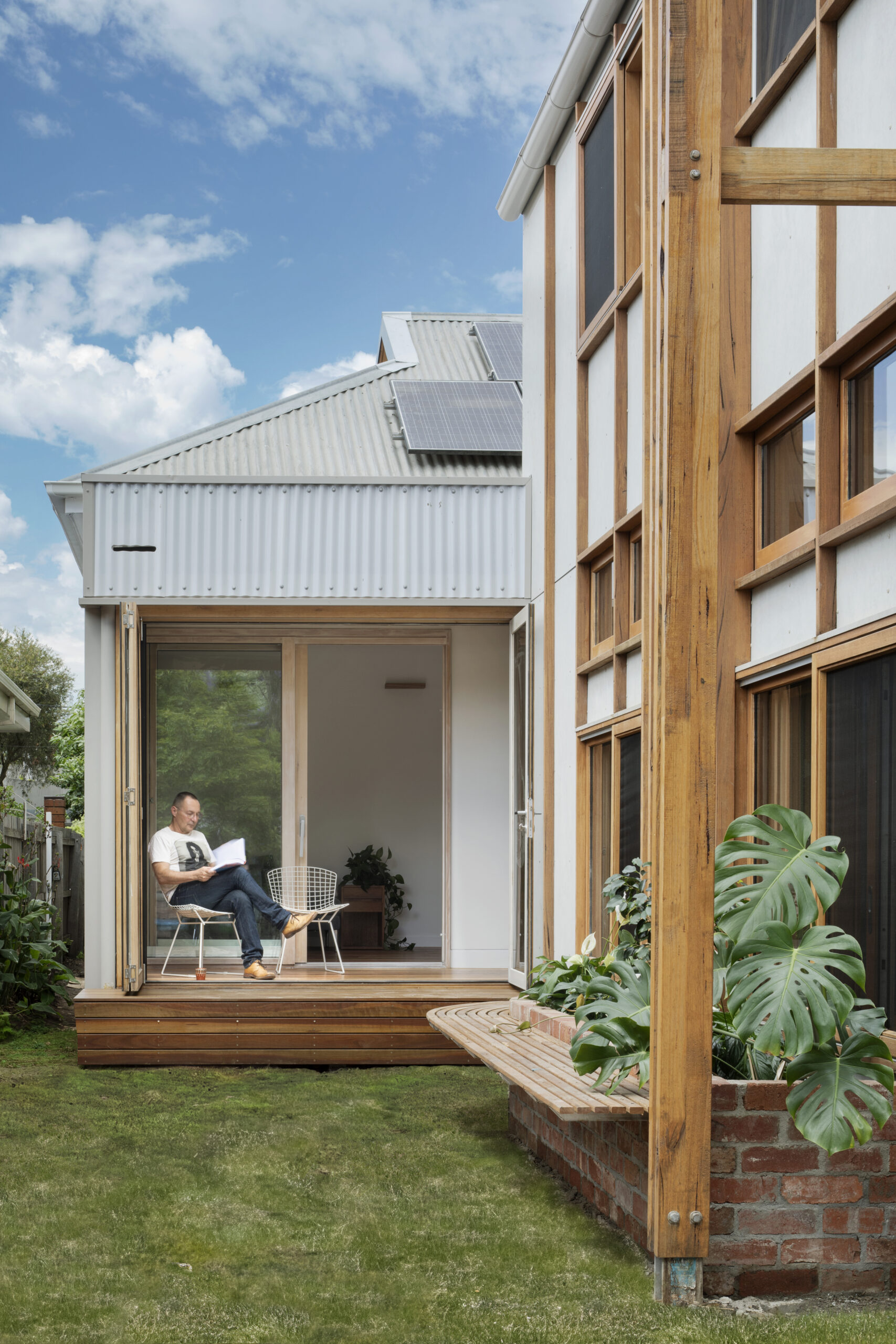
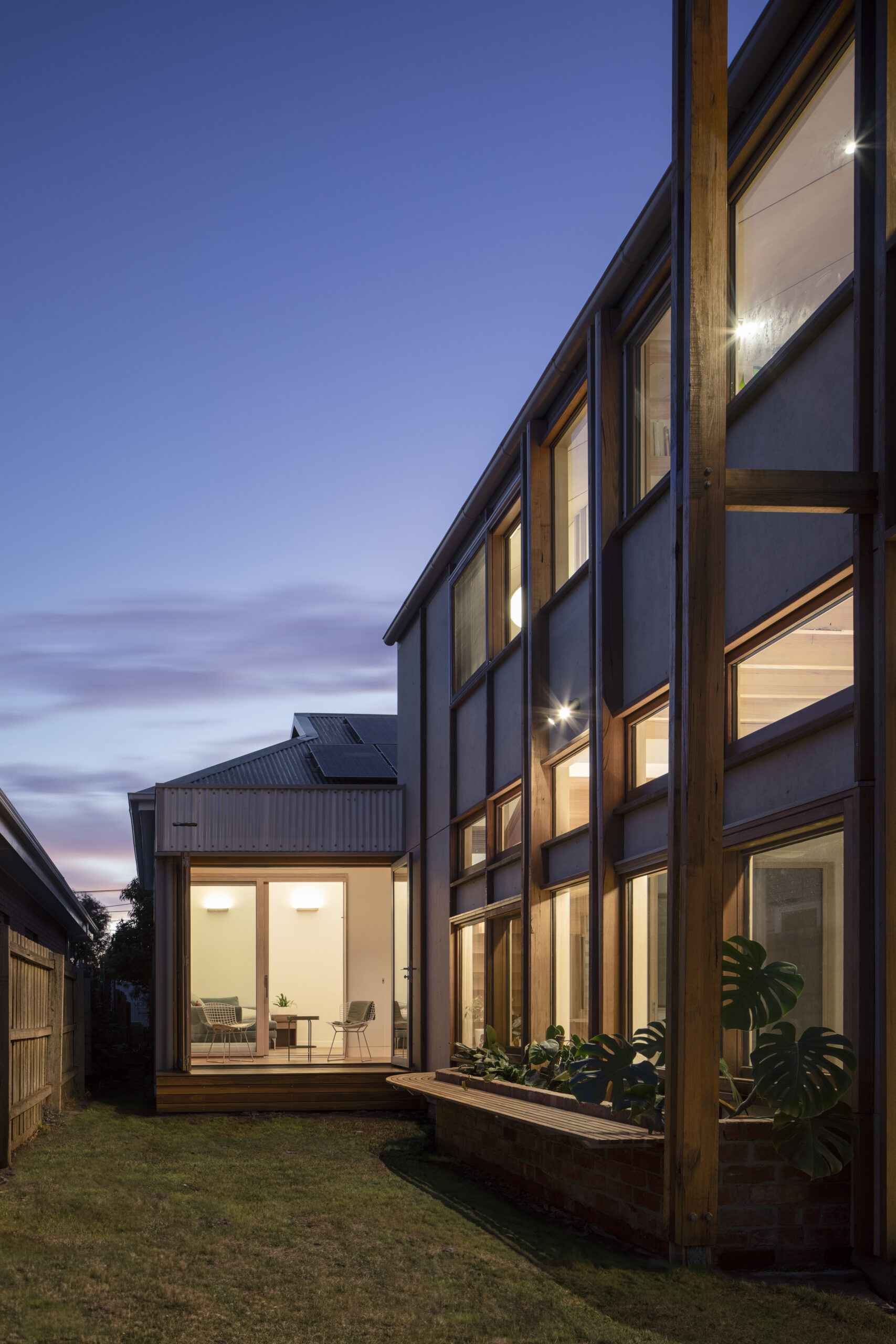
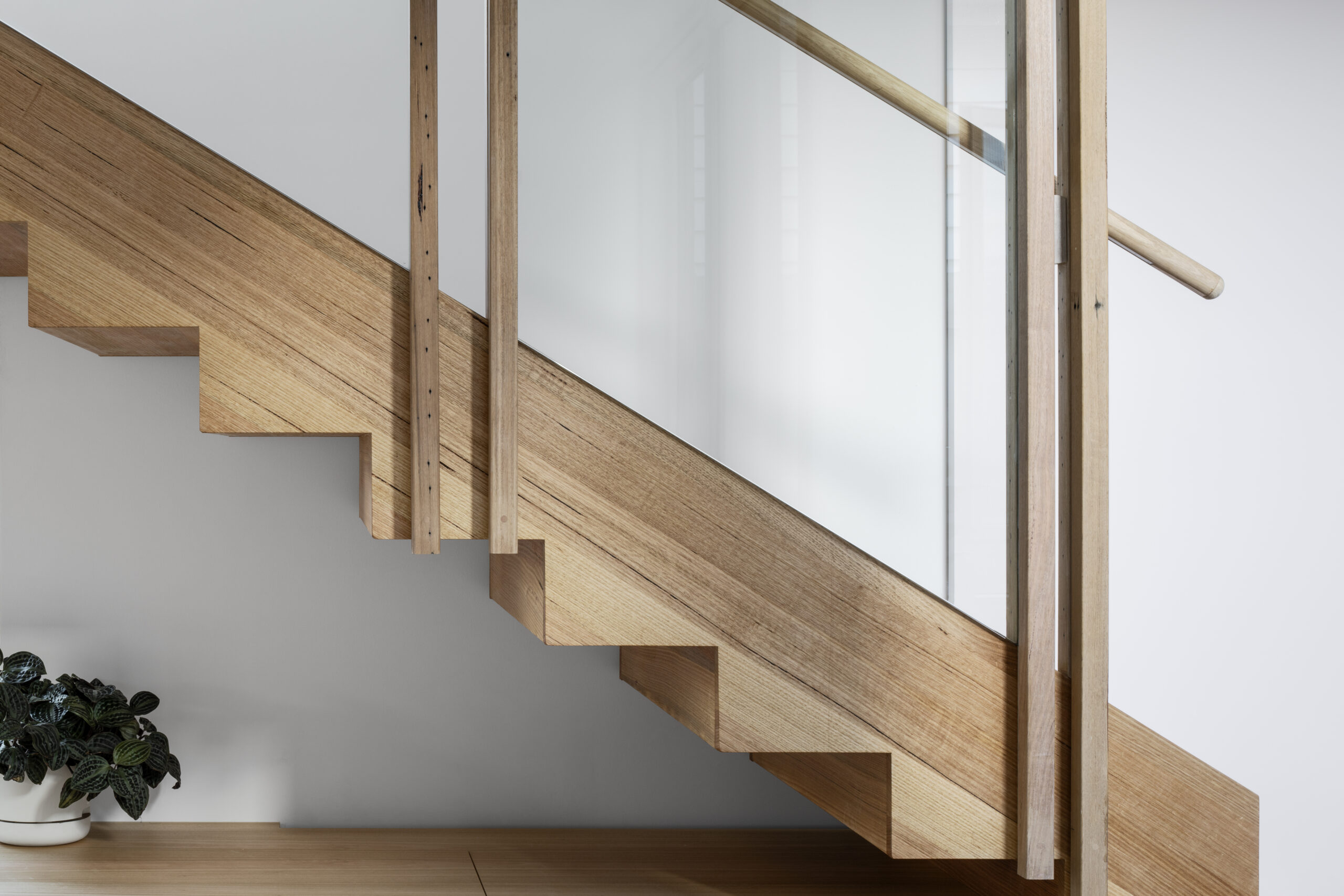
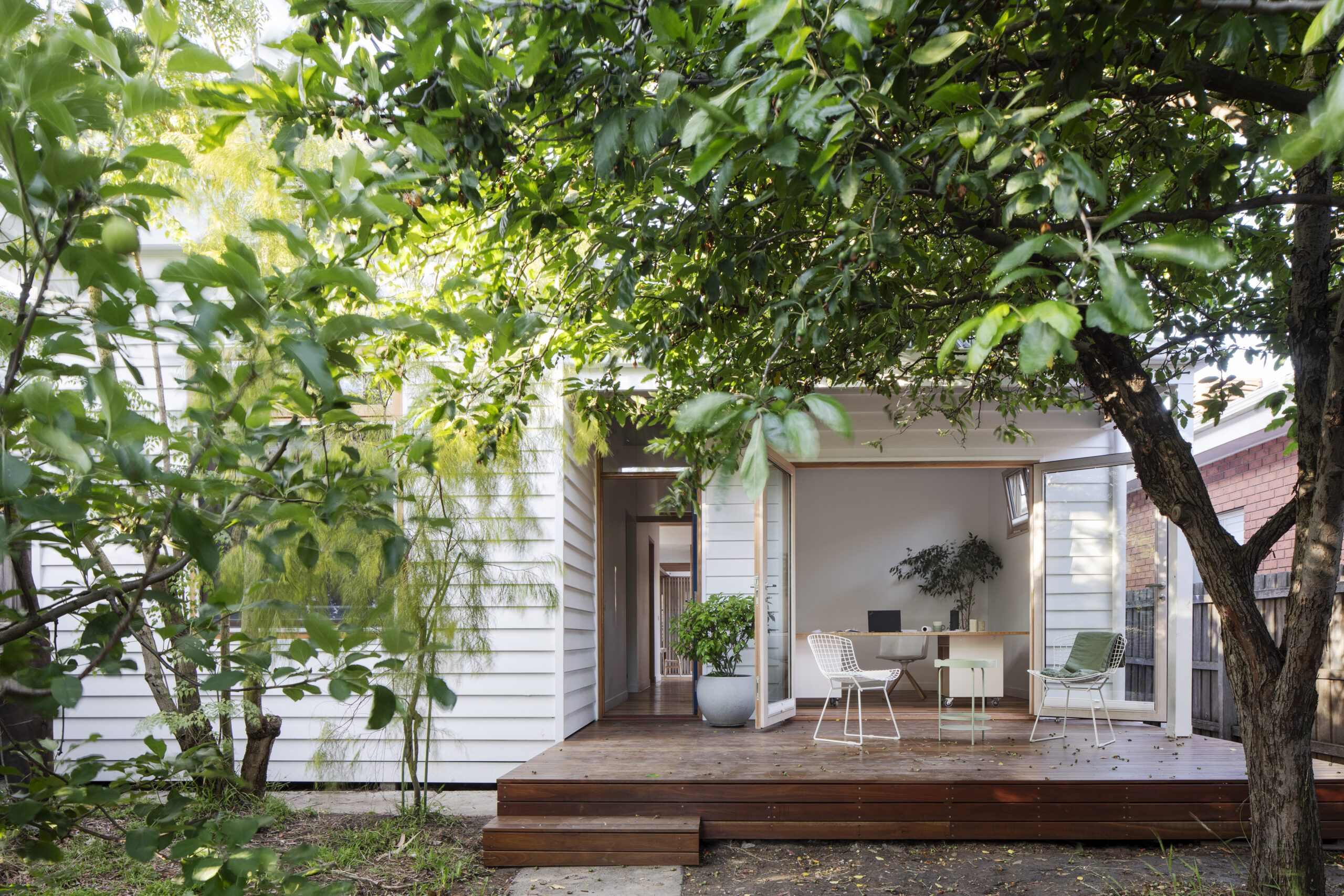
Located on a tranquil suburban street, this extension to a modest weatherboard house places sustainability at the core of its design - driving decisions from concept to planning, materials, detailing, assembly, operation, plus end of life. It considers positive social impacts, biodiversity and reducing the home’s embodied and operational carbon footprint.

The project reflects our ethos of building as background; it is a place that draws its identity from being part of something else - in this case a family friendly neighbourhood with both modest and hidden historic buildings and significant vegetation.

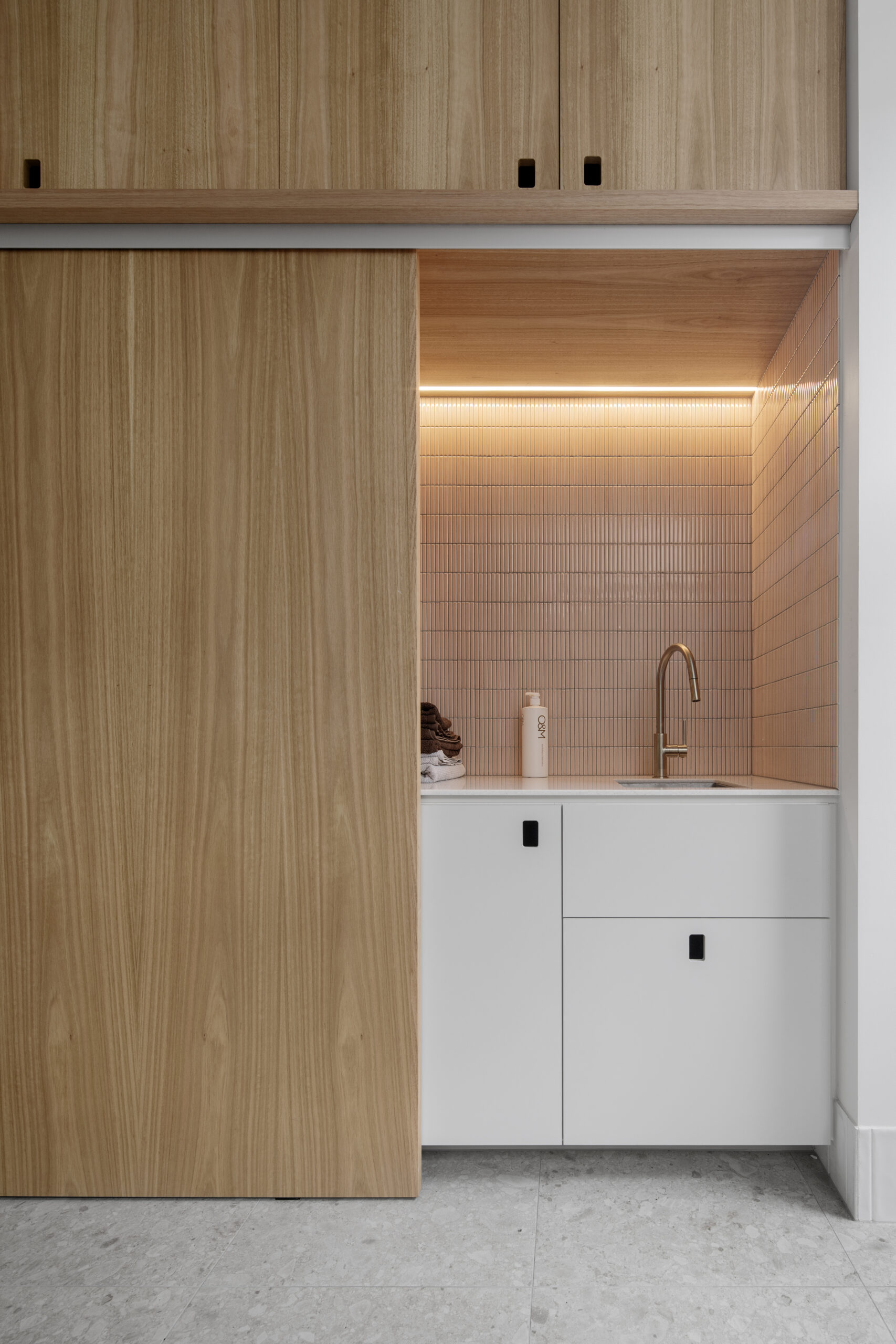
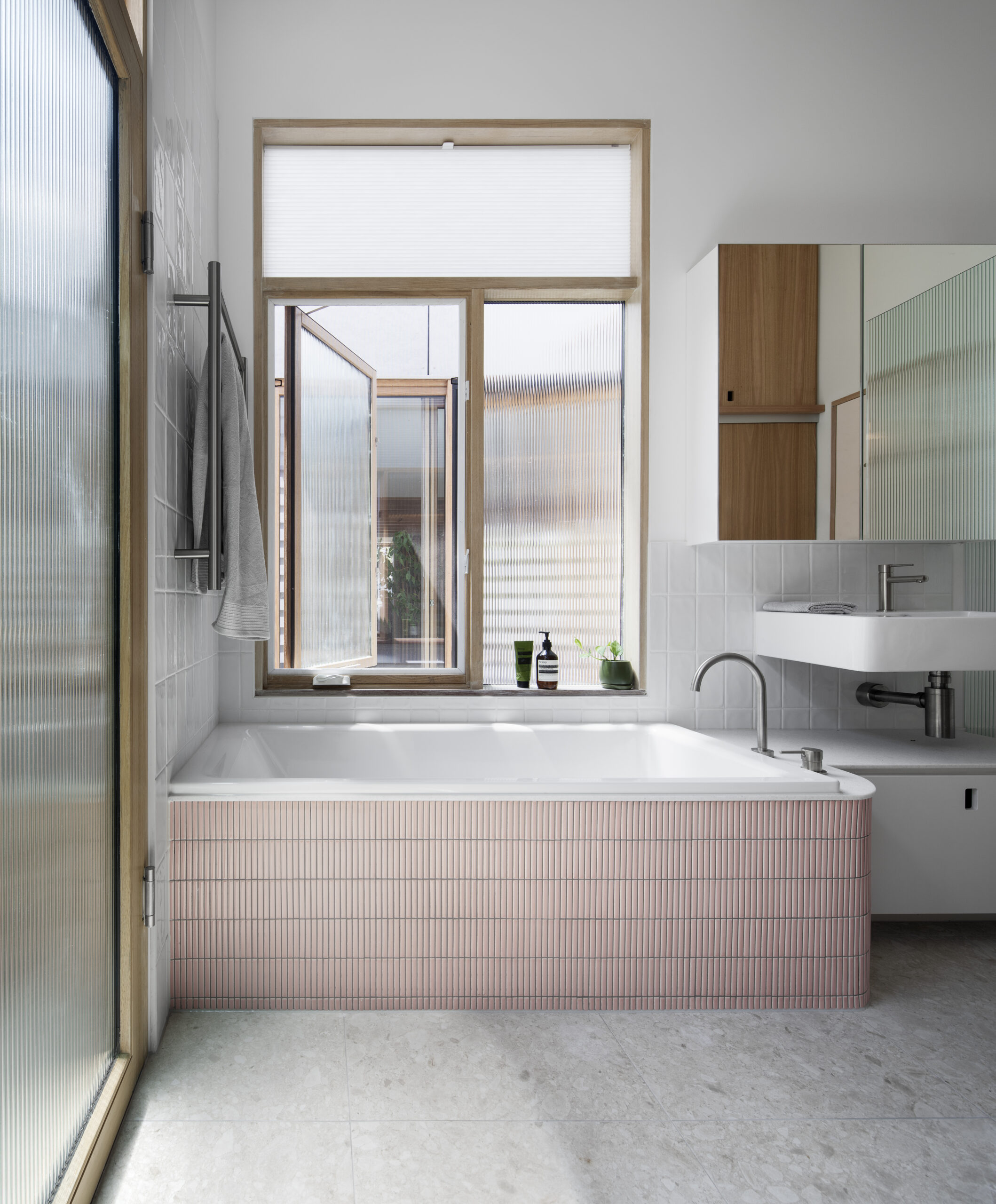
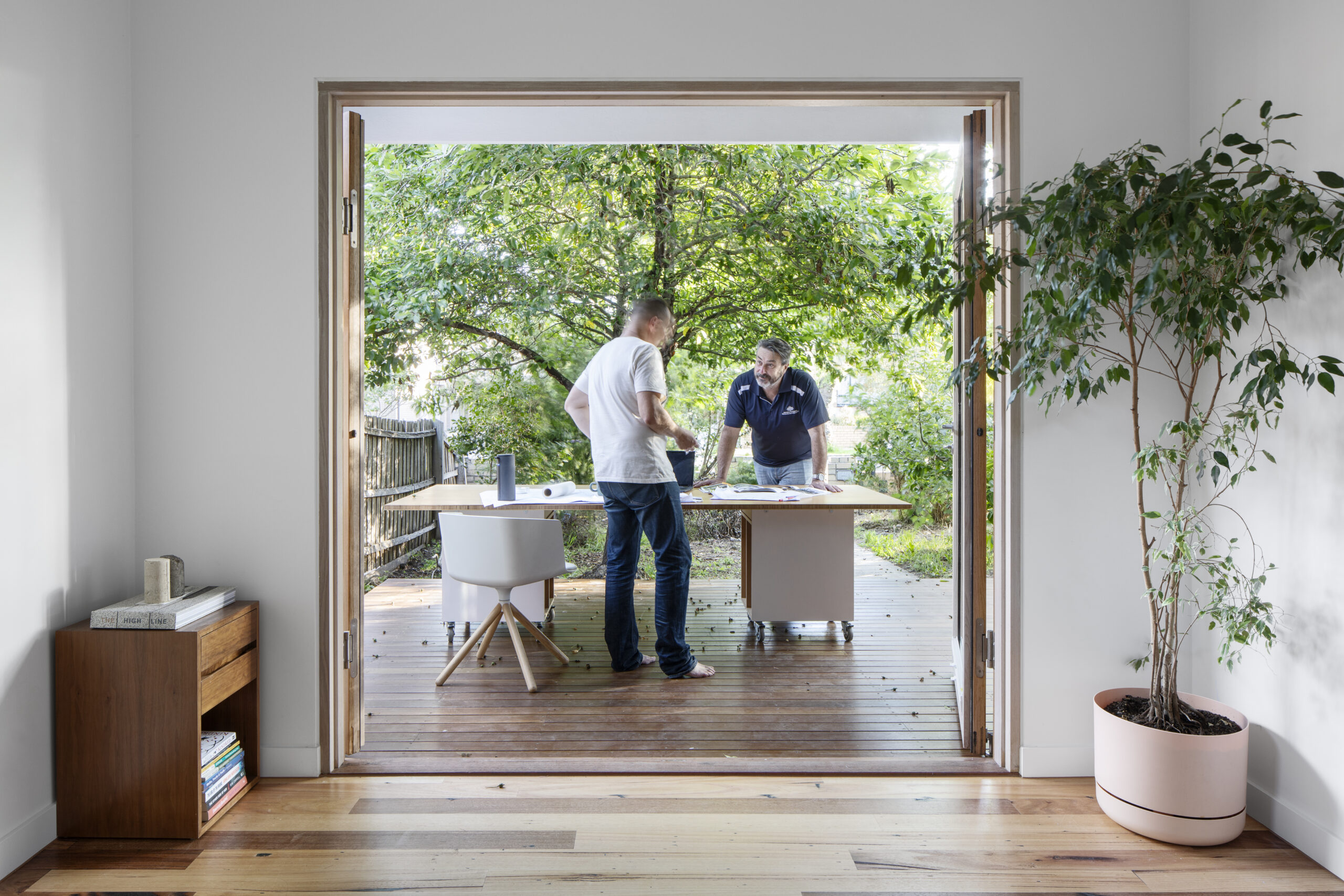
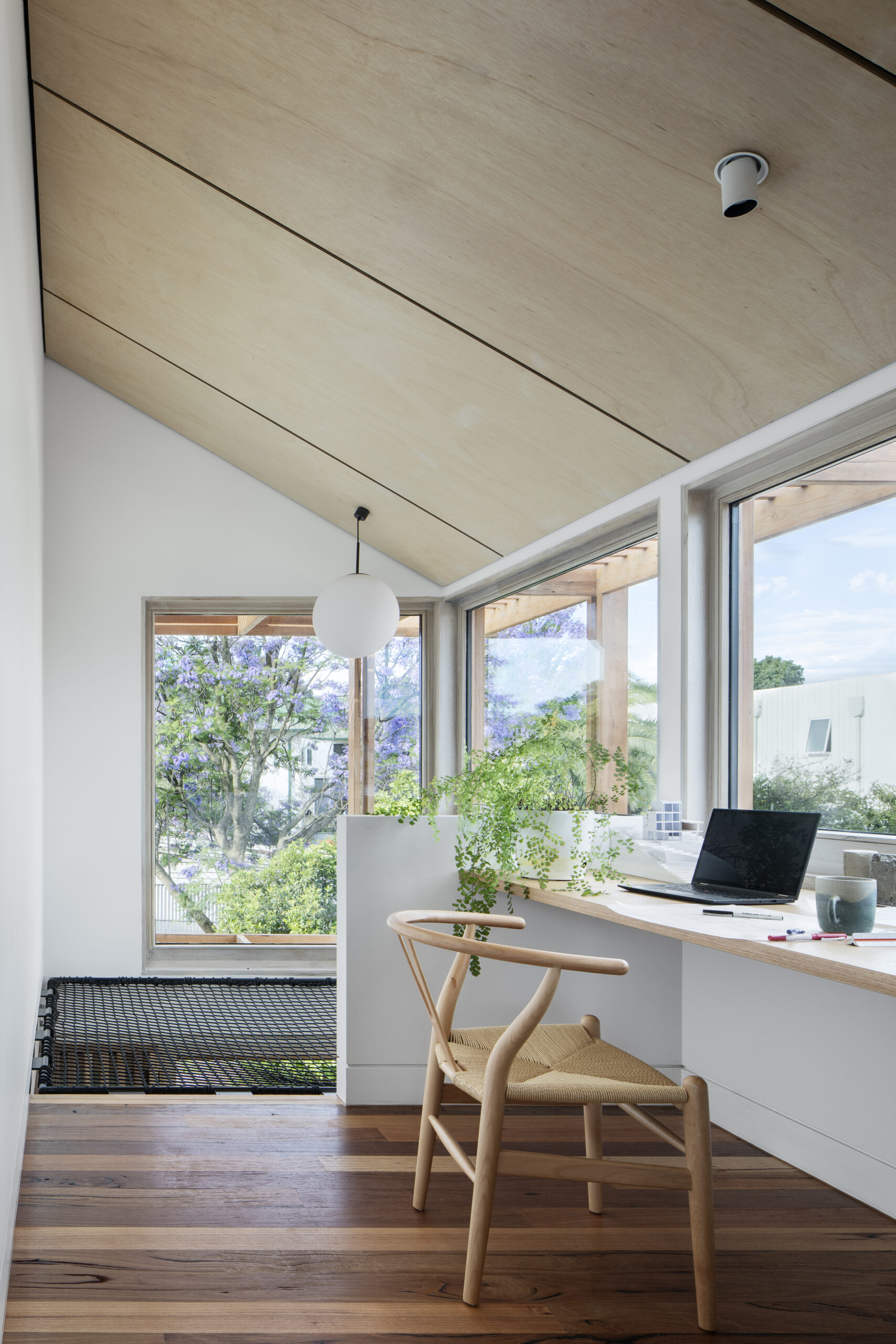
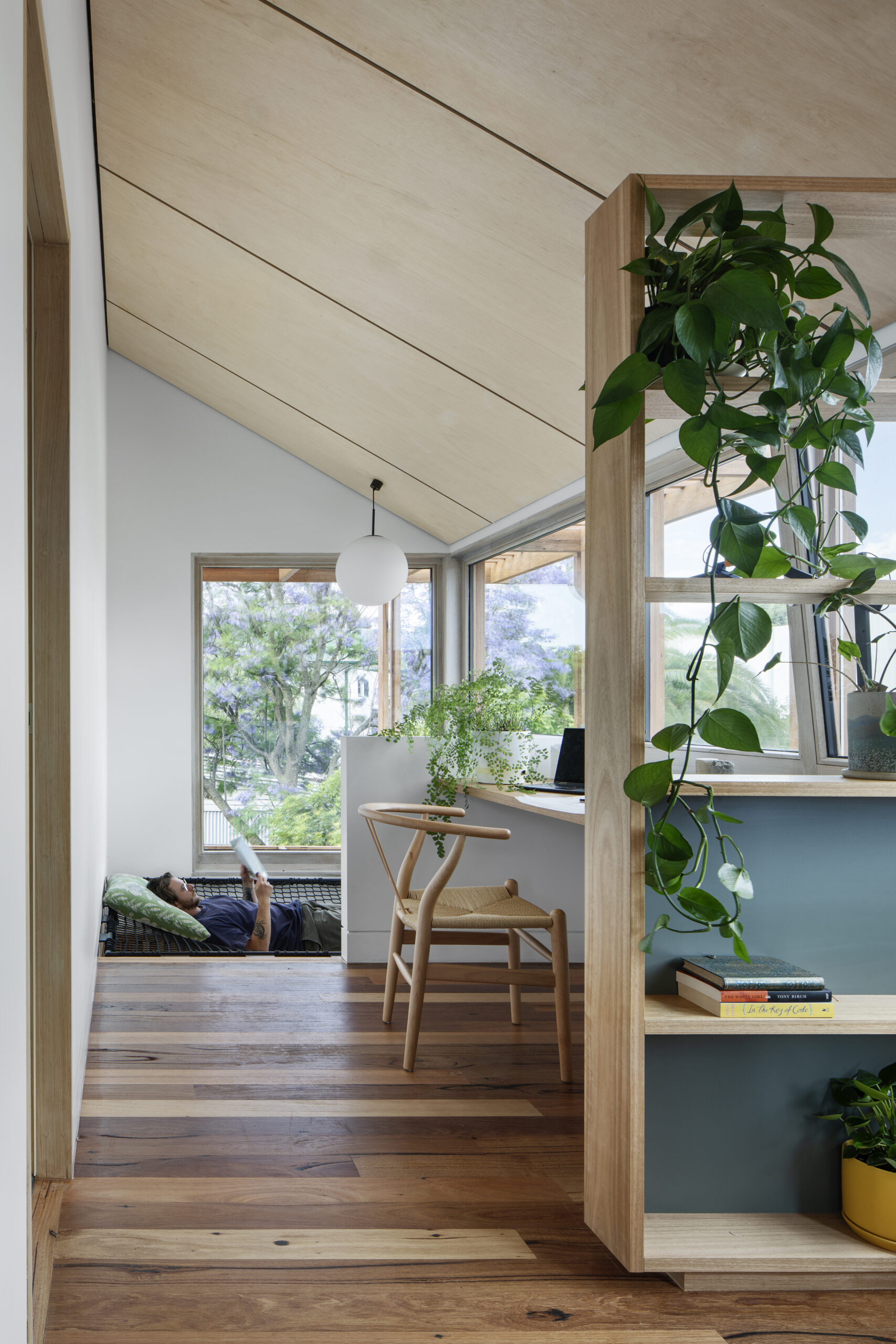
From the outset it celebrates the opportunity for a very personalised home, but beyond it focusses on what you can’t see: functionality, opportunities for interaction and retreat, enjoying working from home, flexibility, light, air, thermal comfort, acoustics, and personal health.

This home is the result of an engaging dialogue between home owners and project team, a collective effort that is more than a house addition; it's a thoughtful and very personal articulation of domestic spaces that are functional, comfortable, and warm.

This embodies our belief in creating environments that are not just efficient and cost-effective, but also supportive and community-focused, embracing and contributing to a tolerant and socially minded neighbourhood.
Q & A

What motivated you to build or retrofit sustainably?
At Welsch Studio we have embedded sustainability into our work from the beginning 23 years ago. It comes from a deep respect for the natural world and how good design can work with it — bringing in light, air, vegetation and biodiversity to create homes that feel better to live in. It is also about responsibility: doing our part so that future generations inherit a planet that is healthy, resilient and liveable.
A life cycle assessment demonstrates that size of a building poses the biggest global warming risk. Our aim therefore was to create a comfortable family home on an economic footprint for potentially six people that also allows for running a business from home . This results in significantly lower carbon emissions compared to the benchmark, improves natural light and ventilation, creates a sense of space, and can mitigate effects onto biodiversity. Passive solar design, high performing building fabric, low impact service and PV are always integral, but the biggest difference made containing the size but still making it functional, comfortable and beautiful.
There hasn't been a “wish we’d known” moment per se, but this was our first project for which we carried out a life cycle assessment (LCA) and took valuable data from it. The LCA confirmed our assumption that embodied energy in a building increases in order to reduce operational energy in the long term. This confirmed to us the importance of being mindful of size and encouraged us to look at selecting the right materials and services early in the project.
Budget and time are always considerations, so we don't see them as a barrier. But having said that, our dream project would be an upgrade of a block of flats in Melbourne's inner suburb. These buildings have very good bones; the apartments are big enough and can be cleverly modified to allow for a contemporary life style: multigenerational, accessible, extended family and friends, visitors and guests, communal facilities all in one building. Sounds like a real estate ad but it could be a manageable housing model for the future that addresses affordability, community, aging in place and mindful use of resources amongst other things.
Back to 2026 Homes
Type: Standalone house/townhouse
Project: Renovation or extension
Architect: Welsch Studio
Builder: Building Integrity Group Pty Ltd
Size: 165m²
Energy Rating: 6.3 Stars NatHERS for old house + extension
Bedrooms: 4
Bathrooms: 2

Sustainability Features

Building Materials & Envelope

Draught-proofing/air sealing
High-performance insulation
Double or triple-glazed windows
Sustainable or low-impact materials
Recycled or reused materials
Other

Heating, Cooling and Ventilation

Passive heating/cooling (north-facing glazing, cross ventilation, thermal mass, shading, etc.)
Ceiling fans
Heat pump (reverse-cycle) heating/cooling
Heat pump-powered hydronic heating

Energy and Appliances

Rooftop solar PV
Battery storage
Energy monitoring/smart home systems
Efficient lighting (LED, daylighting, solar skylights)
Heat pump hot water
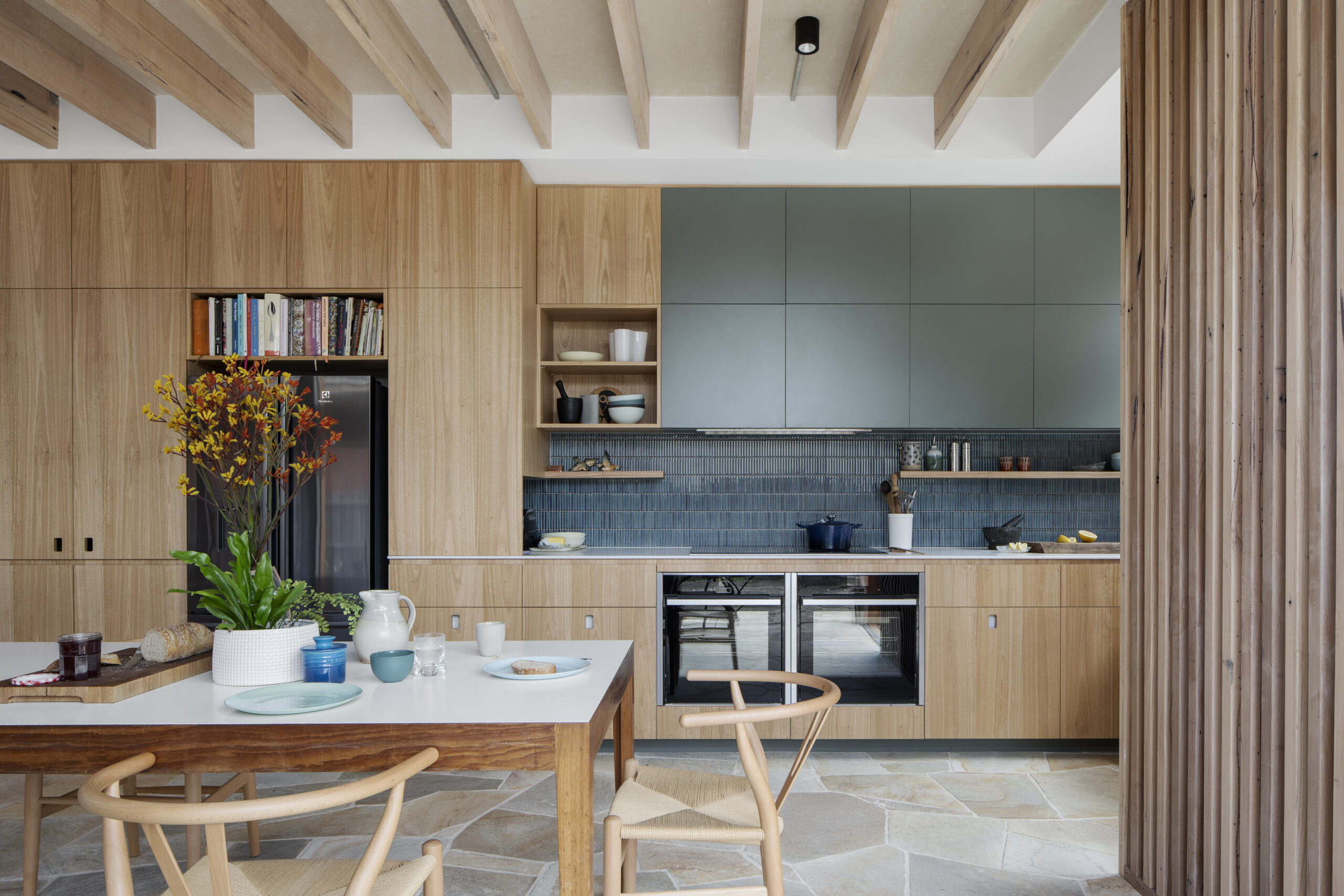
Electric cooktop - induction/ceramic
Other energy-efficient appliances

Water & Waste Systems

Water-efficient fixtures
Rainwater tanks

Landscape & Biodiversity

Native garden
Edible garden

Climate Resilience

Heatwave

Accessible & Flexible Design Features

Design for flexible use
Design for multigenerational living or dual occupancy
Share this home:

Related Homes

Home tours delivered to your inbox

Step inside sustainable homes across Australia and get practical ideas you can use in your own