
The Possum’s Tail Sandstone House

Ngadjuri People Nukunu Country,
Koolunga,
SA
Online home tour

About this home

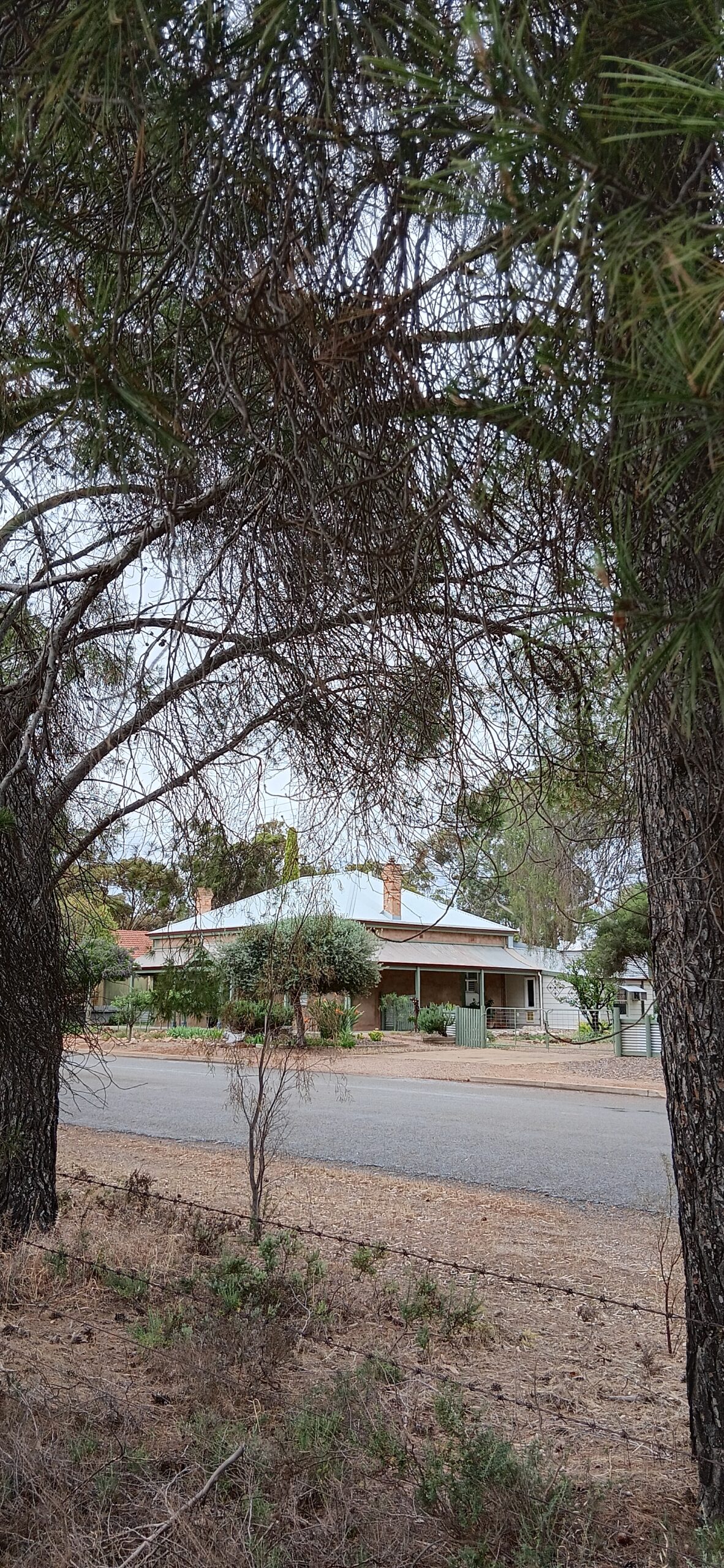
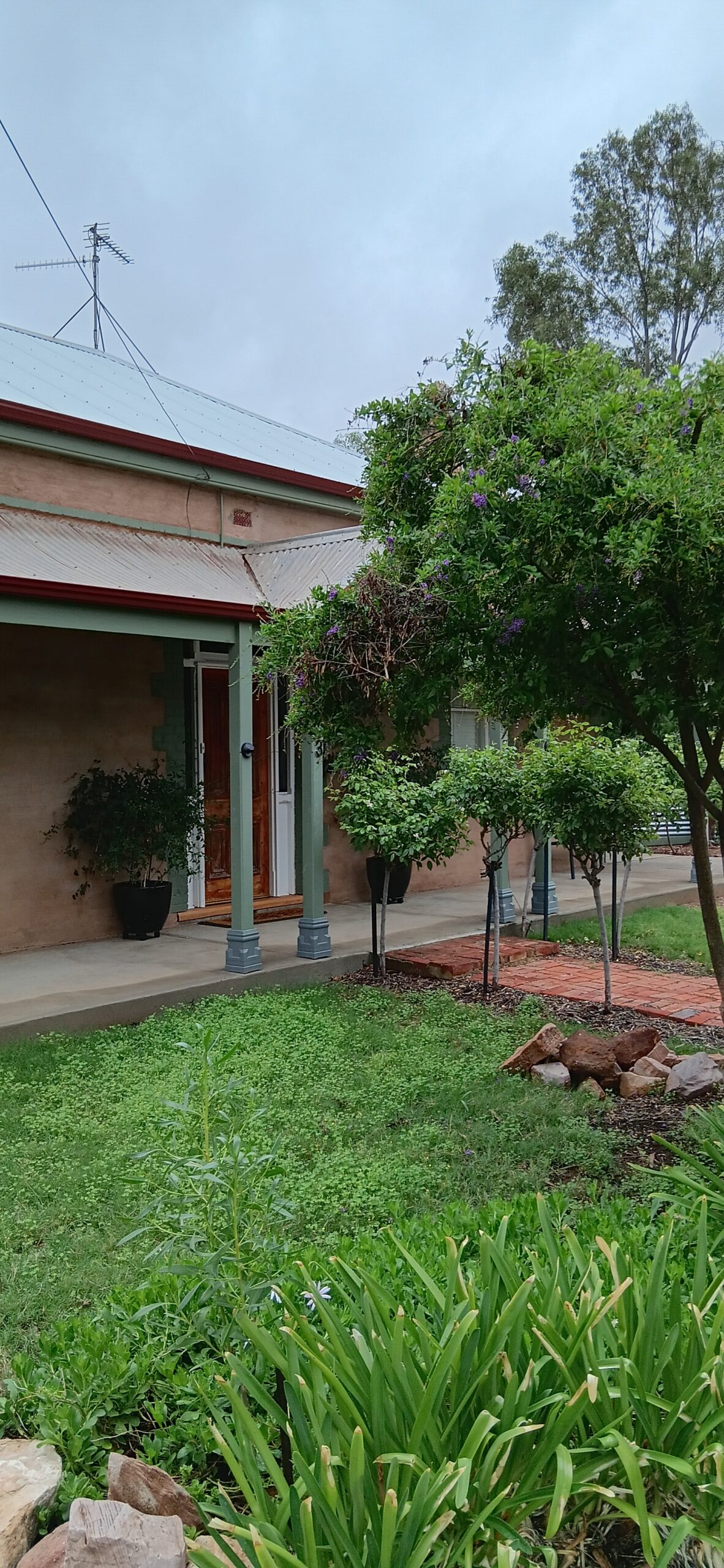
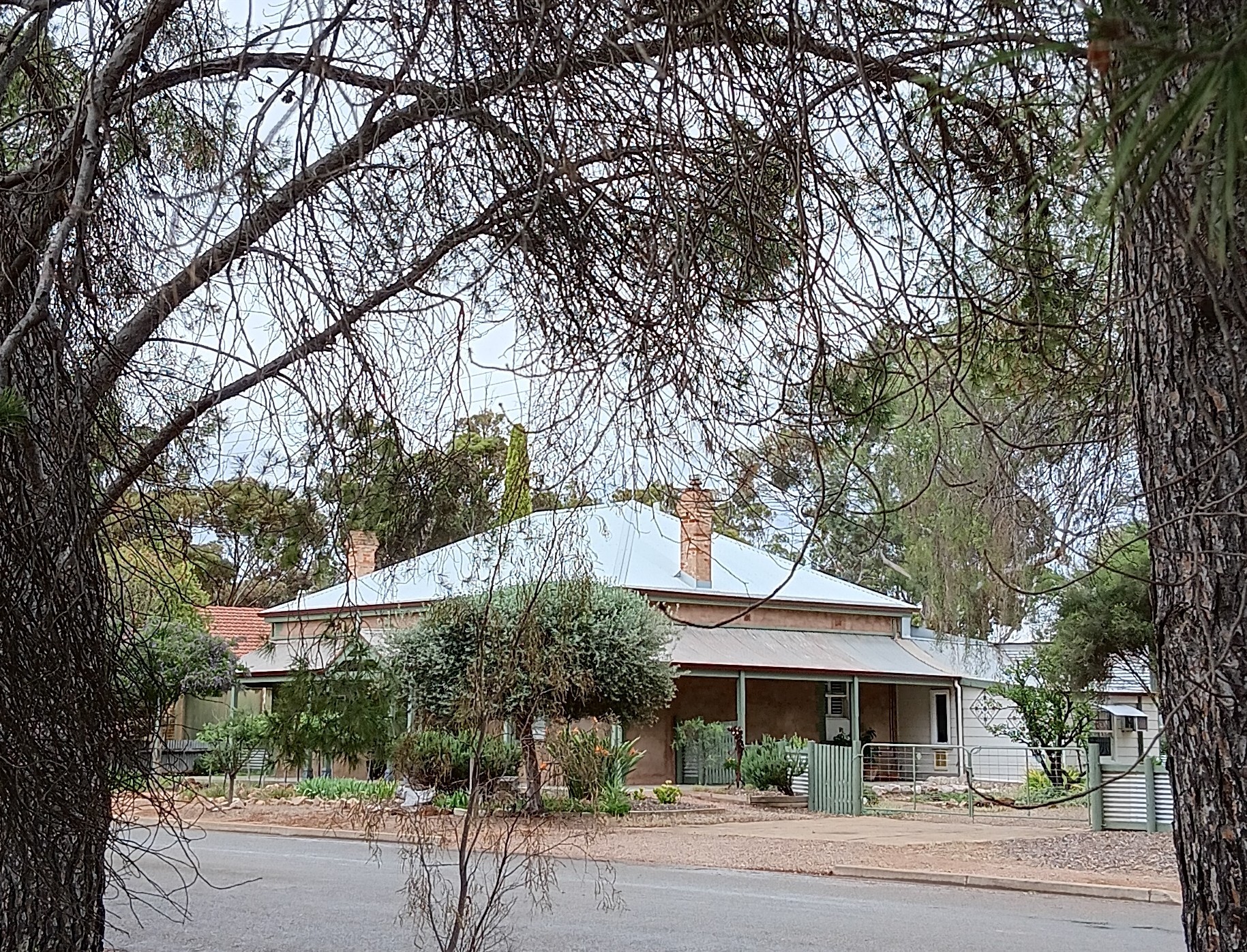
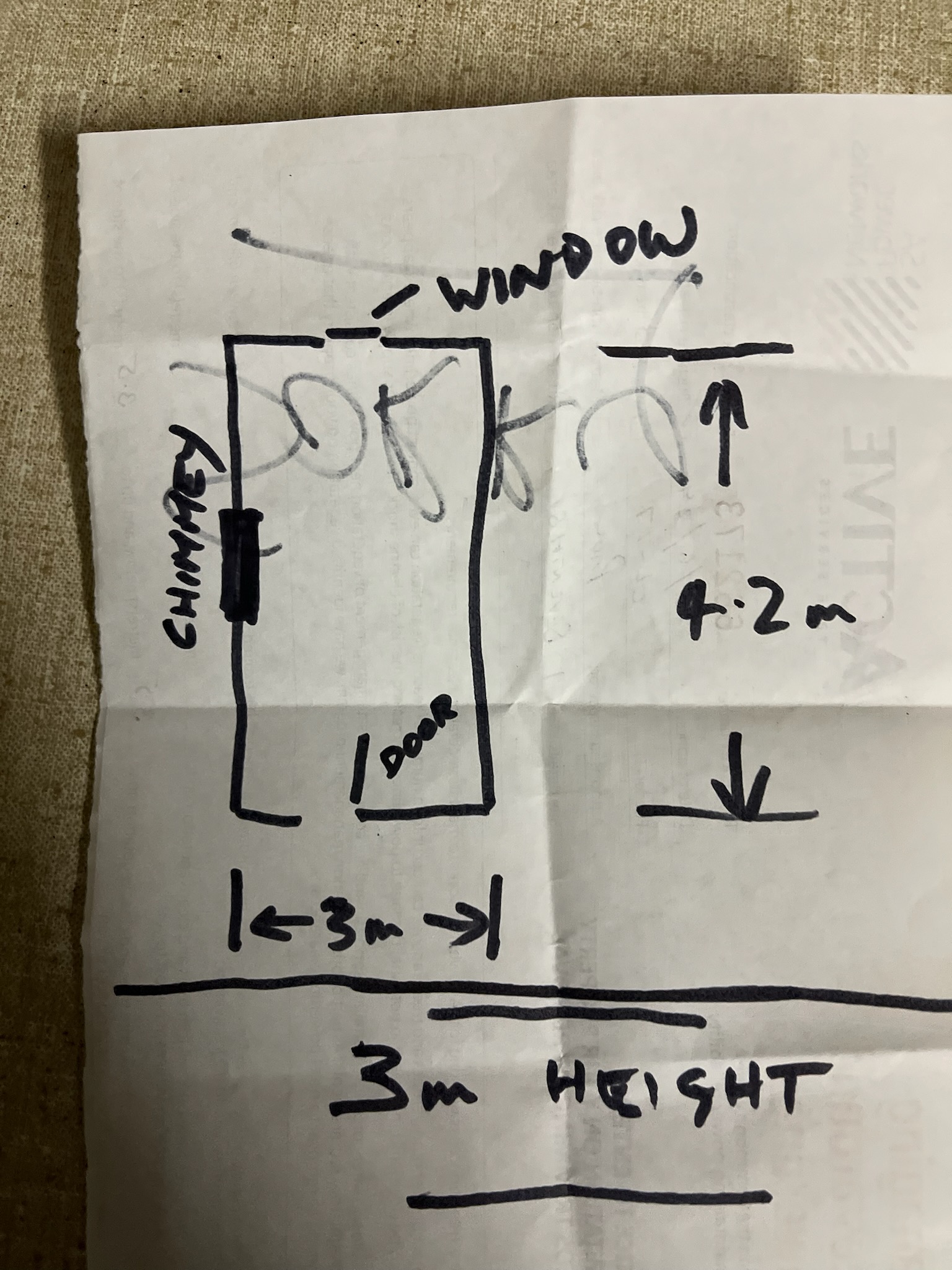
This is a century-old sandstone house in a small farming village in South Australia's Mid North. The new owner and rural interior designer has been restoring and renovating for a couple of years, keeping the principles of efficiency and sustainability.

The house was in poor condition, and the possums made it their home.
The climate in this part of South Australia is mild in winter and very hot in summer.

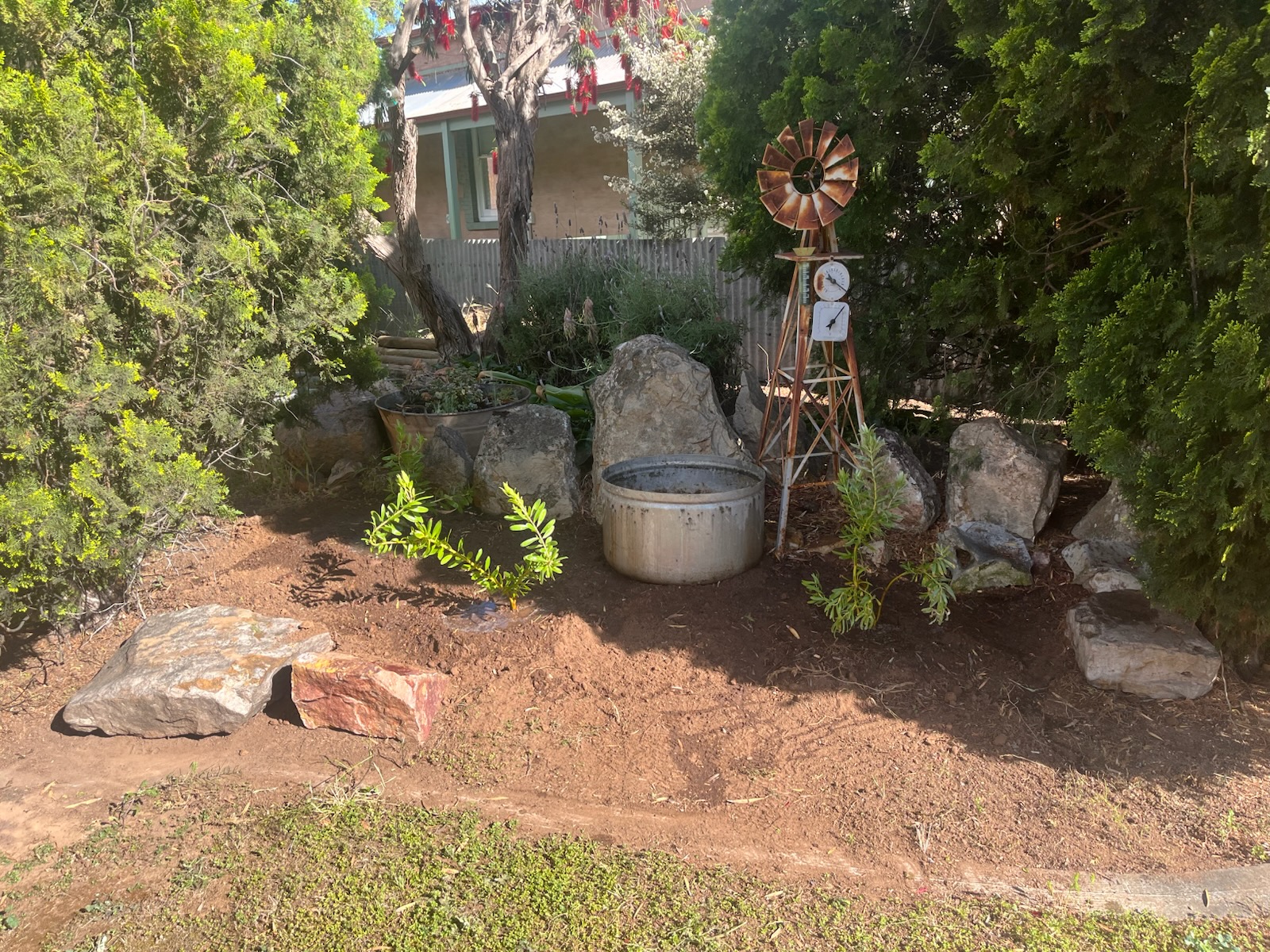
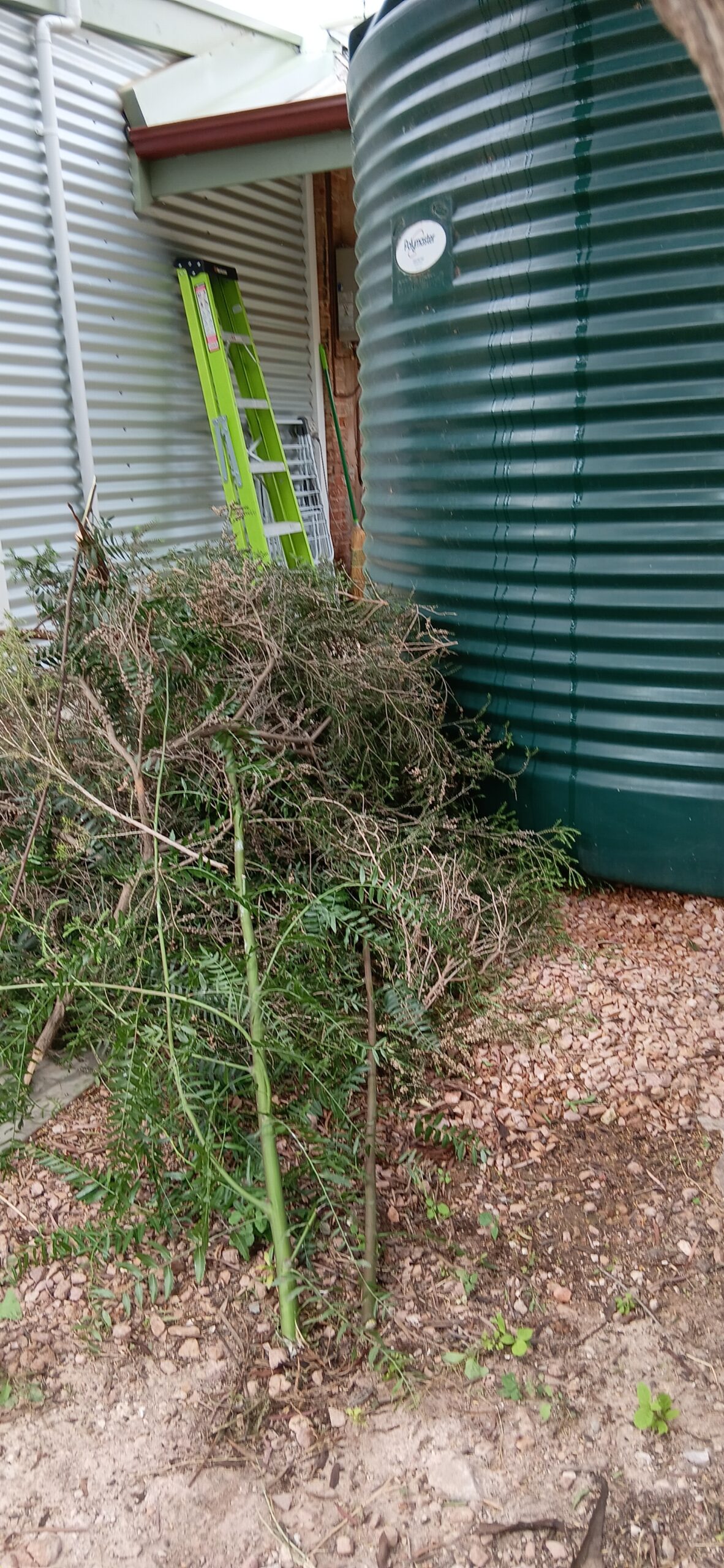
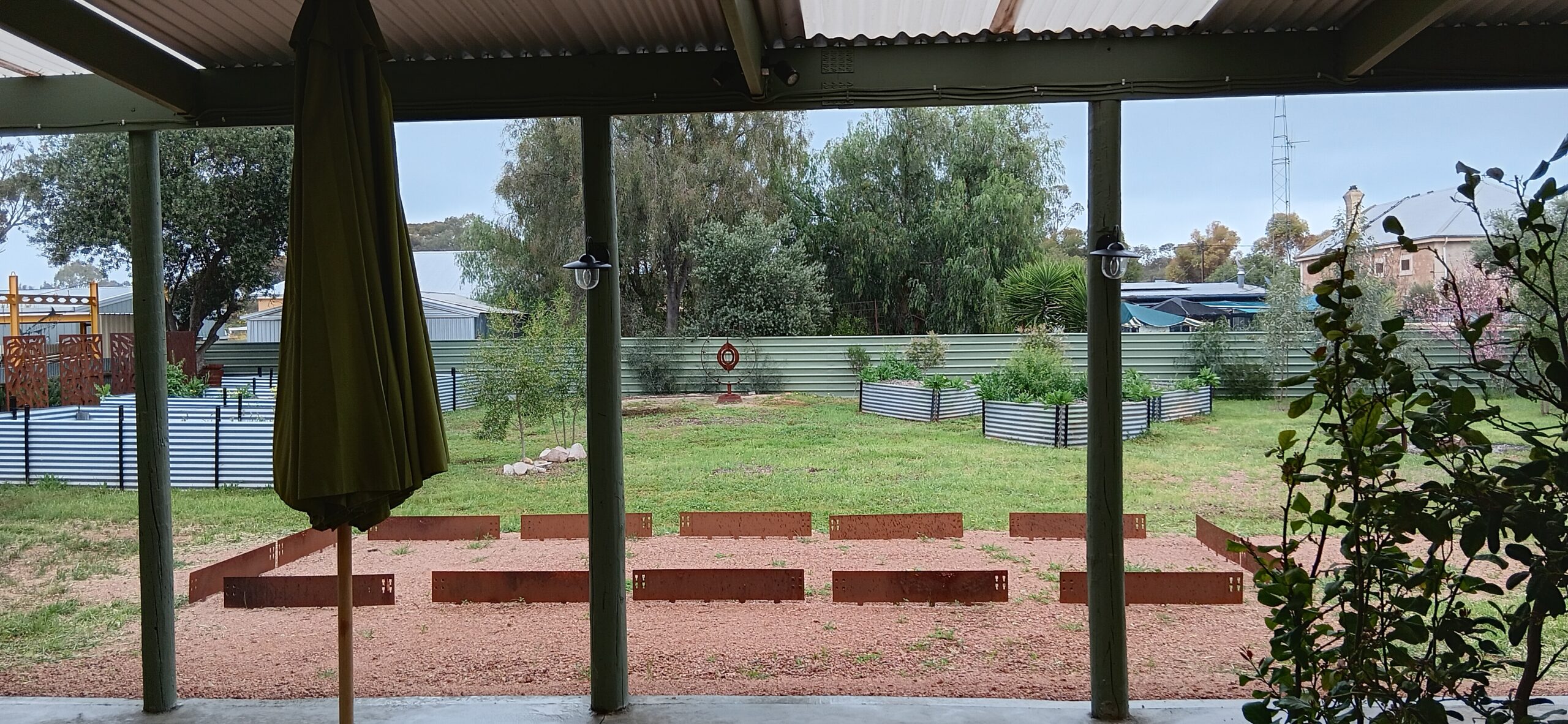
The main renovations focused on balancing energy efficiency, reducing maintenance costs, and reducing indoor water consumption through water-efficient appliances and new bathroom plumbing fixtures, including water-efficient toilets. The eco-friendly septic tank supports native species planted in the backyard, reducing outdoor water use. The house has two new rainwater tanks, with the idea of growing Australian natives and banksias for weddings in the six garden beds.

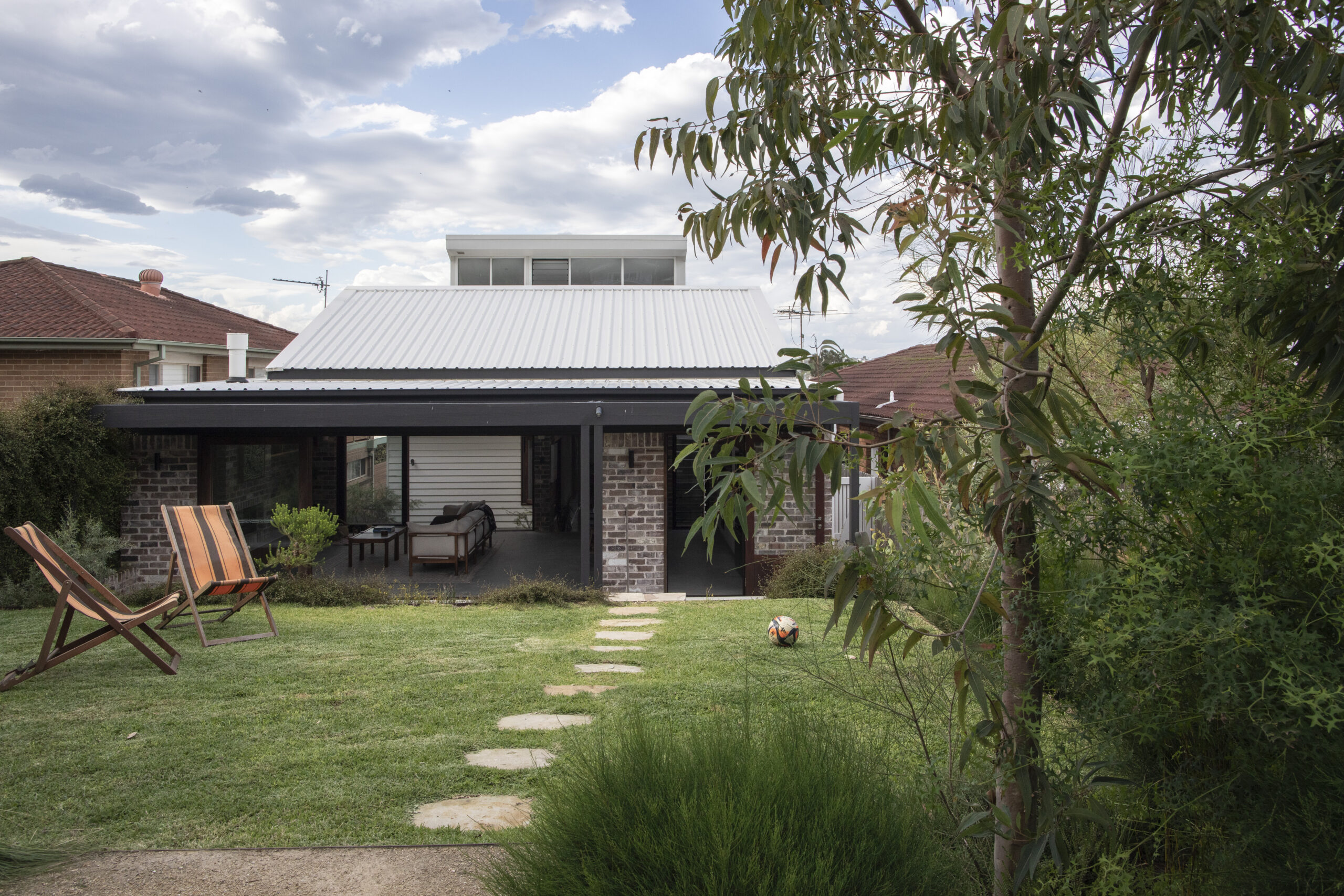
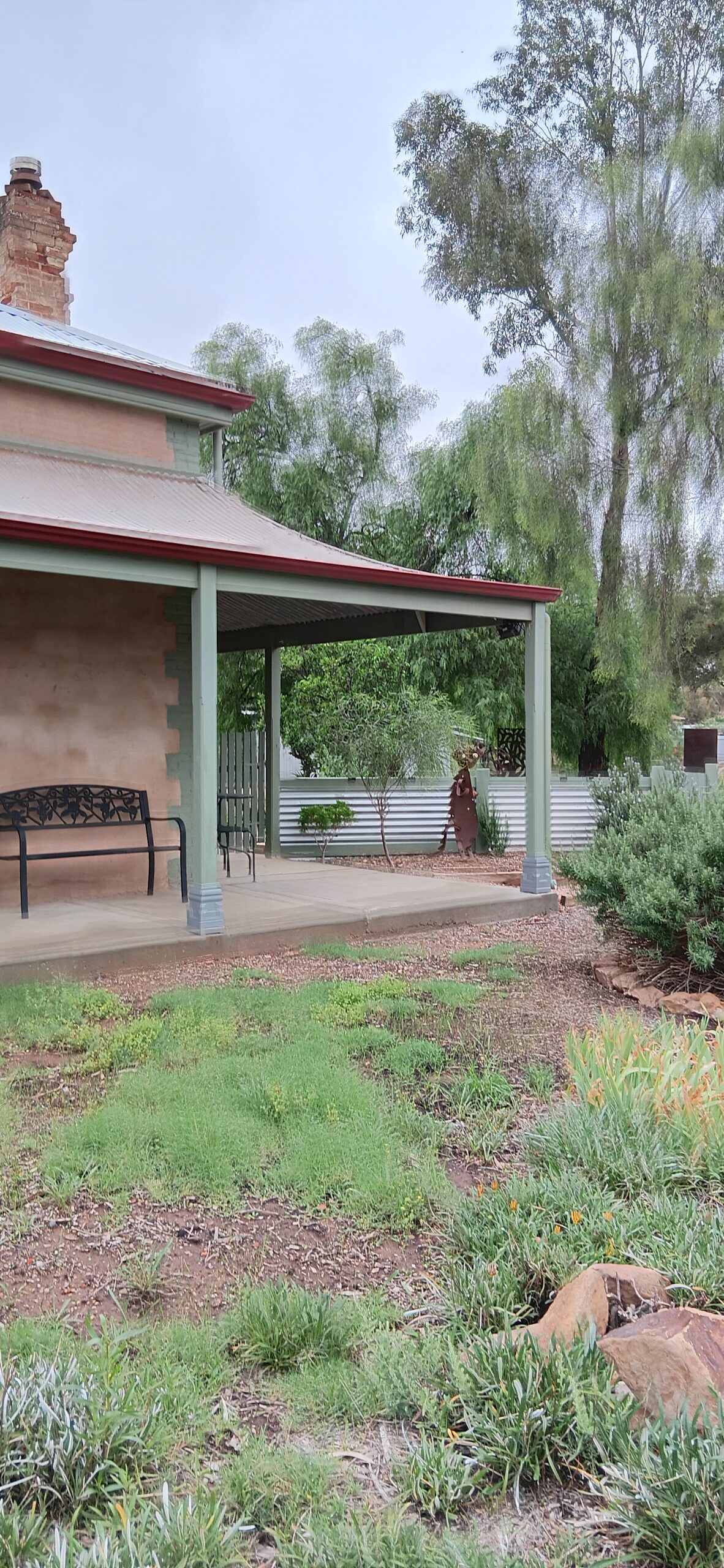
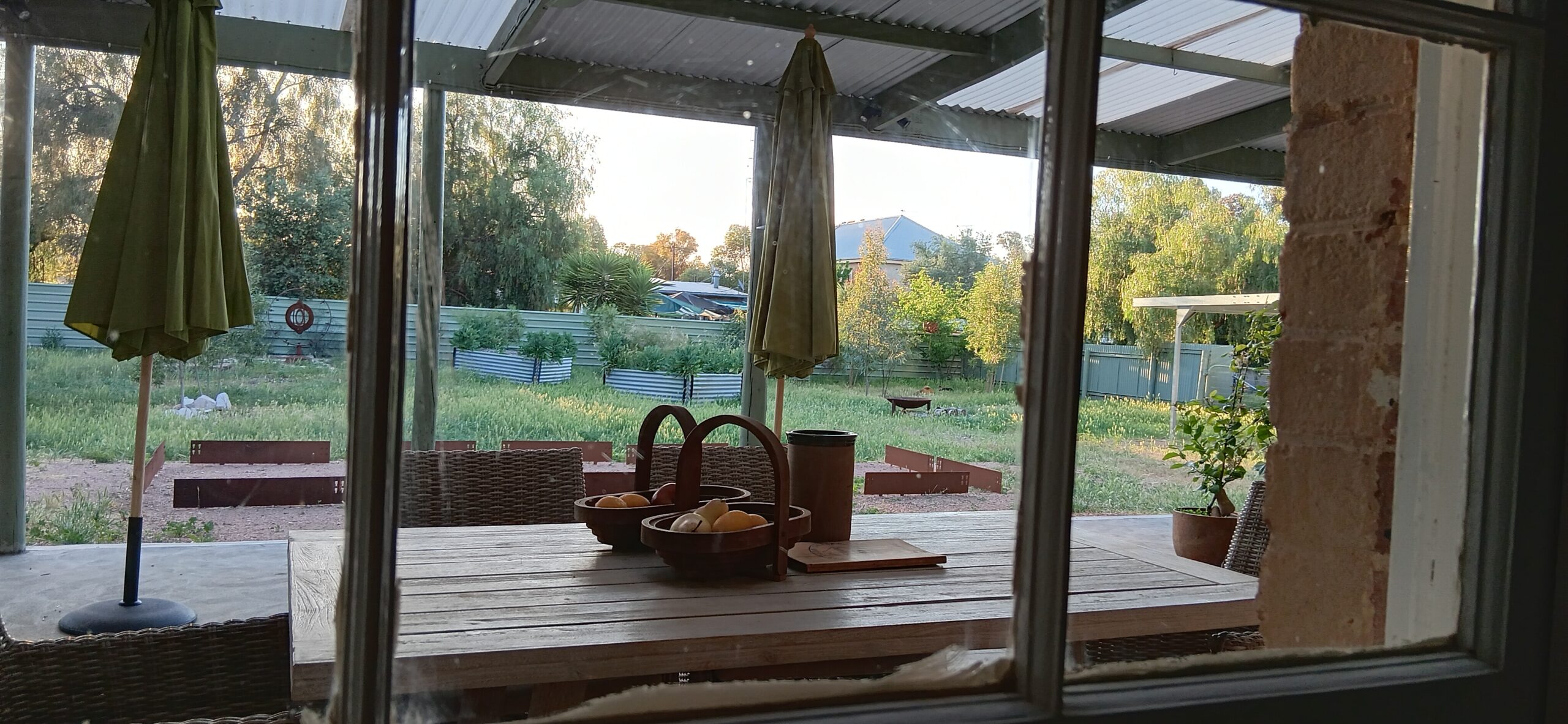
Solar photovoltaic panels with micro-inverters were installed on the garage roof to preserve the house's rural, old-style character and, most importantly, to generate most of the building's electricity during daylight hours. A large verandah and entertaining areas around the house provide good cross-ventilation and extensive shade. The cellar, discovered during renovation work under the verandah, provides a cool space to store Riesling wine.

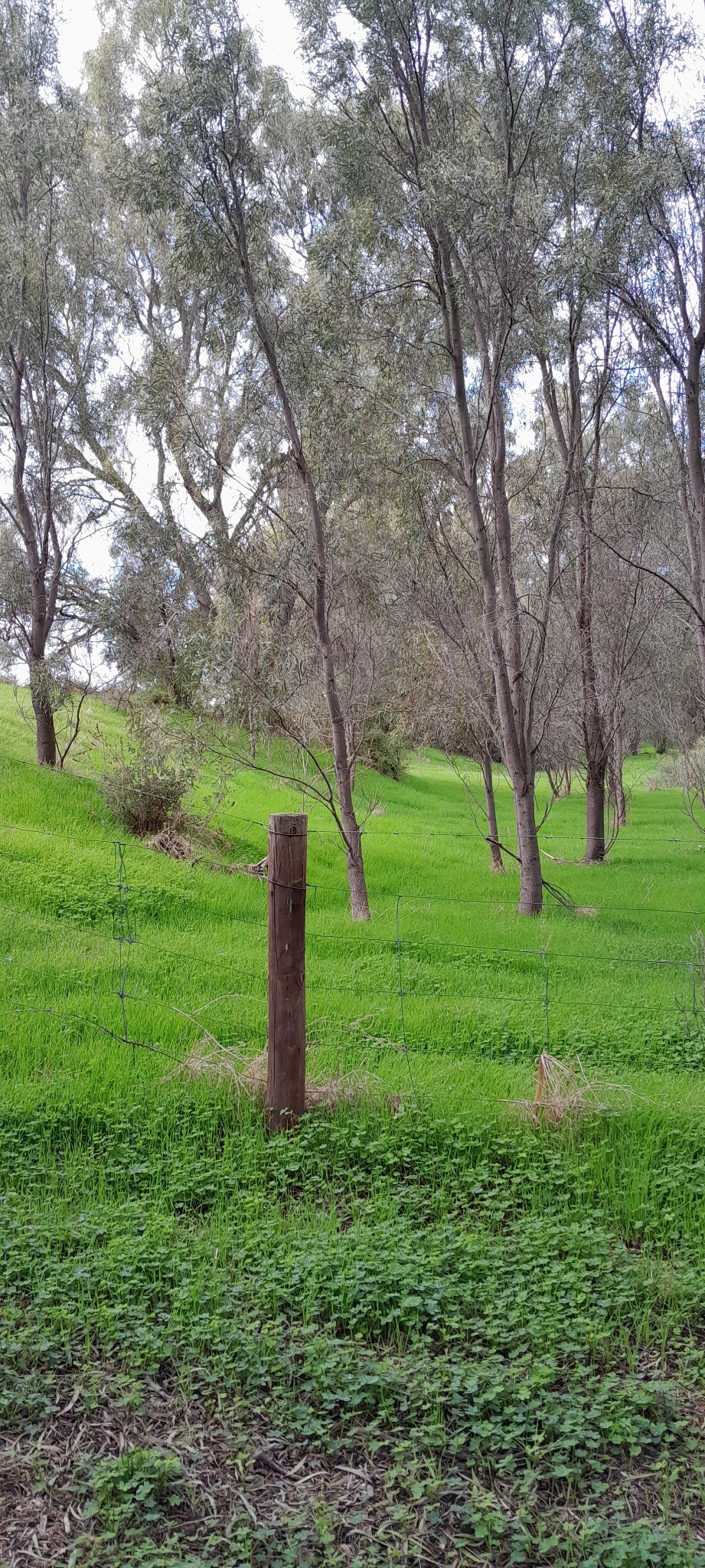
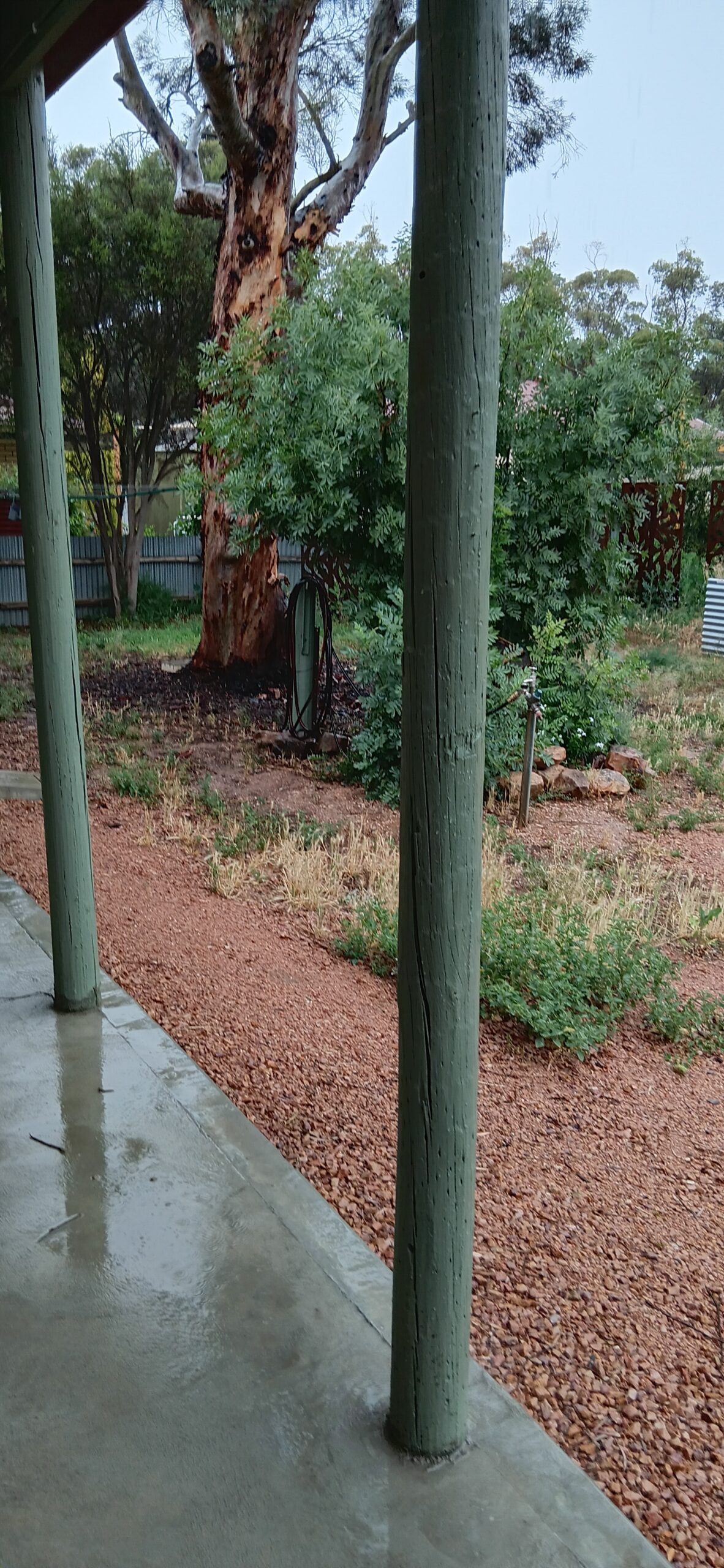
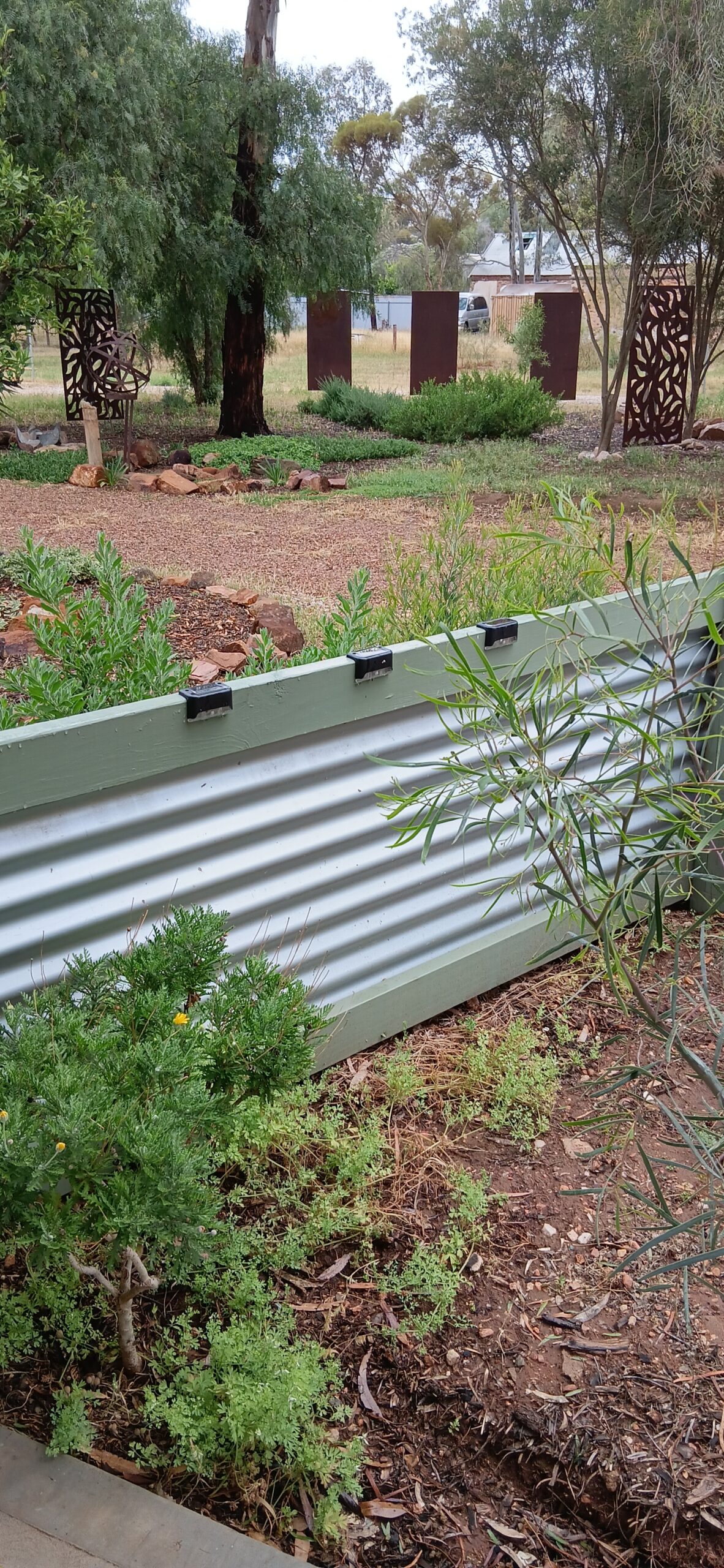
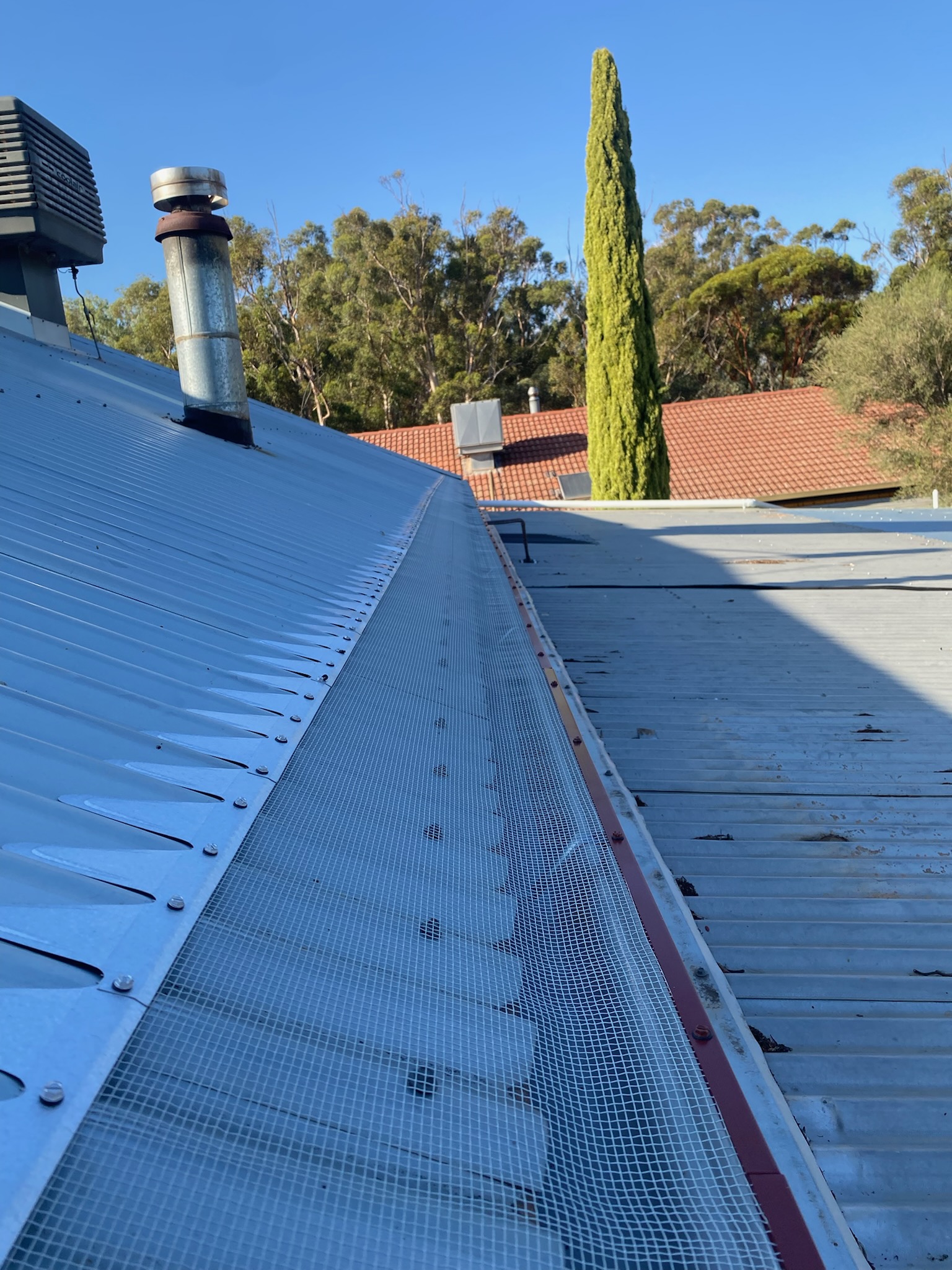
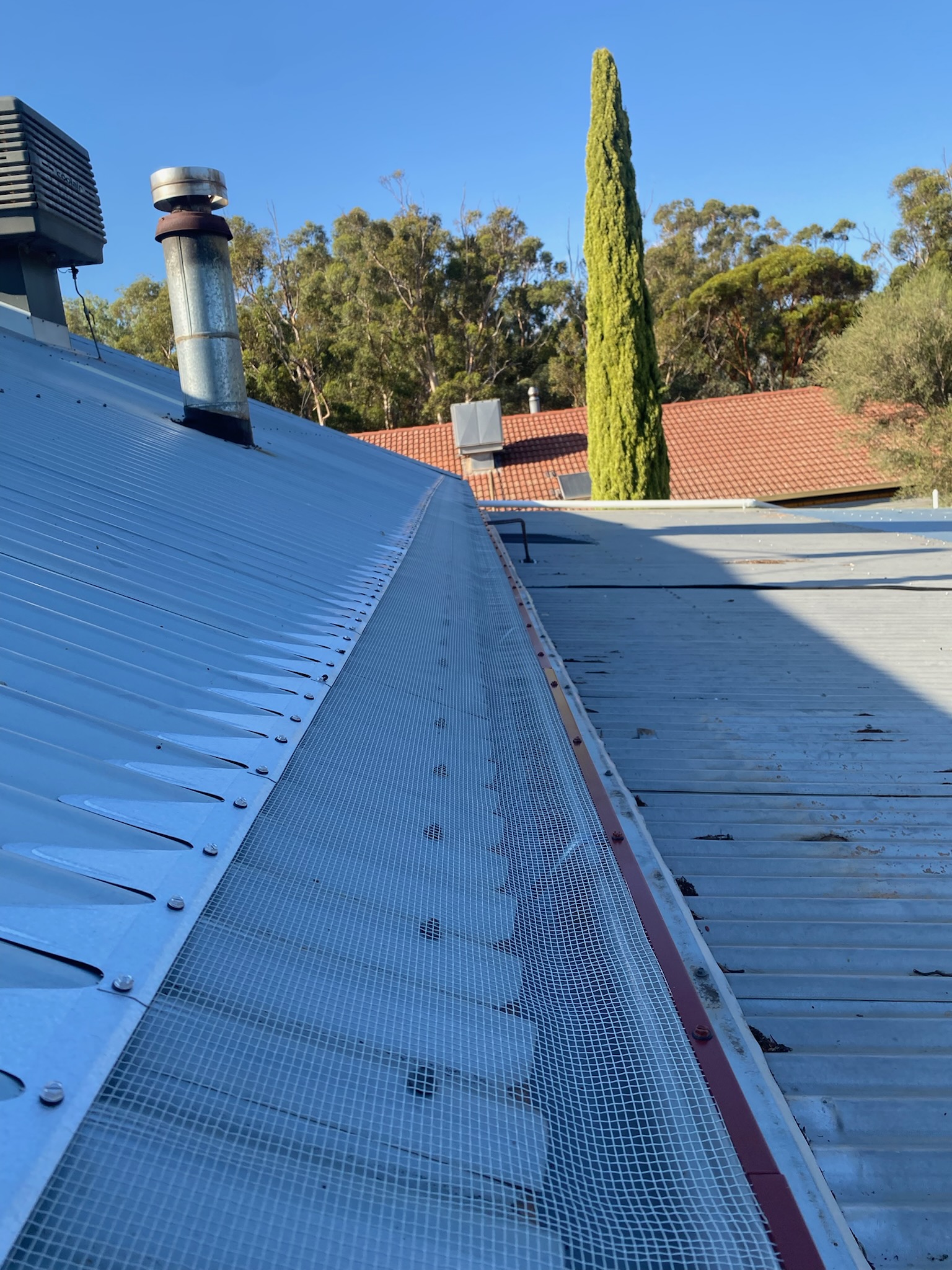
The gardens feature drought-tolerant plants that feed bees, lizards, and birds. As the house is close to a Native Reserve with large gum trees, bush-fire resilience was an important consideration for the owner, and the roof has been fitted with a non-combustible metal mesh designed to block embers from entering the home and to act as a barrier against vermin.

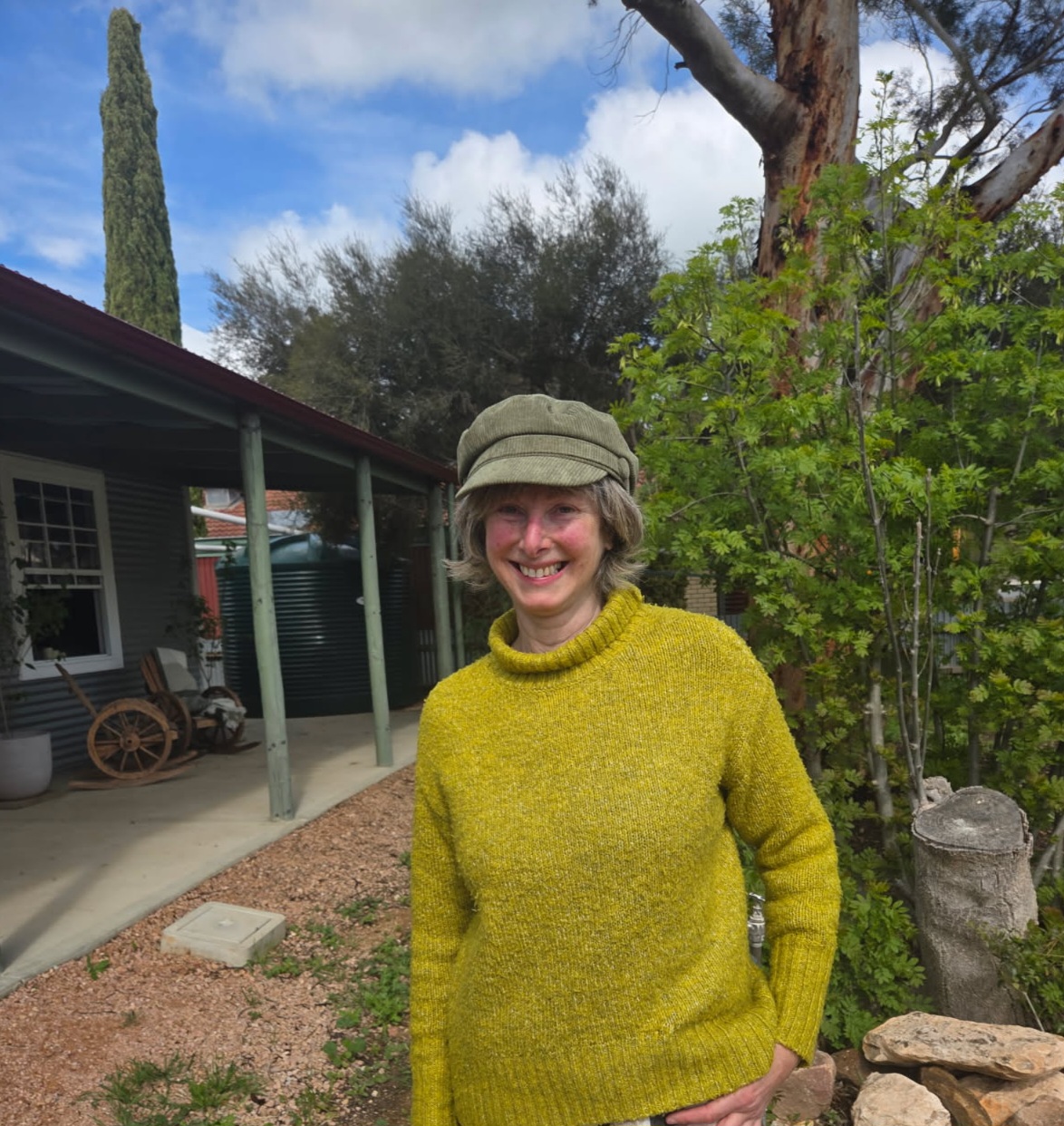
As a multi-use area of the house, the verandah is assigned to "Rural Living Workshops".

Q & A

What motivated you to build or retrofit sustainably?
Bills and climate concerns mainly.
The biggest difference, probably, is the new bathrooms connected to an eco-friendly septic tank, which provides enough moisture to keep trees and native plants alive even in a very hot summer, protecting bees, lizards, and birds around the backyard.
I wish I had known a lot more about environmentally sustainable homes and how I could adapt better to climate change before the renovations.
My future project is to eliminate the gas bottles used to heat water, as soon as I can.
Type: Standalone house/townhouse
Project: Renovation or extension
Architect: Alsanto Constructions PTY
Designer: Diana Dan
Builder: Mark Kevin Allan
Size: 174.87m²
Bedrooms: 4
Bathrooms: 2

Sustainability Features

Building Materials & Envelope

Draught-proofing/air sealing
Sustainable or low-impact materials
Recycled or reused materials
Other

Heating, Cooling and Ventilation

Passive heating/cooling (north-facing glazing, cross ventilation, thermal mass, shading, etc.)
Heat pump (reverse-cycle) heating/cooling

Energy and Appliances

Rooftop solar PV
Efficient lighting (LED, daylighting, solar skylights)
Electric cooktop - induction/ceramic
Other energy-efficient appliances

Water & Waste Systems

Water-efficient fixtures
Rainwater tanks

Landscape & Biodiversity

Native garden
Permaculture garden
Wildlife-supporting habitat

Climate Resilience

Flood
Bushfire
Heatwave

Accessible & Flexible Design Features

Design for flexible use
Design for multigenerational living or dual occupancy
Share this home:

Related Homes

Home tours delivered to your inbox

Step inside sustainable homes across Australia and get practical ideas you can use in your own