
Thornleigh PassivHaus

Kuring-gai Land,
Thornleigh,
NSW
This home will be open for in-person tours on the 17th May 2026

About this home

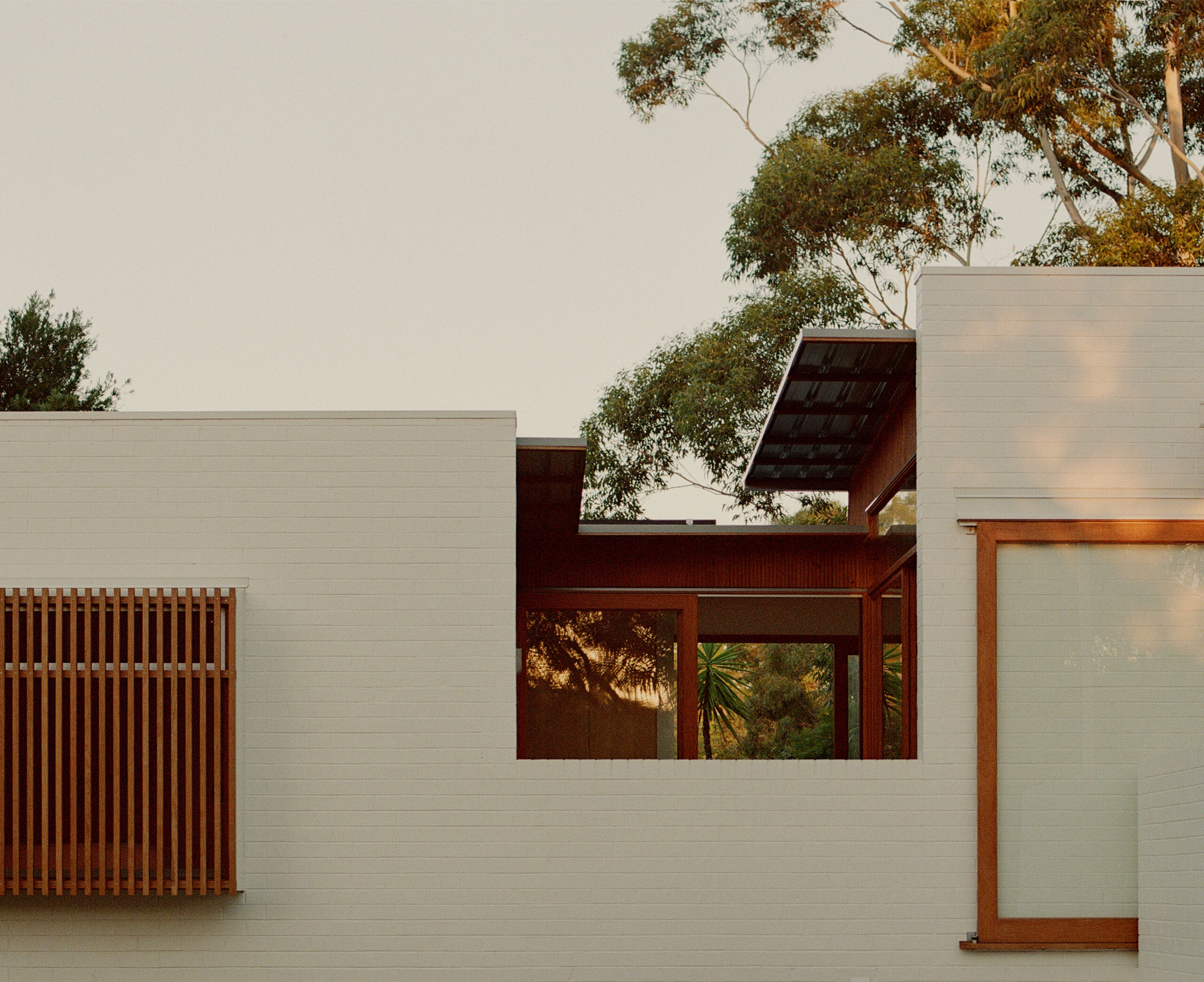
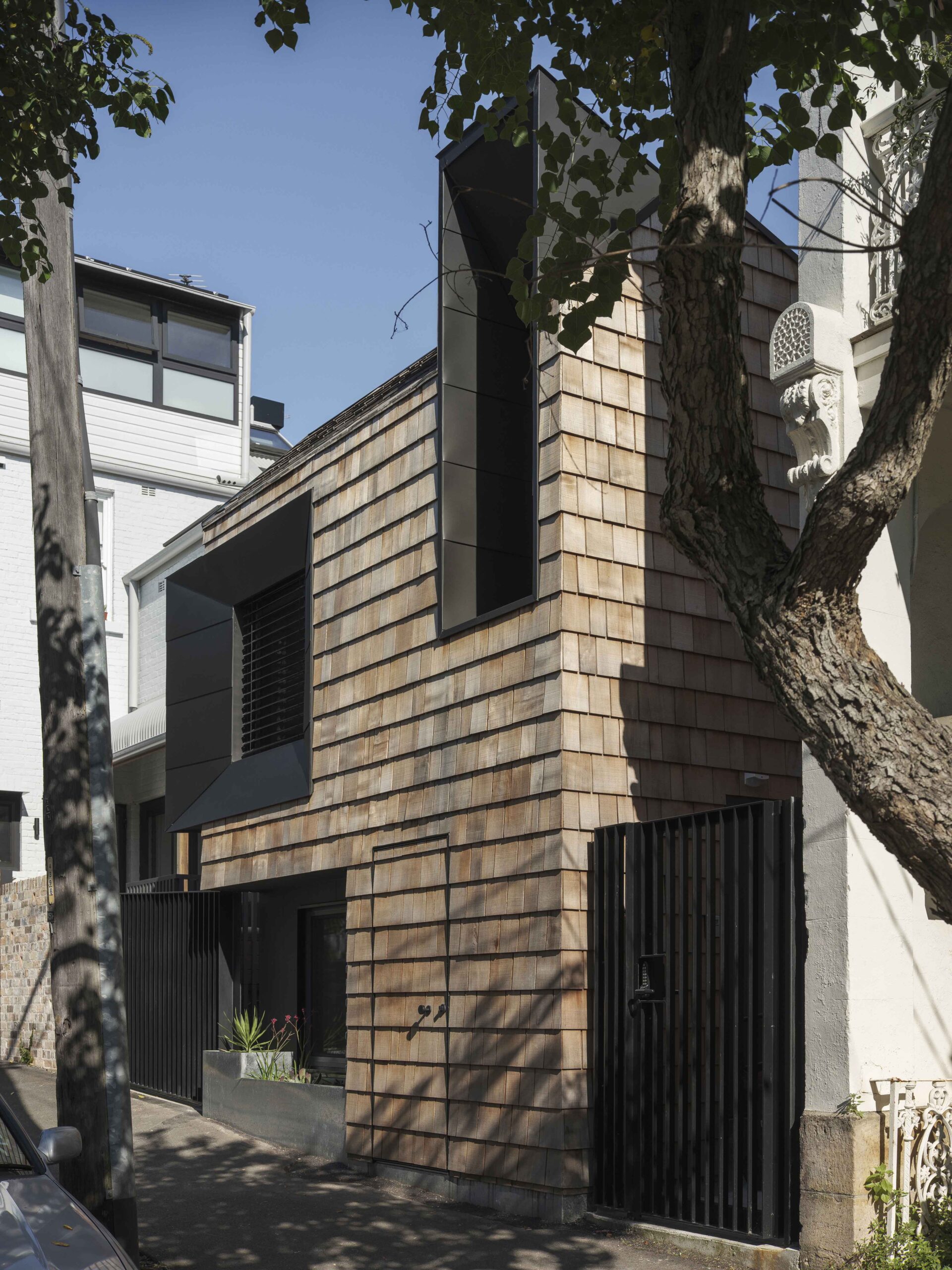
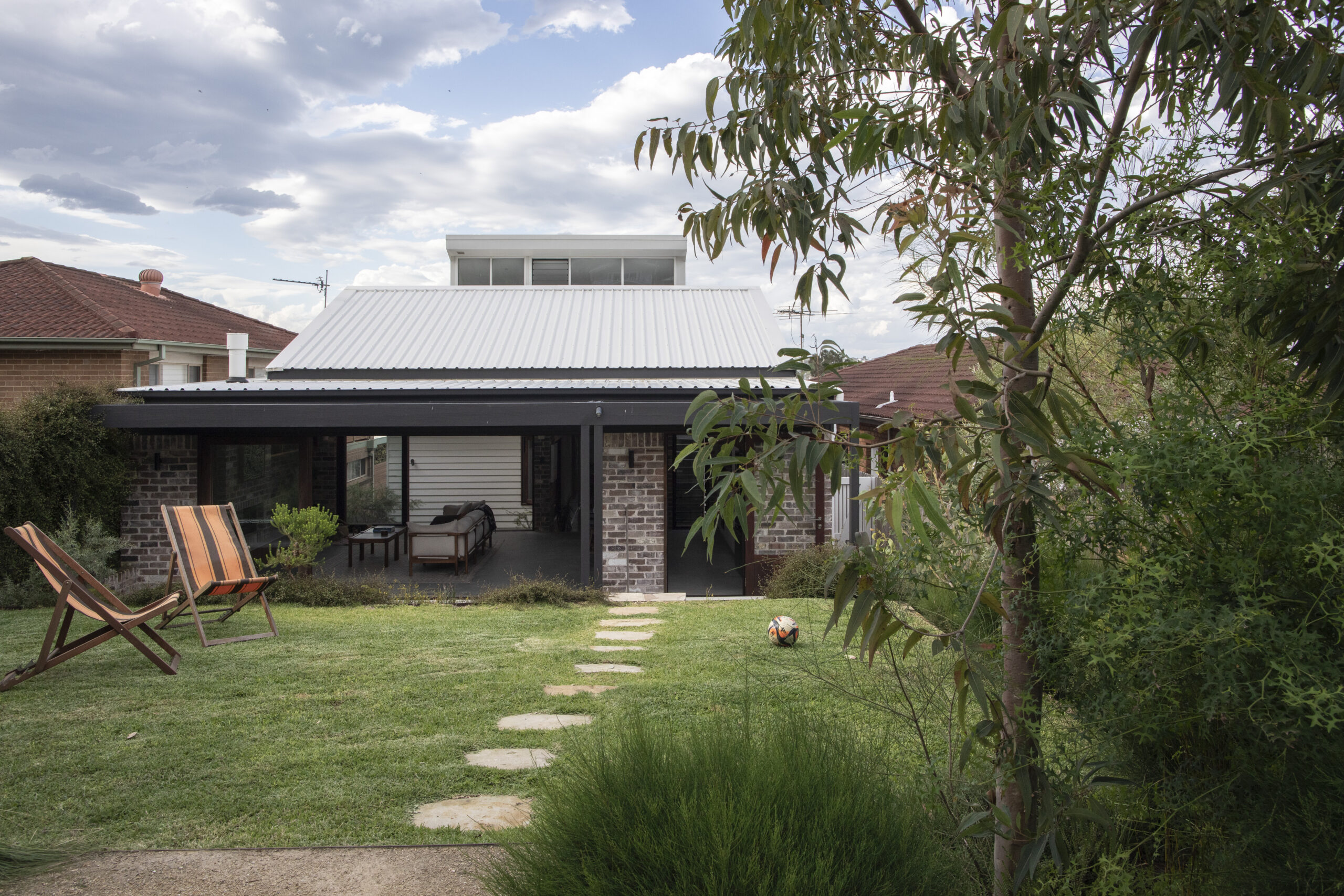
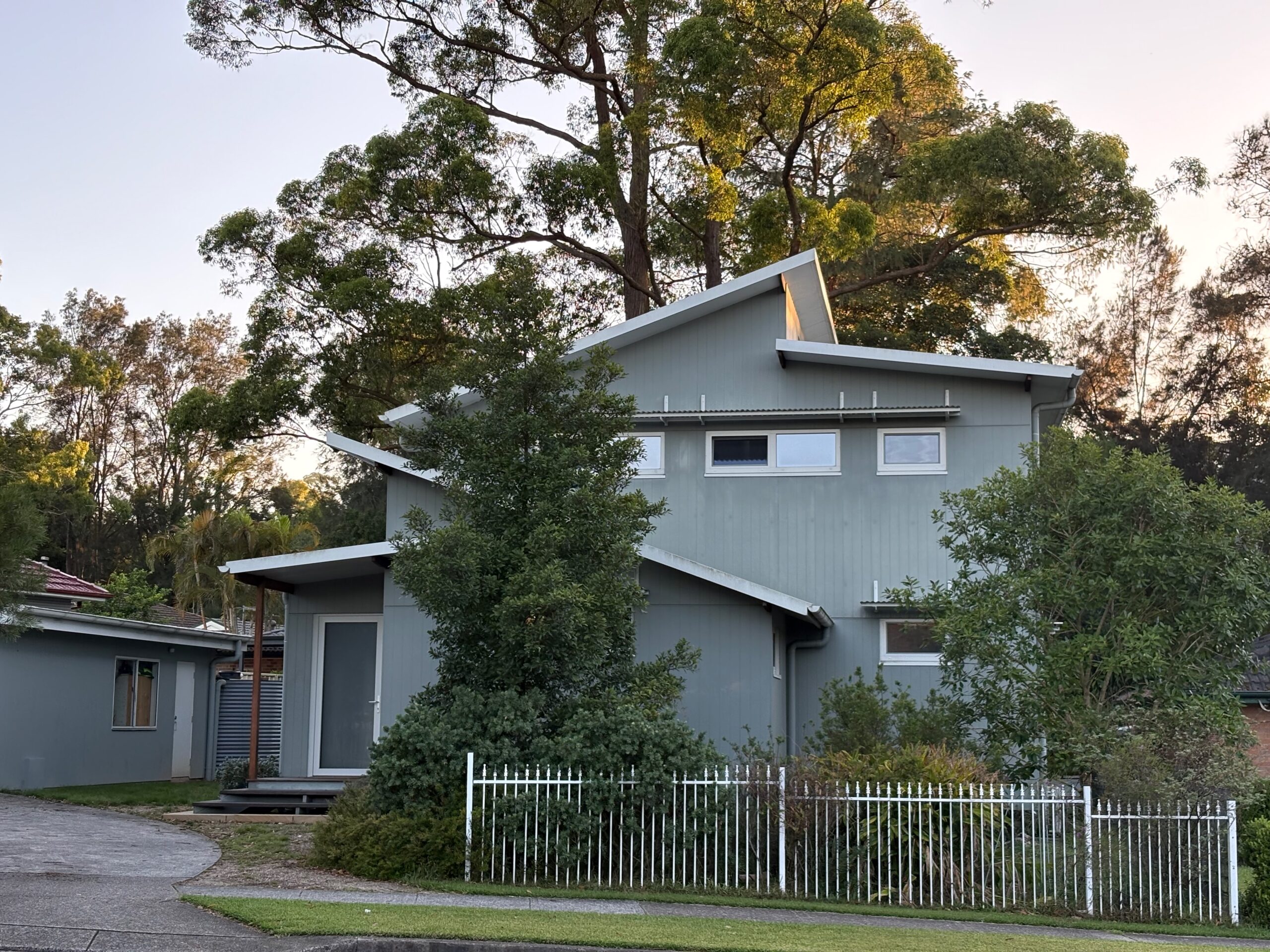
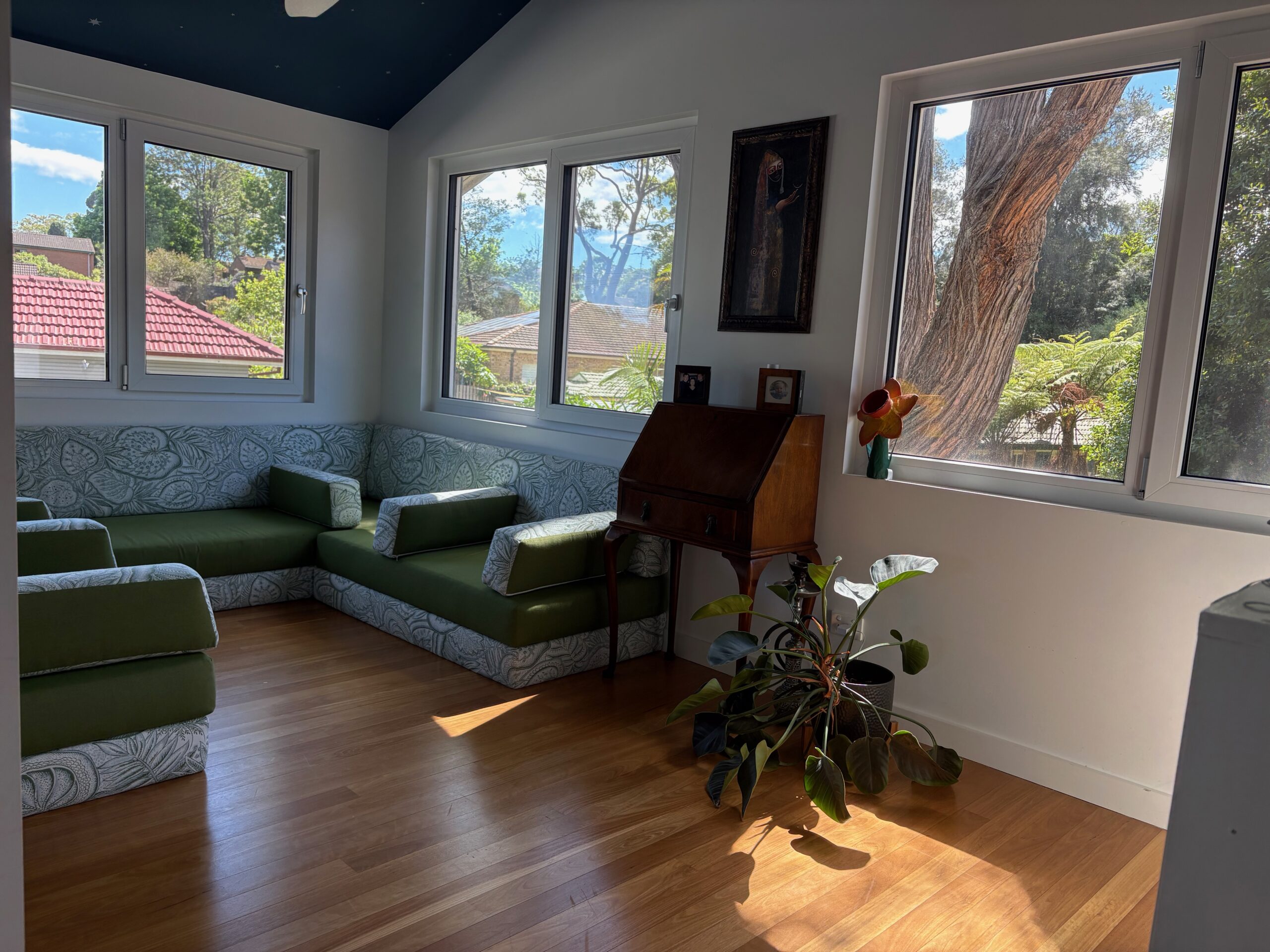
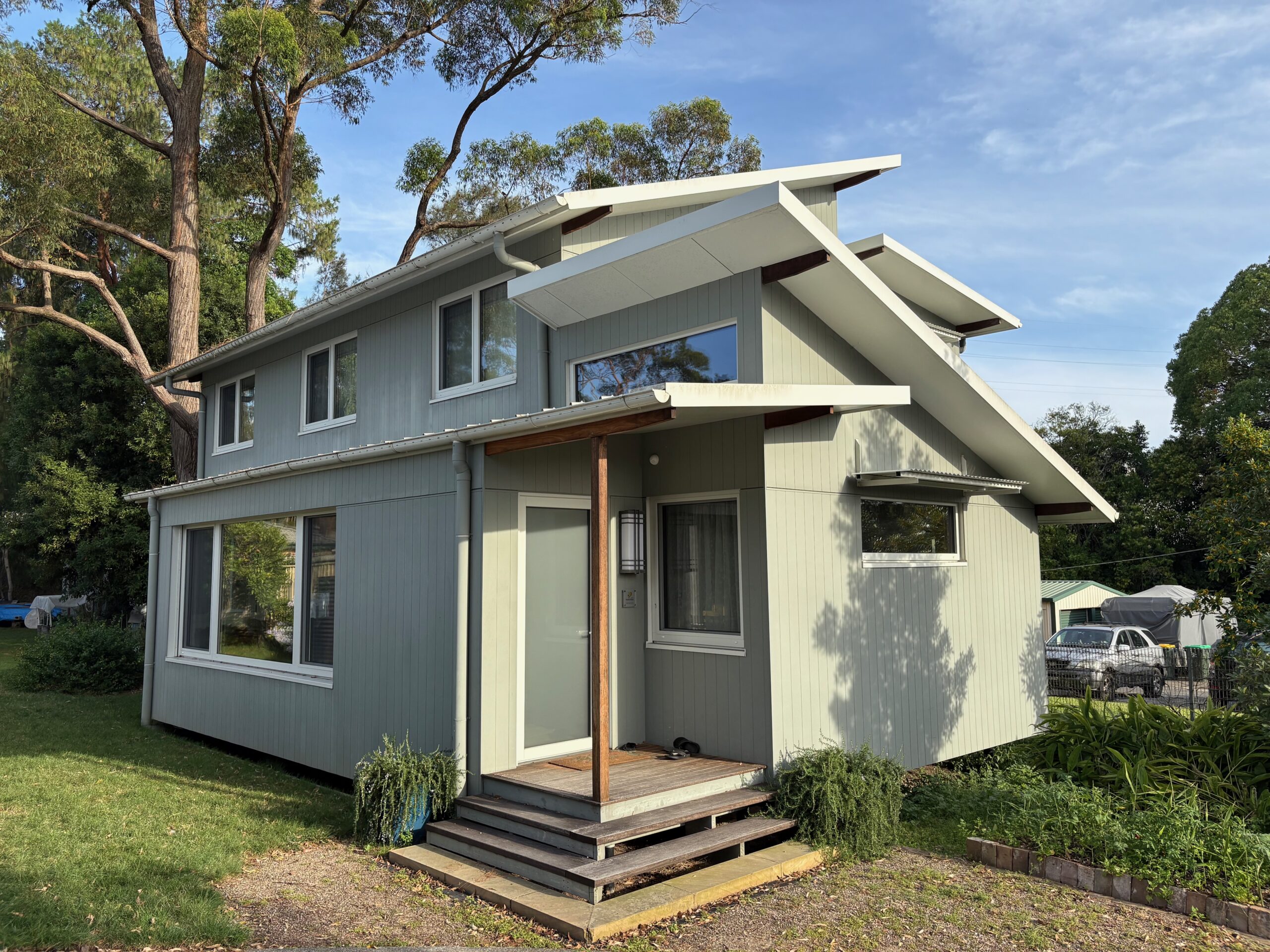
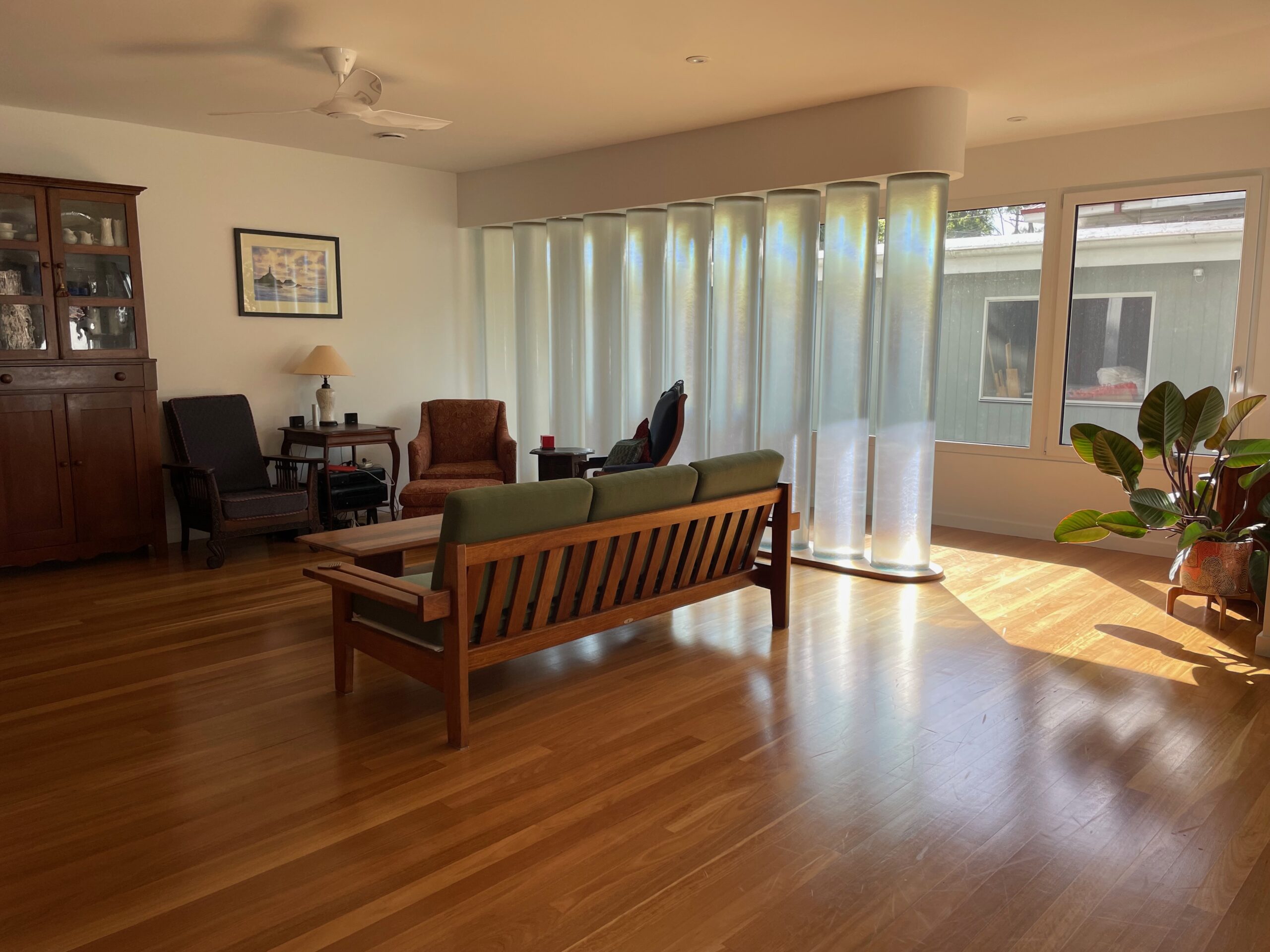
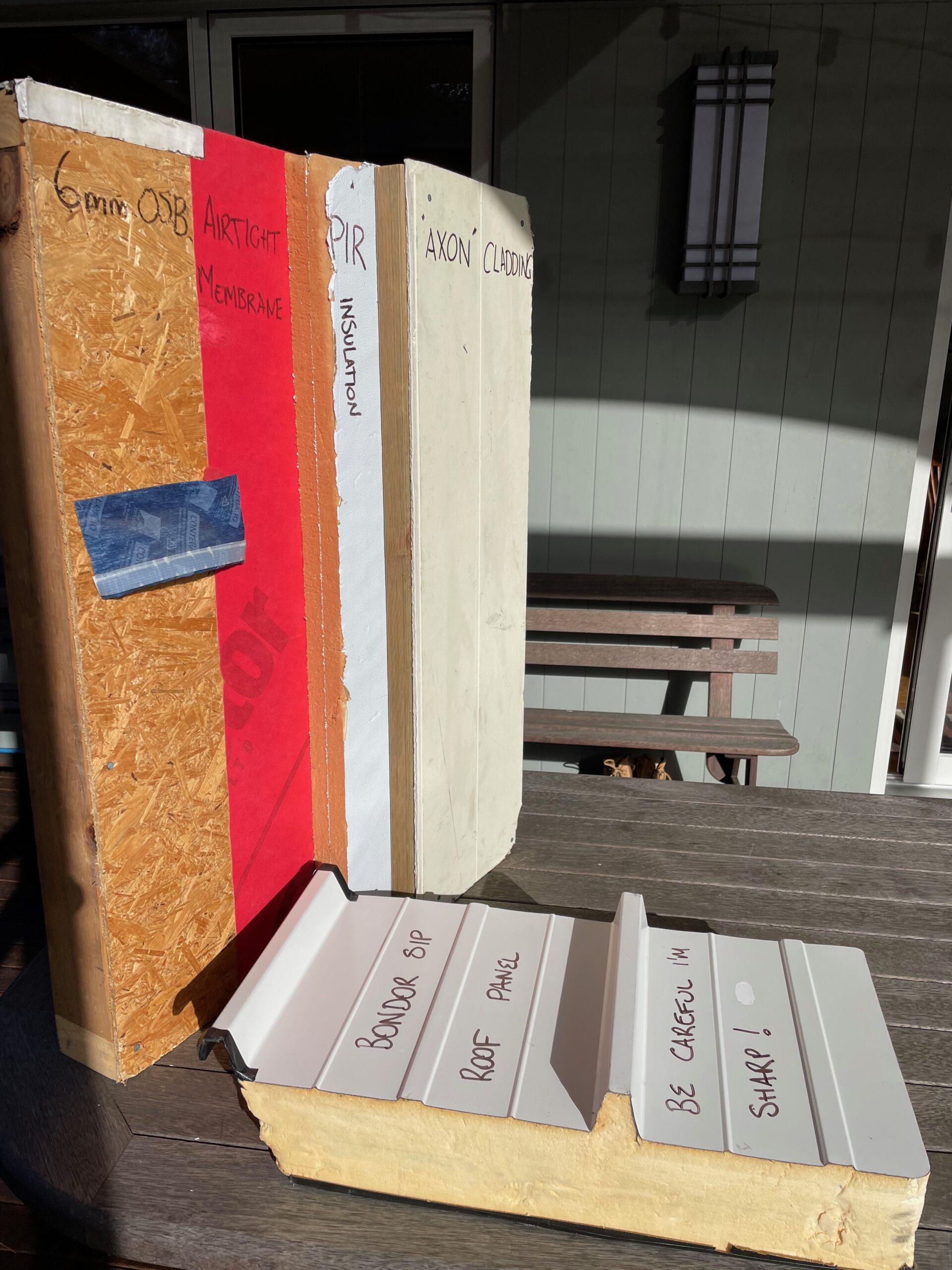
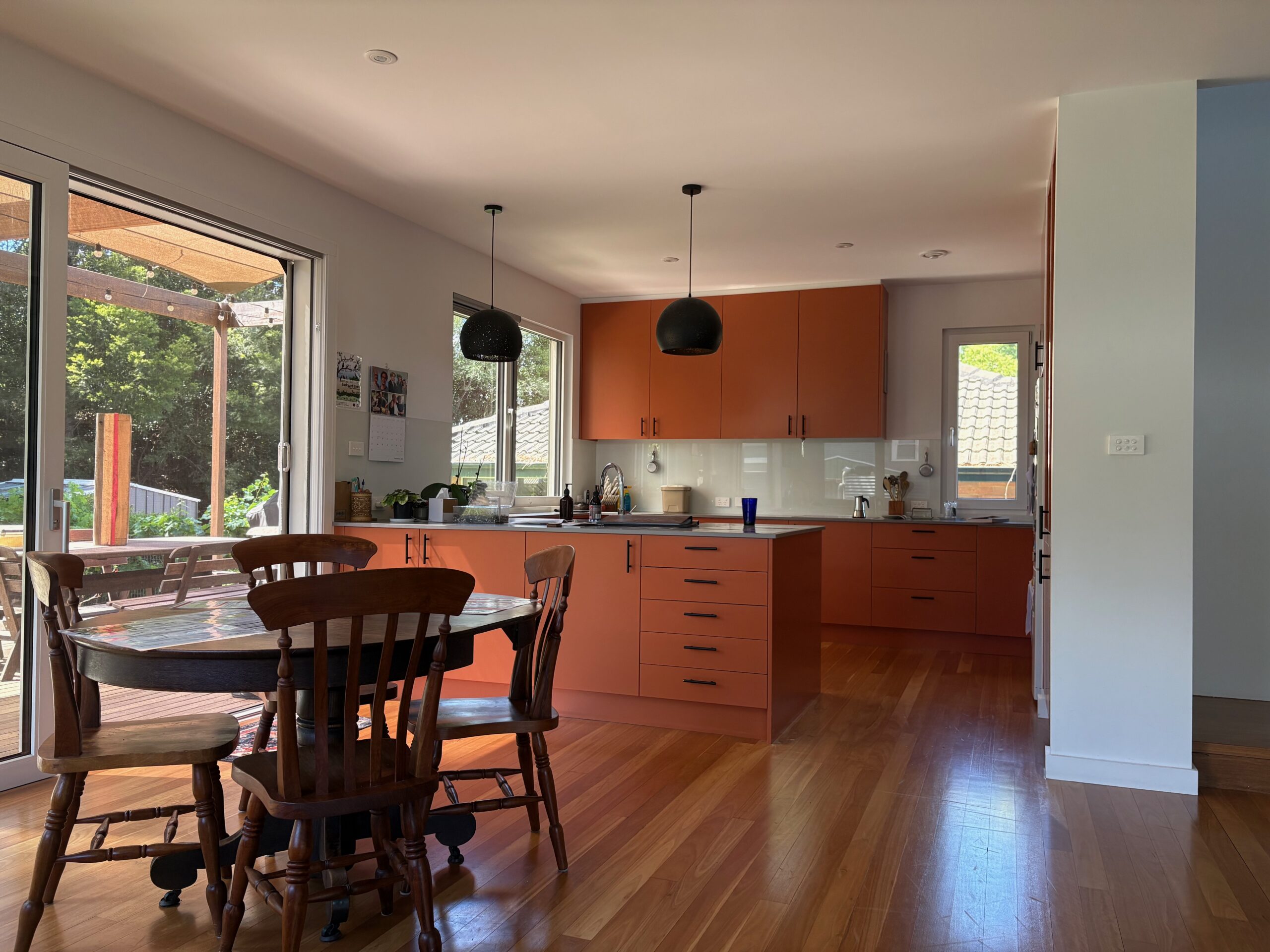
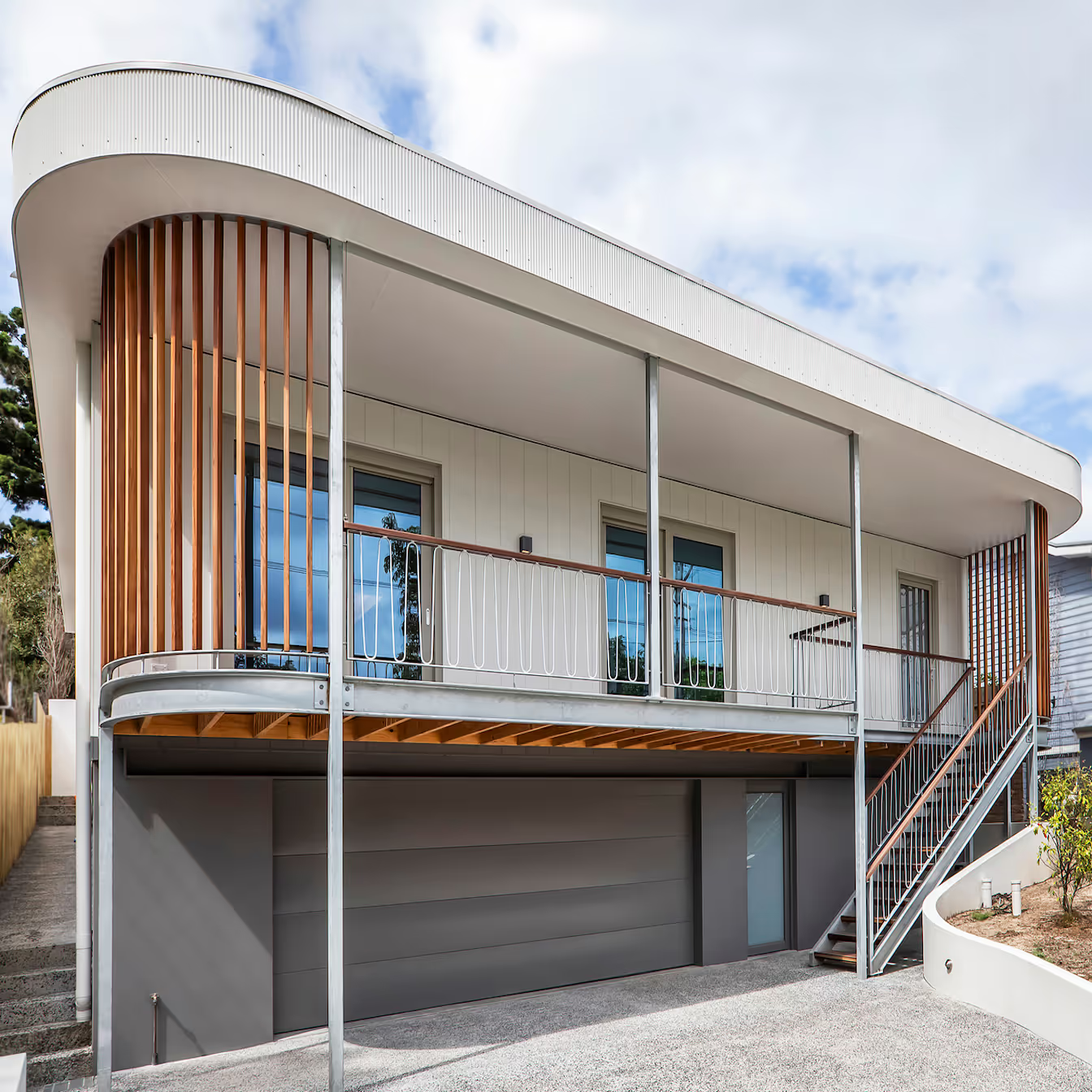
Sydney's first certified passivhaus was built in 2019, so we have a solid five years of experience living the passivhaus dream. Sitting between a train line and busy road on a lot with a large tallowood tree smack in the middle, our two-story, 3 bedroom home uses passivhaus construction (insulation, air-tightness, and triple glazed windows) to achieve energy efficiency and quiet interior space.

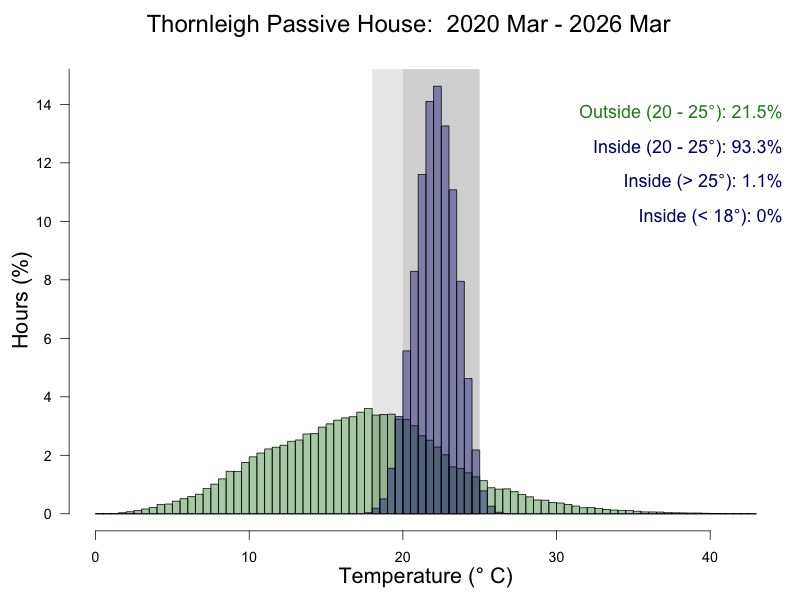
Since March 2020, the interior house temperature has been ranged between 20 & 25 °C more than 93% of the time, between 18 & 25 °C more than 98% of the time. The house is entirely electric has used ~ 13.5kWh/day while generating about the same amount of power from our 5.2kW solar system (that is well shaded by our tallowood tree).

Envirotecture, Red Cedar Constructions, and the Thornleigh Passivhaus blog have a fair bit of additional information if you're keen to know more... or come a long for visit and a chat.
Q & A

What motivated you to build or retrofit sustainably?
Comfort, health, lifetime cost of ownership, sustainability
Passivhaus is a performance based energy standard. Certification means that the architect's plans were independently reviewed prior to construction and the build techniques and airtightness were independently assessed. It is great to have an expert provide an independent review of the biggest investment of our lives.
We spent several years planning our build and learning about the options. As the first Certifified Passivhaus in Sydney we had to do a bit of traveling to see a Passivhaus in person, and we had to take some leaps of faith. Perhaps that is what we have been documenting the performance of our house since we moved it, and why we are happy to share our experience. We were fortunate to have an architect and a builder who really worked with us to bring our home into existence.
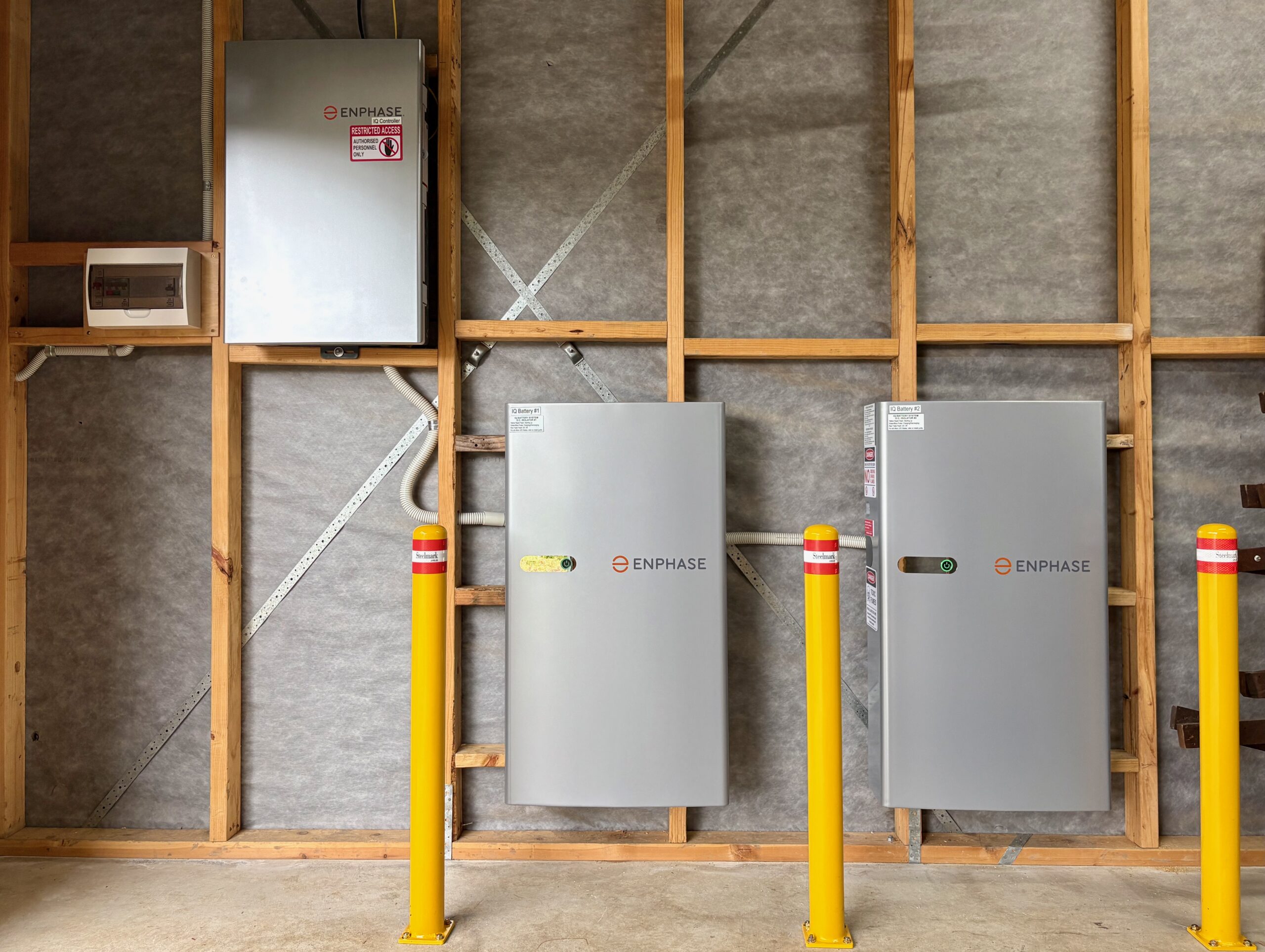
If only time and money were not barriers... one of the reasons we worked with the architect and builder we worked with was because they were willing to work to a budget and with other real world constraints. And to be honest it is the way we work around the constraints we face that make projects interesting. We have recently added batteries to the house, and in the near term will likely add additional solar to support an electric vehicle. Will eventually get to another rainwater tank and a garden pond.
Back to 2026 Homes
Type: Passive House or EnerPHit, Standalone house/townhouse
Project: New build
Architect: Envirotecture, Andy Marlow
Builder: Red Cedar Constructions
Size: 160m²
Energy Rating: Certified Passivhaus Plus
Bedrooms: 3
Bathrooms: 2

Sustainability Features

Building Materials & Envelope

Draught-proofing/air sealing
High-performance insulation
Double or triple-glazed windows
Sustainable or low-impact materials

Heating, Cooling and Ventilation

Passive heating/cooling (north-facing glazing, cross ventilation, thermal mass, shading, etc.)
Ceiling fans
Heat pump (reverse-cycle) heating/cooling
Mechanical ventilation with heat recovery (MVHR) system

Energy and Appliances

Rooftop solar PV
Battery storage
Energy monitoring/smart home systems
Efficient lighting (LED, daylighting, solar skylights)
Heat pump hot water
Electric cooktop - induction/ceramic

Water & Waste Systems

Water-efficient fixtures
Rainwater tanks

Landscape & Biodiversity

Native garden
Edible garden
Beehives

Climate Resilience

Heatwave

Accessible & Flexible Design Features

Design for flexible use
Universal design for accessibility
Share this home:

Related Homes

Home tours delivered to your inbox

Step inside sustainable homes across Australia and get practical ideas you can use in your own