
Caringbah House

Dharawal Country,
Caringbah South,
NSW
Online home tour

About this home

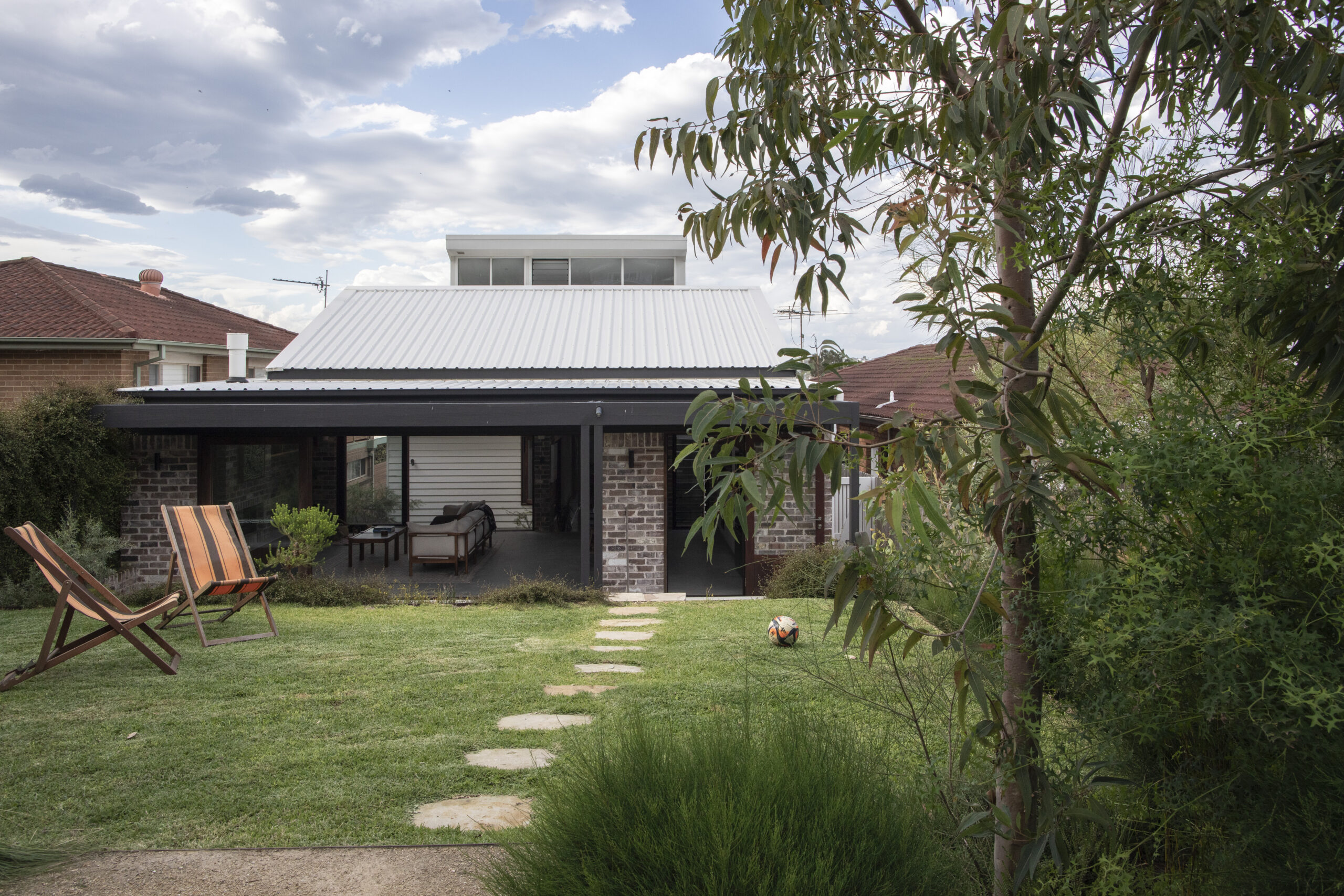
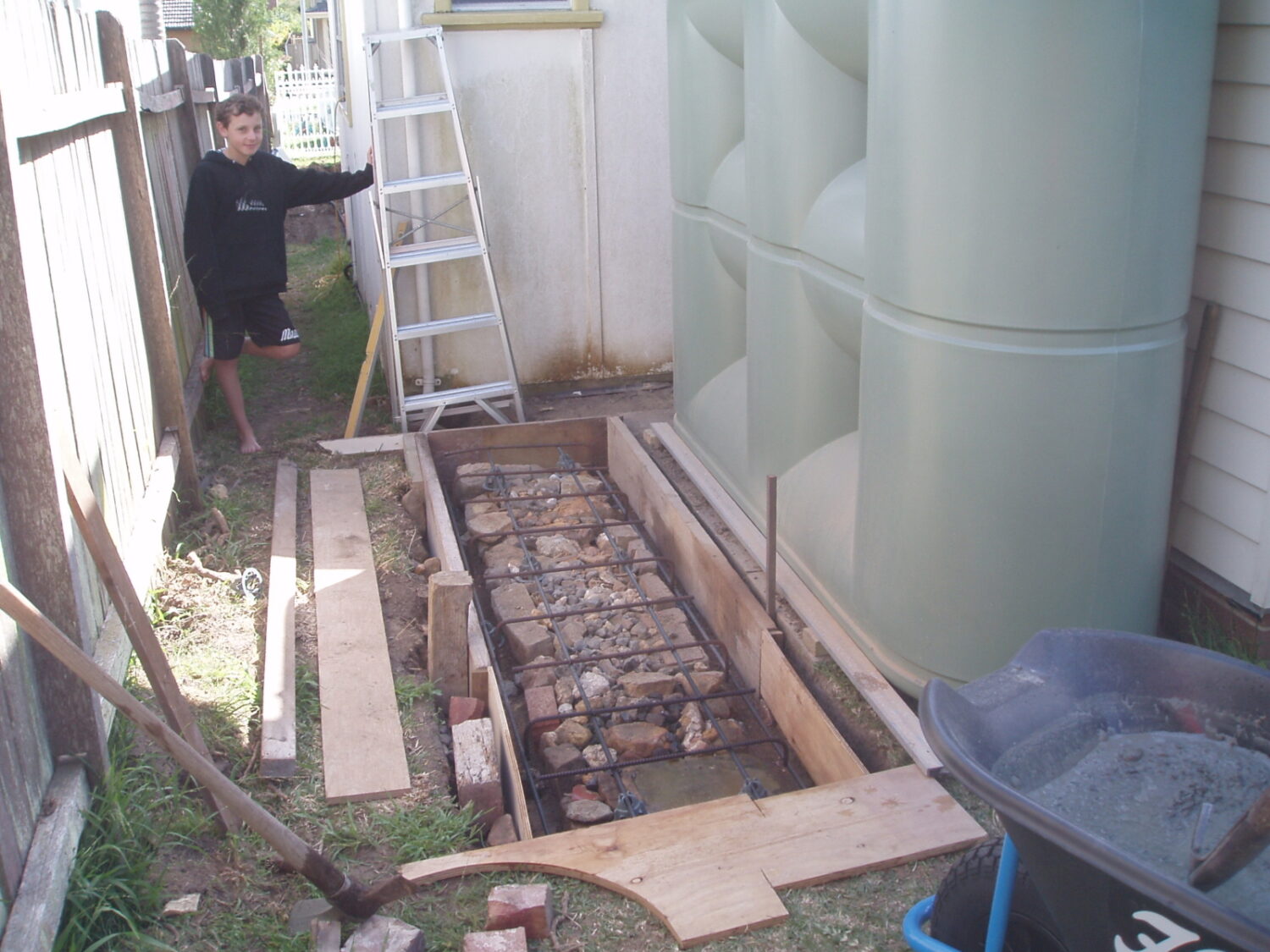
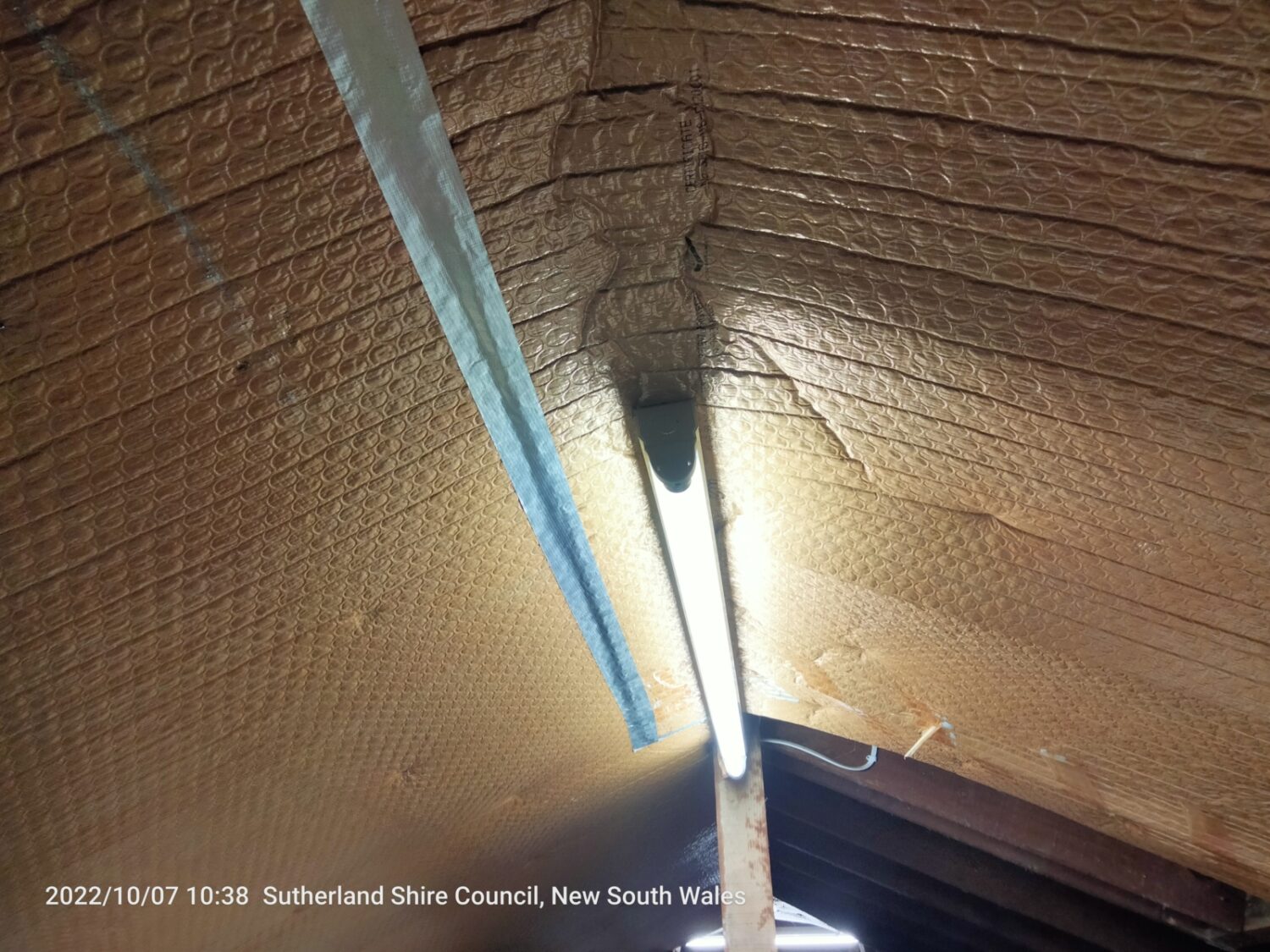
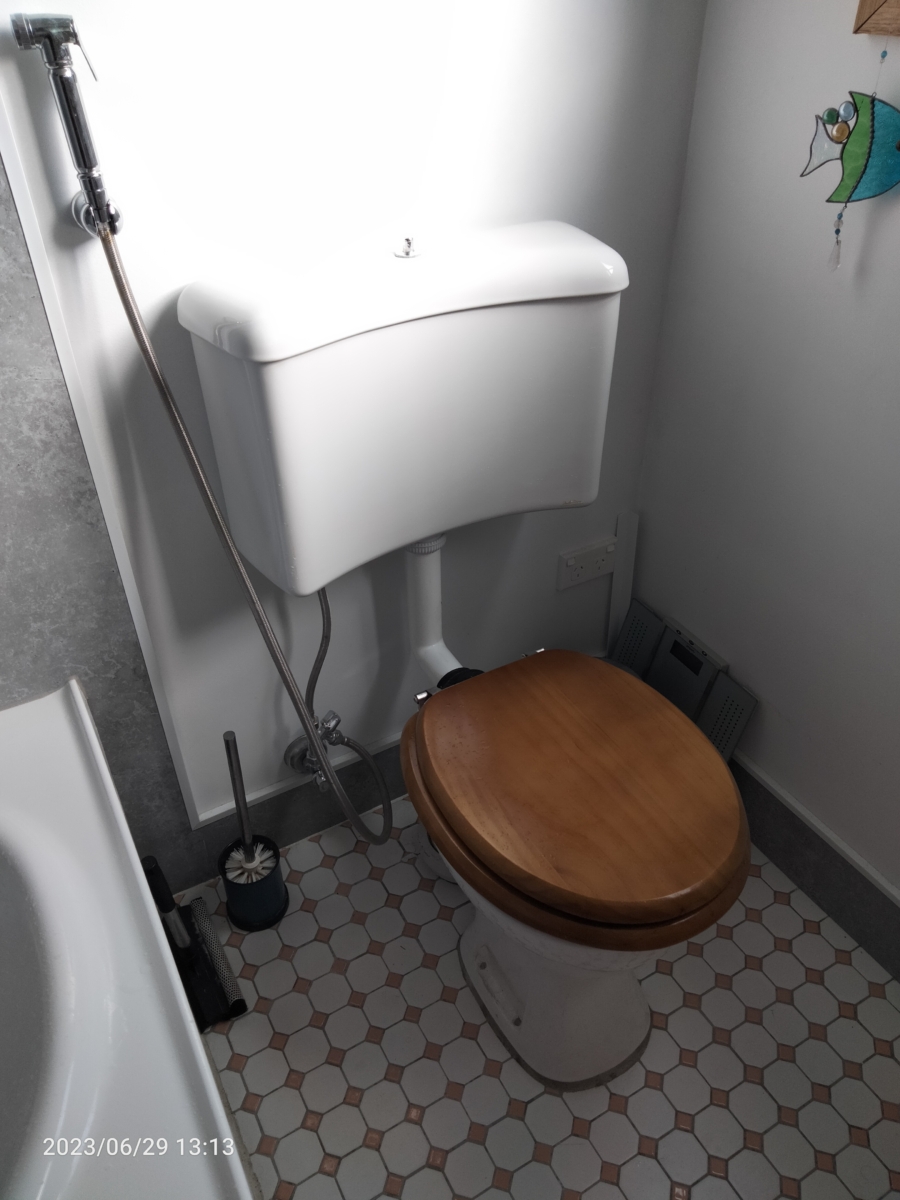
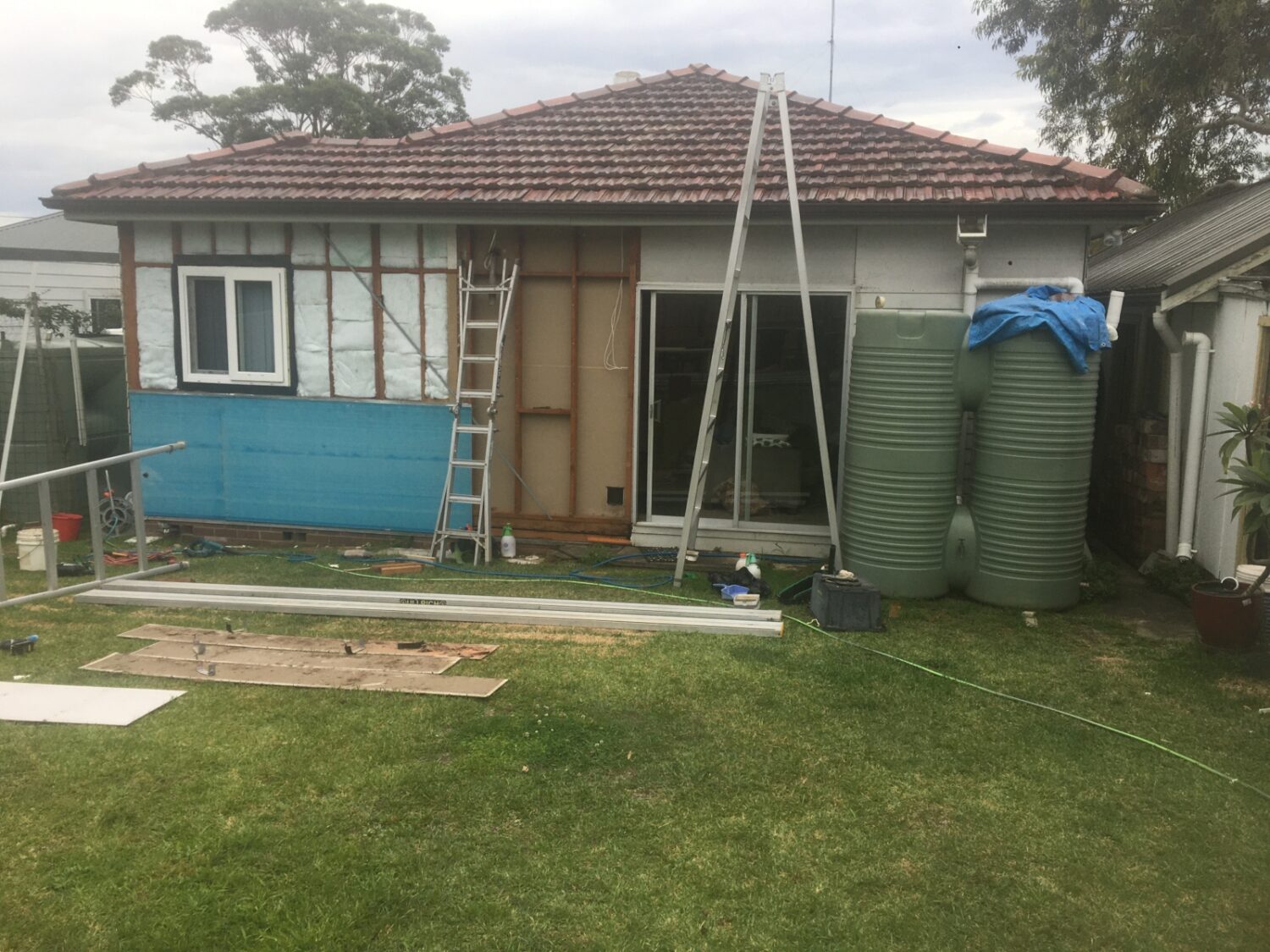
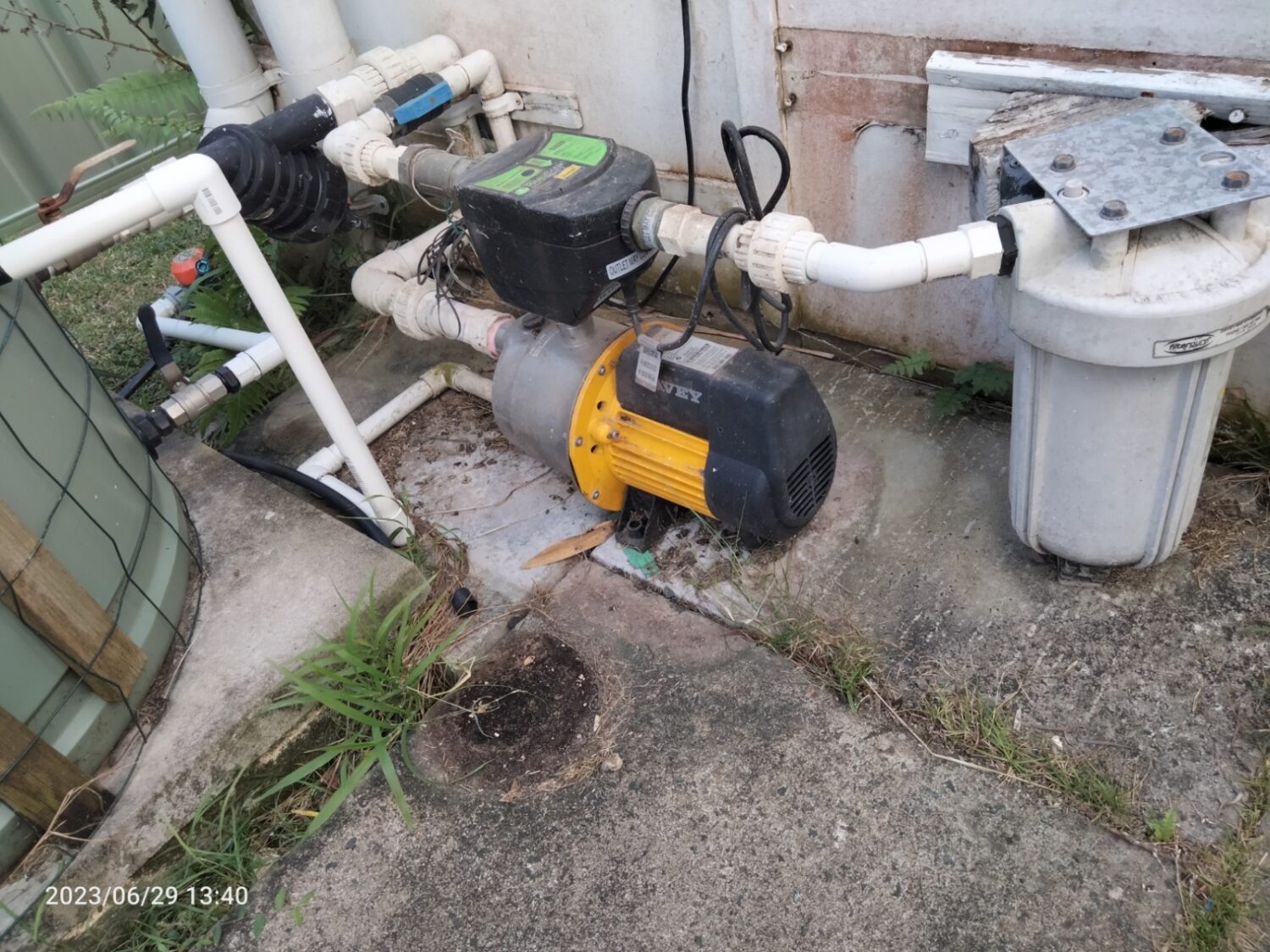
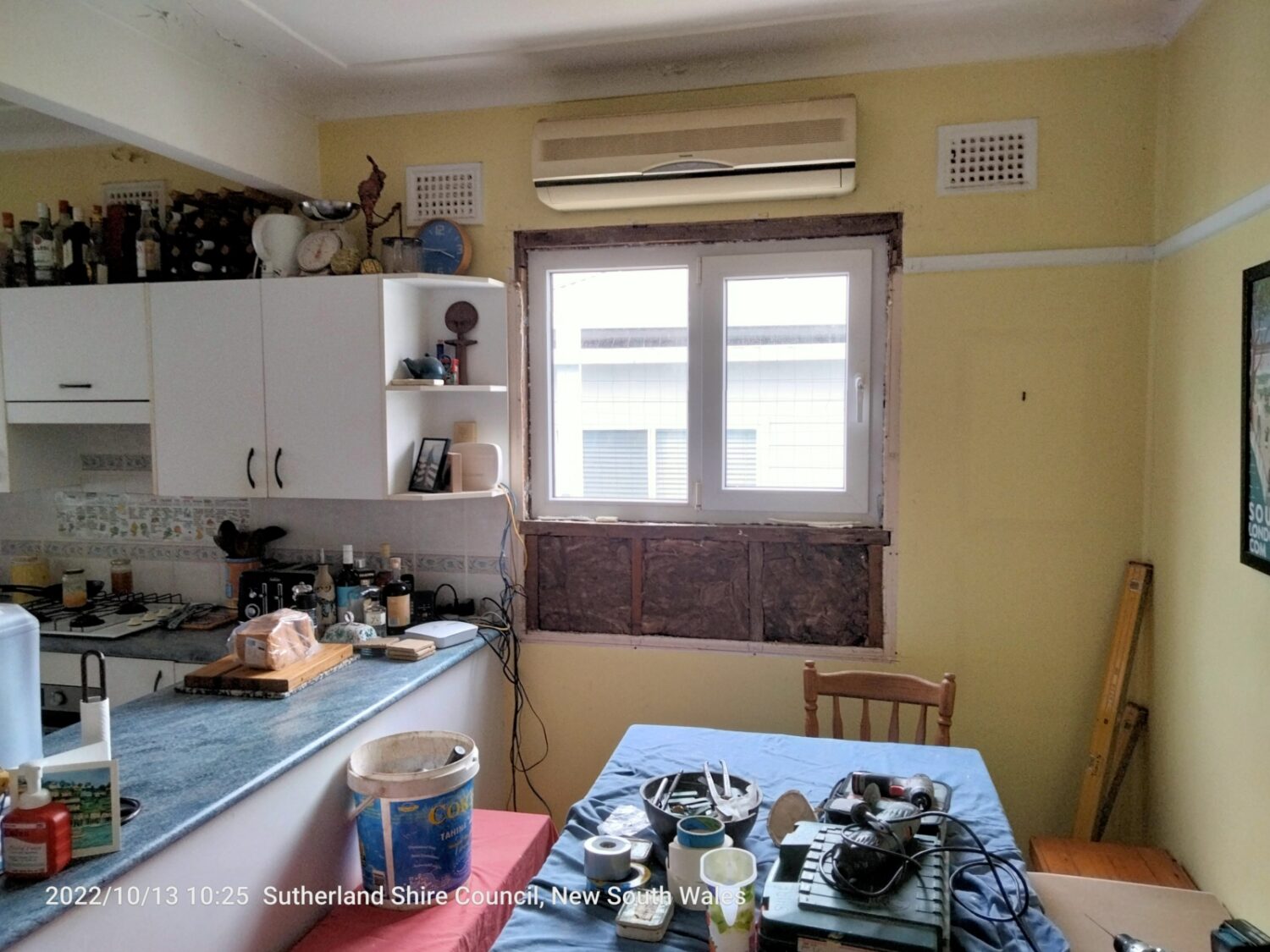
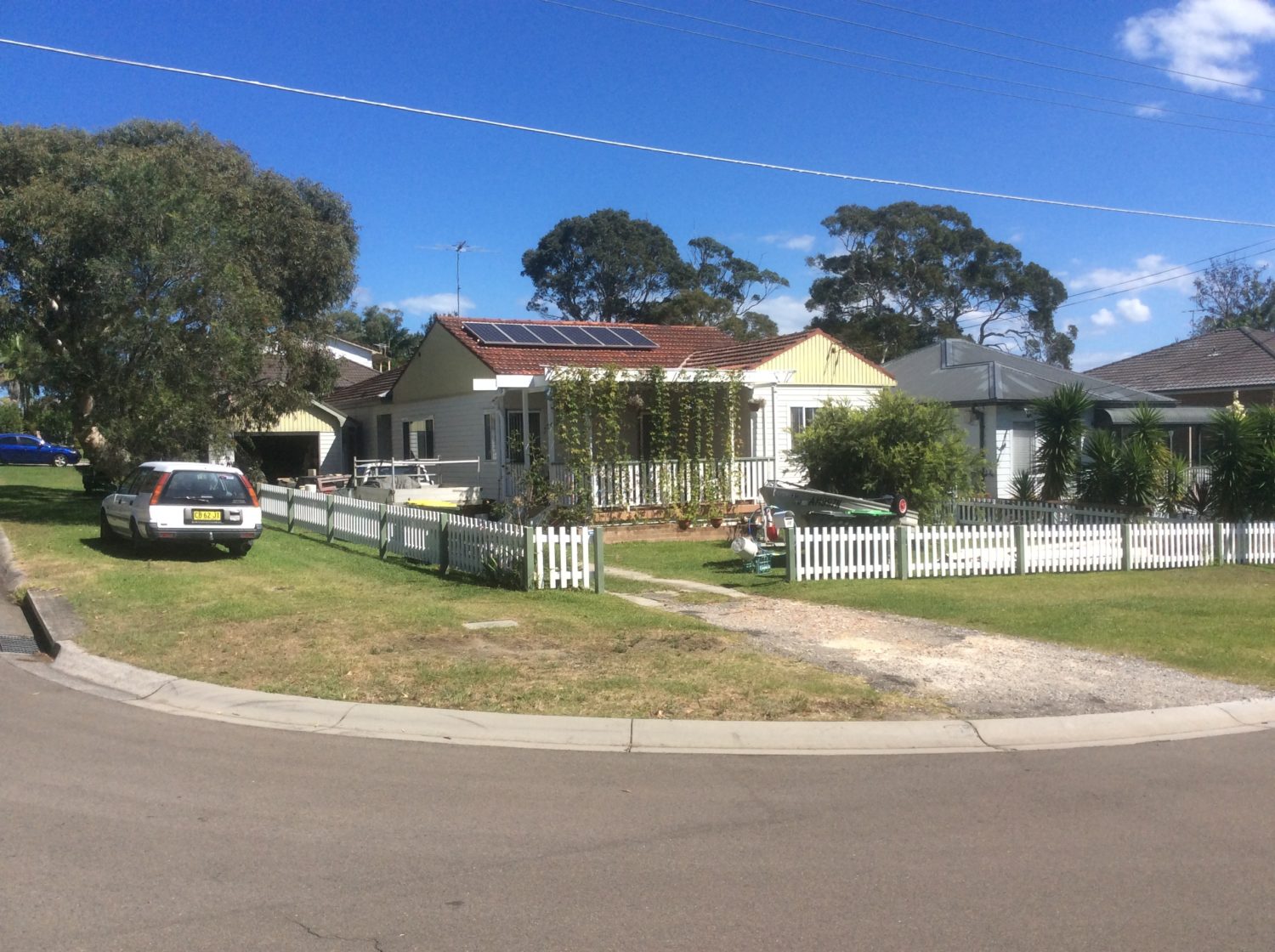
This 1950s fibro four-bedroom house has been retrofitted with 15,000L of rainwater storage and associated guttering, and first-flush systems for reuse in laundry, bathrooms and garden. It has a 4.5kW solar system in two arrays, plus 2 x Enphase 1.2kW solar batteries. Insulation has been added to walls, ceilings, roof and underfloor, along with UPVC double-glazed windows throughout.
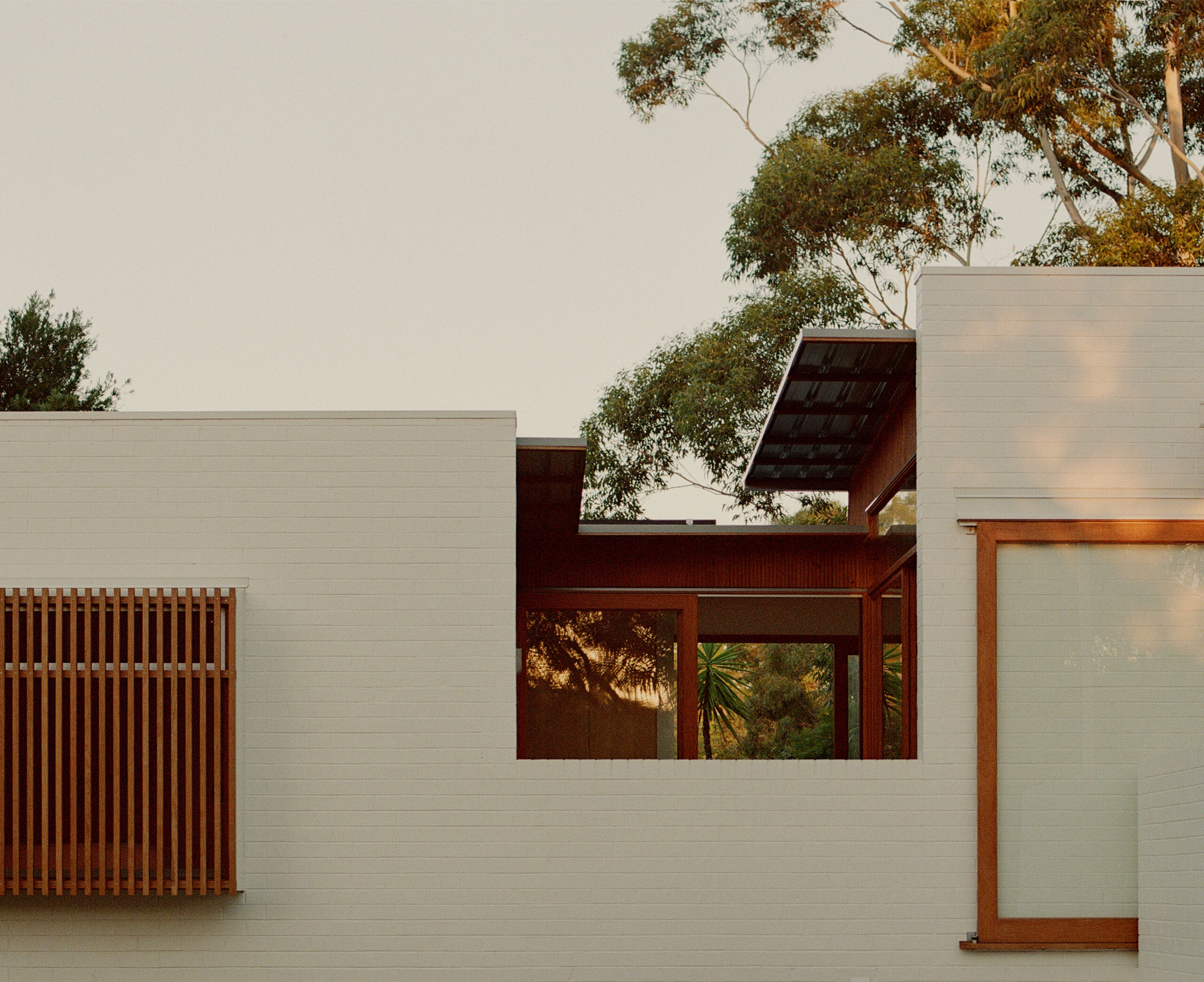
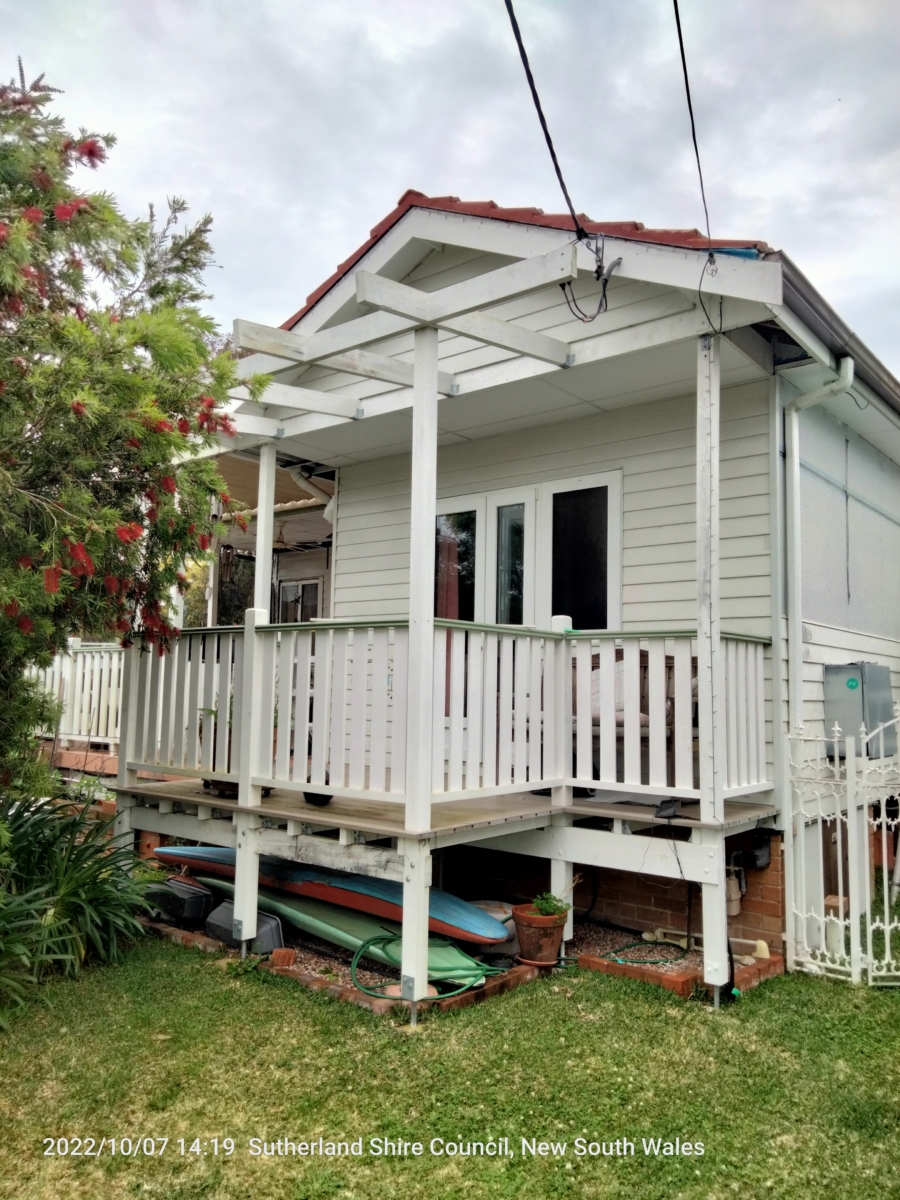
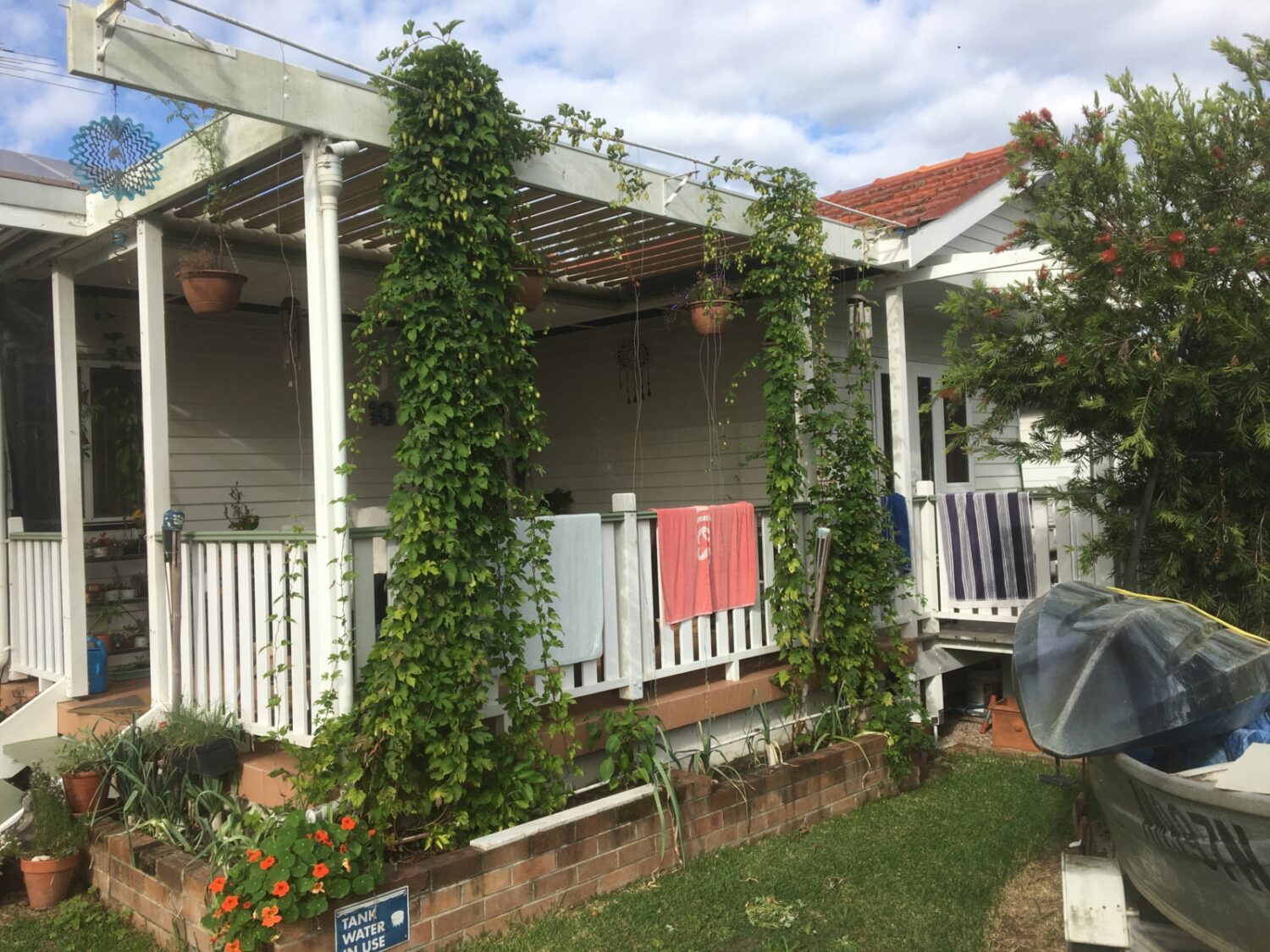
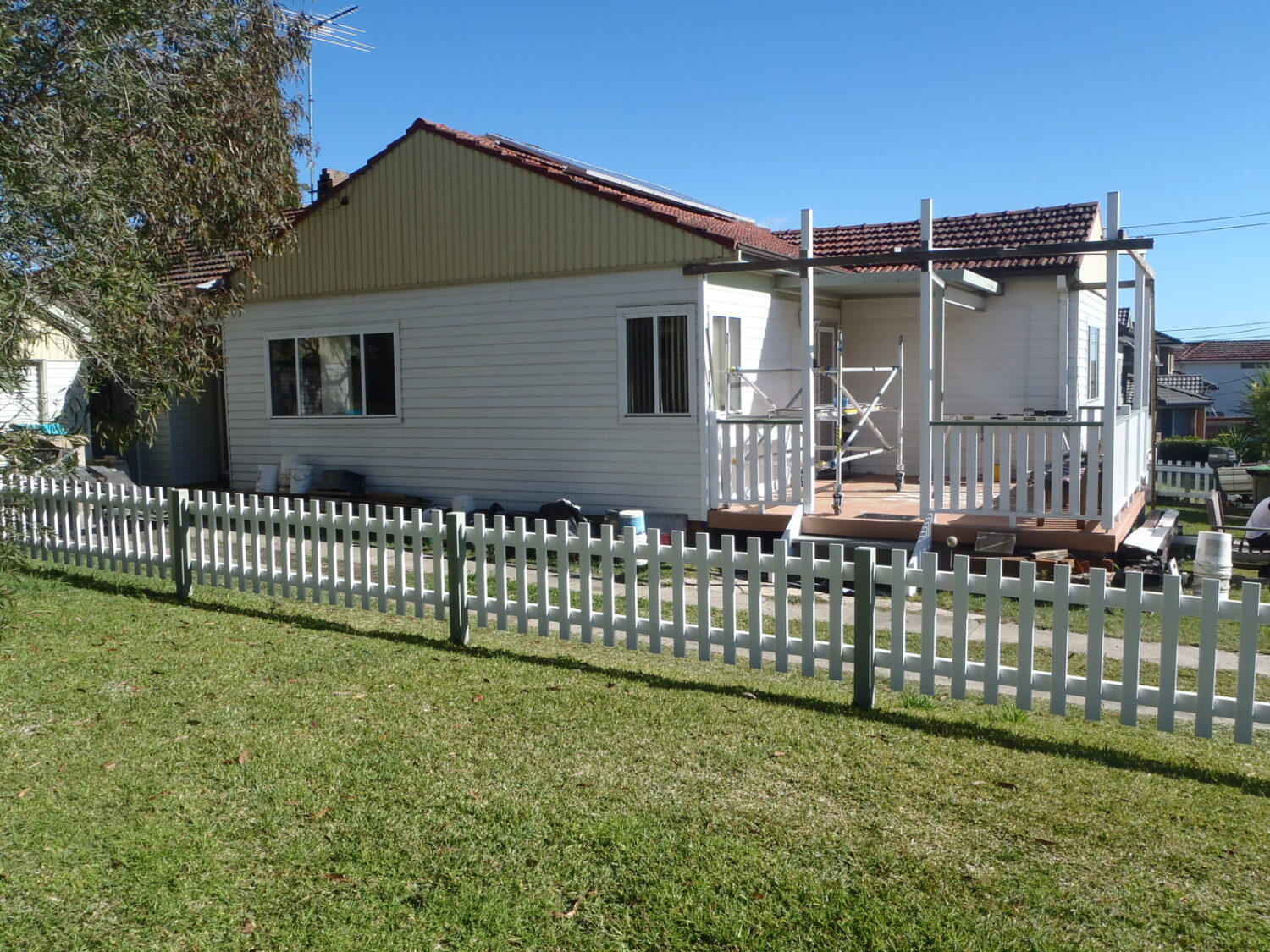
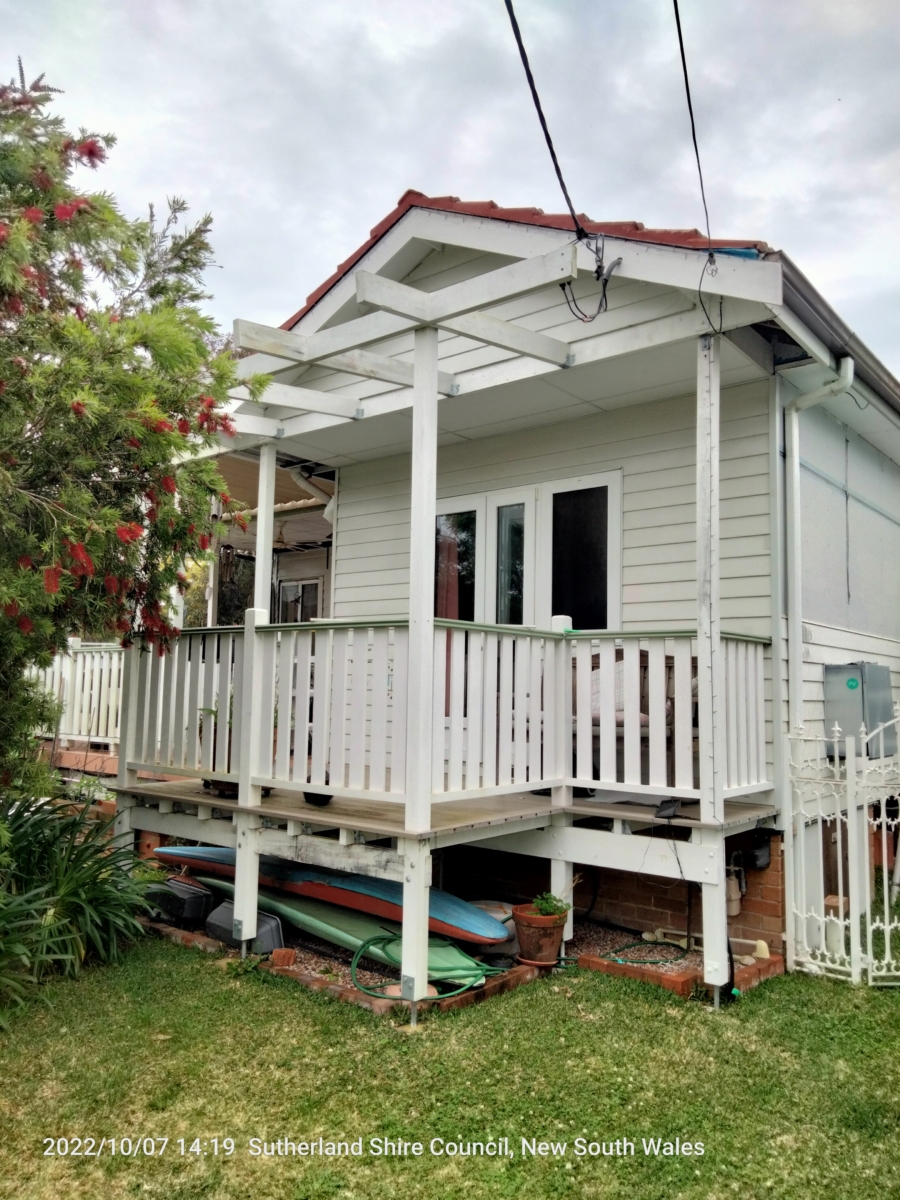
Shading has been improved on the north and west sides of the house to block summer sun, but allow winter sun into the house and living areas, by extending the gable roof, installing tilting louvres and by deciduous planting.
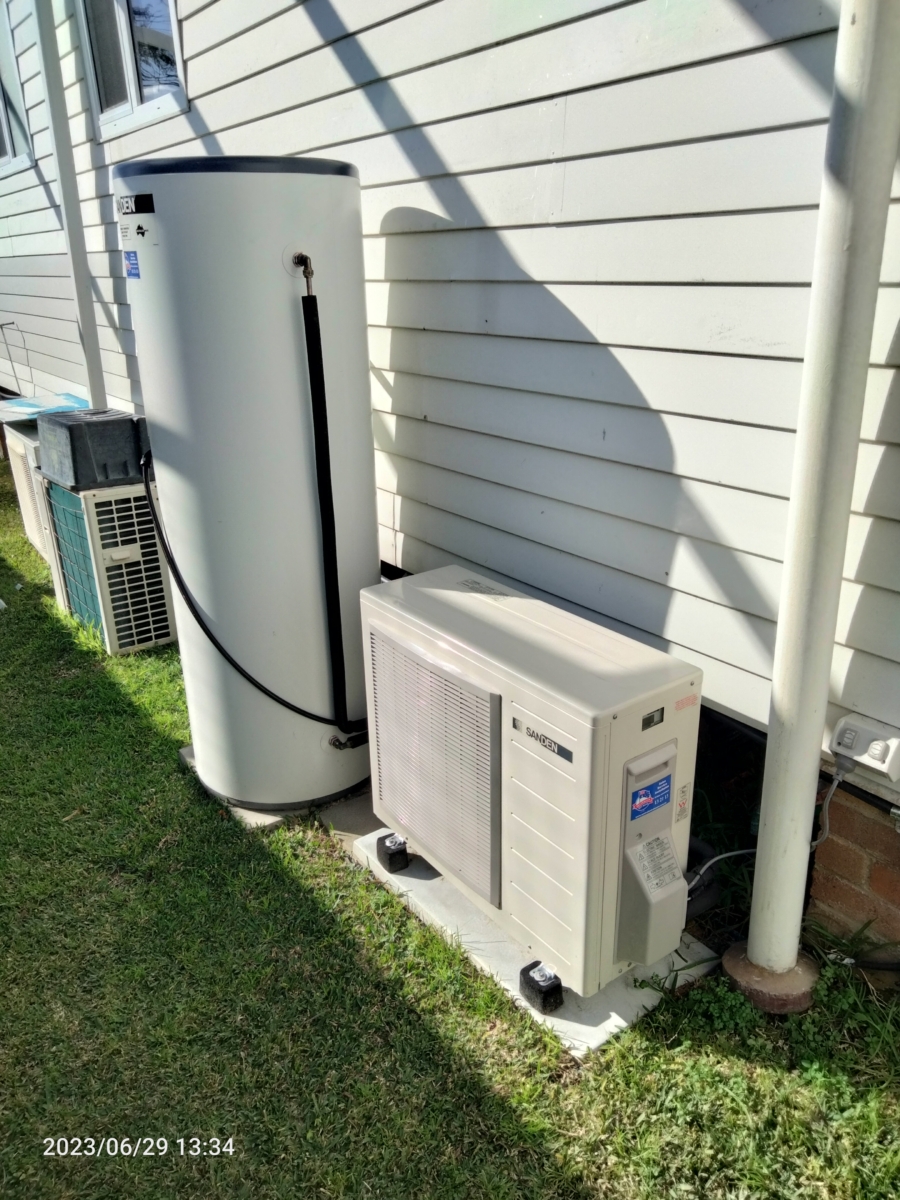
Mains water use is about 25KL per quarter. Since installing heat pump water heating, electricity bills are now generally below $100/month with gas under $100/quarter – for a three-person family including one young adult. The upgrading of the house is not nearly complete yet, and future projects include a backyard studio and carports with green roofs.
We are connected to gas and still have a gas cooktop (soon to be replaced by electric) and a gas heater in the lounge room.

Q & A

What motivated you to build or retrofit sustainably?
I think it is essential that humankind tries to use science and ingenuity to conserve energy resources as populations increase, and to make every attempt to live as lightly on the planet as possible, to limit climate change and preserve nature. Working on construction sites for the last 50 years, I have seen the appalling waste that occurs in the industry, and I get satisfaction out of converting our house to our needs rather than knocking it down and rebuilding, and in re-using materials which would otherwise go to waste. As new immigrants to the country (we arrived in 2002) we have also been limited financially in what we could achieve - but found that by doing most of the work myself bit-by-bit it was affordable (though much slower!).
As Sydney seems to be more and more a cooling climate, a big difference was installing more shade on the Northern side of the house, by building a large verandah (with a Vergola roof), and by extending what was a flush gable out by a metre to give summer shade to the big window below - which has made that room actually habitable in the summer. Other shading includes a pergola for the grape vine on the West side, and now the carport on the East side. Also vital were the double-glazed windows which work with the wall, ceiling and floor insulation to really keep the house at a reasonable temperature both winter and summer. By closing windows in the morning, and closing blinds as the sun moves around, the interior temperature is kept cool in summer at least up to the evening when they can all be flung open for night purging of heat. The windows also have another benefit in that they cut out street noise. So most of the time we don't need to use air conditioning - though this may not affect bills that much as we have solar to cover it during the day, though our batteries can't cover AC use in the evening (so we use fans instead).
I wish we had gone bigger on ceiling and roof insulation early on before the roof space became a storage space!
I would still like to do the carport at the end of the garden as a green roof, but that lies in the future and we have planning permission for a second floor which will probably never happen due to cost.
Type: Standalone house/townhouse
Project: Gradual upgrades over time
Builder: Owner builder
Size: 150m2 approx.m²
Bedrooms: 4
Bathrooms: 2

Sustainability Features

Building Materials & Envelope

Draught-proofing/air sealing
High-performance insulation
Double or triple-glazed windows

Heating, Cooling and Ventilation

Passive heating/cooling (north-facing glazing, cross ventilation, thermal mass, shading, etc.)

Energy and Appliances

Rooftop solar PV
Battery storage
Heat pump hot water

Water & Waste Systems

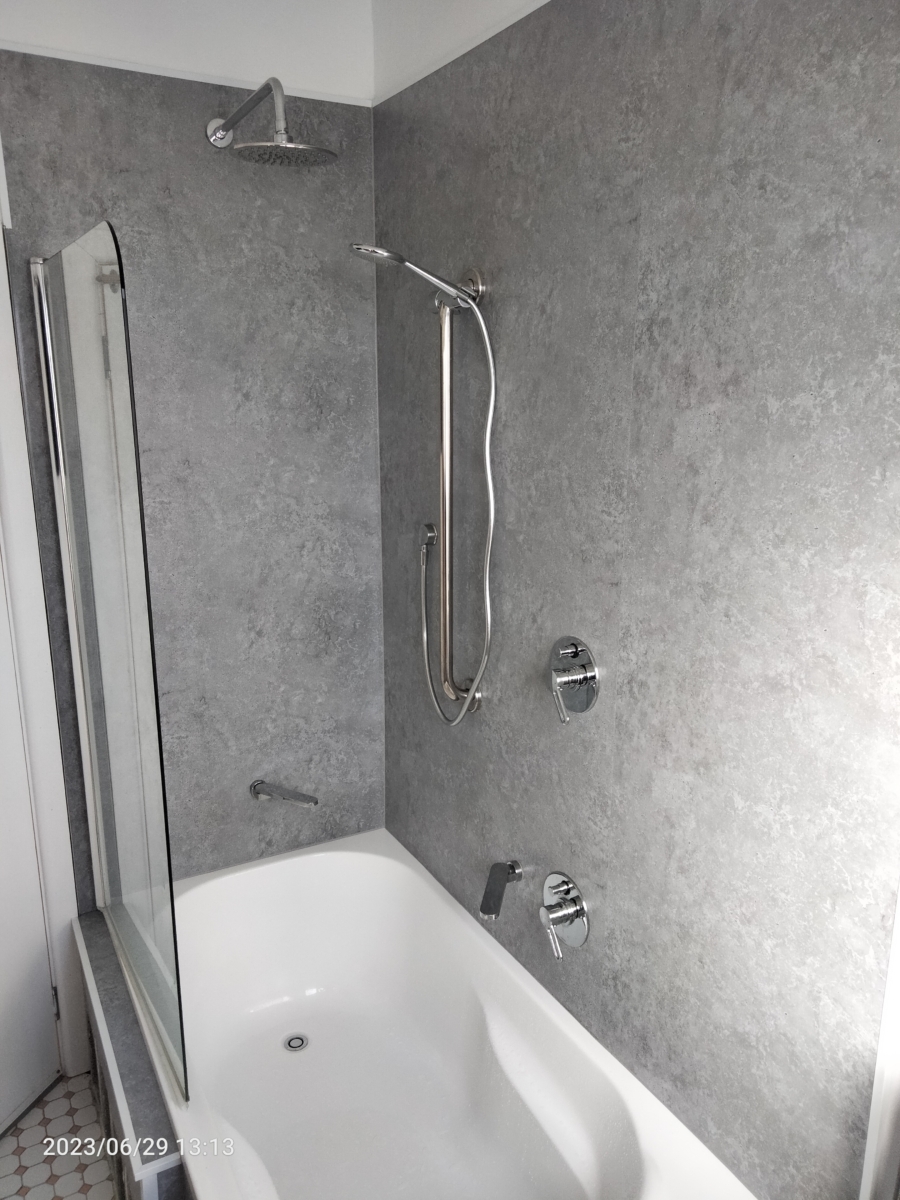
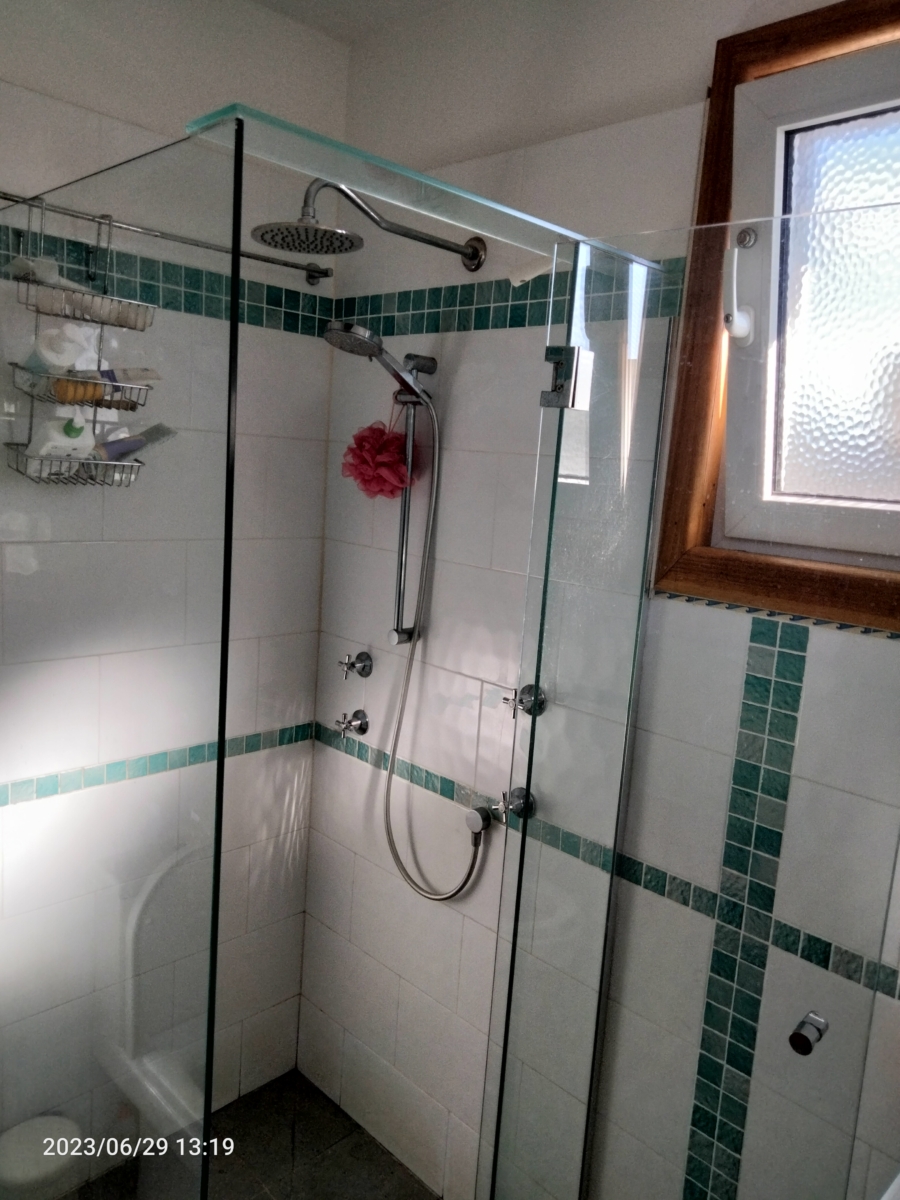
Water-efficient fixtures
Rainwater tanks

Landscape & Biodiversity

Climate Resilience

Accessible & Flexible Design Features

Share this home:

Related Homes

Home tours delivered to your inbox

Step inside sustainable homes across Australia and get practical ideas you can use in your own