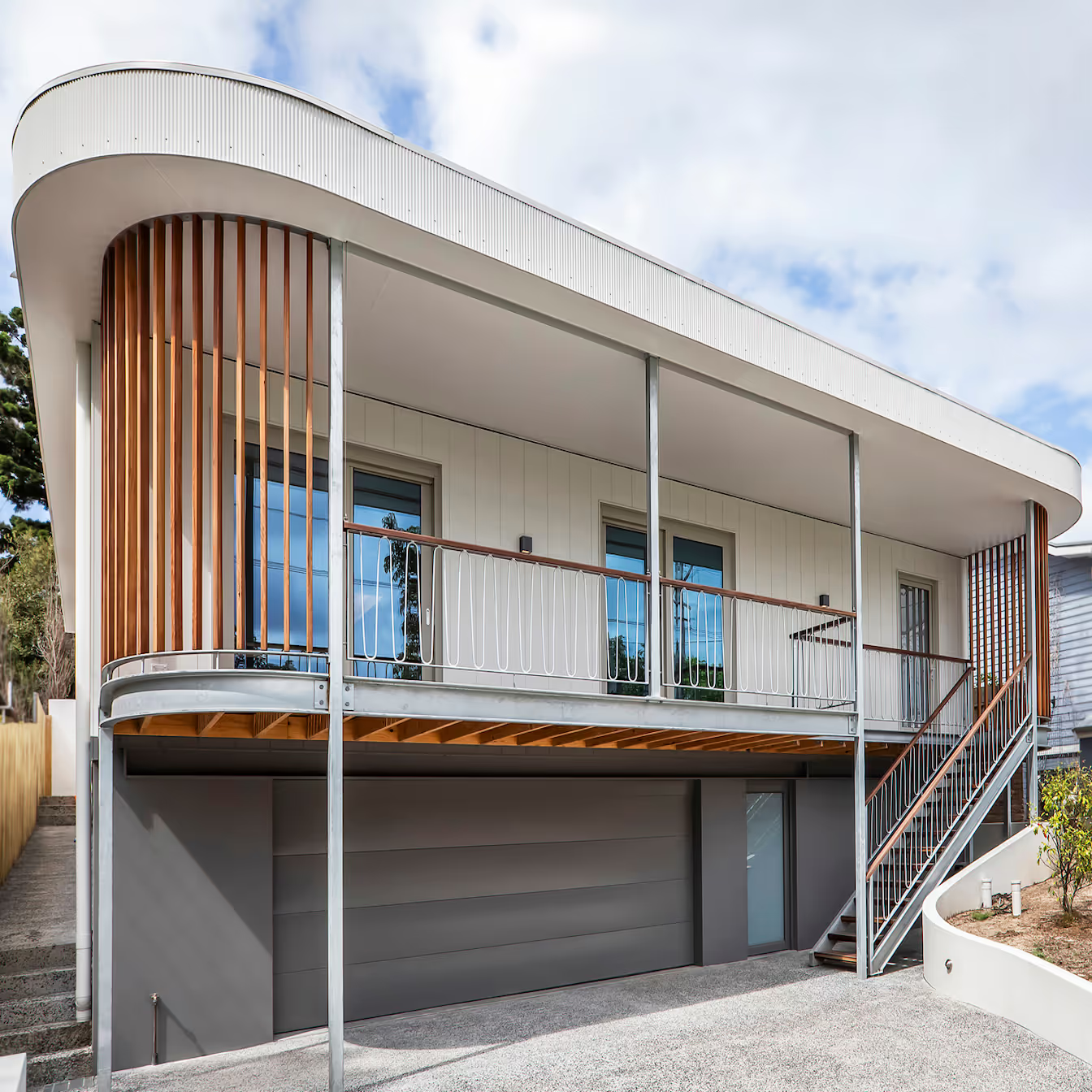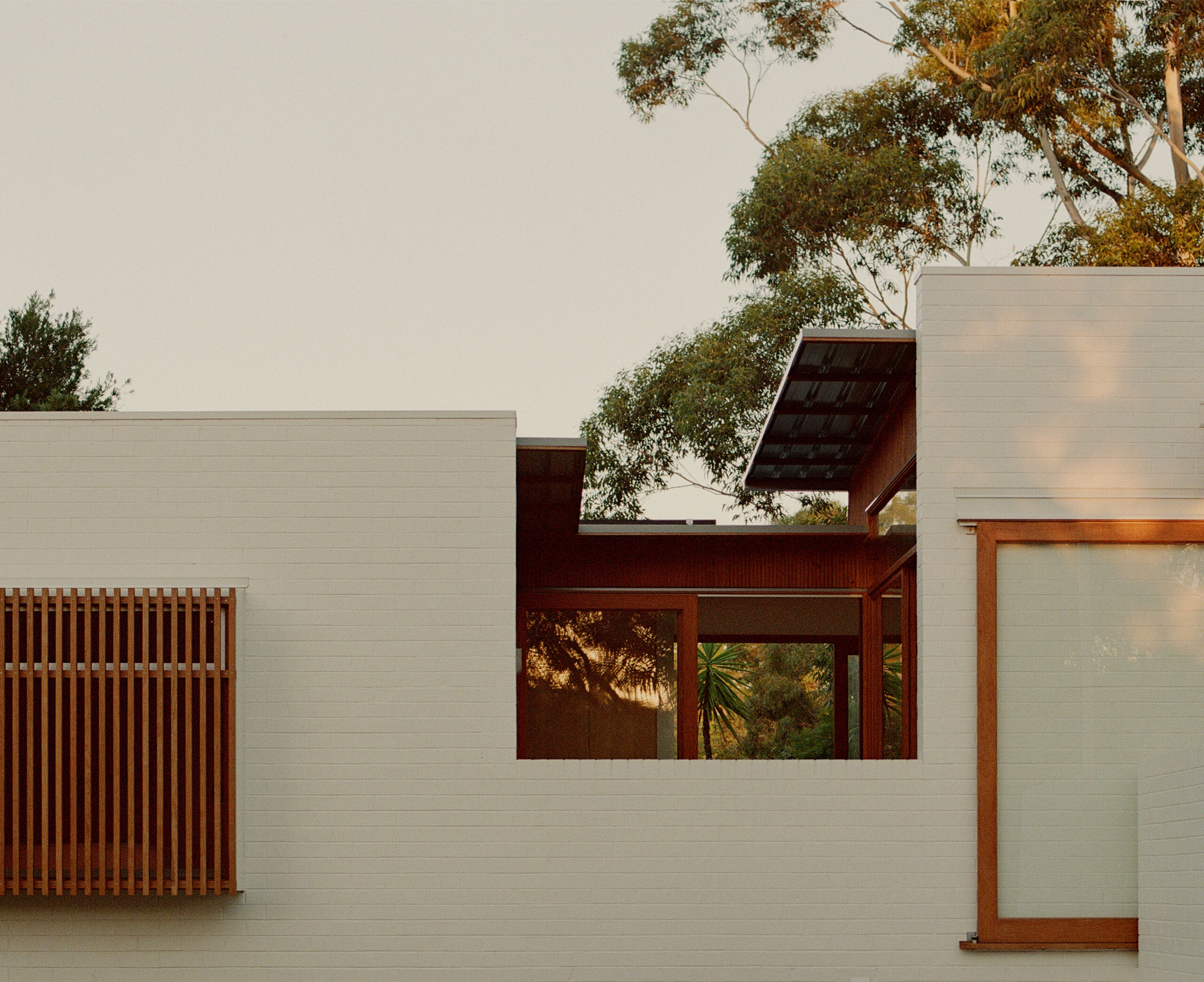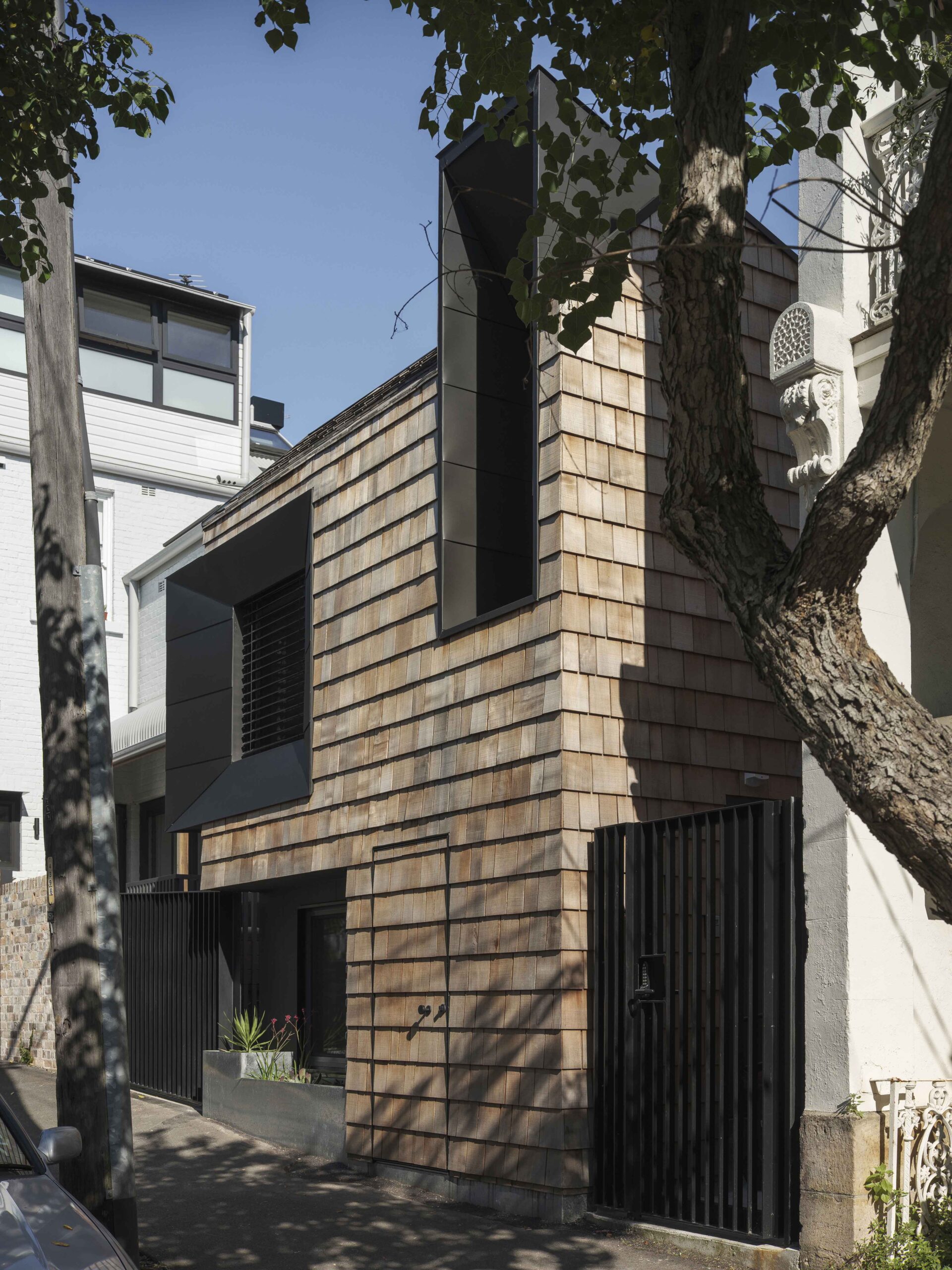
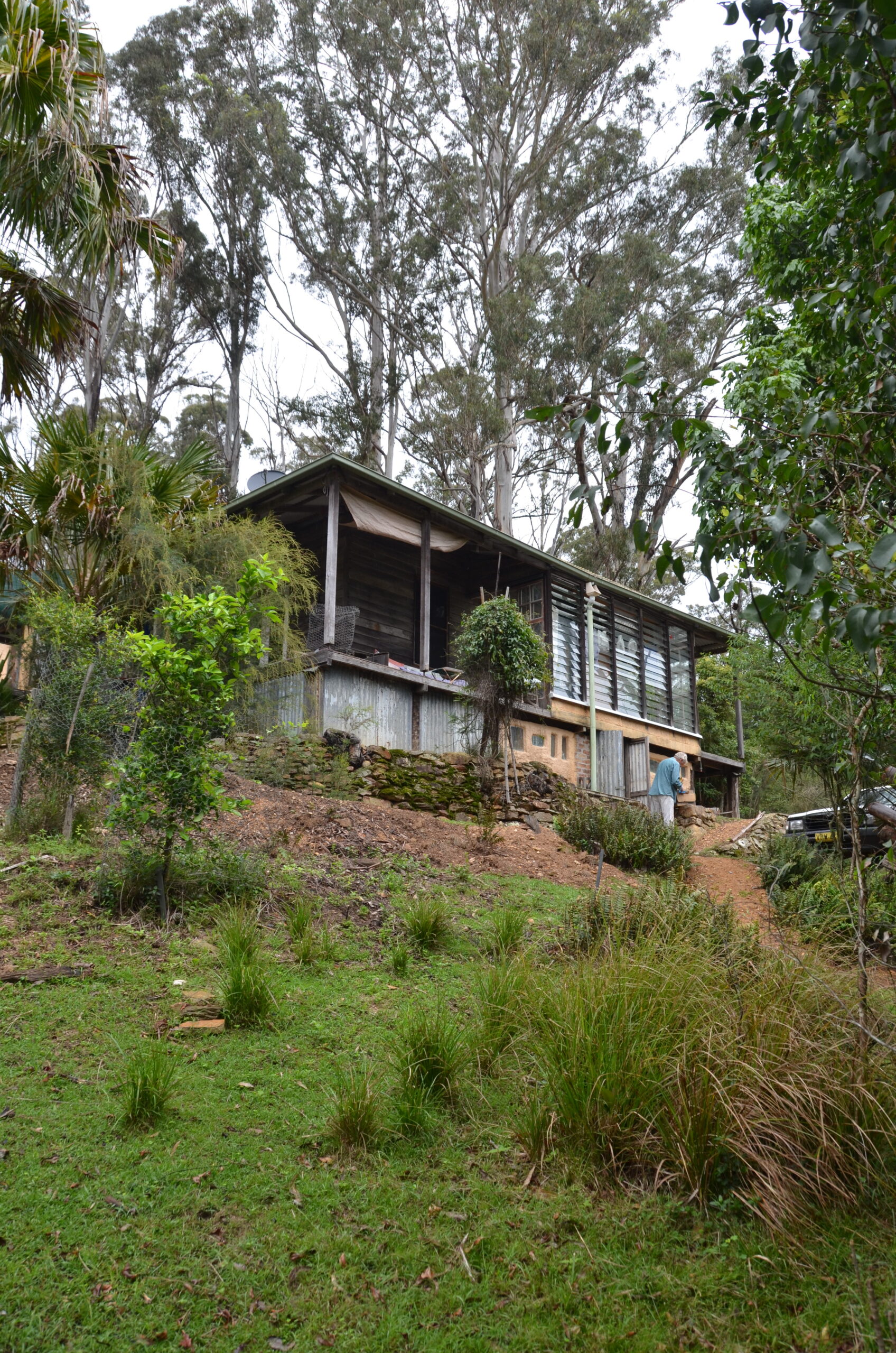
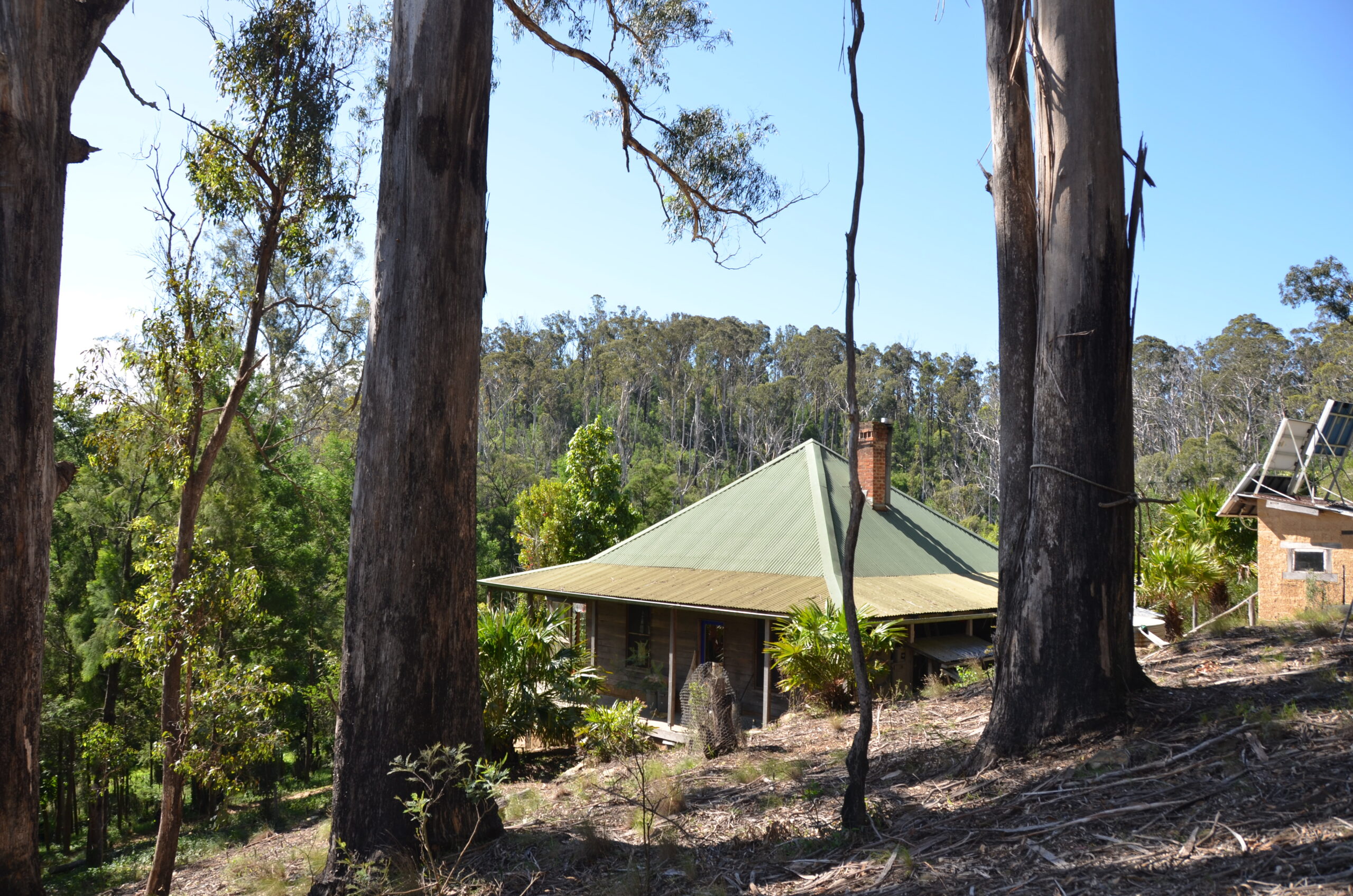
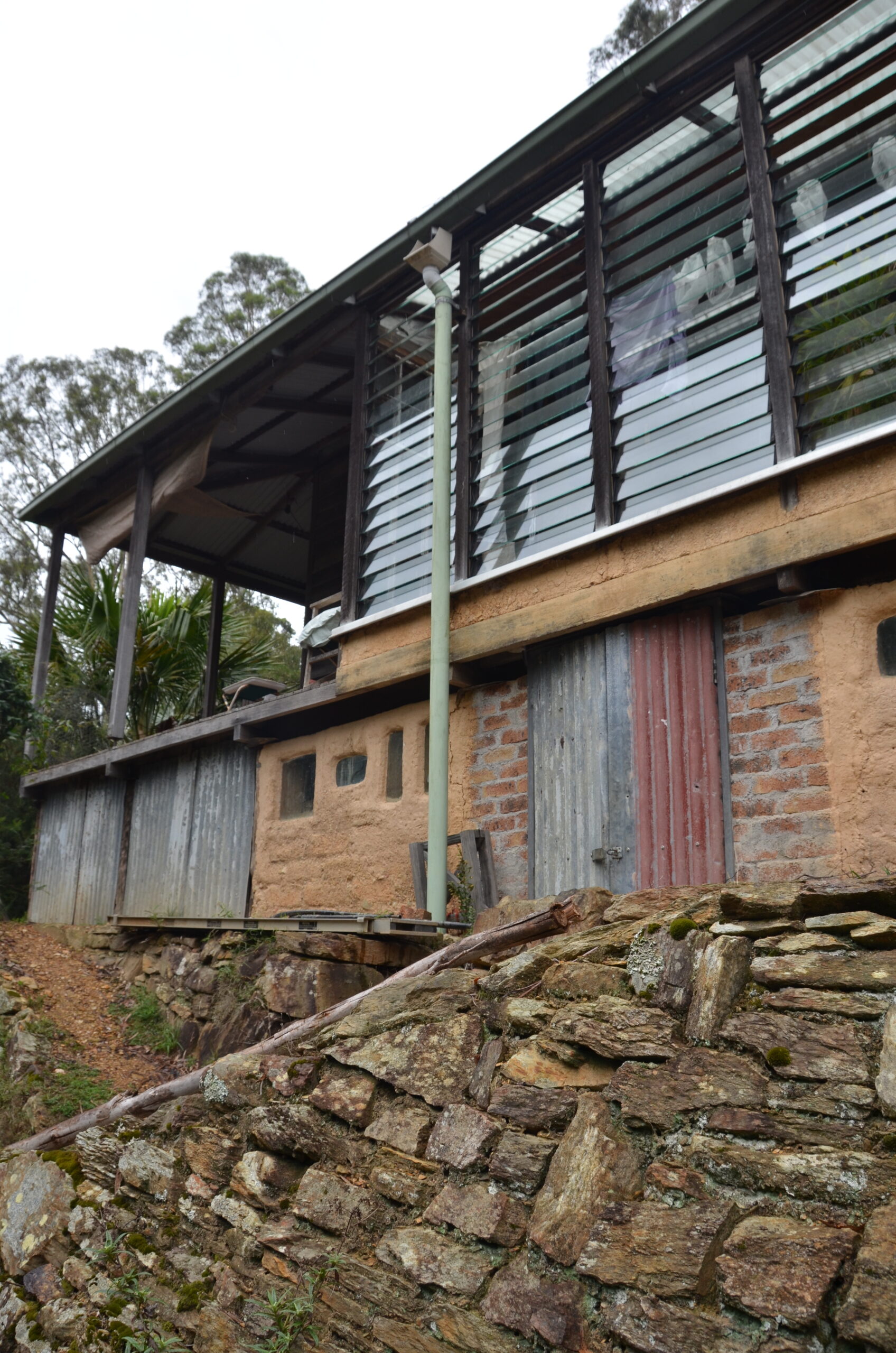
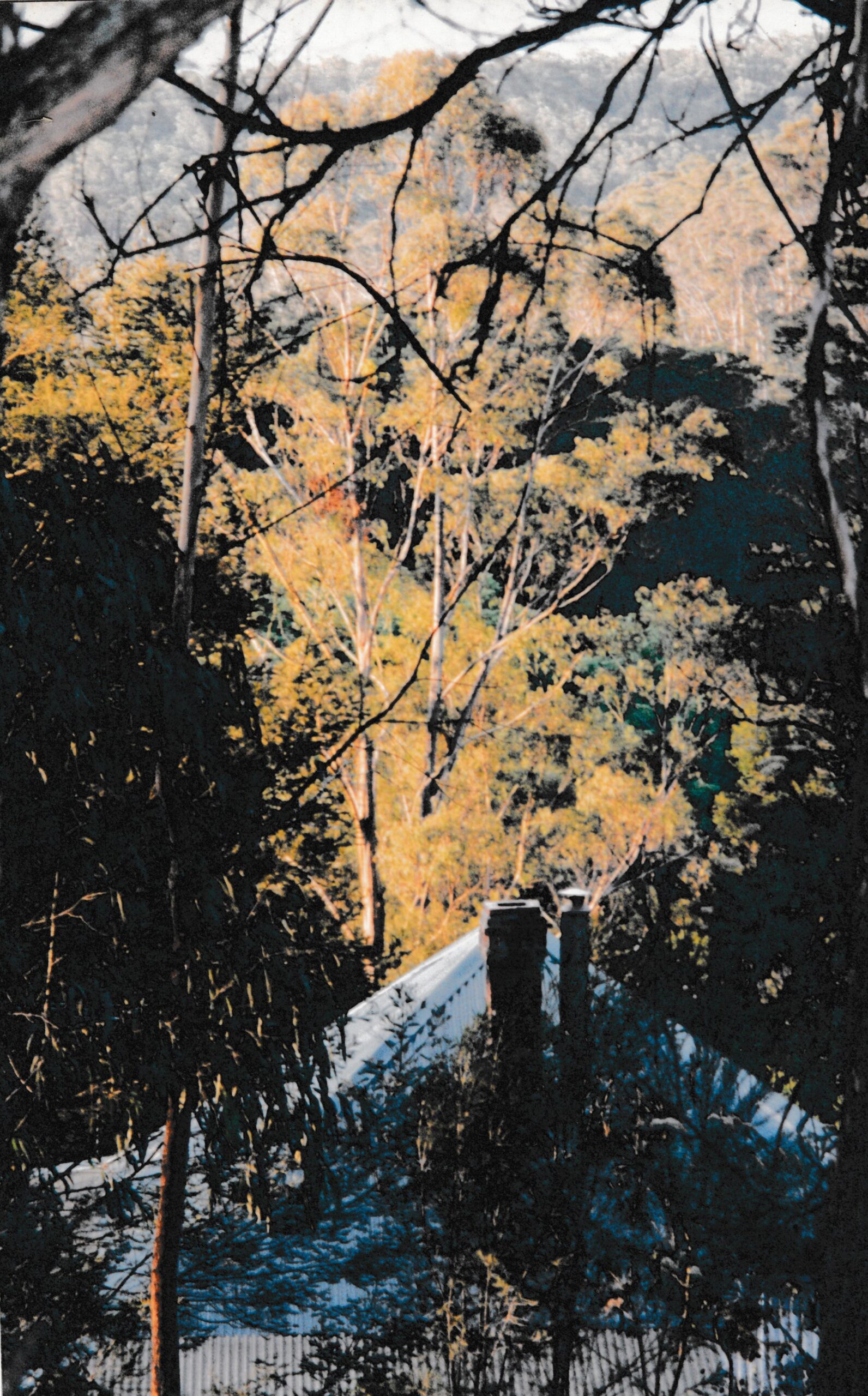
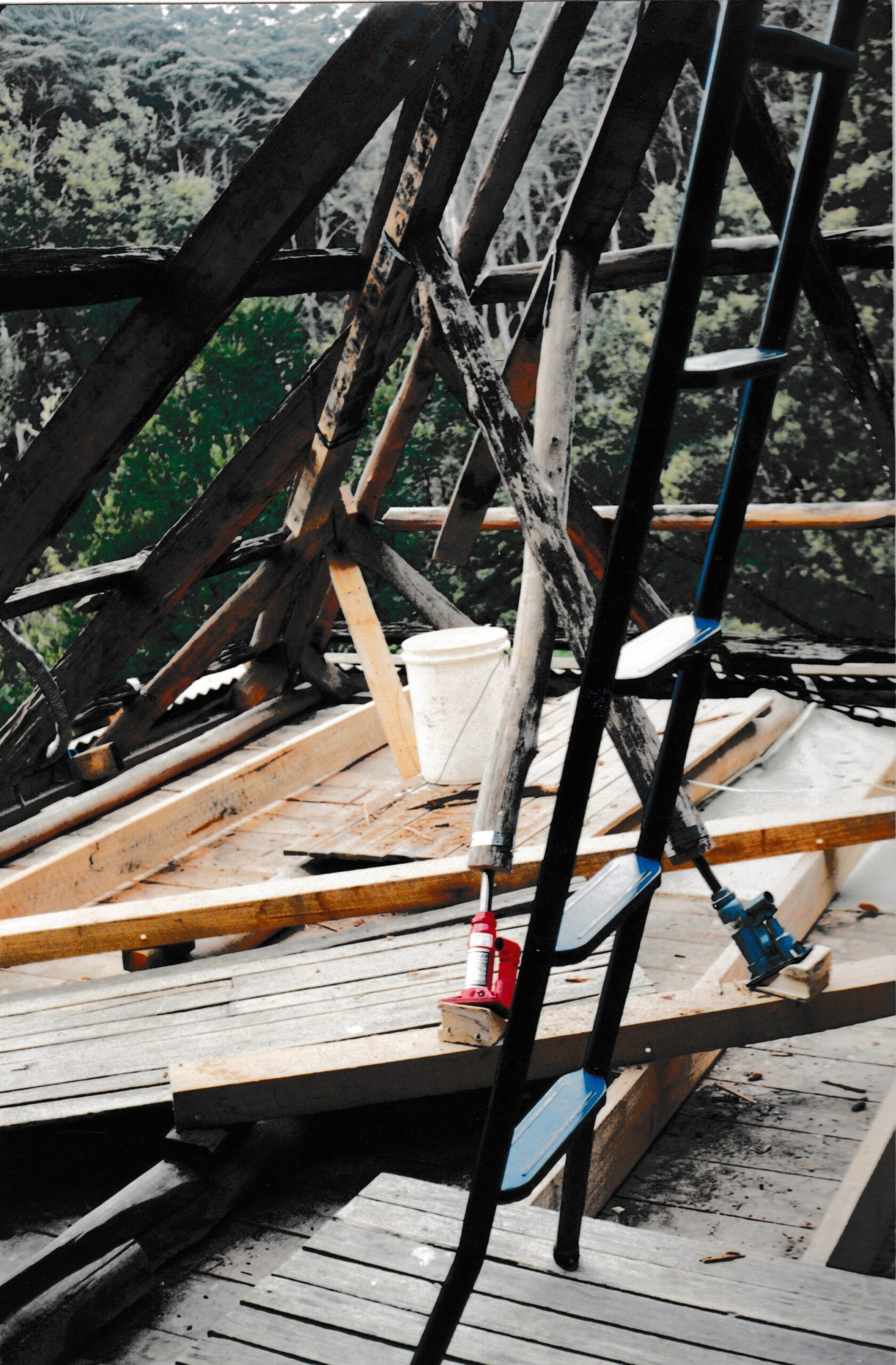
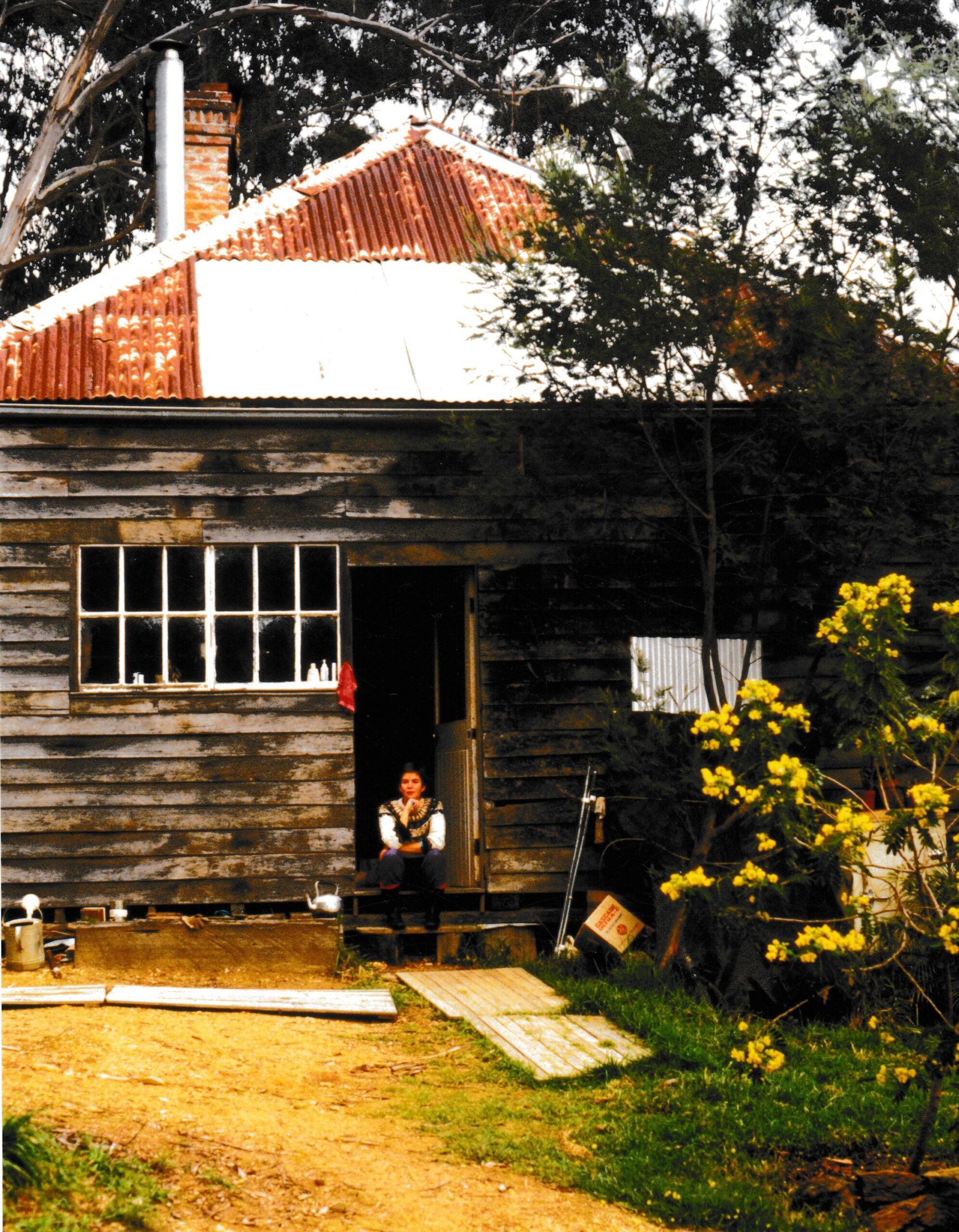
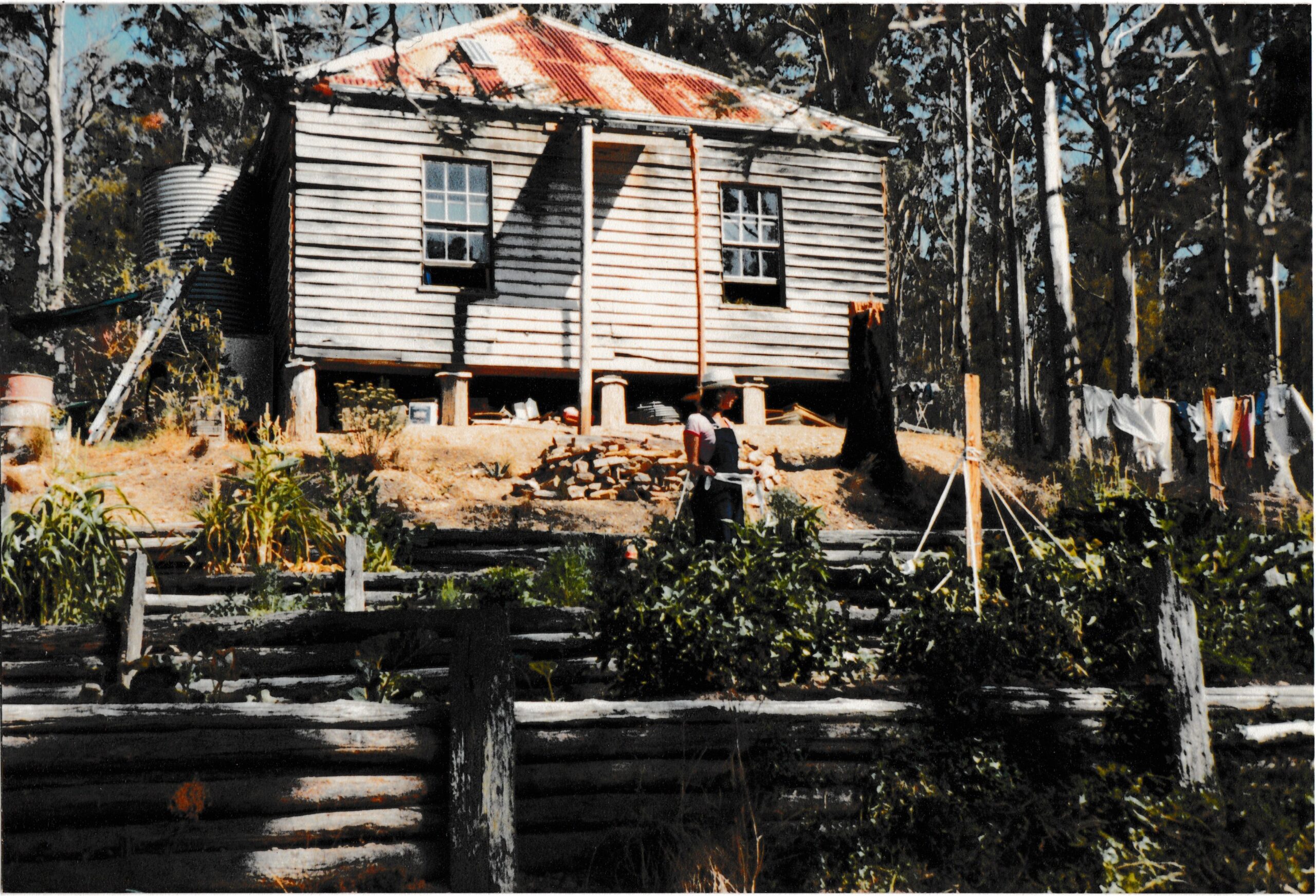
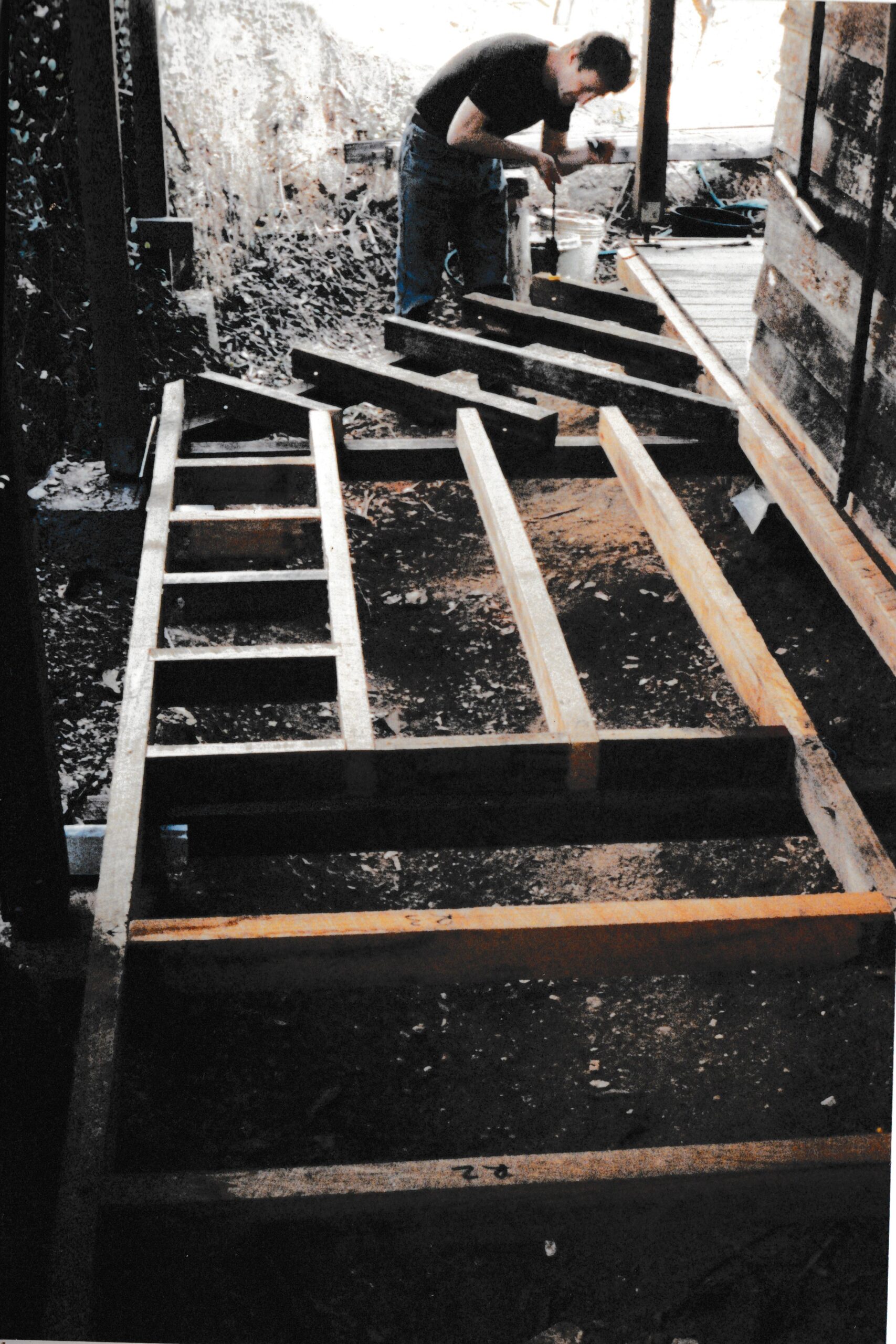
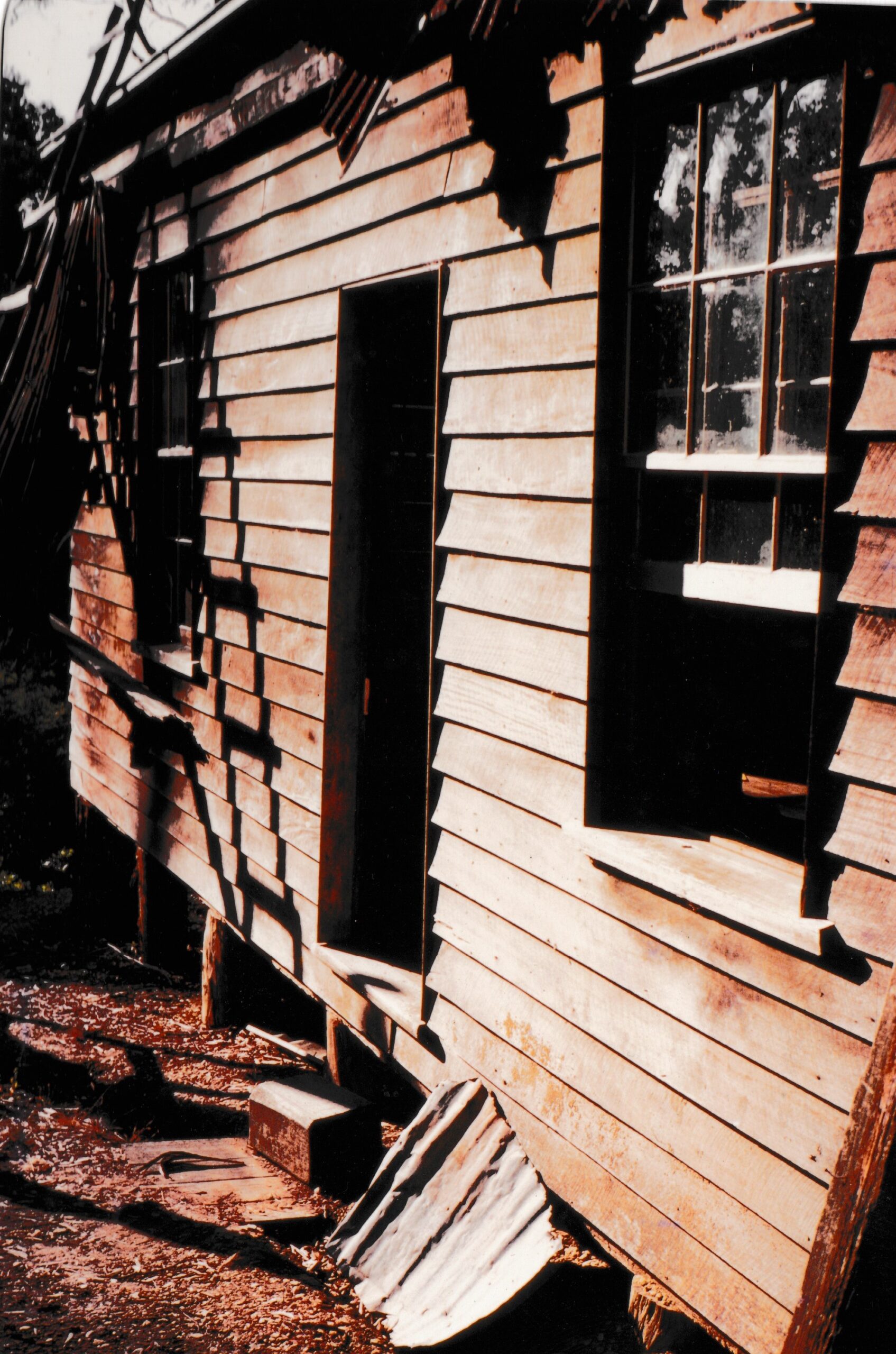

The house was built as a kit home in the 1890s (most of the timber was cut onsite) on a rural property in Kiah. It was never completed.
I purchased the property in 1976 and started restoring and renovating including sustainability features over the years.
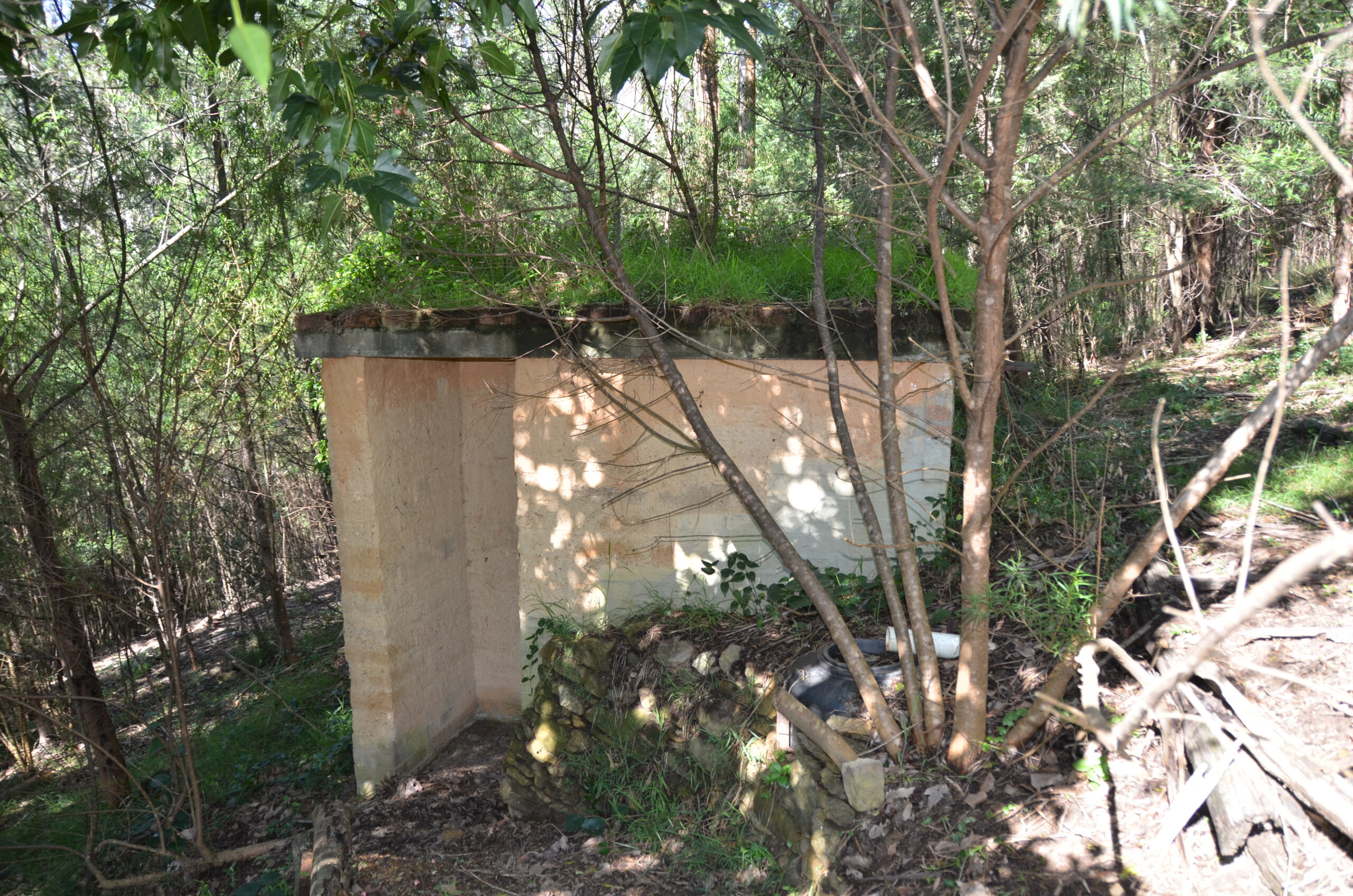
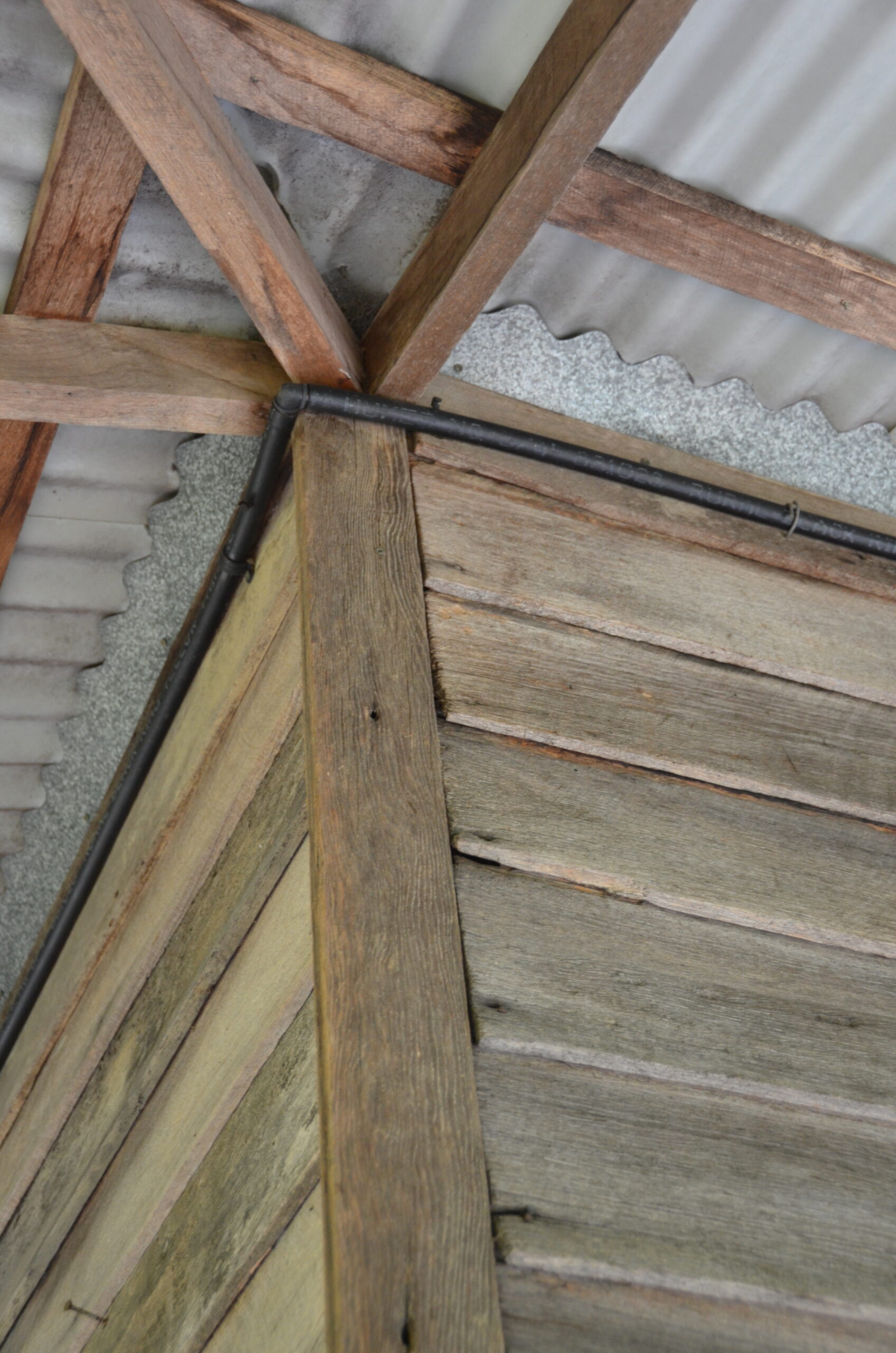
The house was saved in the 2020 bushfire thanks to a sprinkler system, ember exclusion features, and a gas tight bunker onsite.
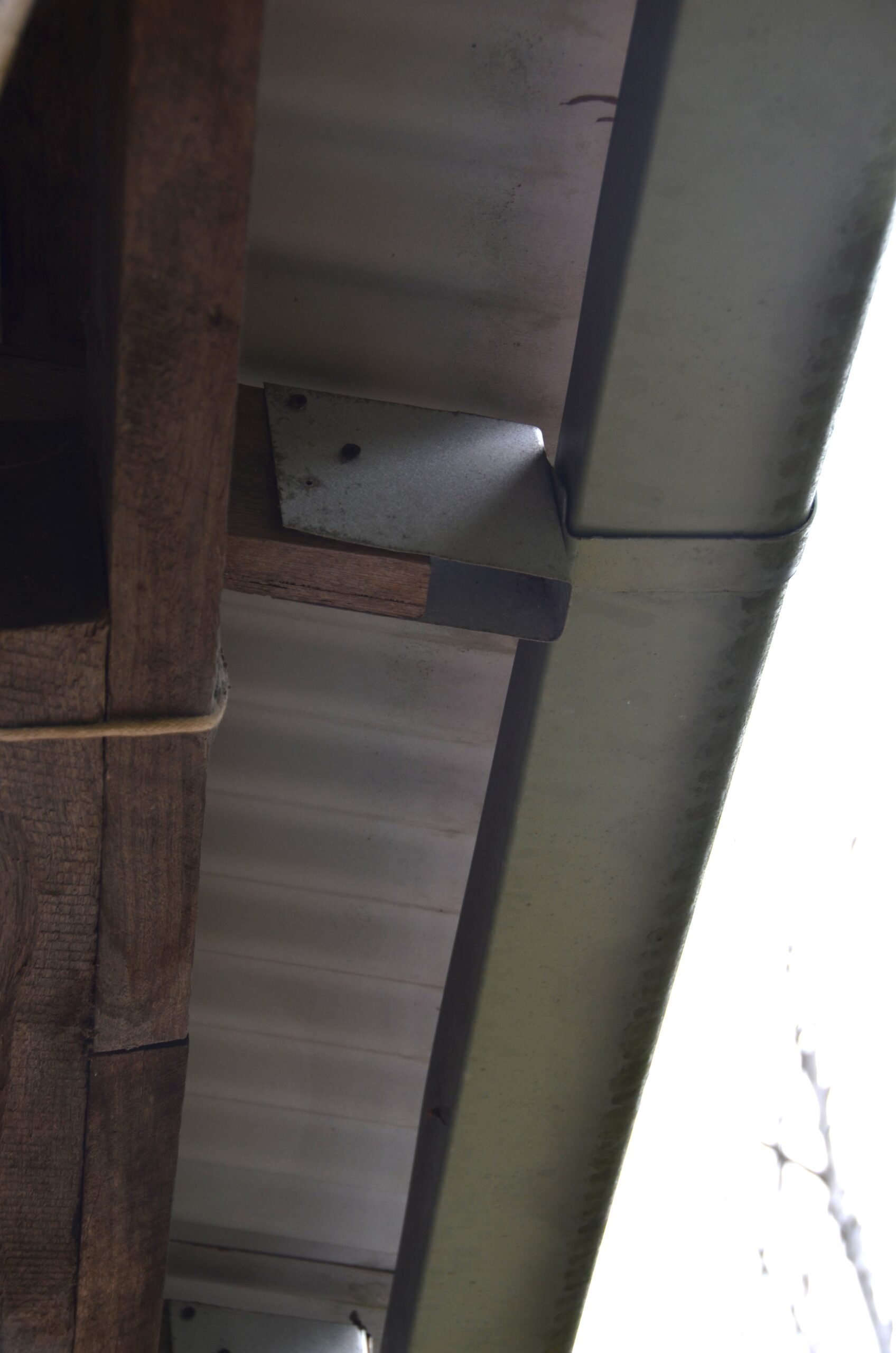
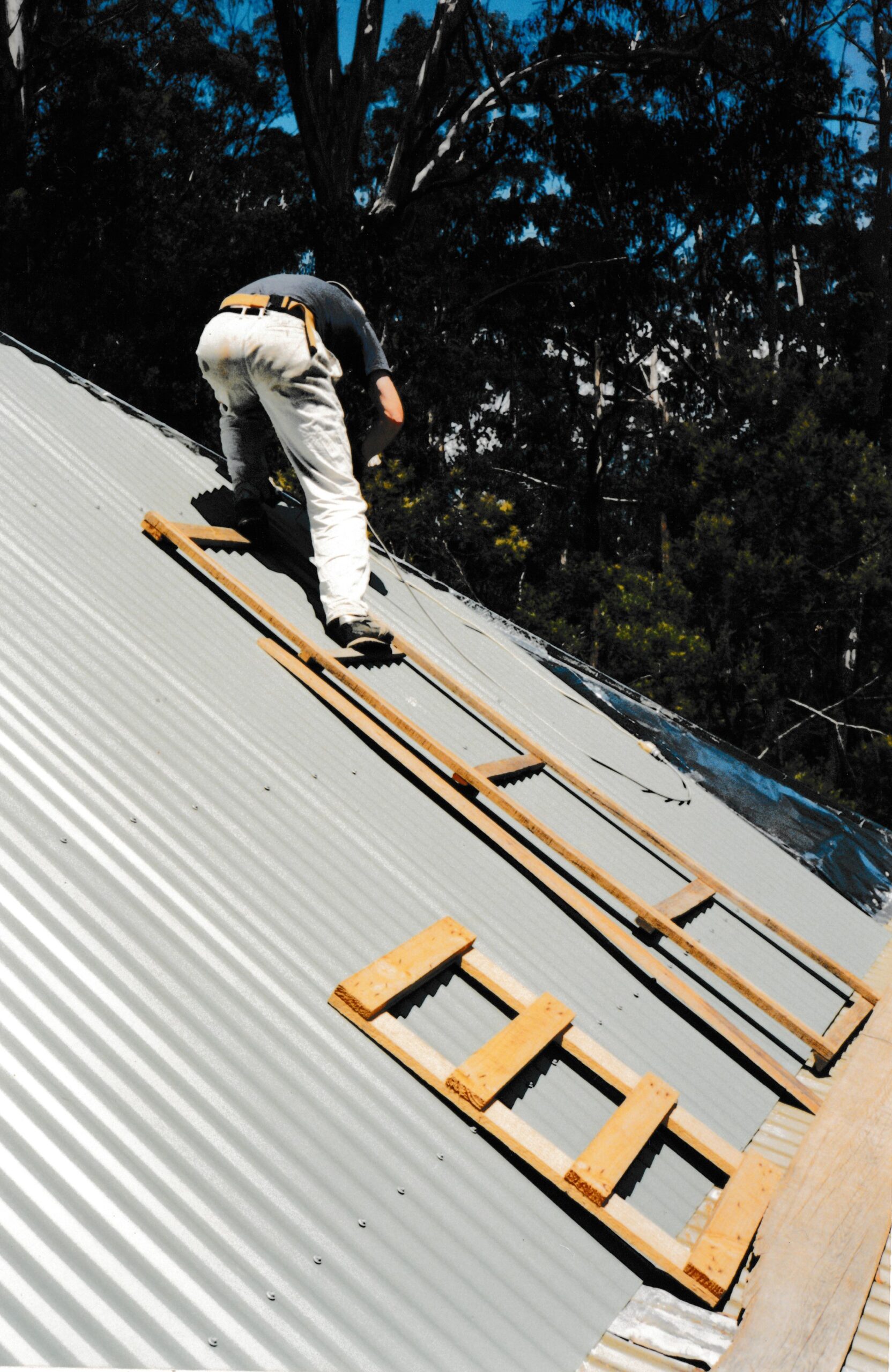
I have introduced a number of innovations to protect our home from fire. The Rural Fire Service repeatedly exhorts householders to clean out their roof-guttering as the bushfire season approaches. This task has become more difficult to accomplish because of the introduction of internal gutter brackets. It is necessary to either get onto the (sloping) roof and bend at an awkward angle or to repeatedly ascend and descend a ladder because the brackets are generally placed at about 1 metre intervals. Falls from ladders are the most common cause of hospitalisation due to domestic injury.
Some years ago, I decided to replace my rusting “Zincalume” guttering with Colorbond. My local supplier offered guttering with internal brackets. When I pointed out that we relied on tank water collected from the roof catchment and that frequent cleaning of guttering was necessary to maintain reasonable water quality, they offered a fine mesh gutter guard. If the builder has installed the guttering with little or no slope a perfect environment for mosquito-breeding is created. It also yields very poor quality rainwater, contaminated by decaying detritus including flower parts. The problems associated with maintaining roof-guttering for bushfire protection require serious attention. Perhaps a ban on internal gutter brackets would be justified. With another 400 dwellings lost in the recent Victorian fires, we are going backwards in our efforts to solve the housing affordability crisis. Truly sustainable houses are those that can survive climate disasters into the future.
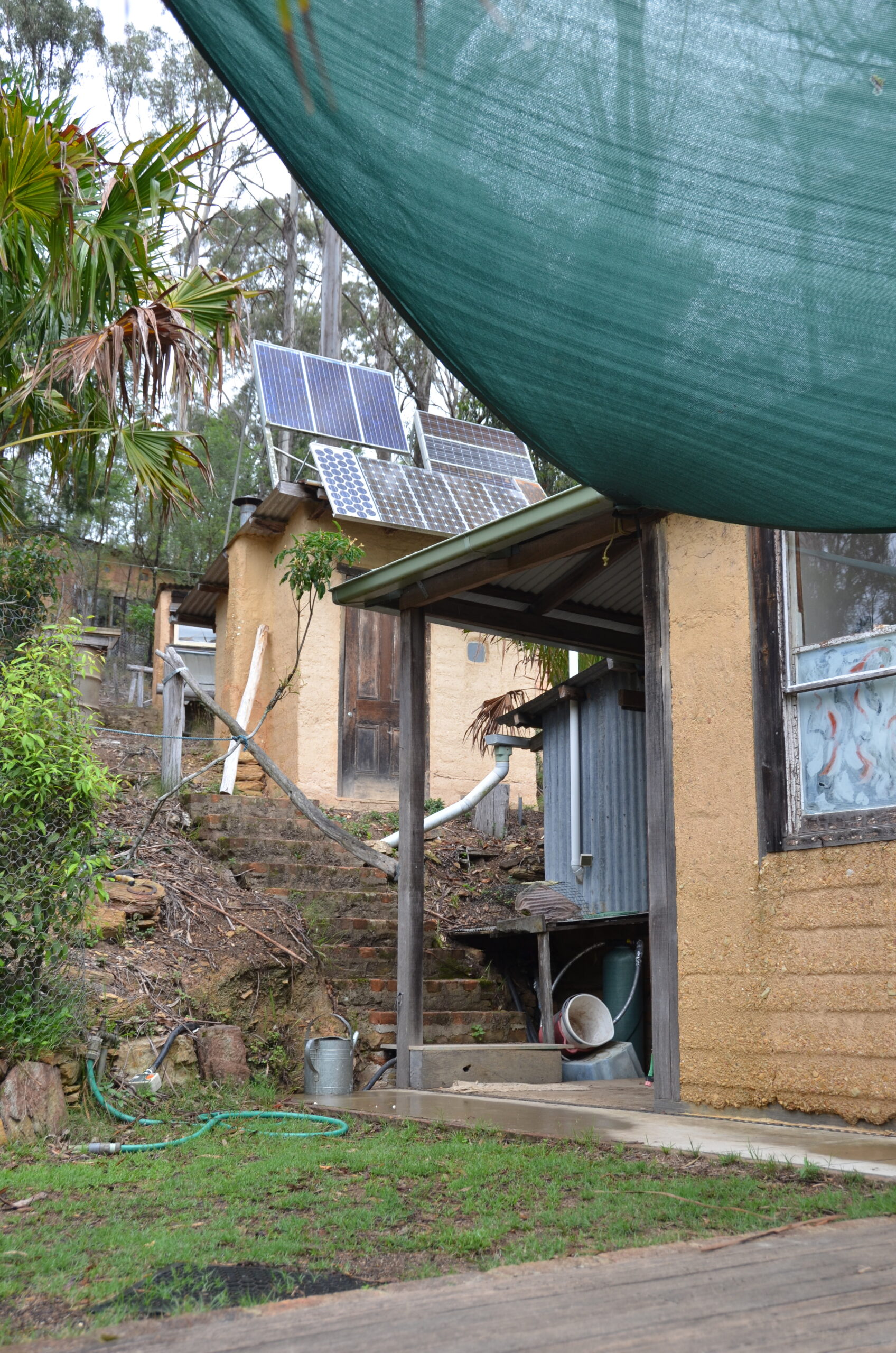
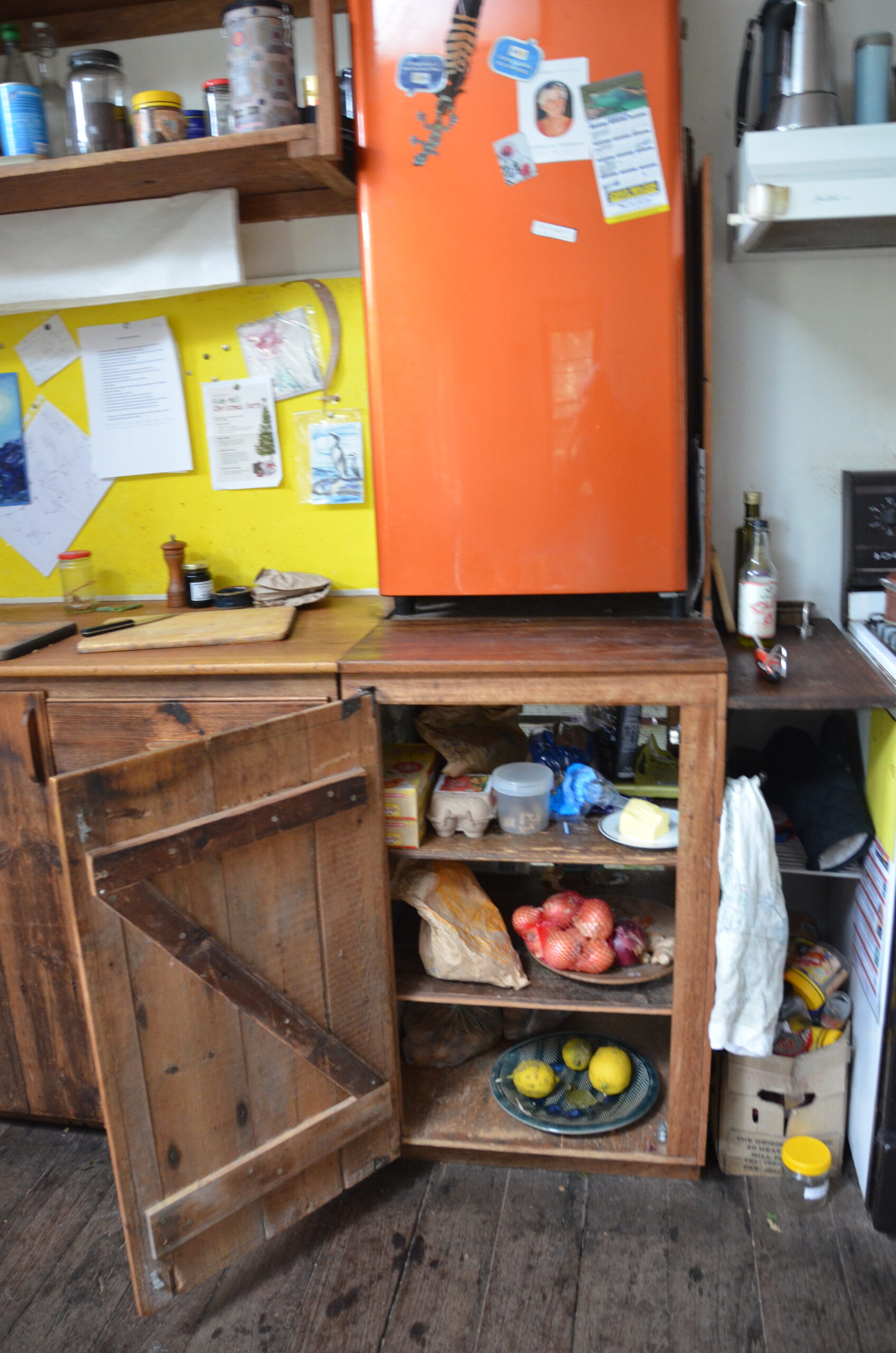
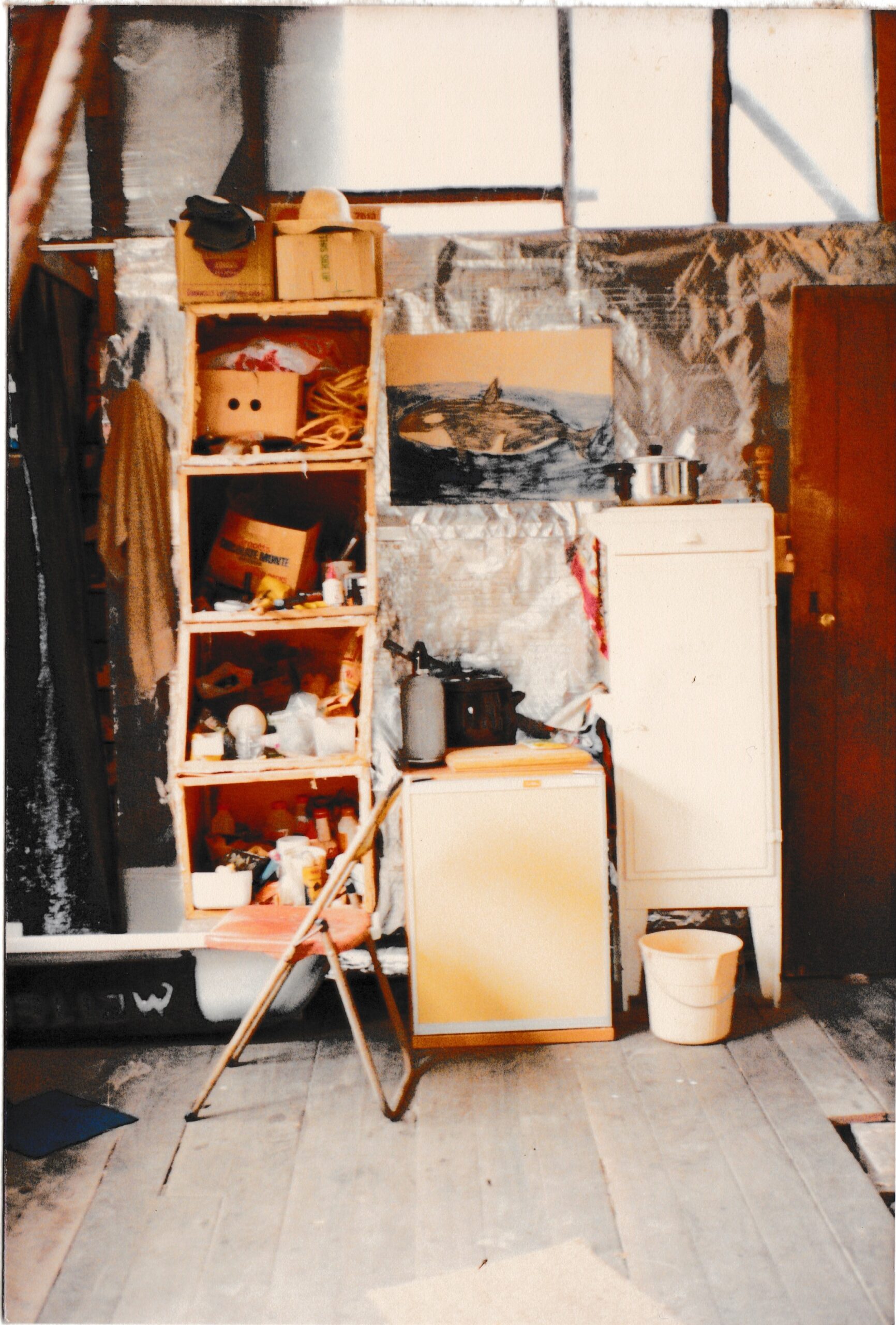
When we moved here together in 1982, we had one solar PV panel (Arco solar 35 watt capacity, purchased for $550) and a 12 volt battery supplying a few fluorescent lights. We used a second-hand gas fridge from a caravan to store perishable food. Even the pilot light was enough to freeze vegetables during cold winter nights, so we made a "cool concept". This is an insulated cupboard which is open to the outside world via louvres and rat-proof screen to the south, under the verandah. This keeps most things, like vegetables and bread, quite well without freezing.
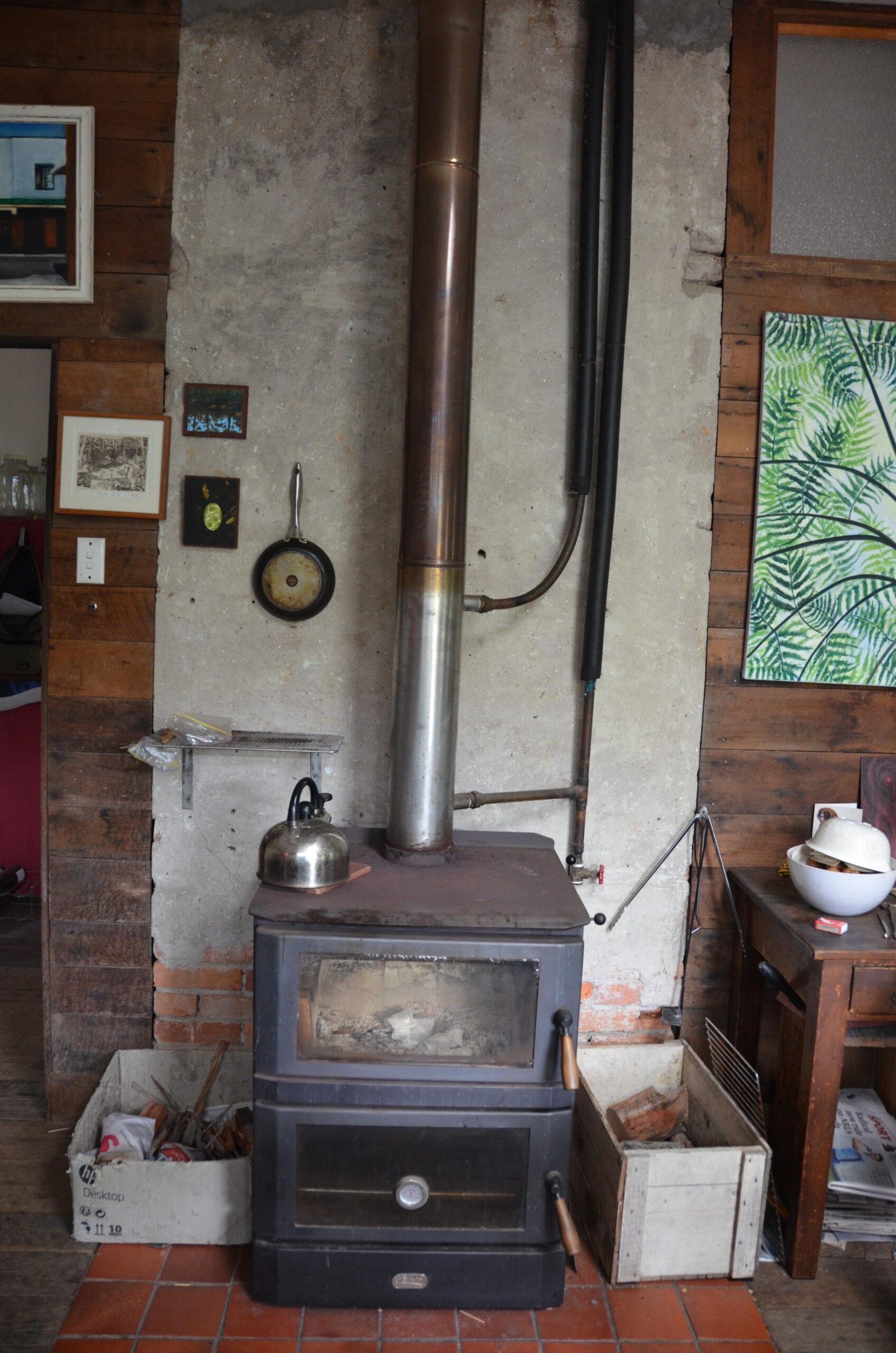
Over the years, the price of gas went up, the cost and efficiency of solar panels improved and the efficiency of fridges improved. We have retained the gas only to run a gas stove with 4 burners and an oven. We use it in the warmer months rather than light our "Eureka" wood- stove but at the end of its life we would convert to an induction cook-top.