
Secret Garden House

Ngunnawal,
Turner,
ACT
This home will be open for in-person tours on the 17th May 2026

About this home

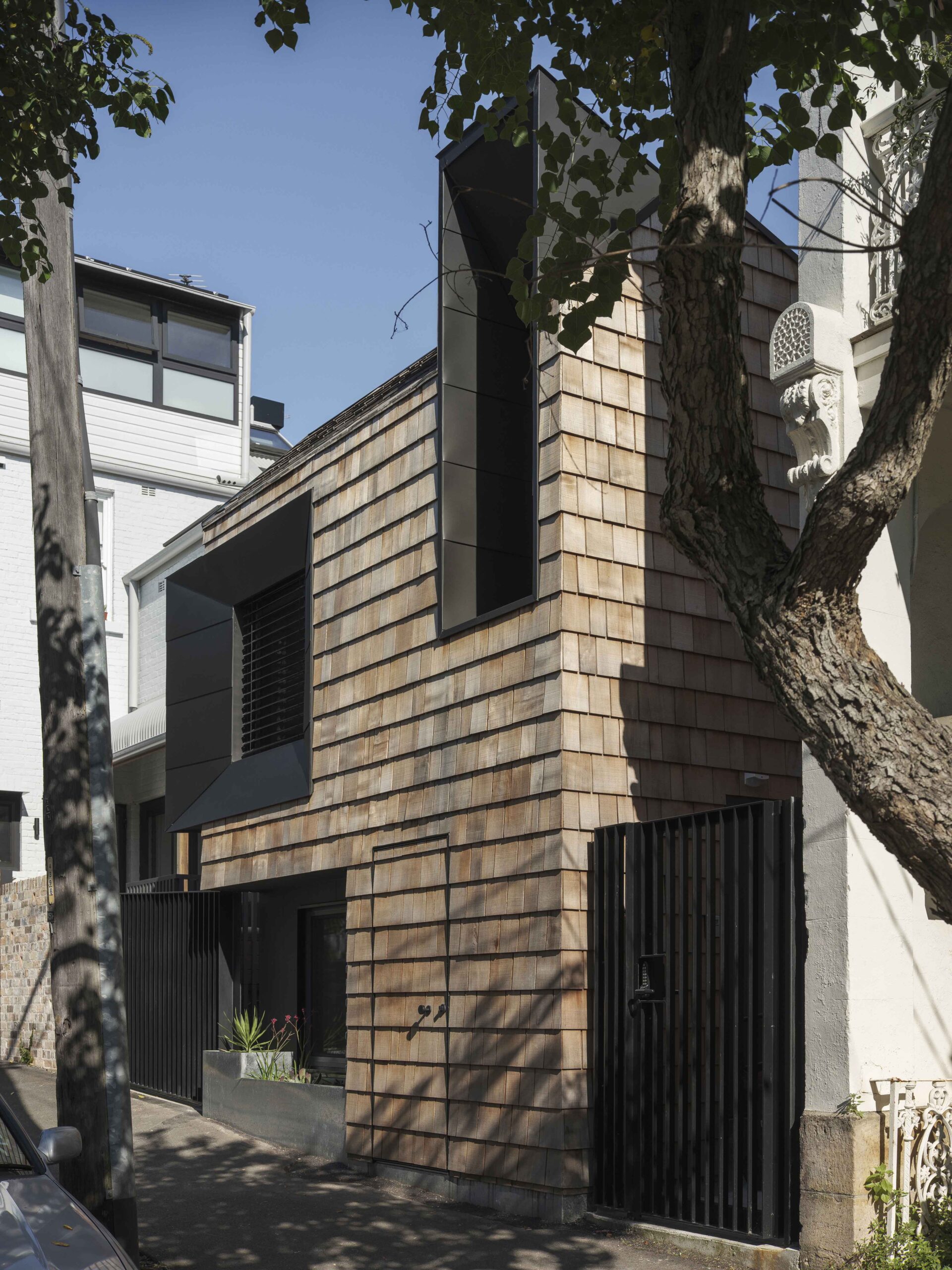
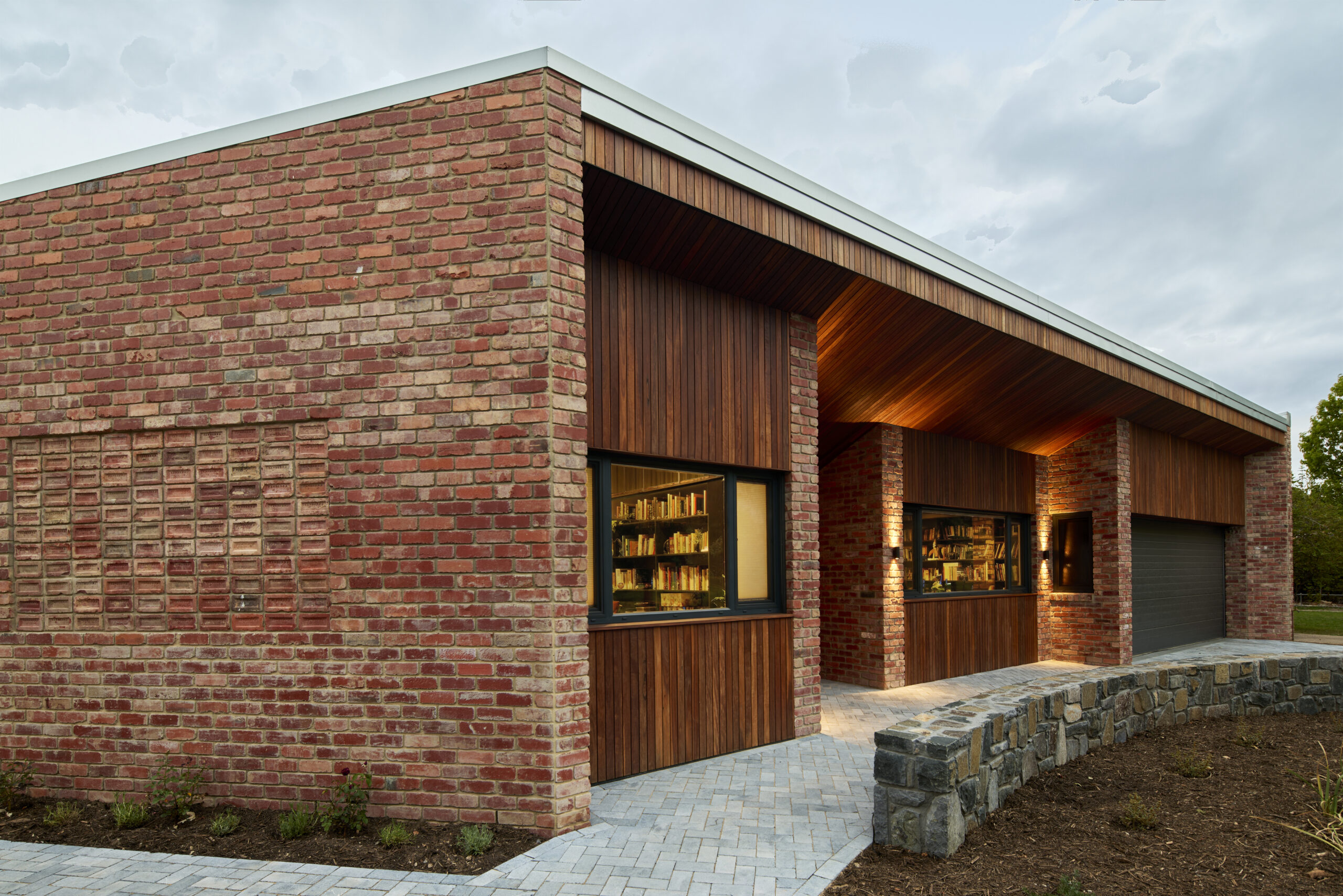
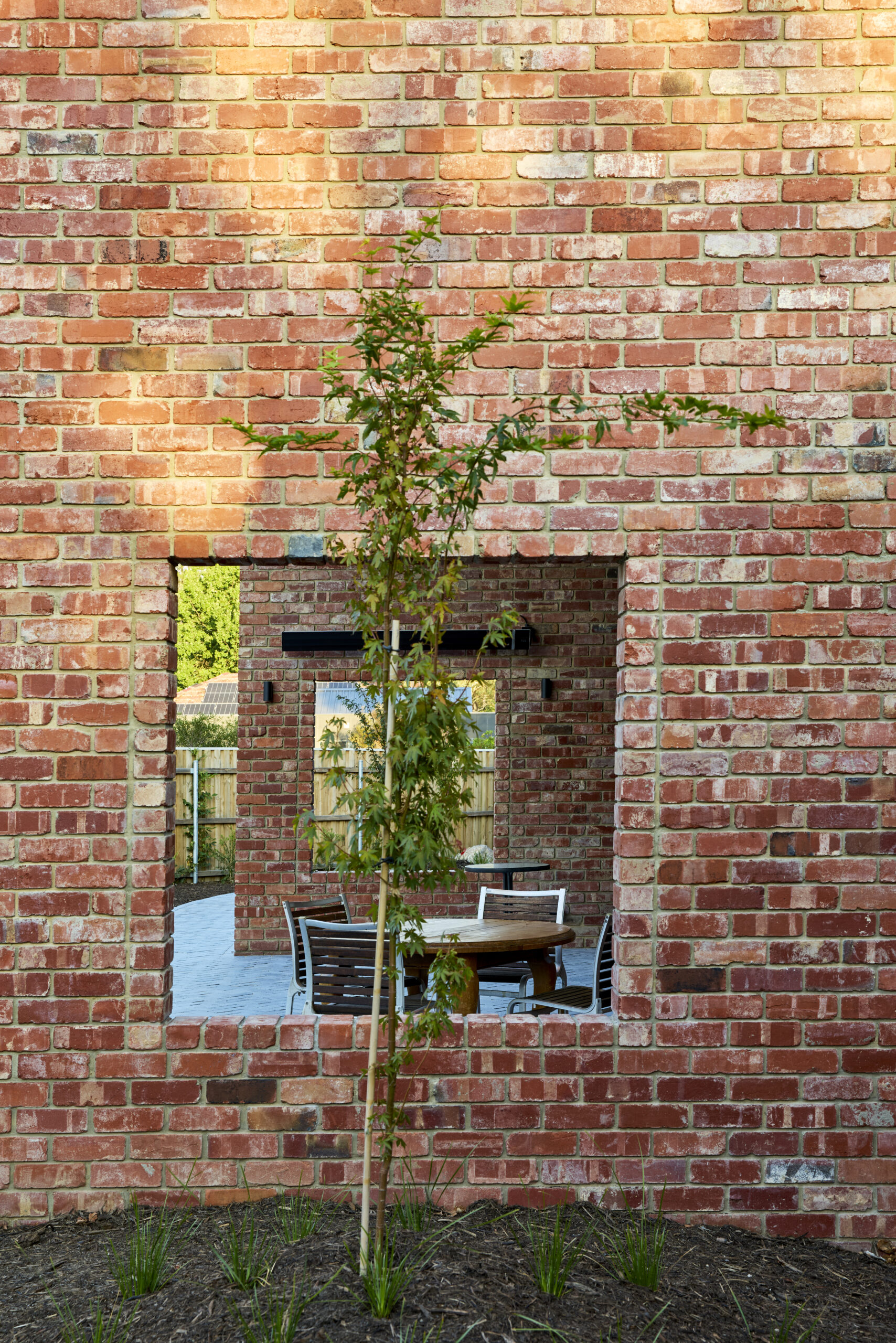
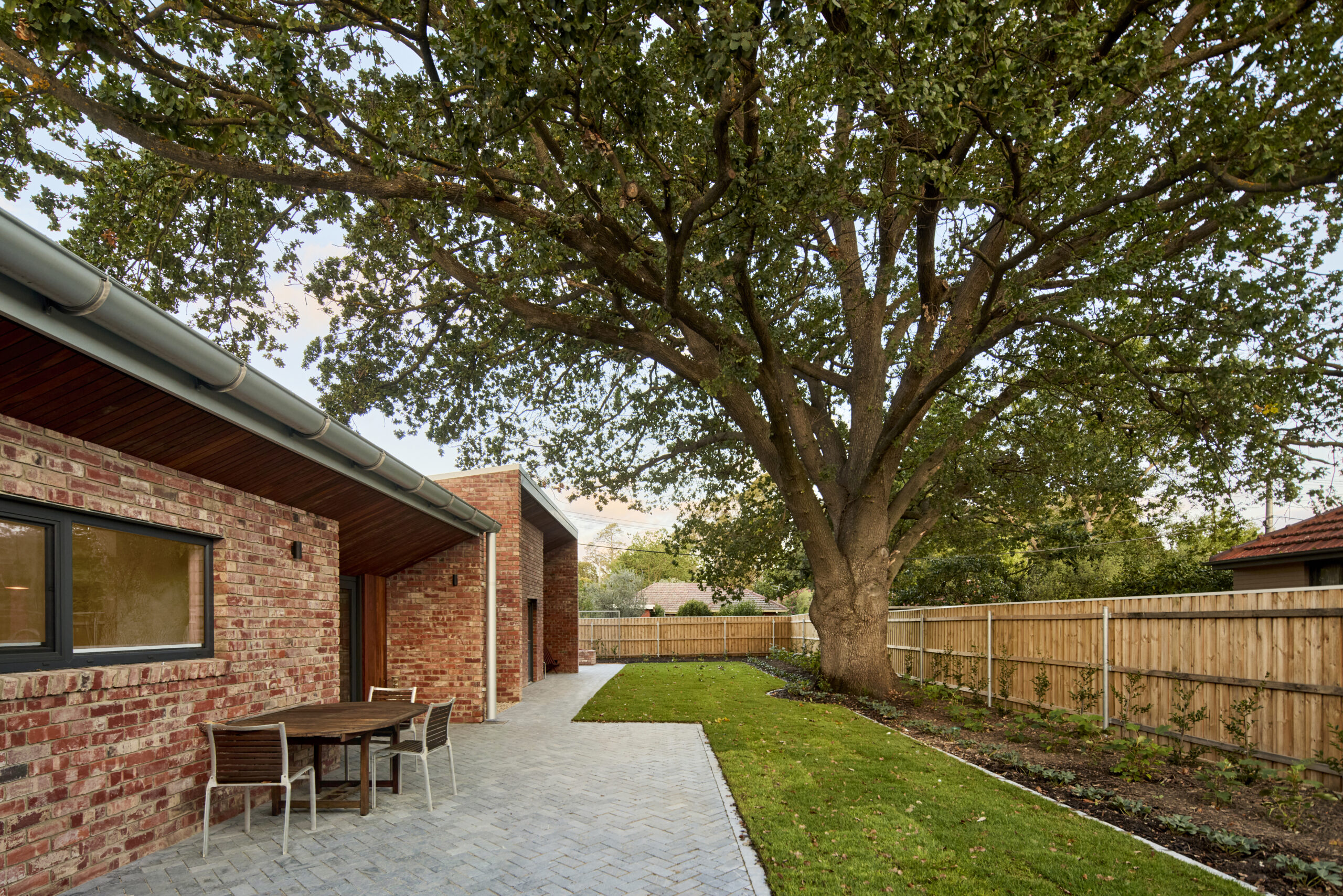
An enormous oak tree shapes the design of the Secret Garden House. While screened from the street, the design subtly reveals sequential views of the grand old tree. Working carefully within the sensitive canopy, the plan stretches east to west to prioritise northern sunlight to the main living areas.

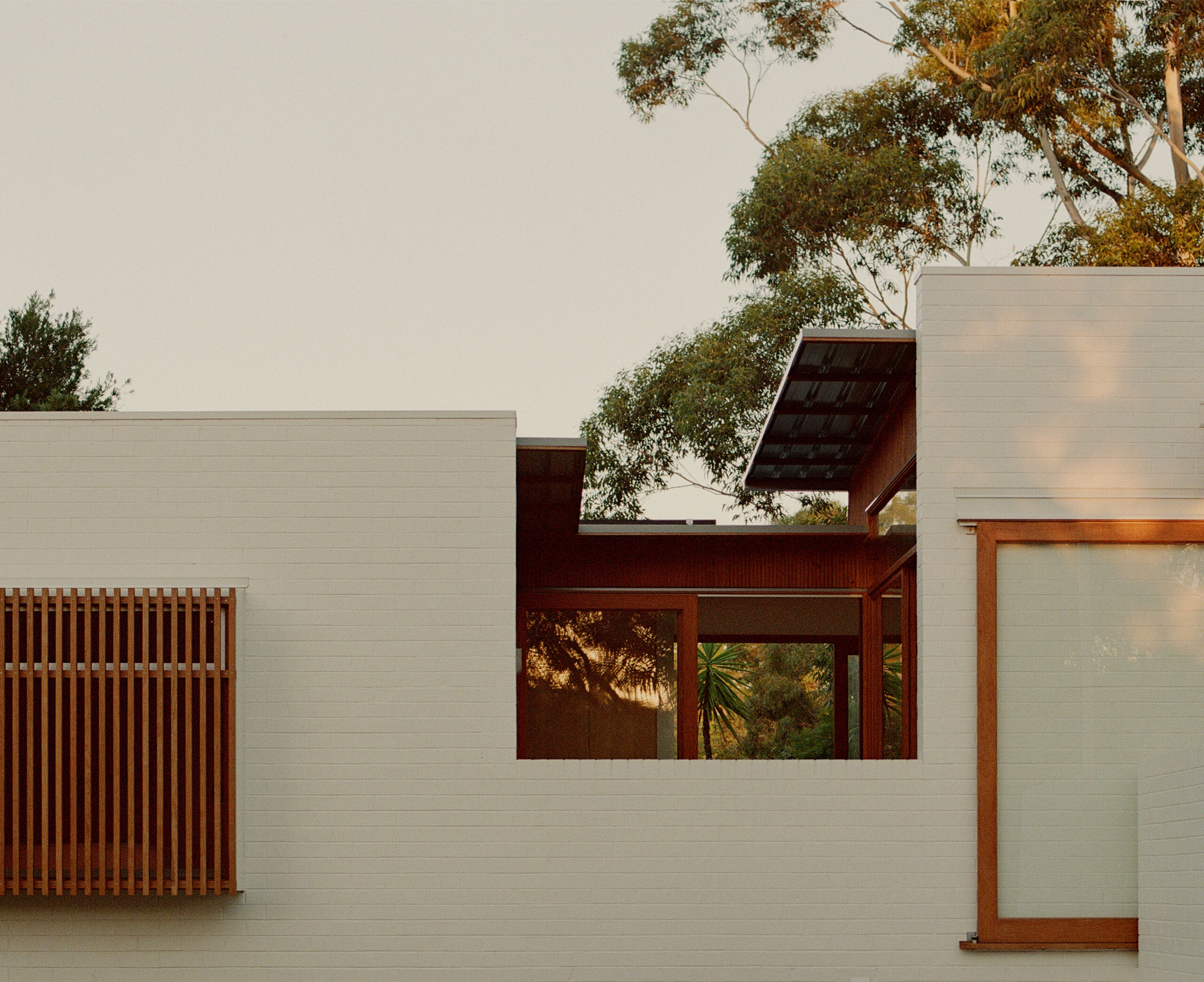
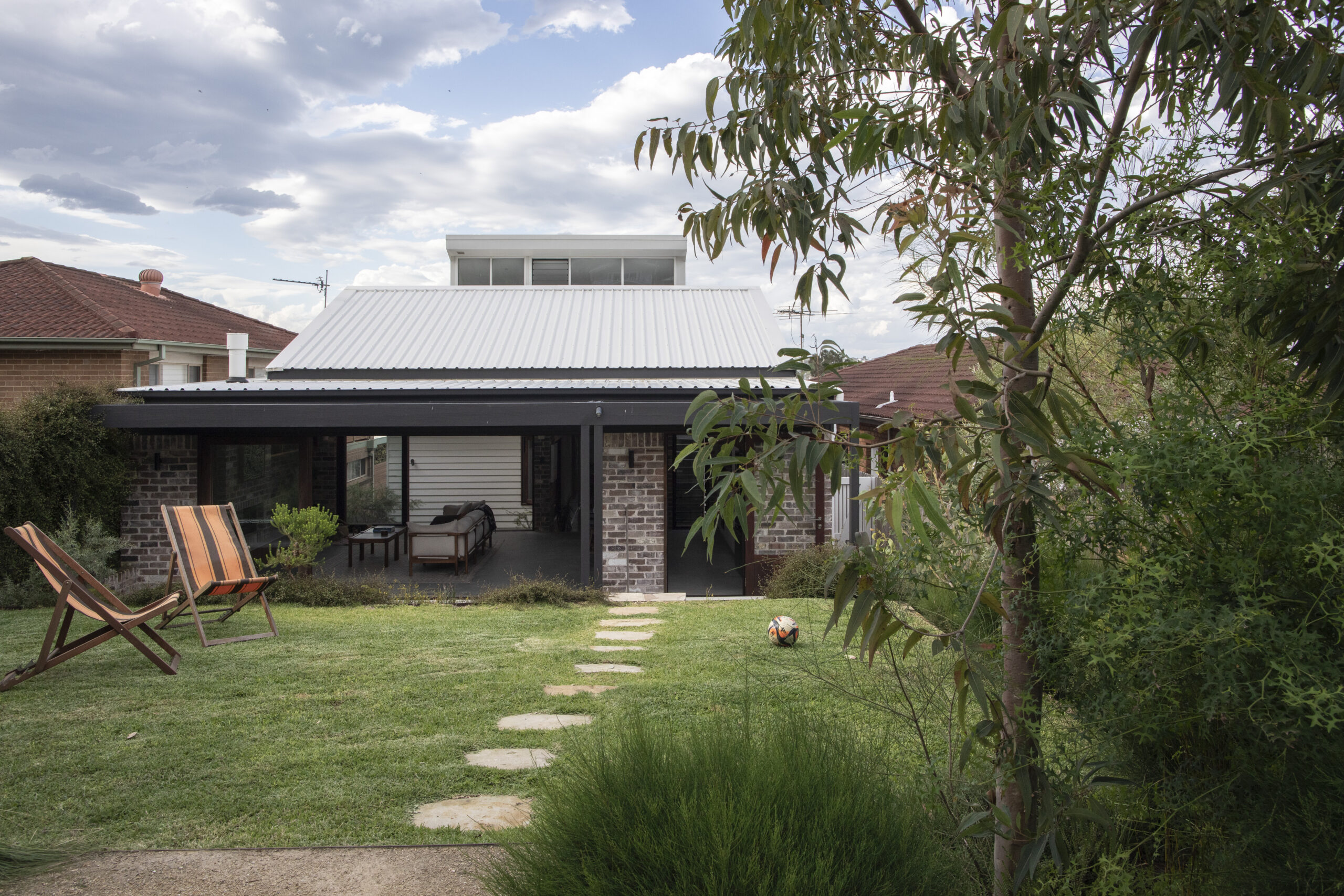
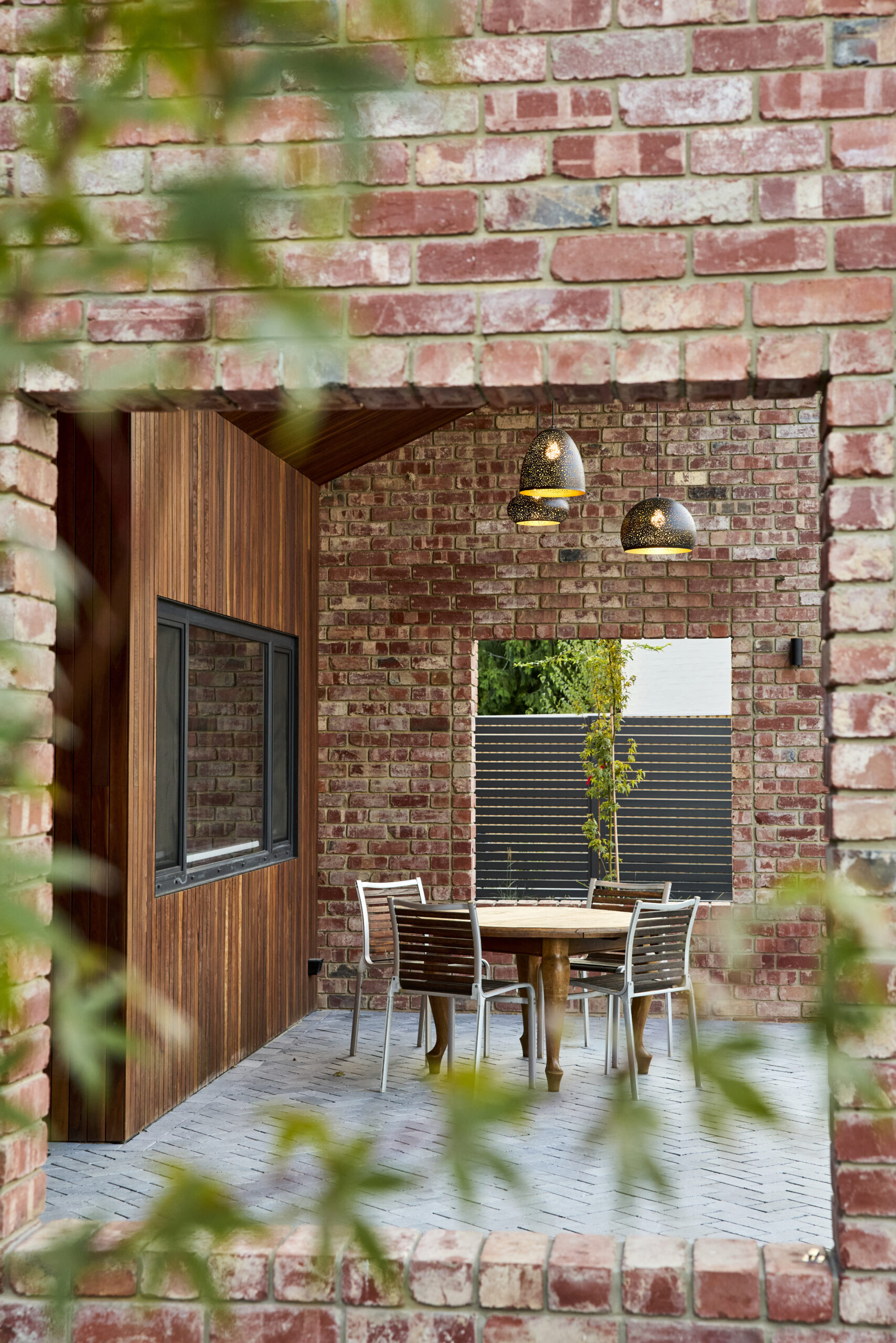
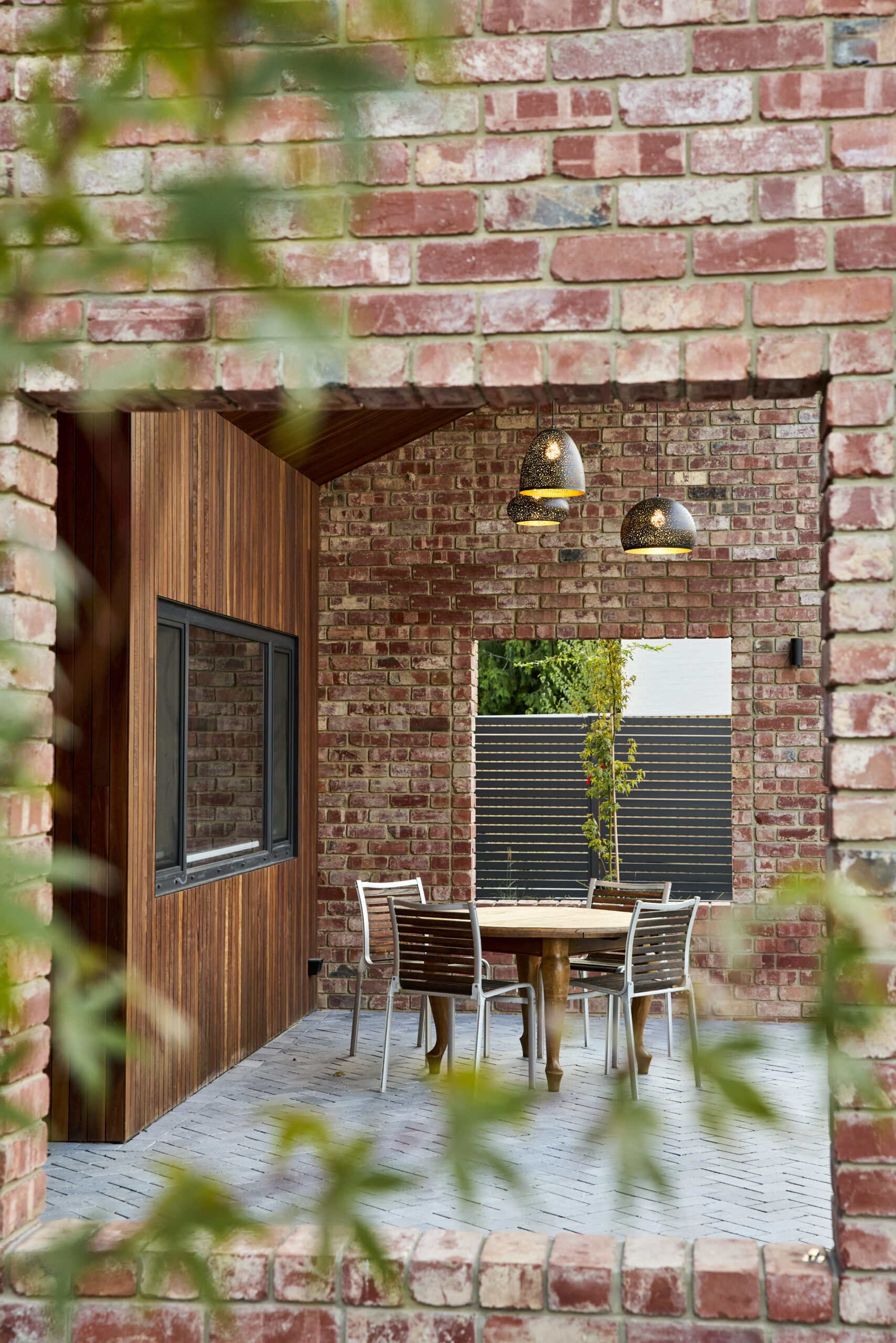
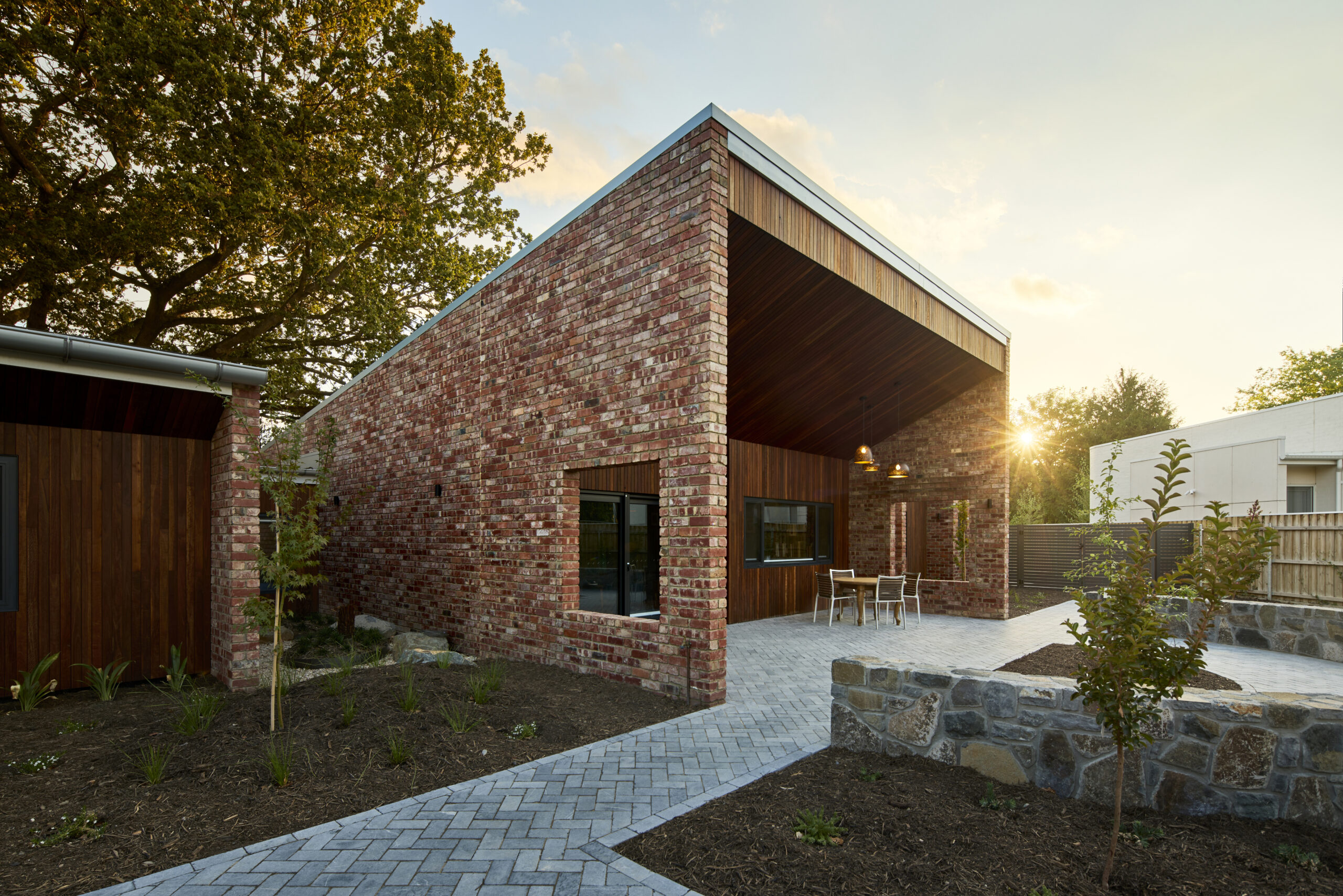
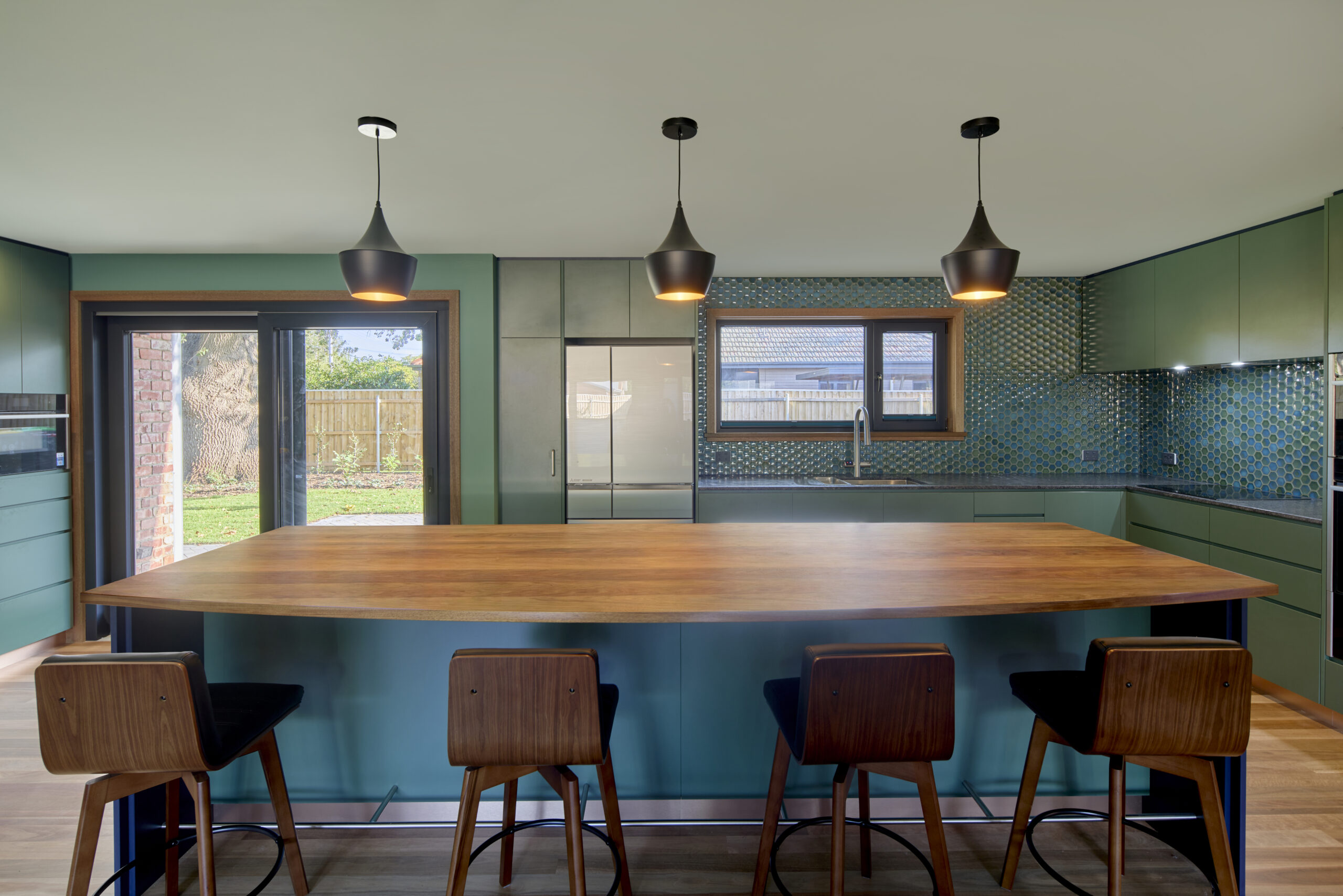
Three pavilions are linked via garden courtyards, revealing secret garden rooms. The central living pavilion creates a spacious open-plan living area with access to sun-drenched and shaded garden spaces.

The brief called for intergenerational living, visitor accommodation and aging-in-place. In response, the design prioritises accessibility to Gold and Platinum Livability Standards. Particular attention has been given to circulation spaces, flush thresholds, assistance rails and bathroom design to ensure easy living.

Energy efficiency has also been deeply considered. A solar PV array achieves net-zero energy use, working with insulation, mechanical heat exchange, double glazing, and a well-sealed building to create a comfortable home throughout Canberra’s distinct seasons.

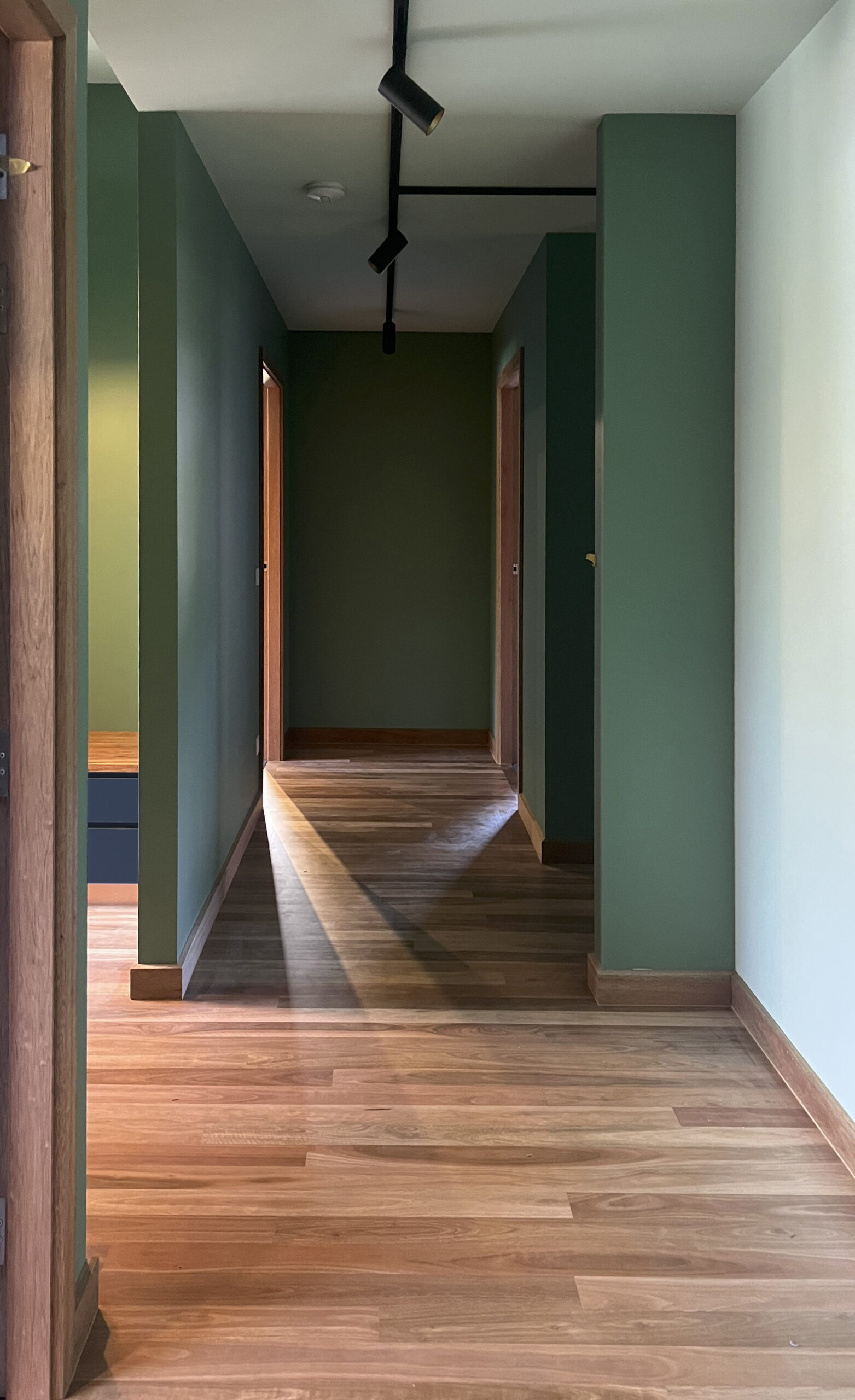
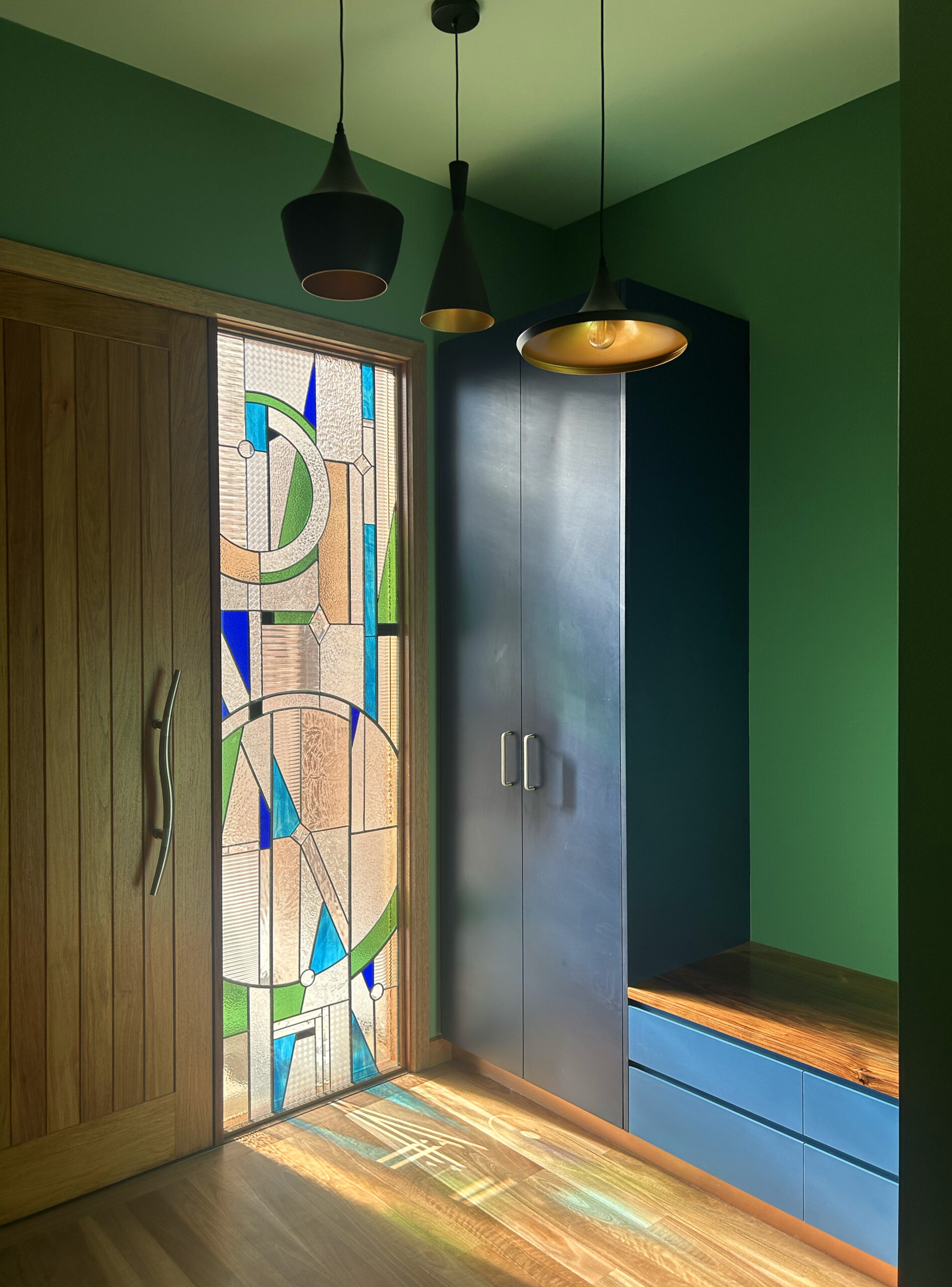
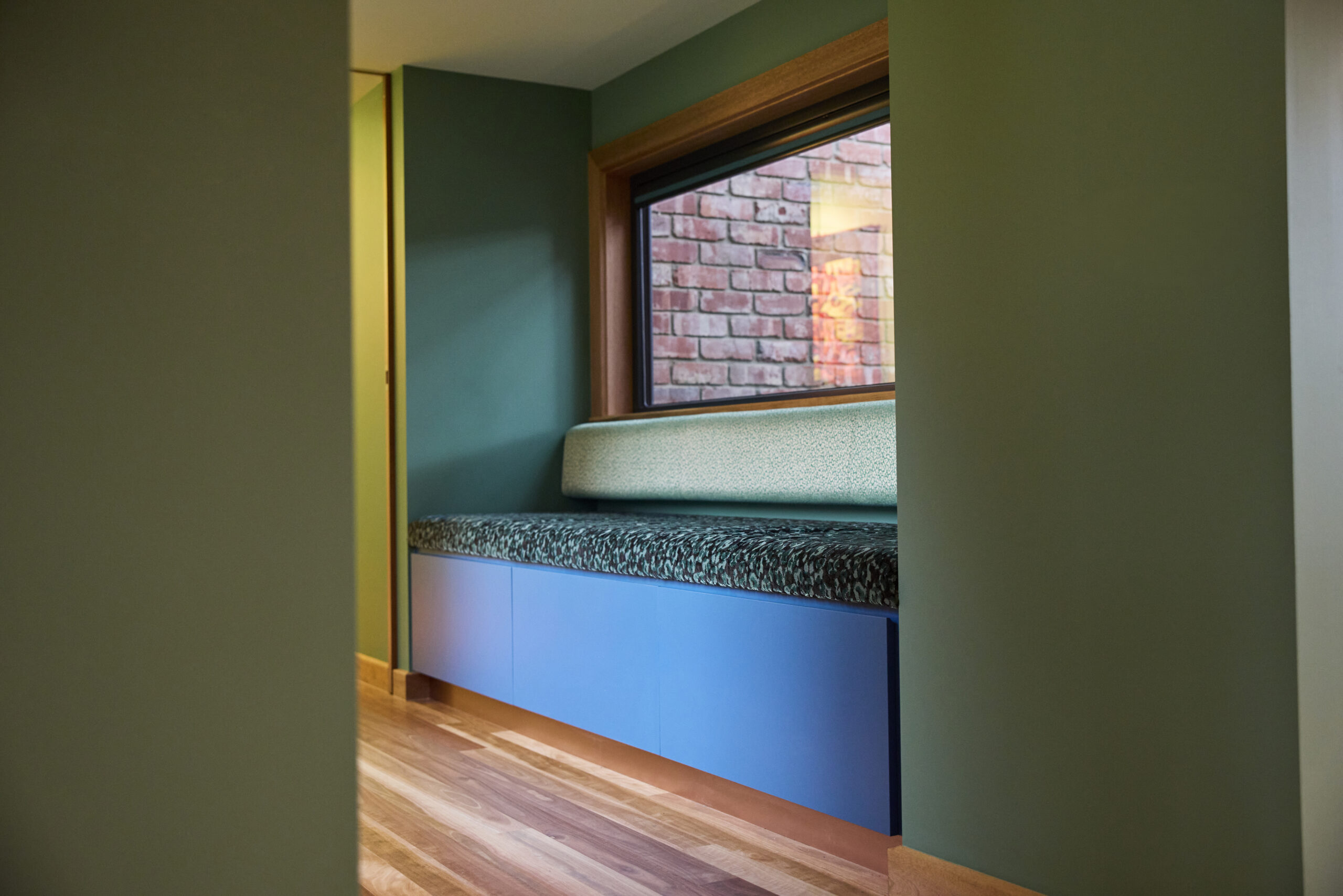
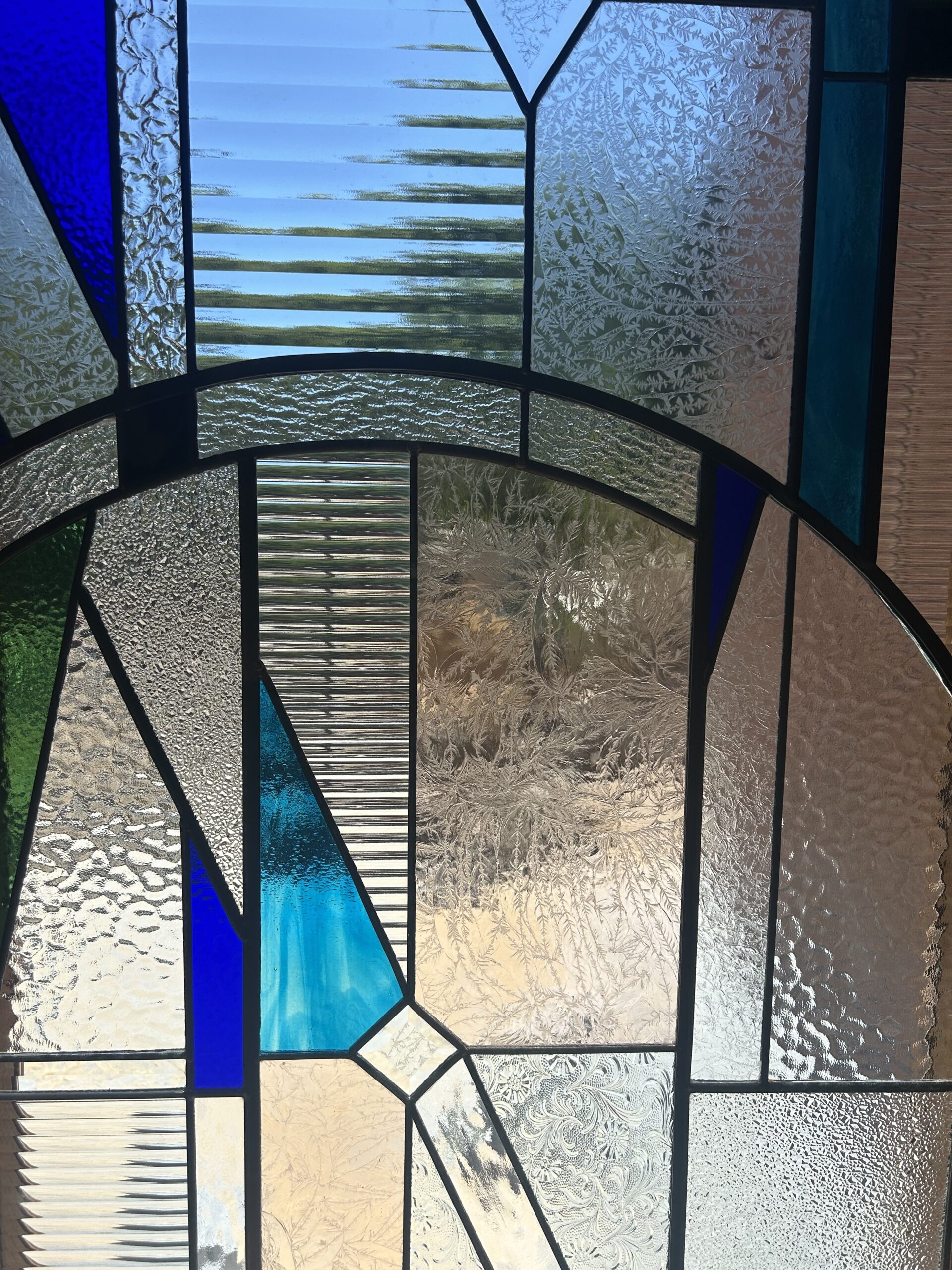
The interiors are inspired by a deep love of colour and reference the homeowner’s passion for quilt making. Every room is a different colour, and there is almost no white to be found throughout the dwelling.

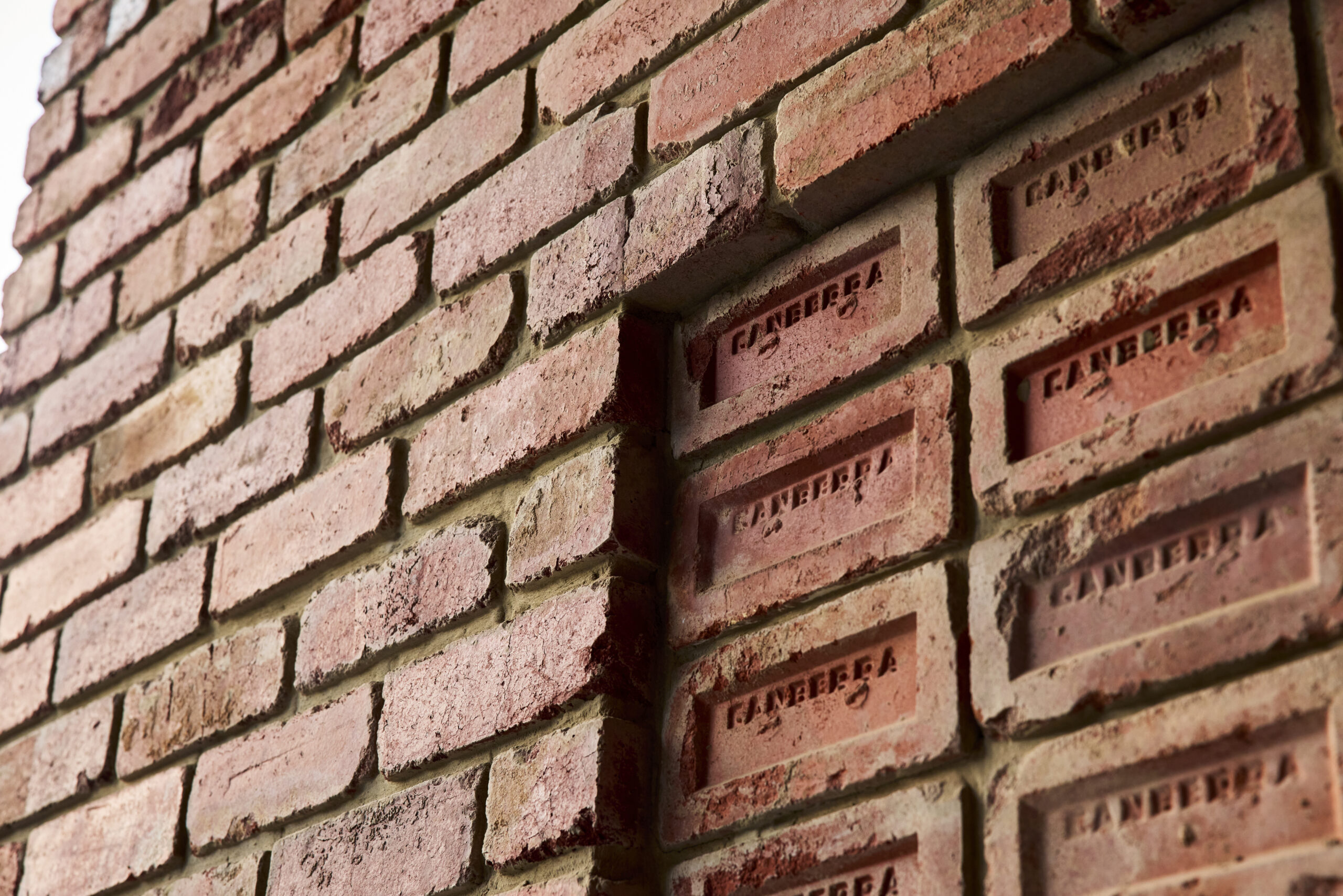
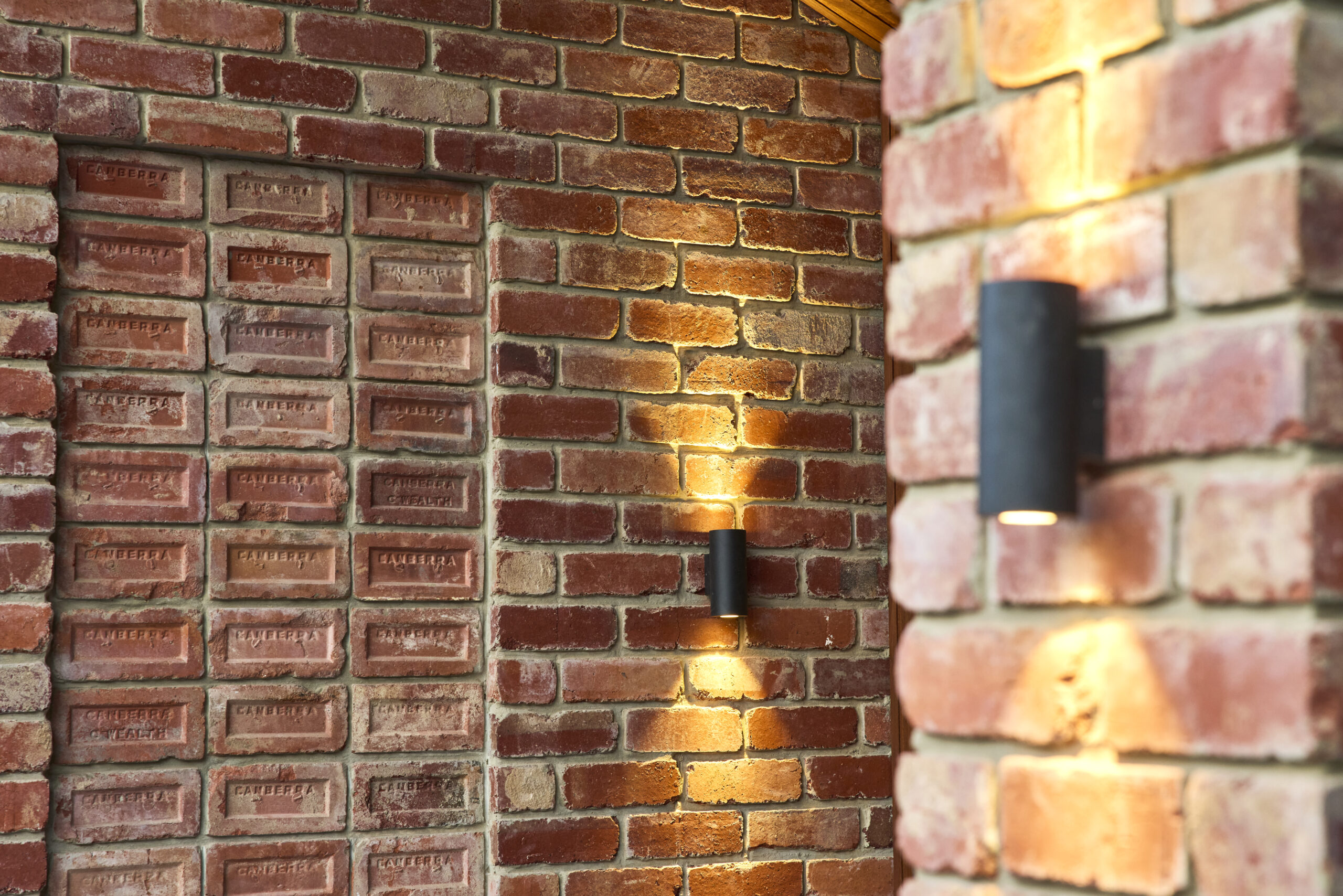
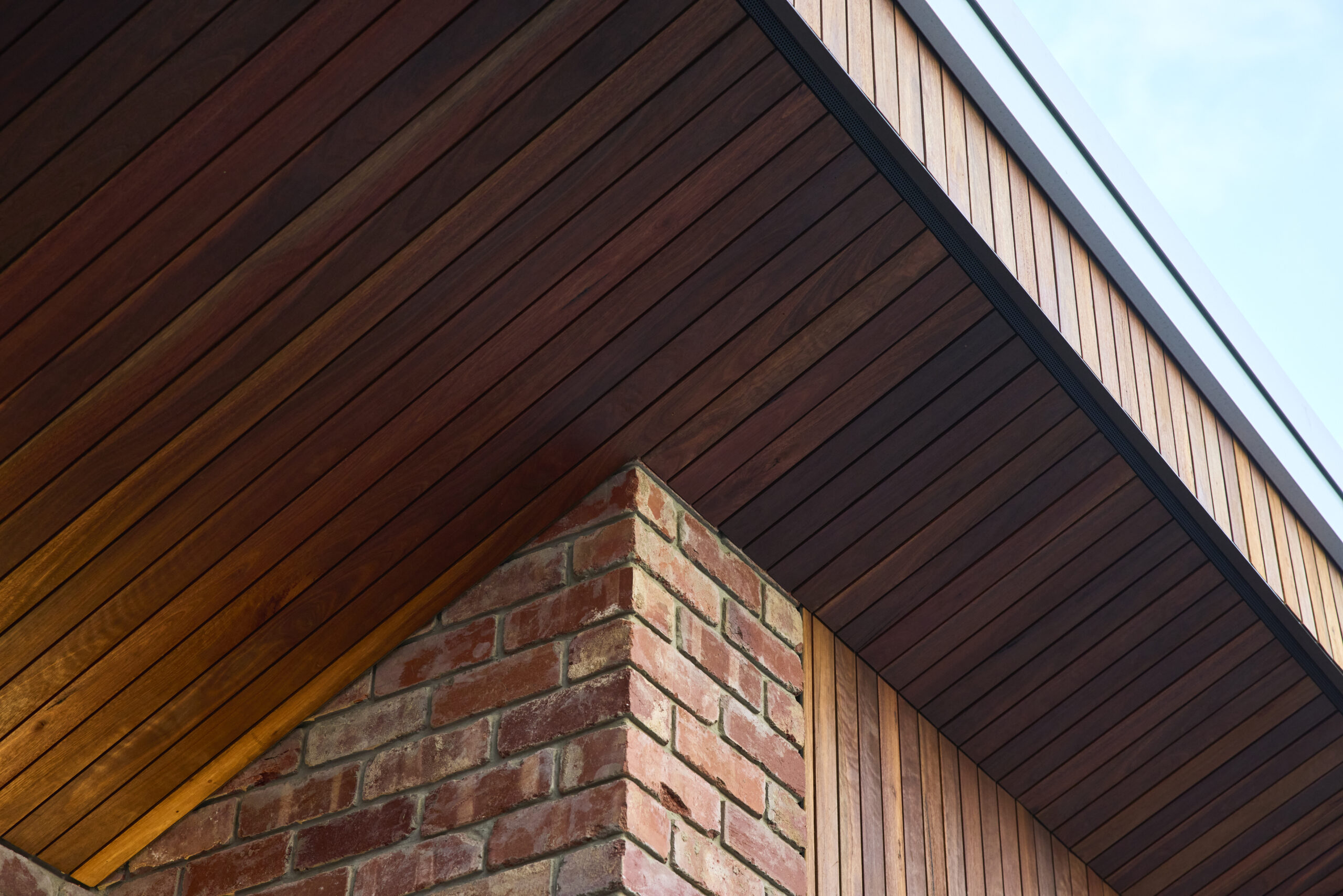
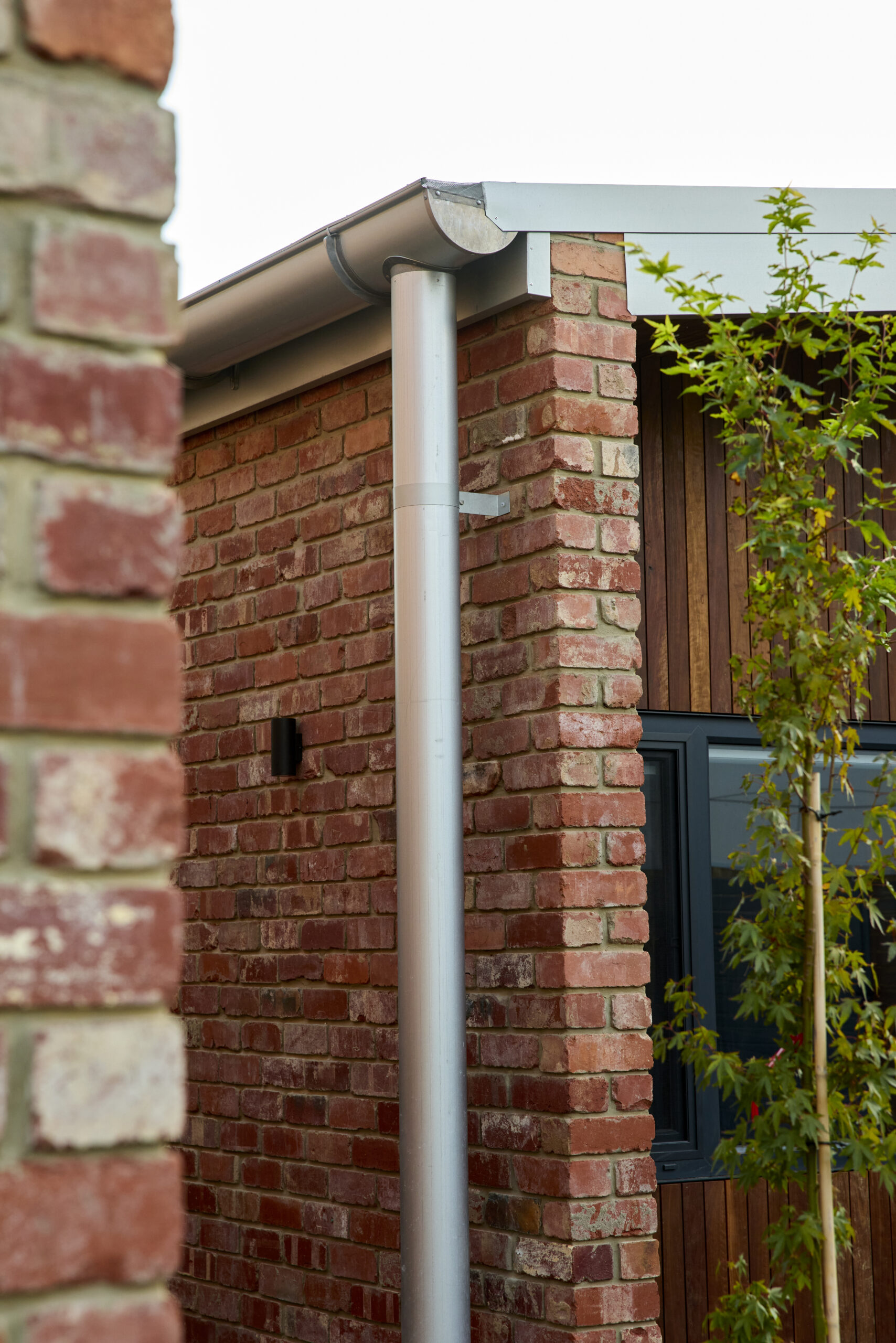
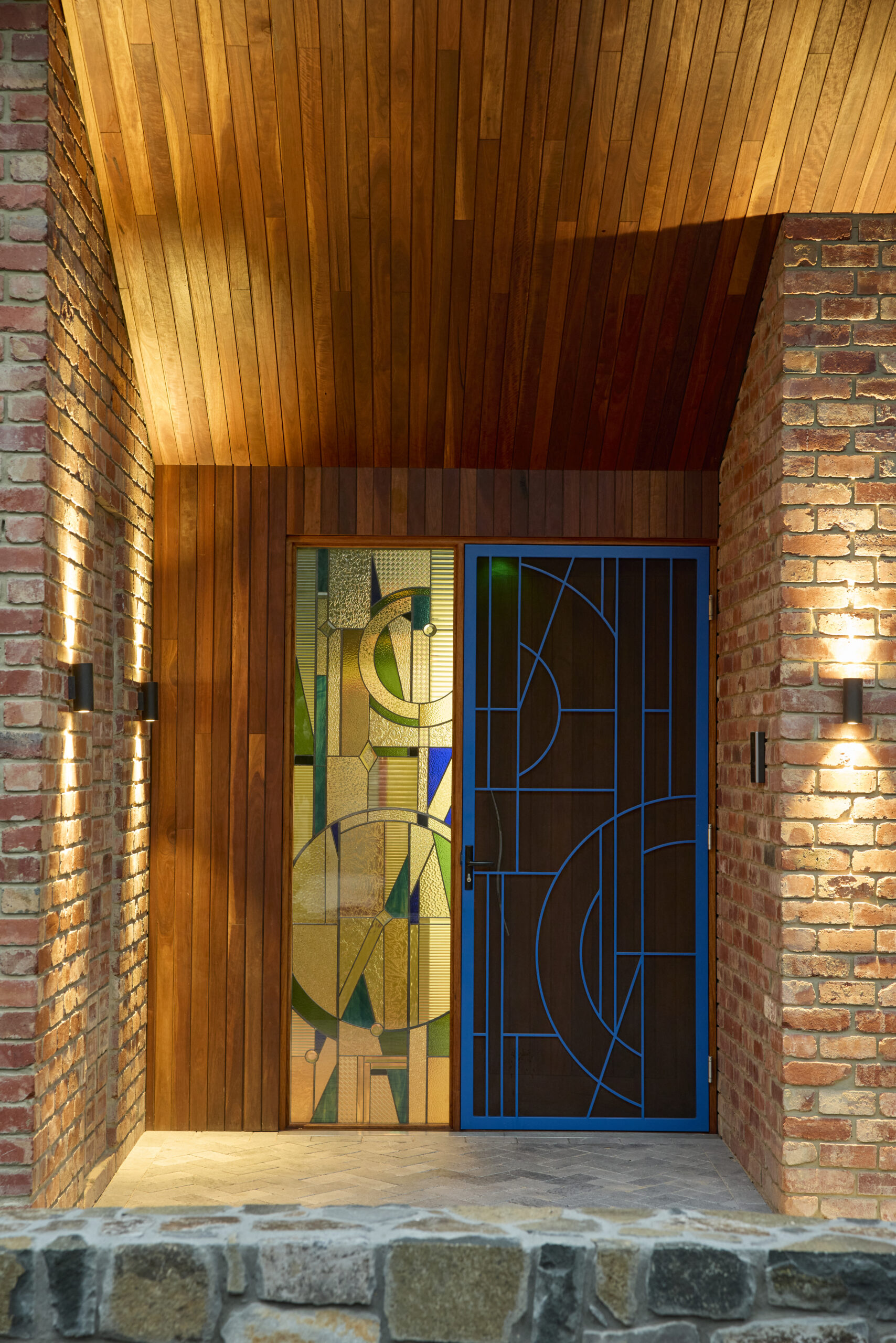
The exterior palette is made from recycled Canberra red bricks salvaged from the old house and reused in the new. This is softened with hardwood vertical cladding and zincalume roof cladding (as a nod to the Australian vernacular). This dwelling is an exemplar of bespoke, personalised design work that will enrich the lives of the residents for a long time into the future.
Q & A

What motivated you to build or retrofit sustainably?
Our clients were highly motivated to pursue a sustainable design approach from the outset. Their priorities included lowering energy bills, improving year-round comfort, increasing resilience, and future-proofing the home against climate impacts. They were particularly committed to achieving strong environmental performance through measures such as high-level building sealing, mechanical heat recovery ventilation (MHEV), optimal solar orientation, and a photovoltaic system sized to achieve net zero operational energy. This aligns closely with Sonder Architects’ practice values. Sustainability is intrinsic to our work, and we guide every project toward informed, environmentally responsible outcomes. Our approach integrates solar passive design, careful site response, and carbon-efficient material selection, while also considering embodied energy, durability, and long term performance. We aim to create homes that are comfortable, healthy, and efficient, while reducing environmental impact and supporting a lighter footprint for the future.
The design decision that made the biggest impact was the interconnected pavilion layout, which reshaped how the home functions day to day and delivered major improvements in comfort, lifestyle, and environmental performance. Designing the home as a series of accessible, step-free, intuitive spaces makes movement easier and supports ageing in place. This arrangement also allows the house to expand or contract depending on who is home, enabling flexible intergenerational living without losing connection. Its orientation strengthened passive solar performance: north-facing living areas provide natural warmth in winter, while shading and cross ventilation keep the home cool with minimal energy use. Preserving the giant oak tree was integral to the design, creating a shaded southern garden while still allowing northern sun and a moderated microclimate. Together, this design move had the biggest impact - enhancing comfort, reducing energy needs, and improving long-term liveability.
Our “wish we’d known” moment was understanding just how profoundly the giant oak tree would shape the entire project. We always intended to keep it, but we underestimated how early its root zone, canopy spread, and seasonal shade needed to be mapped and integrated. The tree dictated setbacks, pavilion placement, footing types, drainage, and even how light moved through the home. Once we embraced it as a central design driver rather than a constraint, the project unlocked itself: the pavilion layout naturally formed around the root protection zone, the shaded southern garden became a cooling microclimate, and northern orientation was optimised without compromising the tree. The lesson for others is simple: if you have a significant existing tree, treat it as a primary design element from day one. It can enhance comfort, reduce heat, and anchor the home beautifully - but only if its needs guide the design early.
A dream future project for Sonder Architects would bring together everything we care about most: deep sustainability, joyful everyday living, and a meaningful connection to place. Our ideal commission would be a regenerative, climate-positive home where environmental performance is embedded from the first sketch. Just as importantly, it would be a place that feels uplifting and human, with warm, light-filled spaces that support daily rituals, connection, and wellbeing. We’re drawn to projects that work with the landscape rather than against it - celebrating existing trees, microclimates, breezes, and topography. A dream project would also embrace long-term adaptability and accessibility, creating spaces that evolve with people across generations. In essence, our ideal future project is one where sustainability and joy are inseparable, and architecture becomes a lasting, positive contribution to people and place.
Back to 2026 Homes
Type: Standalone house/townhouse
Project: New build
Architect: Sonder Architects
Designer: Fionna Roberts (the Owner): Interior design and colours
Builder: Pichelmann Custom Building
Size: 360m2m²
Energy Rating: 7.6
Bedrooms: 5+
Bathrooms: 3

Sustainability Features

Building Materials & Envelope

Draught-proofing/air sealing
High-performance insulation
Double or triple-glazed windows
Sustainable or low-impact materials
Recycled or reused materials

Heating, Cooling and Ventilation

Passive heating/cooling (north-facing glazing, cross ventilation, thermal mass, shading, etc.)
Heat pump (reverse-cycle) heating/cooling
Mechanical ventilation with heat recovery (MVHR) system

Energy and Appliances

Rooftop solar PV
Battery storage
Dedicated wall-mounted EV charging
Energy monitoring/smart home systems
Efficient lighting (LED, daylighting, solar skylights)
Heat pump hot water
Electric cooktop - induction/ceramic
Other energy-efficient appliances

Water & Waste Systems

Water-efficient fixtures
Rainwater tanks

Landscape & Biodiversity

Edible garden
Wildlife-supporting habitat

Climate Resilience

Heatwave

Accessible & Flexible Design Features

Design for flexible use
Design for multigenerational living or dual occupancy
Universal design for accessibility
Share this home:

Related Homes

Home tours delivered to your inbox

Step inside sustainable homes across Australia and get practical ideas you can use in your own