
JnJ’s Red Hill

Traditional land of the Bunurong people who are part of the Kulin nation,
Red Hill,
VIC
Online home tour

About this home

We wanted to create a sustainable house to benefit the environment by reducing the production of carbon dioxide and reducing the running cost of the house.

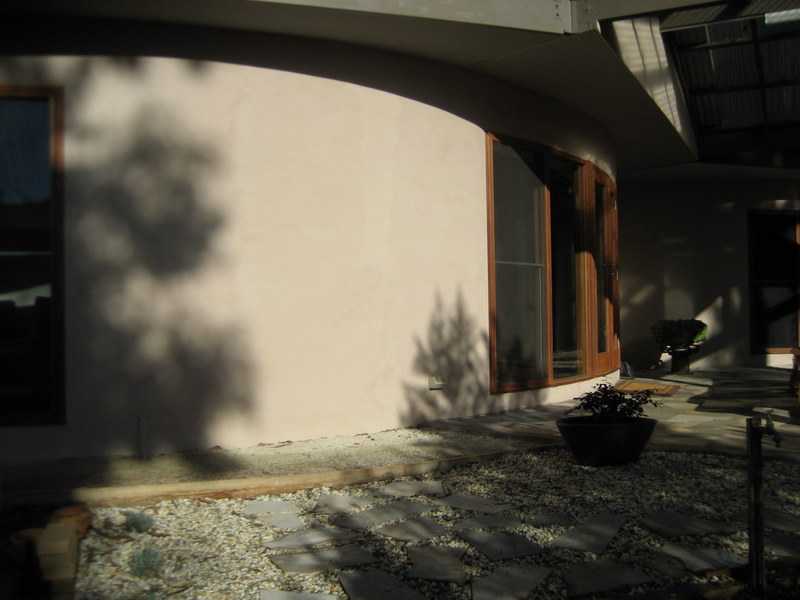
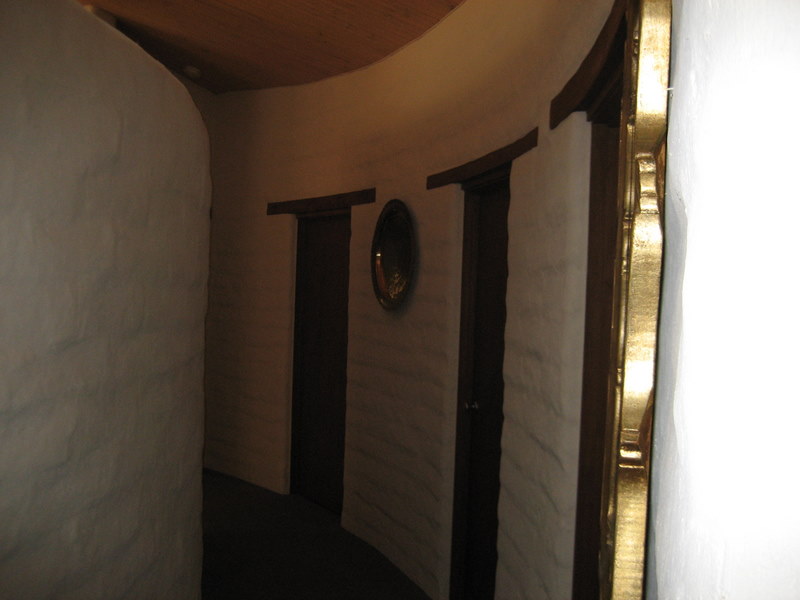
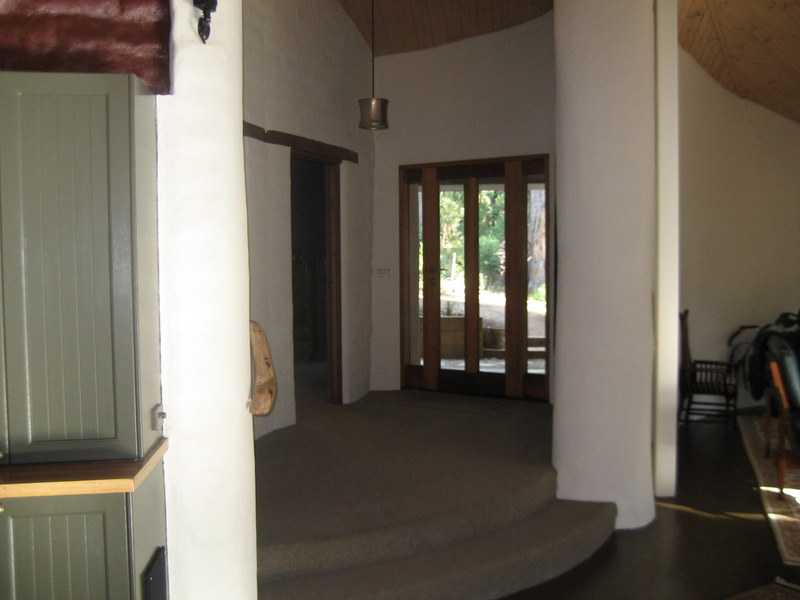
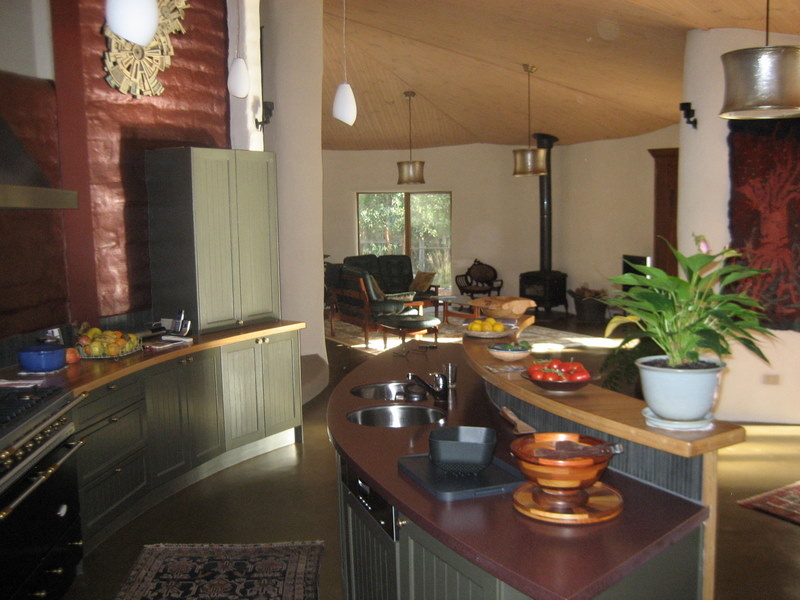
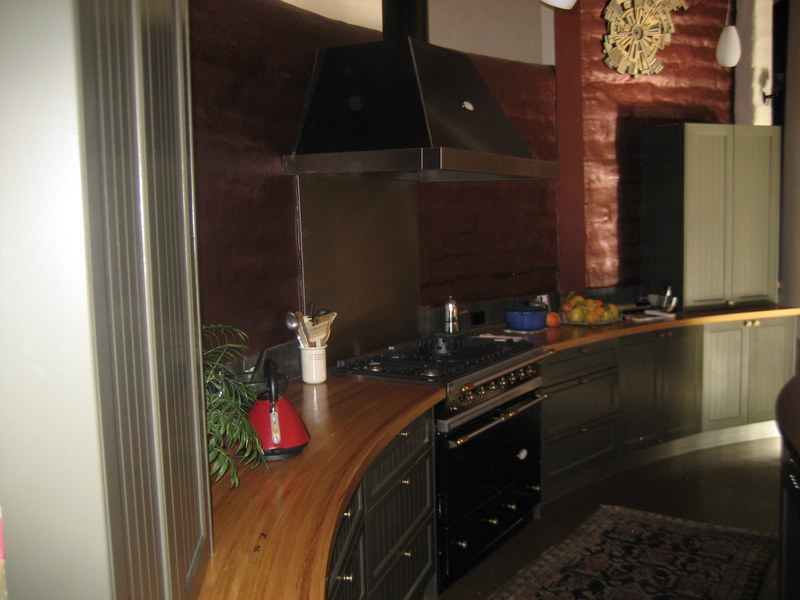
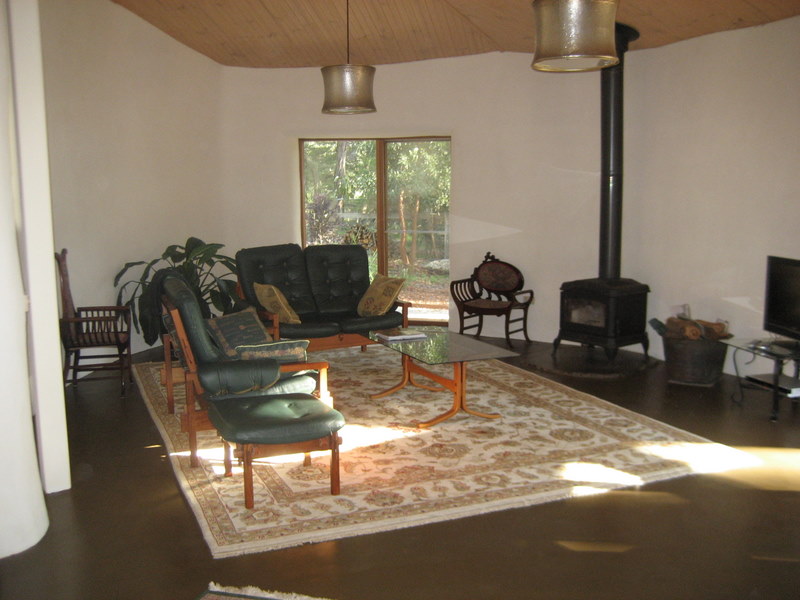
All of the external walls of the house are straw bale and most of the internal walls are mud brick.

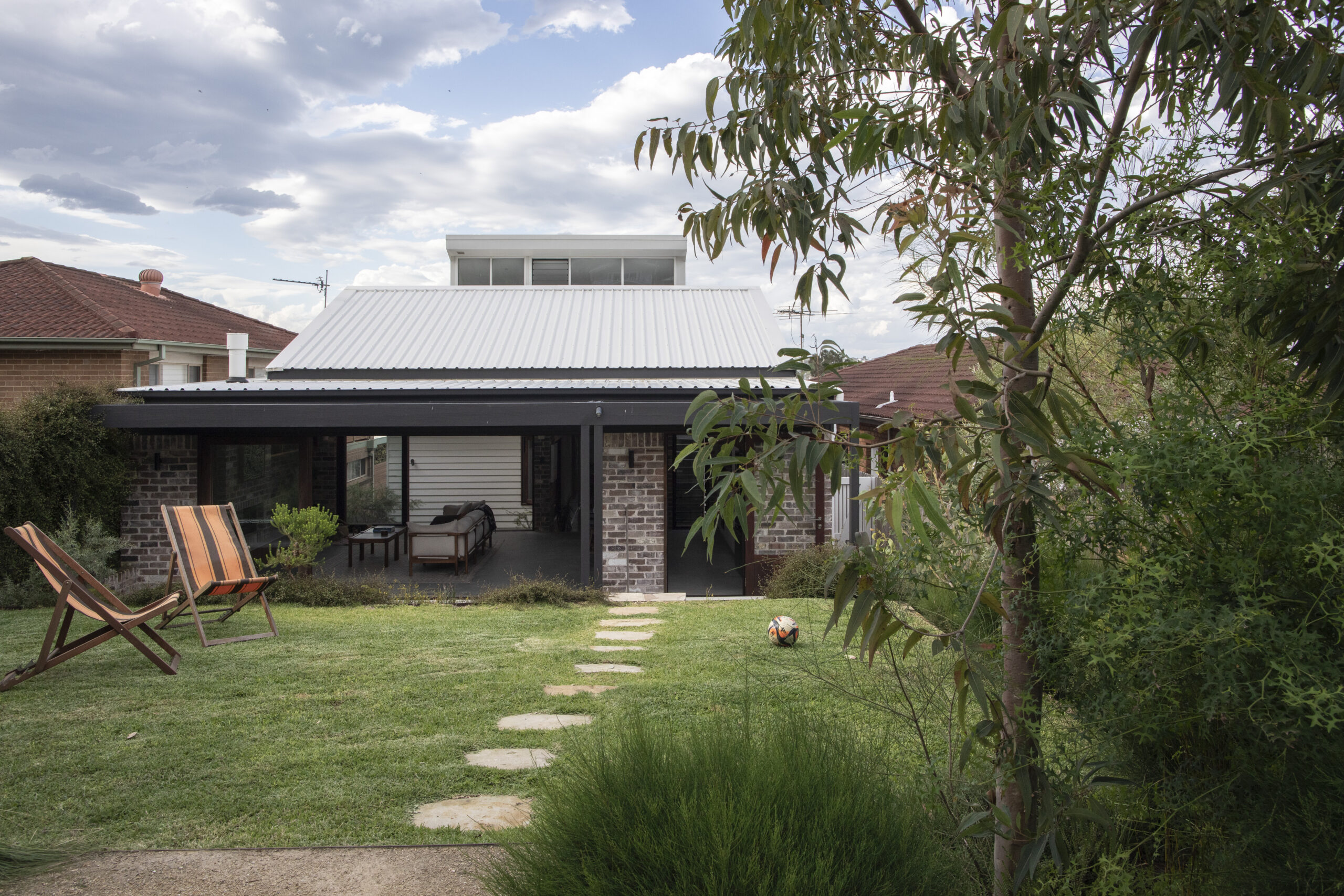
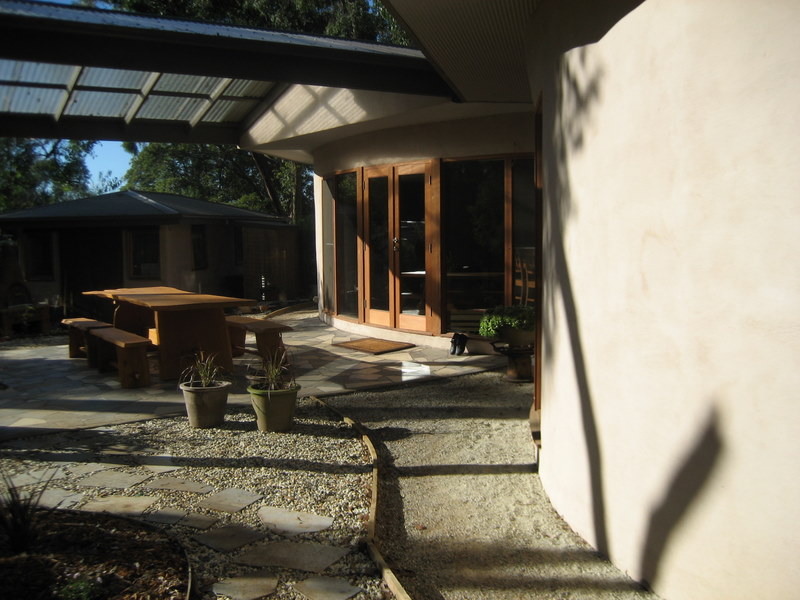
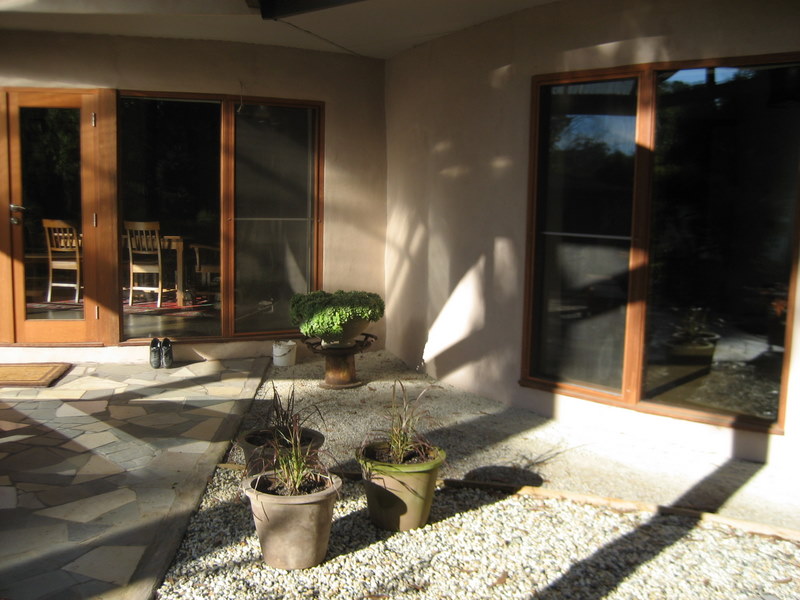
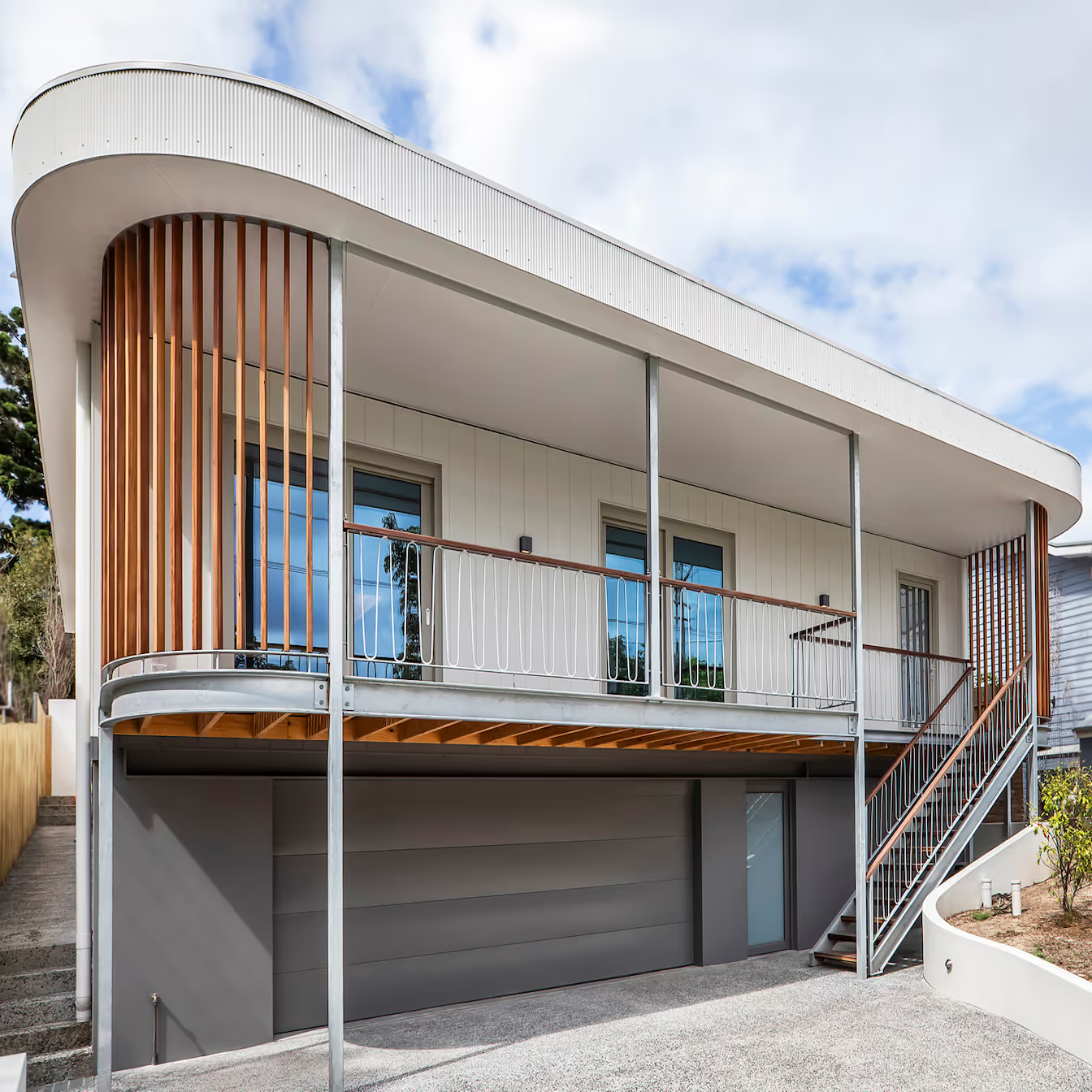
All of the windows are double glazed. The house has a lot of curved walls, which does mean some compromise in eve width and window orientation, however most windows are NE, N or NW and eve widths are a minimum of 600 mm.

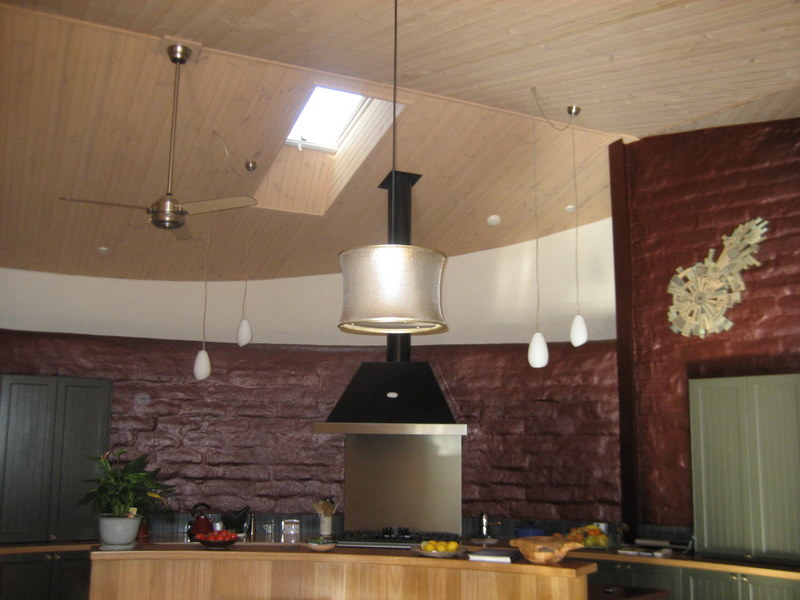
Windows facing WNW and W have external blinds. The house has very good ventilation capabilities with an openable sky light at the high point of the cathedral ceilings, the hot air rising draws in cooler air through the windows.

The ceilings are insulated with R3.5 polyester batts and foil sarking, the house is on an uninsulated concrete slab.

We do not have mains water or sewer connection, we harvest our rain water and have a worm farm waste system.

We are mains electricity connected but have recently increased our solar panels from 6.5 kW to a total of 11.5 kW and have installed a 10.5 kWh solar battery. We do have combustion fire which is used in the evenings in the colder months.

We have also recently installed a reverse cycle air conditioner to potentially reduce the use of the combustion fire, which I know we should be doing.

We do not need the air conditioner for cooling, that is all taken care of by the passive solar features. We have a heat pump hot water system.
Q & A

What motivated you to build or retrofit sustainably?
Just part of trying to live sustainably.
Using straw bales.
Our portico on the north side of the house, even though covered with polycarbonate sheets, still reduces solar input to the house. The sheets not being as clear as they could be and the timber framing.
We are very happy with what we have.
Type: Standalone house/townhouse
Project: New build
Size: 220m²
Bedrooms: 3
Bathrooms: 2

Sustainability Features

Building Materials & Envelope

Draught-proofing/air sealing
High-performance insulation
Double or triple-glazed windows
Sustainable or low-impact materials
Recycled or reused materials

Heating, Cooling and Ventilation

Passive heating/cooling (north-facing glazing, cross ventilation, thermal mass, shading, etc.)
Ceiling fans
Heat pump (reverse-cycle) heating/cooling

Energy and Appliances

Rooftop solar PV
Battery storage
Dedicated wall-mounted EV charging
Efficient lighting (LED, daylighting, solar skylights)
Heat pump hot water

Water & Waste Systems

Water-efficient fixtures
Rainwater tanks
Greywater system
Composting toilet

Landscape & Biodiversity

Native garden
Permaculture garden
Edible garden
Wildlife-supporting habitat

Climate Resilience

Bushfire
Cyclone/storm
Heatwave

Accessible & Flexible Design Features

Share this home:

Related Homes

Home tours delivered to your inbox

Step inside sustainable homes across Australia and get practical ideas you can use in your own