
A Retirement Powered by Sunshine

Ashtonfield,
NSW
This home will be open for in-person tours on the 17th May 2026

About this home

Our home is not energy efficient as it was built cheaply in the 90's without insulation. We have since insulated ceiling, subfloor and installed thick curtains. But a large west facing wall always radiated heat well into the evening causing excessive air-conditioning bills. The cost and inconvenience of insulating the west wall was never truly resolved.

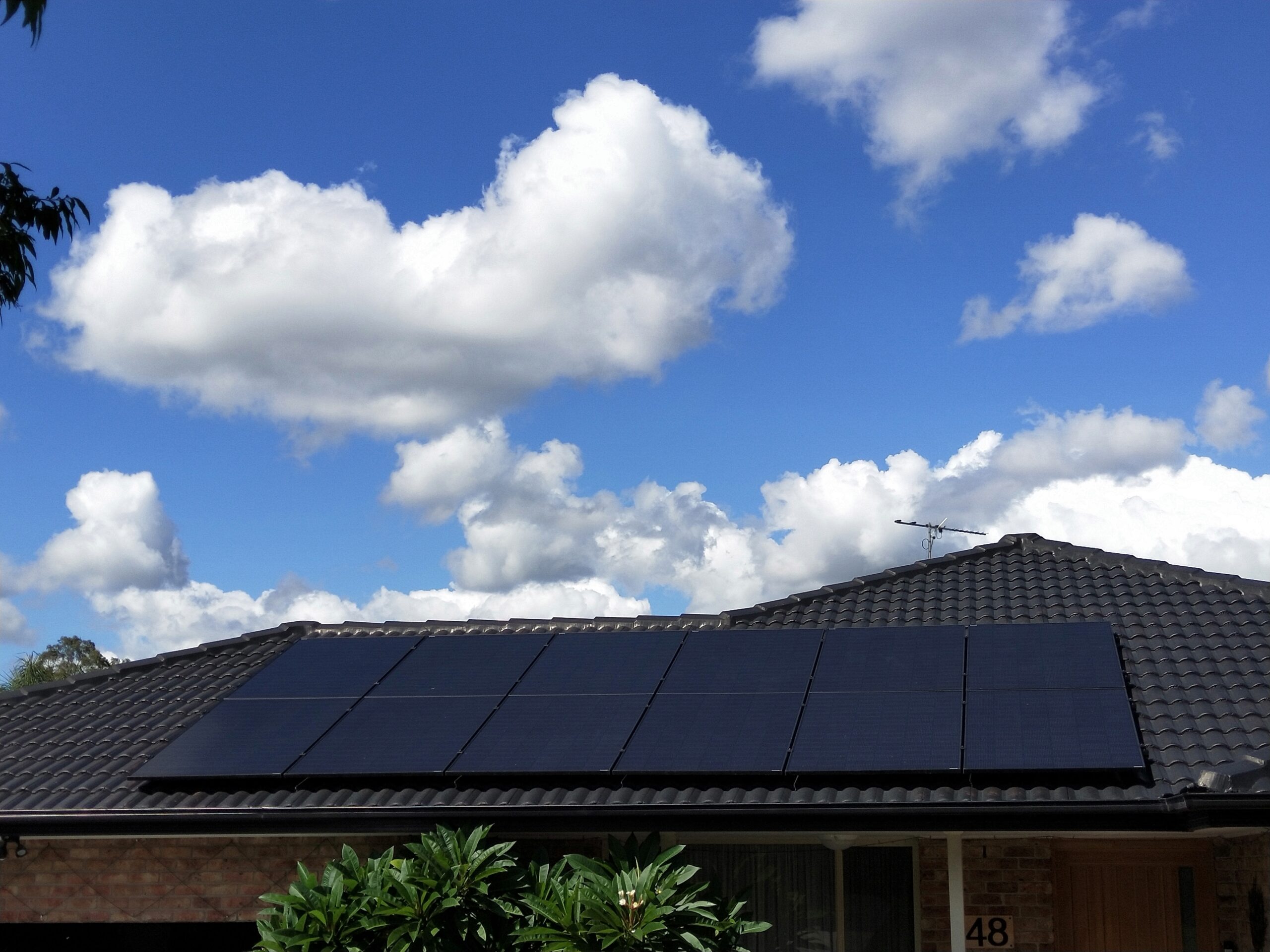
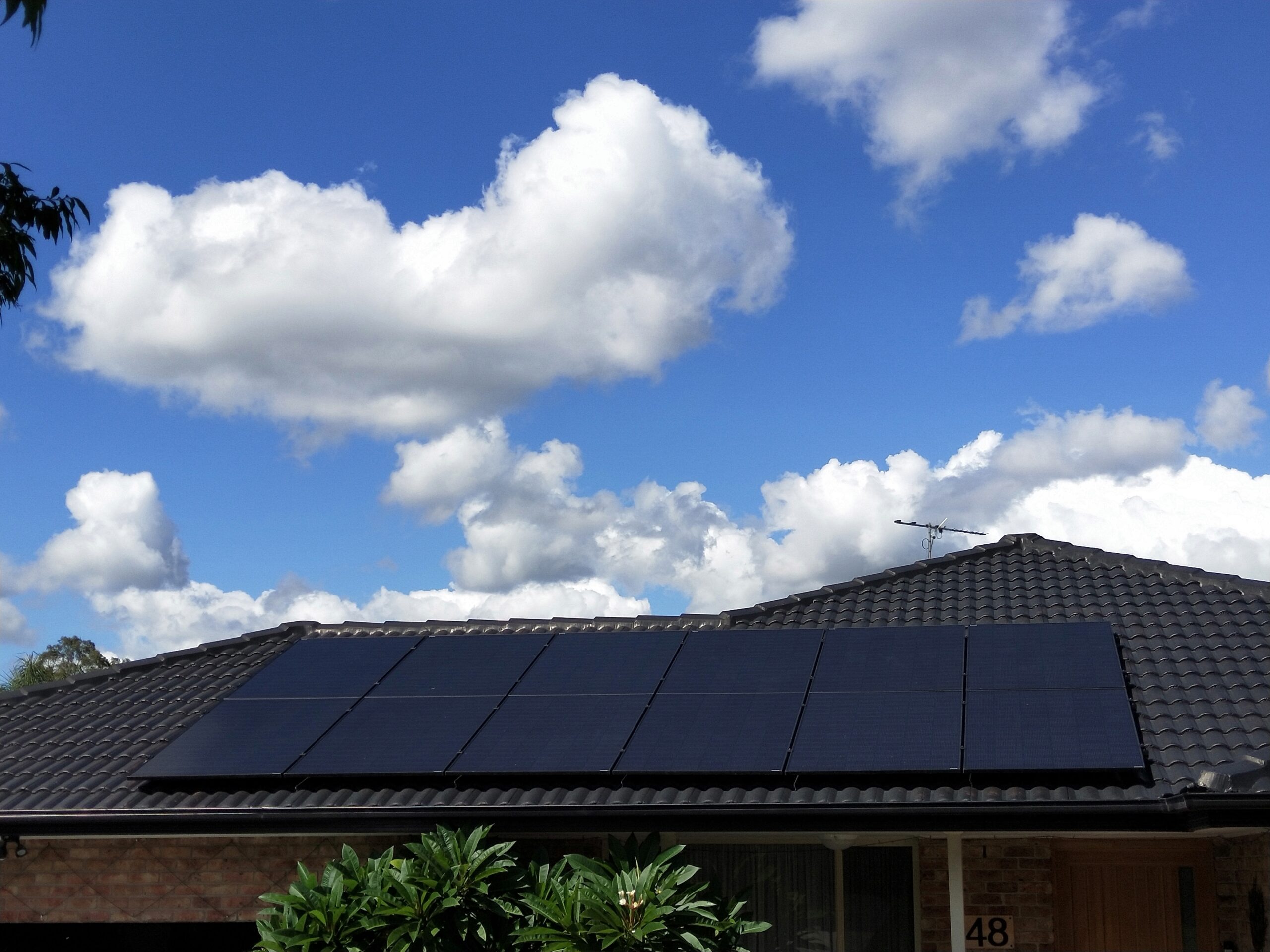
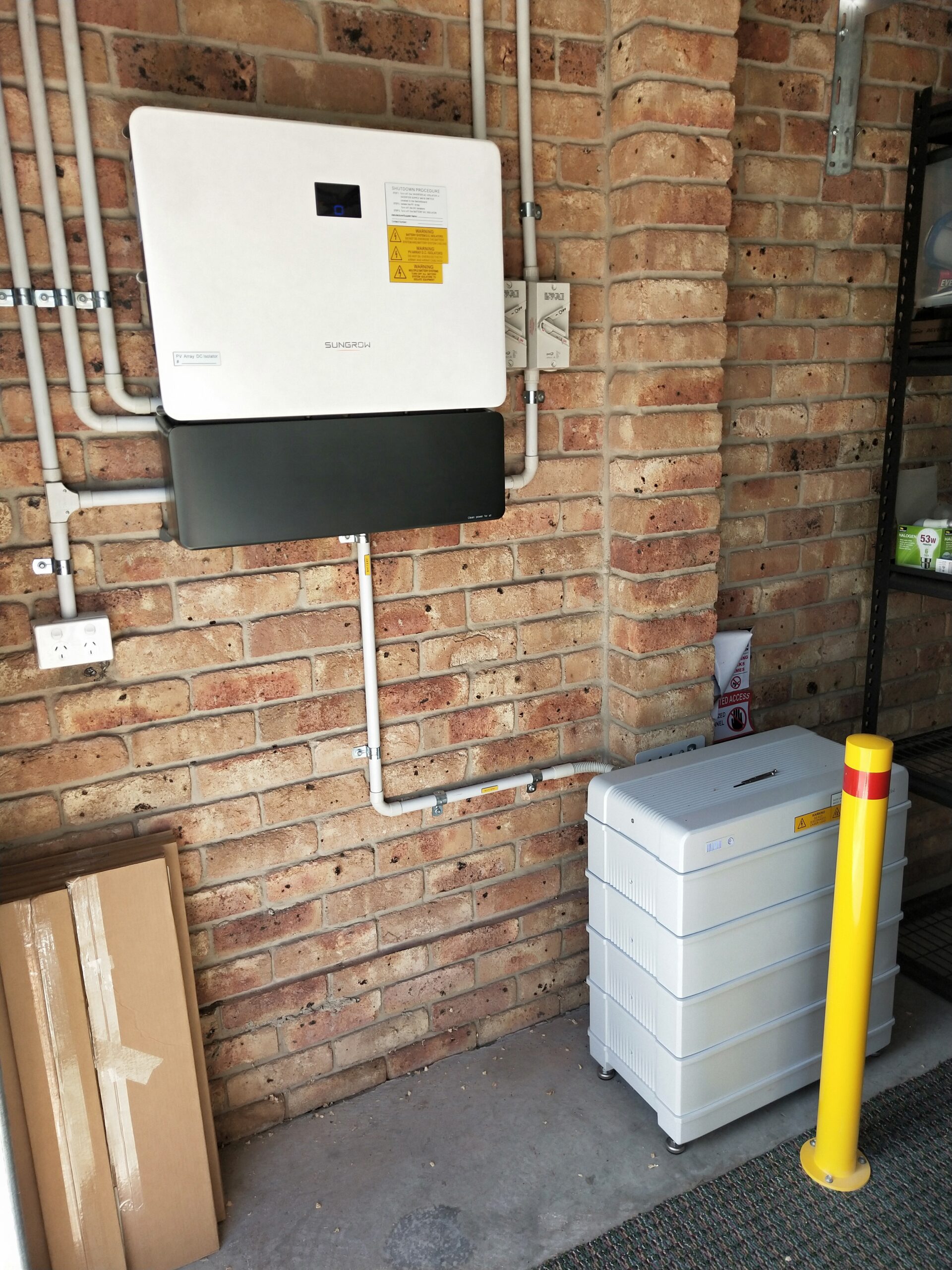
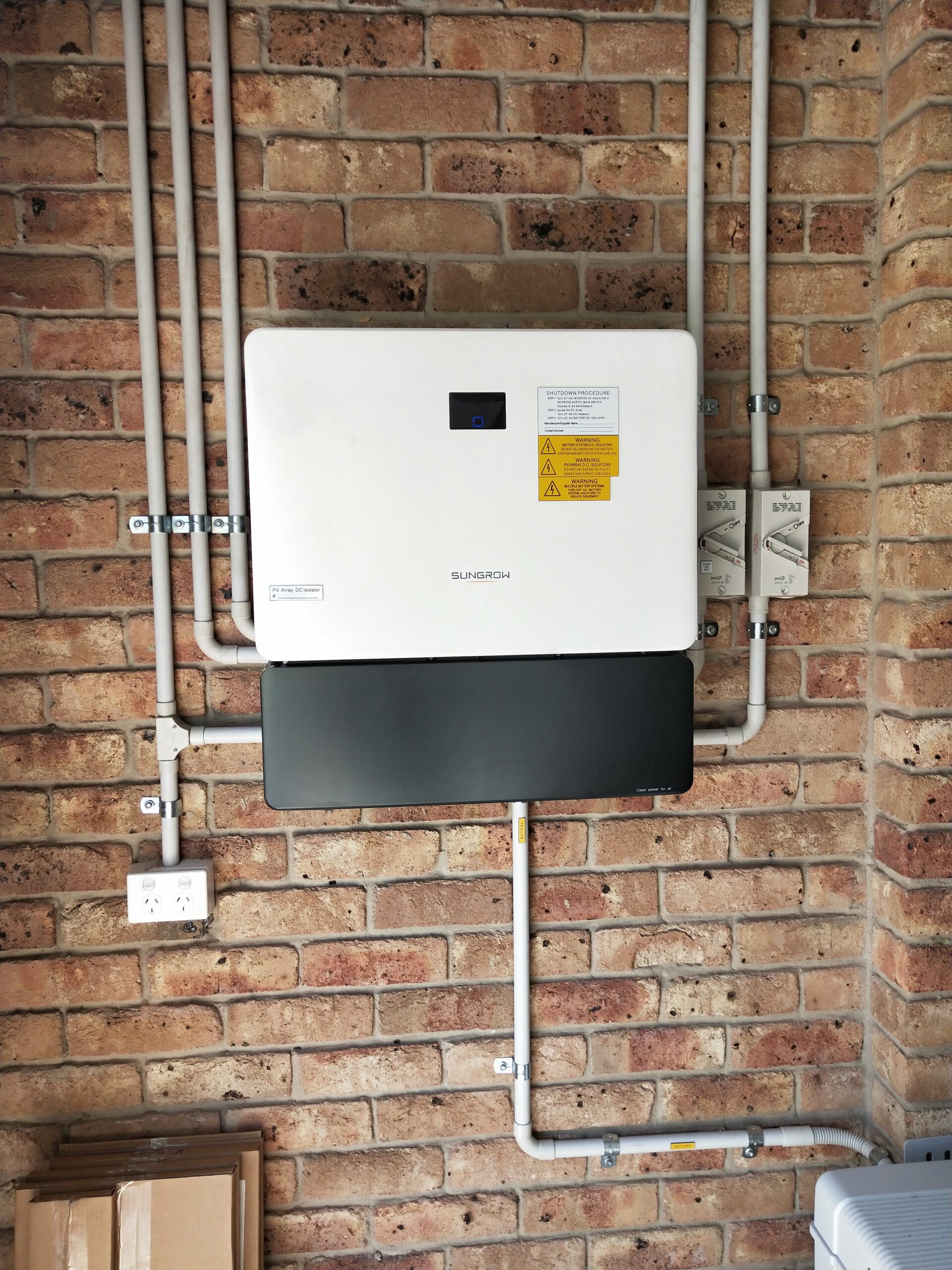
But the advent of higher powered solar panels (440W) and inverters designed to take higher input load than output 2:1 ratio allows for always ensuring significant excessive power generation. Our 19Kw 45panel solar system is feeding a 10KW inverter so even during winter we generate significant power with the inverter automatically clipping any excess above the inverters 10Kw capacity.

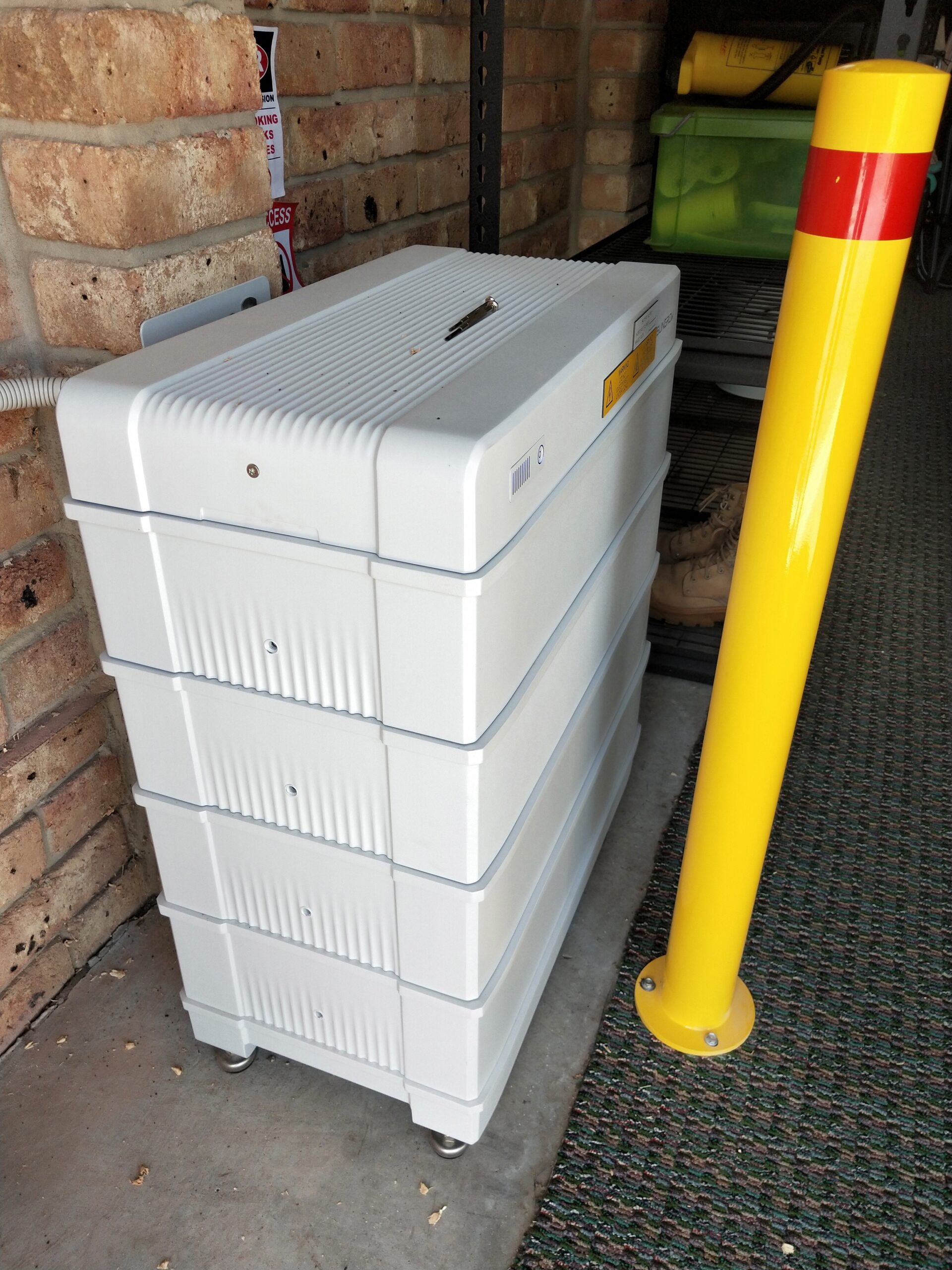
Any excess power generated beyond the house requirements is fed to the grid and automatically curtailed when feed-in tariff pricing goes negative. Our house now has significant excess power availability so we have purchased a 13Kw battery and an electric vehicle to absorb some of this, producing additional savings and independent power supply into the evening and even in the event of a blackout.

We are preparing for retirement and using the excess power generation to quietly remove future household expenses so that we will have NO power bills from electricity, petrol, or gas when we do retire.

Q & A

What motivated you to build or retrofit sustainably?
I wanted to remove power costs prior to retiring
Upgraded my solar panels from 5kw to 19kw and installed a 10Kw inverter with a 13kw battery and purchased an EV for local driving. I now generate excess power above my requirements which minimises power cost and I am also happy in that I am providing a small benefit to minimising my impact on climate change.
I have a few more jobs to be done 1. Install a timer on the water heater so that is disconnected from off peak power 2. Upgrade EV charger so that I can use the car battery as well for powering the house.
Convert cooker to electricity and install a new water heater but I will wait for them to fail before replacing.
Back to 2026 Homes
Type: Standalone house/townhouse
Project: Gradual upgrades over time
Size: 400m²
Bedrooms: 4
Bathrooms: 3

Sustainability Features

Building Materials & Envelope

Heating, Cooling and Ventilation

Ceiling fans

Energy and Appliances

Rooftop solar PV
Battery storage
Energy monitoring/smart home systems
Efficient lighting (LED, daylighting, solar skylights)

Water & Waste Systems

Greywater system

Landscape & Biodiversity

Edible garden
Wildlife-supporting habitat

Climate Resilience

Flood
Bushfire
Heatwave

Accessible & Flexible Design Features

Design for flexible use
Share this home:

Related Homes

Home tours delivered to your inbox

Step inside sustainable homes across Australia and get practical ideas you can use in your own