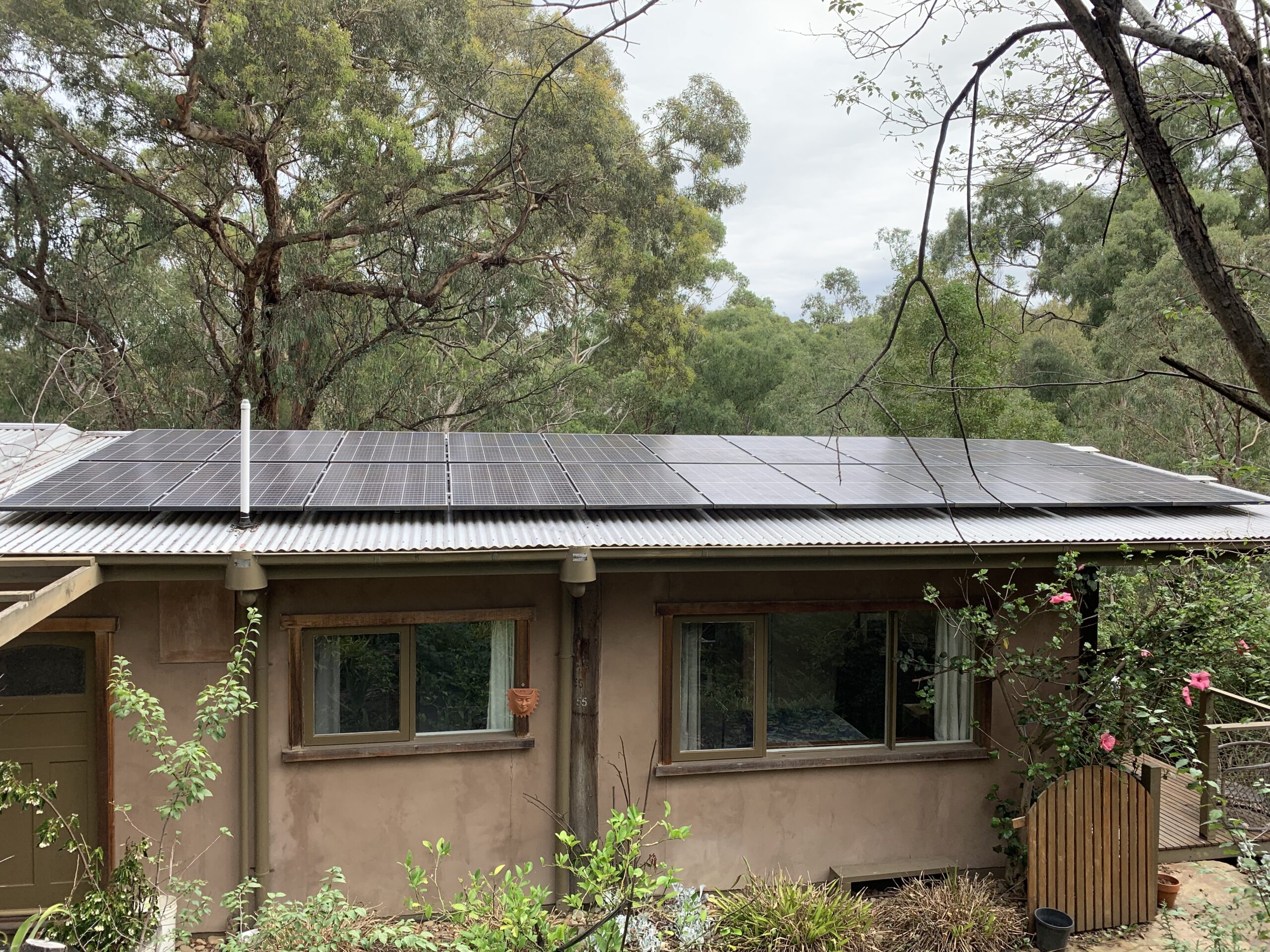
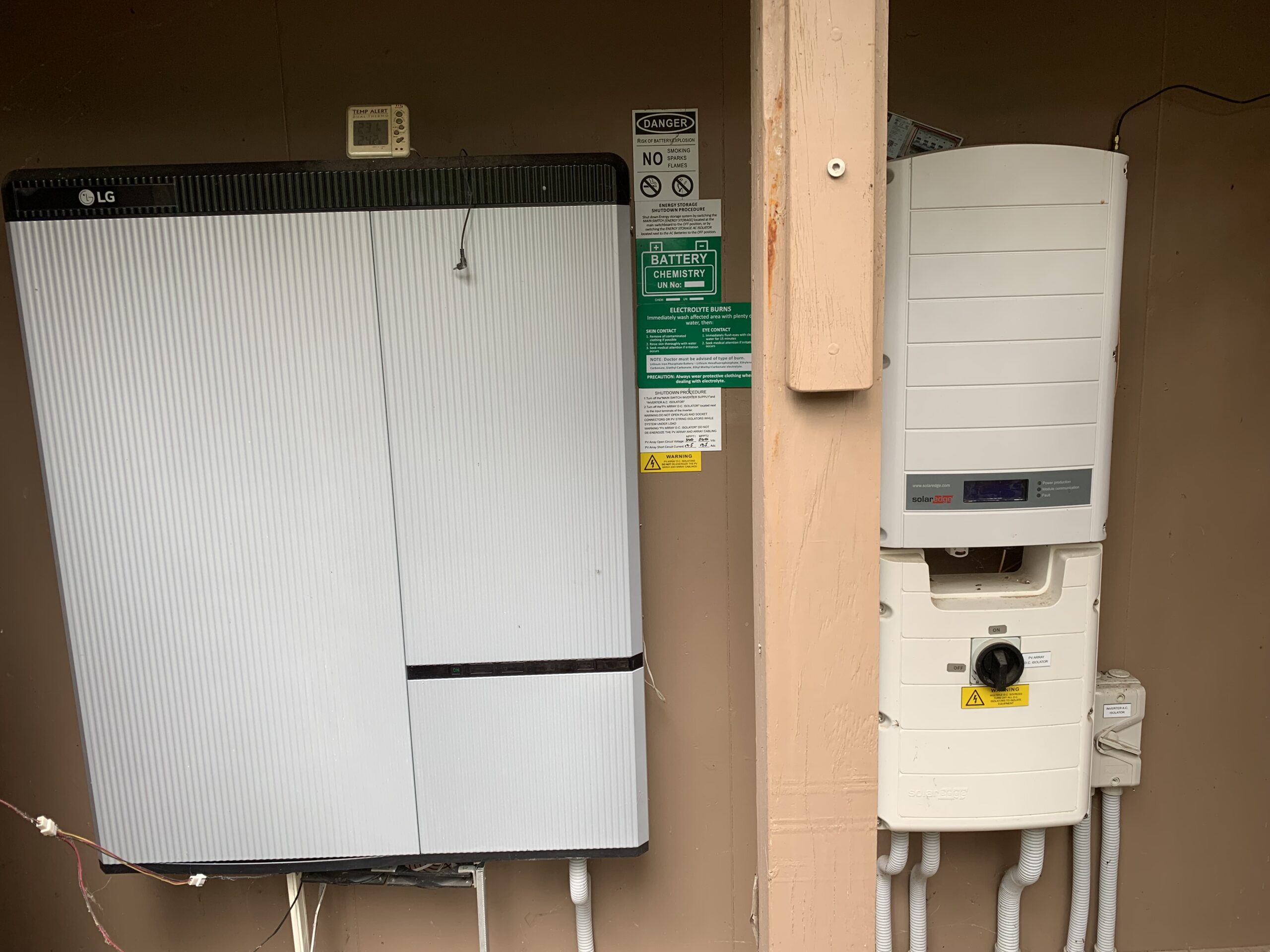

Our journey towards sustainability started in 2019 with concern about the climate crisis and the government’s lack of action in decarbonising the grid. We wanted to decouple our house from the polluting brown coal burning power stations in our state. We made the decision to install a 9.8 kWh battery, one of the largest readily available at the time, (although in retrospect we would have gone for one much larger!) together with a 6.6 kW array of PV panels on the roof. We had a limited amount of unshaded roof space due to nearby eucalypt trees (and we weren’t about to chop them down!). In the winter there is not enough sunlight to charge the battery most days, so we top it up during the night with off-peak electricity for use during the day. But for over half the year we are mostly independent of the grid. We use a phone app to monitor the performance of the solar system and battery together with a “powerpal” device to monitor our overall power consumption.
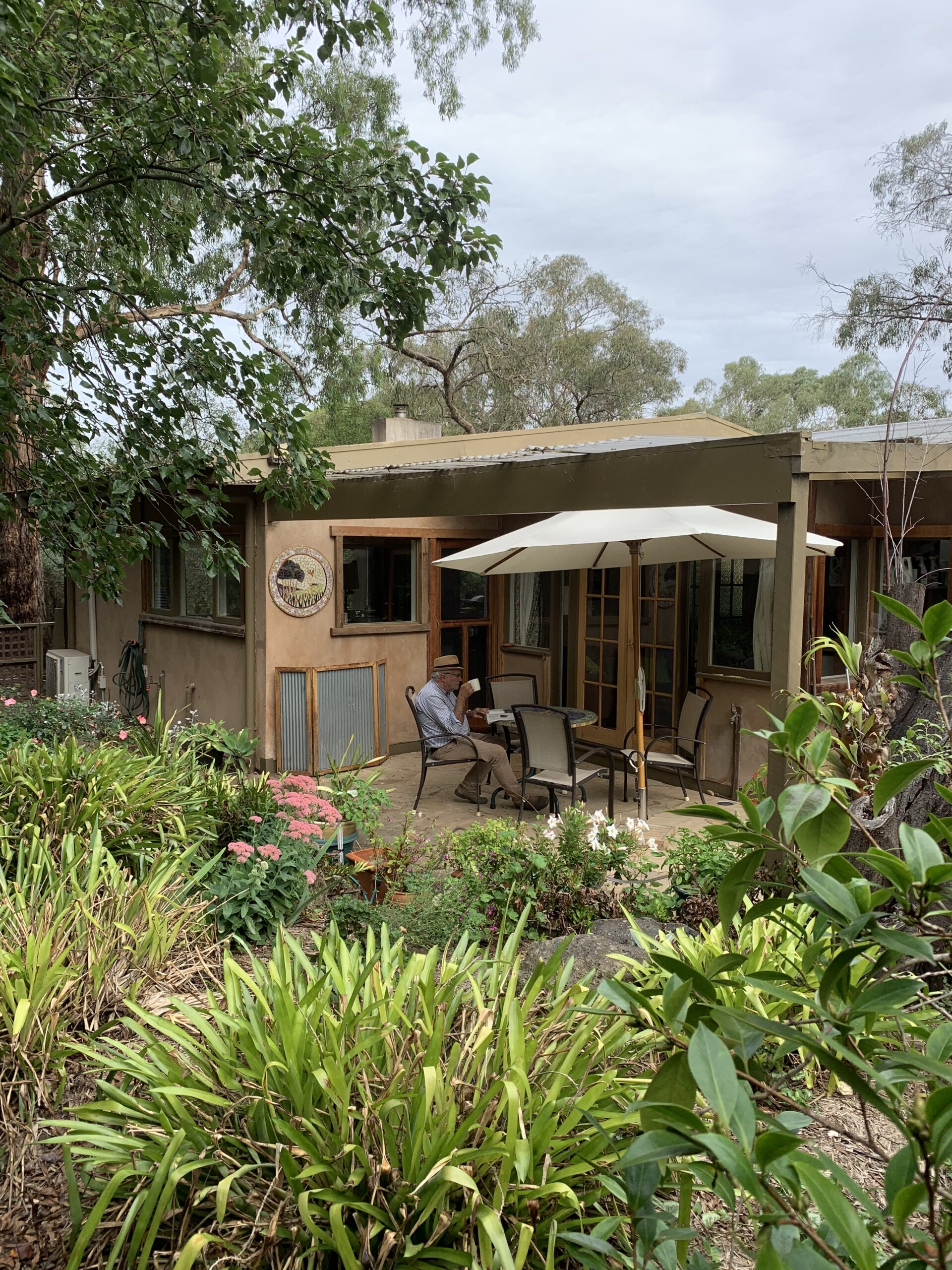
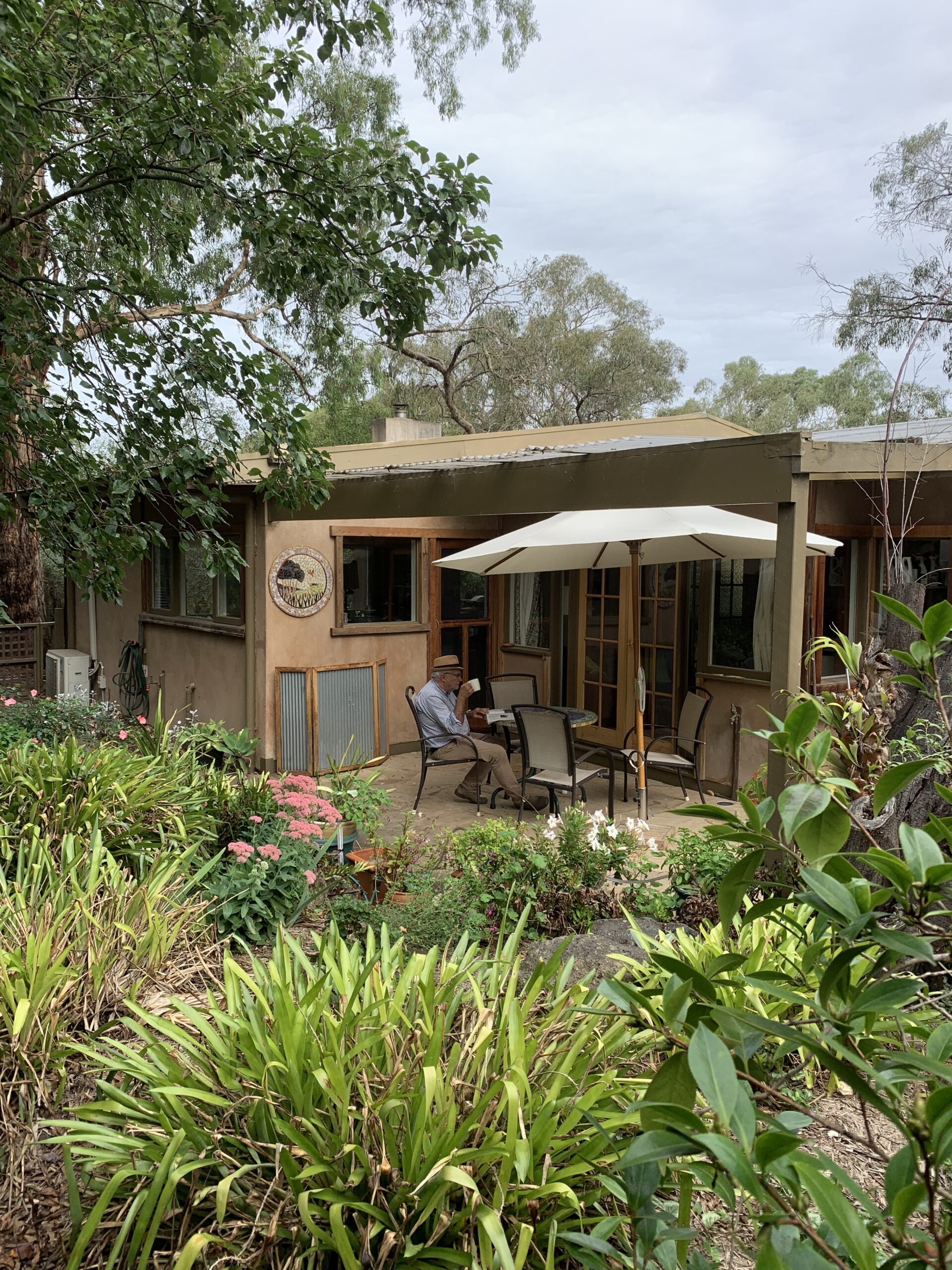
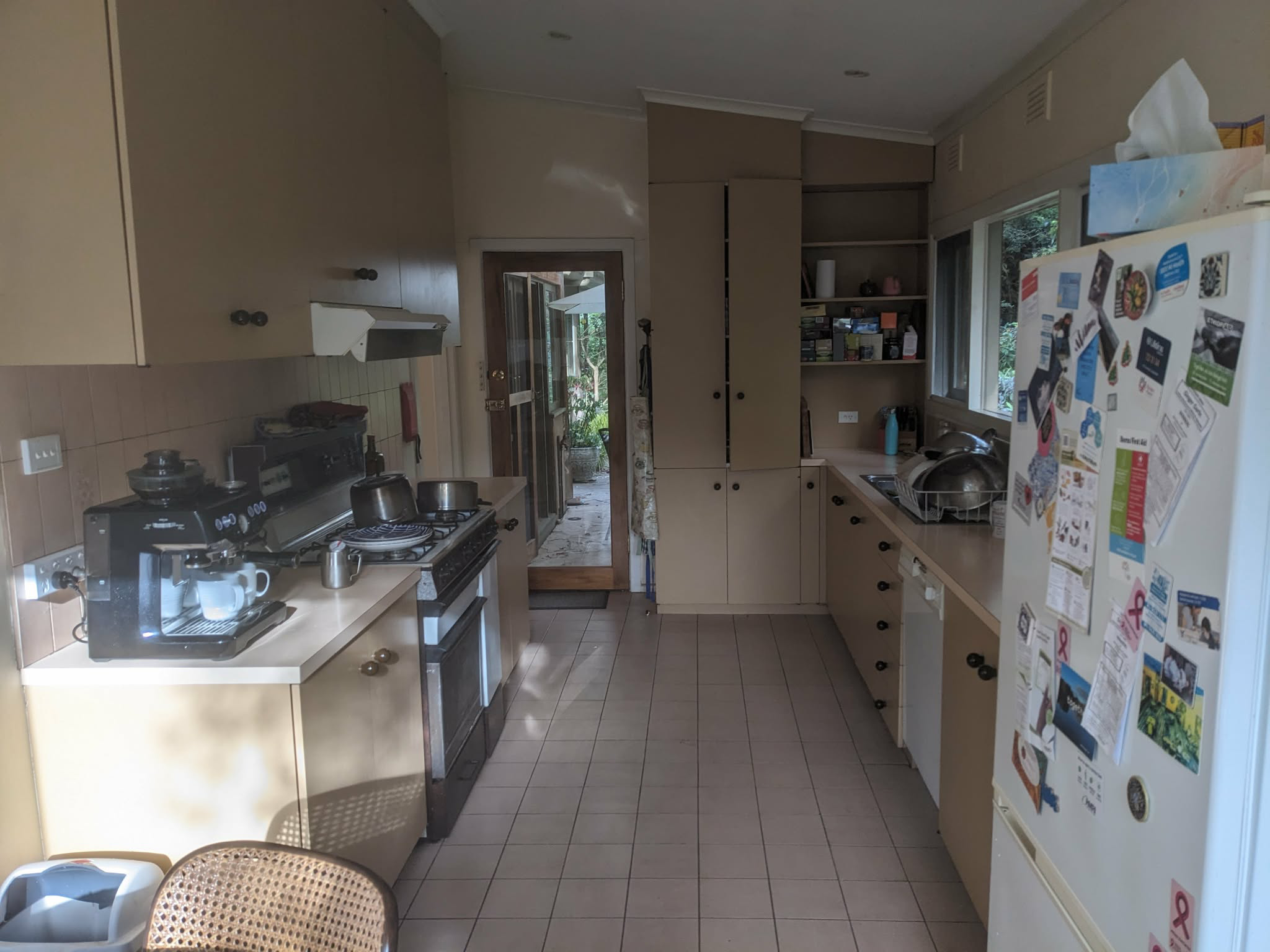
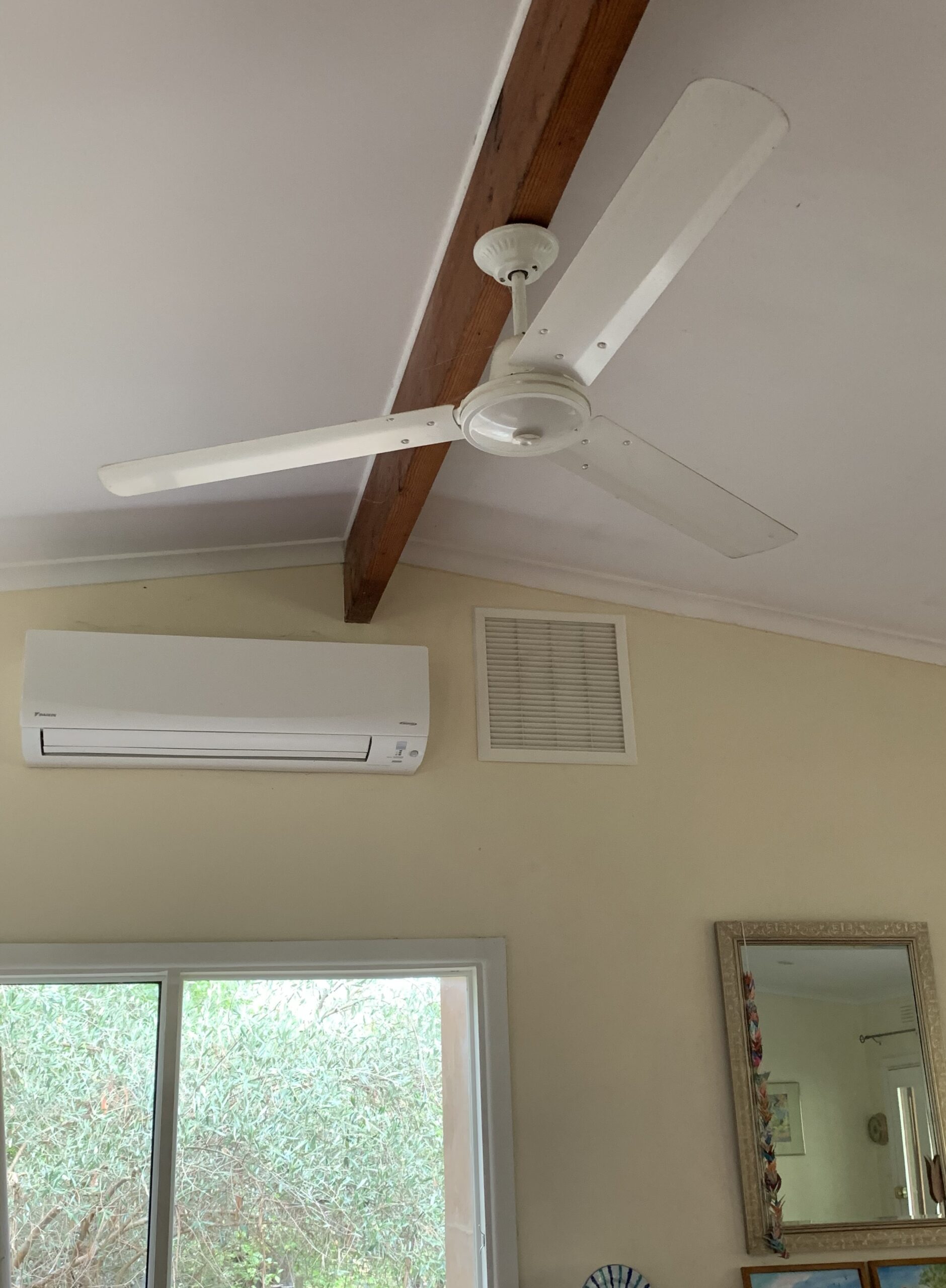
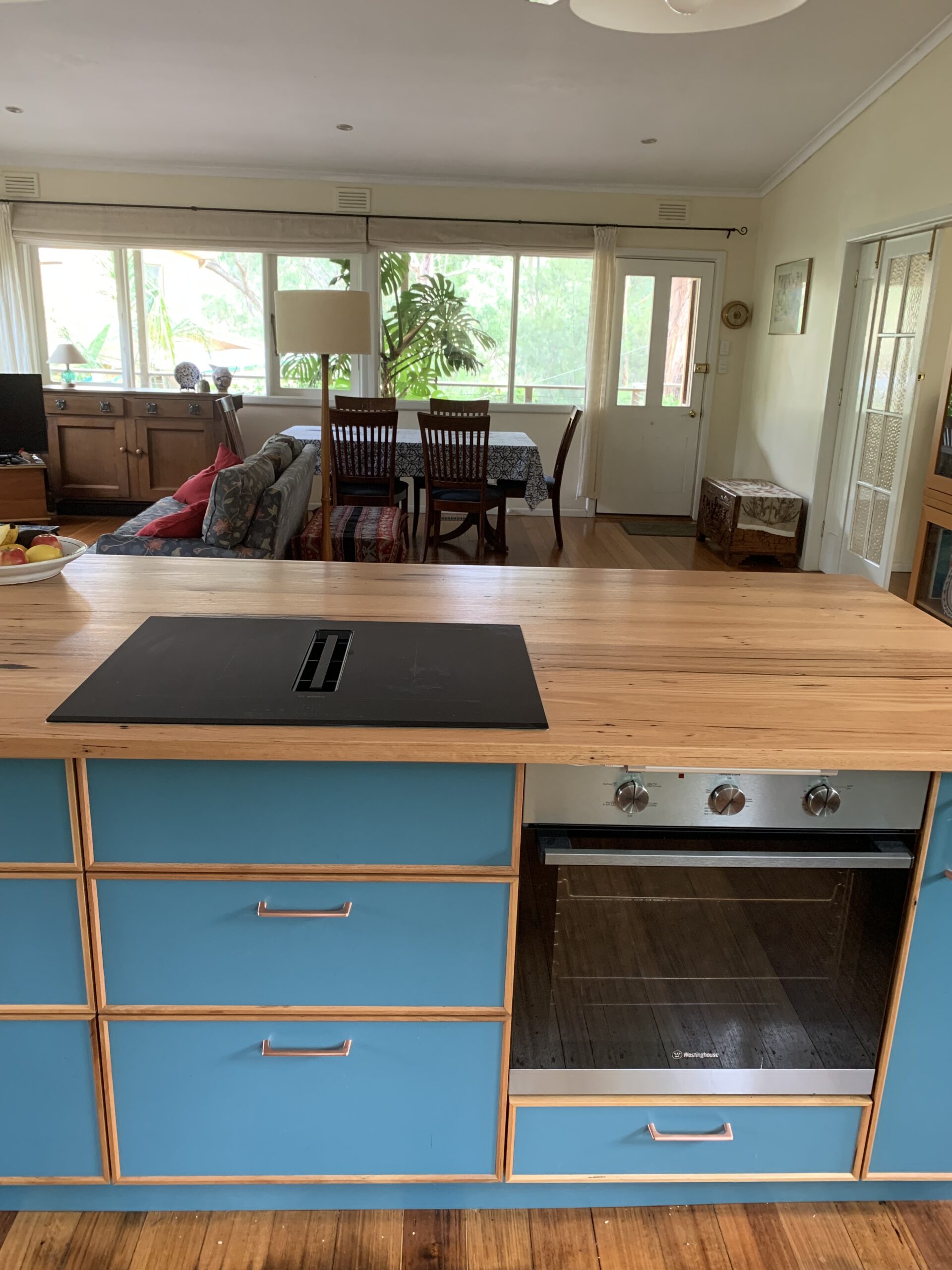
When we bought the property - a 1948 weatherboard house designed by Alistair Knox -in 2011, we installed 5 star insulation in the ceiling space, and that, combined with wide verandahs around three sides of the house, cross-ventilation, and ceiling fans in every room means we rarely use the air-conditioning. In 2023 we installed a split-system unit in the main living area of the house, which we mostly rely on for heating during the winter. In 2024 we renovated the kitchen, and made the switch from gas cooking to an induction cooktop and electric oven. Whenever a window gets broken, we repair with double glazing.
Our progress towards decarbonising our home is part of a long-term plan. The next step is to replace the 7 star instant gas hot water heater with a heat pump hot water system. Negotiations with a plumber about the best location for this are underway at the moment. Within the next two years we hope to transition our two cars to EVs and install a high-capacity home charger.