
Retrofitting a 1970s Brick Veneer on the Bellarine
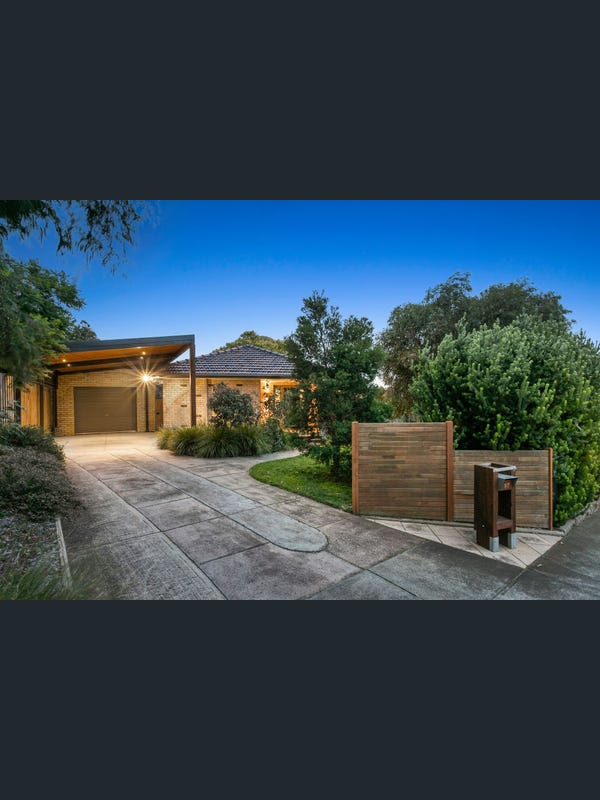
“From the street it still looks like a 1970s brick veneer house.”
After years living off-grid in rural Victoria, I never imagined I would end up renovating a suburban brick veneer. But as age crept up and distance from services became more challenging, I chose—before others chose for me—to sell my fully self-sufficient rural home and travel around Australia looking for somewhere new.
My original plan was to build a small home designed to Passive House (Passivhaus) principles. But when the pandemic disrupted building across the country, that idea evaporated. Living from my motorhome, I began searching for an existing house instead.
I eventually found a modest 94 m² single-storey brick veneer from the mid-1970s in Drysdale on the Bellarine Peninsula, about 20 km from Geelong. Like many homes of its era it had minimal insulation, gas appliances and plenty of draughts—but it had potential.
Today, from the street it still looks like a typical 1970s house. Inside it is now a quiet, comfortable and entirely electric home.
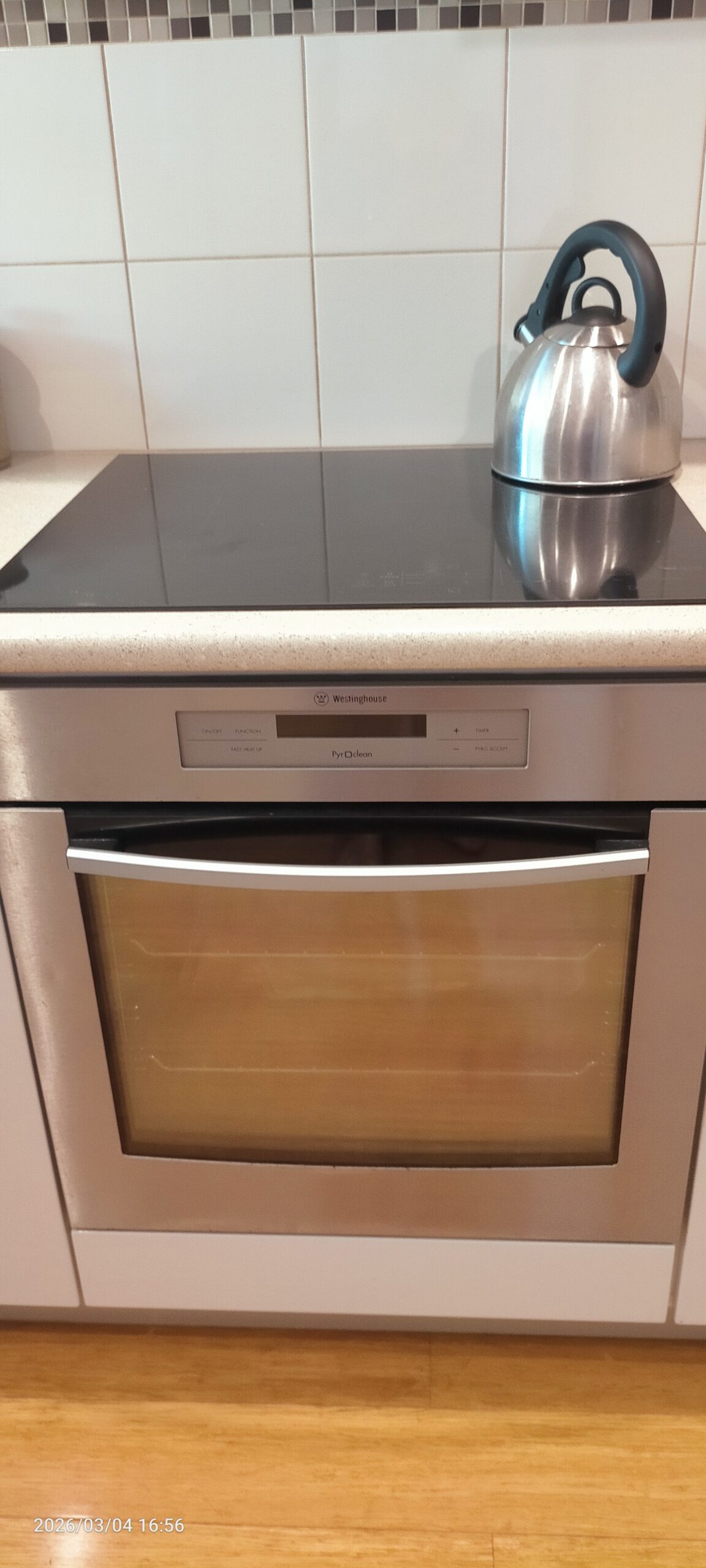
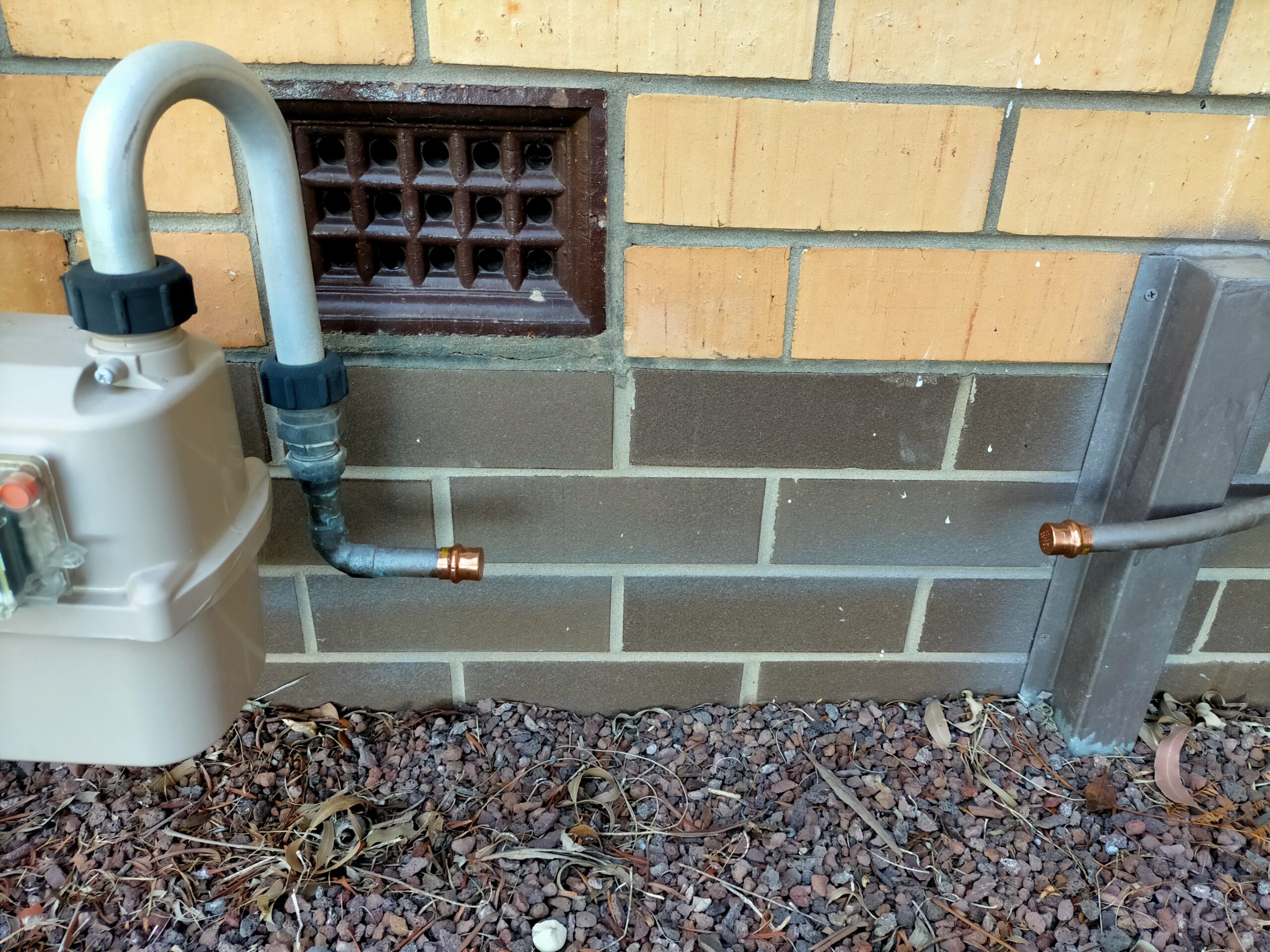
The first step was removing gas completely. A Sanden Eco heat-pump hot water system was installed, the house was fully rewired, and upgrades included an induction cooktop, LED lighting and efficient appliances.
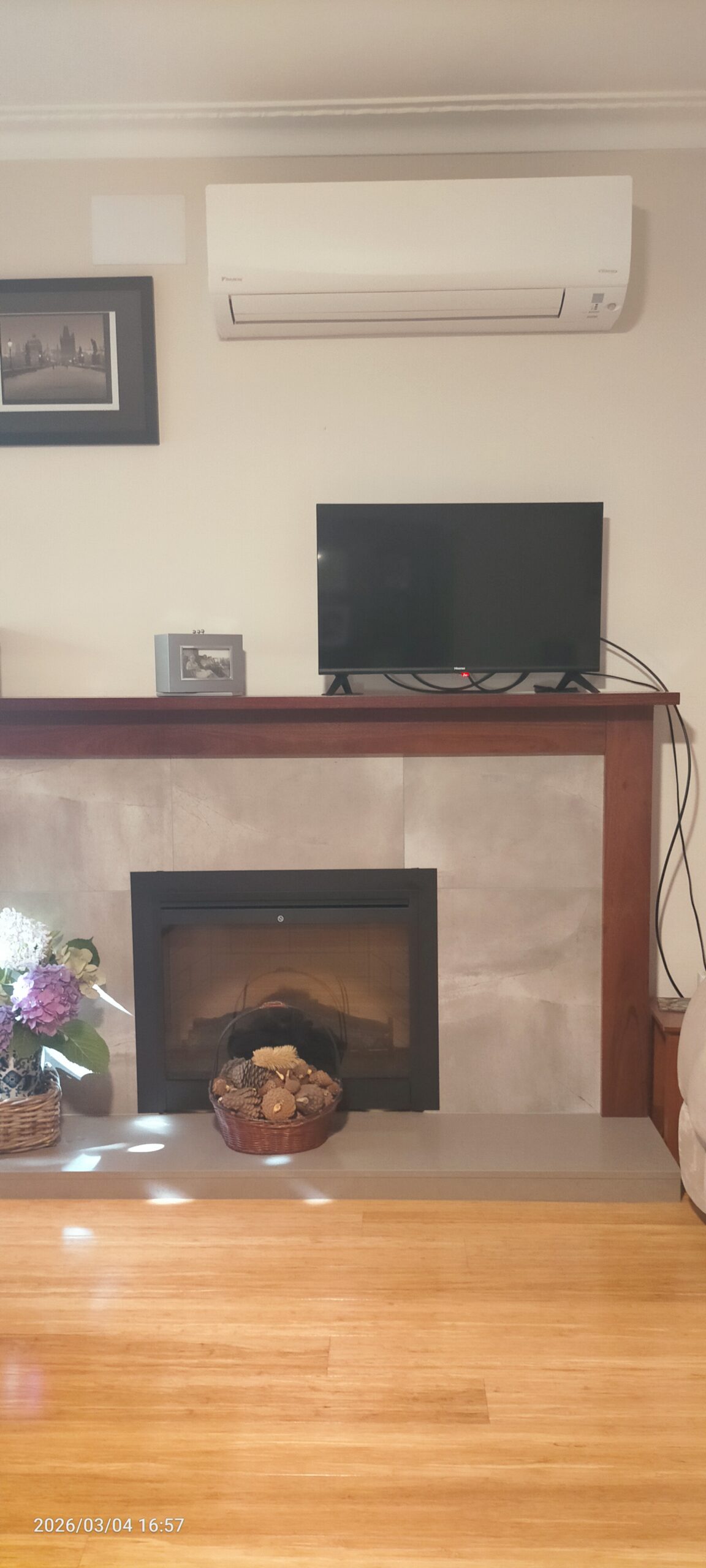
Comfort improvements came from efficient reverse-cycle heating and cooling, ceiling fans, comprehensive draught sealing and major insulation upgrades: R5 ceiling insulation, R2.4 blown-in wall insulation and R2.5 underfloor insulation.
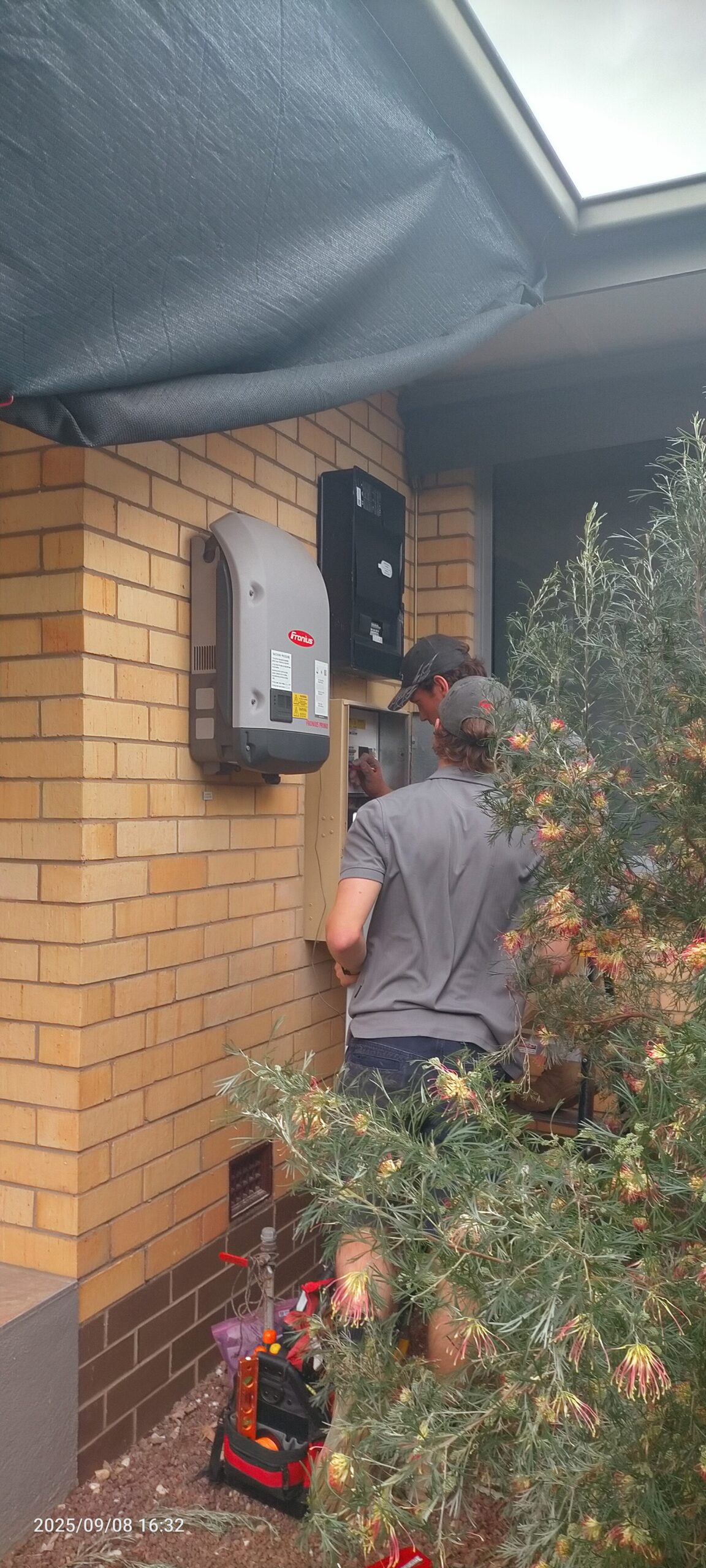
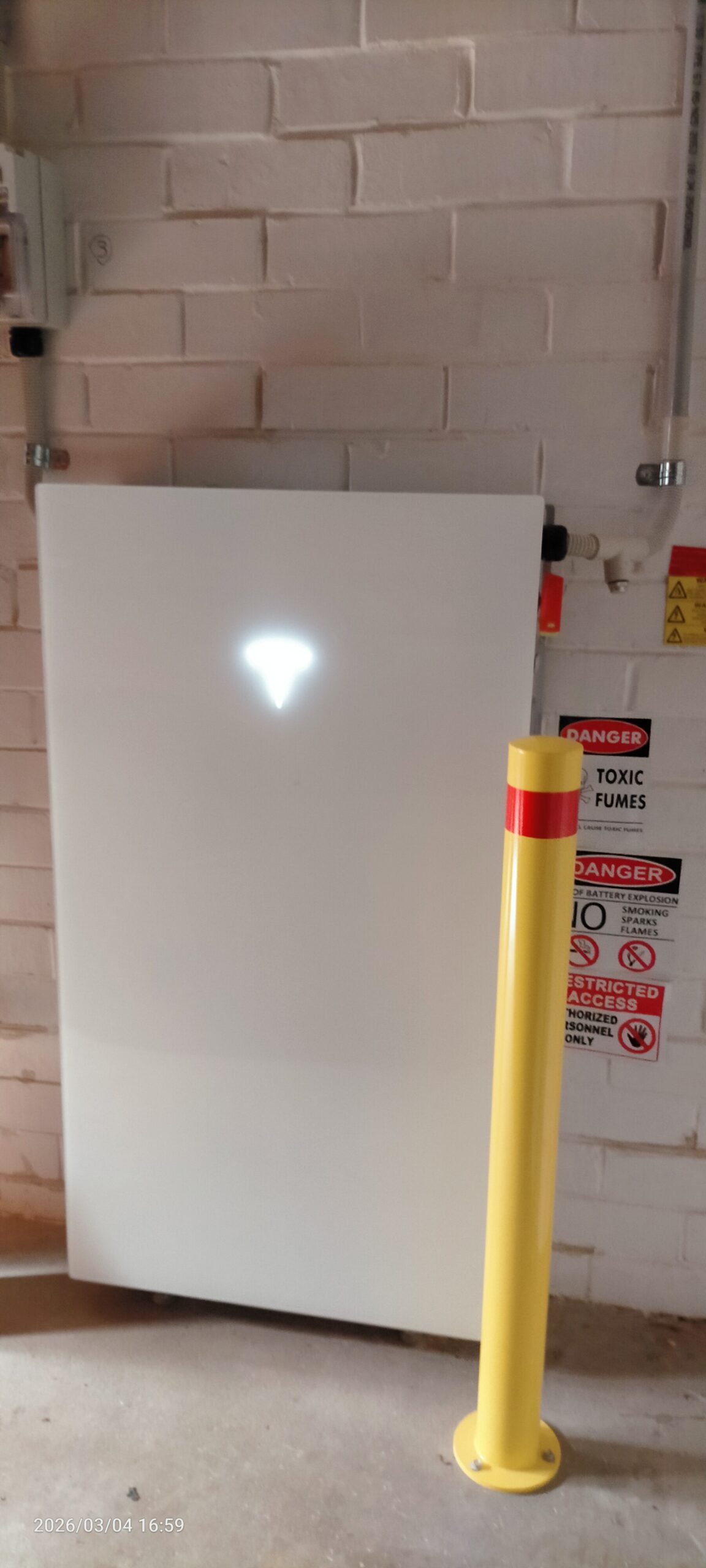
Energy resilience is provided by 13 kW of rooftop solar and a Powerwall battery, capable of running the home for up to a week during outages.
Outside, rainwater tanks, raised vegetable beds, native plantings and an 80-year-old Golden Elm help shade the house and reduce summer heat.
It may not be the Passive House I originally planned—but it comes surprisingly close in spirit.