
Moonah House

Djilang,
Connewarre,
VIC
Online home tour

About this home

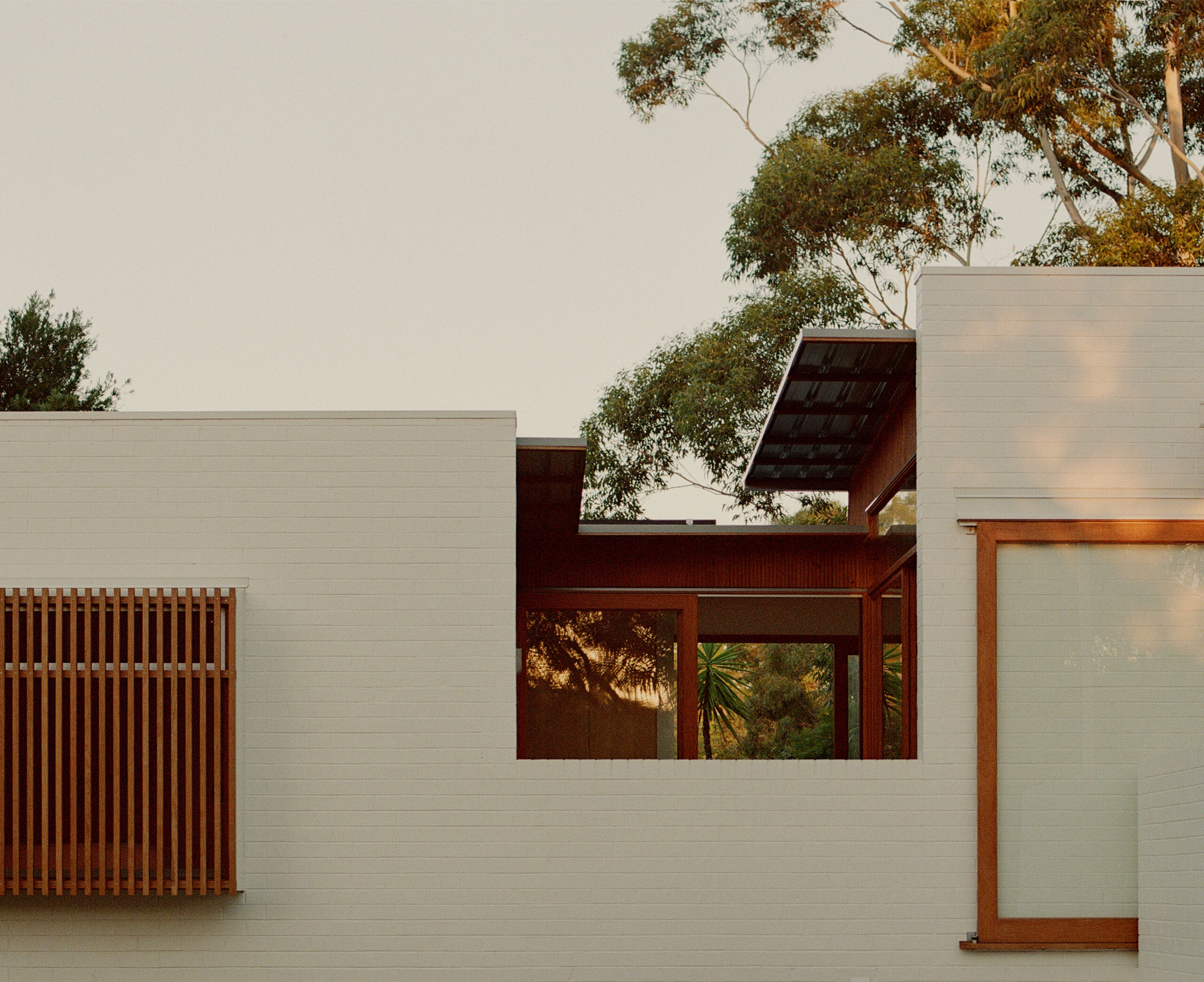
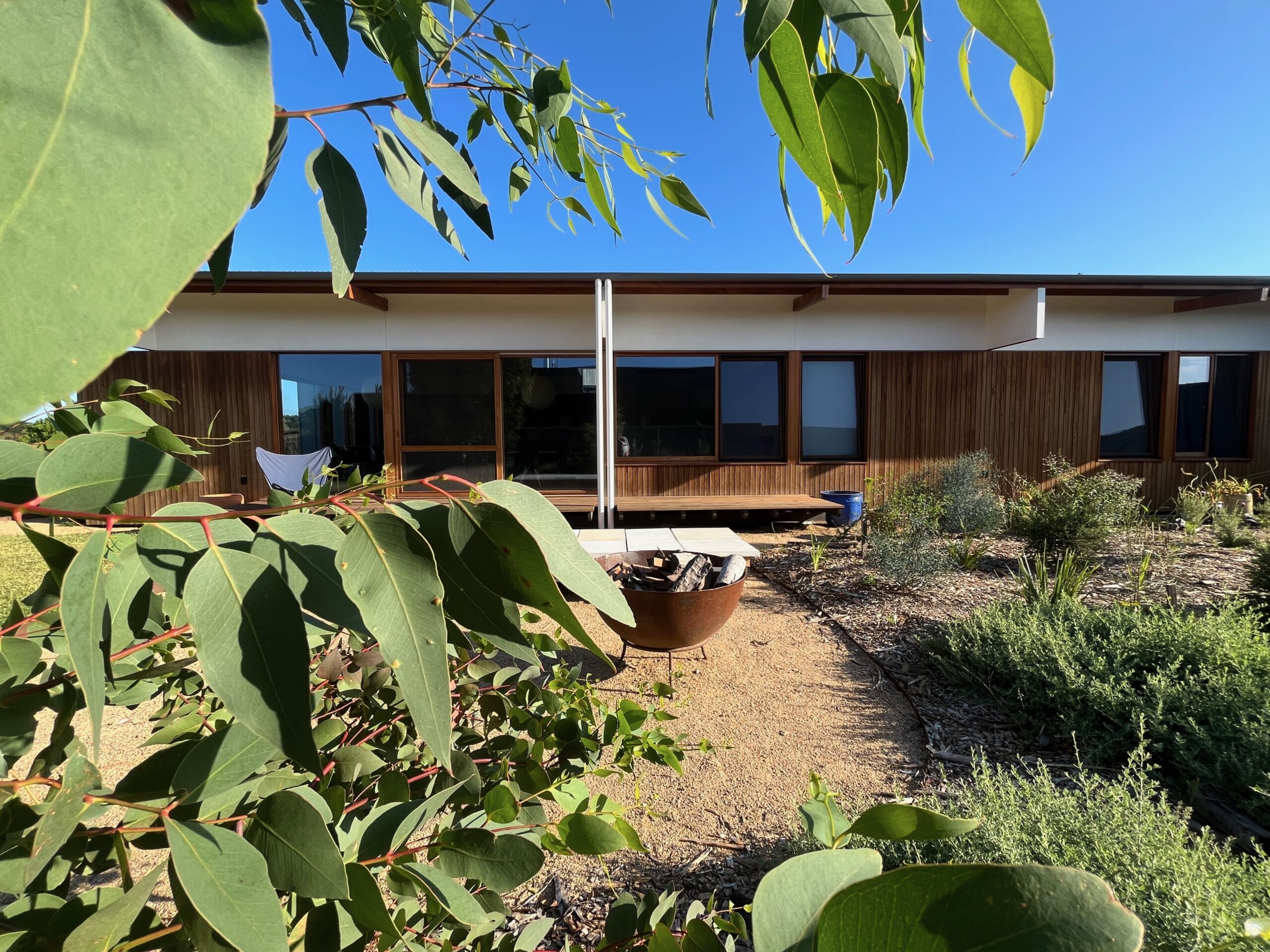
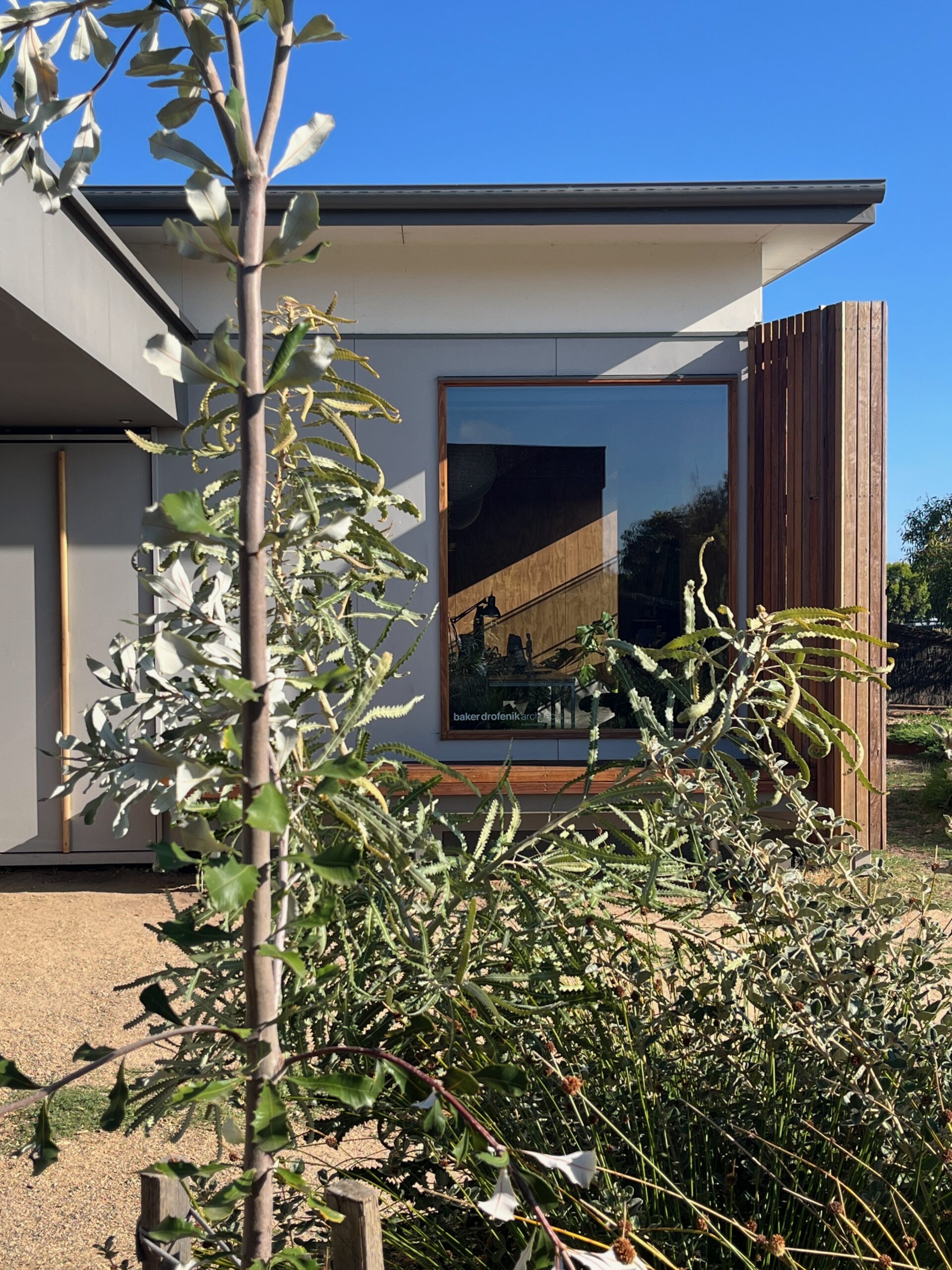
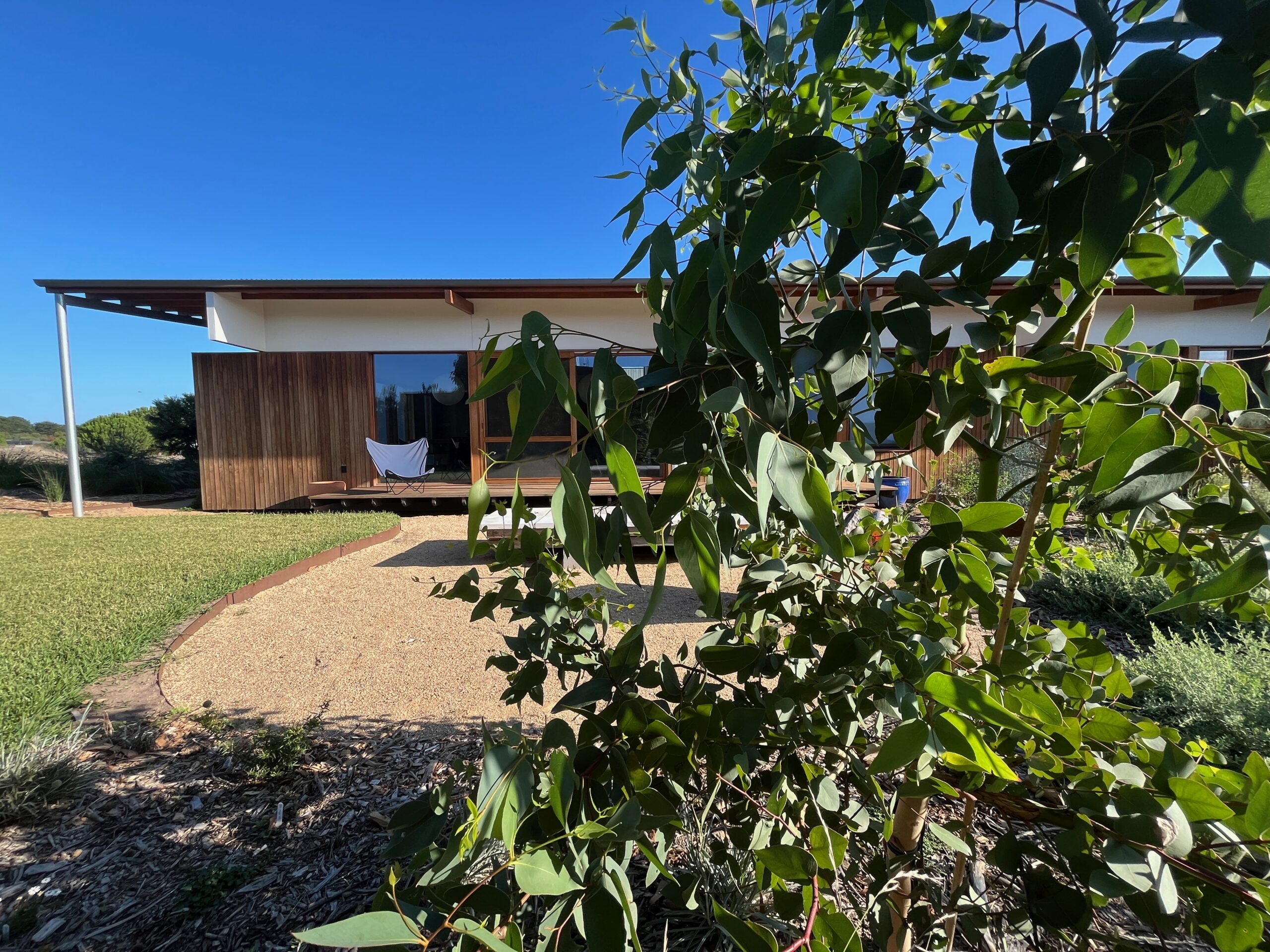
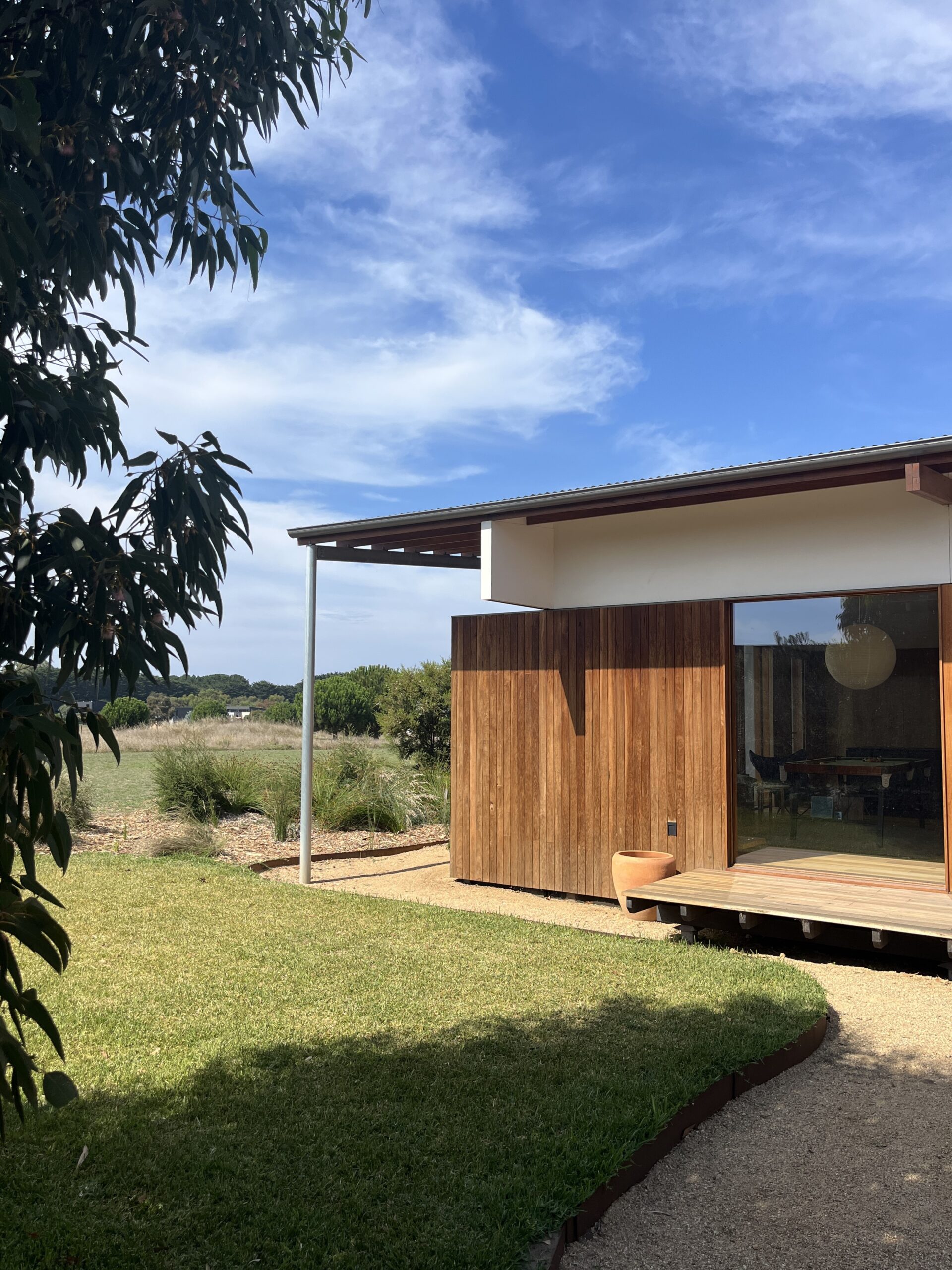
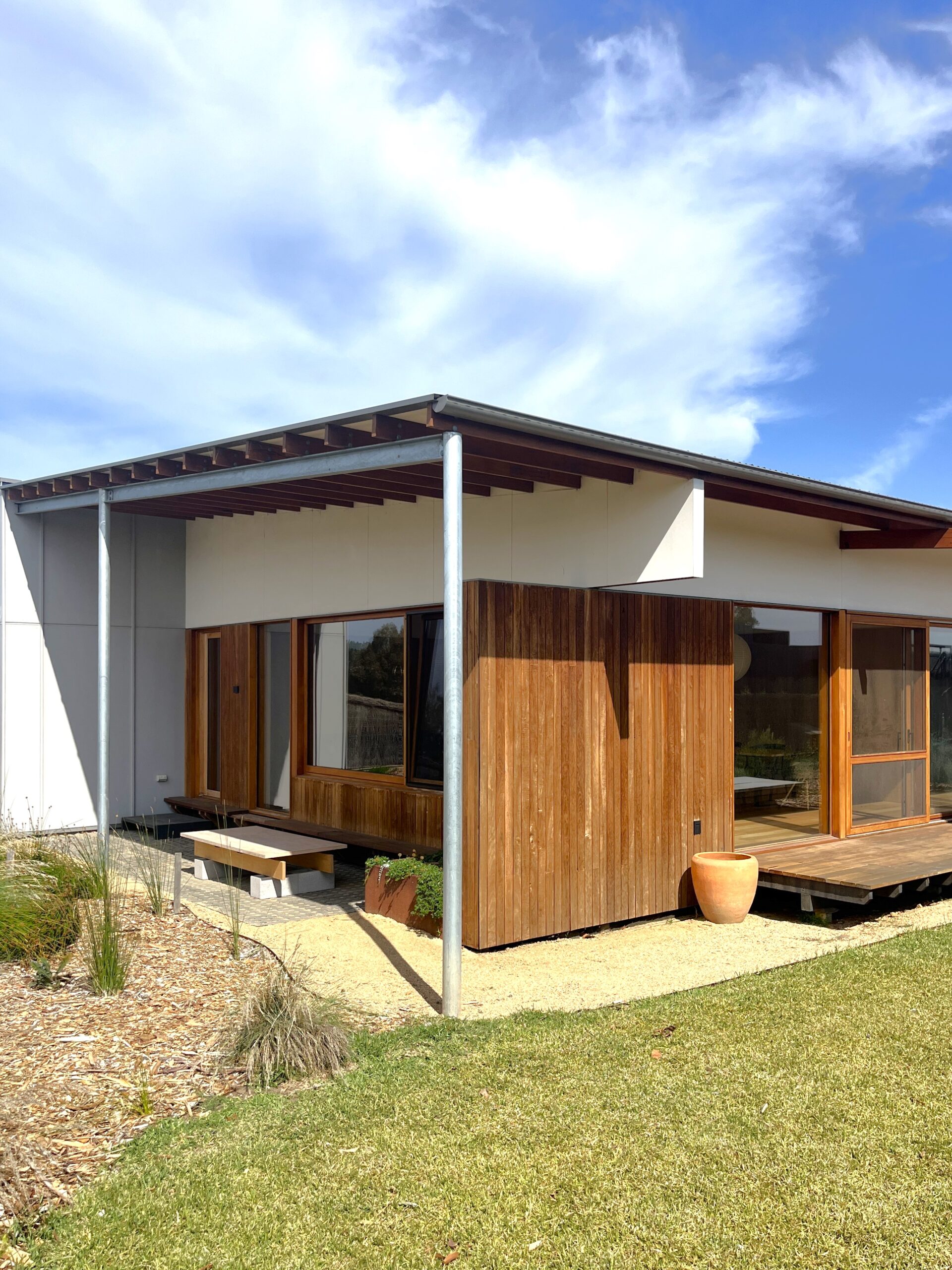
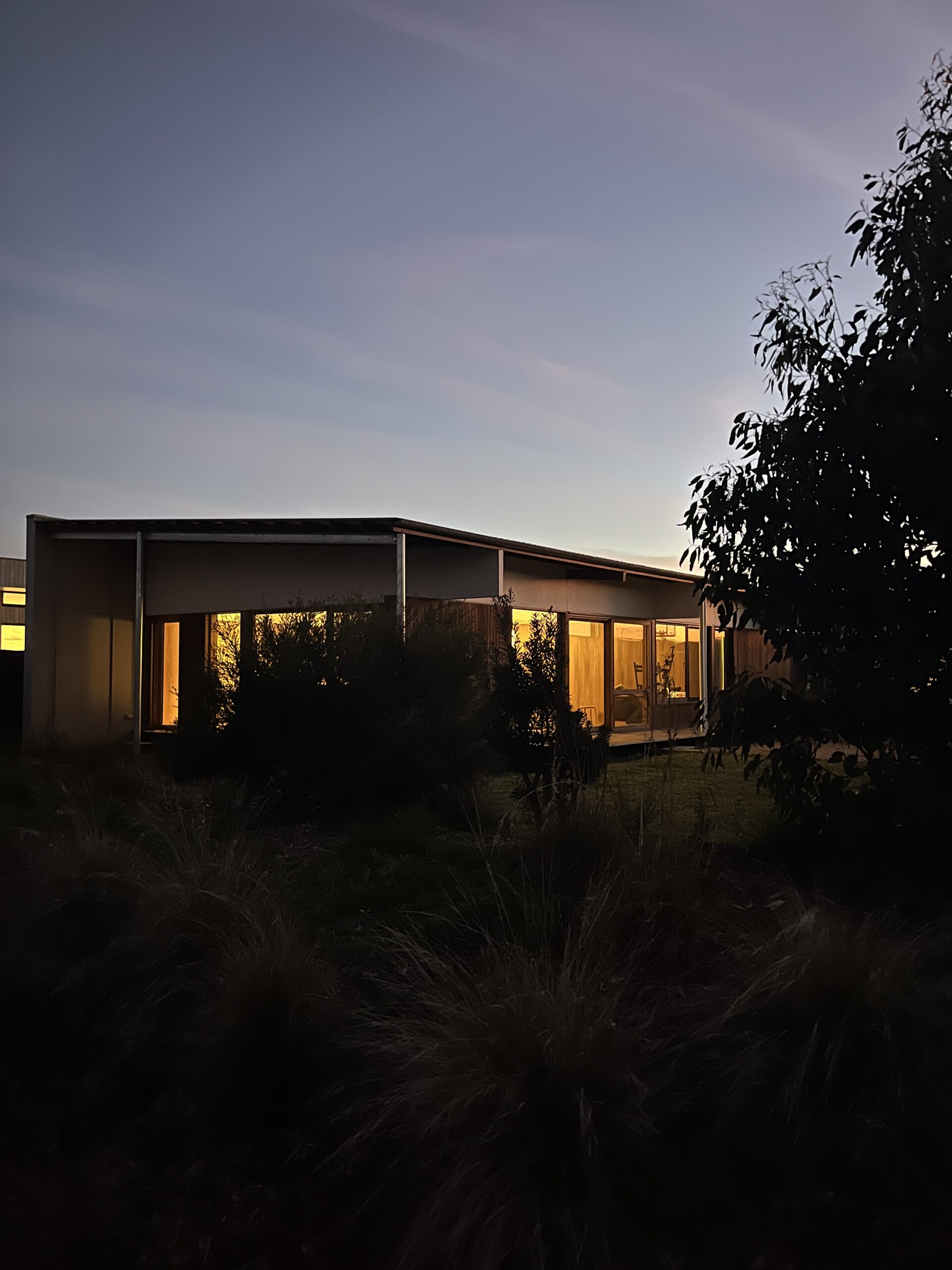
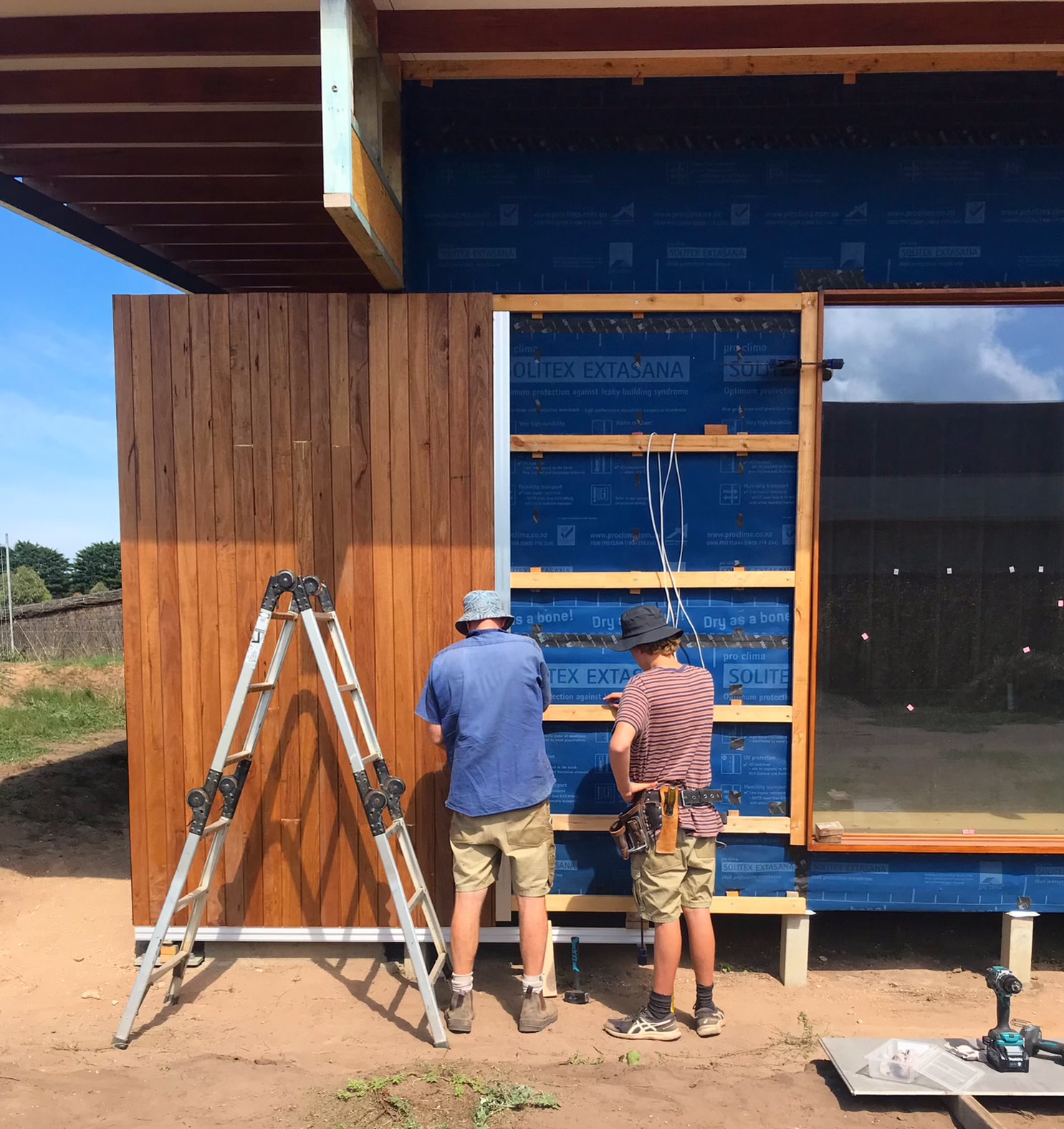
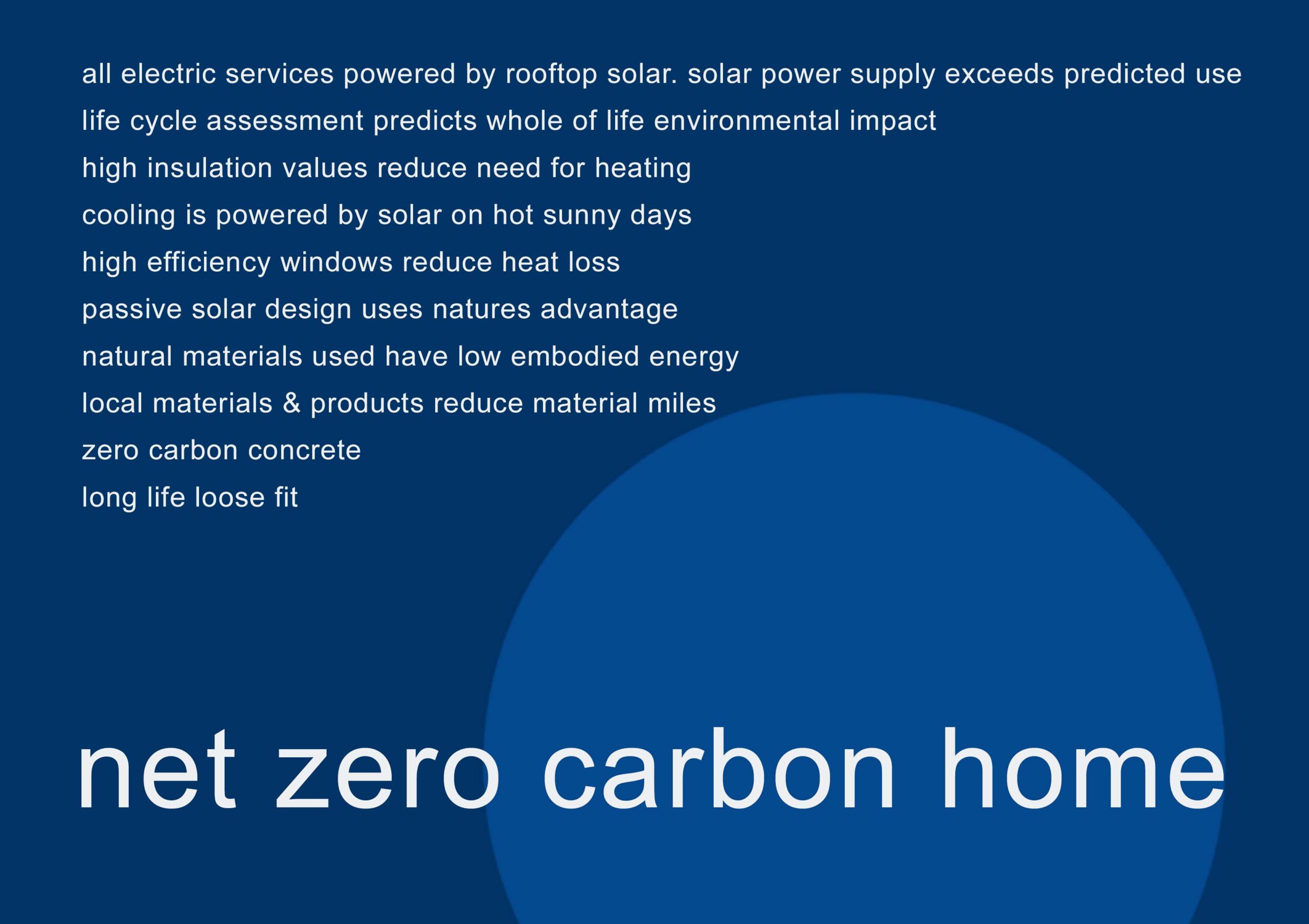
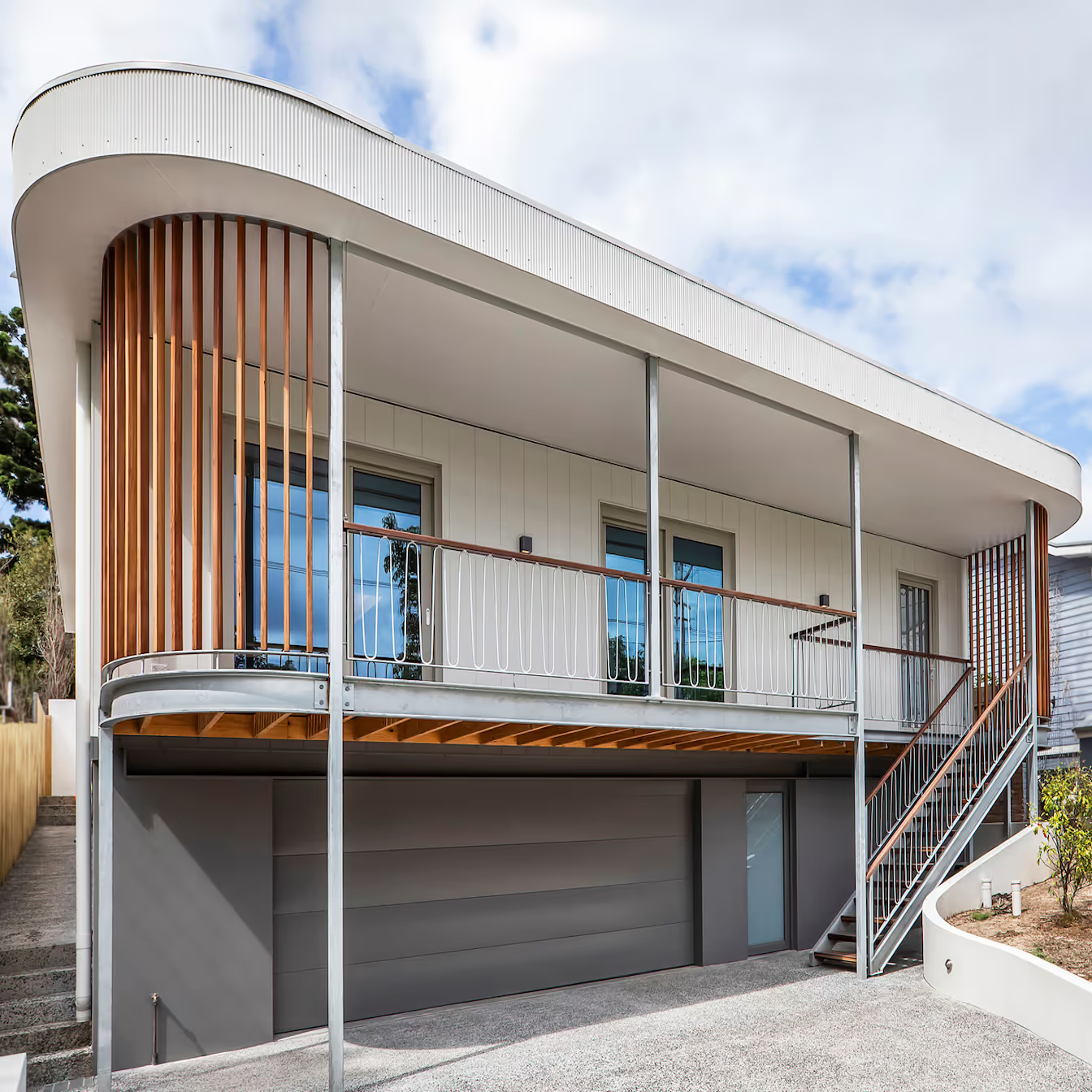
Moonah House in Connewarre is the home & coastal studio office of Paul Baker & Sarah Drofenik of Baker Drofenik Architects. Built on land once covered by Moonah woodland, the project has been an ongoing process of learning & experimentation. From the outset, the house was conceived as an opportunity to explore high-performance construction & net-zero living through an airtight, highly insulated envelope achieving an 8.1-star energy rating within a modest budget.

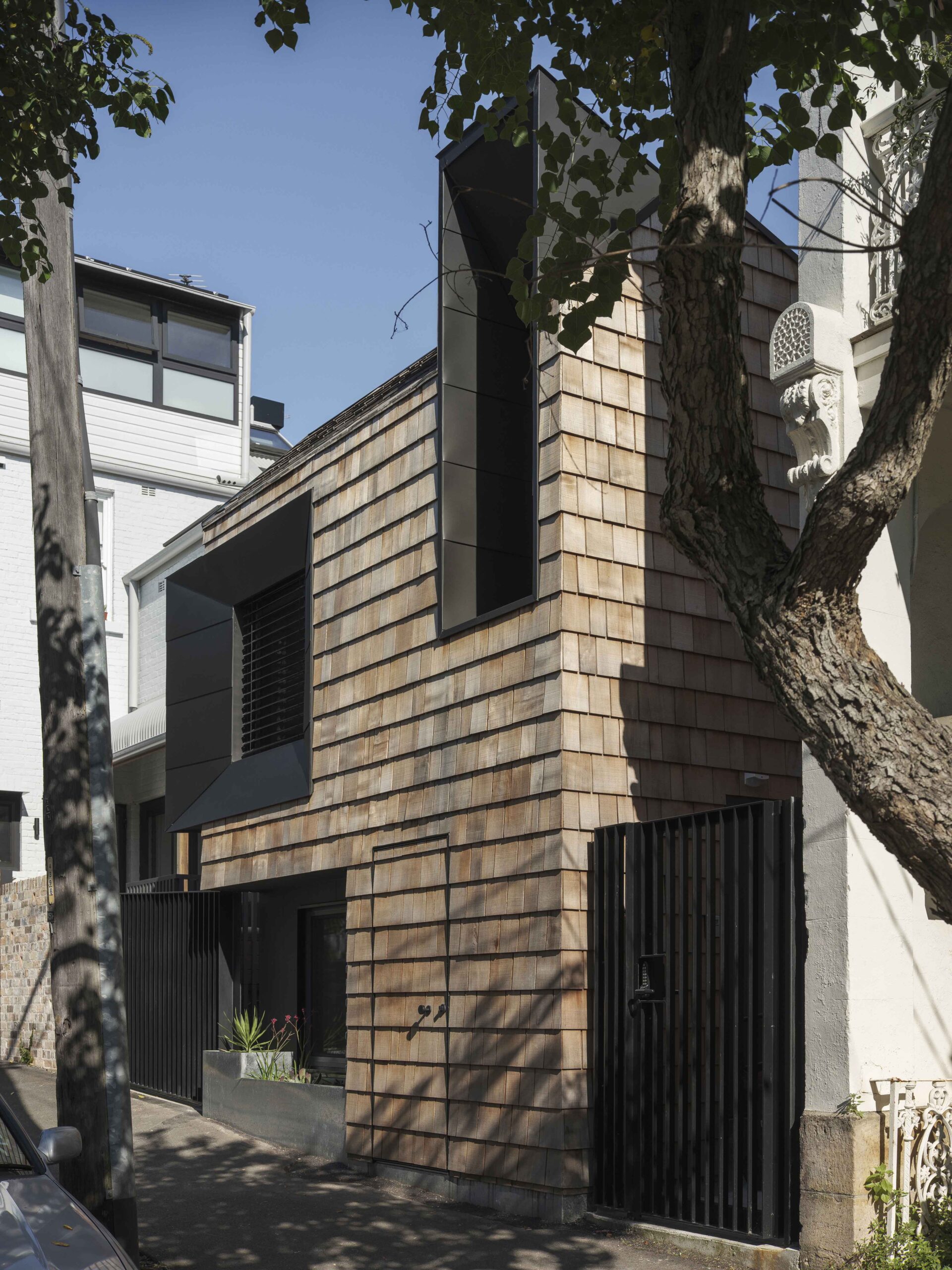
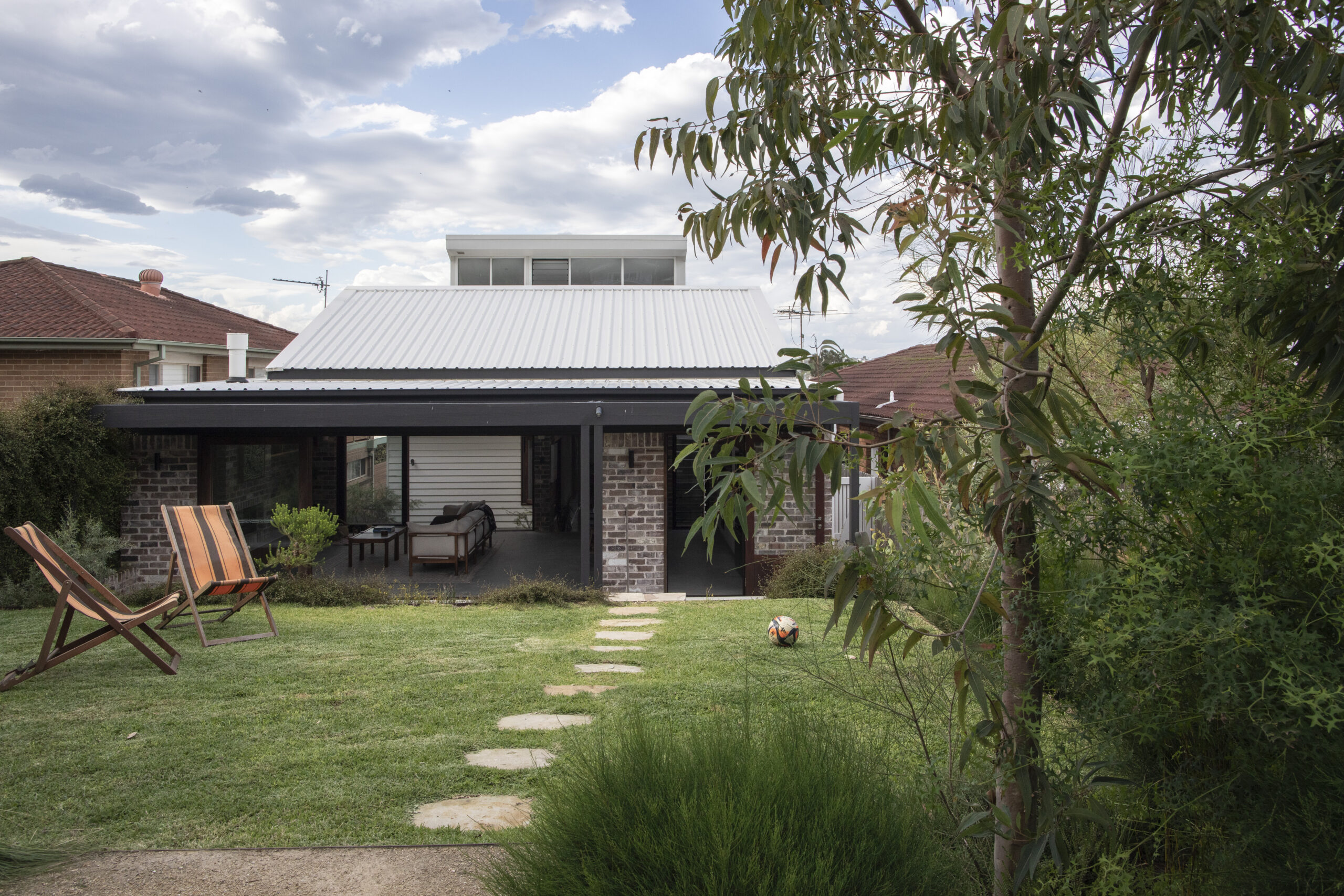
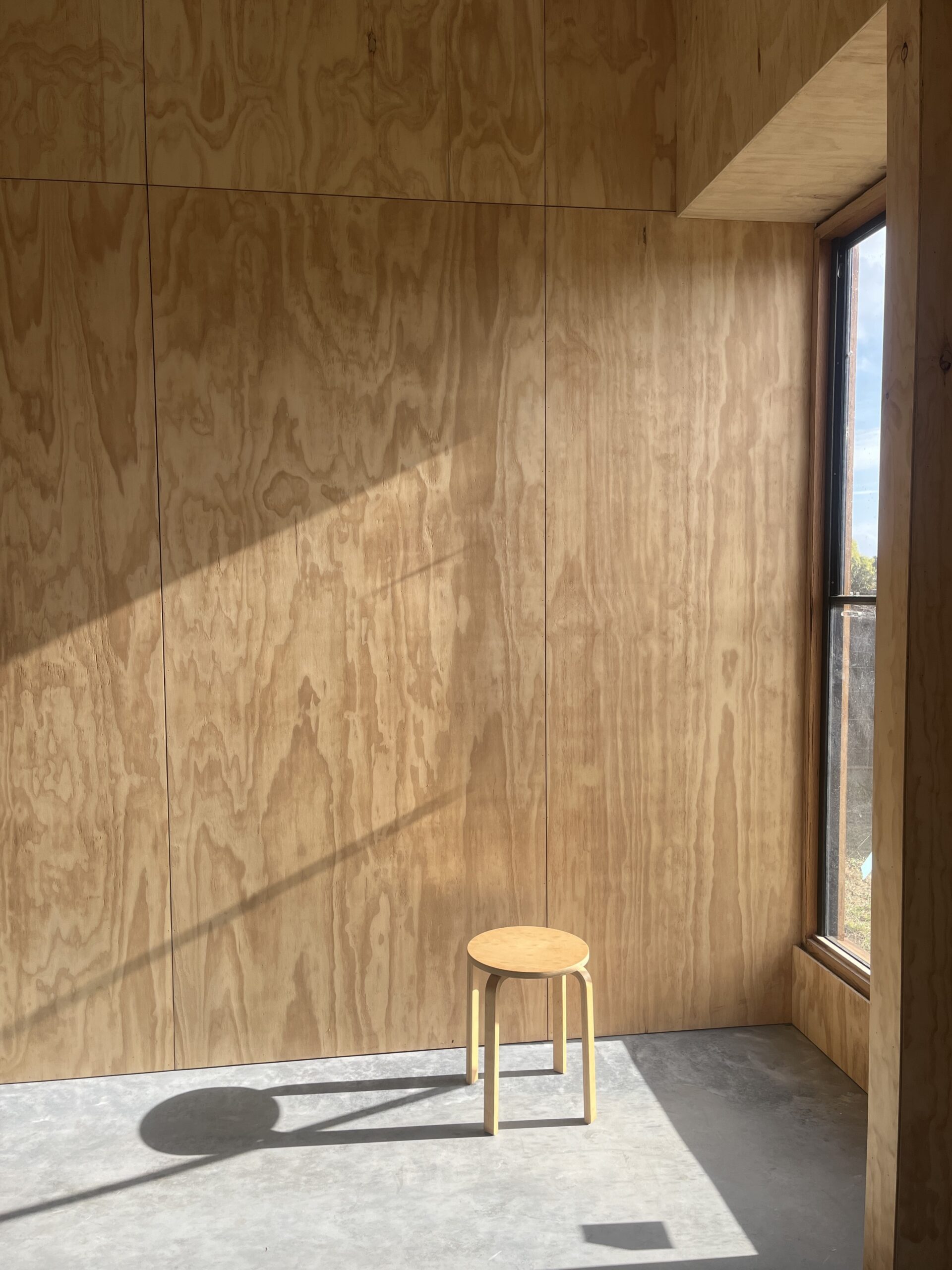
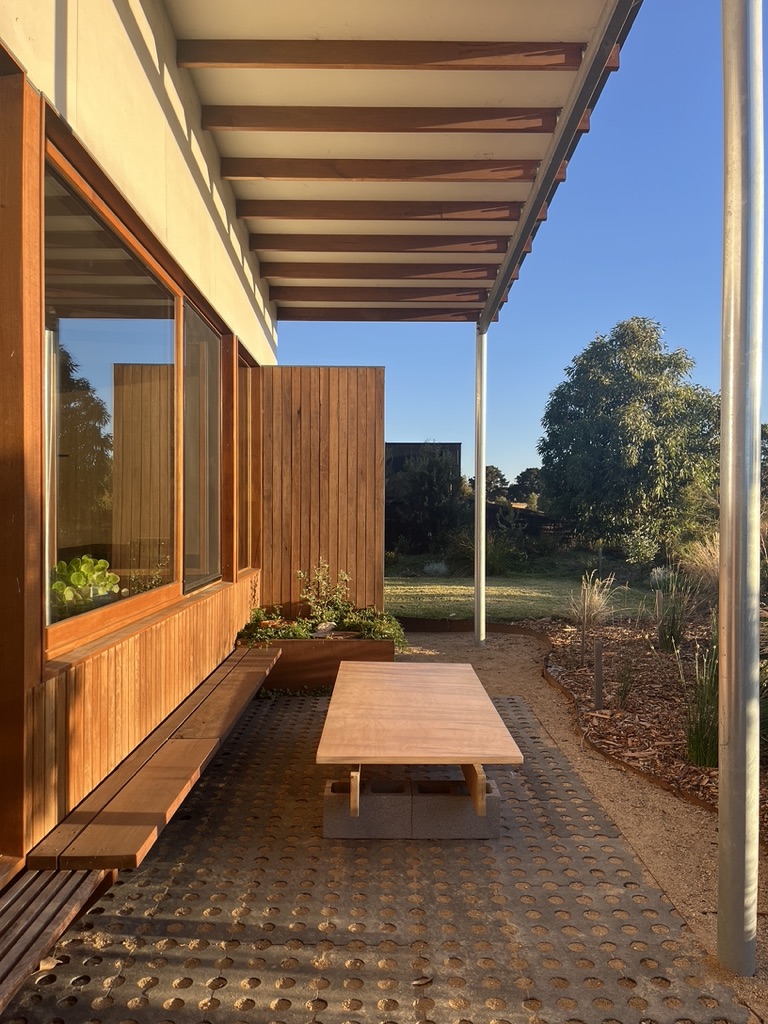
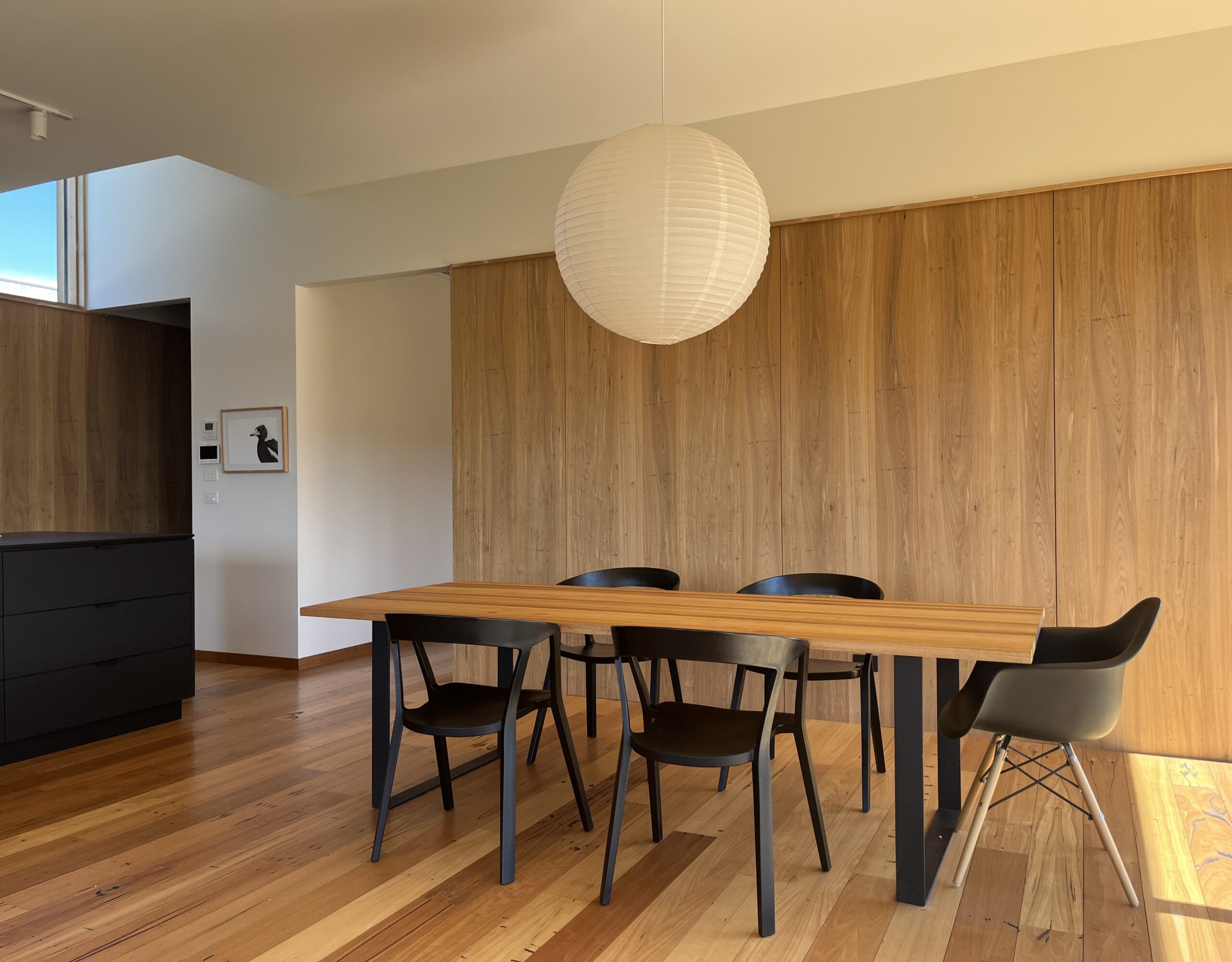
The building comprises a three-bedroom home, separate studio, & open carport. Lightweight foundations & a low-carbon concrete studio slab were selected to reduce embodied energy, while timber is used extensively in both structure & finishes. Circular design principles informed material choices, with recycled elements such as remilled timber flooring incorporated throughout.

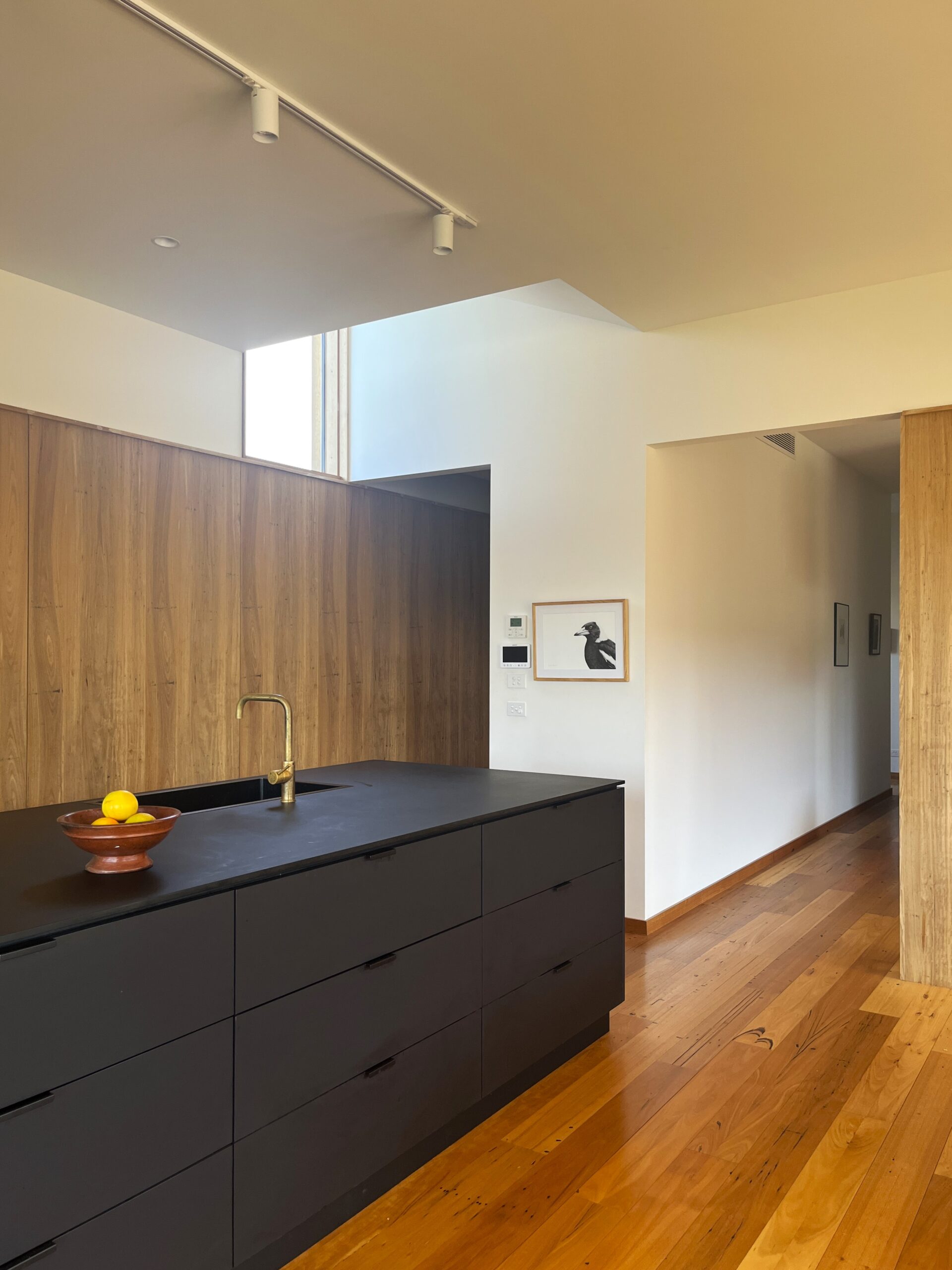
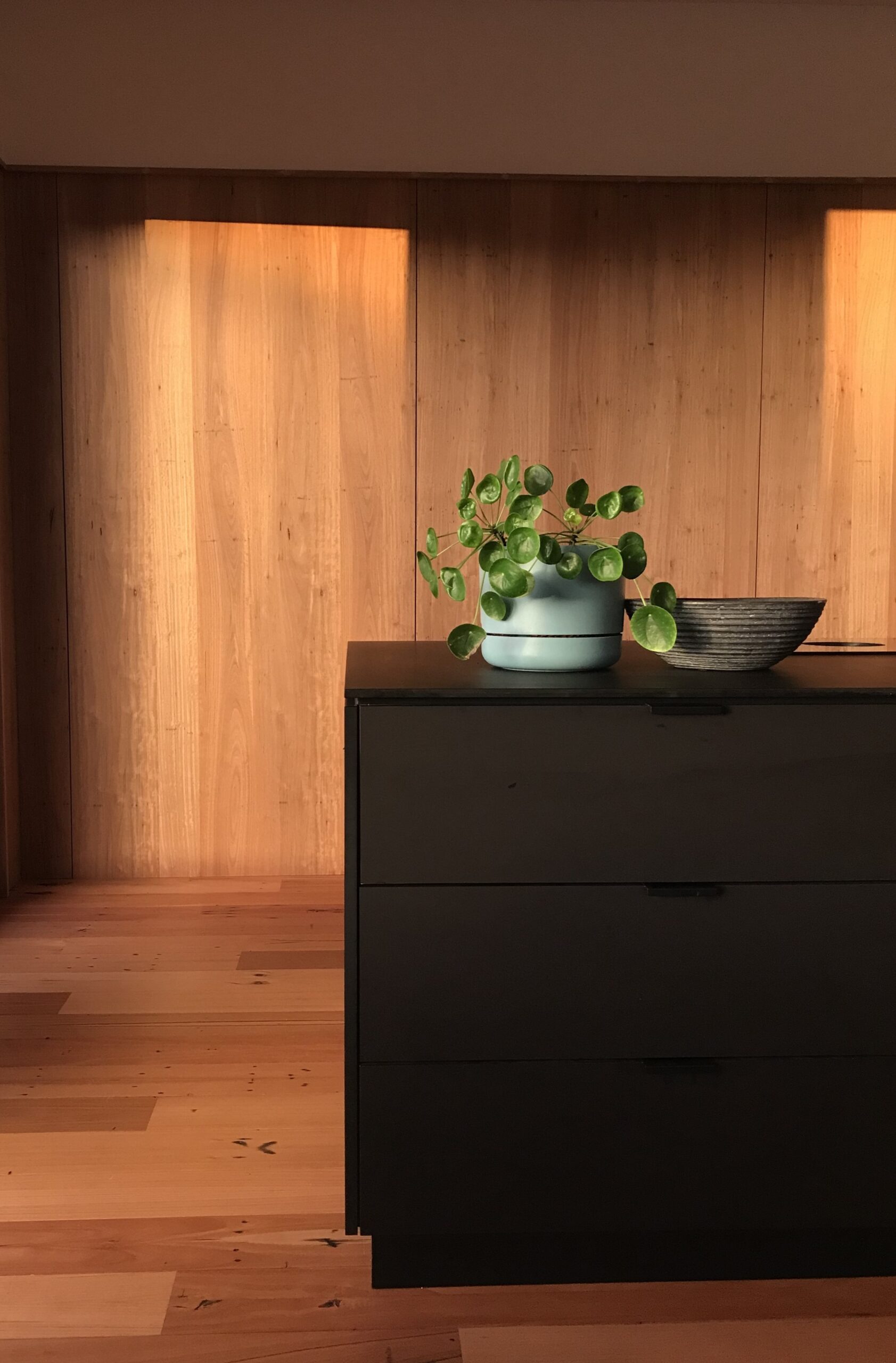
Built-in joinery was minimised to allow flexibility over time. The kitchen centres on a freestanding island made from low-embodied-energy materials, designed as a relocatable object rather than fixed cabinetry, an example of loose-fit design intended to avoid future landfill.

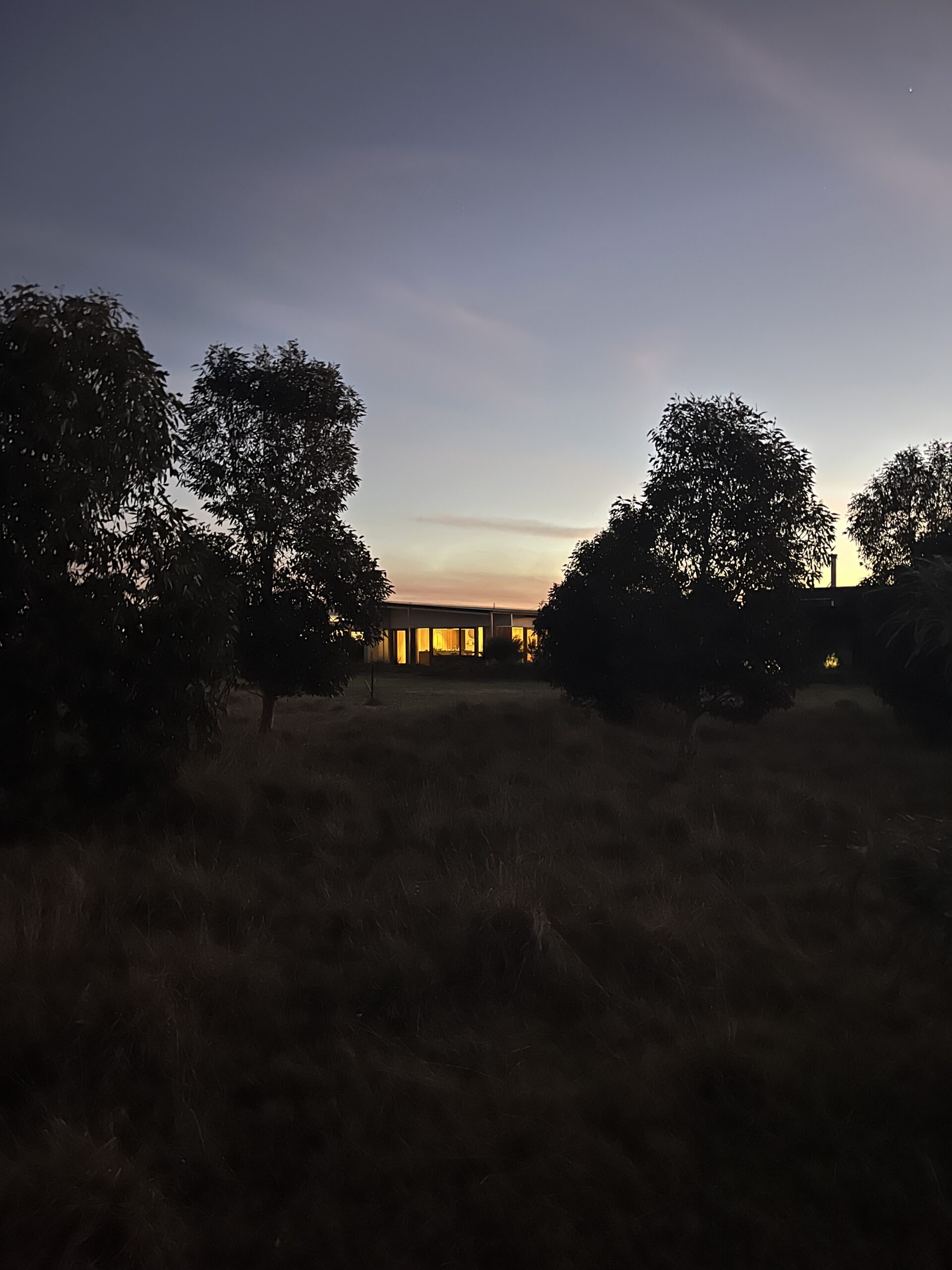
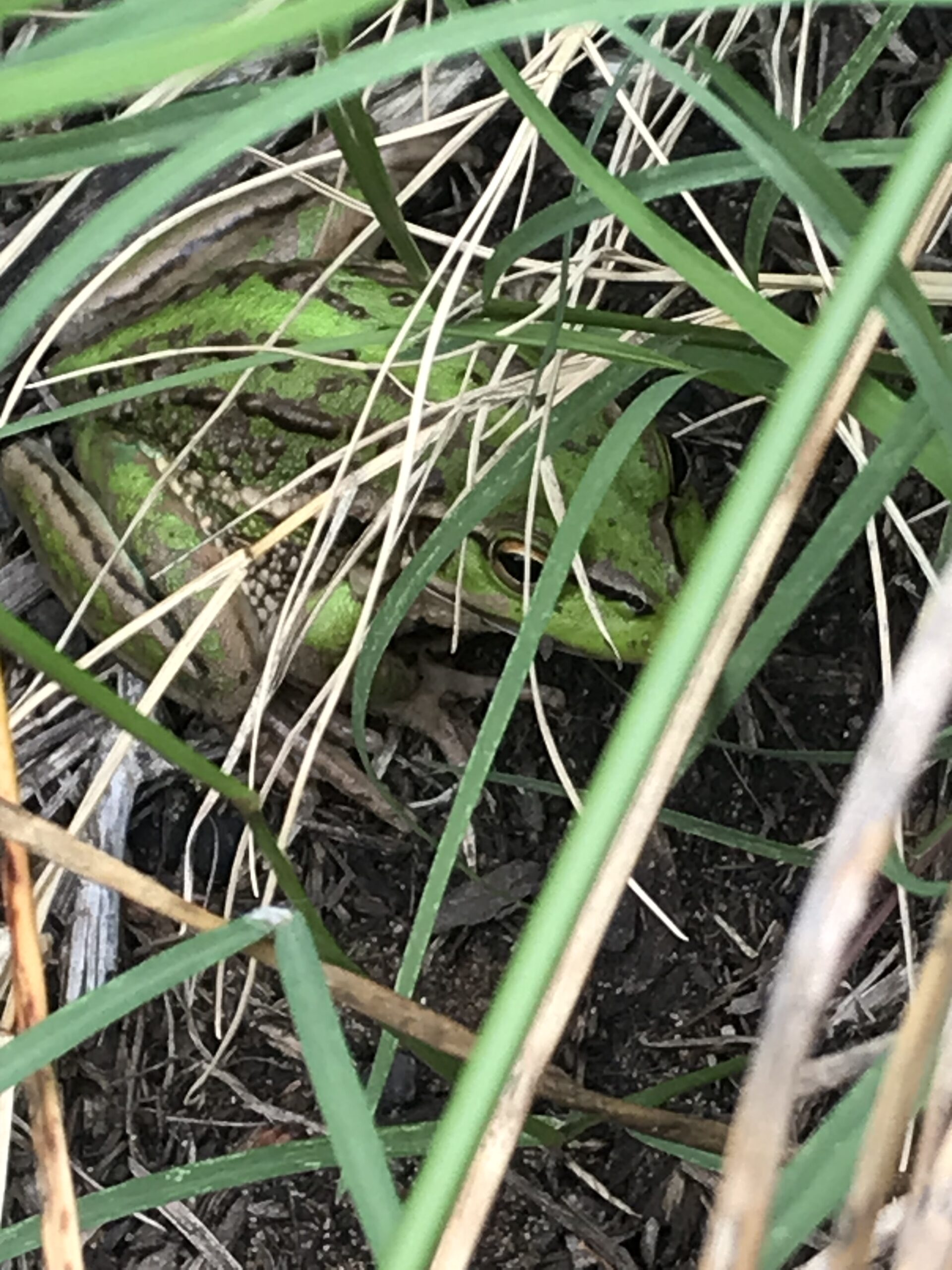
Following construction, a wildlife garden was established using locally indigenous species sourced from regional nurseries, including many Moonah trees to re-establish woodland character. The garden now supports numerous bird species, ground frogs, & spotted pardalotes nesting in the sandy soil.

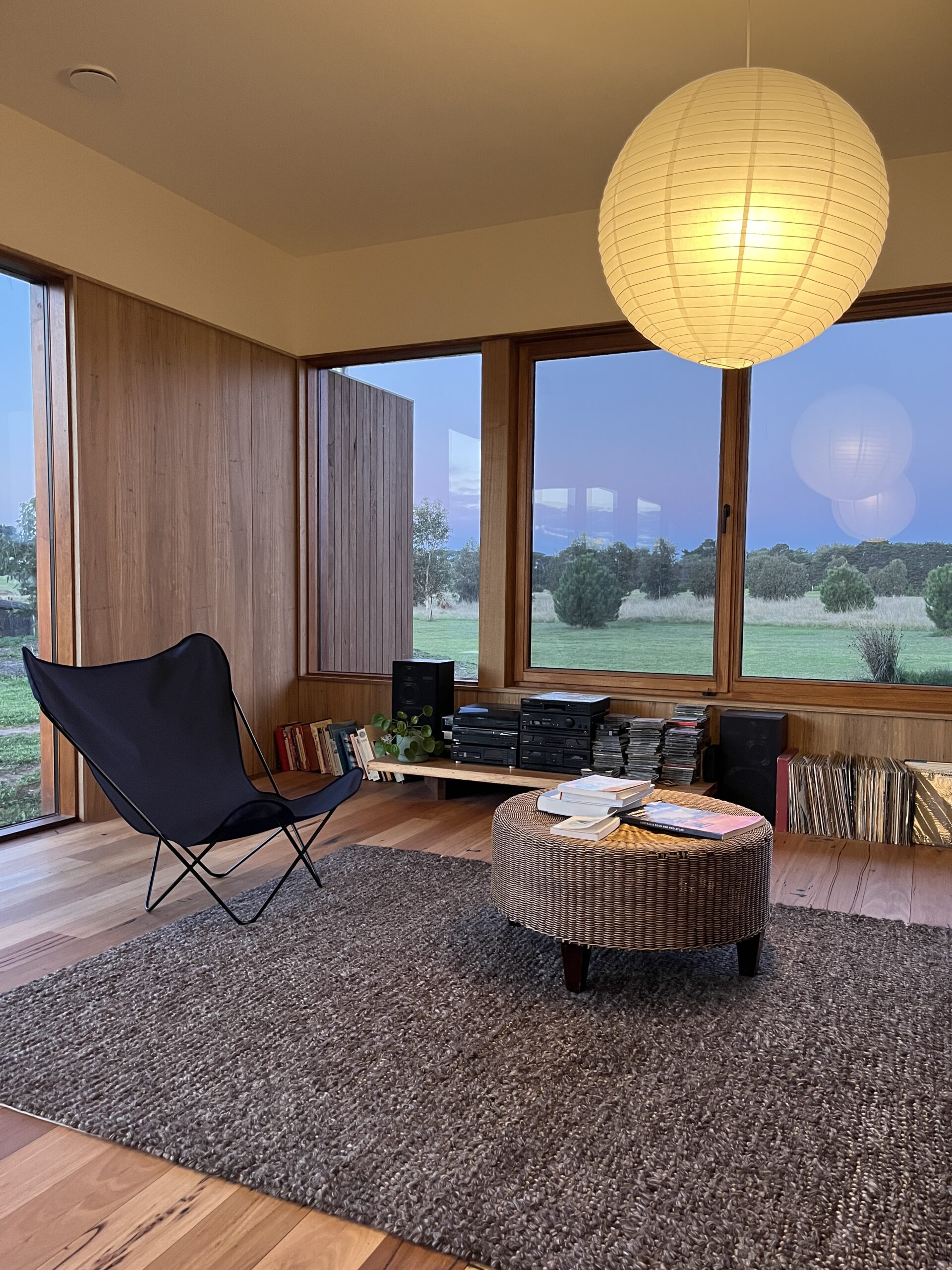
Living in the house has provided direct experience of the benefits of high-performance construction. In winter, heating demand is minimal; often the warmth generated from cooking is sufficient to maintain comfort. Large double-glazed windows maintain a constant visual connection to the garden while reinforcing thermal performance

Key Ideas:
High insulation values
Passive house consultant calculations
Life Cycle Assessment at design stage
Soil from excavation was retained on site
Care during construction
Lift & slide doors
Tilt & turn windows
HRV Unit
Q & A

What motivated you to build or retrofit sustainably?
Bills, comfort, resilience, health, climate concerns, future-proofing and its essential to what we believe.
By constructing the house with high insulation values and airtight techniques, we have eliminated the temperature variations typical of a standard build. As a result, we rarely require heating during winter. In summer, we manage cooling during the day by utilizing power generated from our PV cell system.
We would absolutely build a high performance, airtight house again in this climate and location. However, one issue that has become apparent is the potential for overheating during summer. It is critical that north-facing eaves are included in the design and that external vertical blinds are provided for on the east and west elevations. While external blinds can be installed post-construction, they may be required for occupancy.
N/A
Type: Standalone house/townhouse
Project: New build
Architect: Baker Drofenik Architects
Designer: Paul Baker and Sarah Drofenik
Builder: Paul Baker and Sarah Drofenik
Size: 334 including home studio office and carportm²
Energy Rating: 8.1 NAtHERS
Bedrooms: 3
Bathrooms: 2

Sustainability Features

Building Materials & Envelope

Draught-proofing/air sealing
High-performance insulation
Double or triple-glazed windows
Sustainable or low-impact materials
Recycled or reused materials

Heating, Cooling and Ventilation

Passive heating/cooling (north-facing glazing, cross ventilation, thermal mass, shading, etc.)
Ceiling fans
Mechanical ventilation with heat recovery (MVHR) system

Energy and Appliances

Rooftop solar PV
Energy monitoring/smart home systems
Efficient lighting (LED, daylighting, solar skylights)
Heat pump hot water
Electric cooktop - induction/ceramic

Water & Waste Systems

Water-efficient fixtures
Rainwater tanks

Landscape & Biodiversity

Native garden
Edible garden
Wildlife-supporting habitat

Climate Resilience

Bushfire
Heatwave

Accessible & Flexible Design Features

Design for flexible use
Share this home:

Related Homes

Home tours delivered to your inbox

Step inside sustainable homes across Australia and get practical ideas you can use in your own