What happens when a 120-year-old heritage home quietly becomes an all-electric powerhouse?
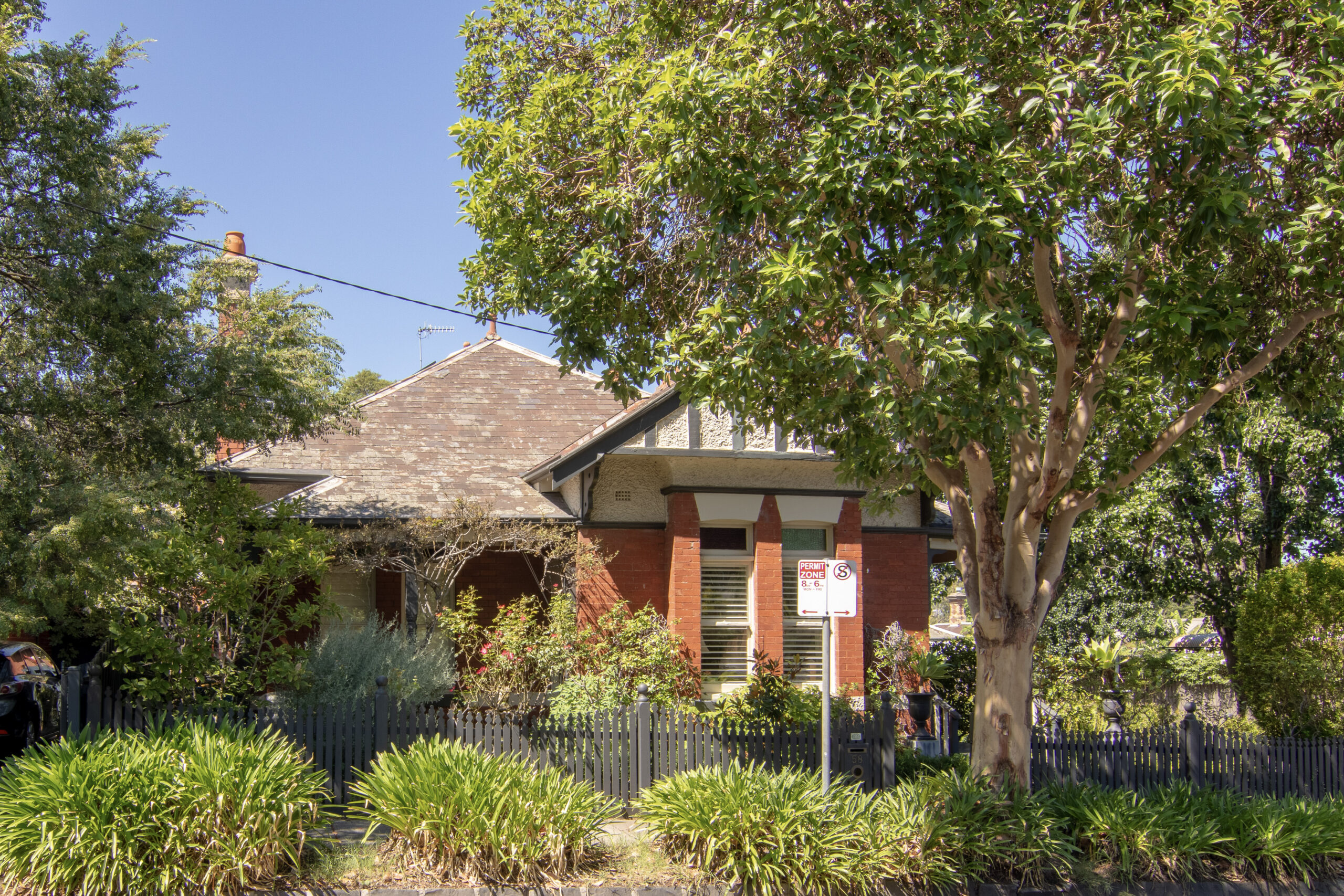
From the street, Pip’s home looks much like it always has. Behind the heritage facade, however, is a story of thoughtful upgrades, practical decision-making and a determination to make an older home healthier, more comfortable and cheaper to run.
Like many Australian homeowners, Pip didn’t renovate everything at once. Instead, she approached the project step by step, looking for opportunities to improve comfort, reduce energy use and eventually leave gas behind altogether.
“We’ve done a lot of work to upgrade the insulation and make it more energy efficient,” she says. “You really can’t see a lot of it.”
And that’s often the reality of the most impactful sustainable upgrades. They’re hidden in ceilings, walls and under floors. They’re the draught-proofing around a front door. The efficient heating and cooling upgrades that quietly cut bills month after month. The insulation that keeps warmth inside during winter and cool over summer.
One of the first things Pip noticed when she moved in was how much cold air was entering through the beautiful leadlight front door.
“The leadlighting at the front door was letting a lot of wind in in winter,” she explains.
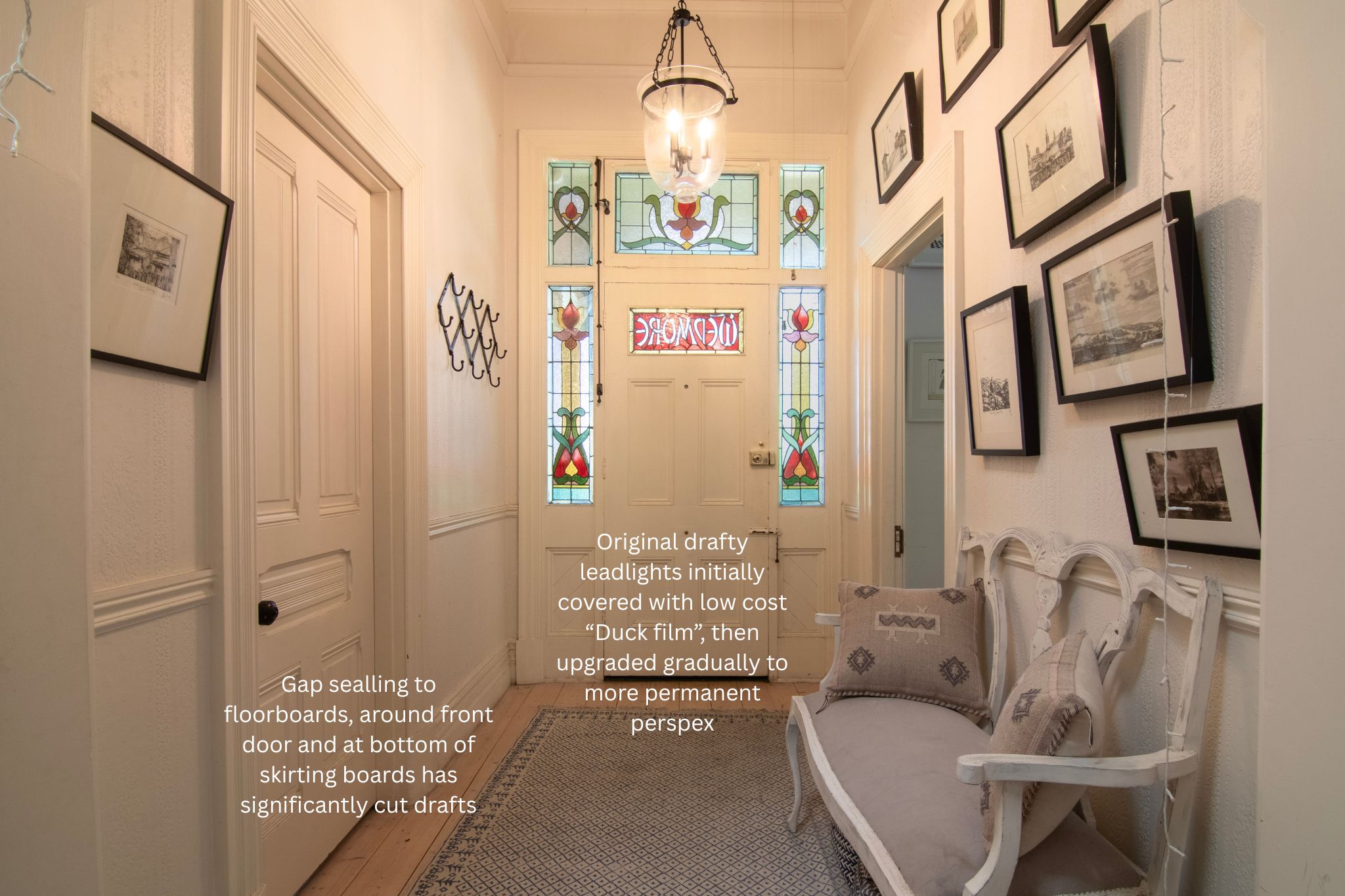
It’s a reminder that improving an older home isn’t always about major renovations. Sometimes the biggest gains come from identifying the small places where comfort is literally leaking away.
The journey away from gas happened gradually.
“We got the grant through the Victorian Energy Upgrades scheme and we put in a big reverse cycle at the back and then also put them into the bedrooms. So now we don’t need to run the ducted gas anymore. When we put in the hot water heat pump, then I could finally close off the gas account.”
For Pip, going all-electric wasn’t just about reducing emissions. It delivered multiple benefits at once. The new reverse-cycle systems allowed the household to retire the old, ducted gas heating system.
“It’s obviously a significant cost that’s gone, but also it’s healthier, a healthier house, and healthier for the climate.”
Support through the Victorian Energy Upgrades (VEU) program helped make several of these improvements possible. The discounts provided extra motivation to bring forward upgrades that may otherwise have happened years later.
For Pip, the value of the VEU program extended beyond the financial support.
“Being able to access the VEU program for those different upgrades provided that extra motivation to get off gas faster than we would have otherwise.”
What makes Pip’s home particularly inspiring is that it doesn’t rely on a large renovation budget or a complete rebuild. Instead, it demonstrates something many Sustainable House Day visitors are looking for: realistic upgrades that can be applied to an existing home over time.
The result is a house that remains true to its heritage character while performing in a way its original builders could never have imagined.
A superpowered heritage home, hidden in plain sight.
Key takeaways
- Heritage homes can be dramatically improved without losing their character.
- Draught-proofing and insulation often deliver some of the biggest comfort gains.
- Going all-electric doesn’t have to happen all at once.
- Heat pump hot water systems can be the final step to disconnecting from gas.
- Reverse-cycle heating and cooling can significantly reduce energy bills.
- You can make the most of rooftop solar by upgrading to efficient appliances.
- The VEU program can help households accelerate upgrades and reduce upfront costs.
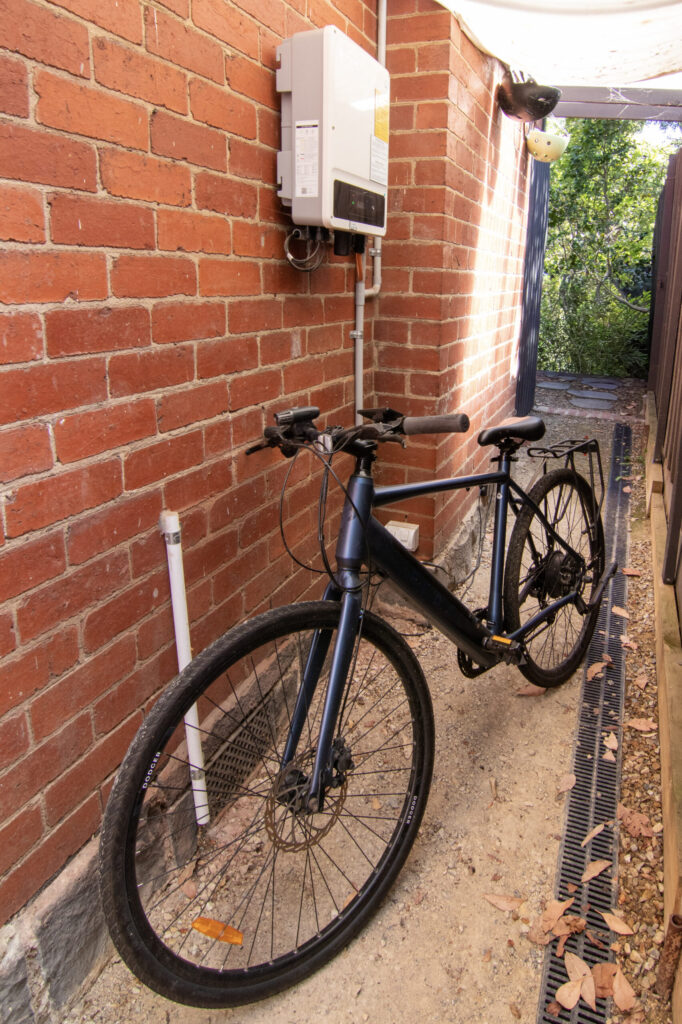
Sustainable House Day is full of homes like Pip’s: real homes, practical solutions, and neighbours sharing what works.
Find out what discounts you can get through the VEU program and save more on energy: energy.vic.gov.au/veu-homes.
This content is sponsored by the Department of Energy, Environment and Climate Action. DEECA is a 2026 Sustainable House Day Partner.