Edwardian Electric: A 20-Year Journey from 0.9 Stars to Fully Electric, Net-Exporting Home
Words with Andrew Sweatman
Some retrofits happen overnight – this one took twenty years, and it’s all the better for it.
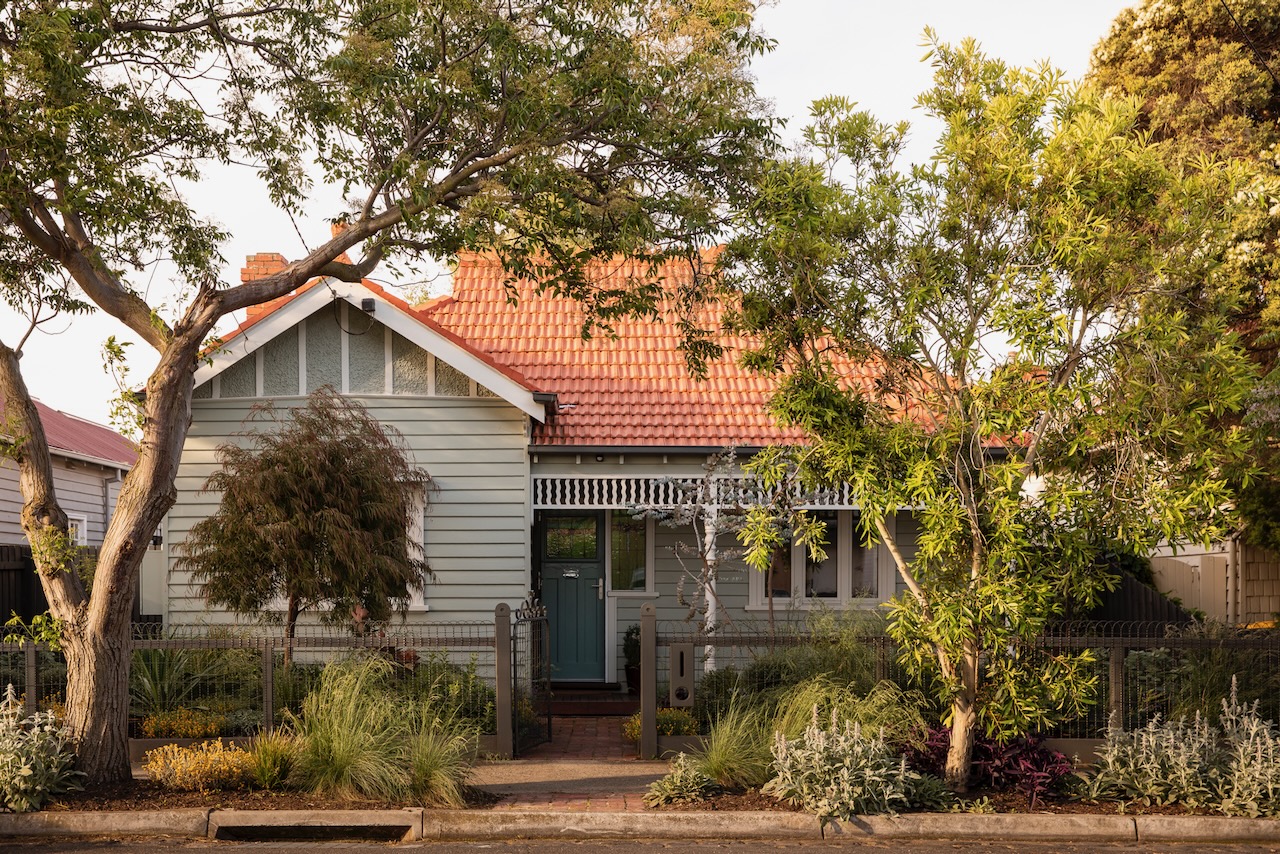
Tucked into Melbourne’s inner north, this modest Edwardian weatherboard doesn’t look like a sustainability showcase from the street. When it was bought back in 2004, it was a typical century-old timber home: no insulation, single glazing, gas everything, and draughts you could feel from across the room. Its estimated rating back then was a chilly 0.9 stars, with a thermal load of 576 MJ/m² per year.
Today, it’s a 7.7-star, fully electric, solar-powered home that exports more energy than it uses. Here’s how it got there.
Slow and steady wins the retrofit
Rather than one big-budget renovation, this home was upgraded in stages, fitted in around family life and finances as they allowed. The early wins were the classic low-cost, high-impact moves: ceiling and wall insulation, draught sealing, and solar hot water, backed by the old Green Loan Scheme and a 66c feed-in tariff.
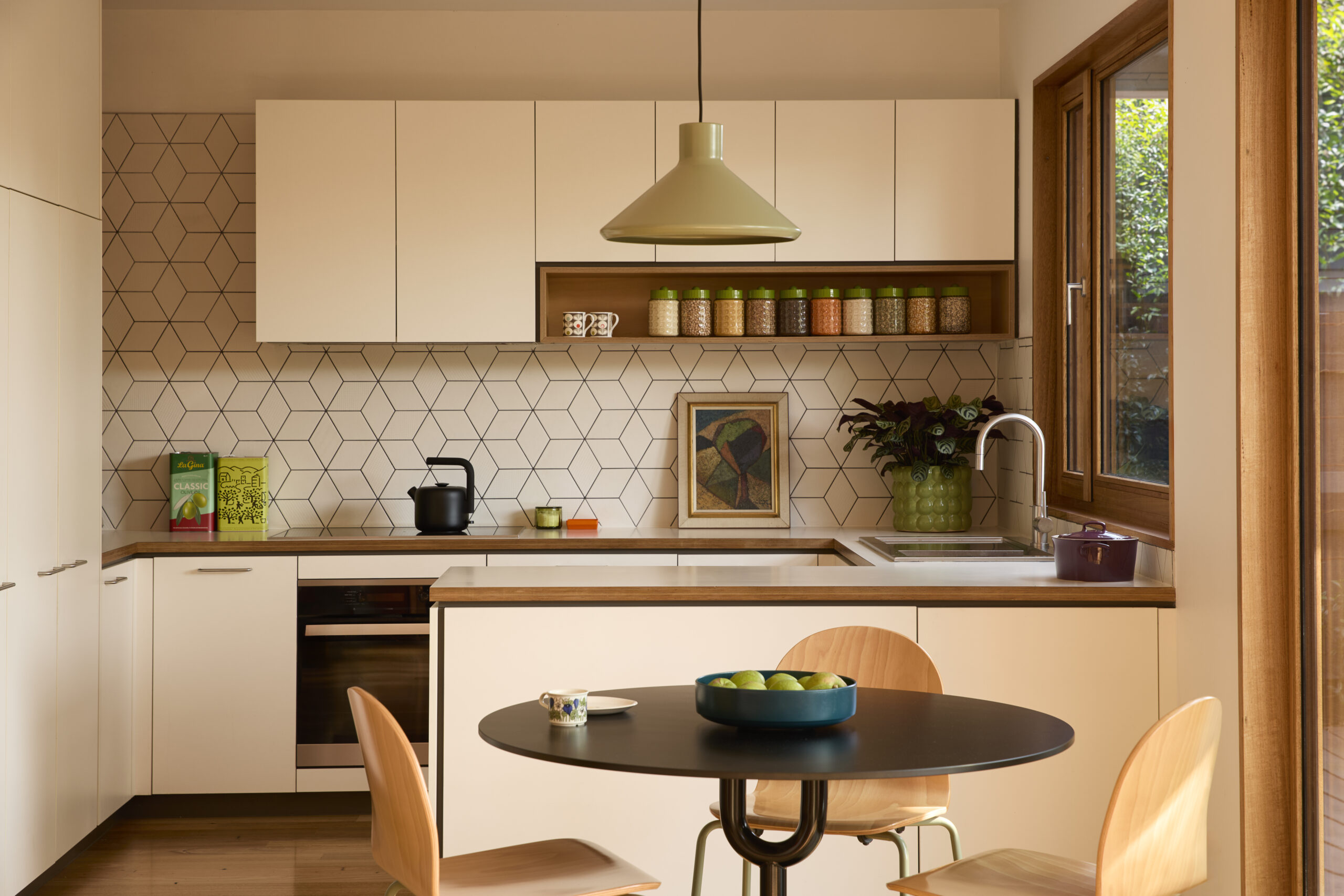
From there, gas was phased out room by room and system by system – heating first, then hot water, then cooking – until the home reached full electrification in 2017. Even the kitchen renovation stayed true to the ethos: efficient appliances and long-lasting materials, no unnecessary expansion.
The big one: right-sizing instead of extending
By 2024, with the kids grown and gone, the owners partnered with Brave New Eco for a major renovation. Instead of bolting on extra rooms, they redesigned the existing footprint for better orientation, comfort and natural light.
Structural repairs became the opportunity to properly finish the thermal envelope: restumping, underfloor insulation, R7.0 in the ceiling, beefed-up wall insulation, airtightness upgrades, triple-glazed Binq windows, and improved glazing on the heritage elements that had to stay.
The result? A roughly 90% reduction in heating and cooling demand, bringing the annual thermal load down to just 48.4 MJ/m² — a staggering improvement on where the home started.
A climate-responsive solar verandah, layered shading, lined curtains, a western external blind and a smart natural ventilation strategy round out the passive comfort strategy, while efficient LED lighting with dimming flexibility finishes the job room by room.
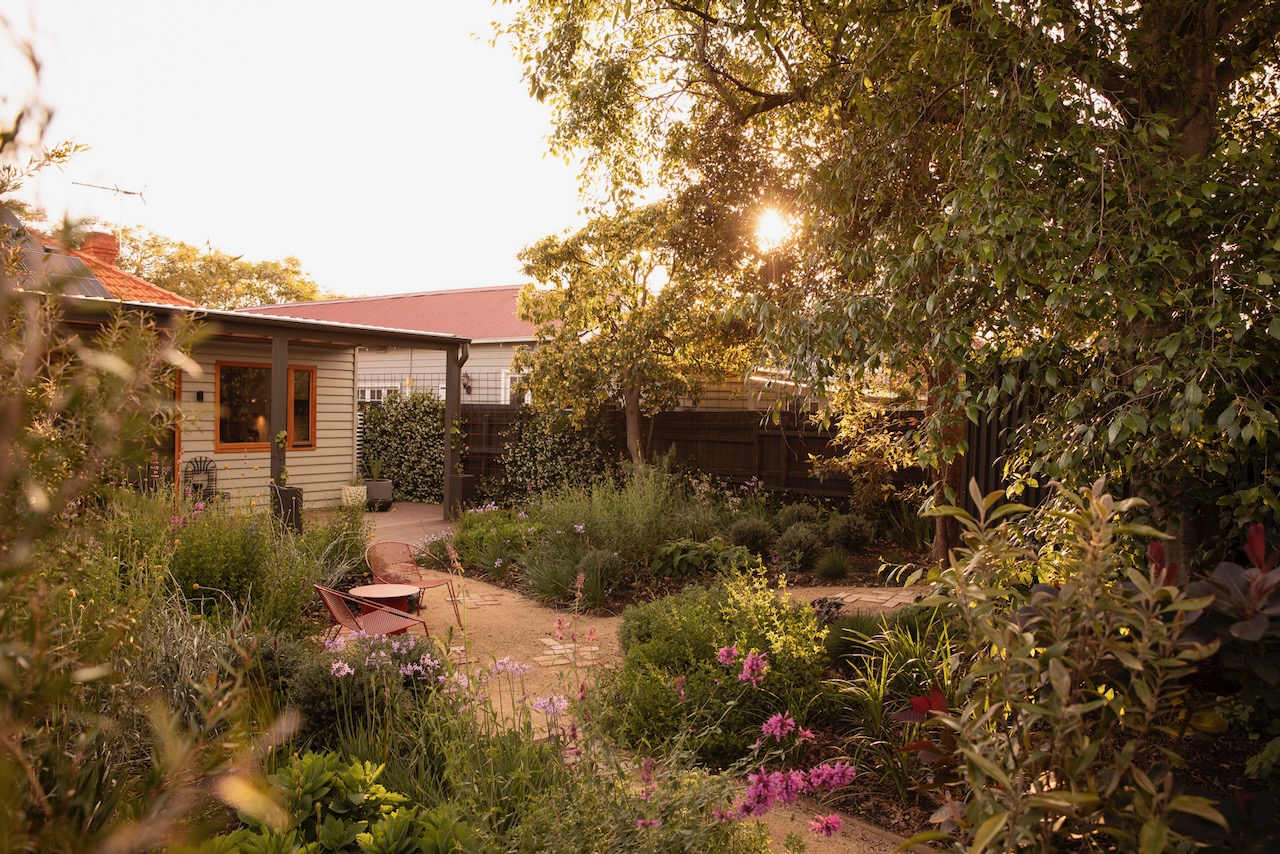
In 2025, a naturalistic, climate-adapted garden was added, designed to support local biodiversity while keeping maintenance low.
The numbers that matter
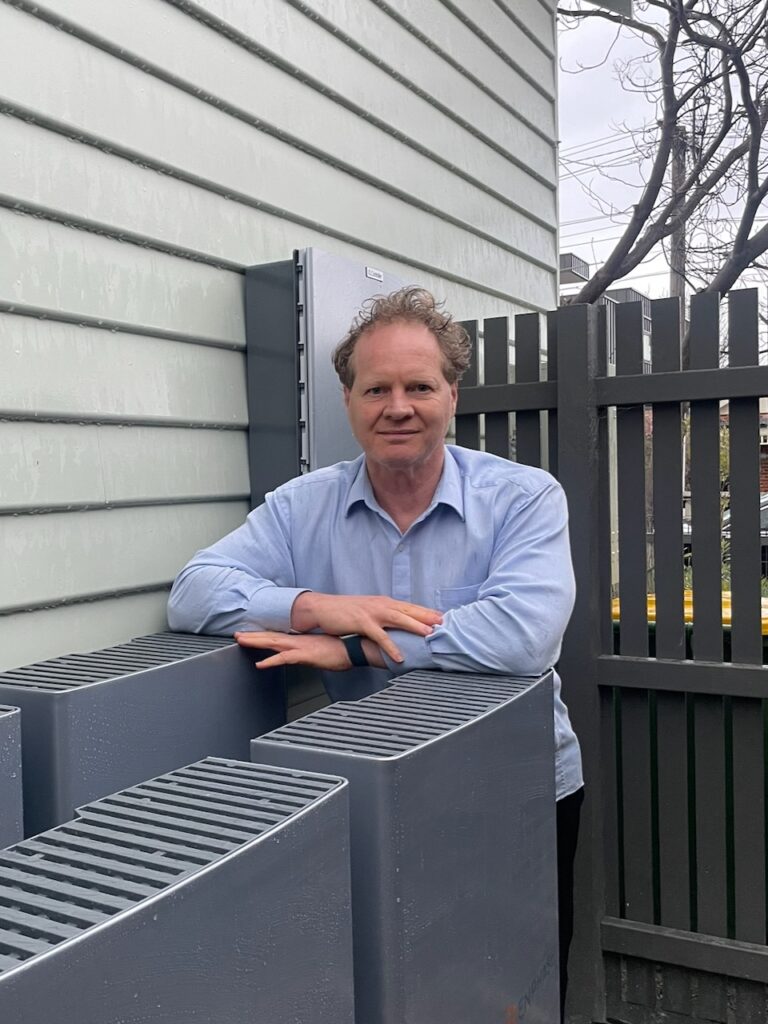
Solar and battery capacity was expanded to 10.5 kW of panels and 20 kWh of battery storage. In just 1.5 years, the home has net-exported 11.5 MWh of electricity back to the grid.
To put that in perspective: the average Australian home uses 6–8 MWh a year. This one home has exported enough clean energy to power roughly one and a half average Australian households for a year on top of running itself.
For those based in Victoria, SEC (a Sustainable House Day 2026 partner) has launched a platform that helps households work out how they can reduce their energy bills and emissions by switching their heating, hot water and other appliances from gas to electric. Easy Electric SEC creates personalised recommendations based on your current appliances, annual estimated gas and electricity costs and the number of people in your home, as well as your recommended electric products. Users are also able to access SEC’s statewide network of endorsed installers to provide detailed quotes and trusted, expert advice. By using the Easy Electric SEC platform, households can choose which steps to take at the time they are ready to take them.
What’s your “wish we’d known” moment?
I wish we’d known how challenging it can be to work with builders and contractors who aren’t fully aligned with sustainable building ideas. Most were great once genuinely engaged, but some — like the insulation installers chosen by the builders — simply didn’t know what they were doing. Trust and communication matter enormously, and they’re not always there. We had to redo underfloor insulation because of poor contractor work, against my better judgement. If I did it again, I’d be on site every day at the start of each new contractor’s work, so I could say directly what we wanted rather than relaying it through a site manager. Frustrating, but an important lesson.
Dream upgrade, if budget wasn’t a barrier?
Honestly, we’re very happy with the house now — maybe just a new timber deck out the back. But my dream project would be taking an old house and turning it into fully electric, super-efficient, solar-and-battery townhouses — proving it’s not only possible, but profitable. There are far too many perfectly good old homes being knocked down for townhouse developments that could have been so much better.
Edwardian Electric proves that heritage character and deep sustainability aren’t at odds, and that a modest weatherboard, tackled patiently over two decades, can end up generating more power than it uses. Proof that the “knock it down and start again” approach isn’t the only way forward.
Easy Electric SEC is one way Victorian households can work out how they might reduce their energy bills by converting an existing home from gas to electricity, rather than starting from scratch.
PHOTO CREDIT: Martina Gemmola.
ARCHITECT & DESIGNER: Brave New Eco.
BUILDER: Gia.
SEC is a Sustainable House Day 2026 partner.