An interview with Simon Anderson, Anderson Architecture, on flame-zone design and Australia’s smallest Passiv Haus
BY EMMA SCRAGG
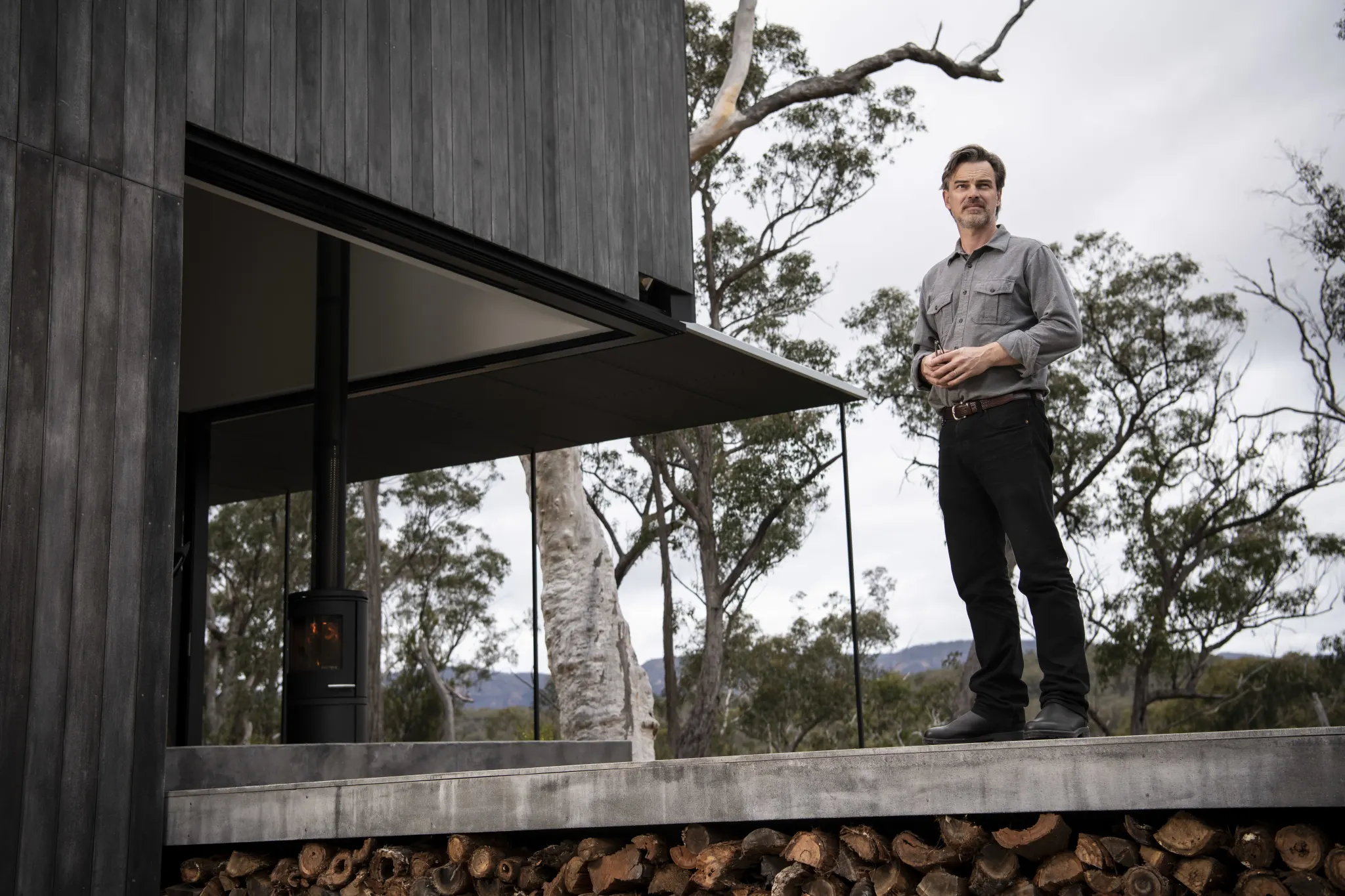
“Sustainable design is an amorphous thing,” says Simon Anderson, architect and owner of FZ Off-Grid House, which is opening for Sustainable House Day 2026. He has watched the idea evolve over time, from basic passive solar design and water efficiency to homes designed for resilience in the face of flood, heat and fire.
Today, the conversation has expanded again, taking in zero carbon, carbon-positive design and the growing influence of the Passivhaus movement. Simon’s home in the Blue Mountains was his first flame-zone design, and he fully immersed himself in learning about designing for bushfire, including by volunteering for the local rural fire service.
Five years later, he is now second in charge of the brigade and, much the wiser, says, “There is a lot of knowledge gained from actually being in bushfires.” Simon says his house was a real experiment that only architects’ own homes can be, not only in bushfire resilience but also in energy efficiency. He discovered firsthand that his 8.2-Star Off-Grid House was not as comfortable as expected. Extended cloudy periods meant the concrete slab took days to warm up, and the bedrooms dropped below 15 °C in winter.
“That’s where I had an epiphany and decided there’s got to be a better way of modelling.” One of the students in his office was learning about Passivhaus, and Simon, a lover of energy modelling tools, was sold on the concept. “We’ve changed the way that the practice operates because of that house.”
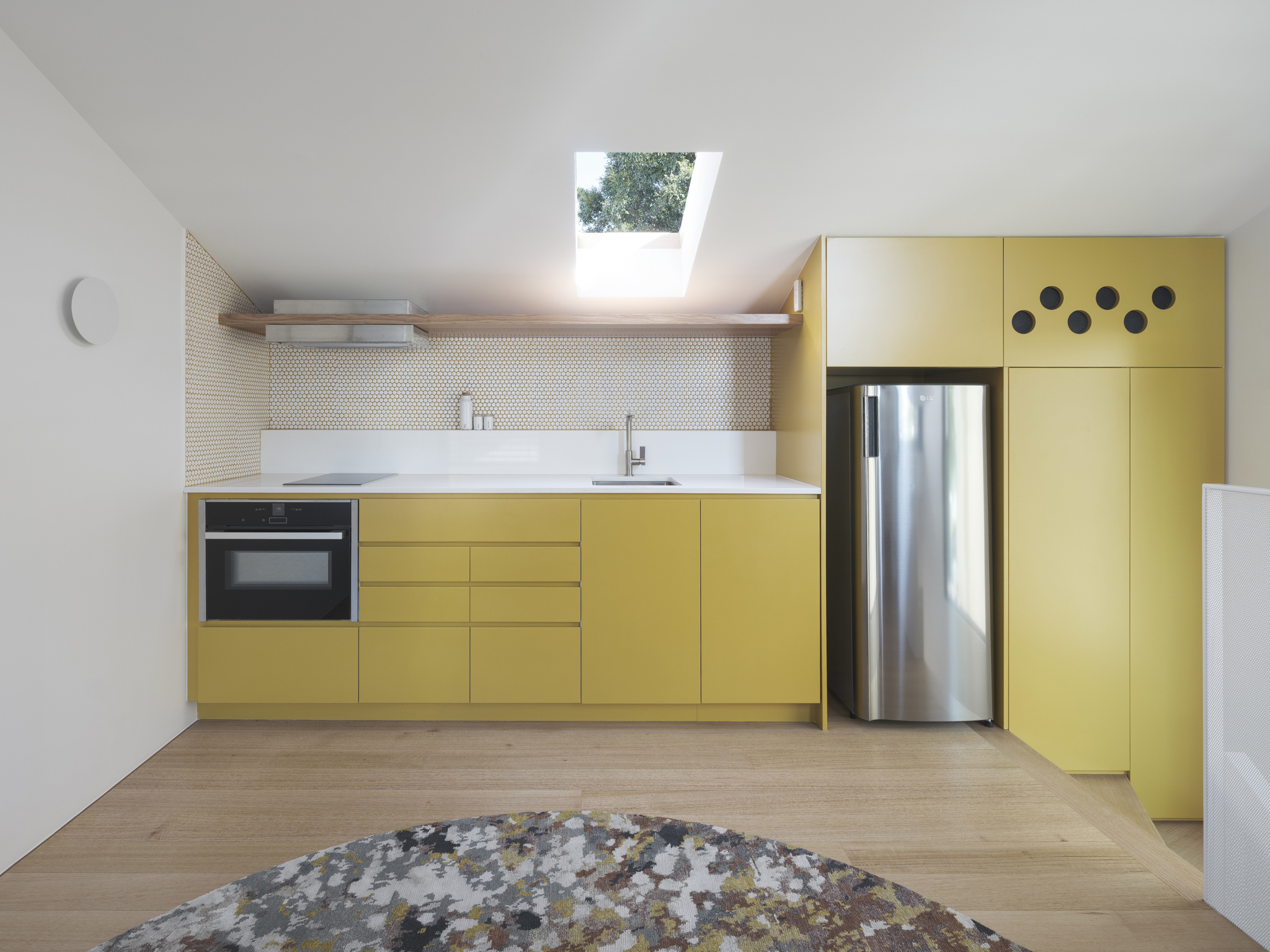
In Sydney’s Glebe, Anderson Architecture squeezed Australia’s smallest Passivhaus (Plus standard) into a tiny backyard patch opening directly onto the street, aptly named Pocket Passiv. Its 27 sqm footprint experiences only 0.5 air changes an hour, compared to a typical home of 15-20. Not only does this make a massive difference to energy consumption for heating and cooling, when needed, it also means the air is filtered from pollution, smoke haze and pollen outside and removes condensation, off-gassing and particle pollution inside for a healthy indoor environment.
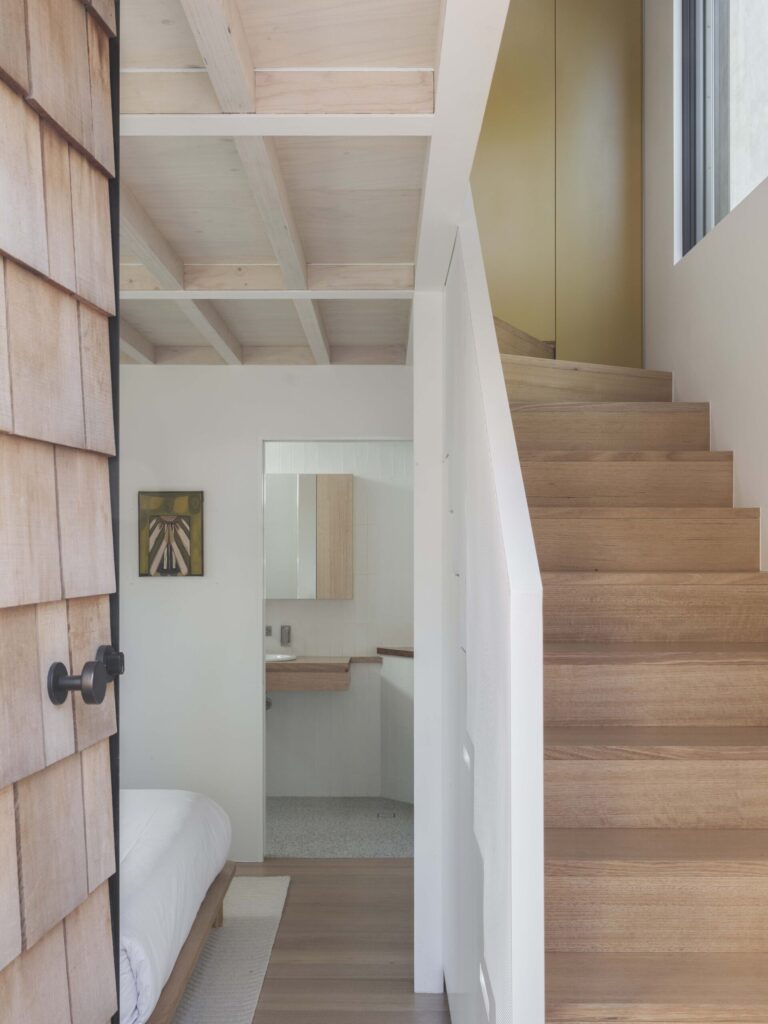
Simon believes that architects have a sustainability role to promote smaller houses as the smarter way of doing things – a sensibly-sized home at a lower cost.
This post is sponsored by the NSW Architects Registration Board, a 2026 Sustainable House Day partner. This article originally appeared in the 2026 Sustainable House Day tabloid, which you can read here.