Aintree Passivhaus

Wurundjeri Woi-wurrung,
Glen Iris,
VIC
This home will be open for in-person tours on the 17th May 2026

About this home

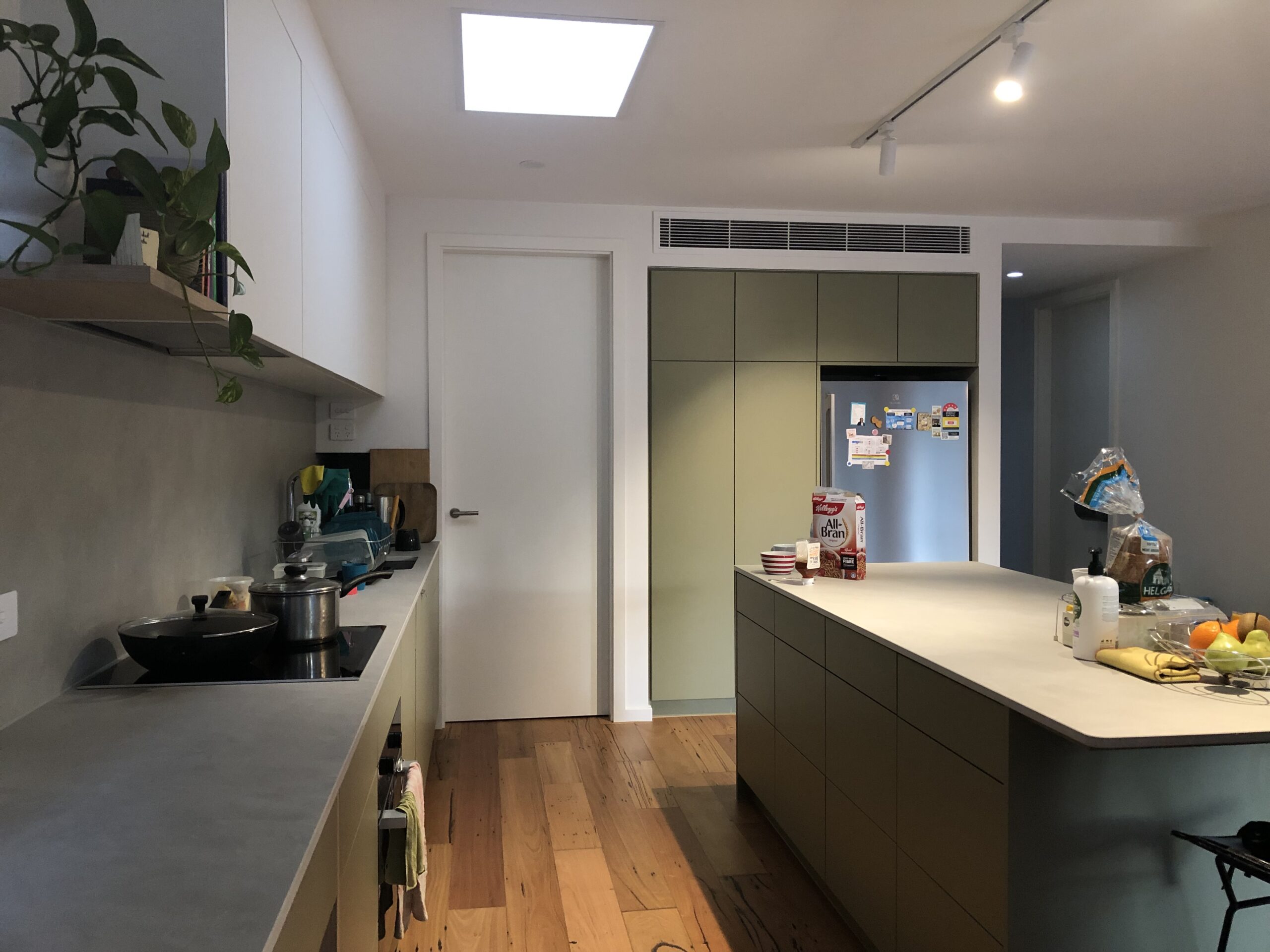
Our brief for our forever home is to have a low environmental impact home that will adapt to our growing family and contribute to urban biodiversity.

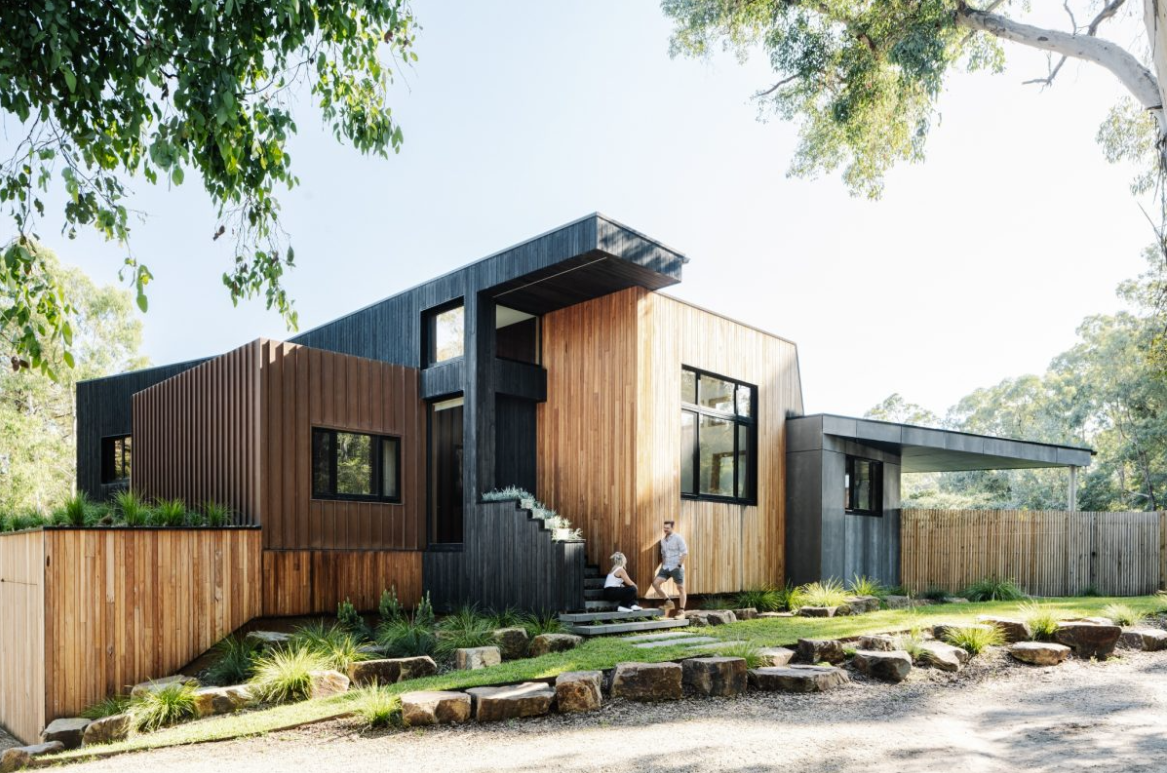
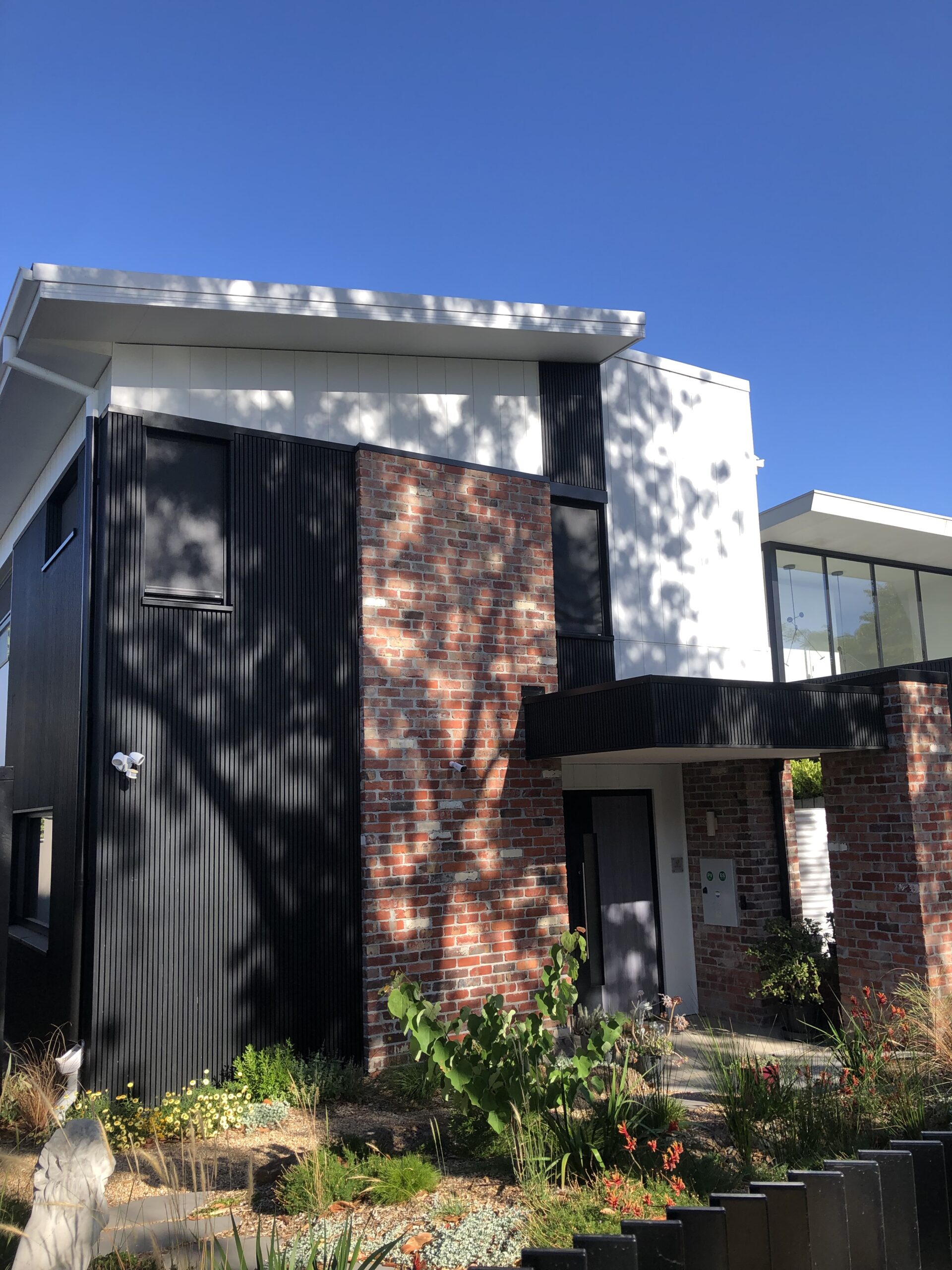
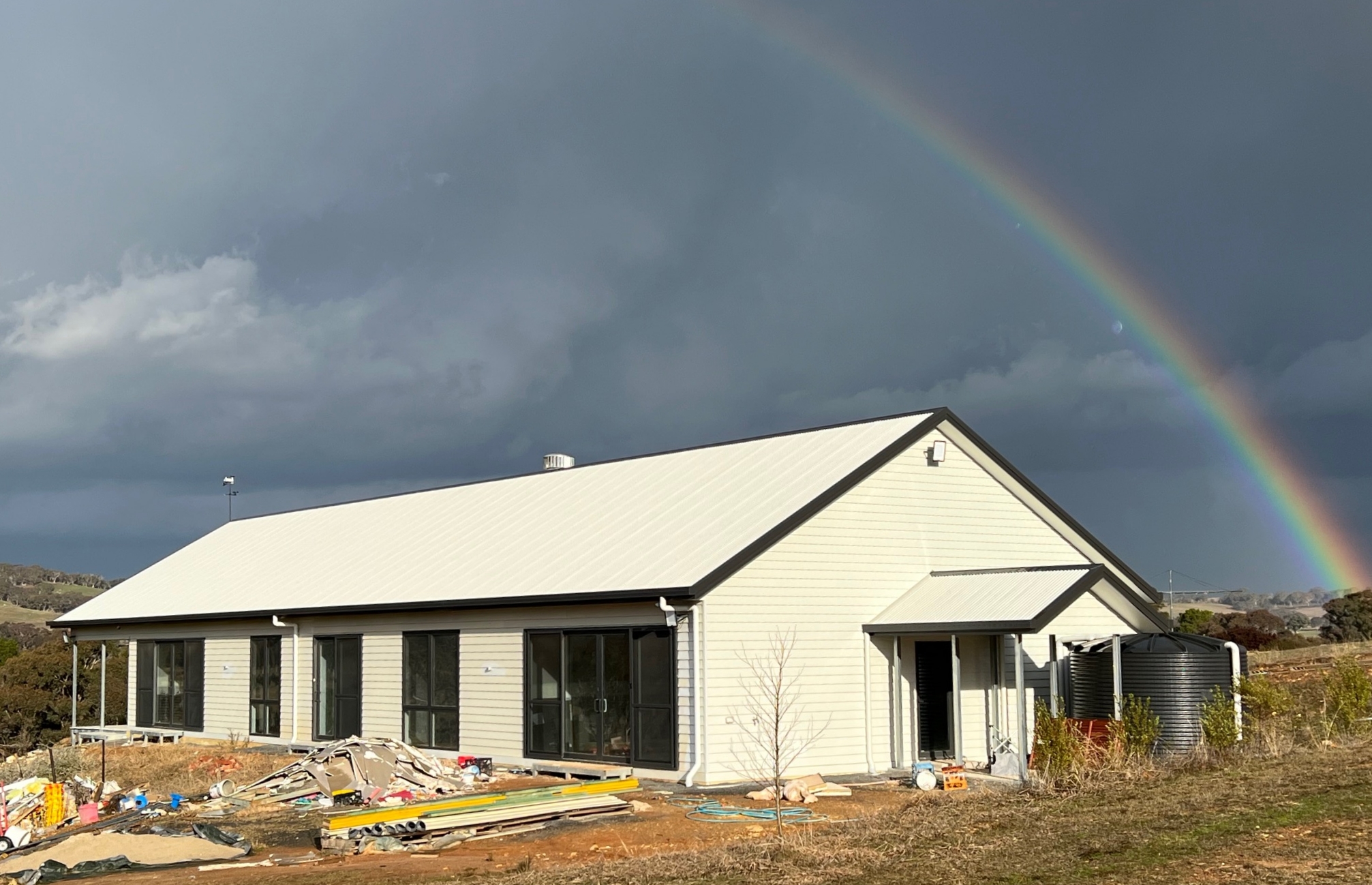
We considered embodied carbon when choosing construction materials, using prefabricated Passivhaus certified wall and roof panels (PanelLite from CarbonLite) and recycled bricks and flooring. We want to be climate resilient by optimising energy and water efficiency.

We are an all-electric home with 11 kW of solar on the roof and a 7.7 kW battery that is enough to take us from sundown to sunrise and provides blackout protection.

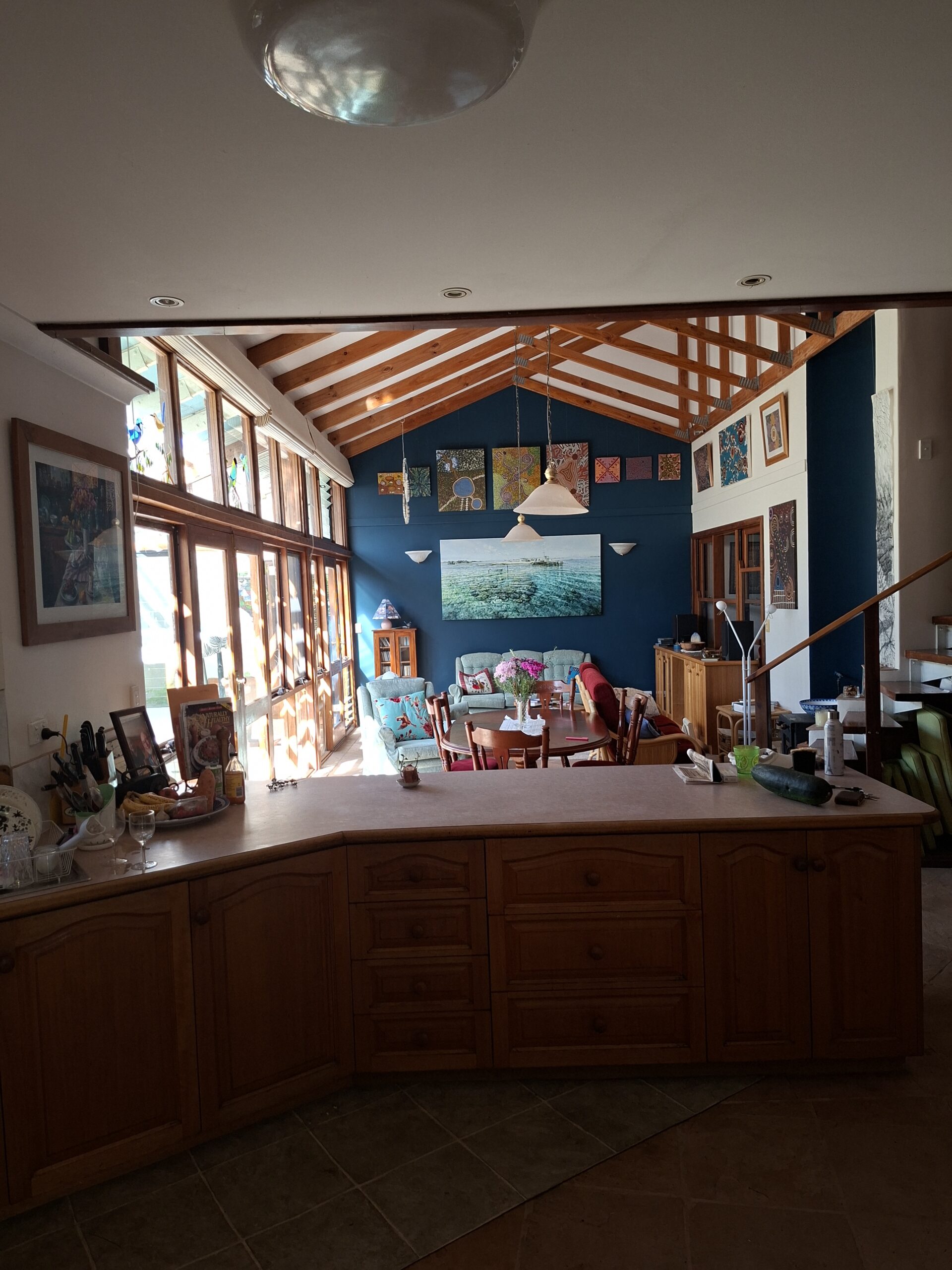
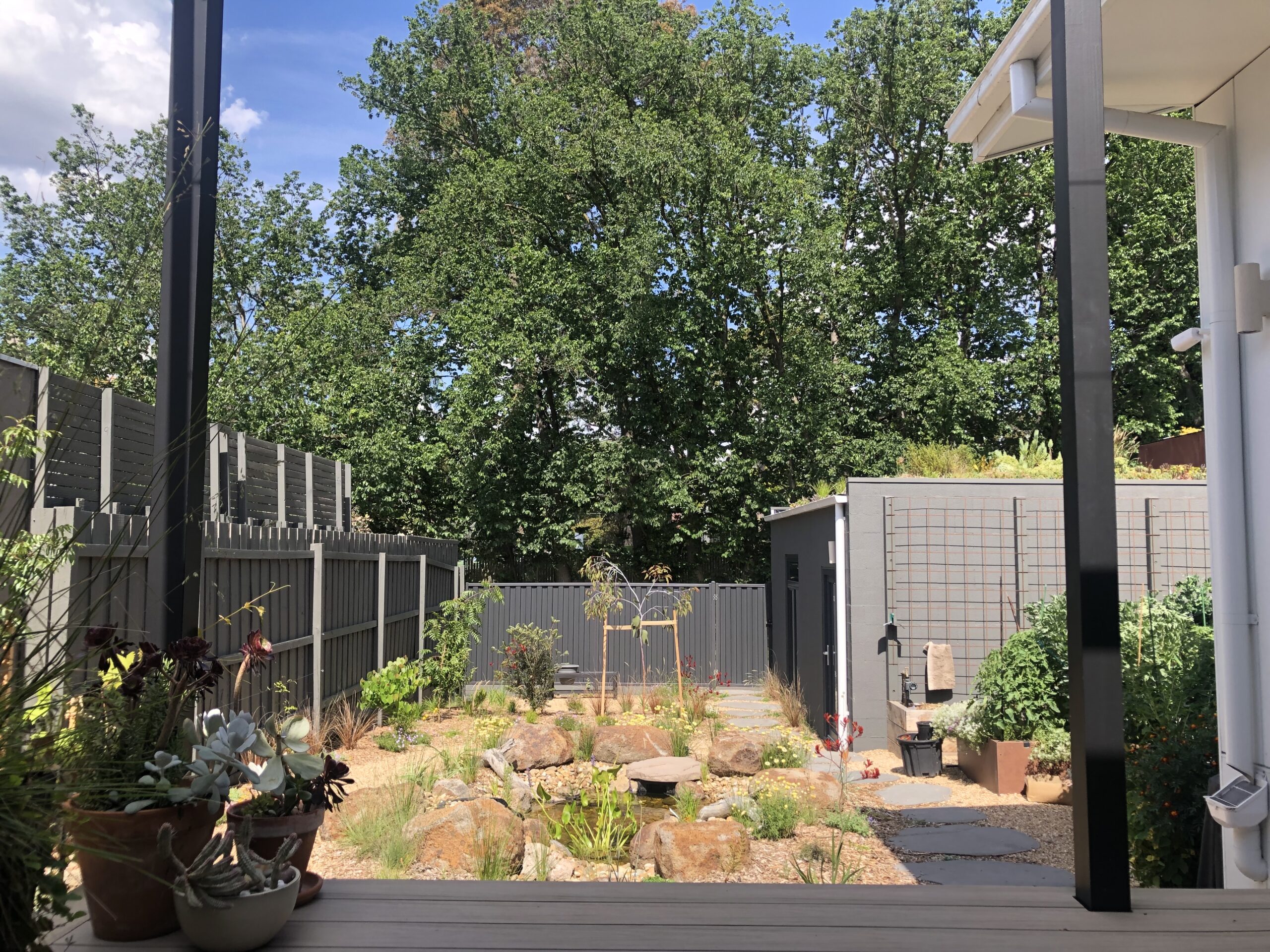
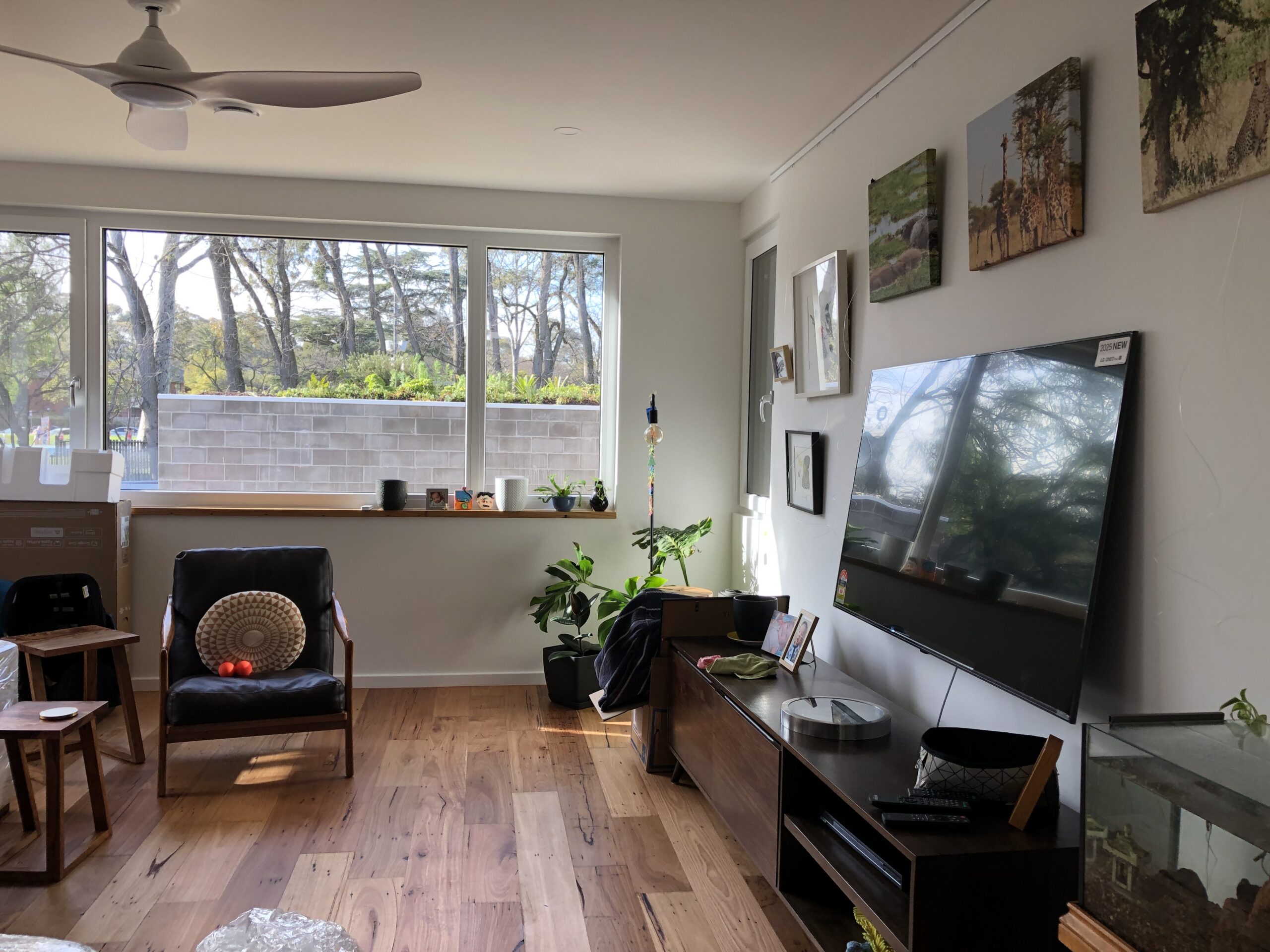
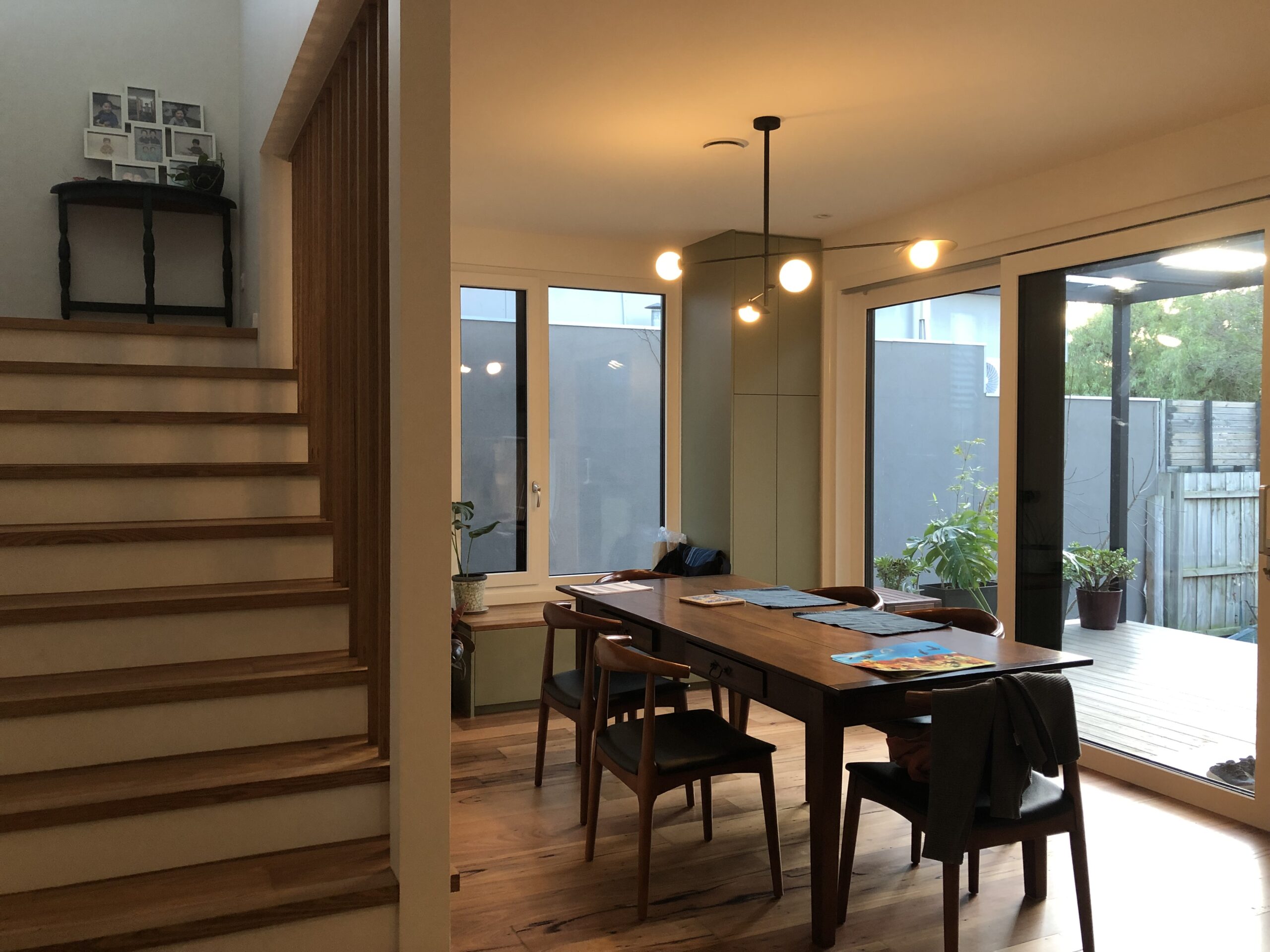
We designed for aging in place and to be a sanctuary for our growing family with natural indoor light in living areas. We want to connect to our place near Kooyongkoot Creek and build backyard biodiversity with indigenous & mostly native plants including the street verge, a green roof over the garage too to encourage birds and pollinators to visit.

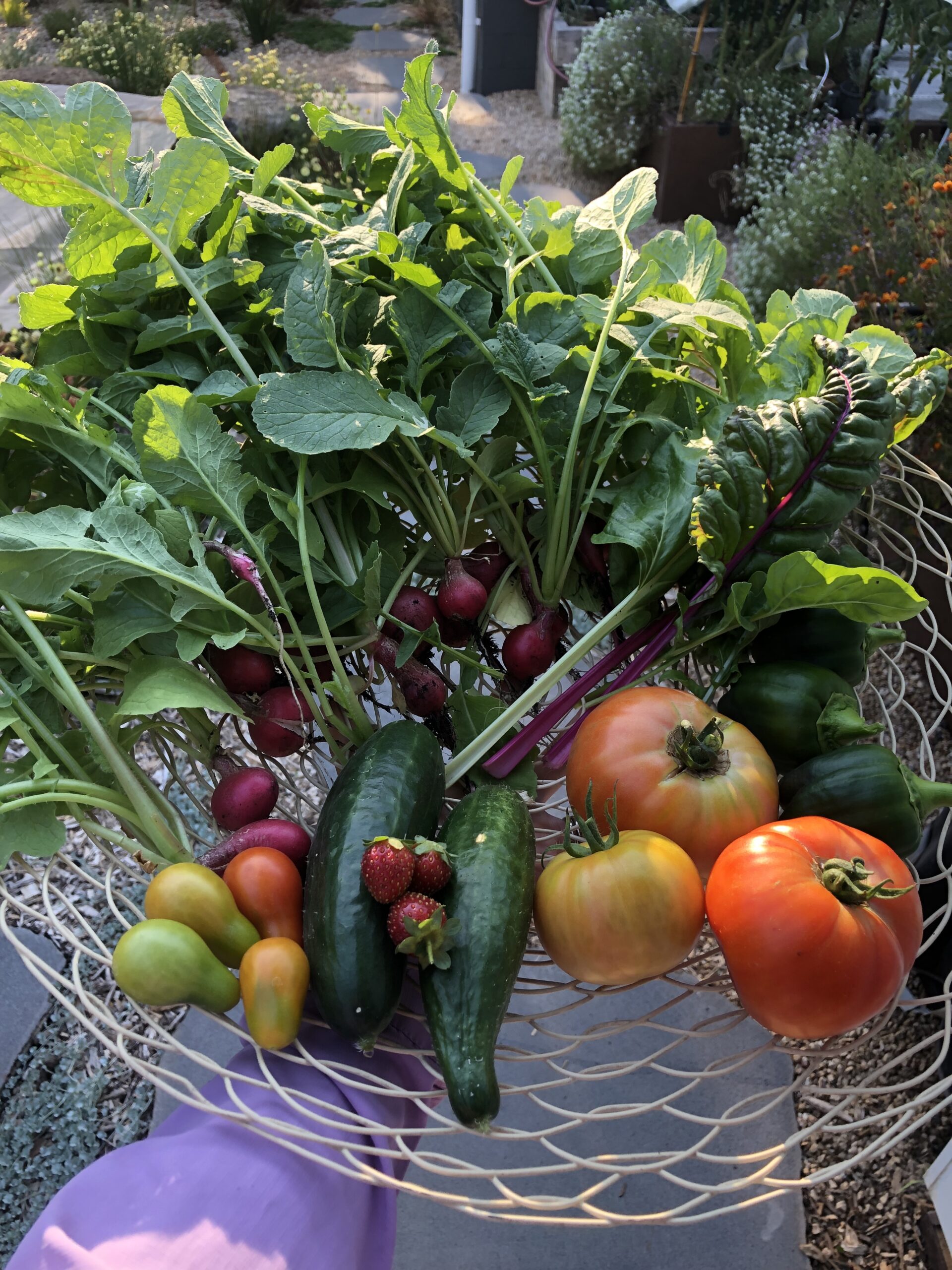
We also have a productive edible garden using permaculture principles and using wicking beds to reduce our food miles.
Q & A

What motivated you to build or retrofit sustainably?
Climate change and biodiversity loss motivated me to do what I can to build sustainably. A healthy home to reduce asthma and allergies for my family was one of the key reasons to go Passivhaus. Passivhaus standards gave me the confidence I needed knowing that building physics are modelled so it will perform and external certification to verify what was designed was built.
Condensation management - our old house had dripping wet windows and aluminium frames, on which black mold grew in winter and exacerbated my husband's asthma. Now, we are warm with minimal heating in winter and he is better.
Ensuring documentation of the house, fittings etc are as detailed as possible, reducing guesswork and on site snap decisions that you will forget you had made until later.
Getting greywater harvesting system for fruit trees.
Back to 2026 Homes
Type: Passive House or EnerPHit, Prefab/Modular, Standalone house/townhouse
Project: New build
Architect: Mellissa Aves
Builder: The Zimmermann Oz
Size: 229m²
Energy Rating: 8.6
Bedrooms: 4
Bathrooms: 2

Sustainability Features

Building Materials & Envelope

Draught-proofing/air sealing
High-performance insulation
Double or triple-glazed windows
Sustainable or low-impact materials
Recycled or reused materials

Heating, Cooling and Ventilation

Passive heating/cooling (north-facing glazing, cross ventilation, thermal mass, shading, etc.)
Ceiling fans
Heat pump (reverse-cycle) heating/cooling
Mechanical ventilation with heat recovery (MVHR) system

Energy and Appliances

Rooftop solar PV
Battery storage
Efficient lighting (LED, daylighting, solar skylights)
Heat pump hot water
Electric cooktop - induction/ceramic
Other energy-efficient appliances

Water & Waste Systems

Water-efficient fixtures
Rainwater tanks
Other

Landscape & Biodiversity

Native garden
Permaculture garden
Edible garden
Wildlife-supporting habitat

Climate Resilience

Heatwave

Accessible & Flexible Design Features

Universal design for accessibility
Share this home:

Related Homes

Home tours delivered to your inbox

Step inside sustainable homes across Australia and get practical ideas you can use in your own