Alpine PassivHaus

Jindabine "Valley",
Jindabyne,
NSW
This home will be open for in-person tours on the 17th May 2026

About this home

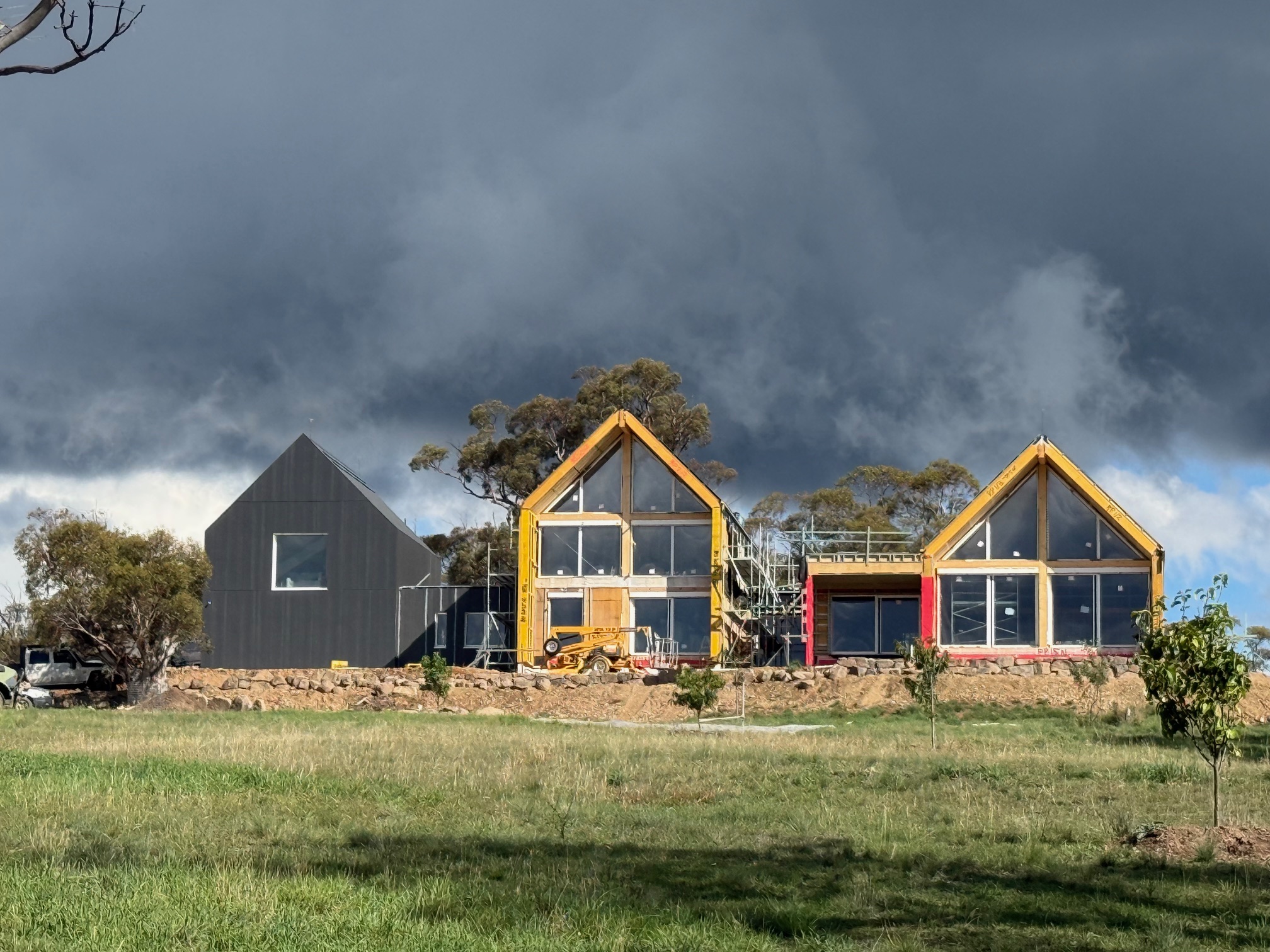
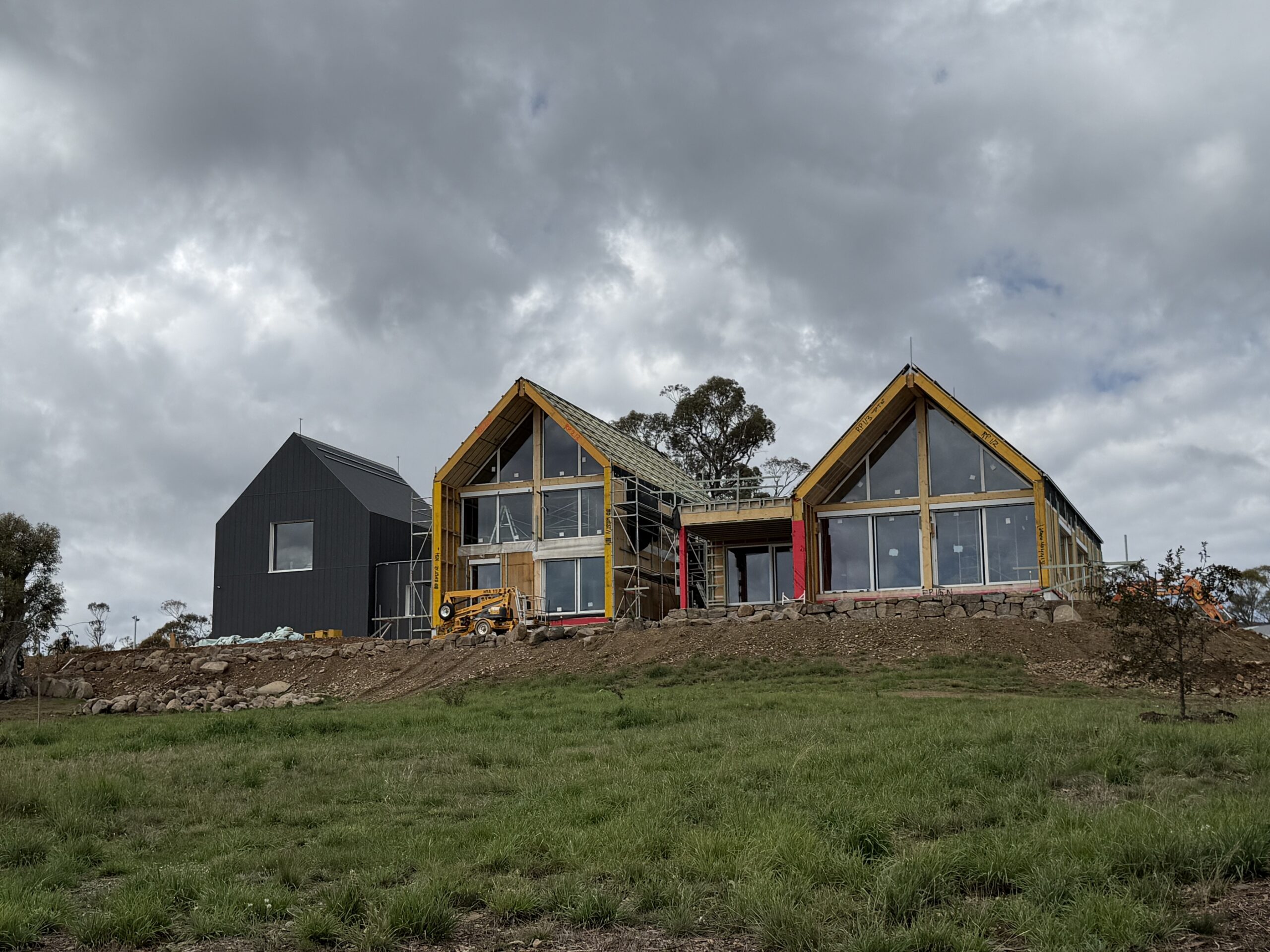
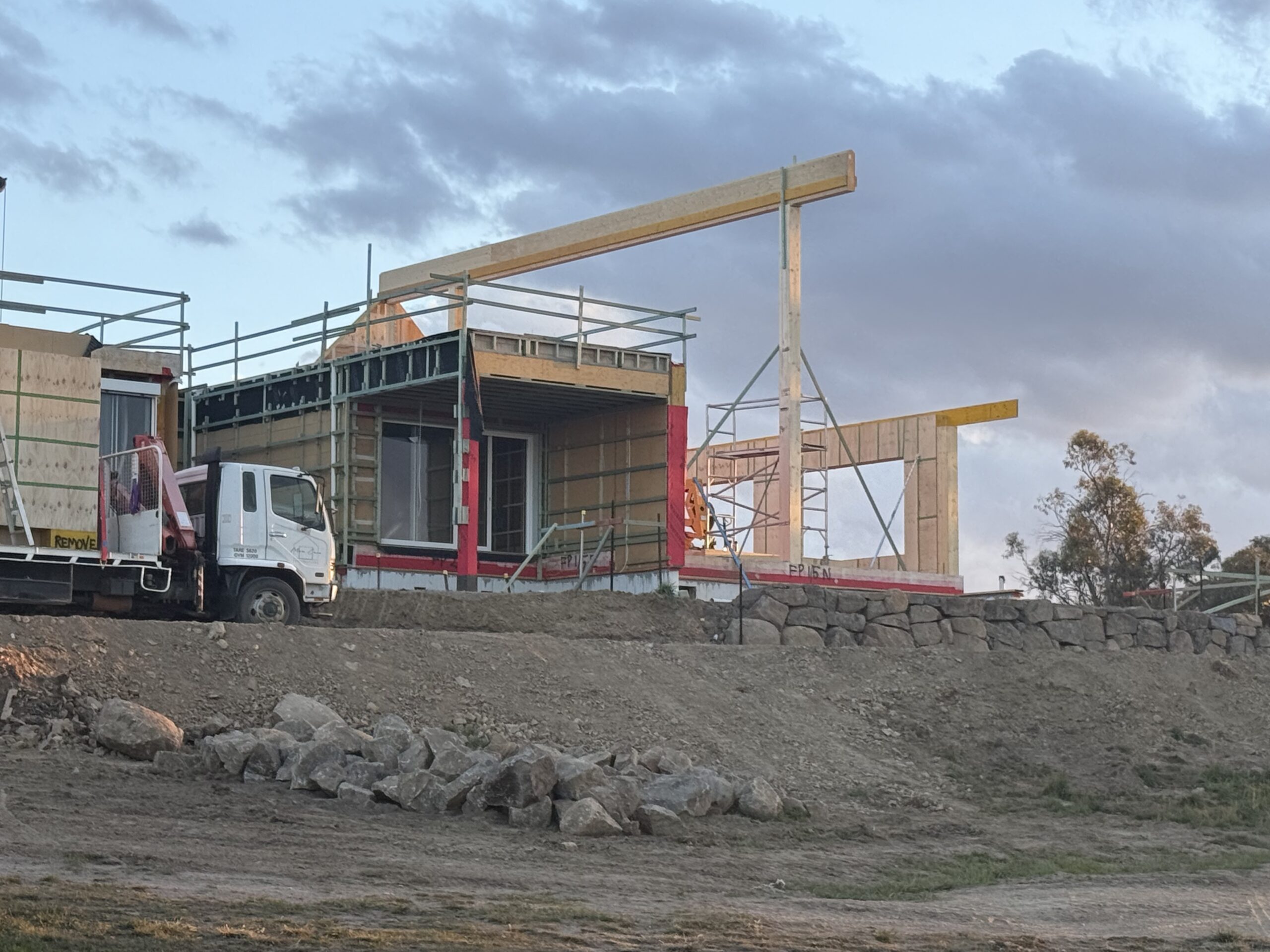
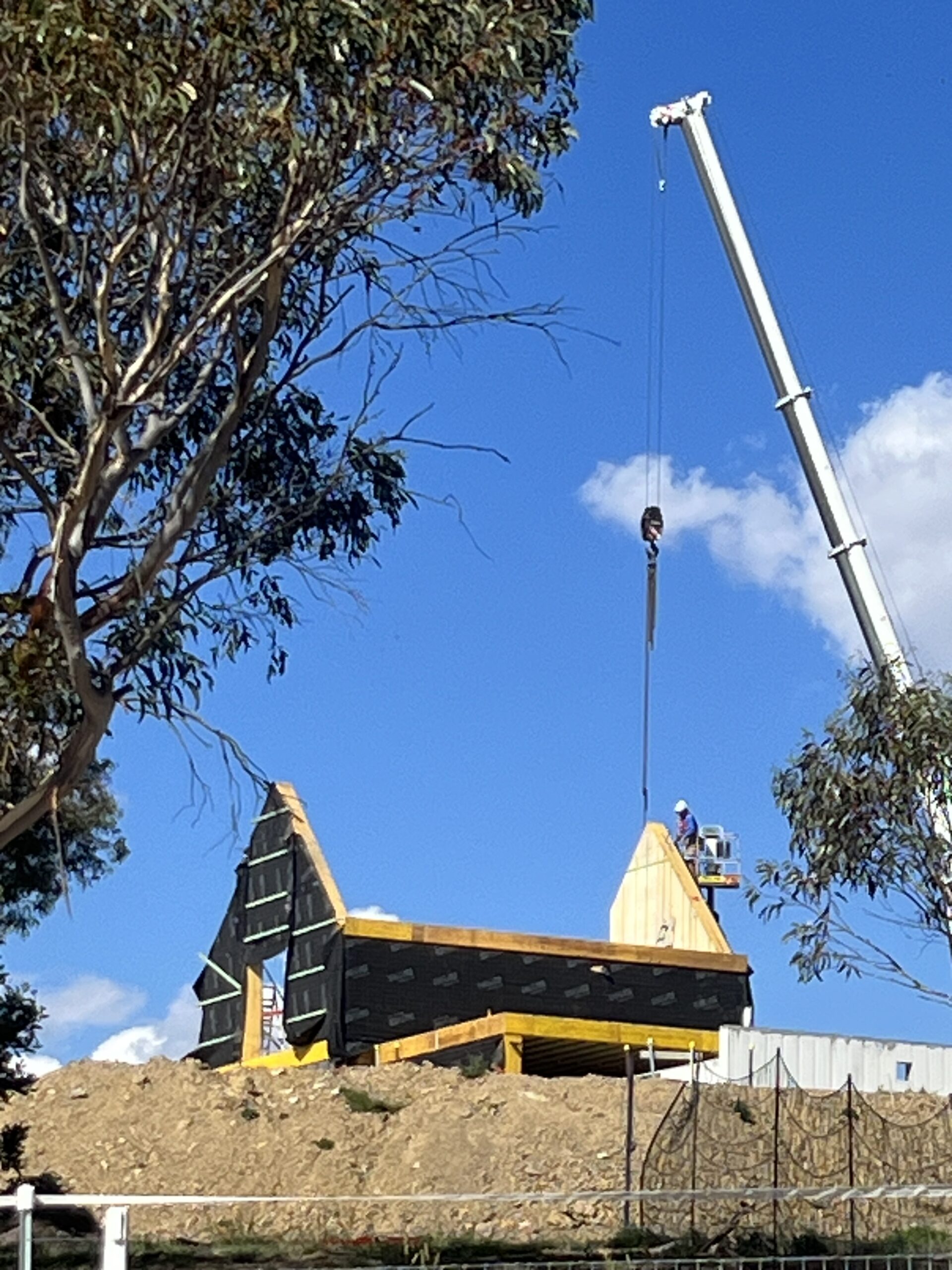
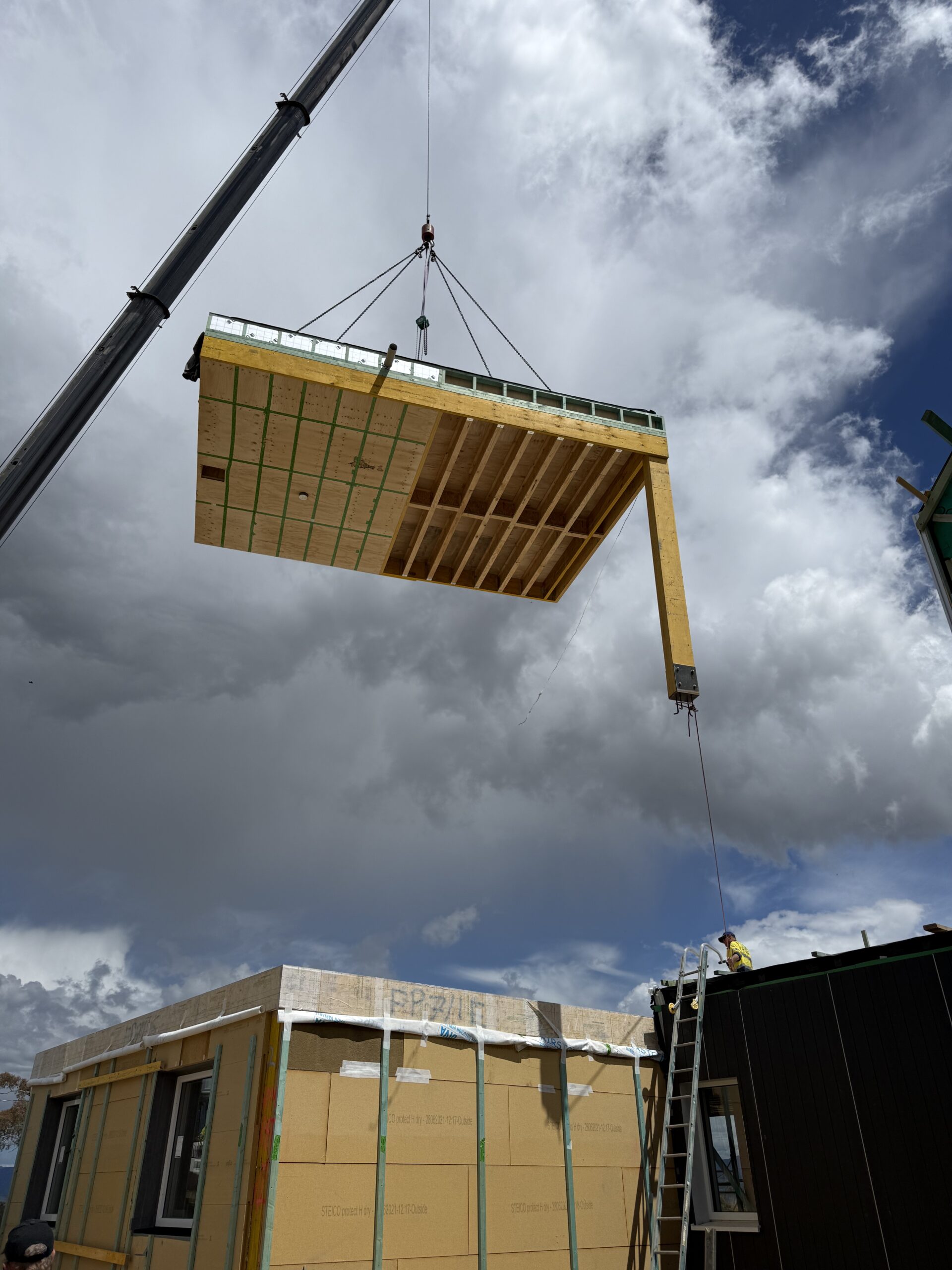
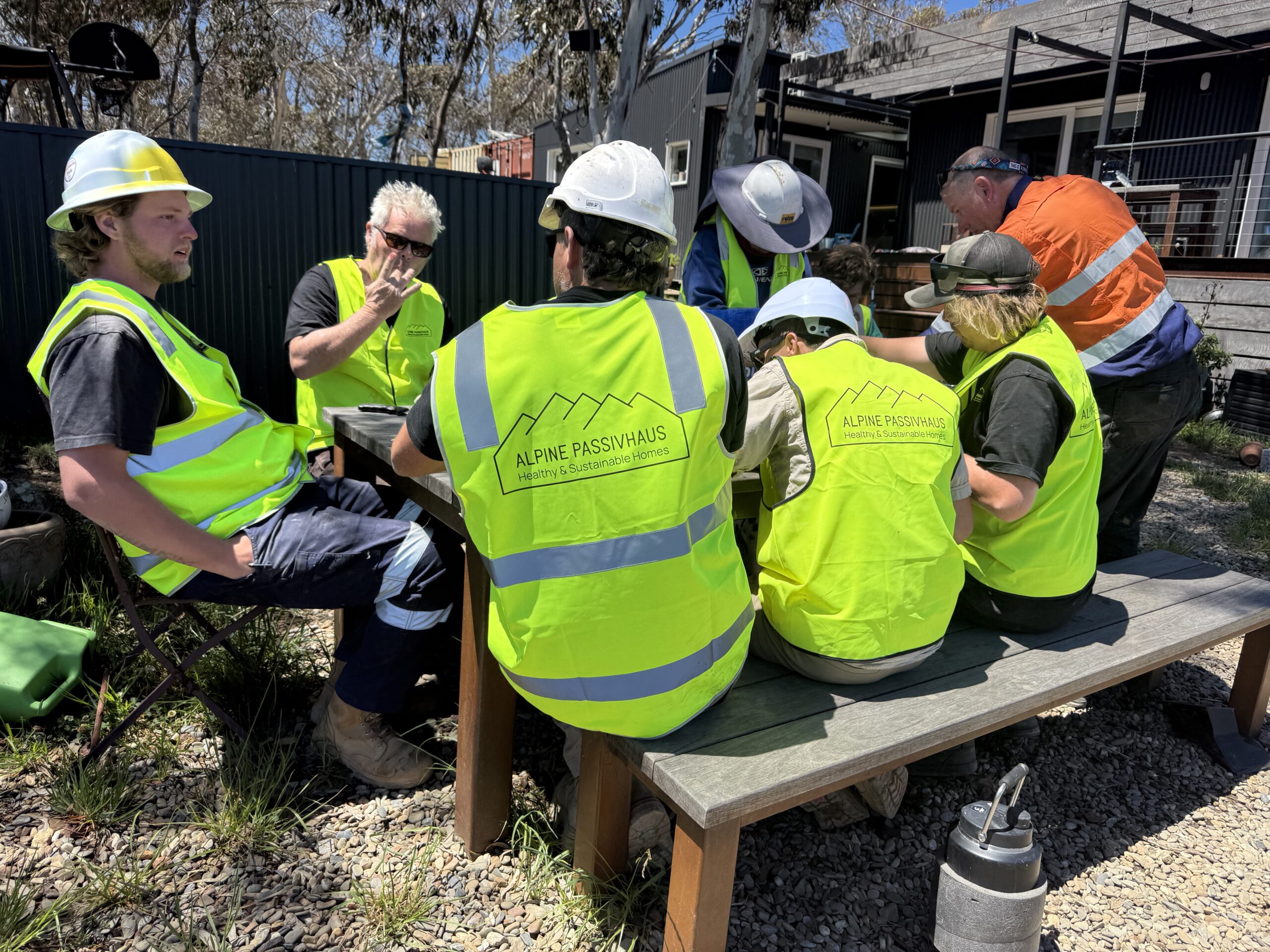
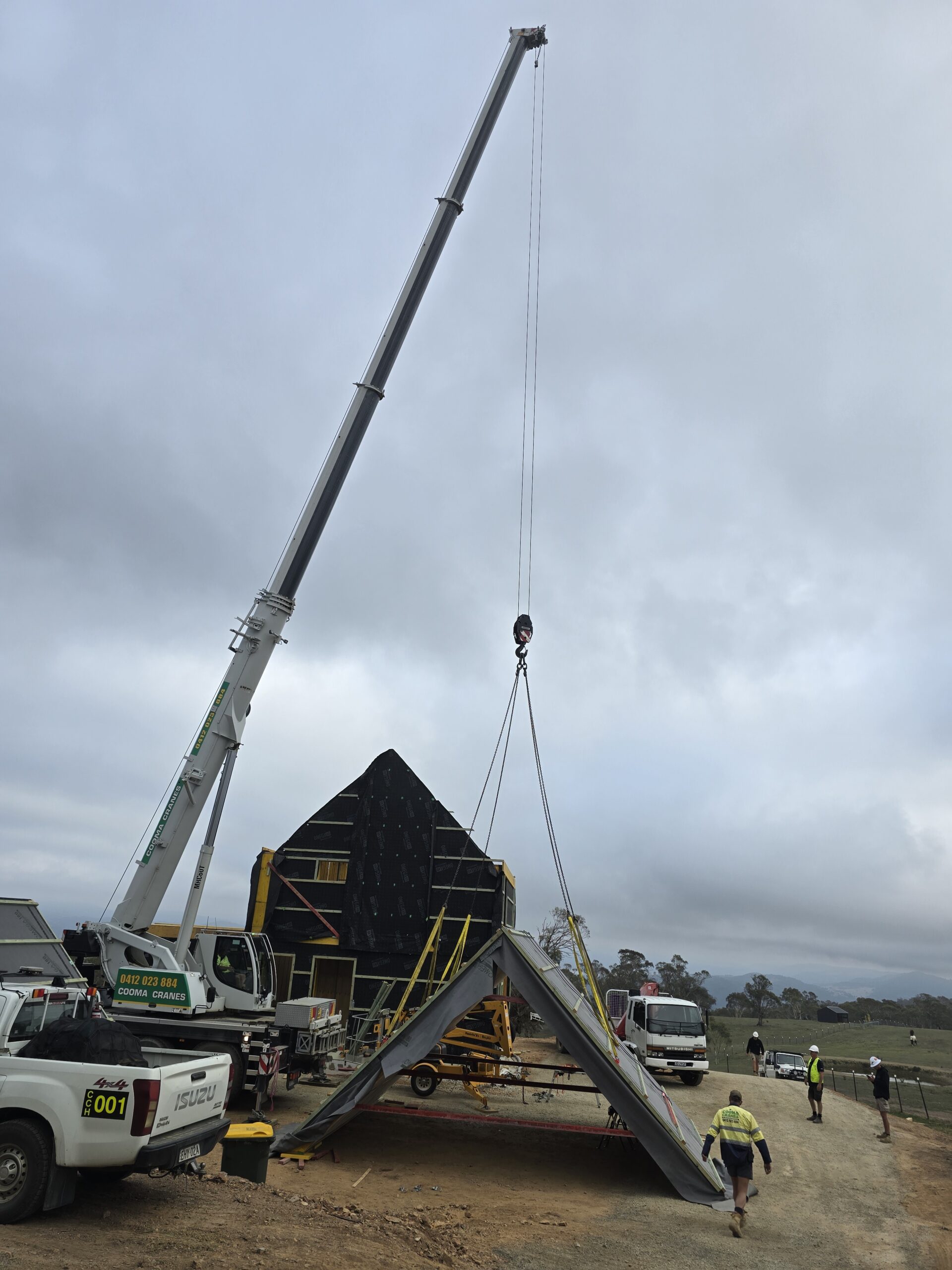
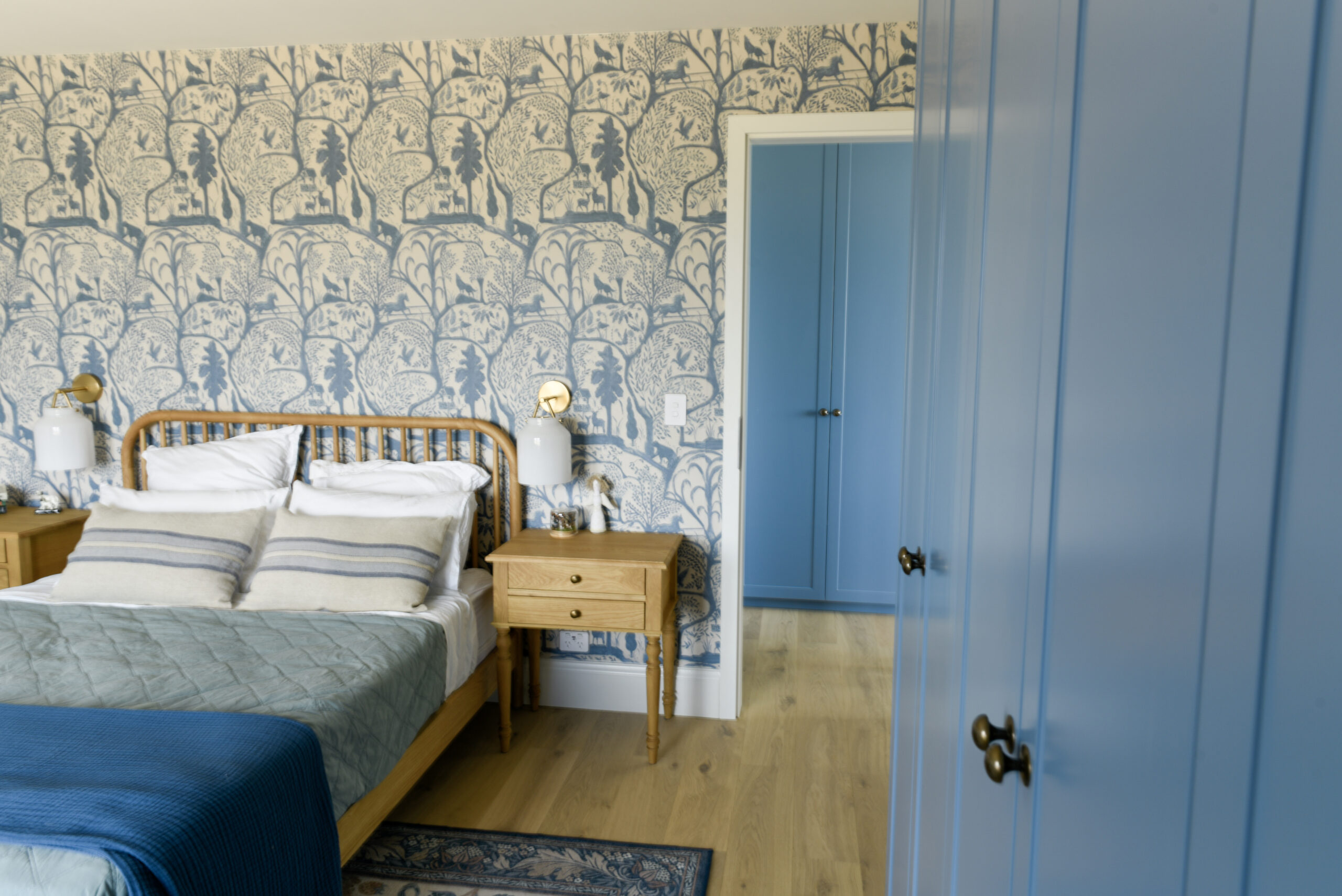
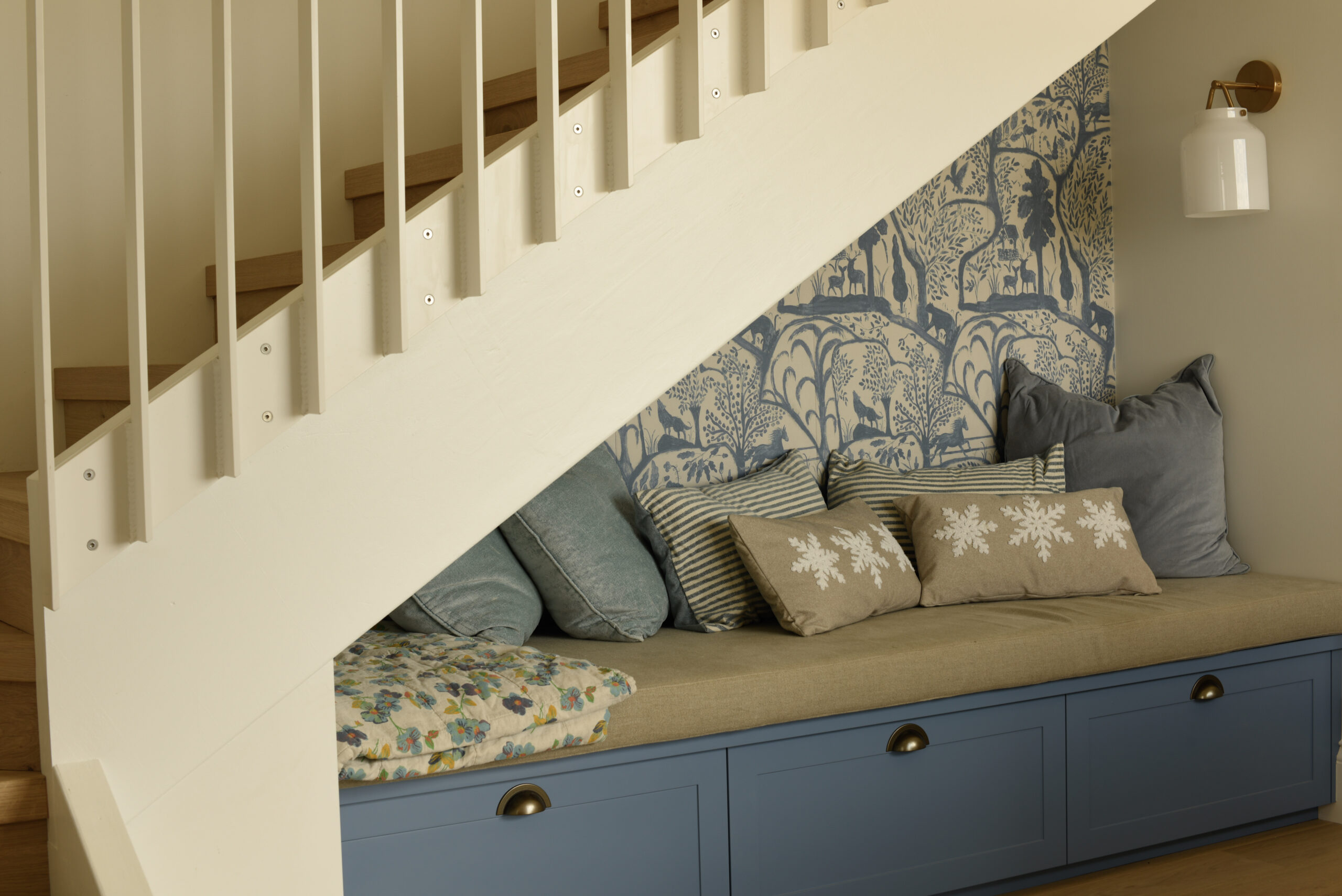
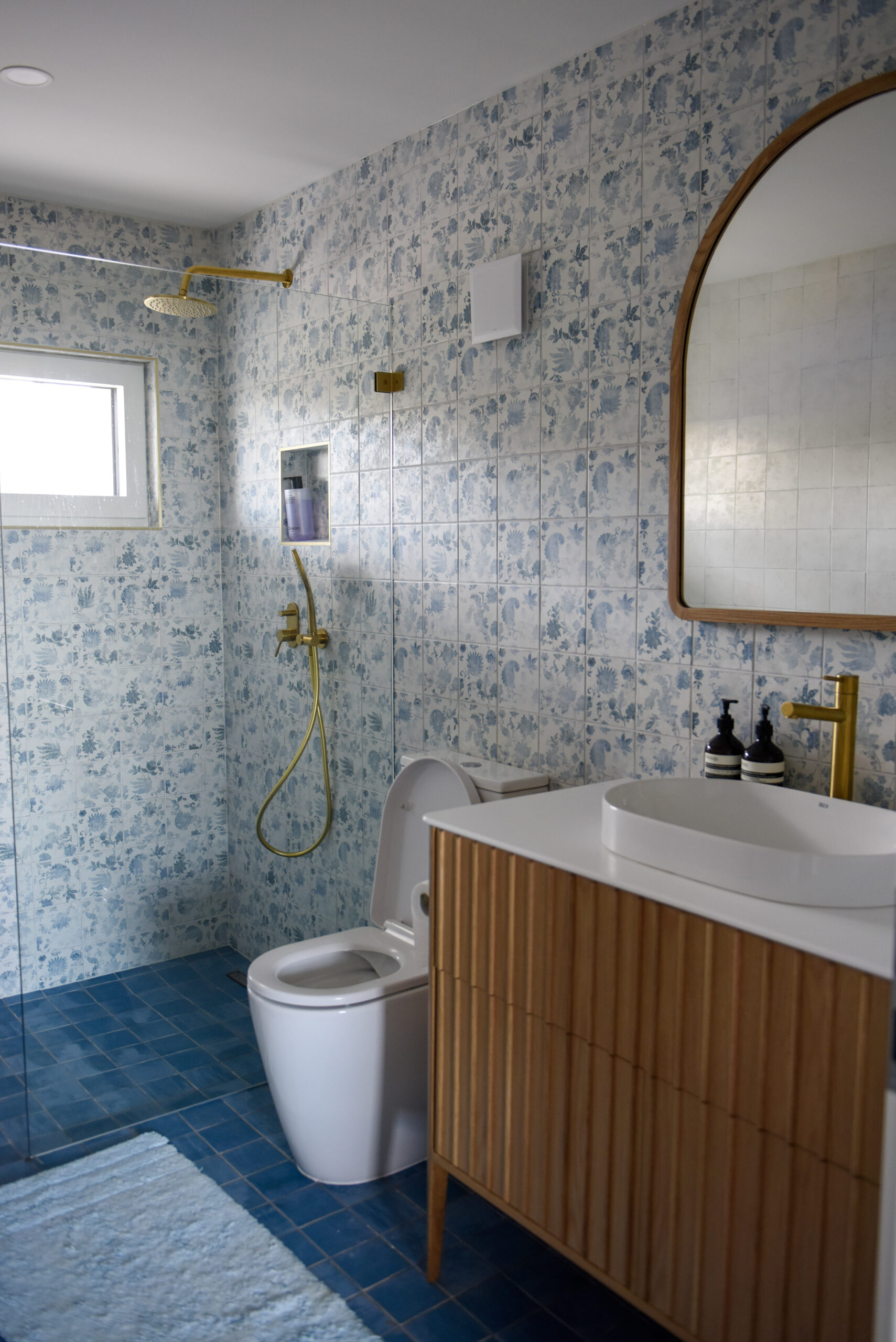
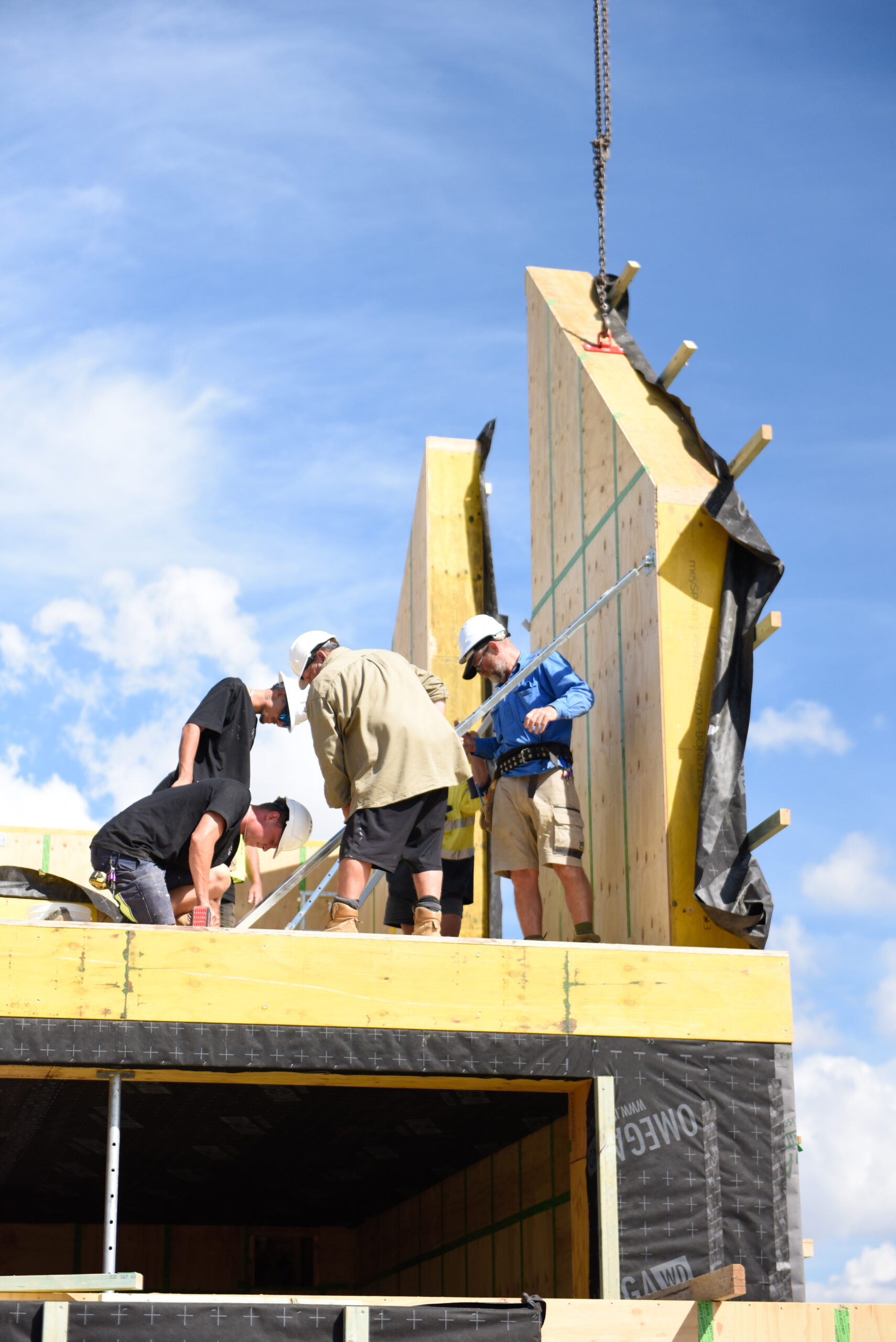
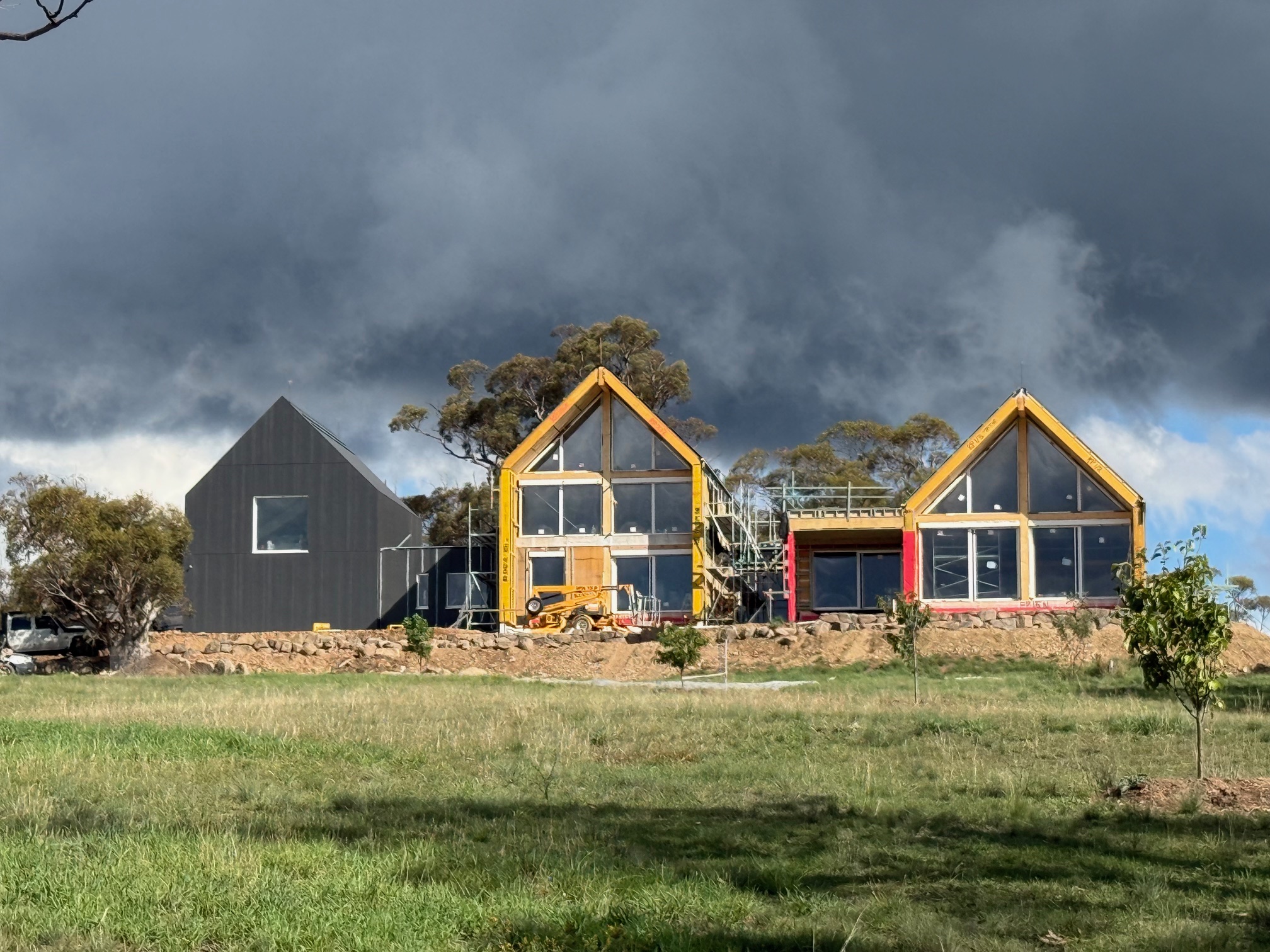
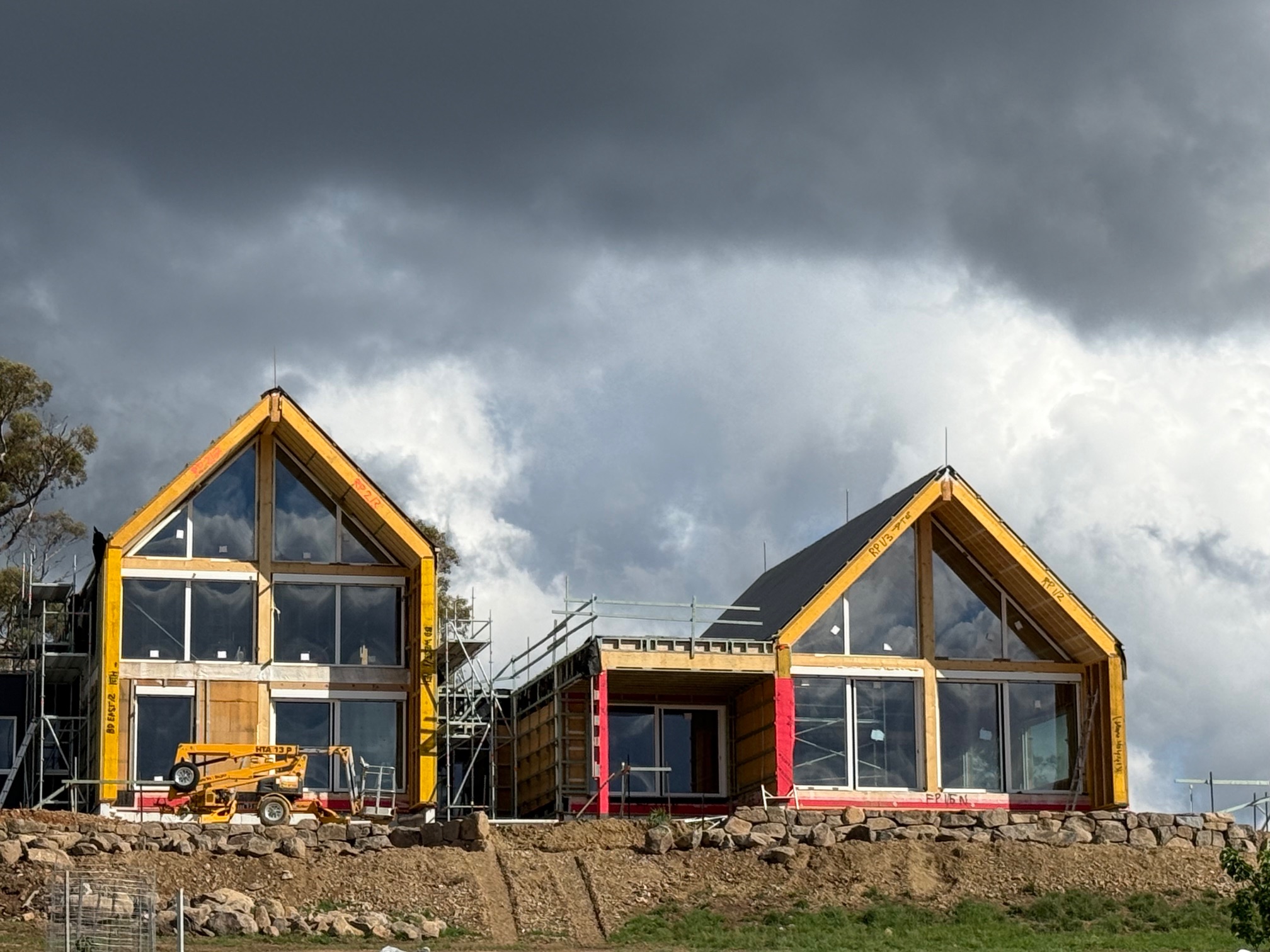
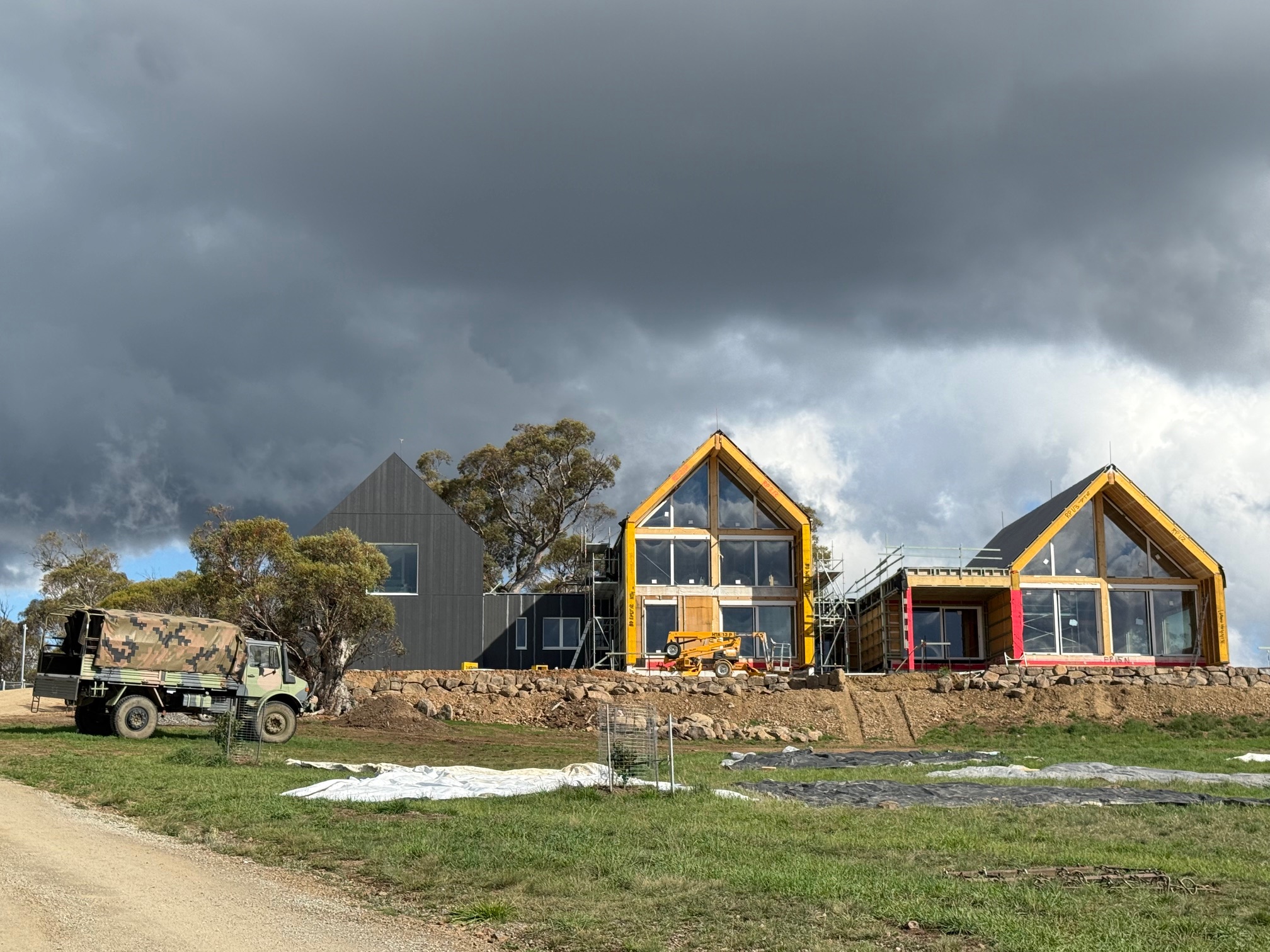
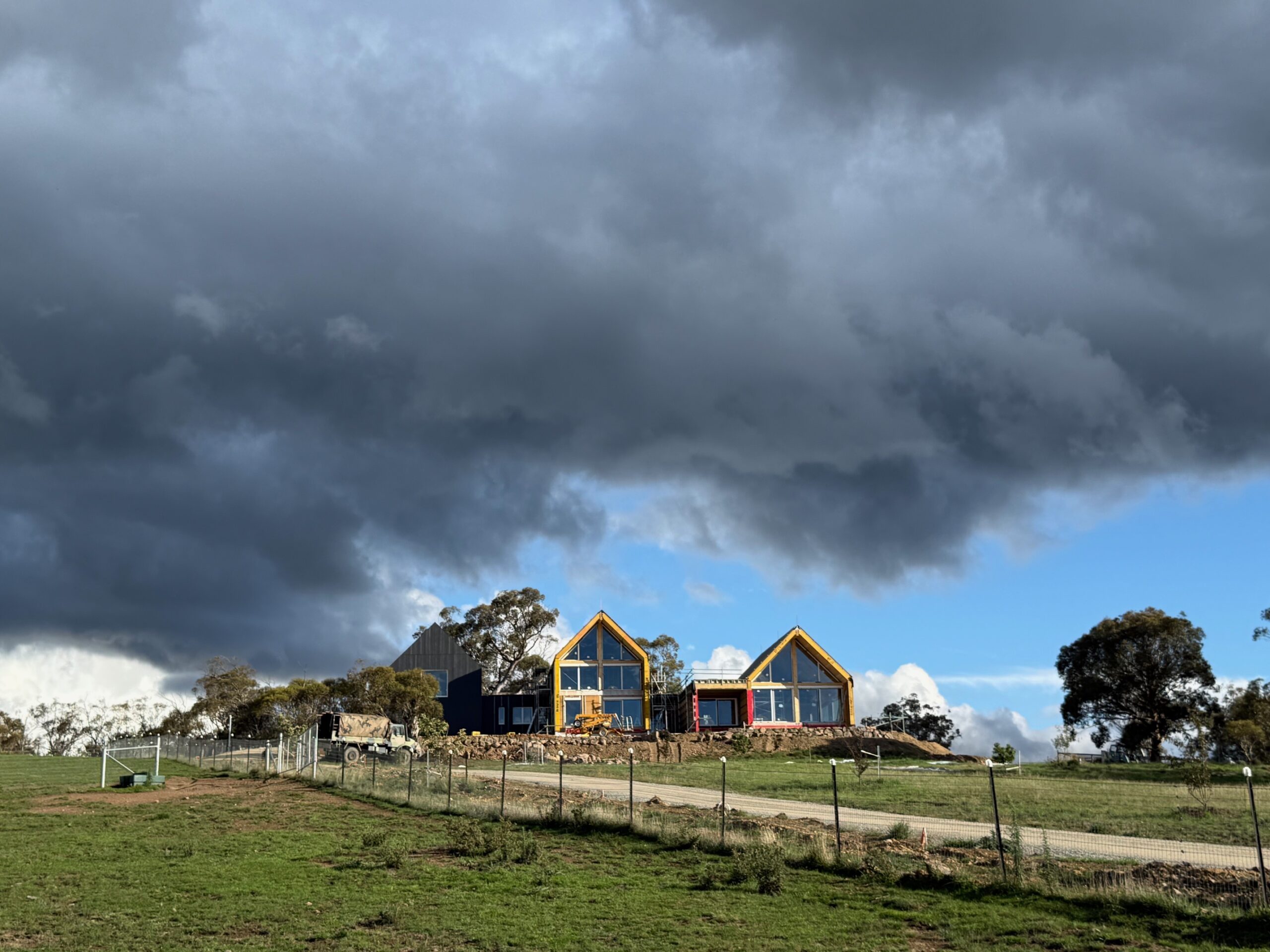
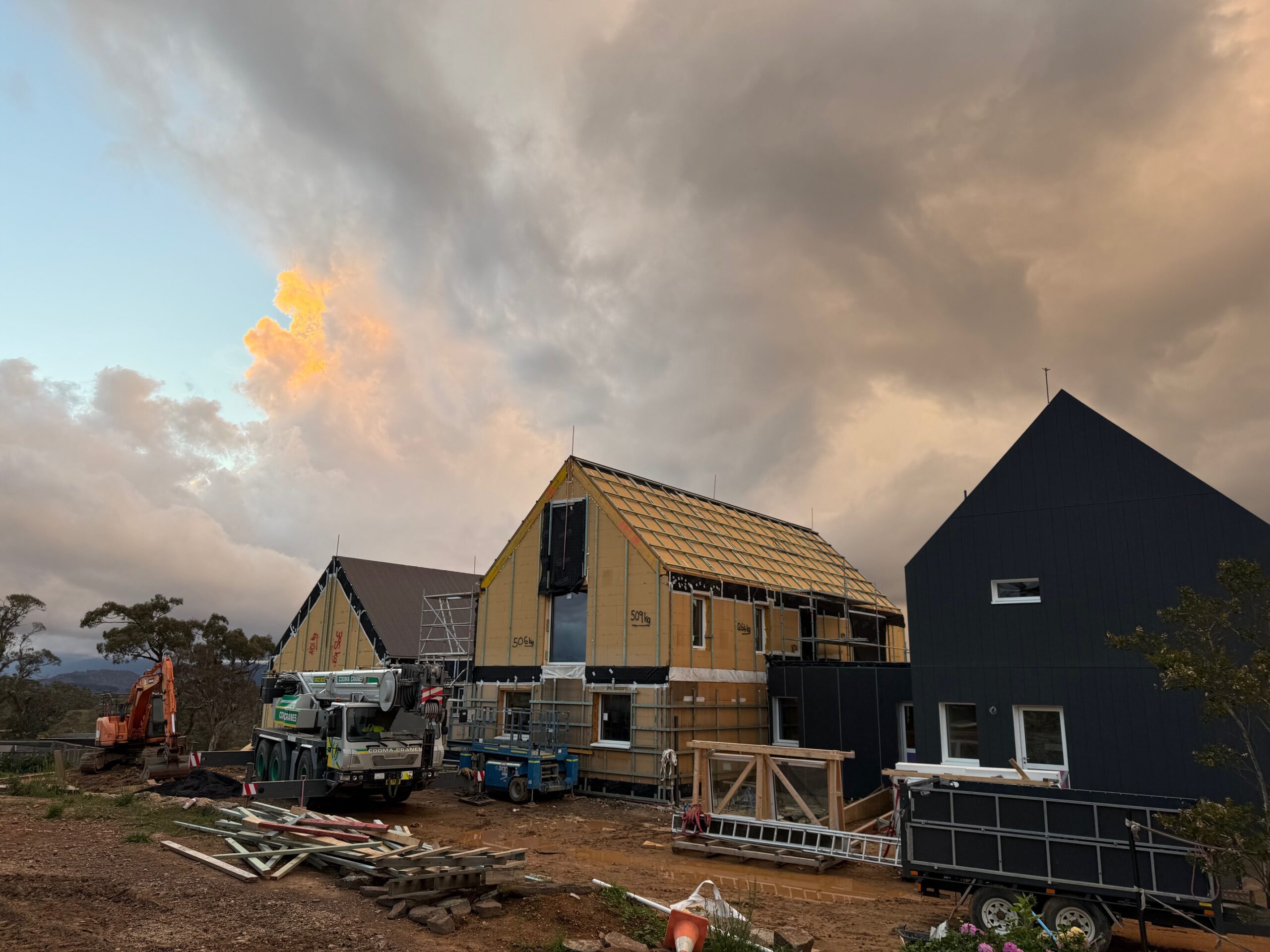
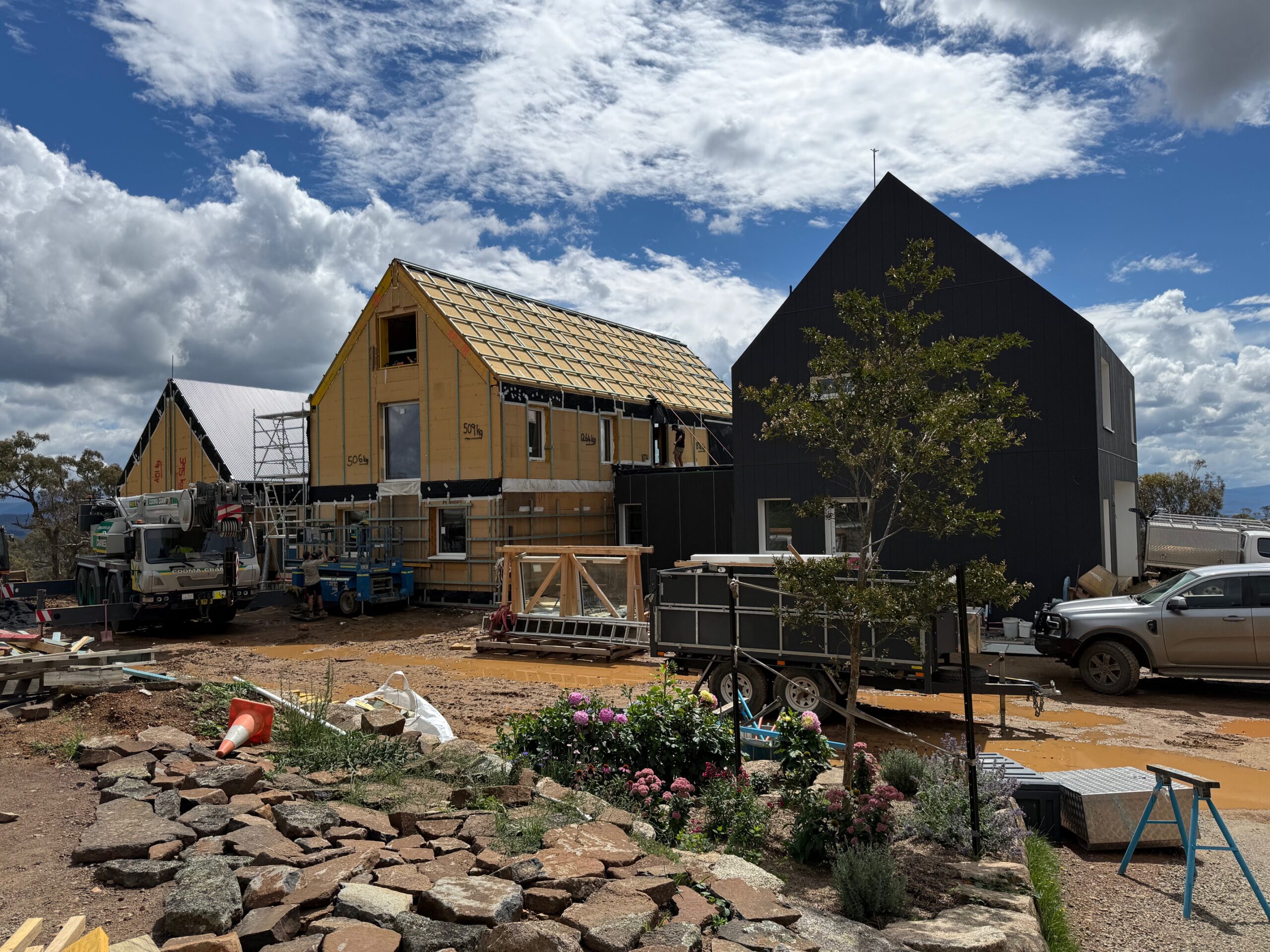
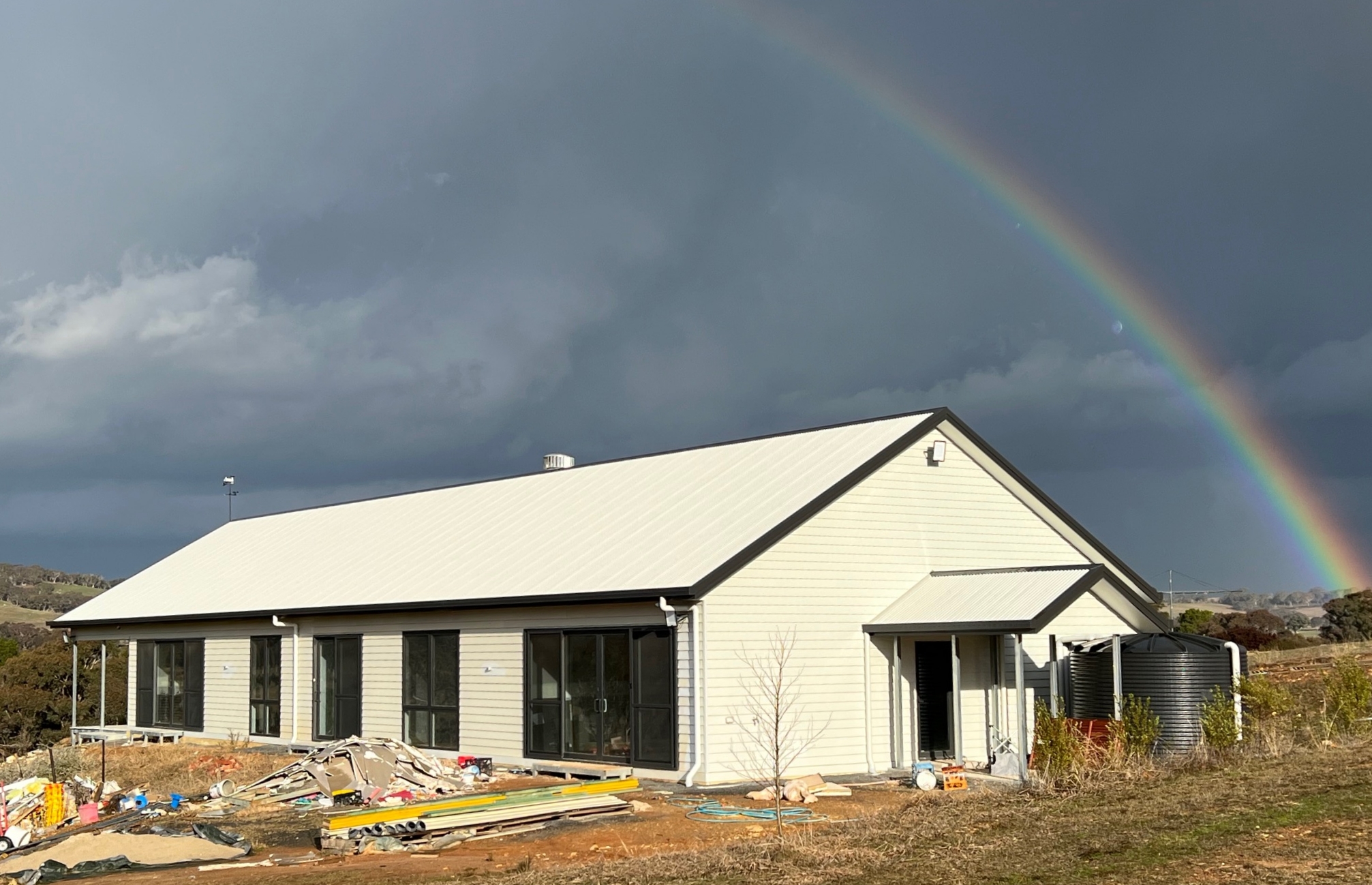
Set at 1240 m in the Snowy Mountains, this home is designed to become one of the first certified Passive Houses in Australia’s NCC Climate Zone 8 (alpine). It serves both as a private multi-generational residence and as a demonstration of Alpine PassivHaus’ prefabrication capability, with wall, floor and roof panels manufactured in the on-site factory. Both the house and factory operate fully off-grid using solar power and batteries, with a future small wind turbine planned.

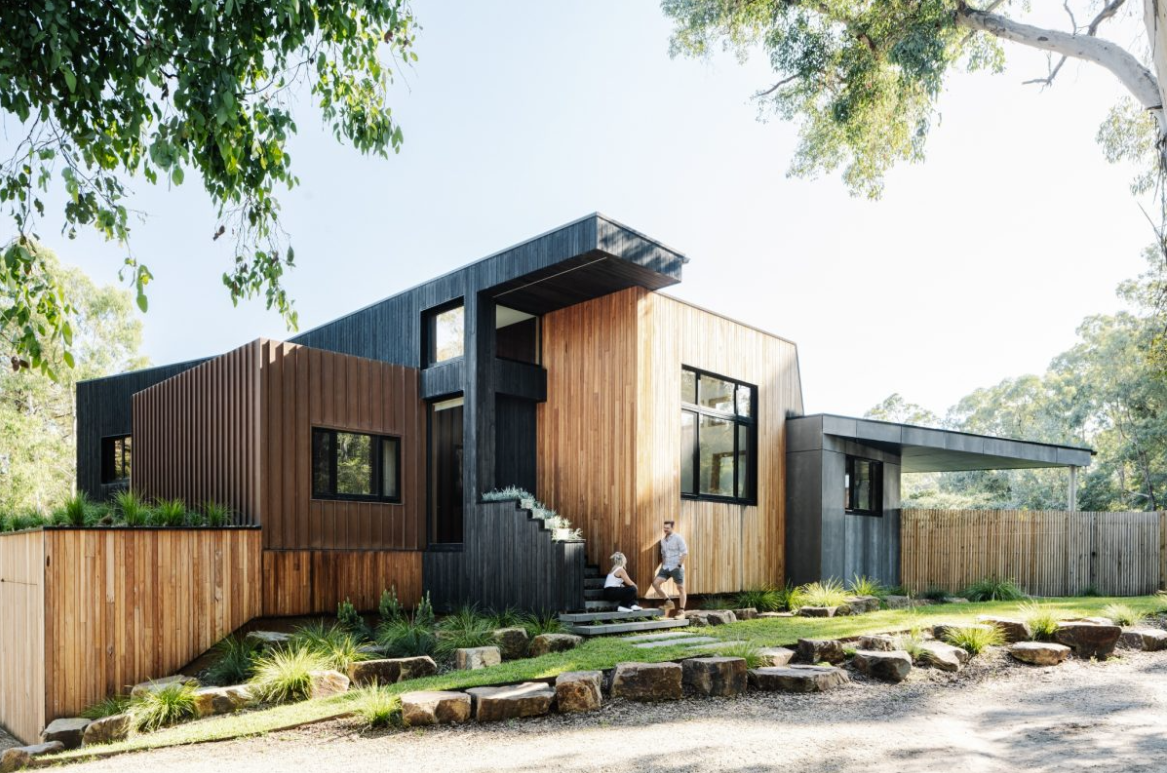
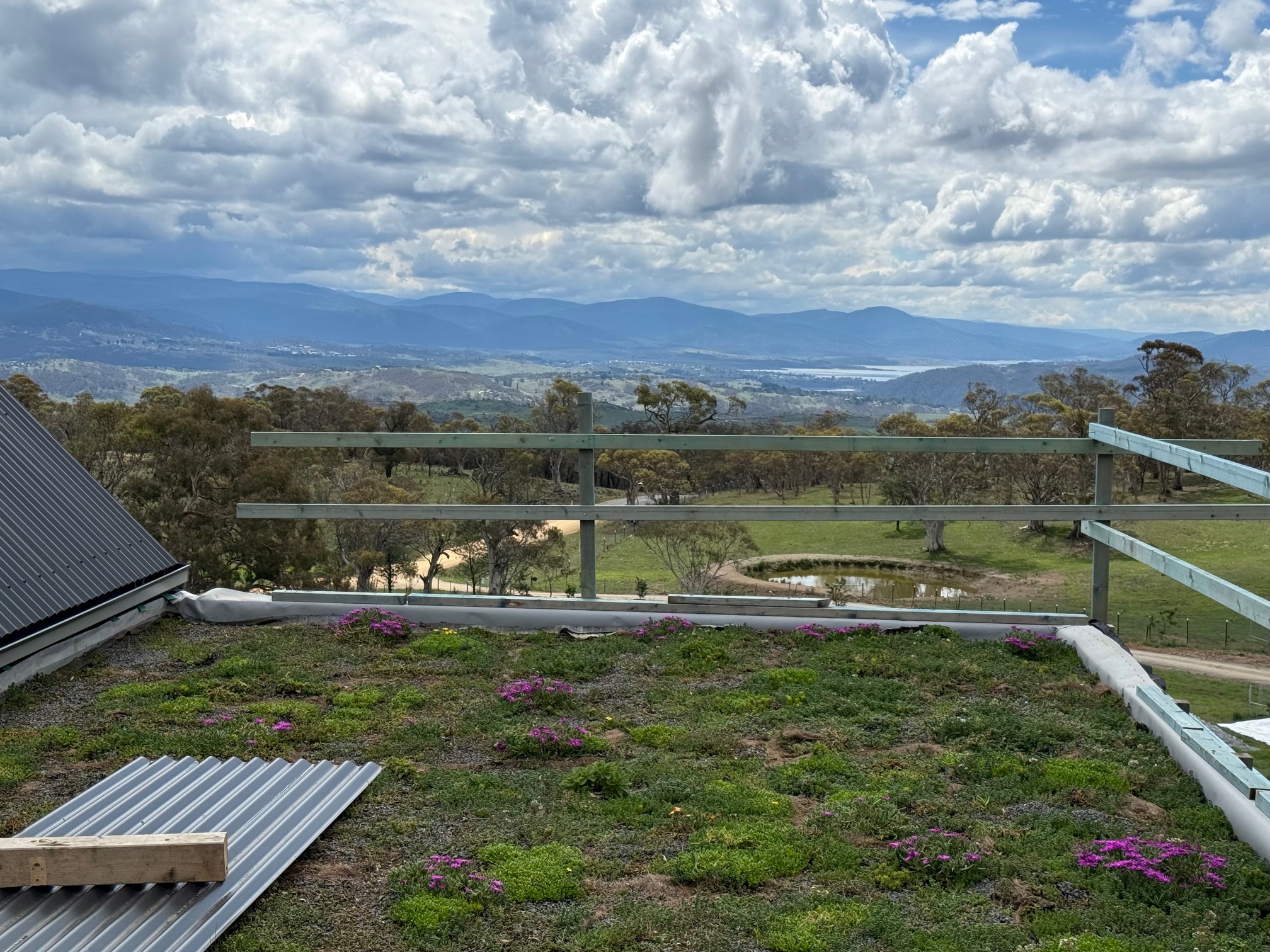
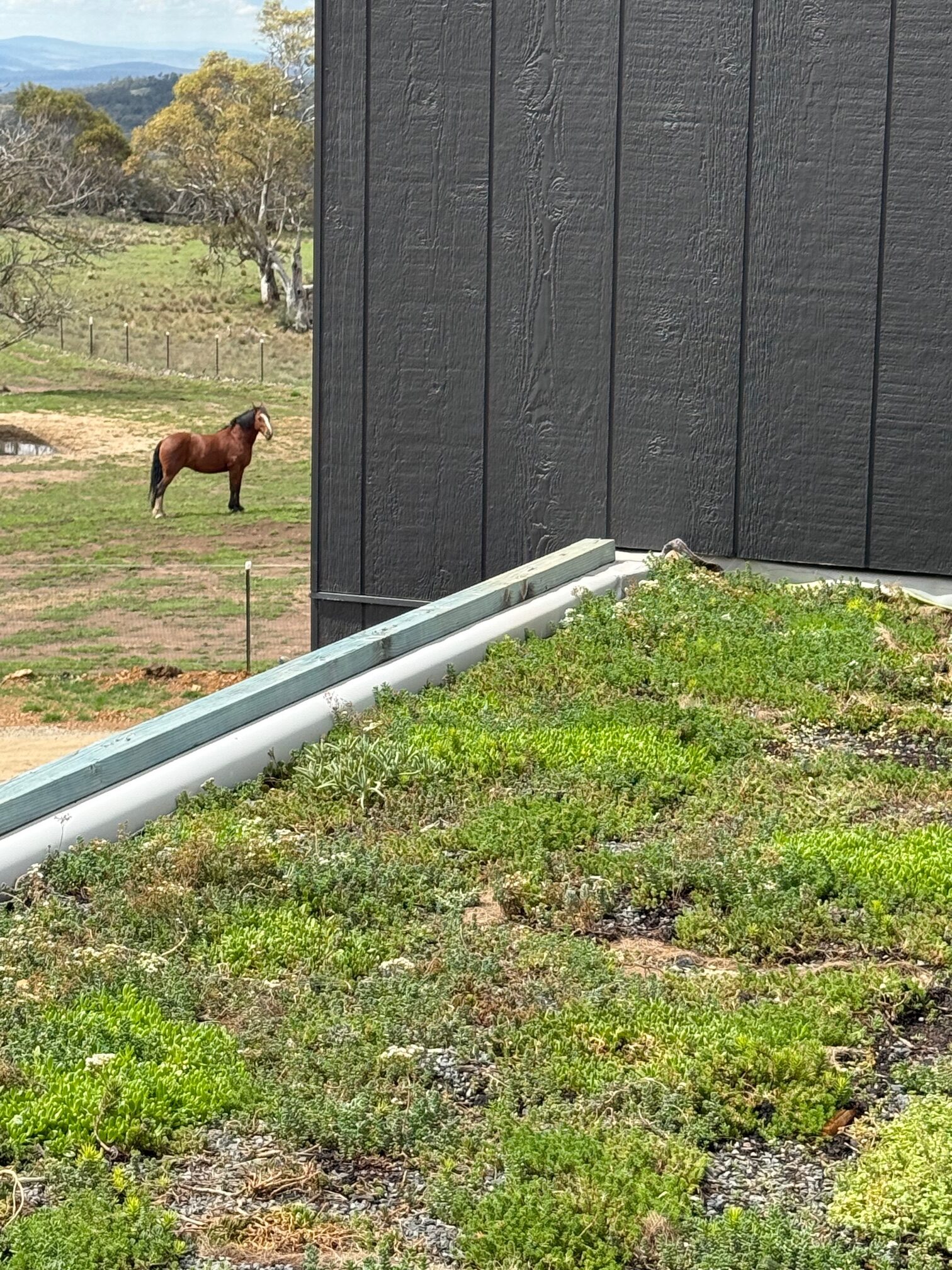
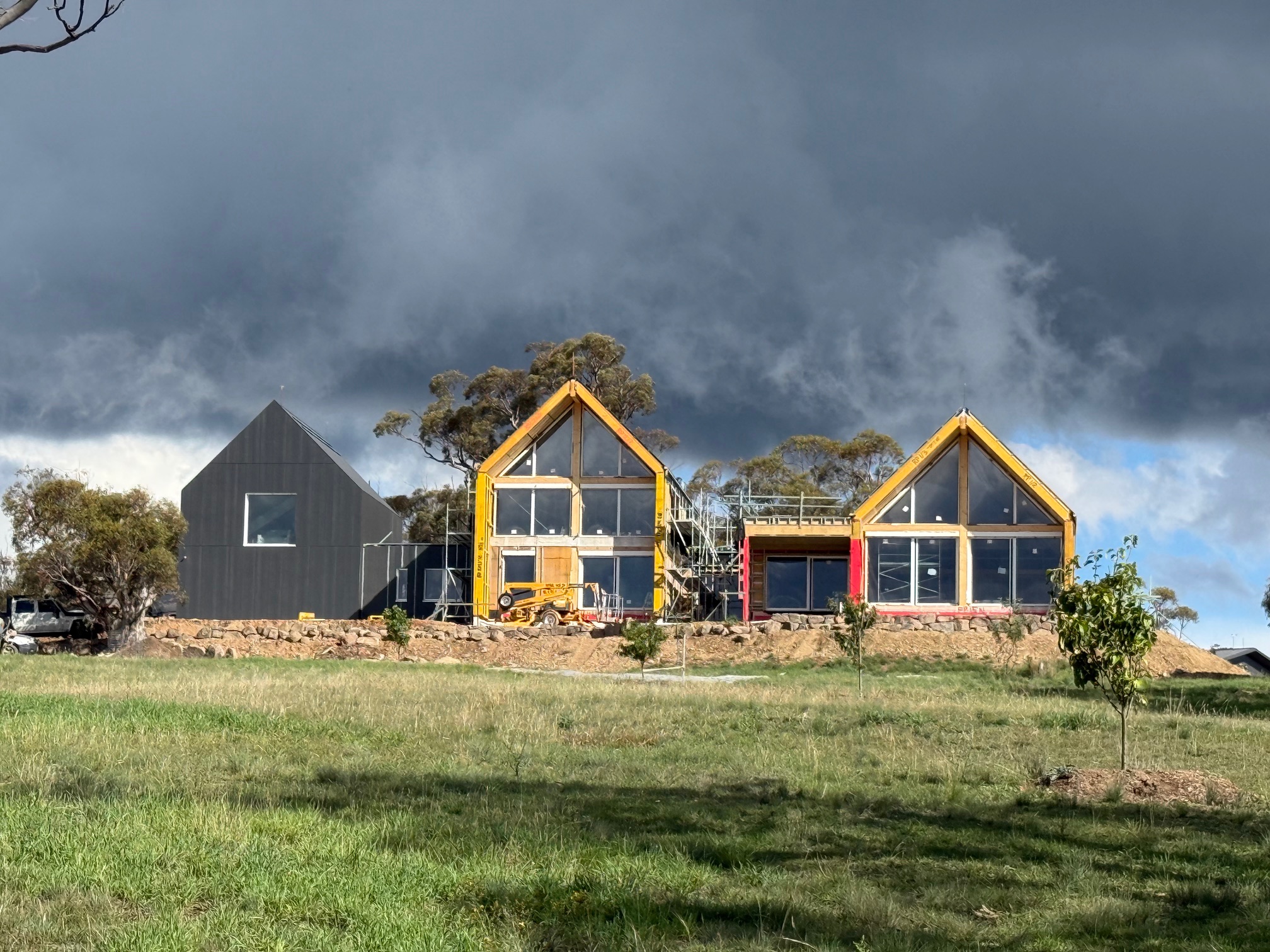
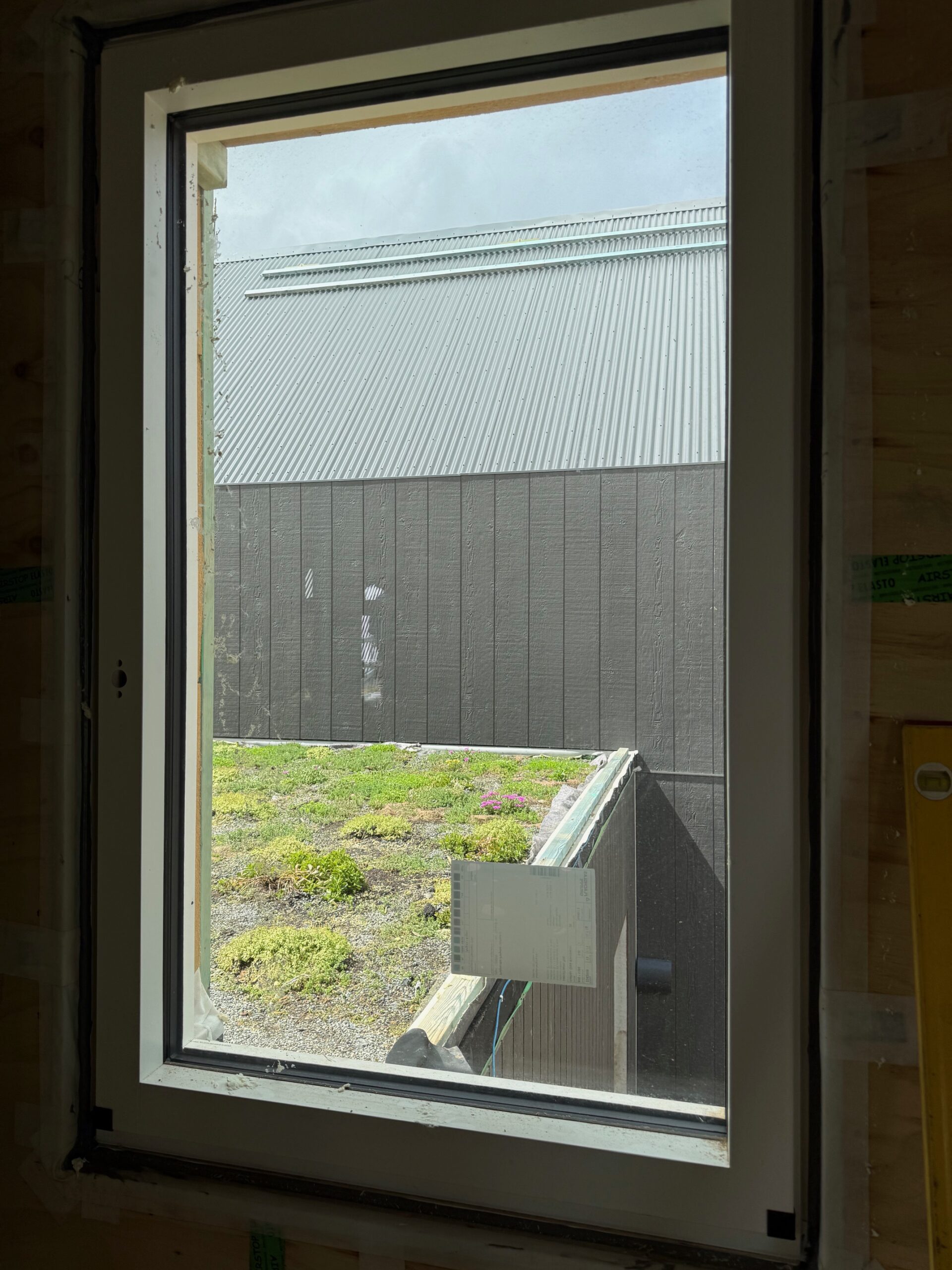
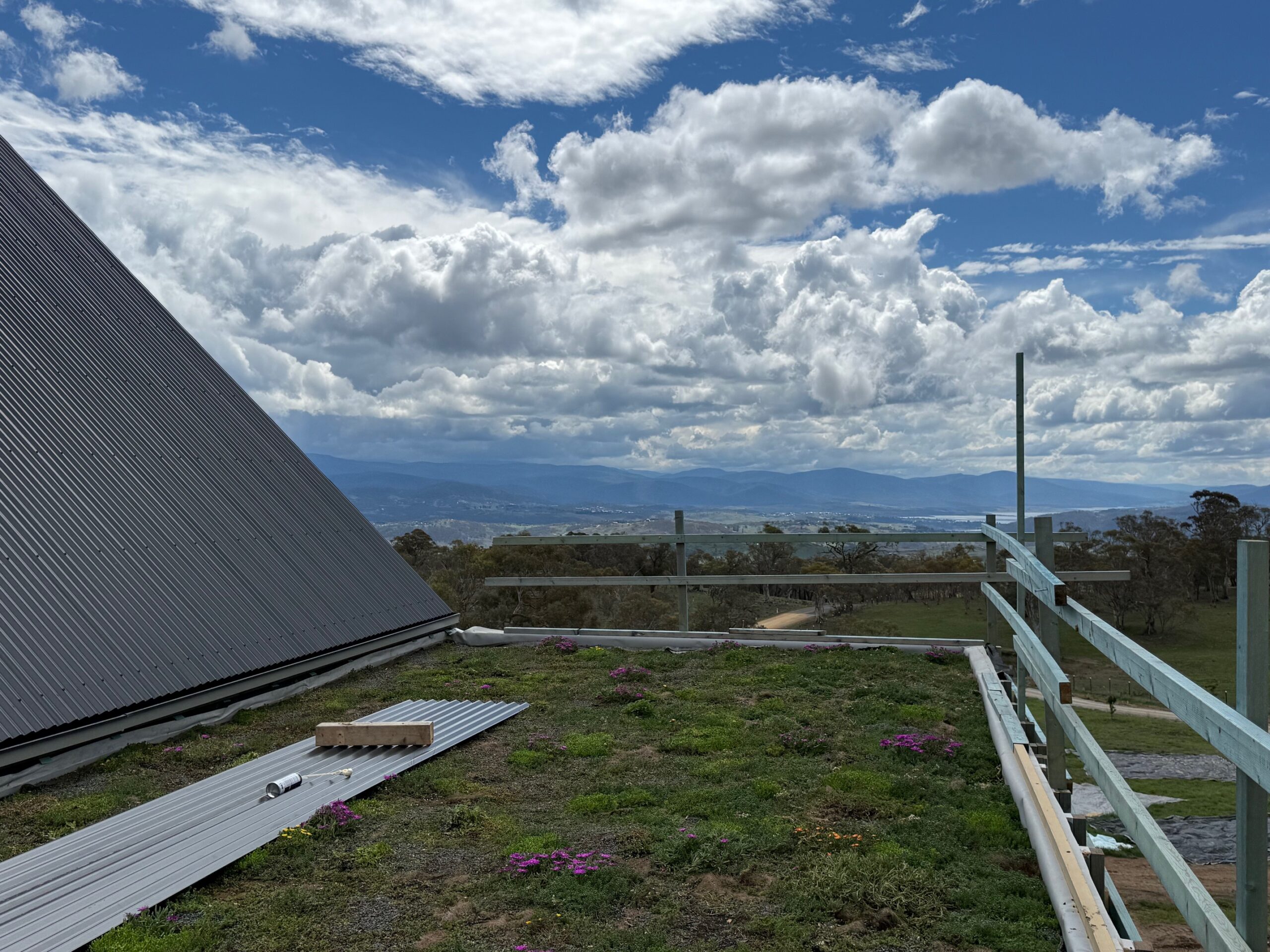
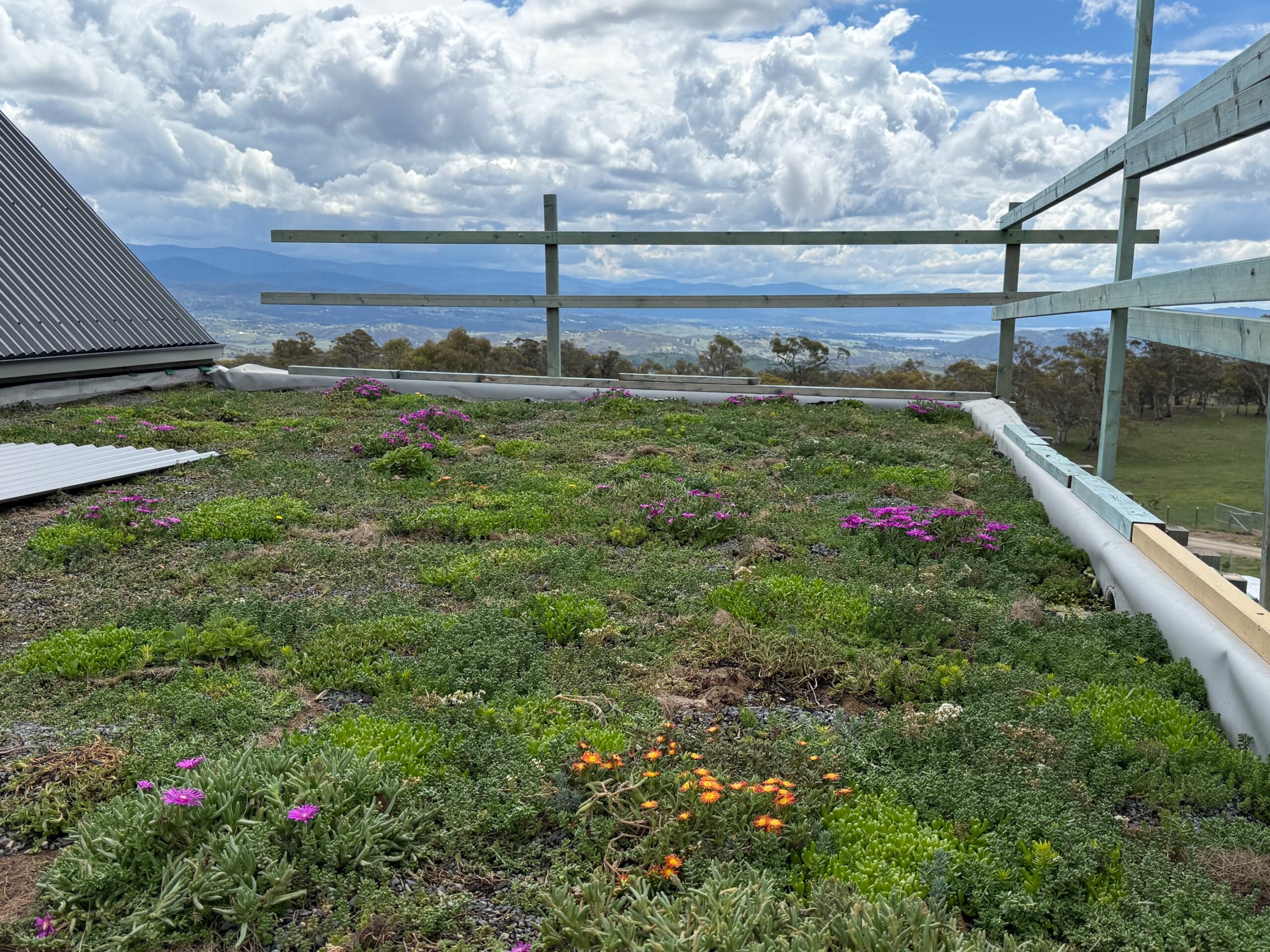
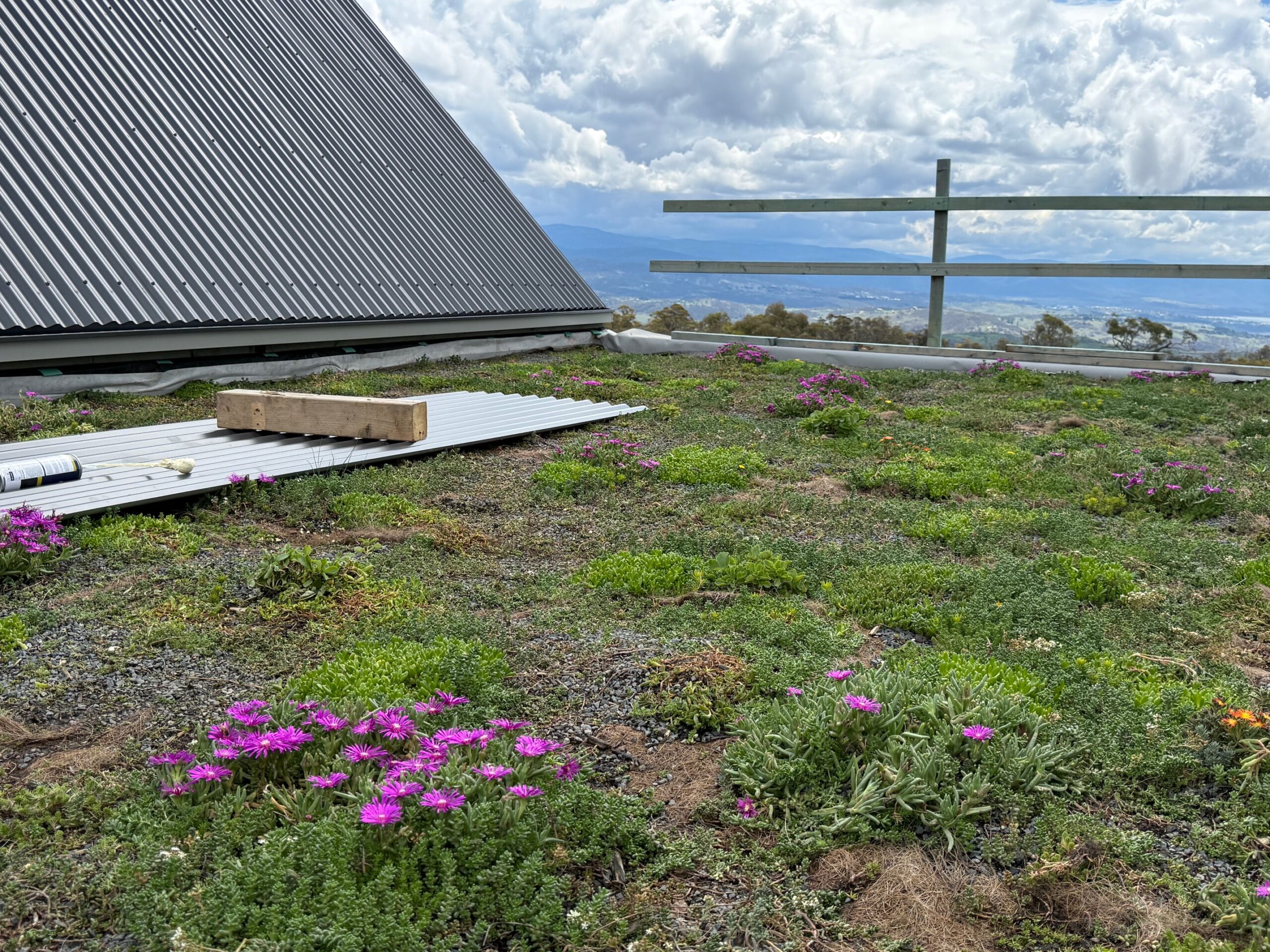
The home is composed as three distinct pavilions with 45° pitched roofs that reflect the surrounding alpine landscape and manage heavy snow loads. The layout separates functions into a living pavilion, a sleeping pavilion with dedicated accessible areas for grandparents, and a garage pavilion with an independent apartment. A flat green-roof link connects the buildings, blending them into the terrain while improving thermal performance and bushfire resilience.

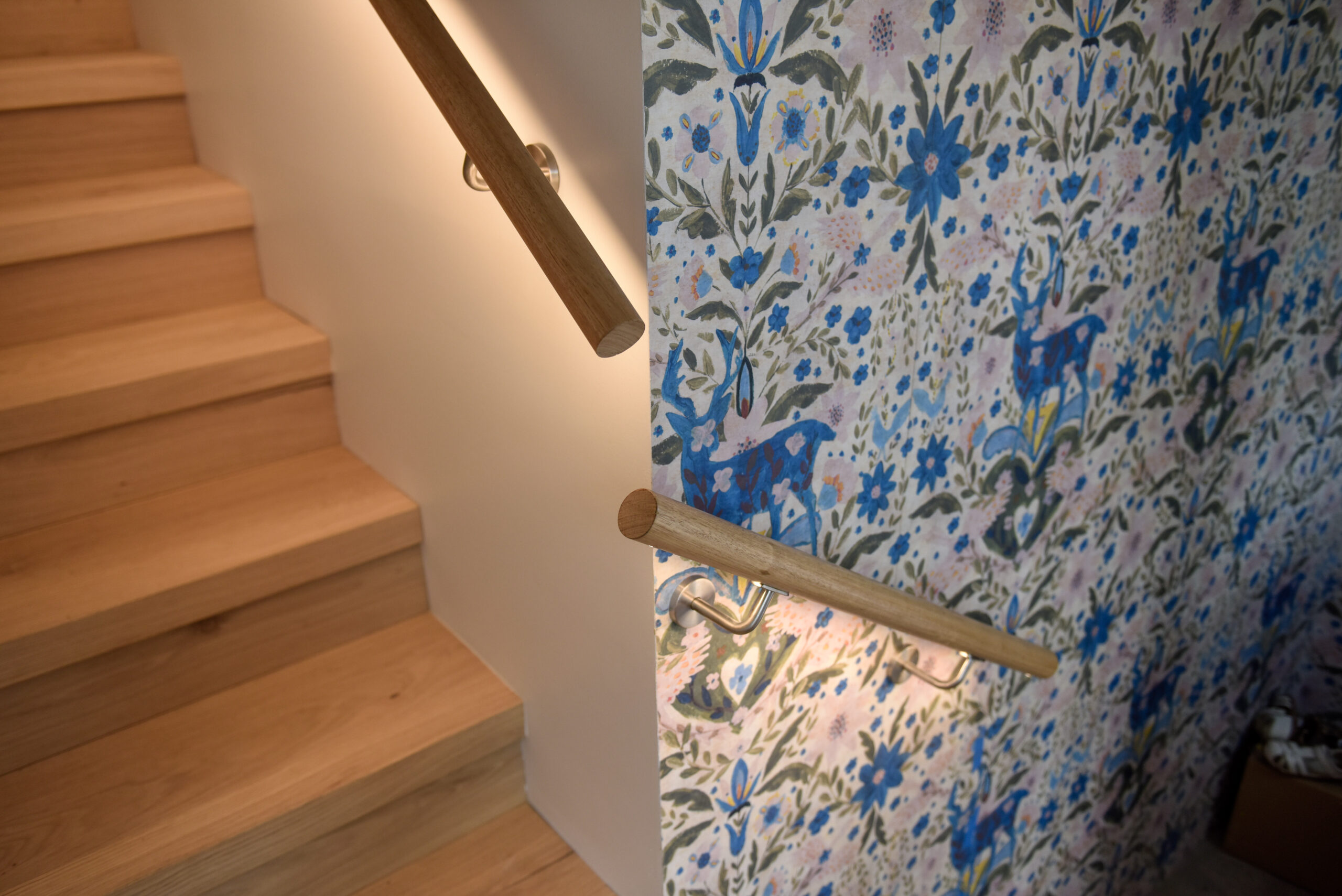
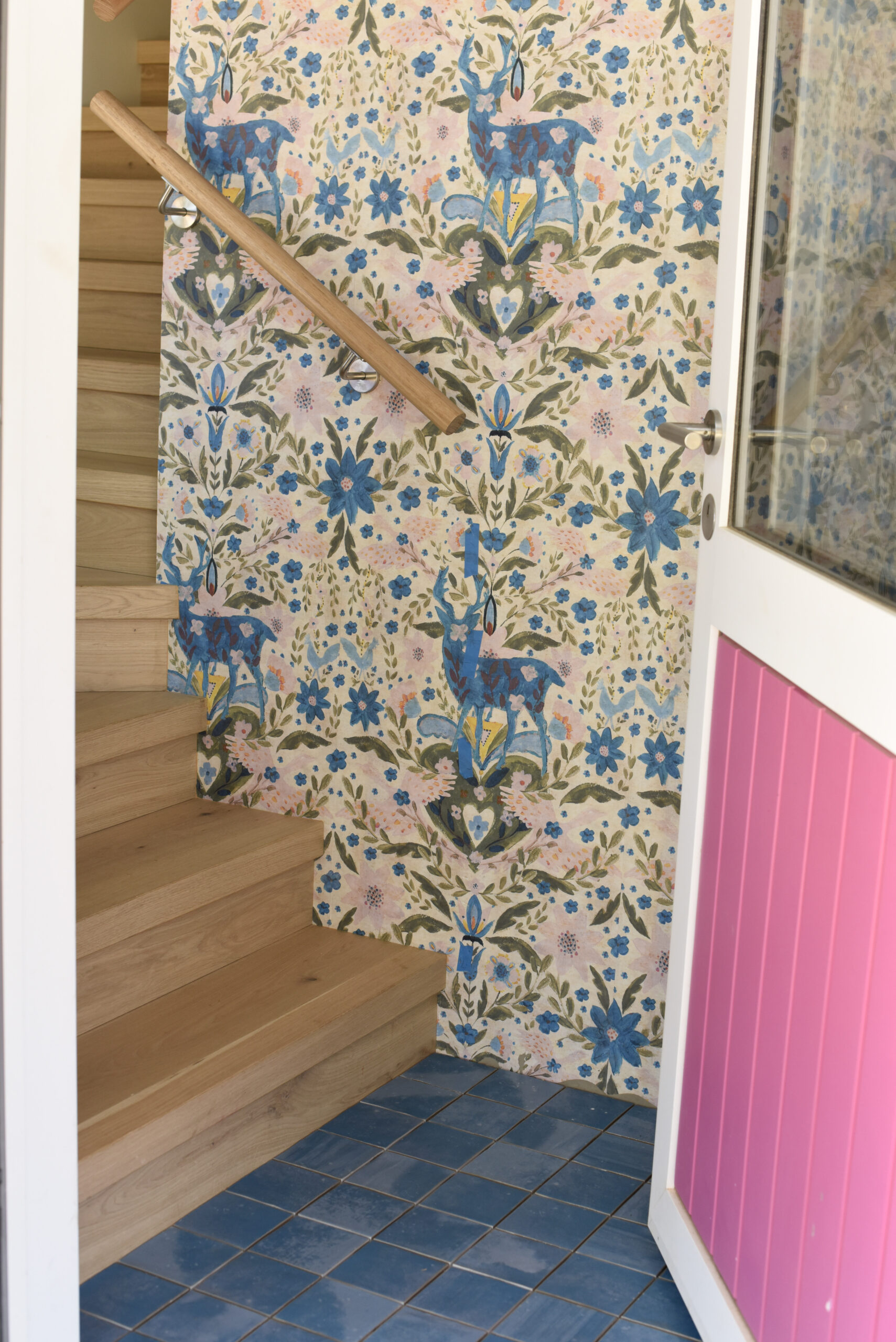
Designed for accessibility and family life, the house features step-free transitions, extra-wide doors and hallways, a children’s playroom adjoining the living space, and strong indoor–outdoor connections.

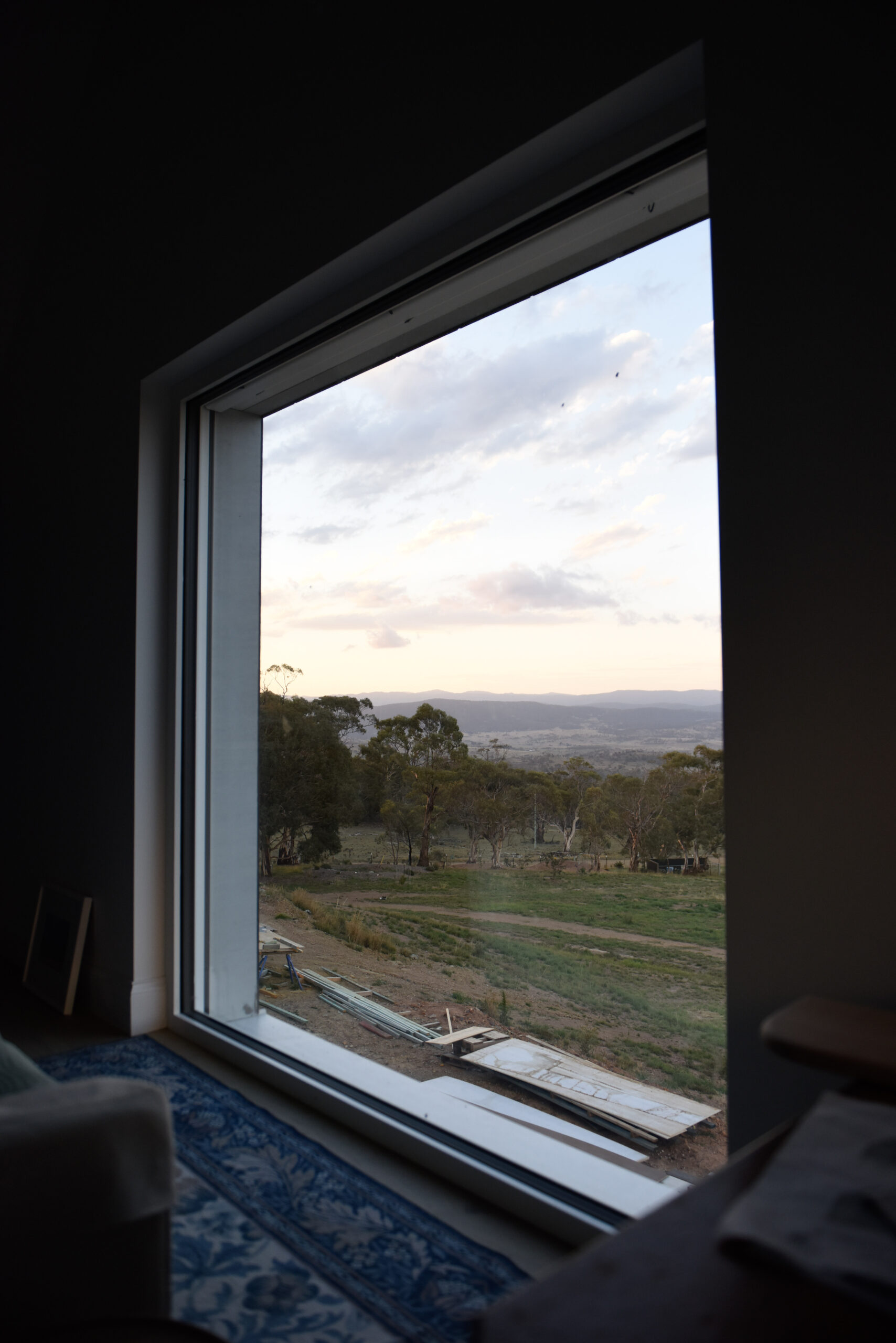
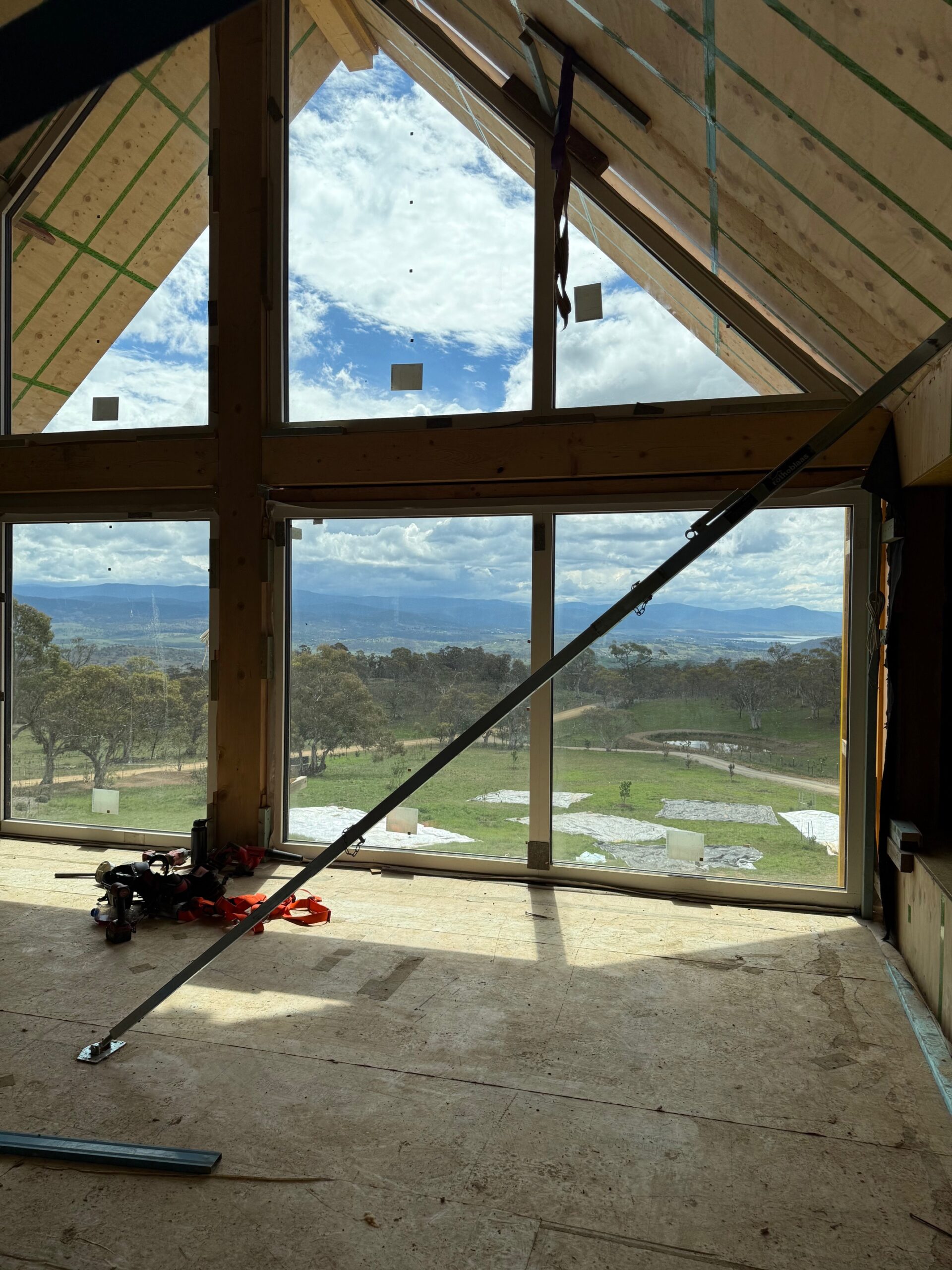
Large north-facing glazing maximises winter solar gain, while automated external blinds prevent summer overheating. The property is fully electric, with rainwater harvesting, greywater reuse, heat-recovery ventilation, heat-pump hot water, and hydronic heating.

Bushfire resilience is enhanced through airtight construction, ember-protected openings, roof sprinklers, and low-flammability landscaping including a succulent green roof.

The structure uses predominantly timber, wood-fibre insulation and glulam elements, prioritising renewable, low-carbon materials sourced locally or from democratic countries.
Q & A

What motivated you to build or retrofit sustainably?
During a winter in Sydney, I lived in a typical home that was freezing inside, full of drafts, and uncomfortable despite constant heating. And I’m German — I know what real cold winters feel like. Yet the Sydney house felt colder indoors than homes in Germany. That was the turning point. I realised we must build better: airtight, energy-efficient, healthy homes that truly provide comfort and warmth.
The single upgrade that made the biggest difference was building to the Passive House standard, with a highly insulated and airtight building envelope, triple-glazed airtight windows, and a heat recovery ventilation (HRV) system. The combination of high levels of insulation and very well-sealed construction dramatically reduces heat loss and keeps indoor temperatures stable—something that is particularly important in the alpine climate of Jindabyne.One of the most noticeable improvements is comfort during windy winter nights. In Jindabyne we regularly experience winds of 100 km/h or more, yet inside the house it remains completely quiet and draft-free. Thanks to the airtight construction and triple-glazed windows, there is no rattling, whistling, or cold air entering the building, which makes the home feel calm and protected even during severe weather.
One of our “wish we’d known” moments was the importance of carefully selecting the right design and engineering team with experience in Passive House principles and prefabricated construction. Our architect initially worked primarily with hand drawings, which later had to be completely redone in digital form for prefabrication and detailed construction planning. This created additional work and increased costs.Similarly, the engineering was undertaken using conventional approaches rather than methods tailored to high-performance prefabricated buildings. As a result, parts of the structure were significantly over-engineered. While this does not affect the performance of the home, it did increase construction complexity and costs unnecessarily.The lesson for others is to assemble the right team from the beginning. Ideally, work with architects, engineers, and builders who are familiar with Passive House standards, digital design workflows, and prefabrication systems.
Our next dream upgrade is creating a fire-resilient garden around the house, which we plan to plant next spring. Through careful selection of plants and the creation of natural fire barriers, the landscape will help support the already strong fire resilience of an airtight Passive House. Thoughtful landscaping can play an important role in reducing bushfire risk while also improving the local environment.Another future project is to build a greenhouse using reclaimed old windows and extend our vegetable garden. The idea is to create a productive and resilient garden that provides fresh food while making good use of available resources.Part of the garden will be supplied with recycled greywater from the house, helping to reduce water consumption and close the loop between the home and the landscape.
Back to 2026 Homes
Type: Passive House or EnerPHit, Prefab/Modular, Standalone house/townhouse
Project: New build
Architect: Alpine PassivHaus
Designer: Alpine PassivHaus
Builder: Alpine PassivHaus
Size: 530m²
Energy Rating: Passive House
Bedrooms: 5+
Bathrooms: 4

Sustainability Features

Building Materials & Envelope

Draught-proofing/air sealing
High-performance insulation
Double or triple-glazed windows
Sustainable or low-impact materials
Recycled or reused materials

Heating, Cooling and Ventilation

Passive heating/cooling (north-facing glazing, cross ventilation, thermal mass, shading, etc.)
Heat pump (reverse-cycle) heating/cooling
Heat pump-powered hydronic heating
Mechanical ventilation with heat recovery (MVHR) system

Energy and Appliances

Rooftop solar PV
Battery storage
Dedicated wall-mounted EV charging
Energy monitoring/smart home systems
Efficient lighting (LED, daylighting, solar skylights)
Heat pump hot water
Electric cooktop - induction/ceramic
Other energy-efficient appliances

Water & Waste Systems

Water-efficient fixtures
Rainwater tanks
Greywater system

Landscape & Biodiversity

Native garden
Edible garden
Beehives
Wildlife-supporting habitat

Climate Resilience

Bushfire

Accessible & Flexible Design Features

Design for flexible use
Design for multigenerational living or dual occupancy
Universal design for accessibility
Share this home:

Related Homes

Home tours delivered to your inbox

Step inside sustainable homes across Australia and get practical ideas you can use in your own