CASUARINA CORNER

Wonnarua Country,
Lovedale,
NSW
This home will be open for in-person tours on the 17th May 2026

About this home

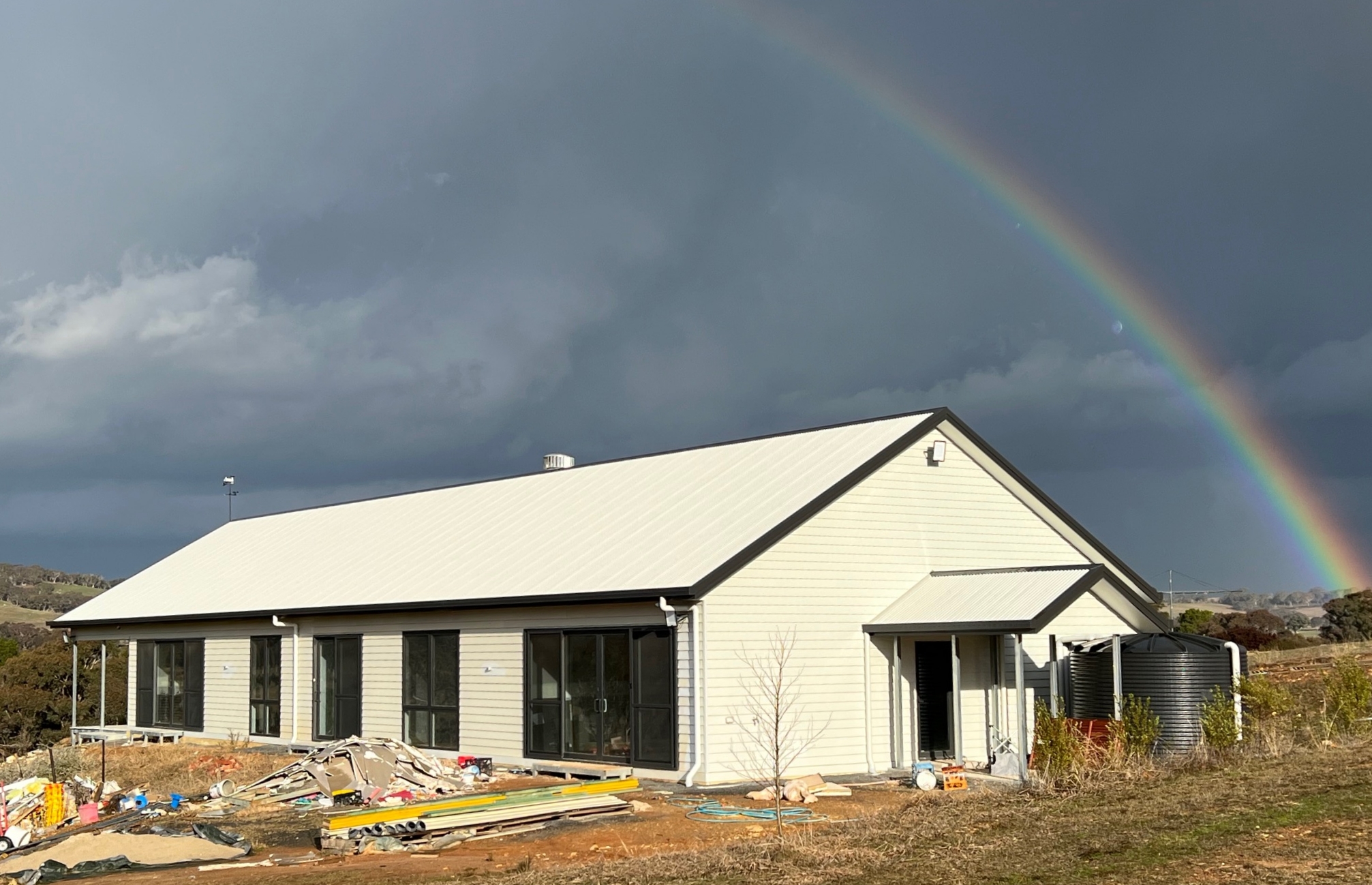
After moving from Sydney to a rural acreage, the owners set out to build a home based on the solar passive principles in The Wise House. With no internet at the time, the design was shaped through careful research, expert advice, and detailed planning to make the most of winter sun while excluding summer heat.

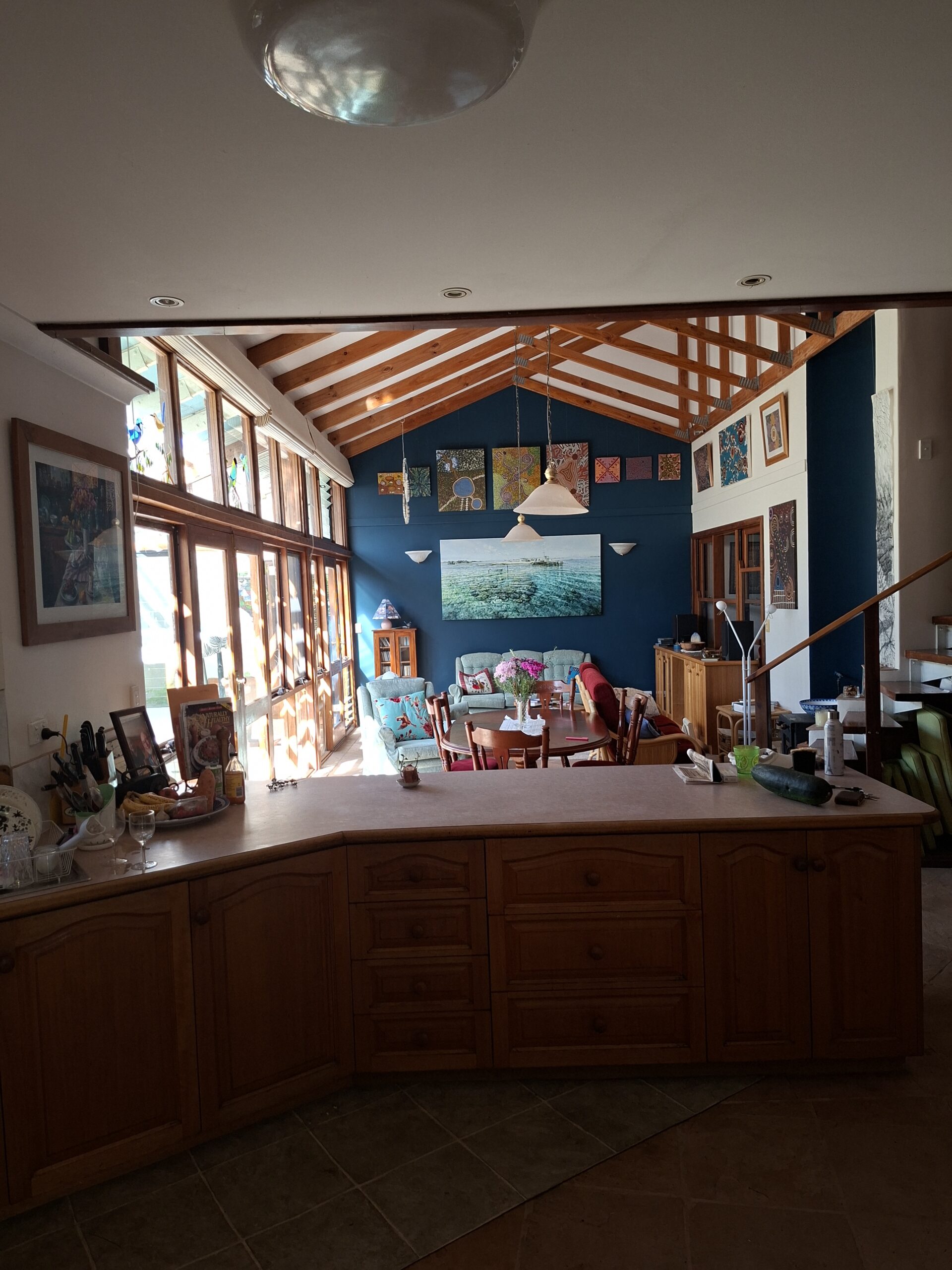
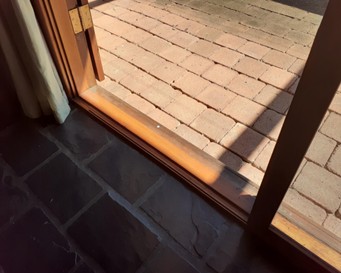
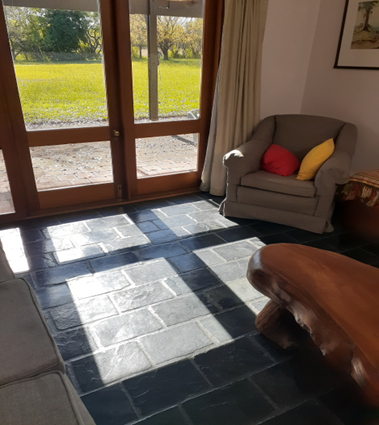
Built as an owner-builder project, the home was carefully oriented north, with wide eaves calculated to admit the lower winter sun and block the higher summer sun. Large north-facing windows and doors bring winter sunlight onto the black slate floors, which act as thermal mass, storing warmth in the concrete slab and releasing it slowly overnight. This simple design creates a home that is bright, comfortable and efficient, with no need for conventional heating on most winter days.

The house is highly insulated, with moisture barriers and 100mm insulation in the walls and roof, plus timber-framed doors and windows to reduce heat transfer. Reflective insulating curtains with boxed pelmets help retain warmth in winter and keep heat out in summer. Even when outdoor temperatures fall as low as minus five degrees, the indoor temperature has remained above fifteen degrees without added heating.
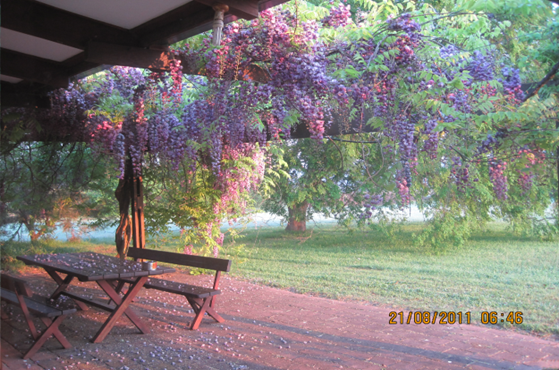
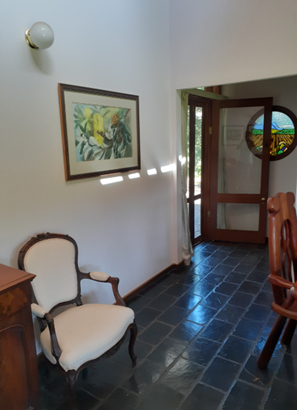
In summer, the home stays naturally cool through thoughtful design. There are no west-facing windows, minimal glazing to the east, and high hallway windows that release rising hot air, drawing in cooler air from the shaded southern side. A pergola covered in deciduous wisteria shades the north side in summer and allows winter sun through after the leaves fall. Over time, the property has evolved further with a 10kW solar system, EV charging, water harvesting, and an induction cooktop supporting fully electric living. The home also achieved a 10/10 Outstanding Residential Efficiency Scorecard rating. Surrounded by thousands of planted trees and shrubs, the property is now known as Casuarina Corner. https://docs.google.com/document/d/1ed2MxjLDb4fw1UTeljeRMpdKEHs5YakJ/edit?usp
Q & A

What motivated you to build or retrofit sustainably?
It was 1979 when listening to the ABC radio on a Saturday afternoon that there was an interview with Tom Jenkins, the co-author of a book, ‘The Wise House – Adapting your house to the Australian Climate’. It was fascinating to hear how a well designed home could improve the quality of the way an occupant lived and how a house could be made more efficient. The other side of the coin being that a badly designed home can make life unpleasant and costly to live in. Today we refer to sustainability, but nearly fifty years ago, that term was not generally in use. The ideas being outlined in the book were well ahead of their time.
The biggest difference has come from the home’s solar passive design, particularly the north-facing layout, carefully calculated eaves, and black slate floor that stores winter sun as thermal mass. This has had the biggest impact on comfort, keeping the house naturally warm in winter and cool in summer with very little added heating or cooling. Even when outside temperatures drop to minus five degrees, the house has stayed above fifteen degrees without extra heating, and on hot summer days it can remain around ten degrees cooler inside than outside. This has made the home consistently comfortable, greatly reduced energy costs, and supported a simple, low-bill lifestyle.
A wood burning Rayburn stove was installed with water heating capabilities. When operational, hot water is stored in a concealed tank beside the stove, and through a heat exchange it boosts the solar hot water system. The hot water can also be directed around the house to run through radiators in each room. Except when there are a few cloudy days one after the other, the stove is not used and the heating system is not used as it is not necessary. Had the efficiency of the solar passive house design be realised at the time of building, the stove and heating system would not have be installed. Too late now!
Back to 2026 Homes
Type: Standalone house/townhouse
Project: New build
Size: 155m²
Energy Rating: 10
Bedrooms: 3
Bathrooms: 1

Sustainability Features

Building Materials & Envelope

Draught-proofing/air sealing
High-performance insulation
Double or triple-glazed windows

Heating, Cooling and Ventilation

Passive heating/cooling (north-facing glazing, cross ventilation, thermal mass, shading, etc.)
Ceiling fans

Energy and Appliances

Rooftop solar PV
Dedicated wall-mounted EV charging
Efficient lighting (LED, daylighting, solar skylights)
Solar thermal hot water
Electric cooktop - induction/ceramic

Water & Waste Systems

Water-efficient fixtures
Rainwater tanks

Landscape & Biodiversity

Edible garden
Wildlife-supporting habitat

Climate Resilience

Cyclone/storm

Accessible & Flexible Design Features

Universal design for accessibility
Share this home:

Related Homes

Home tours delivered to your inbox

Step inside sustainable homes across Australia and get practical ideas you can use in your own