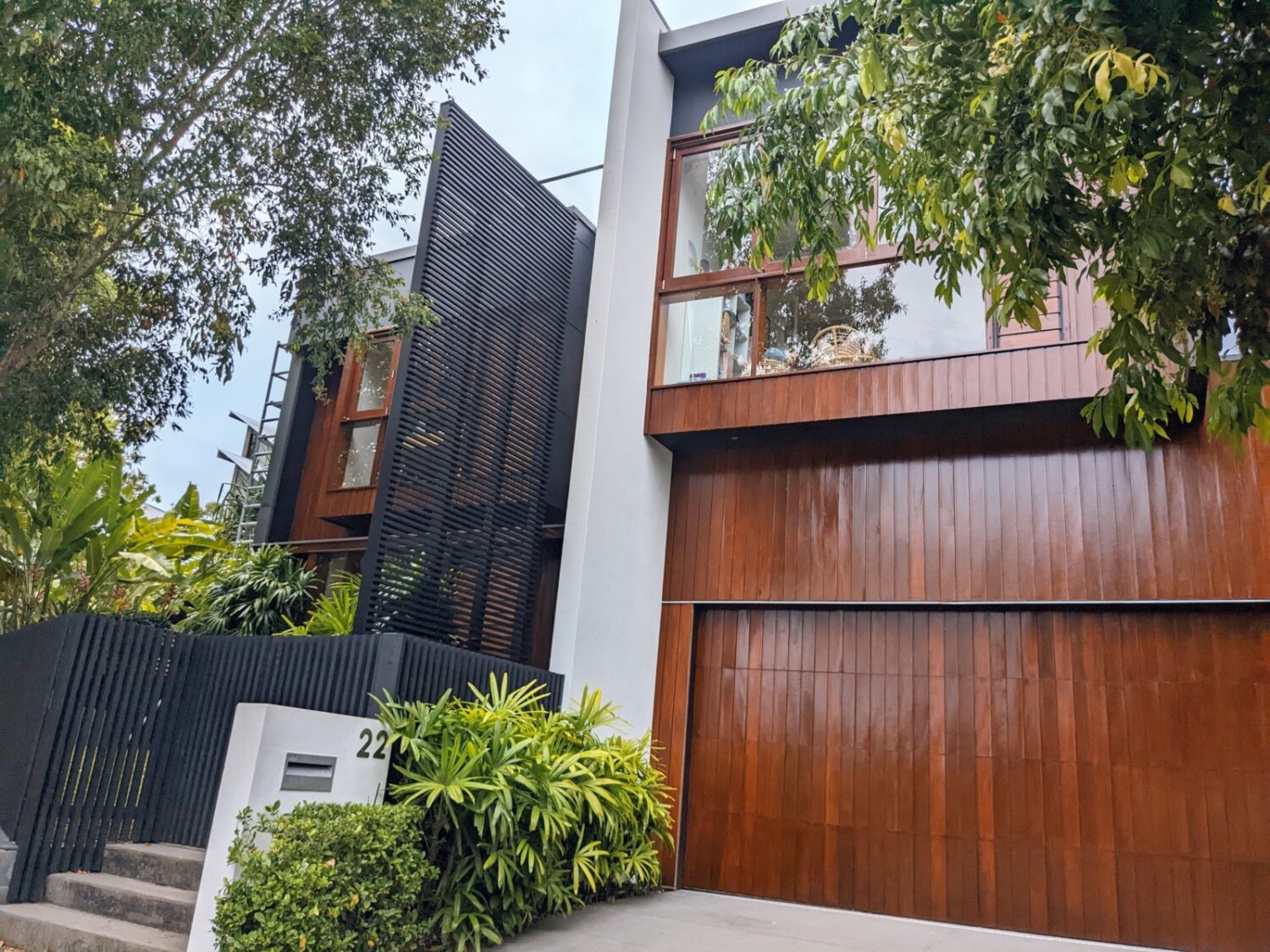
Cottonwood

Gabi Gabi Country,
Noosa Heads,
QLD
This home will be open for in-person tours on the 17th May 2026

About this home

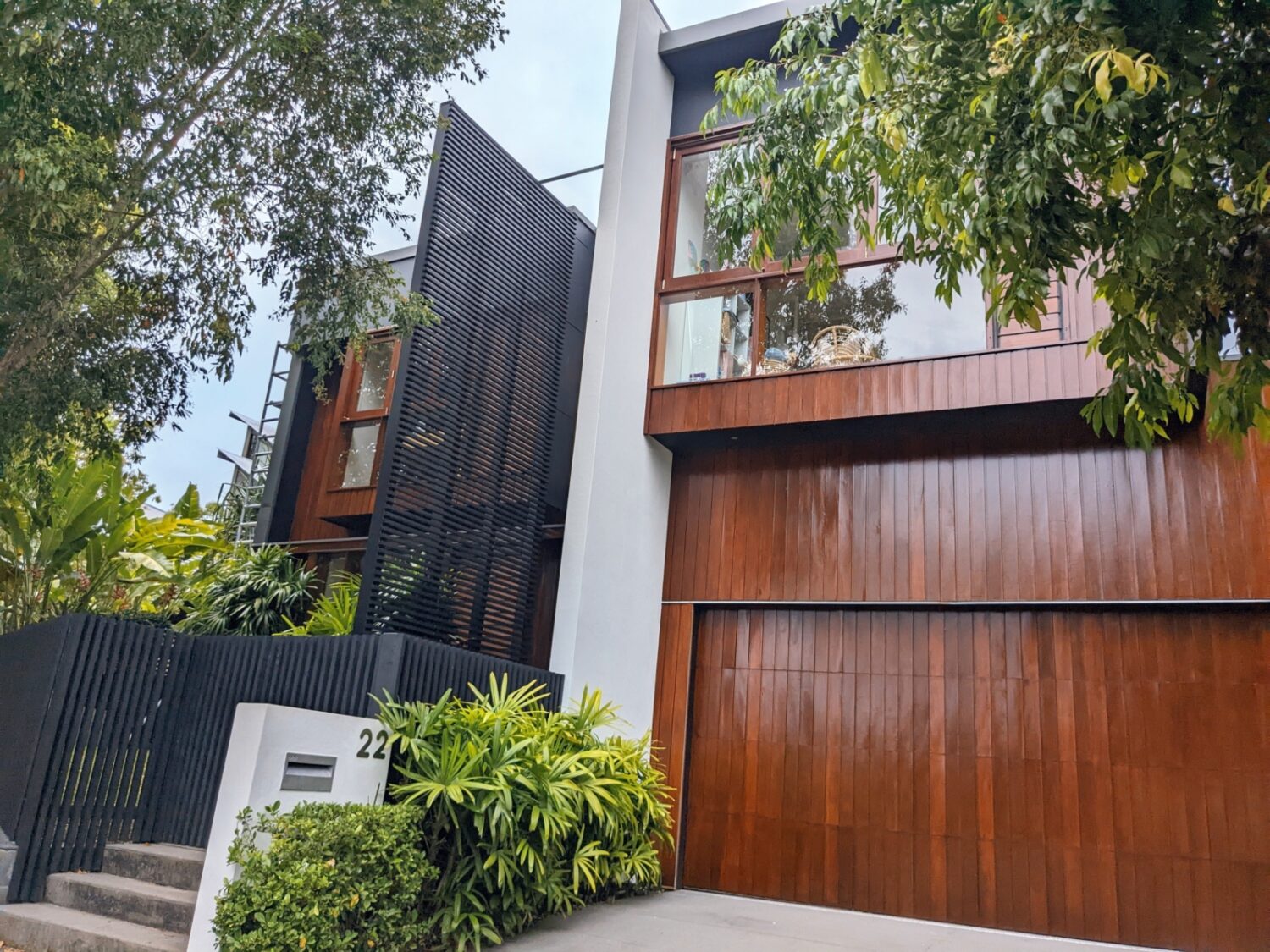
After receiving a $4,000 gas bill one winter in Canberra, we knew something had to change. That shock led us to electrify our previous home, saving around $10,000 in the first year. So when we moved to our 20-year-old, four-bedroom home on the Sunshine Coast, going all-electric was an easy decision. While our journey did not begin as a sustainability project, the financial, comfort and environmental benefits quickly became obvious.

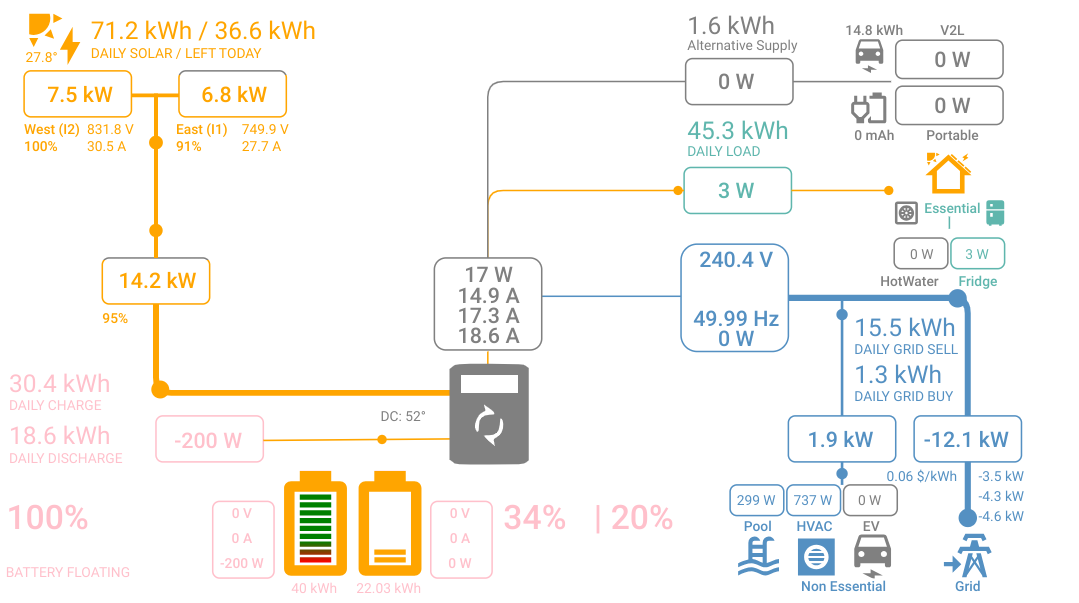
Today, our home runs entirely on electricity, with rooftop solar, battery storage, electric vehicles and smart controls working together as an integrated home energy system. We replaced all gas appliances, including the cooktop, hot water system and even the BBQ, with efficient electric alternatives.

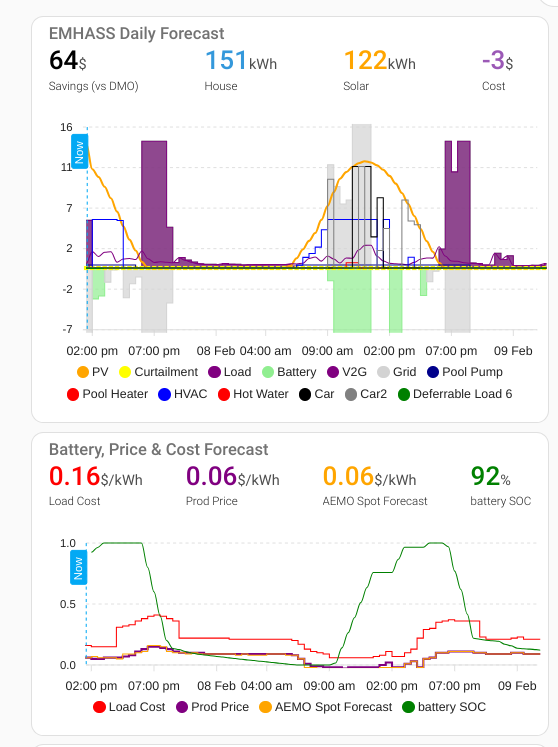
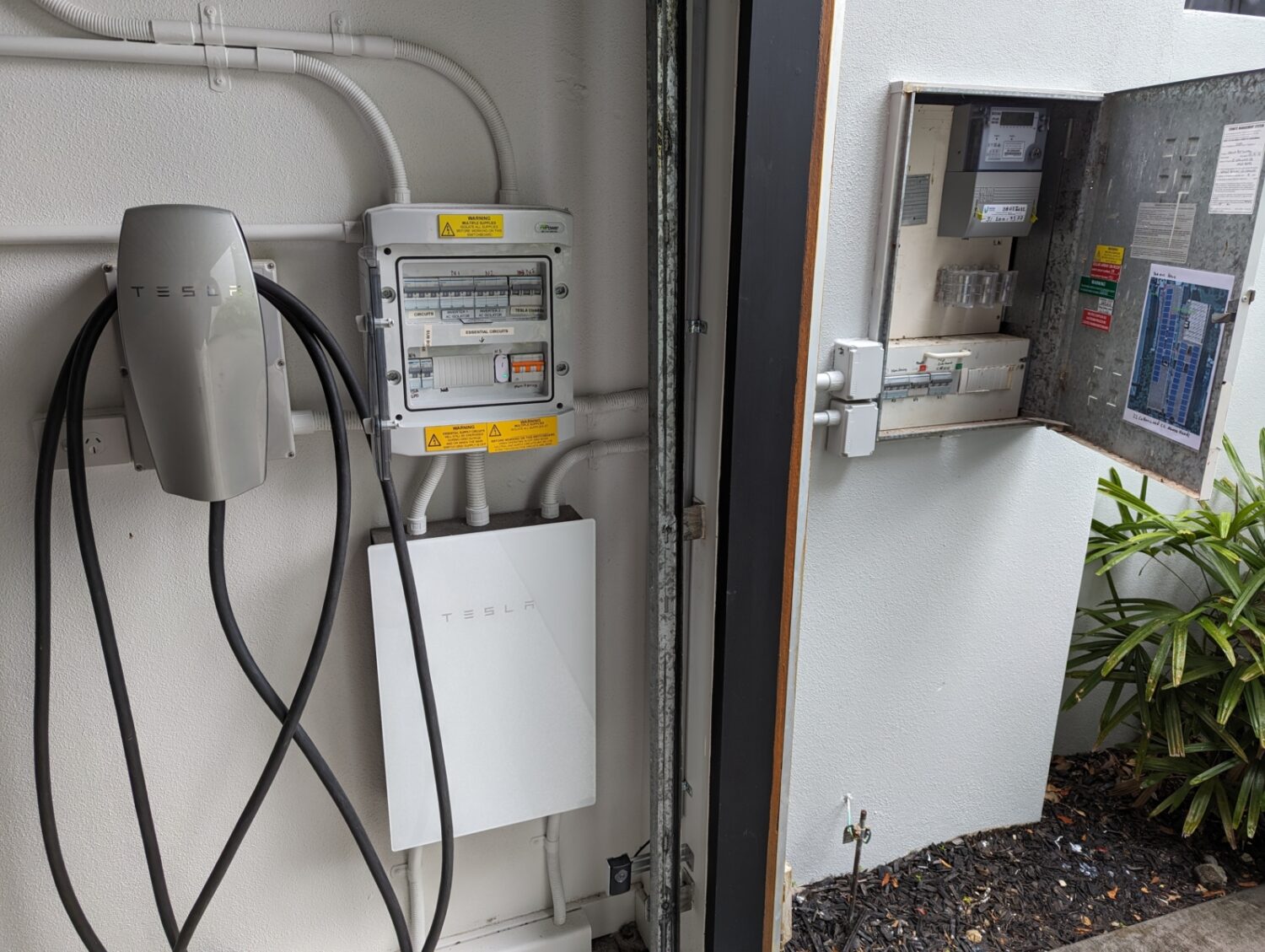
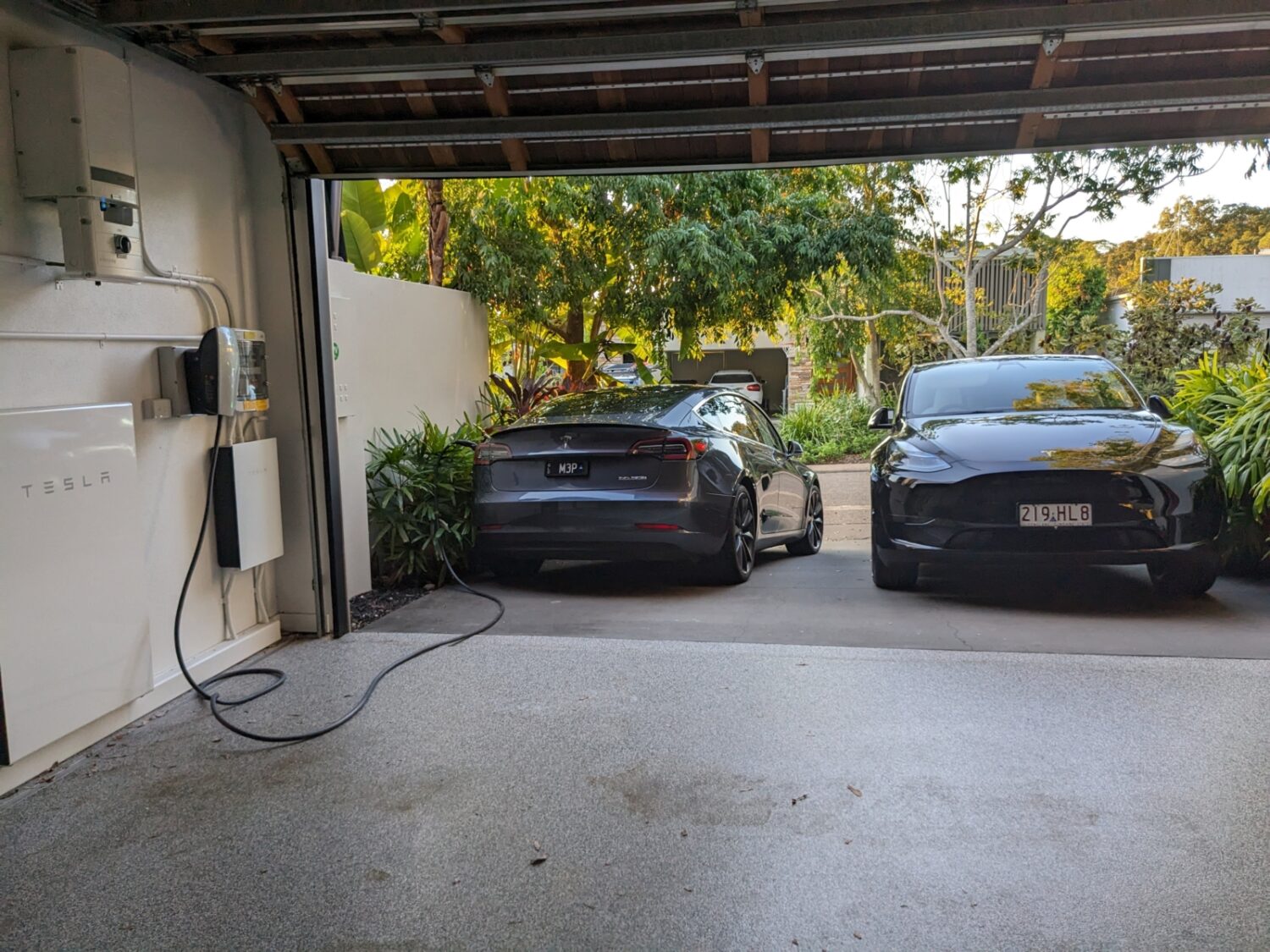
We have a 25 kWp solar system, a SigEnergy battery system, and a bidirectional DCEV charger that allows us not only to charge our EVs from solar, but also to use vehicle-to-home and vehicle-to-grid capability as part of the overall energy system. We also drive two electric cars, further reducing our household emissions and fuel costs.

With abundant solar generation, battery storage and smart energy management, our home can store excess renewable energy, shift consumption to the cheapest times of day, and export power back to the grid when it is most valuable. In many months our electricity bills are in credit, particularly when surplus solar and stored energy are exported during peak pricing periods.

Beyond the financial savings, the home is healthier, quieter and more resilient. Living gas-free has improved indoor air quality, while solar, batteries and EV integration have made us less exposed to rising energy costs and more prepared for the future grid. By switching to an all-electric home powered by renewable energy, we have significantly reduced our carbon footprint while improving comfort, energy independence and overall quality of life.

Last year Cottonwood was the Northern most Sustainable House Day open house.

Q & A

What motivated you to build or retrofit sustainably?
A $4,000 winter gas bill in Canberra prompted us to rethink how we powered our home. After electrifying our previous house and seeing major savings, we wanted our Sunshine Coast home to be healthier, cheaper to run, and powered by renewable energy.
Installing solar, battery storage and smart home energy management made the biggest difference. It dramatically reduced our bills, improved resilience, and lets us run the home, EVs and flexible loads mostly on our own renewable energy.
We wish we had understood earlier how important interoperability is. The real value comes when solar, batteries, EV charging and appliances can work together as one system, so it pays to think ahead about open standards, future upgrades and integration rather than buying each device in isolation.
A fully interoperable home energy system where solar, batteries, EVs and appliances all respond seamlessly to price and grid signals using open standards, helping households lower costs while supporting a cleaner, more flexible grid.
Back to 2026 Homes
Type: Standalone house/townhouse
Project: Renovation or extension
Size: 500m²
Bedrooms: 4
Bathrooms: 3

Sustainability Features

Building Materials & Envelope

Sustainable or low-impact materials

Heating, Cooling and Ventilation

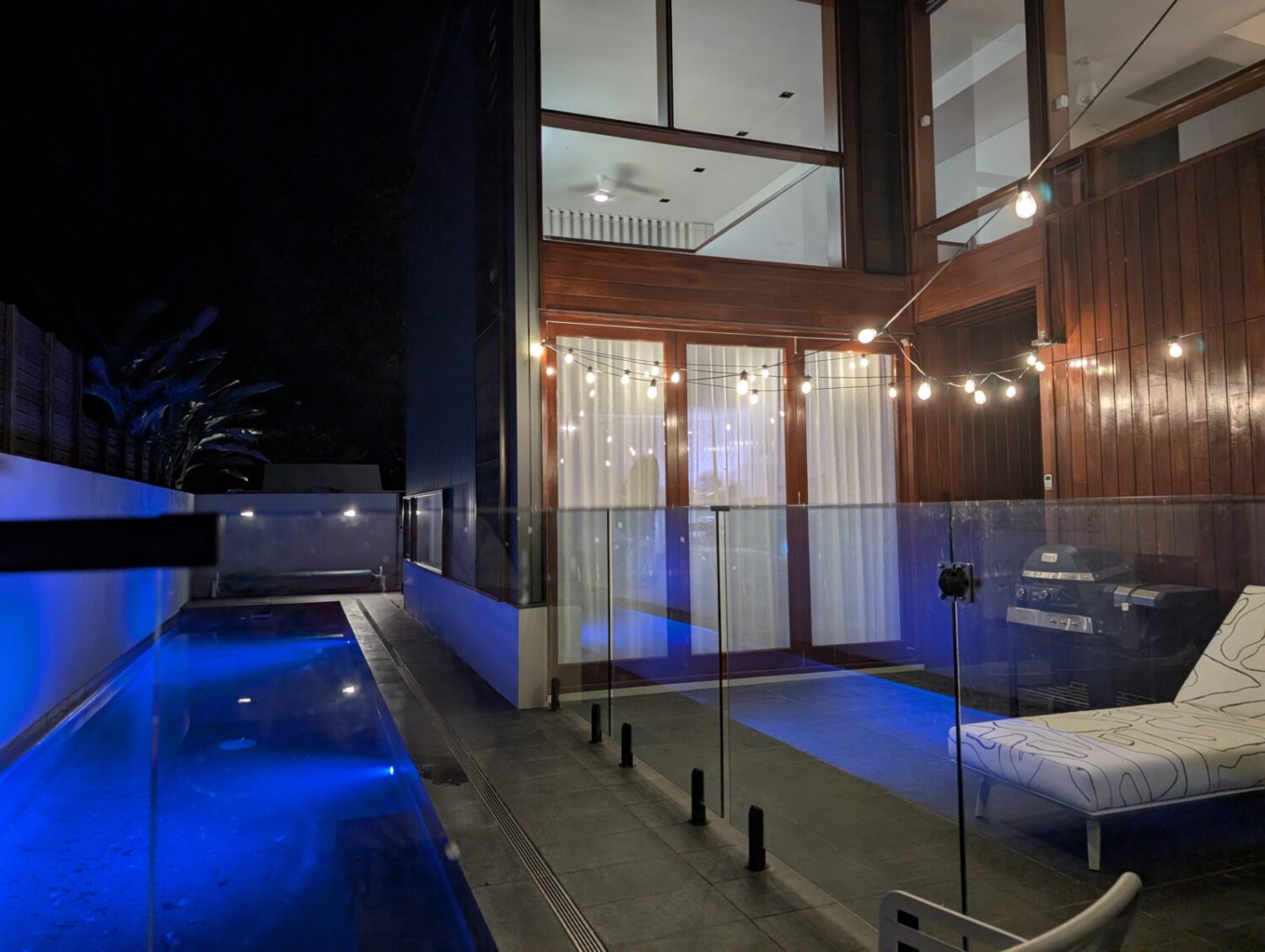
Passive heating/cooling (north-facing glazing, cross ventilation, thermal mass, shading, etc.)
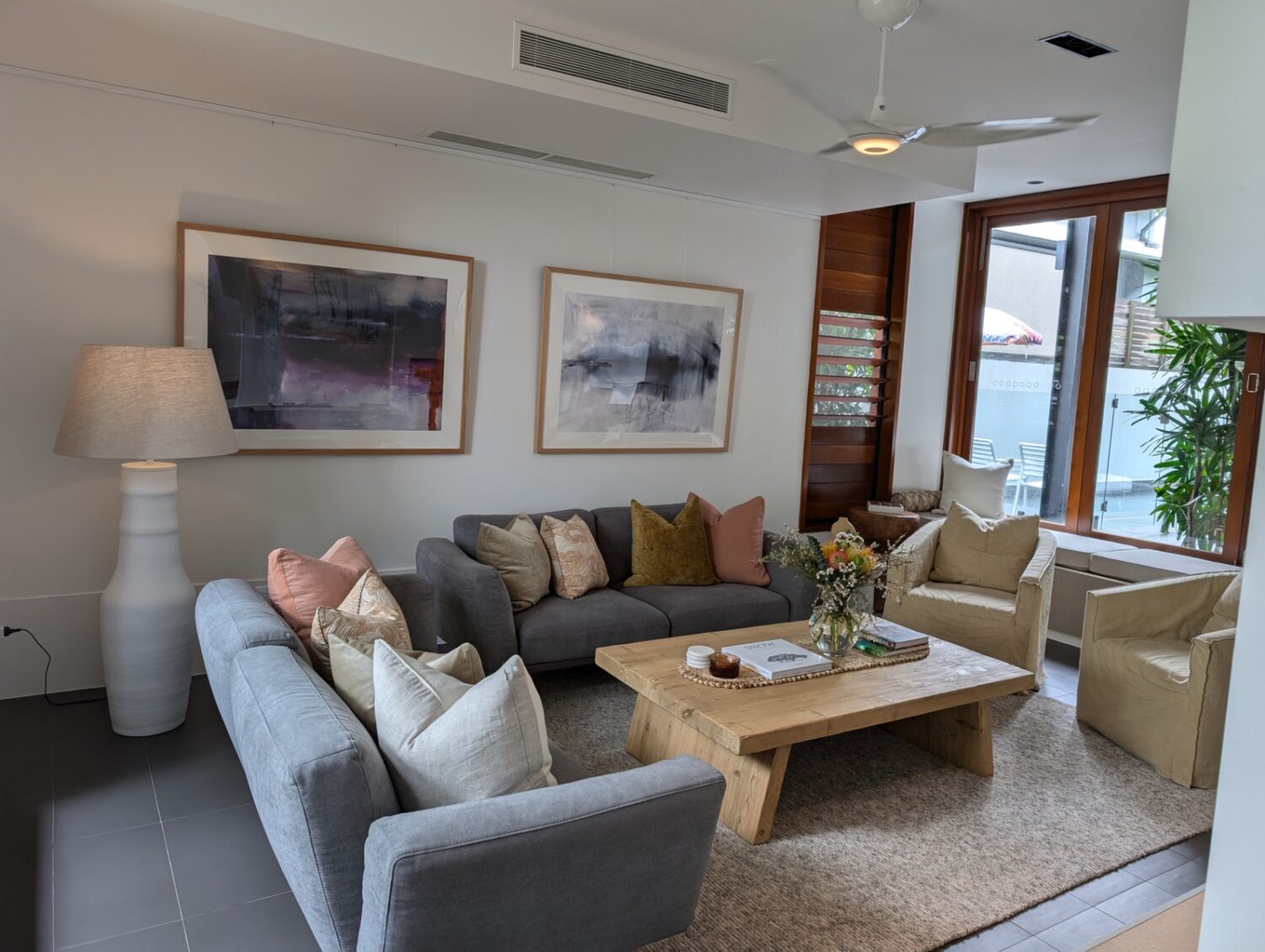
Ceiling fans
Heat pump (reverse-cycle) heating/cooling

Energy and Appliances

Rooftop solar PV
Battery storage
Dedicated wall-mounted EV charging
Energy monitoring/smart home systems
Efficient lighting (LED, daylighting, solar skylights)
Heat pump hot water
Electric cooktop - induction/ceramic

Water & Waste Systems

Water-efficient fixtures
Rainwater tanks

Landscape & Biodiversity

Climate Resilience

Accessible & Flexible Design Features

Design for flexible use
Share this home:

Related Homes

Home tours delivered to your inbox

Step inside sustainable homes across Australia and get practical ideas you can use in your own