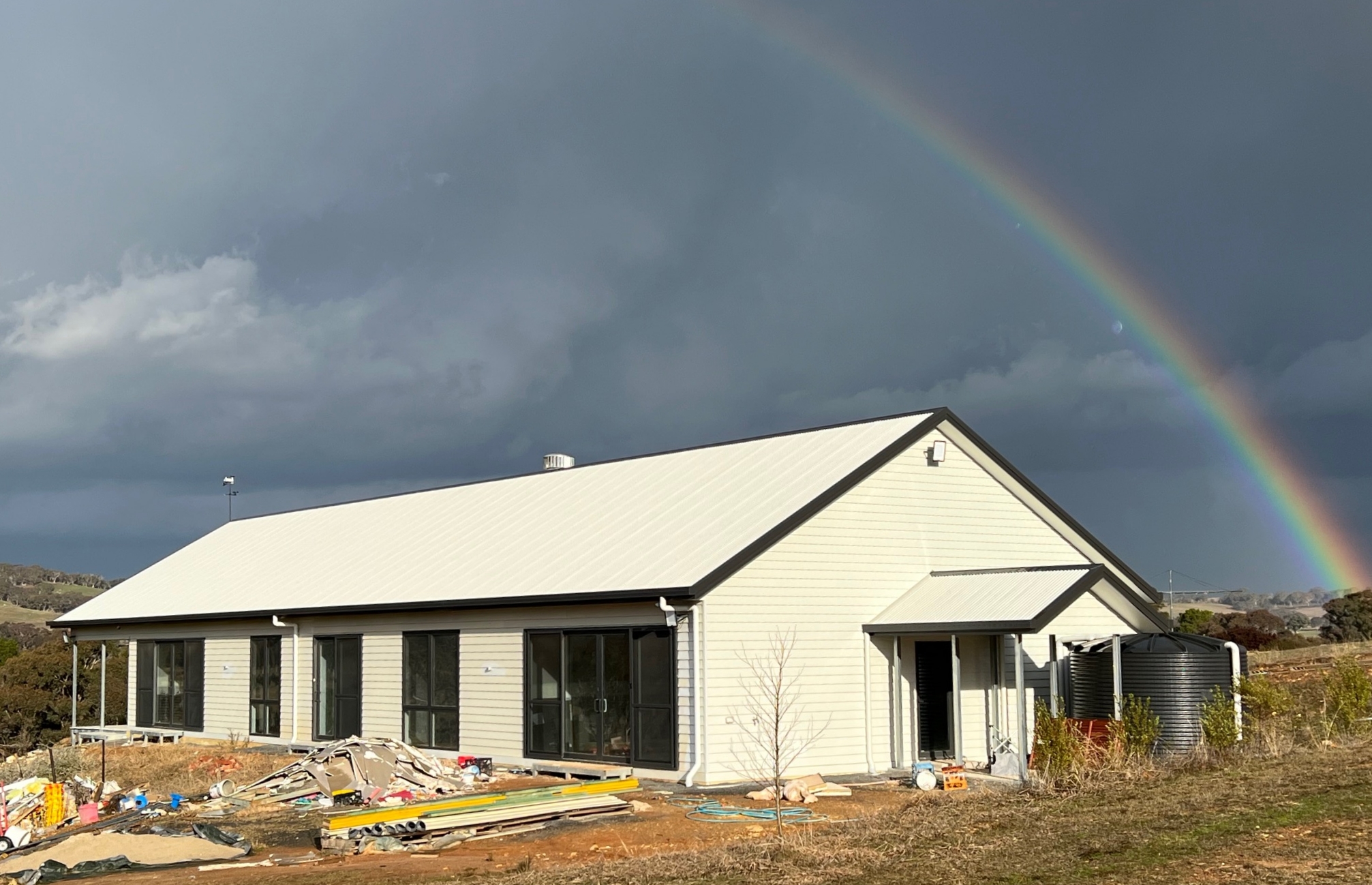

We started with an old and small 1960s cottage in Cremorne. An icebox in winter with poor orientation and poor energy efficiency.
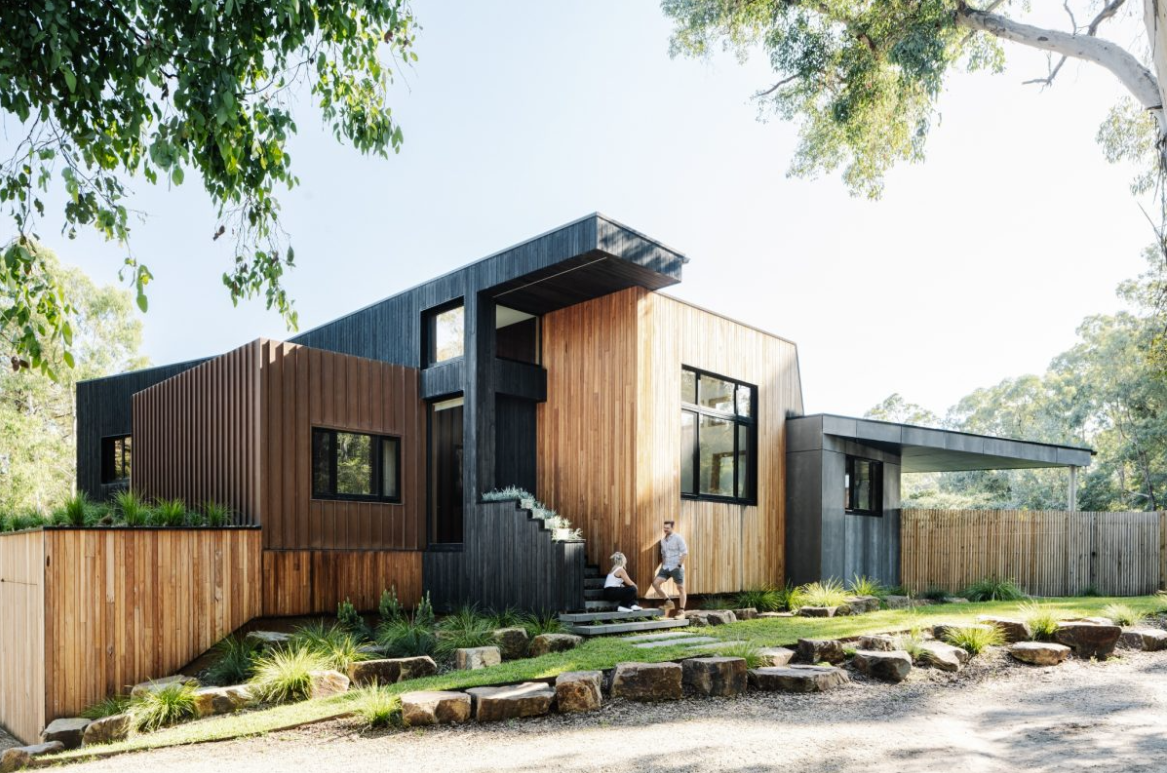
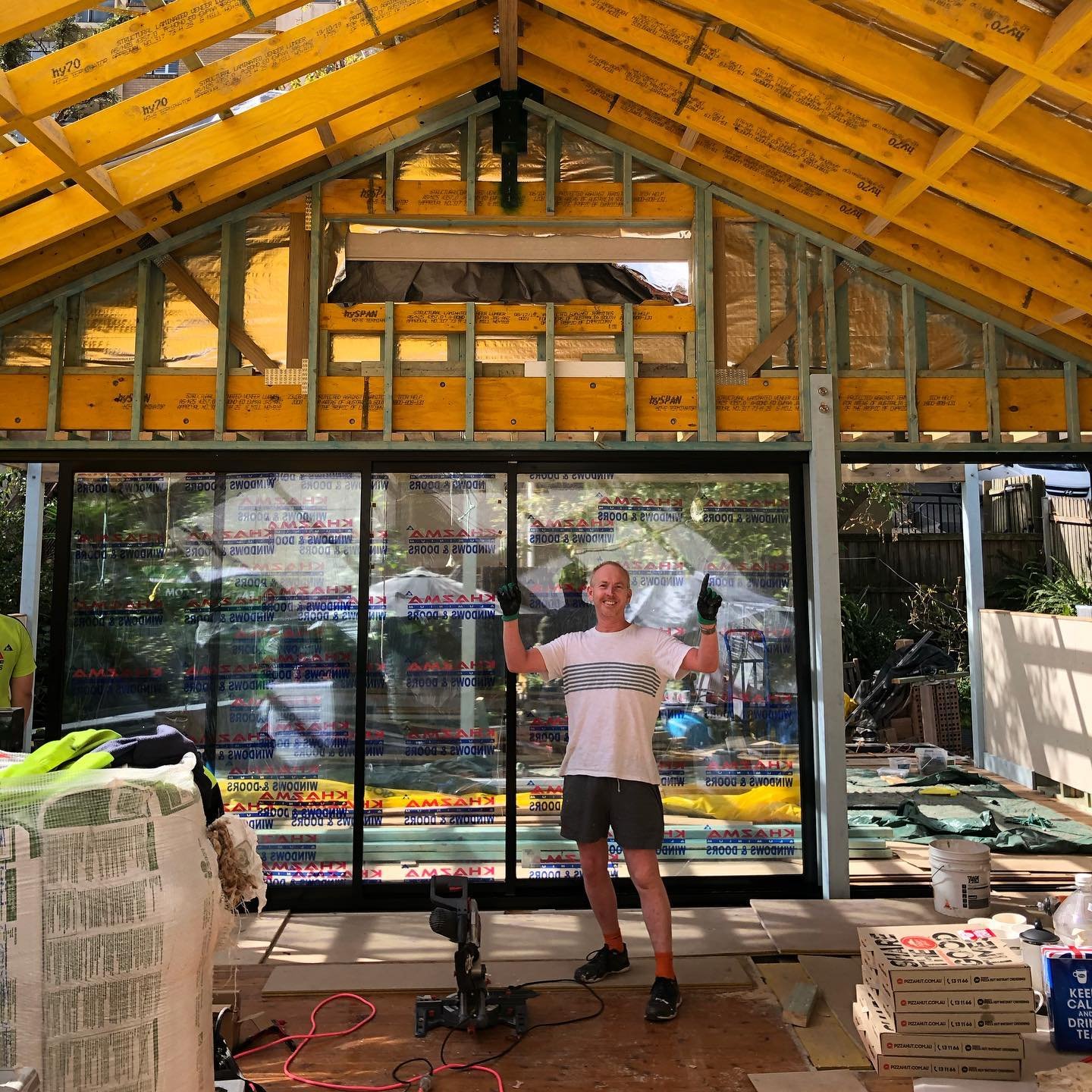
We set out to improve the livability and energy efficiency of our home through DIY renovations as owner-builders on a very strict budget. We didn't aim for perfection but rather very cost effective changes that have made a BIG impact to the livability of our home. It's also incredibly cheap to run.
Our home renovation/improvements included:
- keeping our home small
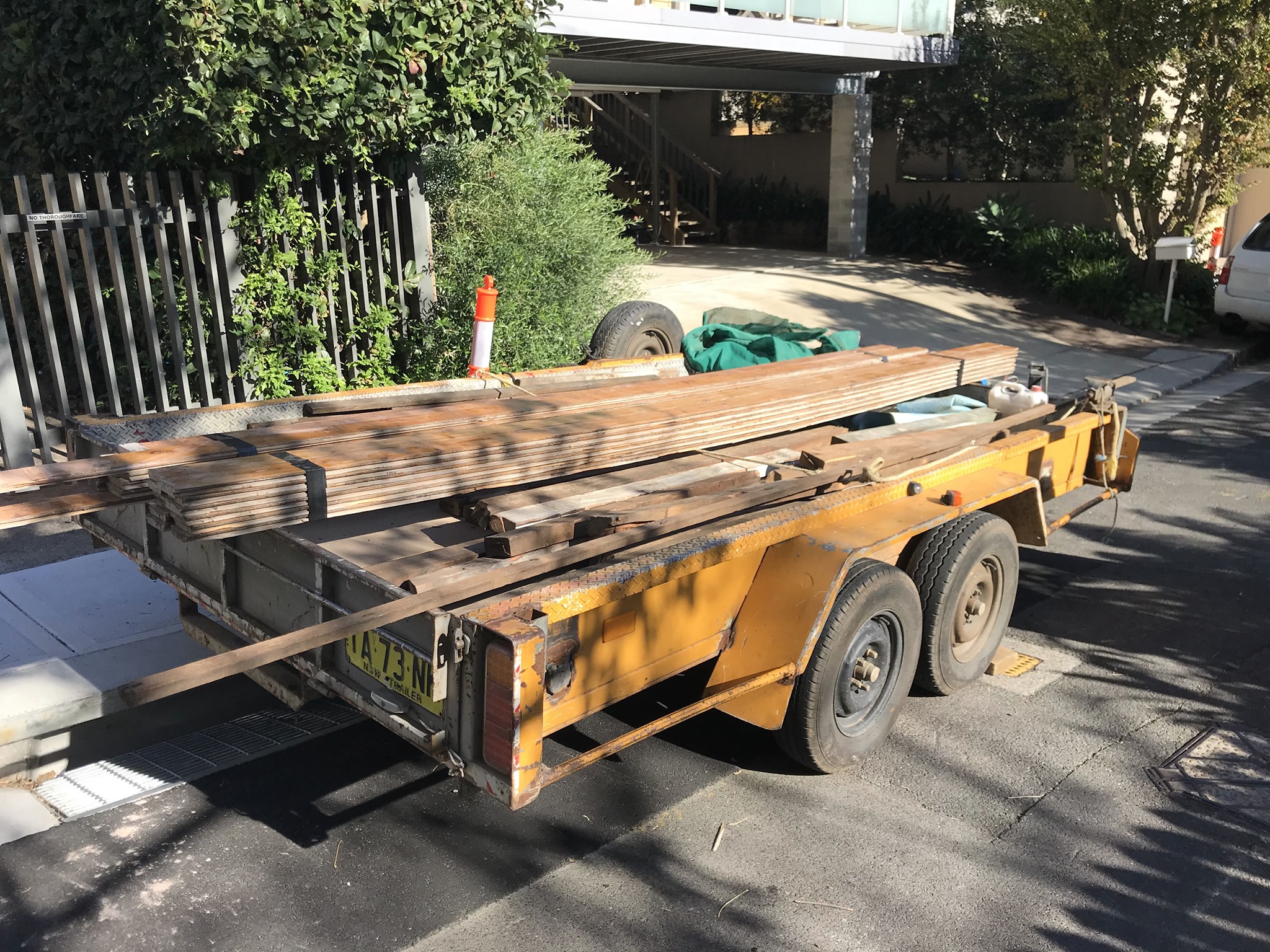
- minimal waste renovation with no skip bin & recycling of materials
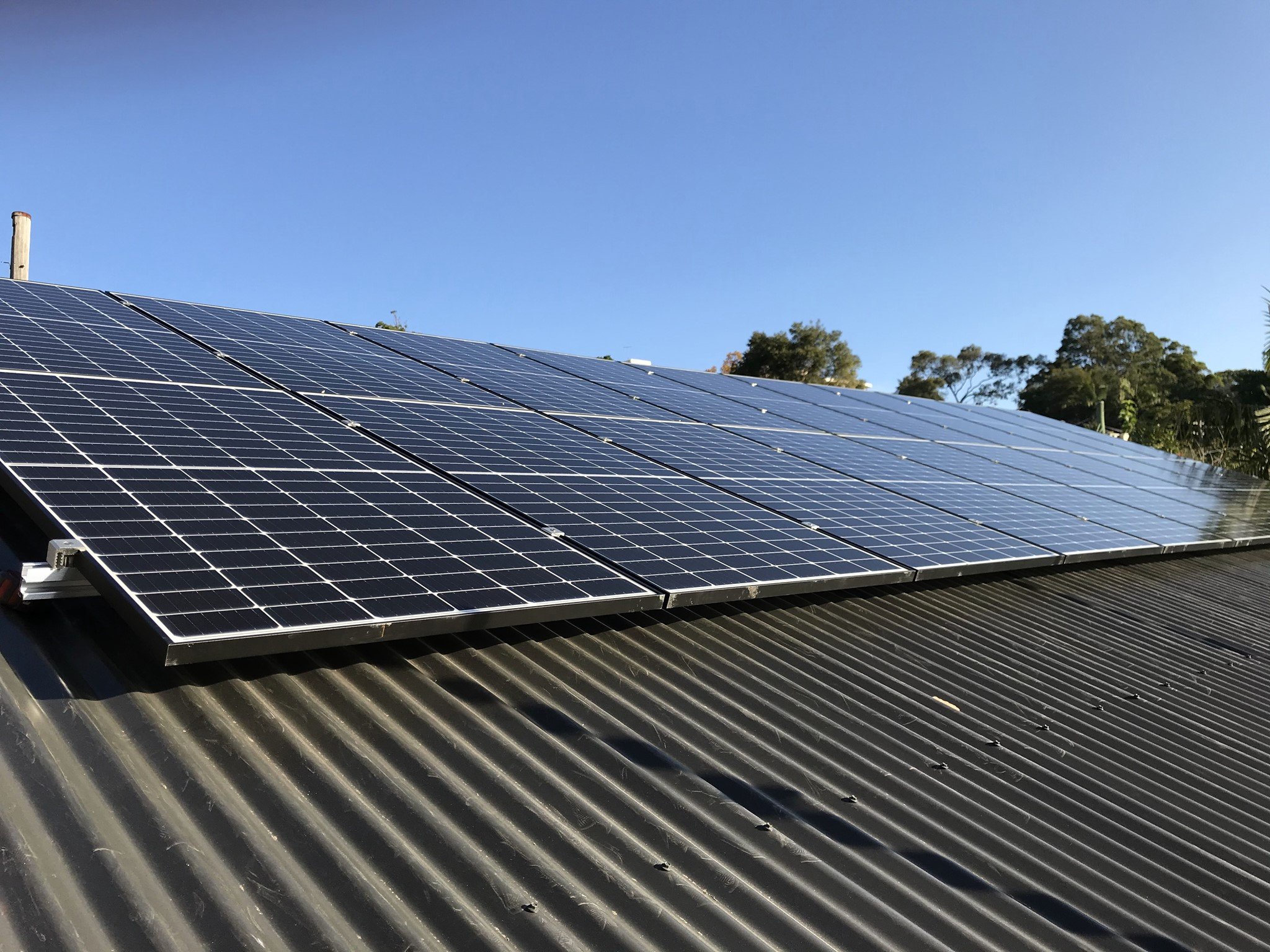
- a new roof & solar panels
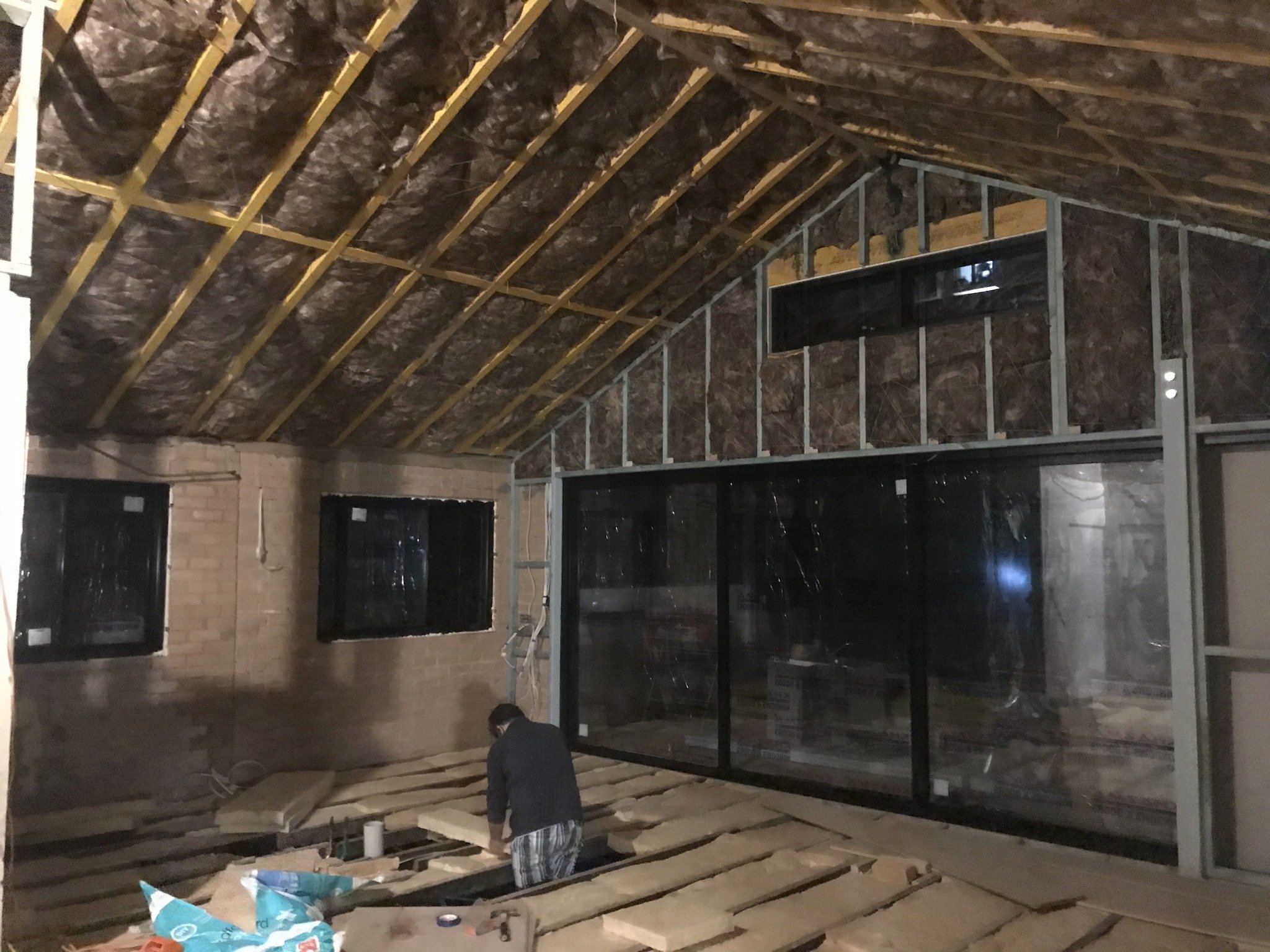
- lots of insulation (walls, floor, ceiling)
- double-glazed windows
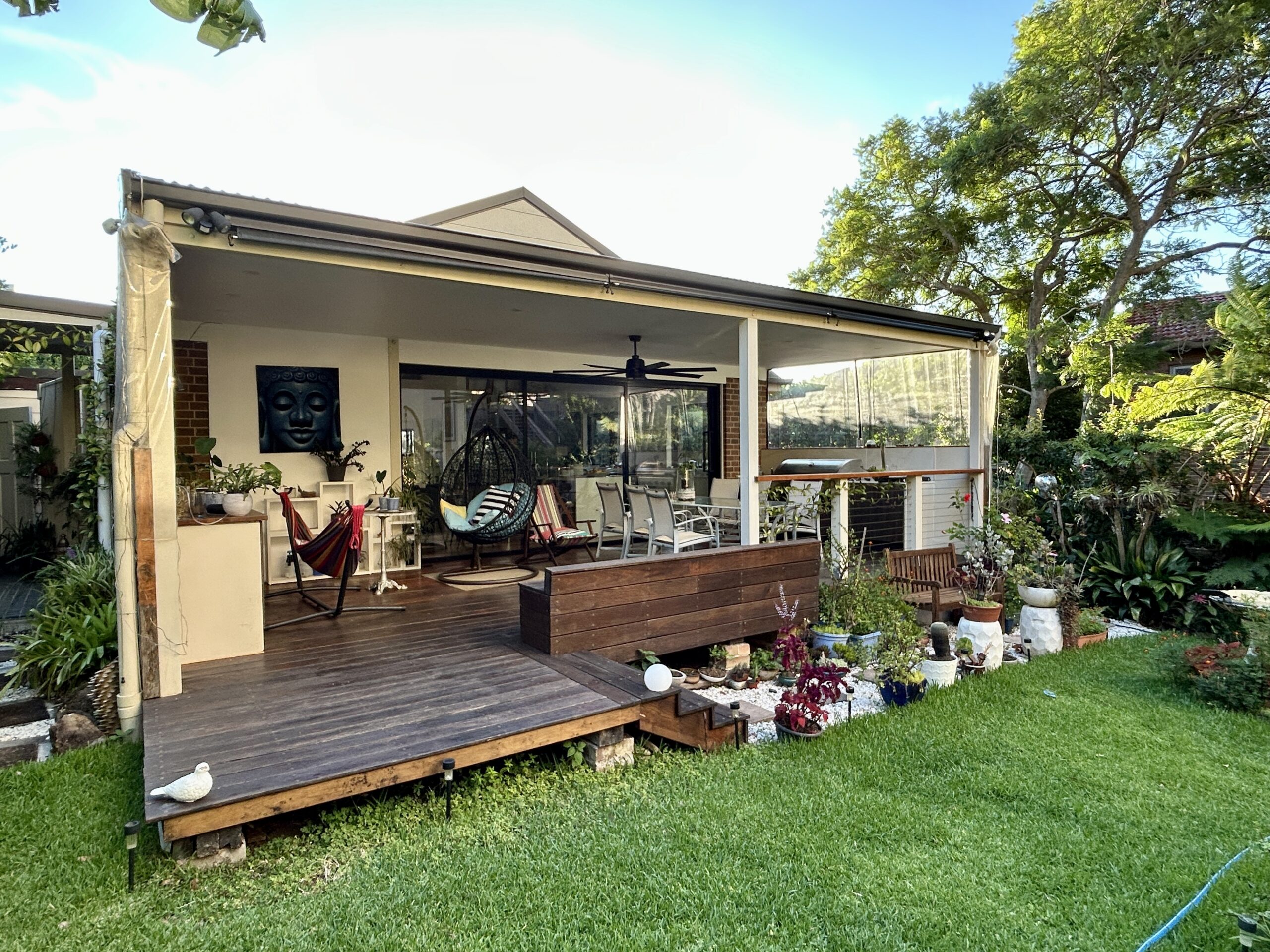
- a large alfresco deck
- eaves on the north side of the house for passive solar design
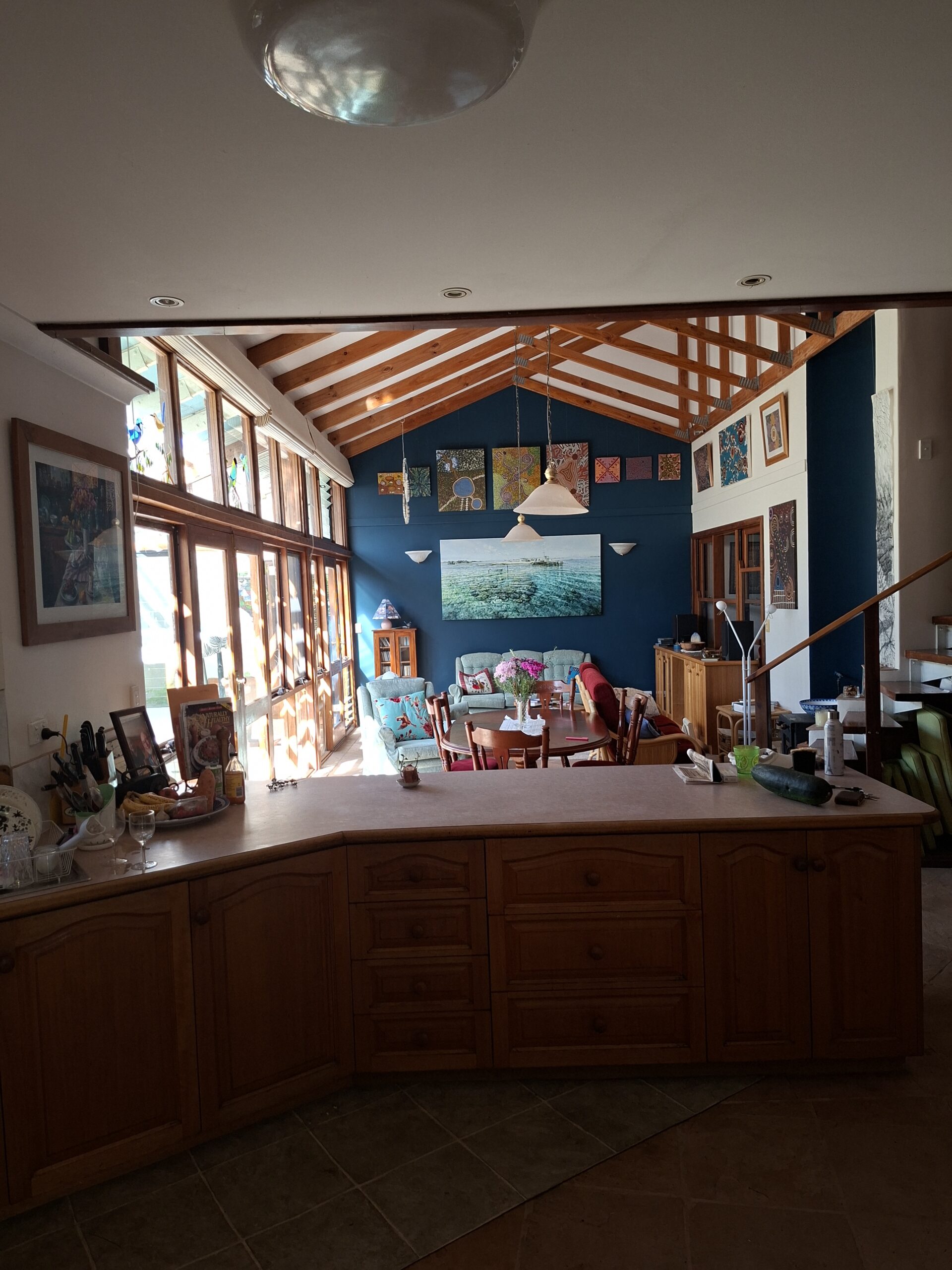
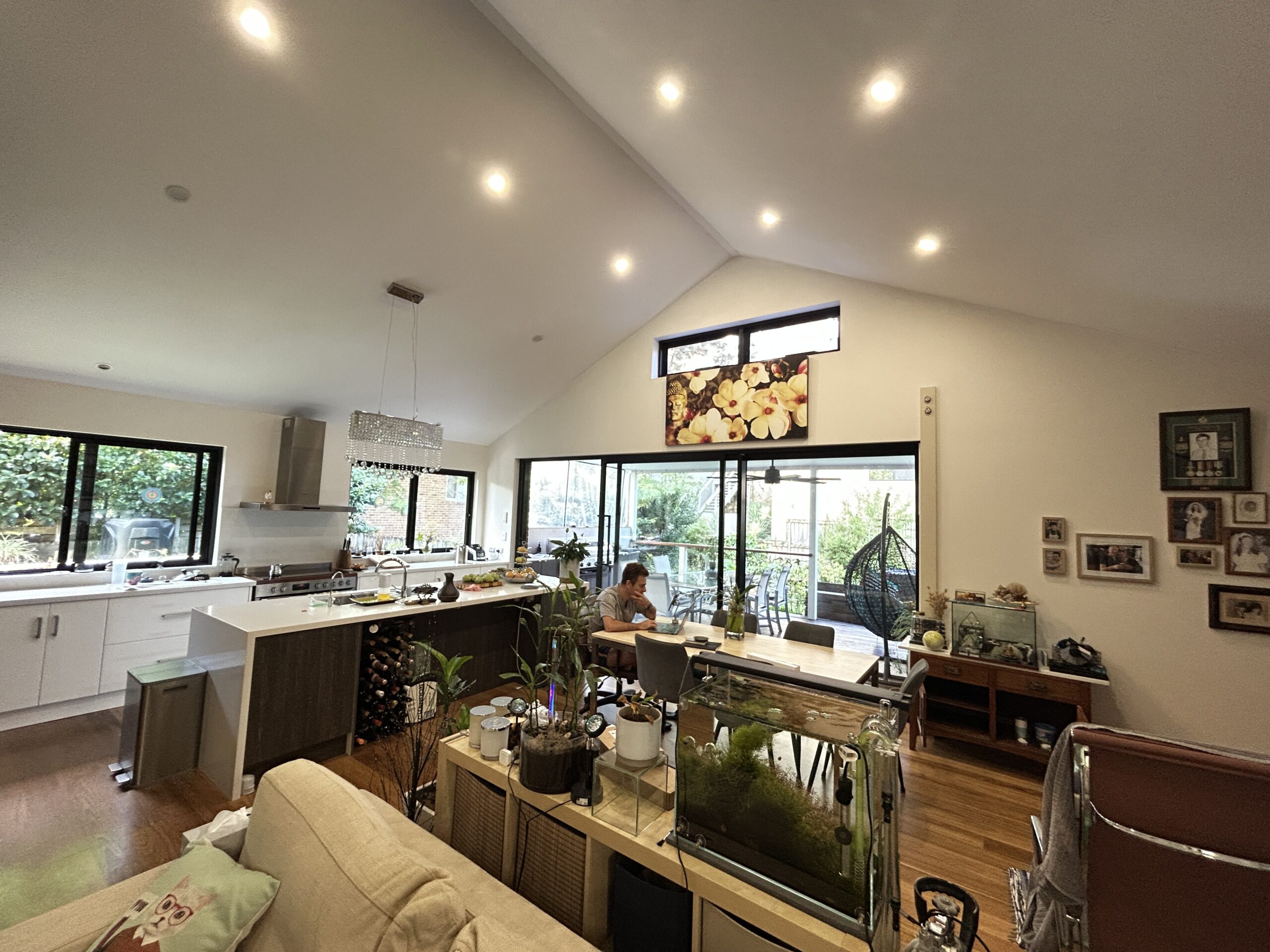
- added large north-facing windows in the living area
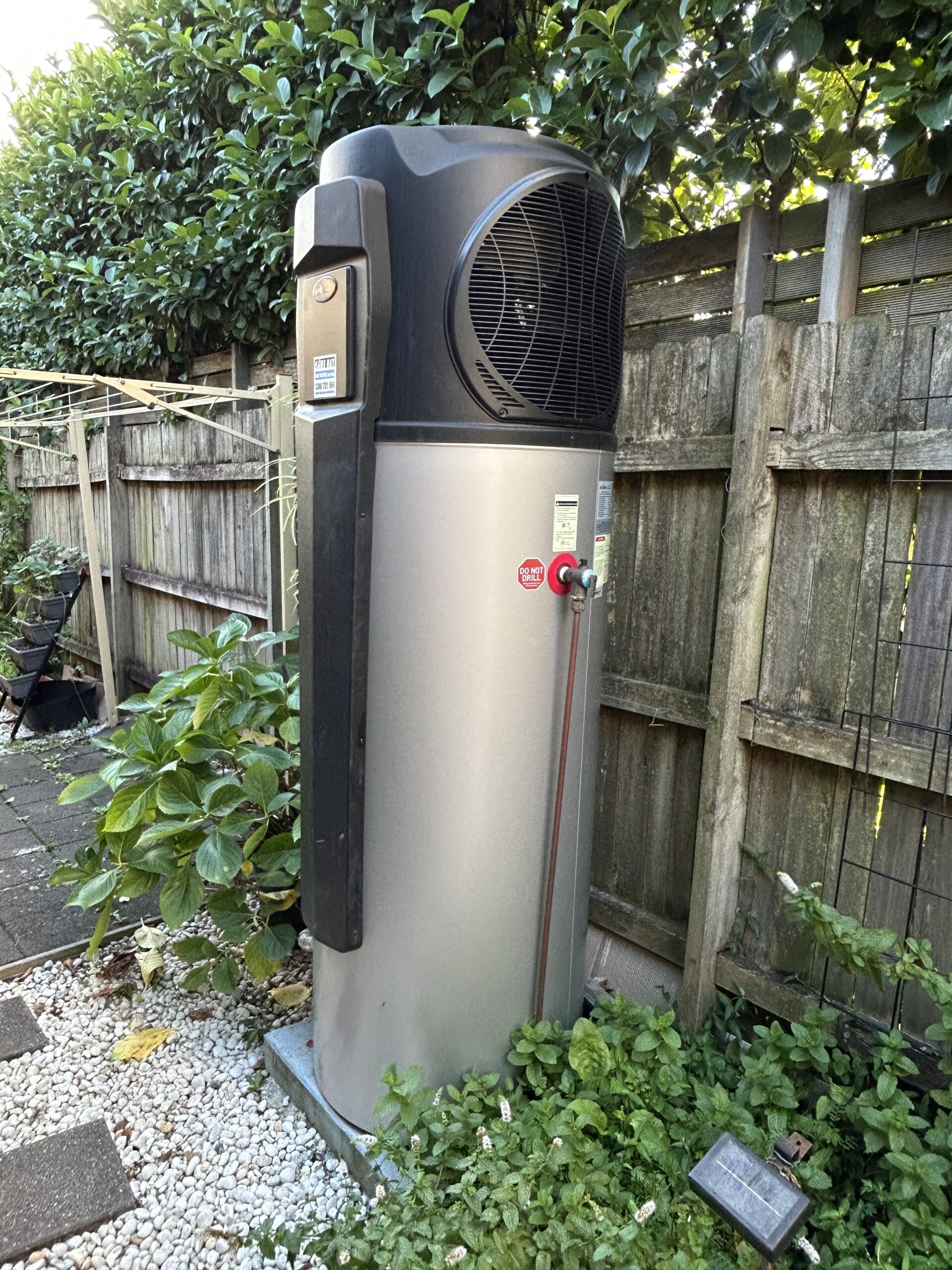
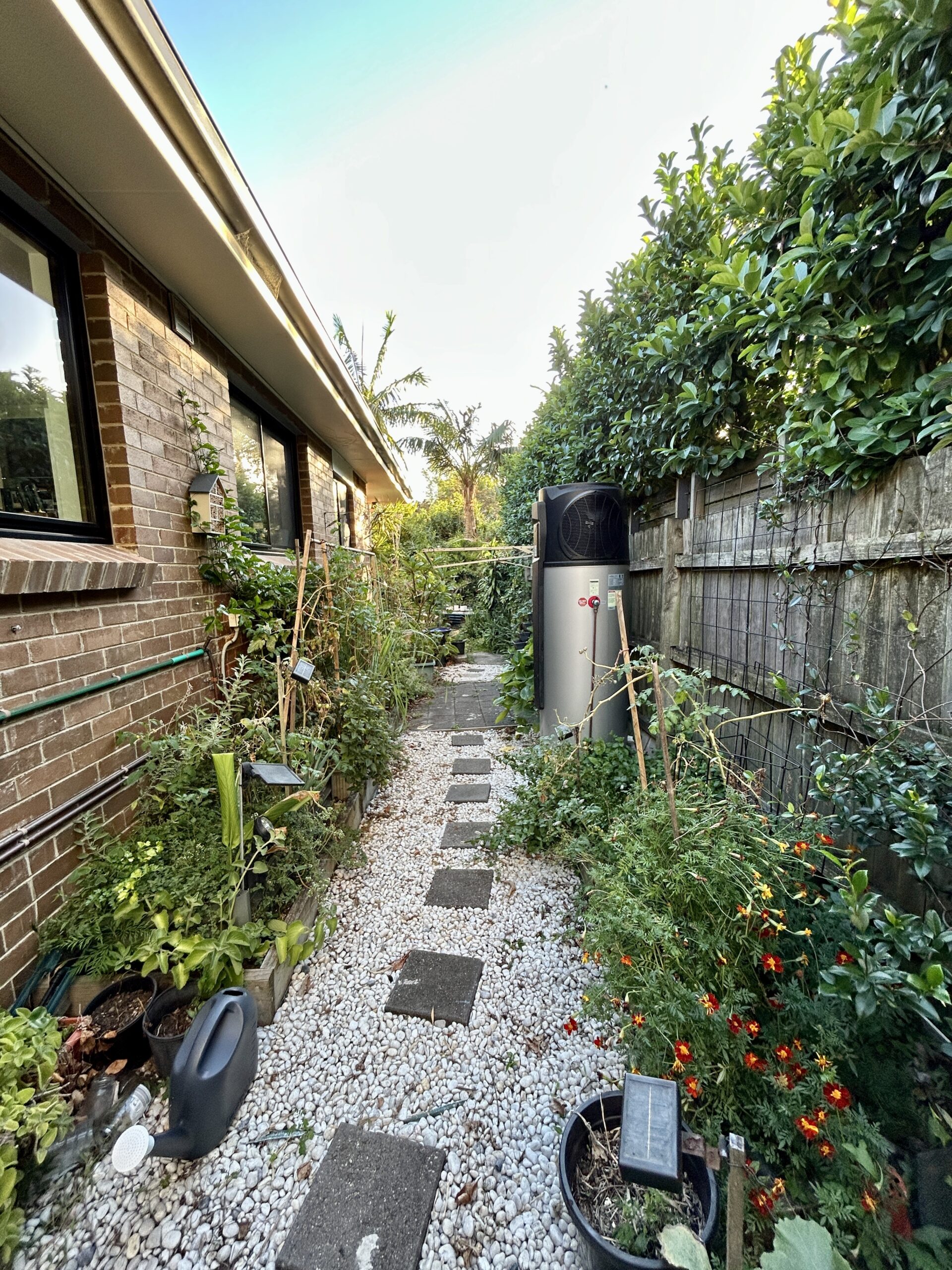
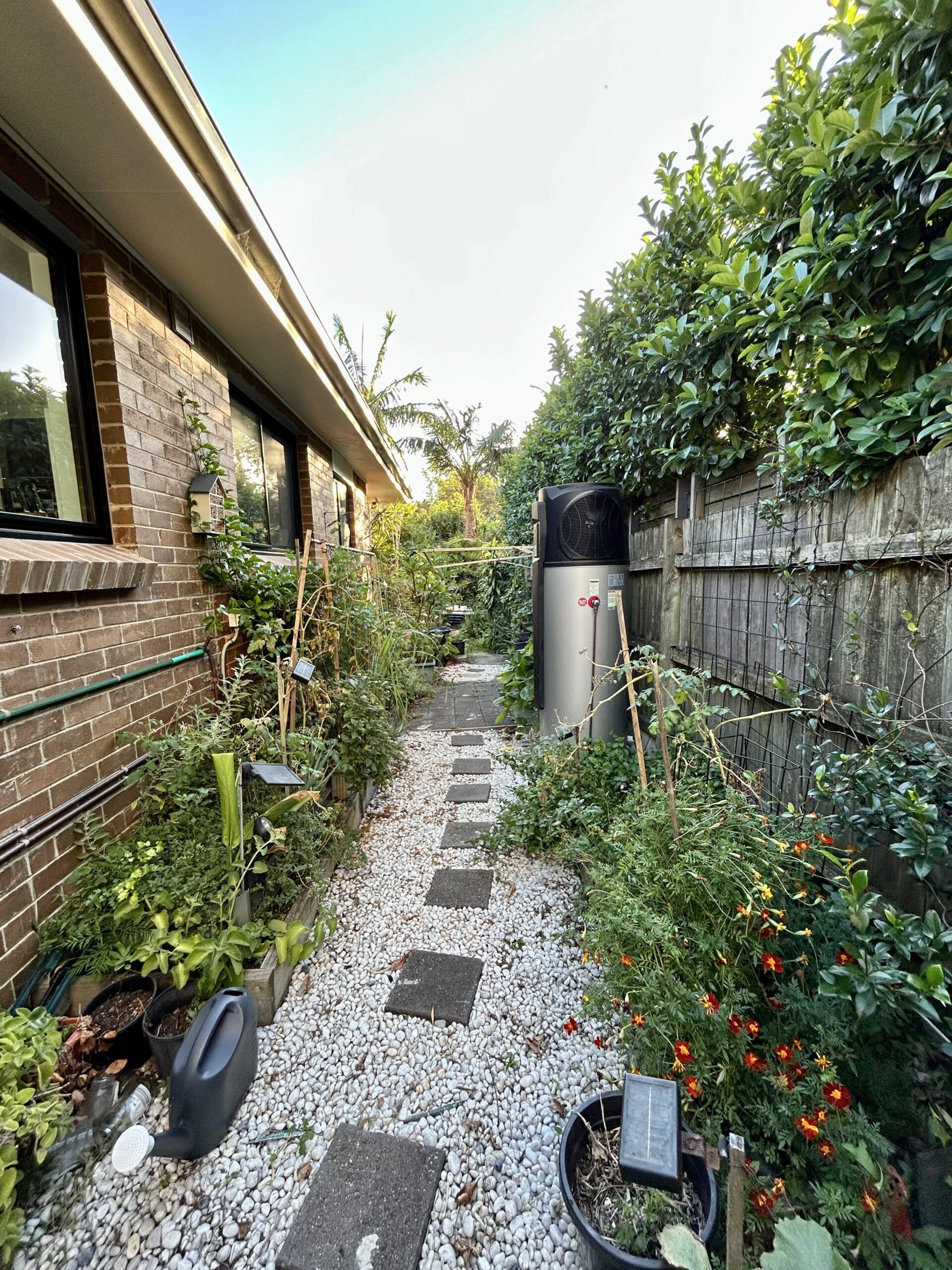
- Hot water heat pump
- induction cooktop (retrofitted a gas oven/cooktop combo)
- reverse cycle air conditioning in the main living area
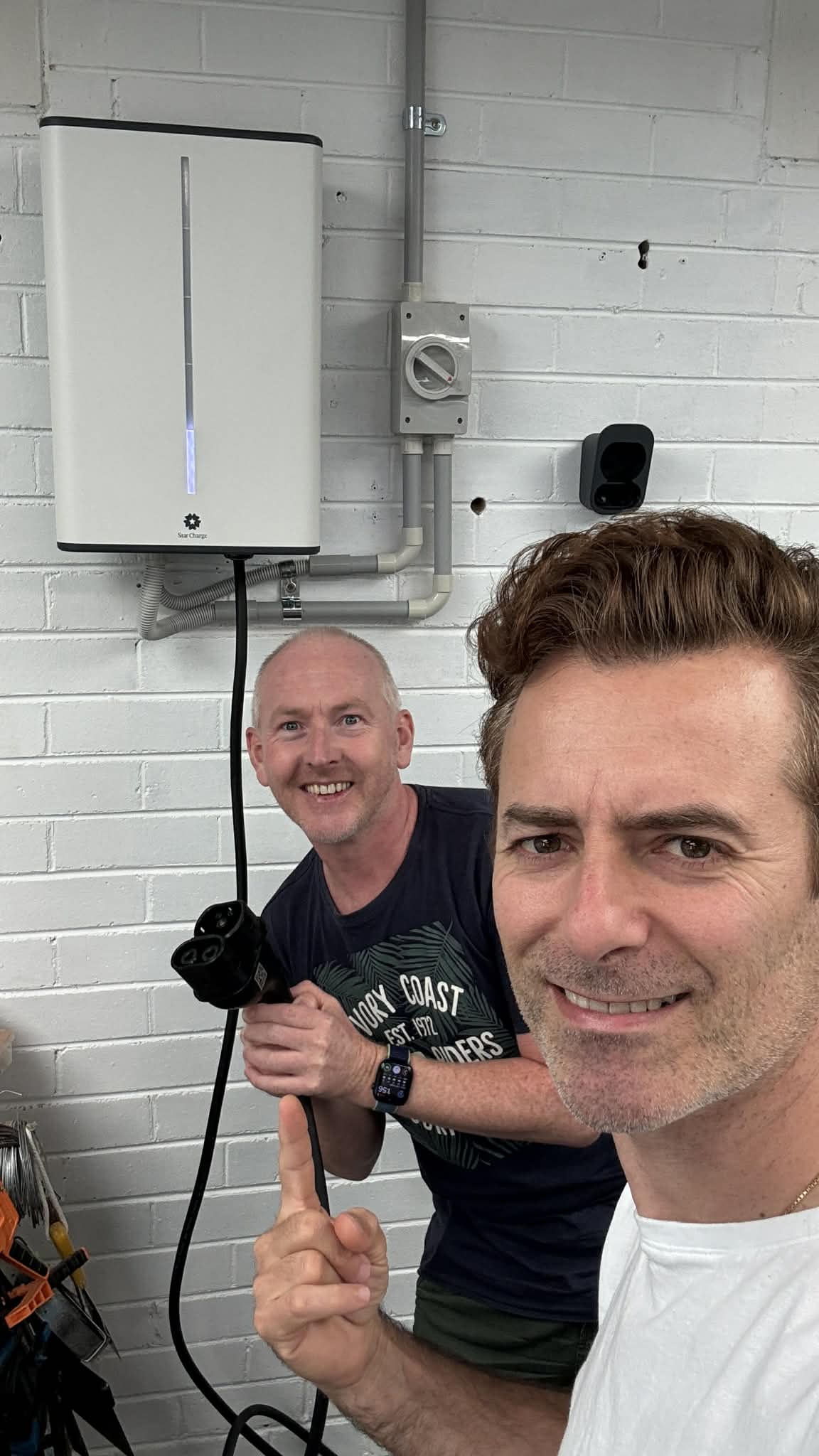
- added a V2G charger for our EV
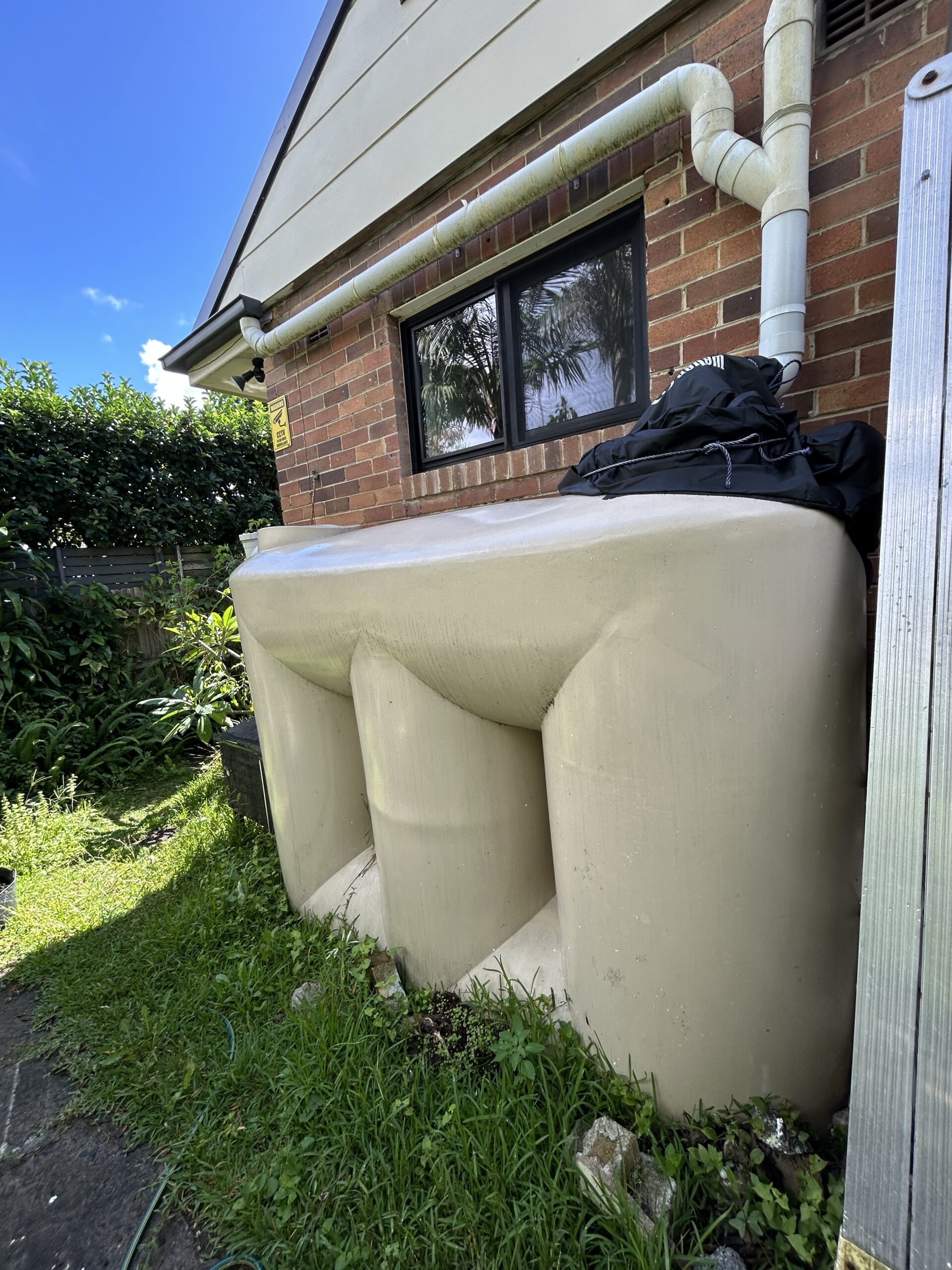
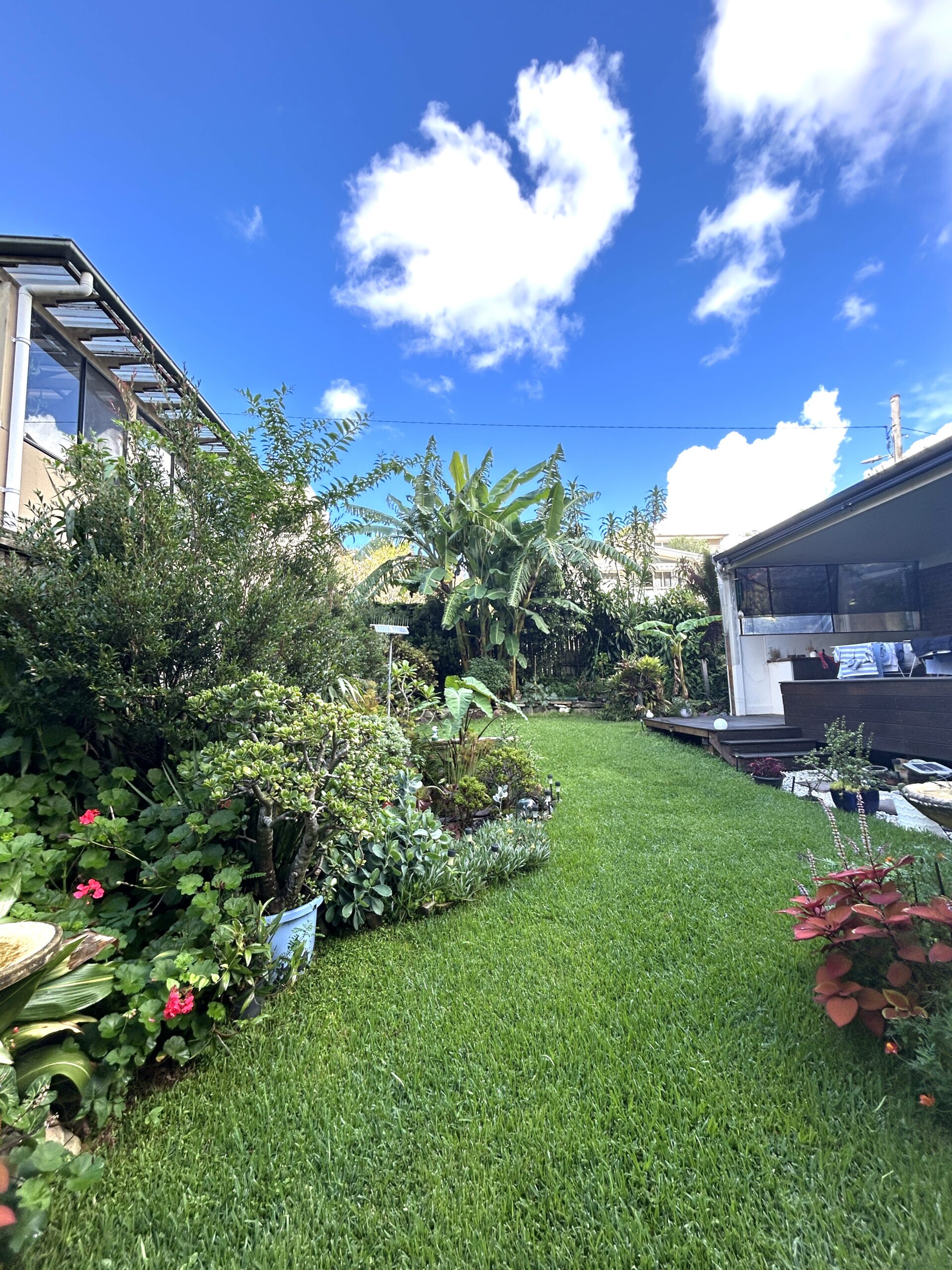
The home is far more comfortable to live in, especially in winter. We have beautiful natural light through large north facing windows and we no longer pay for petrol, gas or electricity (via our V2G charger). We also use the water tank to water our small but thriving garden.
While our house is certainly not perfect, I think it's a great example of making very cost-effective changes to create a really comfortable, livable home with a very low environmental footprint
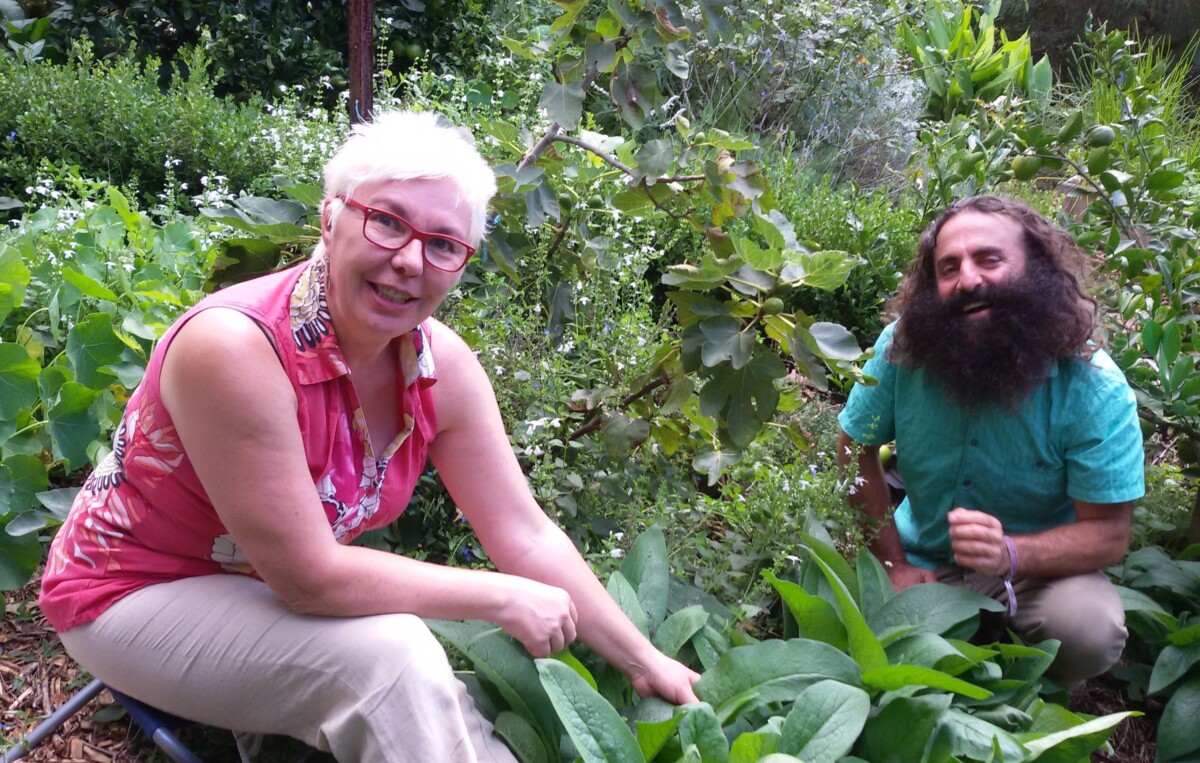
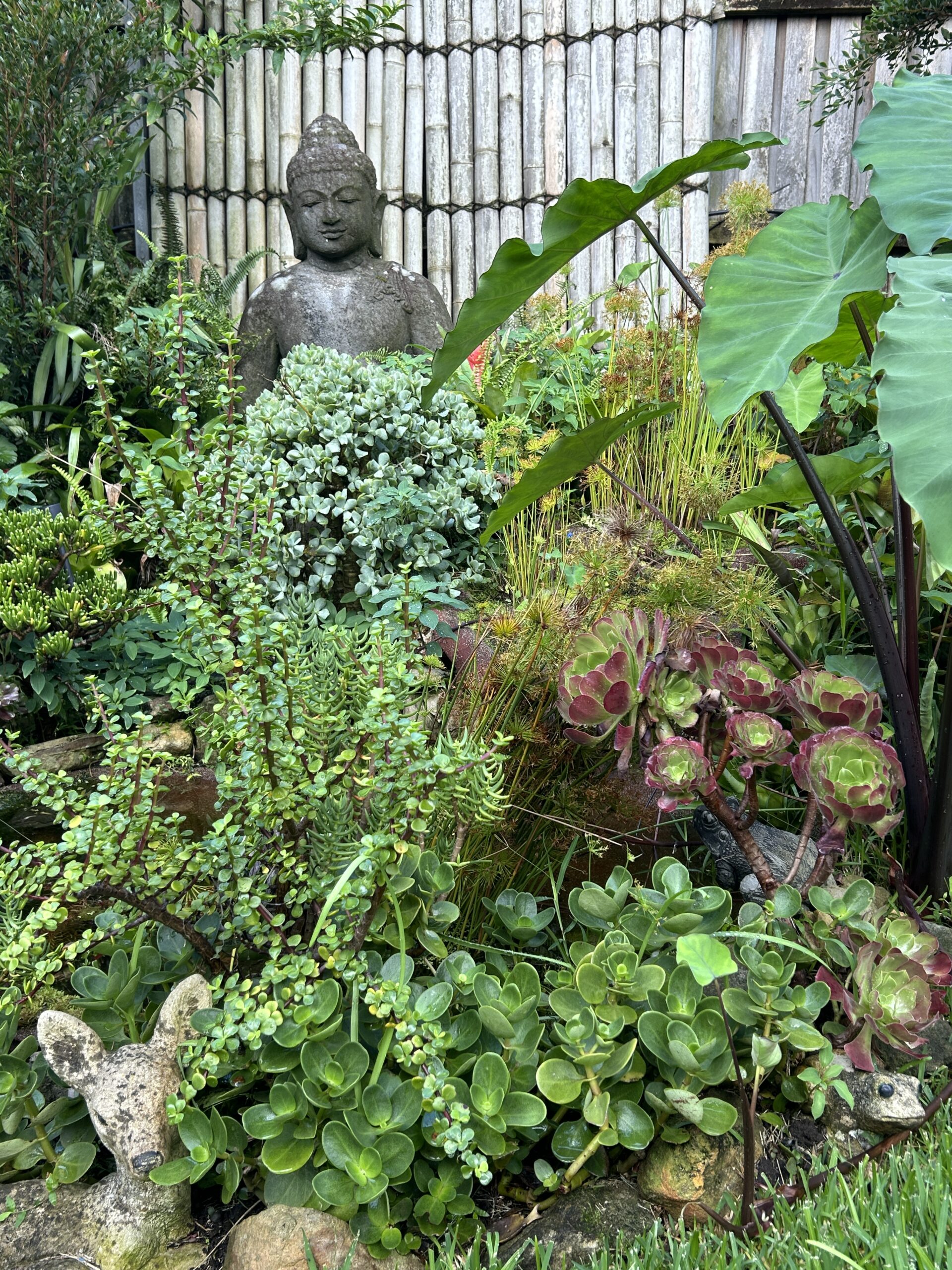
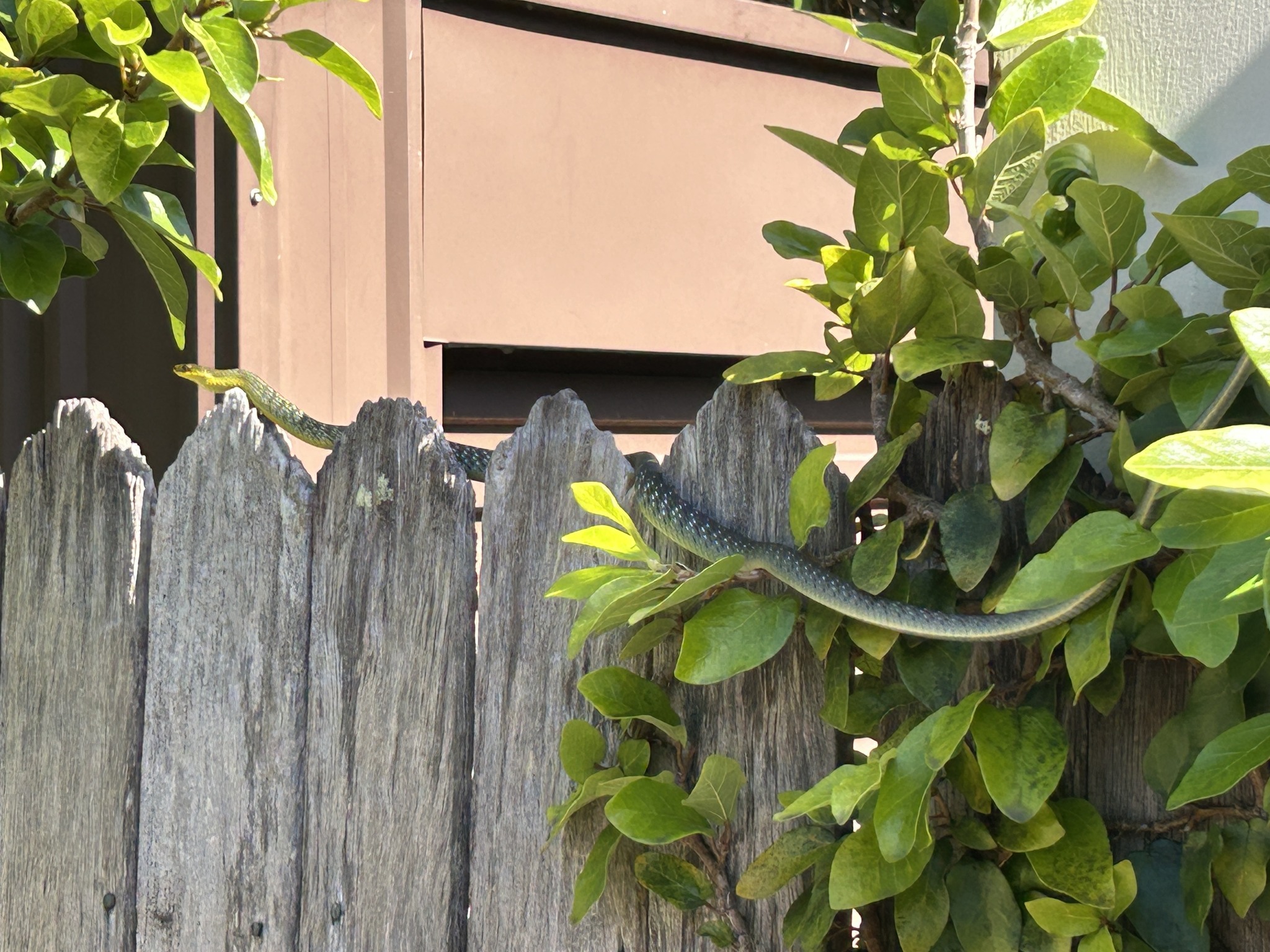
We have a small seasonal edible garden, a 3,000L water tank that rarely runs dry, and we have a worm farm and 2 x composts. We reuse, repurpose and recycle extensively.
Key Sustainability Features:
- Fully electric house, no gas
- Vehicle-to-grid system for night-time power
- Double-glazing, insulation, and reused materials
- Solar power and energy-efficient everything
- Edible garden, composting, worm farm and a water tank
Over the last 10 years we have completely changed the way we live.