Electric Edwardian

Wurundjeri land,
Northcote,
VIC
This home will be open for in-person tours on the 17th May 2026

About this home

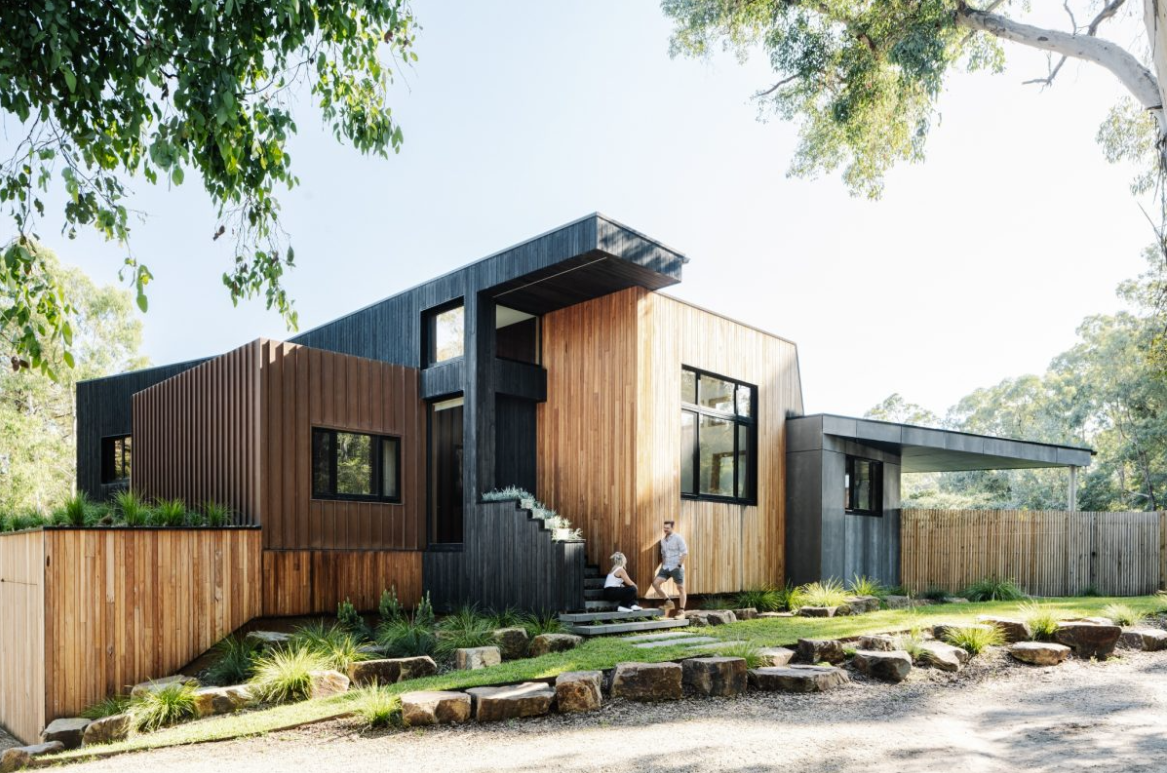
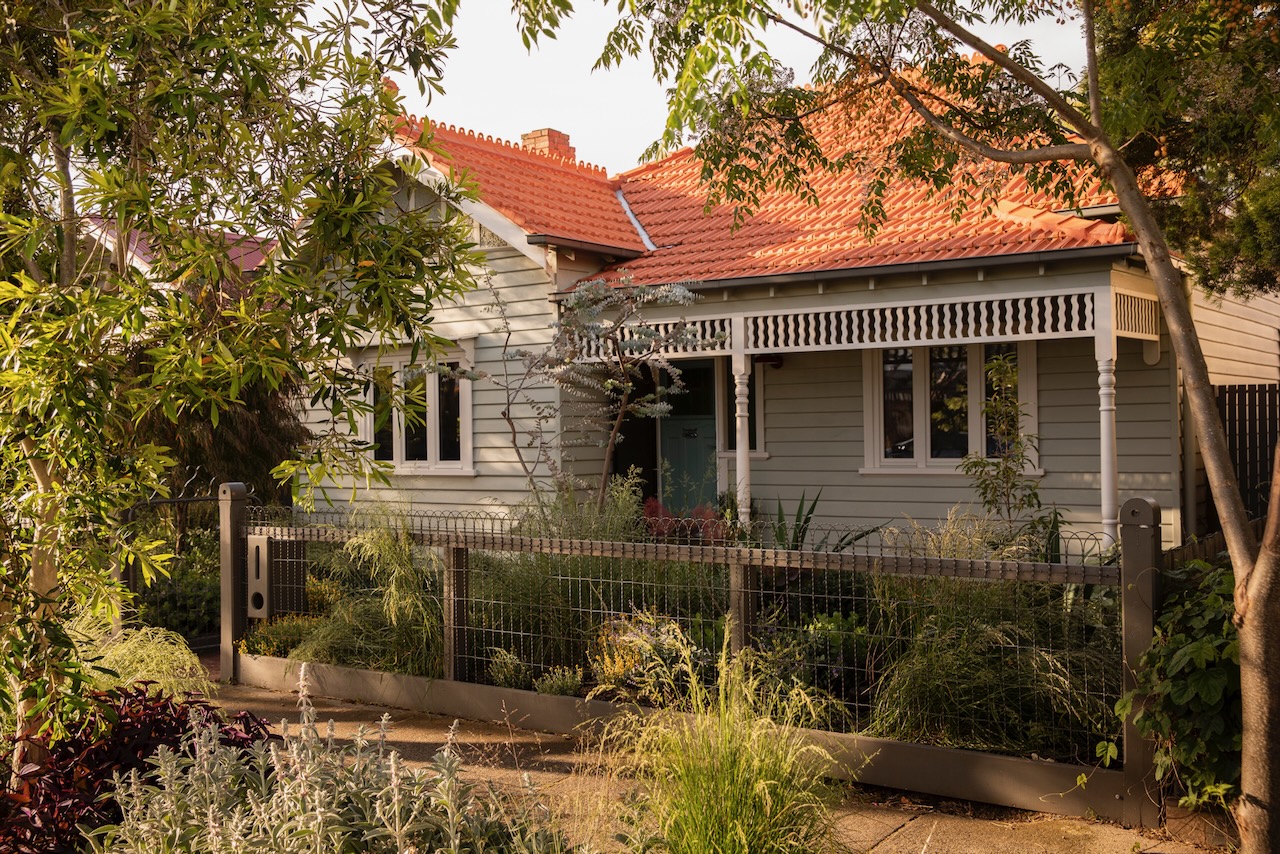
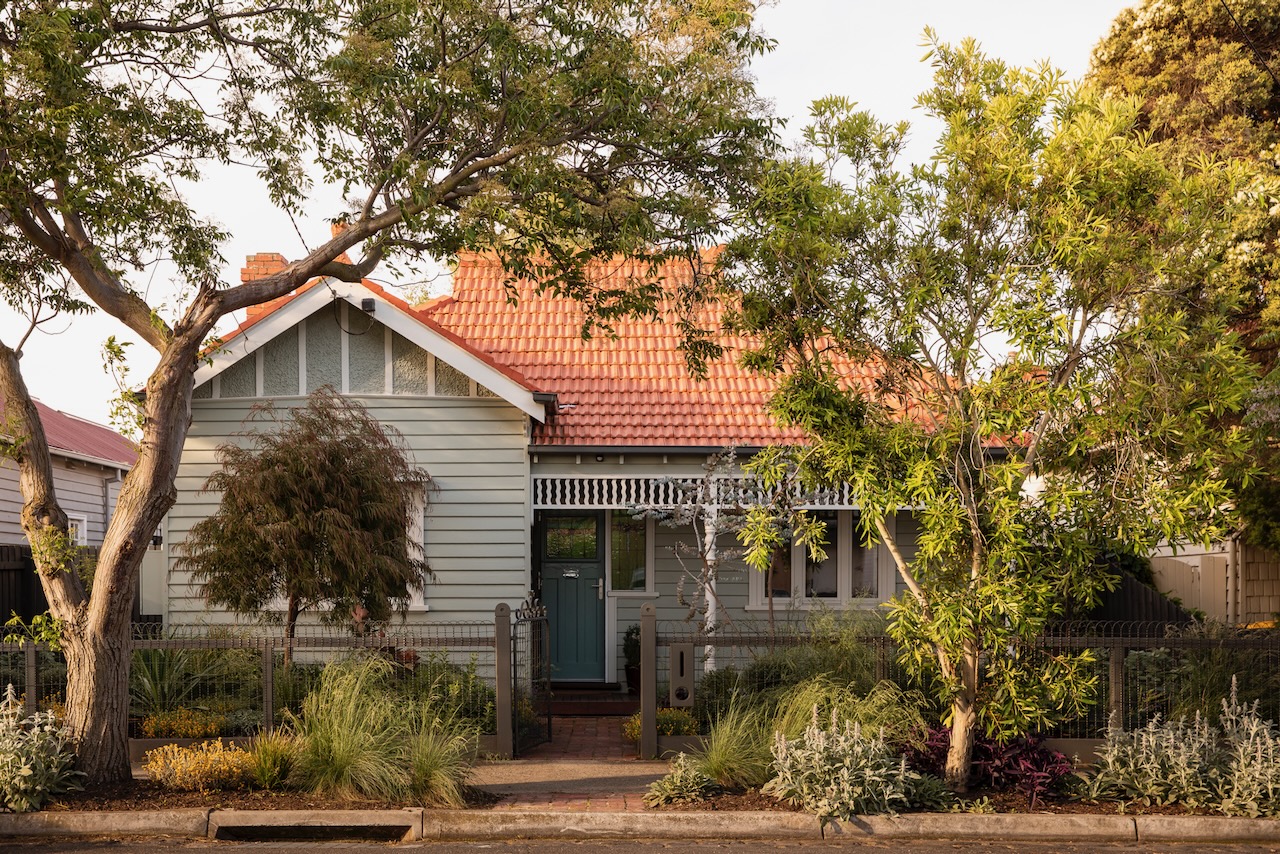
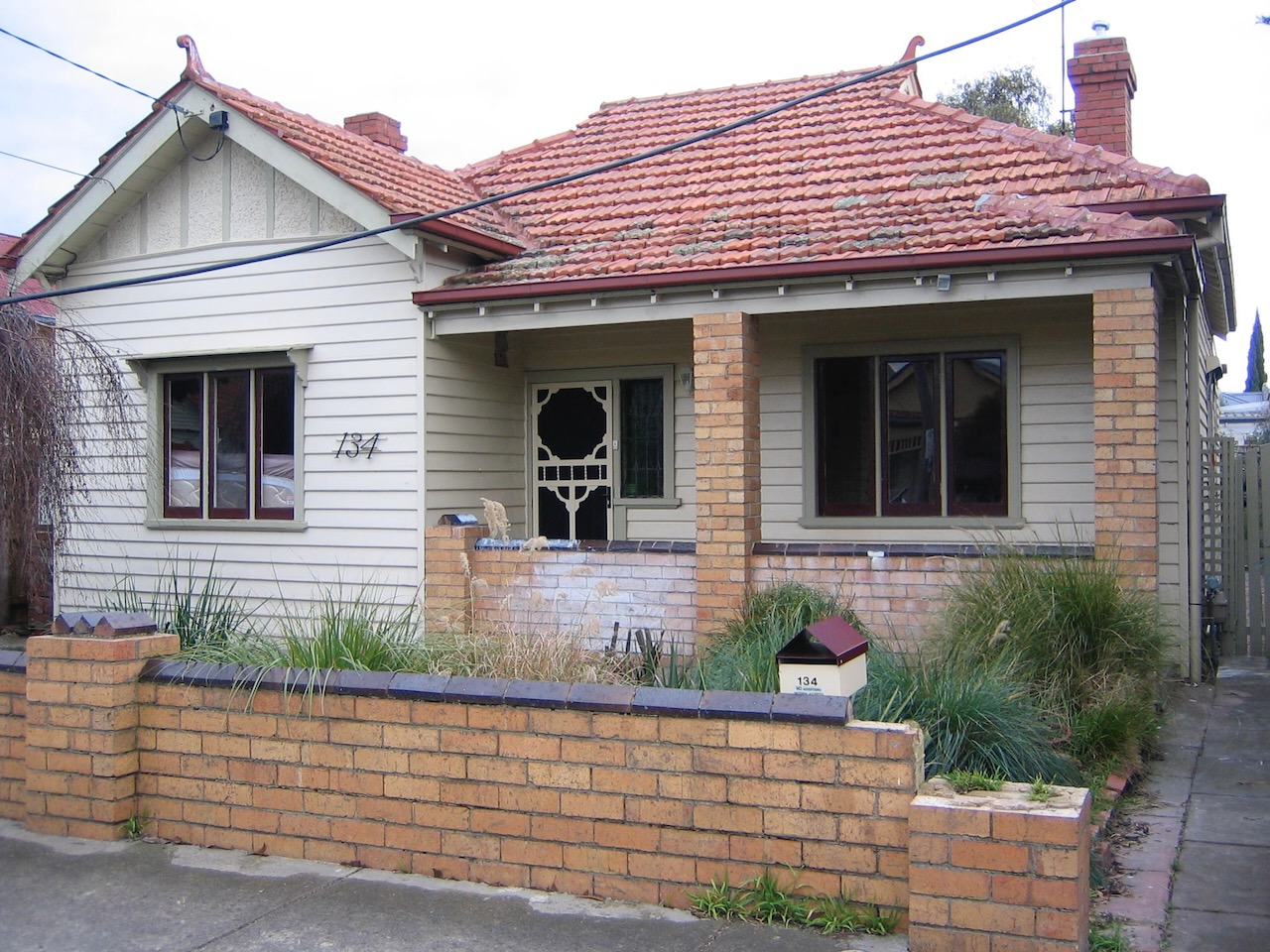
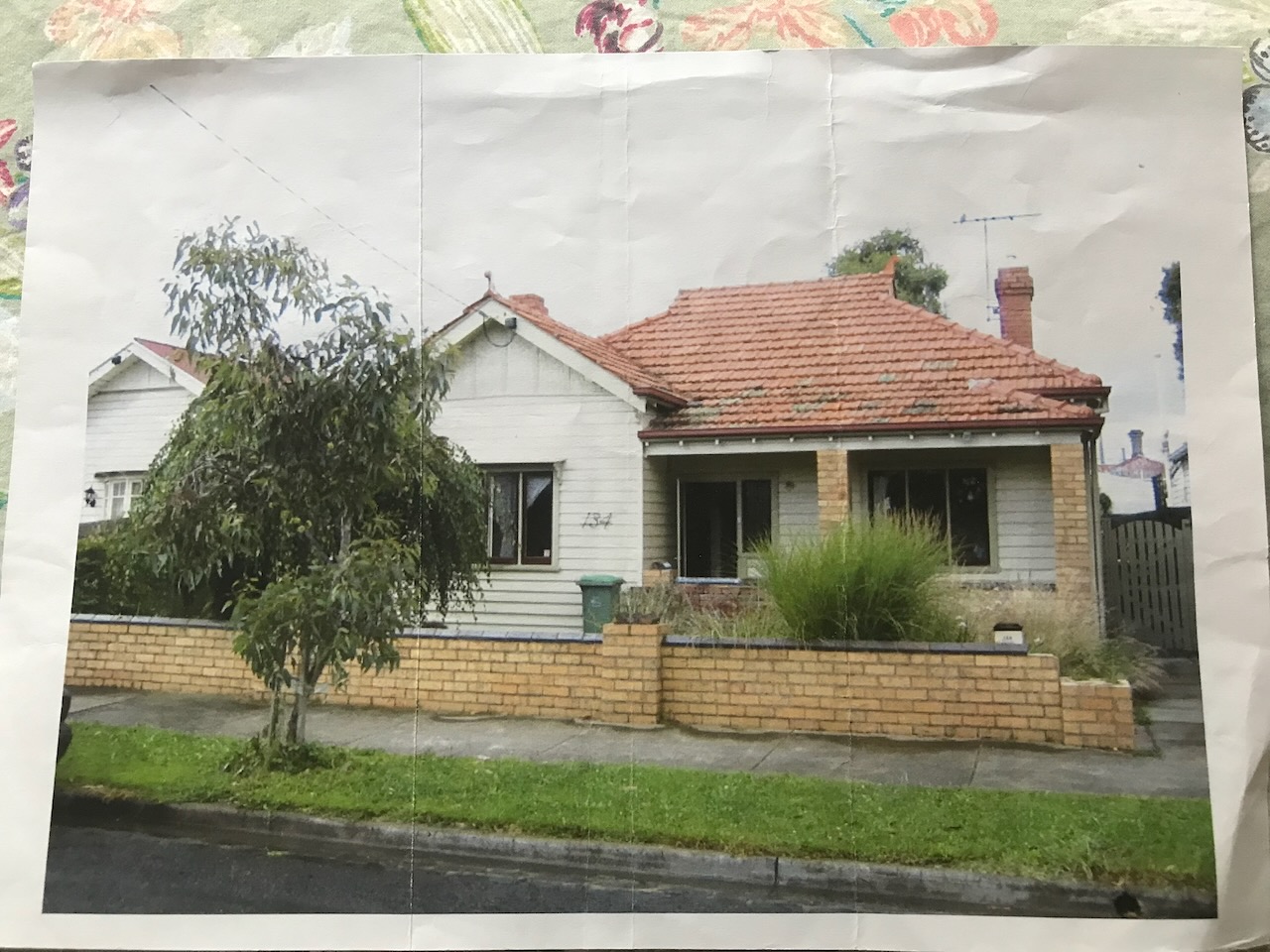
Edwardian Electric is a modest Edwardian weatherboard in Melbourne’s inner north, built over a century ago with no insulation, single glazing, gas appliances and significant draughts. When purchased in 2004, the home likely performed at 0.9 stars, with a thermal load of 576 MJ/m² per year. Over two decades, through staged, affordable and strategic retrofits completed alongside family life, it has been transformed into a 7.7‑star, fully electric, solar‑powered, net‑exporting home.

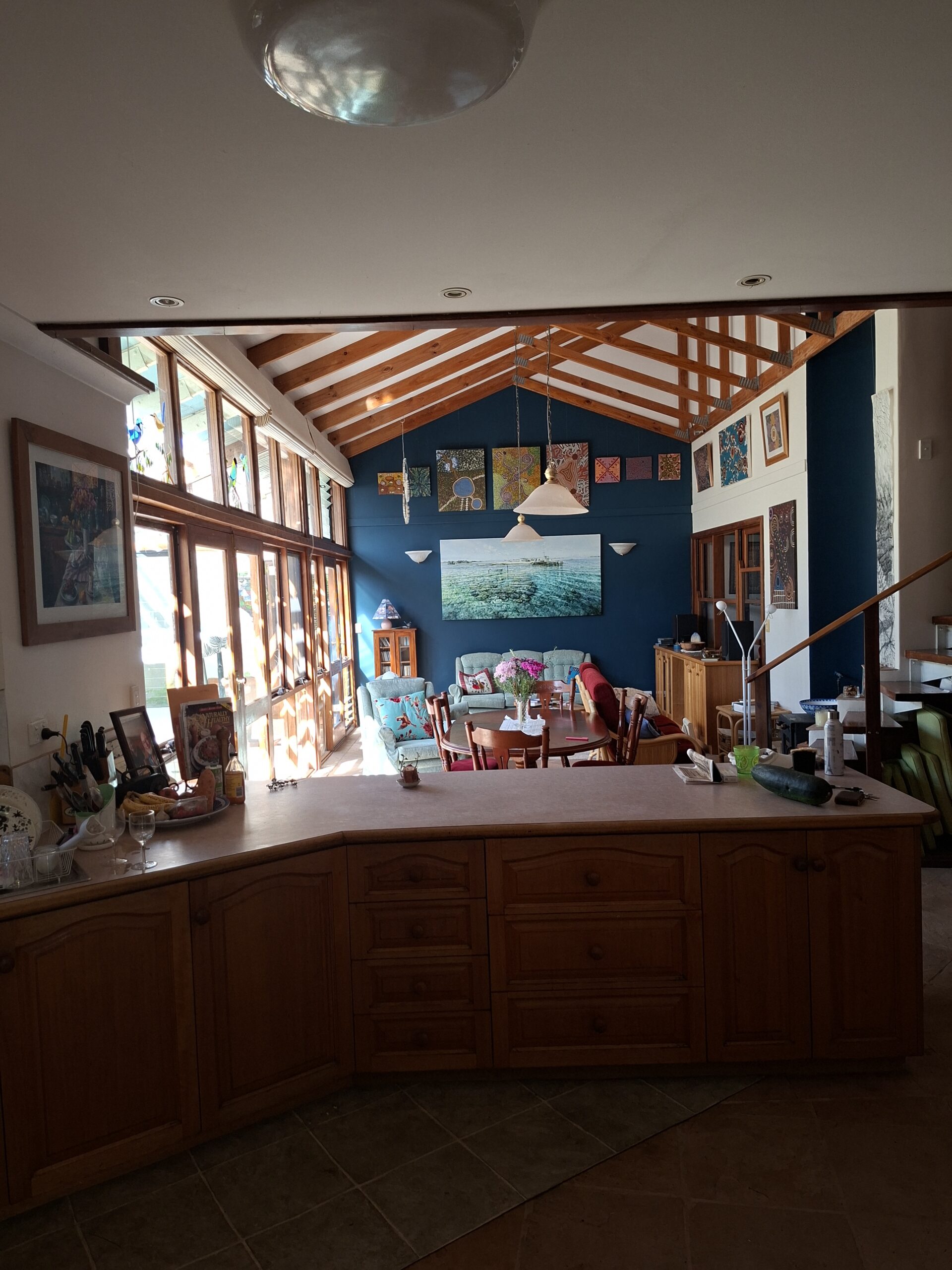
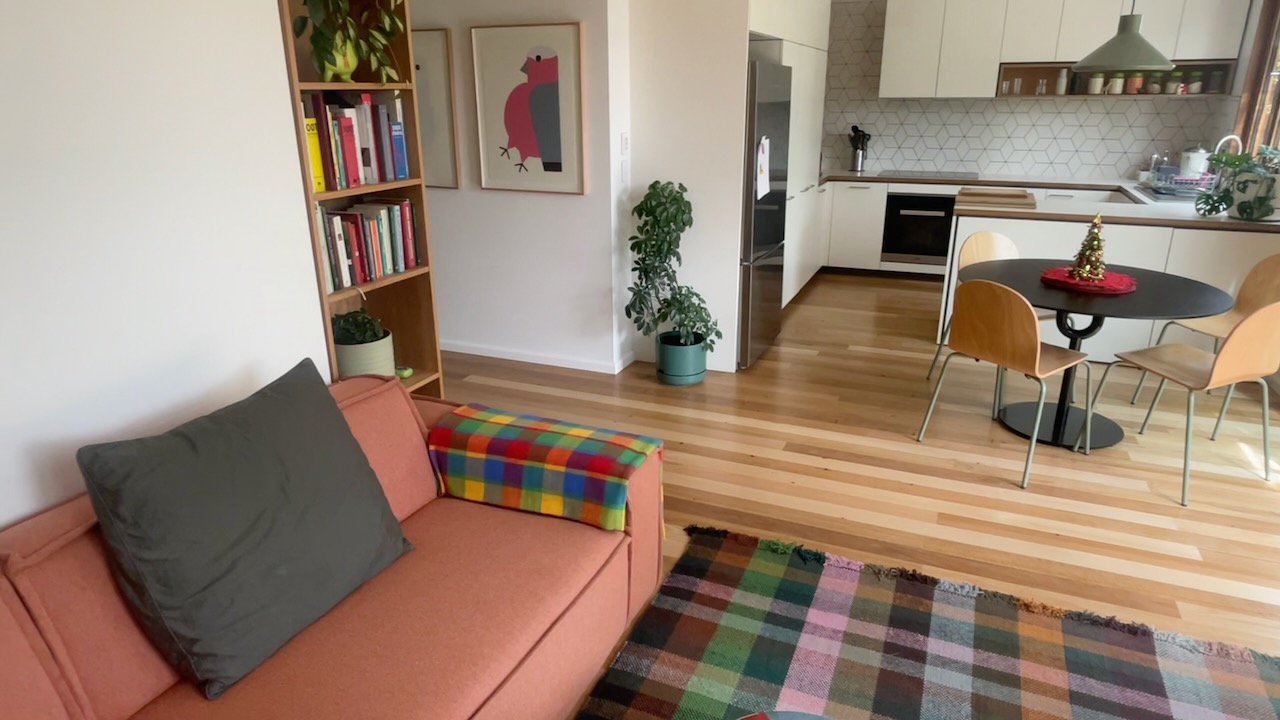
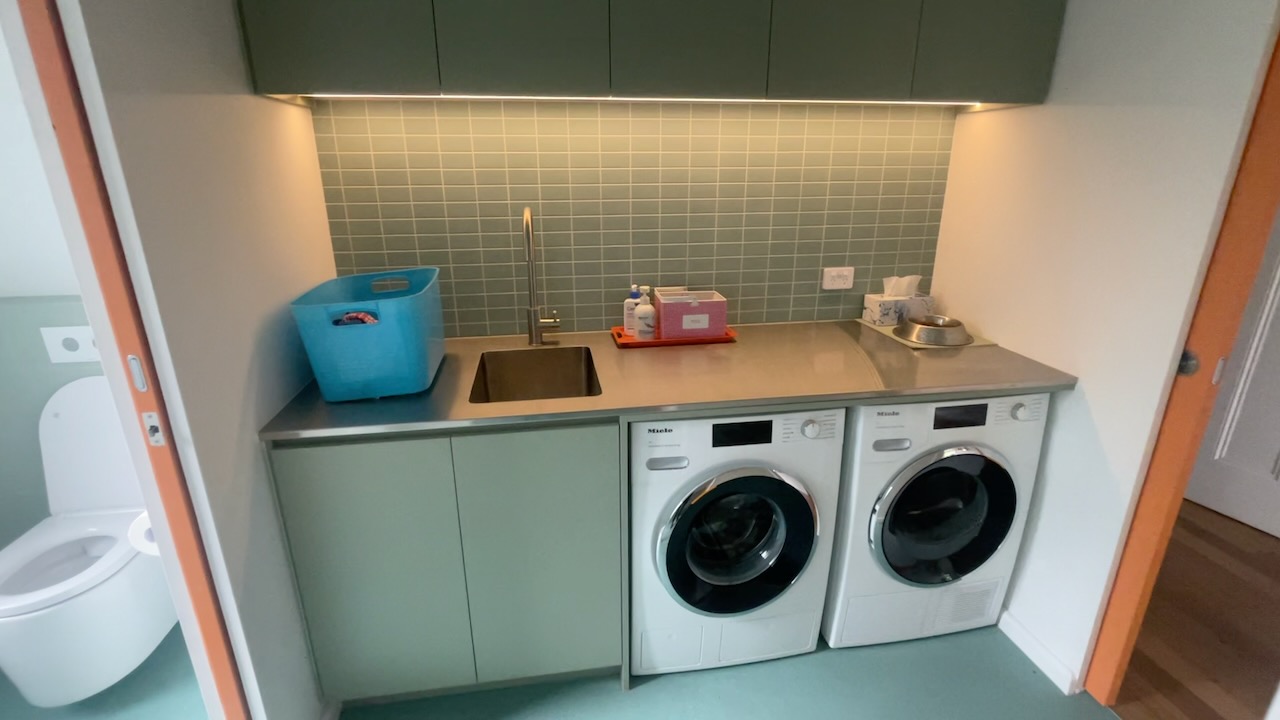
Early upgrades focused on low‑cost improvements: ceiling and wall insulation, draught sealing and solar hot water (supported by the Green Loan Scheme and 66c FiT). Gas systems were progressively replaced.first heating, then hot water, and finally cooking. Culminating in full electrification by 2017. The kitchen renovation prioritised longevity and efficient appliances instead of expansion.

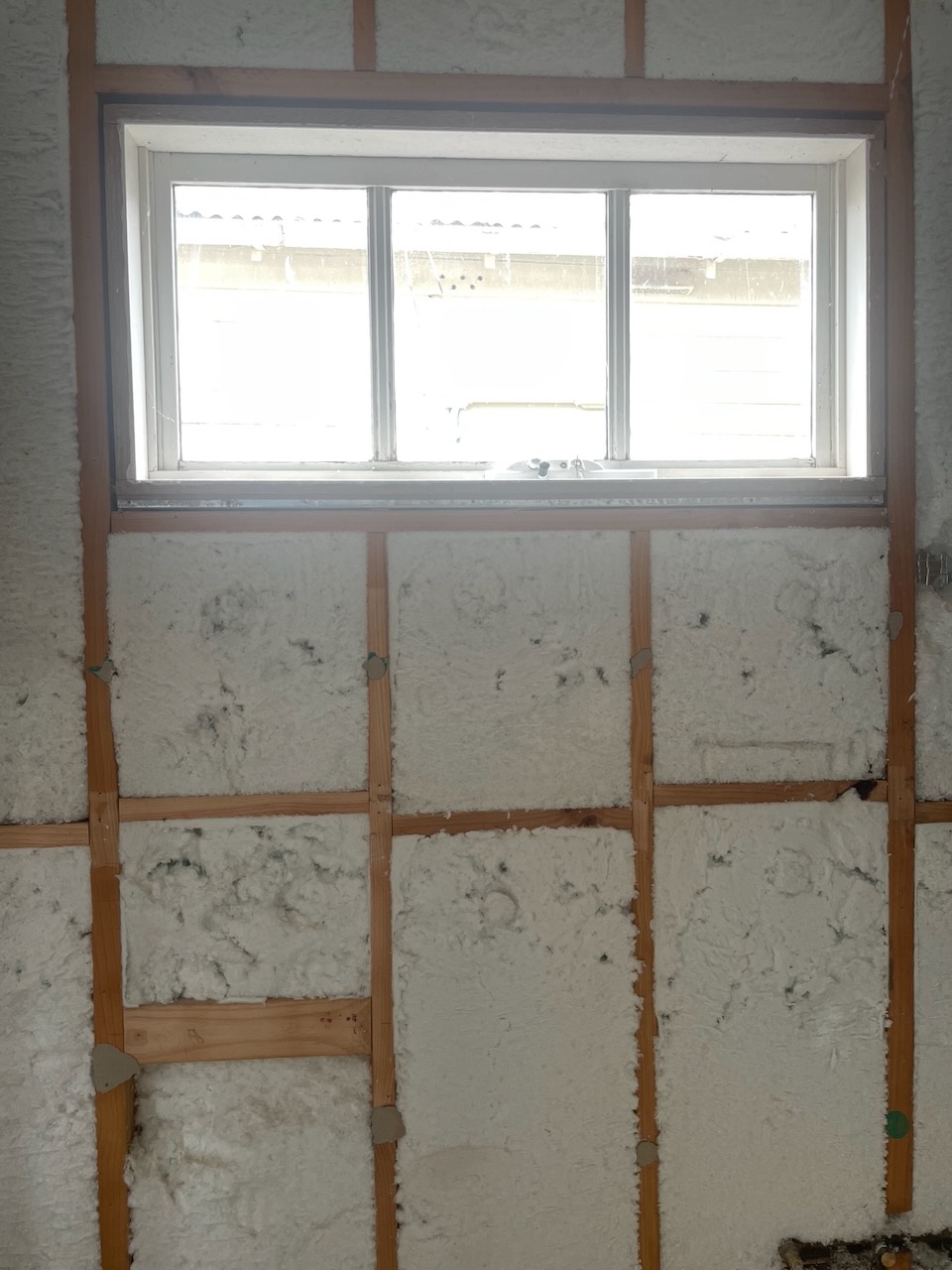
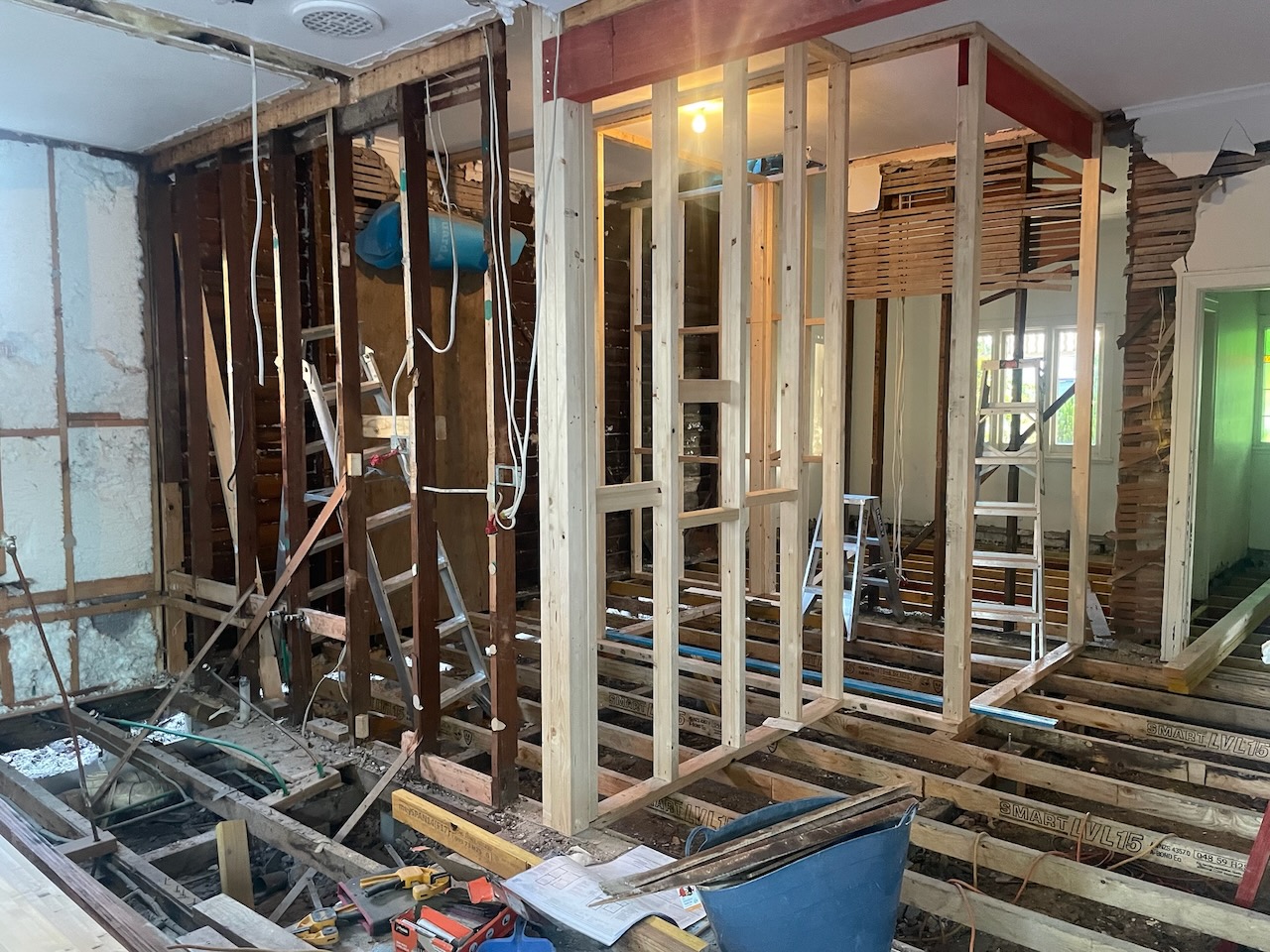
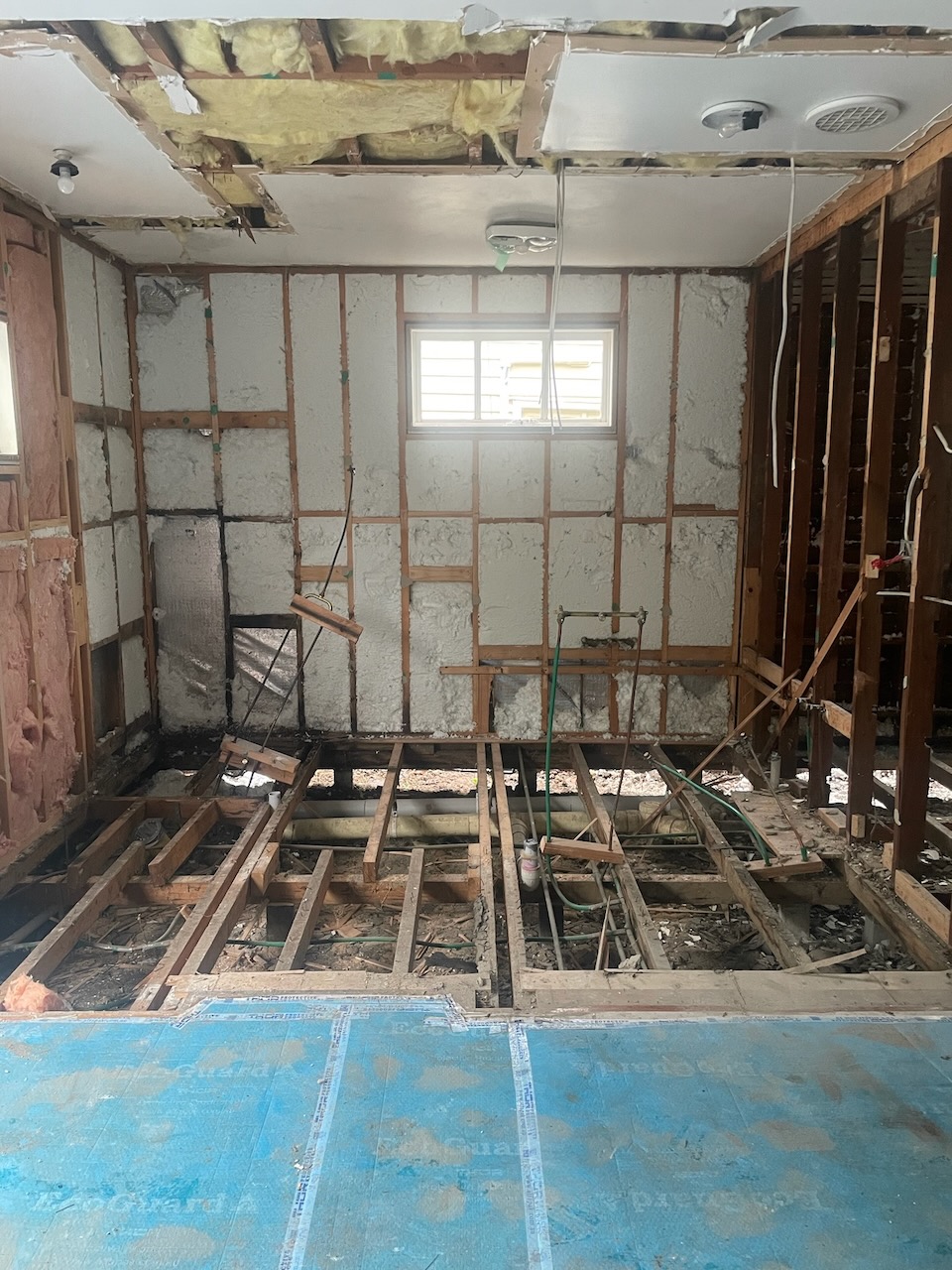
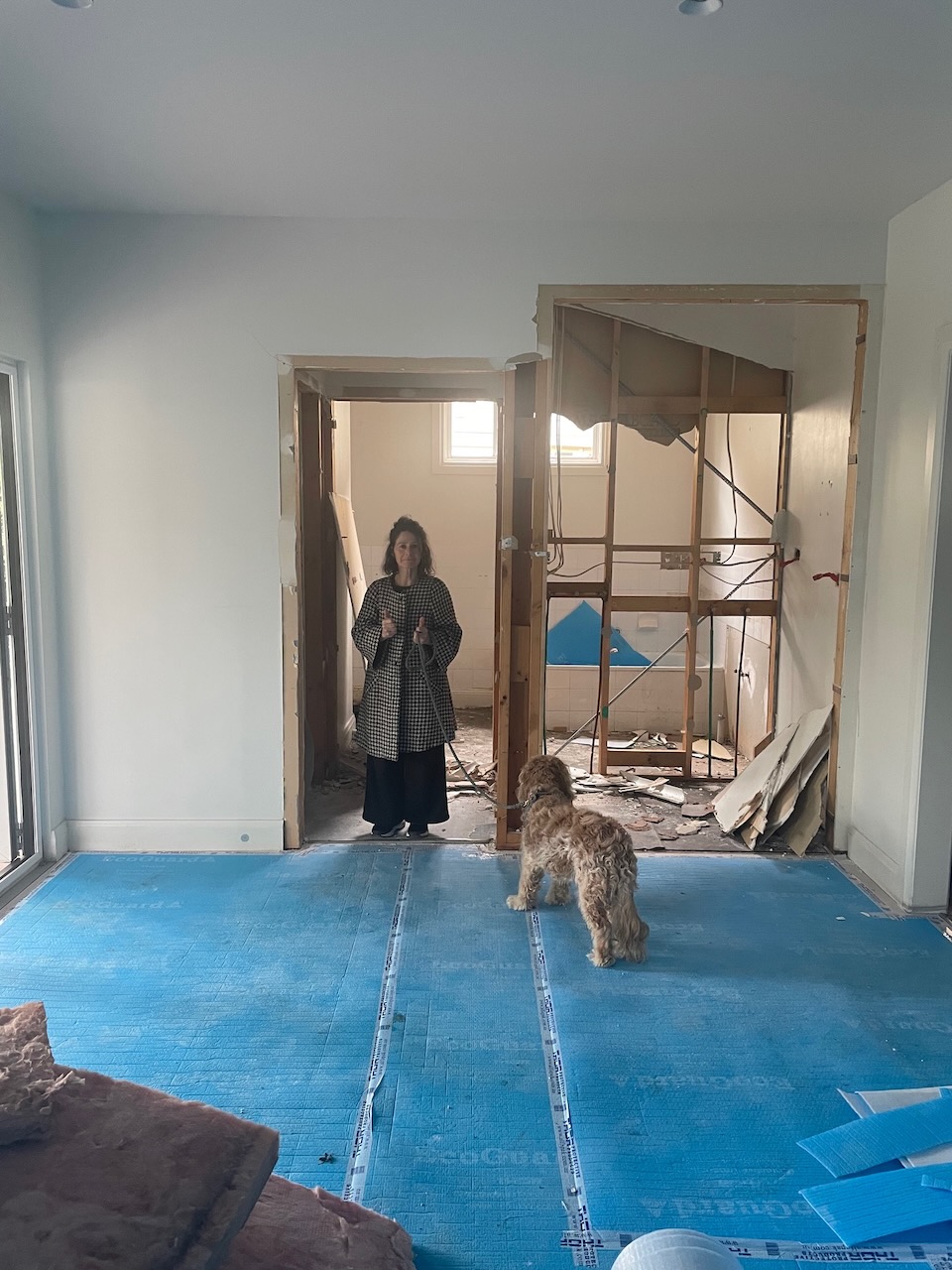
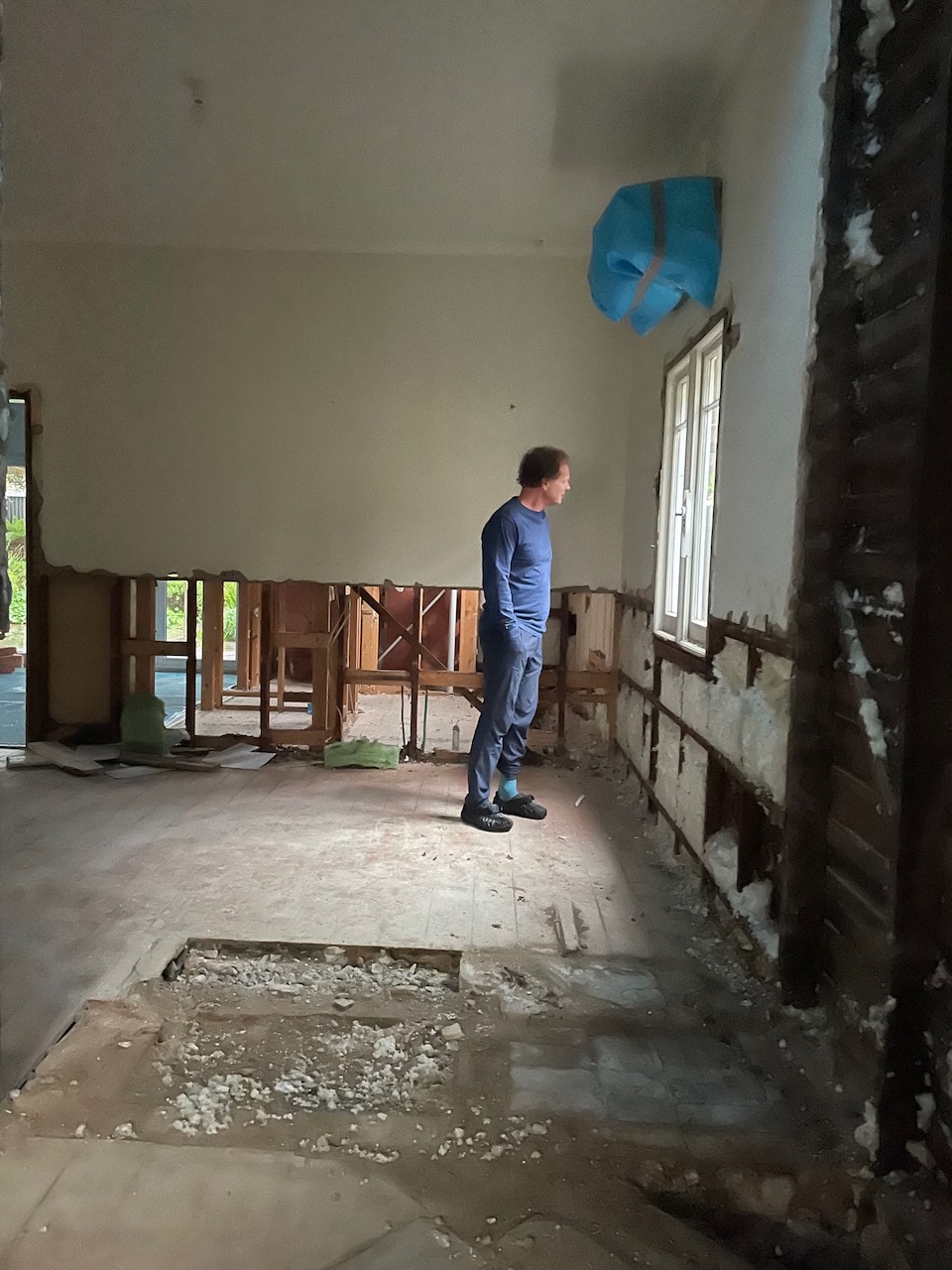
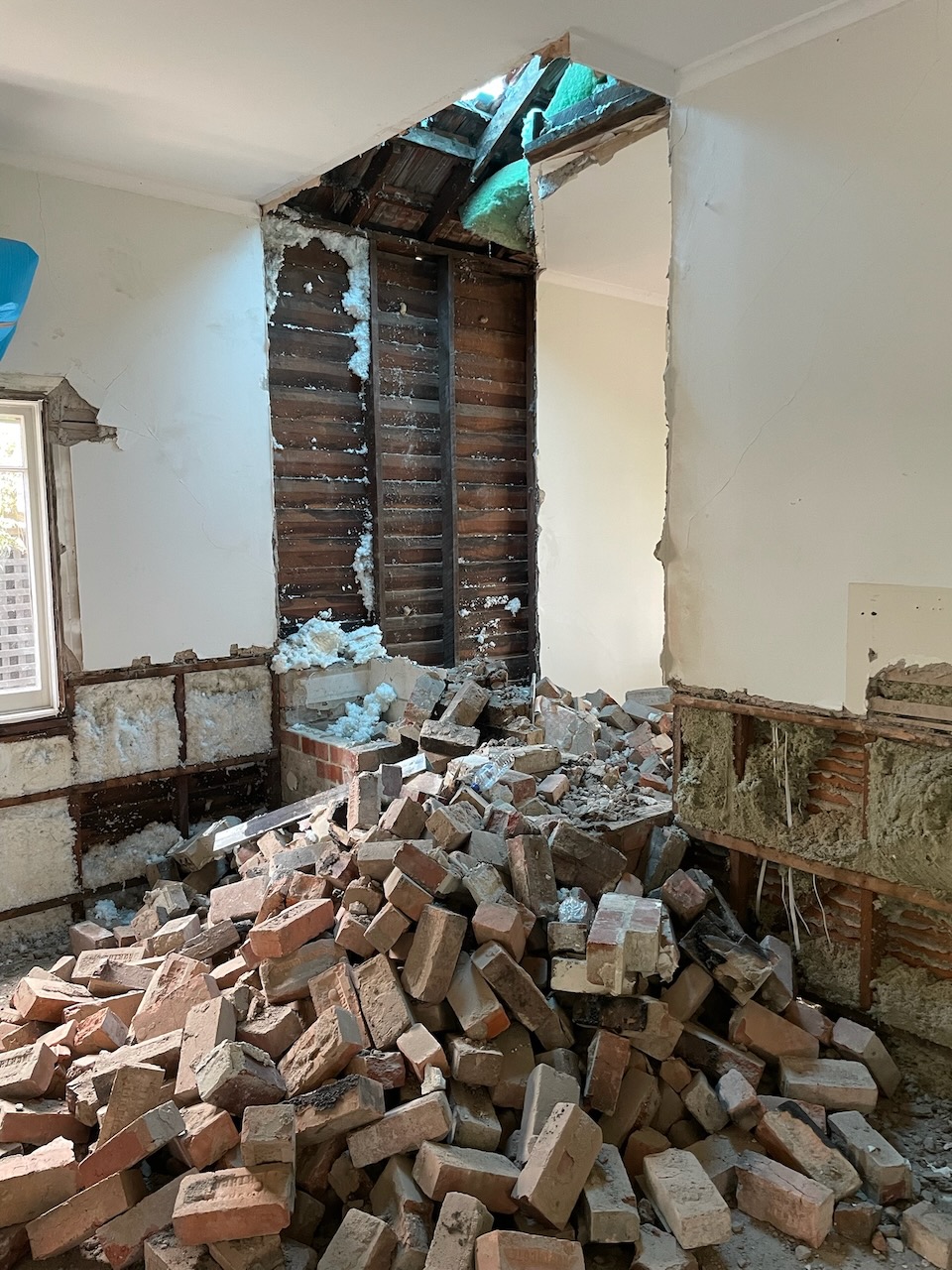
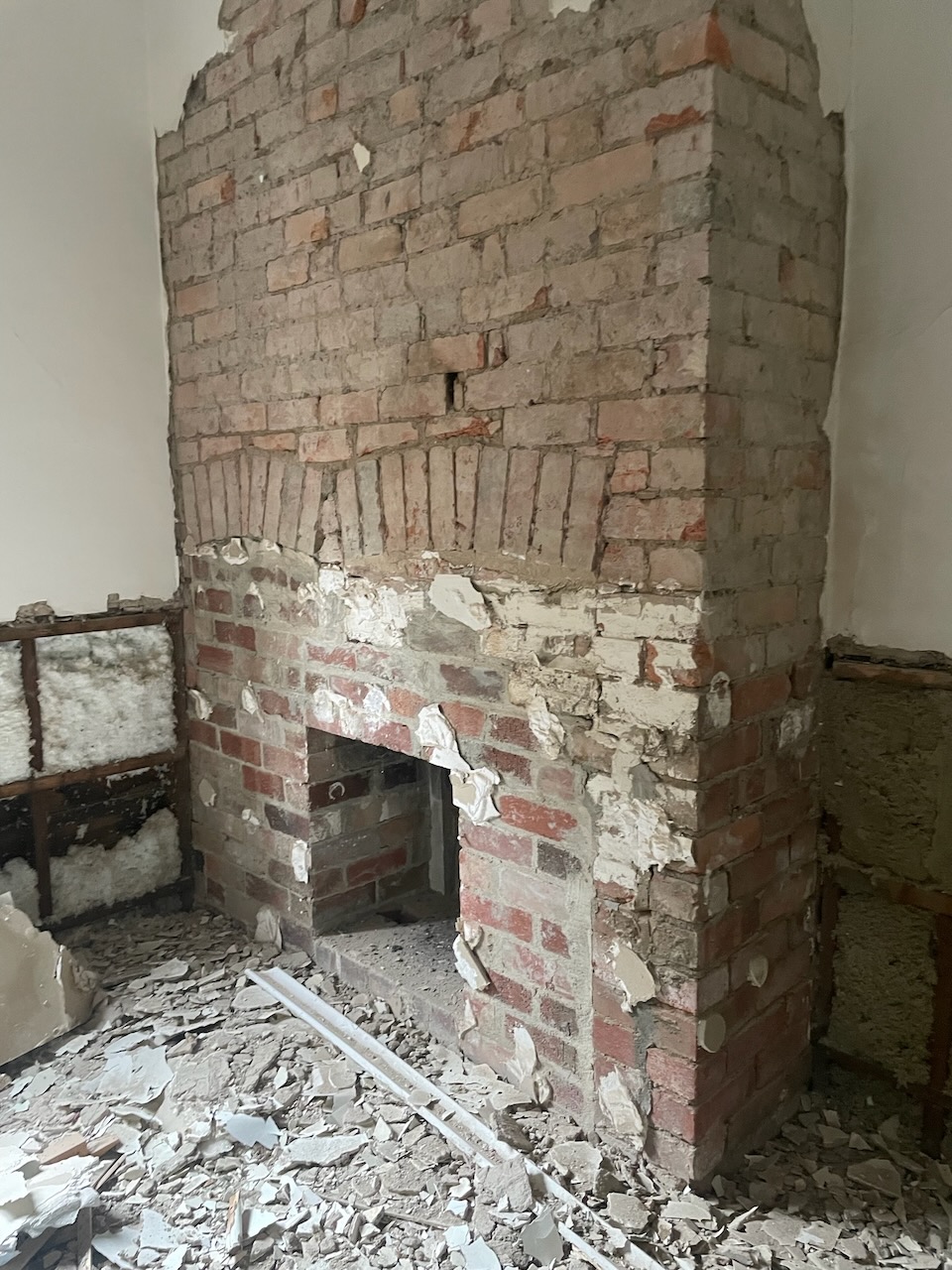
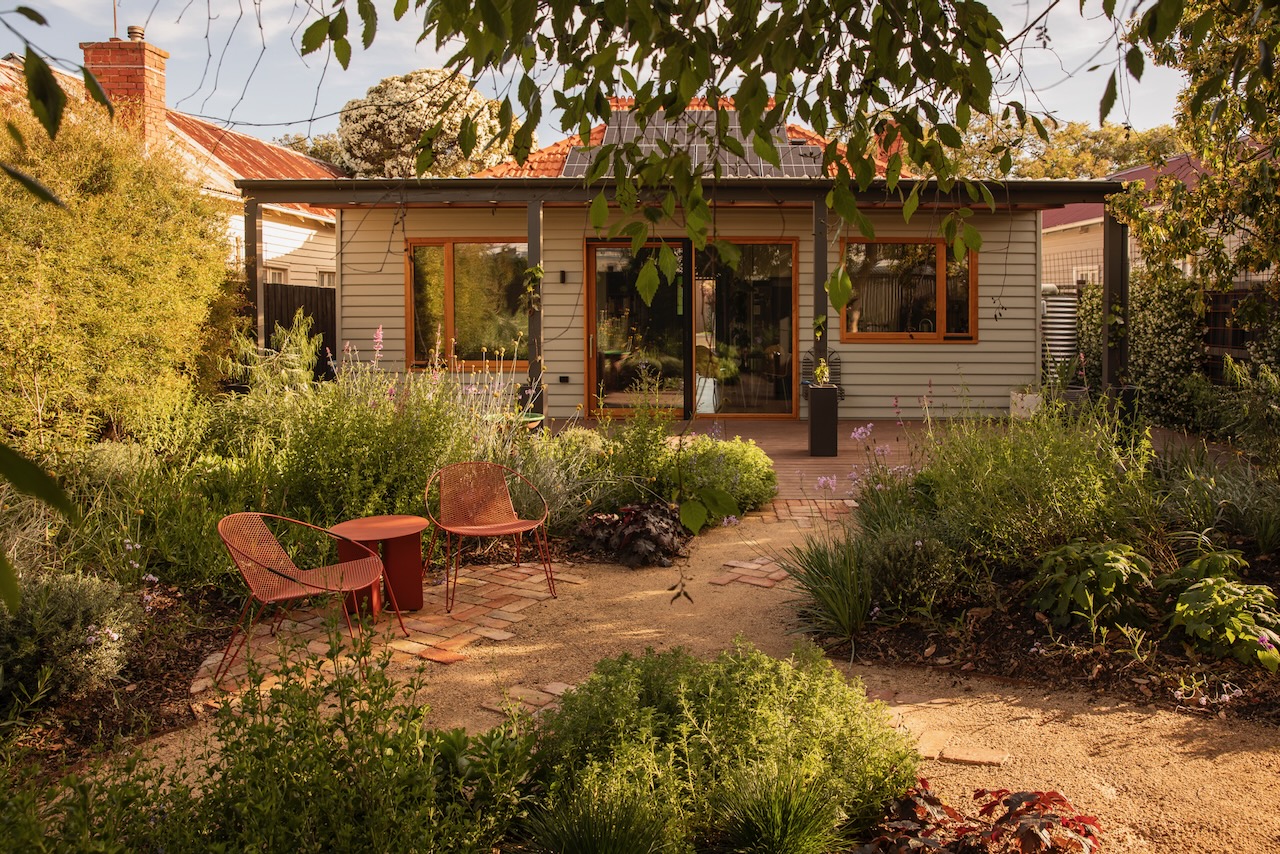
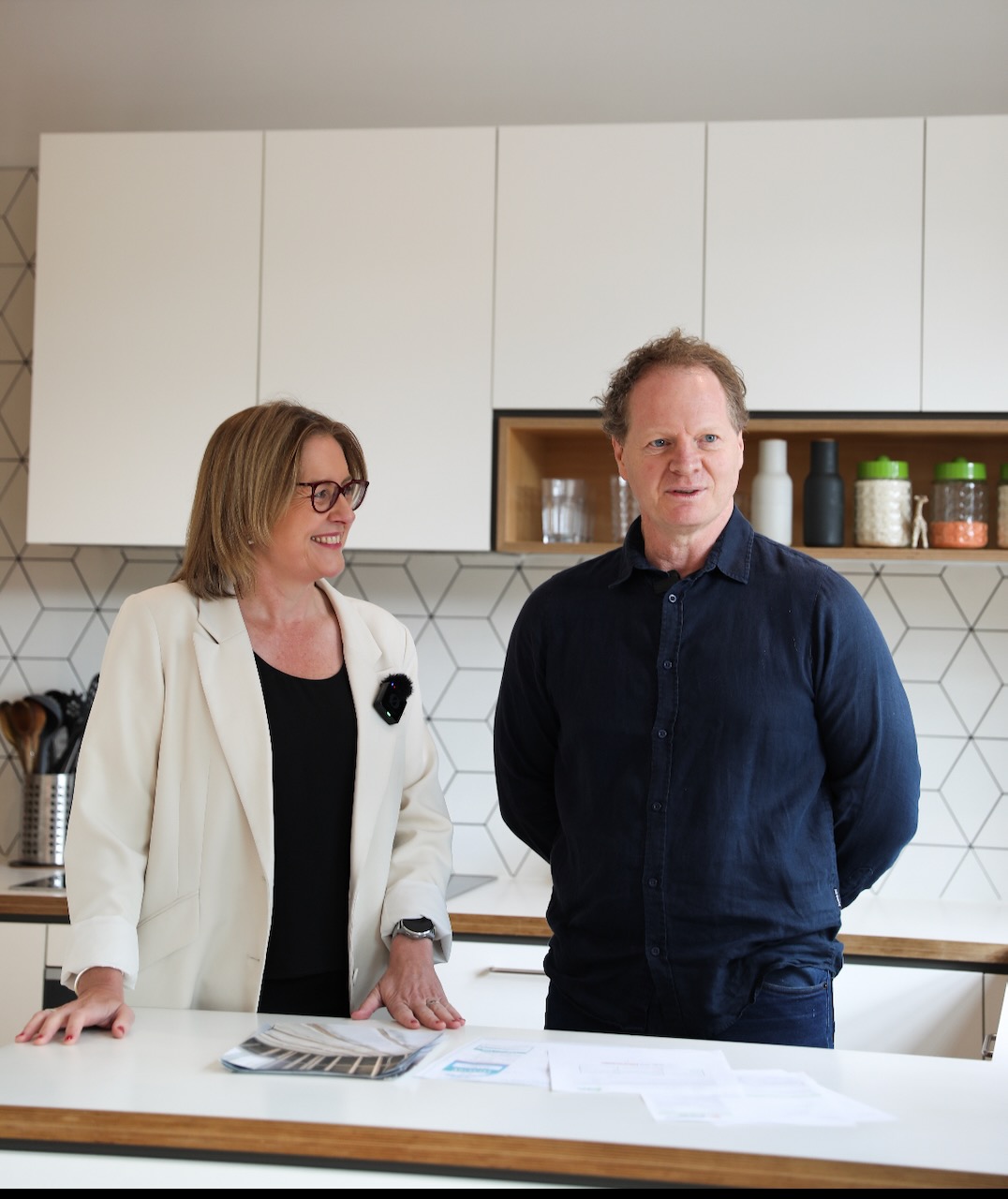
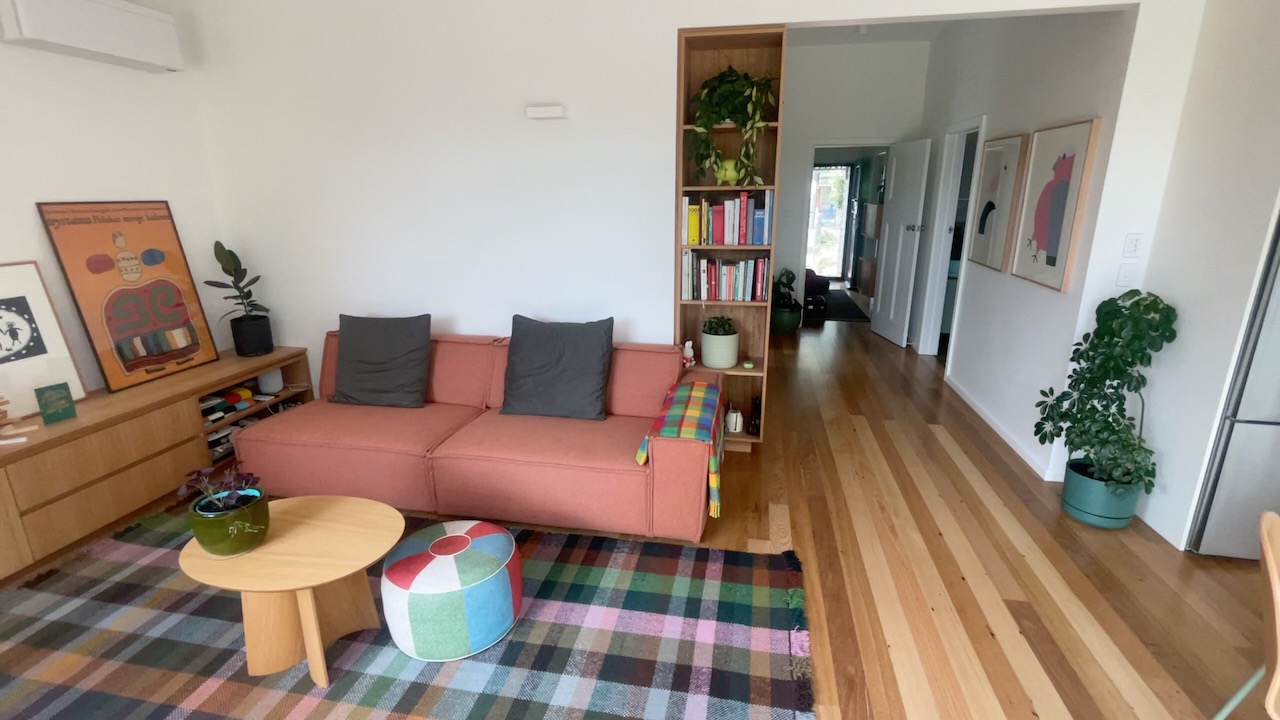
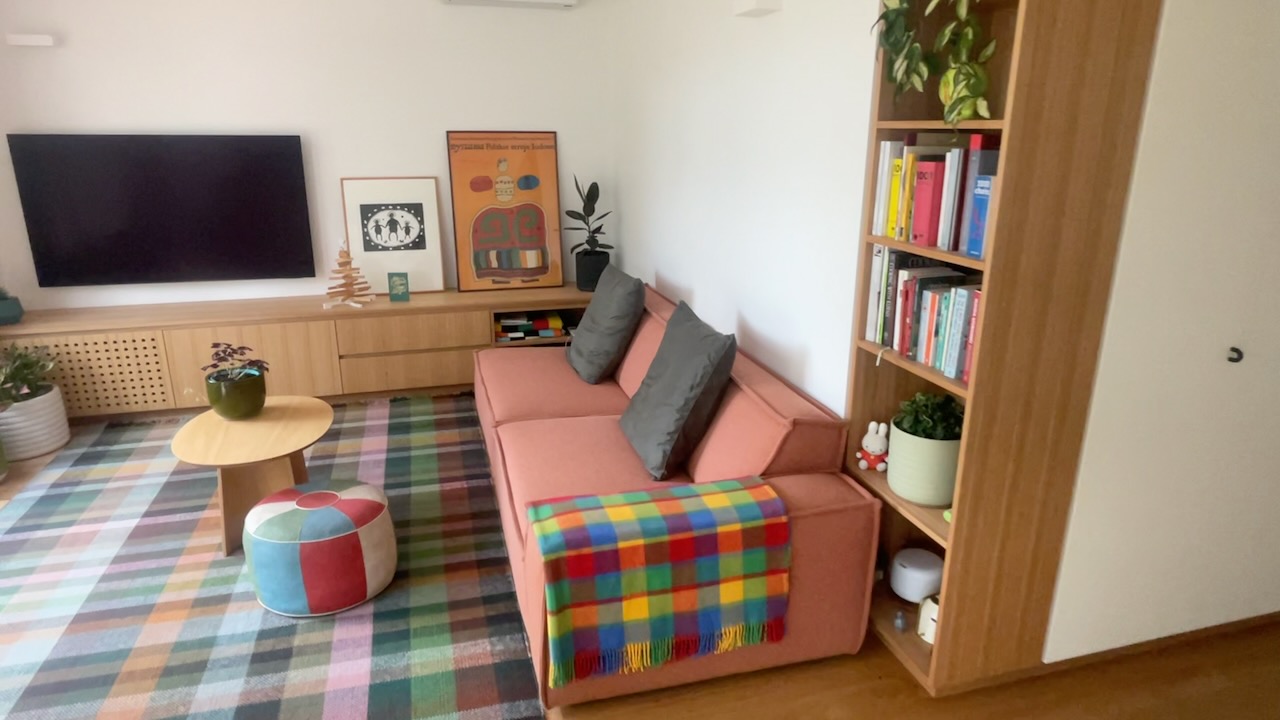
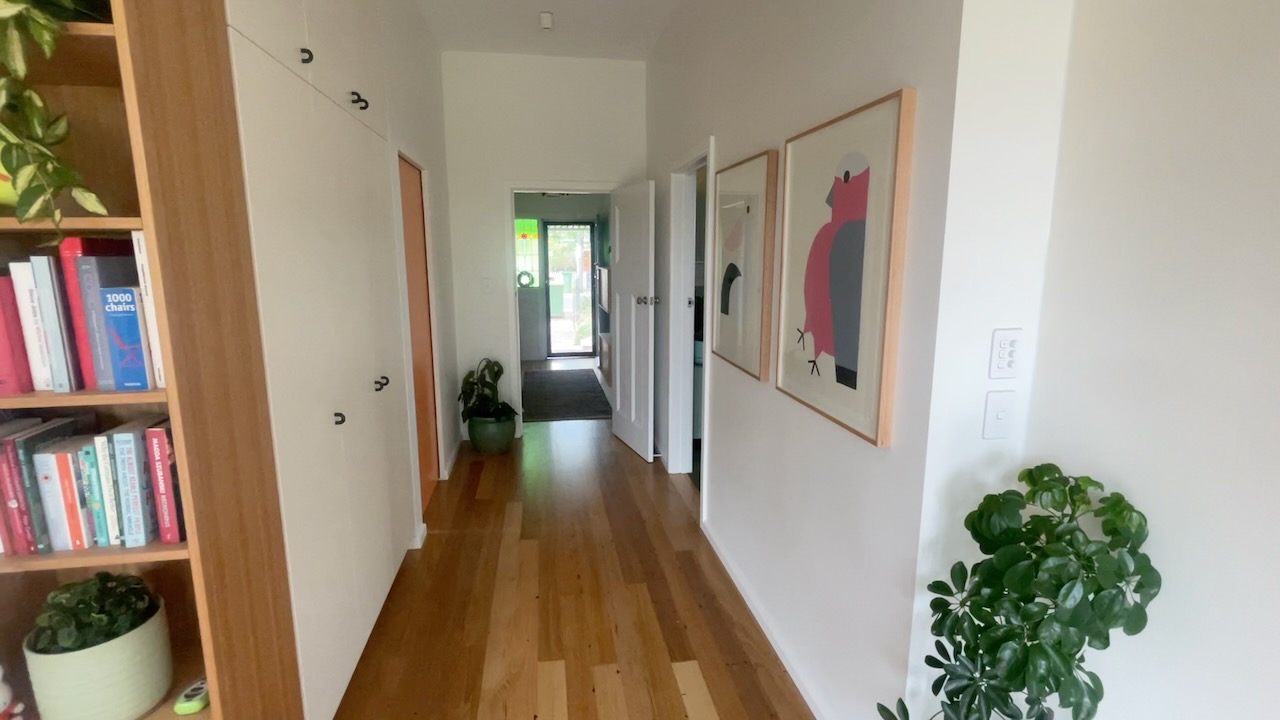
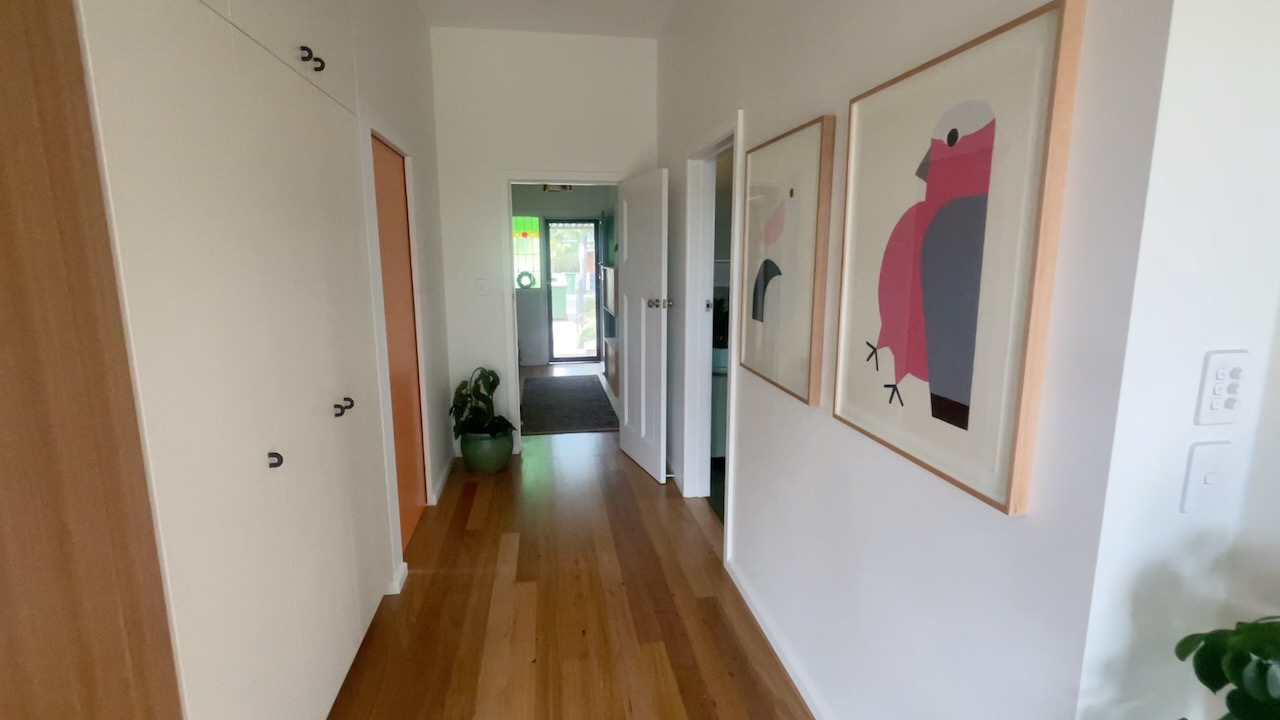
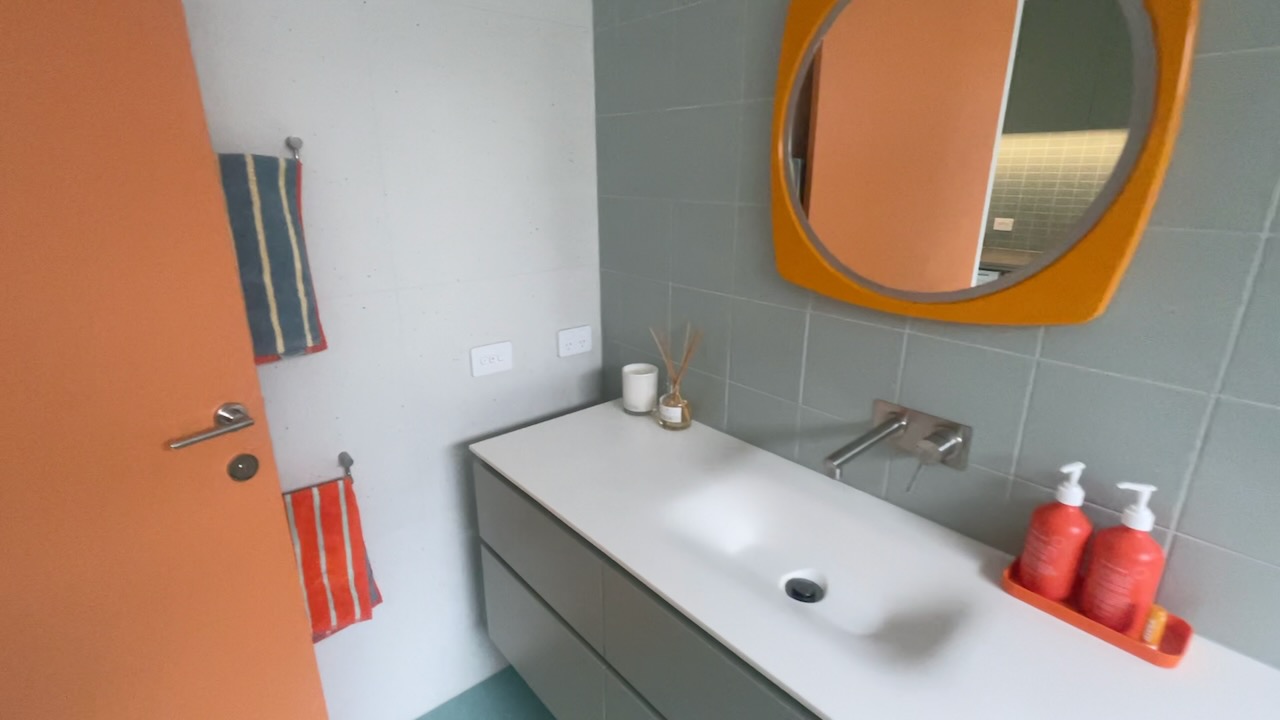
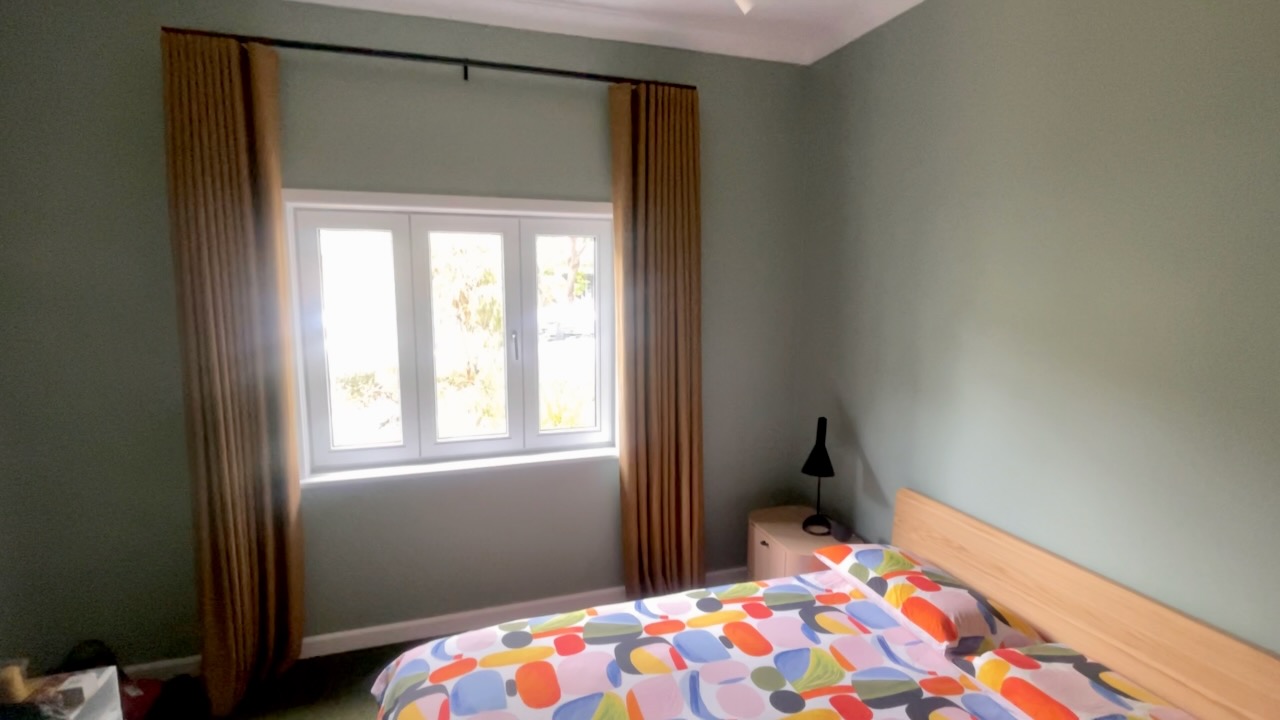
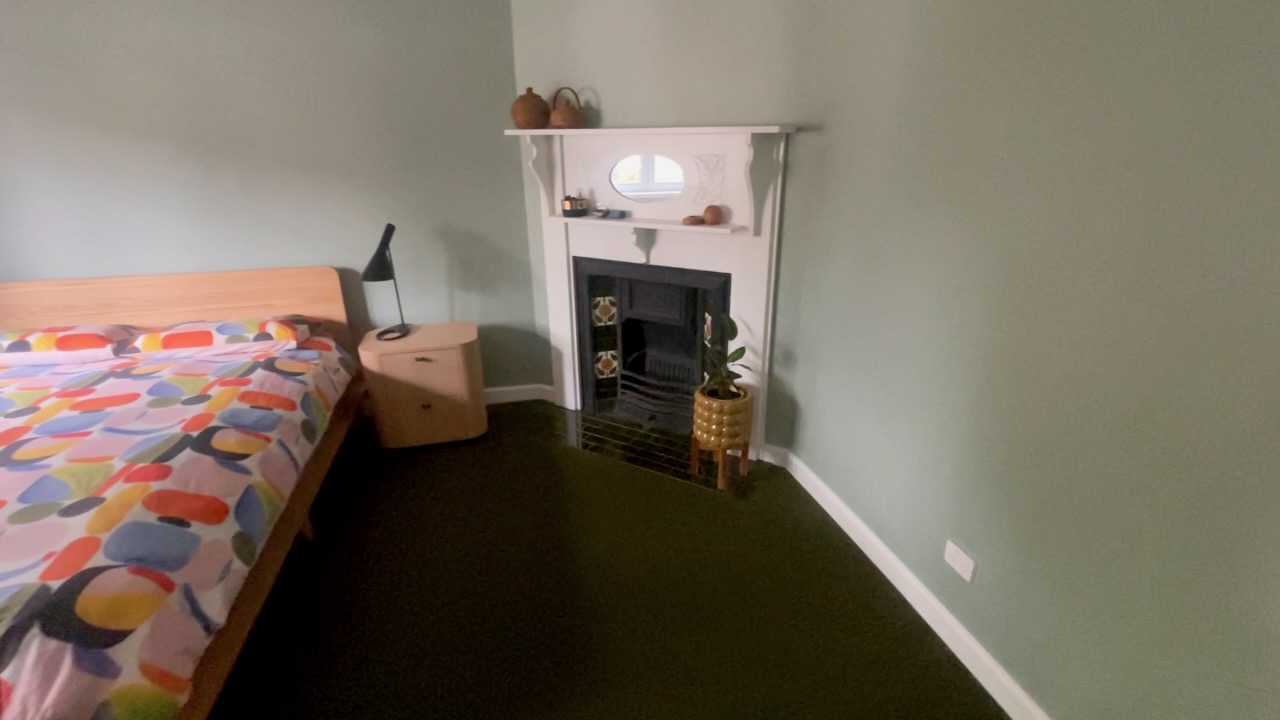
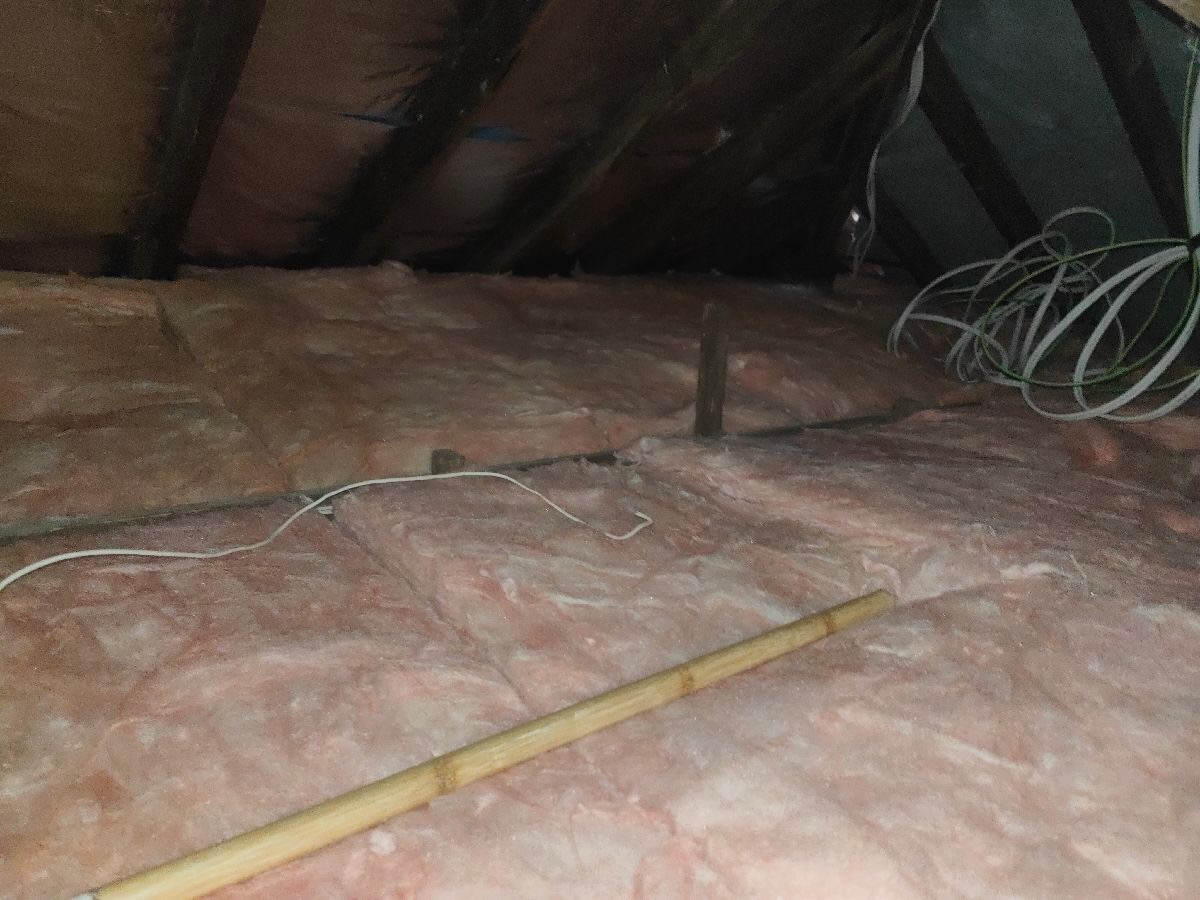
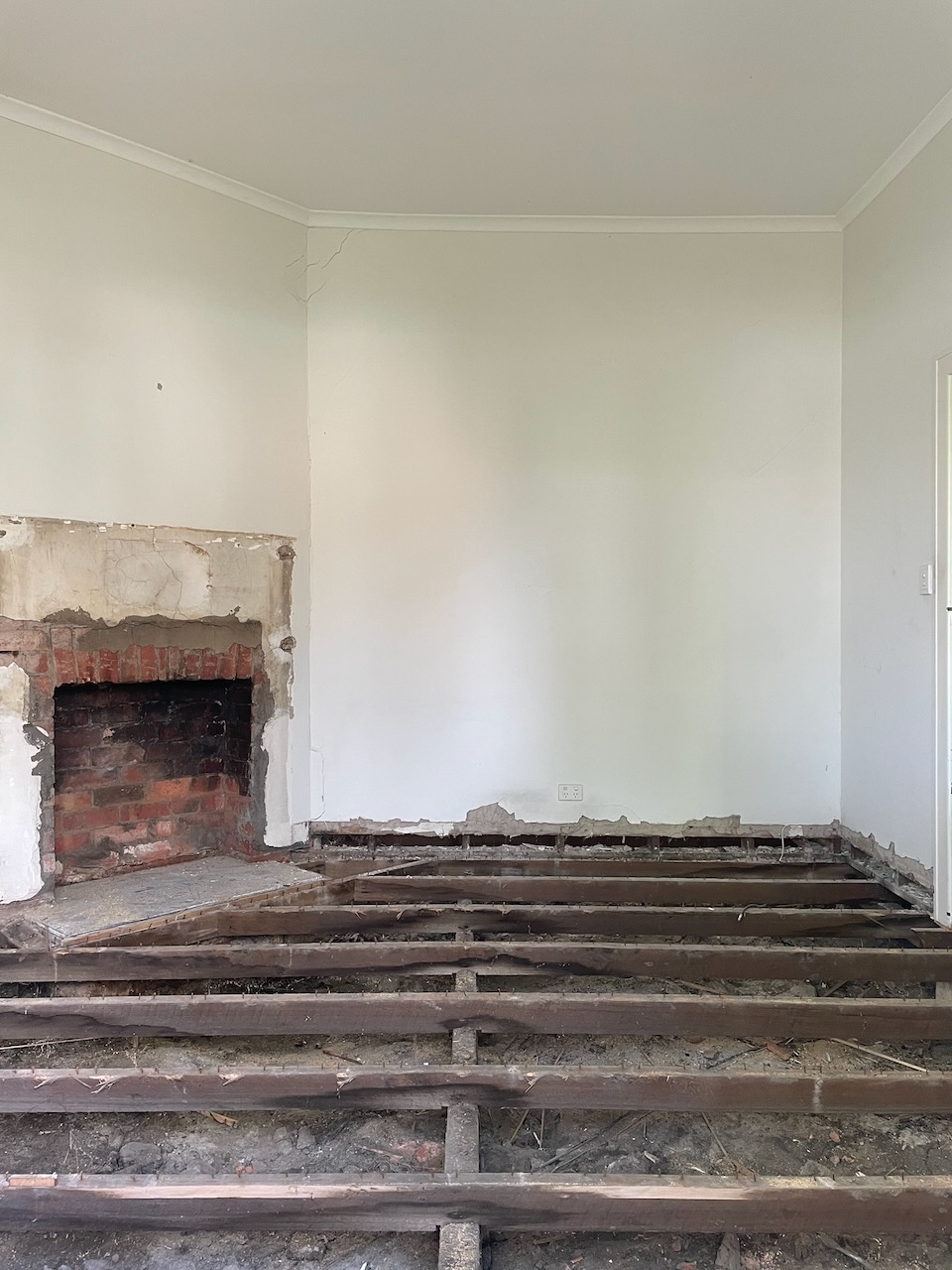
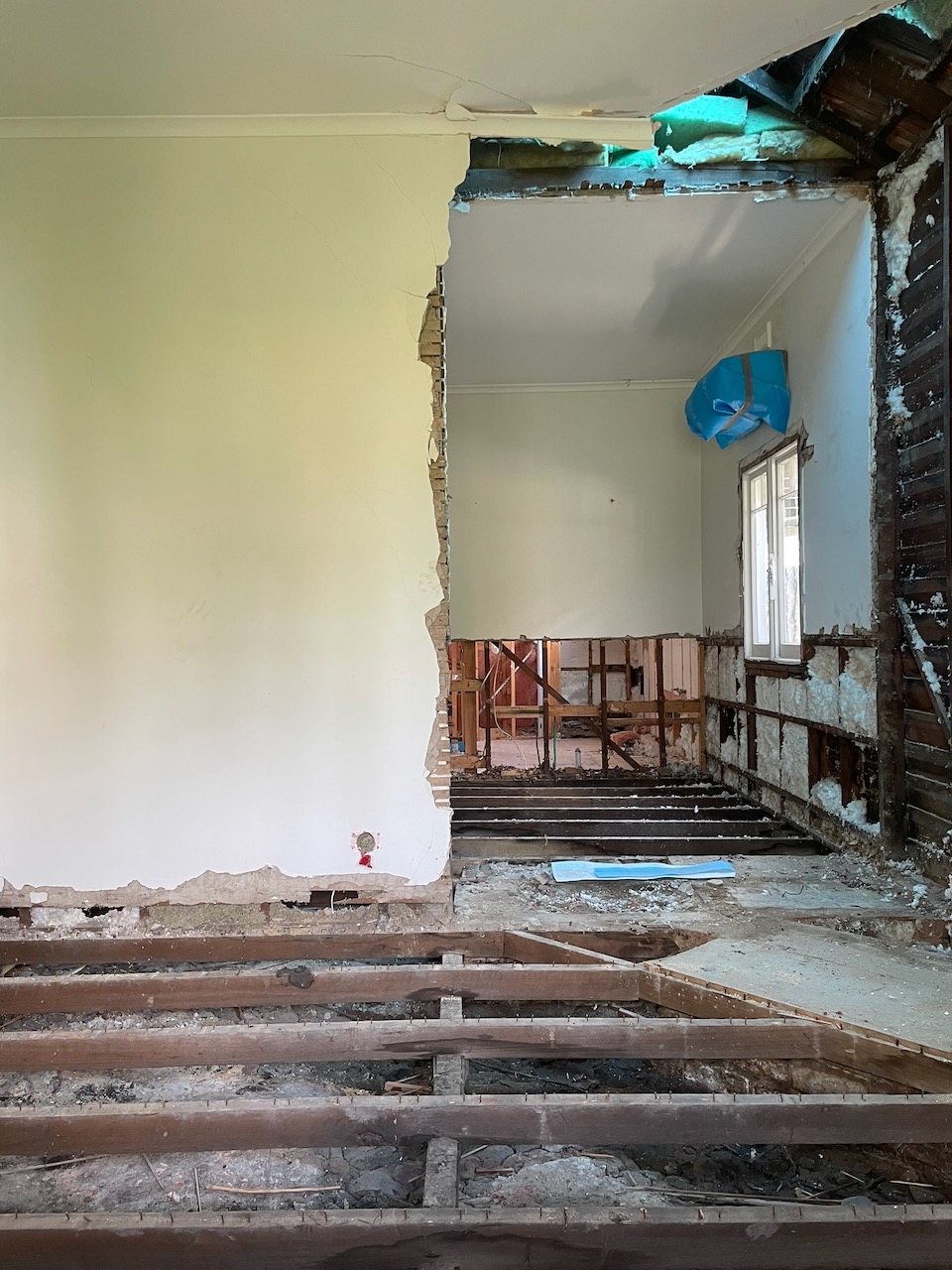
In 2024, as empty nesters, we undertook a major right‑sizing renovation with Brave New Eco. Rather than extend, the existing footprint was redesigned for orientation, comfort and natural light. Structural repairs enabled completion of the thermal envelope: restumping, underfloor insulation, R7.0 ceiling insulation, enhanced wall insulation, airtightness improvements, triple‑glazed Binq windows and upgraded glazing to heritage elements. The result was a ~90% reduction in heating and cooling demand, achieving 48.4 MJ/m² annual thermal load.

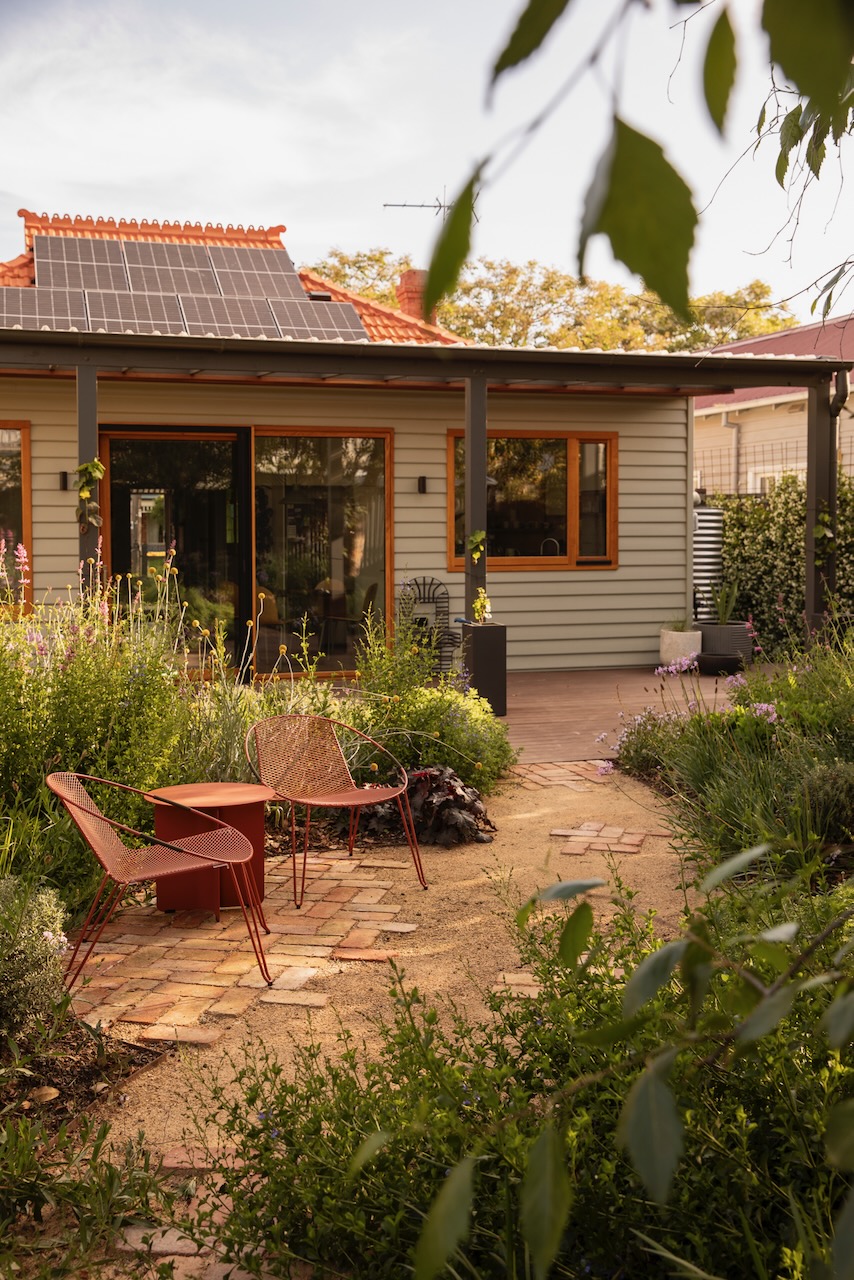
A climate‑responsive solar verandah, layered shading, lined curtains, western external blind and natural ventilation strategy further stabilise seasonal comfort. Lighting was upgraded to efficient LEDs with dimming flexibility.

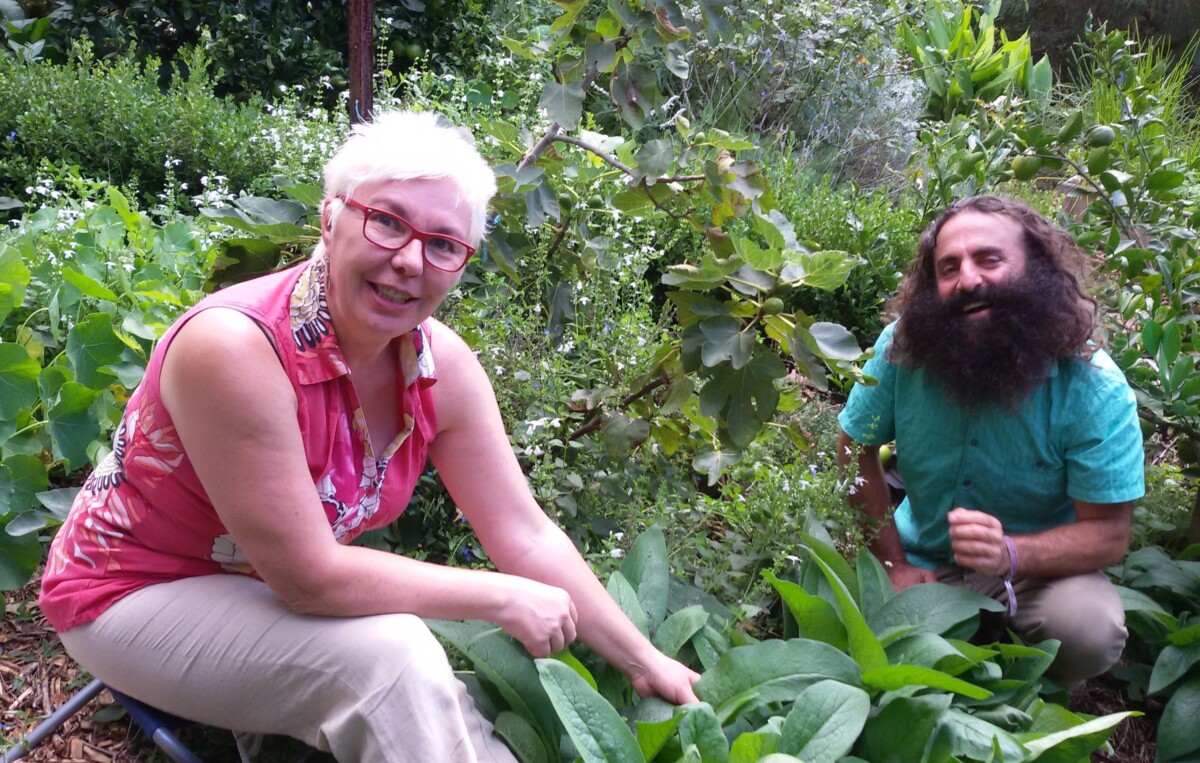
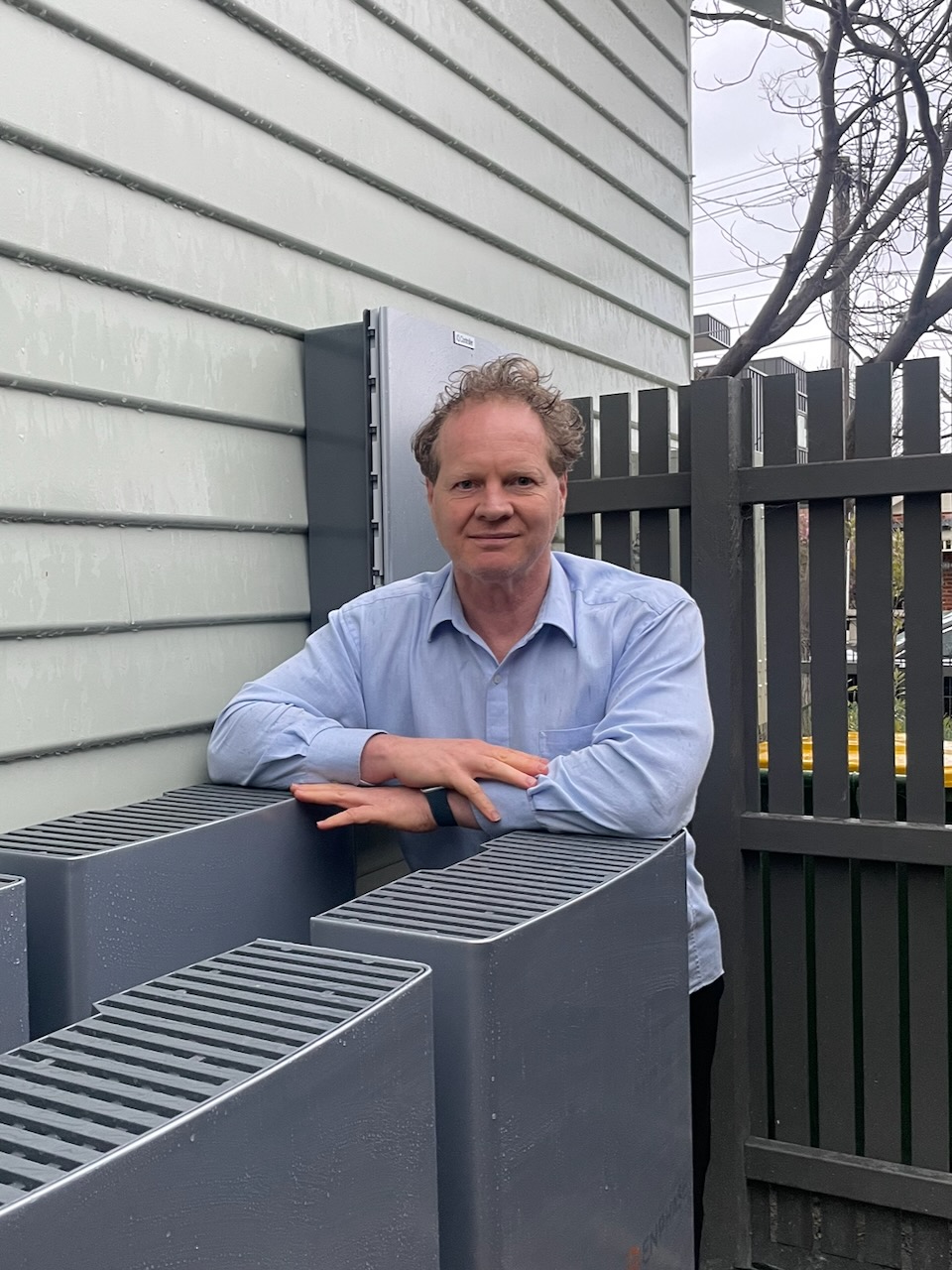
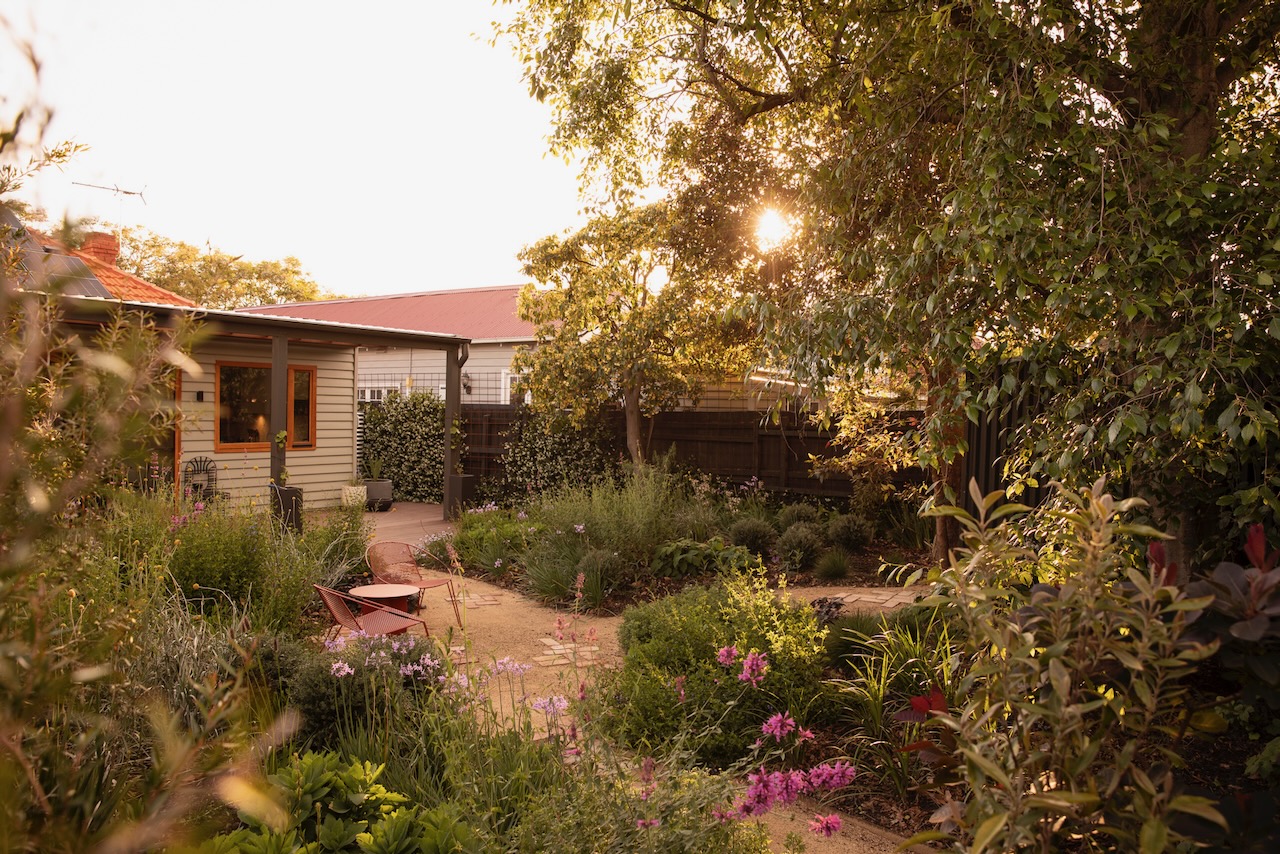
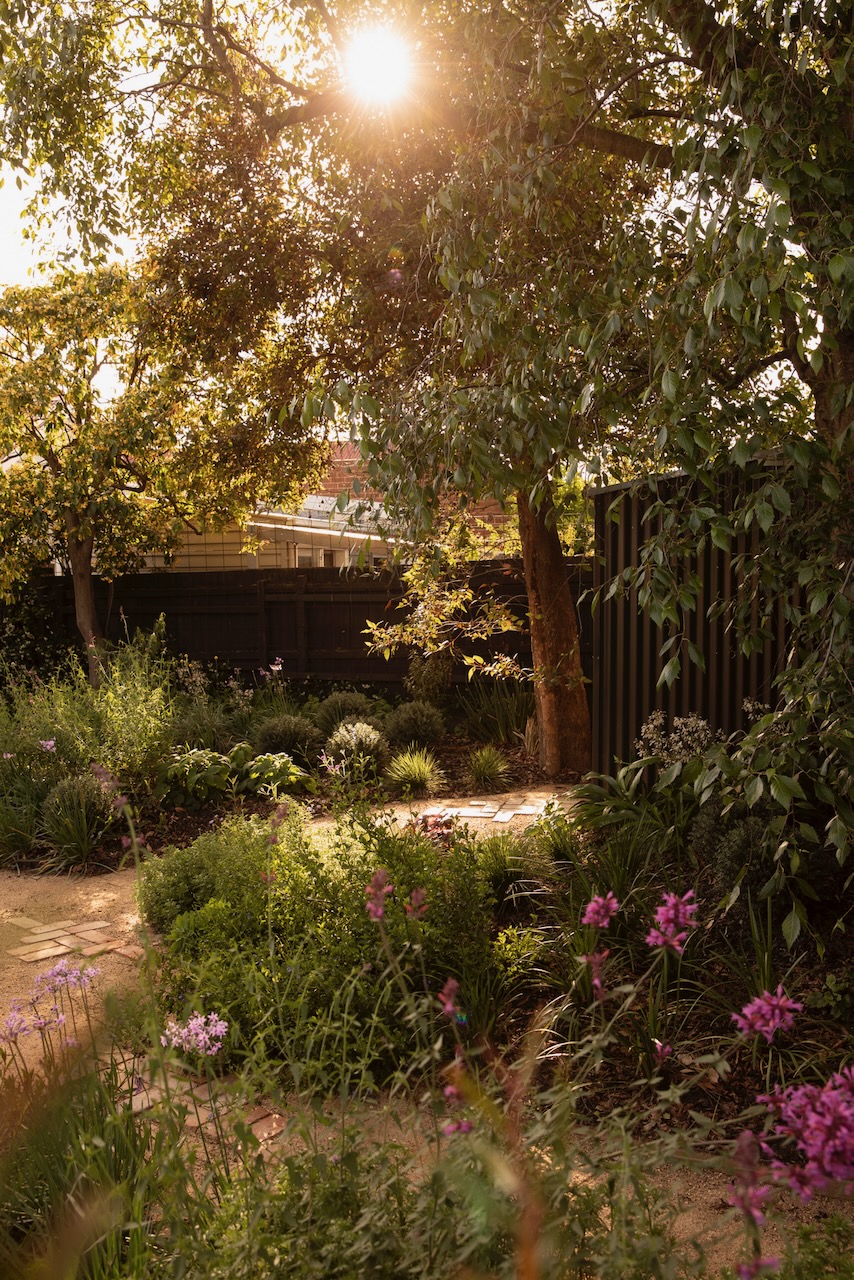
The garden, designed in 2025, follows a naturalistic, climate‑adapted planting approach supporting biodiversity while minimising maintenance. Renewable energy capacity was expanded to 10.5 kW of solar with 20 kWh battery storage, enabling net export of 11.5 MWh in 1.5 years, enough to power 1.5 average Australian homes annually.
Q & A

What motivated you to build or retrofit sustainably?
Thermal comfort, climate concerns, future proofing, interest in gardening and beautiful design.
In 2024, the solar system was upgraded to 10.5 kW, paired with 20 kWh of battery storage. We are now use next to no energy from the grid and are a net exporter.Monitoring shows since this time we have net exported 11.5 MWh in 1.5 yearsThe average Australian home uses 6–8 MWh annually.Bent Street has exported enough electricity to power roughly one and a half average homes for a year.It meant we can use energy as needed without guilt, it saves us money (in the long term) and allows us to run appliances such clothes dryers, pumps and underfloor heating.It also shows that we have a different path in Australia you can be completely self sufficient (and more) without having to build more energy systems.
I wish we knew how challenging it would be to work with builders and contractors who are not fully aligned with our new ideas for building a sustainable house. Most were very good if they were fully engaged but we had some (such as the insulators of the door - selected by the builders) that didn't know what they were doing. So there is a large degree of trust and communication needed which is not always followed. Some things needed to be redone such as underfloor insulation due to poor contractors against my best judgment. If I was to do it again, I would be on site every day at the start as every new contractor worked so I could state what we want directly rather than through a site manager. Frustrating!
We are very happy with our house now and wouldn't change a thing (perhaps a new timber deck out the back). But a future project would be to find an old house and turn it into townhouses that are electric super efficient, solar and batteries and highly desirable to show that you can do it and ultimately turn a profit there are just so many bad "knock it down and build townhouses"
Back to 2026 Homes
Type: Standalone house/townhouse
Project: Gradual upgrades over time
Architect: Brave New Eco
Designer: Brave New Eco
Builder: GIA
Size: 99m²
Energy Rating: 7.7
Bedrooms: 3
Bathrooms: 1

Sustainability Features

Building Materials & Envelope

Draught-proofing/air sealing
High-performance insulation
Double or triple-glazed windows
Sustainable or low-impact materials
Recycled or reused materials
Other

Heating, Cooling and Ventilation

Passive heating/cooling (north-facing glazing, cross ventilation, thermal mass, shading, etc.)
Ceiling fans
Heat pump (reverse-cycle) heating/cooling

Energy and Appliances

Rooftop solar PV
Battery storage
Energy monitoring/smart home systems
Efficient lighting (LED, daylighting, solar skylights)
Heat pump hot water
Electric cooktop - induction/ceramic
Other energy-efficient appliances

Water & Waste Systems

Water-efficient fixtures
Rainwater tanks
Other

Landscape & Biodiversity

Native garden
Wildlife-supporting habitat

Climate Resilience

Flood
Heatwave

Accessible & Flexible Design Features

Design for flexible use
Universal design for accessibility
Share this home:

Related Homes

Home tours delivered to your inbox

Step inside sustainable homes across Australia and get practical ideas you can use in your own