Garden Studio

Bundjalung Country,
Byron Bay,
NSW
This home will be open for in-person tours on the 17th May 2026

About this home

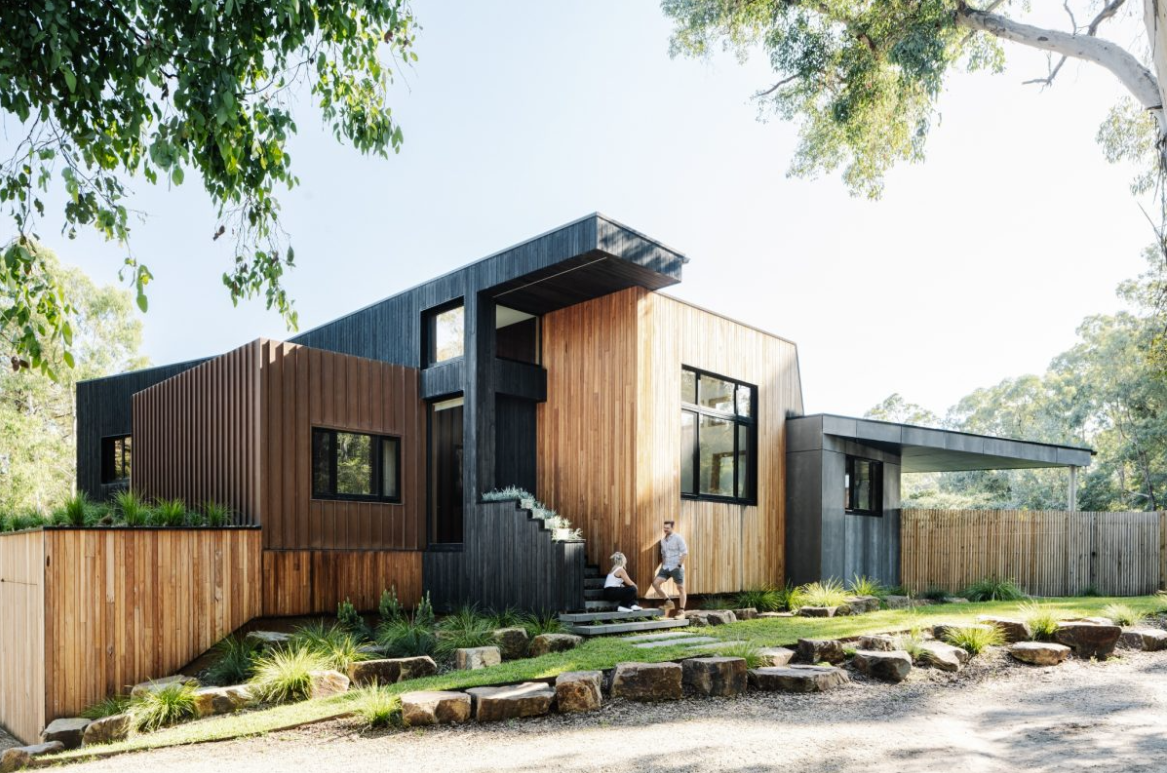
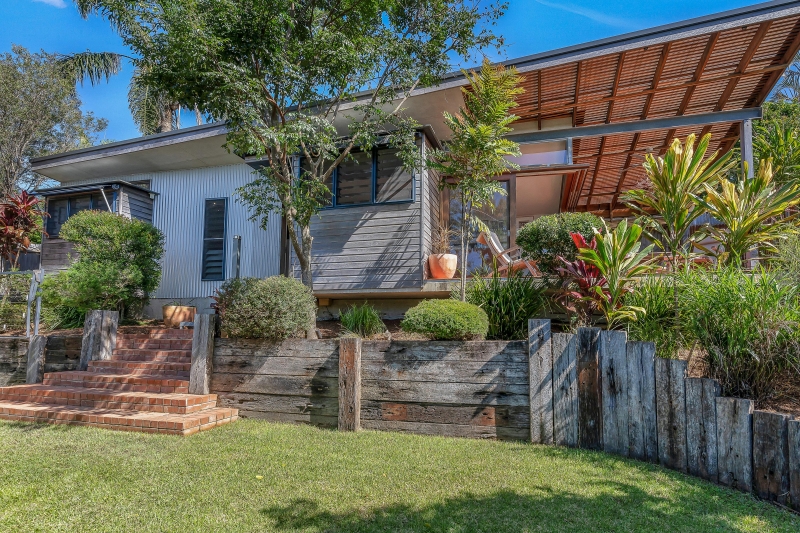
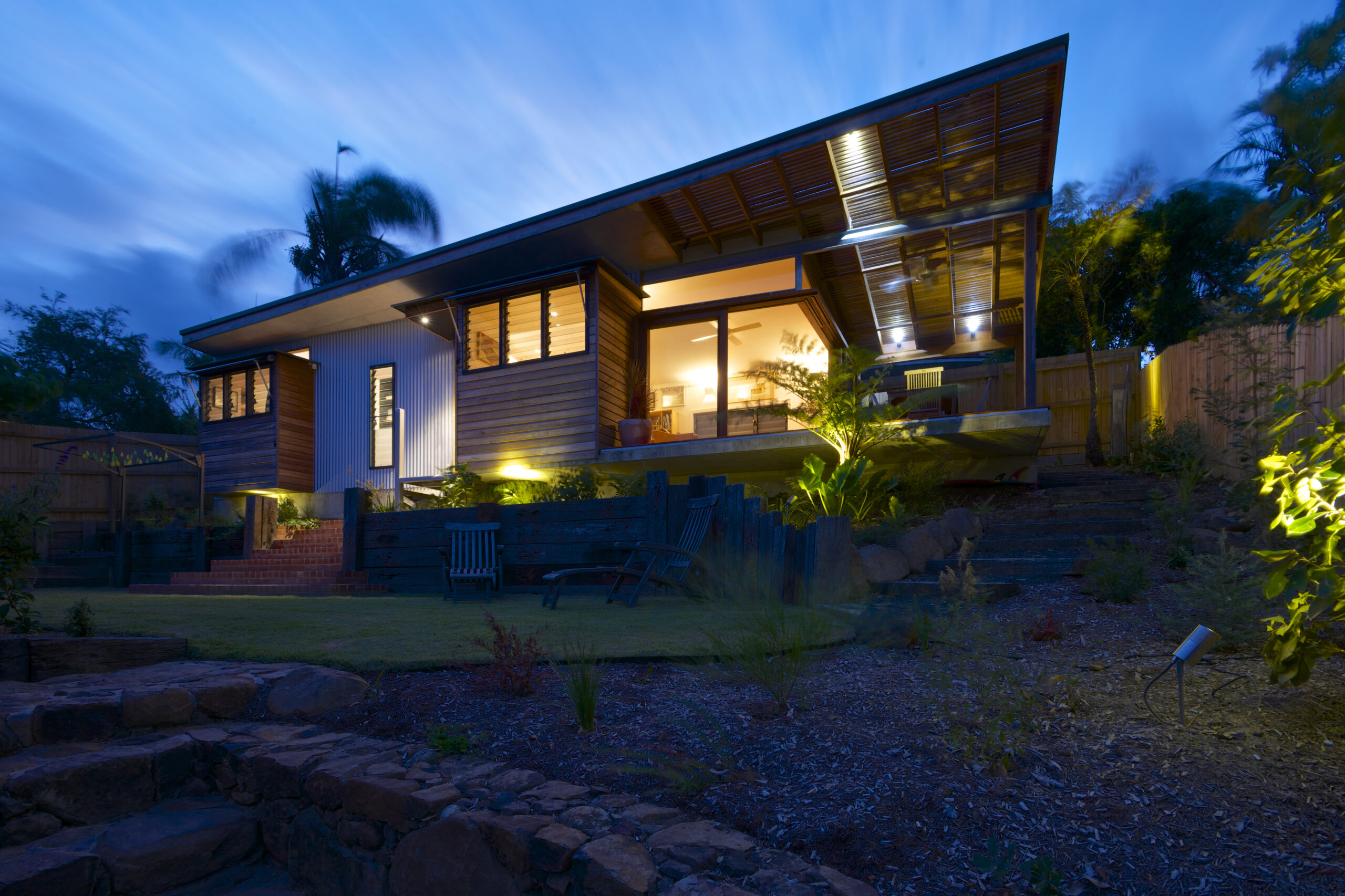
The initial intention is to create a building of its time for its place, that is long life, low impact and adaptable, and to create and encourage a relationship with its immediate site, landscape and locality.

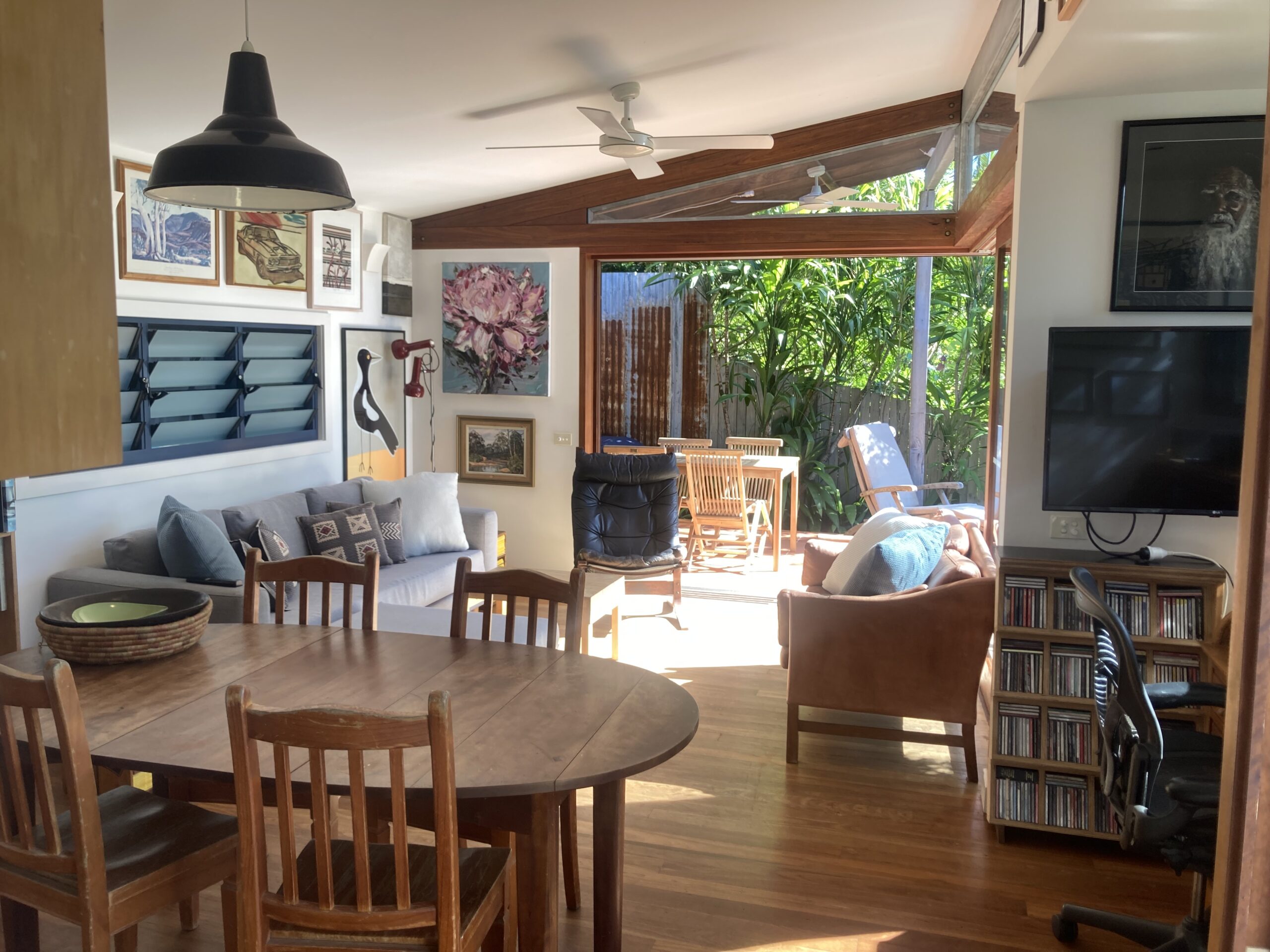
The second floor is rotated through 90 degrees to open up the living spaces to the northern sun and light, and the prevailing breezes.

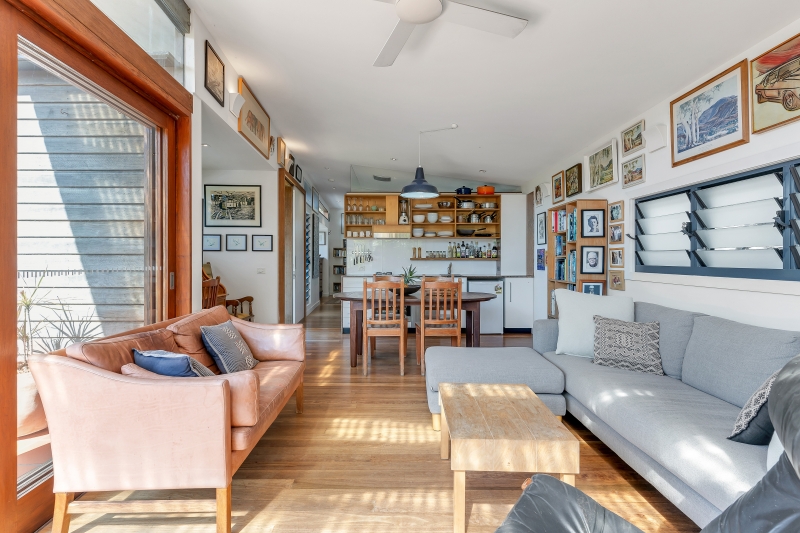
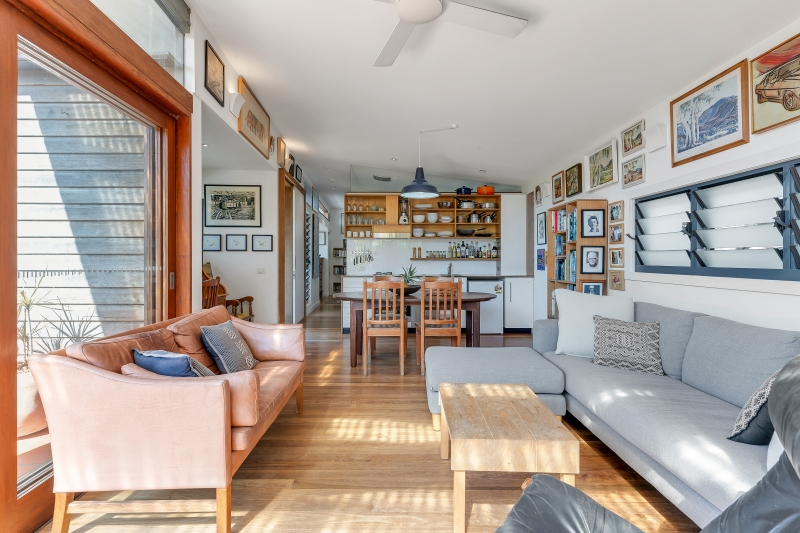
The house is designed to be passively responsive to its climate, minimising the use of external energy by affording all spaces natural light and the opportunity for natural ventilation. Living roofs and concrete construction create a thermal mass to further help mitigate external energy use and allow passive temperature control.

Designed to require your participation, manipulating the openings to encourage breezes to cross the spaces.

The design allows myriad living arrangements including working from home, possible separate children and teenage areas, and multi-generational living, all with a level of privacy and autonomy.

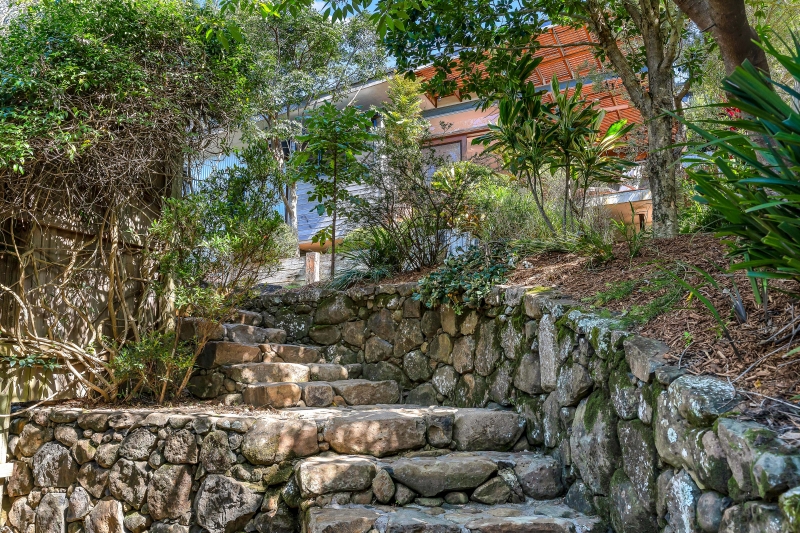
The landscape adds as a privacy buffer between spaces and separates it from the public realm, whilst encouraging local Indigenous birds and reptiles back to the locality.

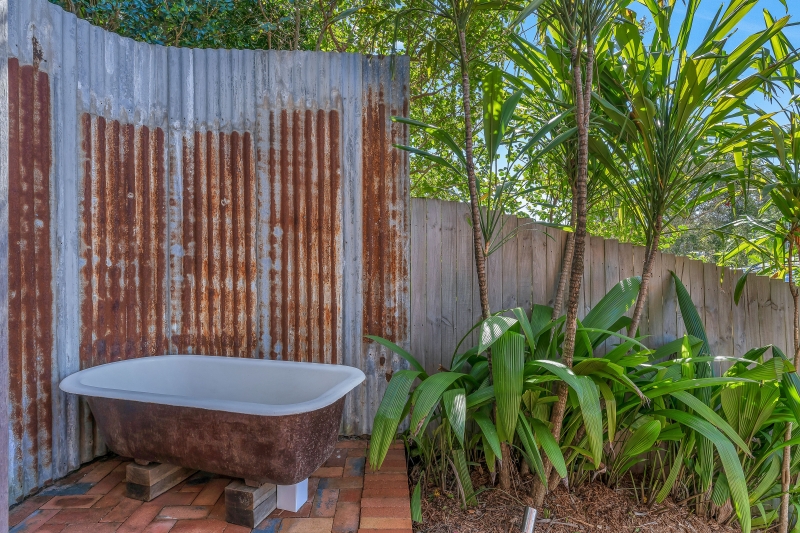
To minimise its environmental impact, there is the opportunity to use recycled materials including timber cladding and flooring, low-carbon materials like concrete and masonry, and no (low) VOC materials throughout.

Back to the grid, solar array installed with an opportunity to install a battery to further minimise reliance on external energy.

Water is collected and stored for use on the native garden and in the water closets and laundry.

Q & A

What motivated you to build or retrofit sustainably?
Because it's eminently sensible. It is more comfortable to live in, it's actually cheaper to live in because it looks after itself, and hence it is more fit for purpose.
Passive design allowing the house to be manipulated to perform in all sorts of weather.Massive benefit to well being and lifestyle as it requires you to participate in the house and local environment and therefore you become significantly more aware of what is going on around you.
Increase the gutter size.Electrify everything (which is slowly happening).
Do the same to the main house.
Back to 2026 Homes
Type: Secondary dwelling, Studio
Project: New build
Architect: john mckay architects
Builder: mrh build
Size: 50sqmm²
Energy Rating: BASIX
Bedrooms: 1
Bathrooms: 1

Sustainability Features

Building Materials & Envelope

High-performance insulation
Sustainable or low-impact materials
Recycled or reused materials
Other

Heating, Cooling and Ventilation

Passive heating/cooling (north-facing glazing, cross ventilation, thermal mass, shading, etc.)
Ceiling fans

Energy and Appliances

Rooftop solar PV
Battery storage
Efficient lighting (LED, daylighting, solar skylights)

Water & Waste Systems

Water-efficient fixtures
Rainwater tanks

Landscape & Biodiversity

Native garden
Wildlife-supporting habitat

Climate Resilience

Cyclone/storm

Accessible & Flexible Design Features

Design for flexible use
Share this home:

Related Homes

Home tours delivered to your inbox

Step inside sustainable homes across Australia and get practical ideas you can use in your own