Ian & Carons house

Myaree,
WA
This home will be open for in-person tours on the 17th May 2026

About this home

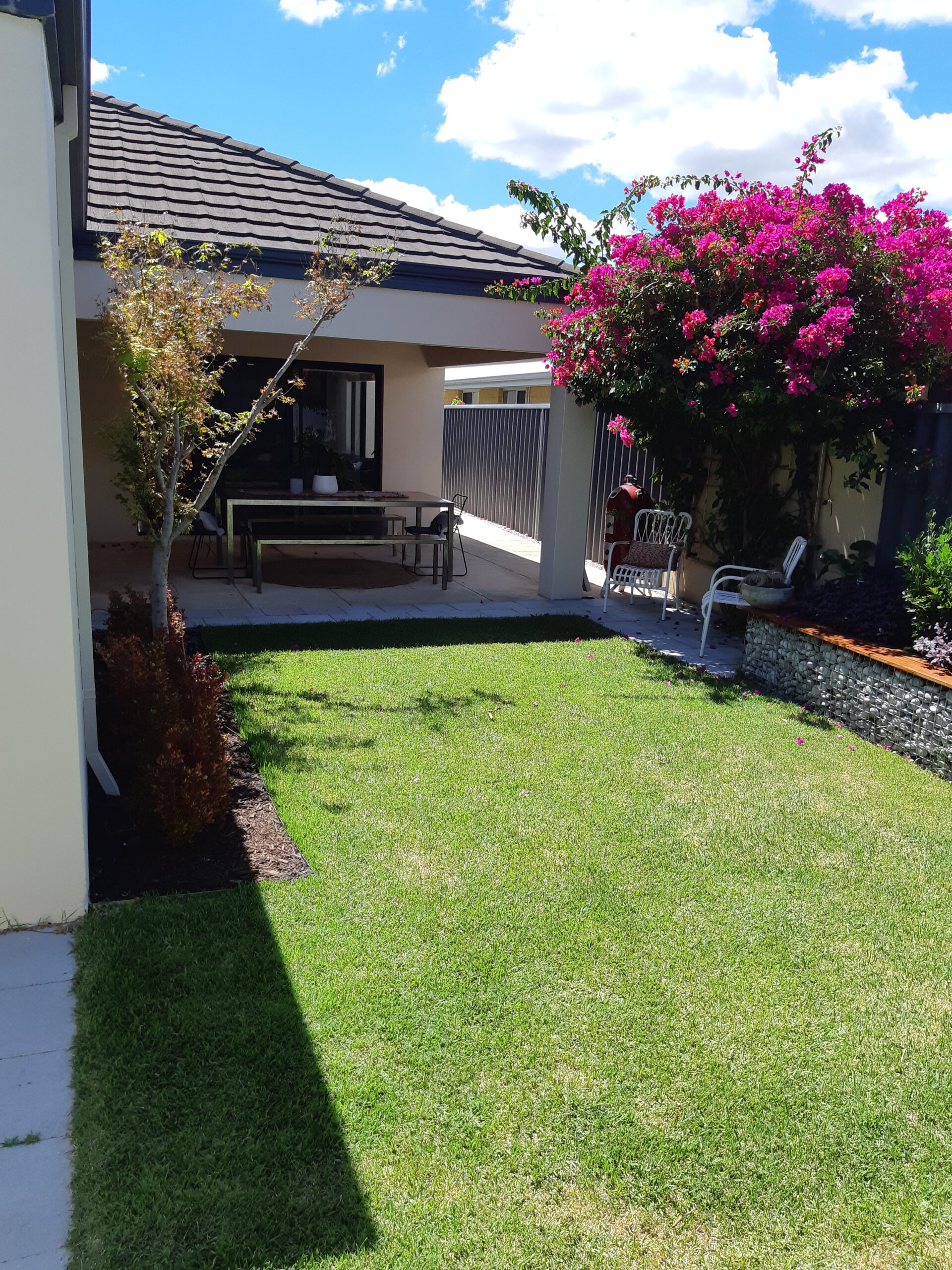
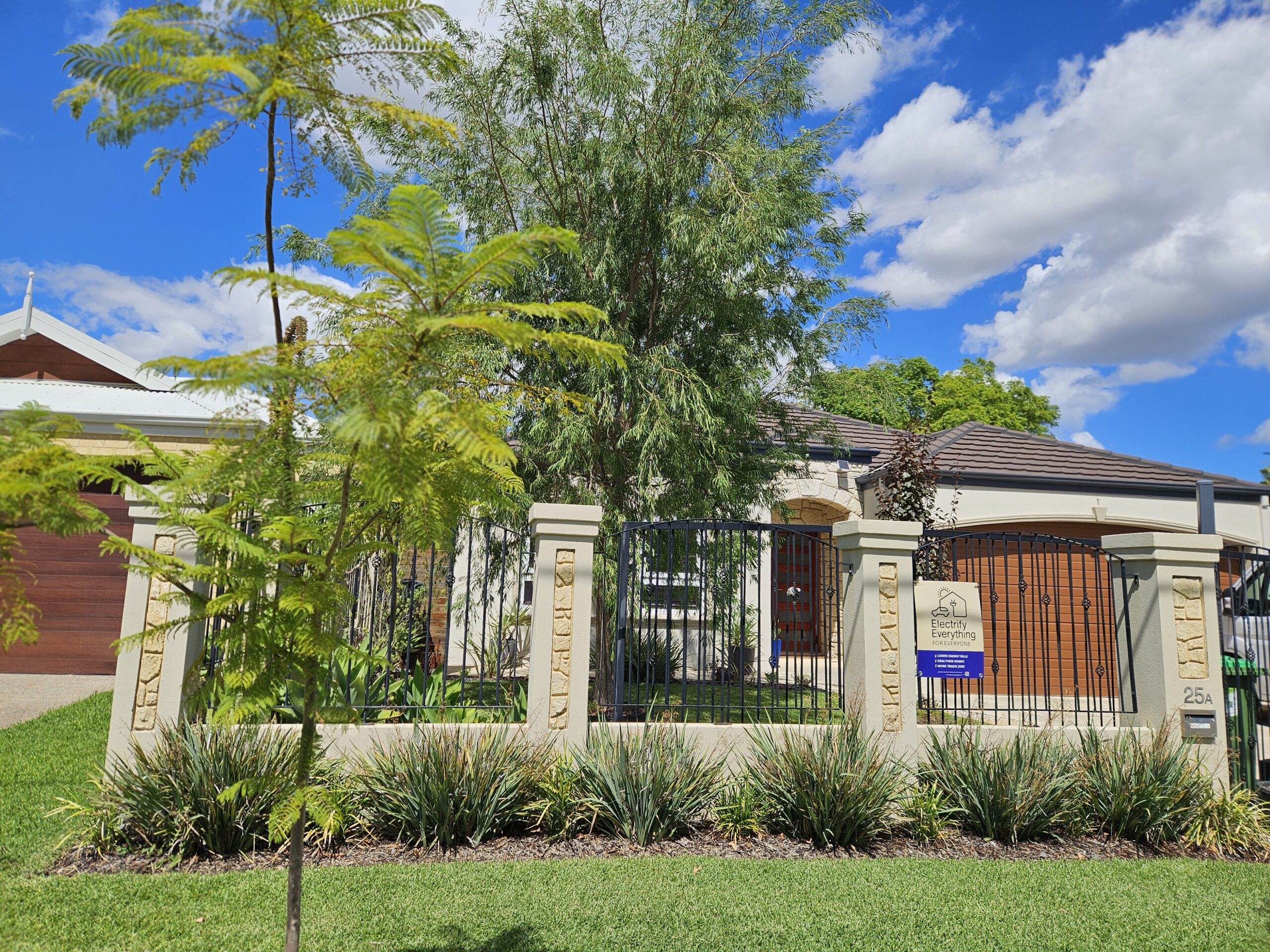
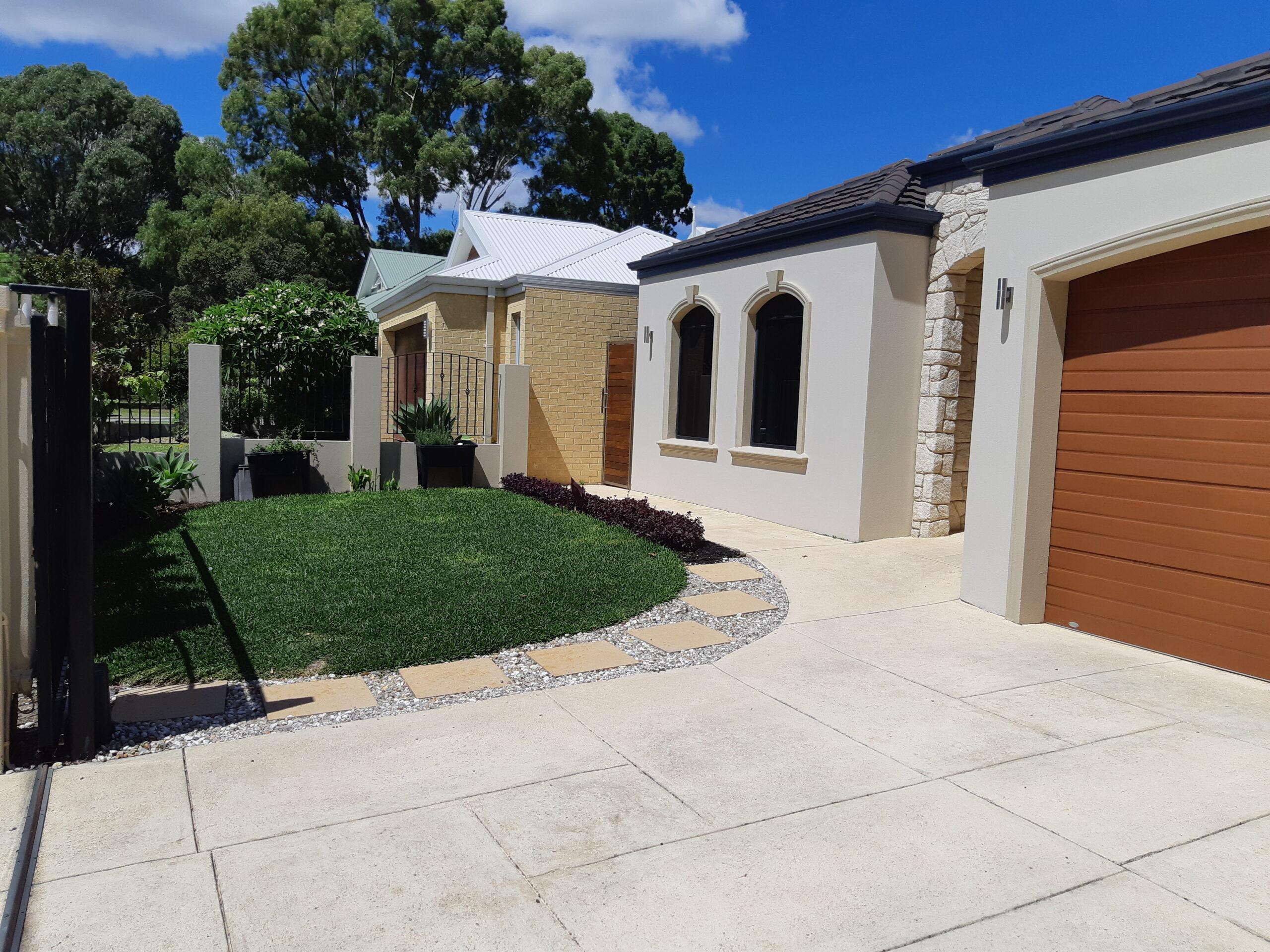
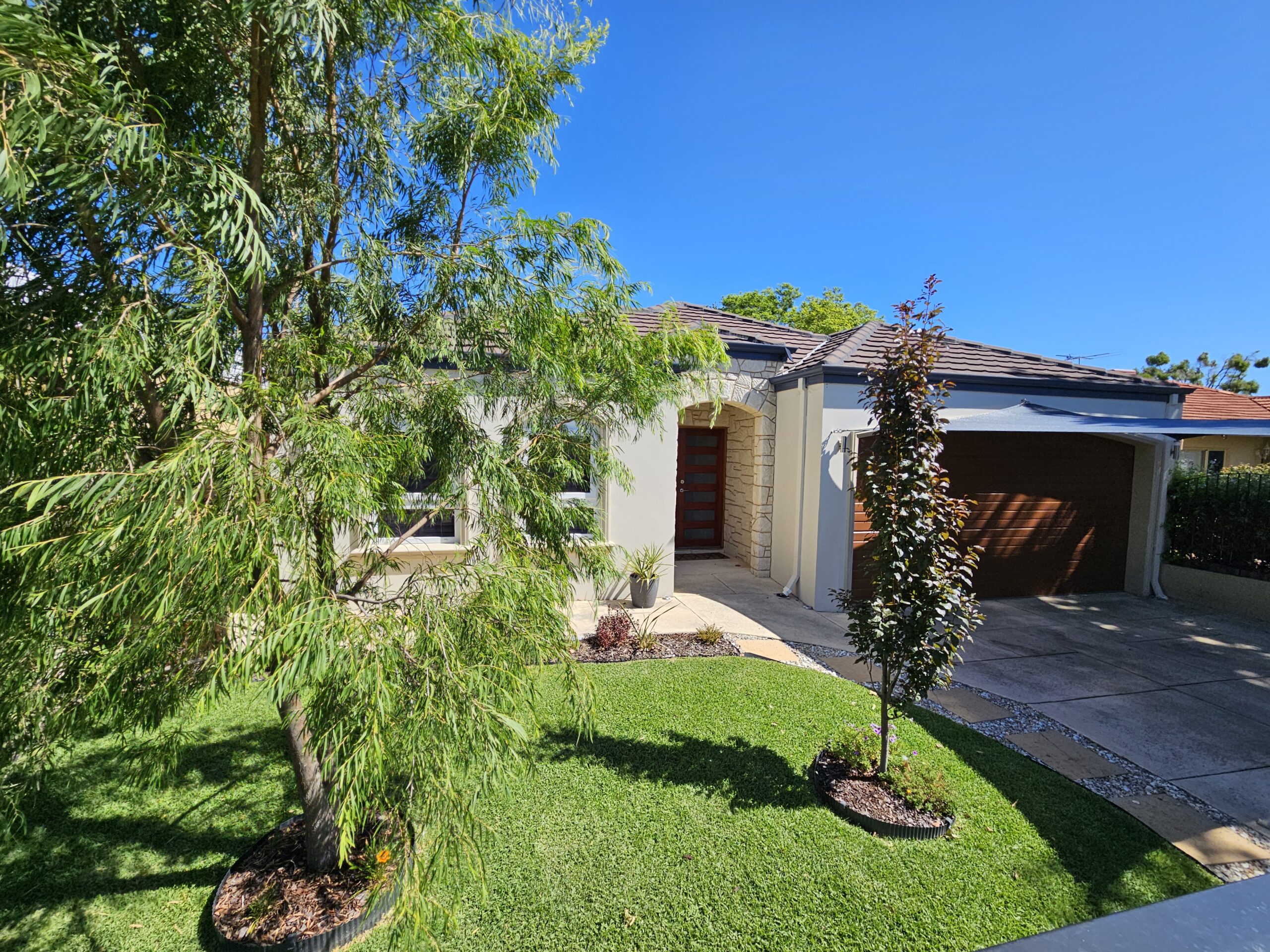
Built in 2006, the home is a typical single-storey double brick (3beds, 2bath, 2cars) WA home. The home was built before environmental ratings entered the building codes in WA. The approx. 250 sqm home is built on a level 450 sqm subdivided block. The front of the home faces north, has narrow access to the east and west sides and a small enclosed rear south-facing garden.

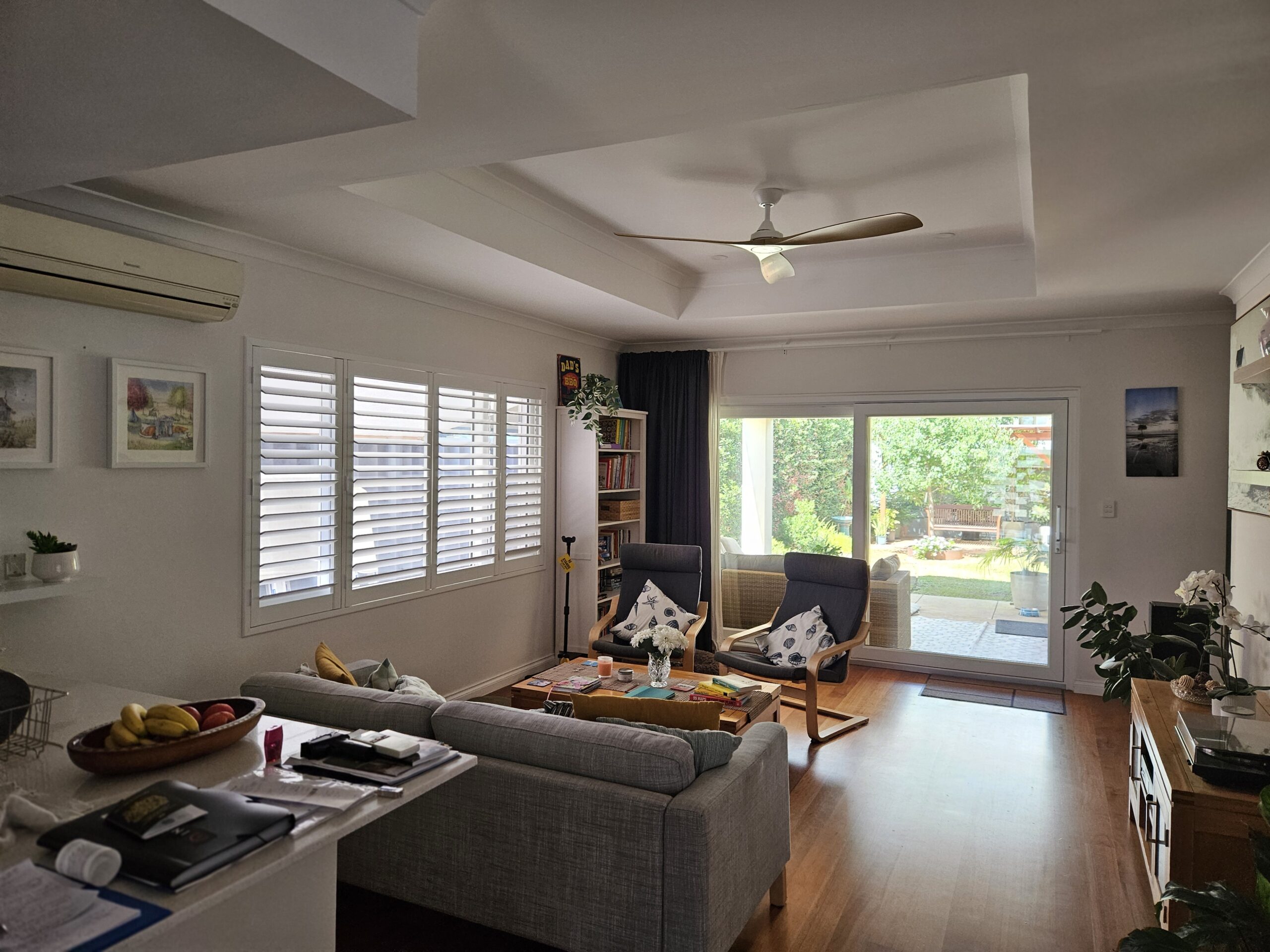
The house was built on a concrete slab (on ground), with double brick walls with a 50mm cavity (empty). The roof has no eaves (no sarking or insulation) and dark grey cement tiles. The house was glazed with black aluminium window frames with 5mm clear glass. At the time of purchase, the ceiling was only partly insulated, with poorly installed R2.5 batts. Gas was also supplied to the home for hot water, cooking and 2 gas points. There are two Panasonic reverse cycle A/C units, one in the master bedroom and a large unit in the family room. There were no trees or shade in the gardens to the front or rear.

The project has included full electrification of the home, with 6.6kW of solar, a 13.7 kW Tesla battery, a heat pump hot water heater, and an induction cooktop. The gas has been disconnected.

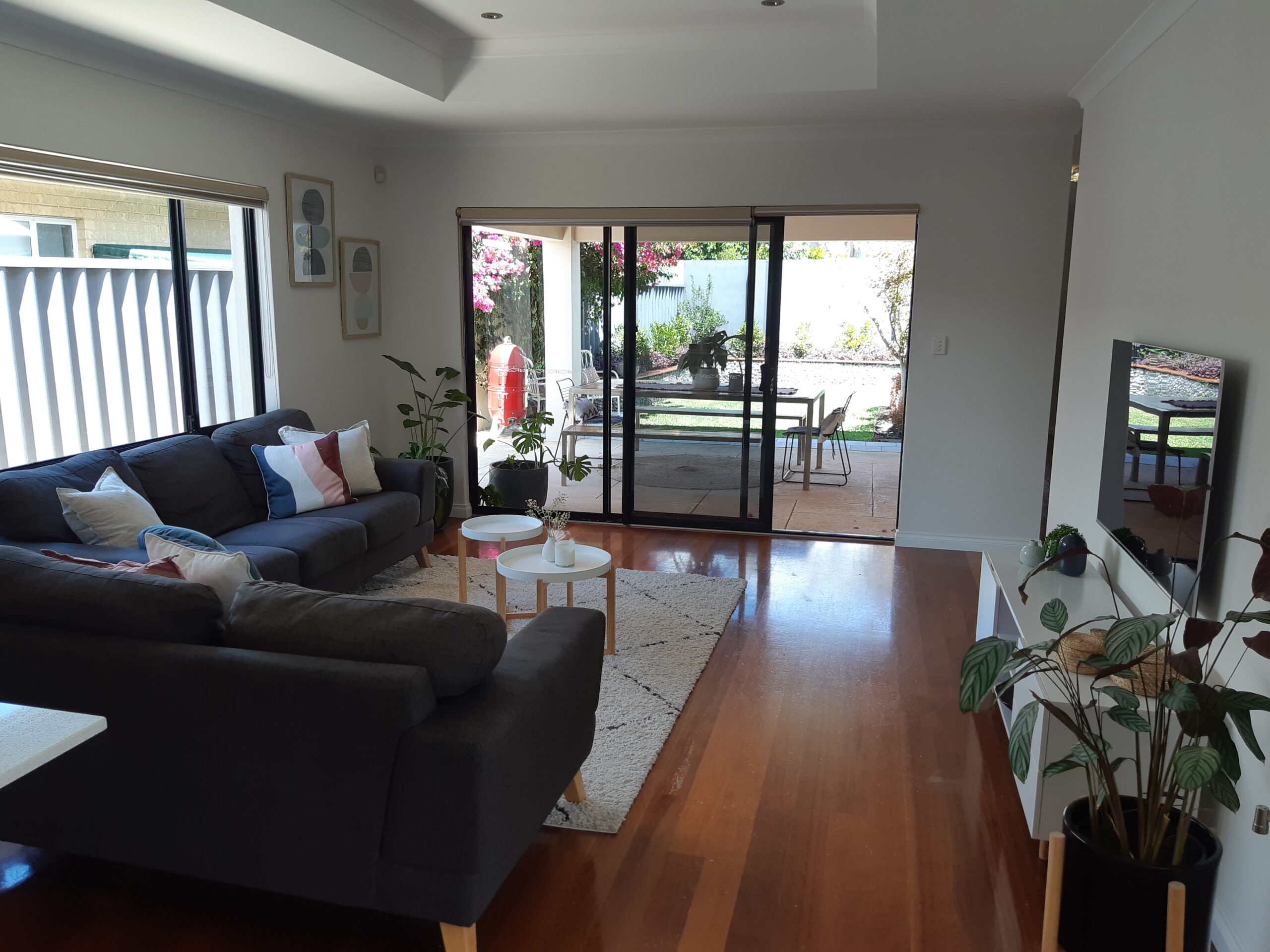
The insulation has been improved to the ceiling (R4 batts), Cavity wall insulation to the double brick wall cavities, and efficient PVC double glazing (6.6 eco glass with argon filling) to all windows and the rear entry door.

External shades and new internal blinds are installed on all windows. Ceiling fans are installed in all bedrooms and lounges. Drafts and air flow have been reduced to a minimum.

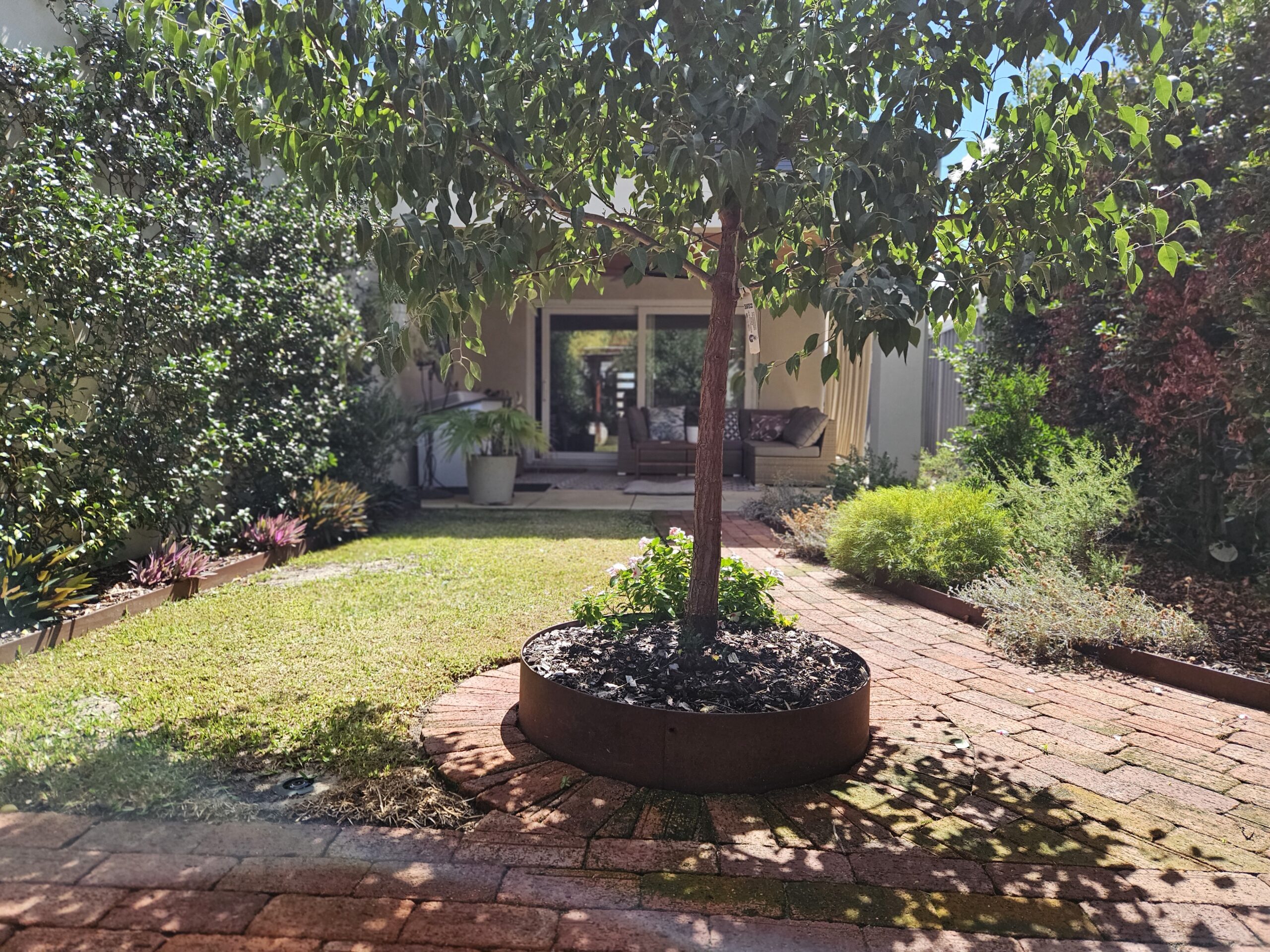
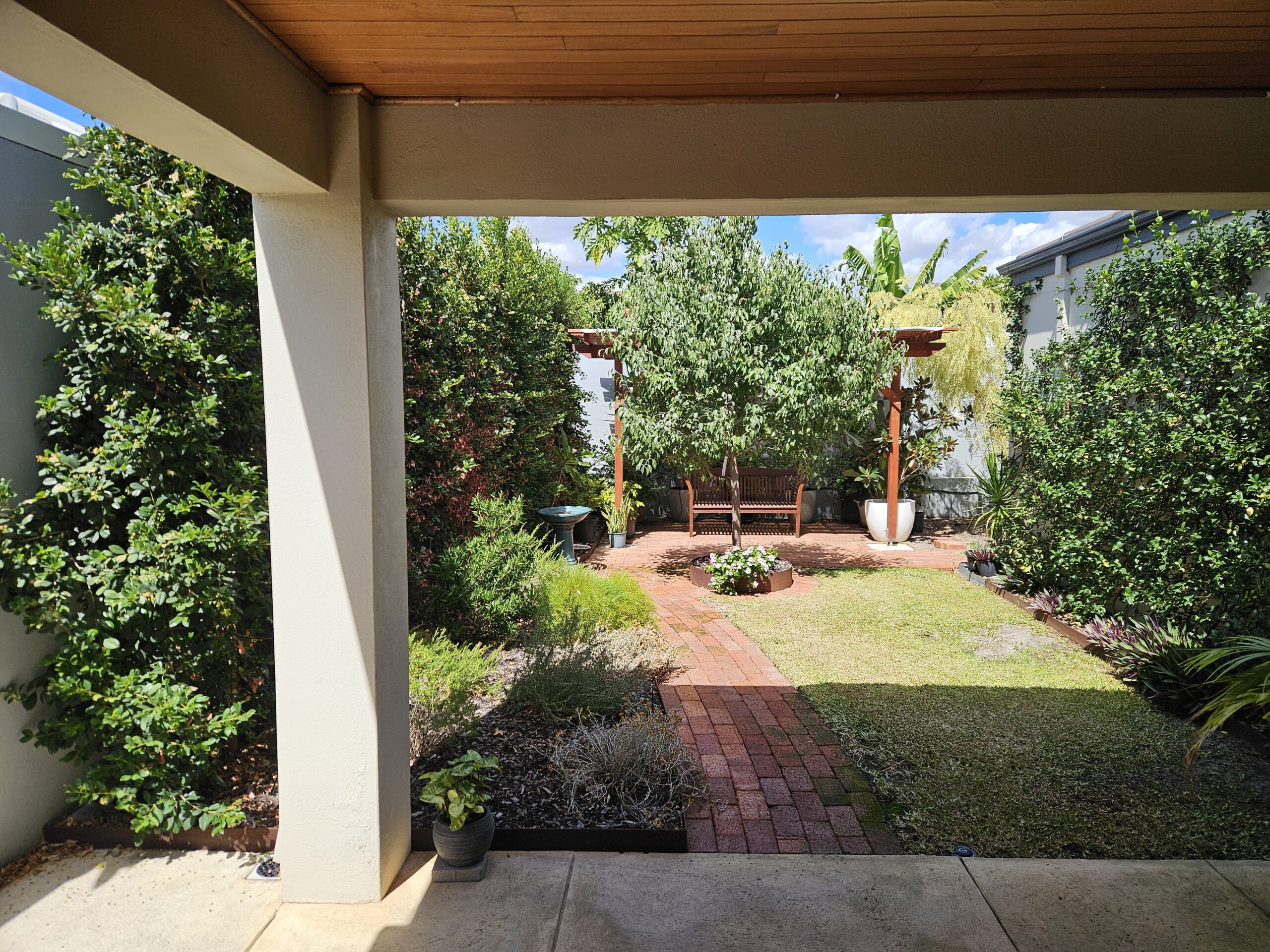
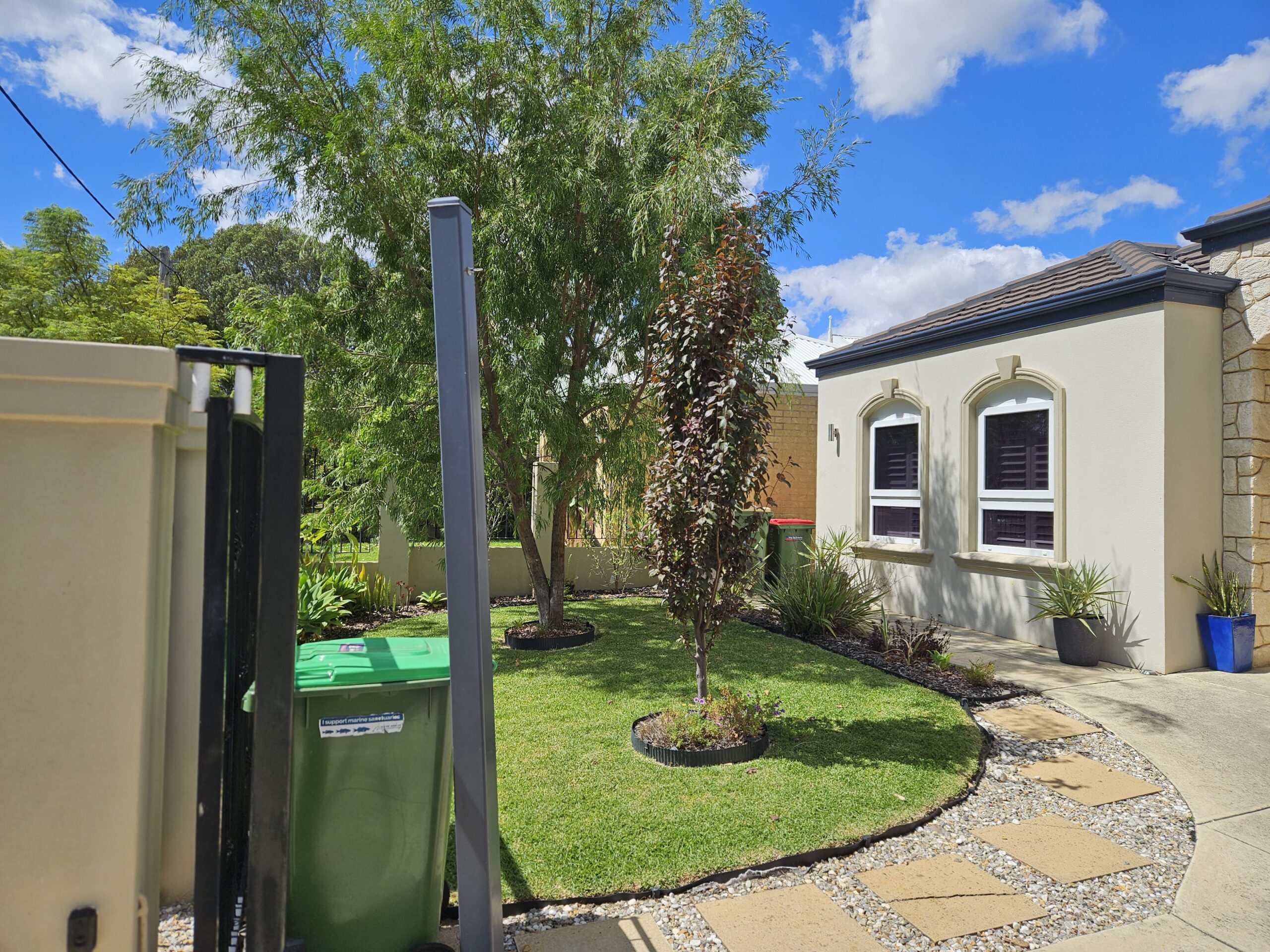
The rear garden was stripped out, and new native trees and plants were planted. The front garden has 4 new trees. The trees are growing, and the shade is improving.

The home is now more climate resilient. We have no energy bills and are in credit with Synergy ($660). We also have a small EV (MINI Cooper), which we use for all local commuting.

The home now has a 7.9* Nathers existing home energy rating.
Q & A

What motivated you to build or retrofit sustainably?
Climate concerns, reduced energy consumption and carbon footprint, climate resilience
Full home electrification (solar, batteries) and getting off gas.With only small changes to our lifestyle (more awareness of when and how we consume energy).We require only around 3% of our energy from the grid. By changing all our appliances to electric, and using an EV charged from our solar, we have considerably reduced our dependence on fossil fuels.
When dealing with windows, Double glazing is expensive and using internal blinds is not always the answer to keep out the heat."If the heat has passed through the windows, it is already in the home, heating the blinds and therefore the home". External shading of windows and preventing the entry of the sun in summer, can be much more effective. Window shades can be constructed cost-effectively using shade cloth and timber battens. These can be erected over windows in summer and removed in winter.
To build a sustainable passive home with a 10 star energy rating that is also off grid.
Back to 2026 Homes
Type: Standalone house/townhouse
Project: Gradual upgrades over time
Size: 220m²
Energy Rating: 7.9
Bedrooms: 3
Bathrooms: 1

Sustainability Features

Building Materials & Envelope

Draught-proofing/air sealing
High-performance insulation
Double or triple-glazed windows

Heating, Cooling and Ventilation

Passive heating/cooling (north-facing glazing, cross ventilation, thermal mass, shading, etc.)
Ceiling fans
Heat pump (reverse-cycle) heating/cooling

Energy and Appliances

Rooftop solar PV
Battery storage
Efficient lighting (LED, daylighting, solar skylights)
Heat pump hot water
Electric cooktop - induction/ceramic
Other energy-efficient appliances

Water & Waste Systems

Water-efficient fixtures
Other

Landscape & Biodiversity

Native garden

Climate Resilience

Heatwave

Accessible & Flexible Design Features

Share this home:

Related Homes

Home tours delivered to your inbox

Step inside sustainable homes across Australia and get practical ideas you can use in your own