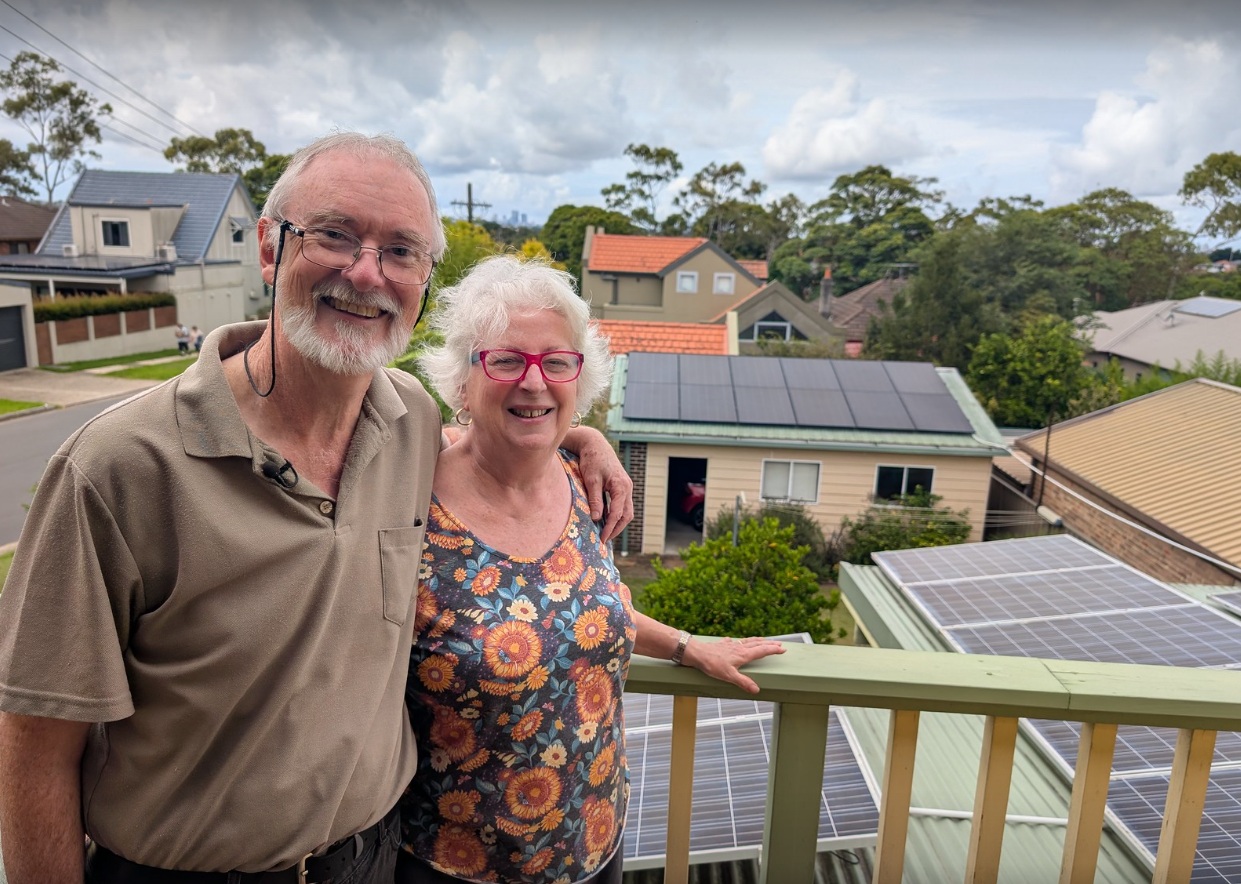
My wife Corinne and I started our sustainable journey by installing an induction cooktop when we put an extension on our house in 2006.
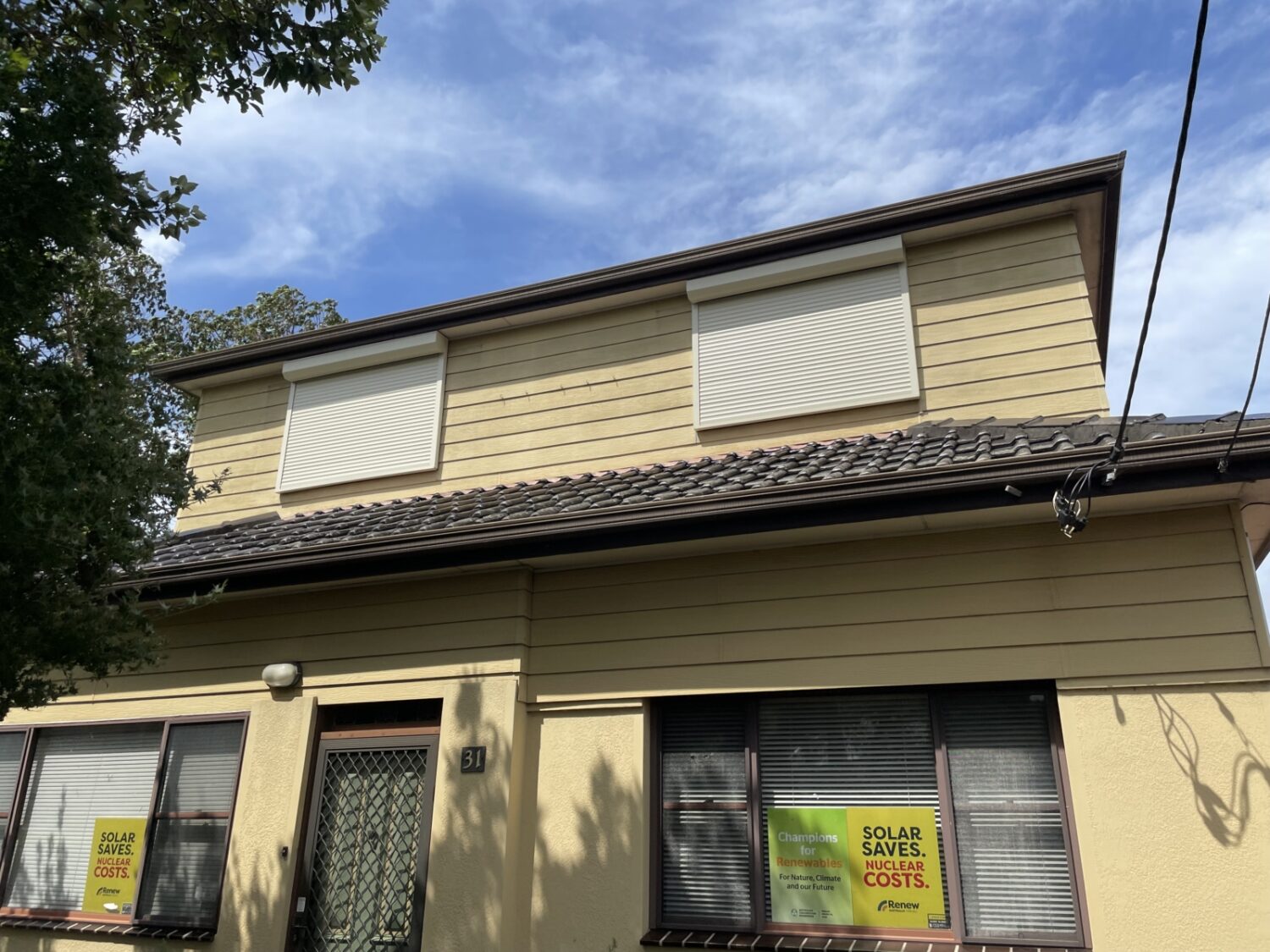
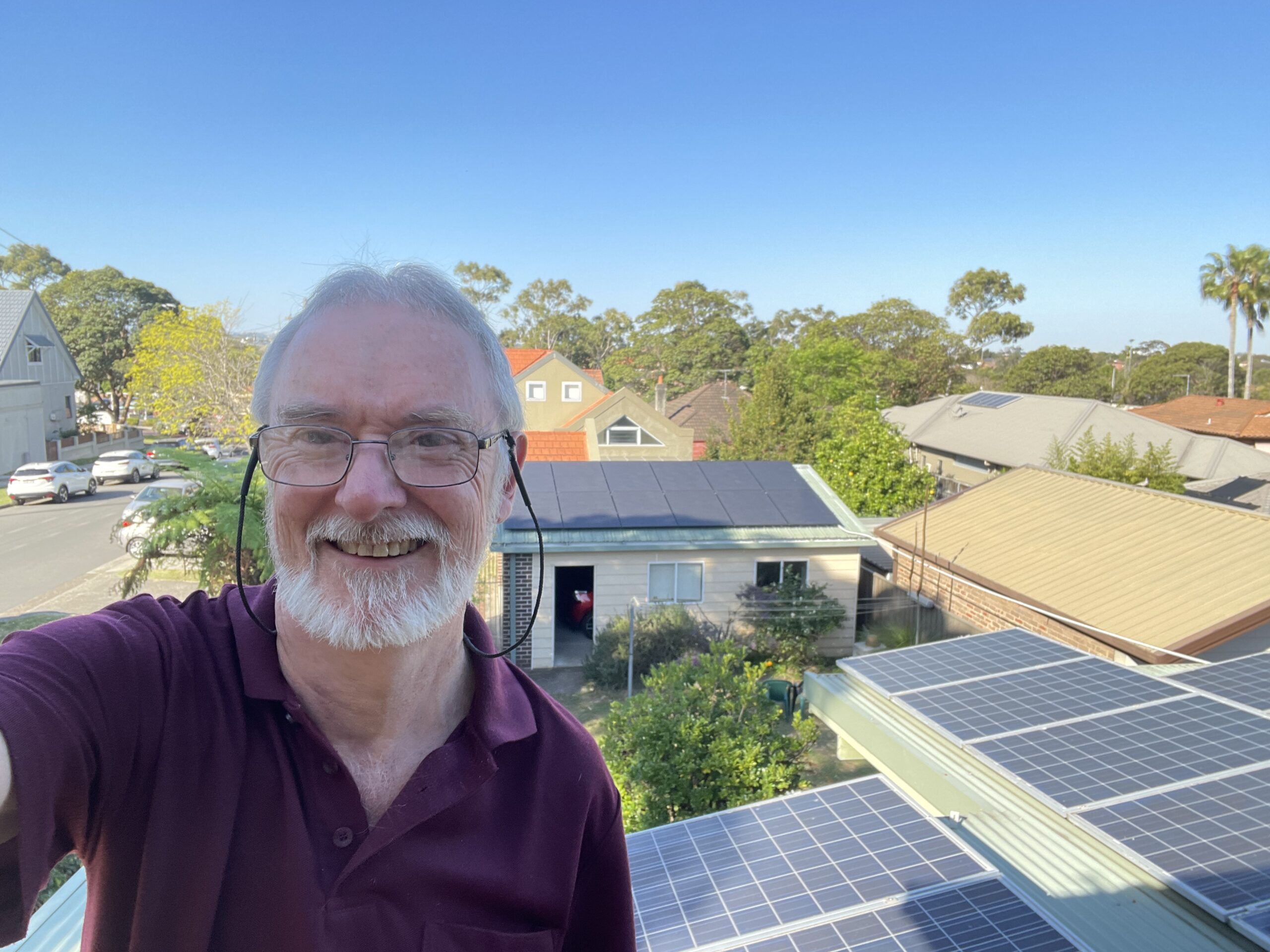
Then, in 2014, we installed 3 kilowatts of solar on our back roof. This reduced our power bill by about half during the warmer months, but not much in winter.
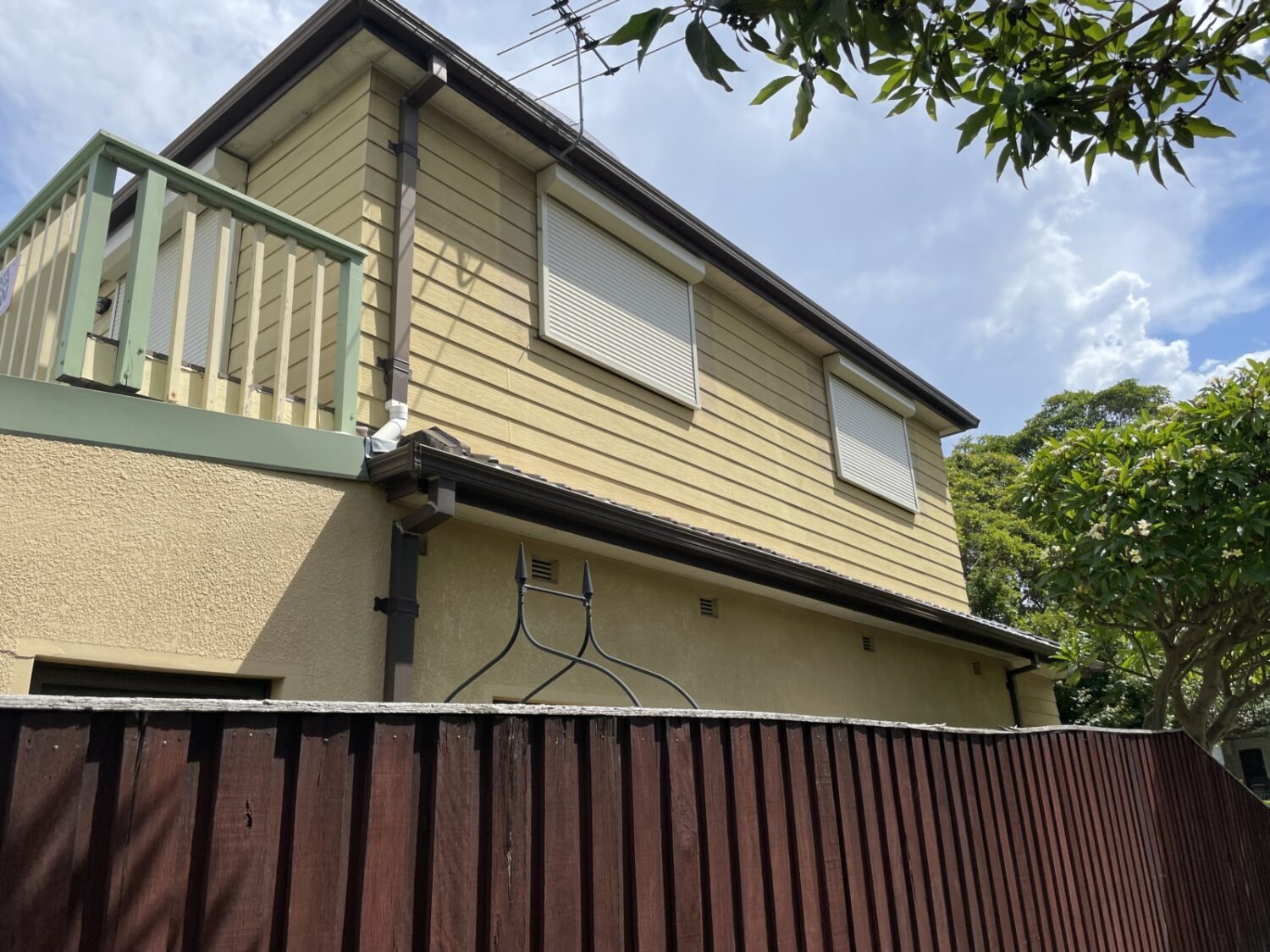
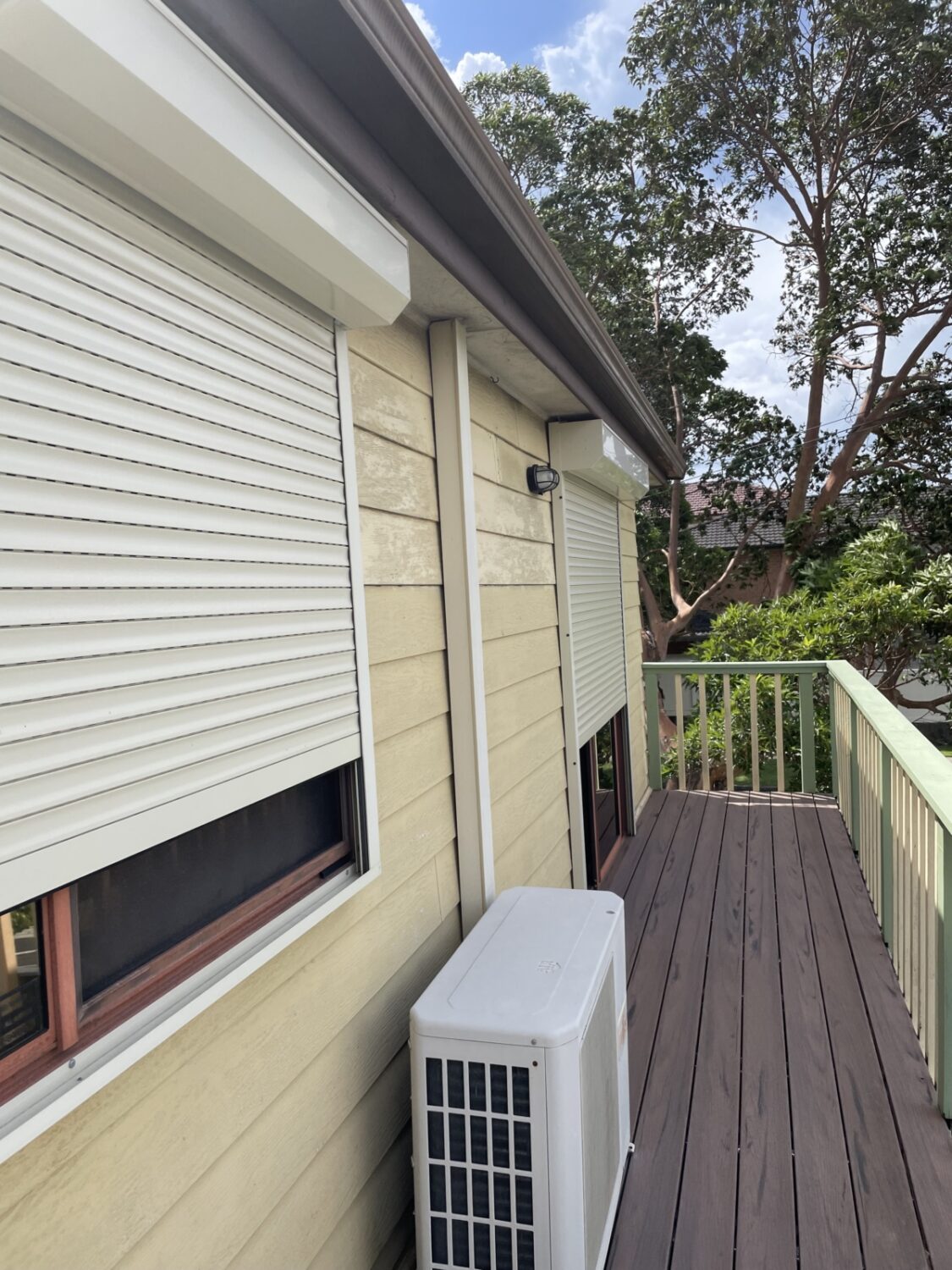
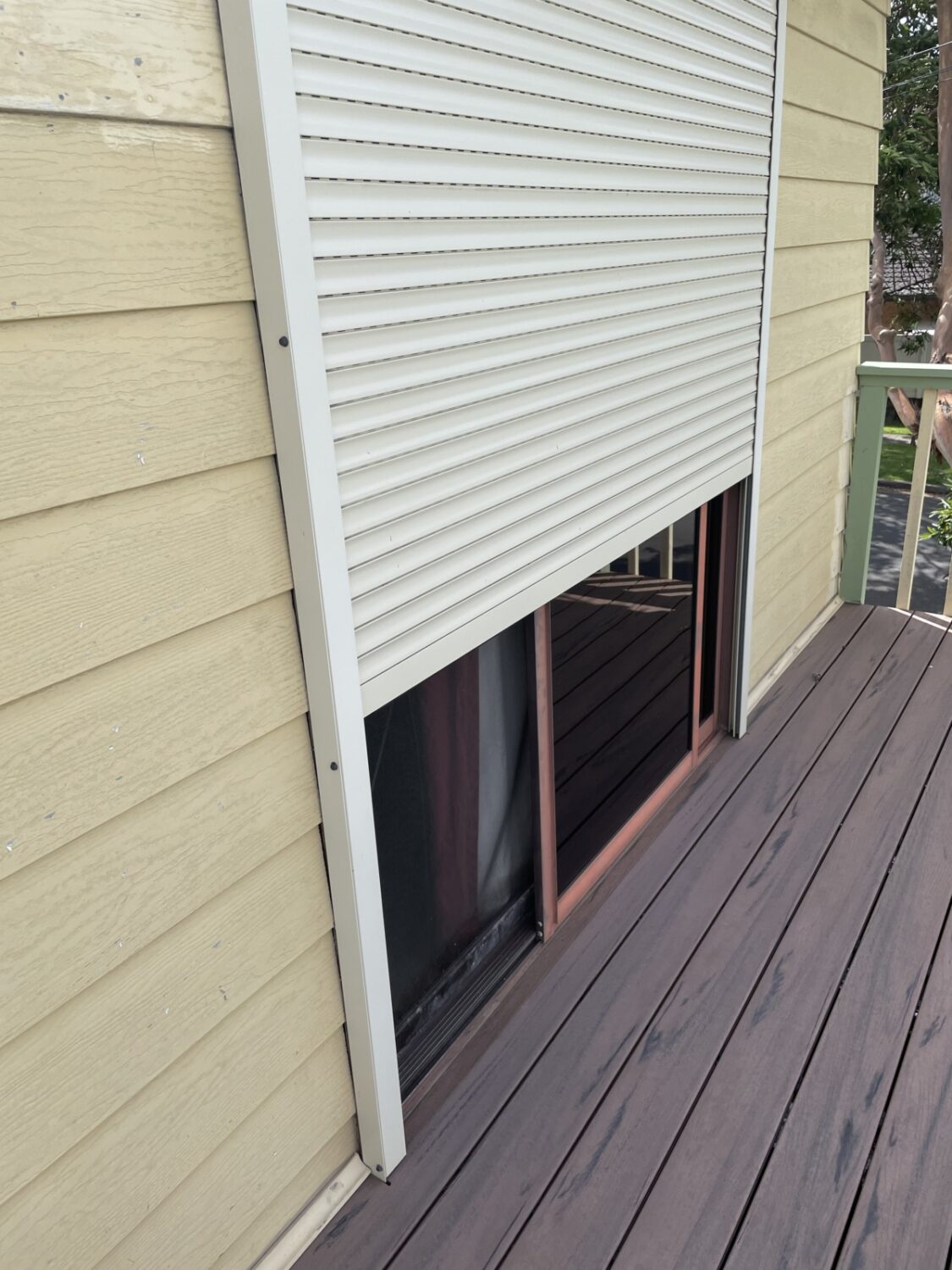
The next step was to deal with the heat problem in the house during summer. We decided to install insulated rollershutters on the north-, east- and west-facing windows and glass doors. This kept the house cool on hot days and warmer on cold ones. We found we rarely needed to use heating or cooling anymore.
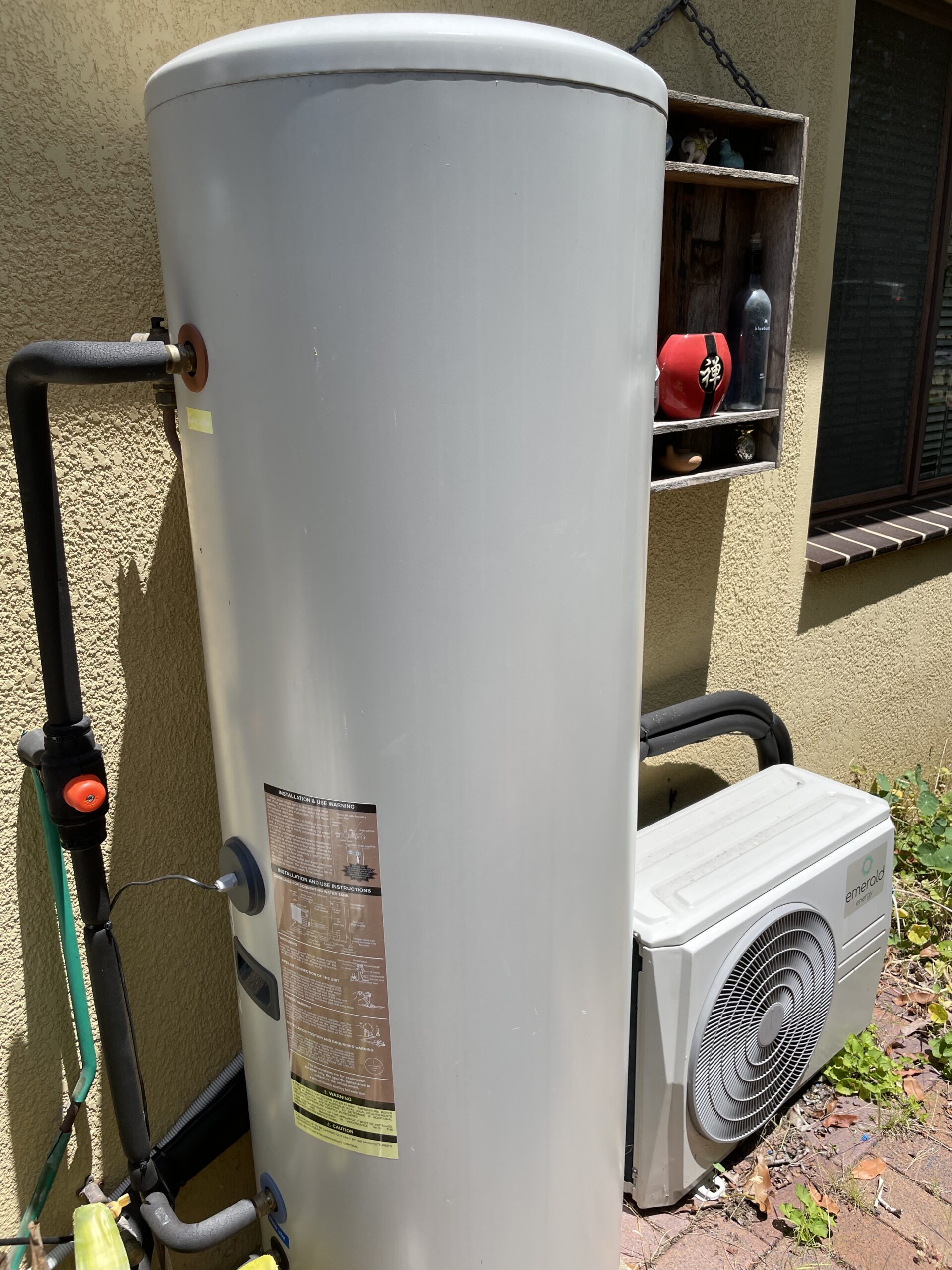
Next we decided to replace our gas hot water system with a heat pump. This has saved us about $600 a year.
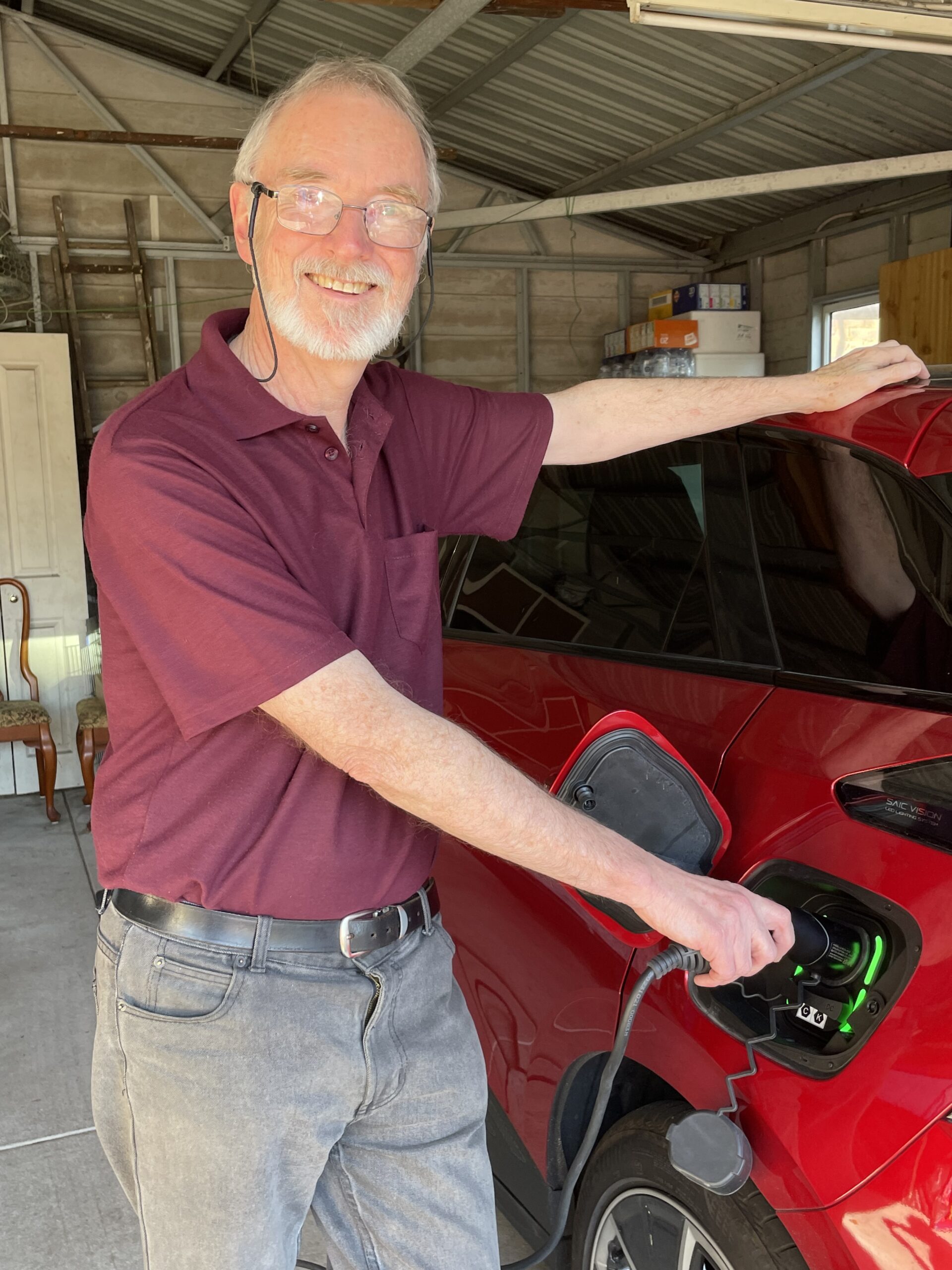
We then bought an EV. By ditching our old gas-guzzler, we've been saving about $2,500 a year on fuel and maintenance. We use only our own solar to power it.
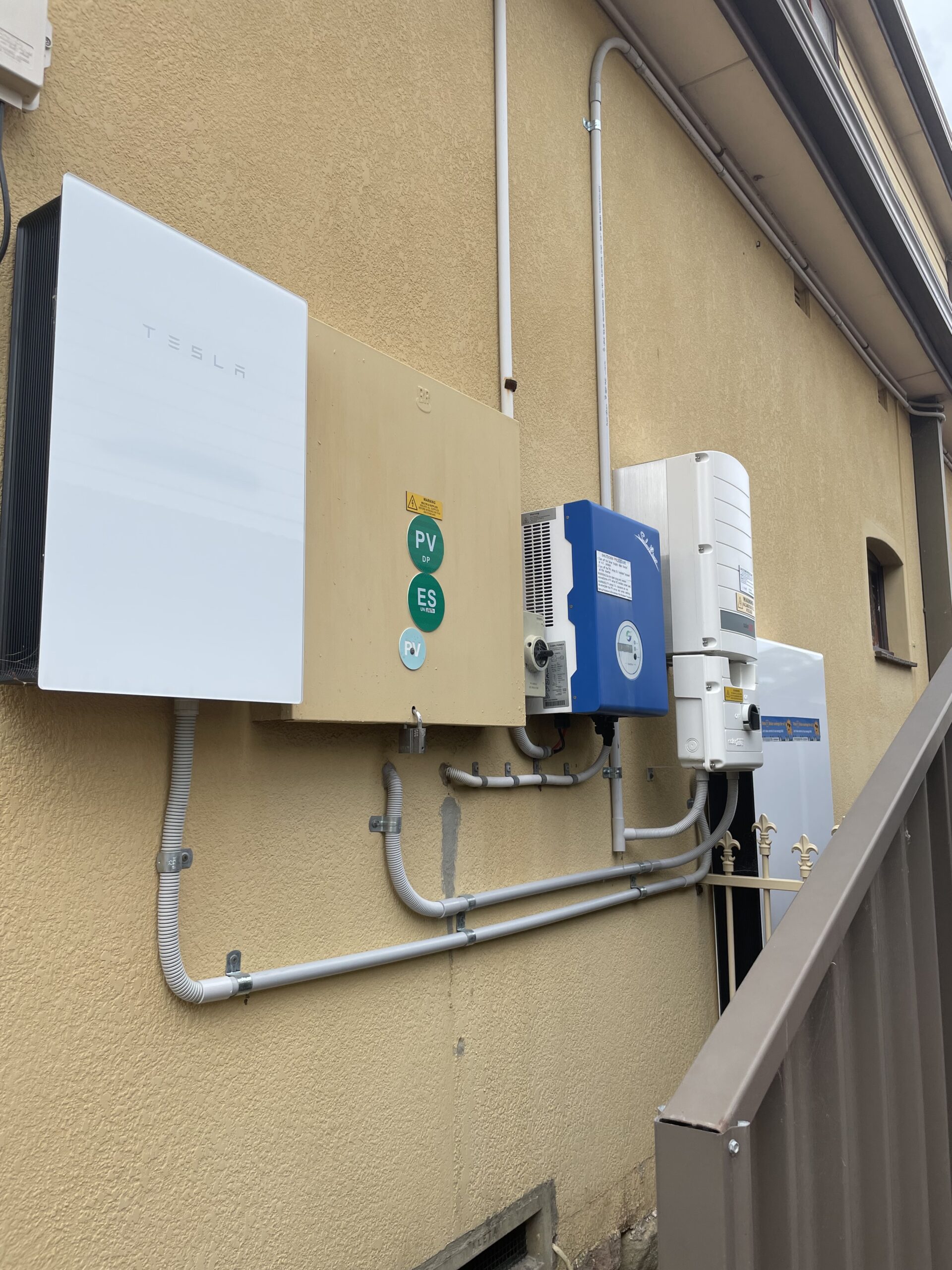
Soon after buying the EV we installed another 10.5 kilowatts of solar. This allowed us to charge the car on pretty much any day. It also cut our power bill dramatically.
The final step was to add a home battery, allowing us to become self-sufficient in energy and save about $1,600 a year on our electricity bills. We also joined a virtual power plant (VPP), and began selling power each evening. This has earned us about $900 over the past year.
So that is our sustainability journey. In going down this path, we have tried to prove that it’s possible to save money and save the planet at the same time. So please come and see for yourself on Sustainable House Day. I’m happy to answer any questions you might have.