
Summary
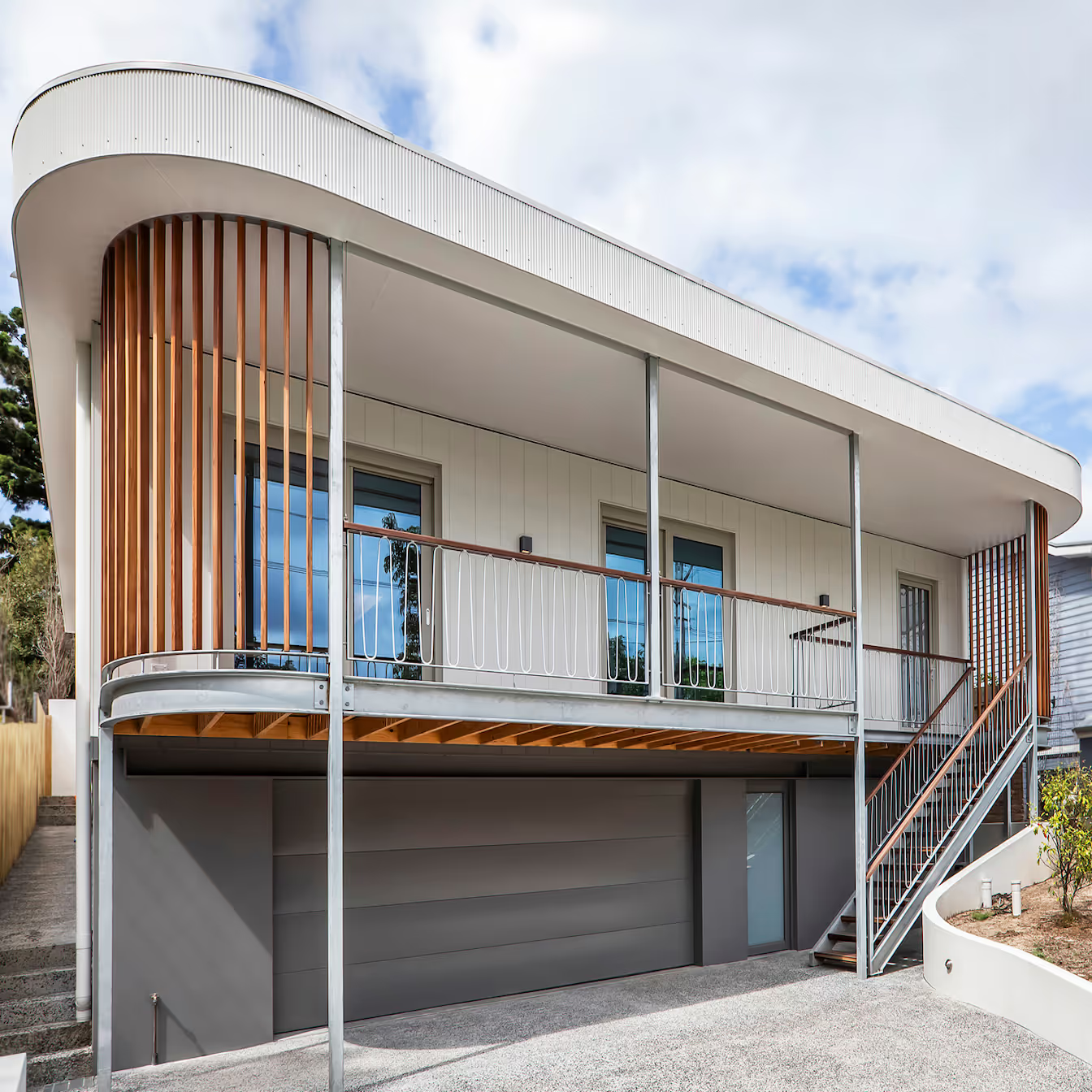
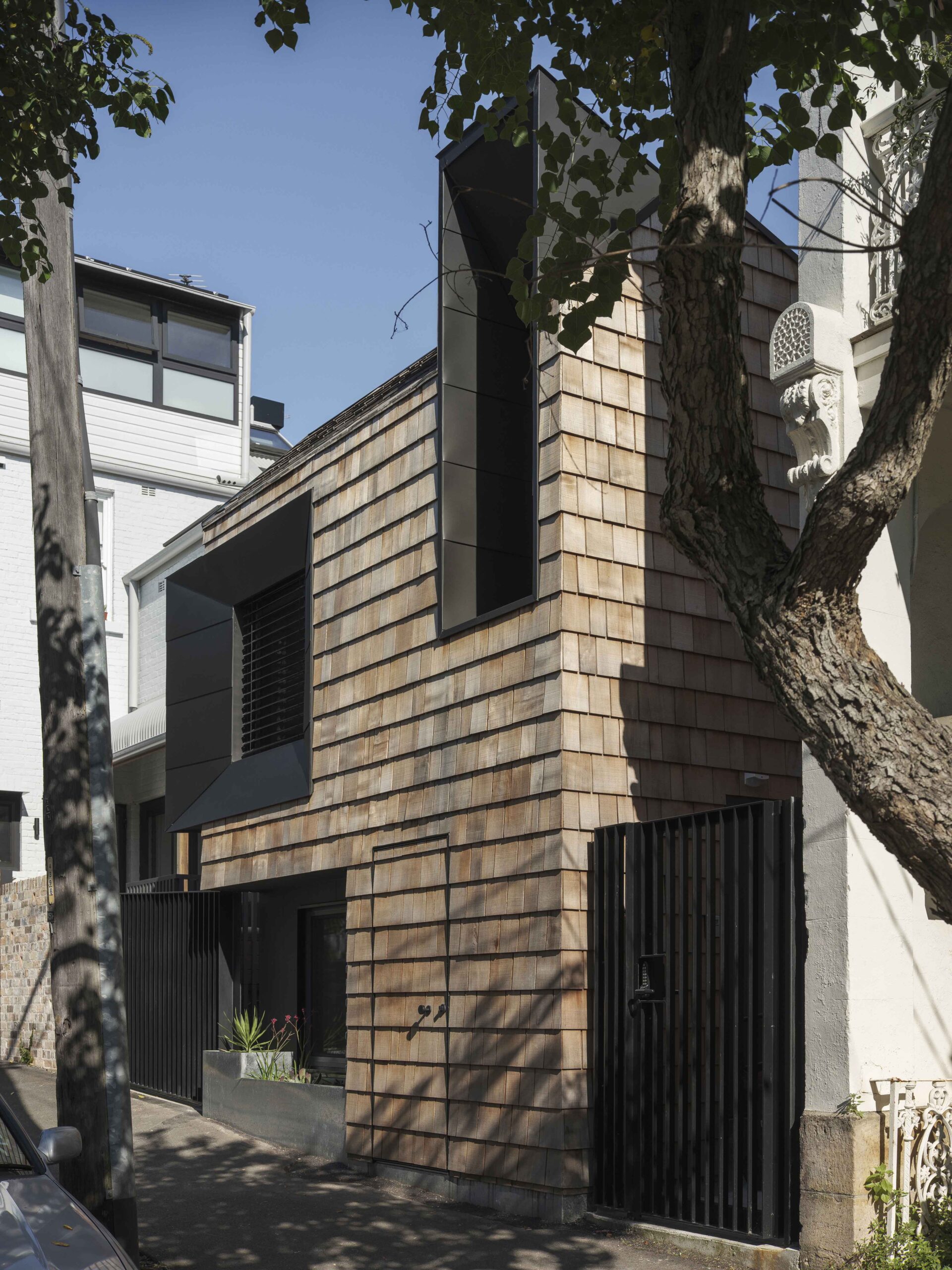
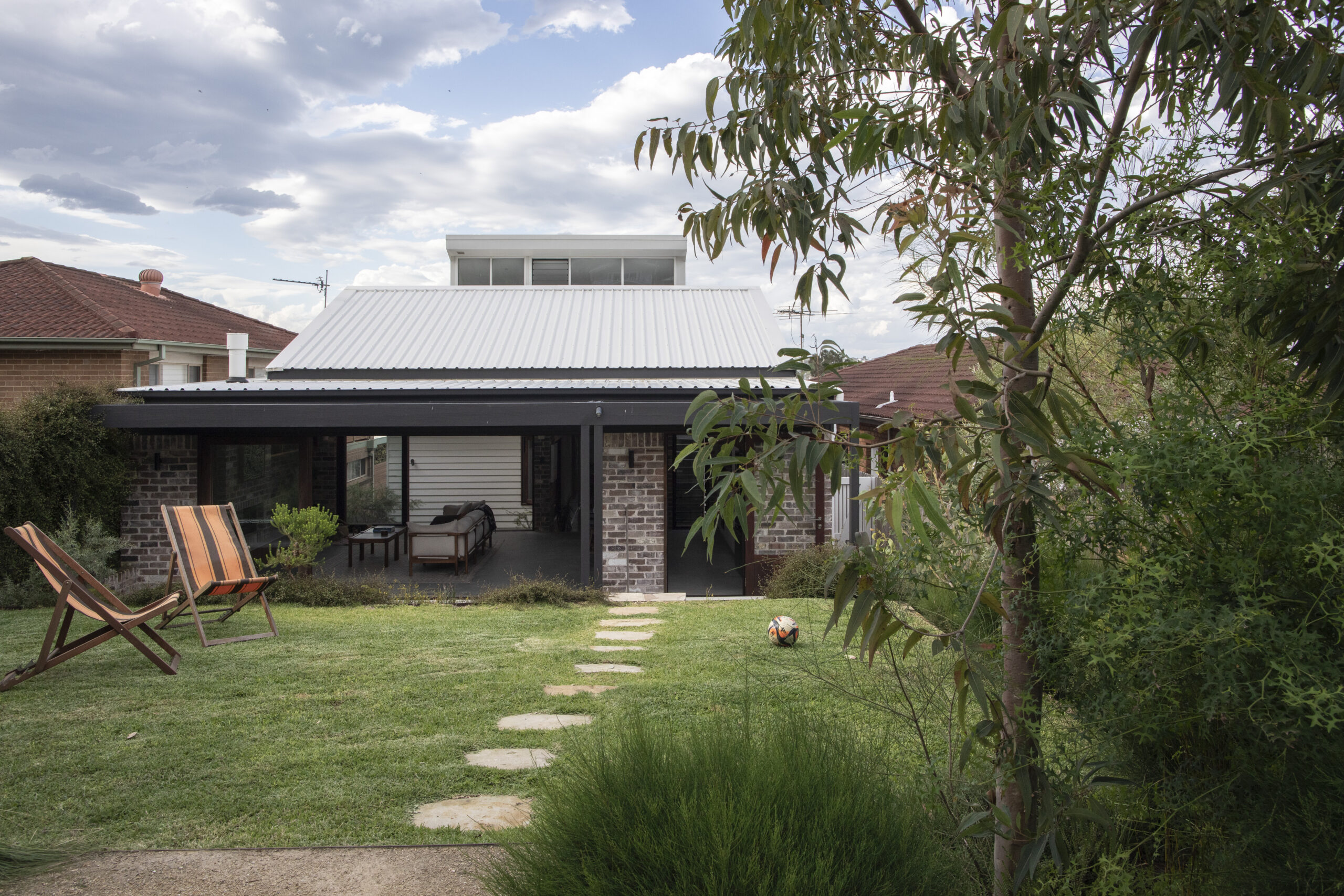
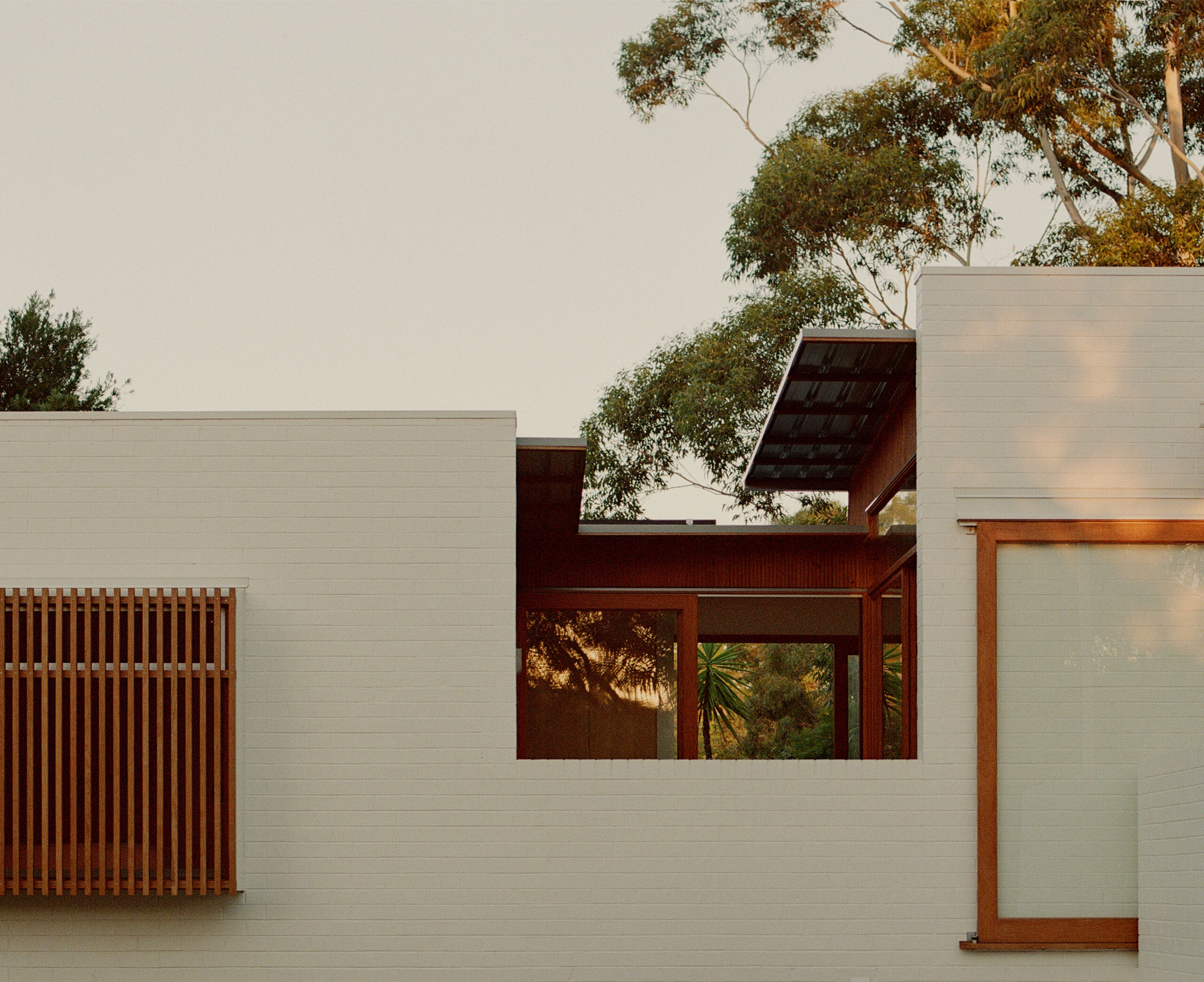
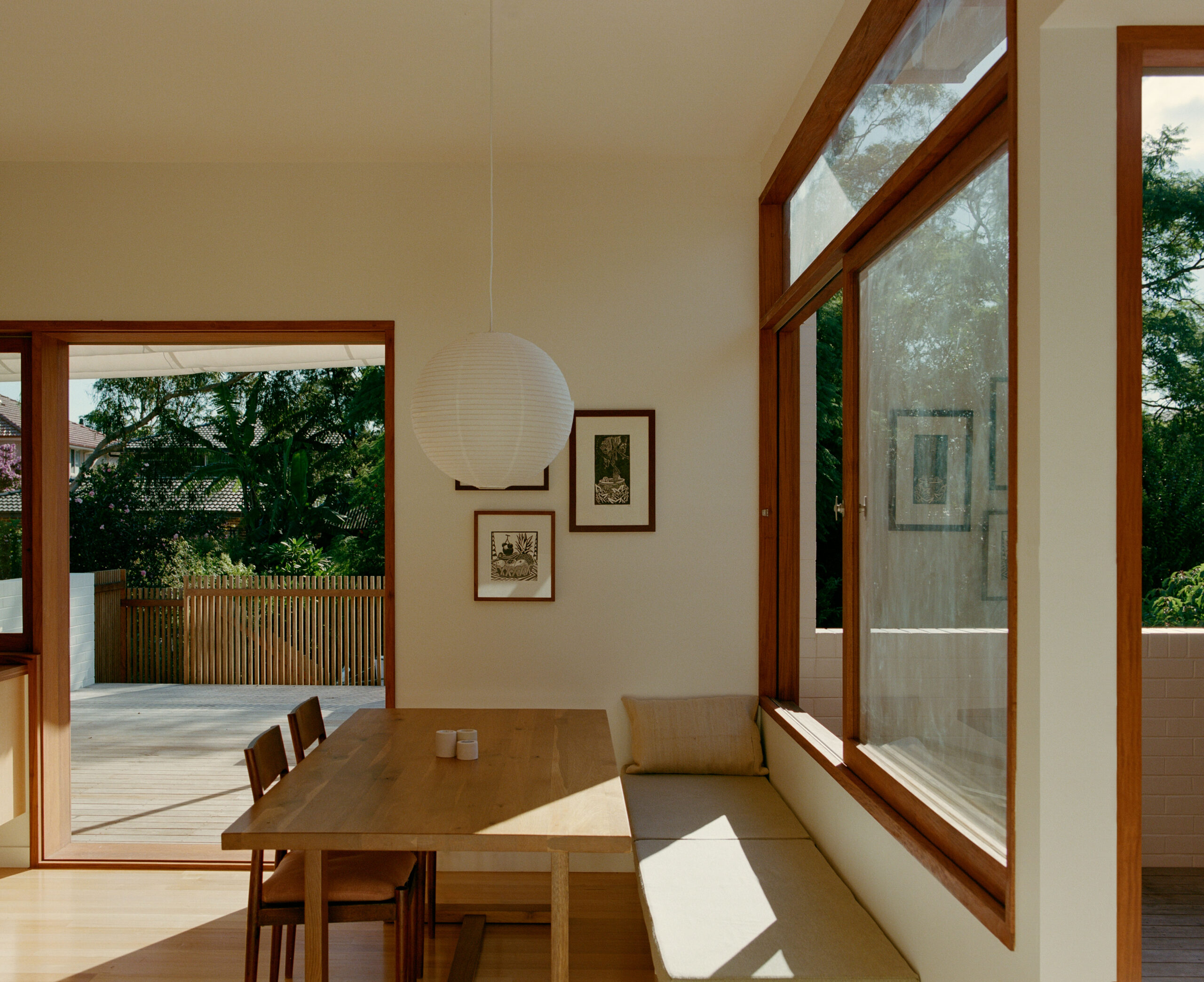
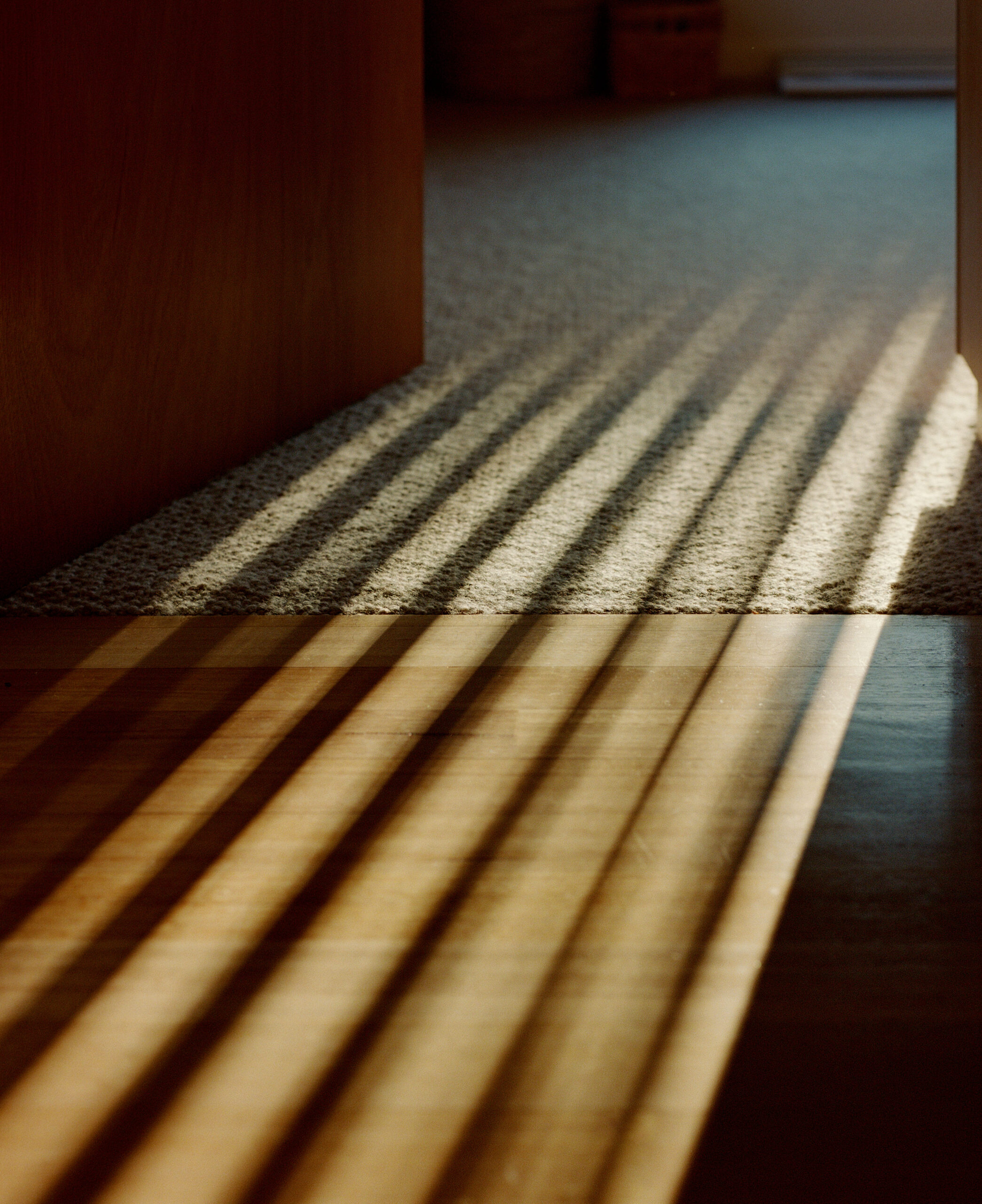
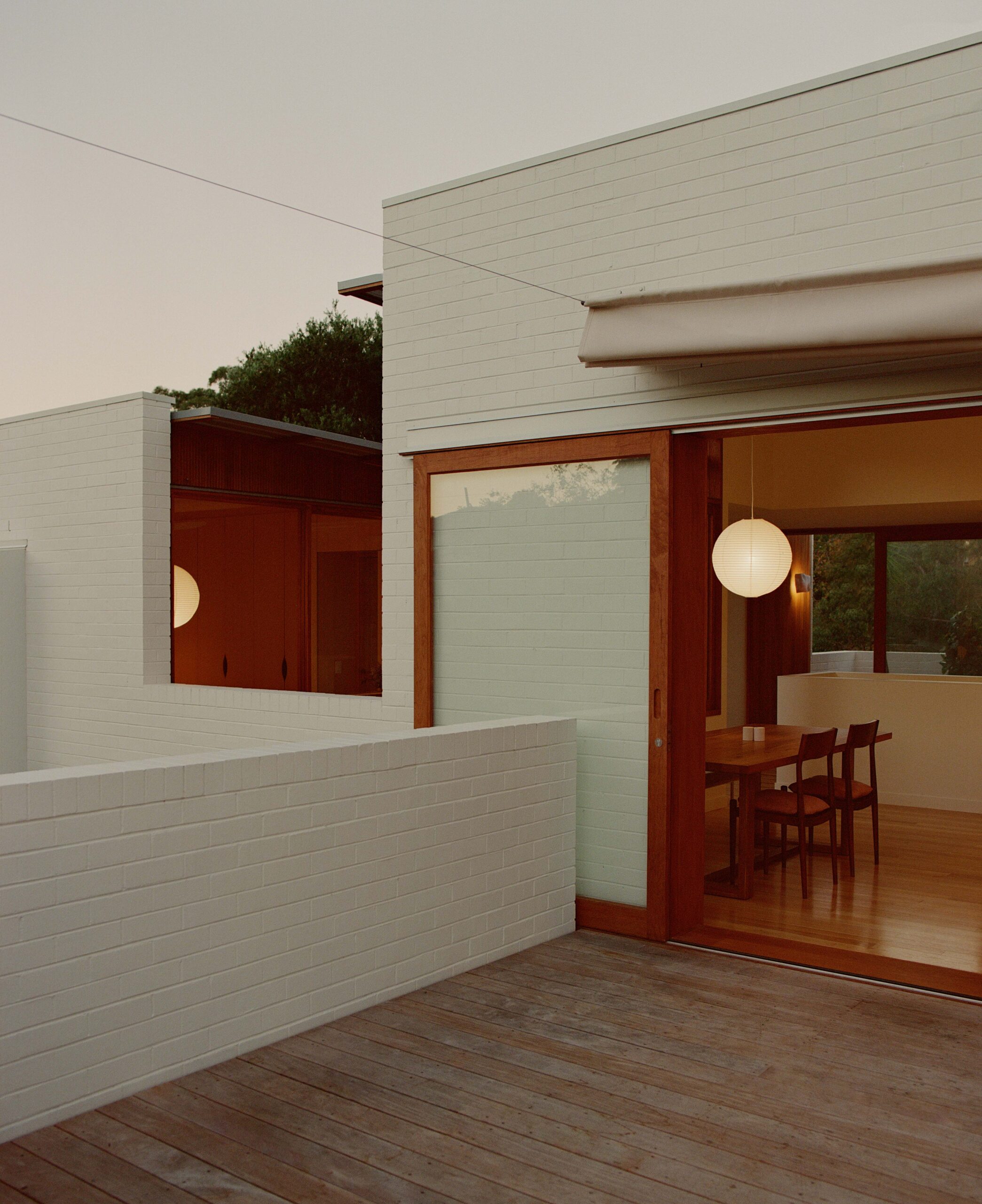
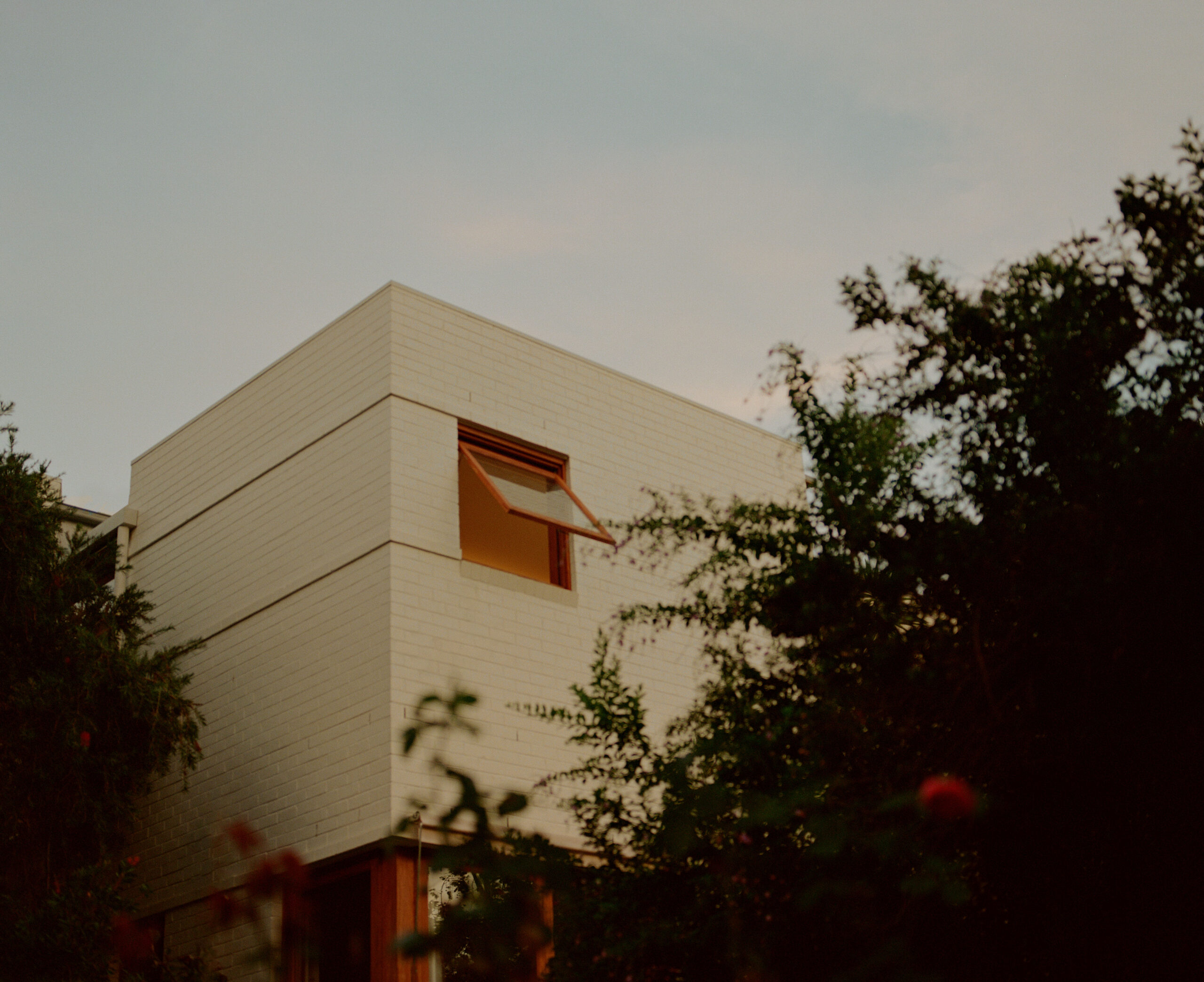
This project adapts a longtime suburban family bungalow in Sydney into an intergenerational home for three generations. A young family occupies a new upper level, where internal courtyards frame long views, while grandparents remain on the ground floor. A vertical continuation of the brick perimeter walls integrates old and new, bringing density and shared living to a typical suburban setting.
Brief
A young family, priced out of the local housing market, sought to remain in their neighbourhood by joining their parents on the site of a much-loved bungalow. The project balances the needs of five clients within a tight budget, addressing privacy between generations, shared resources, and intergenerational care.
Approach
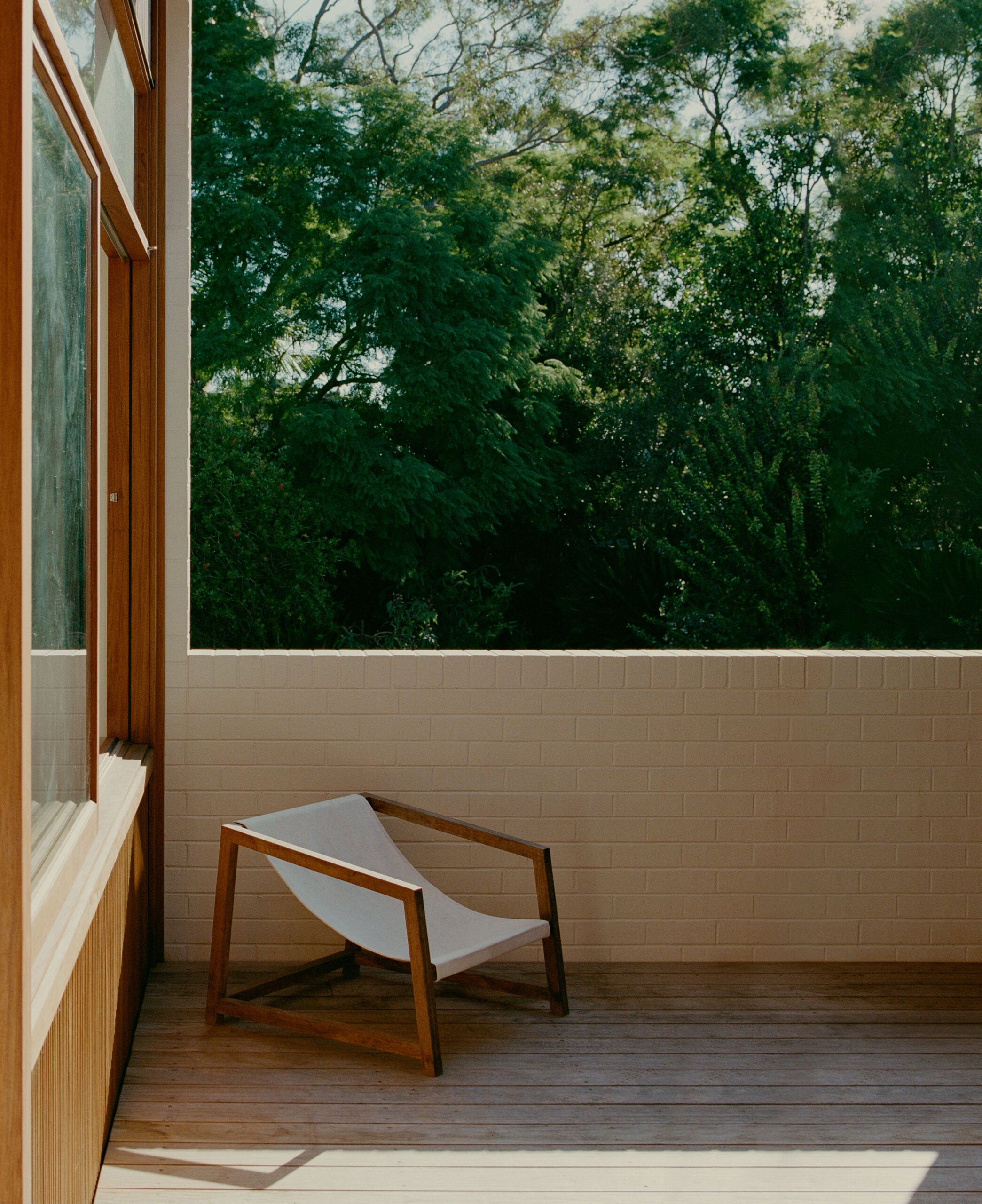
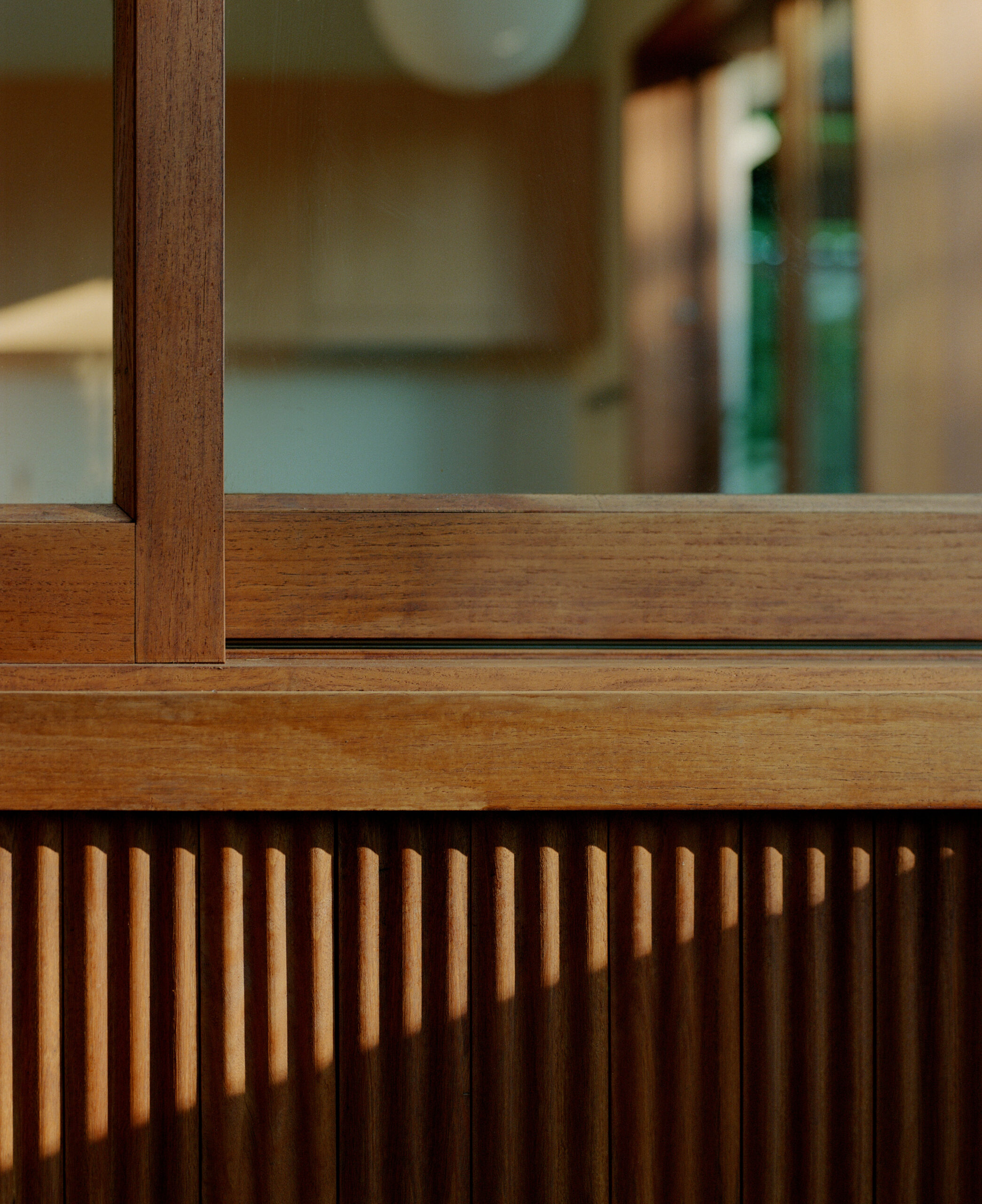
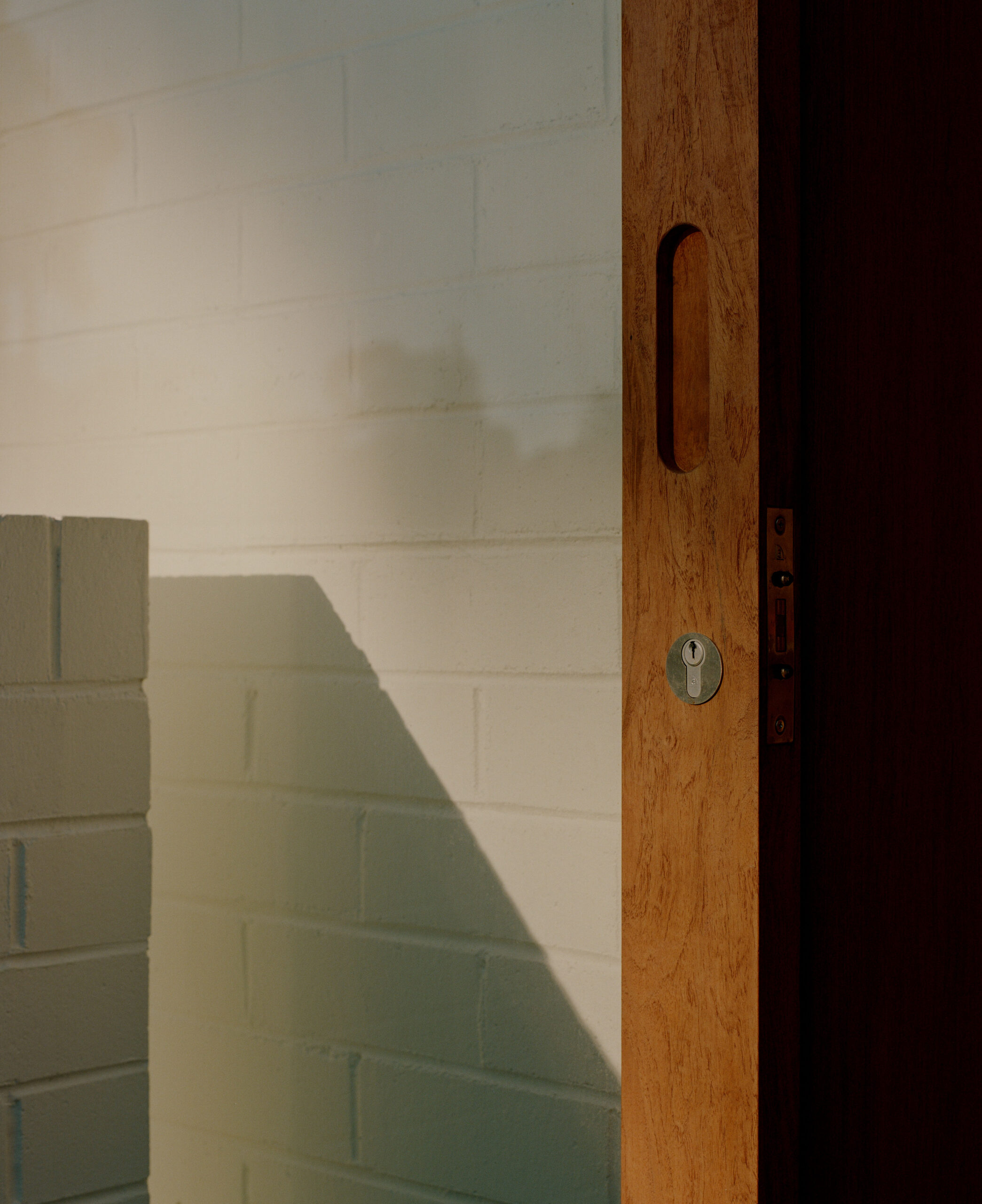
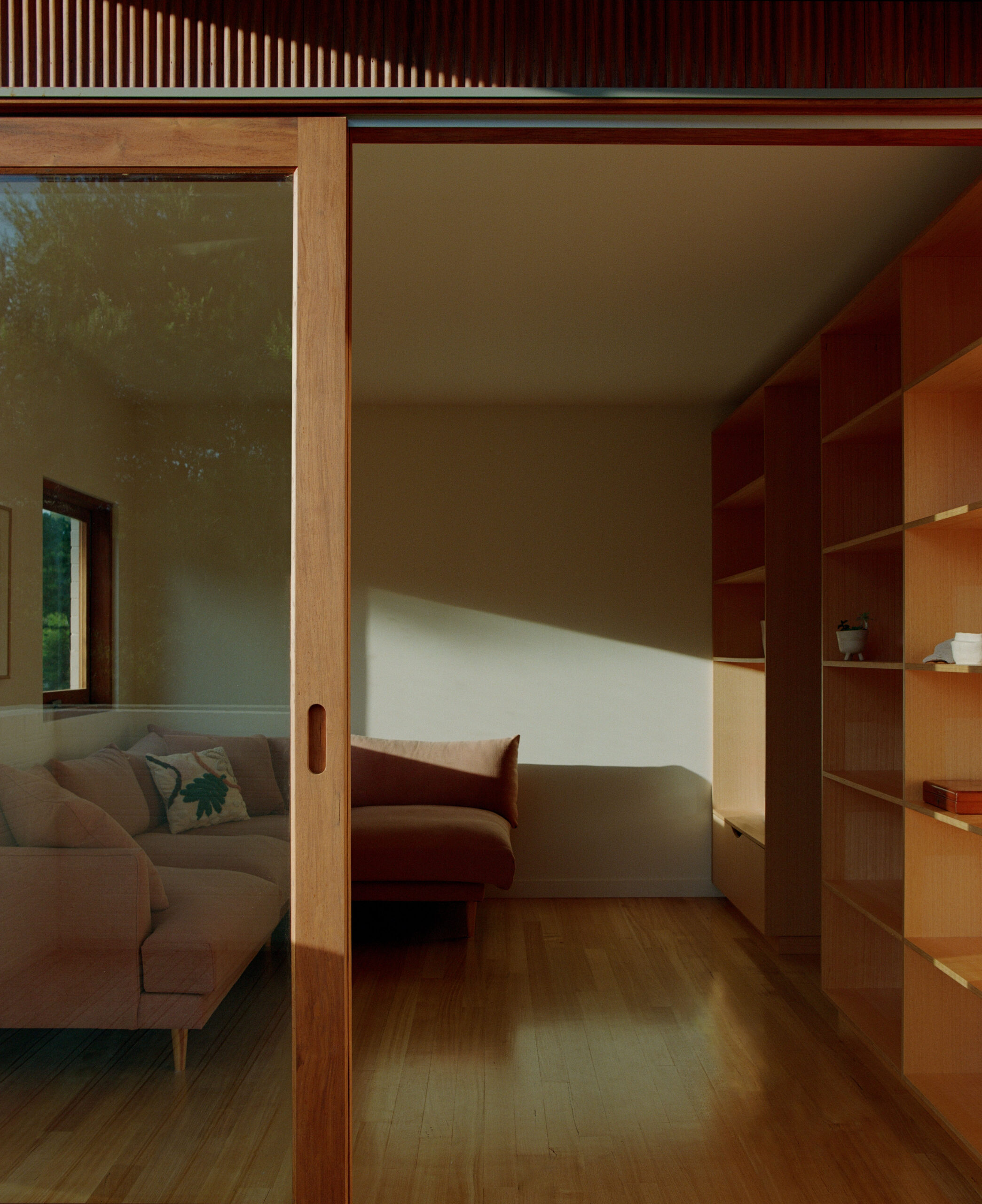
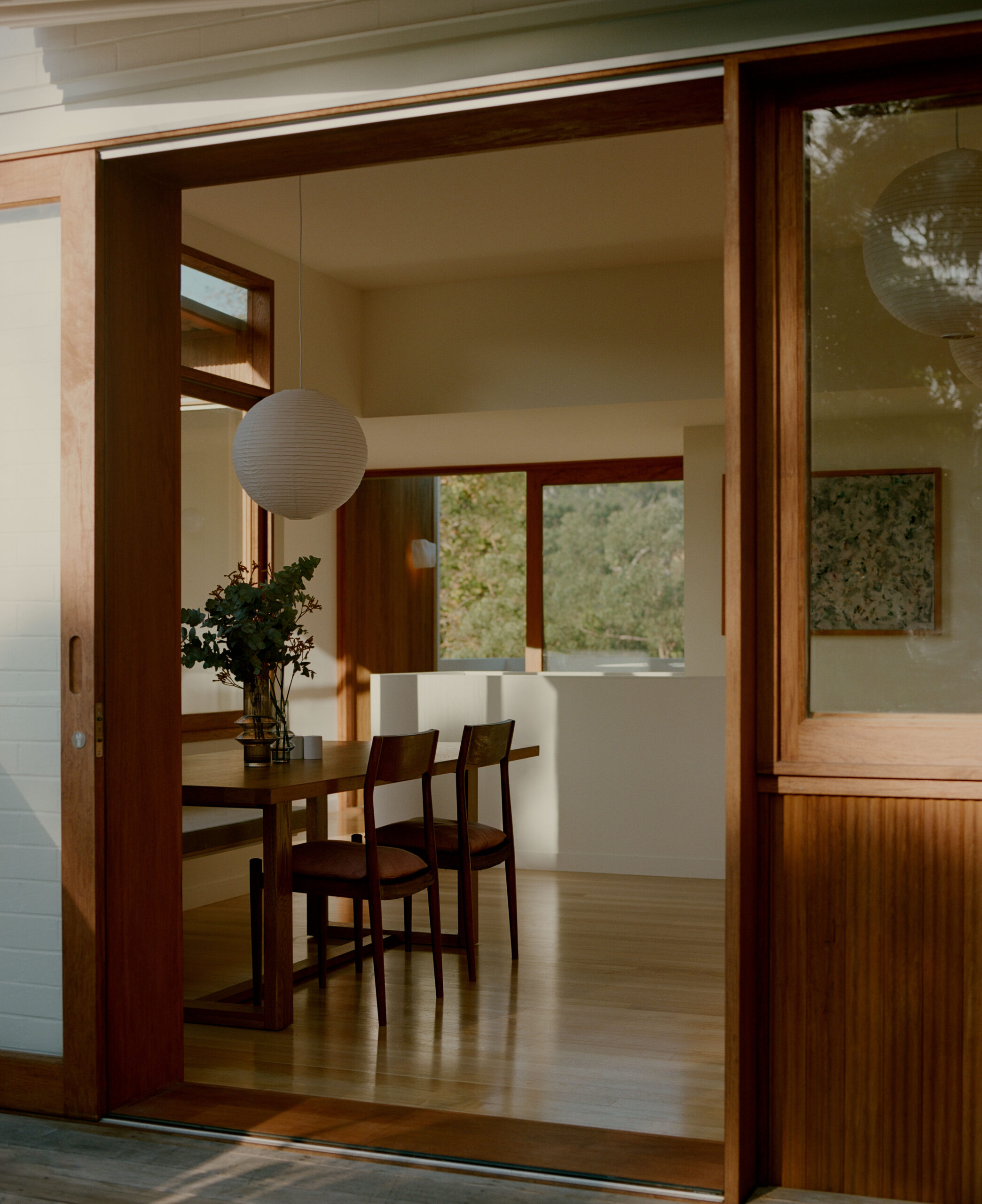
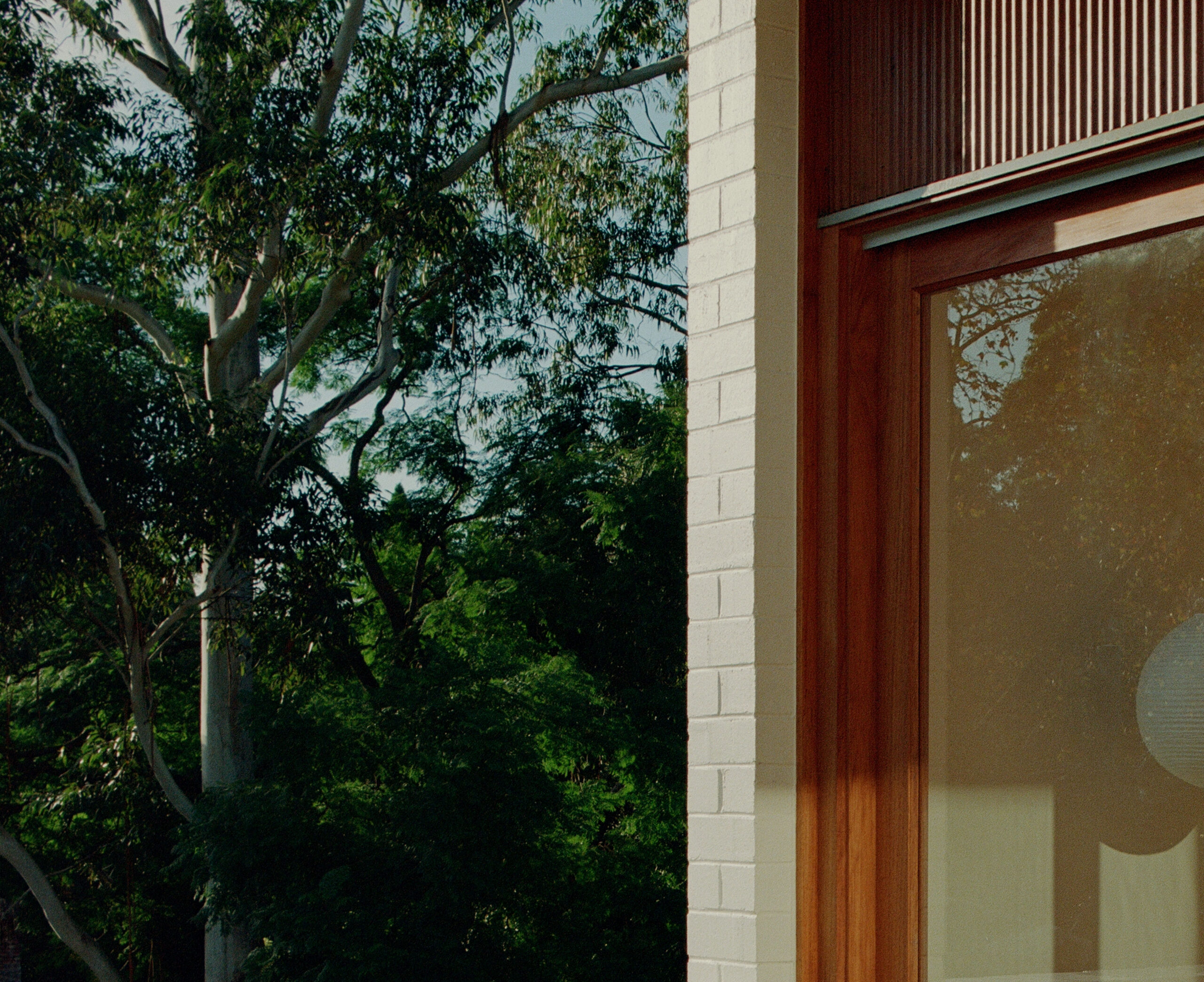
The design removes the existing roof and extends the brick perimeter to form a second level. Internal courtyards carved from this footprint provide light, ventilation, separation, and private open space. A lightweight timber structure sits within the brick walls, contrasting old and new. A new stair connects both dwellings via the original entry, now a shared threshold.
Sustainability
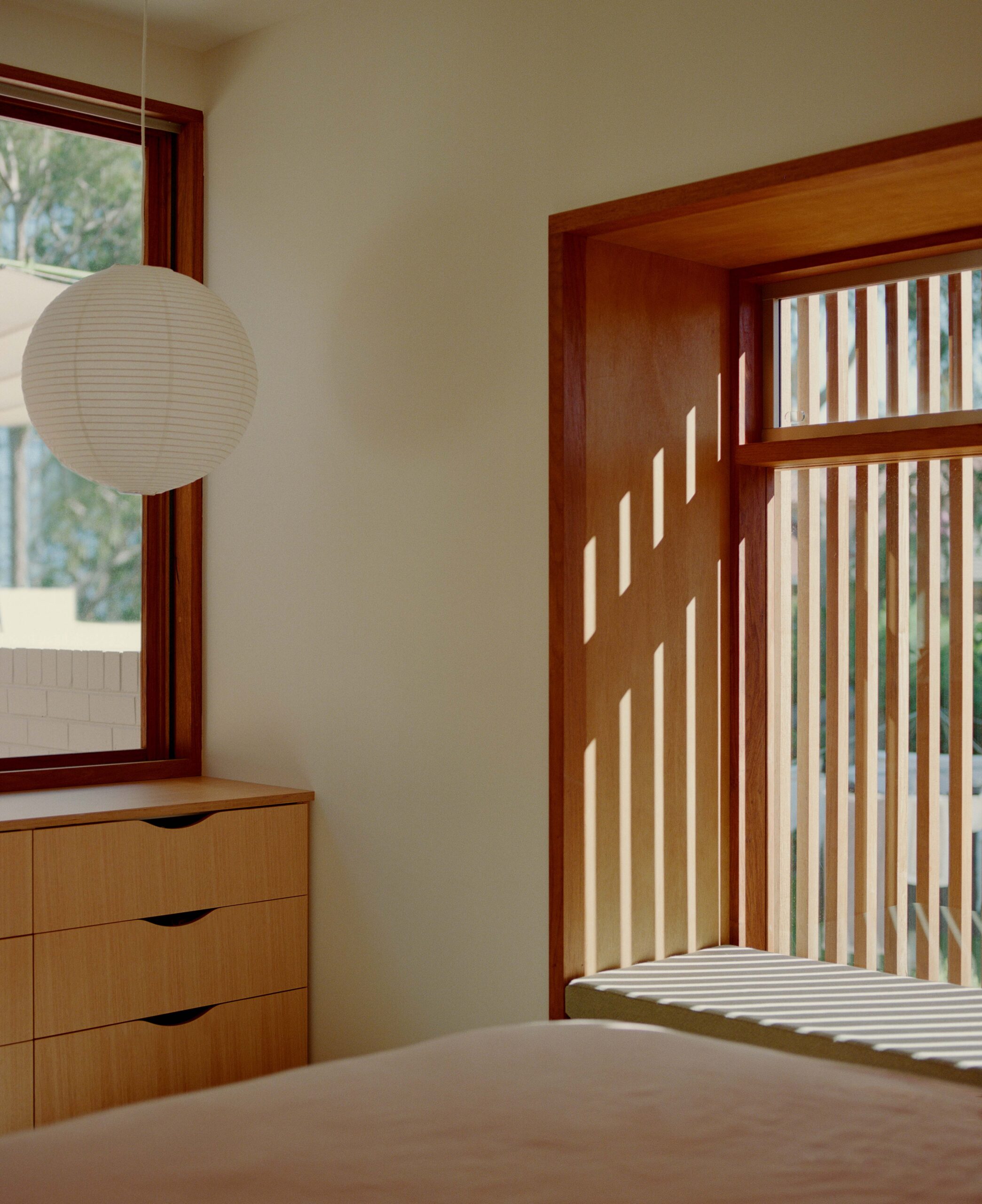
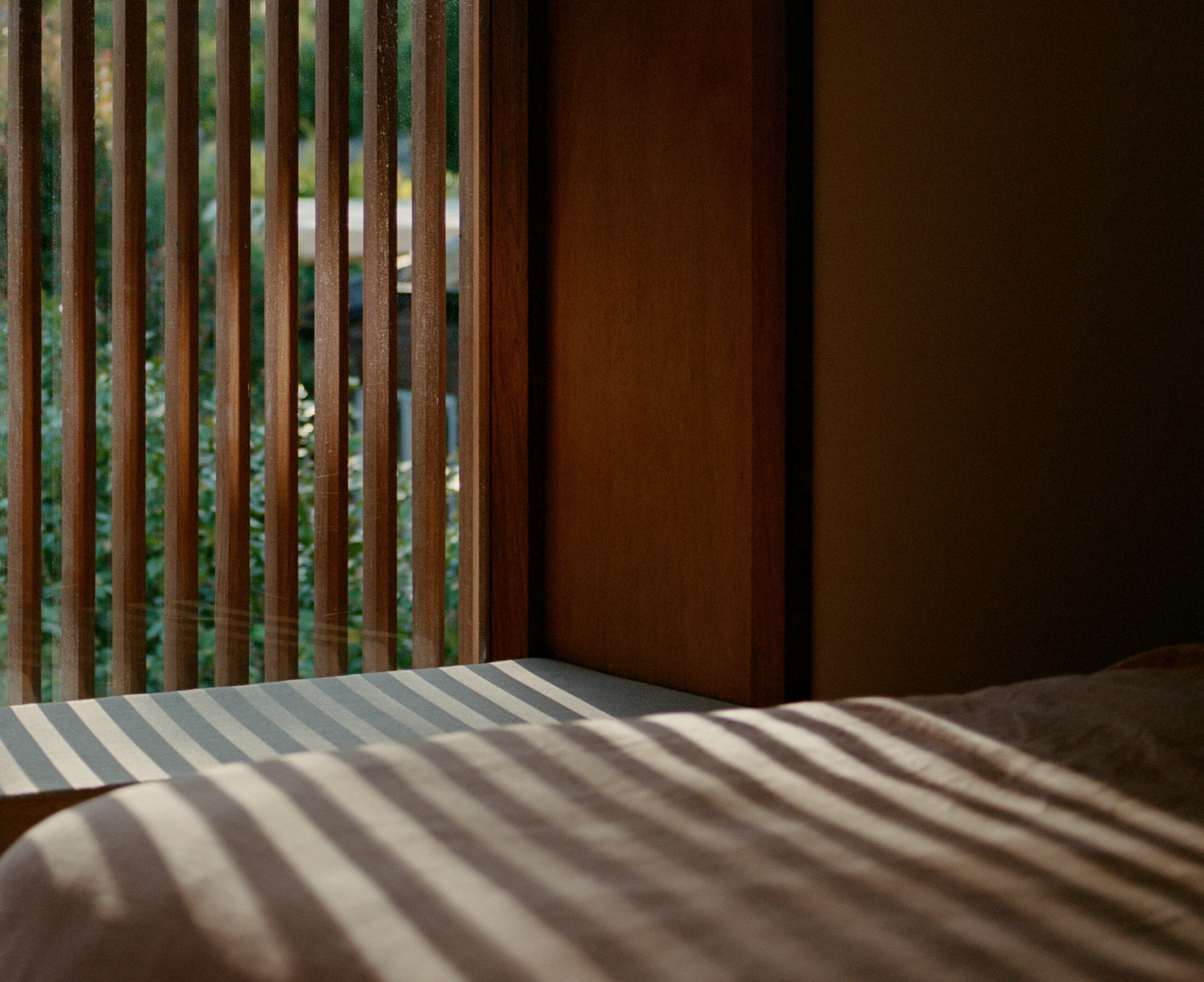
The project achieves its complex brief while keeping the existing house almost entirely intact, with kitchens, bathrooms, and bedrooms largely unchanged. This light-touch approach was driven by both budget and values, reducing new materials and keeping much of the original building out of landfill. The home operates passively, almost exclusively relying on cross ventilation and solar gain, and functions as a net exporter of energy to the grid. It also includes rainwater harvesting alongside a solar array with battery storage.
Outcome
The project enables multi-generational living while adding gentle density to an inner suburban site. It demonstrates how adapting existing homes can address affordability, reduce environmental impact, and support families to remain in place.