Off the Grid in the suburbs

Whadjuk Noongar Country,
Bellevue,
WA
Online home tour

About this home

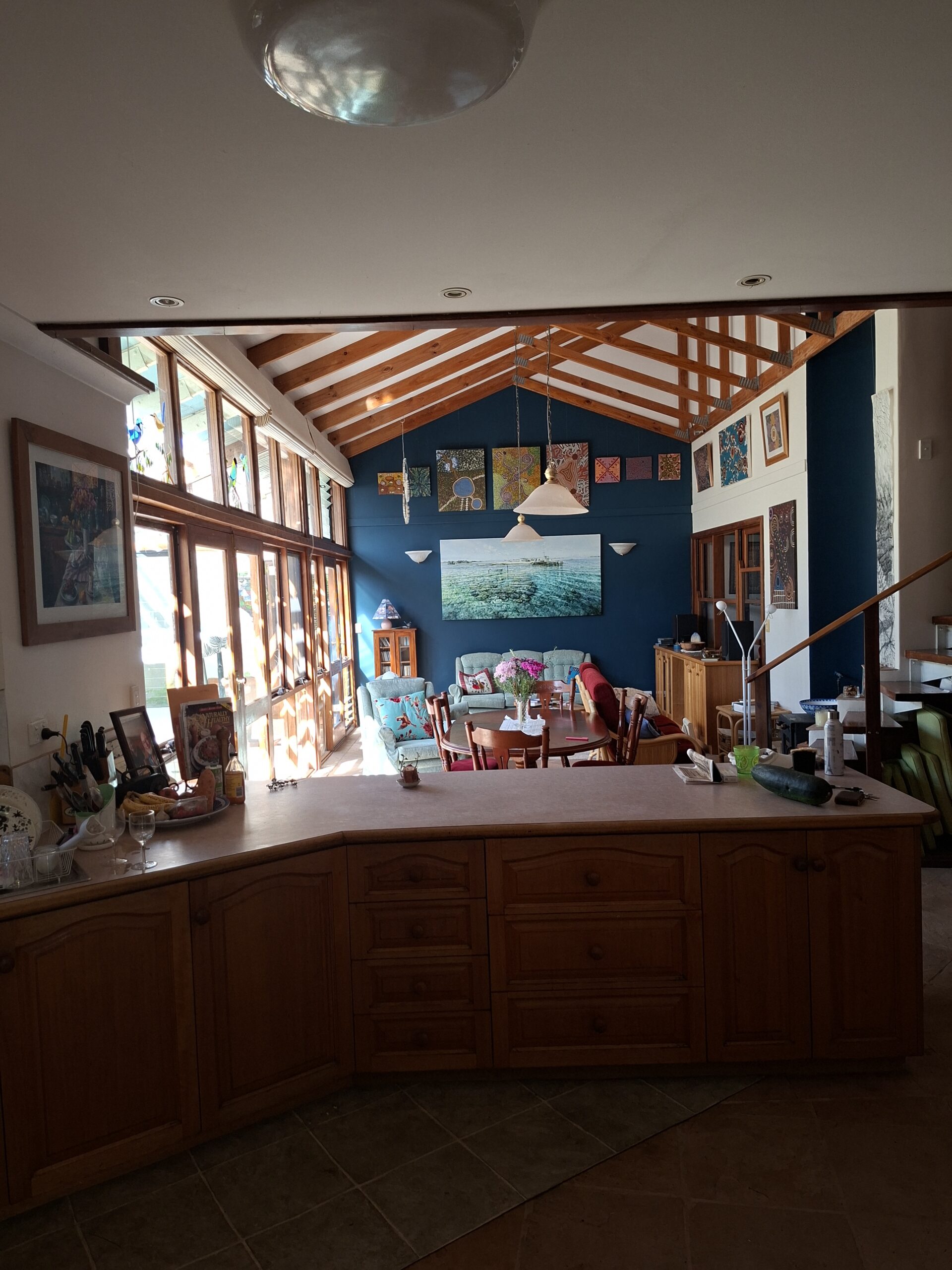
This is the third house I have designed since 1980 and this time I think I got most of it right. I designed and constructed this home in 1997 to include passive solar features after learning from the first two builds.

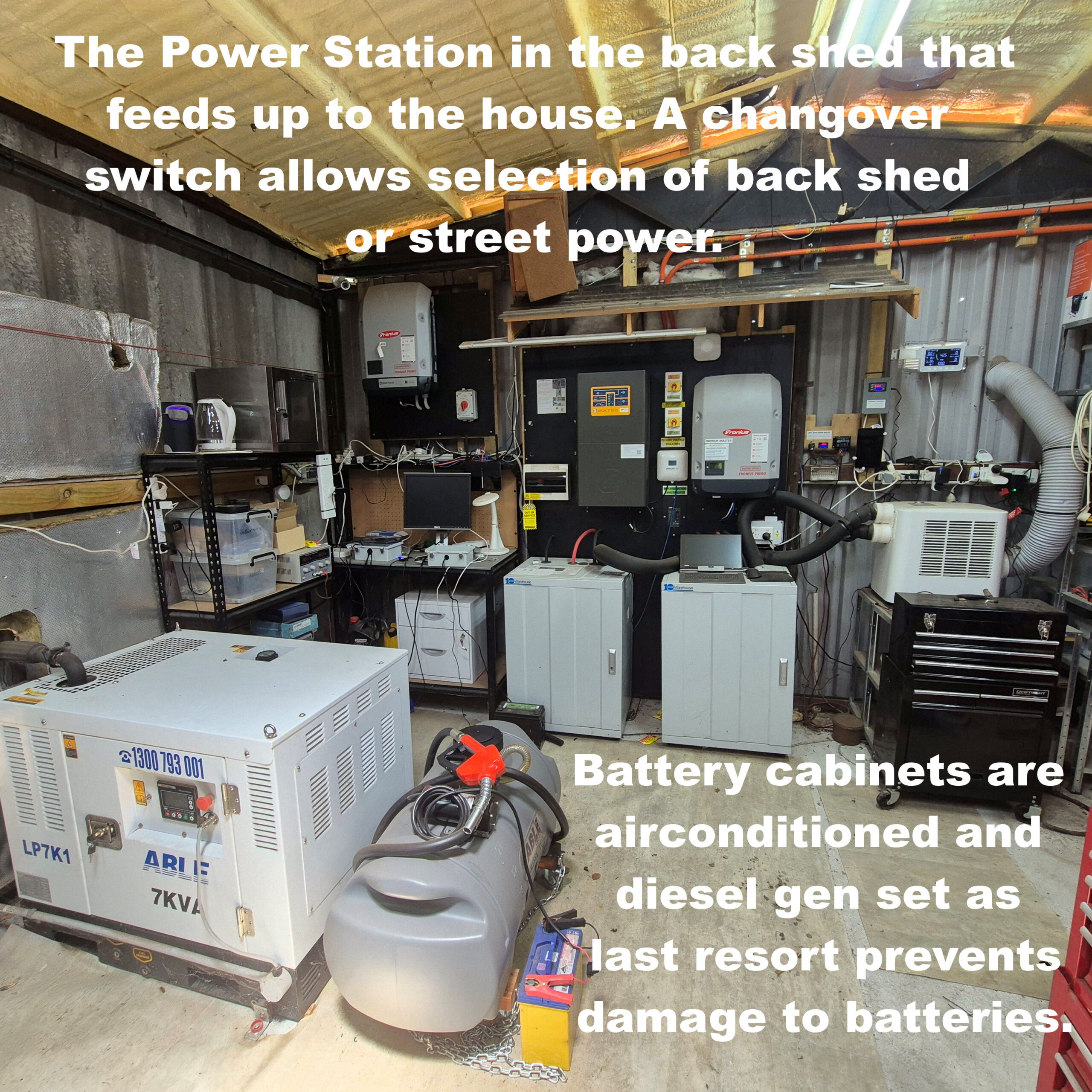
Ten years after I moved in, around 2011 I started the journey of taking myself off the grid building 12v and 24v systems. This home finally went completely off grid in 2019 and was featured in an article in issue 119 of Renew Magazine (https://renew.org.au/renew-magazine/off-grid/off-grid-in-the-suburbs/).

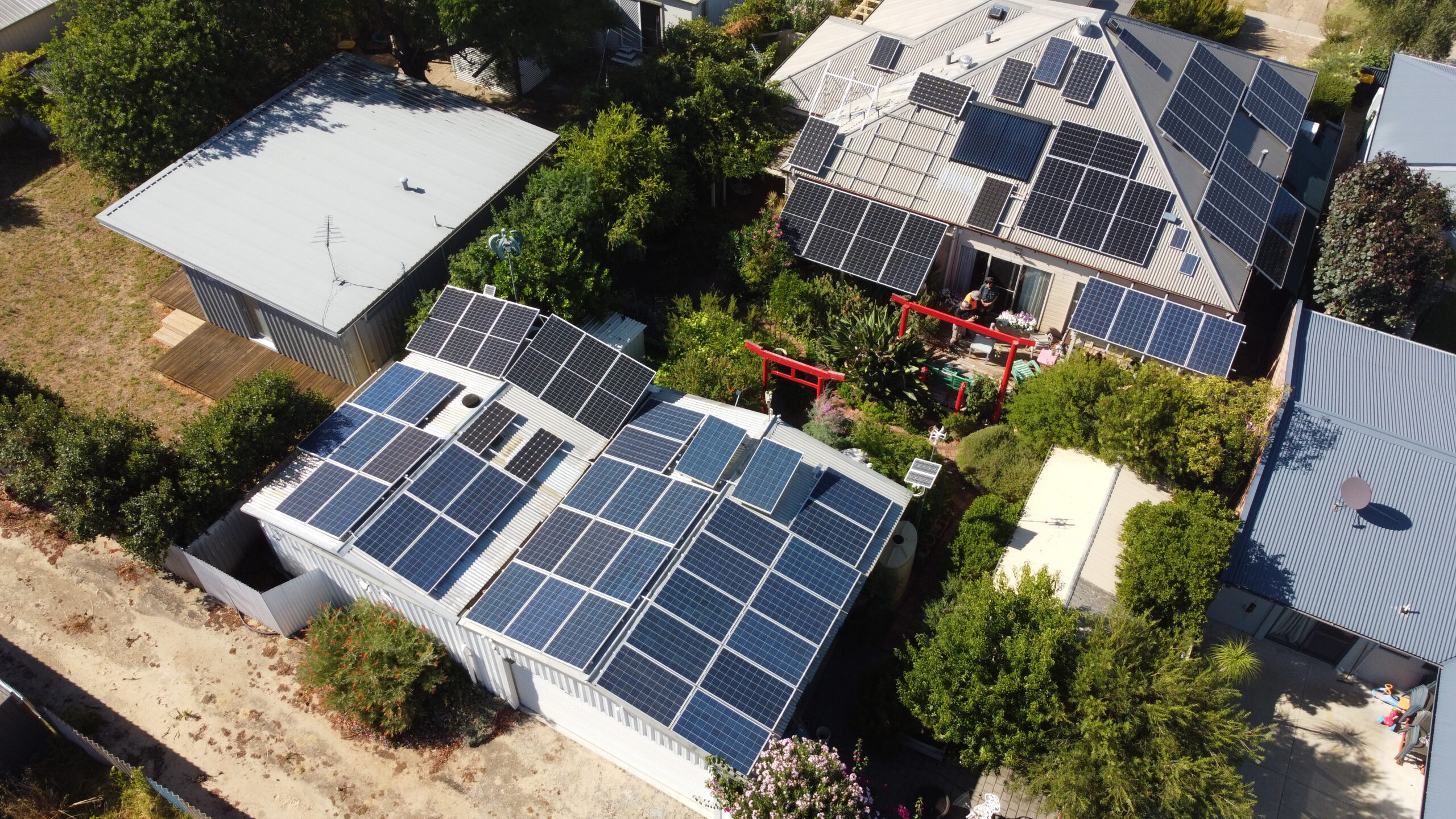
The home now contains five different solar systems from low voltage DC systems to the two 240-volt AC systems running the house, including the one described in the above article.

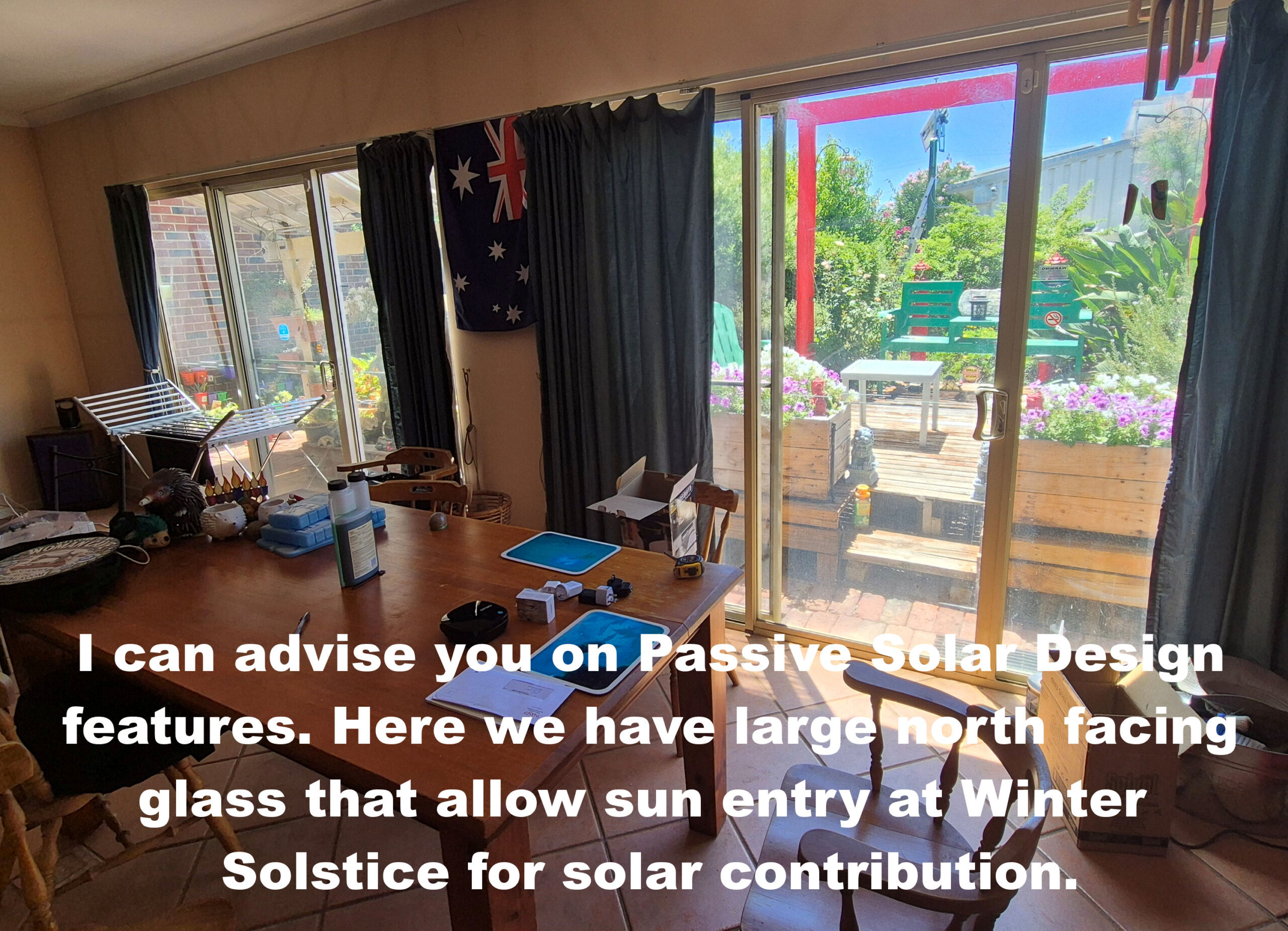
The home contains several passive solar features including north facing glass. Over the years I have experimented with solar powered hydronic heating systems, solar power evaporative air coolers, wind turbines, heat pumps, appliance and air conditioner efficiency, solar powered garage door lifters, solar powered reticulation systems to name a few. Some of these I have written articles you can find in back issues of Renew magazine.

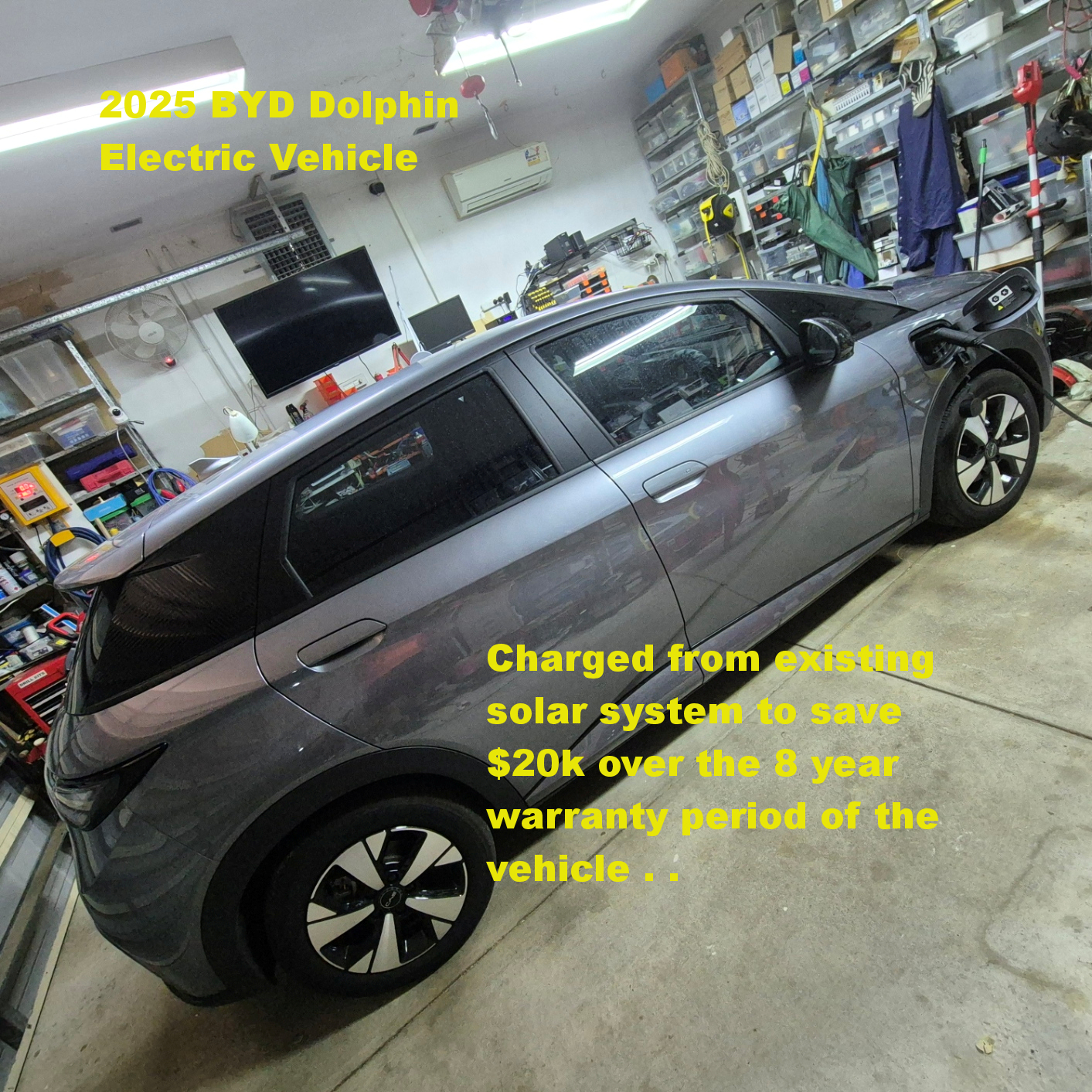
The most recent adventure at my home has been the purchase of a small BYD Dolphin Electric Vehicle and installation of an Evnex smart charger. The Evnex redirects the solar that up to now has been exported to charge the Dolphin EV. I estimate savings of $2,500 per year that I was spending on petrol. That means by the time the 8-year warranty runs on the Dolphin runs out I will be $20K better off on petrol purchases, have saved on servicing, and not have contributed to a substantial amount greenhouse gas emissions.

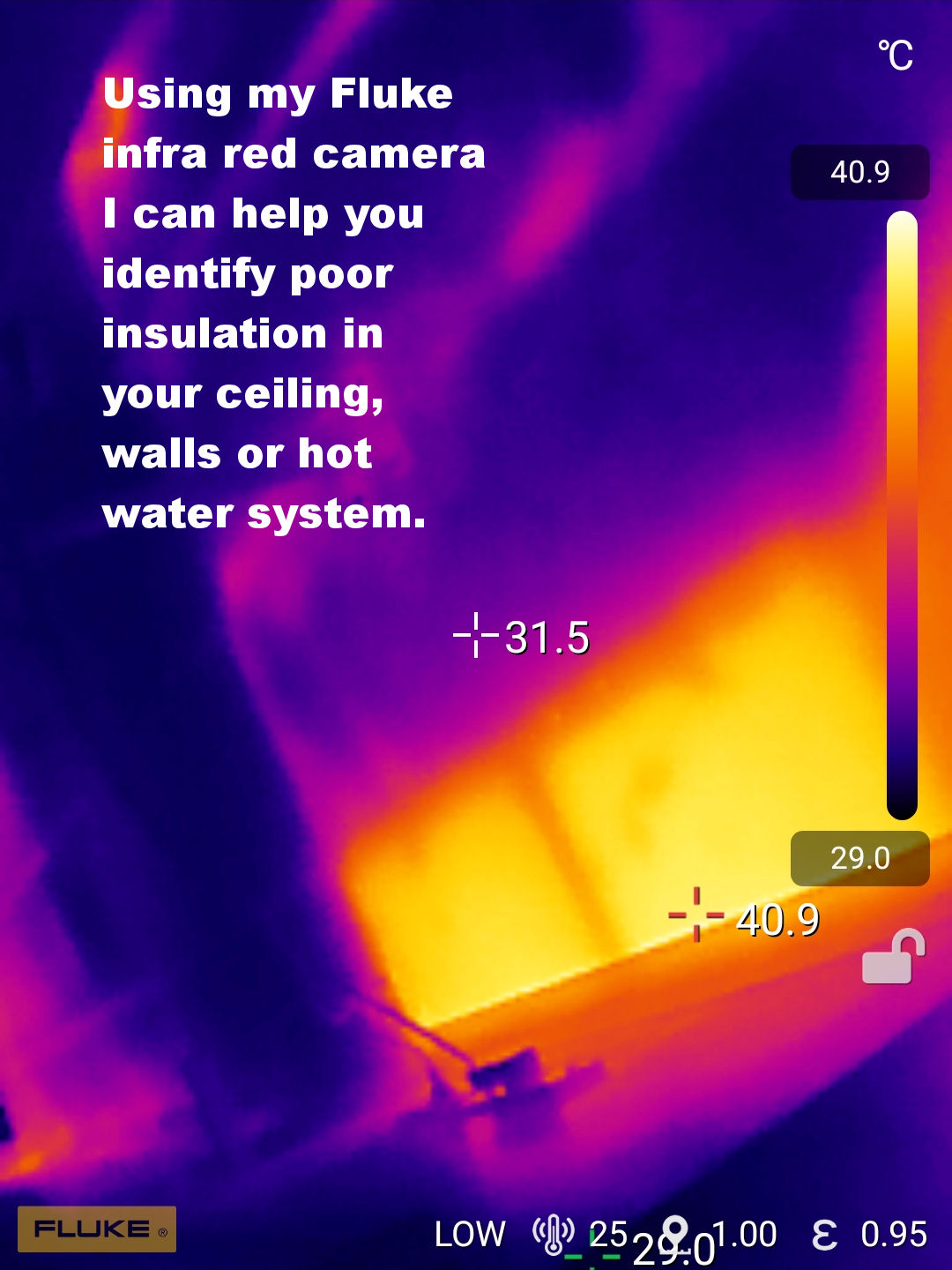
As a retired engineer I have a wealth of experience and information to share and am happy to be contacted to do that.
Q & A

What motivated you to build or retrofit sustainably?
Leaving a better planet for future generations and my own curiosity
Taking my home off grid means I have paid no power bills for a number of years, and I continue to improve on that by now charging an electric vehicle from the sun.
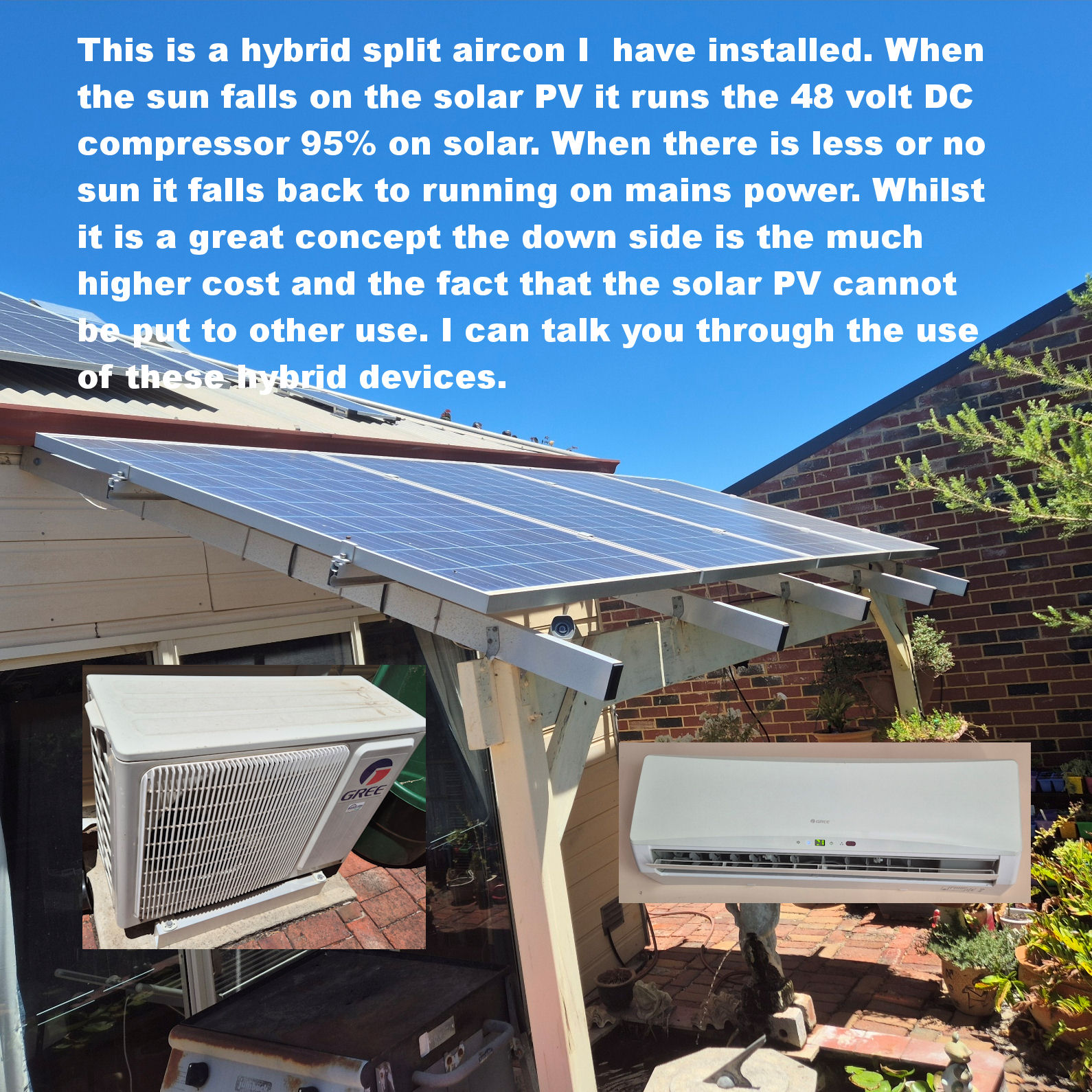
Several of my experiments have been dismantled and used elsewhere because they were not a good fit for my home. For example, my solar evaporative cooler has been reinstalled on a farmer's shearing shed where it will perform better. My vacuum tube solar hydronic bedroom heater is now working in an agriculture situation. My first vertical wind turbine did not earn its keep and has been replaced with a maglev vertical wind turbine that now merely collects data. I have kept my hybrid split DC air conditioner, more as an example of what I thought was a great idea but in fact was expensive and doesn't allow the solar PV attached to it to be utilized when the aircon is not in use. I am happy to share these experiences so others can make better choices.
To design and build a solar powered house that performs like a machine.
Type: Standalone house/townhouse
Project: Gradual upgrades over time
Designer: Martin Chape
Size: 250m²
Bedrooms: 3
Bathrooms: 2

Sustainability Features

Building Materials & Envelope

High-performance insulation

Heating, Cooling and Ventilation

Passive heating/cooling (north-facing glazing, cross ventilation, thermal mass, shading, etc.)
Ceiling fans
Heat pump (reverse-cycle) heating/cooling

Energy and Appliances

Rooftop solar PV
Battery storage
Dedicated wall-mounted EV charging
Energy monitoring/smart home systems
Efficient lighting (LED, daylighting, solar skylights)
Other energy-efficient appliances

Water & Waste Systems

Water-efficient fixtures
Rainwater tanks

Landscape & Biodiversity

Native garden
Wildlife-supporting habitat

Climate Resilience

Heatwave

Accessible & Flexible Design Features

Design for flexible use
Share this home:

Related Homes

Home tours delivered to your inbox

Step inside sustainable homes across Australia and get practical ideas you can use in your own