Pip’s Superpowered Heritage Home

Naarm,
Kew,
VIC
Online home tour

About this home

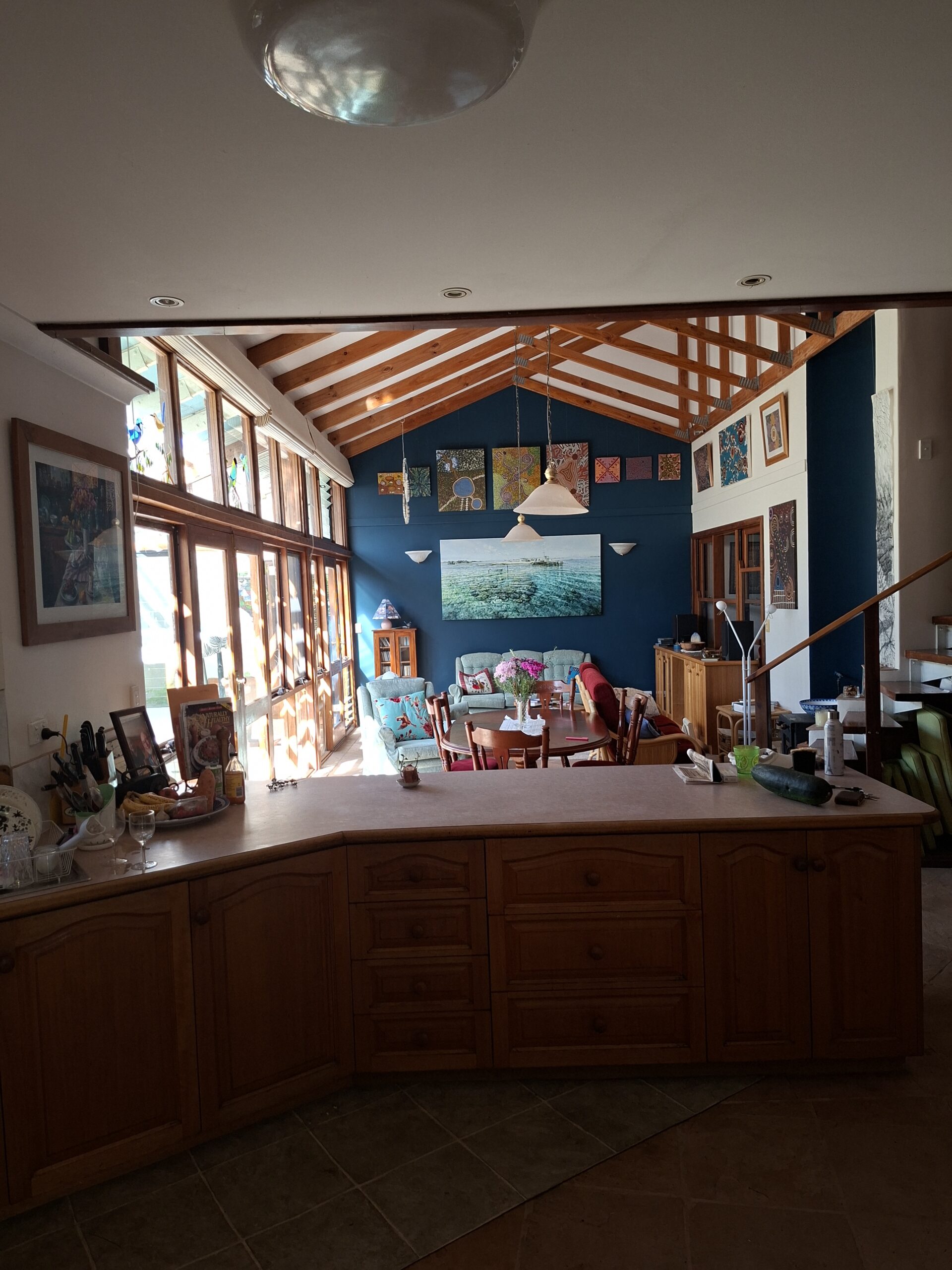
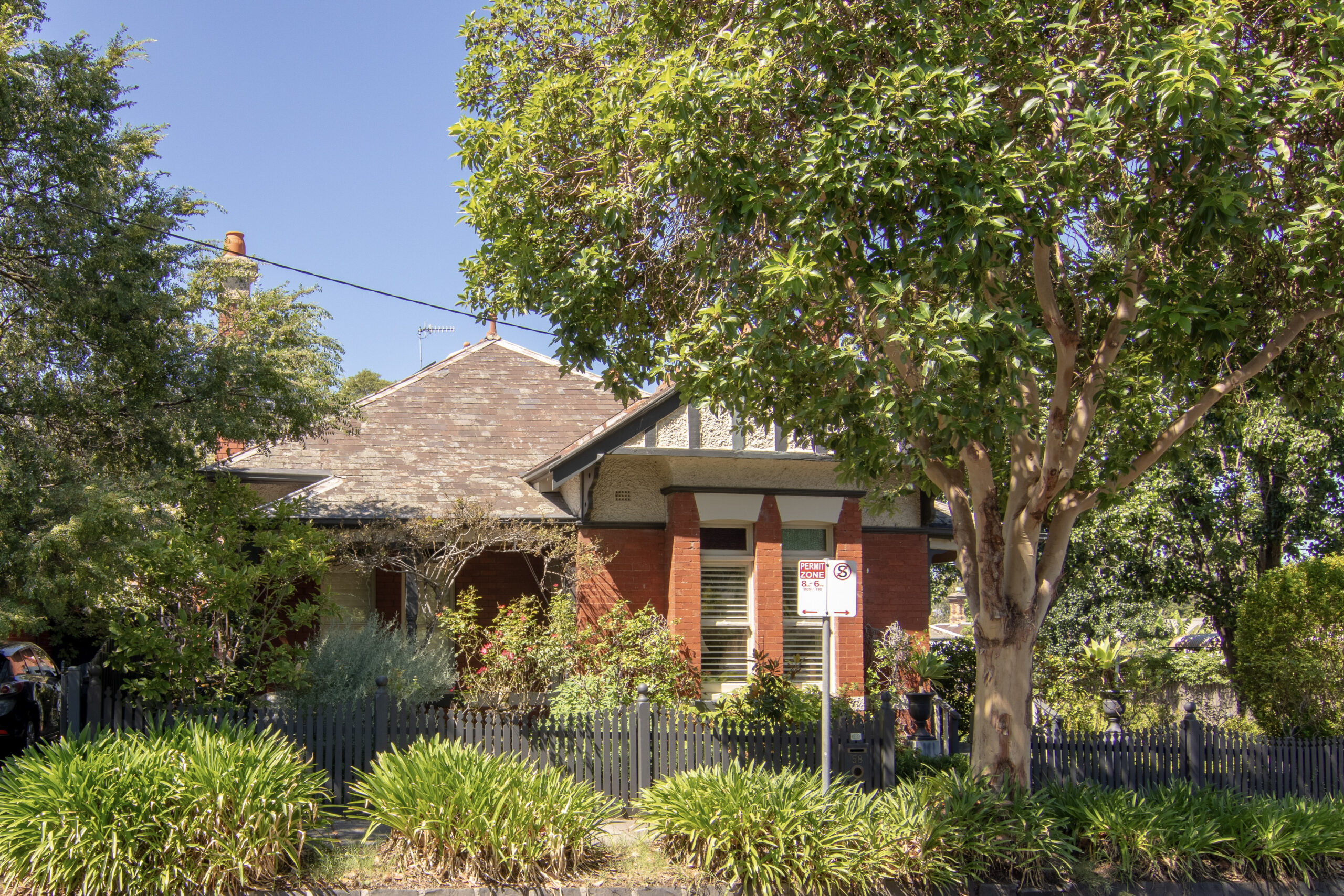
Our home was built in 1904, and has its original slate roof and various historic features intact. When we moved in, it was beautiful but cold in winter, hot in summer, and reliant on gas. Over the past ~5 years, I’ve retrofitted the home to improve comfort, efficiency & sustainability, while respecting its heritage character.

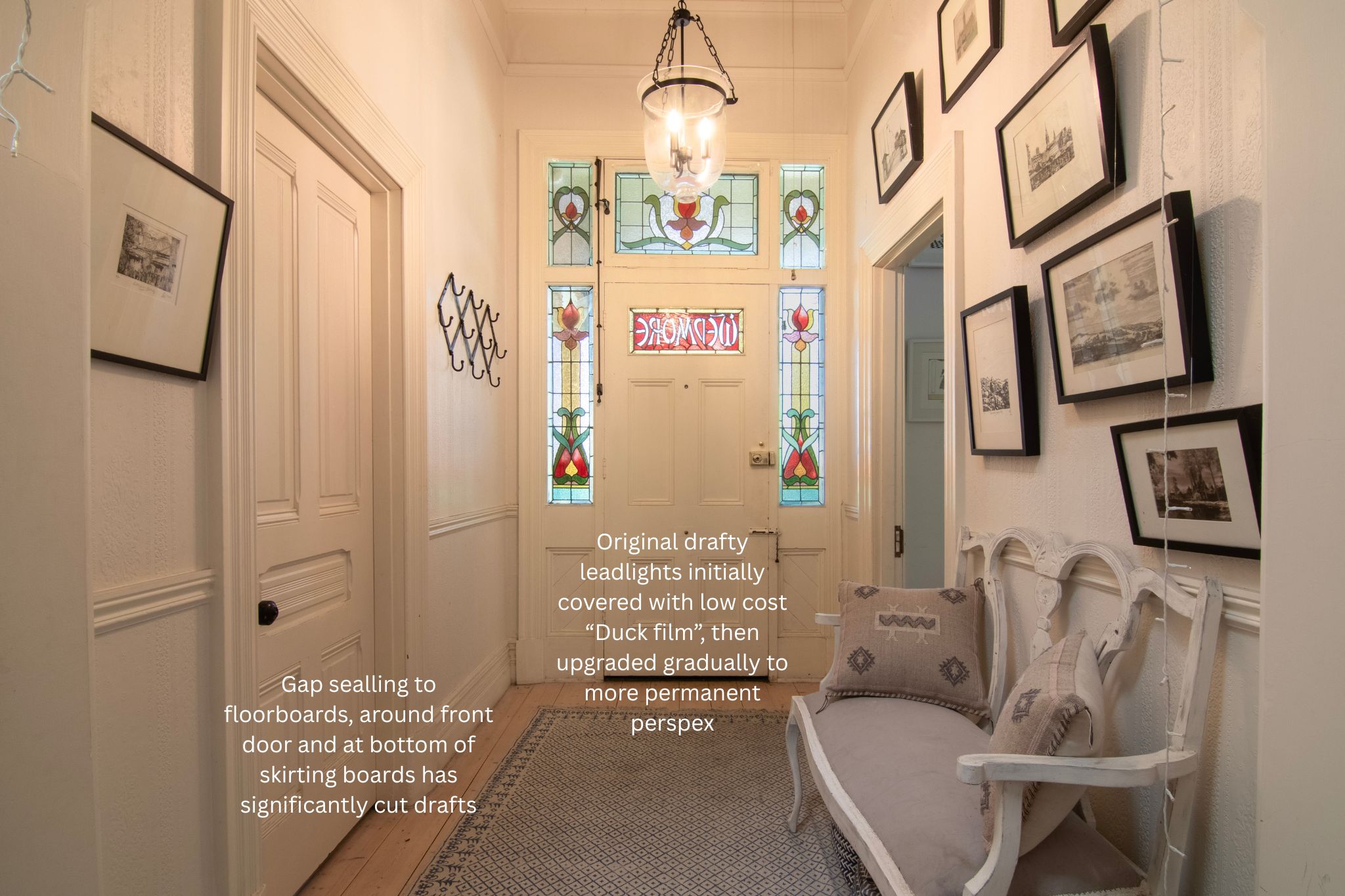
The journey started with the building envelope. During Covid my husband sealed gaps & draughts in the skirting and floorboards. In 2019 we had renovated the back section of the house- and put in double glazing where possible- although it wasn’t possible for every door configuration. Unfortunately we also put in a big freestanding cooker with gas cooktop- I wish I had realised then what I know now…

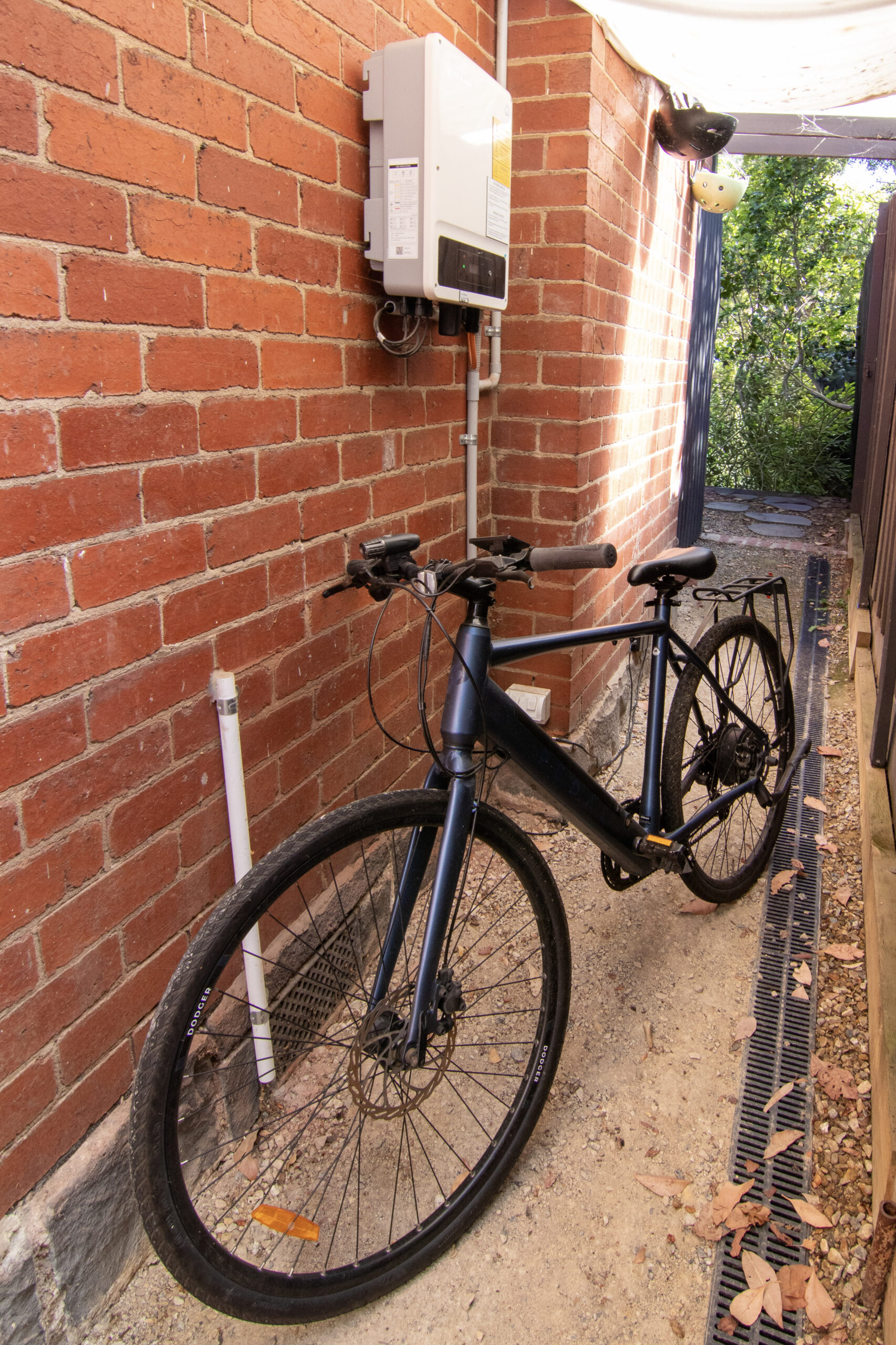
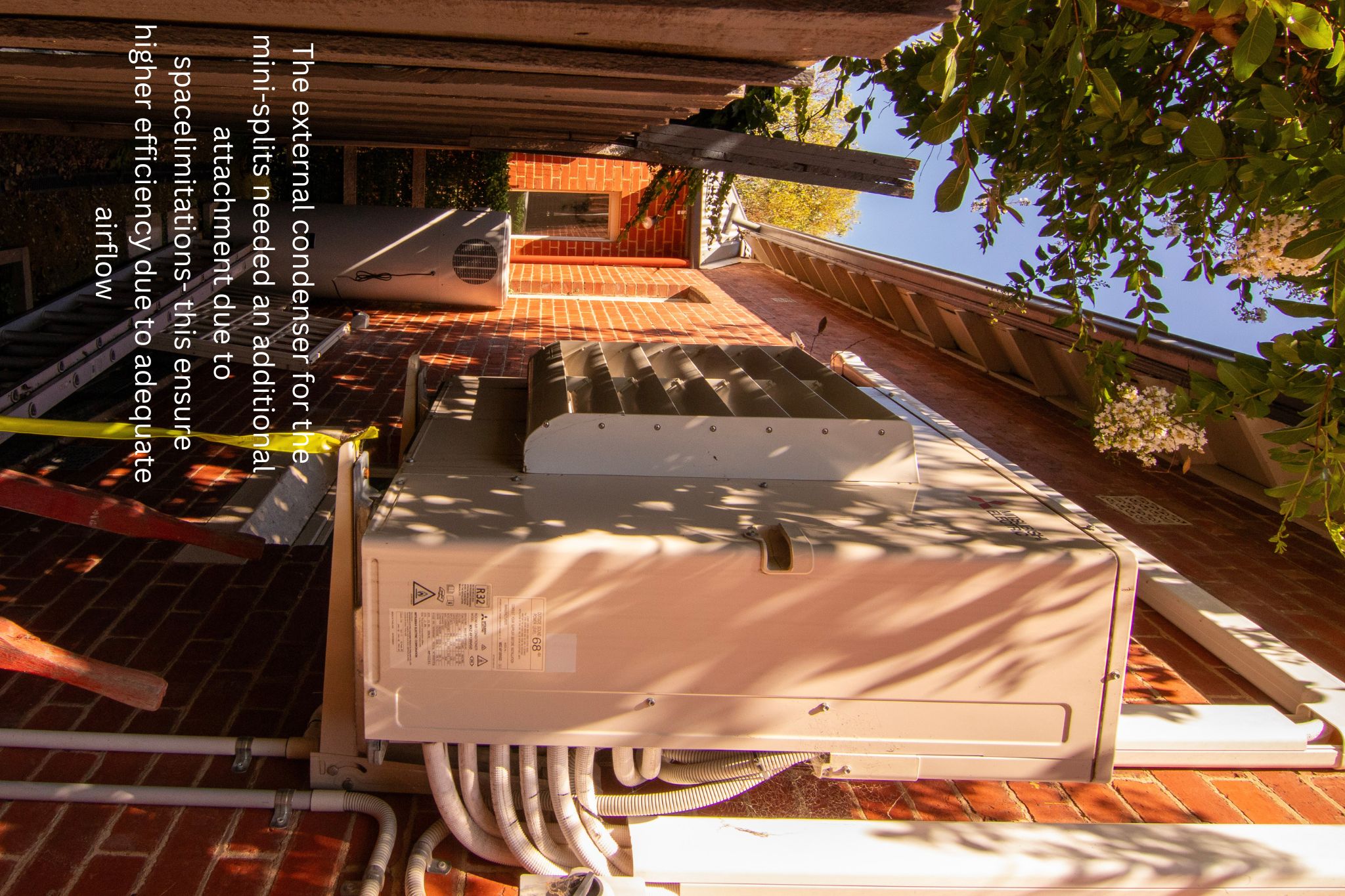
We installed solar and used the new Vic Govt Grants to swap to reverse-cycle air conditioning for the heating & cooling, and then stopped using the ducted gas system, where we used to heat almost all the house even though we largely spend time in one room only. Two portable Induction cooktops & a timber board has covered our gas cooktop, making the kitchen safer, faster & more enjoyable to use. In late 2025, we replaced the final gas appliance — the hot water system — with an efficient heat pump. Then I closed my account with my gas retailer- at a cost of $8 for an extra meter read. The gas isn't capped off yet, given the gas cooktop is still there hidden under the portable induction cooktops.

We spent fun weekends DIYing double-glazing on the glass not replaced in the renovation- using "Amazon Duck film" and double-sided tape as a temporary cover on all remaining windows. This film tends to last one season, so are gradually upgrading to perspex as a 2nd layer.

Temperatures are now more stable, we don’t need to heat the whole house at once, energy bills are lower, and the home is healthier without gas burning indoors. The improvements are invisible but have made the home far more comfortable and climate-ready.

Q & A

What motivated you to build or retrofit sustainably?
Climate, comfort and cost
Probably the mini-splits to replace the gas ducted heating....but really difficult to know.
I wish that in 2018 when we chose the italian cooker for our kitchen renovation, we hadnt chosen a gas cooktop! I also spent a lot of time stressing over the solar panels- it was a complex install on a heritage house, we had to pay a lot extra for scaffolding and many installers didnt want to go near a roof that had slate on it (the panels are on the non-slate part of the roof- however there was still concern that the slate was a bit delicate if touched)- this took a lot of persistence to call about a million installers to find someone who would do it.
Our next projects are improving the remaining windows- some windows are still missing blinds and/or perspex layer.... then also battery and EV...but if ROI and budget was not a barrier, underfloor insulation and blow in insulation in the double brick would be great.
Type: Standalone house/townhouse
Project: Home retrofit
Size: ~300m²
Energy Rating: 7.3 Scorecard (from before I switched to a hot water heat pump though- would be higher now)
Bedrooms: 4
Bathrooms: 2

Sustainability Features

Building Materials & Envelope

Draught-proofing/air sealing
High-performance insulation
Double or triple-glazed windows

Heating, Cooling and Ventilation

Ceiling fans
Heat pump (reverse-cycle) heating/cooling

Energy and Appliances

Rooftop solar PV
Efficient lighting (LED, daylighting, solar skylights)
Heat pump hot water
Electric cooktop - induction/ceramic

Water & Waste Systems

Rainwater tanks
Other

Landscape & Biodiversity

Edible garden

Climate Resilience

Heatwave

Accessible & Flexible Design Features

Design for flexible use
Share this home:

Related Homes

Home tours delivered to your inbox

Step inside sustainable homes across Australia and get practical ideas you can use in your own