Houses are always changing. As occupants grow and change, and as lifestyles evolve, homes adapt to reflect their time. When upgrading inner-city homes, a thoughtful approach is to respect what exists: retain original character, remove non-original lean-to additions, and introduce new spaces that improve natural heating and cooling. Reorienting living areas can strengthen connections to outdoor spaces and increase comfort.
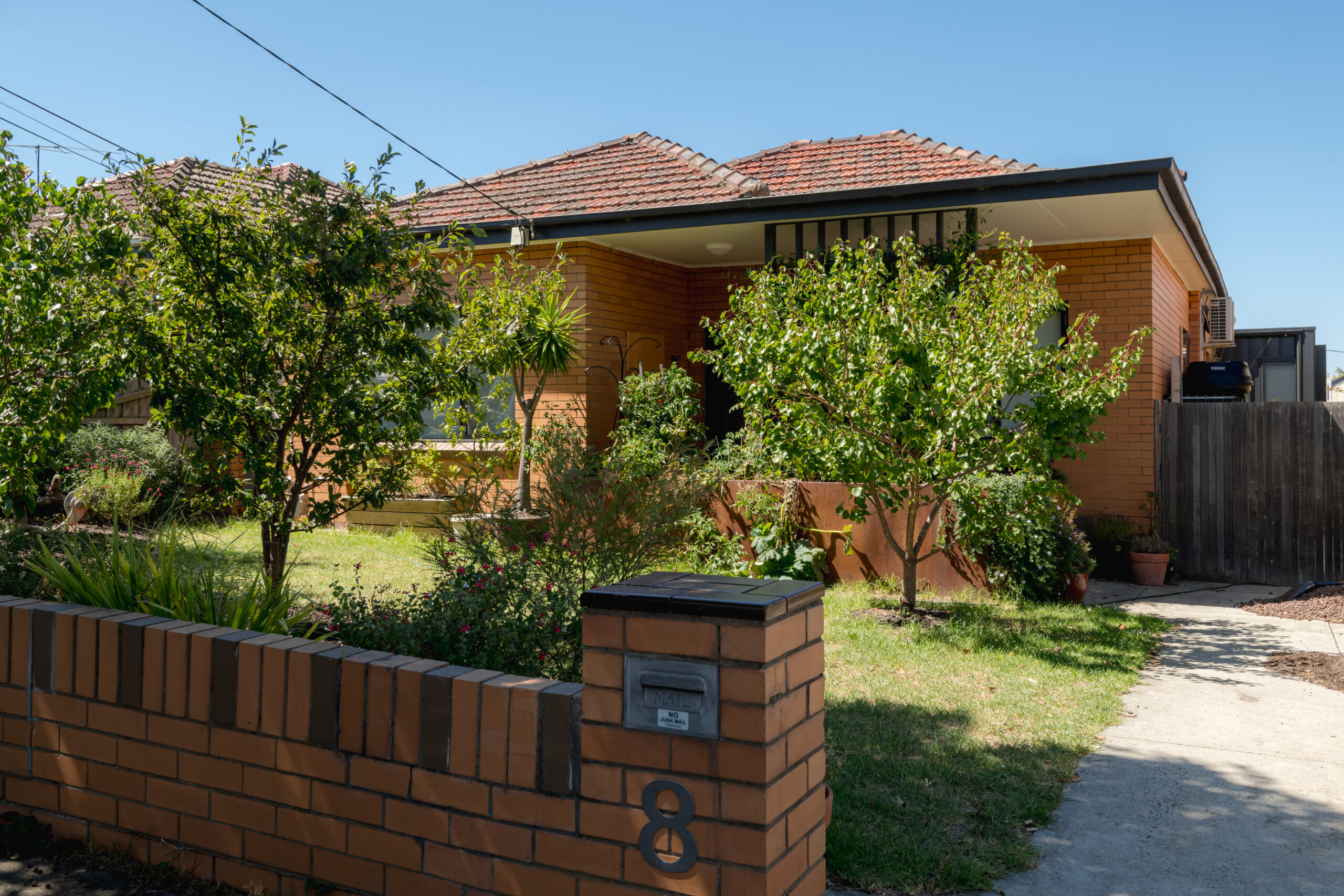
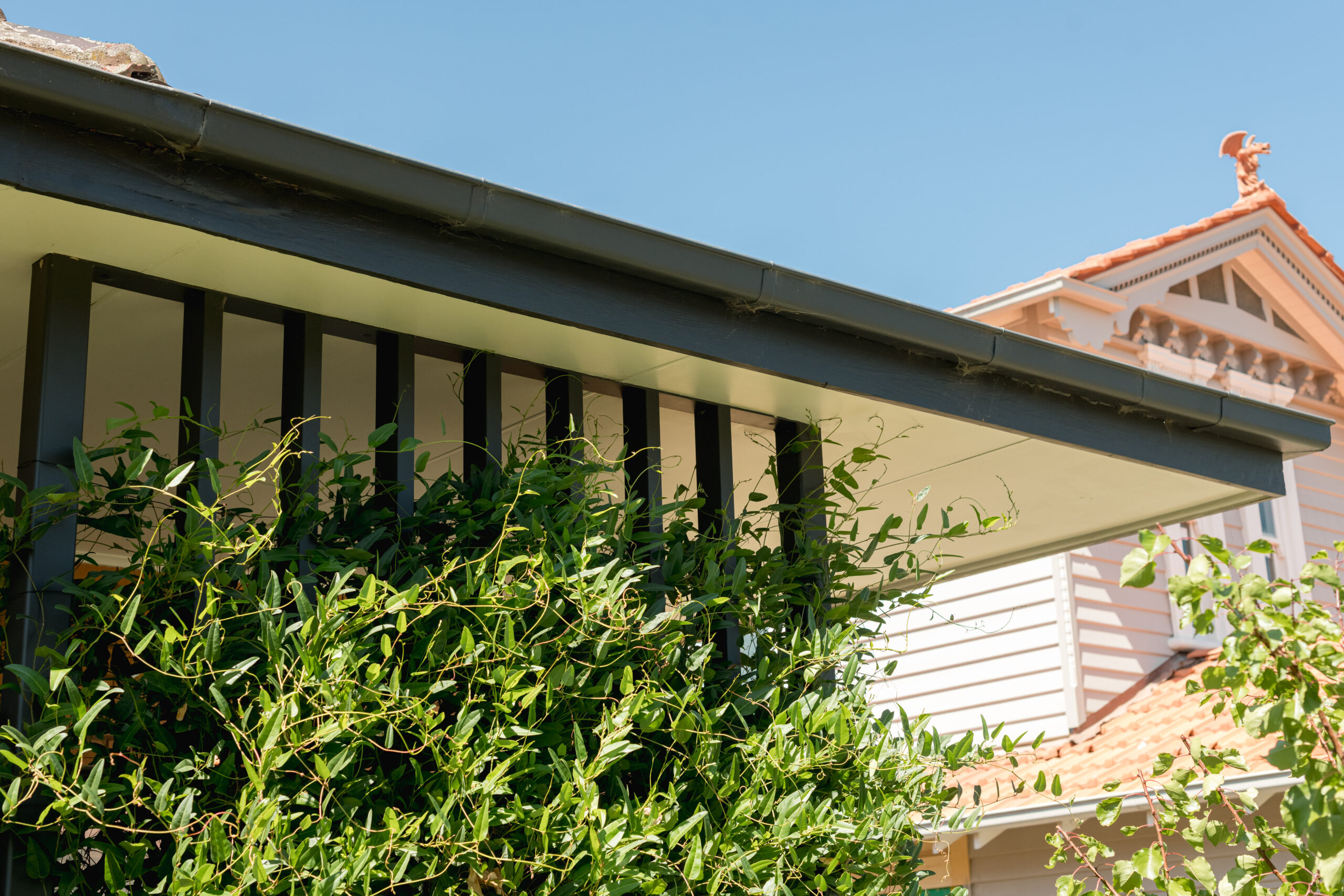
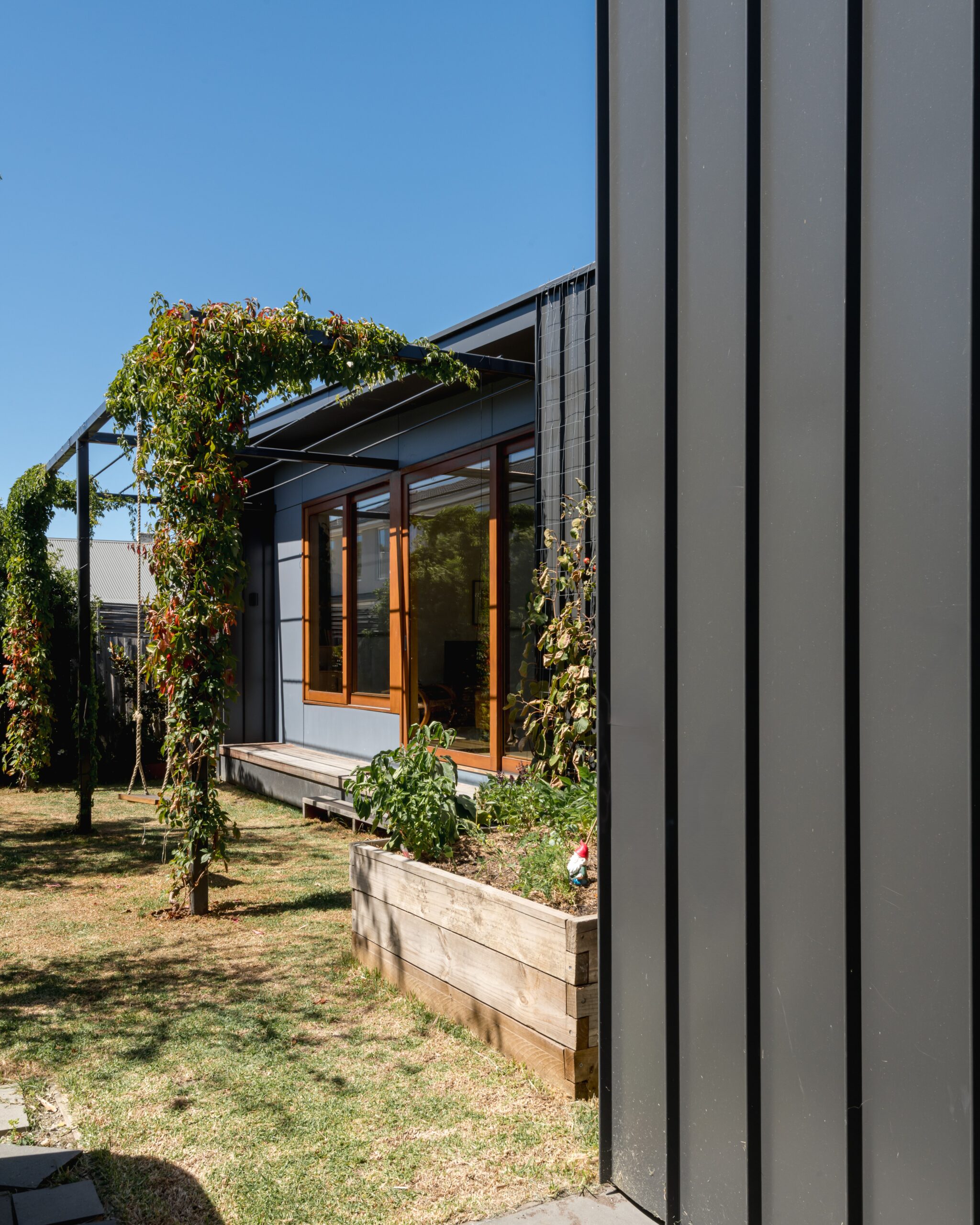
This original brick veneer house offered hardwood floors, fine wall and ceiling details, and well-proportioned rooms. Its main limitation was poor connection to a west facing backyard. The brief was to carefully update the existing home and add new living areas that would allow the family to gather in flexible ways.
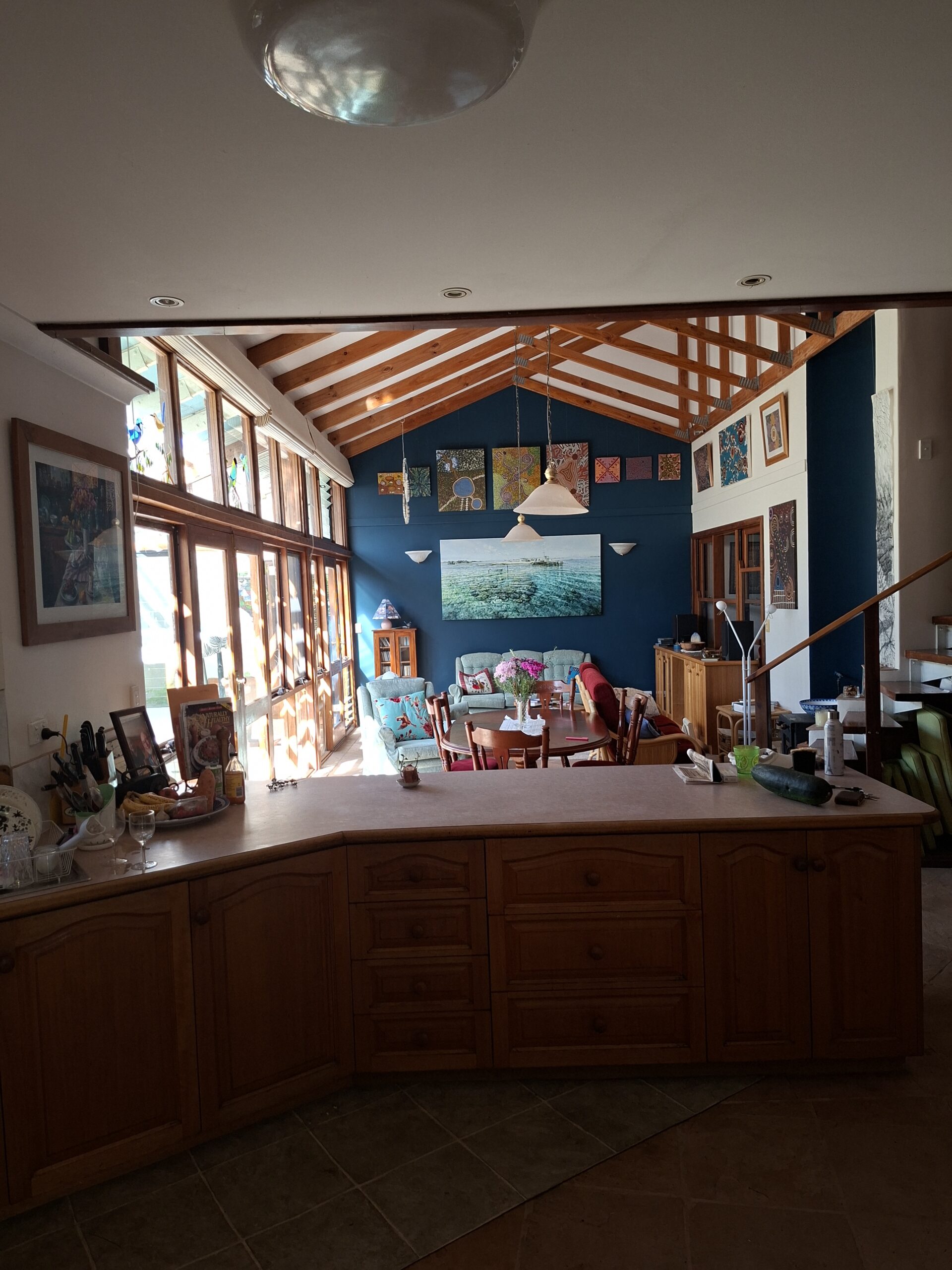
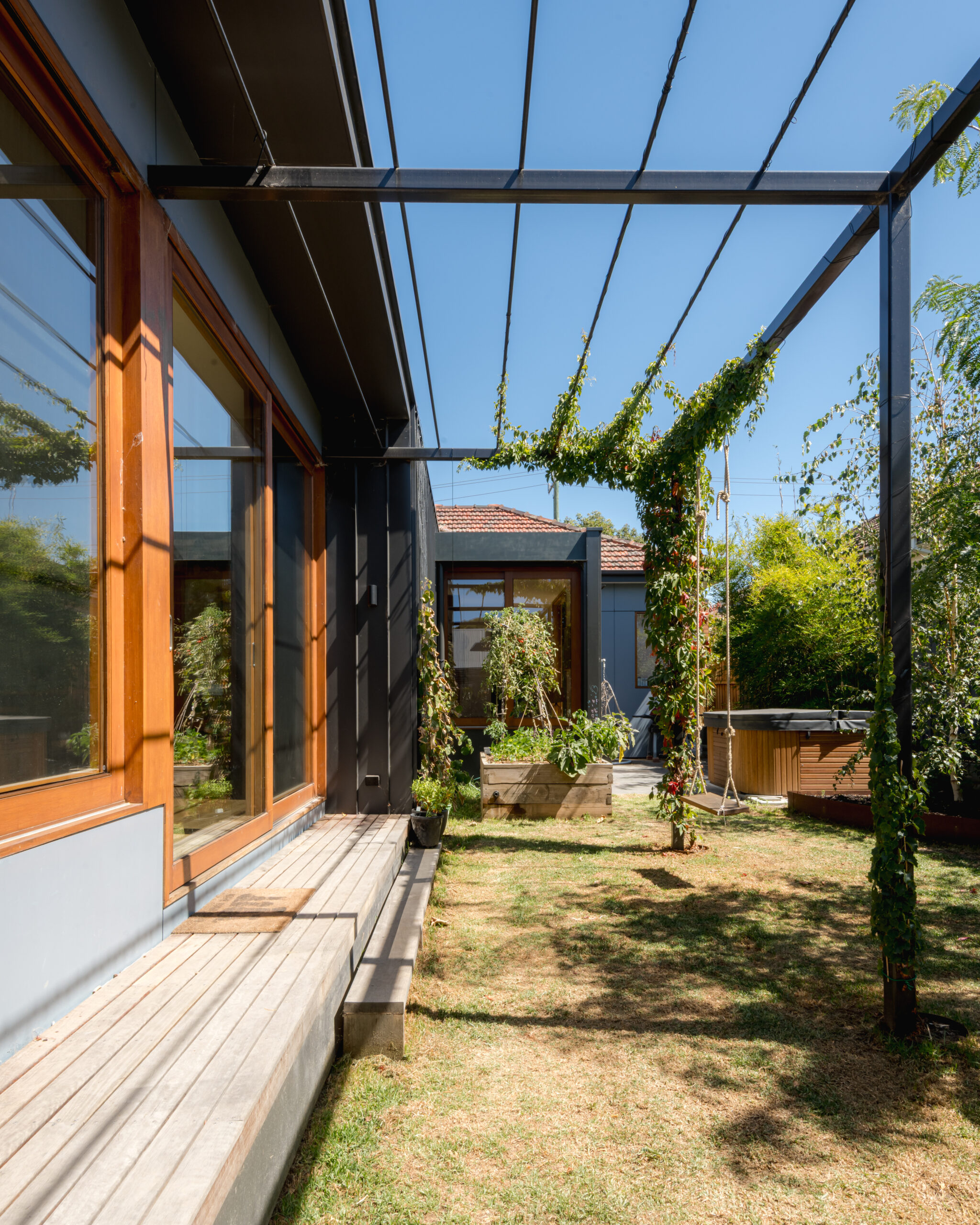
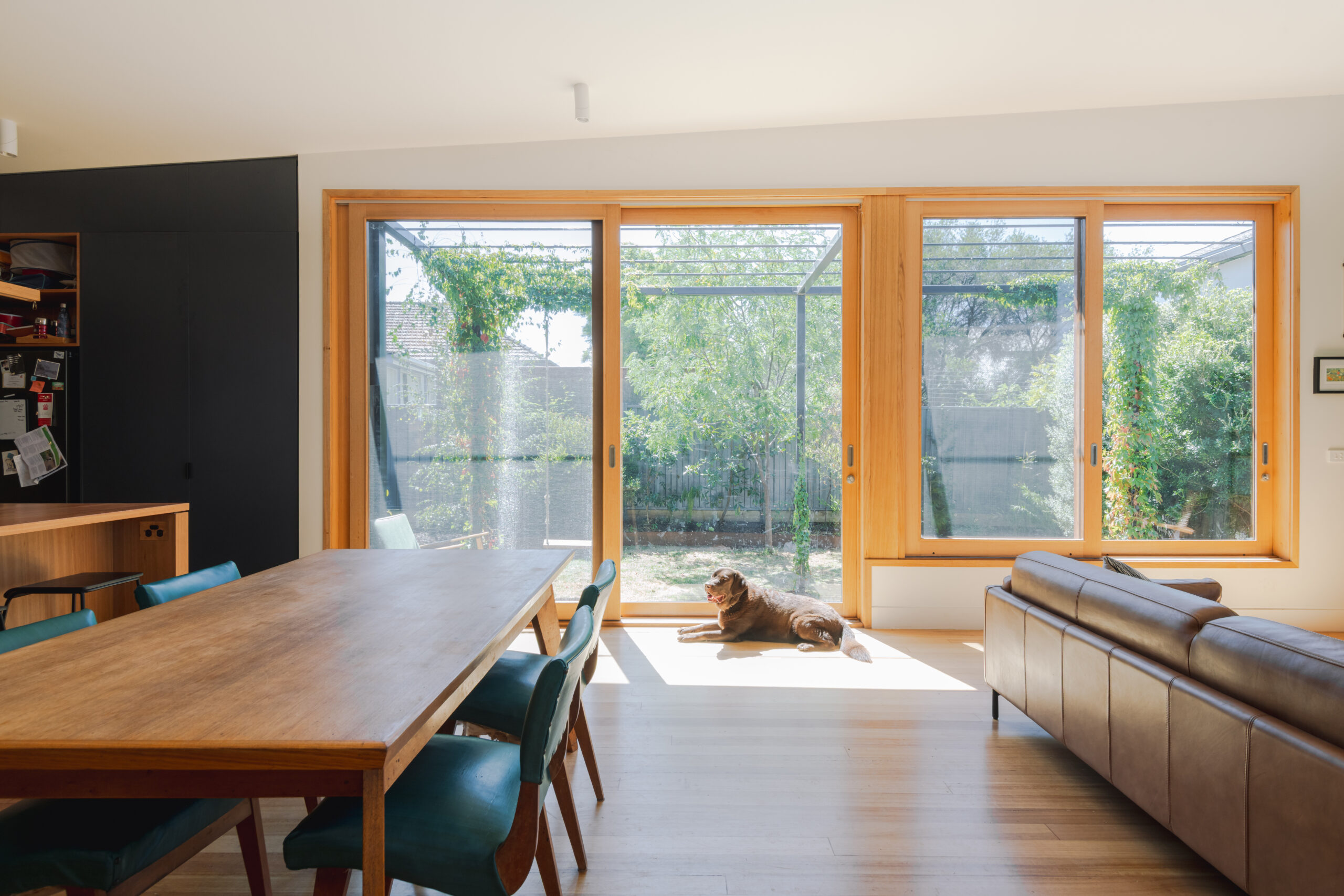
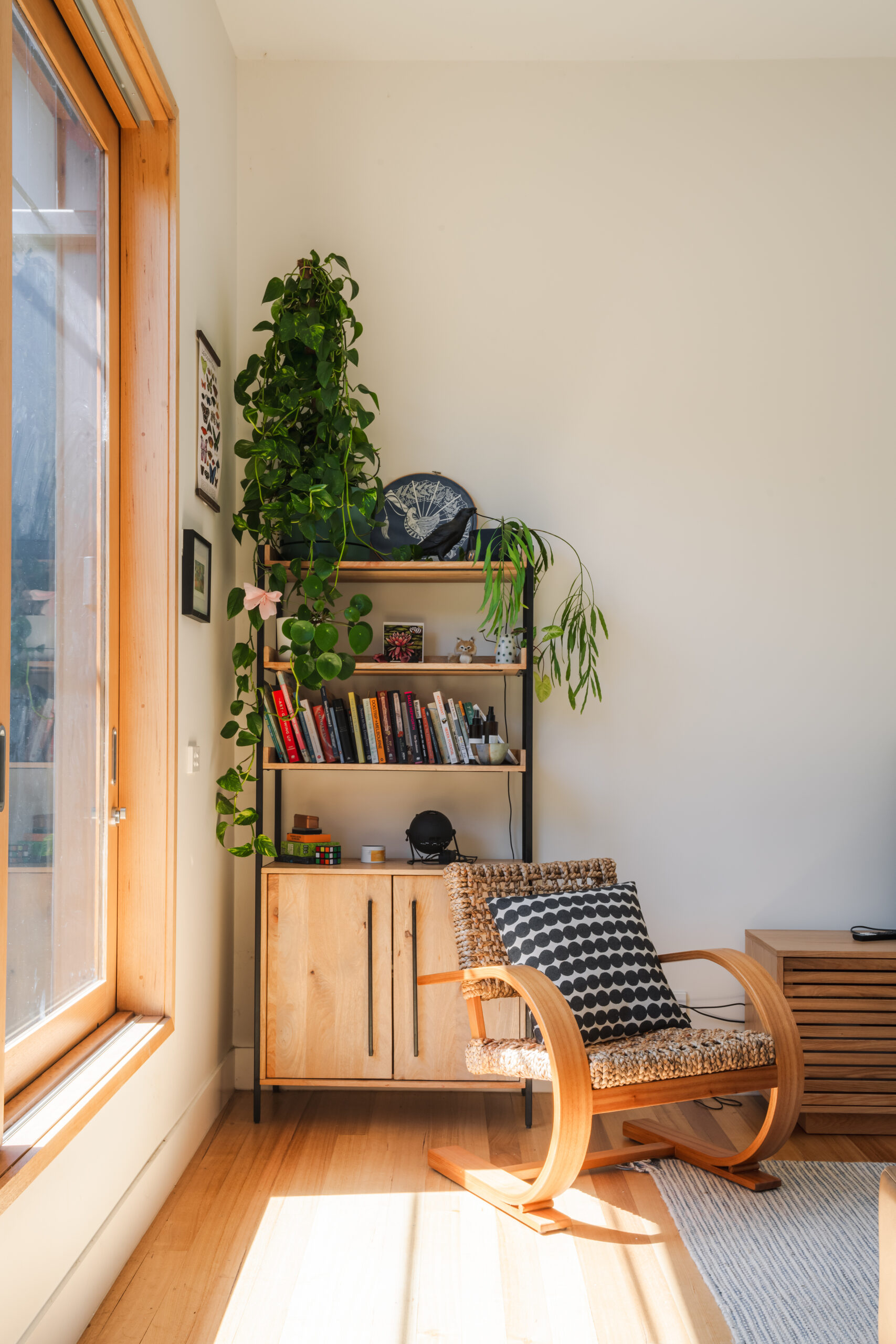
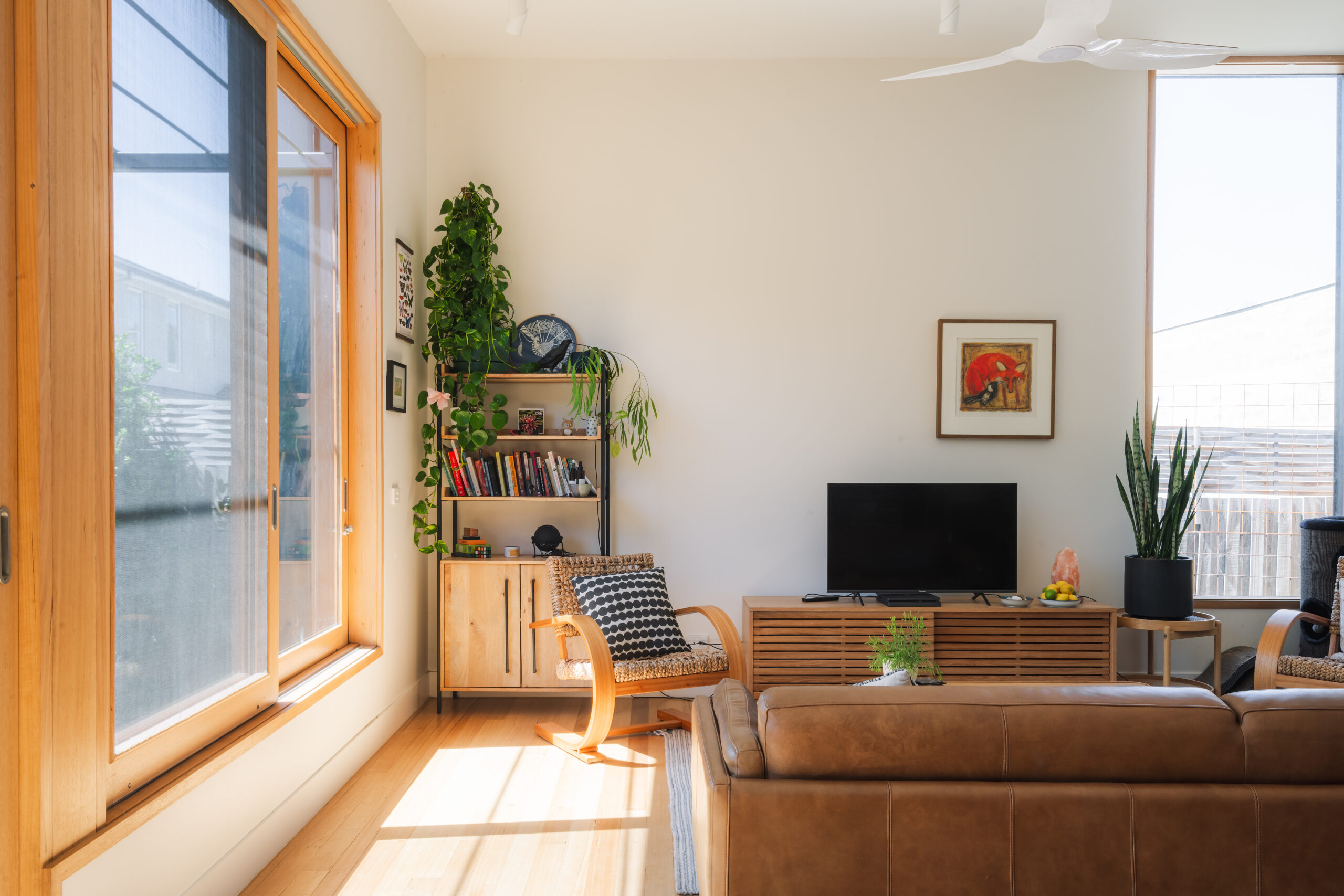
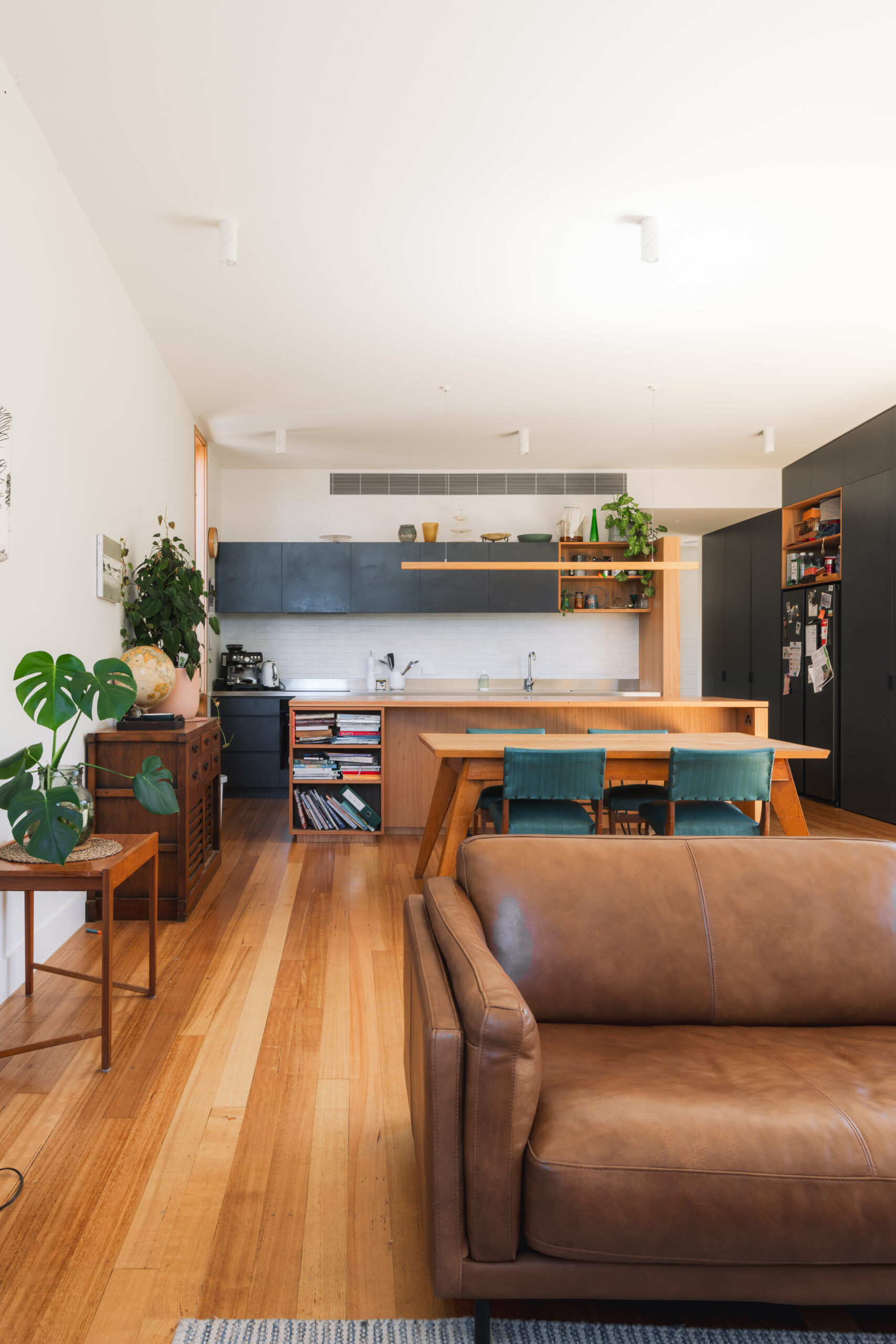
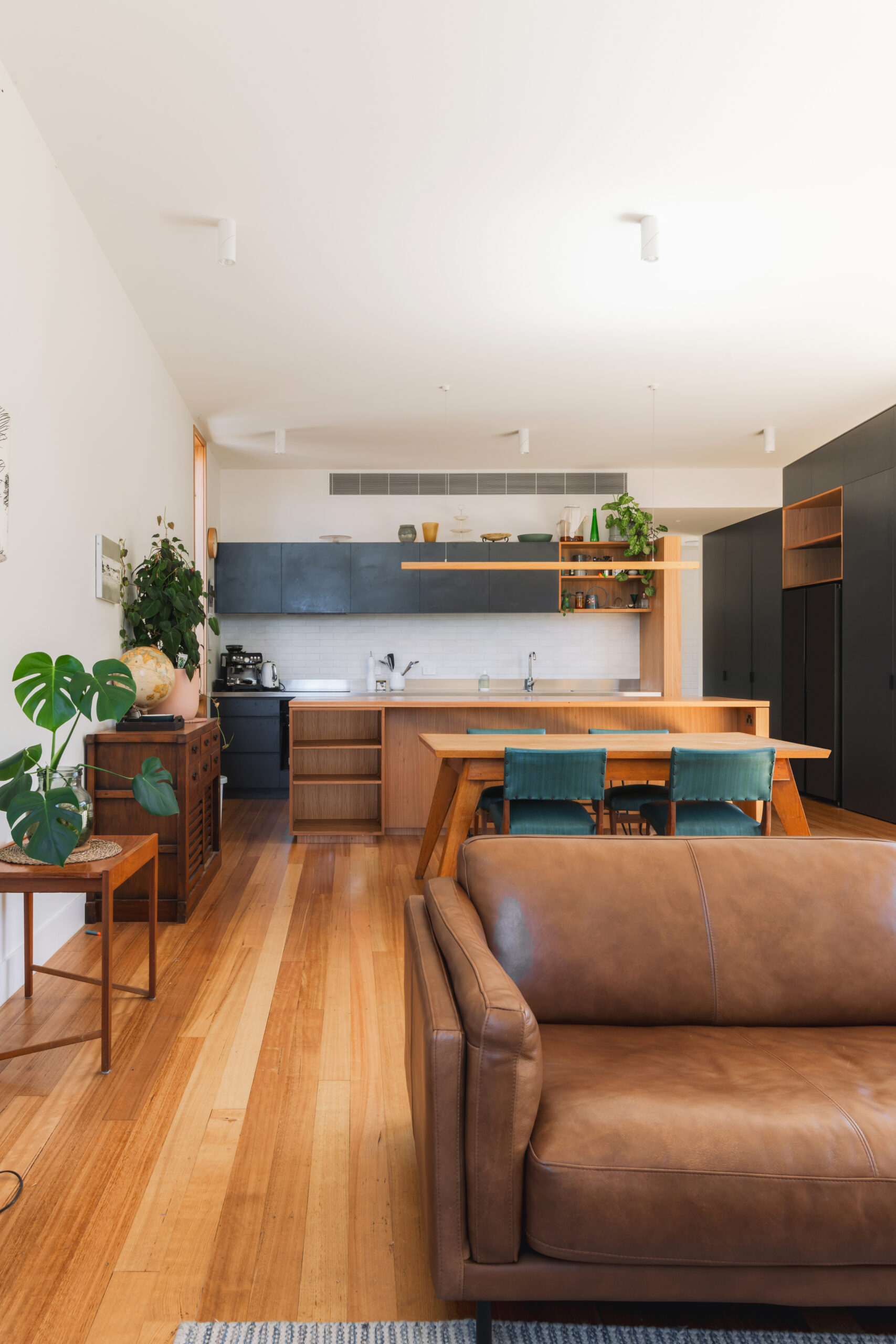
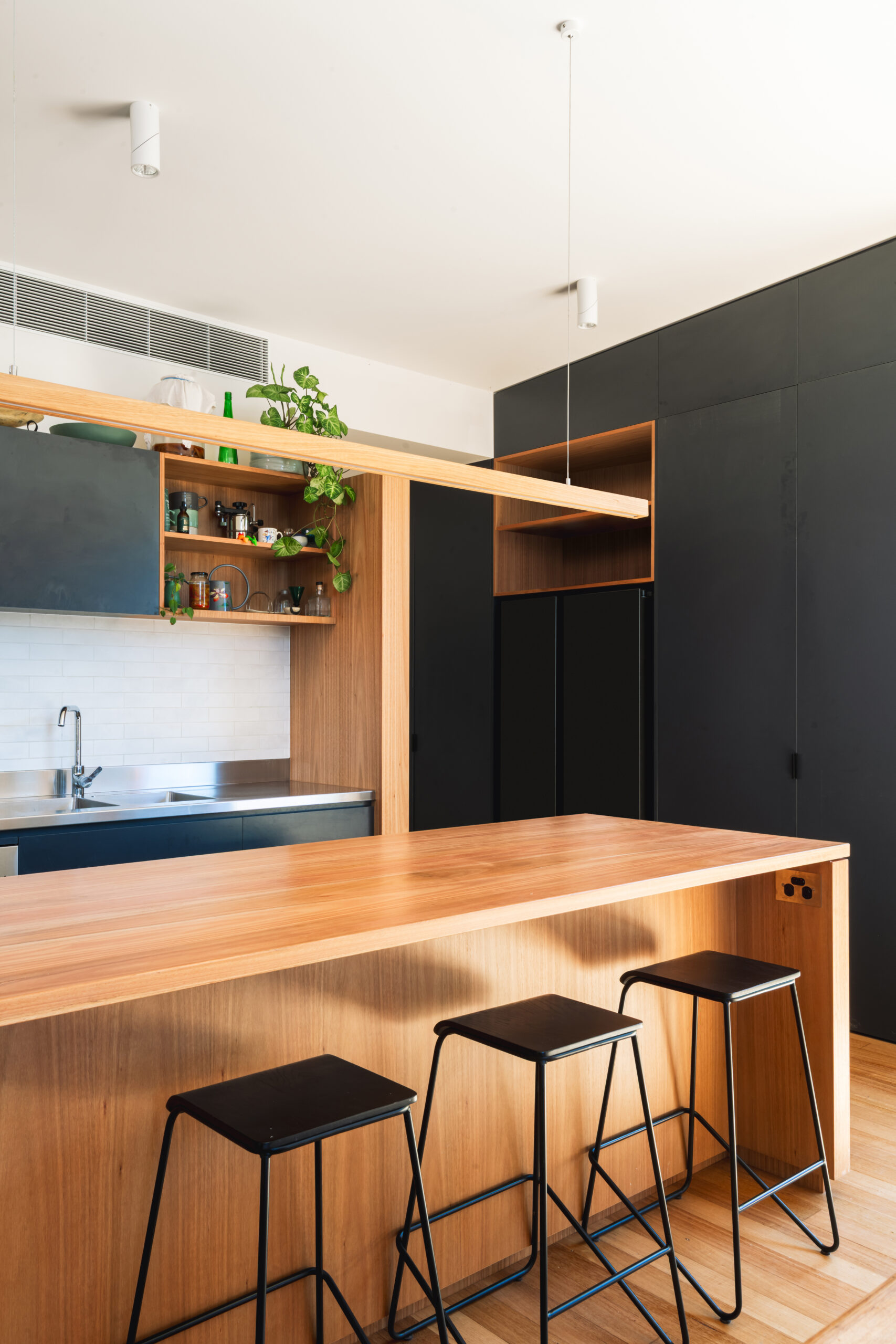
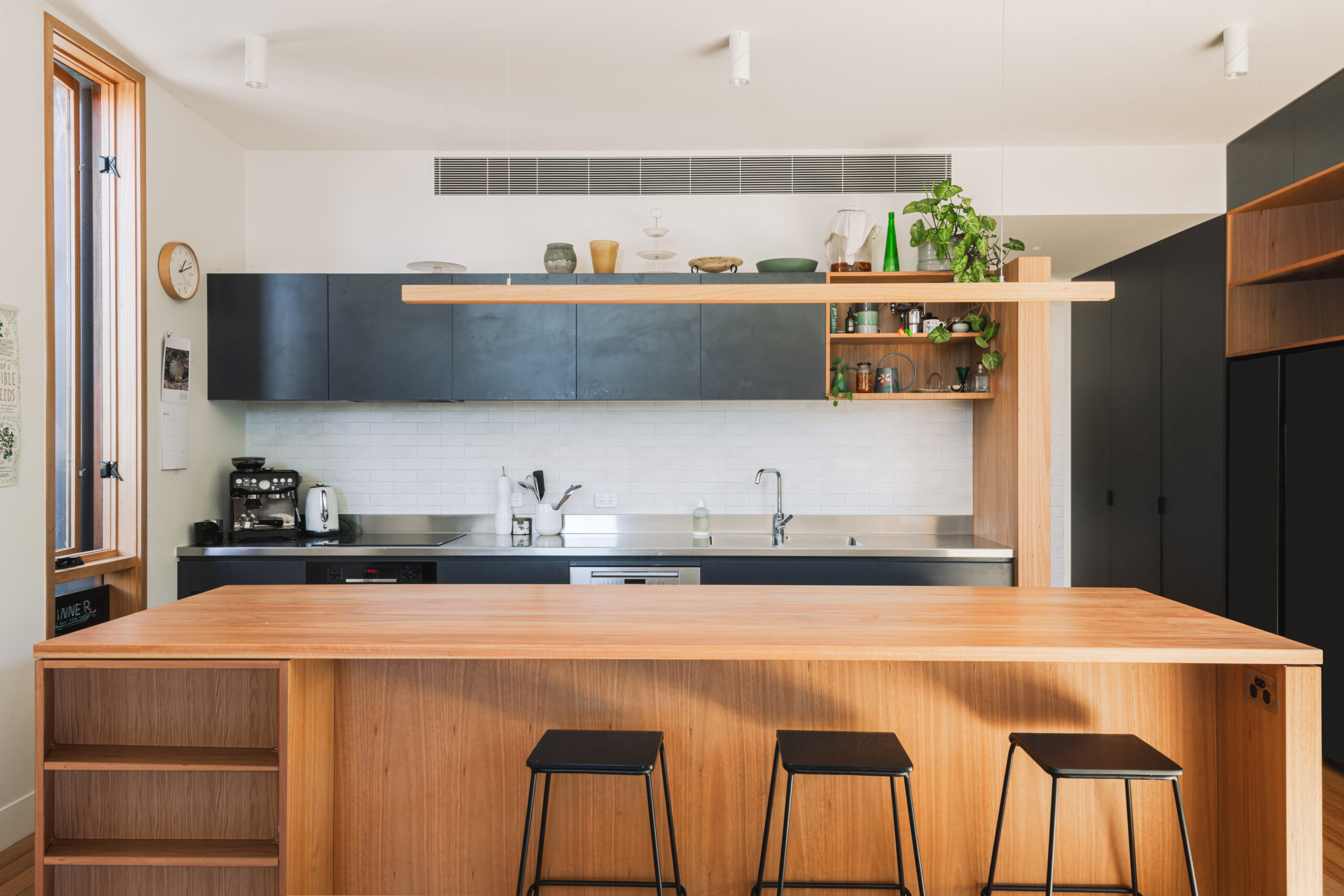
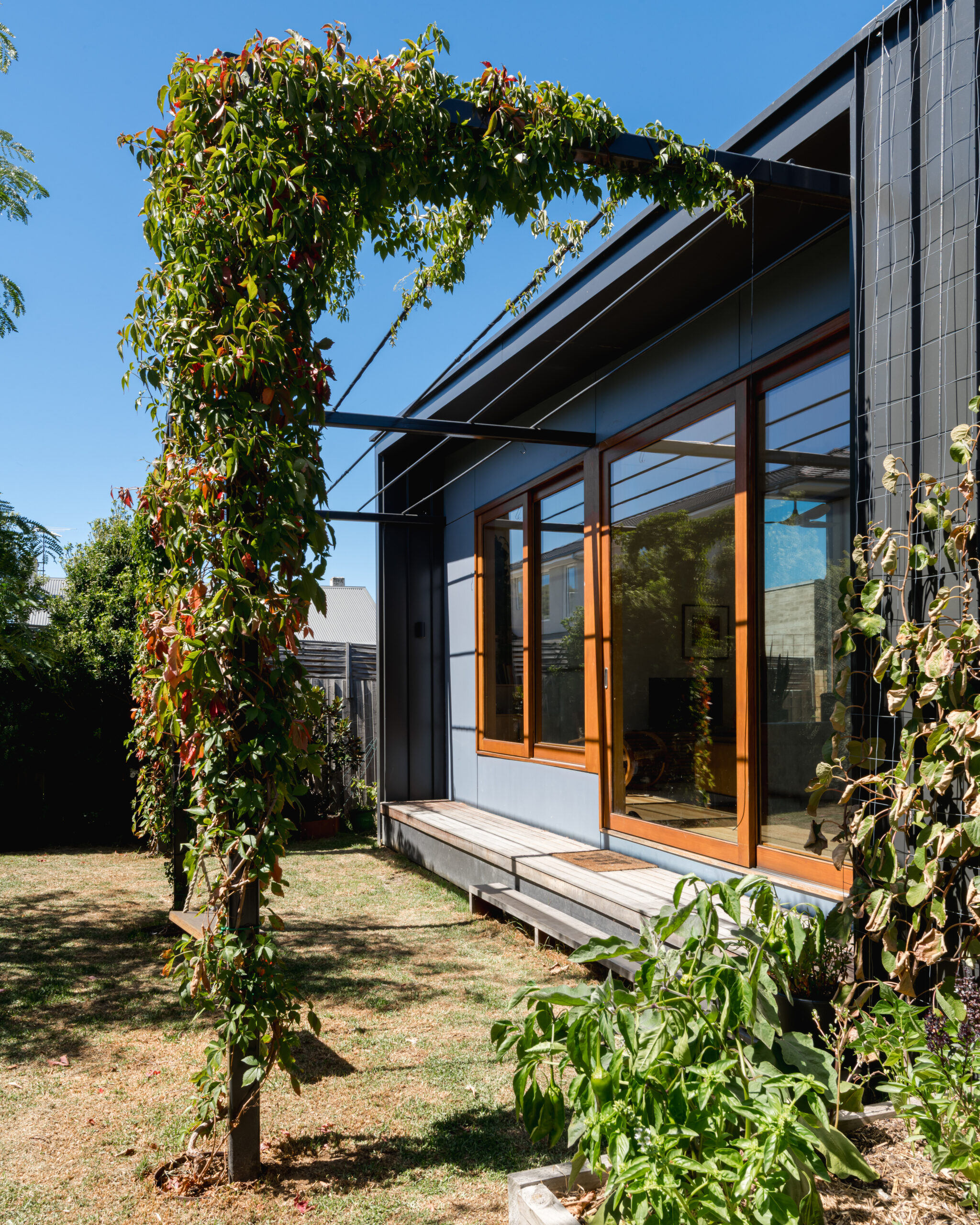
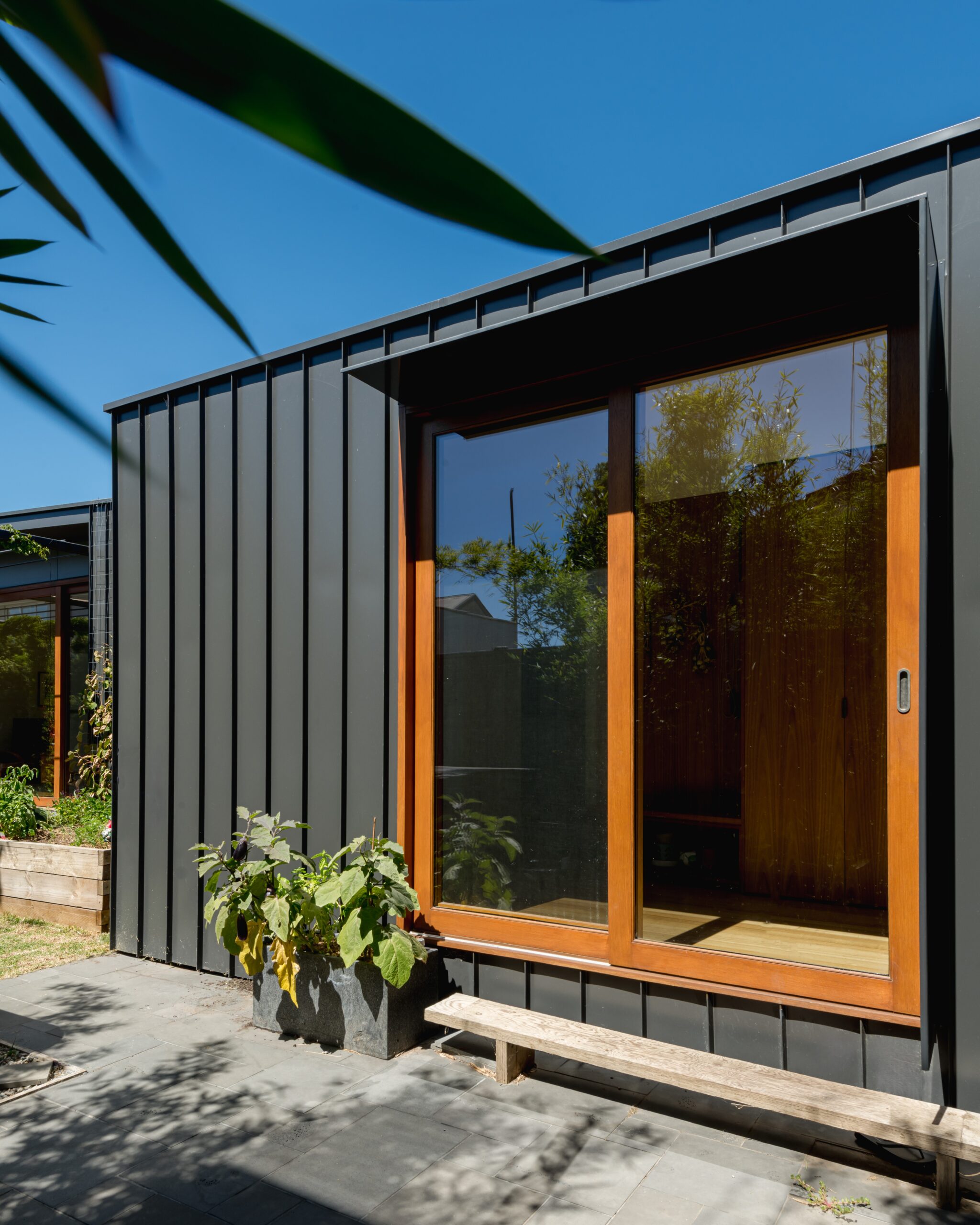
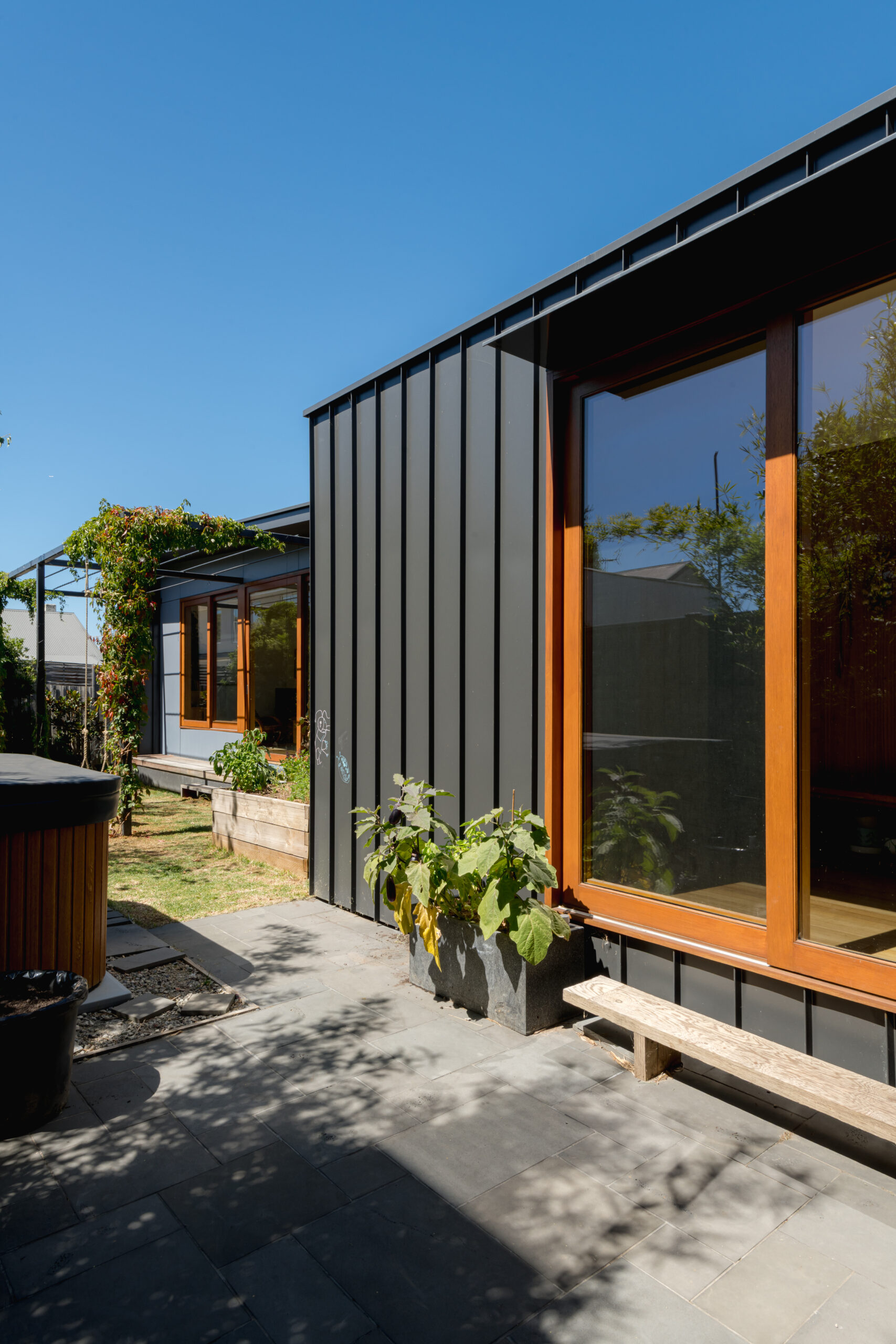
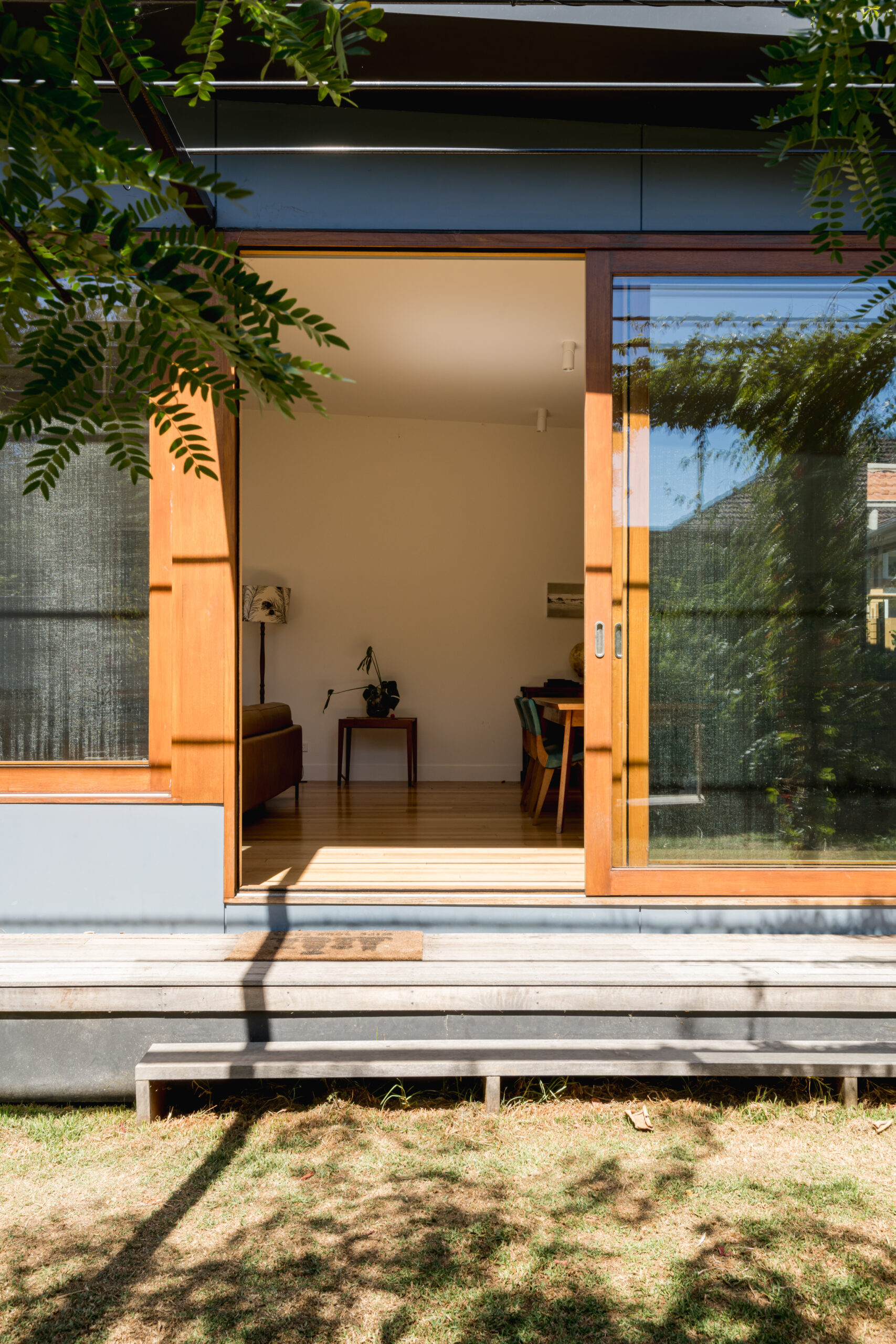
A new addition reorients the main living spaces 90 degrees to face north. A larger kitchen, dining, and living area now opens through generous north-facing windows, bringing in natural light and warmth. Due to a flood overlay, the new space is slightly raised, creating a short deck that serves as outdoor seating and dining.
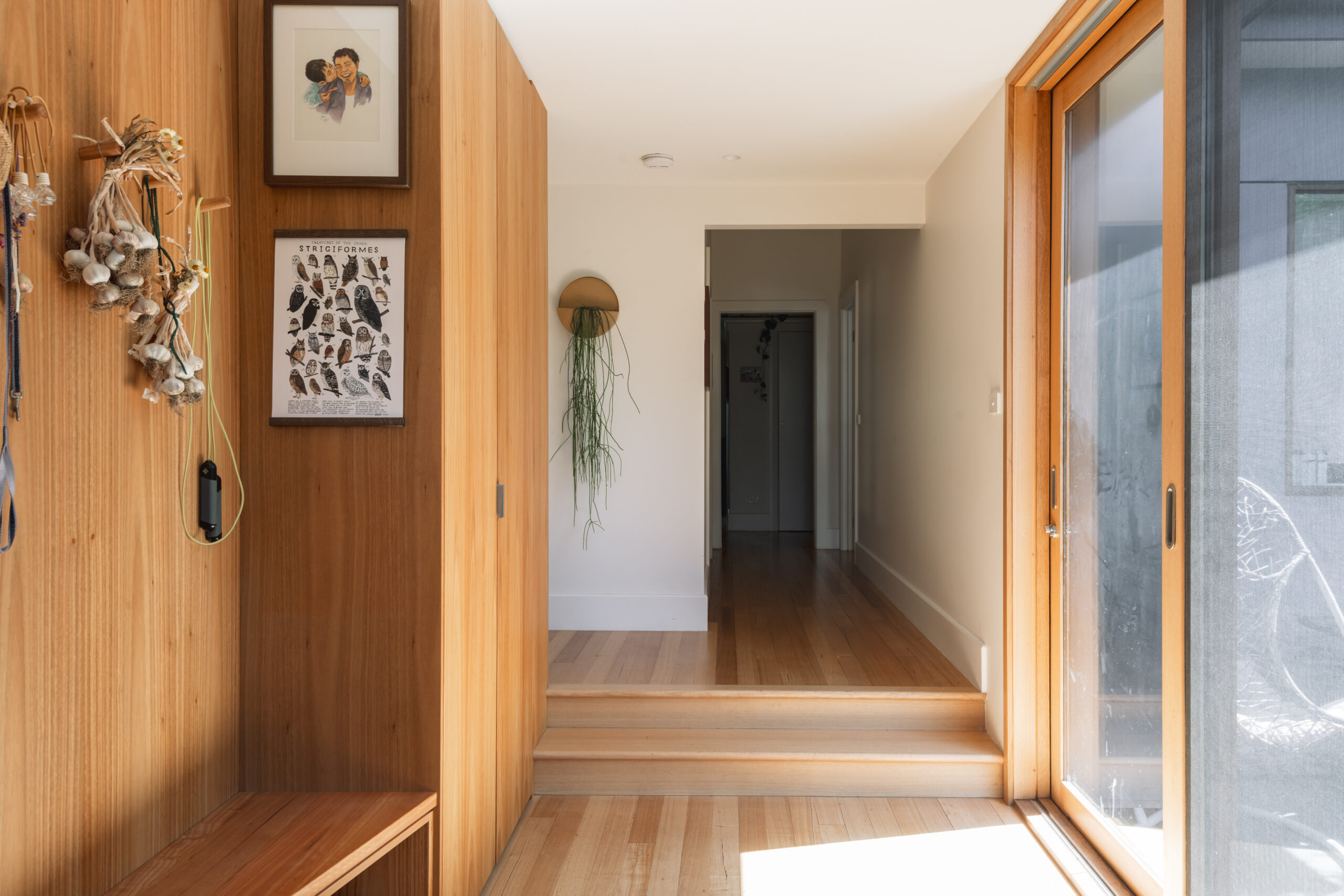
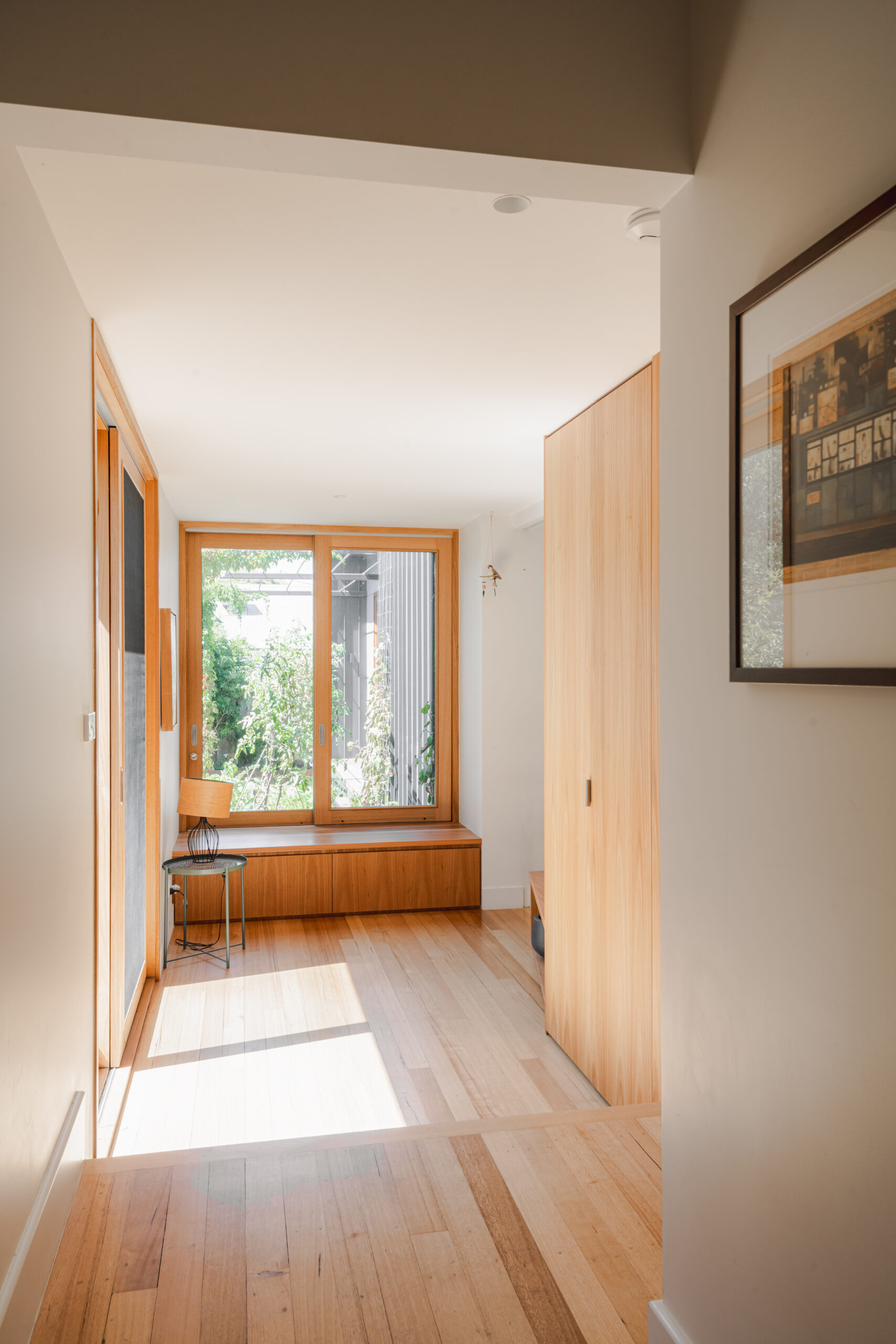
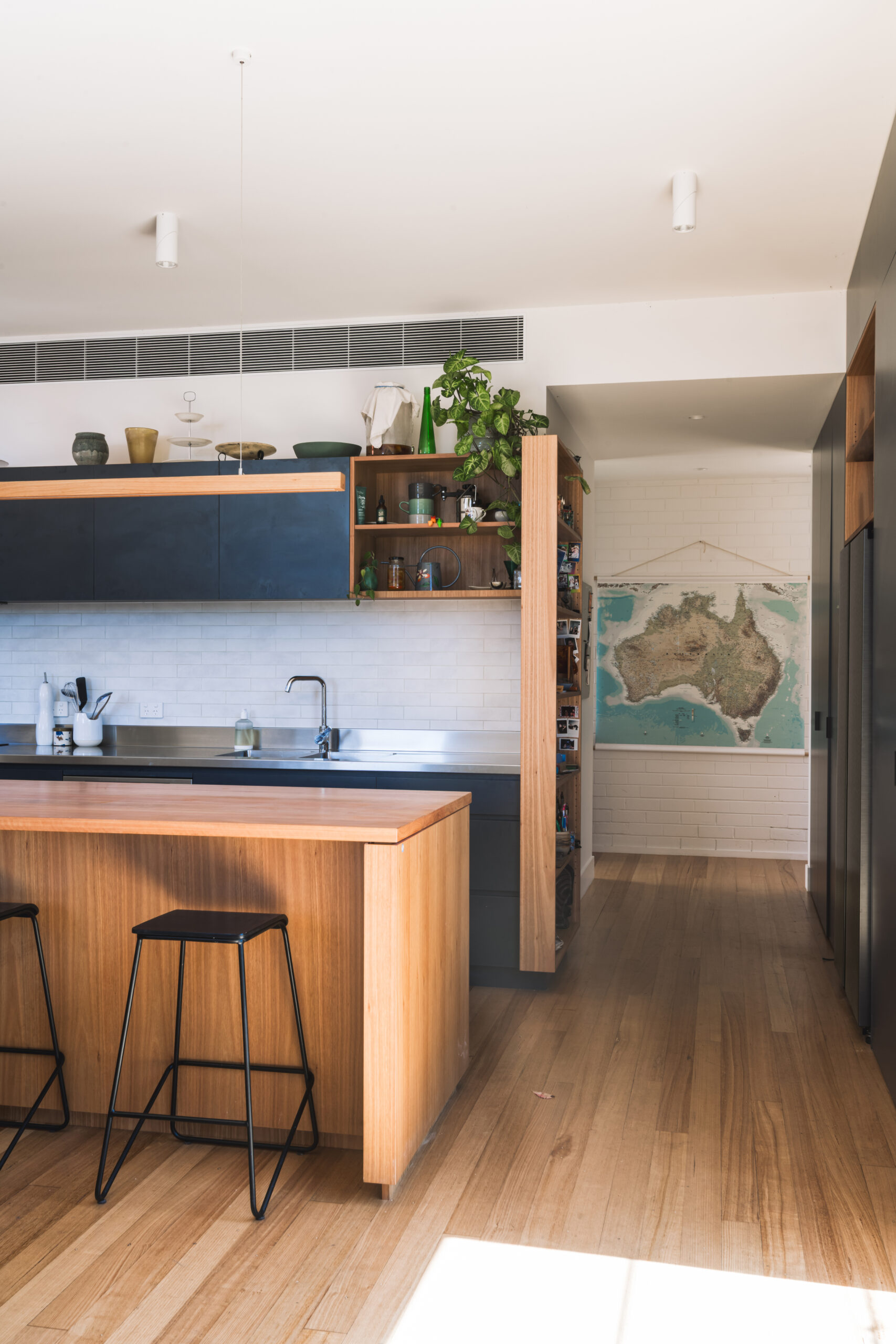
Between old and new, a linking space forms a smaller sitting area with garden views. It draws light and fresh air deep into the home, transforming what might have been circulation space into a calm, usable retreat.
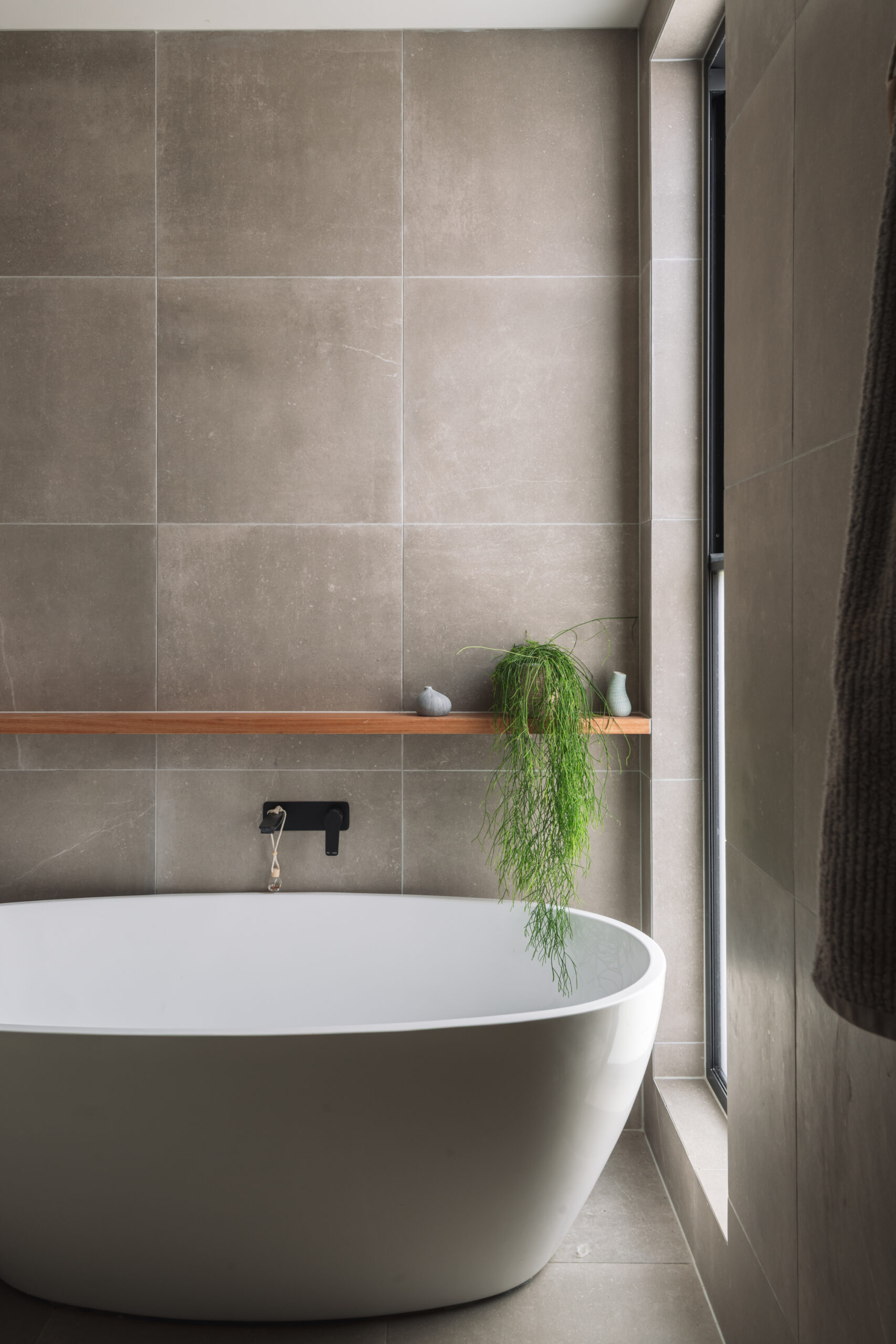
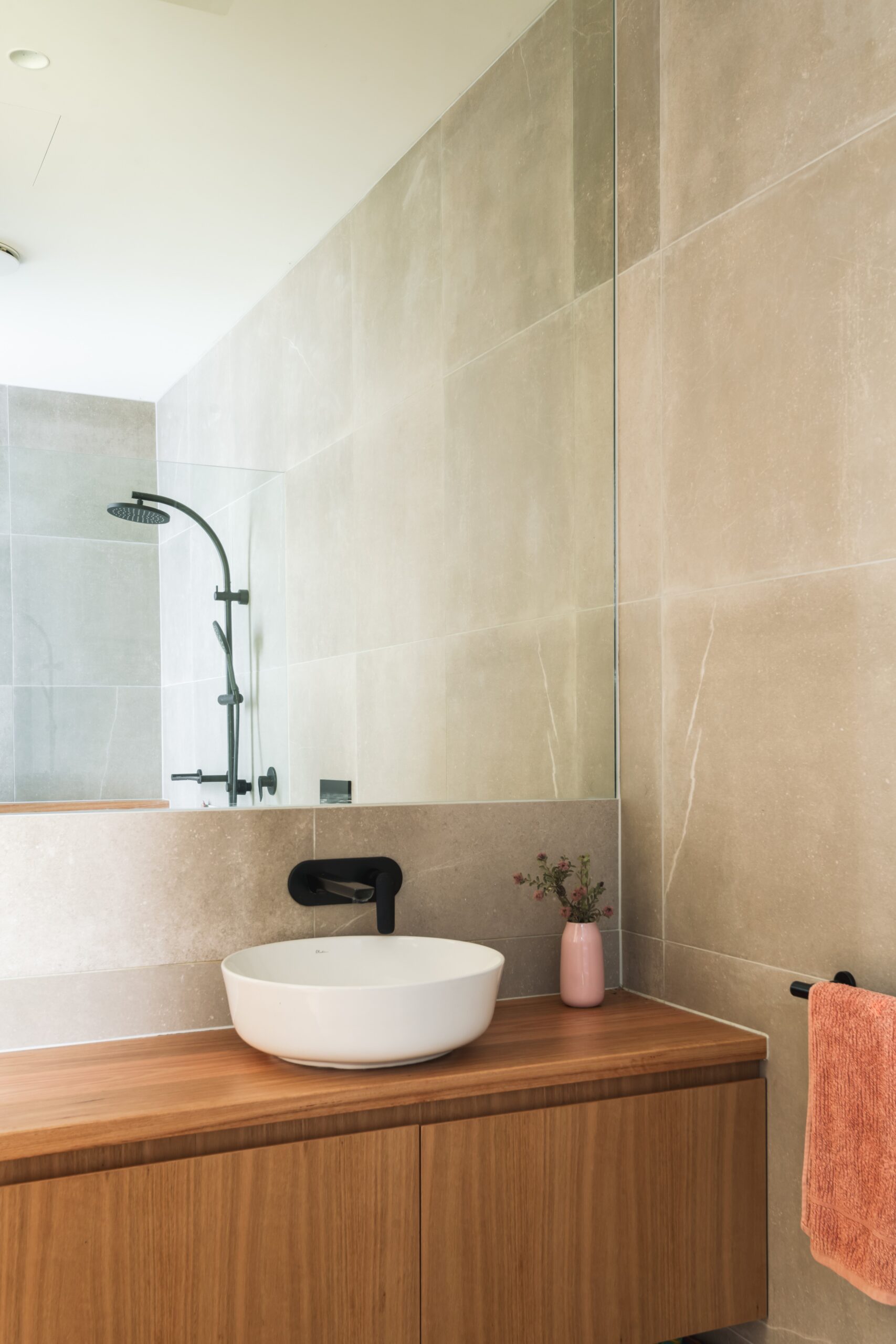
The existing bathroom was retained and a second, larger bathroom added, reusing recently installed fittings including a freestanding bath and tapware.
Reclaimed hardwood flooring ties old and new together. A local cabinet maker crafted a custom light above the island bench. Double-glazed hardwood windows replaced the existing single glazed aluminium windows, throughout significantly improving the energy efficiency and thermal comfort.