Red Brick Reno

Taungurung Country,
Kyneton,
VIC
This home will be open for in-person tours on the 17th May 2026

About this home

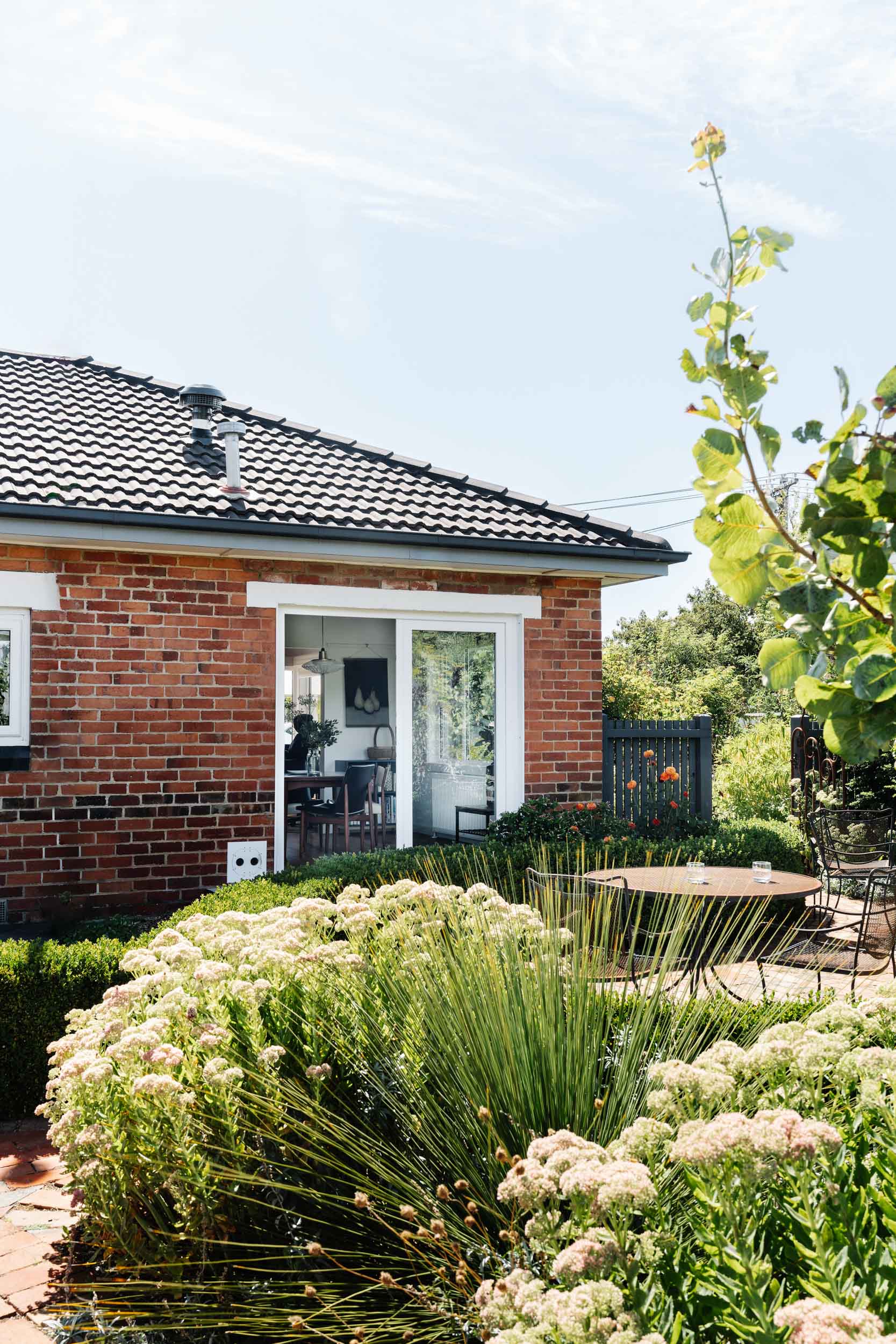
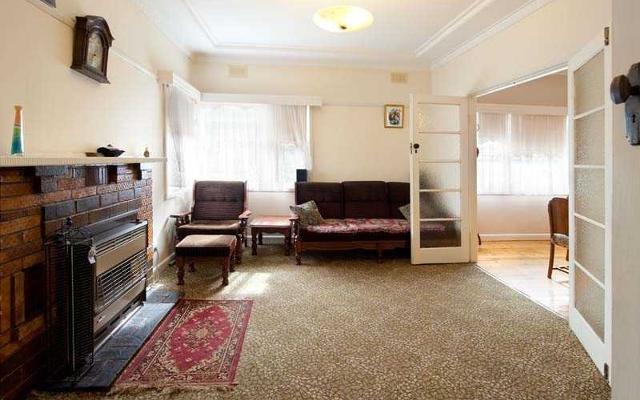
My house was built in 1954. When I bought it in 2010, it hadn’t changed much since it was built. It had no wall or floor insulation, little ceiling insulation, single-glazed windows, gas hot water, gas cooking, and no garden. It was freezing in winter and hot in summer.

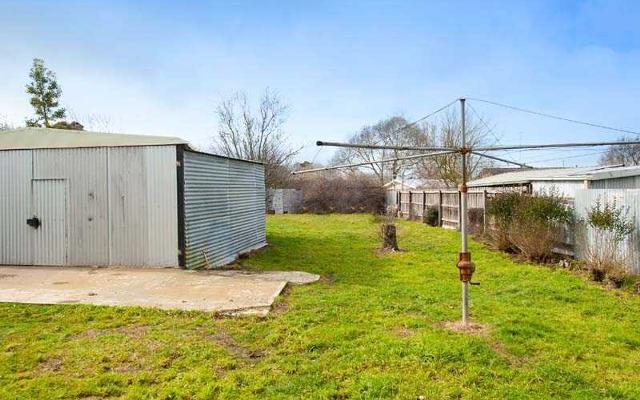
Over the next 12 years, I made improvements gradually, as I could afford them. Much of the work was DIY. First, I built compost bays – an easy way of dealing with organic waste. Second, I dug trenches and laid stormwater pipes so I could capture all the rainwater from the house and the shed, and I had a 22,000 litre tank installed. Then I started planning the garden, which is a lifelong labour of love.

Every few years, as I could afford it, I did something more to decrease my carbon footprint, make the house more comfortable, and decrease my energy bills: added more insulation, replaced the windows with double-glazed uPVC windows, and installed rooftop solar, heat pump hot water, and split system heating and cooling. I noticed the difference in my comfort and bills with every improvement. I made mistakes along the way: for example, I installed gas-fired hydronic heating at a time when gas was still affordable.

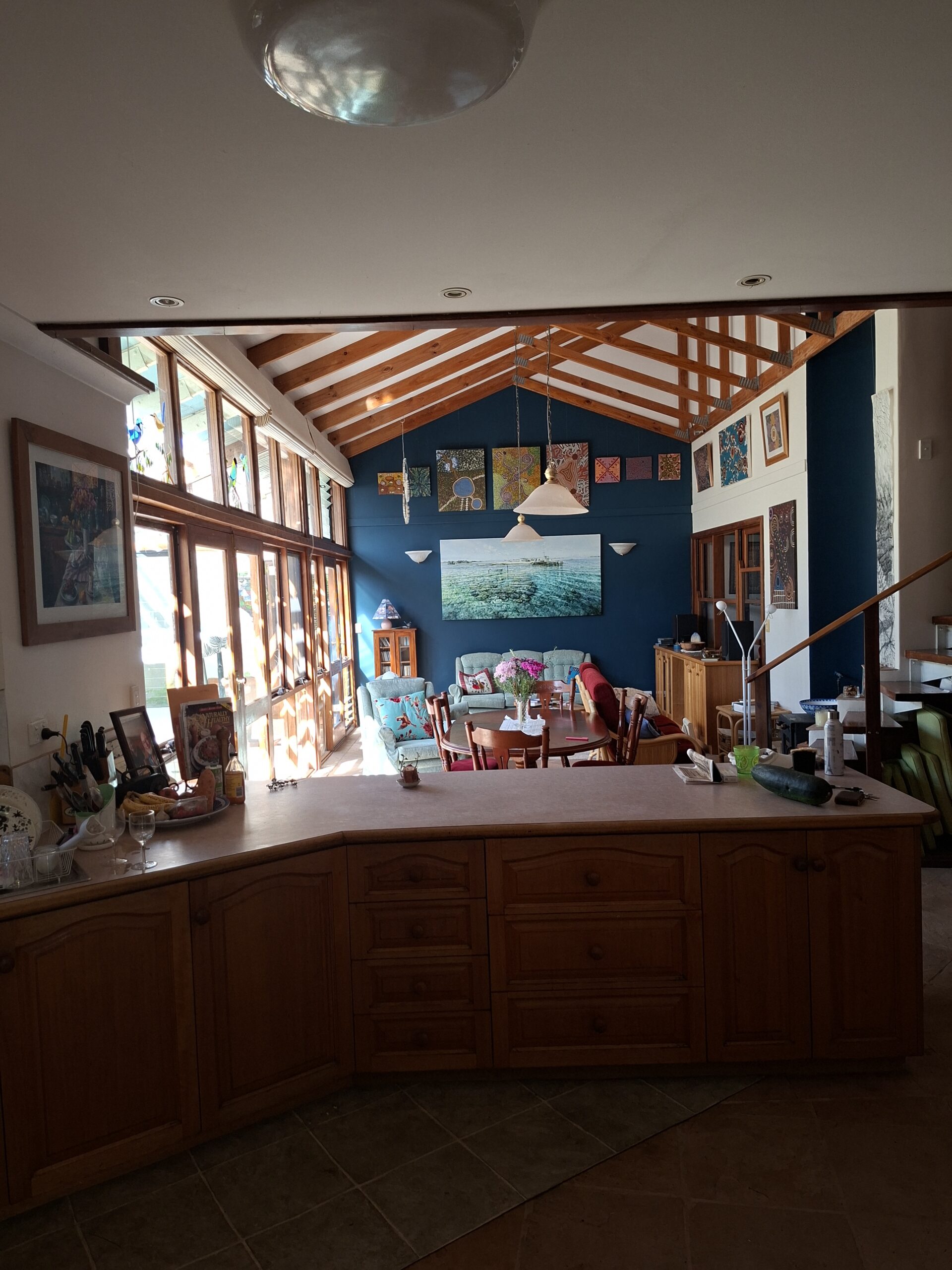
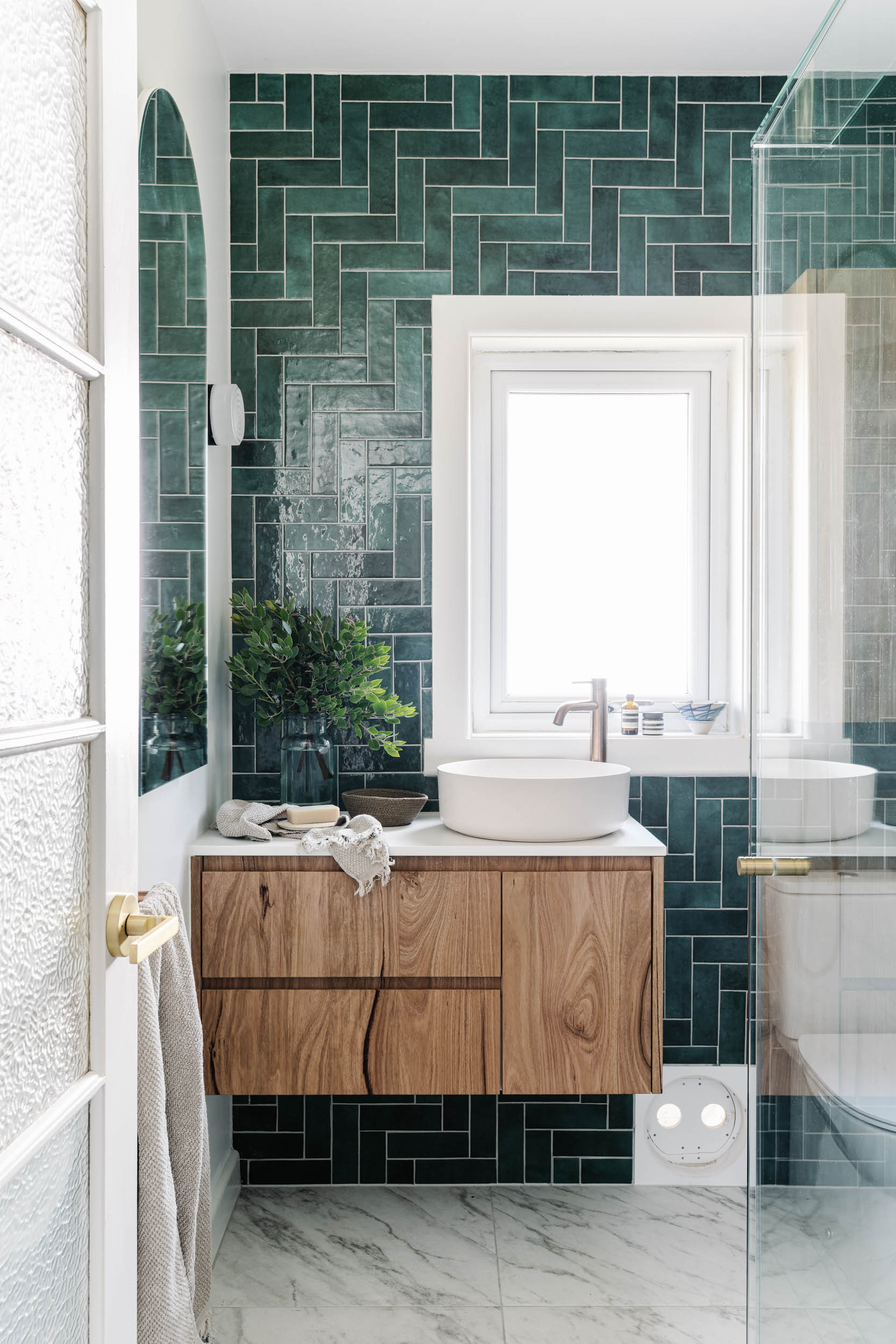
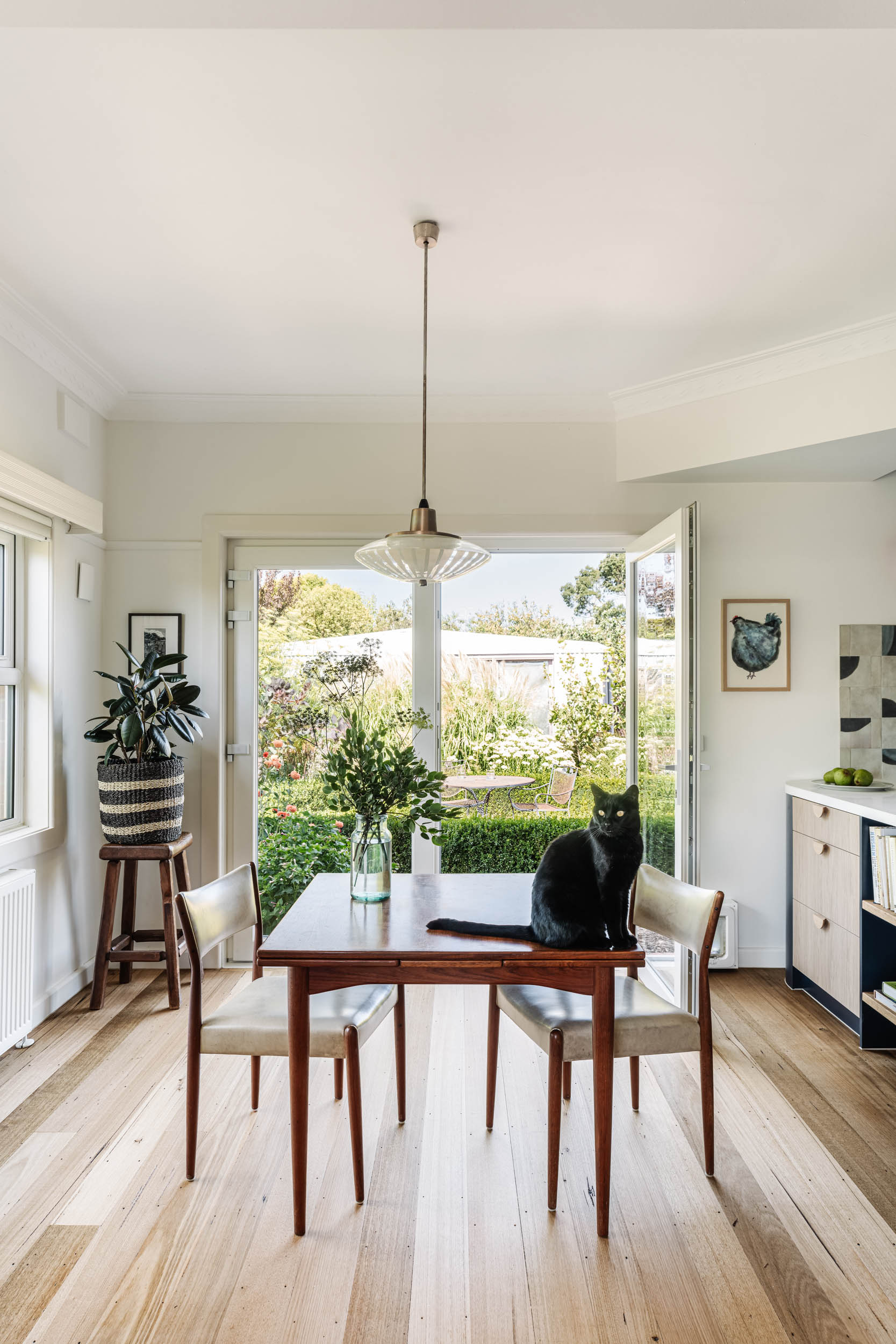
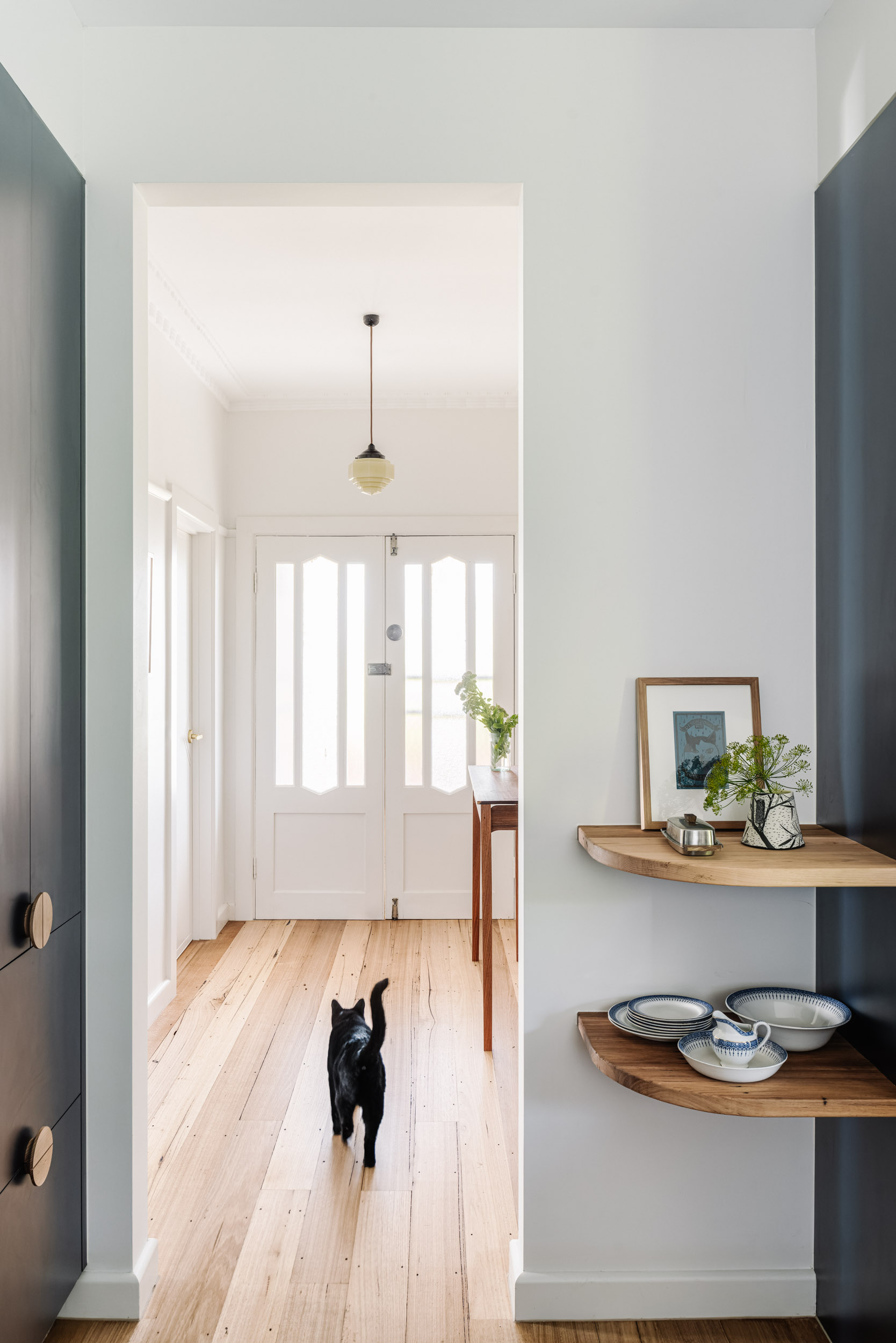
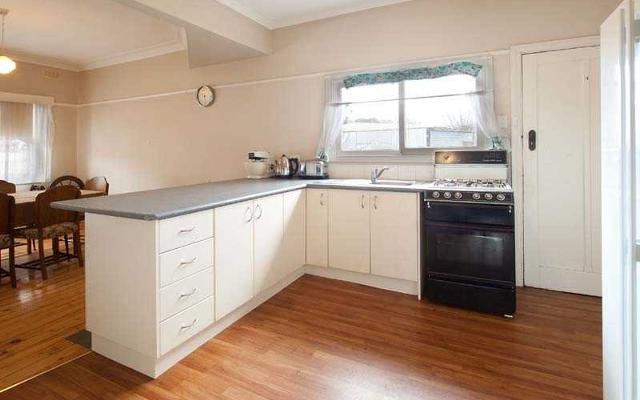
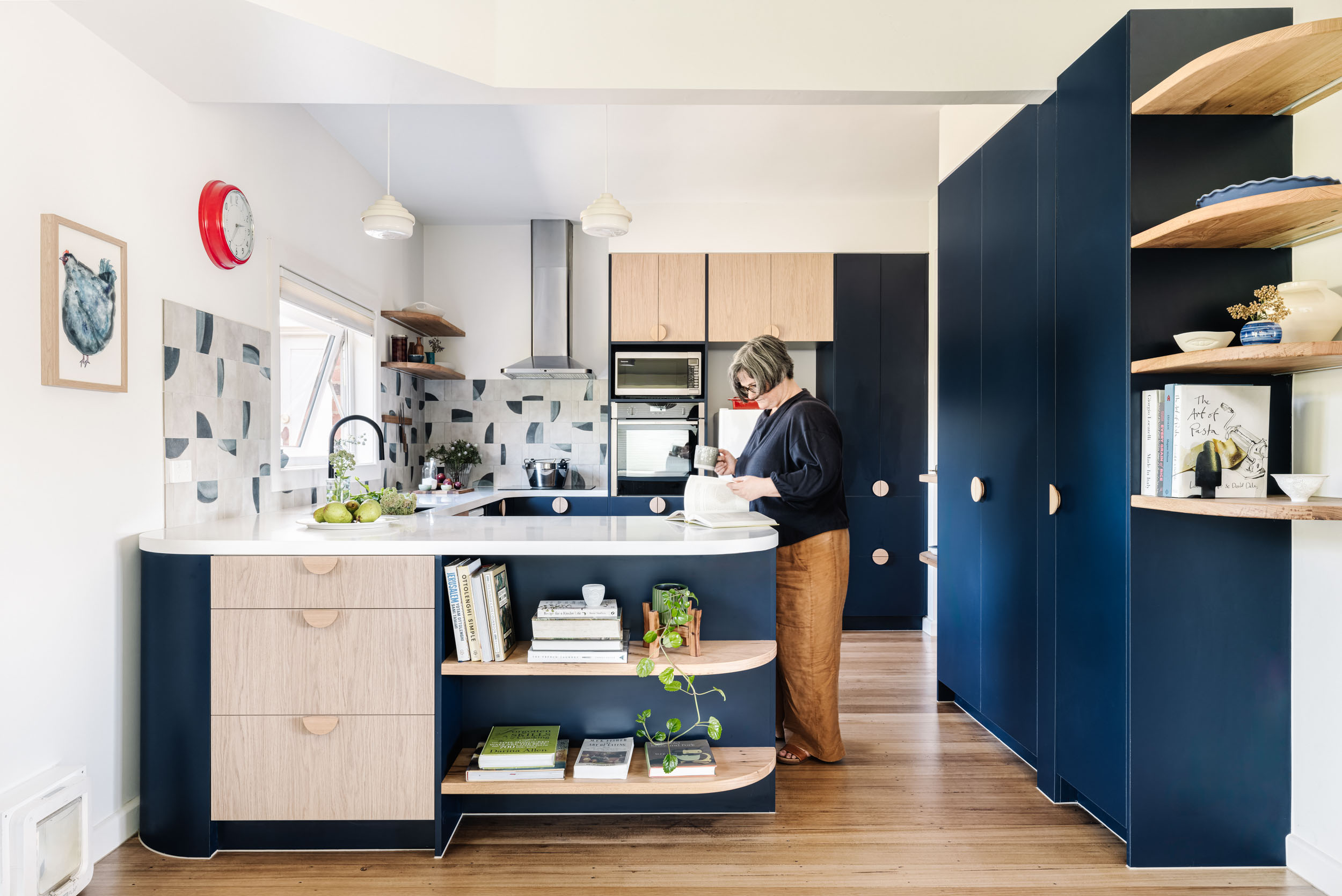
By 2023, the house was comfortable and fairly energy-efficient, but it still looked dated. I hadn't done anything to improve it cosmetically. The kitchen had little workspace and the house was far from airtight despite the improvements I’d made.

That’s when I contracted Outlier Building Design and Backman Builders for the final push: making the house airtight, upgrading and insulating the floor, and upgrading the kitchen and bathroom. Post-renovation, a blower door test showed that the airtightness of the house has gone from 23 air changes per hour (ACH) to less than two ACH. With this level of air tightness, I am able to live without the gas hydronic heating. My home is now off gas.

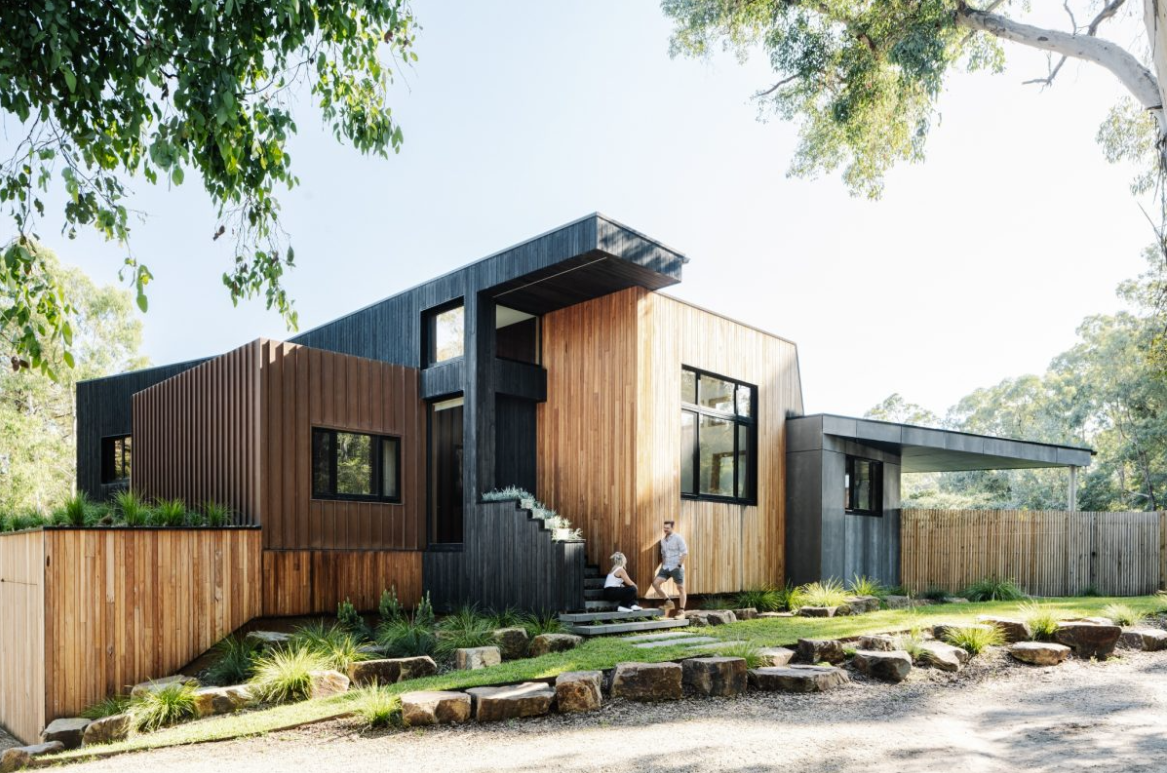
(All post-renovation photography by Marnie Hawson. Video by David Darrah, All Creative.)

Q & A

What motivated you to build or retrofit sustainably?
Primarily, I'm concerned about climate change. I also wanted thermal comfort and lower energy bills.
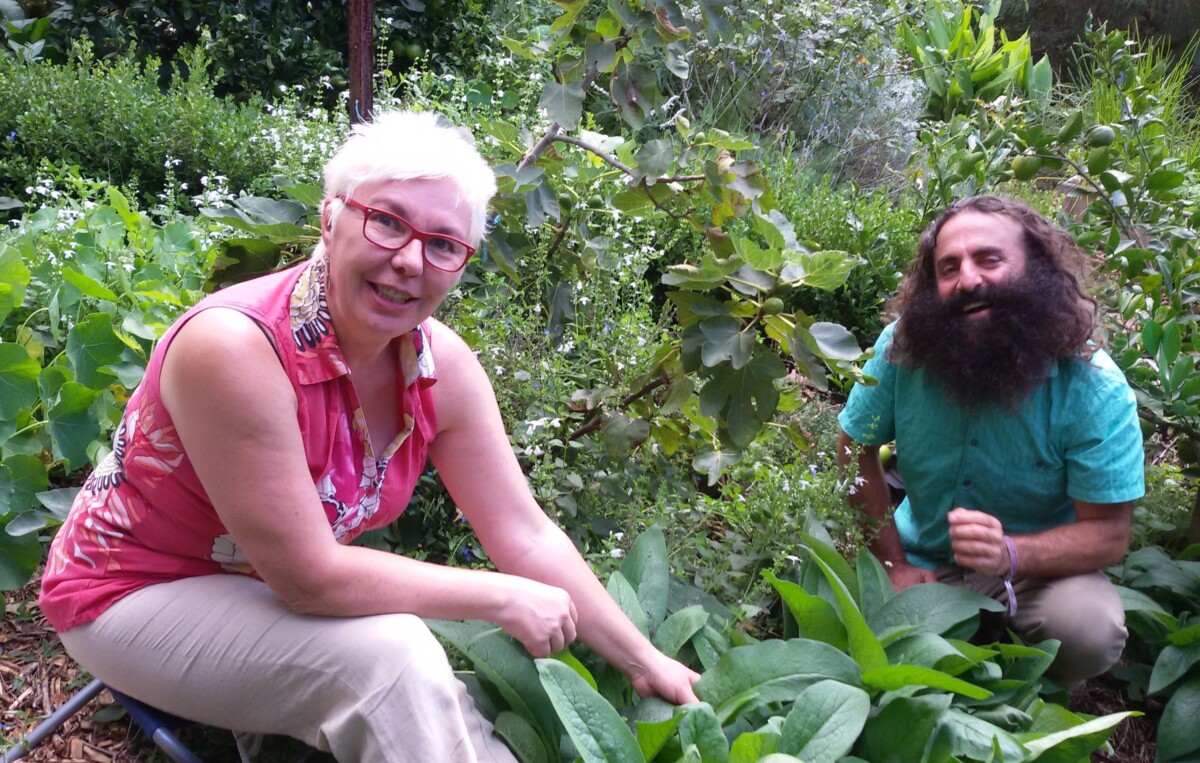
Adding more insulation to the roof and insulating the (previously uninsulated) brick veneer walls and the floor made the biggest difference to my comfort and bills. Insulating also made the house quieter, which makes it more restful. I did this work in stages as I could afford it: ceiling 2014, walls 2018, floor (as part of my big reno) 2023.And I can't separate the house from the garden. Creating a densely planted biodiverse garden has made a massive difference to the number of insect and bird species I see every day. This makes me happy!
I wish I'd known not to replace gas heating with gas heating!When I bought the house, the only heating was supplied by two 1960s gas radiators: one in the lounge and one in the dining room. in 2015, I decided to replace them with hydronic heating throughout the house (powered by a gas-fired Bosch 18kw outdoor condensing boiler with six Delonghi steel panel radiators). It was before gas became very expensive and before there was widespread awareness of its effect on climate (or perhaps I just didn't want to know). it was supremely comfortable and quiet, and I loved it. It was also expensive to run (about $9 per day in winter at the time).After a couple of years, with my awareness raised, I didn't want to burn gas for heating any more, so I had a split system installed in the lounge room and started using that instead.The hydronic heating is stil intact, but I've disconnected the gas. One day I hope to replace the gas boiler with a heat pump and have hydronic heating again.
I have two dream upgrades, and budget is the only barrier to both of them. The first is hydronic heating powered by a heat pump, detailed above.The second is a deck! I would love to be able to sit outdoors and watch the birds and insects and plants from an elevated position, while immersed in the garden.
Back to 2026 Homes
Type: Standalone house/townhouse
Project: Gradual upgrades over time
Designer: Outlier, Bendigo
Builder: Backman Builders
Size: 98m²
Energy Rating: 8.9 stars
Bedrooms: 2
Bathrooms: 1

Sustainability Features

Building Materials & Envelope

Draught-proofing/air sealing
High-performance insulation
Double or triple-glazed windows
Recycled or reused materials

Heating, Cooling and Ventilation

Ceiling fans
Heat pump (reverse-cycle) heating/cooling
Mechanical ventilation with heat recovery (MVHR) system

Energy and Appliances

Rooftop solar PV
Efficient lighting (LED, daylighting, solar skylights)
Heat pump hot water
Electric cooktop - induction/ceramic

Water & Waste Systems

Water-efficient fixtures
Rainwater tanks
Other

Landscape & Biodiversity

Edible garden
Wildlife-supporting habitat

Climate Resilience

Accessible & Flexible Design Features

Share this home:

Related Homes

Home tours delivered to your inbox

Step inside sustainable homes across Australia and get practical ideas you can use in your own