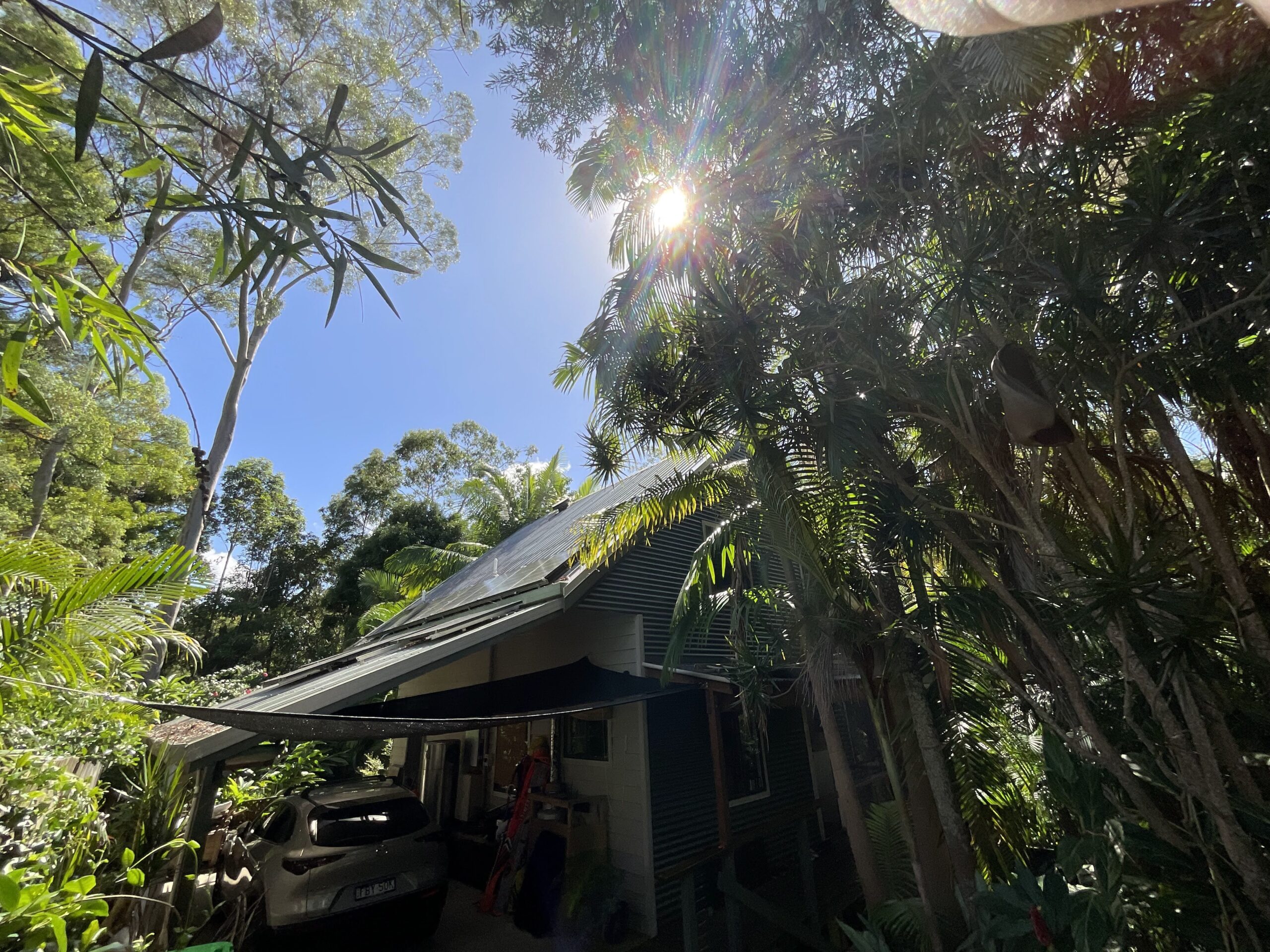
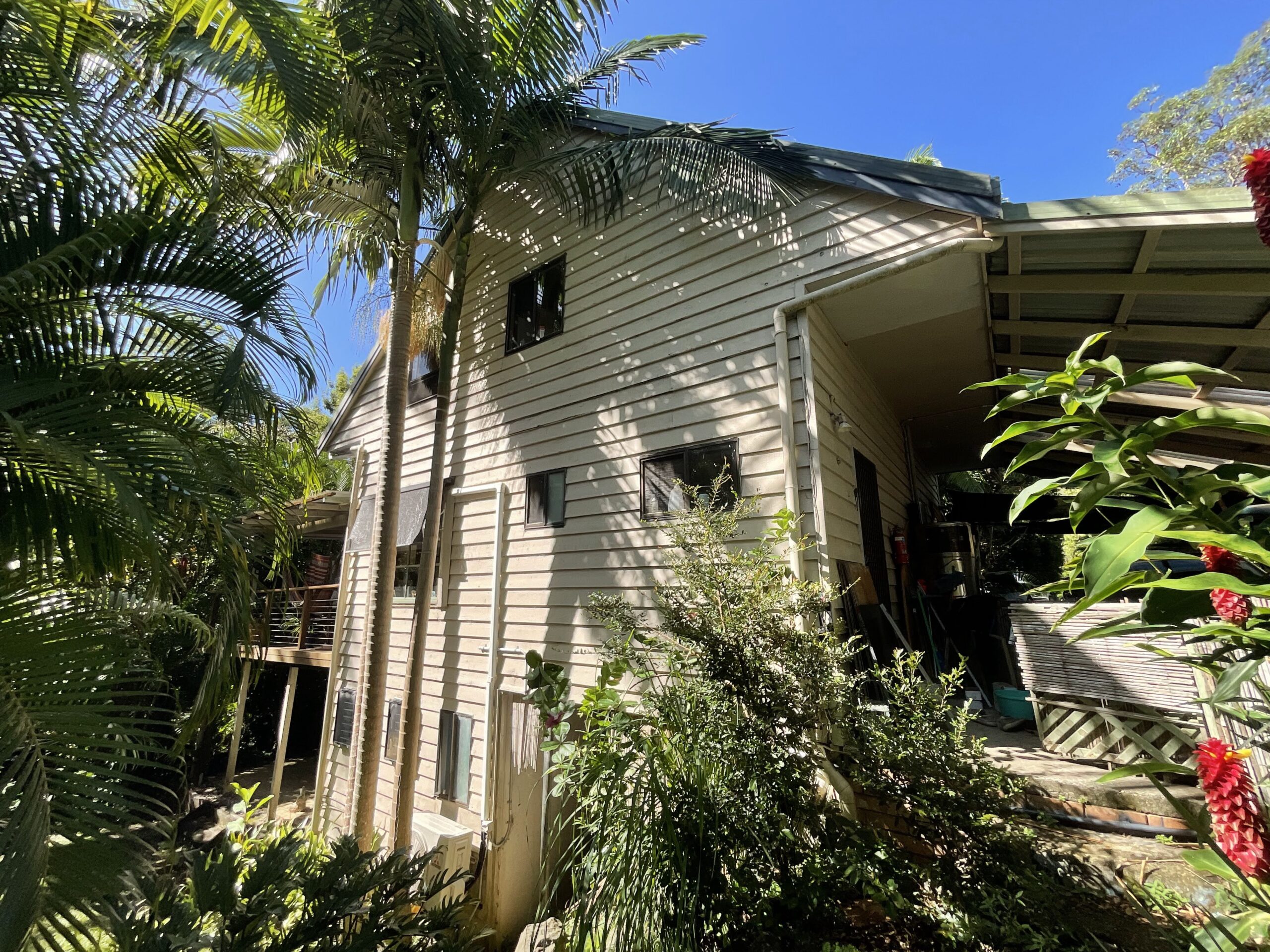
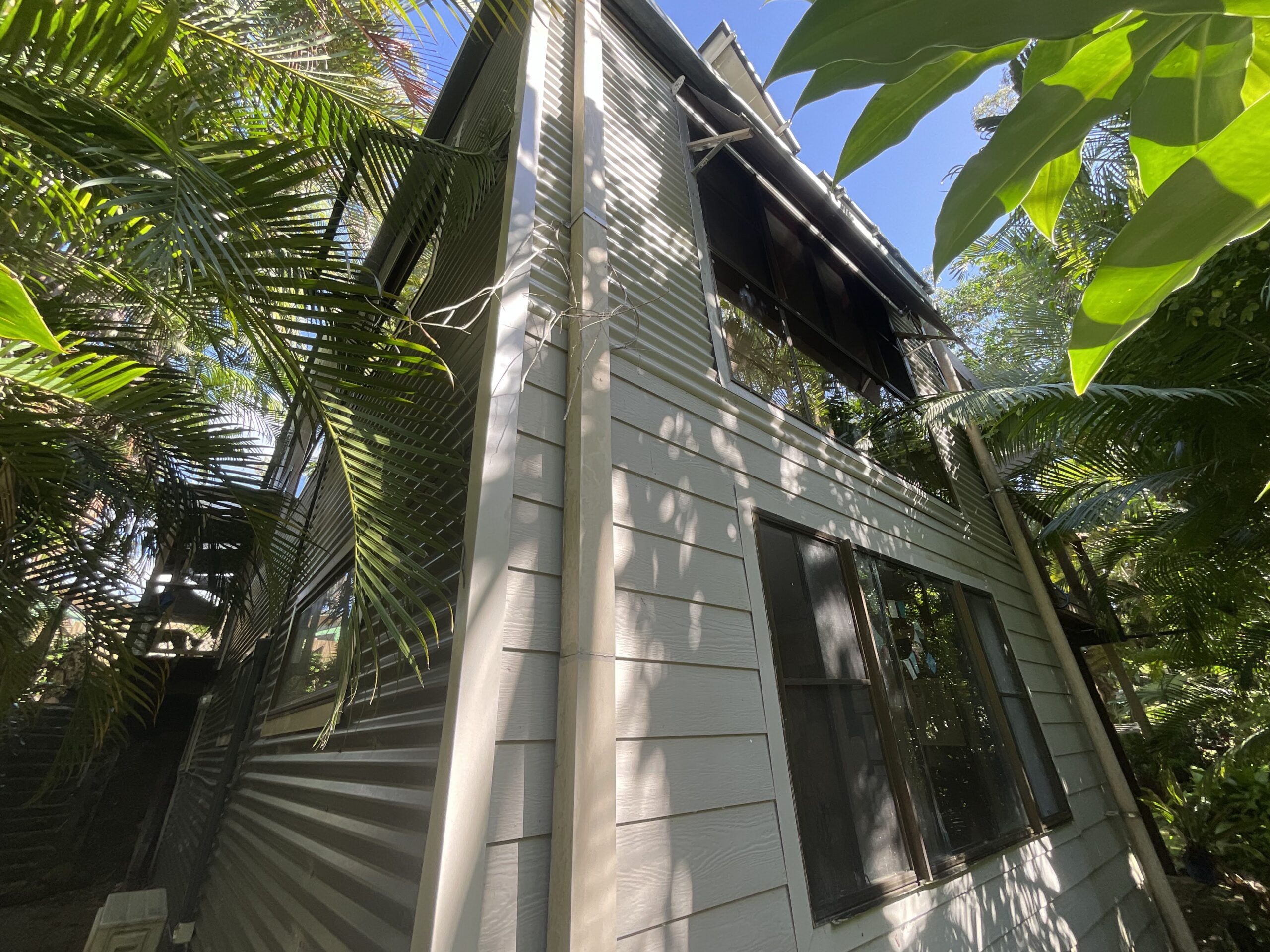
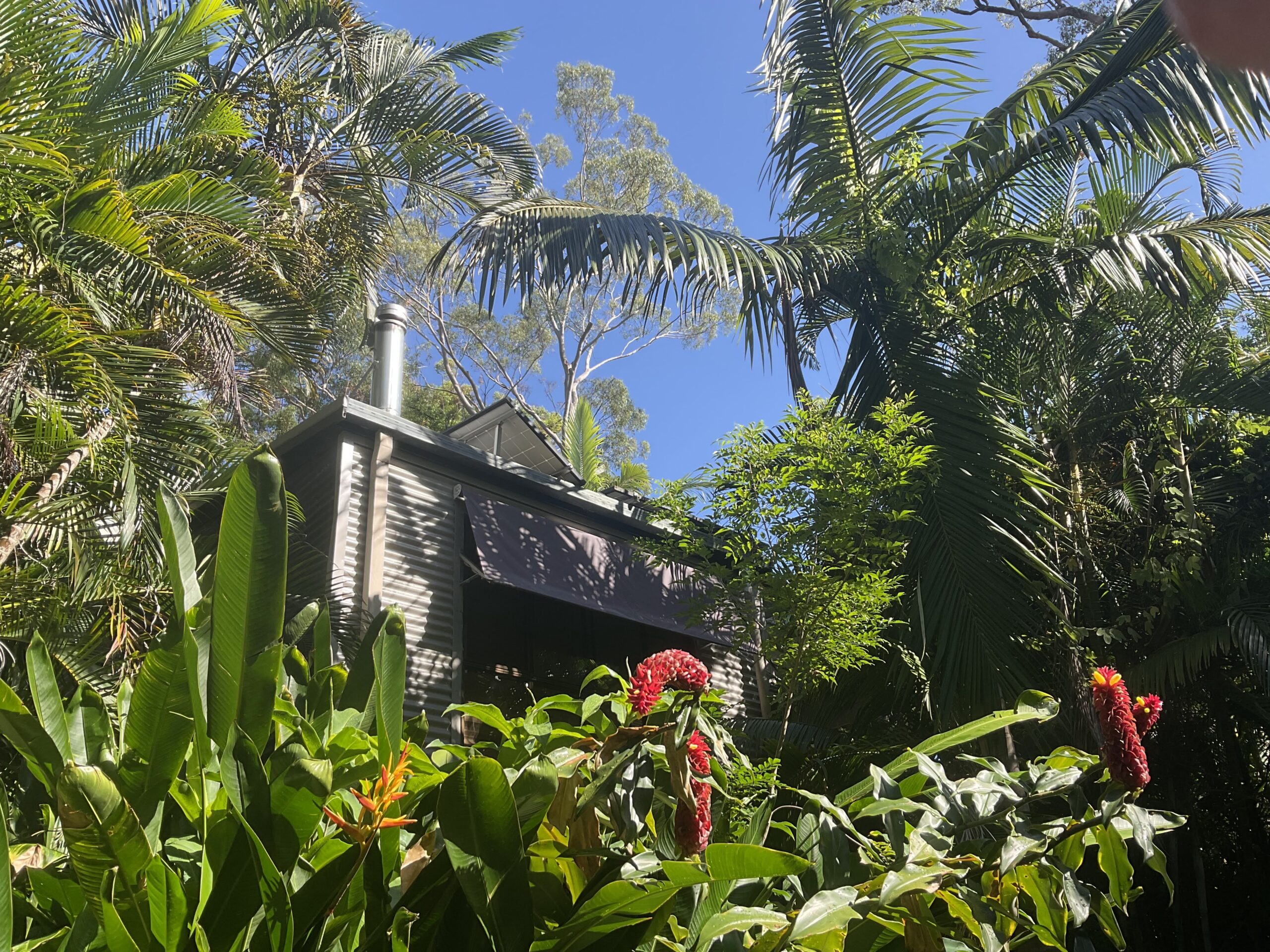
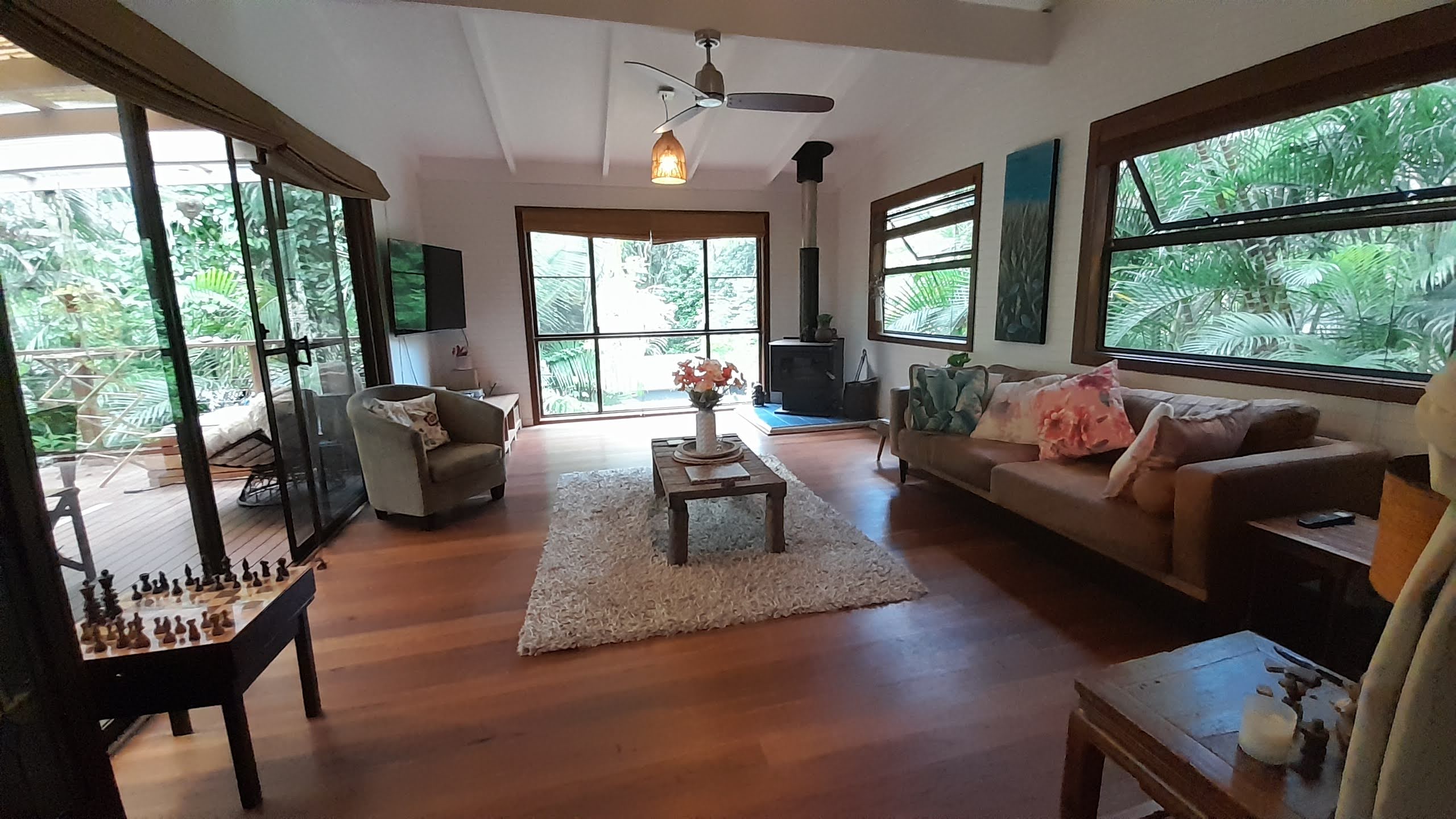
Retrofit 1980’s ‘Treehouse’

Bundjalung Country, Minjungbal People,
Ocean Shores,
NSW
This home will be open for in-person tours on the 17th May 2026

About this home

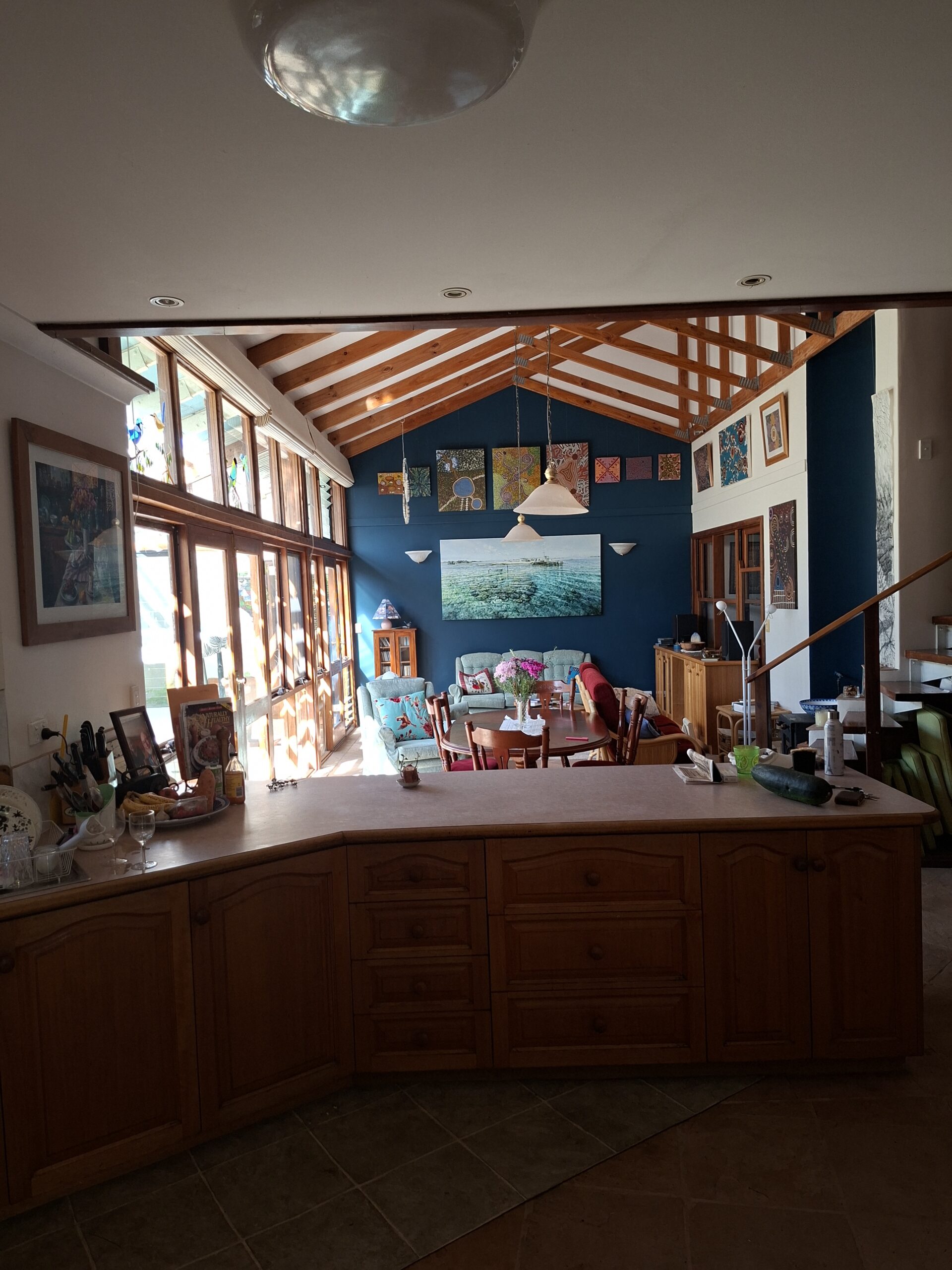
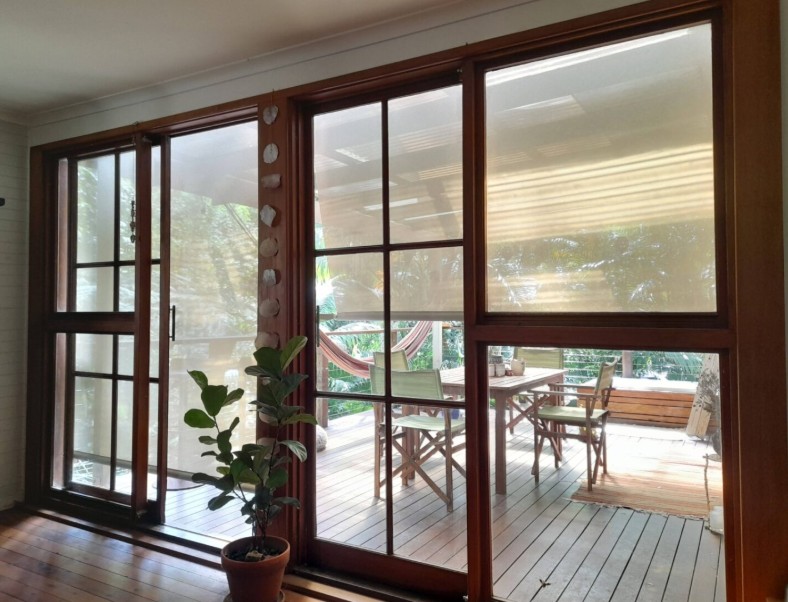
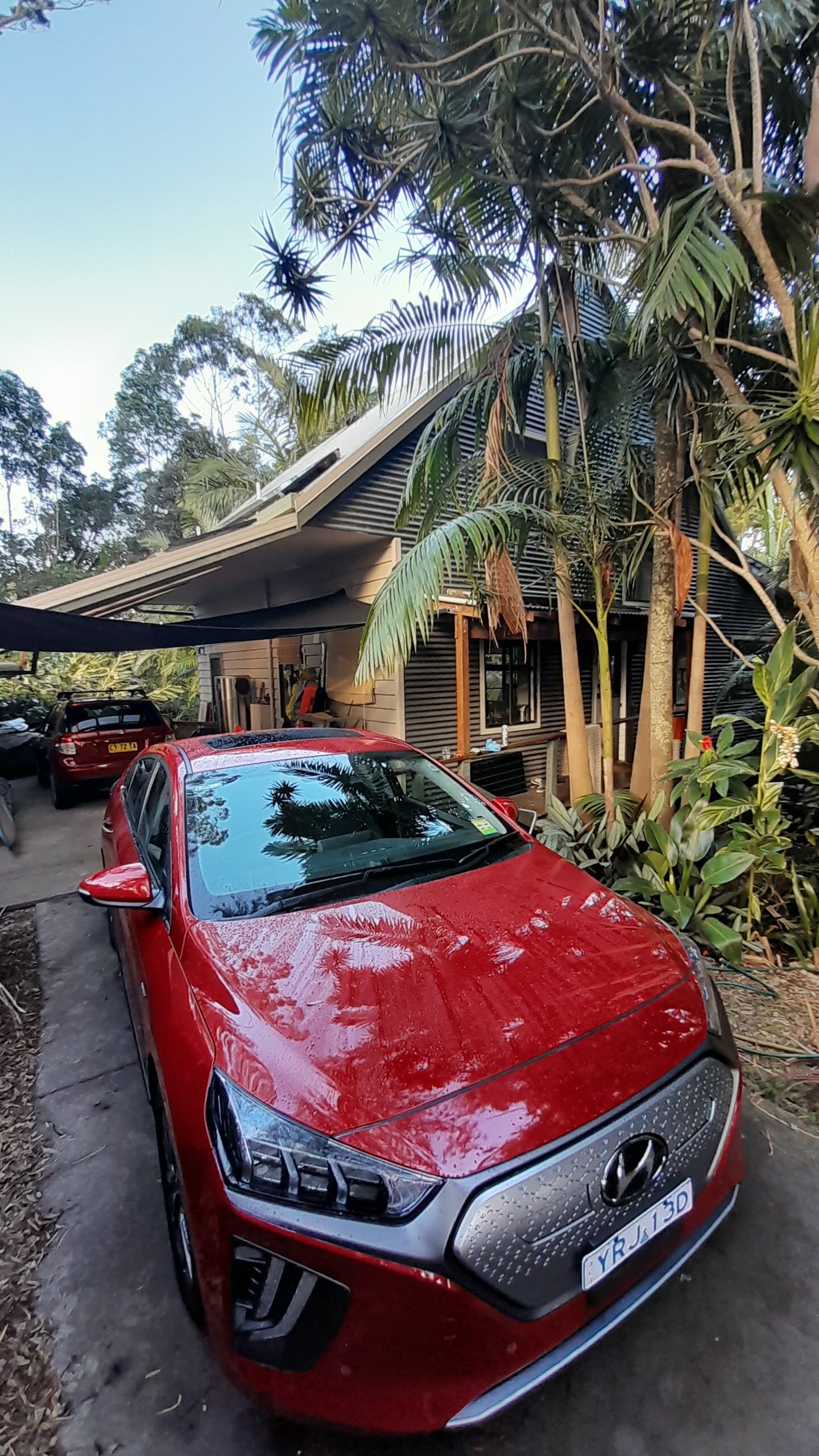
Our home in Northern NSW was built in 1986 in beautiful surrounds but without consideration for sustainability, including few build / design features to promote thermal and energy performance. When we moved in in 2006 the house was incredibly hot in summer, cold in winter, and energy bills were high.

We’ve worked to improve the sustainability features of the home since, especially when I changed careers to become an accredited Home Energy Advisor and Residential Scorecard Assessor. You could say I “cut my teeth” on this house, learning as I went on each deep dive into ways to improve a home’s thermal performance and energy efficiency.

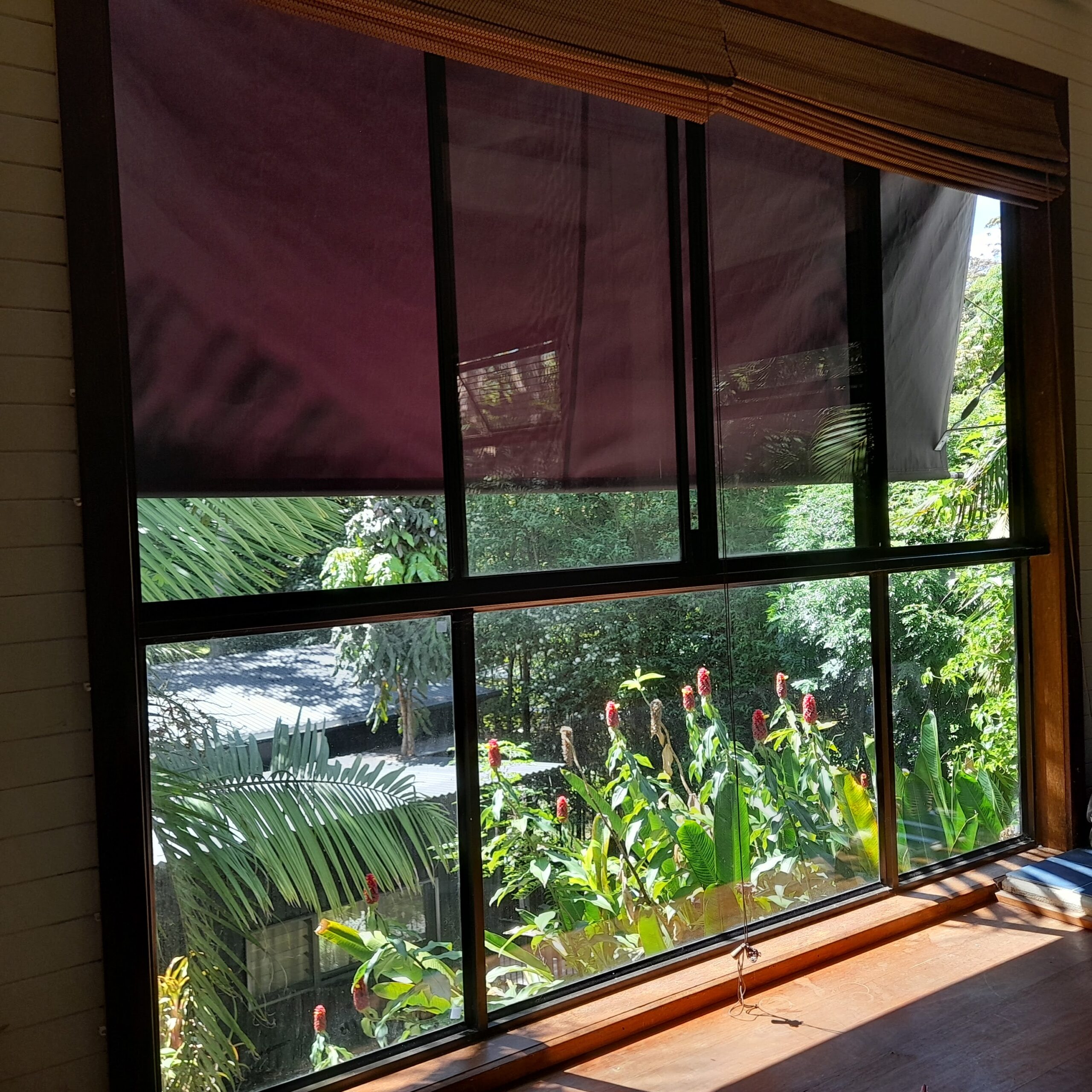
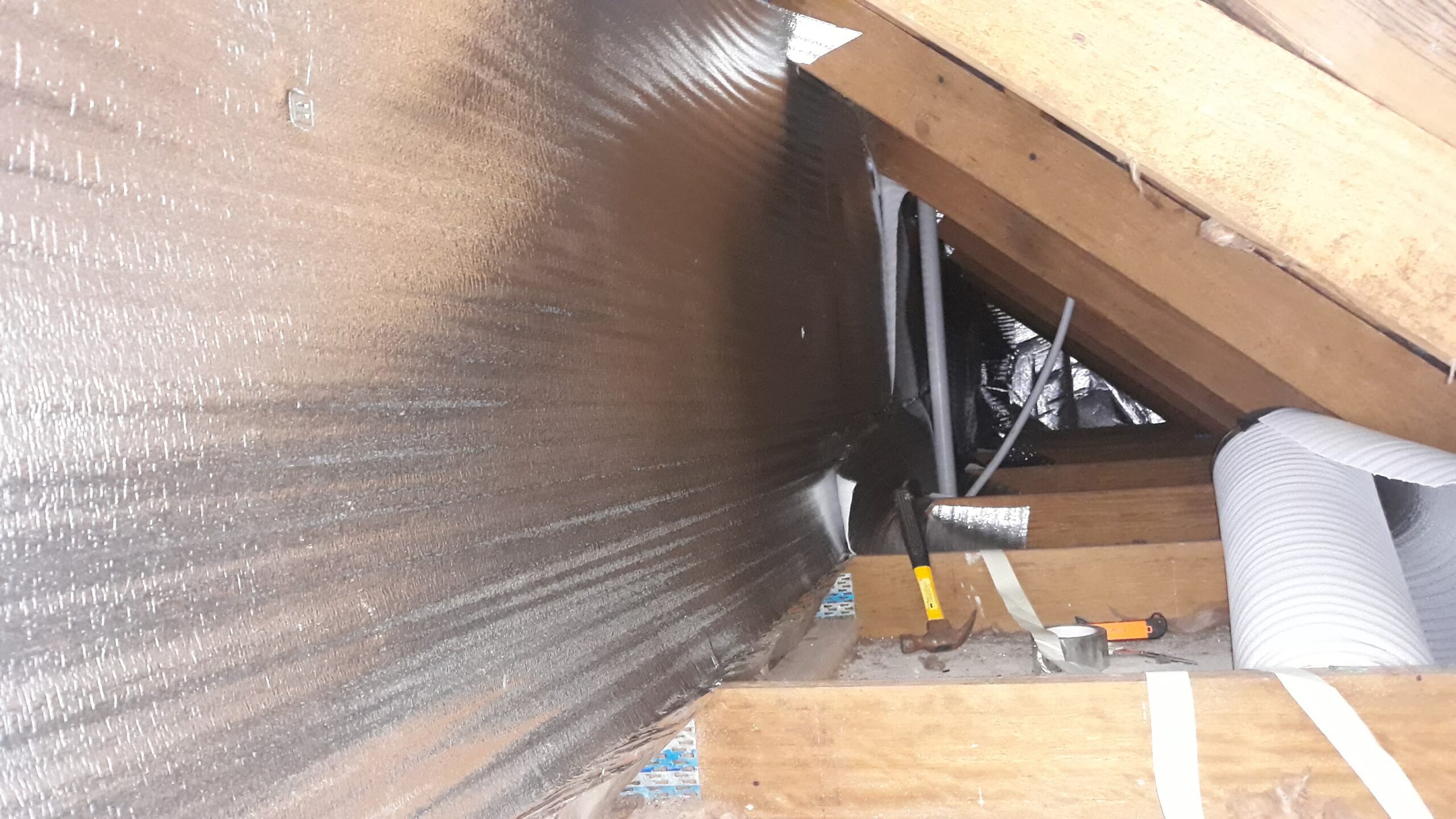
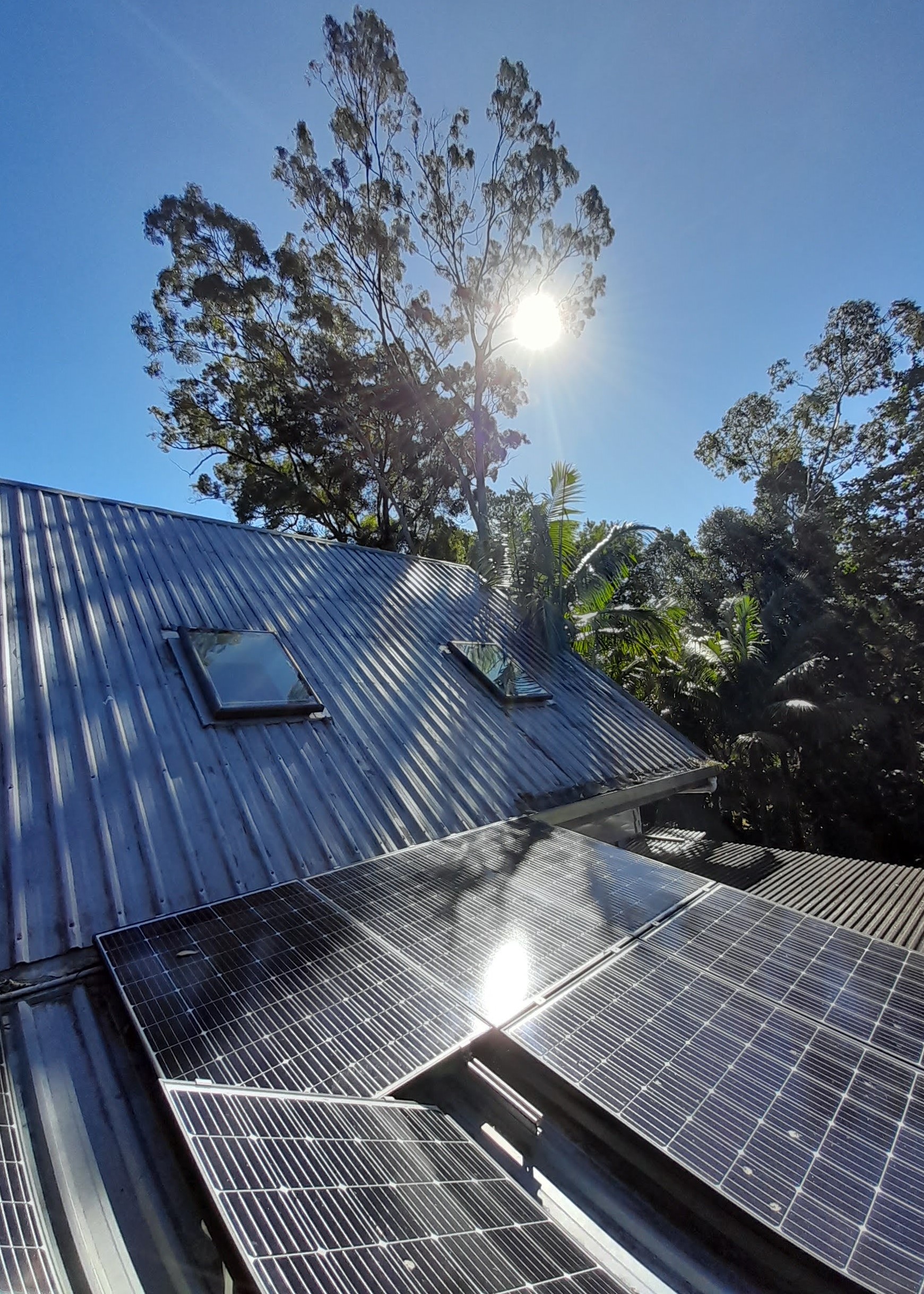
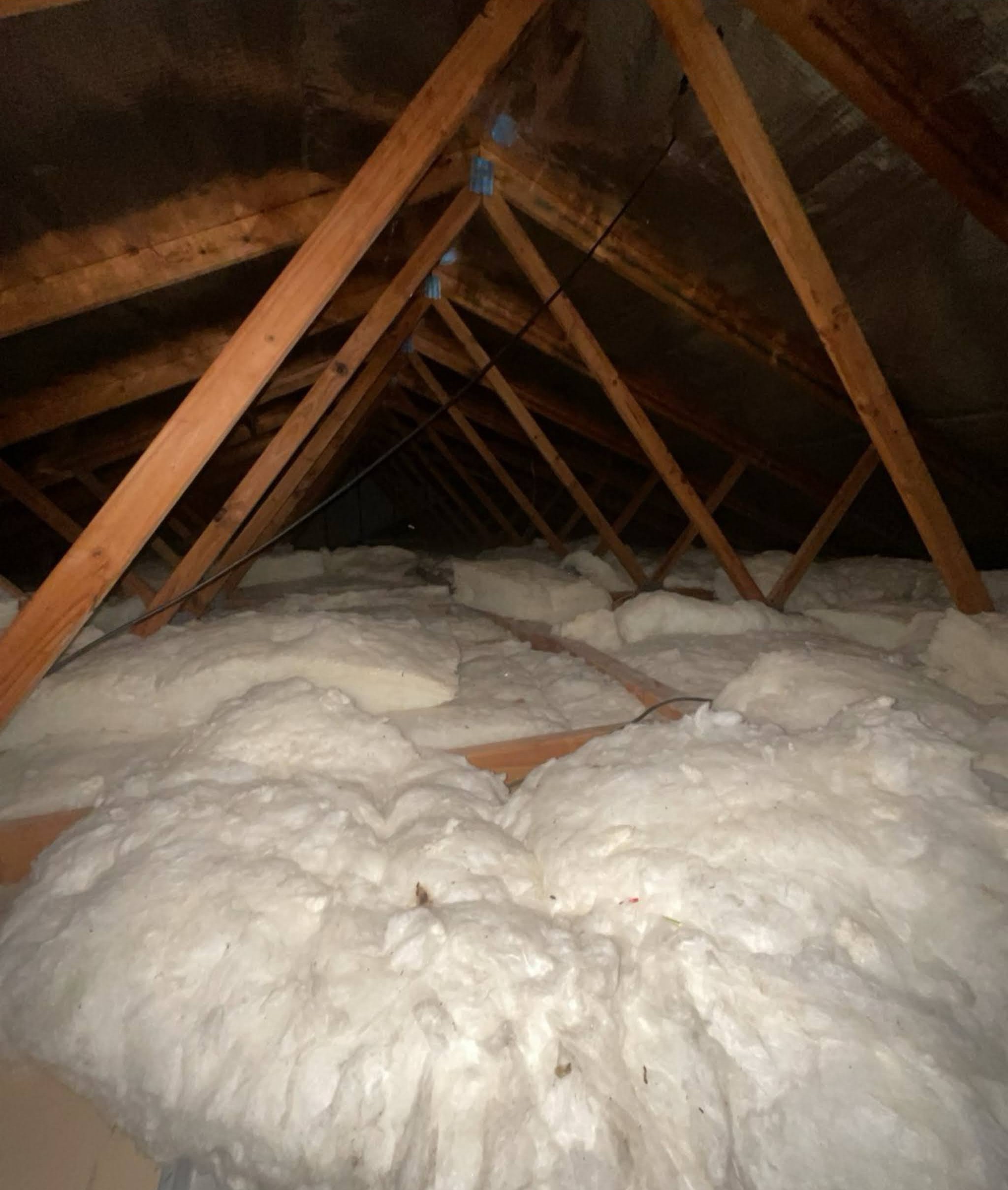
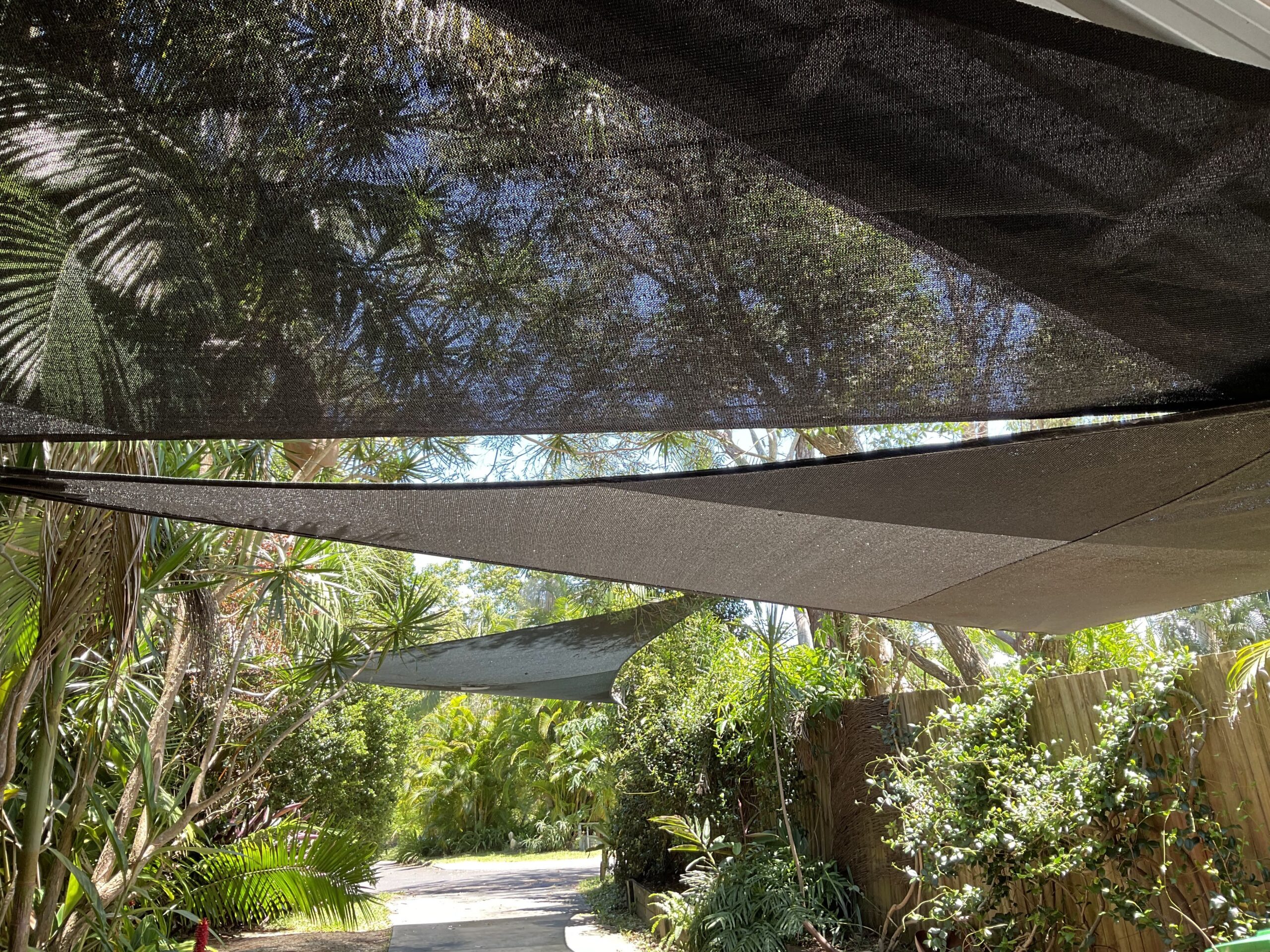
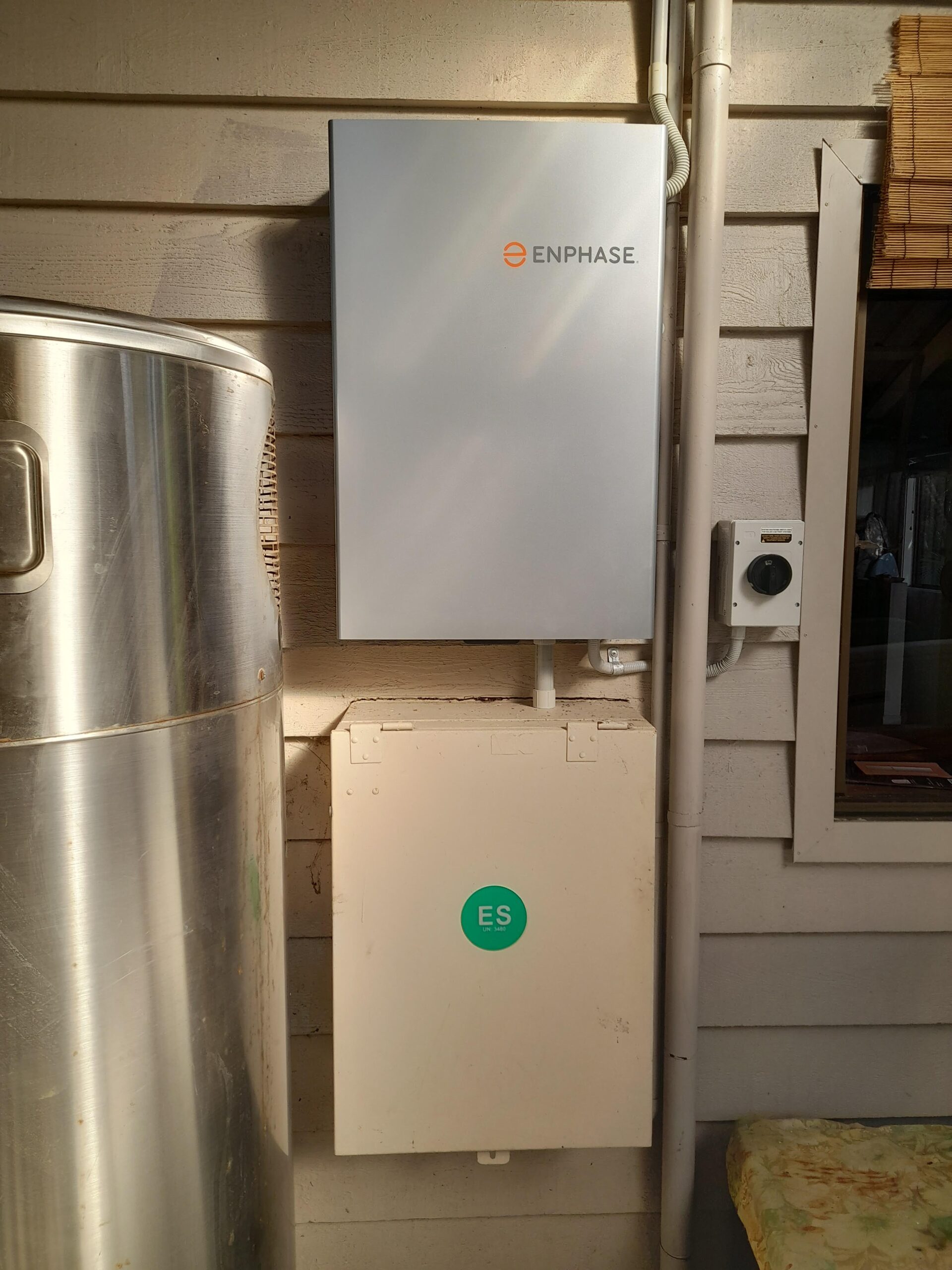
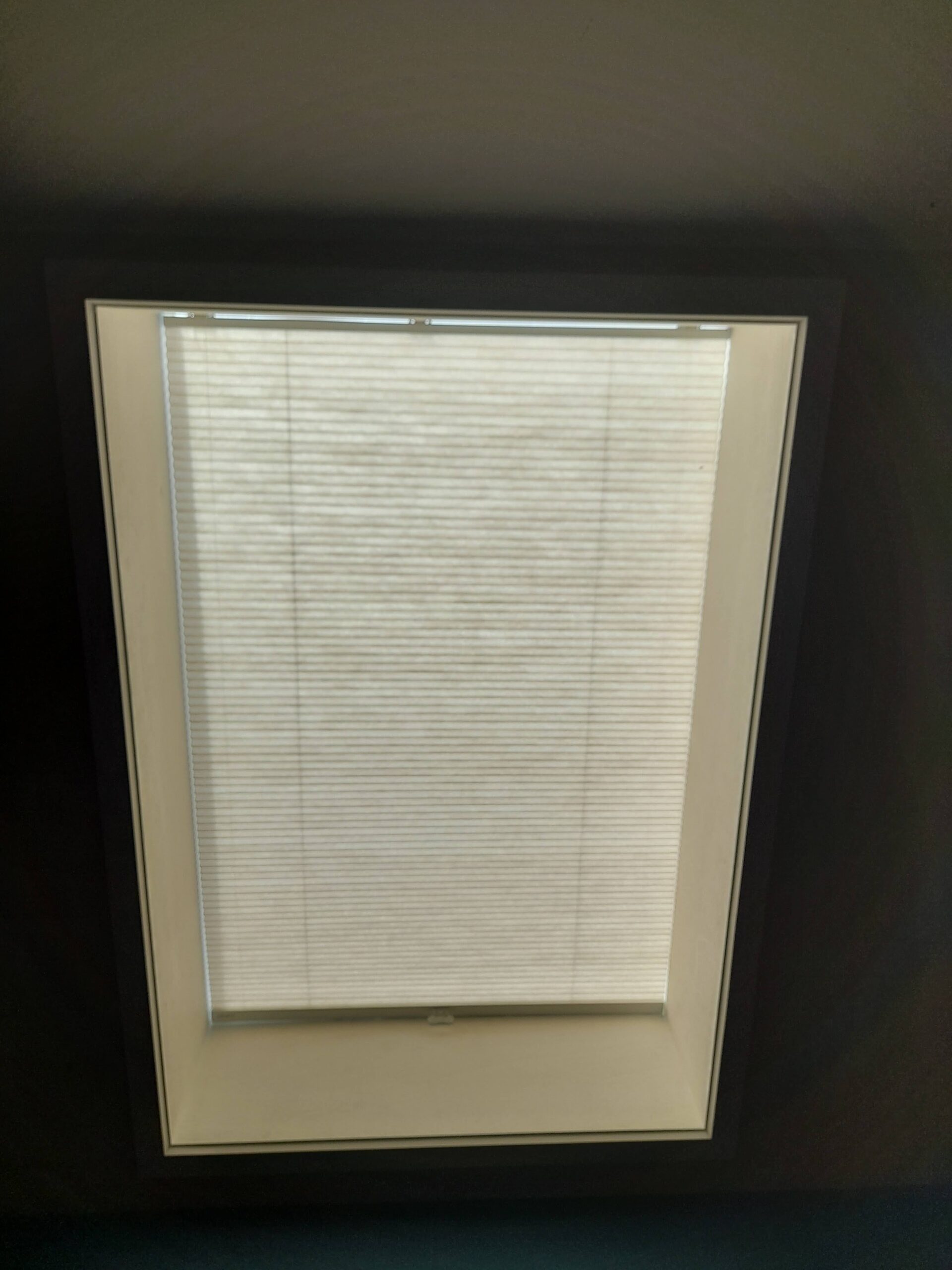
The home is now quite transformed, with a substantial mix of low cost DIY improvements to the building shell (eg external shading devices, ventilation, window coverings and insulation), and the more high-tech upgrades to renewable energy generation, efficient heat pump technology and battery storage. The home is now considerably more comfortable to live in and its energy costs have dropped considerably, effectively ‘paying back’ the initial capital costs of the more costly technological features.

Annual savings in the home’s running costs are estimated at $3200 per year, and the house has improved from an initial 2.8 star energy rating (Scorecard) to now being rated at 10 Stars, with a net carbon footprint of minus 3.9 tonnes of CO2e.

This property has wheelchair access.
Q & A

What motivated you to build or retrofit sustainably?
Reduce carbon footprint and energy dependance, improve thermal comfort.
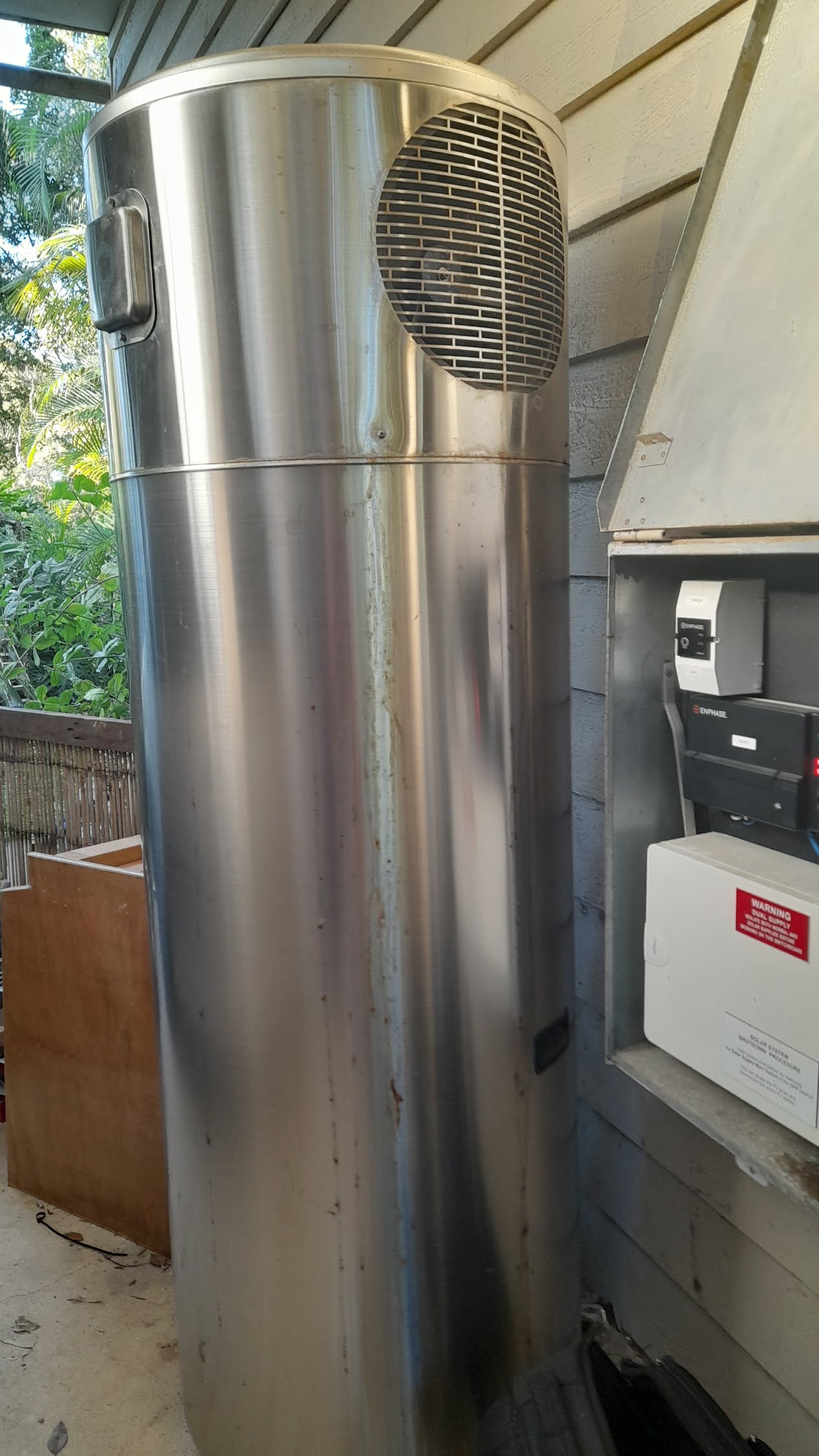
Replacing the resistive hot water system with a heat pump made the biggest difference to the home's overall energy consumption. The inbuilt timer also means it heats from solar PV in the middle of the day.
I wish we hadn't installed vents in the second story ceiling, thinking that it would help draw heat out of those rooms with the powered ventillator. Instead it created breaks in the ceiling's thermal barrier, allowing heat to come down from the ceiling cavity.
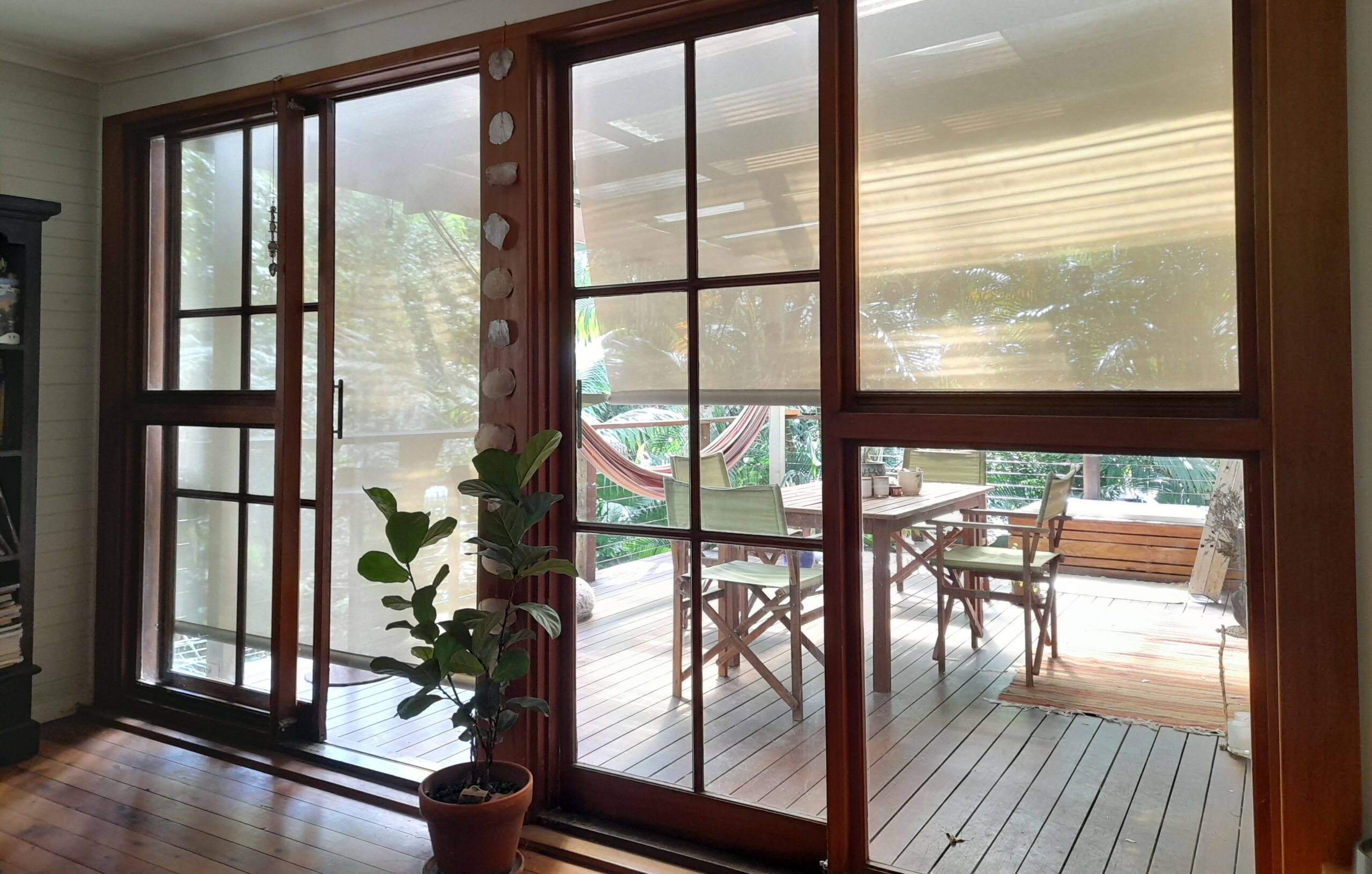
Ideally we would install an retractable roof over the deck (instead of polycarbonate), to help control the build up of heat, which then conducts into the living rooms in summer.
Back to 2026 Homes
Type: Standalone house/townhouse
Project: Gradual upgrades over time
Size: 120m²
Energy Rating: 10
Bedrooms: 4
Bathrooms: 2

Sustainability Features

Building Materials & Envelope

Draught-proofing/air sealing
High-performance insulation

Heating, Cooling and Ventilation

Passive heating/cooling (north-facing glazing, cross ventilation, thermal mass, shading, etc.)
Ceiling fans
Heat pump (reverse-cycle) heating/cooling

Energy and Appliances

Rooftop solar PV
Battery storage
Energy monitoring/smart home systems
Efficient lighting (LED, daylighting, solar skylights)
Heat pump hot water
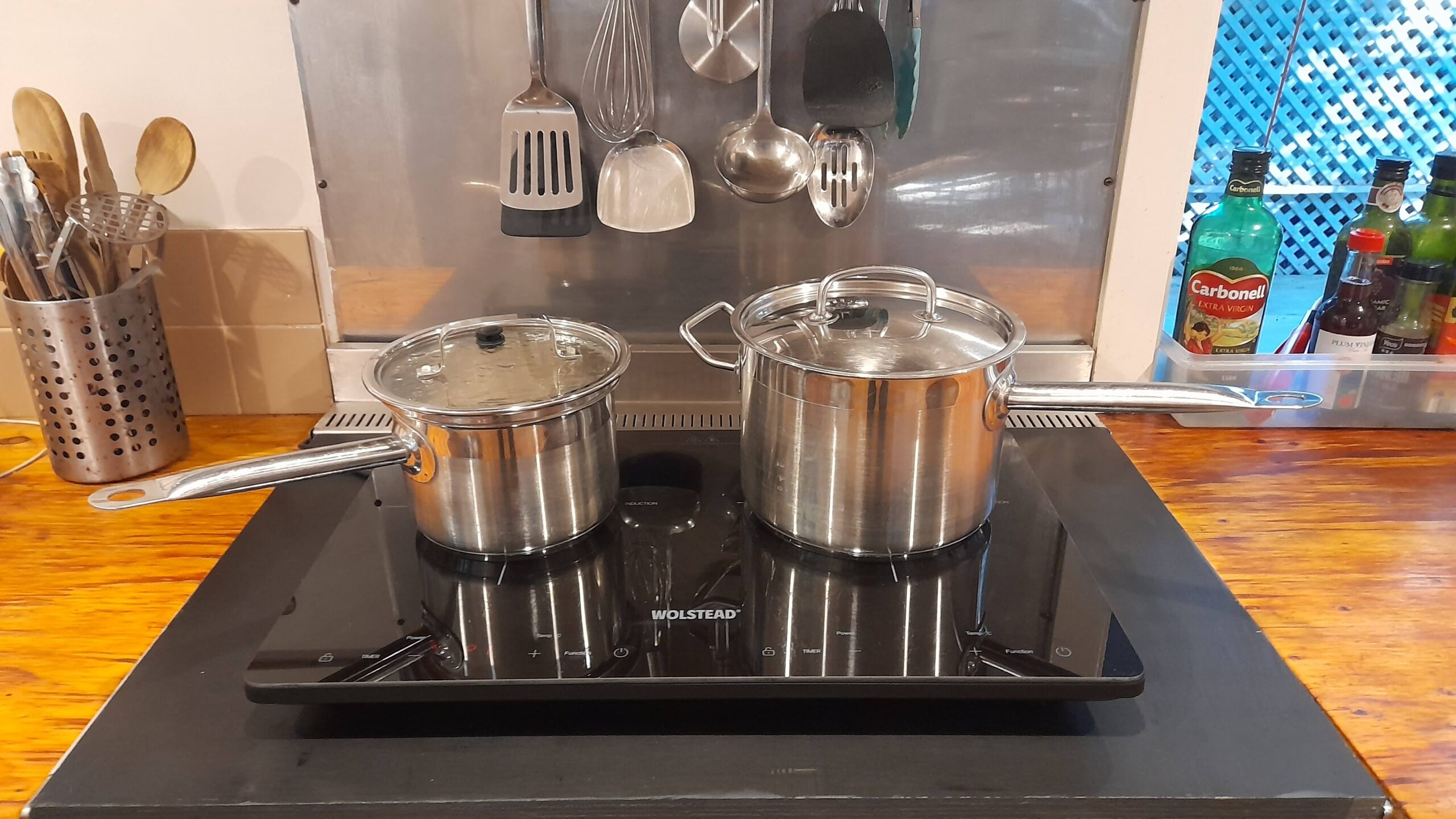
Electric cooktop - induction/ceramic
Other energy-efficient appliances

Water & Waste Systems

Water-efficient fixtures
Rainwater tanks

Landscape & Biodiversity

Wildlife-supporting habitat

Climate Resilience

Heatwave

Accessible & Flexible Design Features

Design for flexible use
Share this home:

Related Homes

Home tours delivered to your inbox

Step inside sustainable homes across Australia and get practical ideas you can use in your own