
School House Town House

Djaara Country,
Castlemaine,
Victoria
This home will be open for in-person tours on the 17th May 2026

About this home

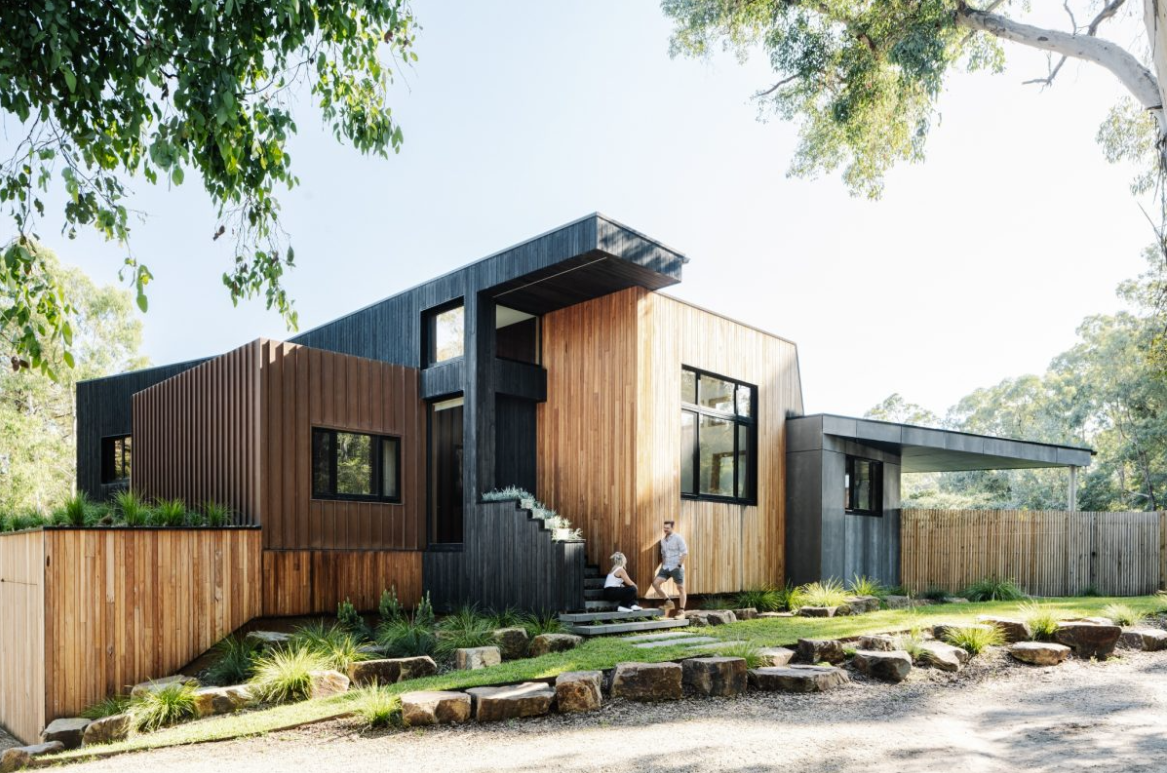
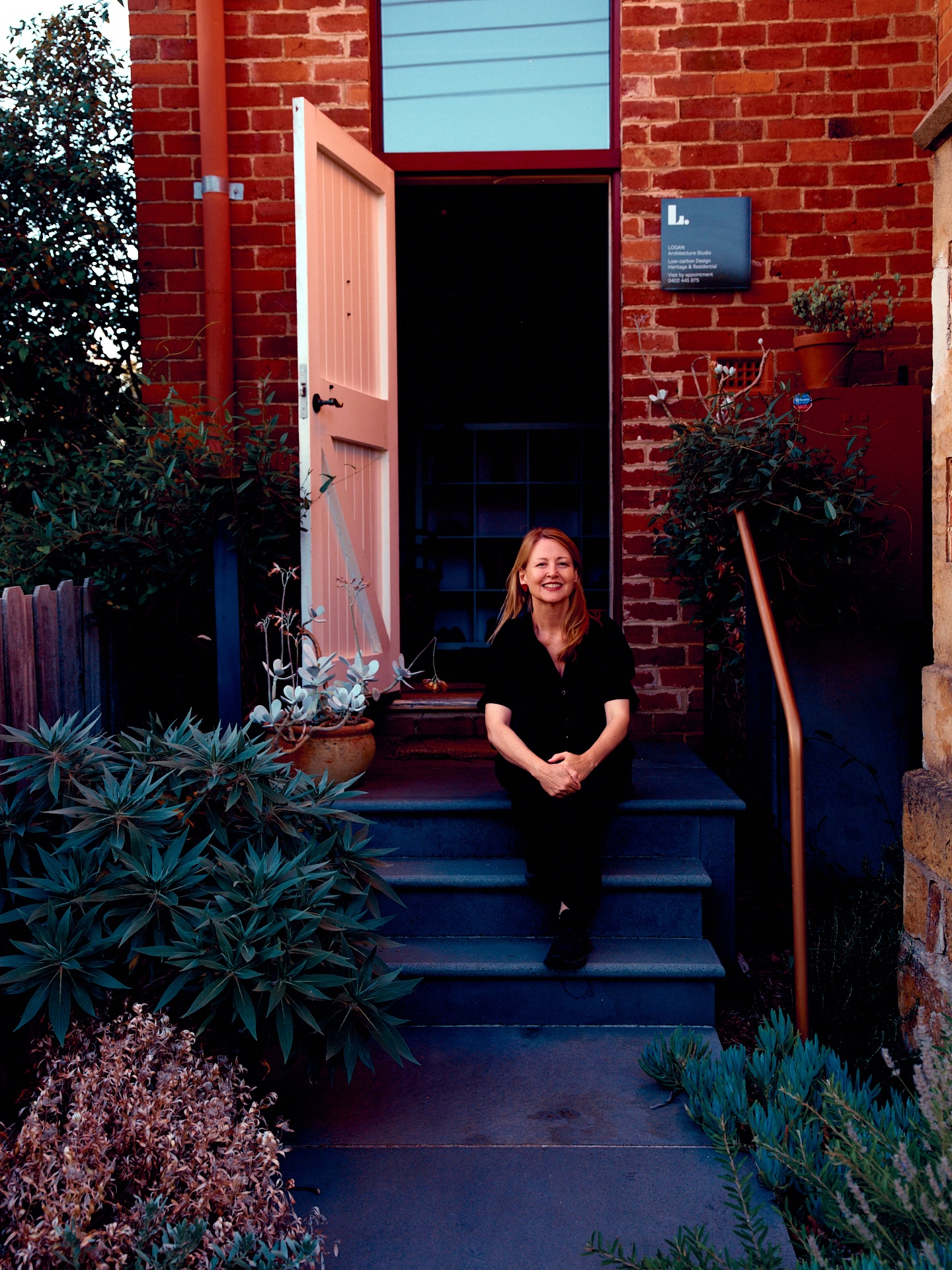
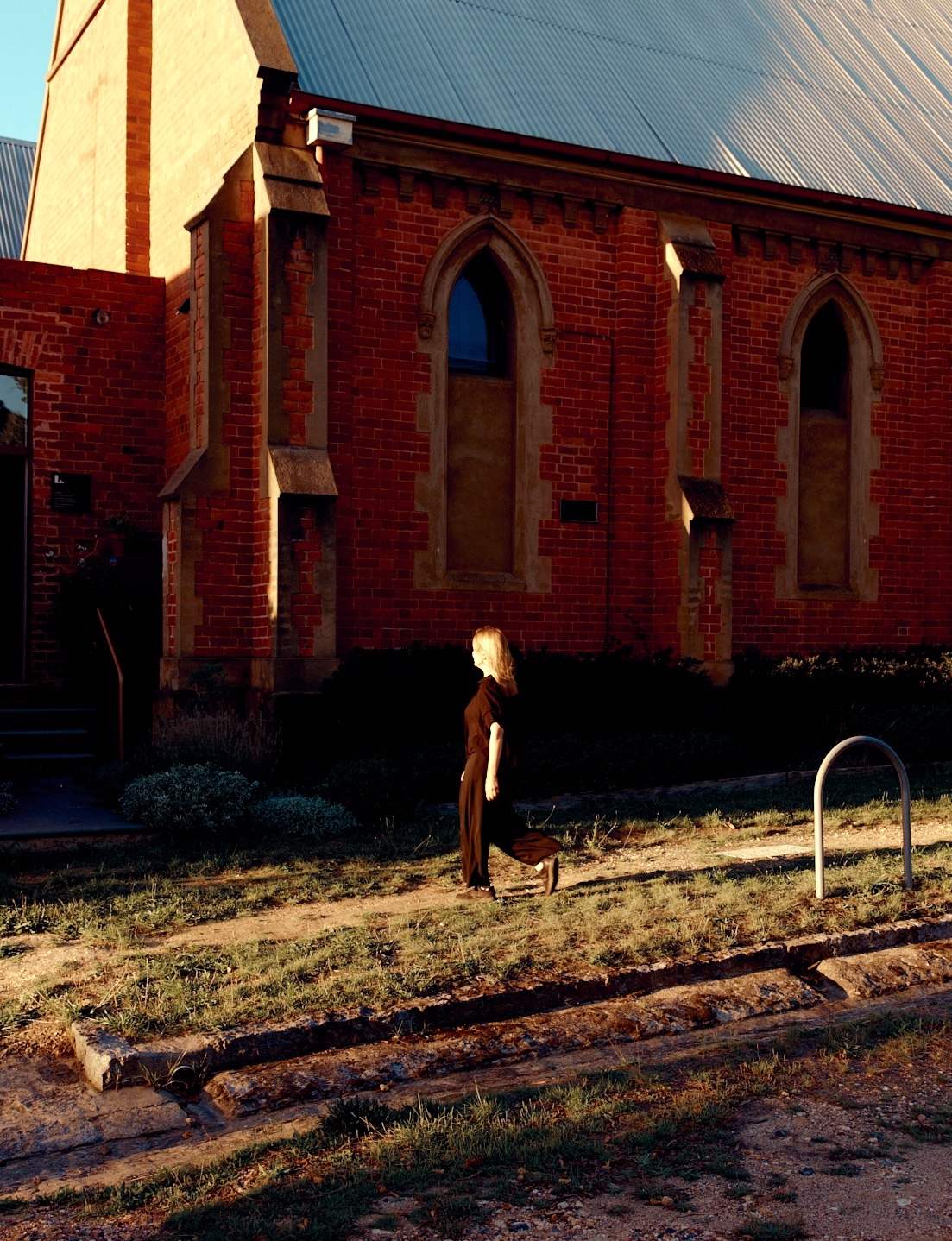
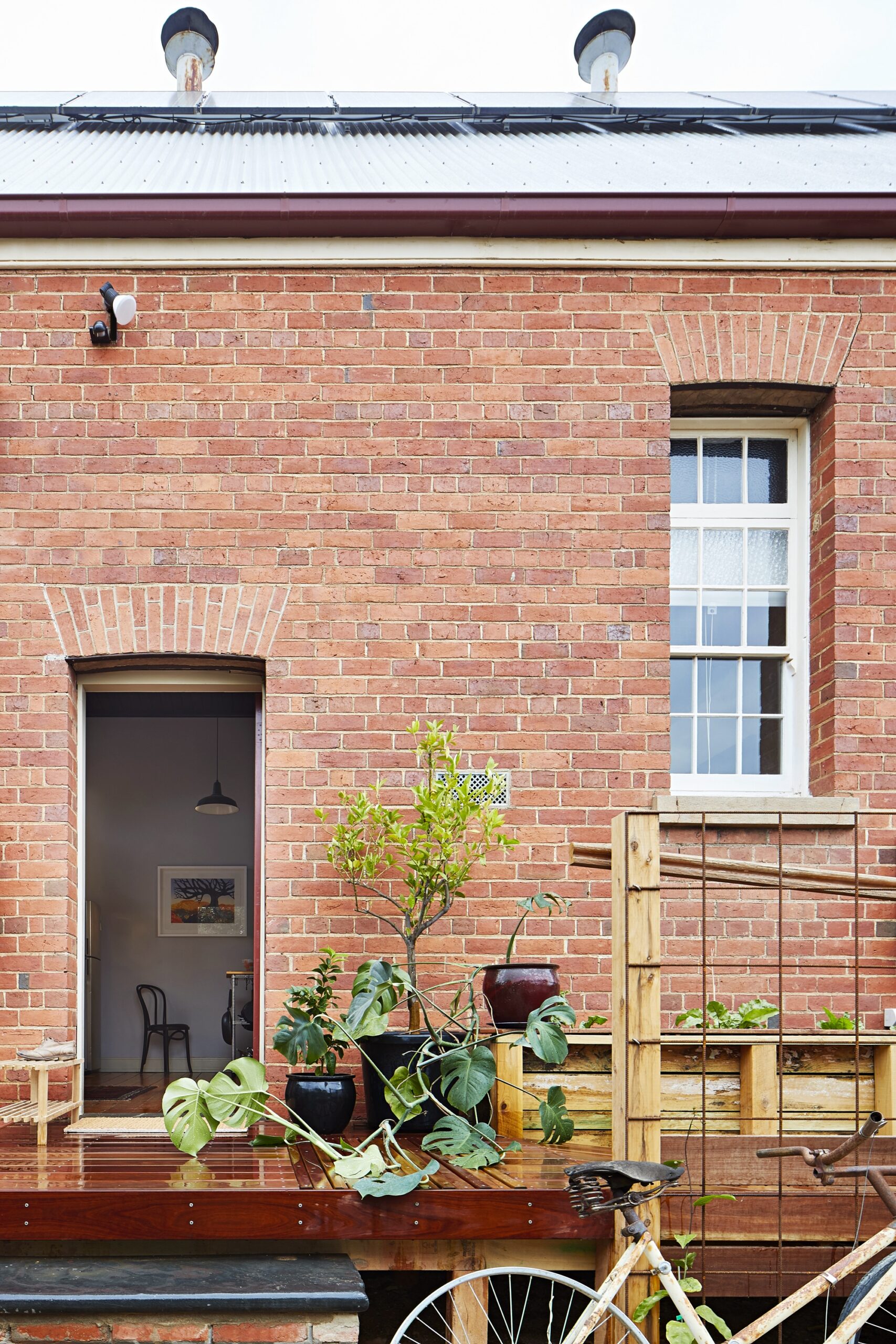
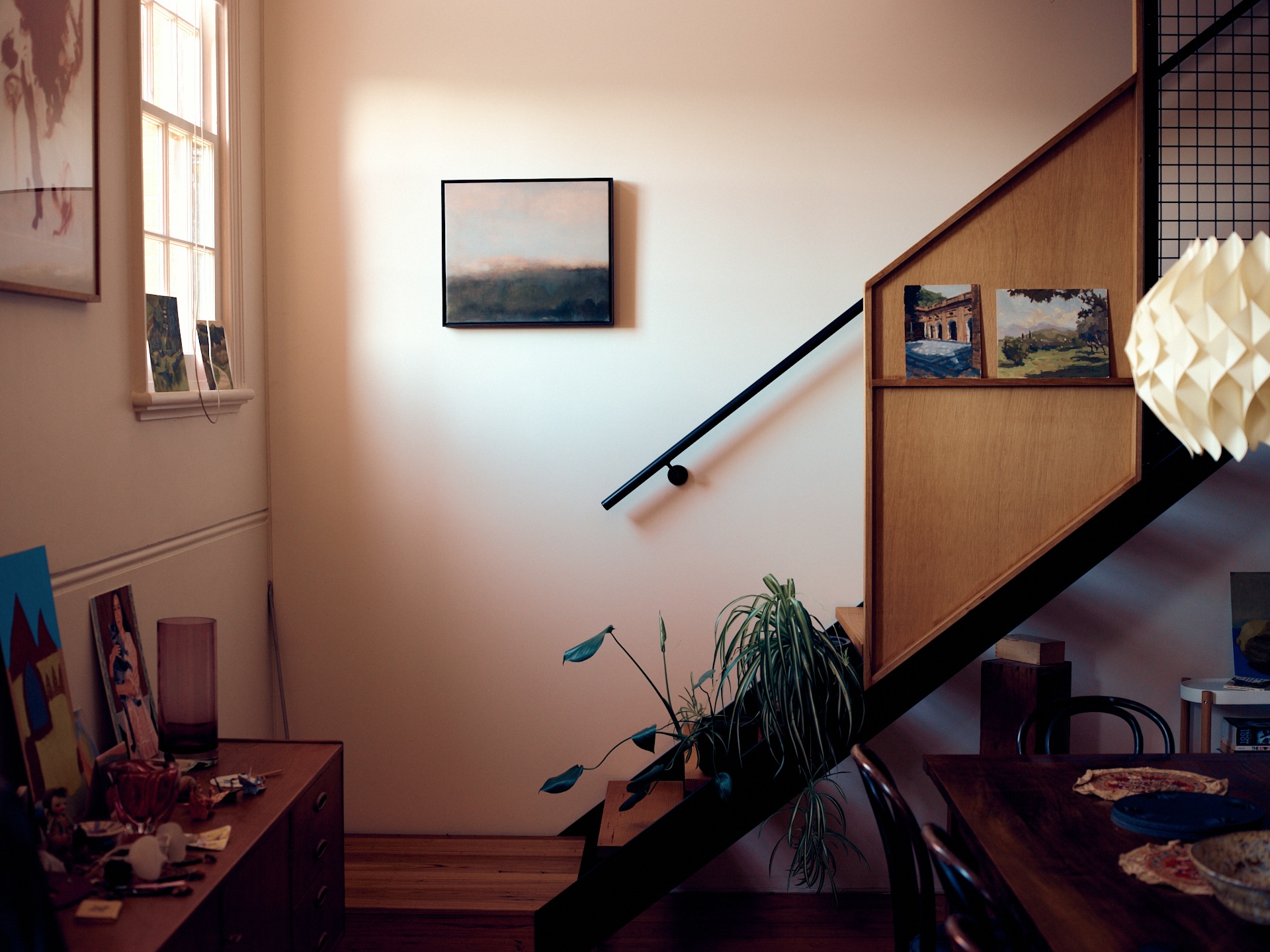
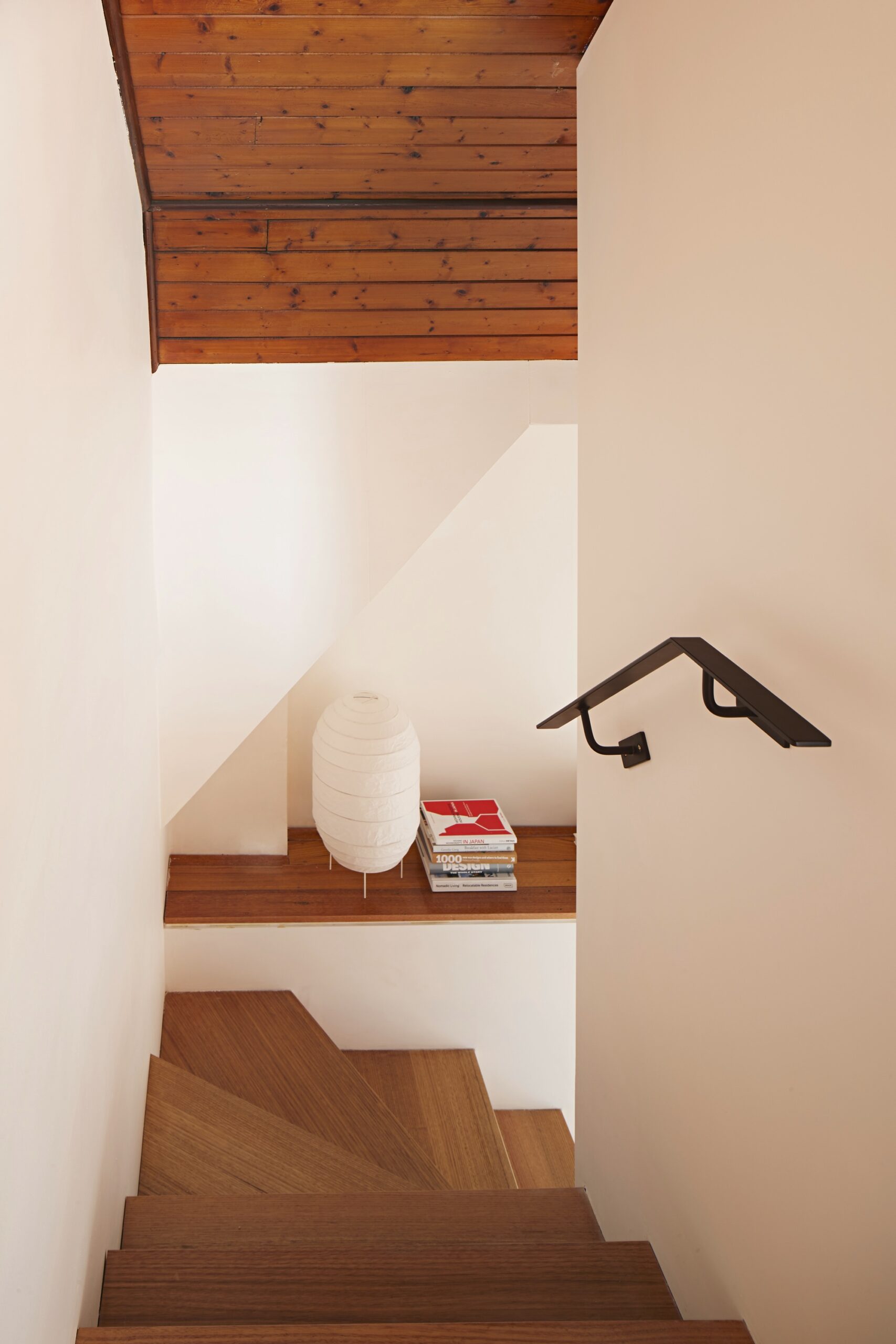
School House Town House showcases an 1885 school hall repurposed as two small footprint residences with a communal kitchen garden.

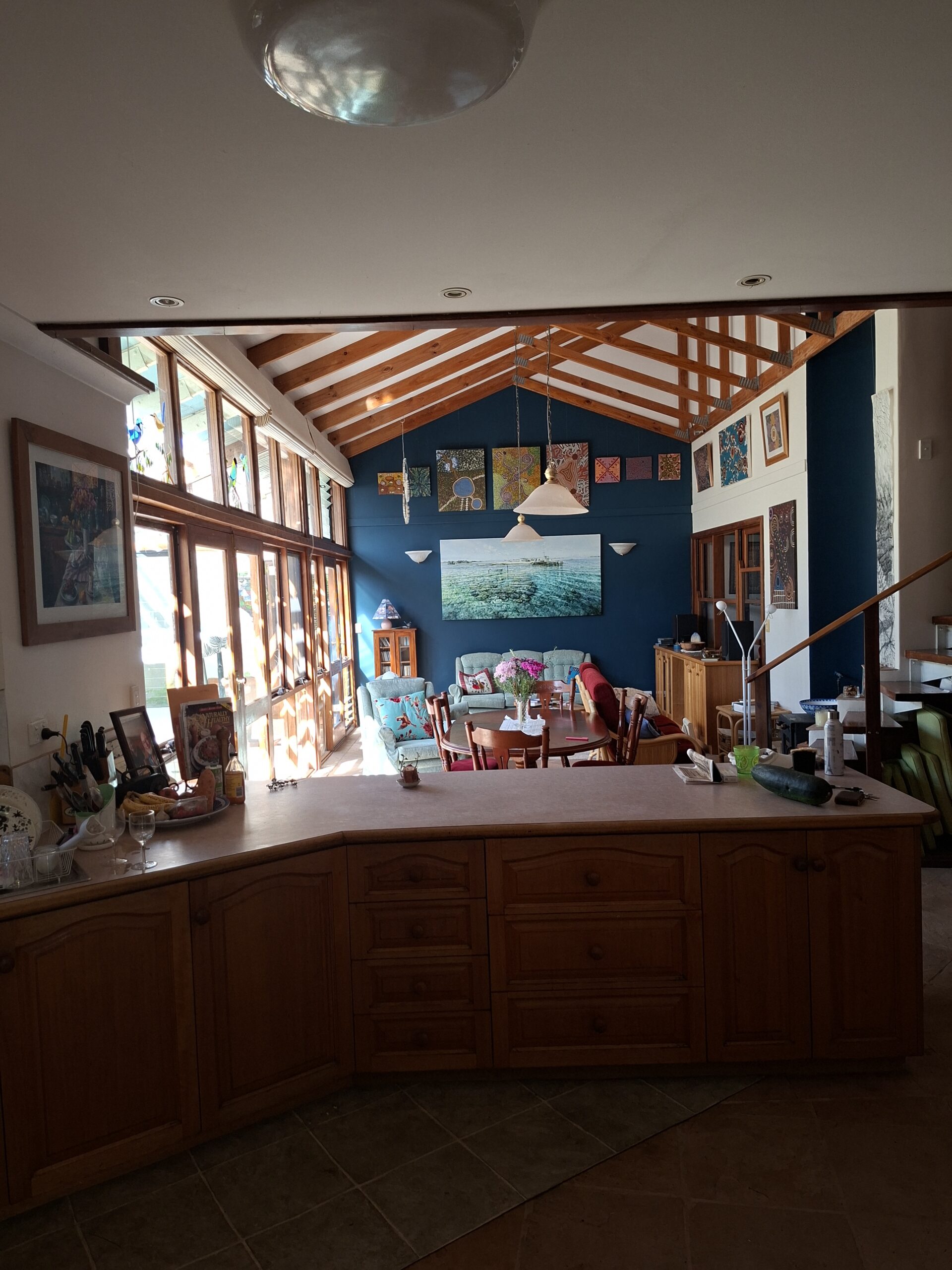
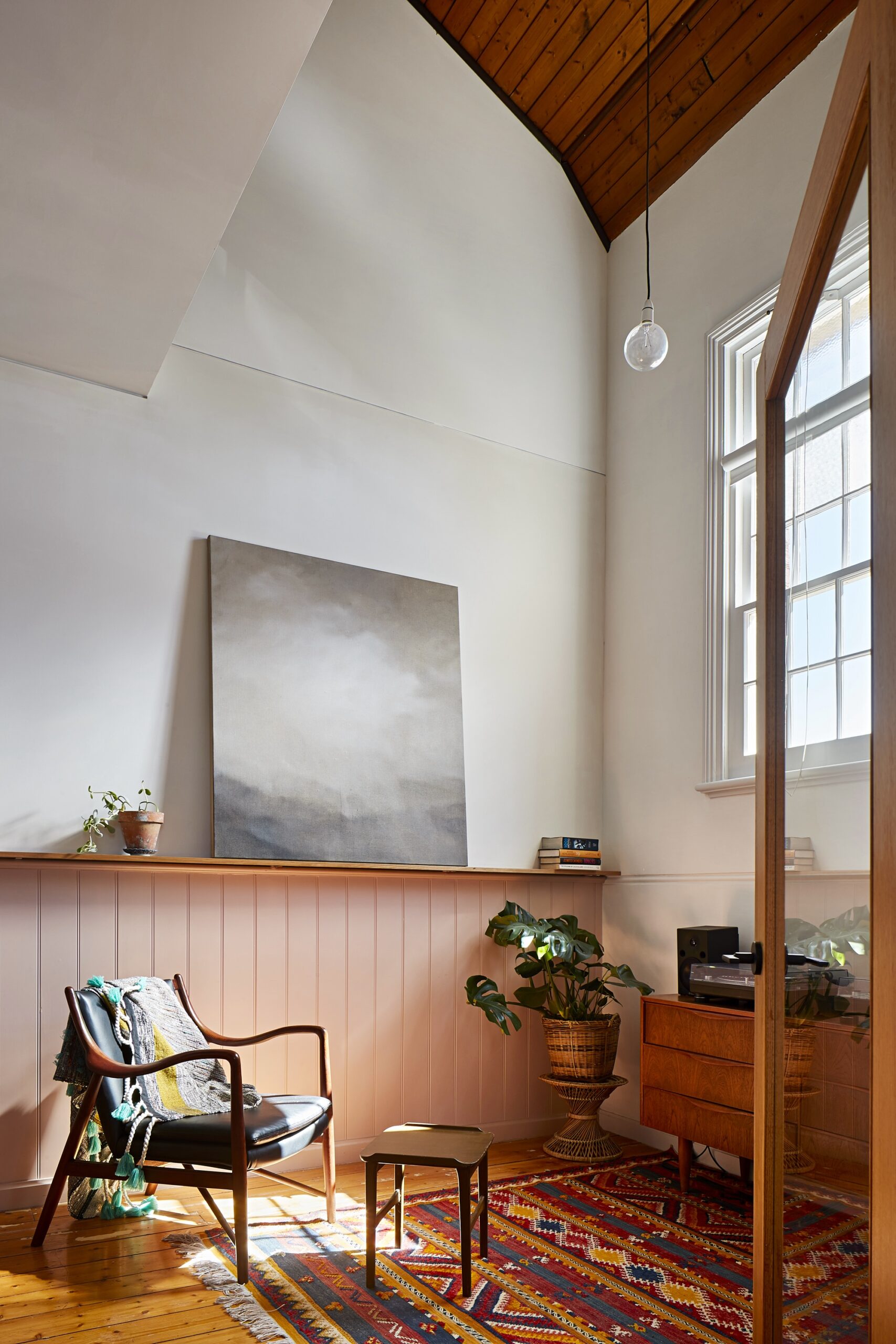
The project is founded in the philosophy that the greenest building is the one already built. The masterplan included the reconfiguration of the school interior into two north-facing residences connected to the available outdoor space, while retaining the spectacular church interior next door. The strategy was to change as little as possible, working creatively with the existing structure, nooks and crannies.

The conversion exemplifies the sustainable benefits of repurposing a heritage building and the low carbon footprint of already having the building bones in place. Use of concrete, for example, was limited to the footings for new internal columns and the internal separating wall - a total of 2m² compared with approximately 30m² for a new slab for a comparative floor area.

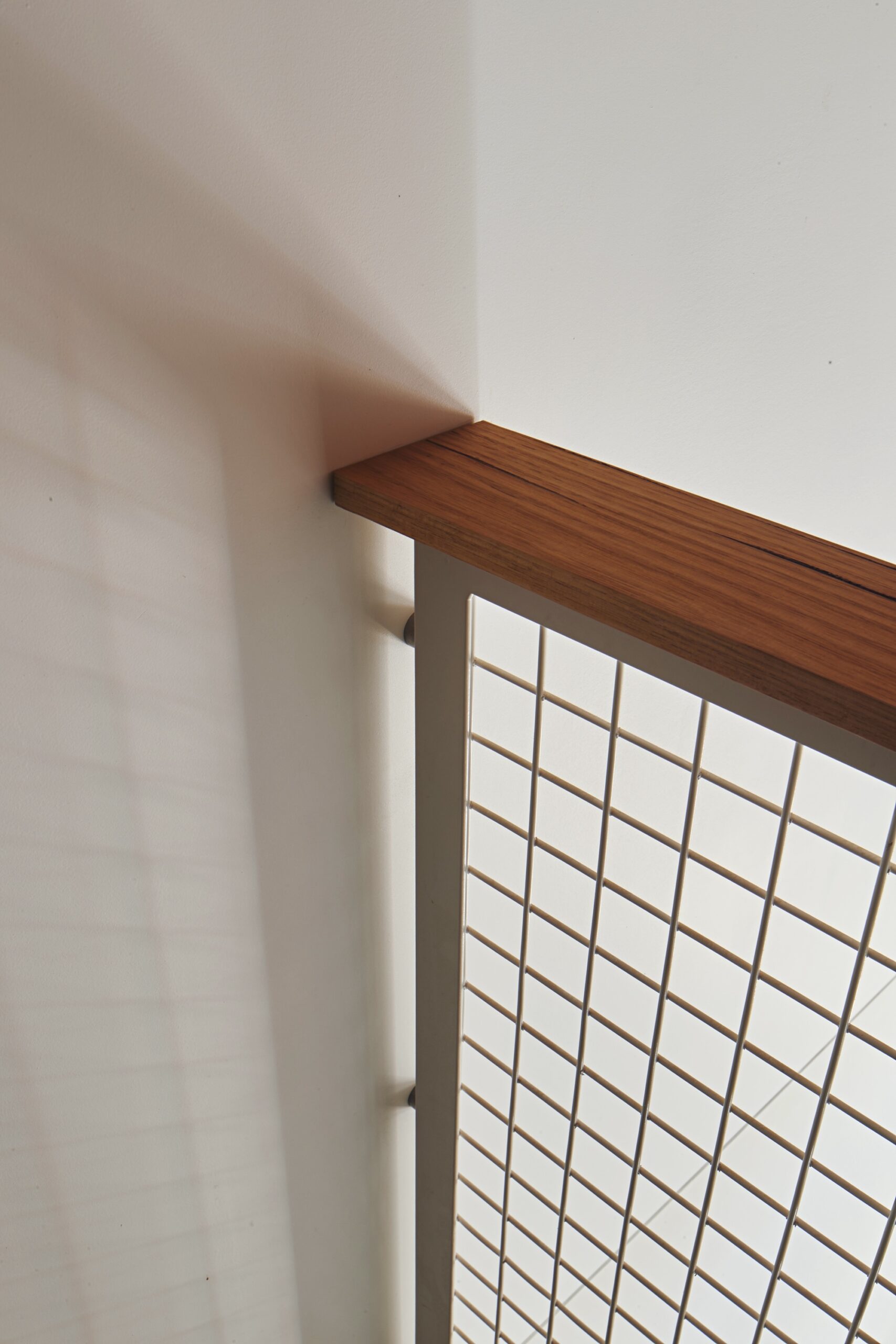
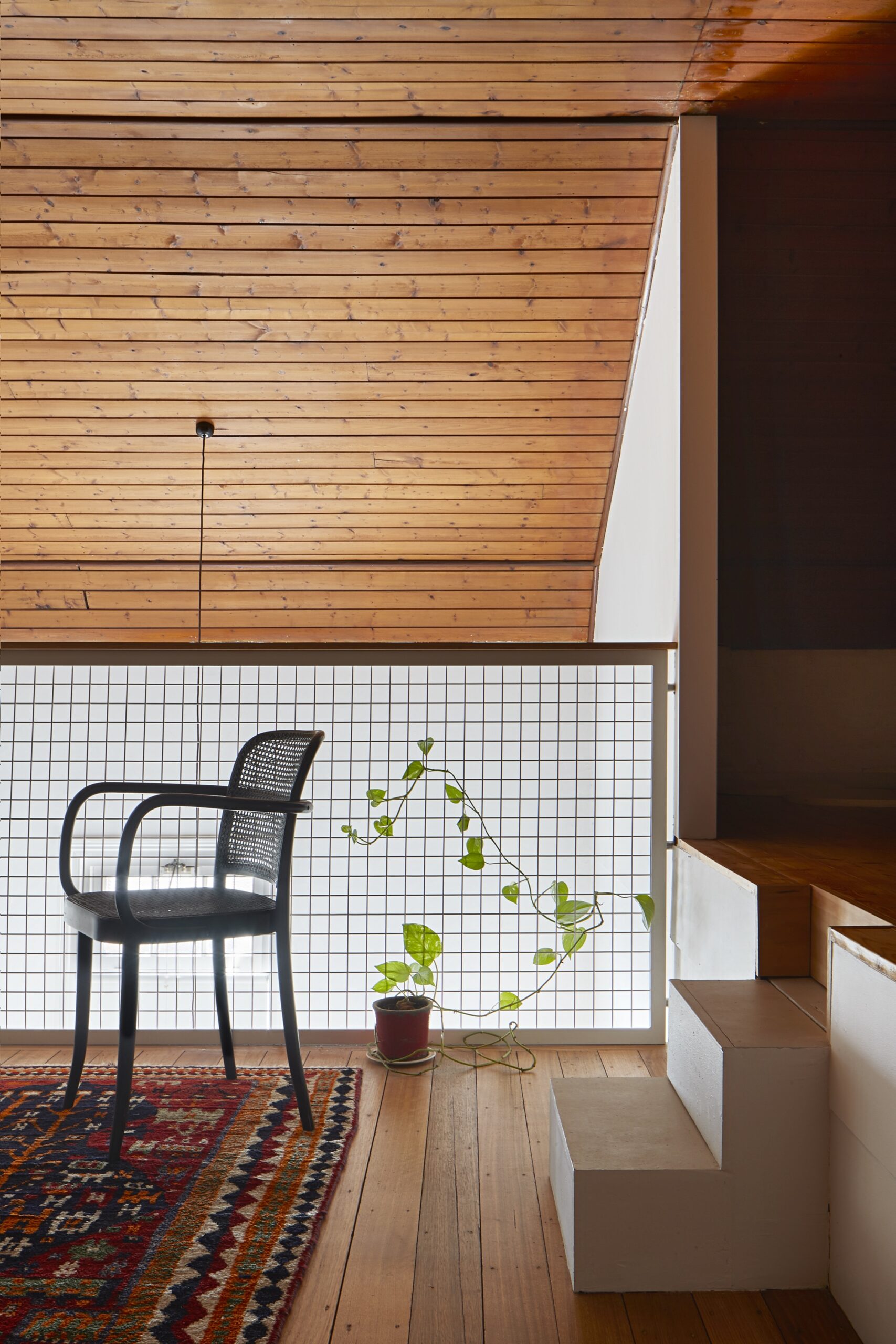
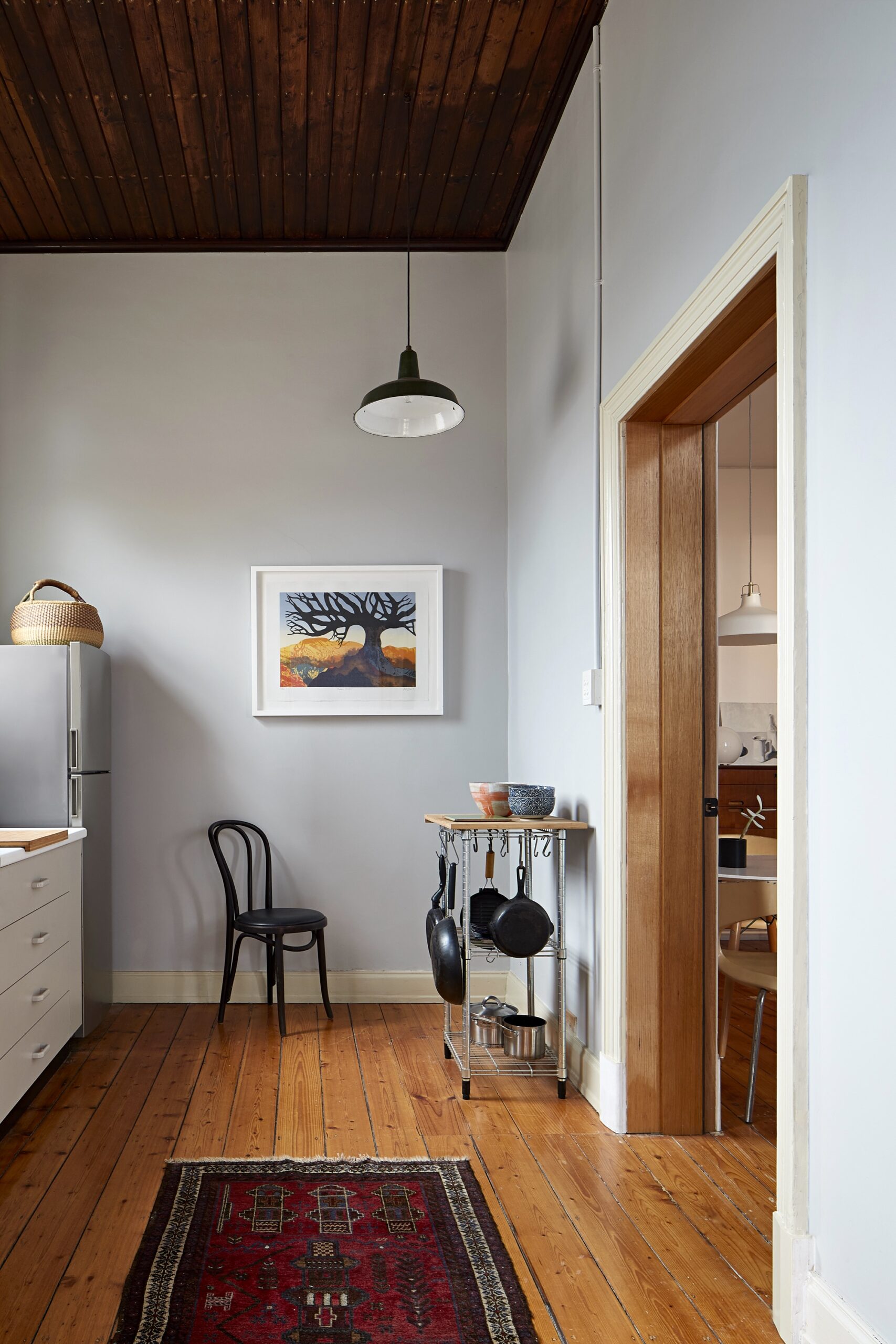
Upstairs floors were added using reclaimed timber and recycled floorboards, while pine framing was salvaged from demolished office partitions. Both kitchens are recycled and creatively reconfigured to fit new appliances.

The design takes advantage of the north orientation allowing north light to penetrate the space in winter, while in summer the insulated roof cavity and triple brick walls ensure a comfortable indoor temperature. The building has no west-facing windows. The window to wall ratio is lower and the thermal mass is much higher than the average new house. Steep pitched roofs and elevated ground floor protect the building from flash flooding.

Energy-saving measures include solar panels, induction cooking, insulation, double glazing, gap sealing and blockout blinds.

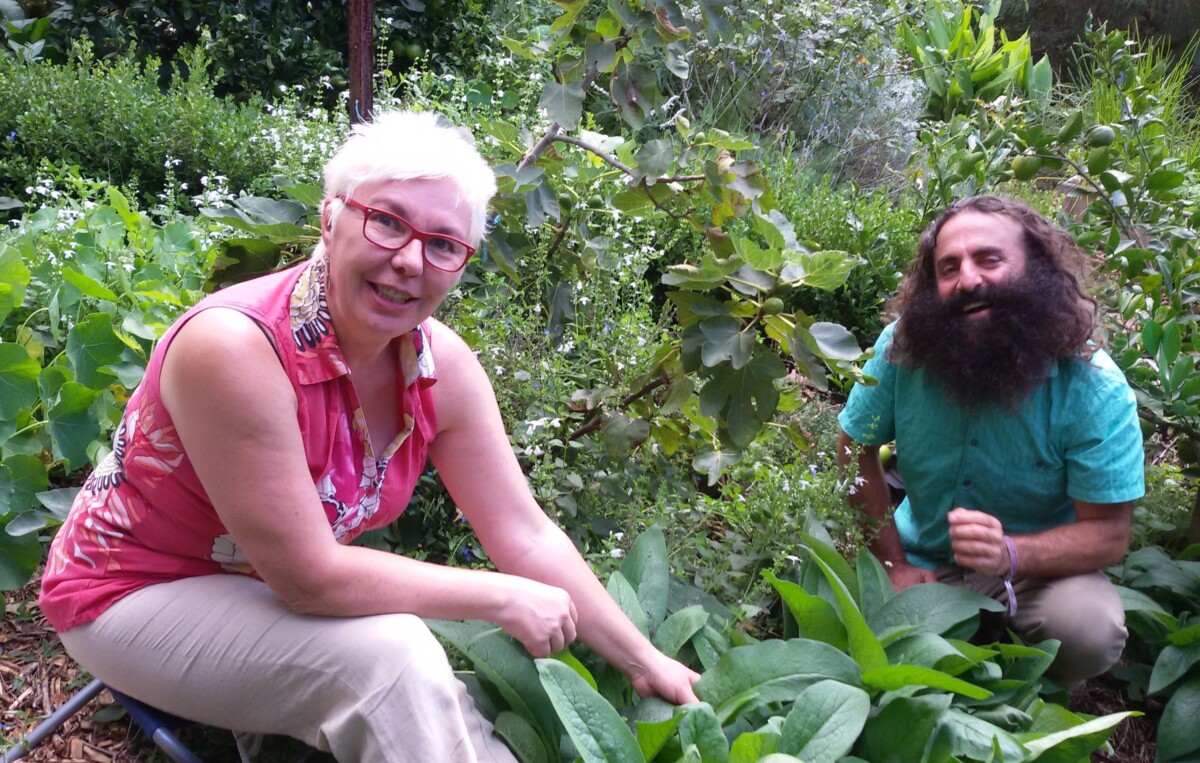
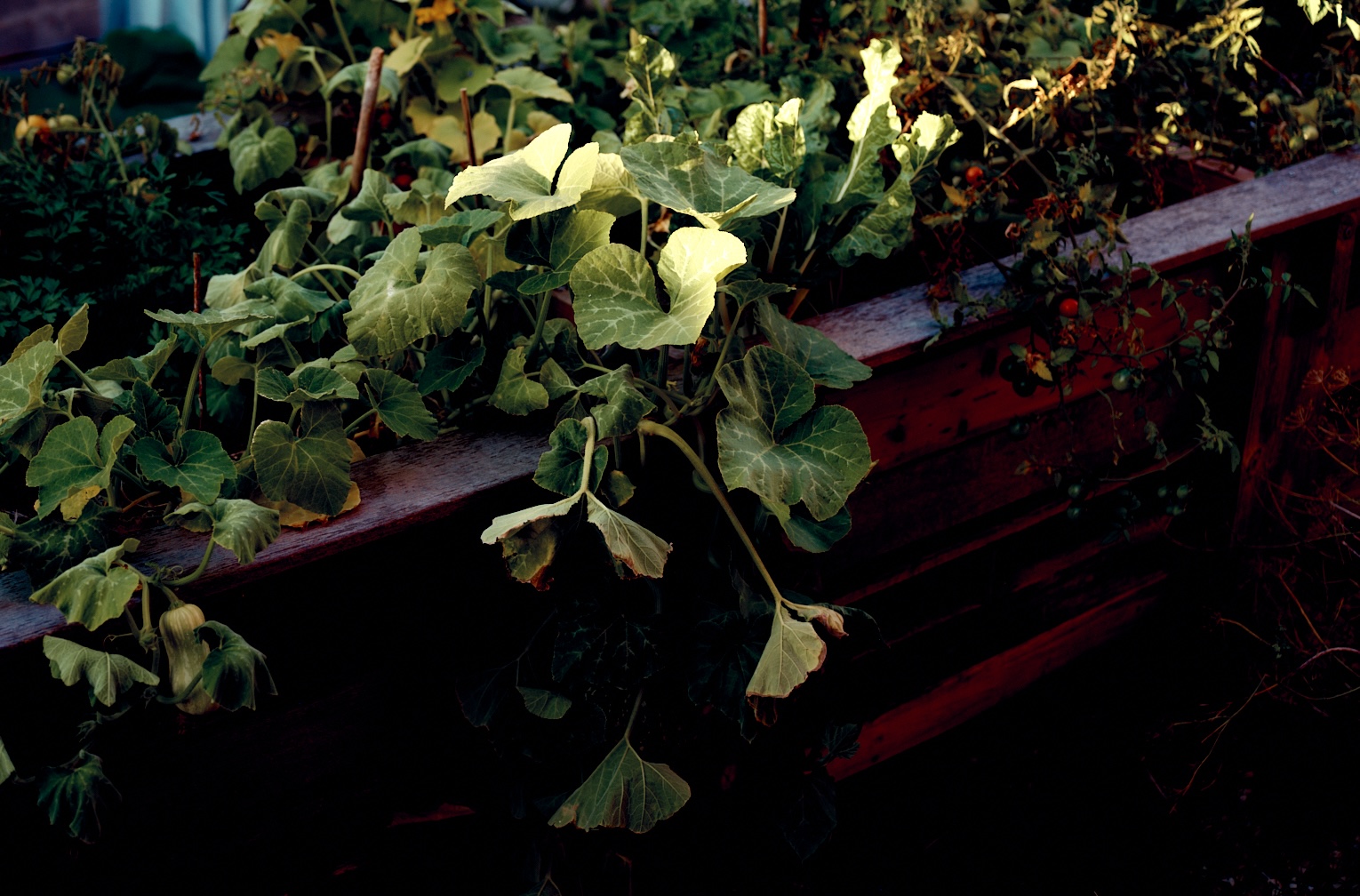
The original driveway has been converted into the kitchen garden. A work in progress, the garden works on a closed loop system with many plants self-seeding or growing from harvested seeds. A worm farm processes kitchen compost, returning nutrients to the soil to nourish new growth.
Q & A

What motivated you to build or retrofit sustainably?
climate concerns, small footprint living, single occupancy, affordable housing, future proofing, creative design and custodianship of heritage
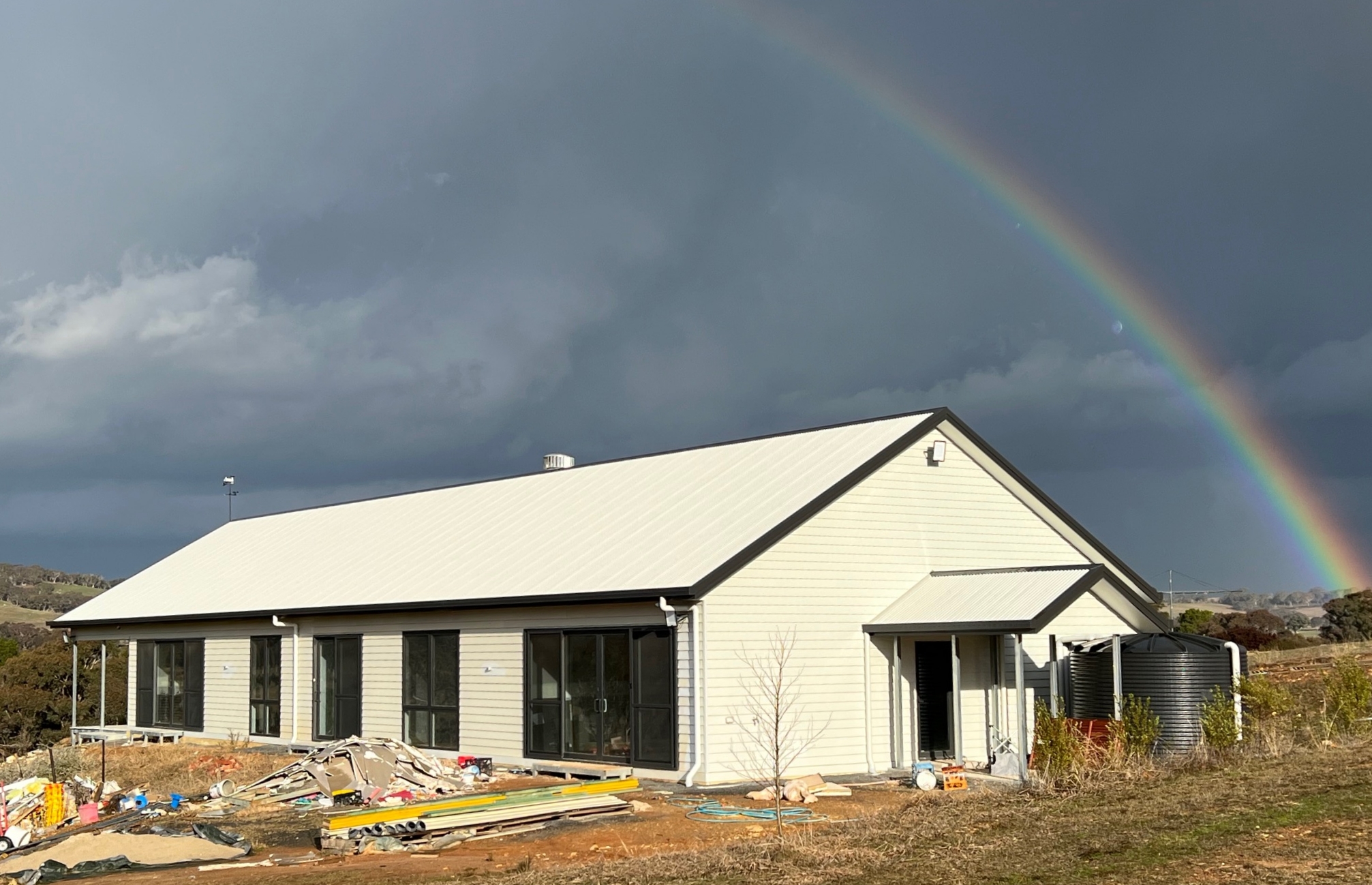
I wish I'd known: how hard an owner-builder project could be, especially when you're new in town and don't have any local connections. For an adaptive re-use project, start with an architect who has experience in heritage structures, because each one has its own structural logic — and that knowledge builds from one project to the next. It's vital to find an architect who understands structure, engineering and traditional building construction methodologies, not just spatial design when you're working with a ready-made building. Large volumes are notoriously hard to convert to a comfortable scale while retaining the space and detail that attracted you in the first place — you need someone who understands this. Then find an experienced licensed builder to run the project from start to finish — one who respects heritage and will treat the original building with care and try to match the original craftsmanship with their own new work. Take the time to find the right people.
The dream project? Another school house or church conversion — taking every hard-won lesson from this one into the next. Co-housing, co-working and day spa? Even better.
Back to 2026 Homes
Type: Apartment/flat, Cohousing, Secondary dwelling, Standalone house/townhouse
Project: New build
Architect: Katrina Logan (LOGAN Architecture Studio)
Builder: Katrina Logan
Size: 50m2 & 110m2m²
Bedrooms: 2
Bathrooms: 1

Sustainability Features

Building Materials & Envelope

Draught-proofing/air sealing
High-performance insulation
Double or triple-glazed windows
Recycled or reused materials

Heating, Cooling and Ventilation

Passive heating/cooling (north-facing glazing, cross ventilation, thermal mass, shading, etc.)

Energy and Appliances

Rooftop solar PV
Efficient lighting (LED, daylighting, solar skylights)
Electric cooktop - induction/ceramic

Water & Waste Systems

Landscape & Biodiversity

Edible garden

Climate Resilience

Flood

Accessible & Flexible Design Features

Design for multigenerational living or dual occupancy
Universal design for accessibility
Share this home:

Related Homes

Home tours delivered to your inbox

Step inside sustainable homes across Australia and get practical ideas you can use in your own