Secret Garden Zero House

Ngunnawal and Ngambri Country,
O'Connor,
ACT
This home will be open for in-person tours on the 17th May 2026

About this home

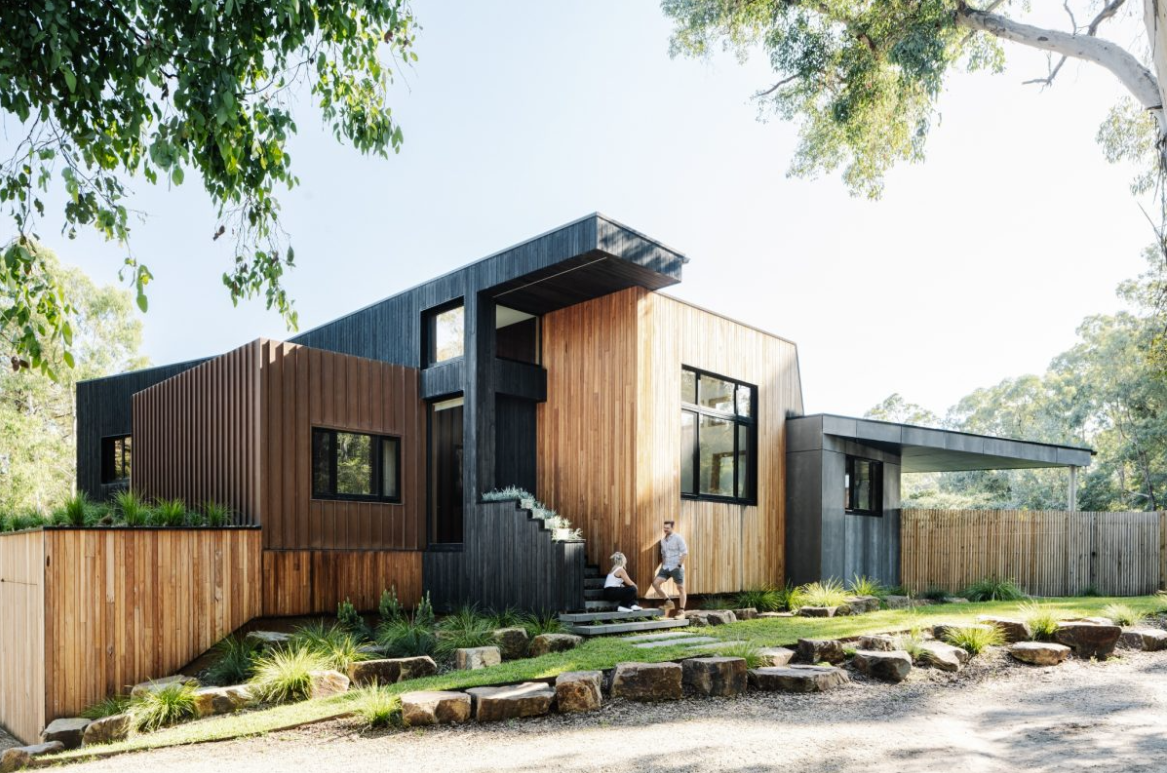
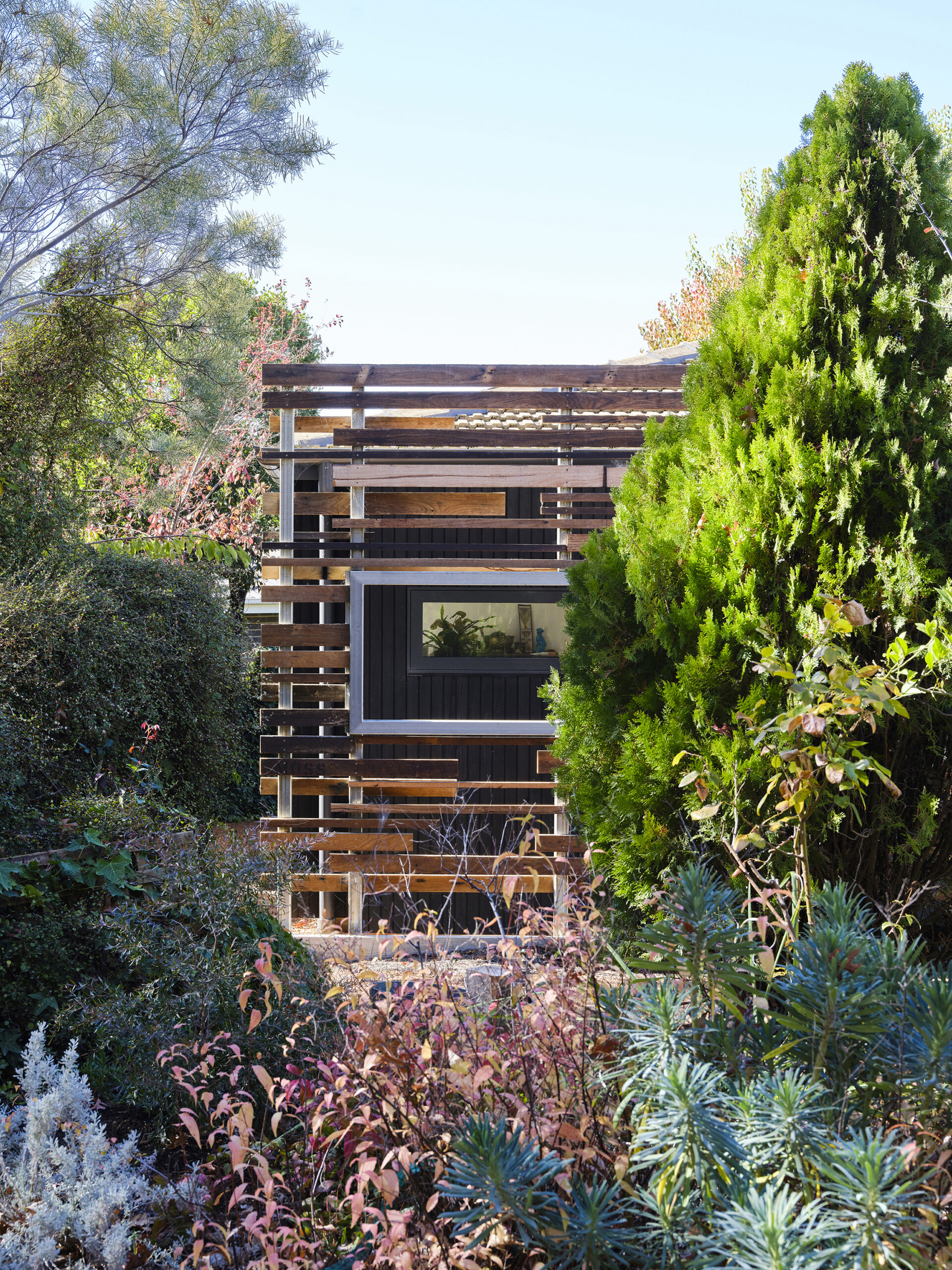
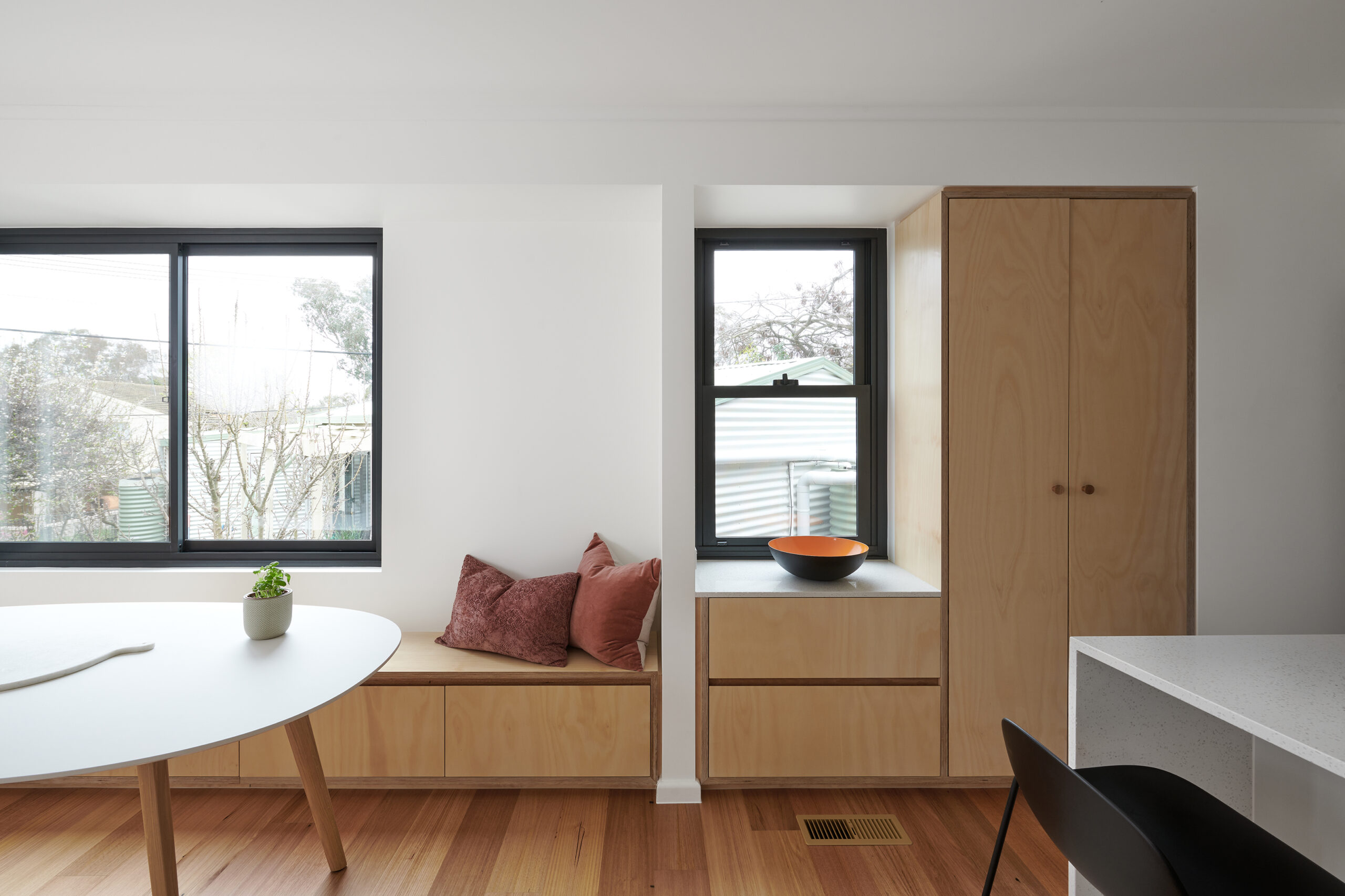
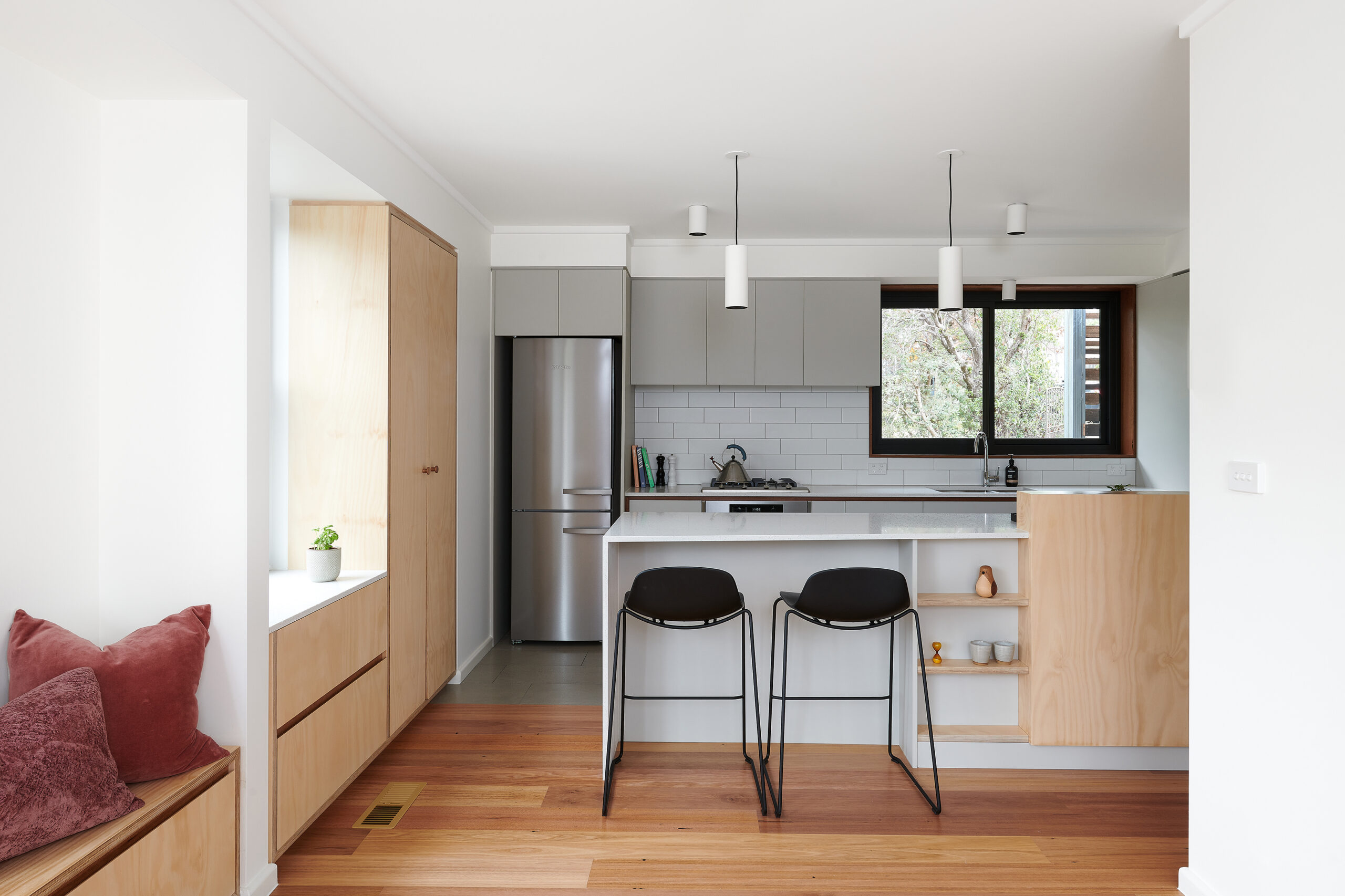
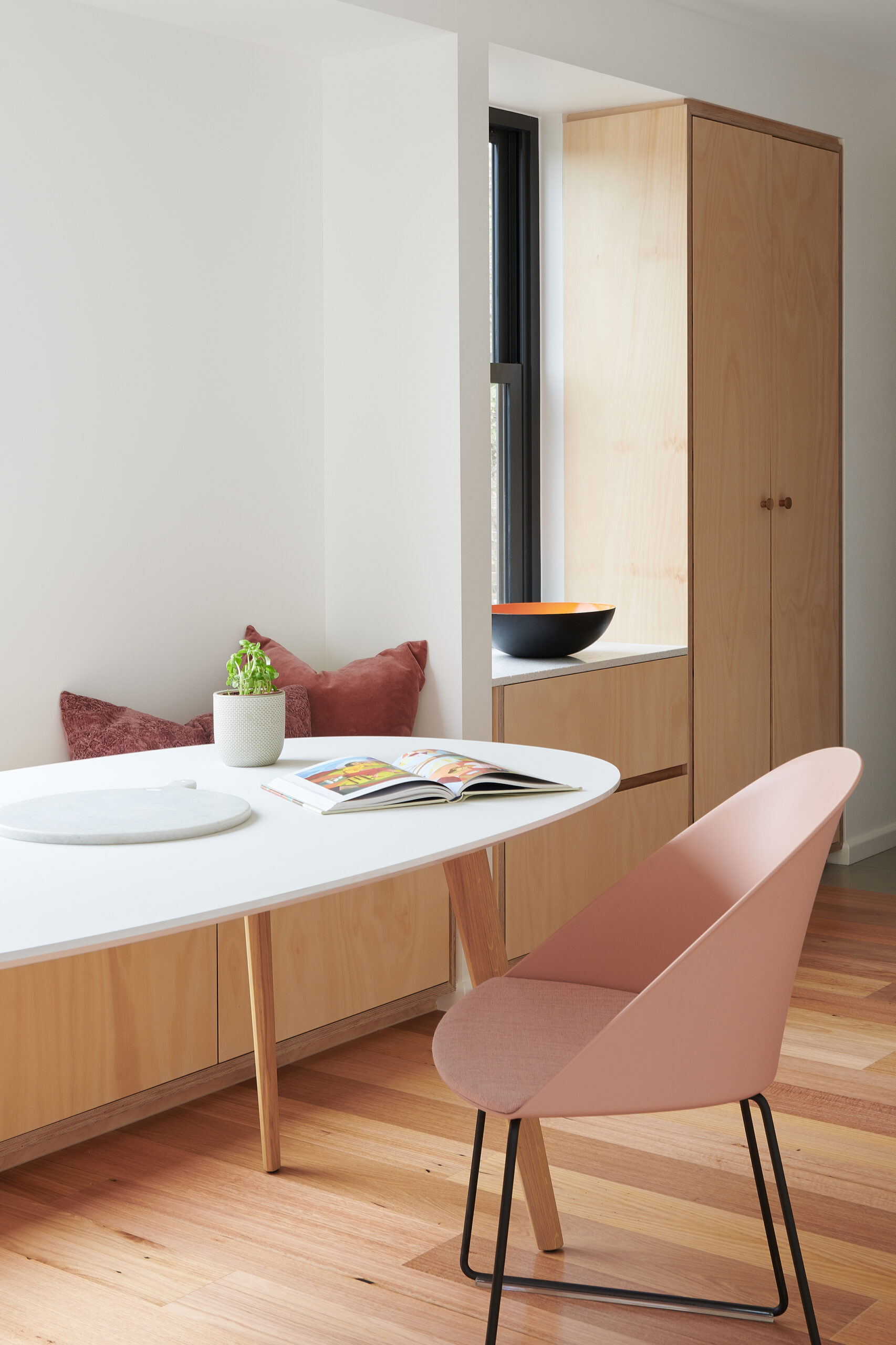
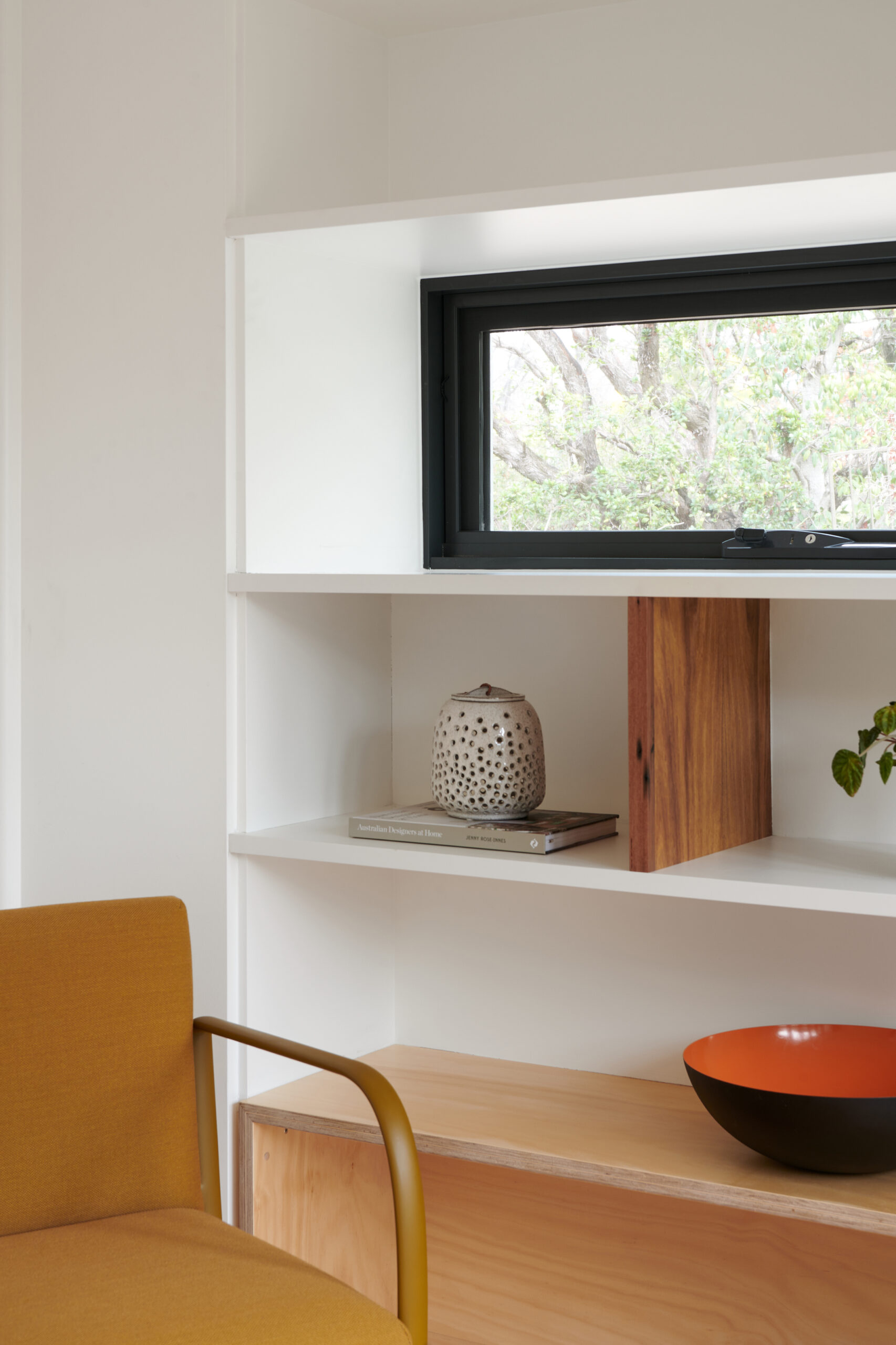
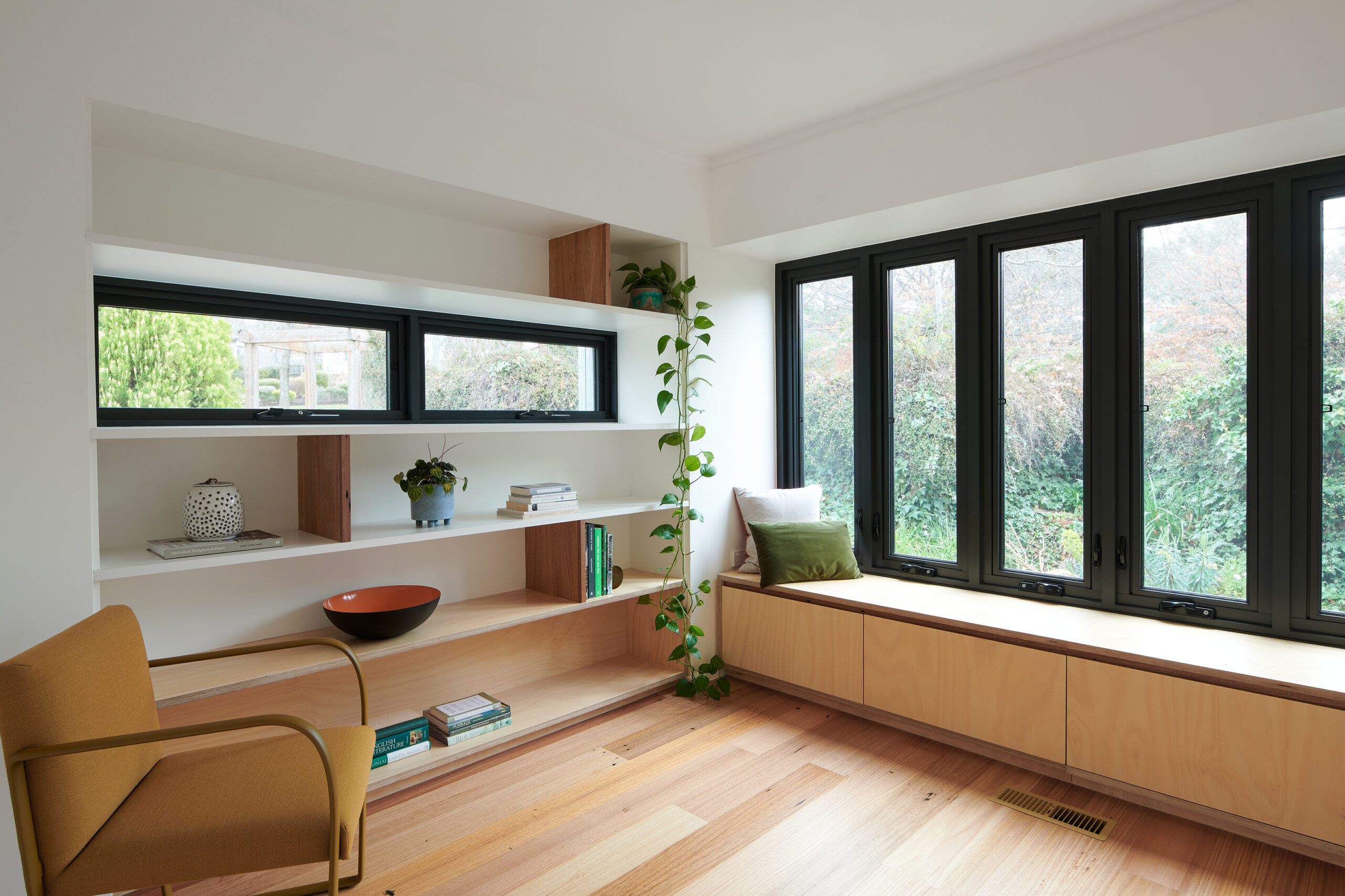
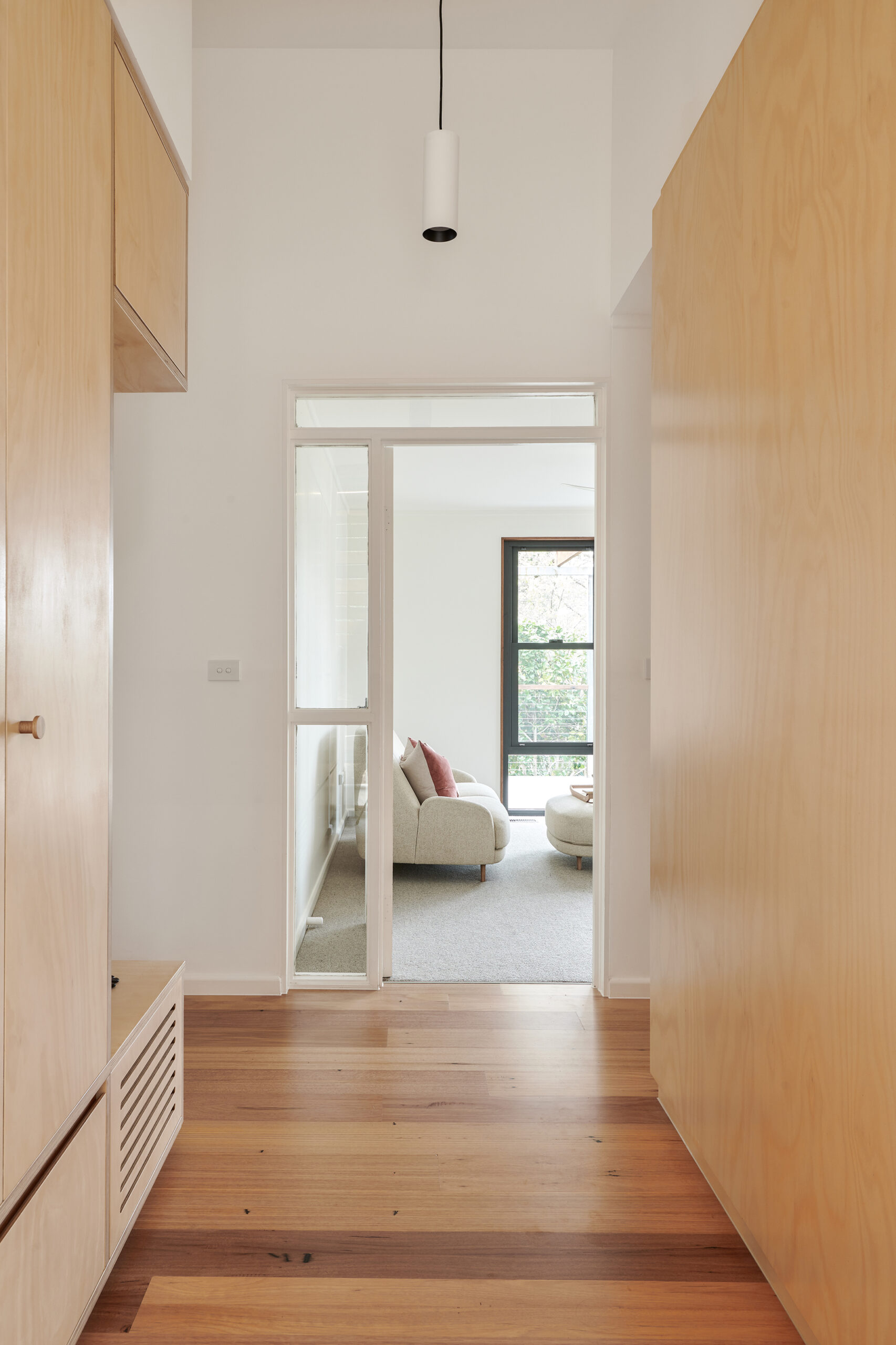
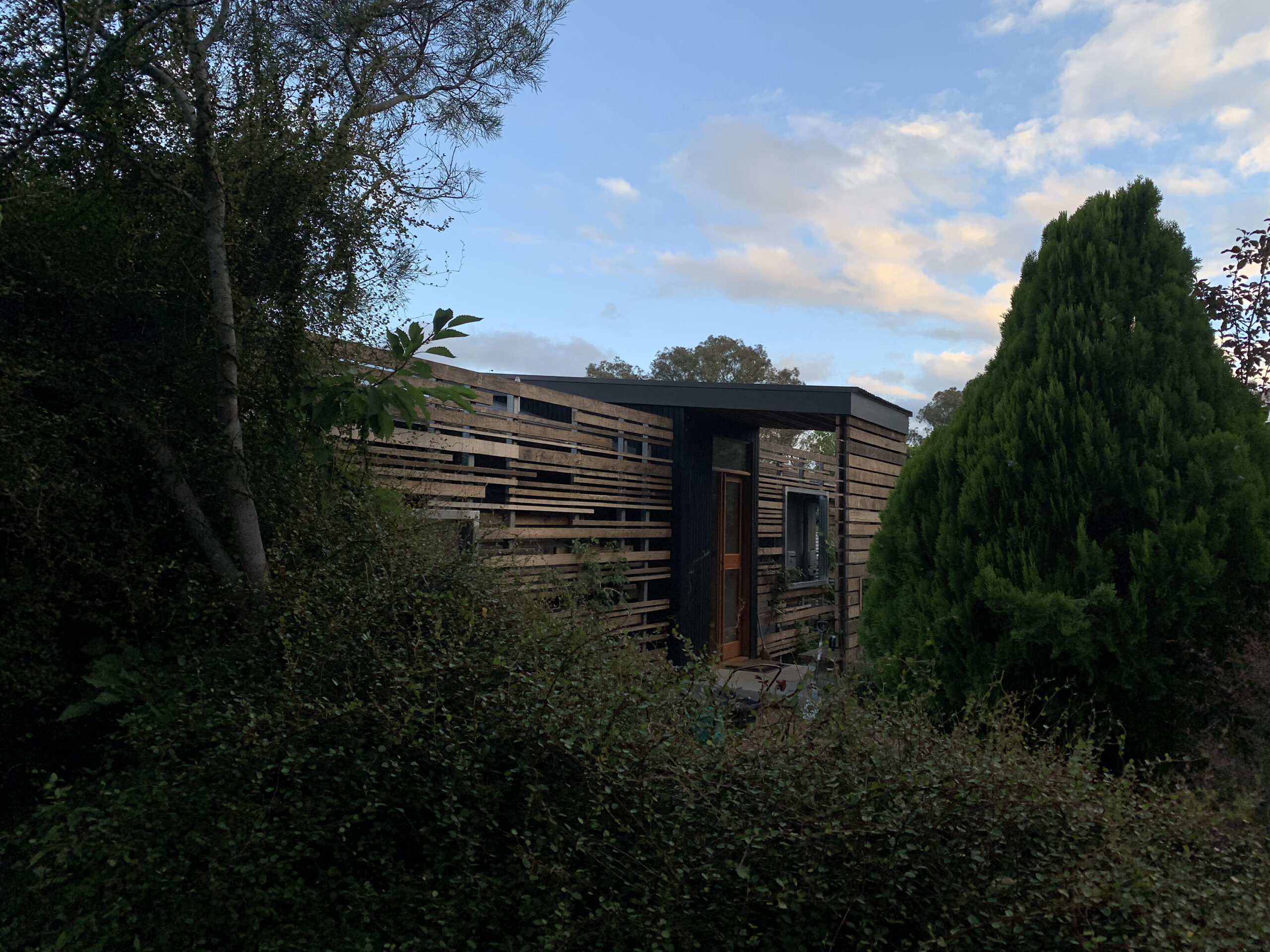
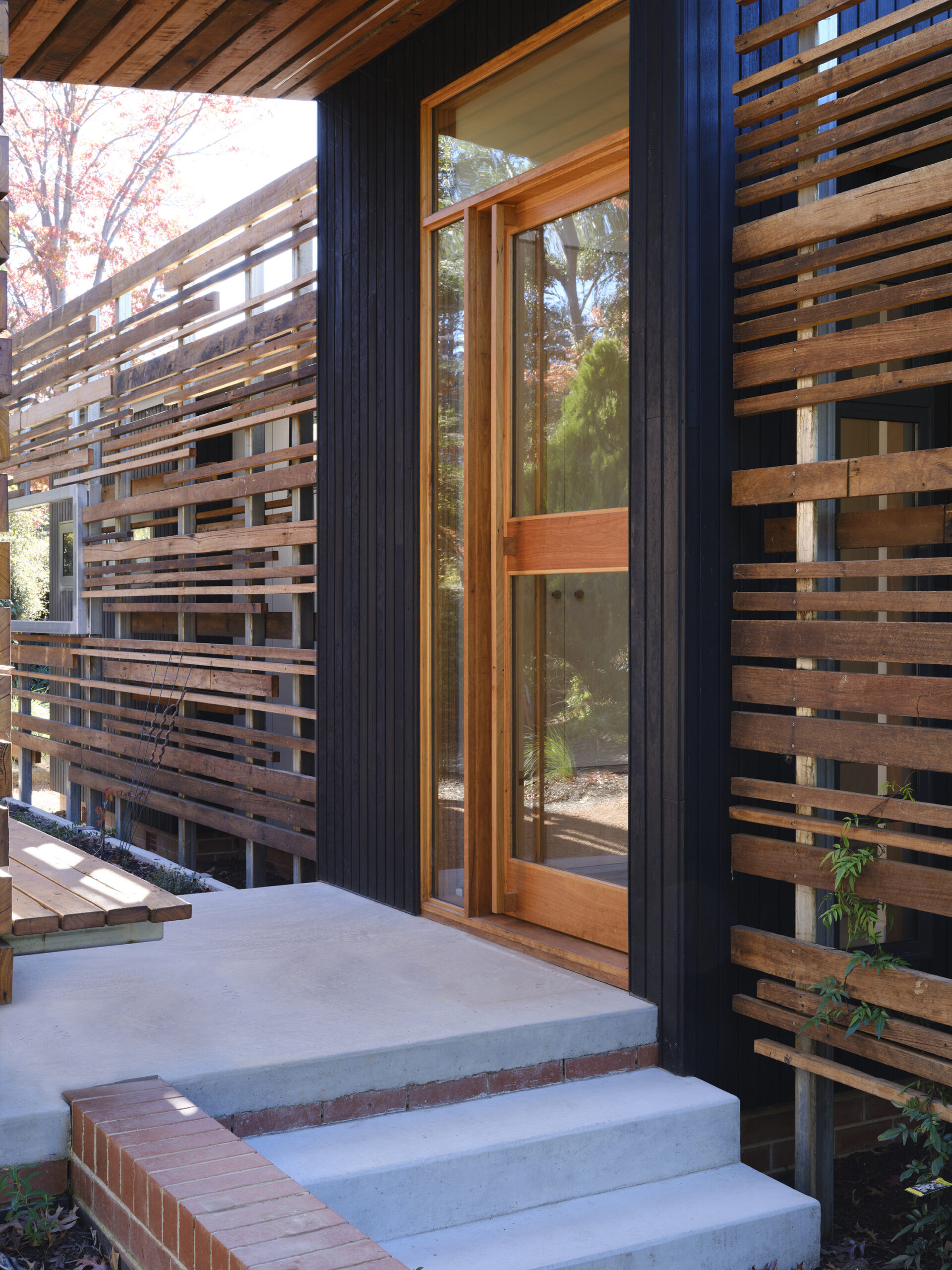
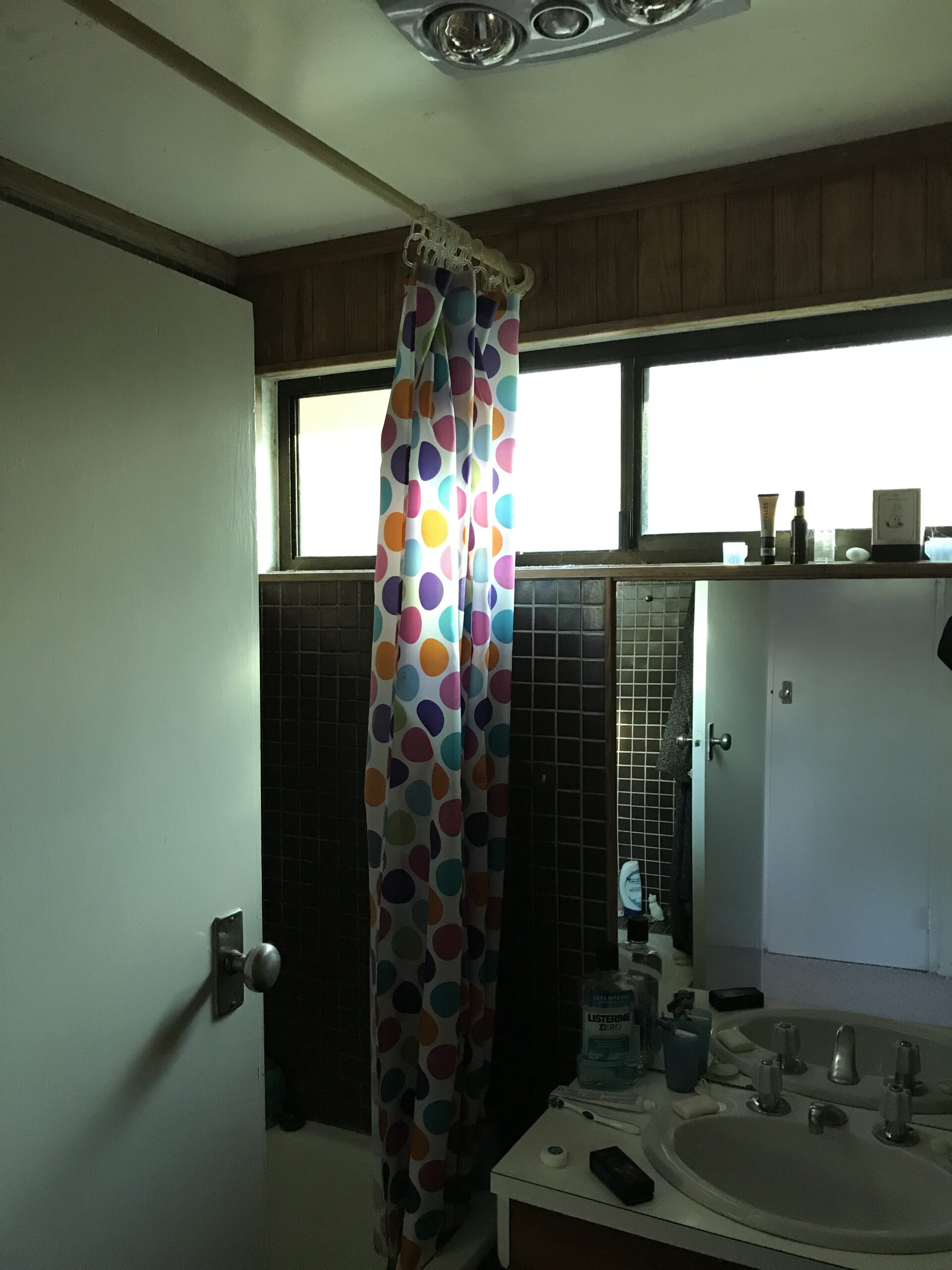
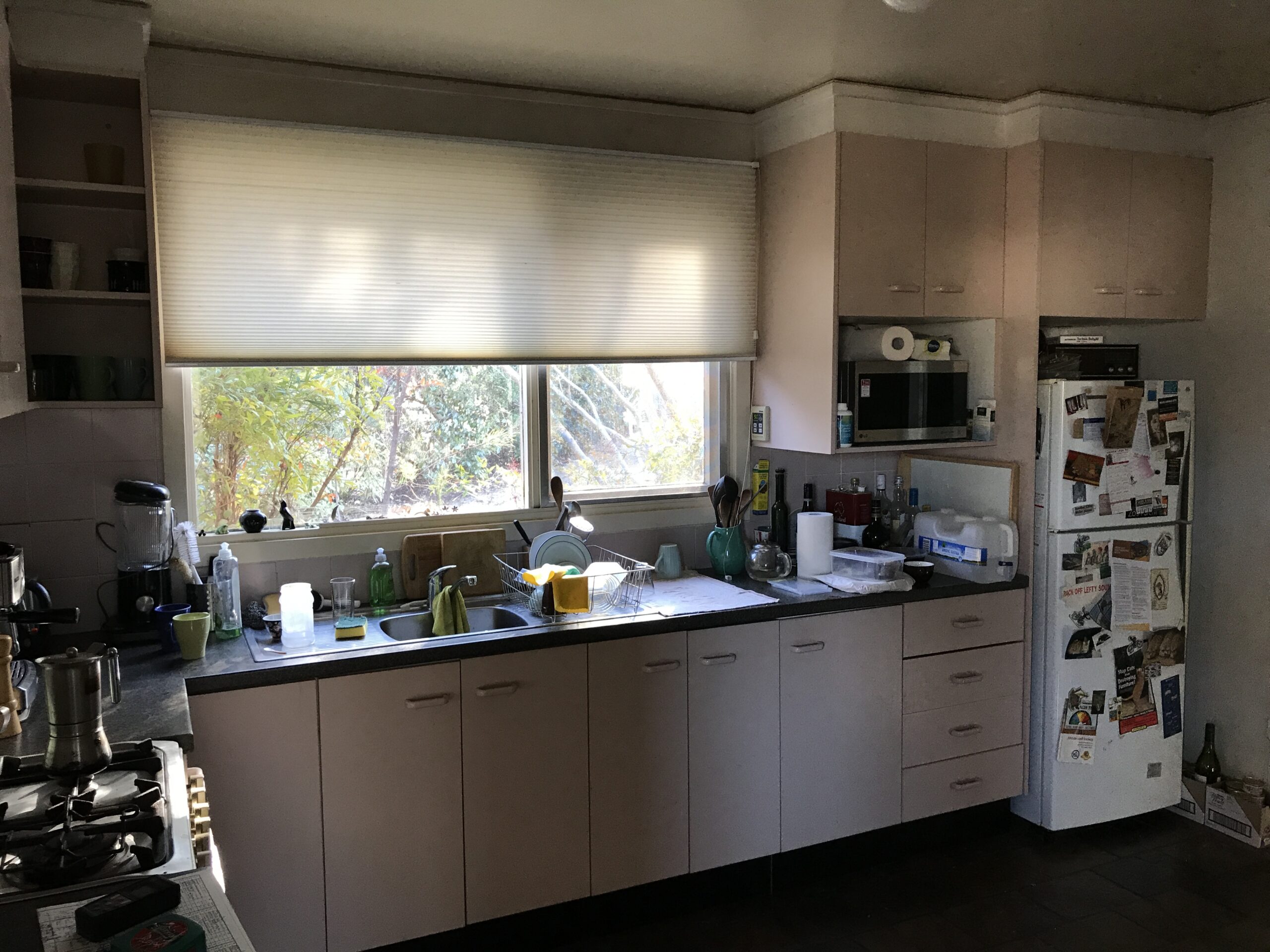
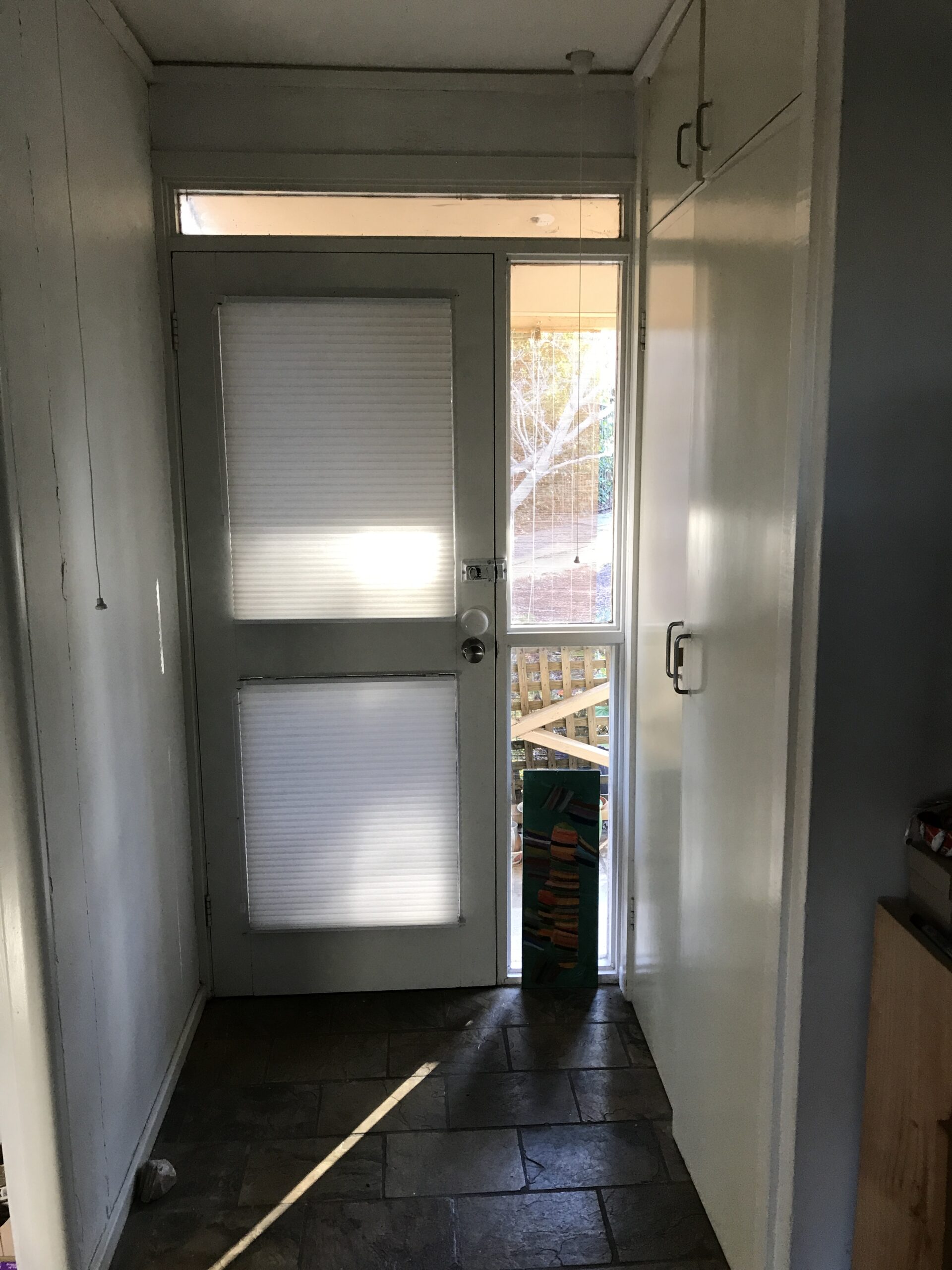
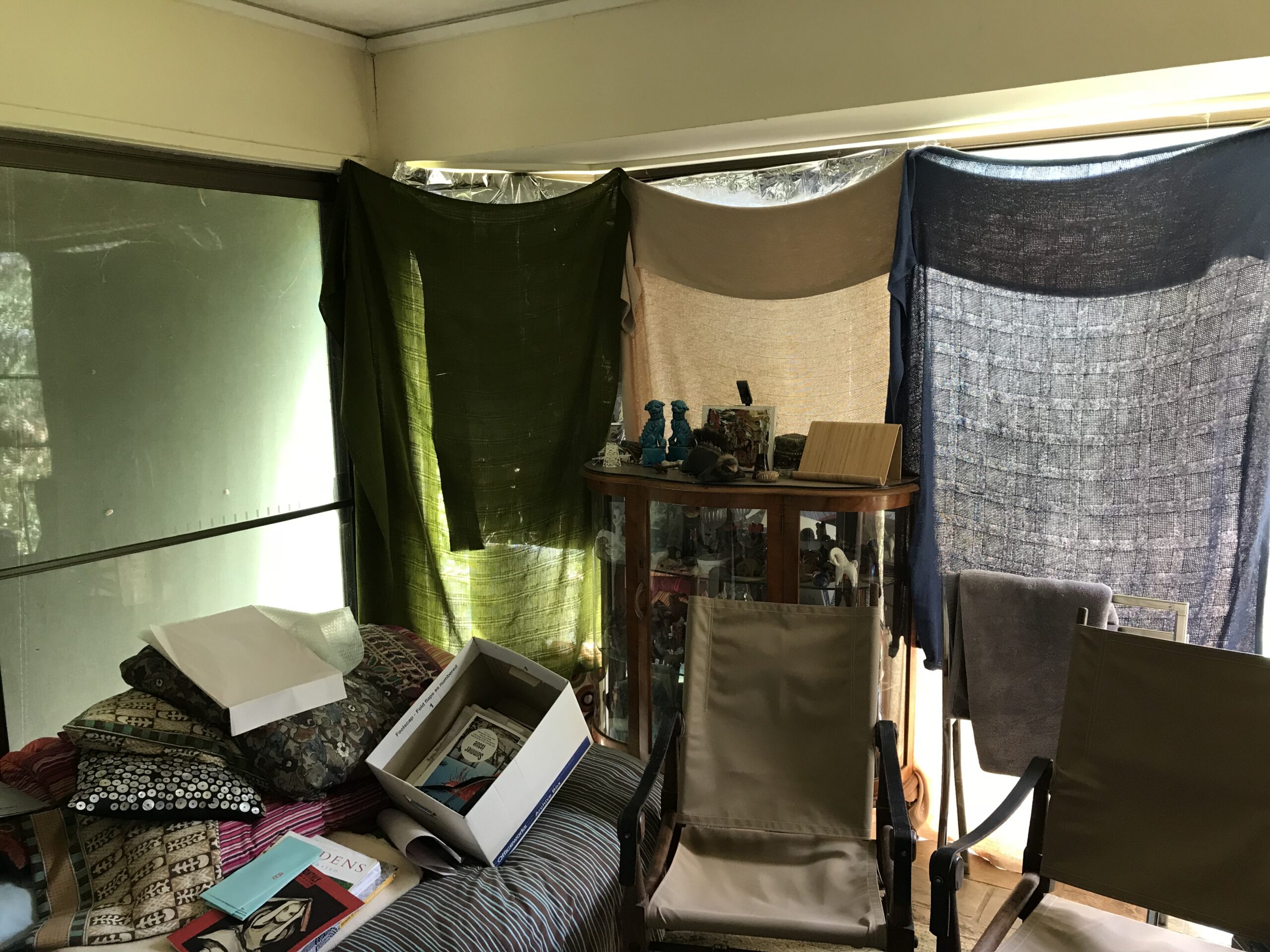
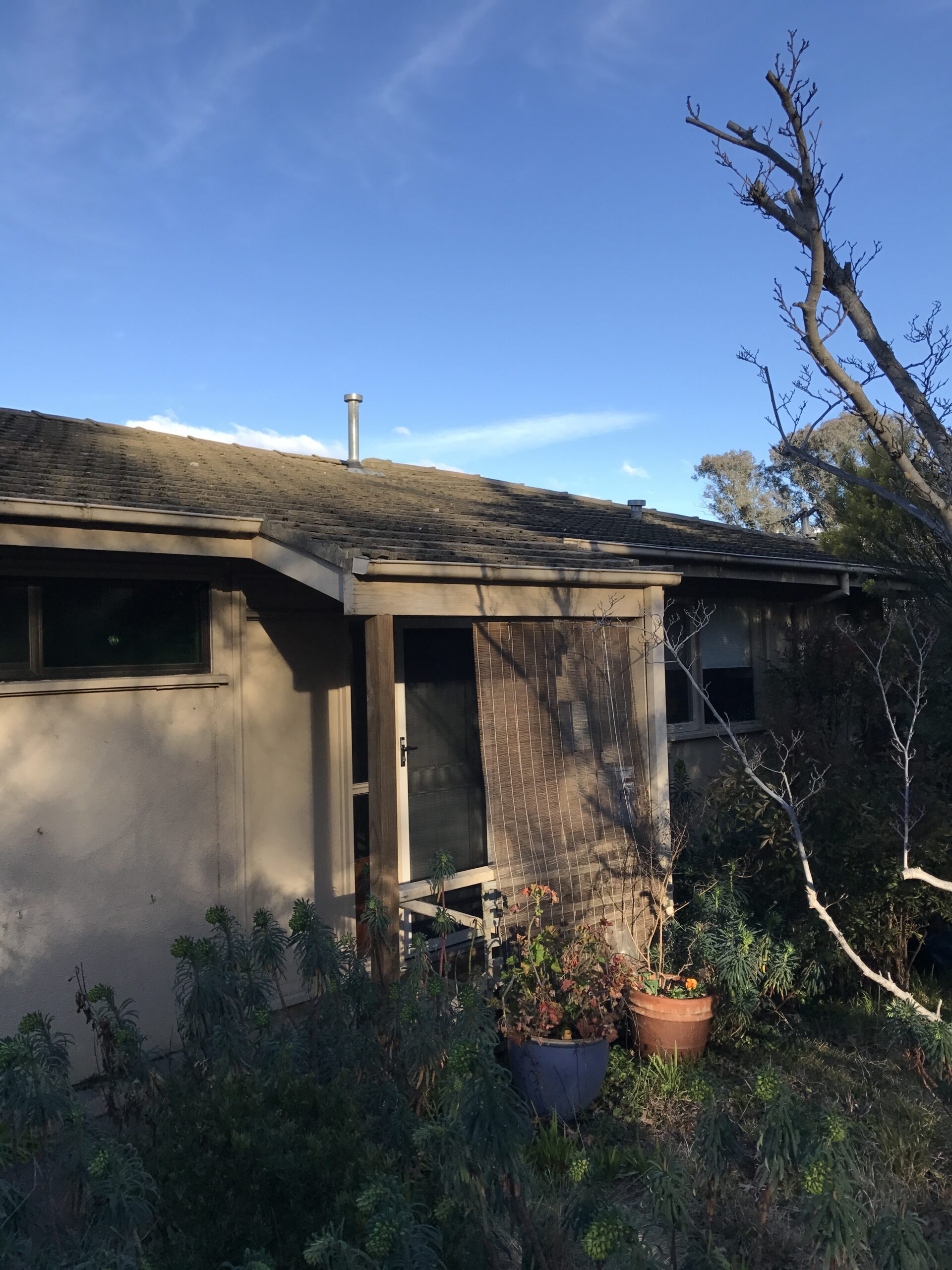
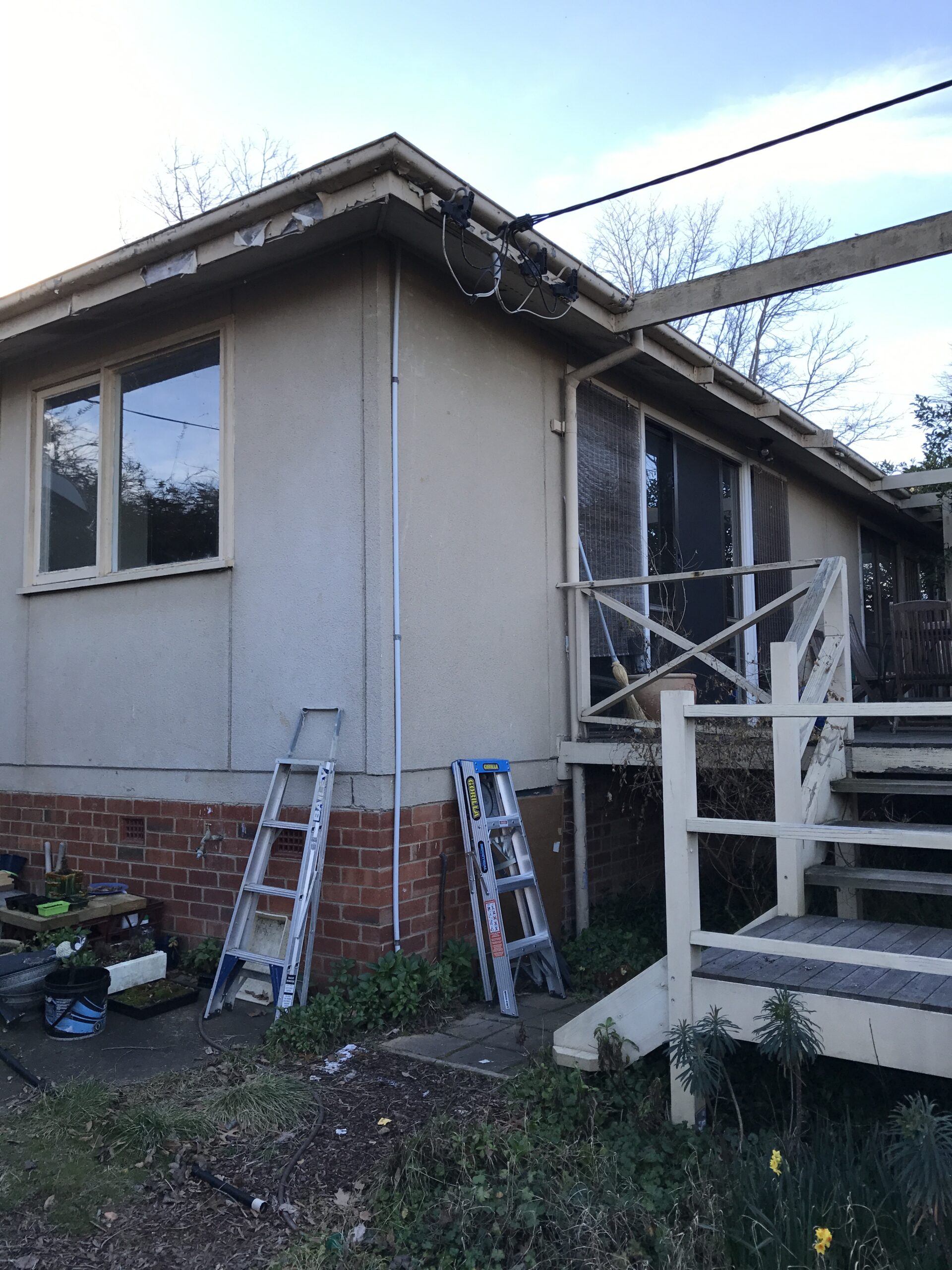
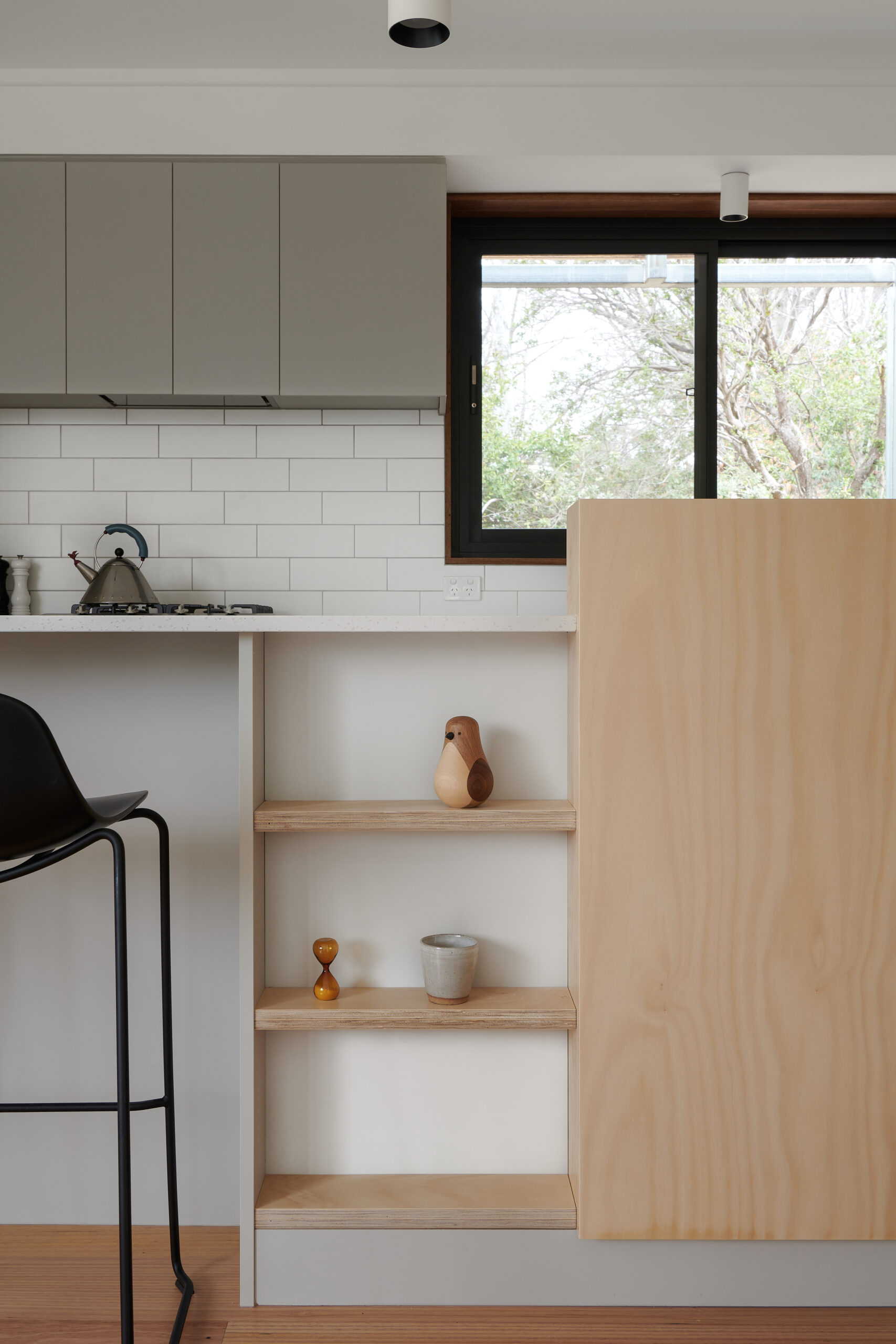
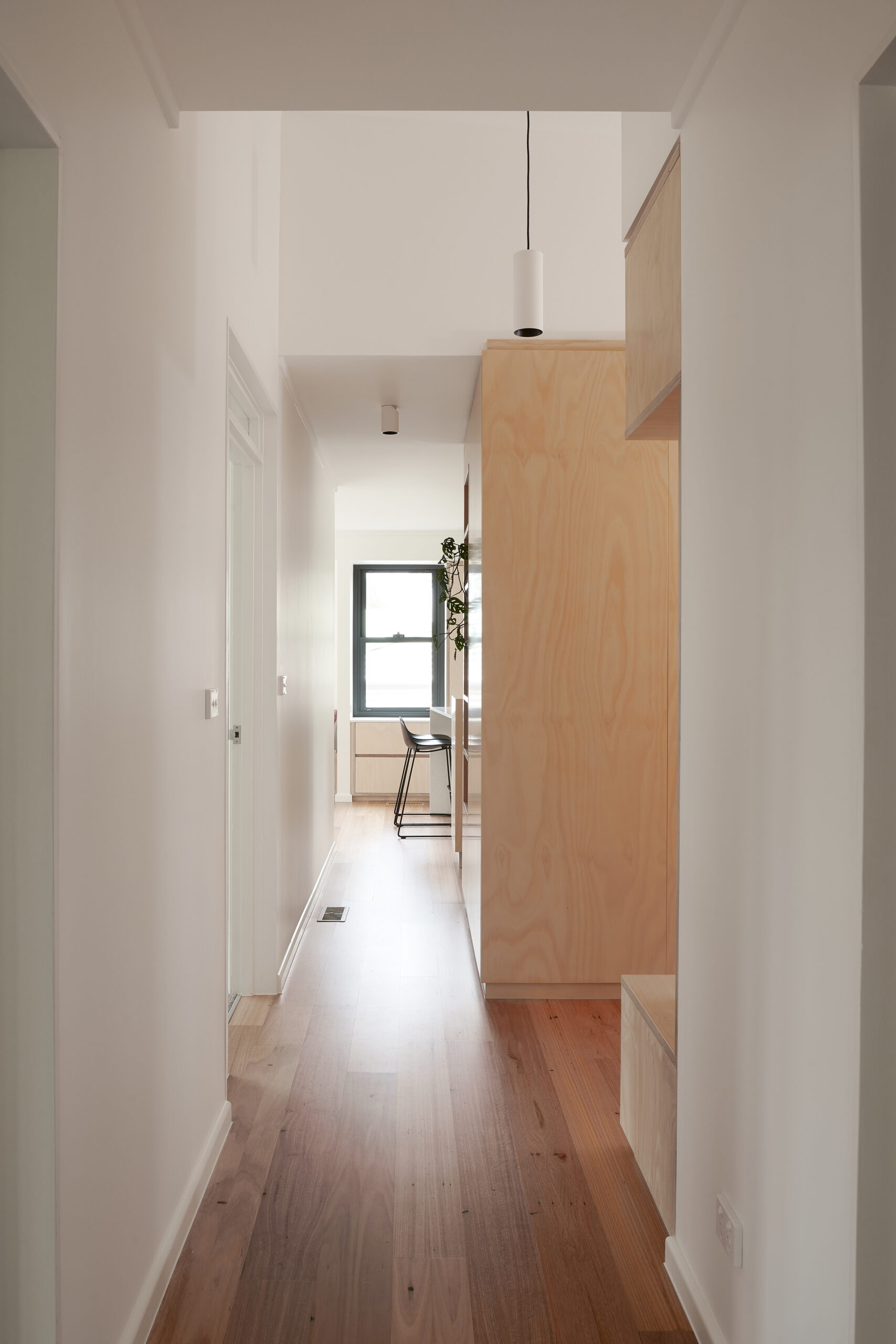
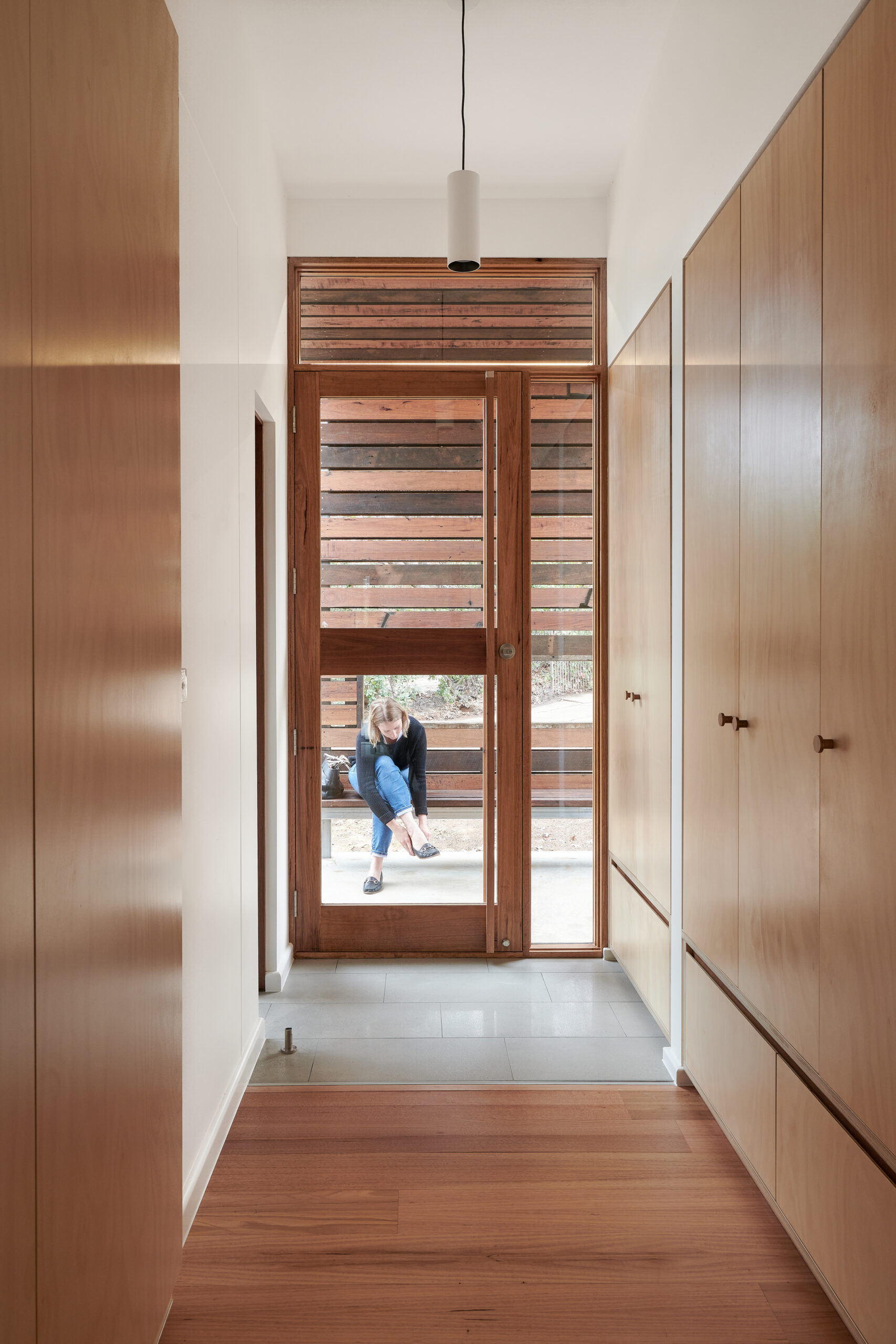
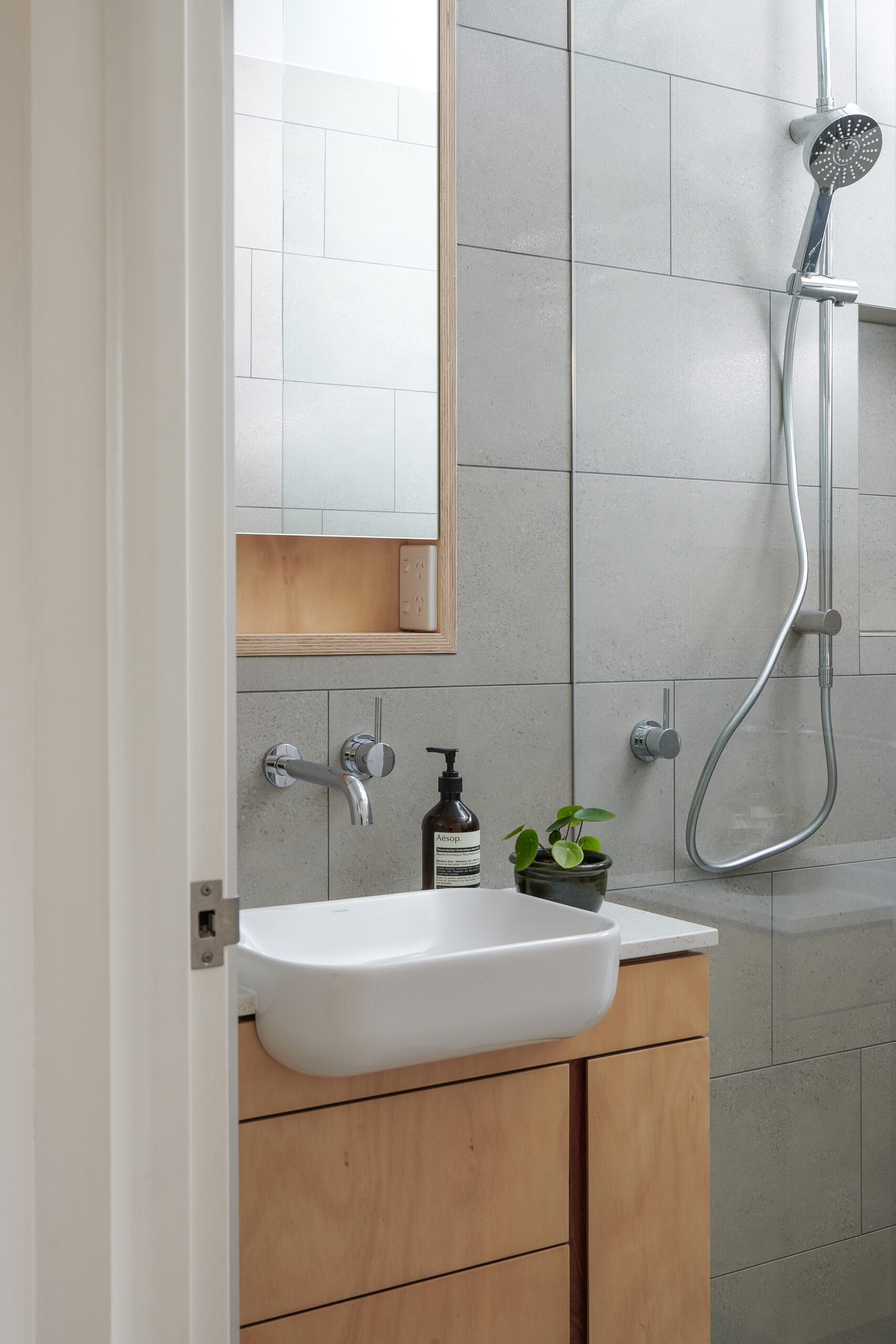
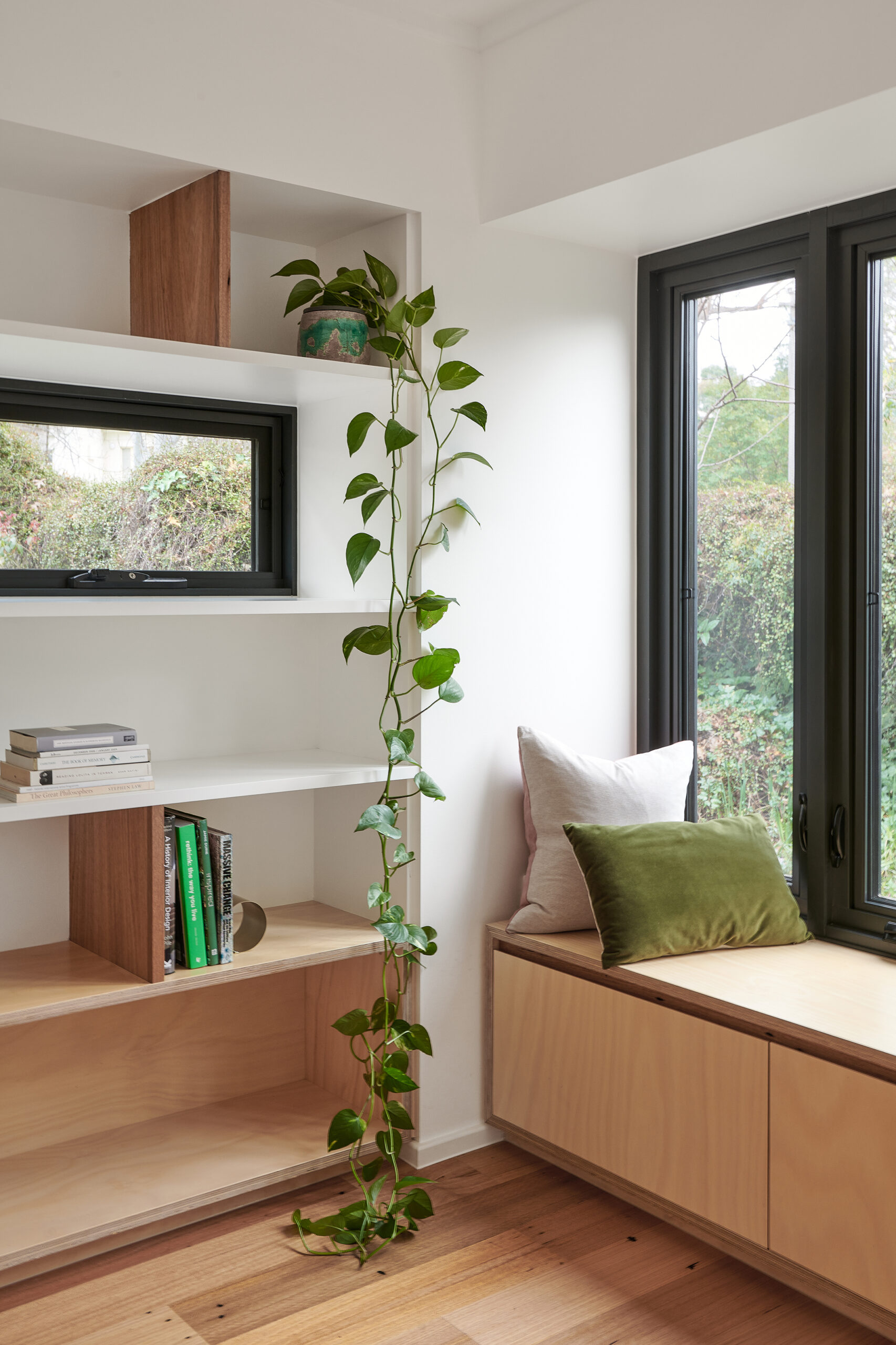
With the original house having succumbed to significant condensation issues, an ambition to repair without material removal of the original structure was established of an existing 1960s monocrete house (single skin concrete) in O’Connor ACT. The aim was to make the house more liveable and solve the underlying condensation issues caused by the original system of construction. Another aim was to improve storage, upgrade all internal rooms and connect the internal spaces to the external environment through discrete views via a large screen to the street side of the house. The screen is an interpretation of one of my paintings and provides privacy and shading to the western side of the house. Eventually it will form part of the garden as a vertical screen of plants.

The house has improved sustainable design outcomes through the following:
- small size
- 7.5 kW of PV solar
- reuse of existing structure and other materials
- recycled and low carbon materials
- increased insulation and sealing
- ceiling fans
- in floor displacement heating and cooling
- low energy fittings
- water efficient fixtures
- rainwater tanks for irrigation
- sunshading
- natural ventilation and daylighting

In 2022 Secret Garden House won the Gene Willsford Award for Residential Architecture – Houses (alterations and additions) and the Pamille Berg Award for Art in Architecture in the Australian Institute of Architects Awards.

This year a life cycle carbon assessment has been completed by the architect as part of the Australian Zero Carbon Housing Challenge and the house has been shown to be 19% better than net zero.

This home still has some existing gas appliances, with a planned transition to electric as those appliances reach the end of their working life.
Q & A

What motivated you to build or retrofit sustainably?
Solving condensation issues, health, comfort, energy costs, climate issues, and livability
The comfort level of the house especially with respect to temperature has been wonderful, as has the screen and vegetation on the front. We remember the heatwave at the end of 2018; that inferno seems to be a thing of the past. So the insulation and cladding made the biggest difference to our comfort and bills.
Security screens; we wish they had been fitted, it would have helped open the house at night. I guess also that we're not sure about the feed-in tariff and how to monitor it. I guess we wish we'd paid more attention to these details. We were thrilled in 2022 to receive a credit for the summer quarter of 5 dollars.
A battery!
Back to 2026 Homes
Type: Standalone house/townhouse
Project: Renovation or extension
Architect: Kevin Miller - CCJ Architects
Designer: CCJ Architects
Builder: Champness Builders
Size: 120m²
Energy Rating: 6.5 (Estimated)
Bedrooms: 3
Bathrooms: 1

Sustainability Features

Building Materials & Envelope

Draught-proofing/air sealing
High-performance insulation
Double or triple-glazed windows
Sustainable or low-impact materials
Recycled or reused materials
Other

Heating, Cooling and Ventilation

Passive heating/cooling (north-facing glazing, cross ventilation, thermal mass, shading, etc.)
Ceiling fans
Heat pump (reverse-cycle) heating/cooling

Energy and Appliances

Rooftop solar PV
Energy monitoring/smart home systems
Efficient lighting (LED, daylighting, solar skylights)
Other energy-efficient appliances

Water & Waste Systems

Water-efficient fixtures
Rainwater tanks

Landscape & Biodiversity

Wildlife-supporting habitat

Climate Resilience

Heatwave

Accessible & Flexible Design Features

Design for flexible use
Share this home:

Related Homes

Home tours delivered to your inbox

Step inside sustainable homes across Australia and get practical ideas you can use in your own