
Slow Architecture

Yugembeh,
Currumbin Valley,
QLD
Online home tour

About this home

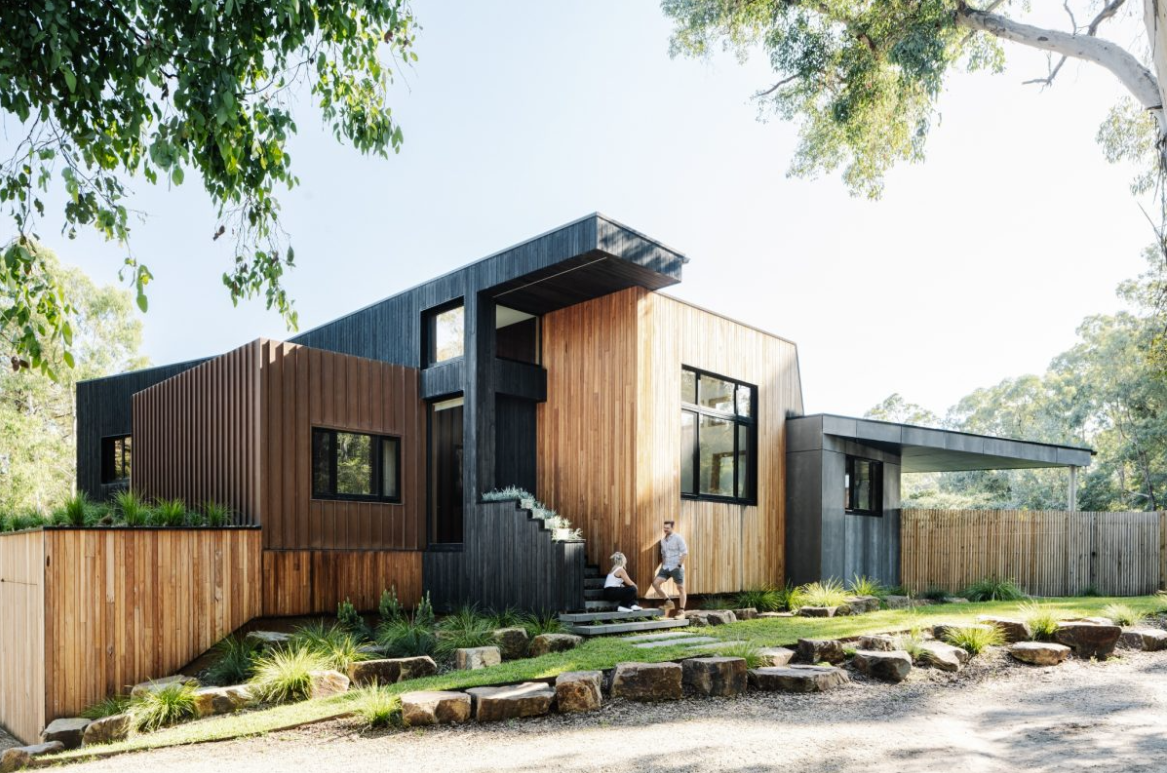
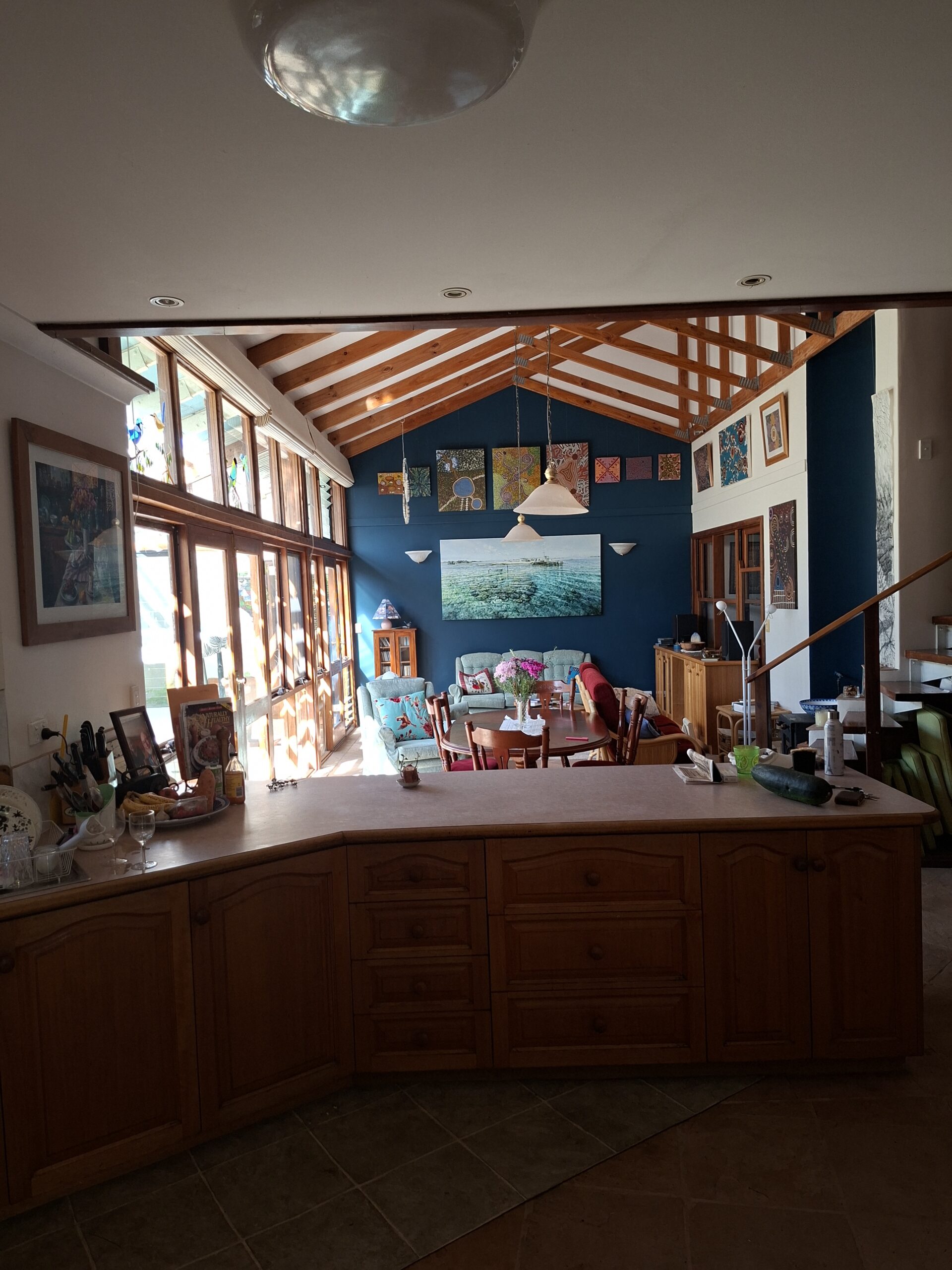
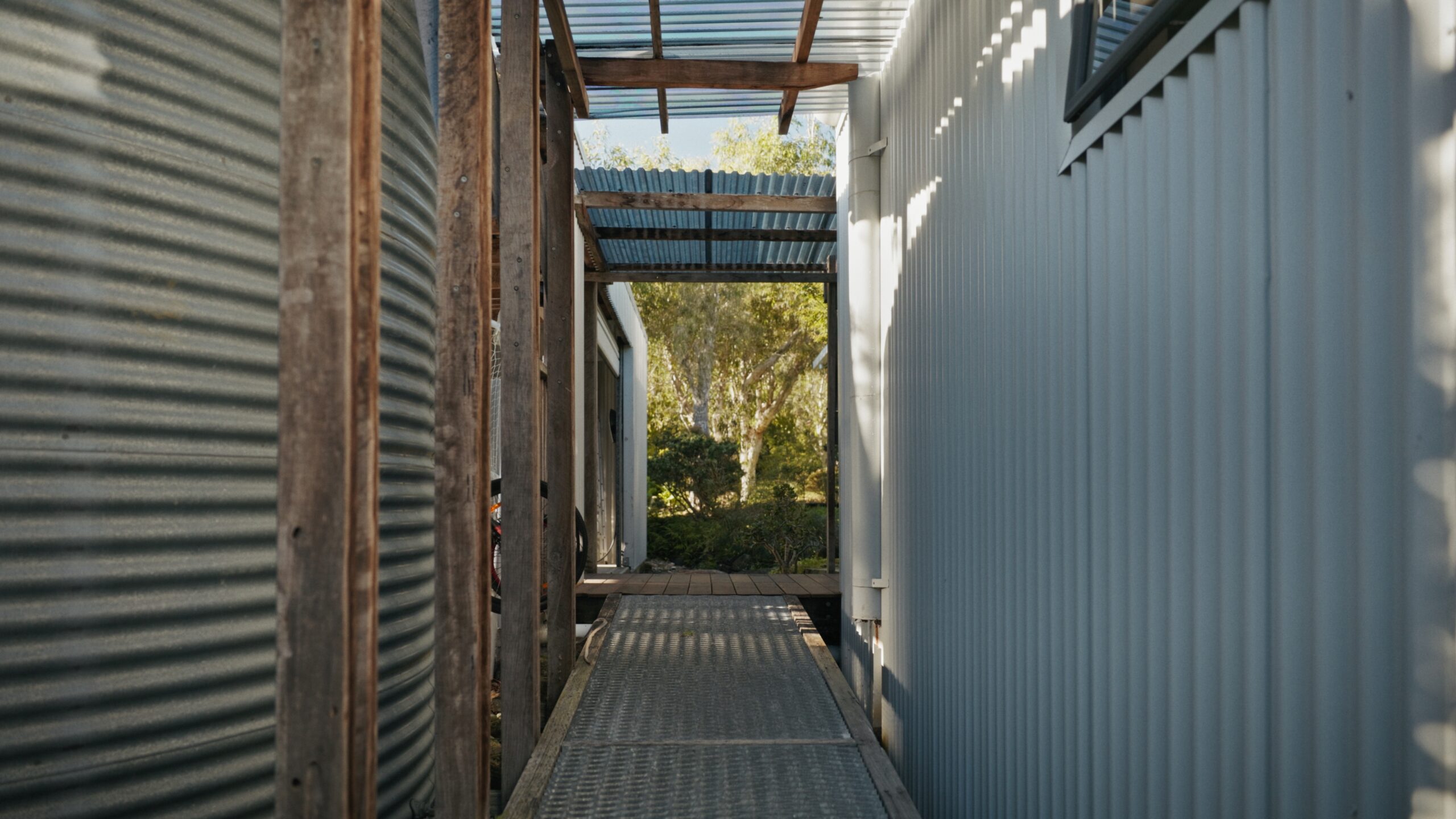
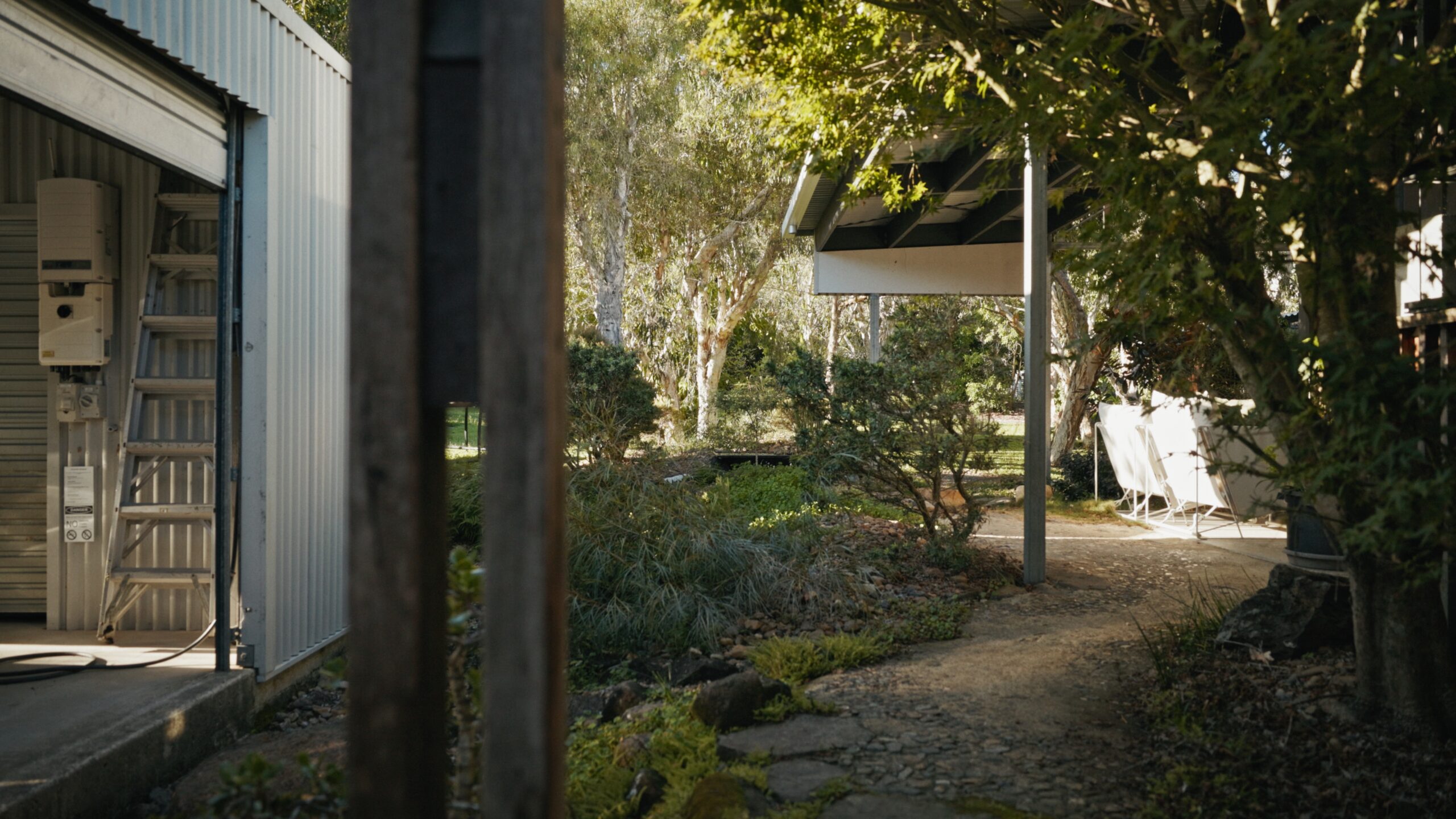
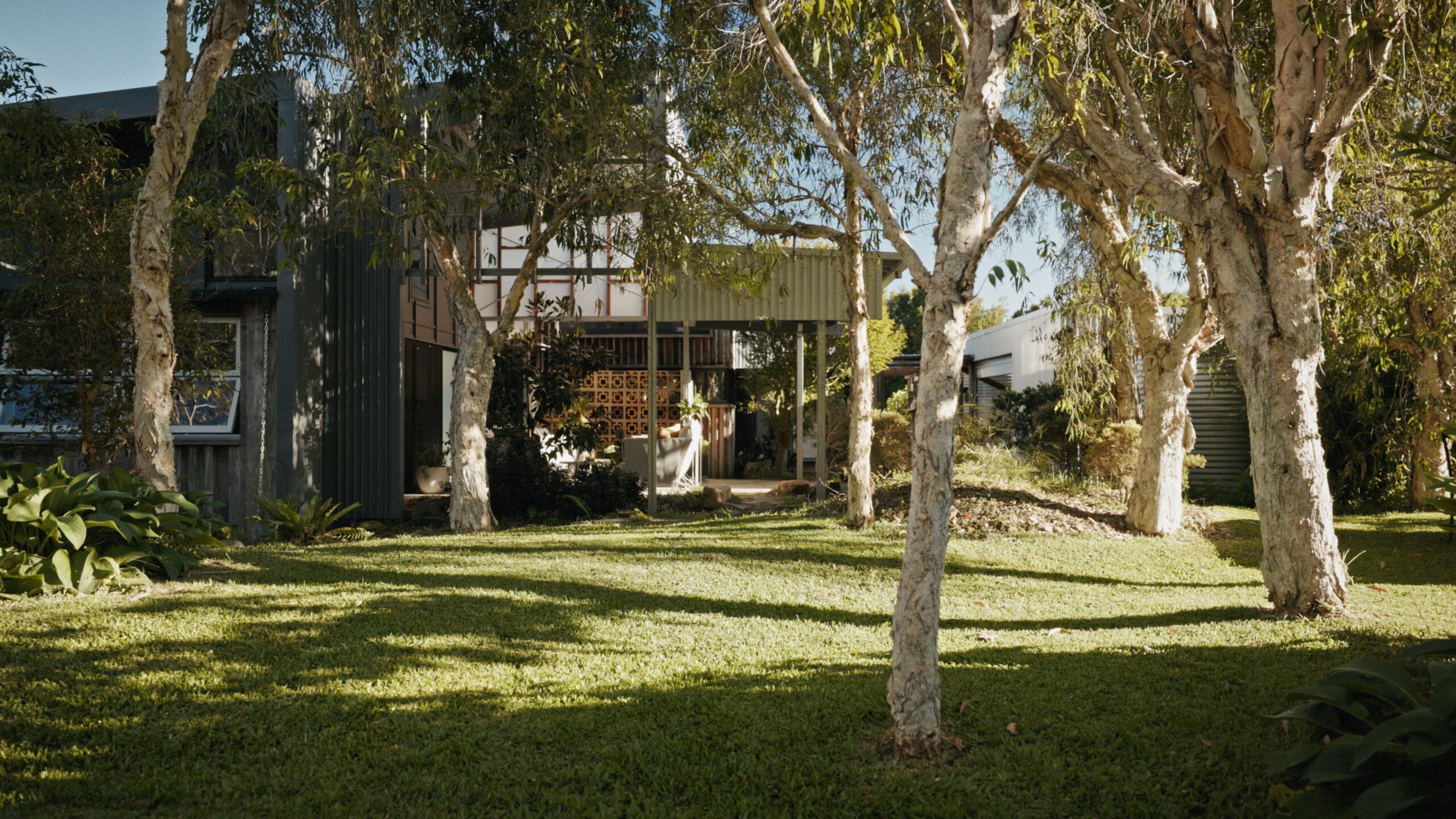
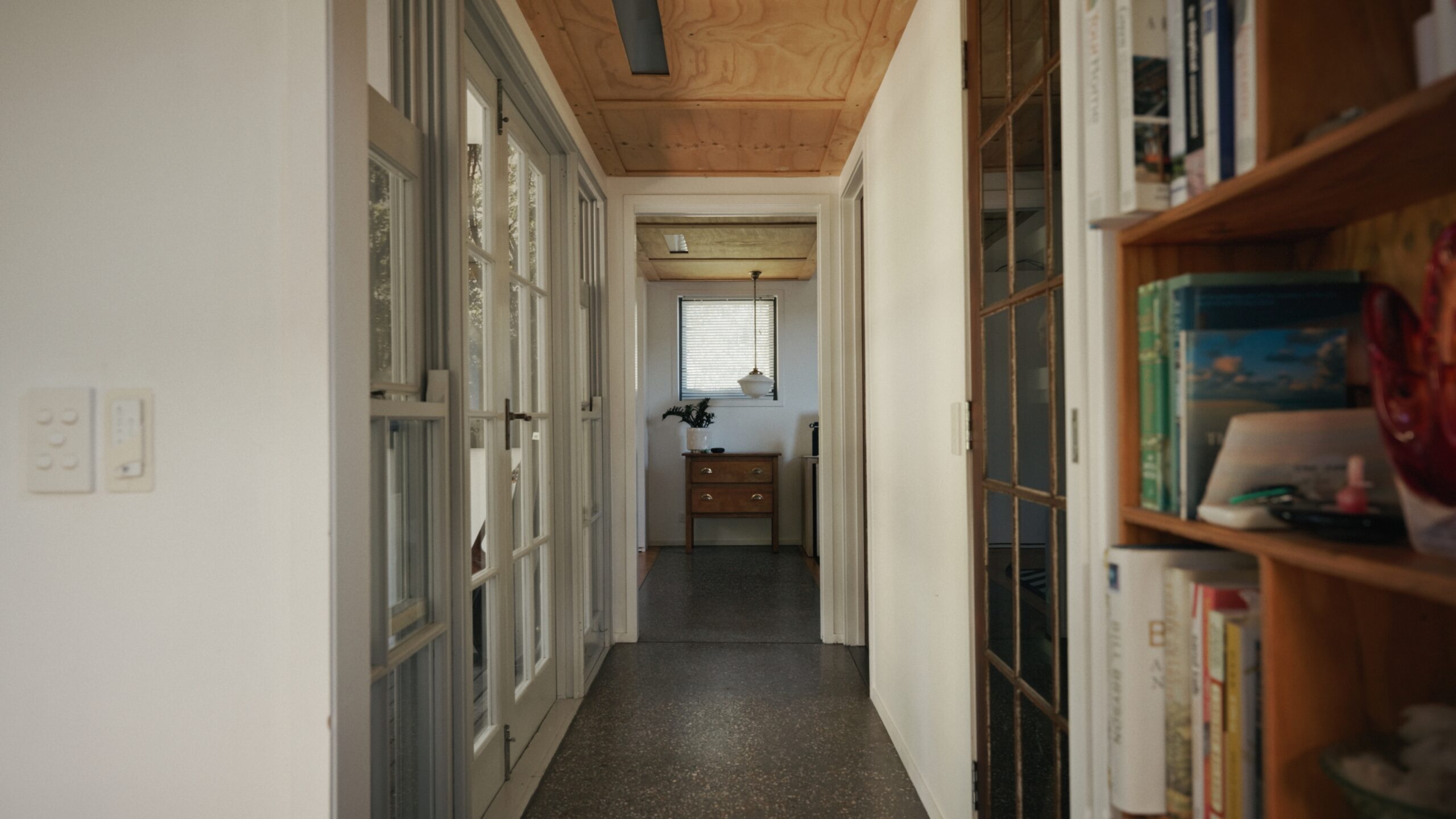
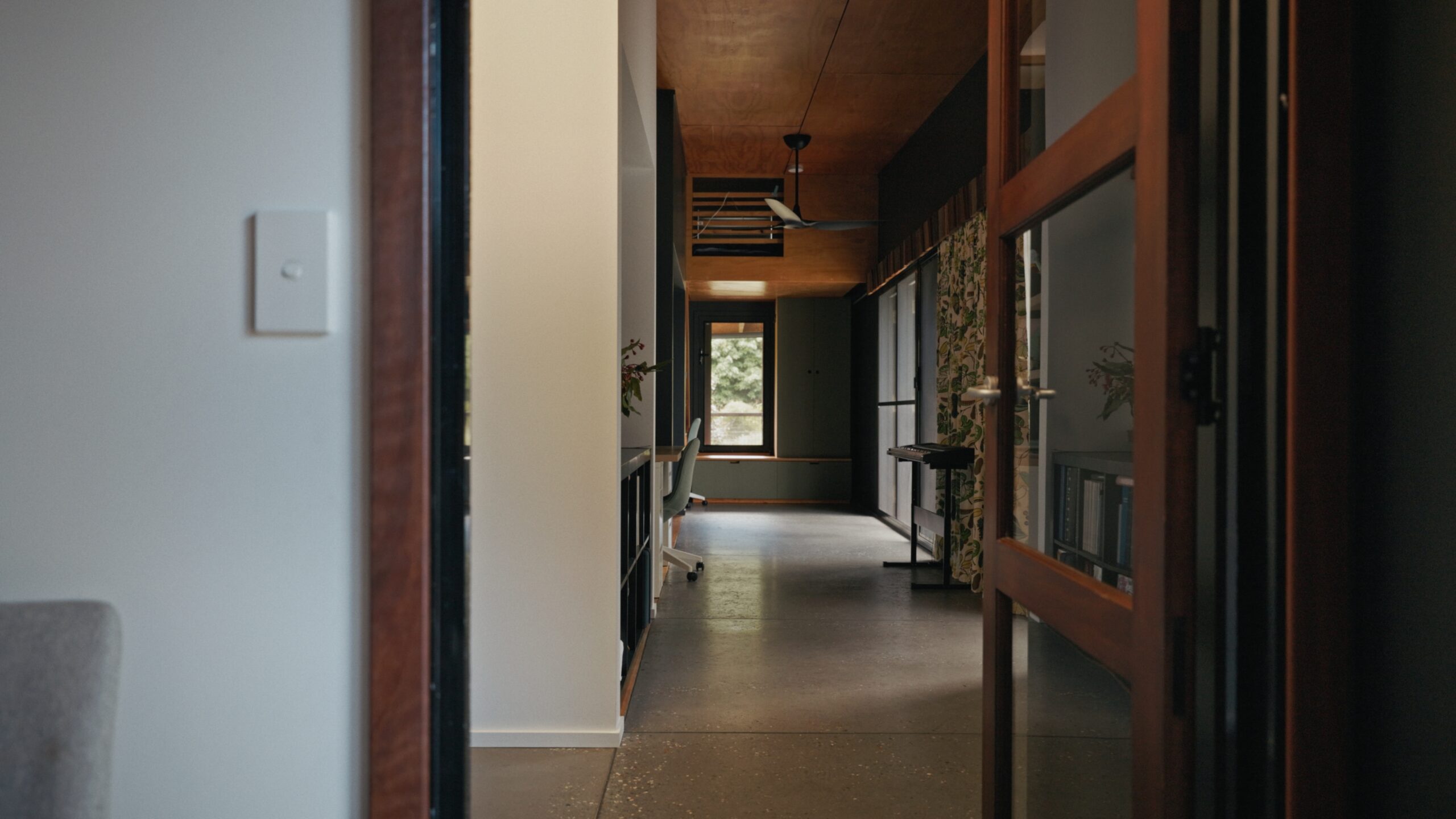
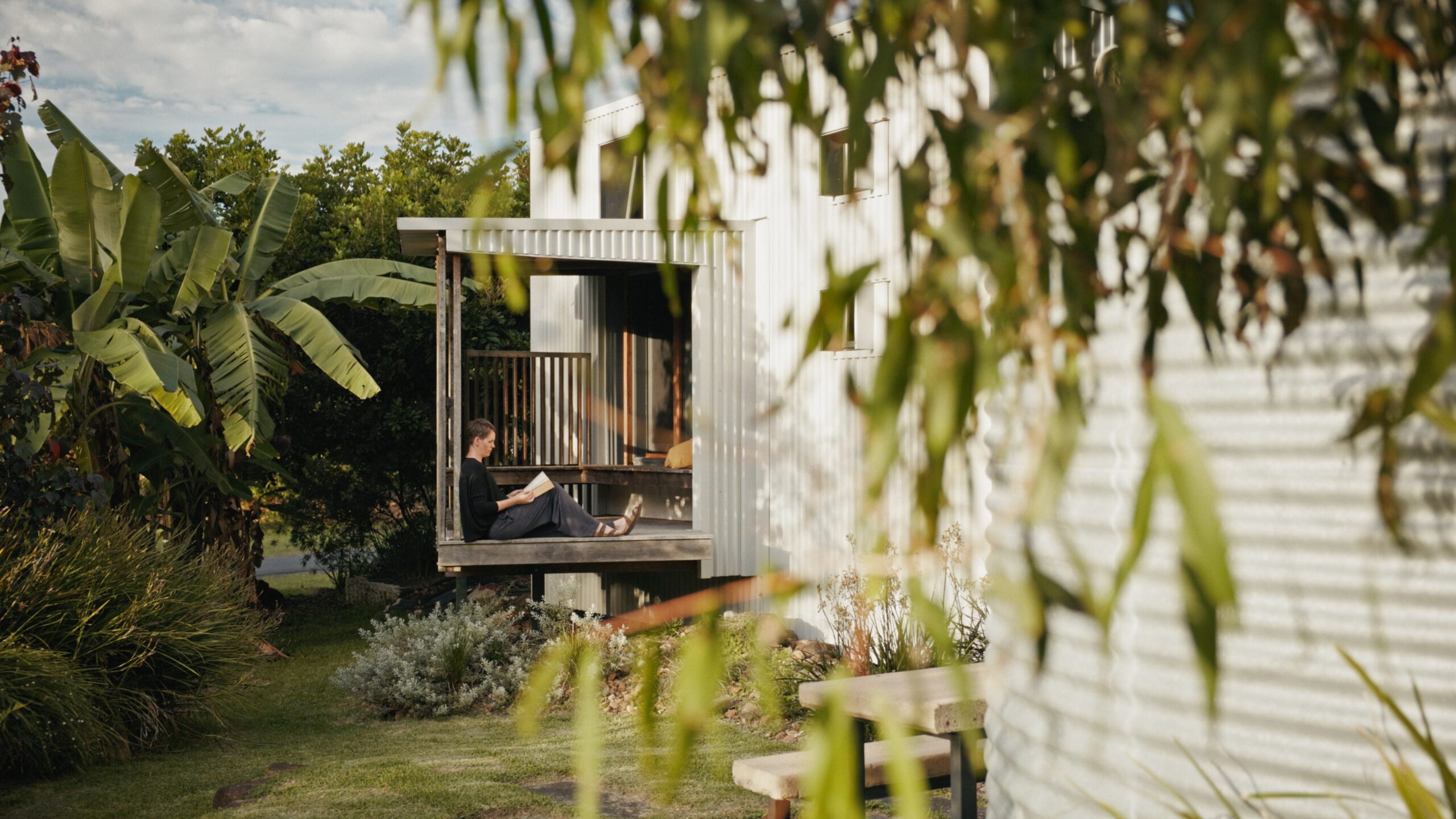
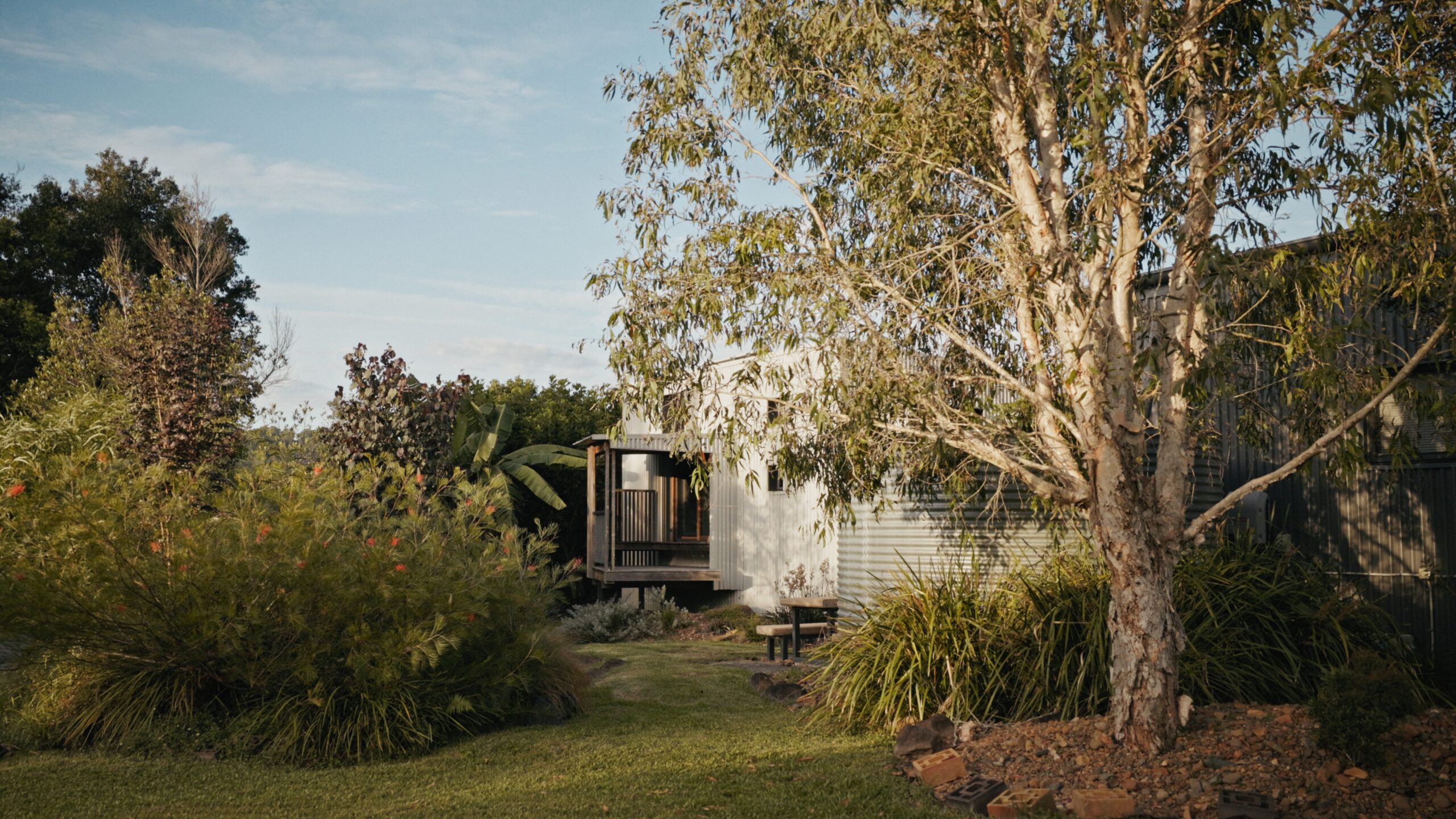
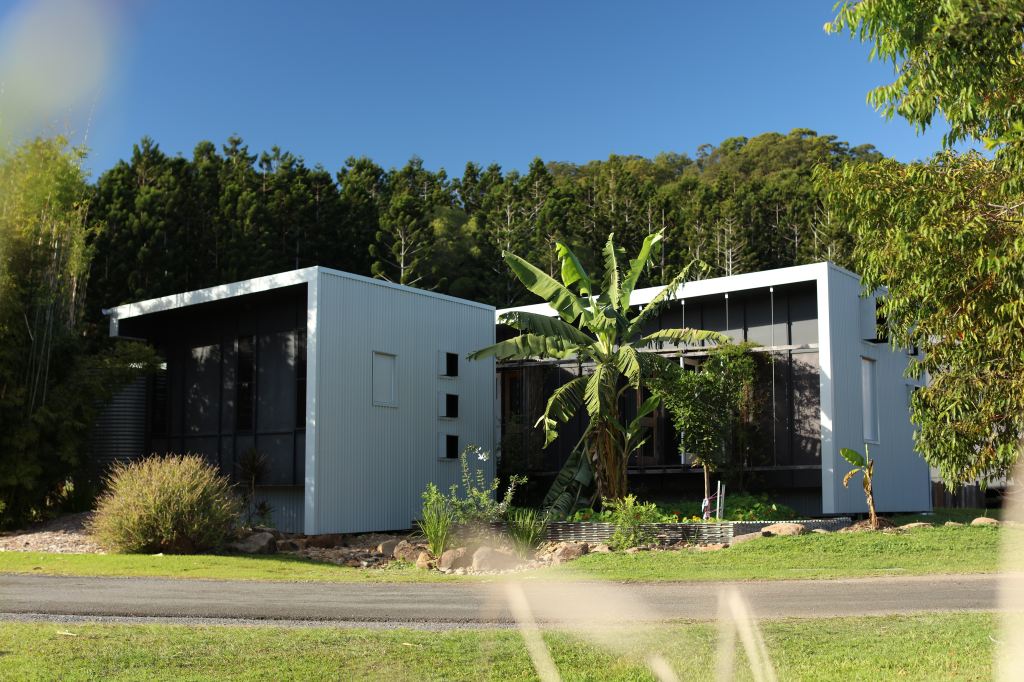
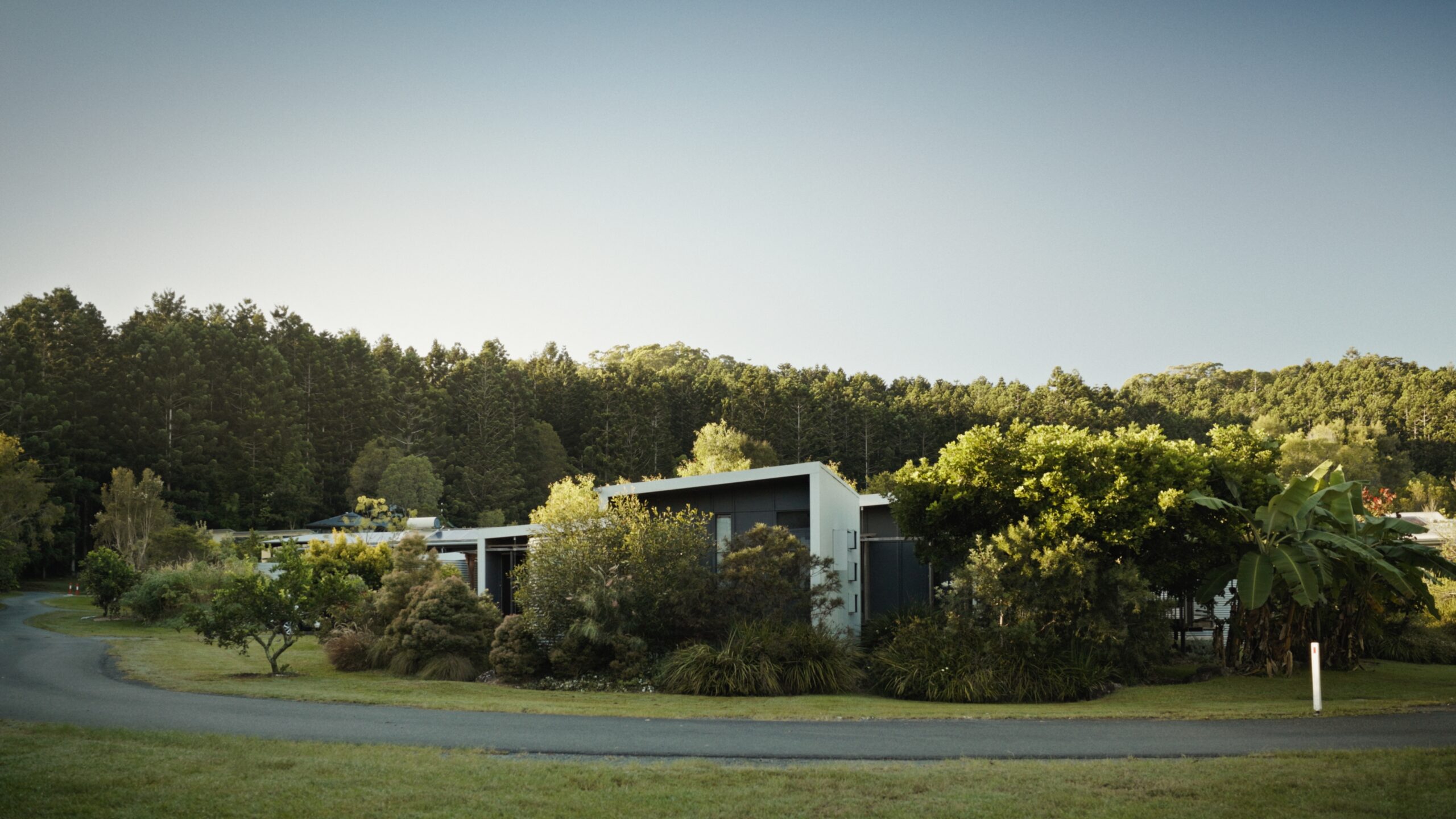
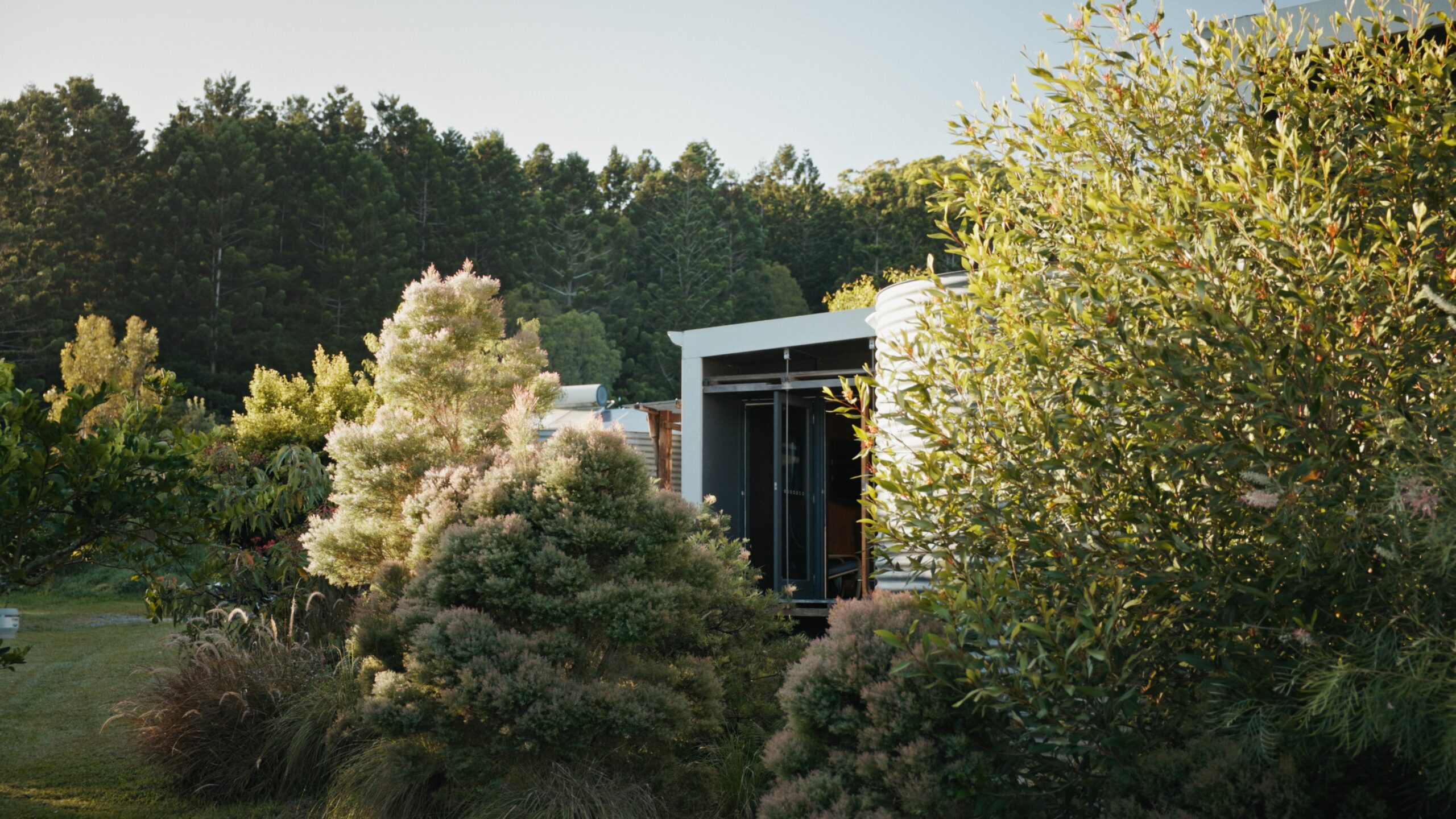
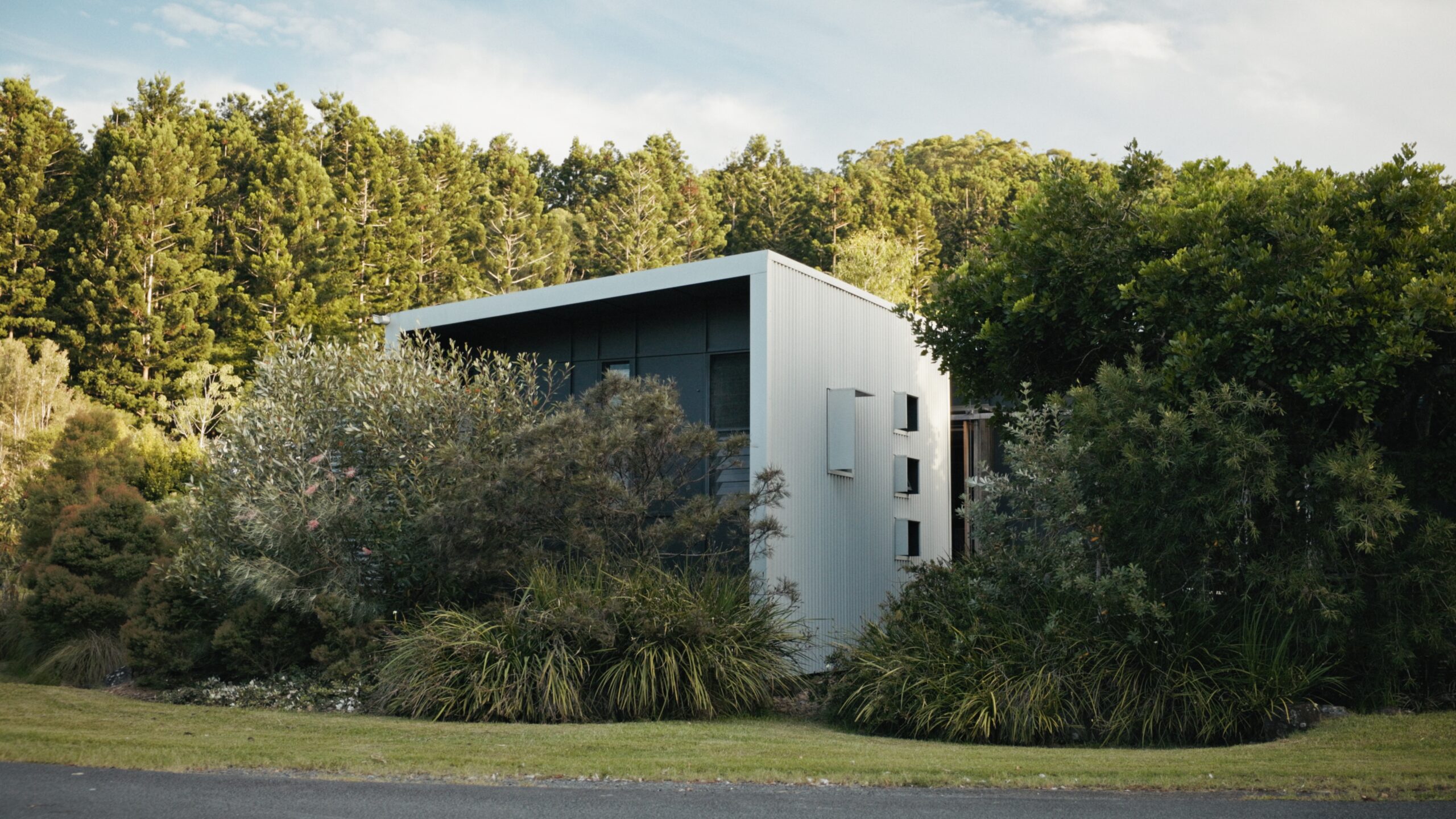
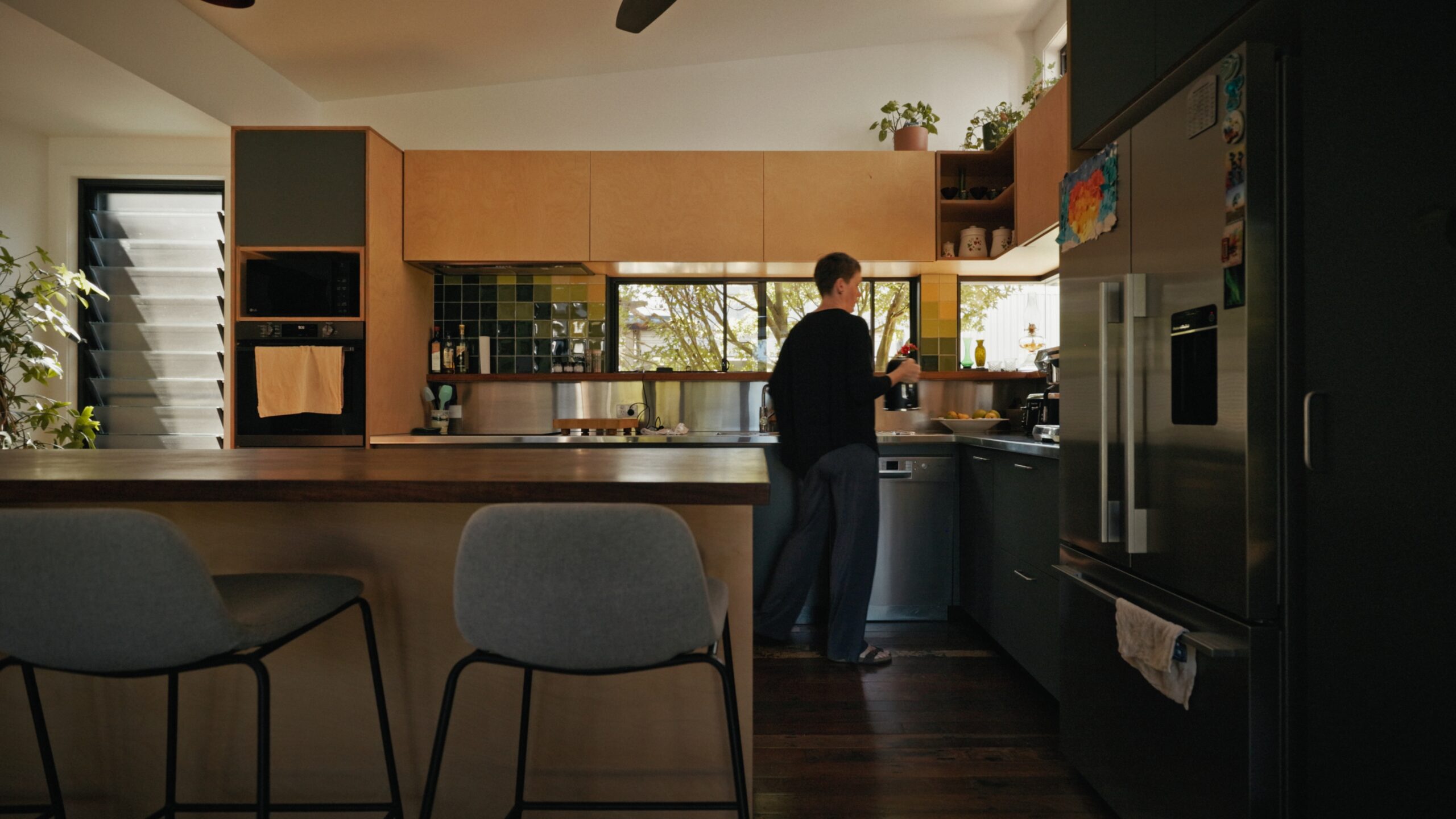
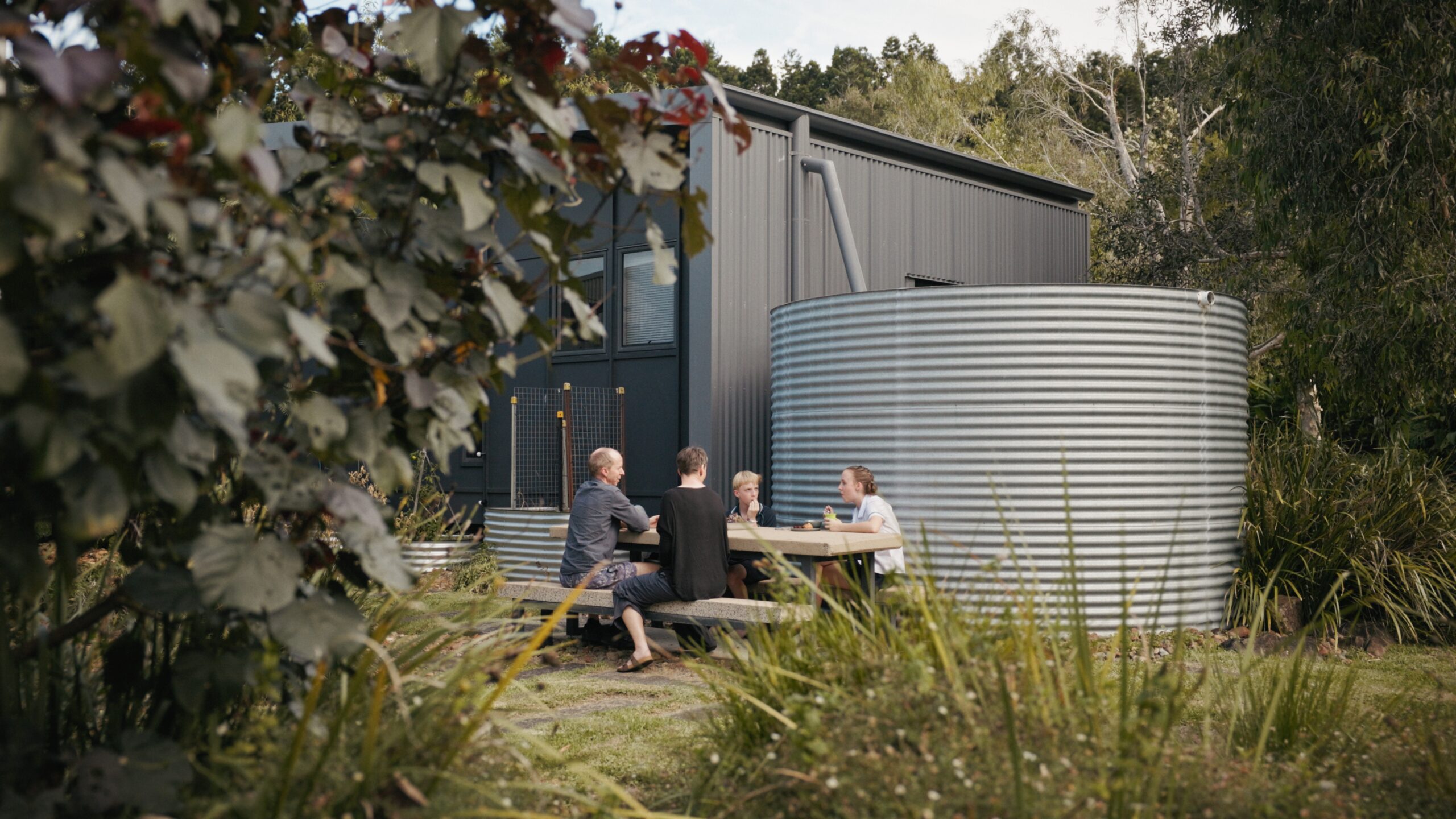
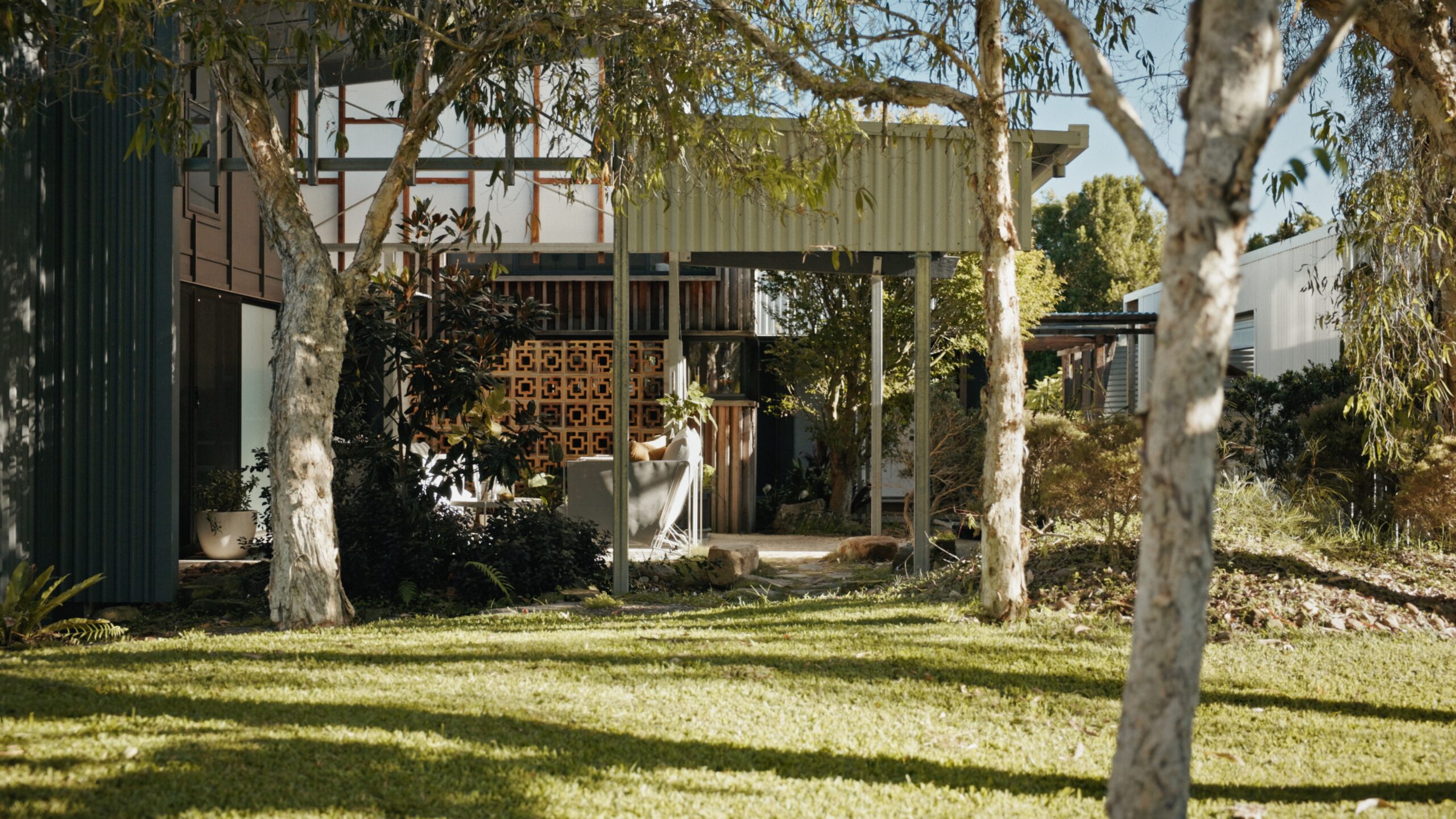
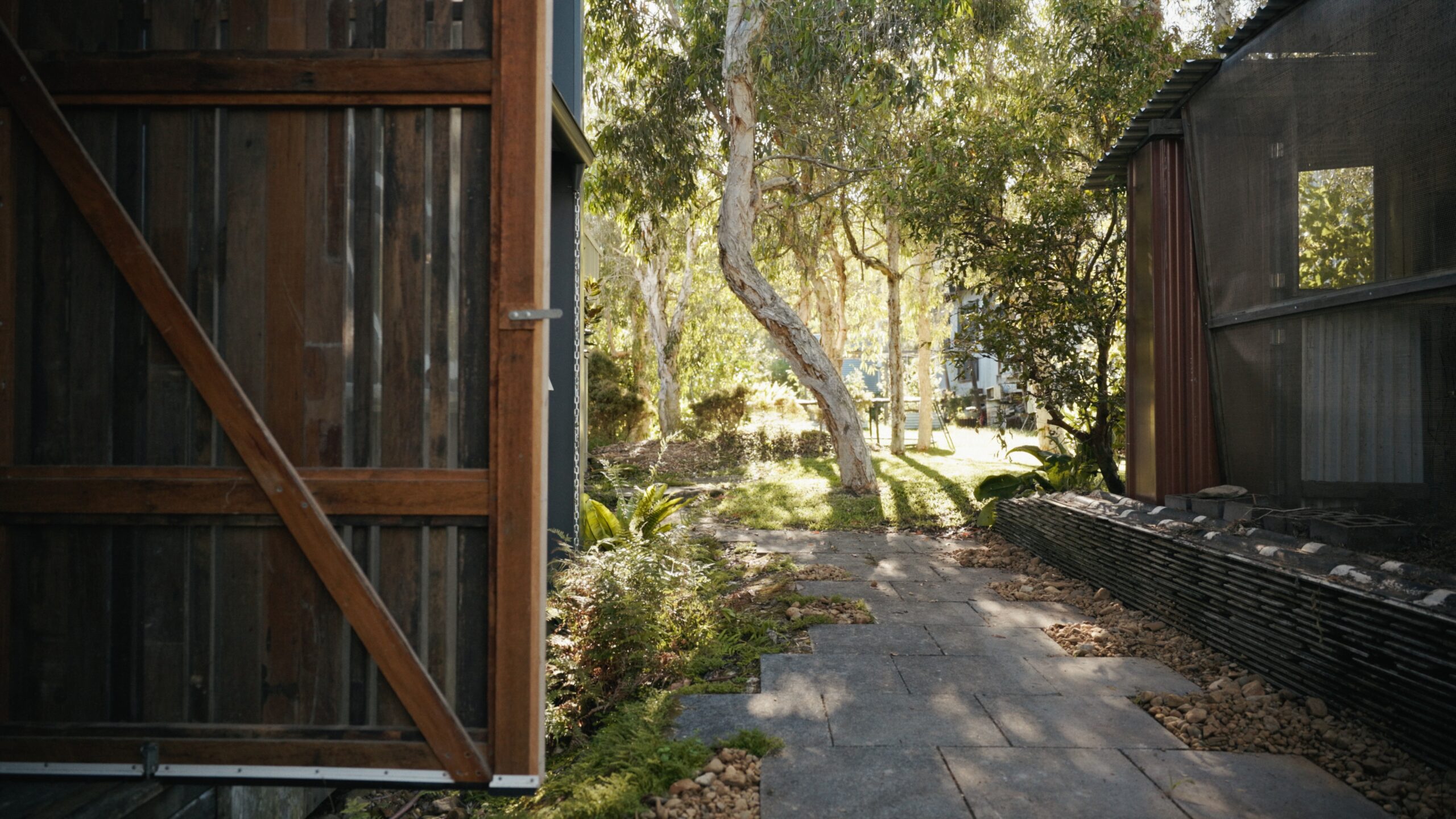
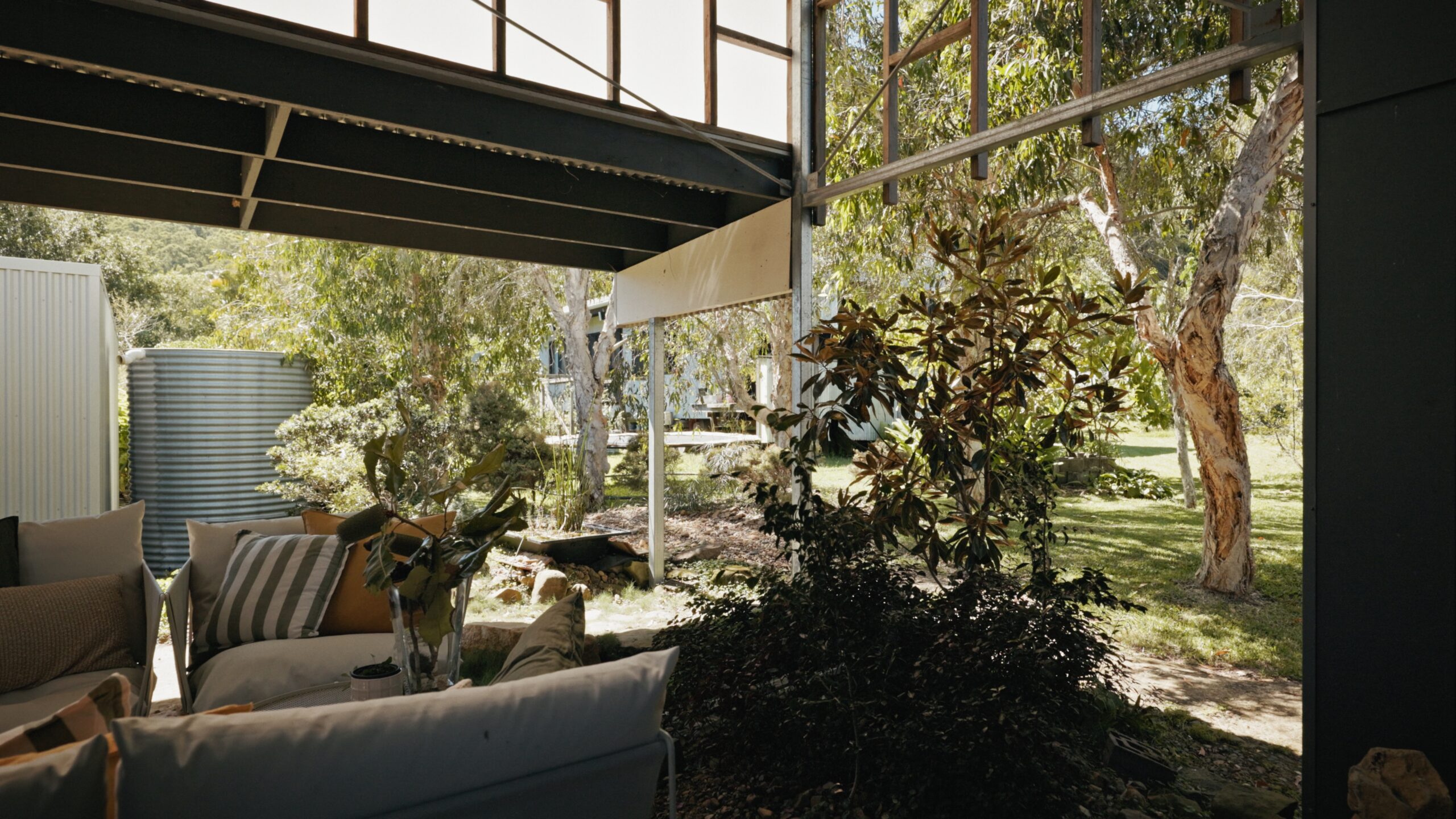
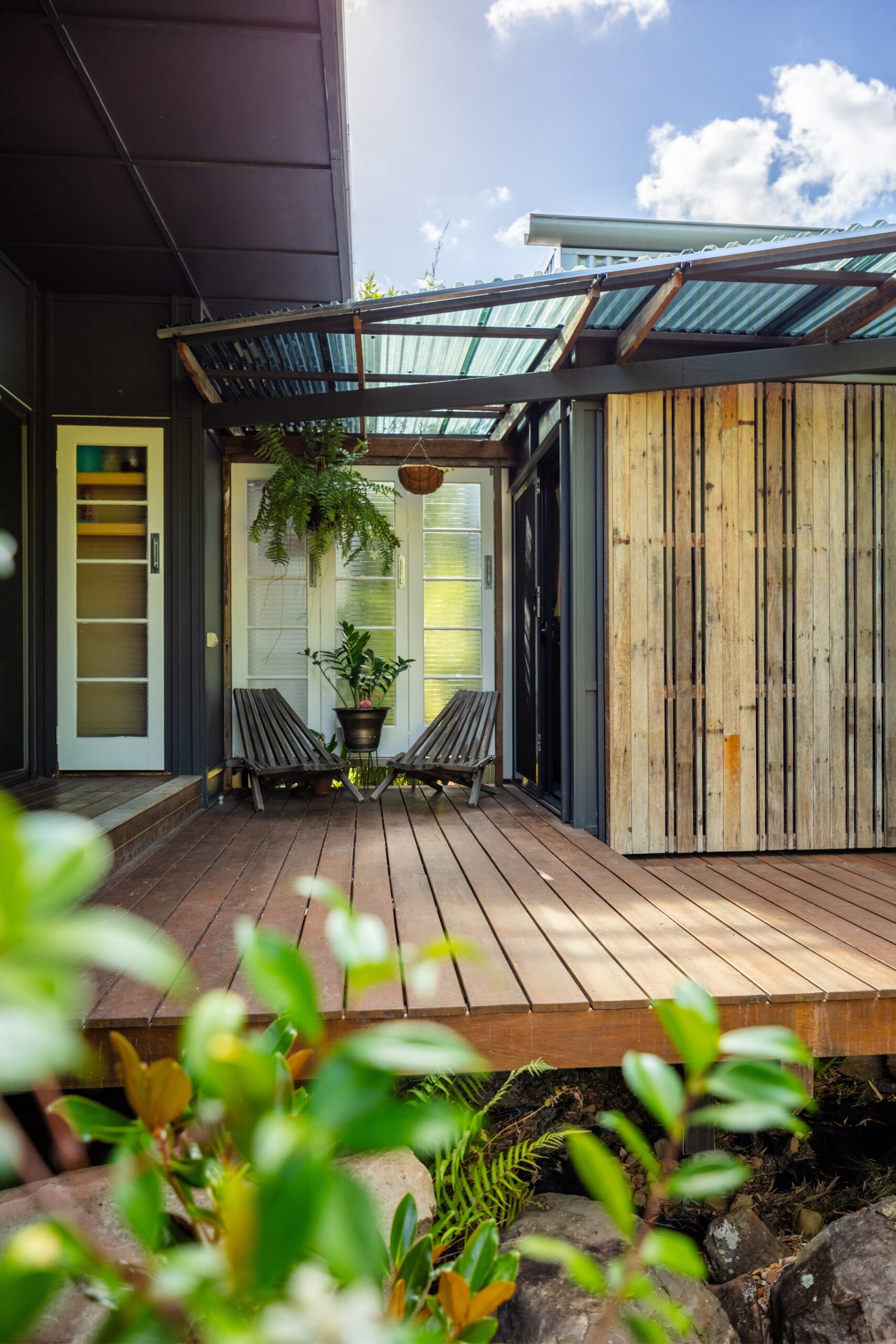
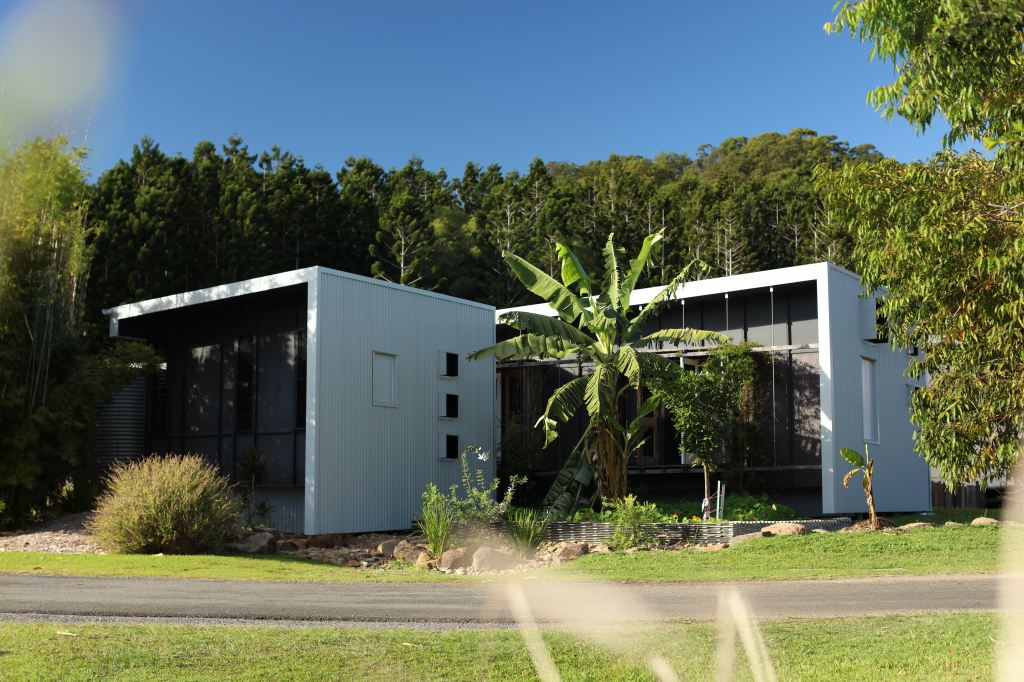
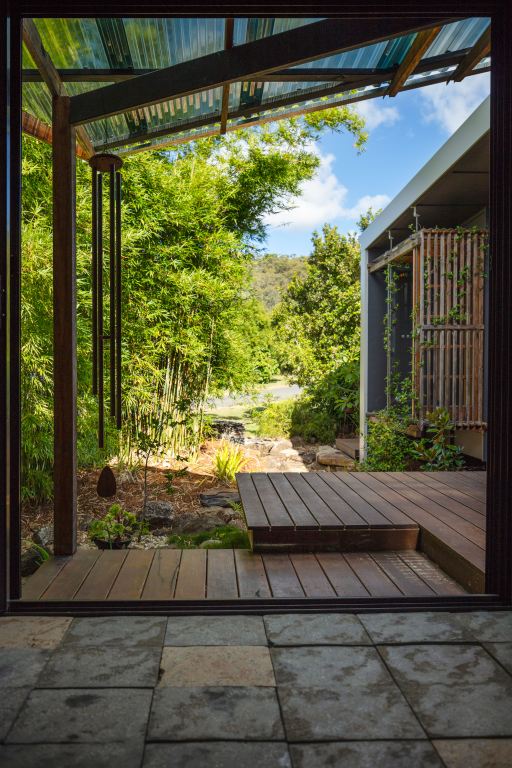
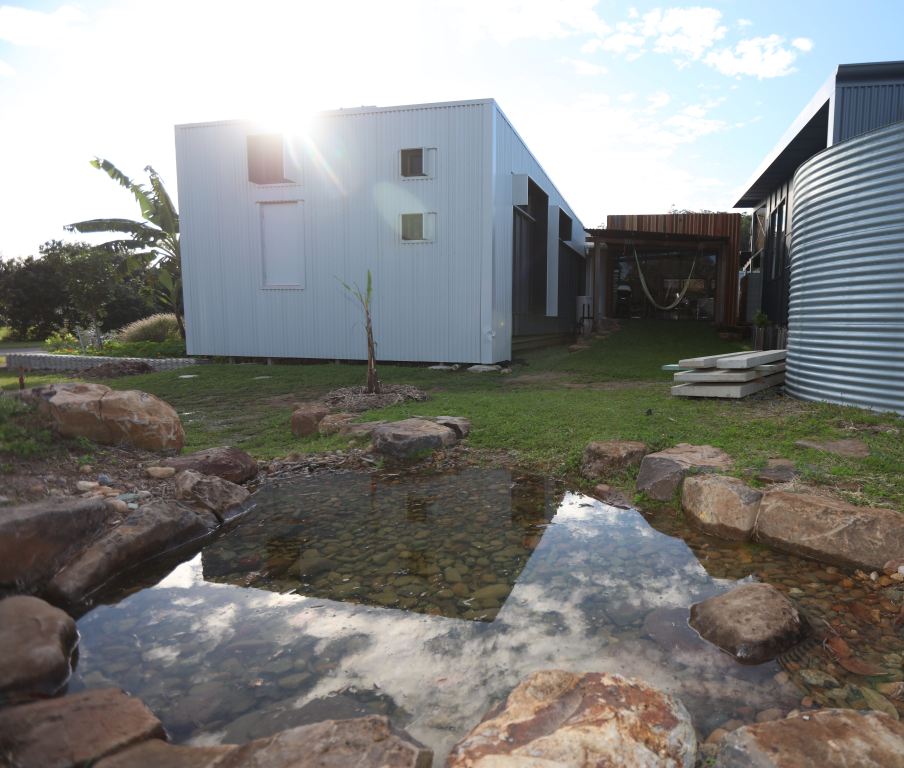
This is our family home.  It is based in an Ecovillage on the Gold Coast.

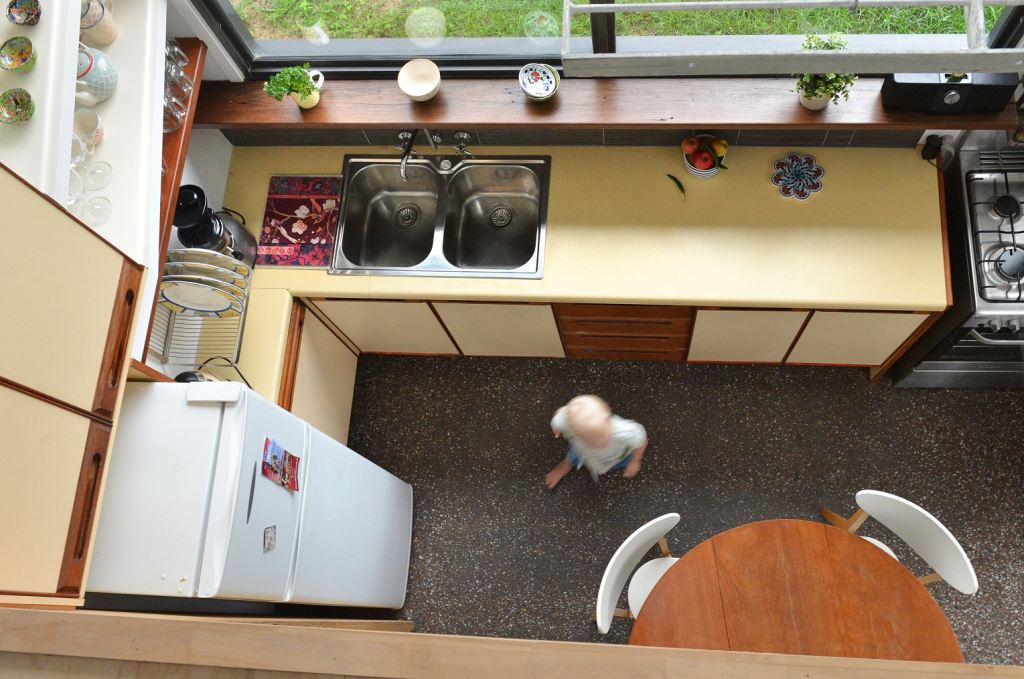
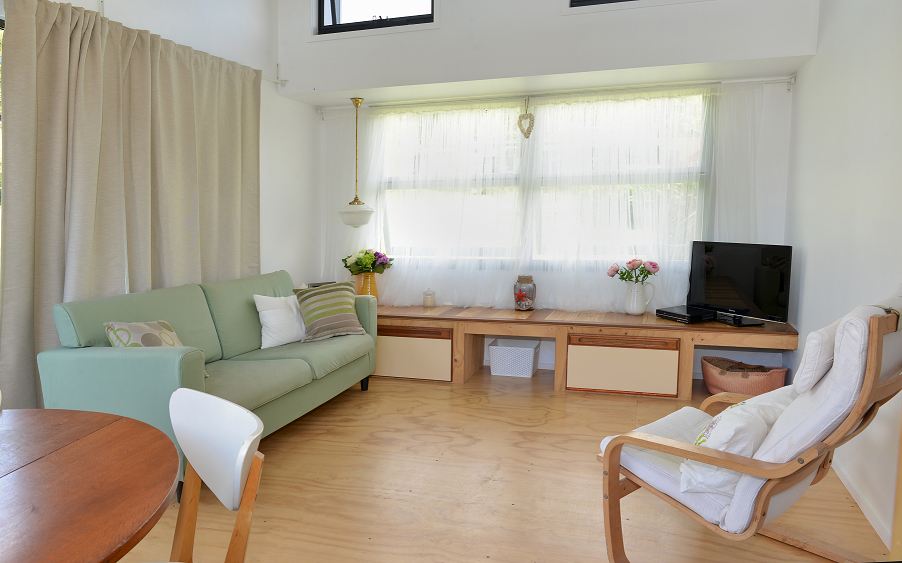
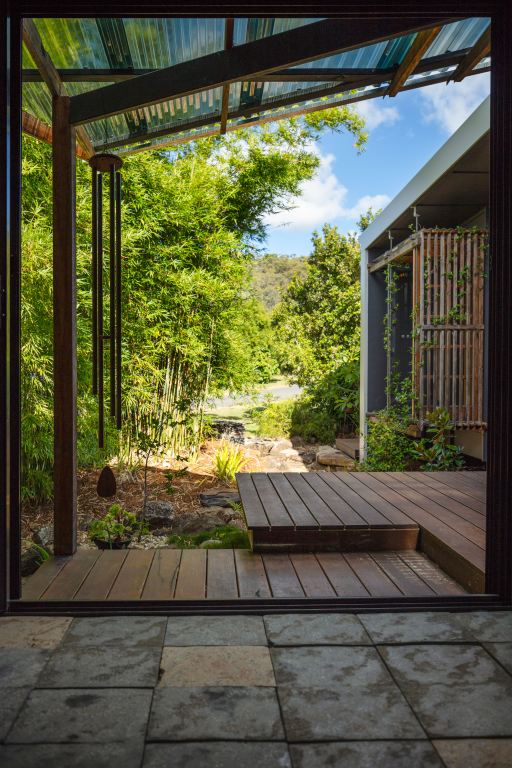
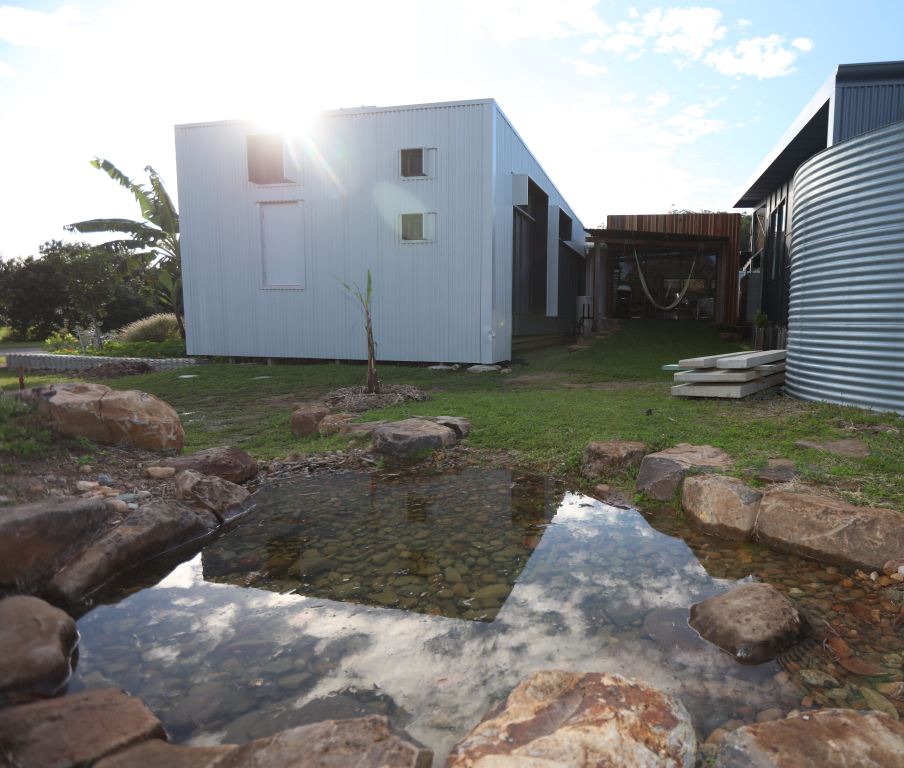
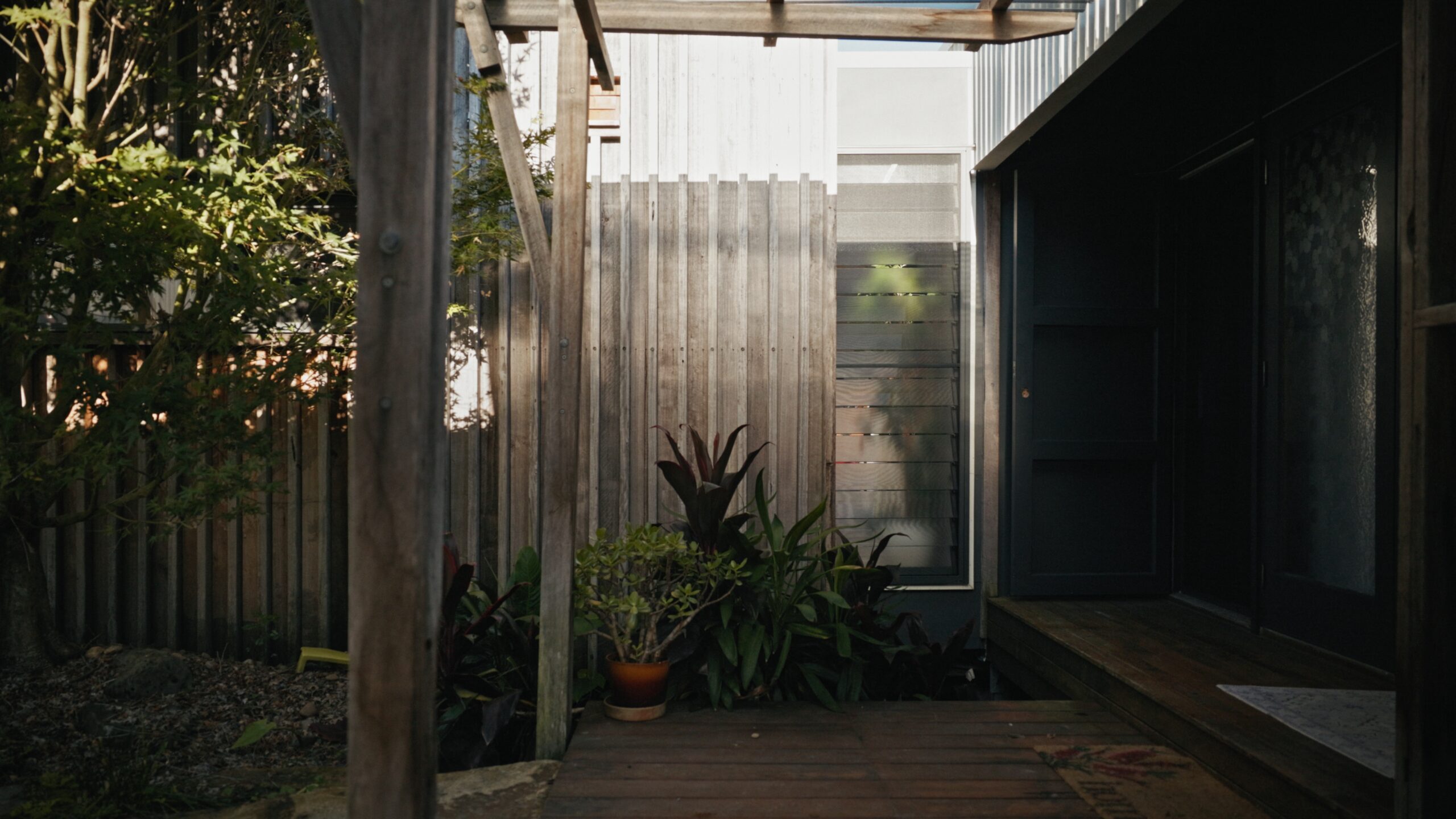
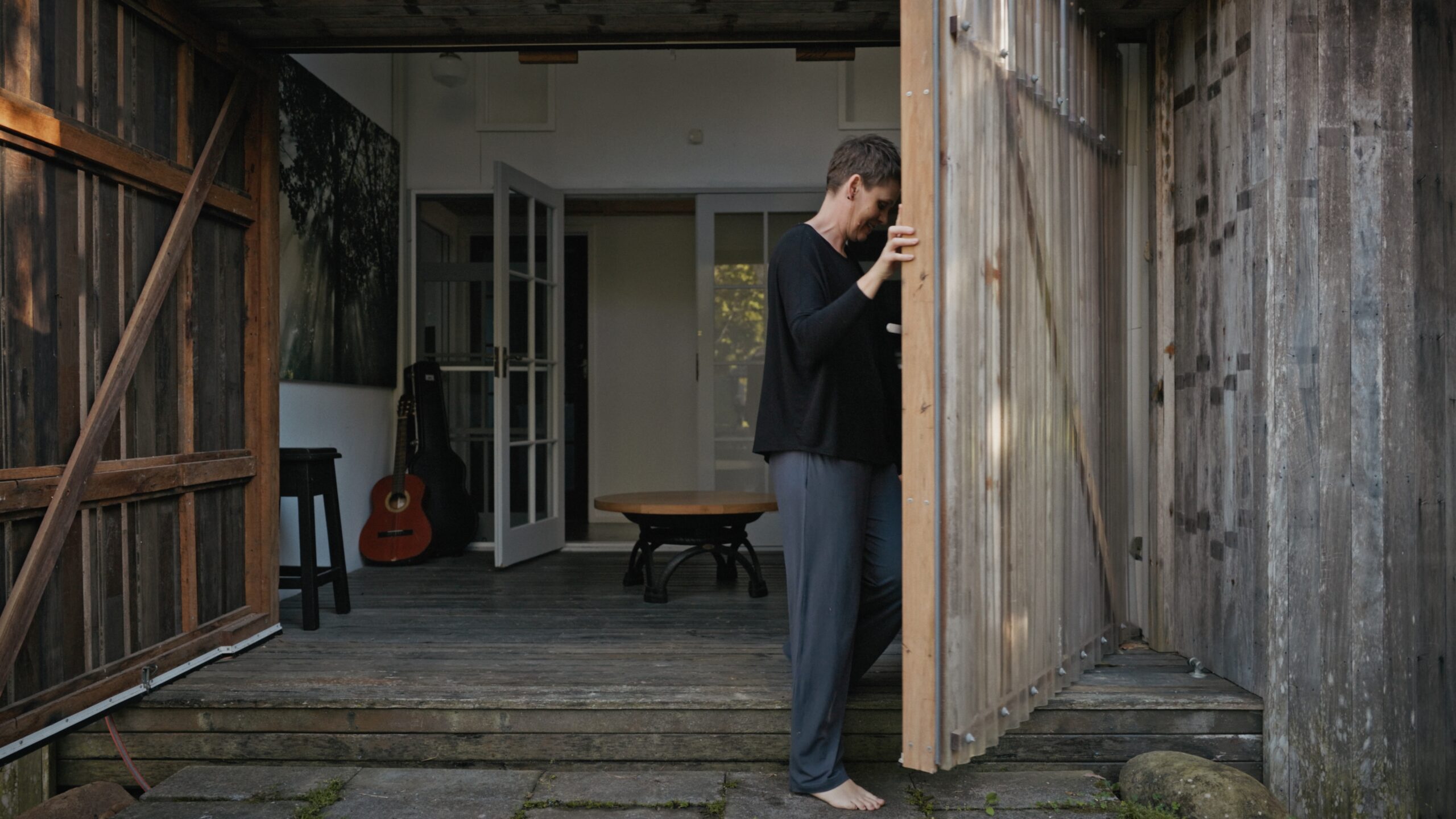
We have designed our home for ourselves.  Working with a builder we trust, we’ve been able to progressively build, adapt, adjust - and nearly finish this over the course of a decade.  Stages and changes have continued as our family, extended family and home office needs grow and change.  They have all followed our original master plan concept for the home.  The detail has changed – but the concept has stayed the same.

You can see some of the thinking behind the home at this slideshow: https://youtu.be/iL8Llo4a2VE

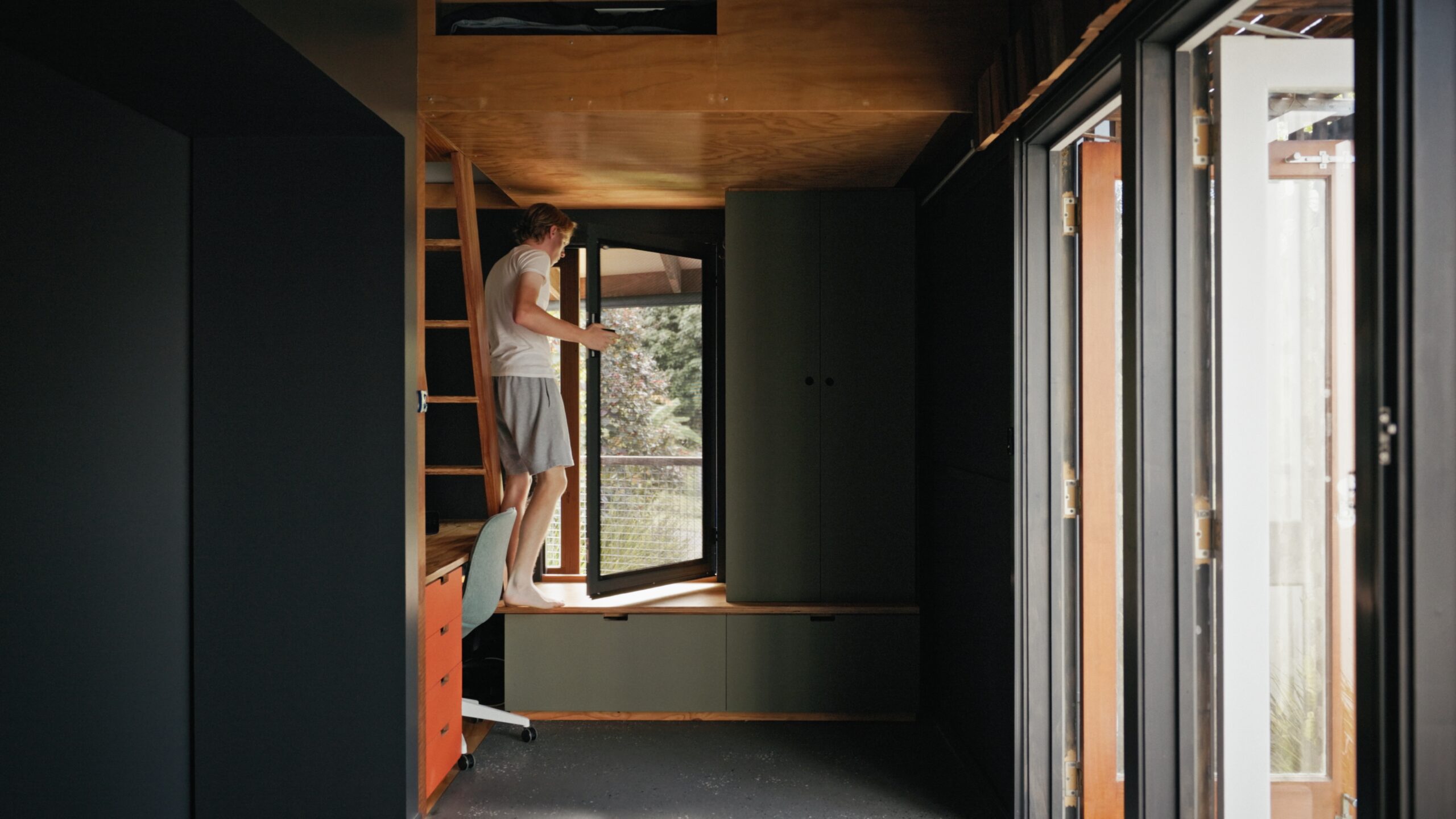
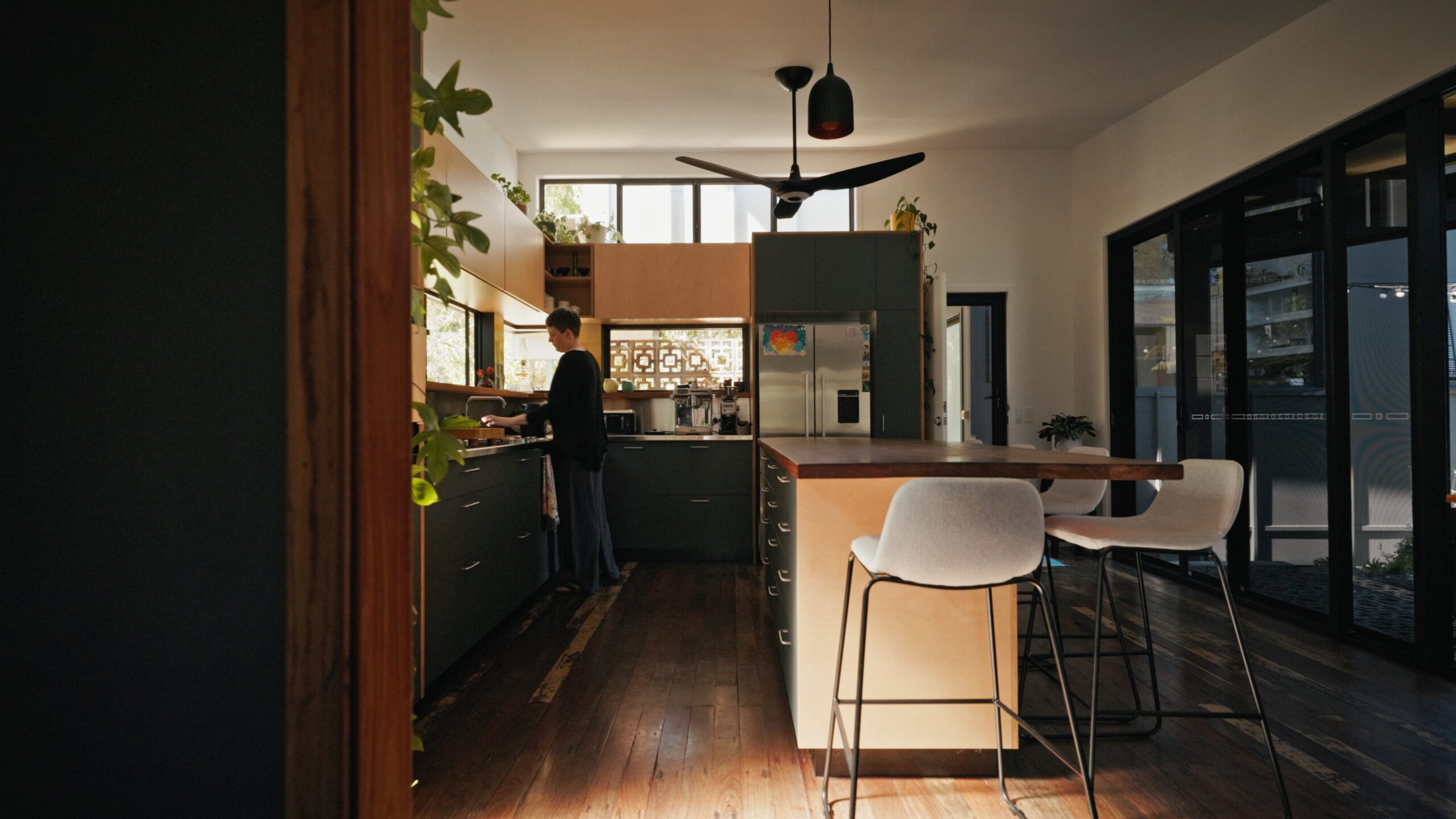
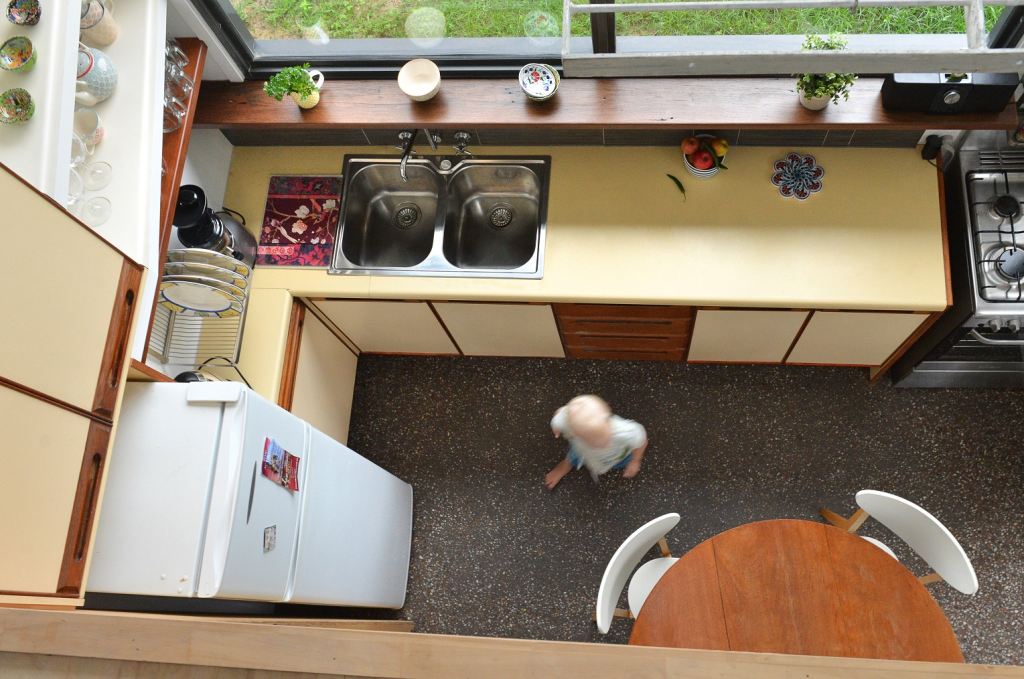
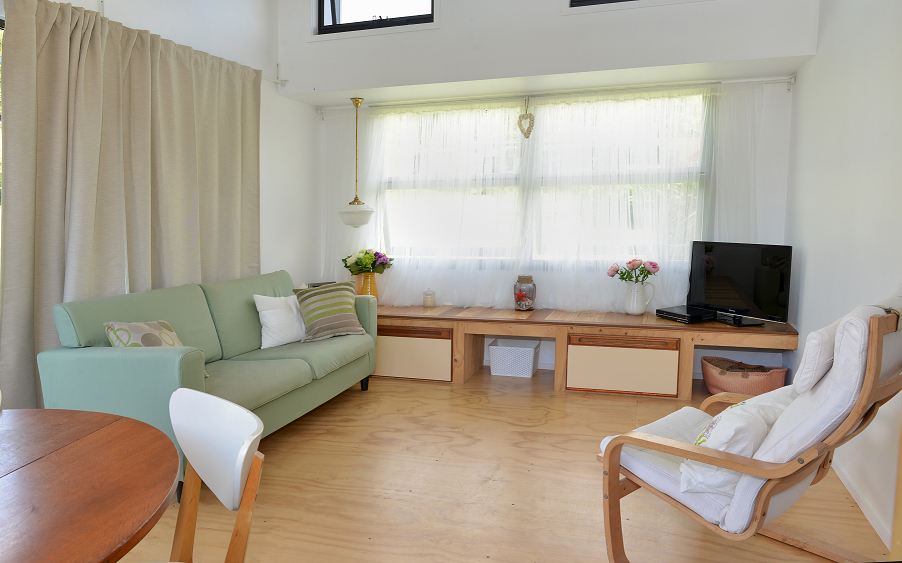
The home is designed for intergenerational living, and allows us to work from home.

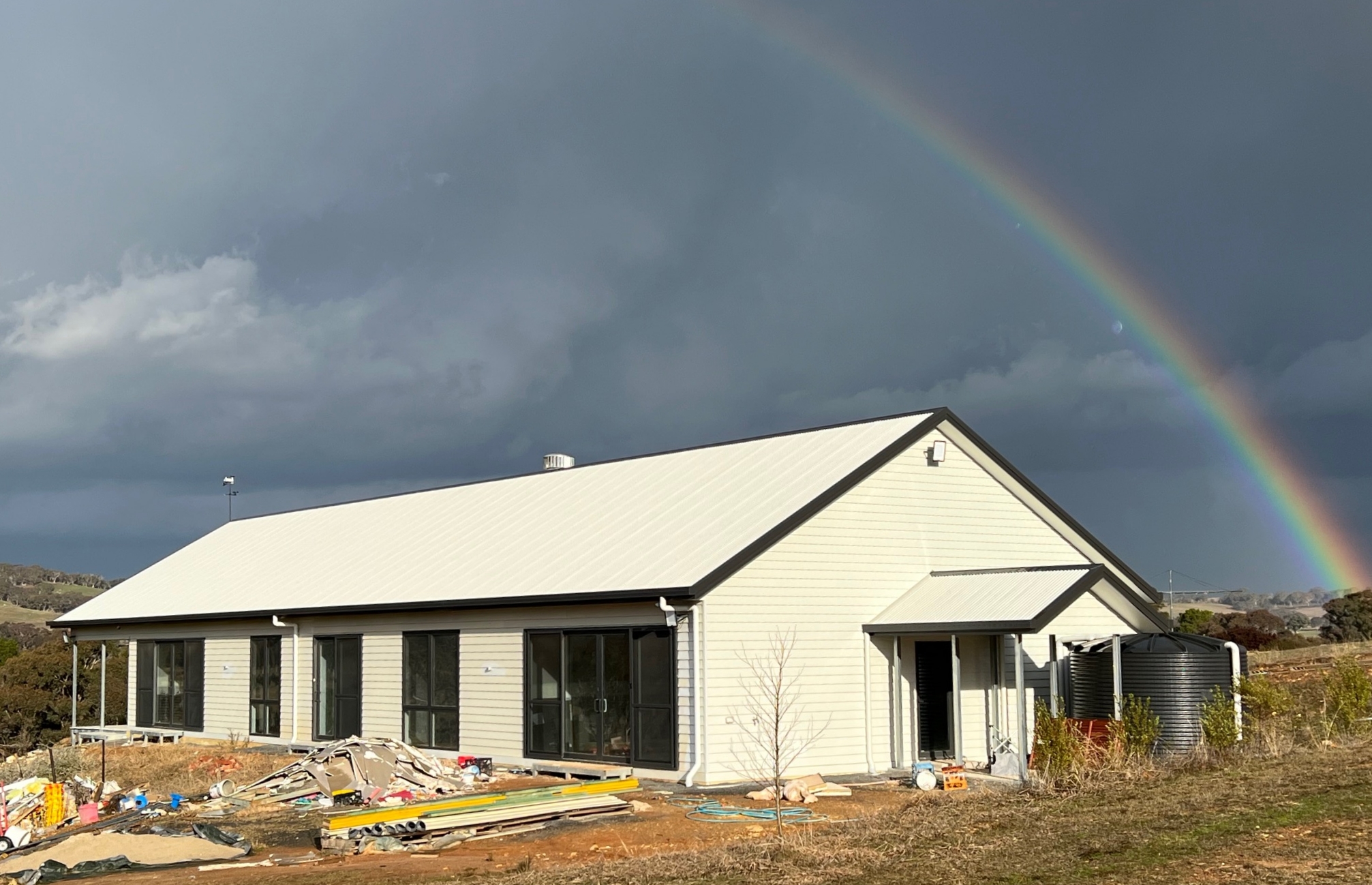
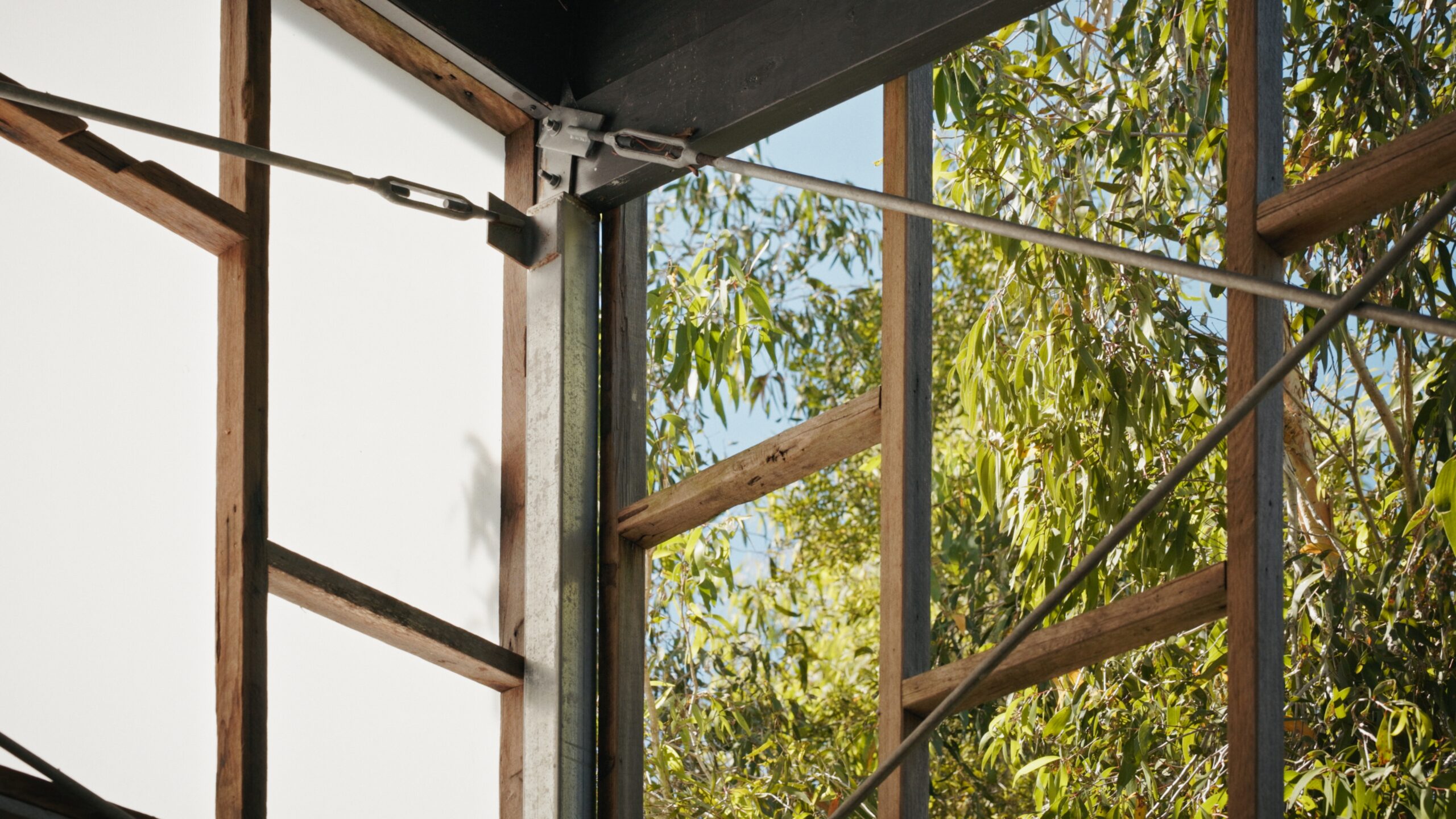
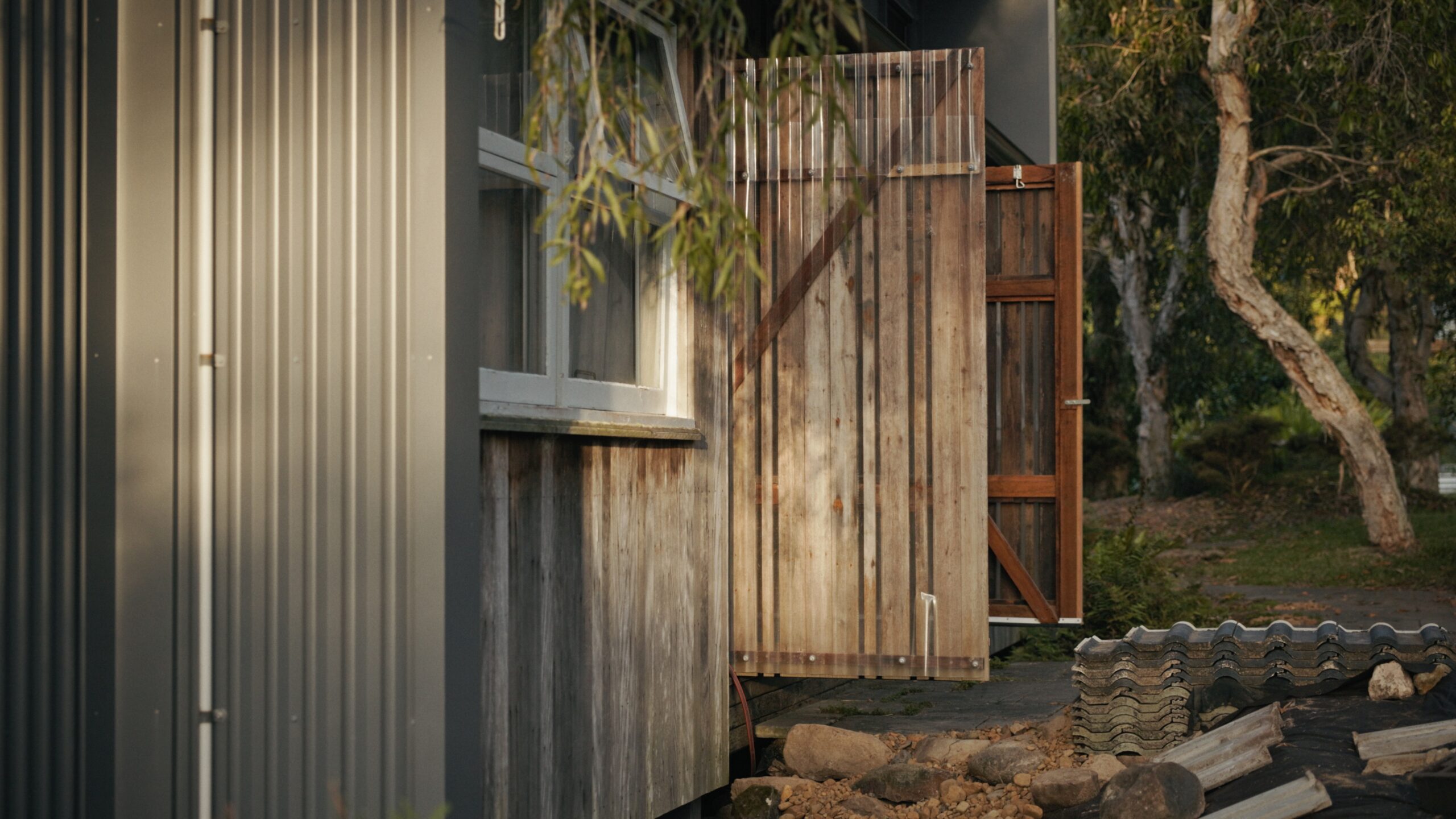
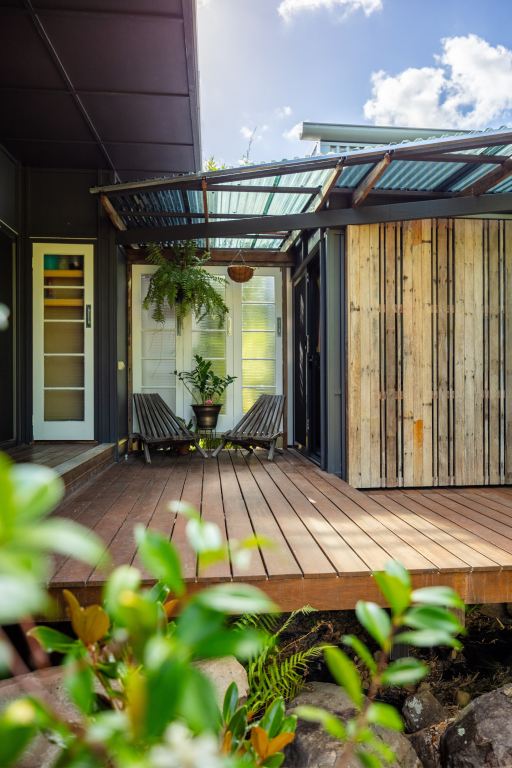
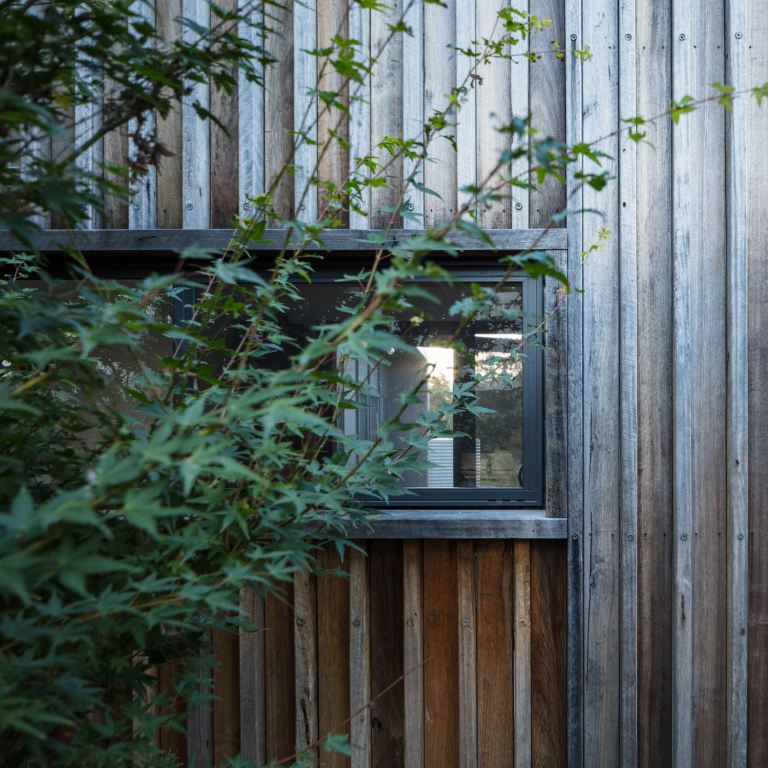
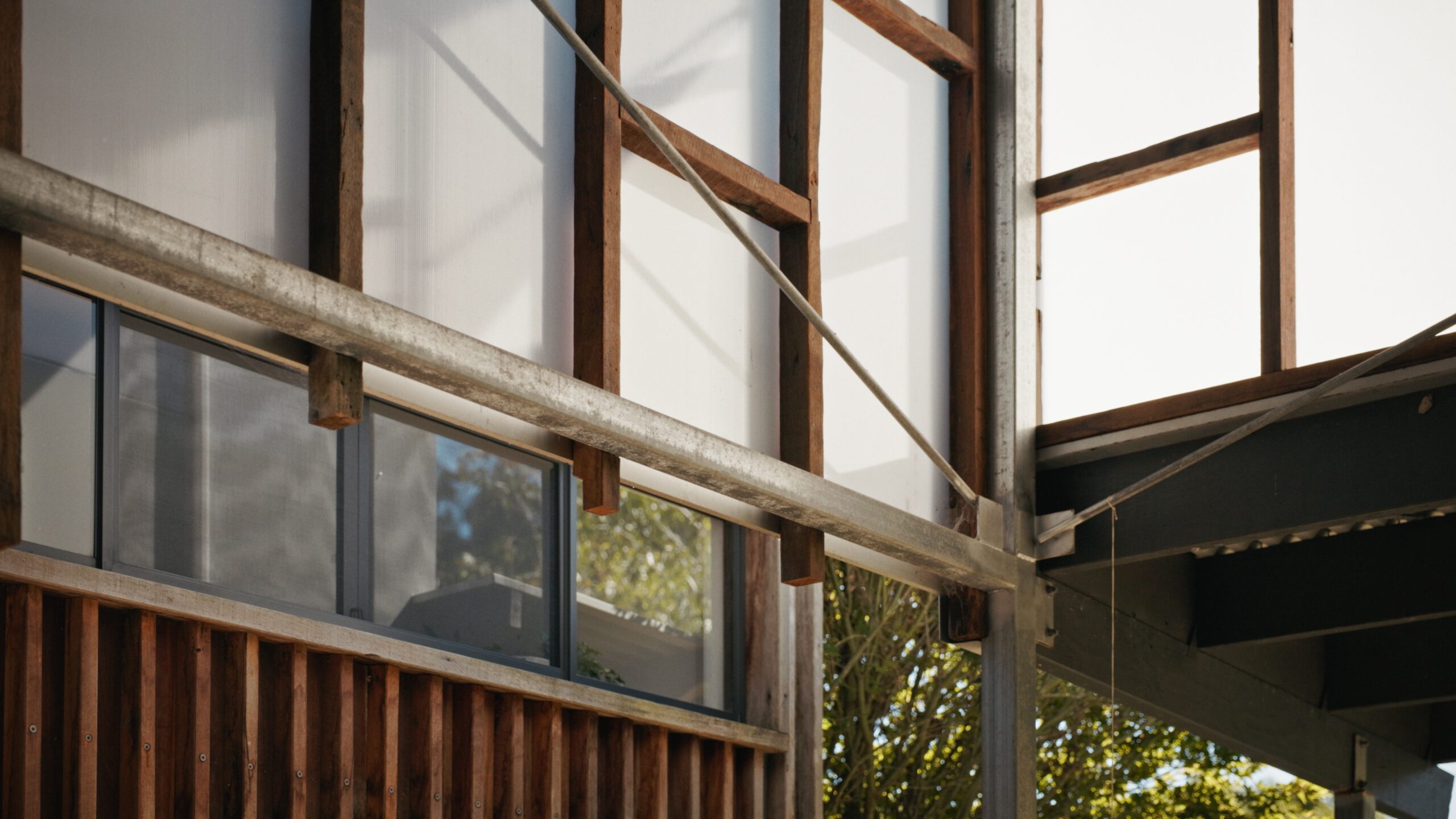
It includes a controlled ongoing evolution as our needs change - including upcoming adjustments to entry ramping to improve universal access (with provision of grabrails etc) and ongoing improvements in our insulation and glazing (selective double glazing will replace some of our original recycled doors and windows as they age with us – so extra comfort can be built in over time)

We see architecture not as a static concept with ''finish line'' - but more an evolution.  A journey toward a more sustainable lifestyle.  The home needs to improve over time to keep pace with our changing family needs, in a changing world, with a changing climate.  The home is more resilient now than it was when we first built it.  We need to keep adapting and improving with it.

Design: ptma Architecture www.ptma.au

Photography: Ravens at Odds.

Q & A

What motivated you to build or retrofit sustainably?
Ongoing interest in improving the way we do things in Australia in the building industry and showing that we can do things differently
Designing from the outset for passive solar and a growing family (intergenerational but with flexibility to be rented or home office) so the house can evolve as we do and our needs do... this gave much control back to us - including financially, and the ongoing adjustments we can make over time to improve things.
We did a short article on this with Emma Scragg for this house in Sanctuary! Examples include: We should have insulated the carport roof. It’s become a play and social space – more than we’d anticipated (and hot!) We started using gas for cooking before home batteries were a thing. And have since swapped over and moved away from gas. We should have built another little independent space for one of the kids… none of them want to leave home… sigh.
Fonzy flat over the carport for one of our kids as they grow!
Type: Cohousing, Ecovillage, Prefab/Modular, Secondary dwelling, Standalone house/townhouse
Project: Gradual upgrades over time
Architect: ptma Architecture - Teresa Wuersching and Peter McArdle
Builder: Treby Build
Size: 120sqm plus granny flat 60sqmm²
Energy Rating: 6
Bedrooms: 5+
Bathrooms: 3

Sustainability Features

Building Materials & Envelope

Draught-proofing/air sealing
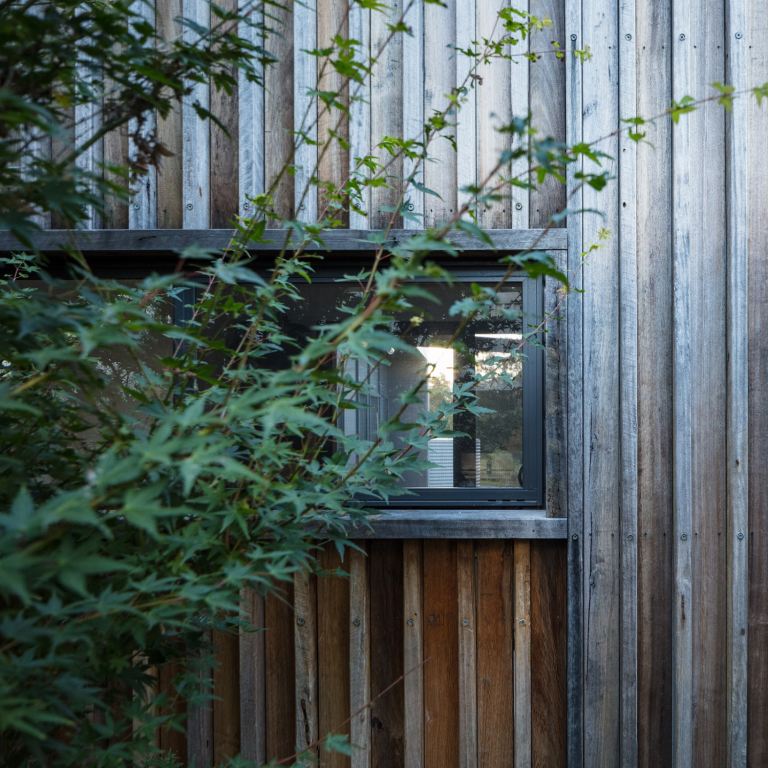
Sustainable or low-impact materials
Recycled or reused materials

Heating, Cooling and Ventilation

Passive heating/cooling (north-facing glazing, cross ventilation, thermal mass, shading, etc.)
Ceiling fans
Heat pump (reverse-cycle) heating/cooling

Energy and Appliances

Rooftop solar PV
Battery storage
Dedicated wall-mounted EV charging
Efficient lighting (LED, daylighting, solar skylights)
Heat pump hot water
Electric cooktop - induction/ceramic

Water & Waste Systems

Water-efficient fixtures
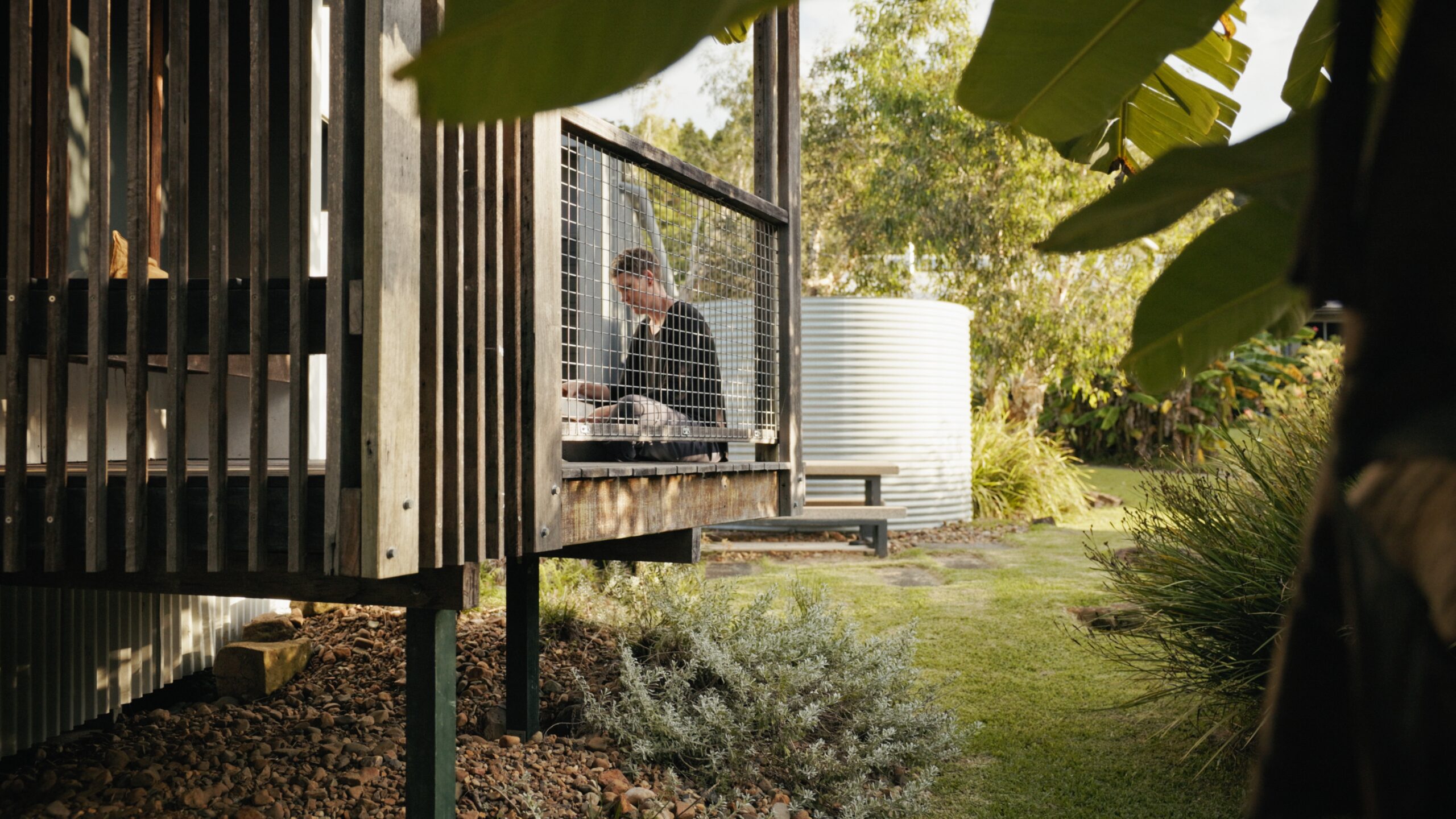
Rainwater tanks

Landscape & Biodiversity

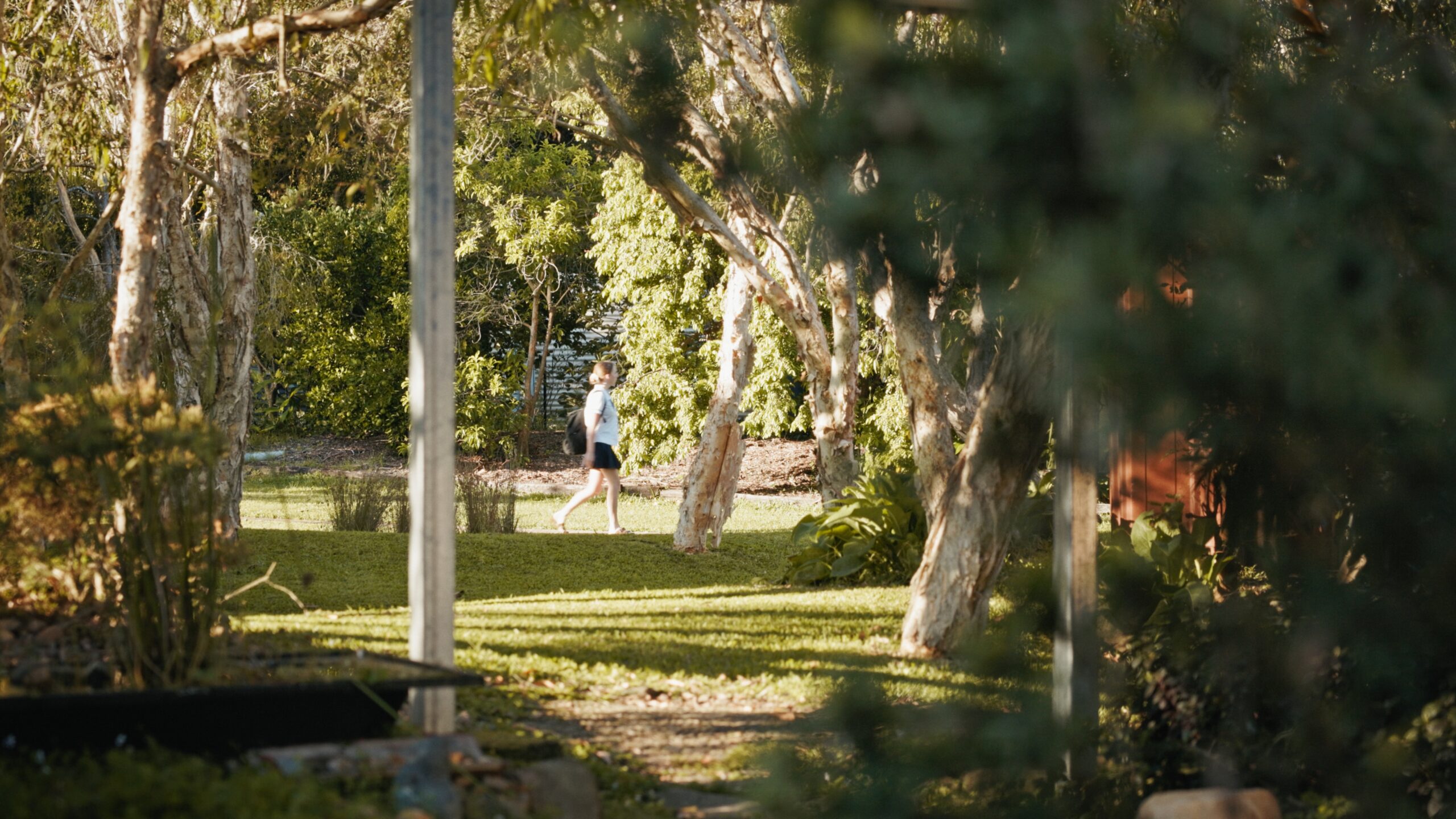
Native garden
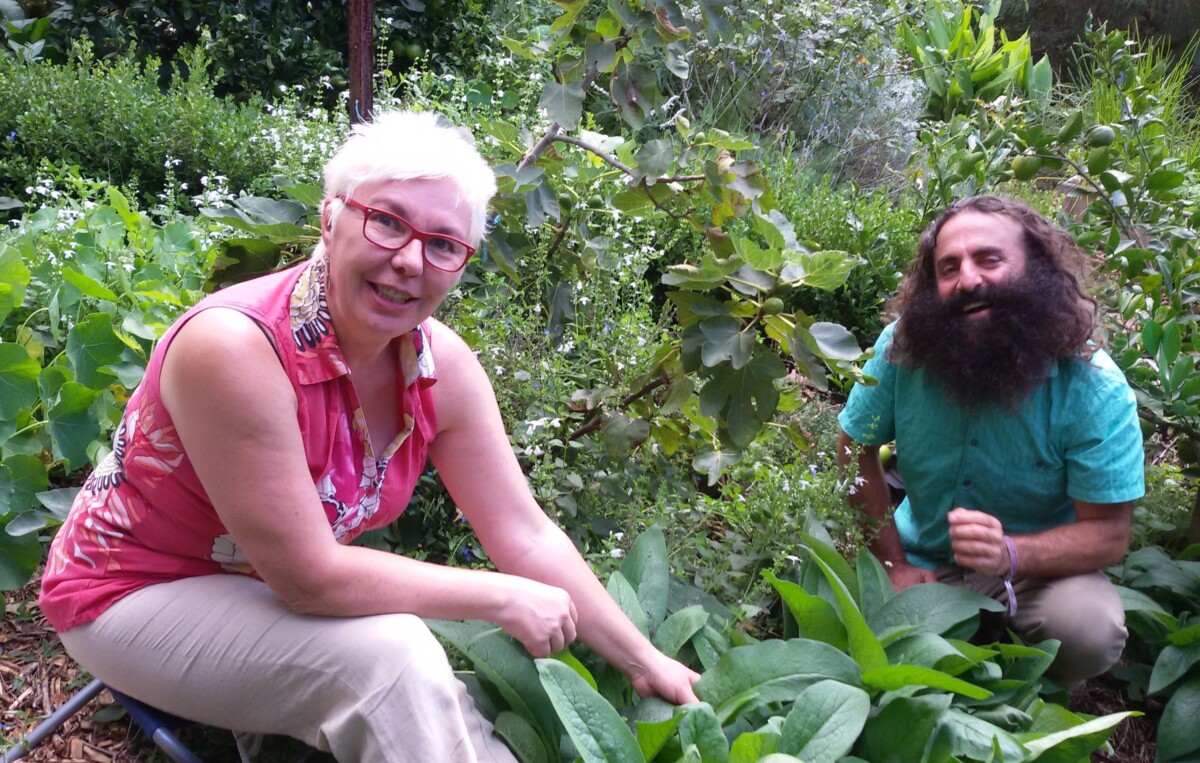
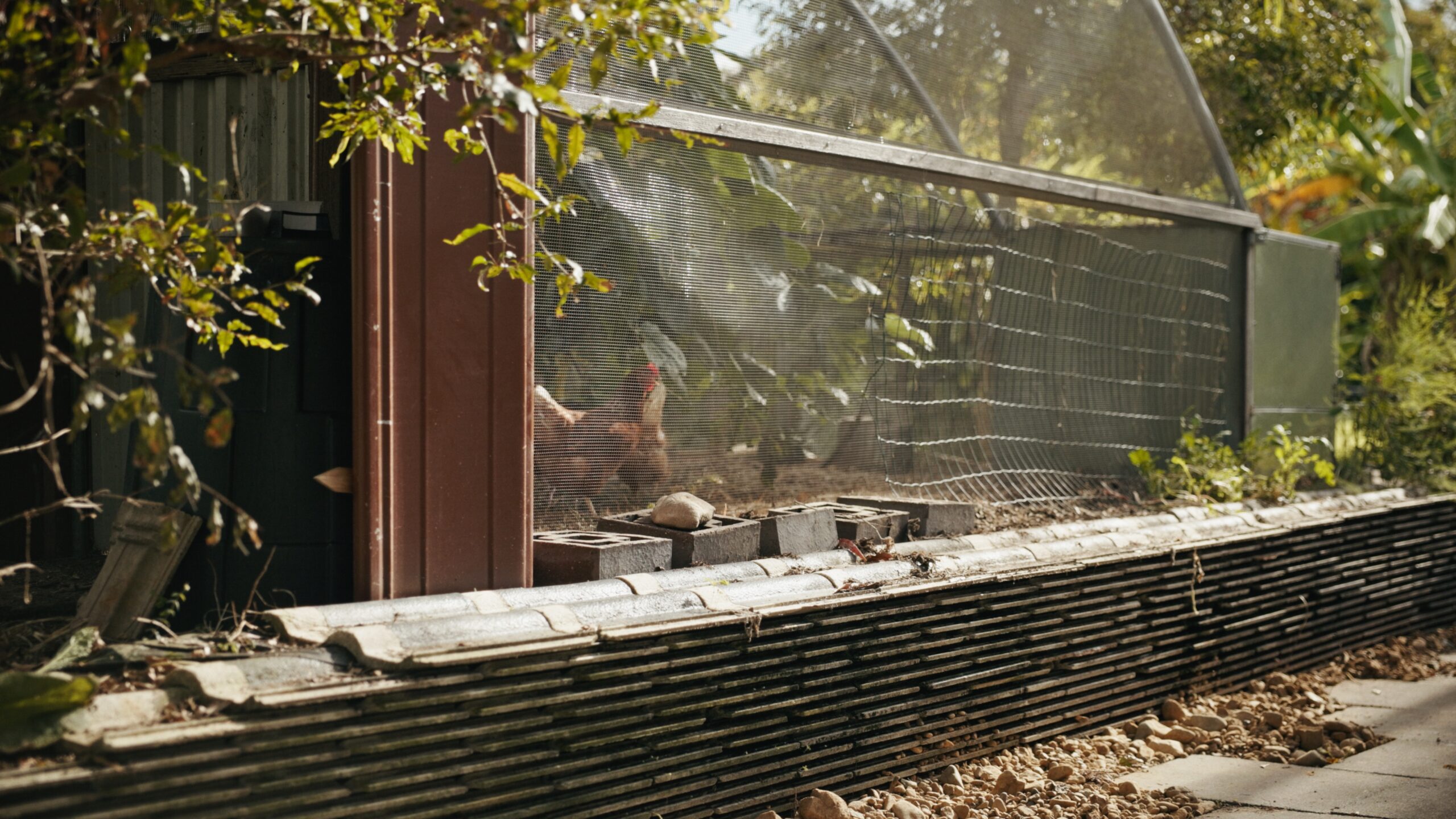
Edible garden
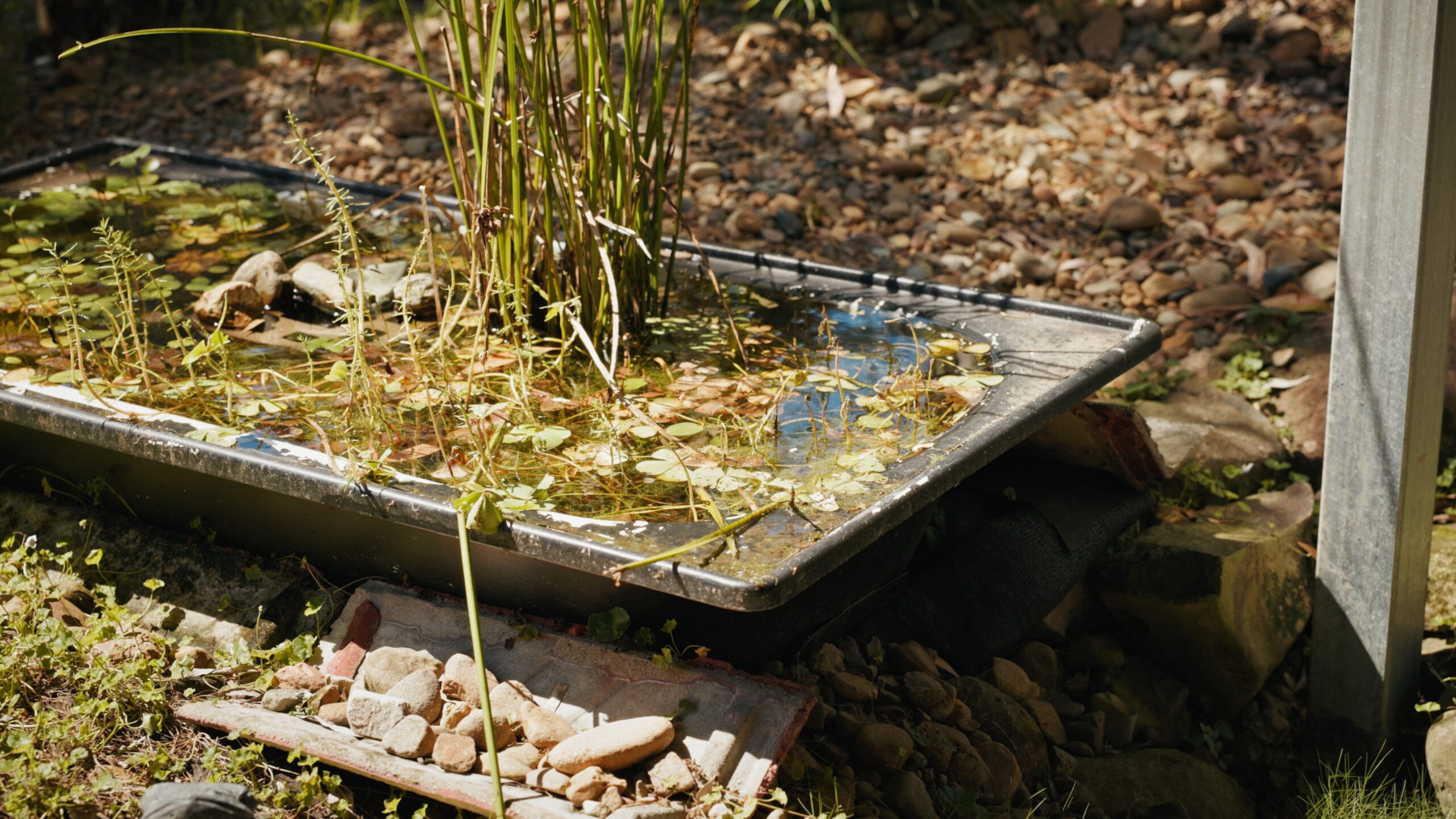
Wildlife-supporting habitat

Climate Resilience

Flood
Bushfire
Cyclone/storm
Heatwave

Accessible & Flexible Design Features

Design for flexible use
Design for multigenerational living or dual occupancy
Share this home:

Related Homes

Home tours delivered to your inbox

Step inside sustainable homes across Australia and get practical ideas you can use in your own