
Sustainable Hills House on a Budget

Wajundjeri Country,
Upwey,
VIC
This home will be open for in-person tours on the 17th May 2026

About this home

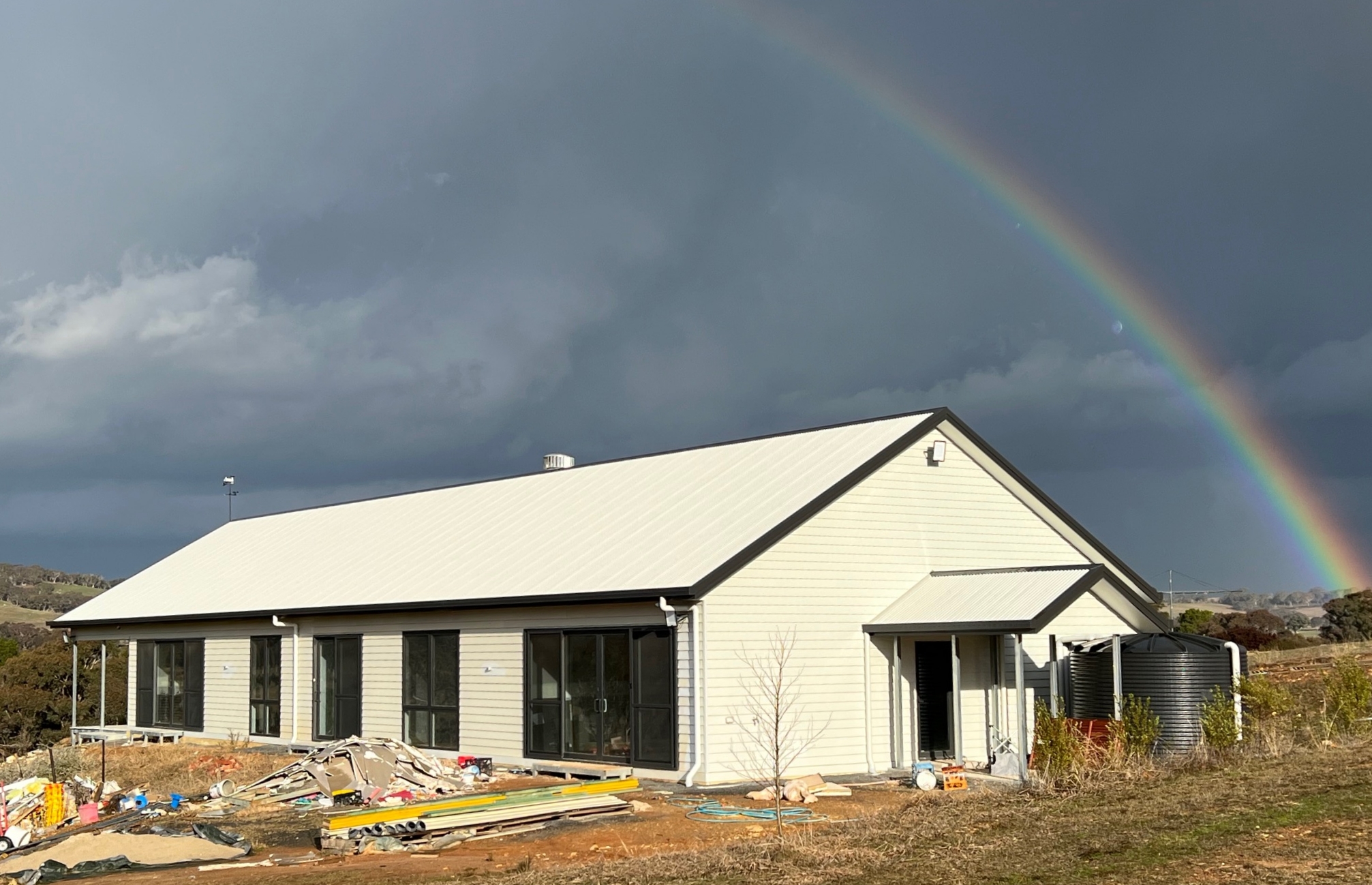
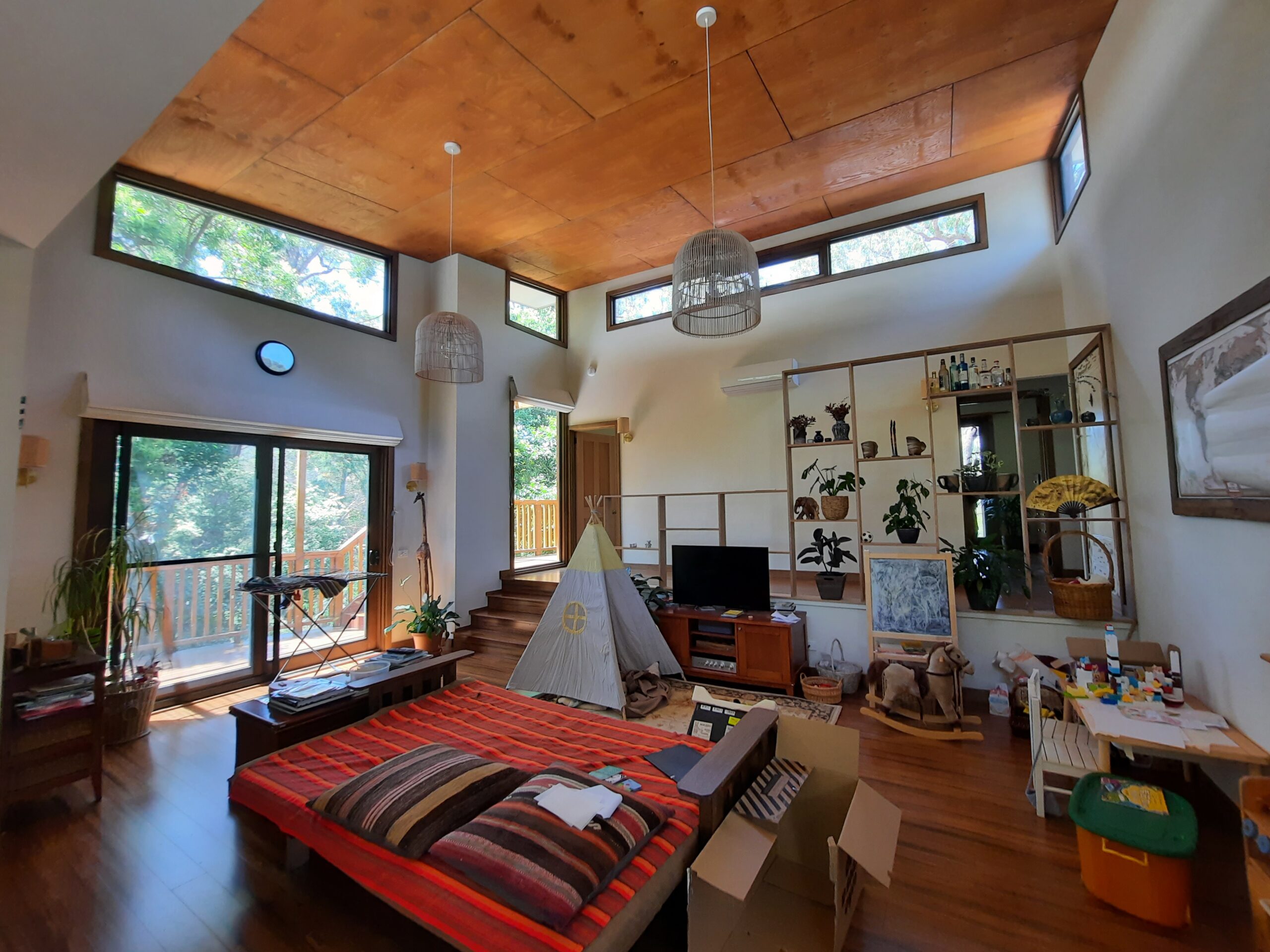
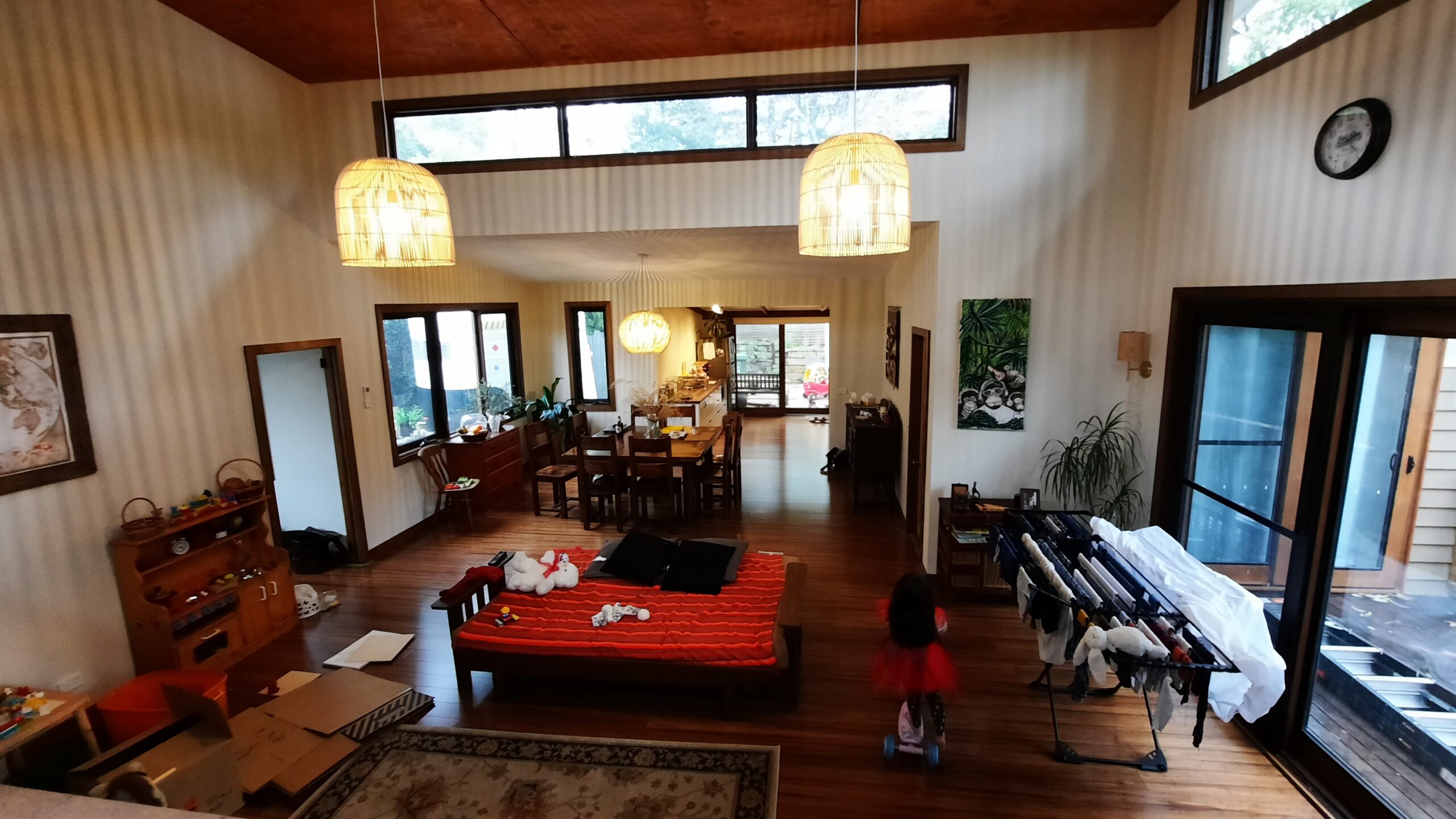
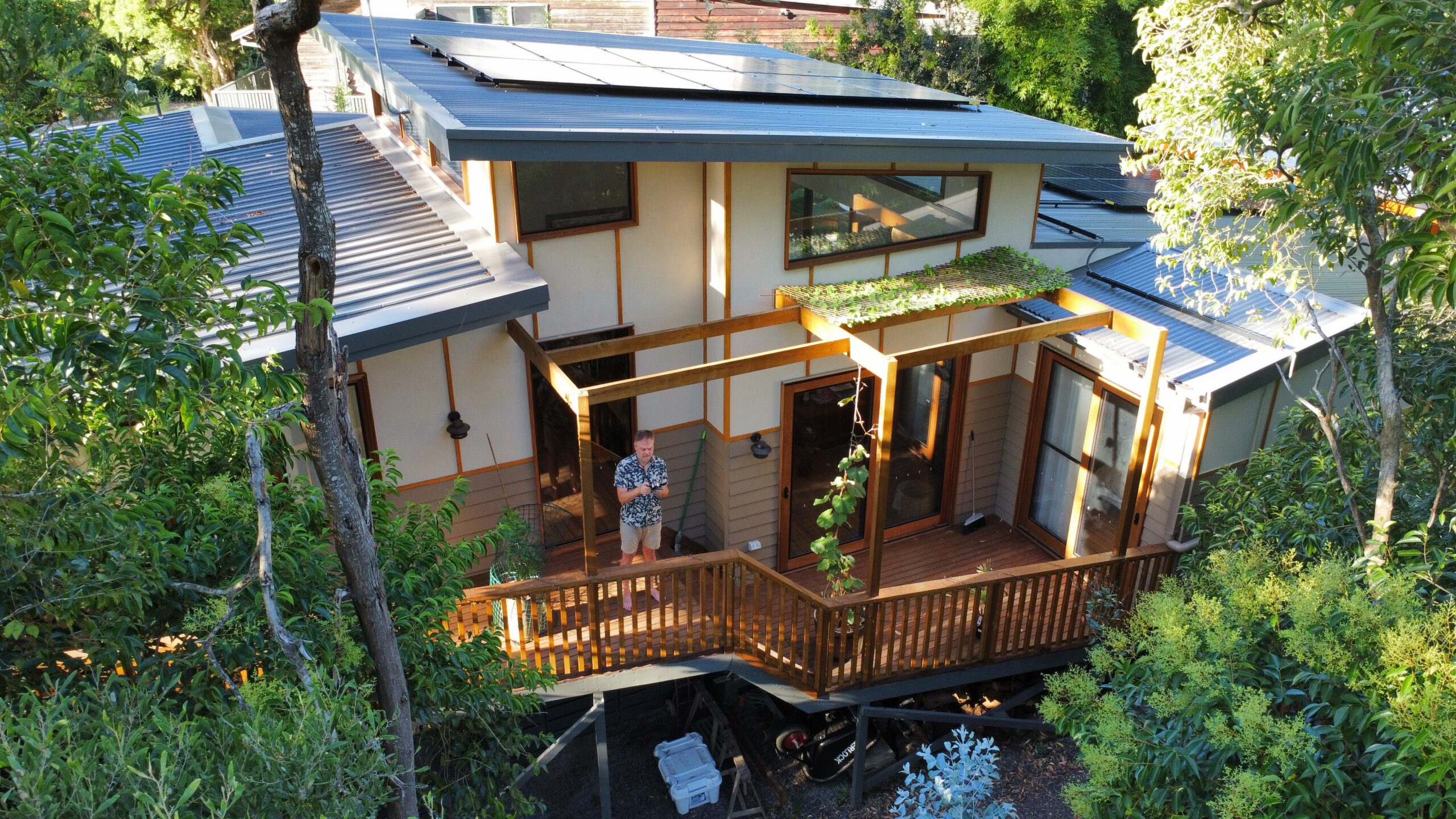
We wanted to prove a young family could renovate a home in the Dandenong Ranges to become more sustainable, on a small budget that most families could afford. By simply making smart choices and using good design we were able to build a house within budget despite building smack bang during the pandemic.

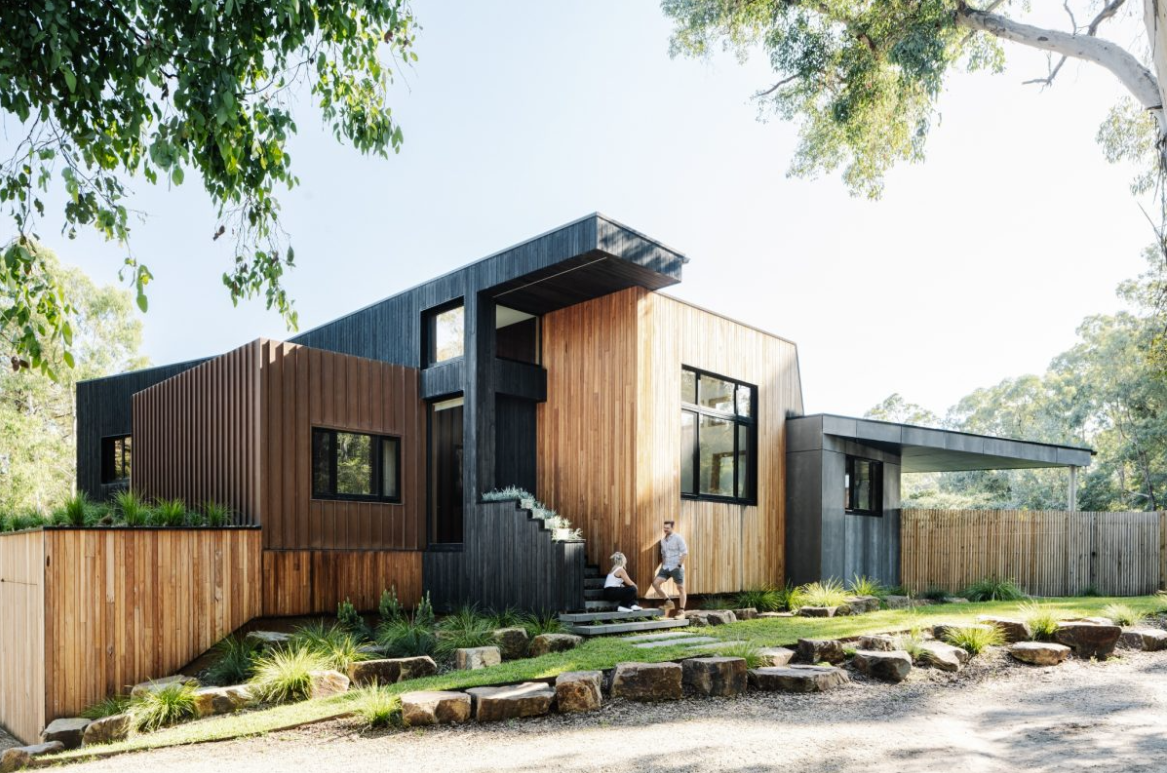
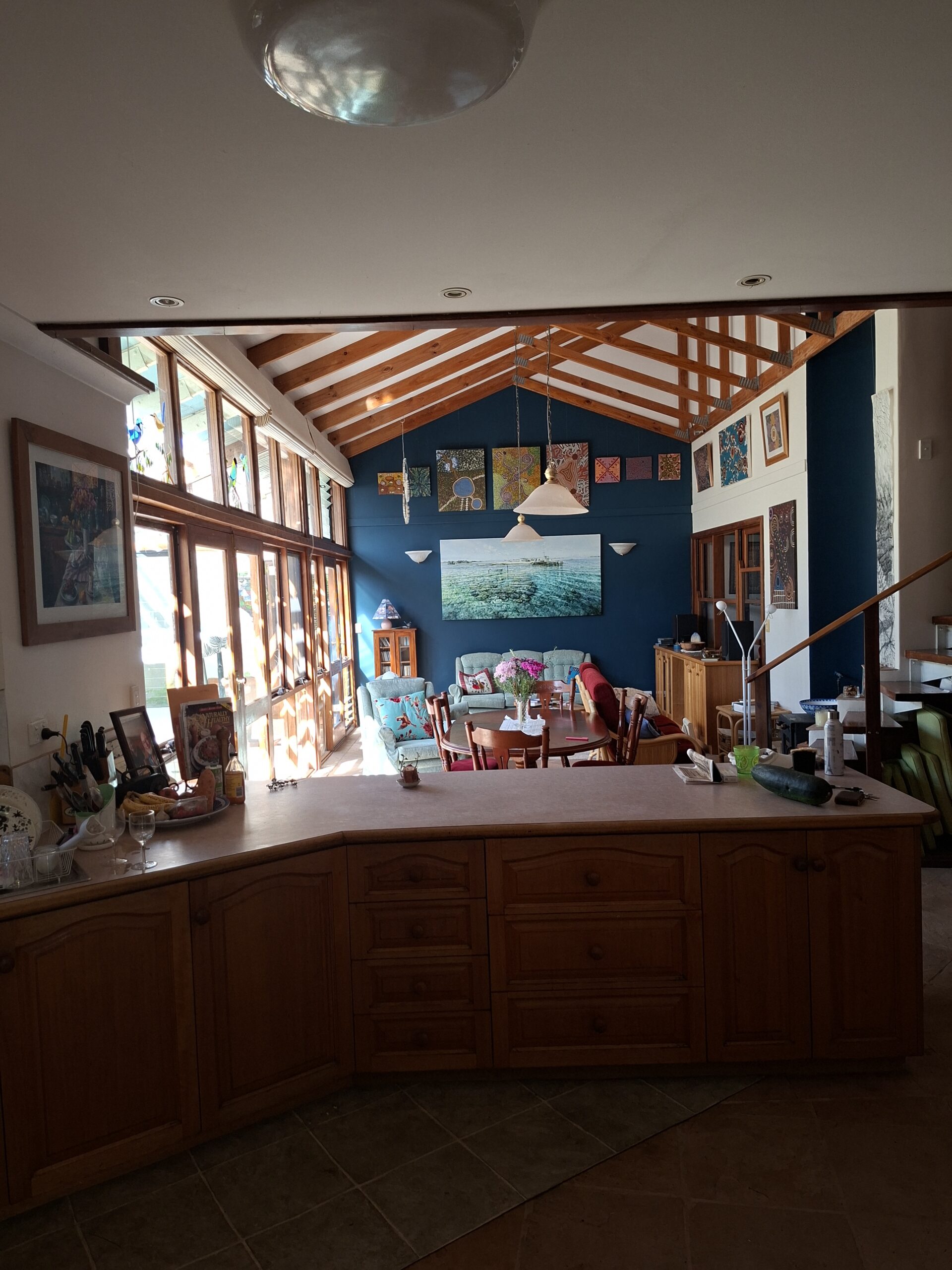
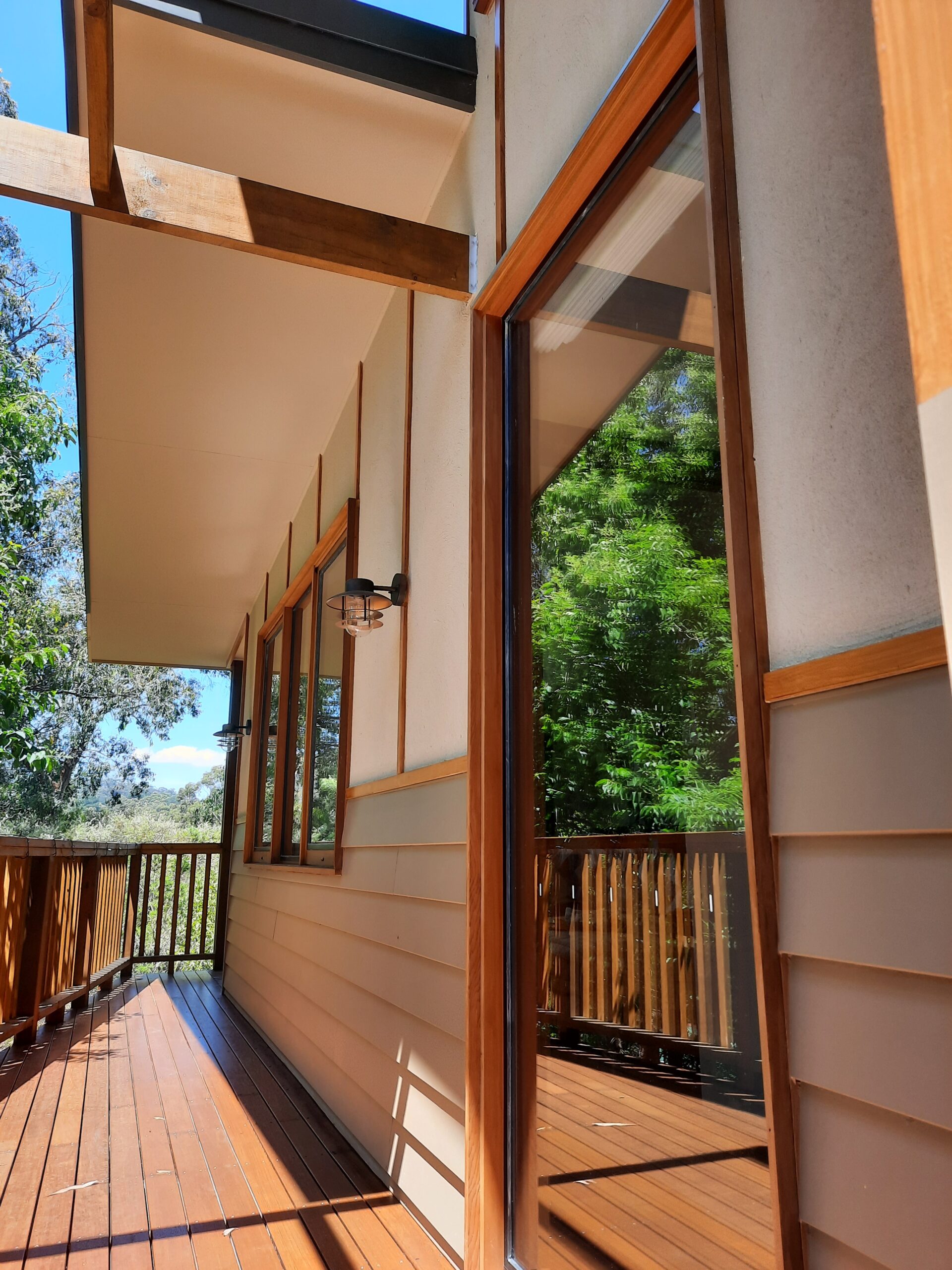
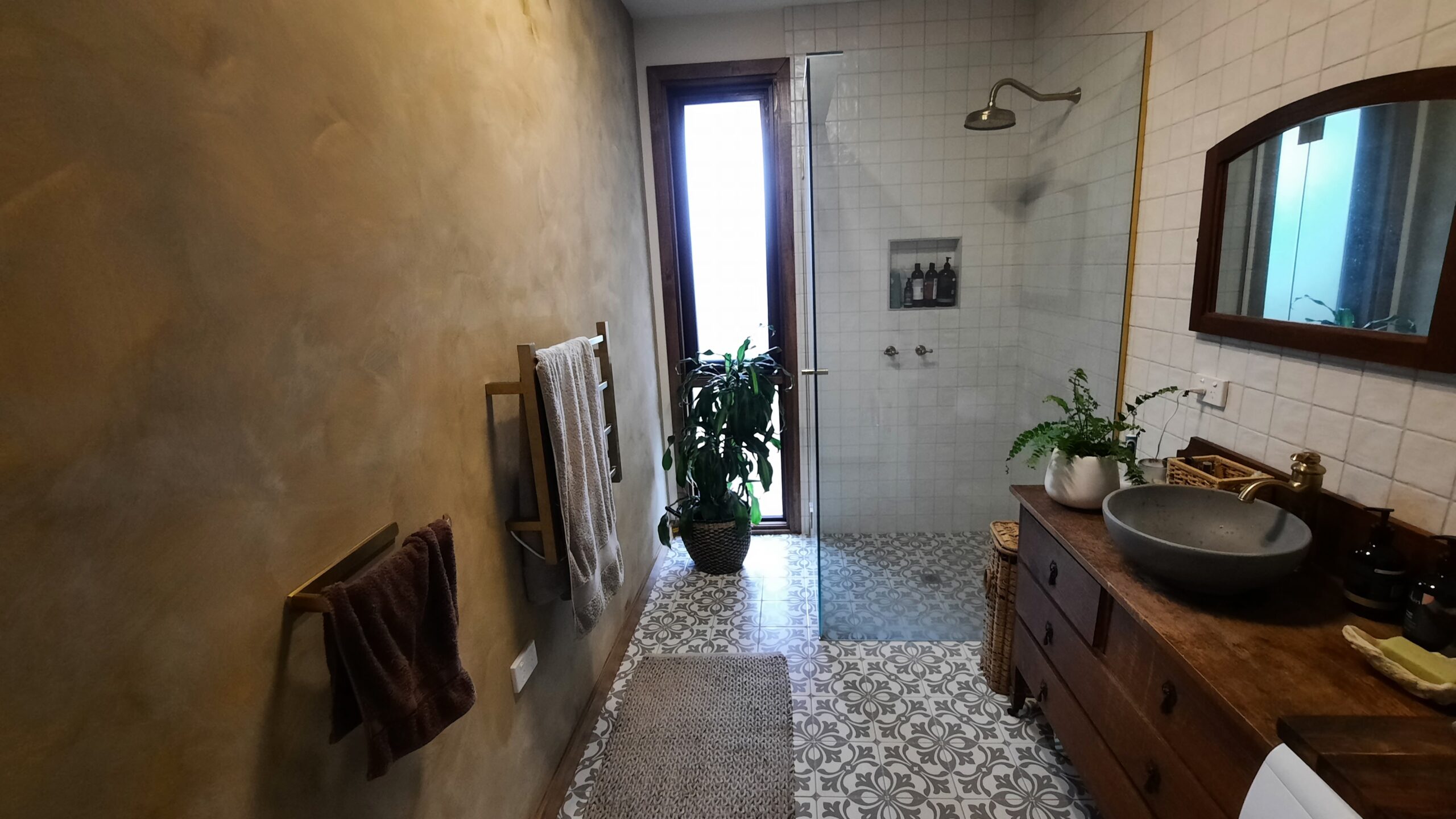
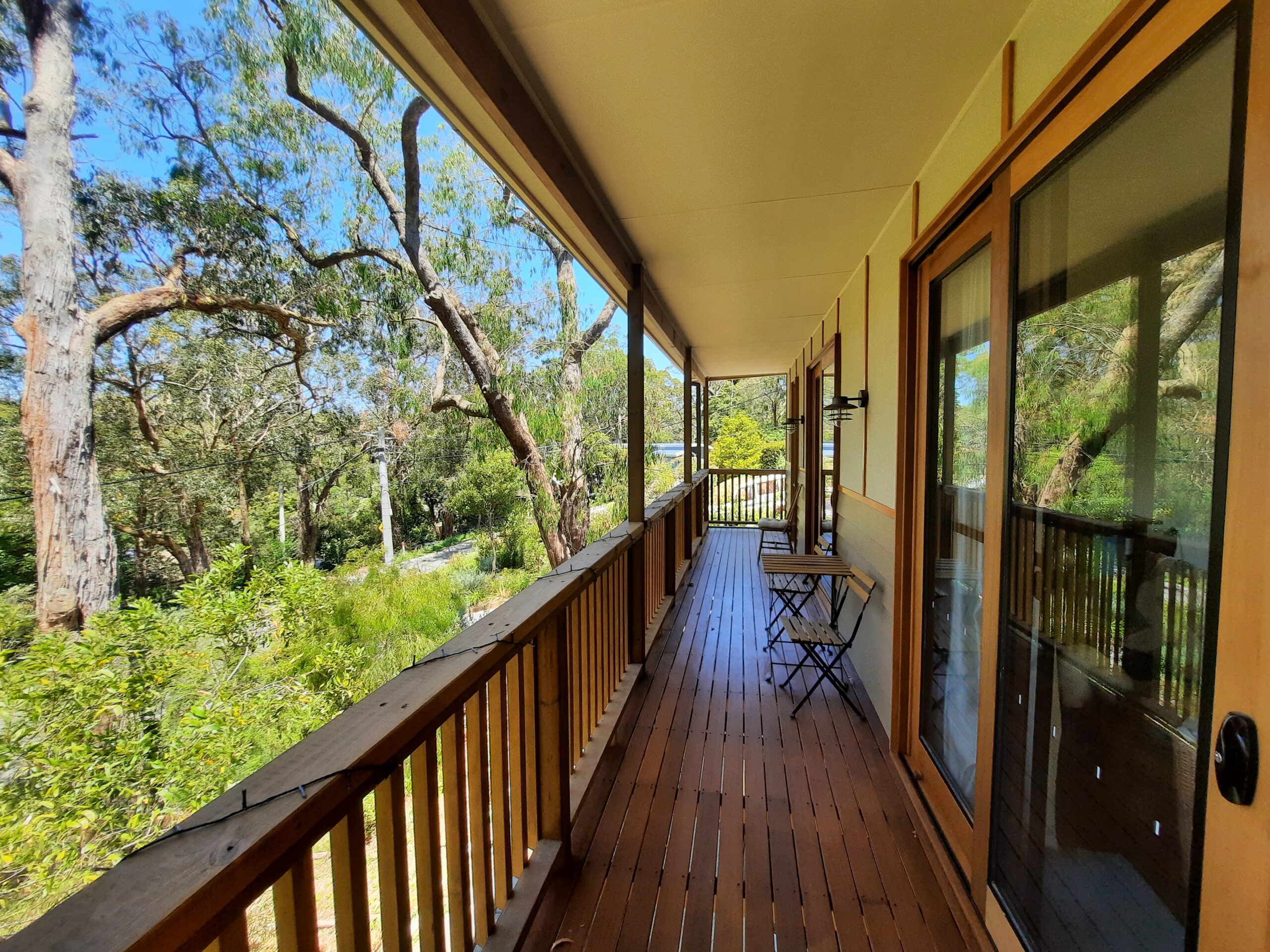
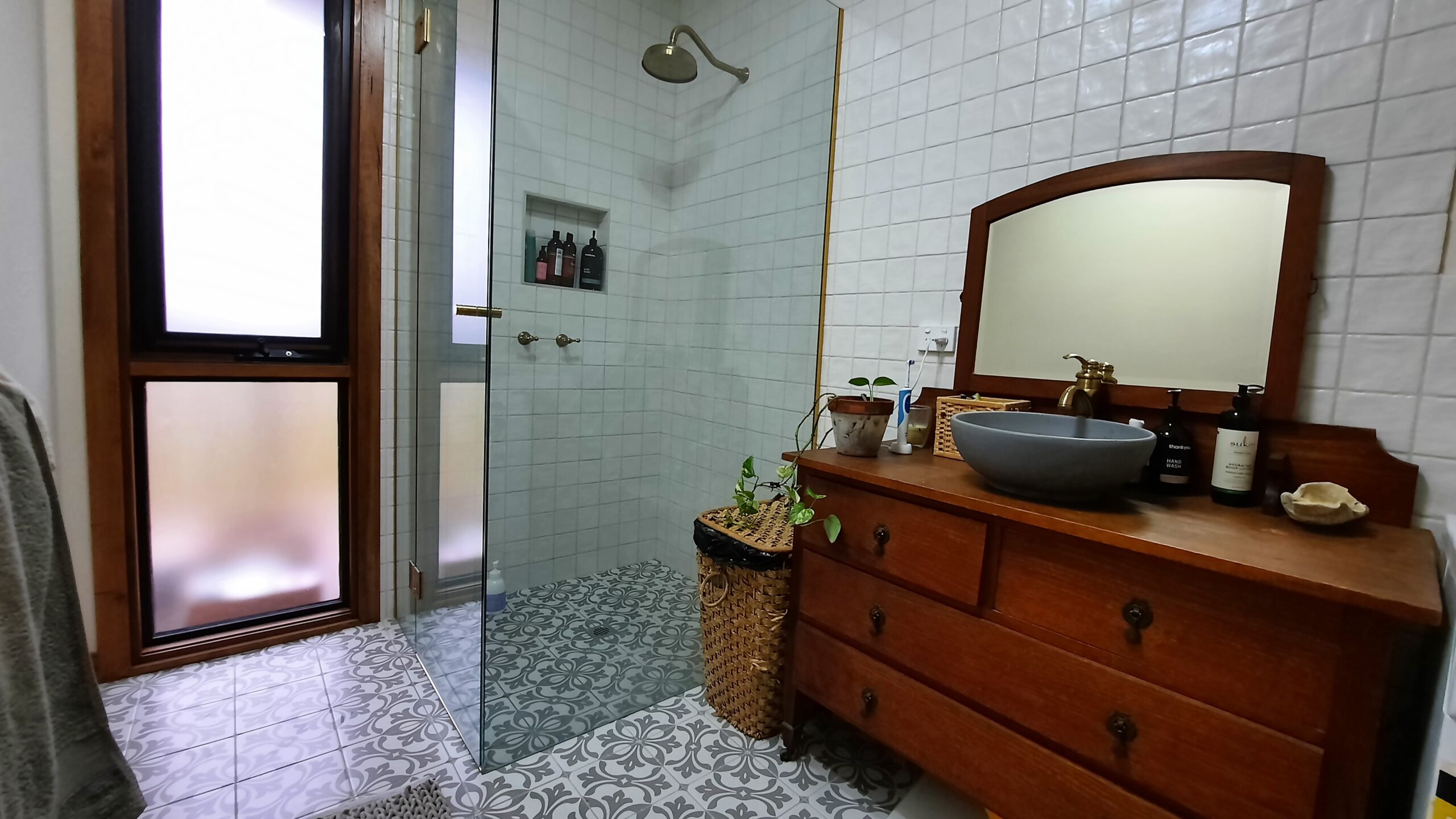
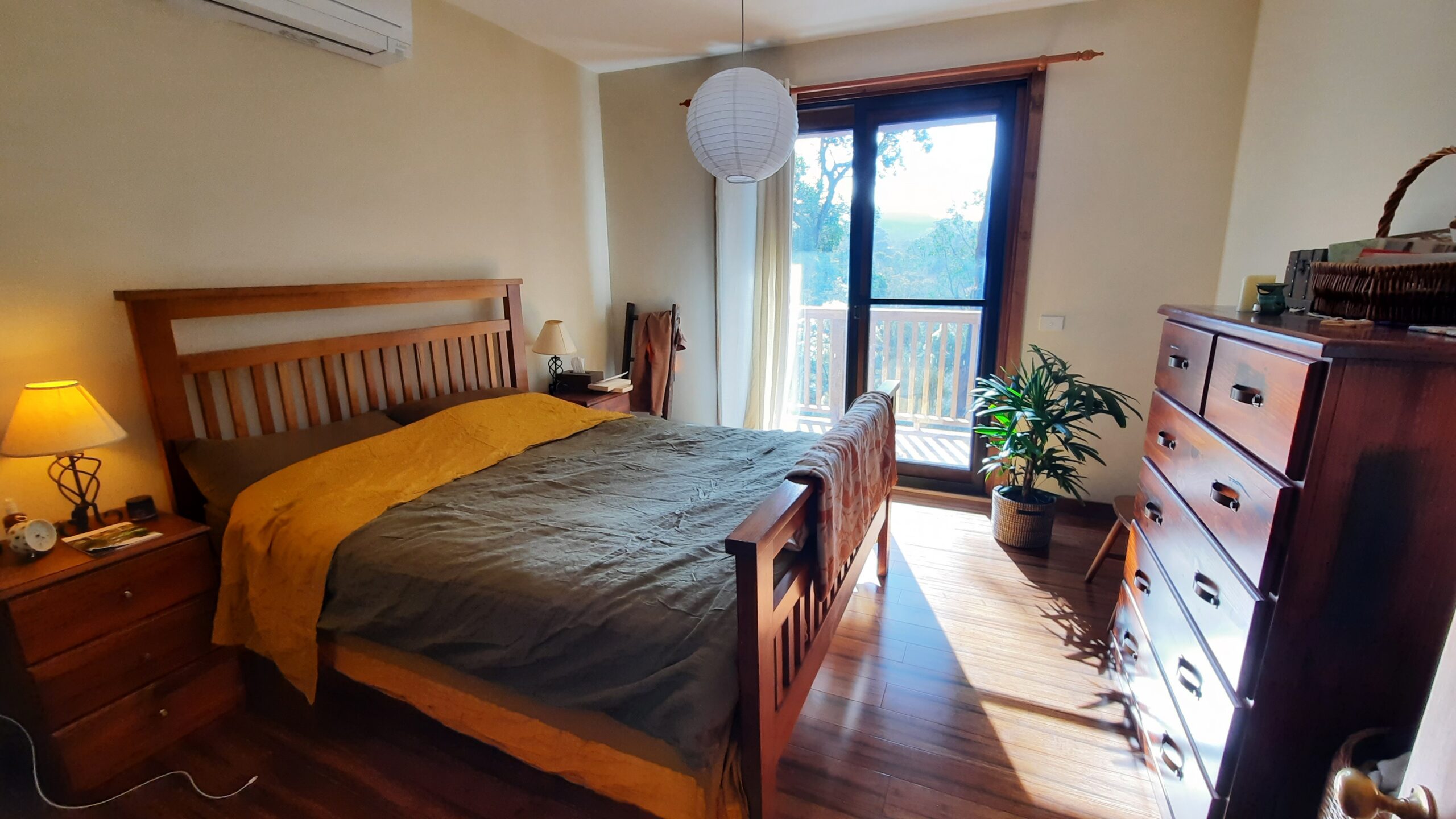
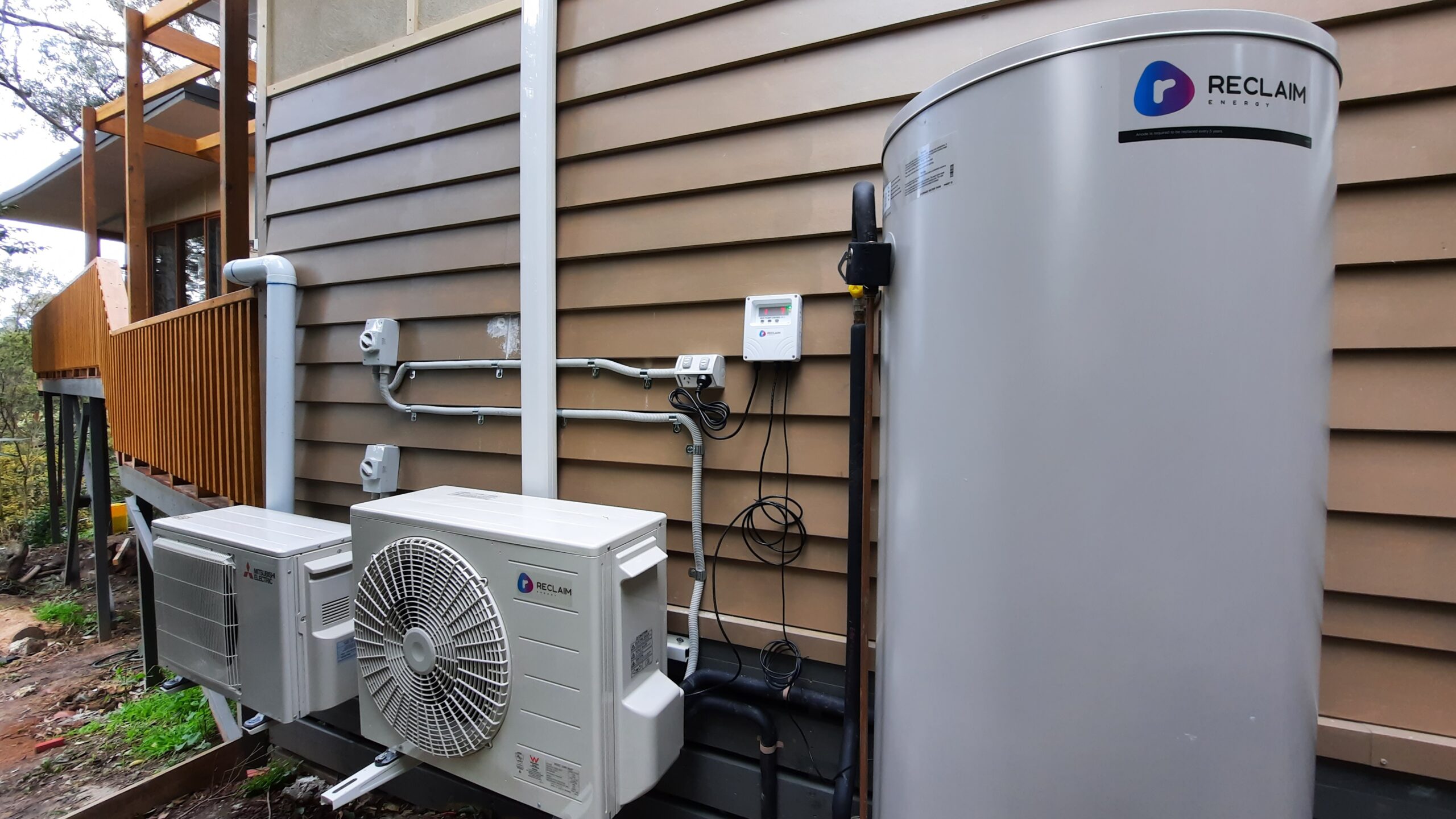
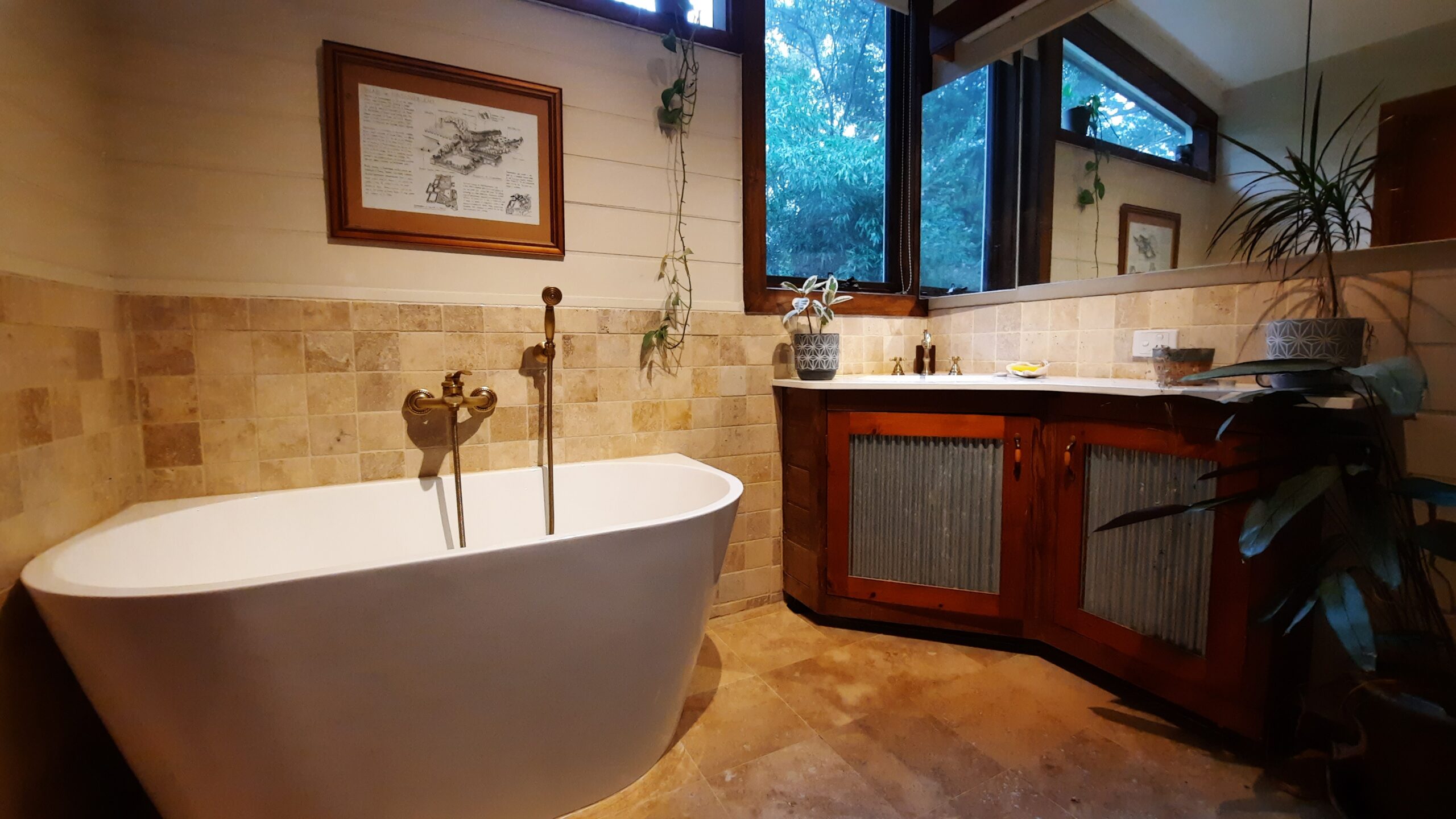
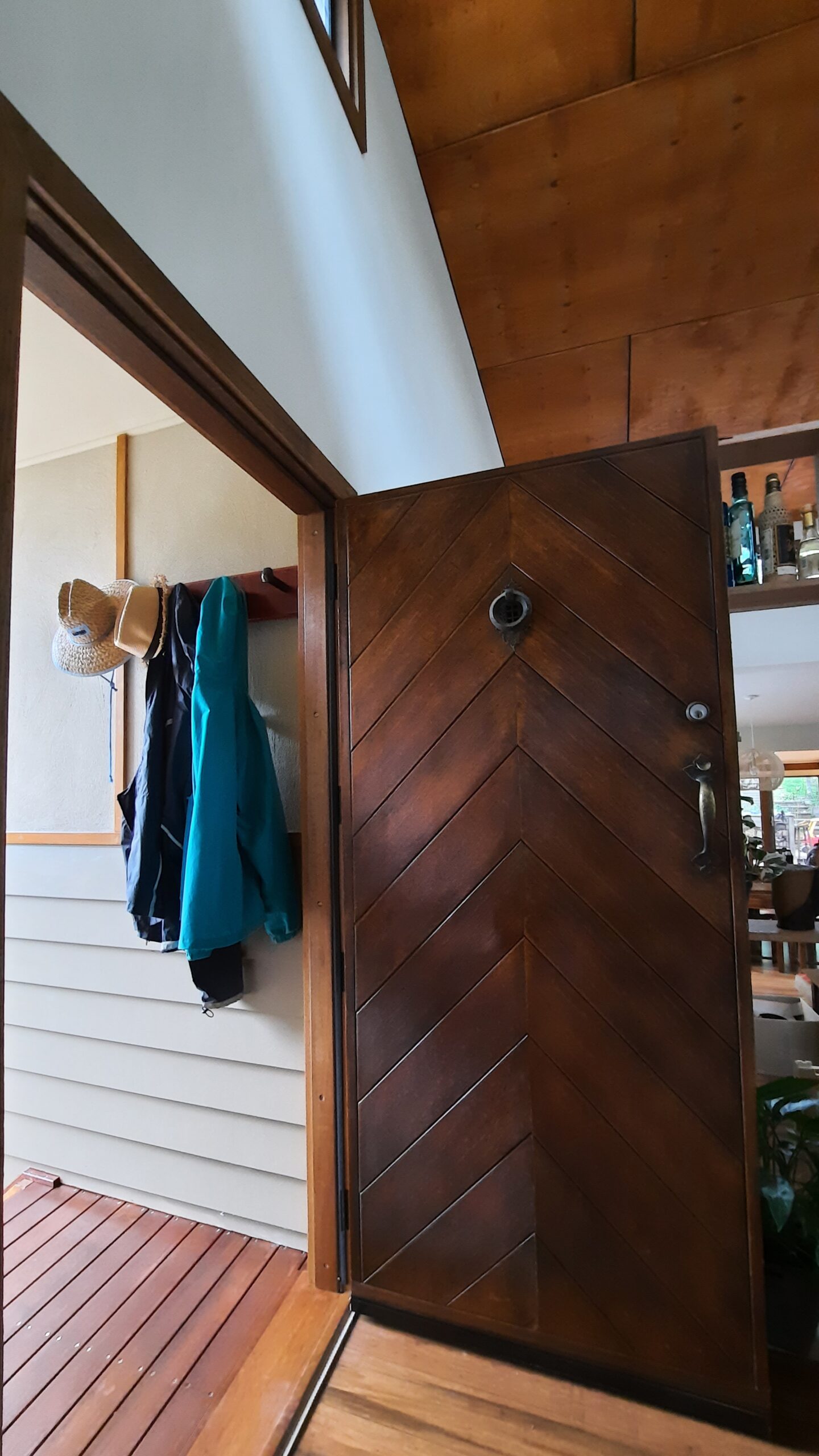
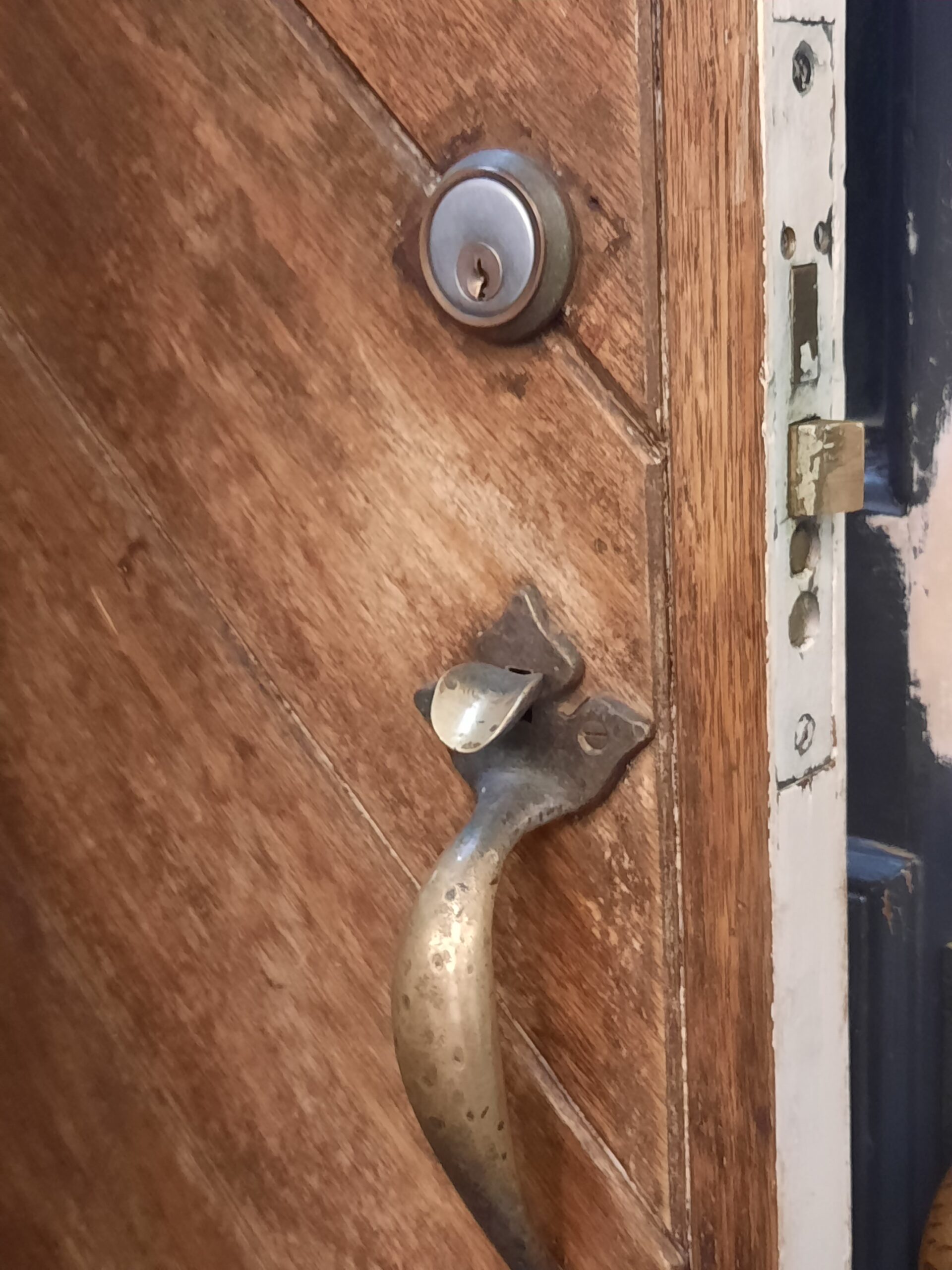
We used solar passive design to do a major renovation (80% new) on a 1940s hills cottage, on a steeply sloping block in a BAL29 bushfire zone using light weight construction. The house is all electric, and features heat pump water heating, bamboo flooring, and carbon absorbing natural paint. We were also able to recycle lighting and door hardware from the old house, keeping with the typical quirky nature of homes in the Hills. The old floorboards have been turned into cabinets, and we used old crockery to create the kitchen splashback.

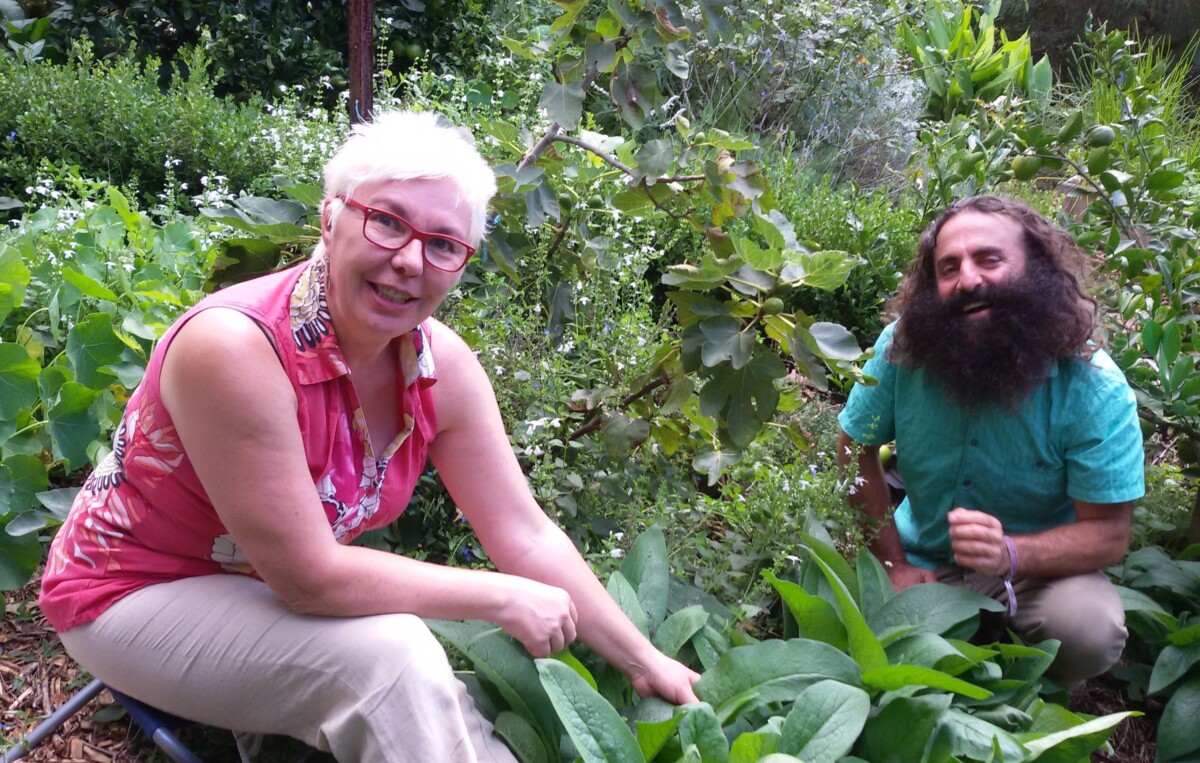
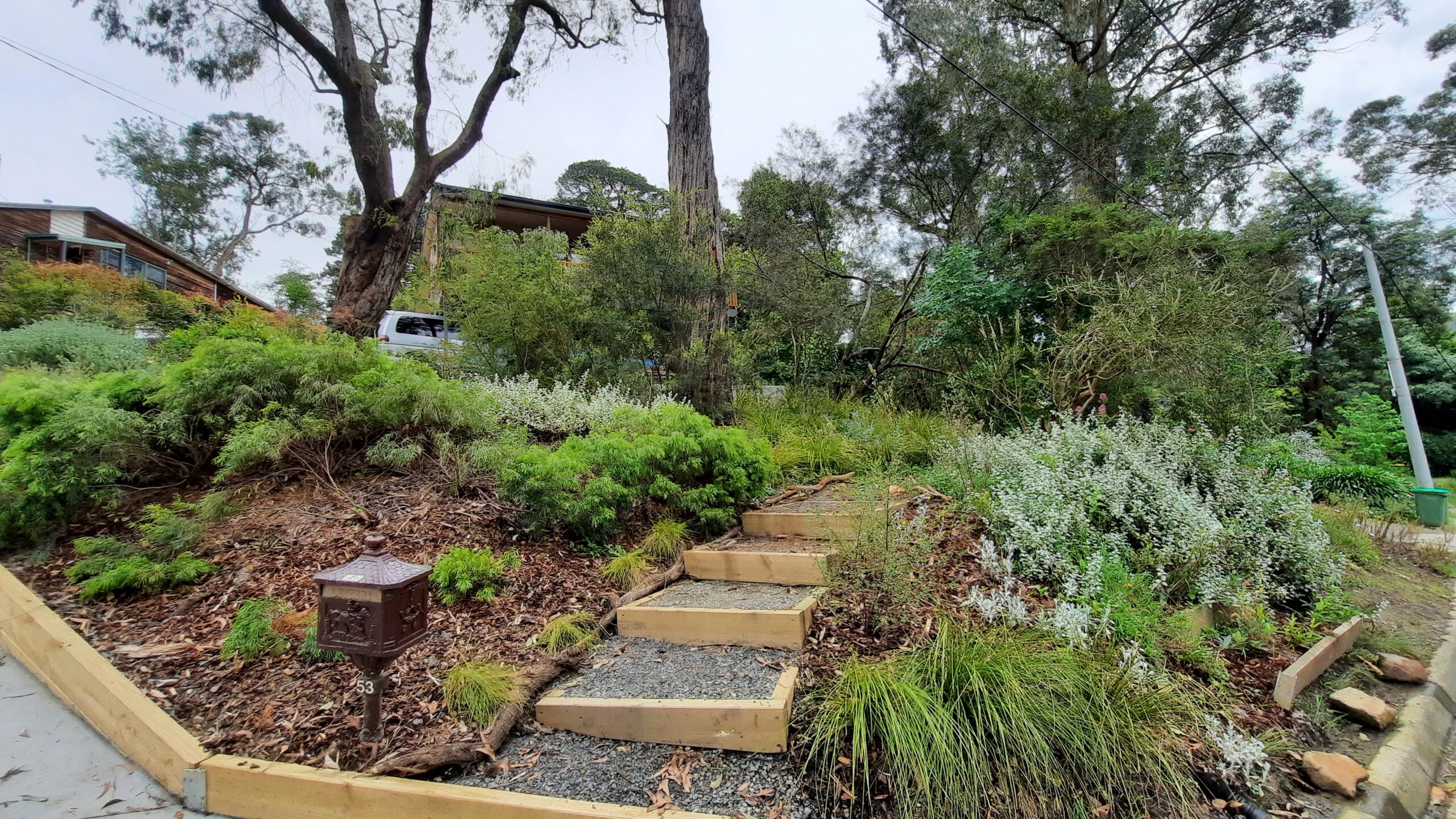
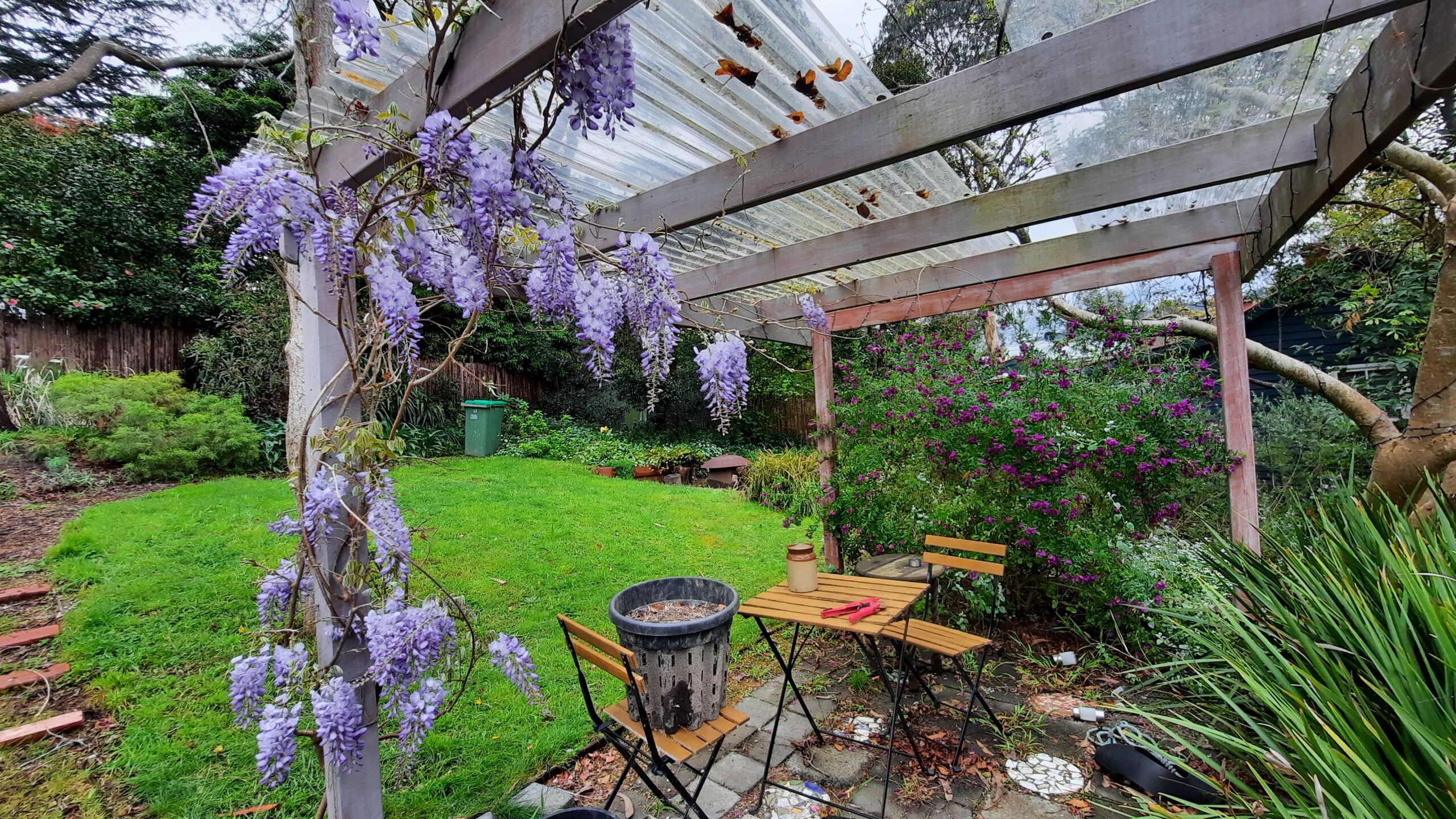
What was once a weed infested mess has become a native landscape that attracts the beautiful birds and insects native to this area, and includes a productive garden. With a modest solar PV system, the house now attracts a Scorecard rating of 10.

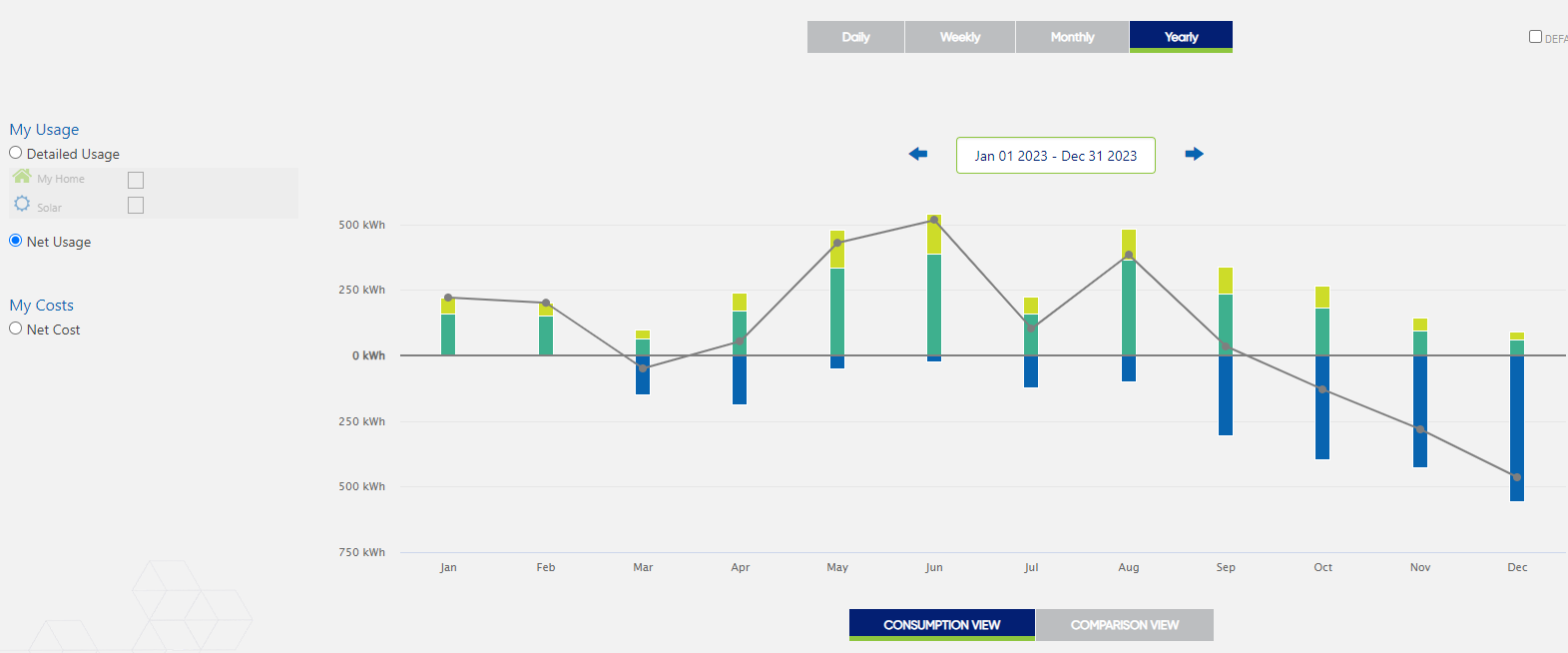
New additions include a home battery to improve resilience during frequent local grid outages, and an EV charging portal. This allows us to store and save free electricity during off-peak hours, and use it to run the house the rest of the time.

Did we mention we did it on a very modest budget??!!

Q & A

What motivated you to build or retrofit sustainably?
Building sustainably doesn't need to cost any extra, so why wouldn't you do it if you end up with a better quality, more comfortable home that saves money?
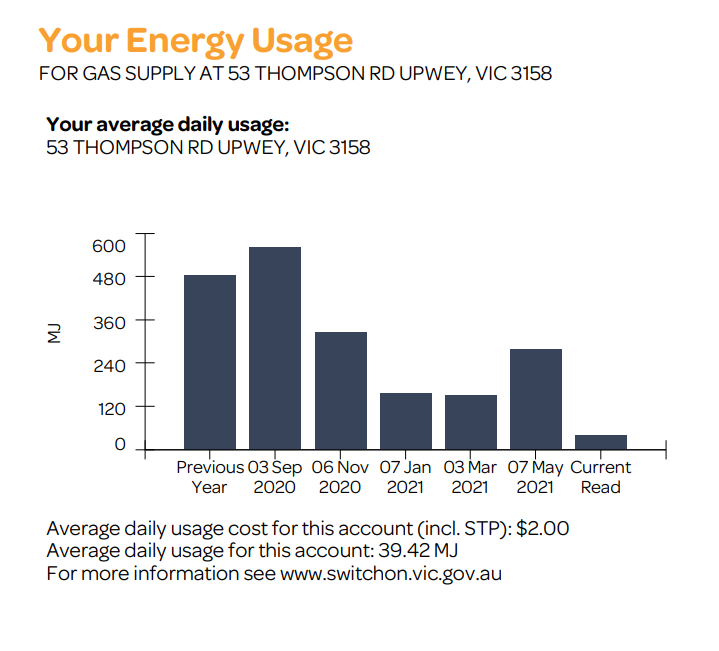
Getting rid of gas is the best thing we ever did. We don't breathe in or cook with toxic methane anymore, and it saves us about $2000 per year. Getting a home battery also means we never need to worry about the power going off, which happens a lot in the Dandenong Ranges. It also means we can charge it using free electricity during off-peak times during the day, and use the free electricity to run the house the rest of the day.
You don't need solar PV to get free electricity. Spend the money on a battery instead and get a free electricity plan, which allows you to access and store free electricity during off-peak times, and use it to power the house the rest of the day
Turn the rest of the old floorboards into cabinetry. Harvest grey water and use it for watering the garden or flushing the toilets.
Back to 2026 Homes
Type: Standalone house/townhouse
Project: Renovation or extension
Architect: Yan Zhao
Builder: Xcel Building
Size: 140m²
Energy Rating: Scorecard Rating 10 Stars
Bedrooms: 3
Bathrooms: 2

Sustainability Features

Building Materials & Envelope

Draught-proofing/air sealing
High-performance insulation
Double or triple-glazed windows
Sustainable or low-impact materials
Recycled or reused materials

Heating, Cooling and Ventilation

Passive heating/cooling (north-facing glazing, cross ventilation, thermal mass, shading, etc.)
Heat pump (reverse-cycle) heating/cooling

Energy and Appliances

Rooftop solar PV
Battery storage
Dedicated wall-mounted EV charging
Efficient lighting (LED, daylighting, solar skylights)
Heat pump hot water
Electric cooktop - induction/ceramic
Other energy-efficient appliances

Water & Waste Systems

Water-efficient fixtures
Rainwater tanks

Landscape & Biodiversity

Native garden
Edible garden
Wildlife-supporting habitat

Climate Resilience

Bushfire

Accessible & Flexible Design Features

Share this home:

Related Homes

Home tours delivered to your inbox

Step inside sustainable homes across Australia and get practical ideas you can use in your own