Taking large home off gas

Birrarrung,
Templestowe Lower,
VIC
Online home tour

About this home

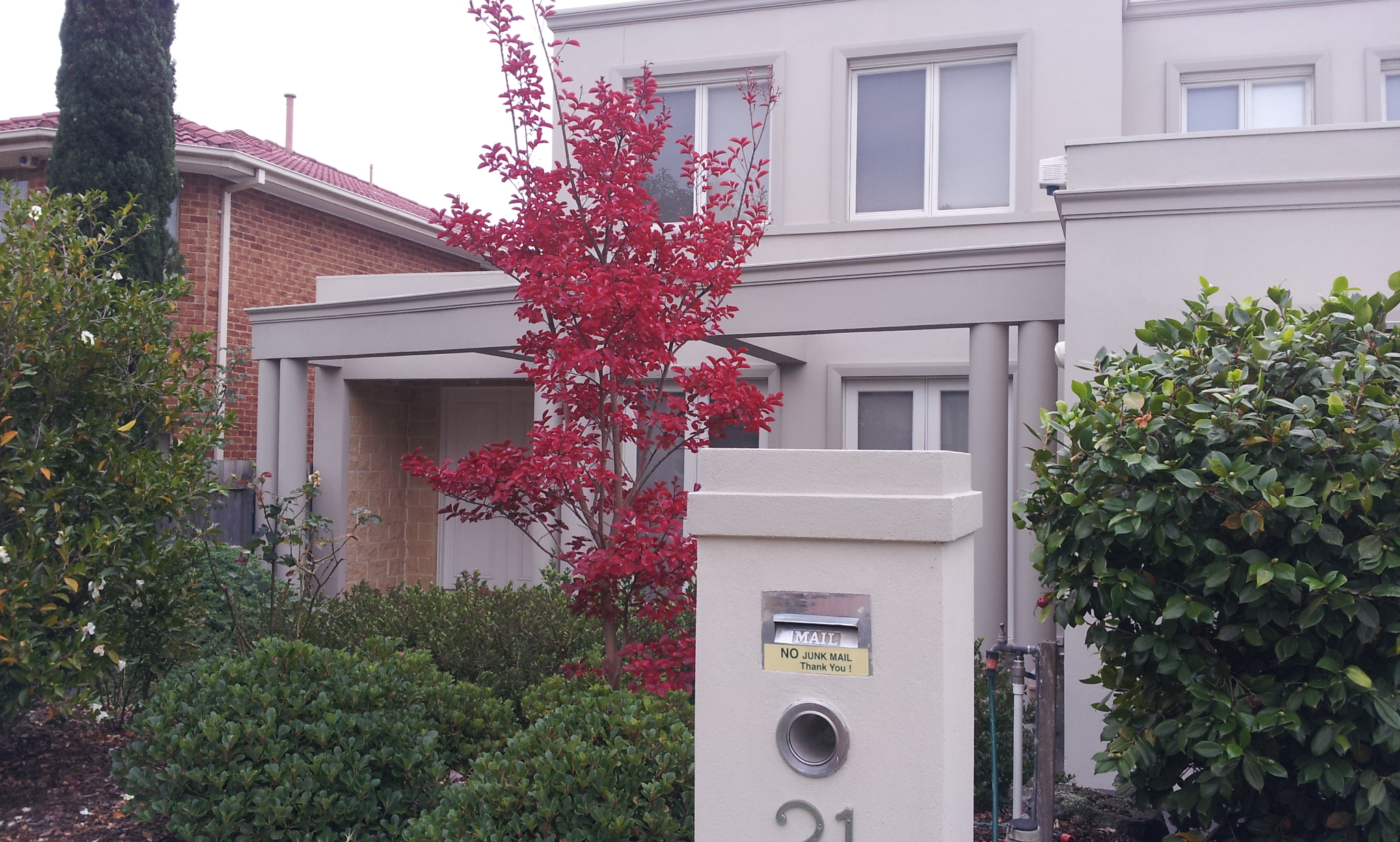
We live in a large, double-storey, open-plan, brick-veneer home built in 2000. This is typical for our area. We have large north-facing single-glazed windows and no eaves, blow-in ceiling insulation, and wall insulation. Using an IR camera, we found our home was missing wall and ceiling insulation, making it expensive to heat and cool.
We had gas appliances for ducted heating, HWS and cooking, and an electric ducted A/C system.

First round of changes.
In 2012 we installed a small solar array (2.3kW) and changed our lighting to LEDs. Although we benefited financially from the FIT and lower electricity bills, our gas bill doubled from 2012 to 2024, and our home was still uncomfortable on the hottest and coldest days.
We became less comfortable with gas as an energy source and set about looking to downsize into a more appropriate home. This proved difficult, and we also realised that this was moving the problem onto someone else. It was better for us to correct the wrong, so we developed plans to make the home more comfortable and lower the energy required.

Second retrofit
Removed the existing solar panels and gave them to a relative. Replaced with 10.2kW system;
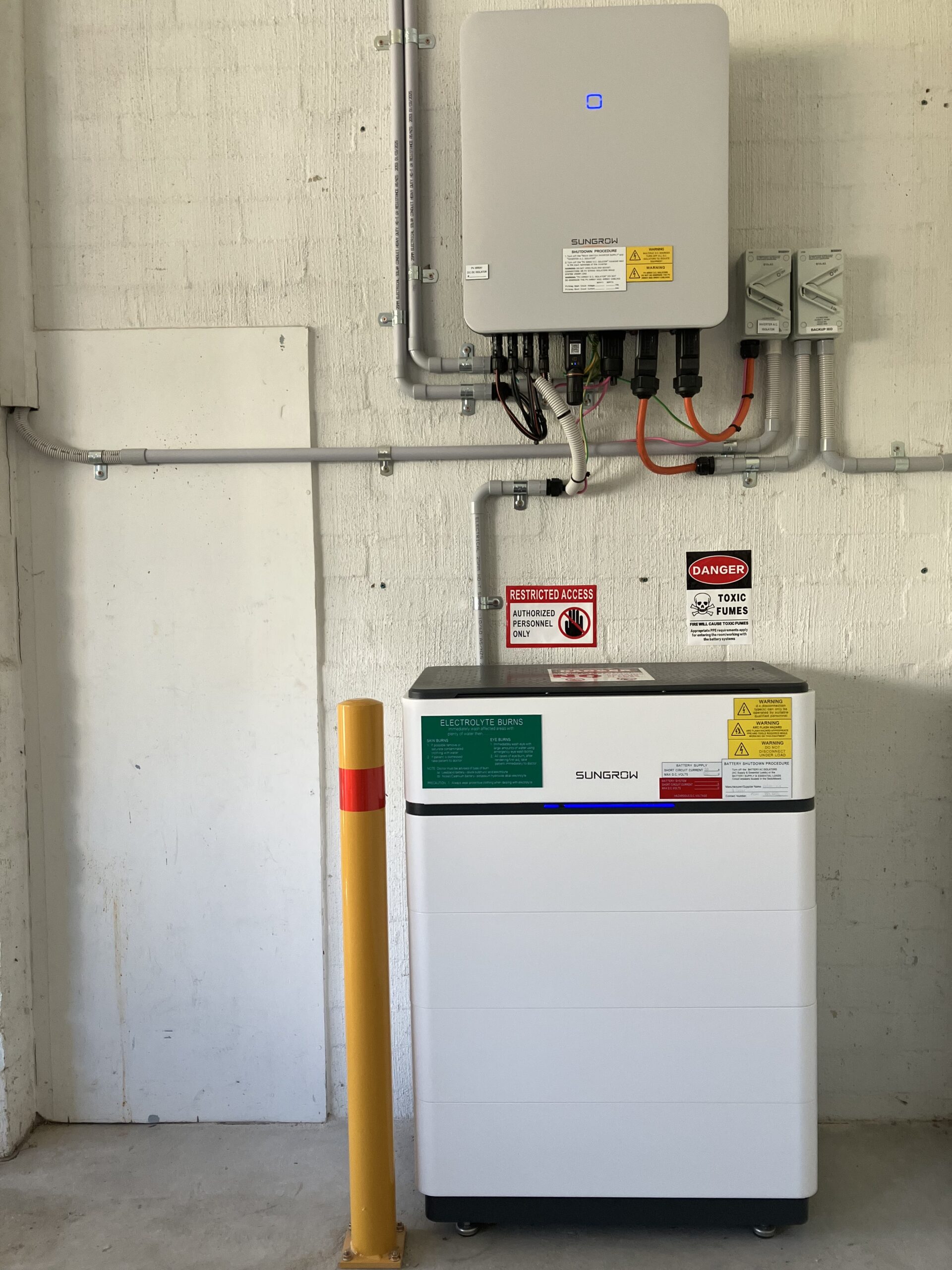
Installed 20kWh battery;
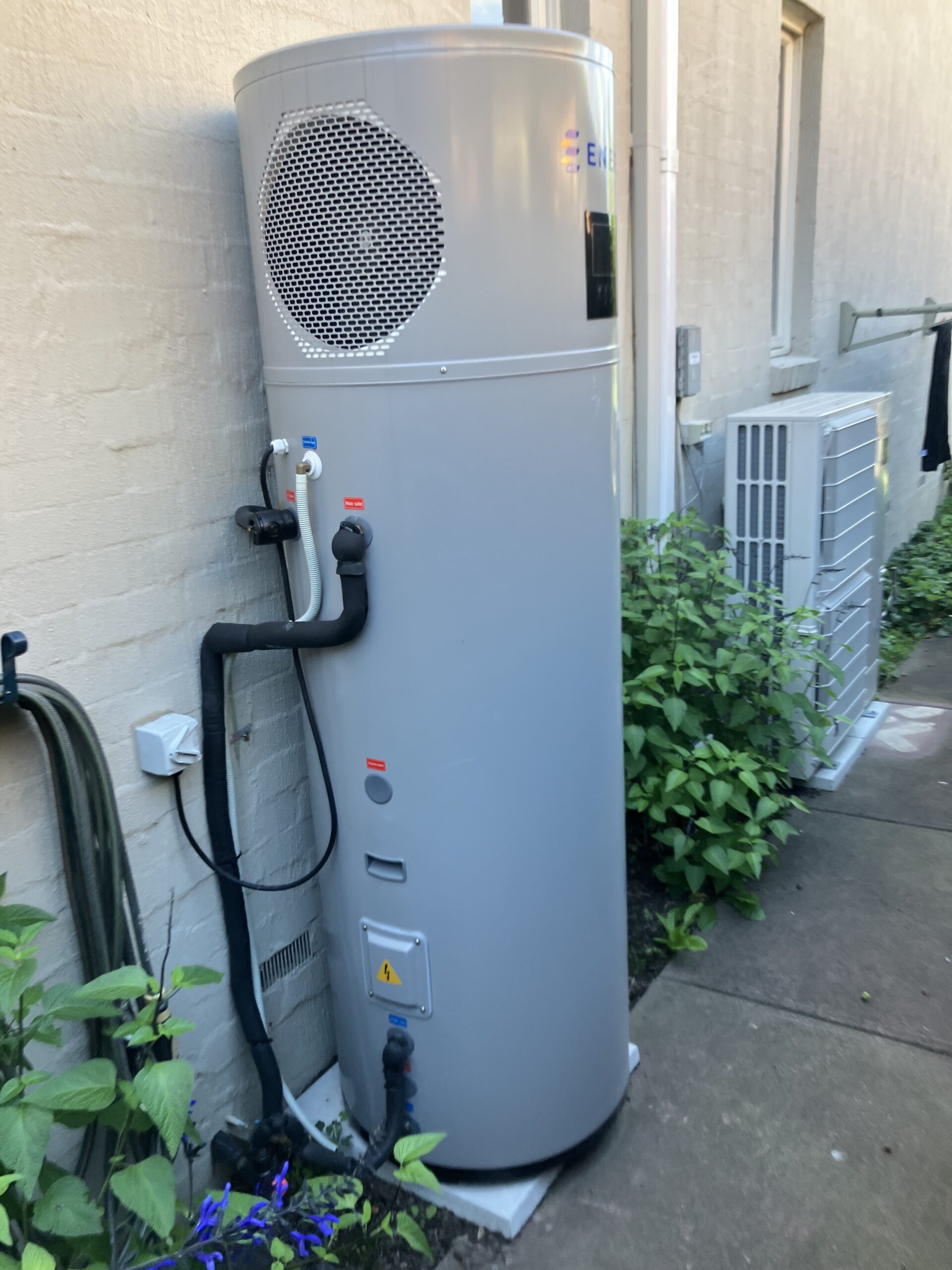
Removed old gas/ electric ducted system, HWS and cooktop. Replaced with all-electric heat pump systems and induction cooktop.
Fitted R4.1 ceiling insulation on top of blow-in insulation once ductwork was removed;
Improved seals around external doors.

Early results
Retrofit was completed in Sep 2025.
Subjectively, our home appears more comfortable with peaks and troughs flattened.
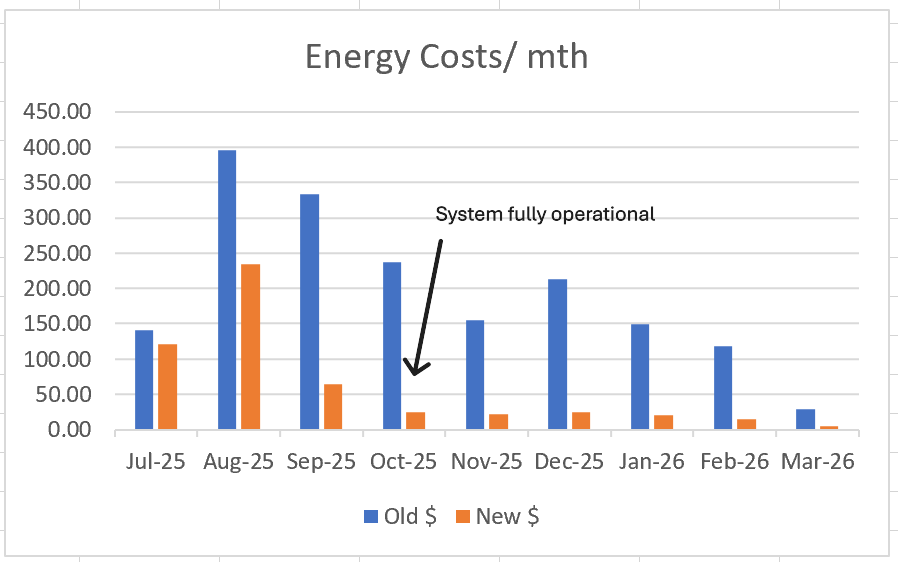
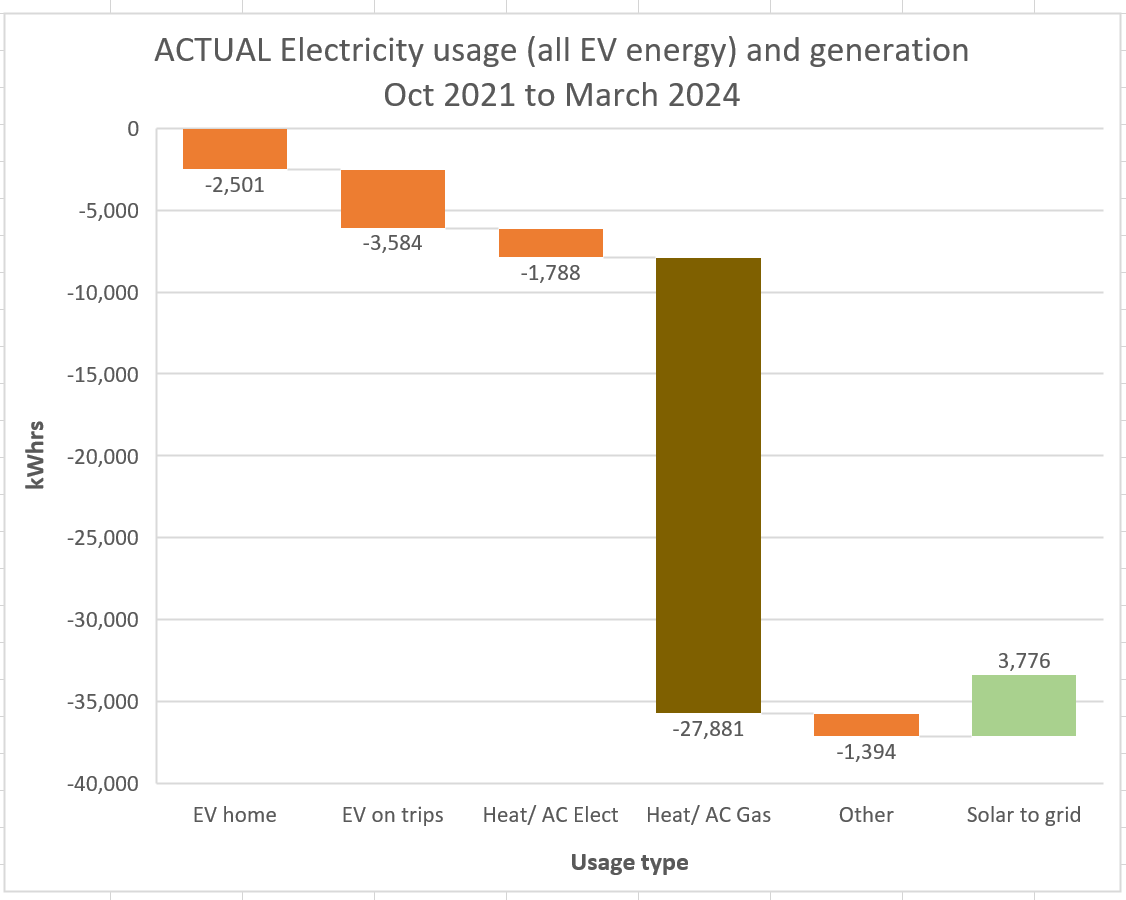
Contrasting an average of the previous 3 years energy usage and costs against the new system:
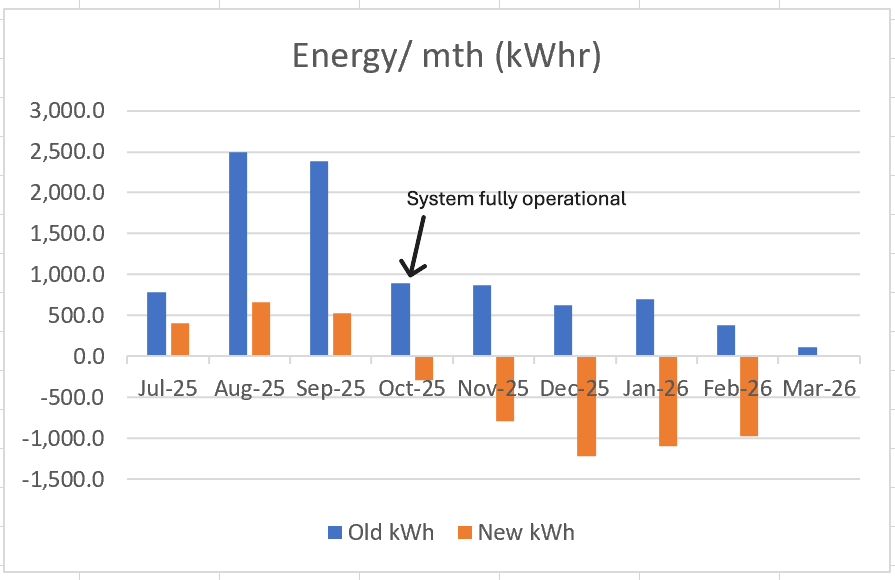
1. Our Oct 2025 to Feb 2026 energy draw from the grid has reduced from 3,463kWh import to 4,380kWh EXPORTED, a turnaround of 7,843kWh in 5 months.
2. Our Oct 2025 to Feb 2026 energy cost from the grid has reduced from $872 to $106. Note our energy plan 1c/kWh FIT and 84.6c/day supply charge.

Q & A

What motivated you to build or retrofit sustainably?
For our grandchildren. To make our home energy positive with hopefully zero ongoing costs. Remove gas so that future owners don't have to. Comfort and it feels heart warming that we are producing the energy we need.
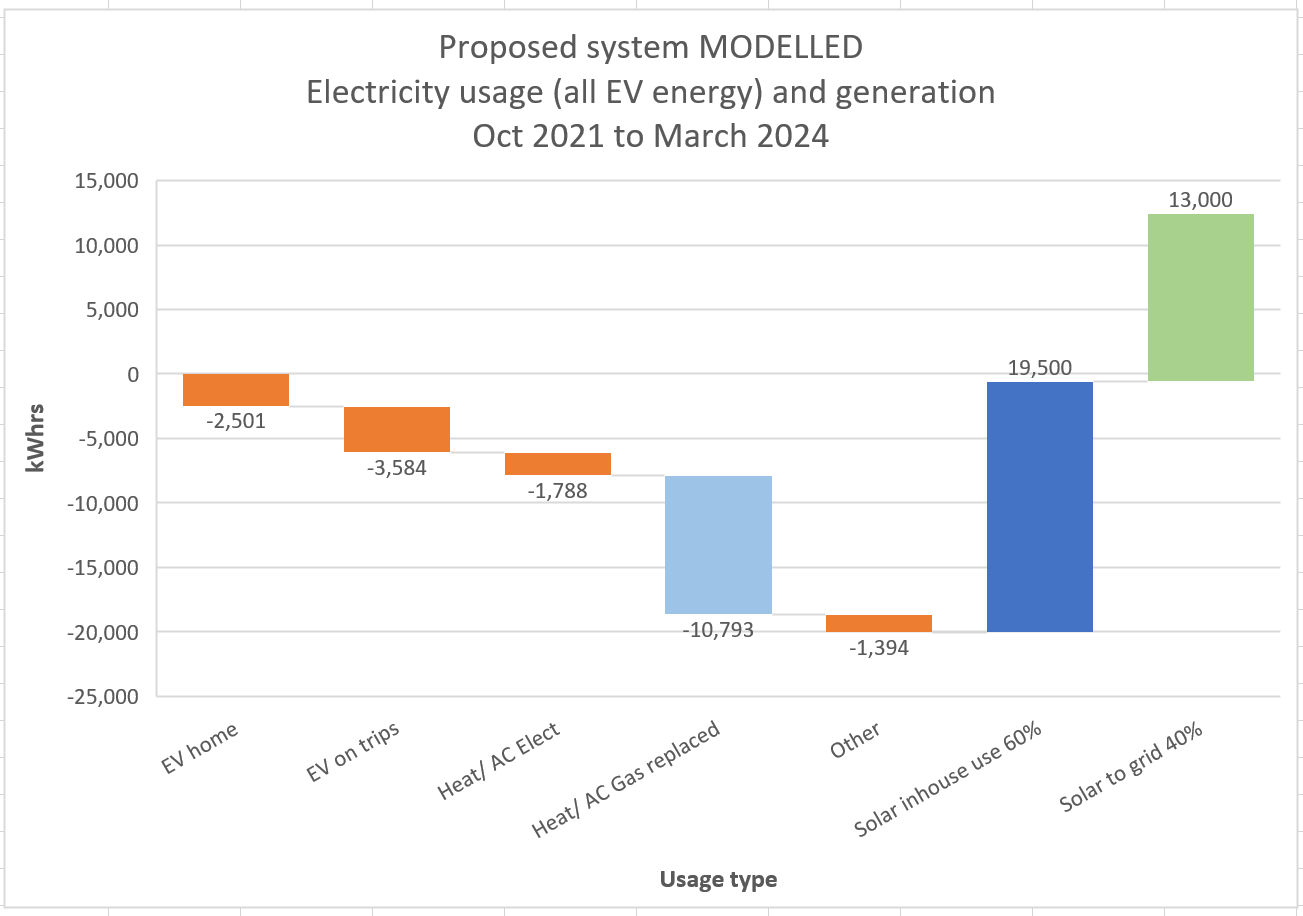
The gas heating system was very inefficient and I calculated that the new heat pump technology should use 30% - 40% of the energy of the gas system. We haven't been through a full winter yet, so this is as calculated. However, during July/ August 2025 when the new heating system was installed, but other upgrades weren't installed, we could see our total energy usage was 46% of what we would use during the same period averaged over the previous 3 years.
Given the solar (10.2kW) we installed and the size of battery (20kWh) together with the reduction of the FIT to 1 cent/ kWh, perhaps we should have gone for a larger battery.From Oct 2025 to Feb 2026 we have exported 4,700 kWh and imported 320 kWh, ie. net exports 4,300 kWh.
A passive house, designed for our needs as we age and comfortable to live in.
Type: Standalone house/townhouse
Project: Home retrofit
Size: 300m2m²
Energy Rating: Was 5.3 (Scorecard assessment) including solar panels, 3.2 without solar panels. Haven't had assessed since retrofit.
Bedrooms: 4
Bathrooms: 2

Sustainability Features

Building Materials & Envelope

Draught-proofing/air sealing
High-performance insulation

Heating, Cooling and Ventilation

Heat pump (reverse-cycle) heating/cooling

Energy and Appliances

Rooftop solar PV
Battery storage
Efficient lighting (LED, daylighting, solar skylights)
Heat pump hot water
Electric cooktop - induction/ceramic

Water & Waste Systems

Rainwater tanks
Other

Landscape & Biodiversity

Climate Resilience

Accessible & Flexible Design Features

Share this home:

Related Homes

Home tours delivered to your inbox

Step inside sustainable homes across Australia and get practical ideas you can use in your own