The Back House

Wurundjeri,
Coburg,
VIC
Online home tour

About this home

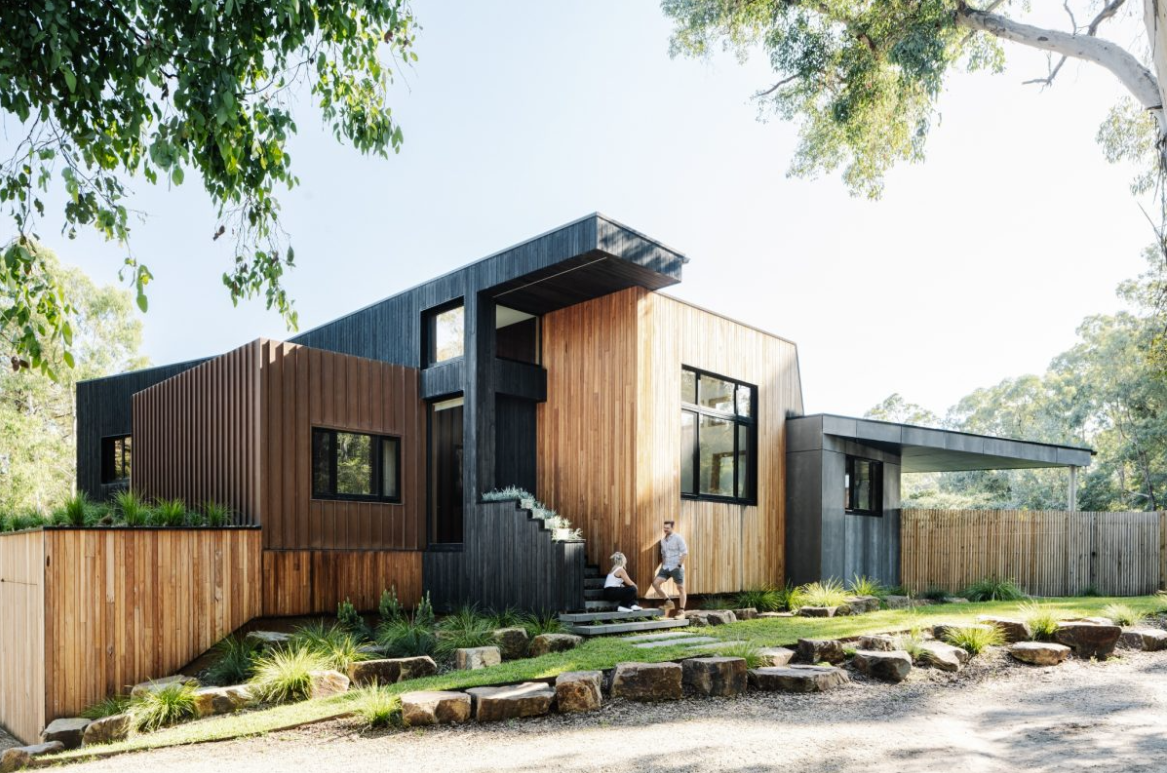
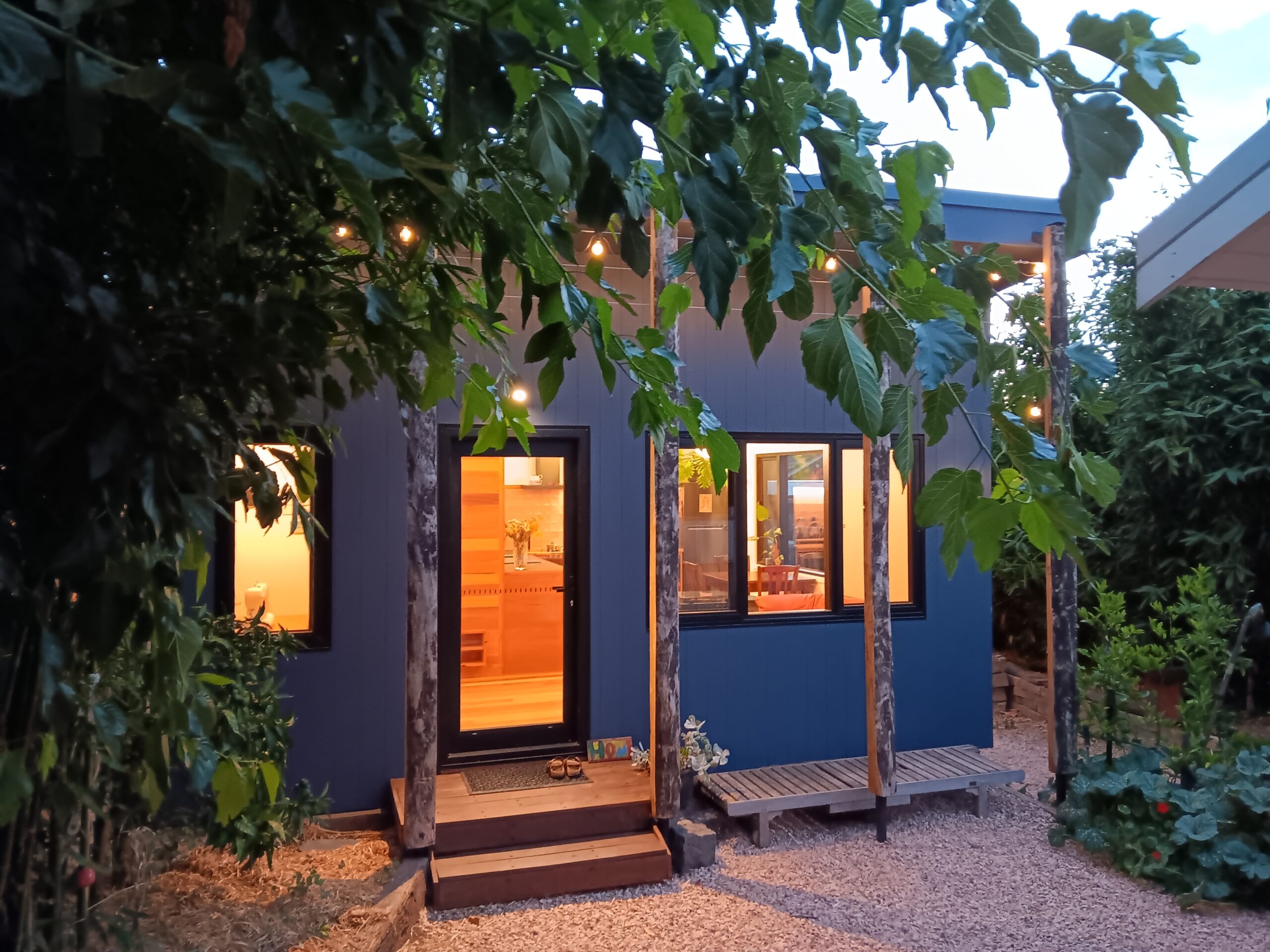
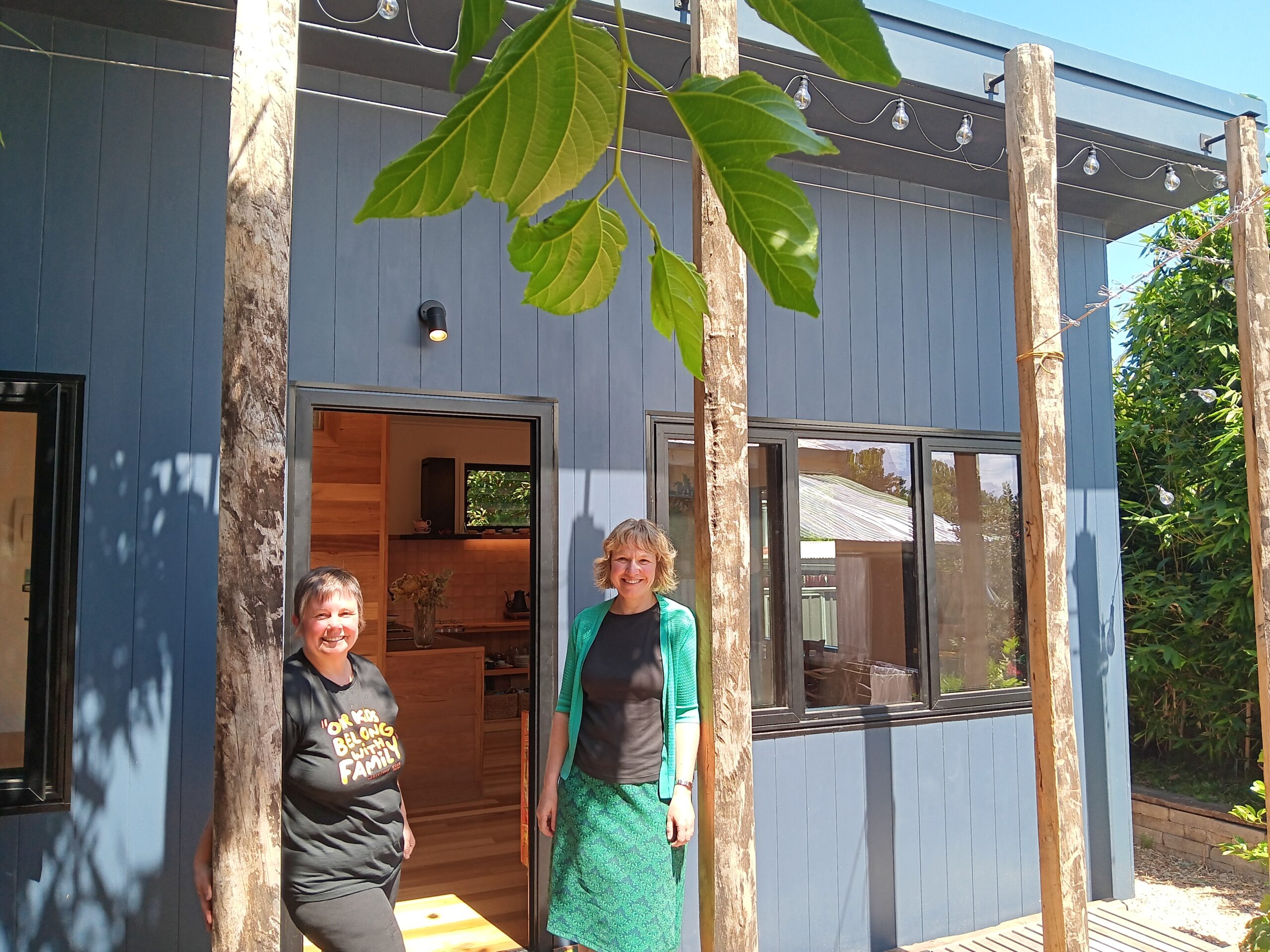
The Back House was recently featured in Sanctuary magazine: “It’s a small building, but it carries years of thinking,” says Kulja Coulston – former Sanctuary editor – of the self-contained studio she and partner Andy recently completed in their suburban Melbourne backyard.


“We talked about adding a small second dwelling for nearly a decade – our home suited young kids, but we knew it wouldn’t work as well once they were older.” When updates to the legislation removed the need for a planning permit for a self-contained garden unit, they knew the time was right.


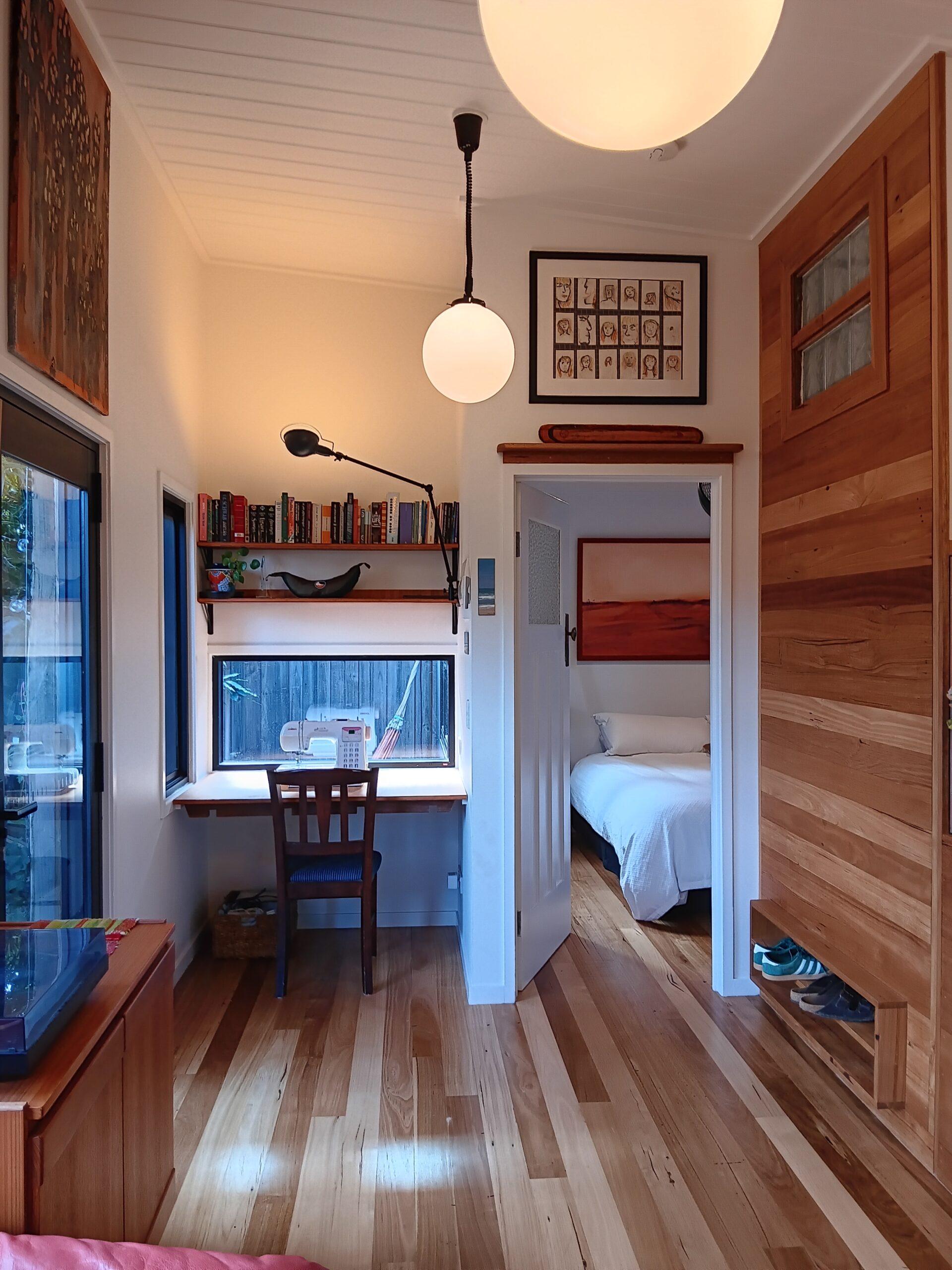
“The brief was for a space that could accommodate two adults, with areas for study, relaxing, cooking and music making,” says building designer Elizabeth Wheeler.


She gently steered Andrew and Kulja away from their tiny-house instincts, encouraging them to increase the footprint to around 38 square metres.


“That decision allowed for a living area with a raked ceiling and a generous separate bedroom, giving our adult children the ability to continue living independently at home,” says Kulja. “It also future-proofed the building in case we ever choose to live there ourselves.”


They gained garden space thanks to the removal of an old shed, a big trampoline and an overgrown hedge.
“Many urban blocks have poorly utilised space that could be leveraged to increase density,” says Elizabeth. “This ‘studio’ feels like a proper house, has no negative effects on neighbours, and was achieved despite several very significant site constraints. As proof of concept, it doesn’t get any better.”


The owner-built project was “deeply collaborative”, Kulja says, with valuable assistance from her dad Mick, who is skilled in working with both new and reclaimed materials.


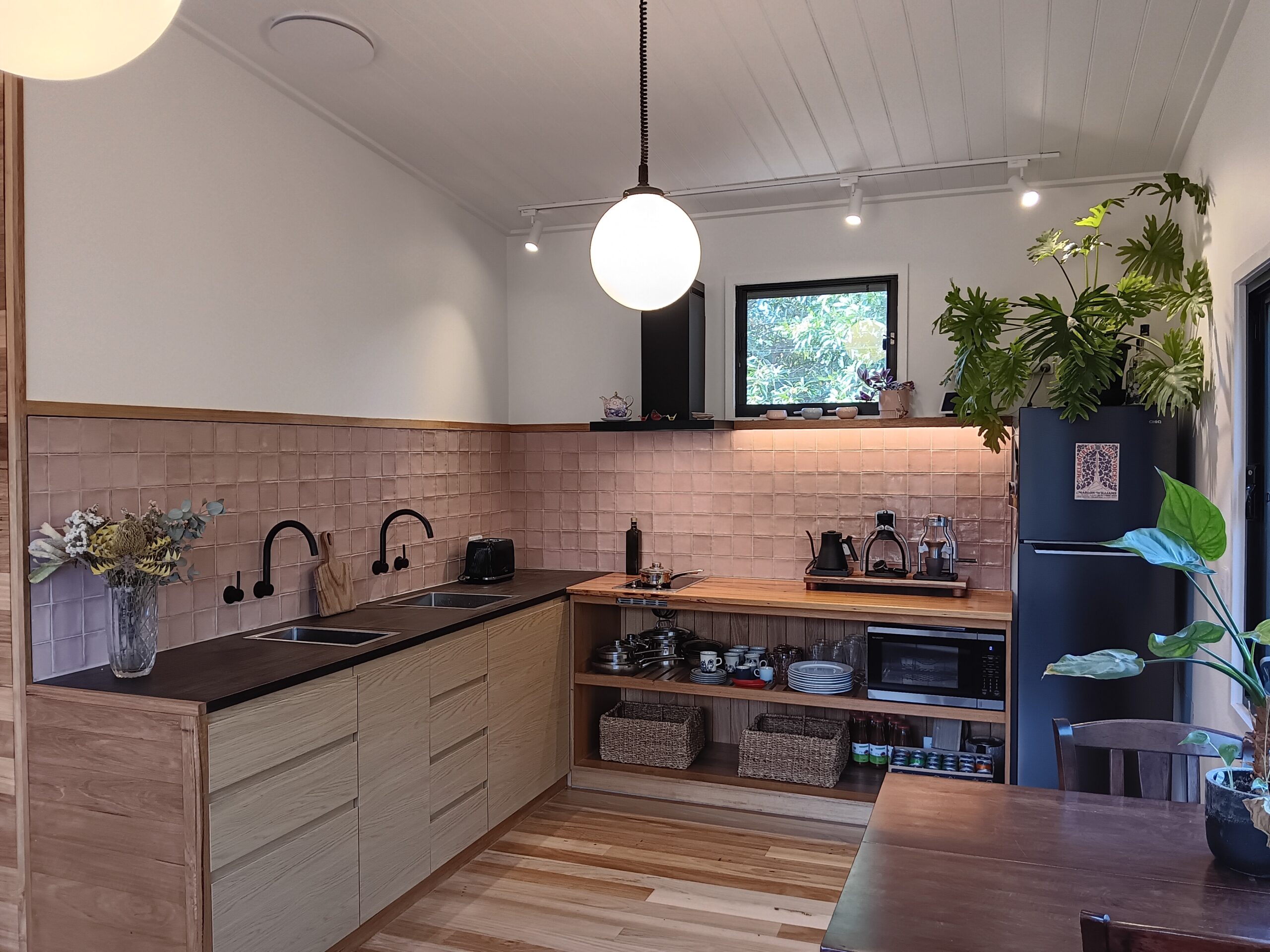
They chose lightweight construction, using a Mega Anchor foundation system and an AlphaFloor concrete-panel floor to provide thermal mass beneath reclaimed messmate floorboards.


Material reuse is woven throughout.

Q & A

What motivated you to build or retrofit sustainably?
Our aim was to add gentle density and, in a small way, help ease the housing crisis by allowing more people to live on our site over time, while also improving the landscaping and increasing planting.
Sustainability was a core goal, but so was affordability and the ability for us to build it ourselves. The building is lightweight by design, allowing it to warm quickly in winter and cool down efficiently in summer. So far, summer cooling needs have been minimal, with no noticeable increase in electricity use on the main house switchboard.We paid close attention to the thermal envelope, using a permeable building wrap and insulation in the ceiling, walls and floor. Thermal mass is provided by an ALPHAFLOOR solid concrete panel floor system, which lifted the NatHERS energy rating from 6.8 to 7.2 stars. Recycled Messmate boards laid over the concrete panels add warmth and tactility underfoot, while the panel system avoids the bulk and embodied energy of a traditional concrete slab (although slight variations in panel thicknesses did introduce some leveling challenges).The Mega Anchor light-weight foundation system, selected for the highly reactive clay soil and flood-overlay condition
The site itself shaped the outcome in unexpected ways. A flood overlay and sewage easement affect the lower corner of our block – which would otherwise be the most obvious place to tuck the building out of sight. That constraint forced us to rethink placement, and in doing so delivered some of our favourite outcomes. Removing the shed over the easement opened a line of sight from the main house down the alley. The west-facing window now looks into open space rather than a fence, while clumping bamboo provides green privacy and afternoon sun control. The alley zone also discreetly accommodates bike parking and services such as the hot water system, air conditioner and a small garden shed.
For this project - nothing springs to mind. For our main house there are several improvements we would love to make, based on the experience with this awesome little project. But that is for another time!
Type: Secondary dwelling
Project: New build
Designer: Elizabeth Wheeler, Future Focused Buildings
Builder: owner builder
Size: 38m²
Energy Rating: 7.2
Bedrooms: 1
Bathrooms: 1

Sustainability Features

Building Materials & Envelope

Draught-proofing/air sealing
High-performance insulation
Double or triple-glazed windows
Sustainable or low-impact materials
Recycled or reused materials

Heating, Cooling and Ventilation

Passive heating/cooling (north-facing glazing, cross ventilation, thermal mass, shading, etc.)
Ceiling fans
Heat pump (reverse-cycle) heating/cooling

Energy and Appliances

Efficient lighting (LED, daylighting, solar skylights)
Heat pump hot water
Electric cooktop - induction/ceramic
Other energy-efficient appliances

Water & Waste Systems

Water-efficient fixtures

Landscape & Biodiversity

Native garden
Edible garden
Wildlife-supporting habitat

Climate Resilience

Flood

Accessible & Flexible Design Features

Design for flexible use
Design for multigenerational living or dual occupancy
Universal design for accessibility
Share this home:

Related Homes

Home tours delivered to your inbox

Step inside sustainable homes across Australia and get practical ideas you can use in your own