The Blue Devil

Kaurna yerta,
Magill,
SA
This home will be open for in-person tours on the 17th May 2026

About this home

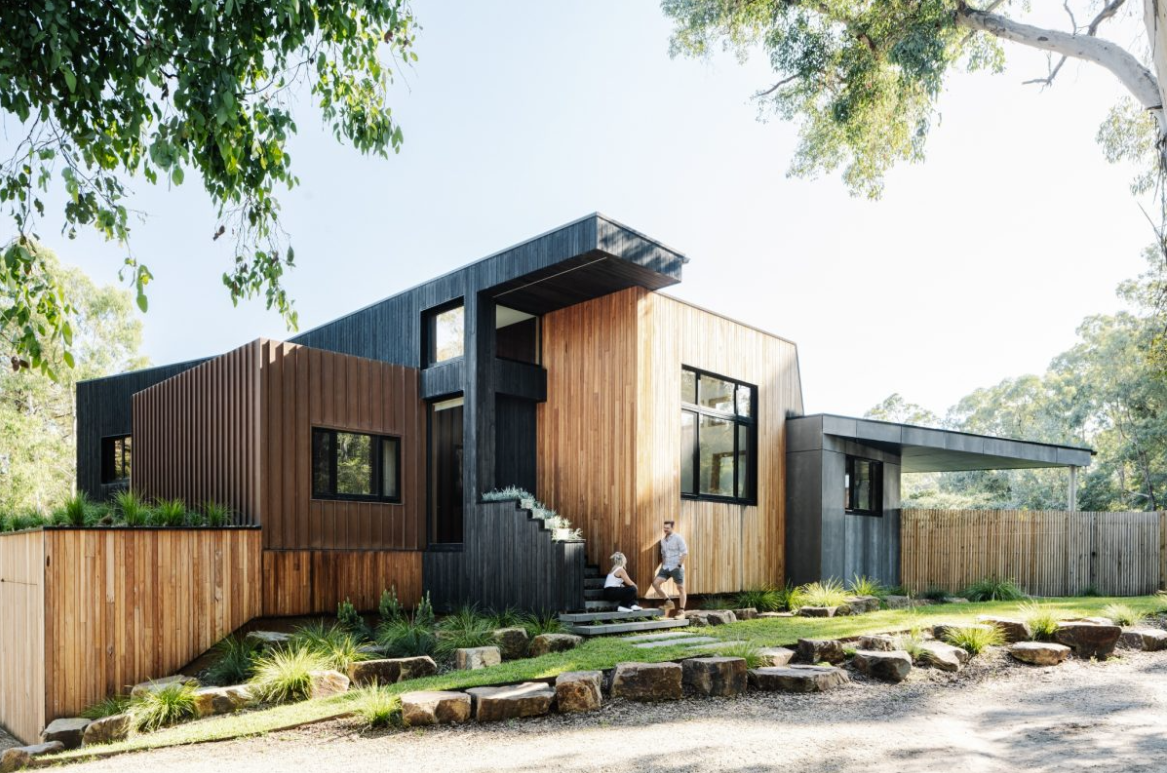
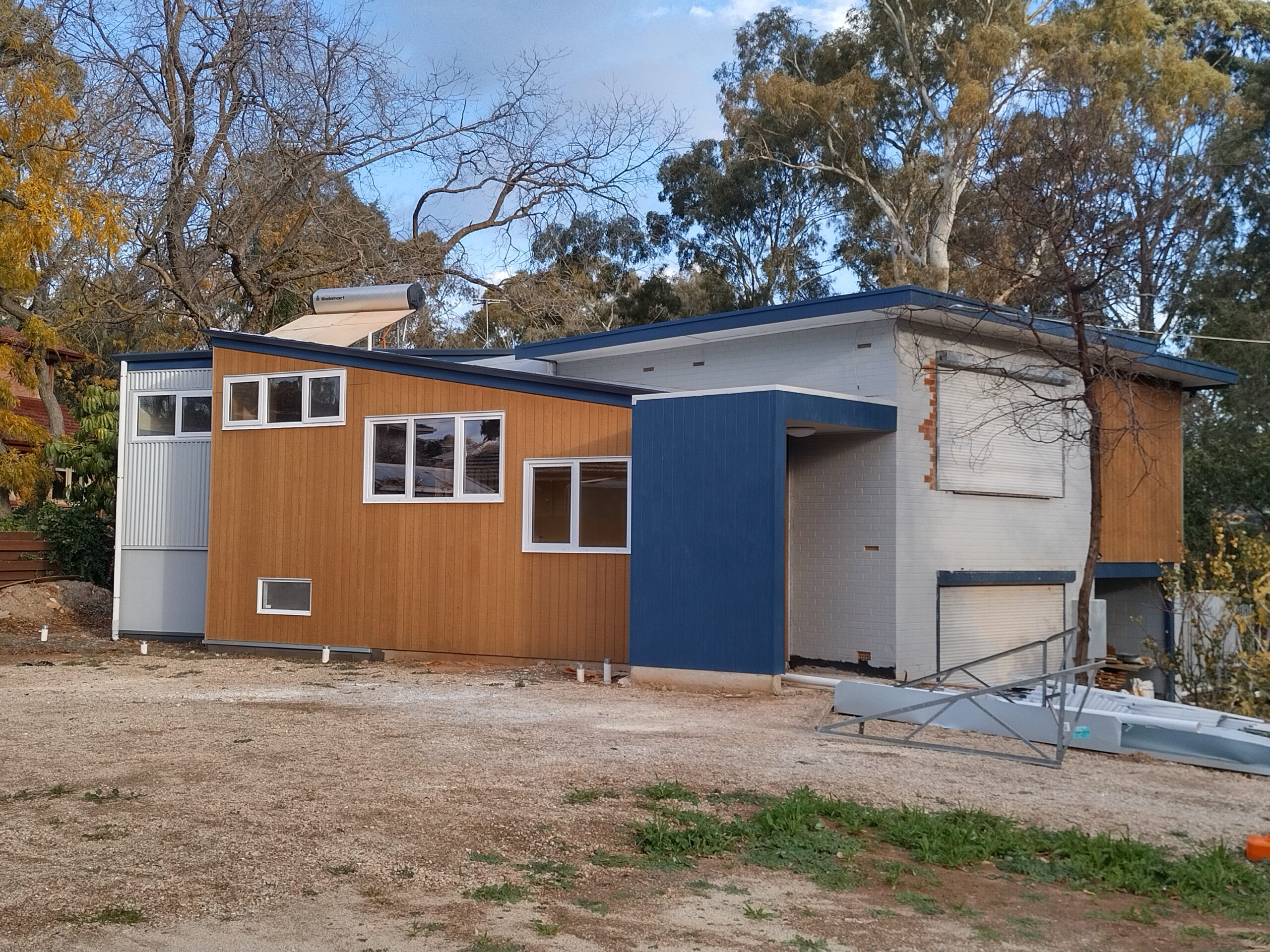
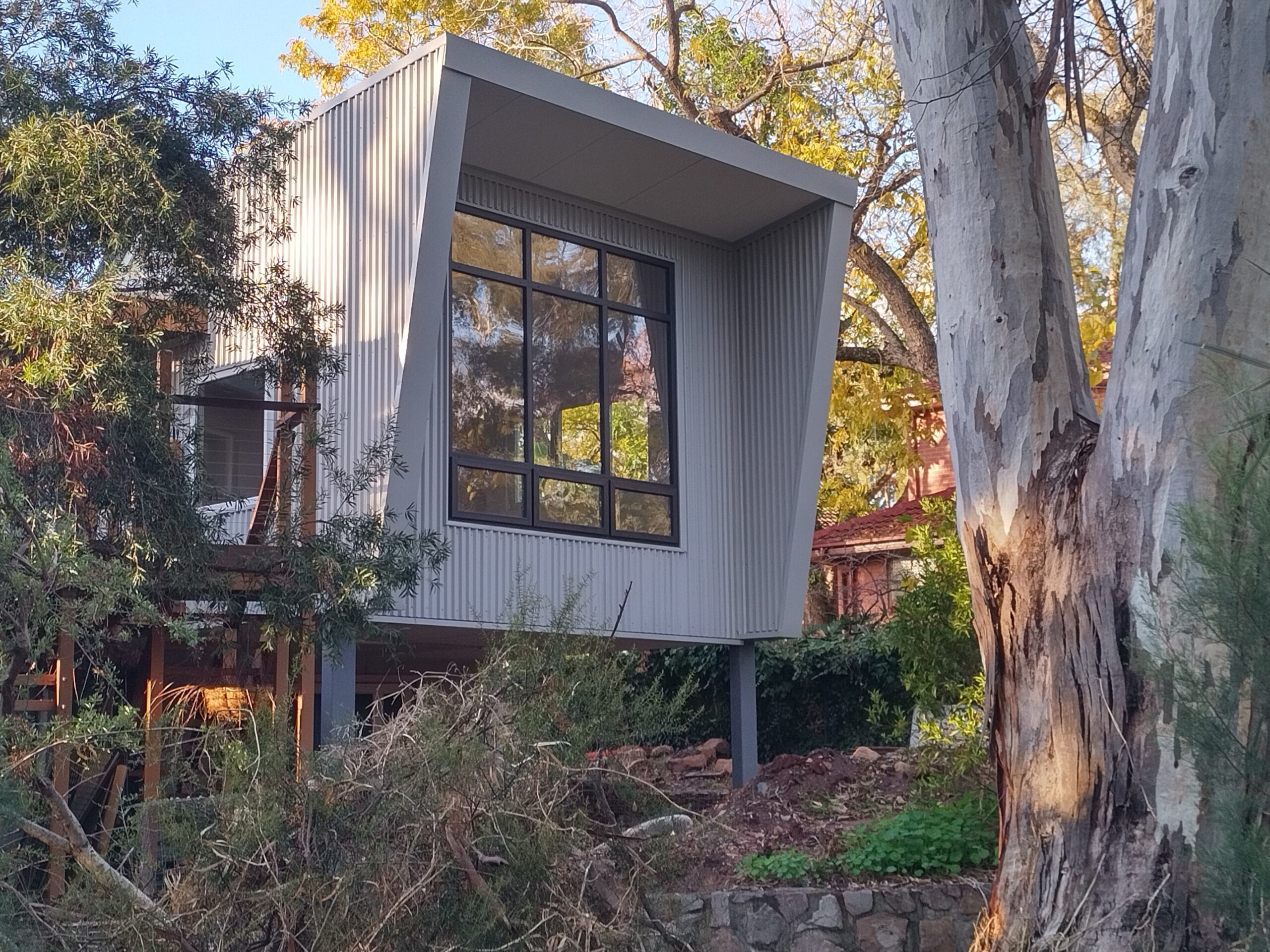
The house started in 1958 as an owner-built split-level double brick home in the modernist style. Six decades later it was not meeting the needs of the new owner.

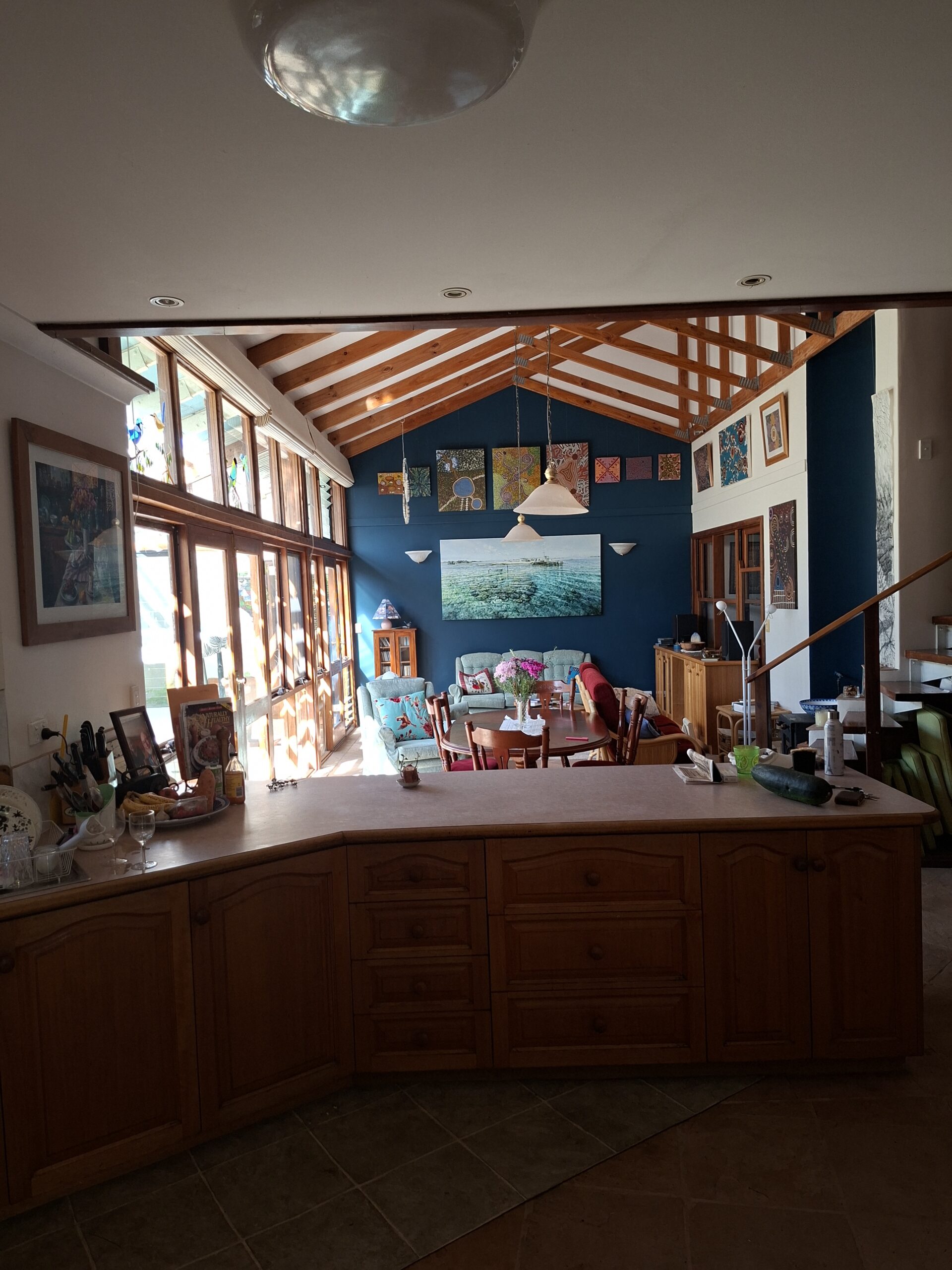
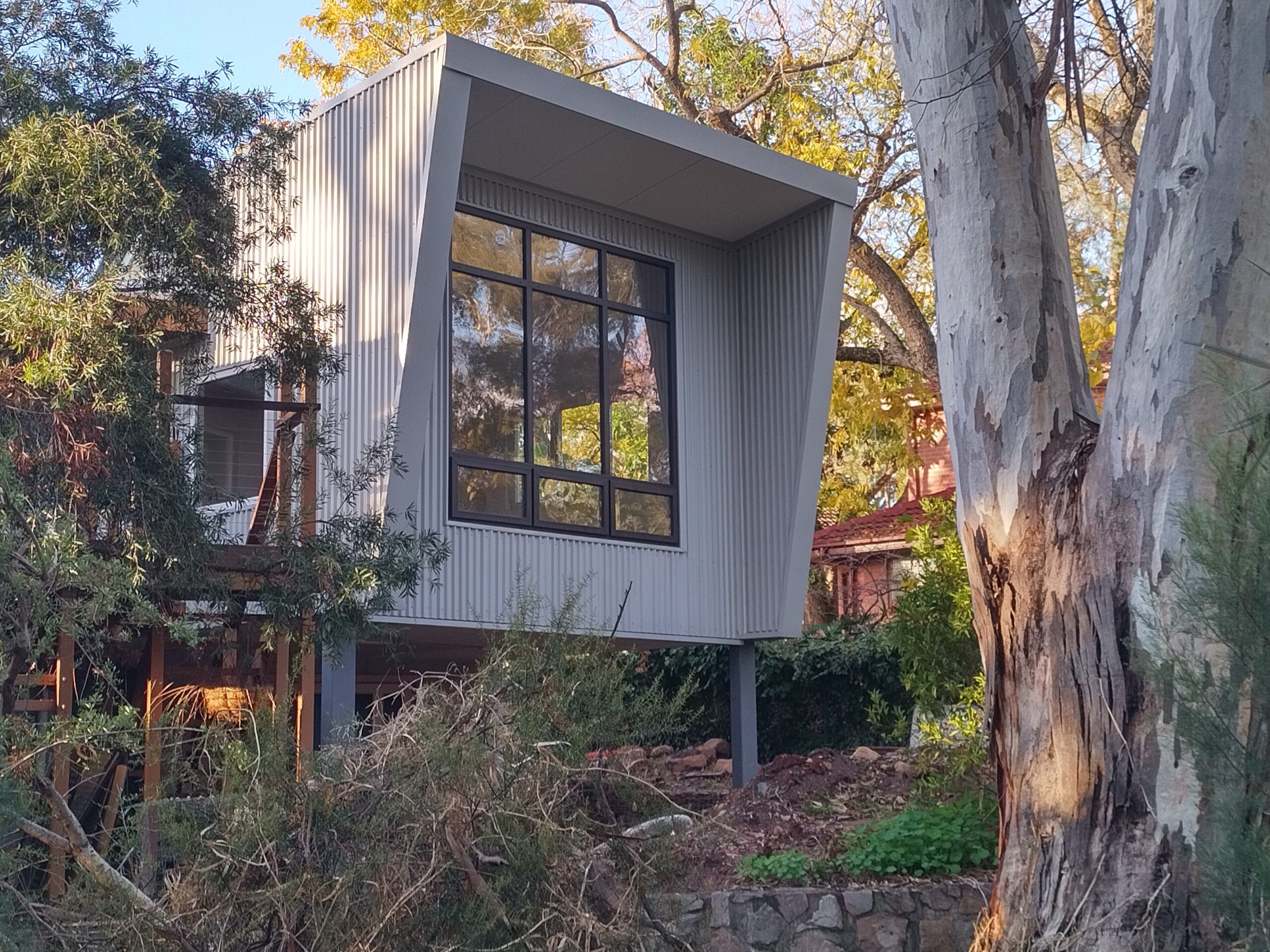
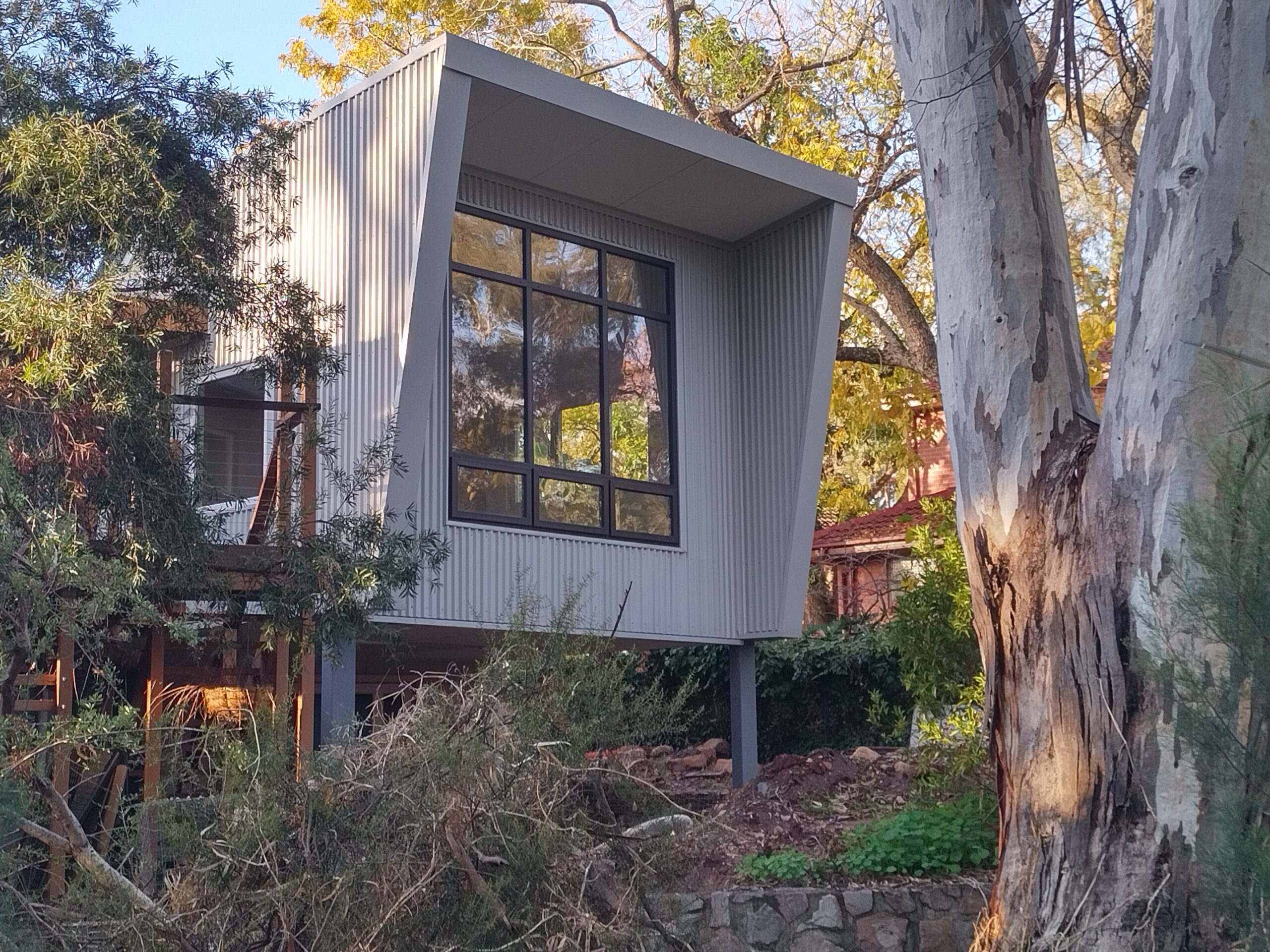
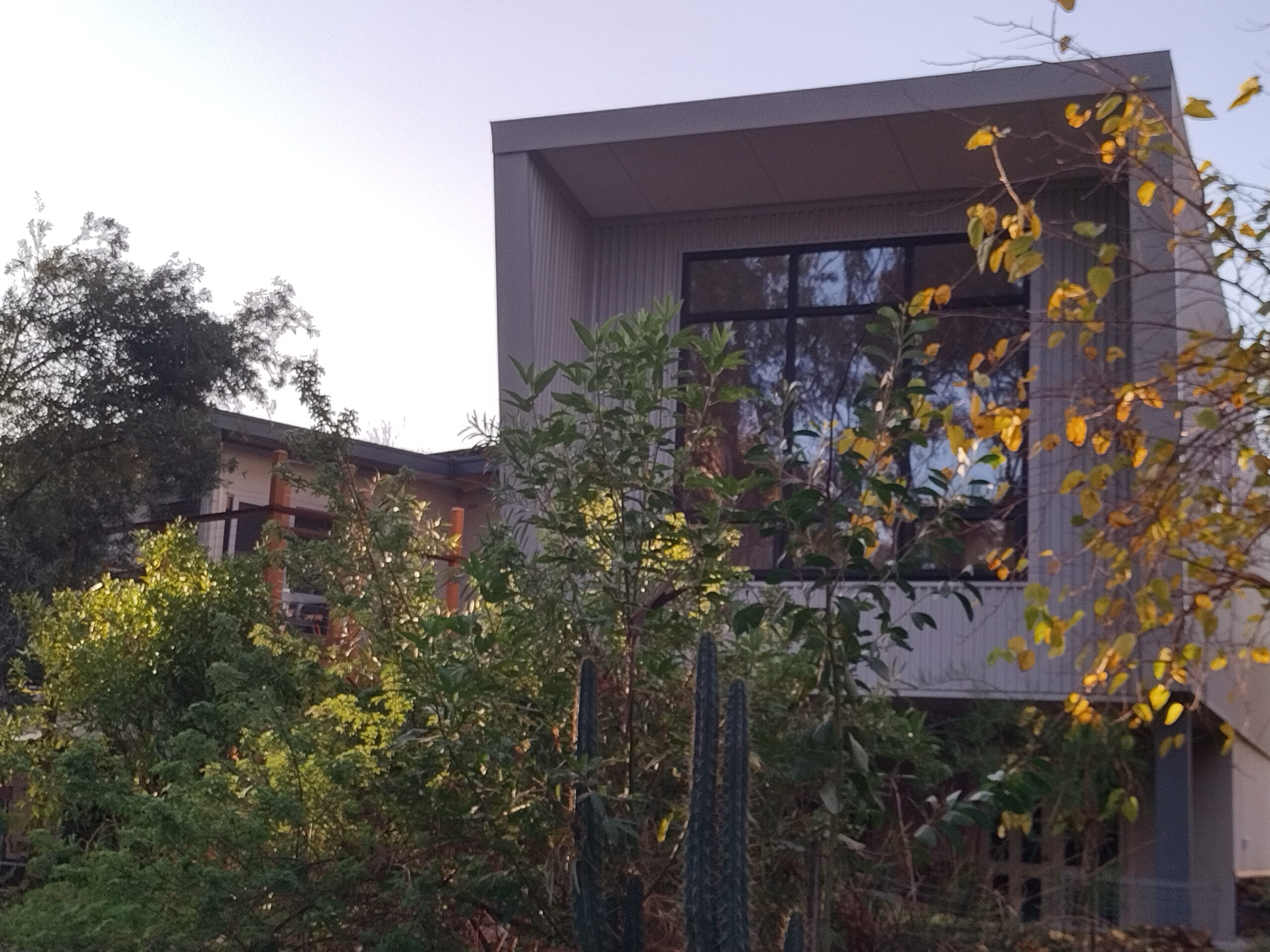
The middle level was demolished to allow subdivision of the block, with the two-storey bedroom section retained. A new living room and kitchen were added at the back to take advantage of the views of red gums in the adjacent creek reserve.

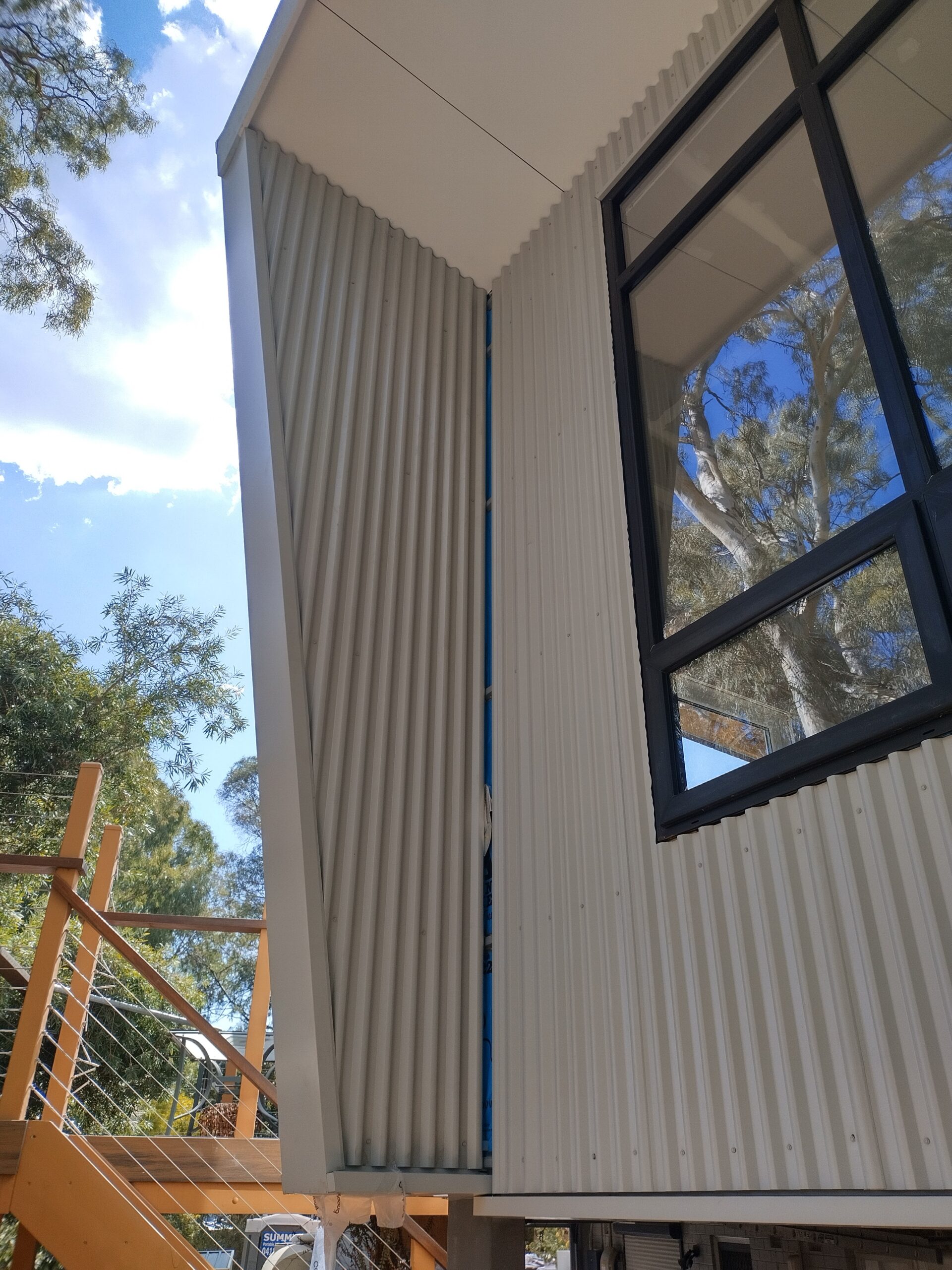
The addition was tilted at a slight angle to the existing building, opening up exciting perspectives and a hallway that includes a study, split staircase and generous cloakroom. Connection to the land was central to the design, with high windows showcasing the large trees and views of parrots and koalas.

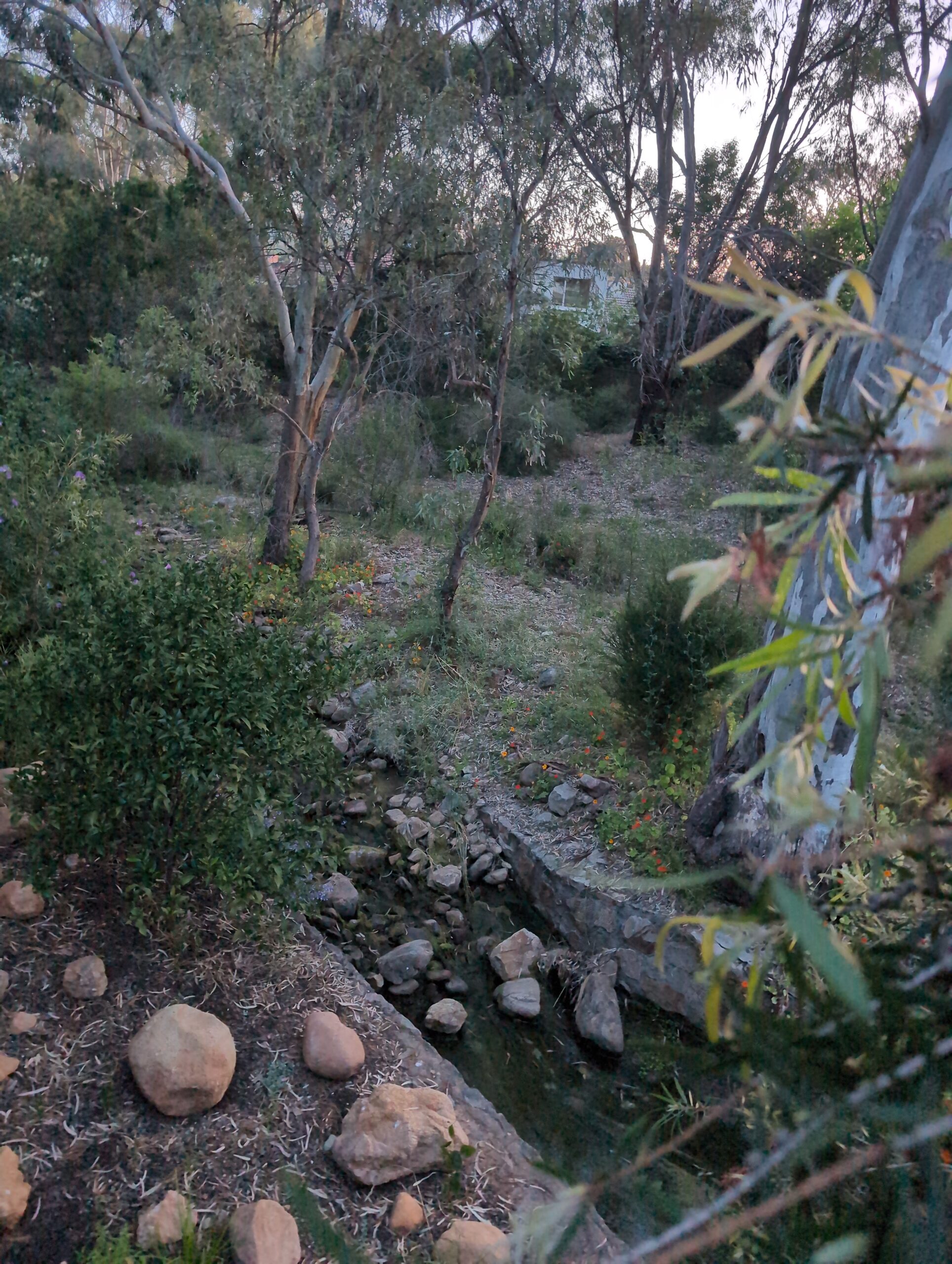
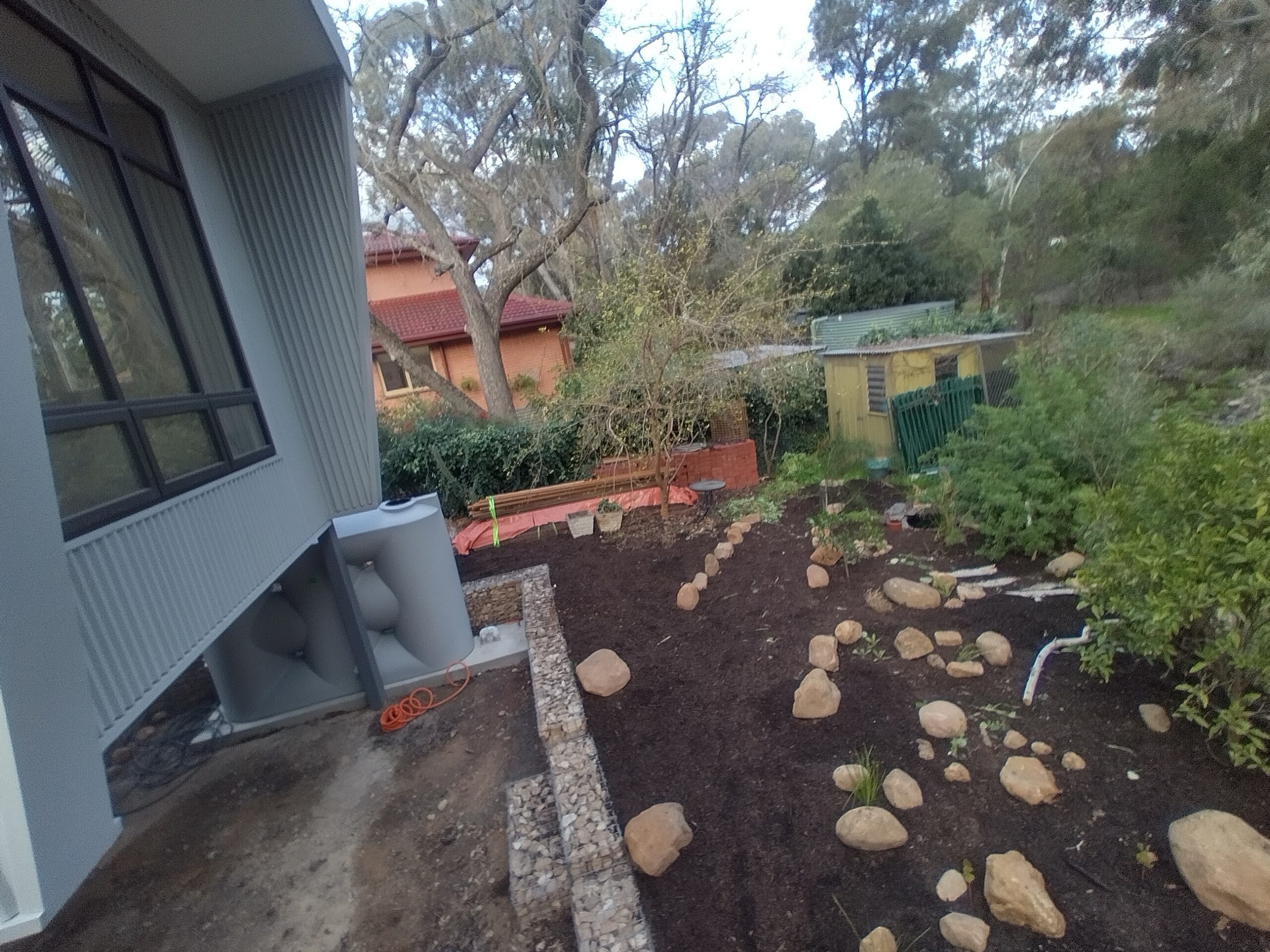
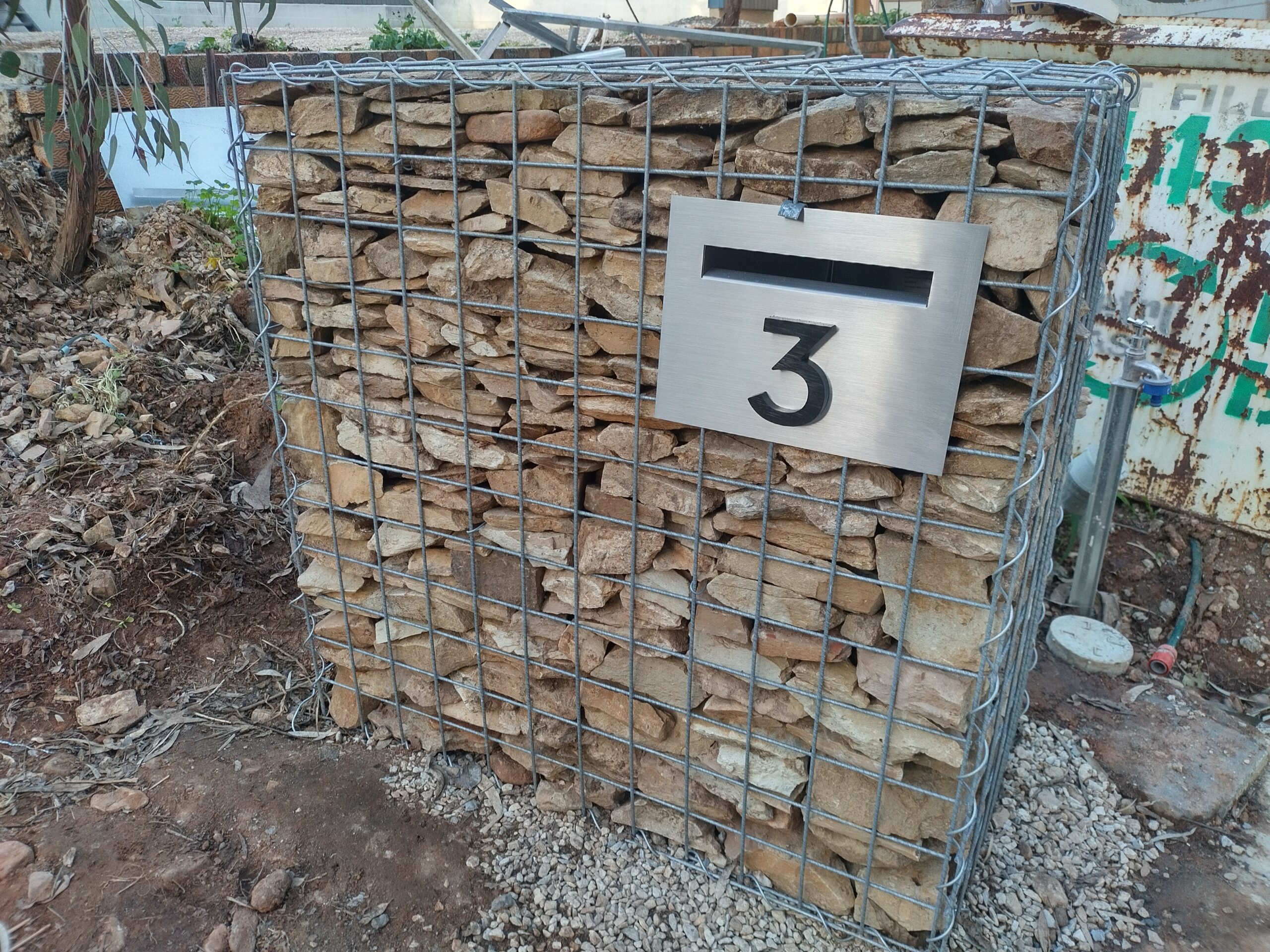
This connection continued to landscaping, where river rocks dug up from the foundations were used to define the garden beds, and rock gabions provided habitat for geckos. Material recovered from the old house was playfully used in the new.

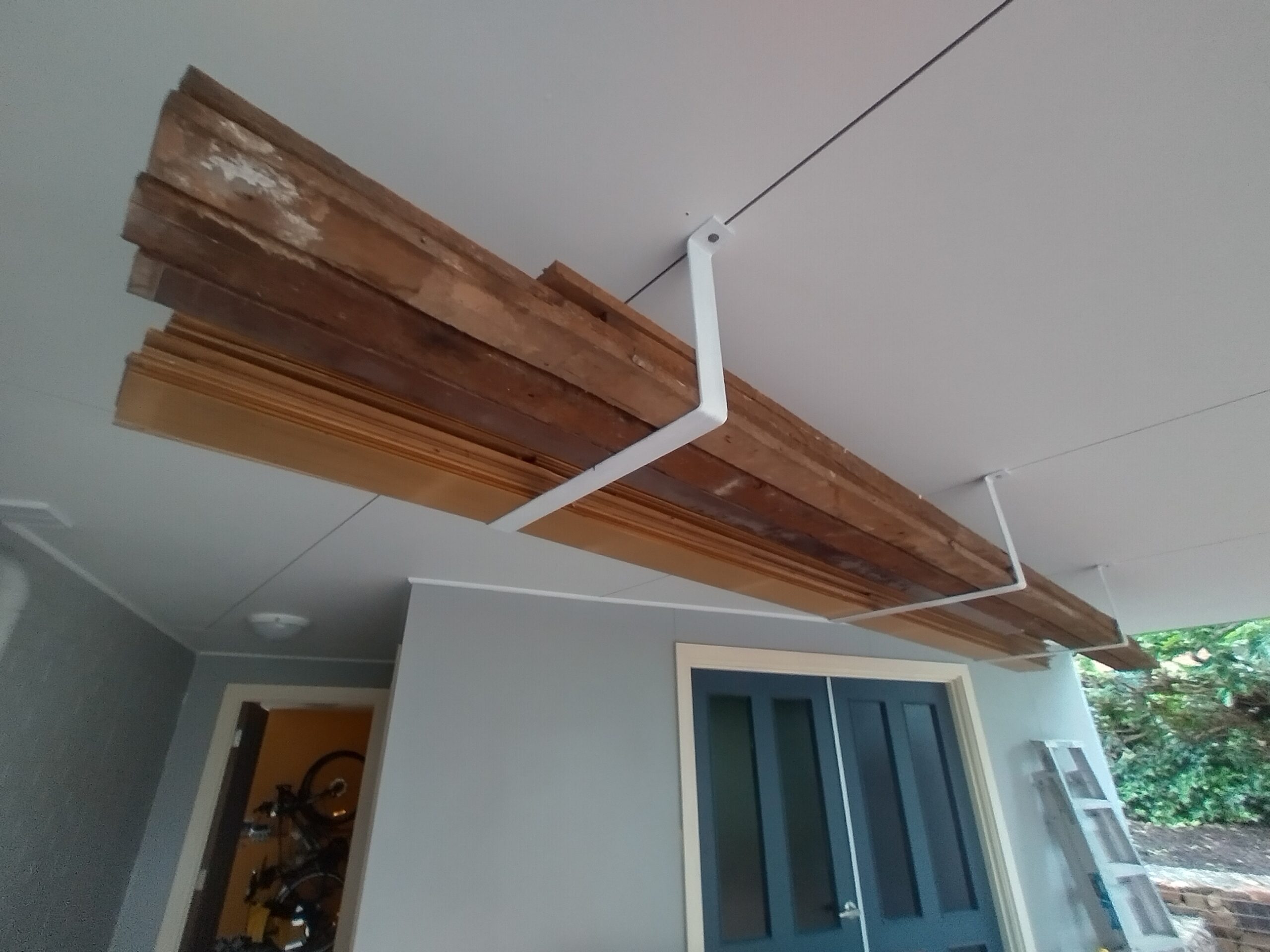
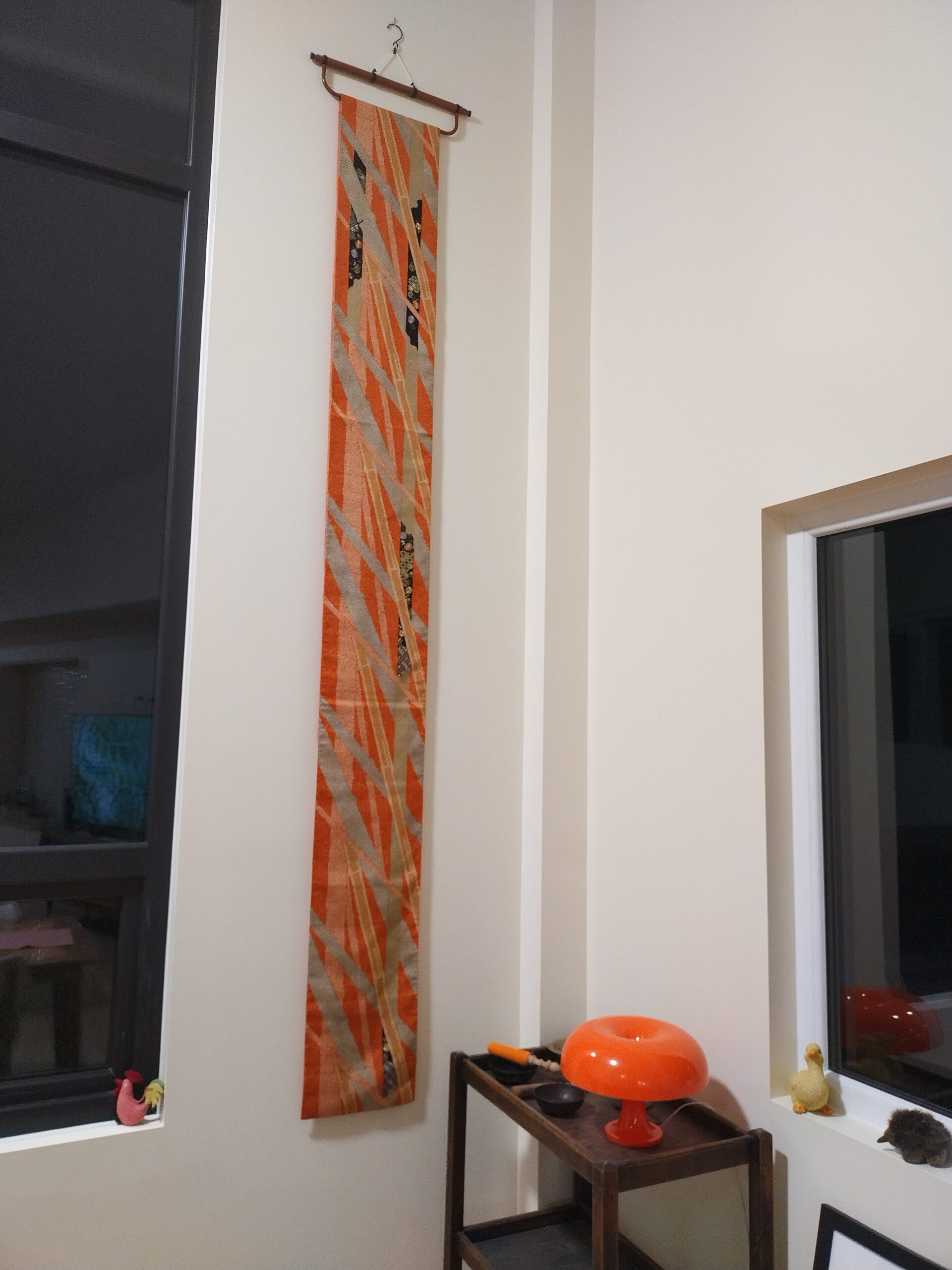
A silky oak cut down from the block was milled on site and used for shelving. Western red cedar panelling was reused as a feature wall. And Danish wall lights were repurposed as bedside lamps.

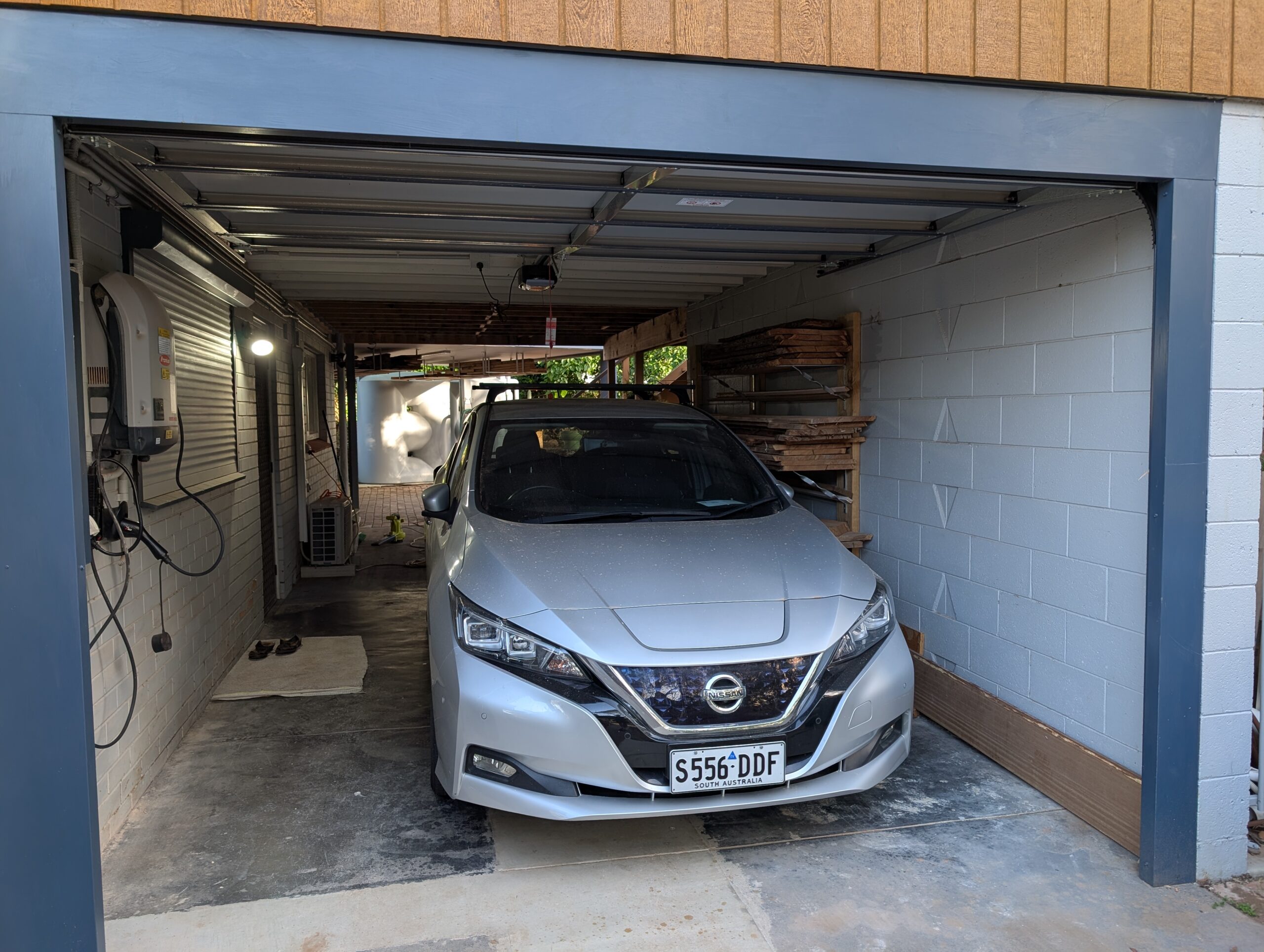
The owner enjoys woodwork, so had a workshop built in a triangular shape. The laundry is half underground, enjoying the cooling effect of the earth in summer and the warming effect in winter.

The house was designed by the owner with advice from the architect, with the final design being the result of many iterations. However, no changes were made when handed over to the builder, to keep costs contained.
Q & A

What motivated you to build or retrofit sustainably?
Climate concerns- the house was built for conditions in the 1950s, but was not suited to hotter weather, more extreme storm events or modern living. I also wanted a house which was a pleasure to live in
Good design. This is the most critical part of the process. It took eight months and 14 iterations before the final design. If there is one piece of advice I would give it is don't rush the design phase
I wish I had known how much extra material is required when recyling. For example I intended to reuse my floorboards but I would have required twice the number of boards to account for splits or other damages
Back to 2026 Homes
Type: Standalone house/townhouse
Project: Renovation or extension
Architect: Peter Martin
Builder: Toro Projects
Size: 190m²
Bedrooms: 3
Bathrooms: 2

Sustainability Features

Building Materials & Envelope

Draught-proofing/air sealing
High-performance insulation
Double or triple-glazed windows
Recycled or reused materials

Heating, Cooling and Ventilation

Passive heating/cooling (north-facing glazing, cross ventilation, thermal mass, shading, etc.)
Ceiling fans
Heat pump (reverse-cycle) heating/cooling

Energy and Appliances

Rooftop solar PV
Efficient lighting (LED, daylighting, solar skylights)
Solar thermal hot water

Water & Waste Systems

Water-efficient fixtures
Rainwater tanks

Landscape & Biodiversity

Native garden
Edible garden
Wildlife-supporting habitat

Climate Resilience

Flood

Accessible & Flexible Design Features

Design for flexible use
Design for multigenerational living or dual occupancy
Share this home:

Related Homes

Home tours delivered to your inbox

Step inside sustainable homes across Australia and get practical ideas you can use in your own