The Multi-Dwelling Garden Home

Ngunnawal Country,
Lyneham,
ACT
This home will be open for in-person tours on the 17th May 2026

About this home

One Block, Three Dwellings
A Practical Example of Sustainable Living in Suburban Canberra
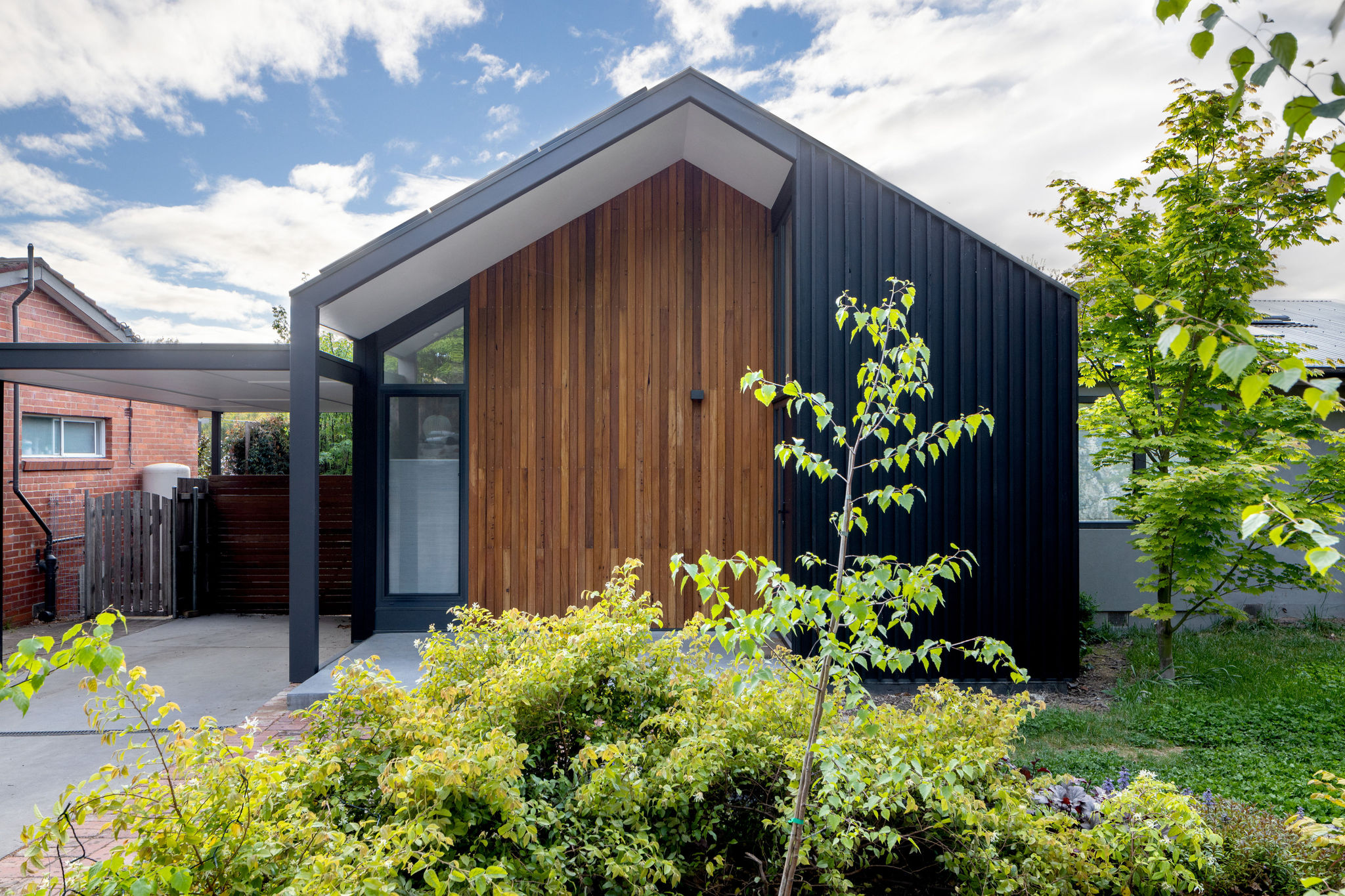
This project demonstrates how a typical suburban block in Canberra can support multiple small, energy-efficient dwellings without subdivision or major redevelopment.
Rather than demolishing and rebuilding, we have incrementally adapted the site over time. Today it includes:
-An upgraded primary residence
-A self-contained backyard studio used as a home office
-A hempcrete studio used as a meditation space and secondary home office

The aim has been simple: use the block more effectively, reduce environmental impact, and create flexible spaces that support family and work.

Upgrading the Existing Home
The original house has been progressively improved to increase comfort and reduce energy demand.
In Canberra’s climate cold winters and hot summers the building envelope makes the biggest difference. Improvements include:
-Increased insulation
-Reduced draughts and improved airtightness
-Better-performing glazing
-Careful management of solar gain and shading
These upgrades demonstrate that improving performance doesn’t require starting from scratch. Incremental improvements can significantly improve comfort and reduce heating needs.

Backyard Studio: Working From Home
At the rear of the block sits a compact, self-contained studio that now operates as a home office.
The studio was designed with orientation, insulation and glazing selection in mind from the beginning, making it inherently efficient rather than relying on added technology.
The space also creates physical separation between
between work and home life, improving day-to-day wellbeing.

Hempcrete Studio: Exploring Low-Carbon Materials
The newest addition is a separate studio constructed using hempcrete. Hempcrete is a bio-composite material made from hemp hurd (the woody core of the plant), lime and water. It is used as a non-structural wall infill around a timber frame.
Q & A

What motivated you to build or retrofit sustainably?
It simply makes good sence!
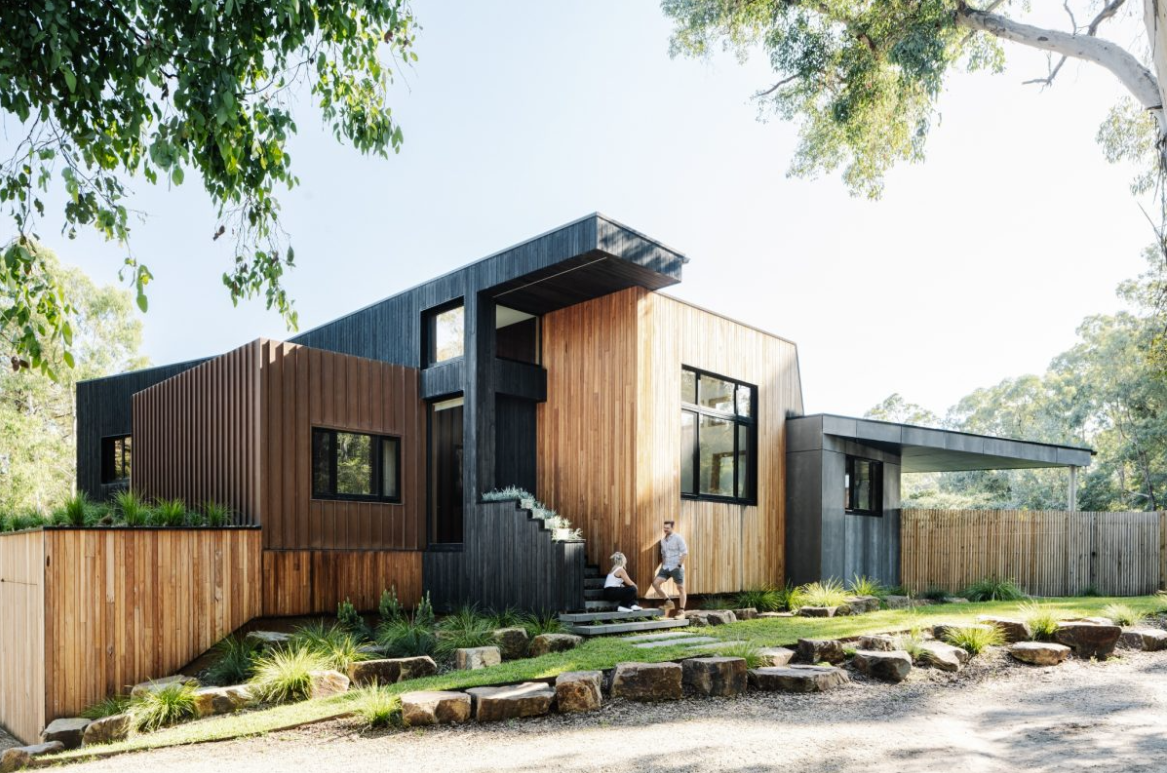
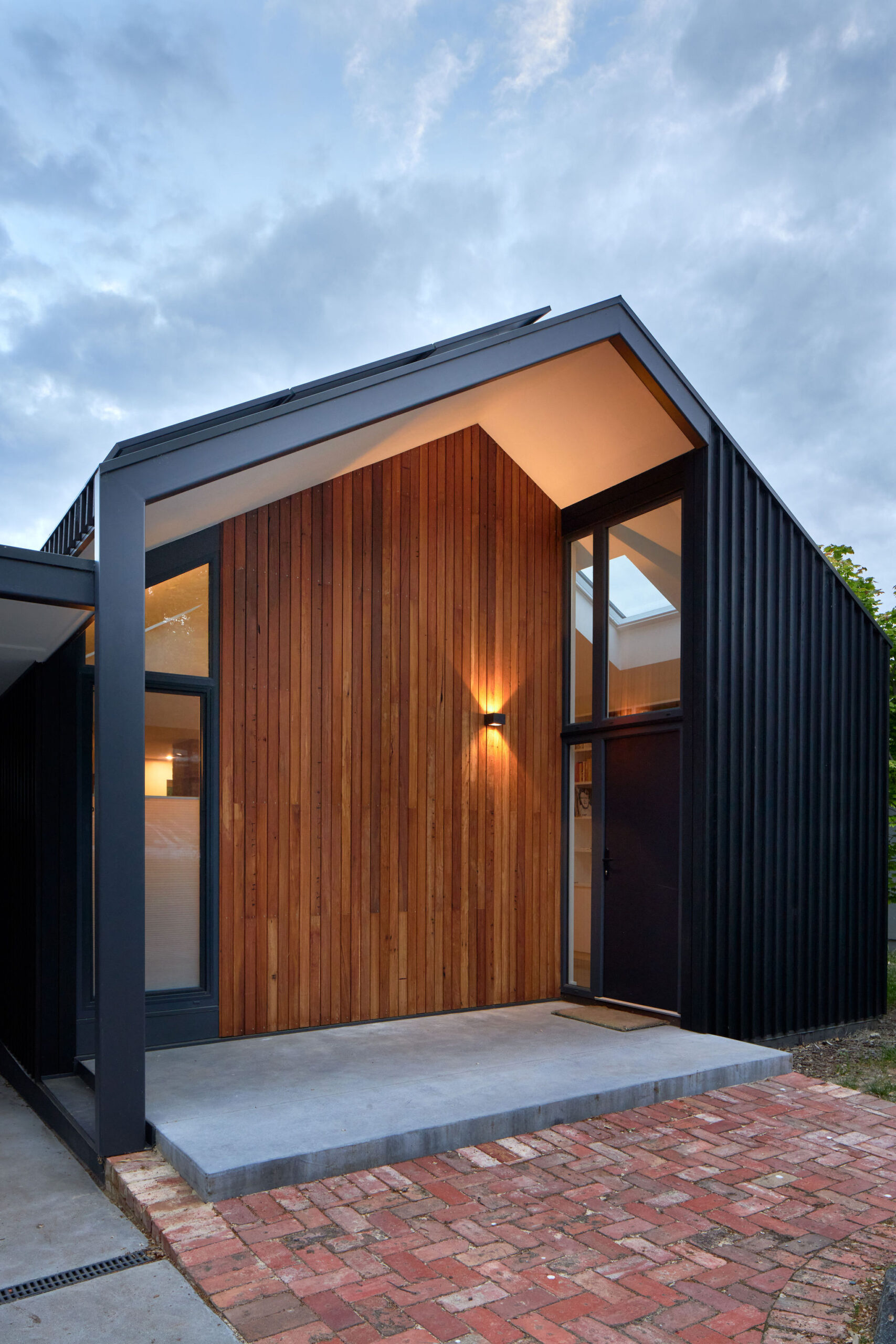
The extension to the front of our house has made the biggest difference to our lifestyle. We don't have a big house footprint, but creating a living room with a wonderful sense of space is something we love living in every day. The high ceilings are a bit of a trade off in terms of energy efficiency, but it's well worth it for the pleasure the space provides us with.
We love the timber cladding on our extension, but it does require some maintenance!
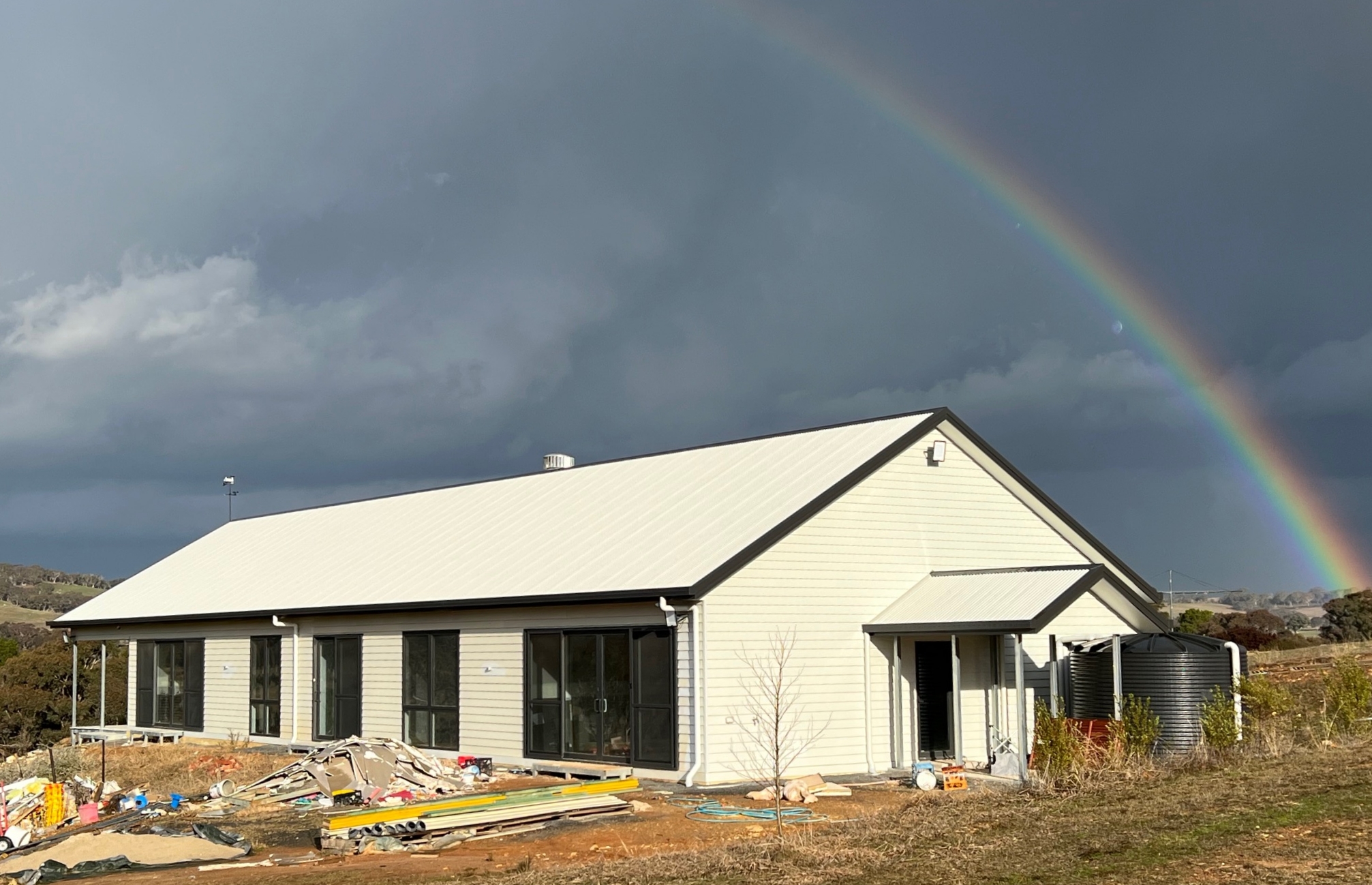
A straw bale home on an old sheep paddock which we could re-wild/regenerate.
Back to 2026 Homes
Type: Secondary dwelling, Standalone house/townhouse, Studio
Project: Gradual upgrades over time
Architect: Sense of Space Silas Gibson
Builder: 35 Degrees Pty Ltd Tom Henderson
Size: 180m²
Bedrooms: 4
Bathrooms: 3

Sustainability Features

Building Materials & Envelope

Draught-proofing/air sealing
High-performance insulation
Double or triple-glazed windows
Sustainable or low-impact materials
Recycled or reused materials

Heating, Cooling and Ventilation

Passive heating/cooling (north-facing glazing, cross ventilation, thermal mass, shading, etc.)
Ceiling fans
Heat pump (reverse-cycle) heating/cooling
Mechanical ventilation with heat recovery (MVHR) system

Energy and Appliances

Rooftop solar PV
Dedicated wall-mounted EV charging
Efficient lighting (LED, daylighting, solar skylights)
Heat pump hot water
Electric cooktop - induction/ceramic

Water & Waste Systems

Water-efficient fixtures
Rainwater tanks

Landscape & Biodiversity

Wildlife-supporting habitat

Climate Resilience

Heatwave

Accessible & Flexible Design Features

Design for flexible use
Design for multigenerational living or dual occupancy
Share this home:

Related Homes

Home tours delivered to your inbox

Step inside sustainable homes across Australia and get practical ideas you can use in your own