The Red Door Studio

Naarm,
Heidelberg West,
VIC
This home will be open for in-person tours on the 17th May 2026

About this home

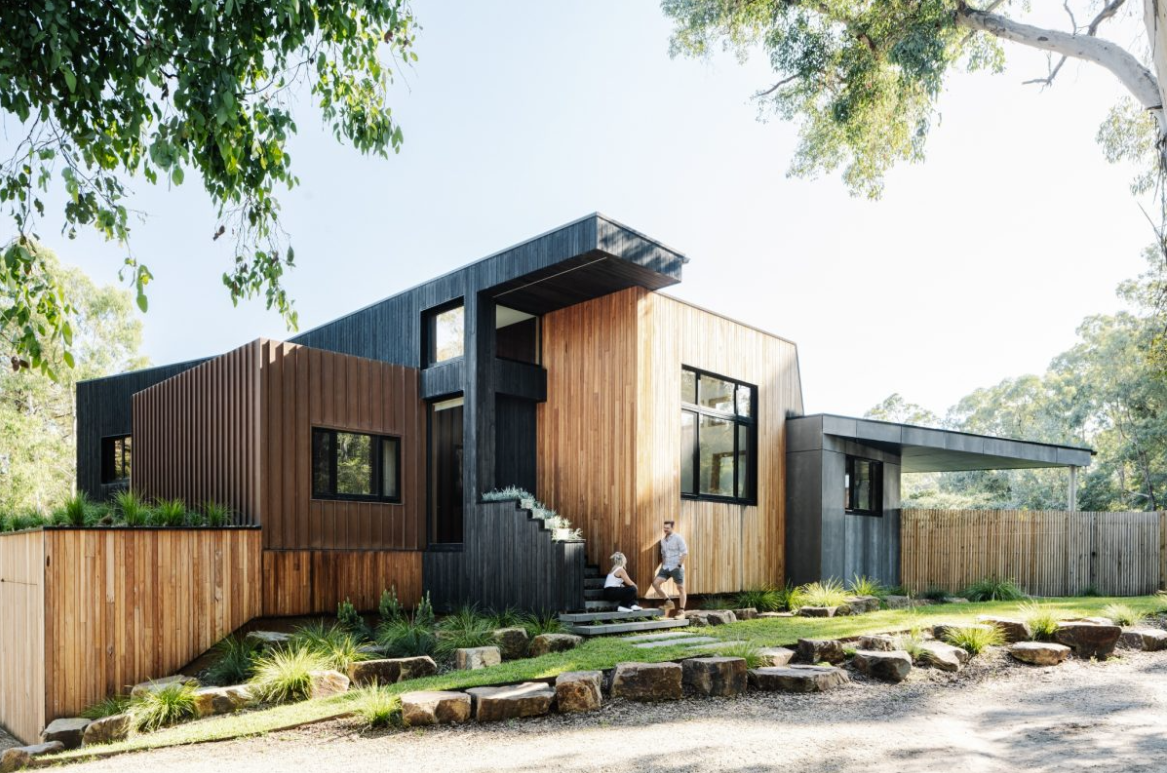
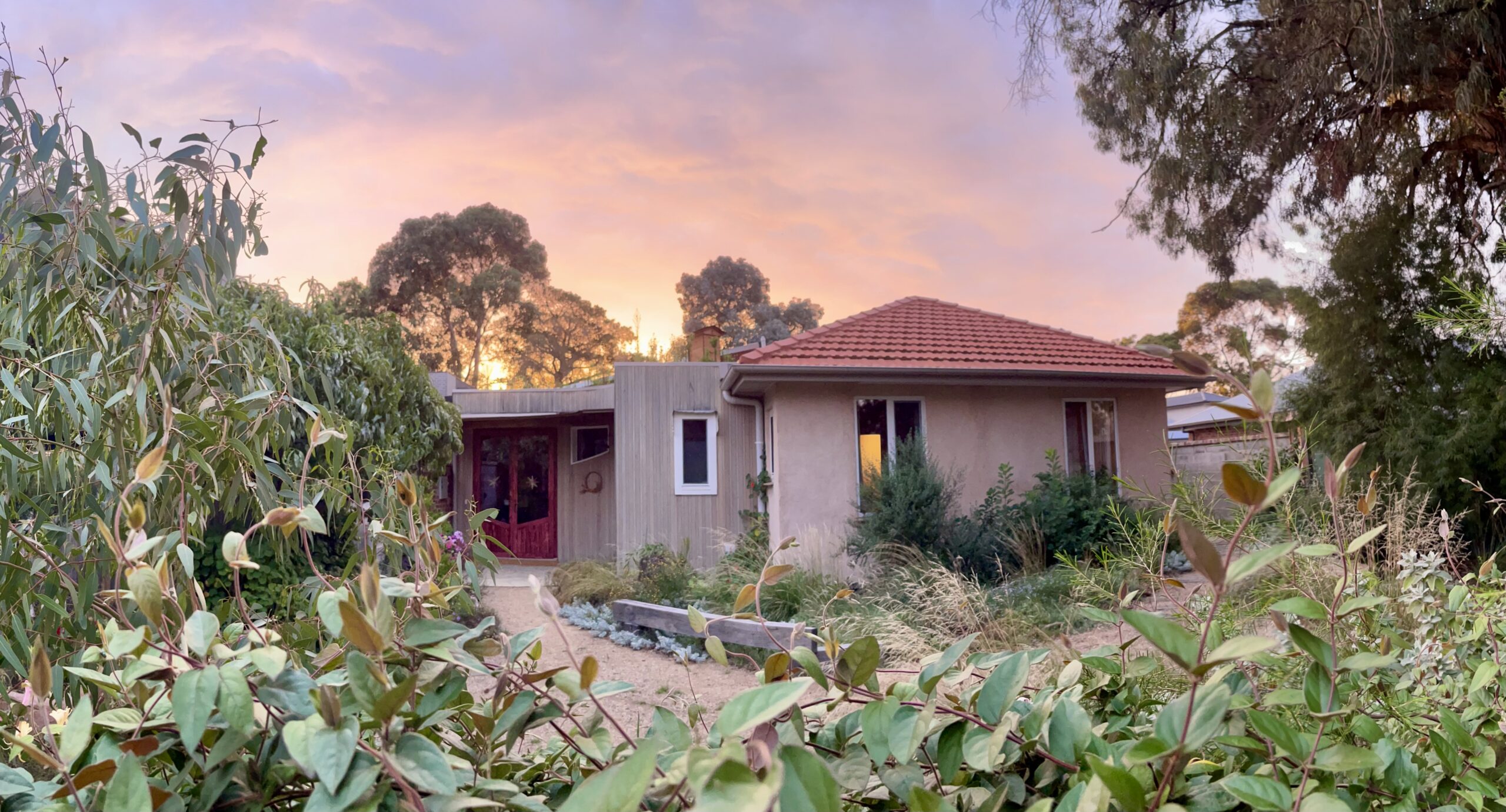
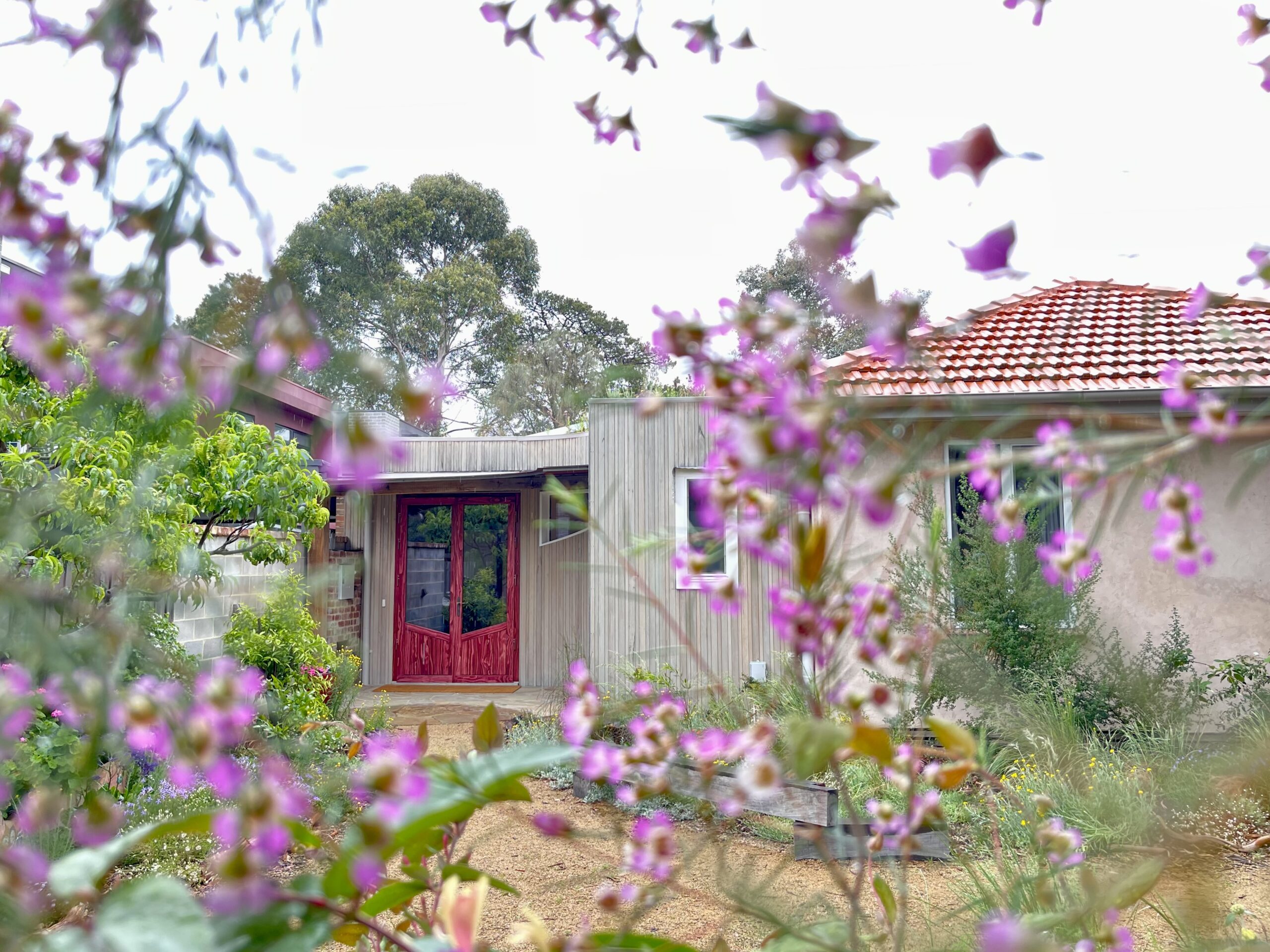
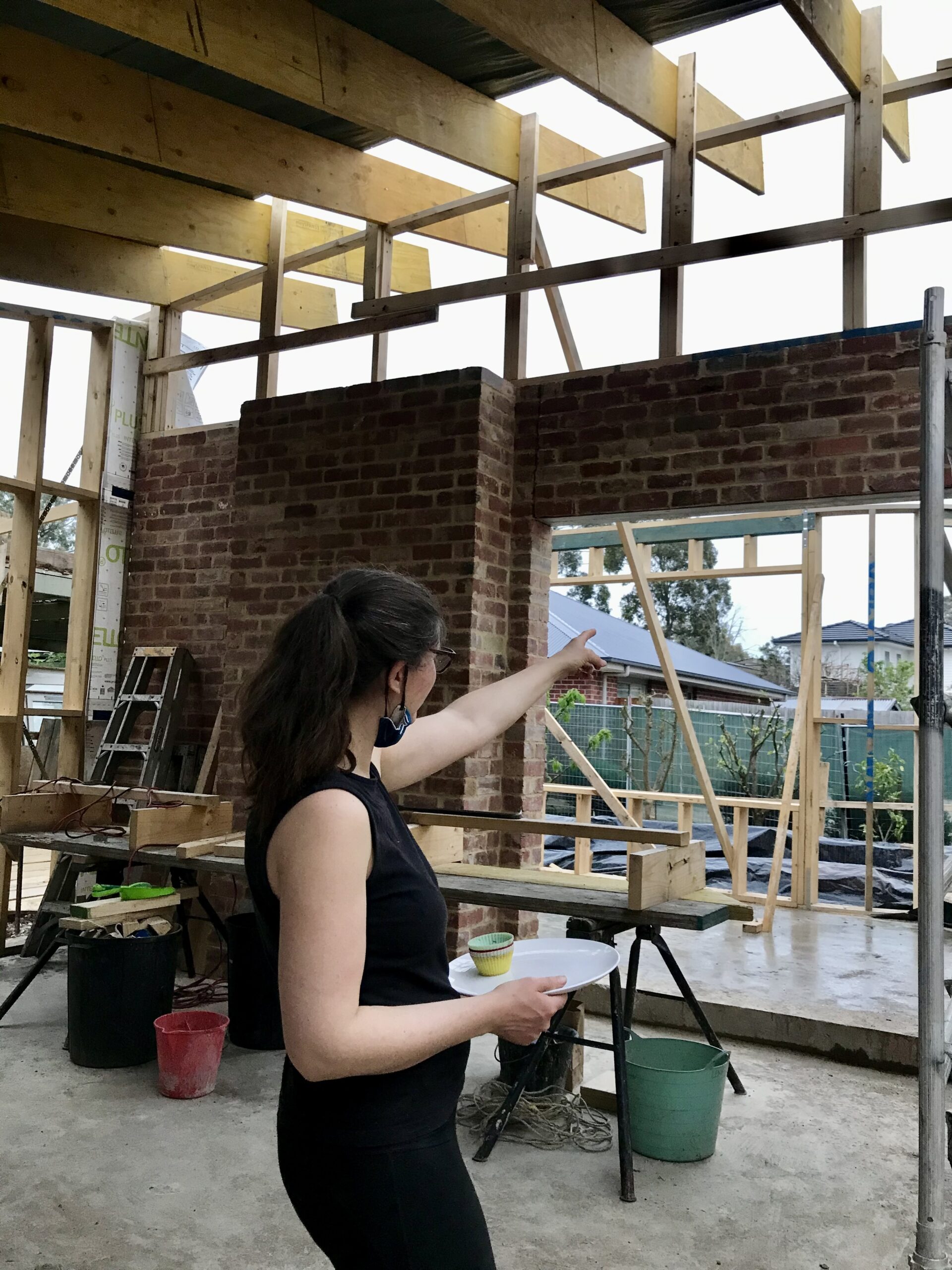
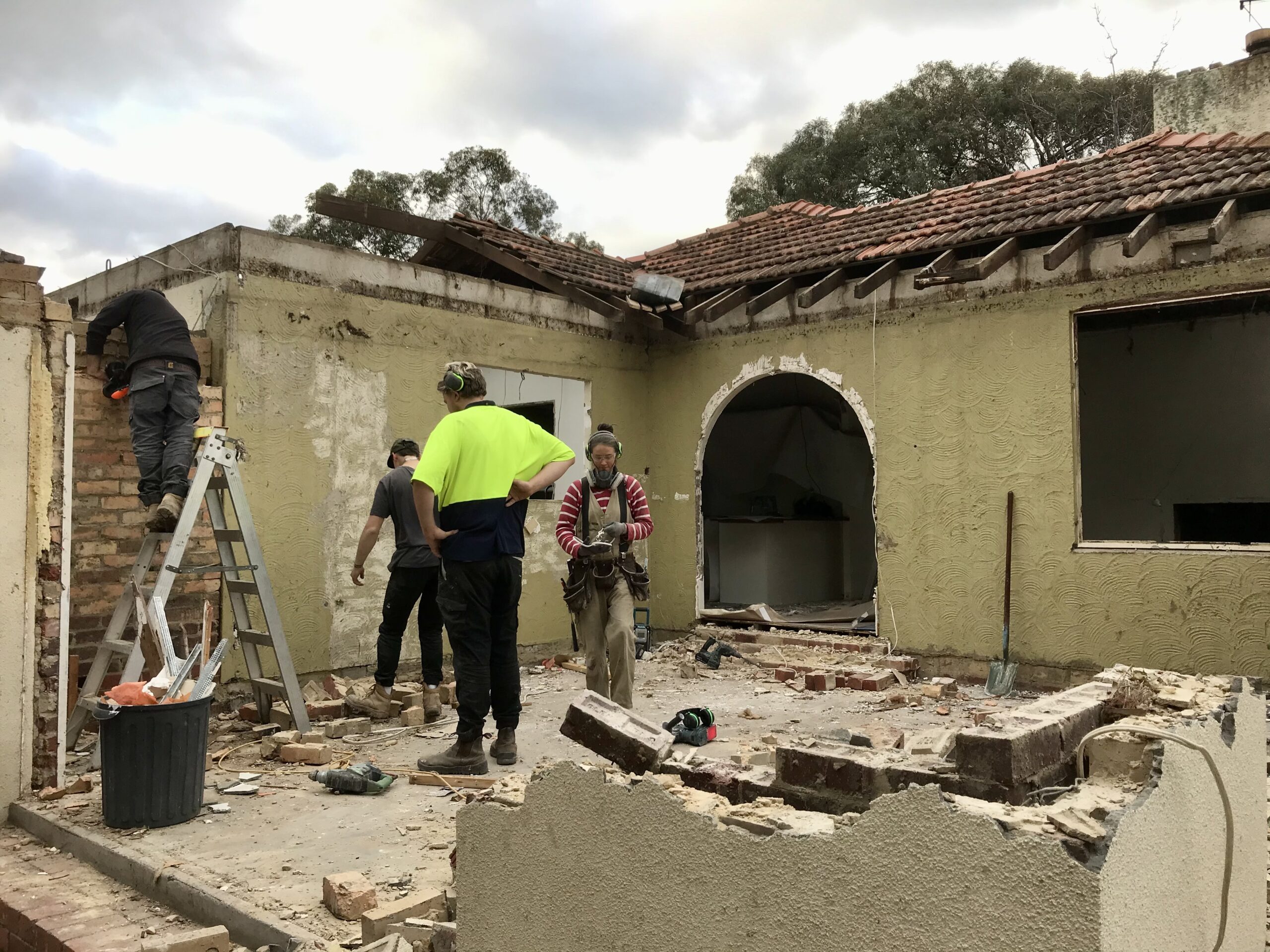
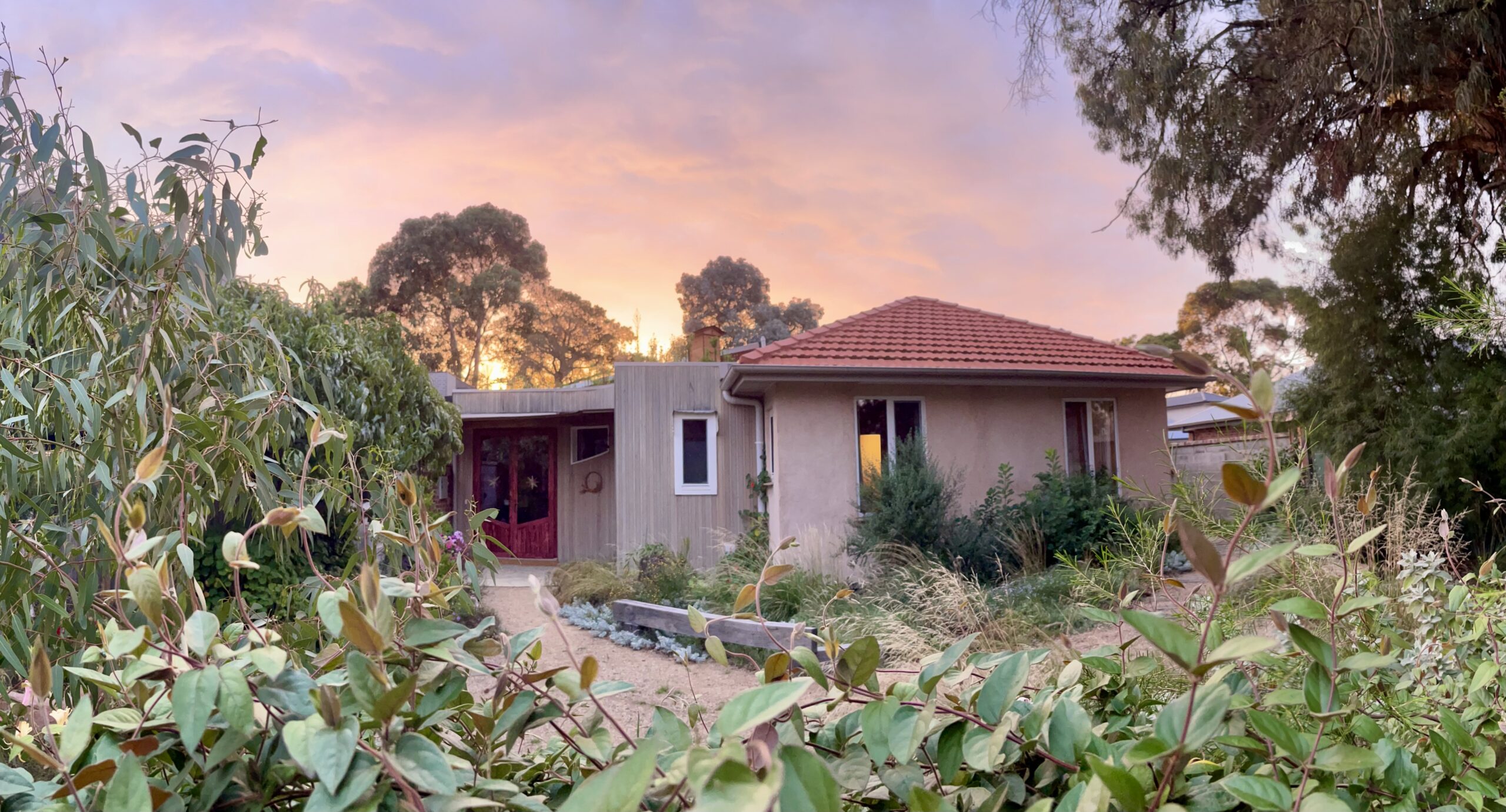
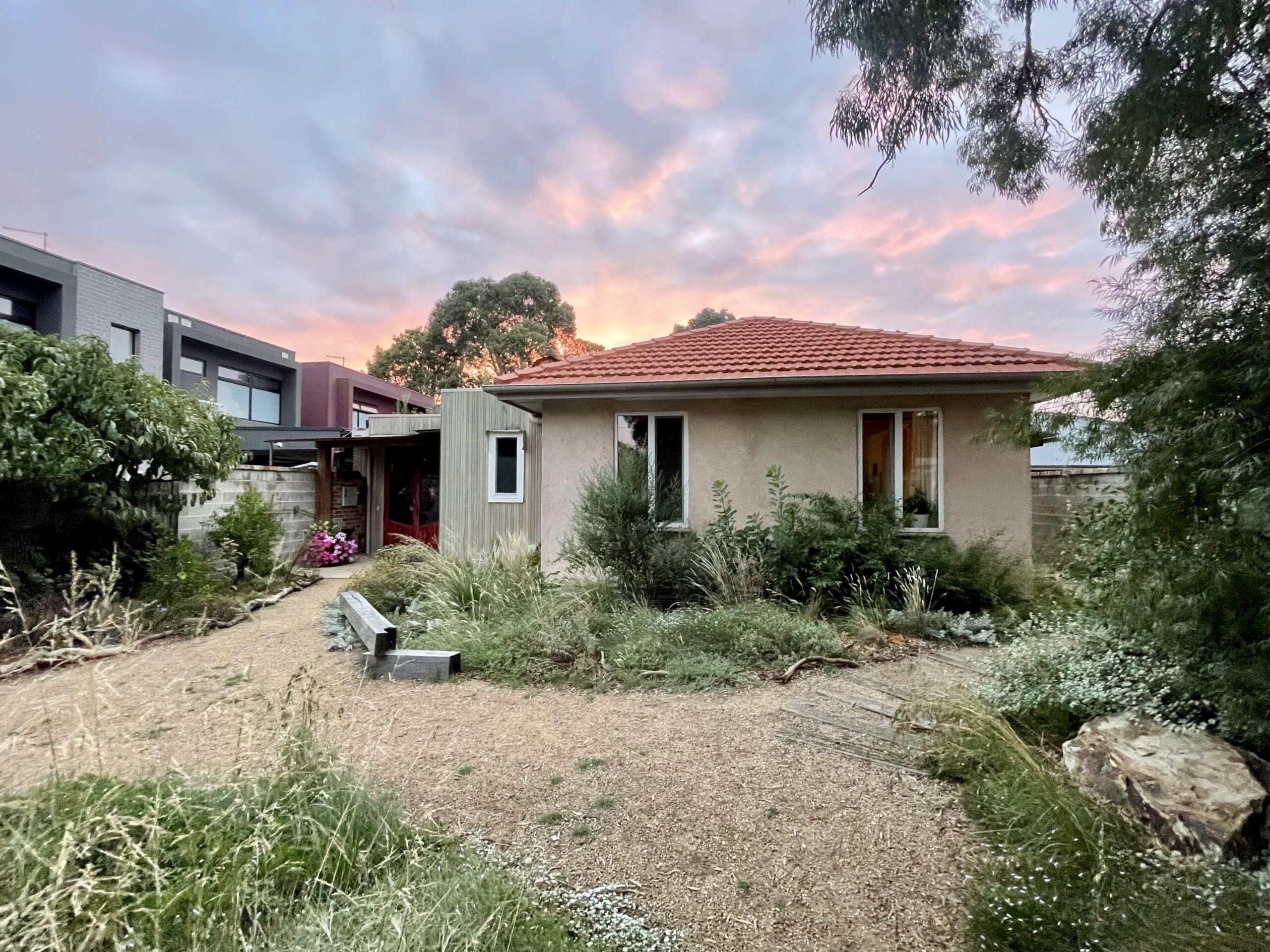
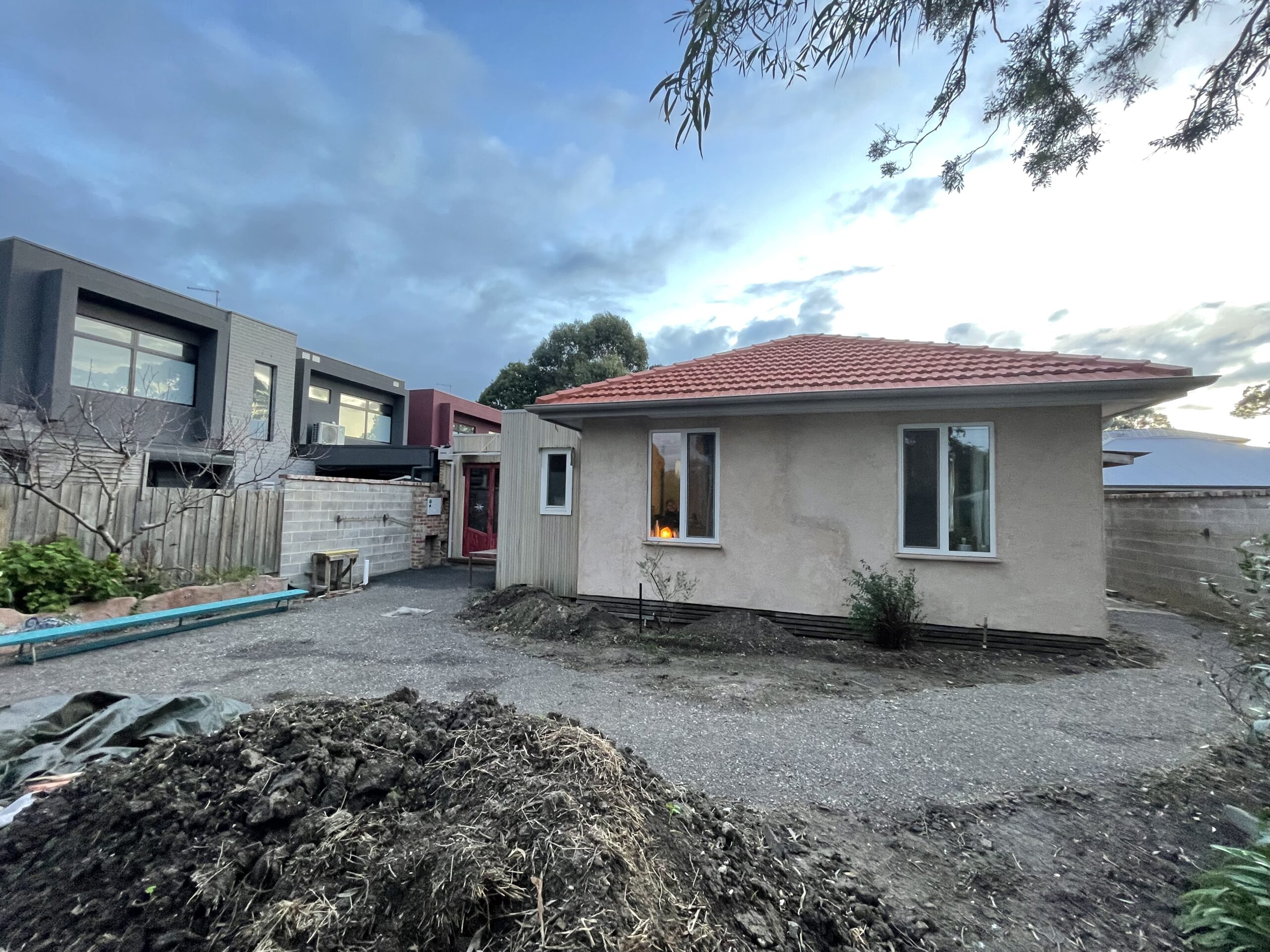
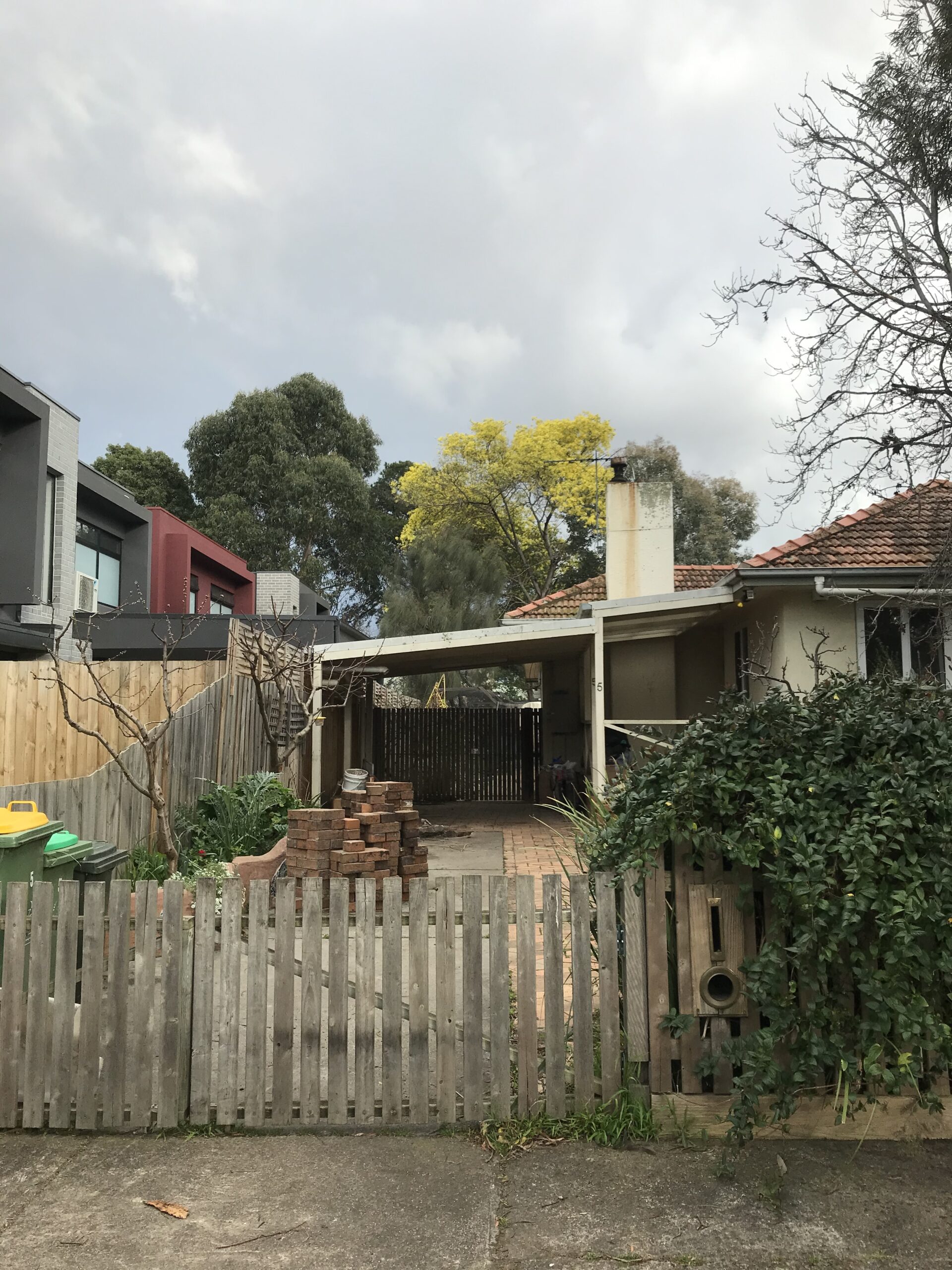
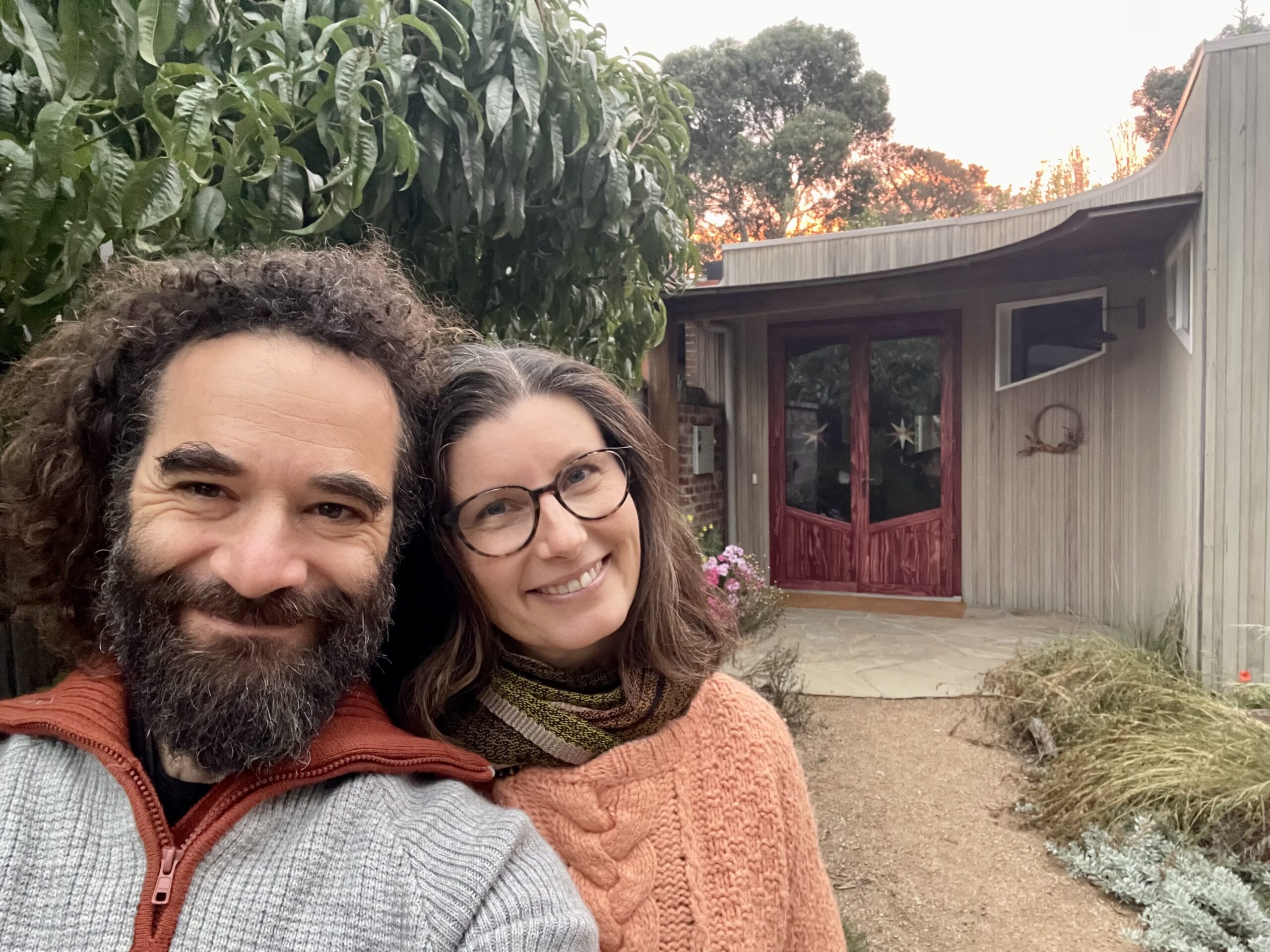
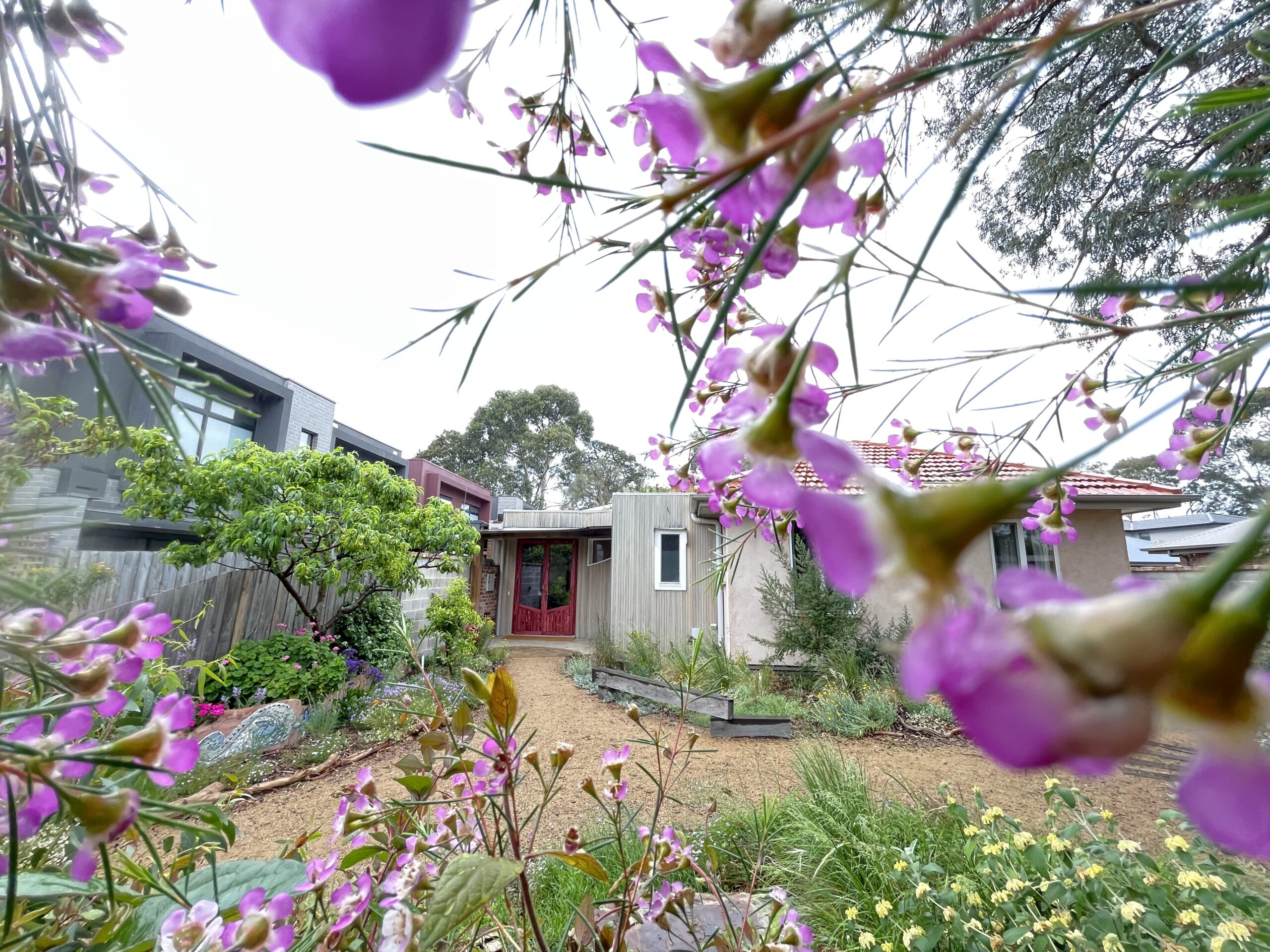
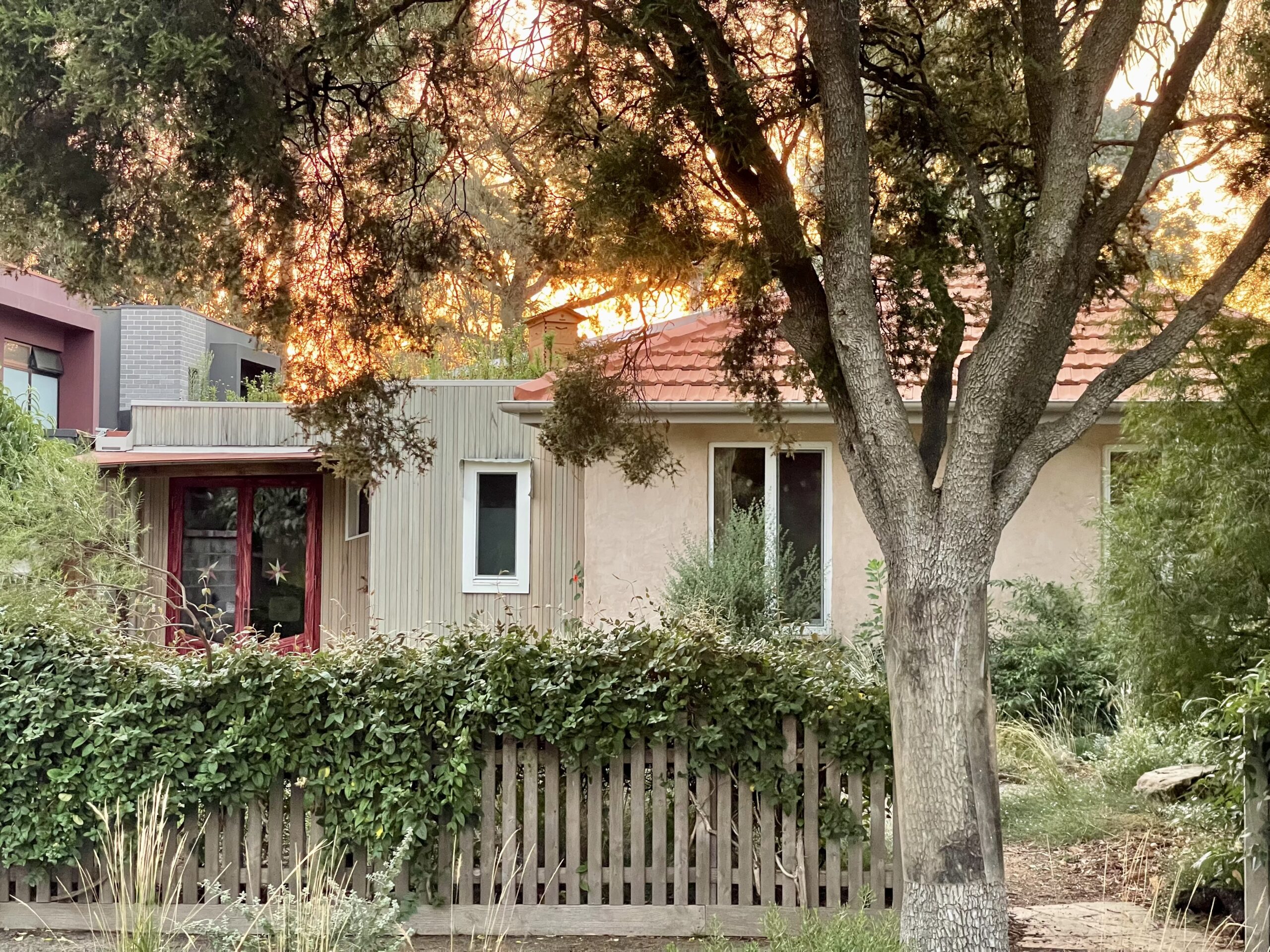
Our home in Heidelberg West is a thoughtful reimagining, retrofit and extension of an existing 1950s prefab concrete residence on a 620 sqm lot. We transformed a once-leaky, cold, and mouldy house into a high-performance, inspiring sanctuary that aligns with our goal of "treading lightly" on the environment and of balancing private family living with community-focused spaces.

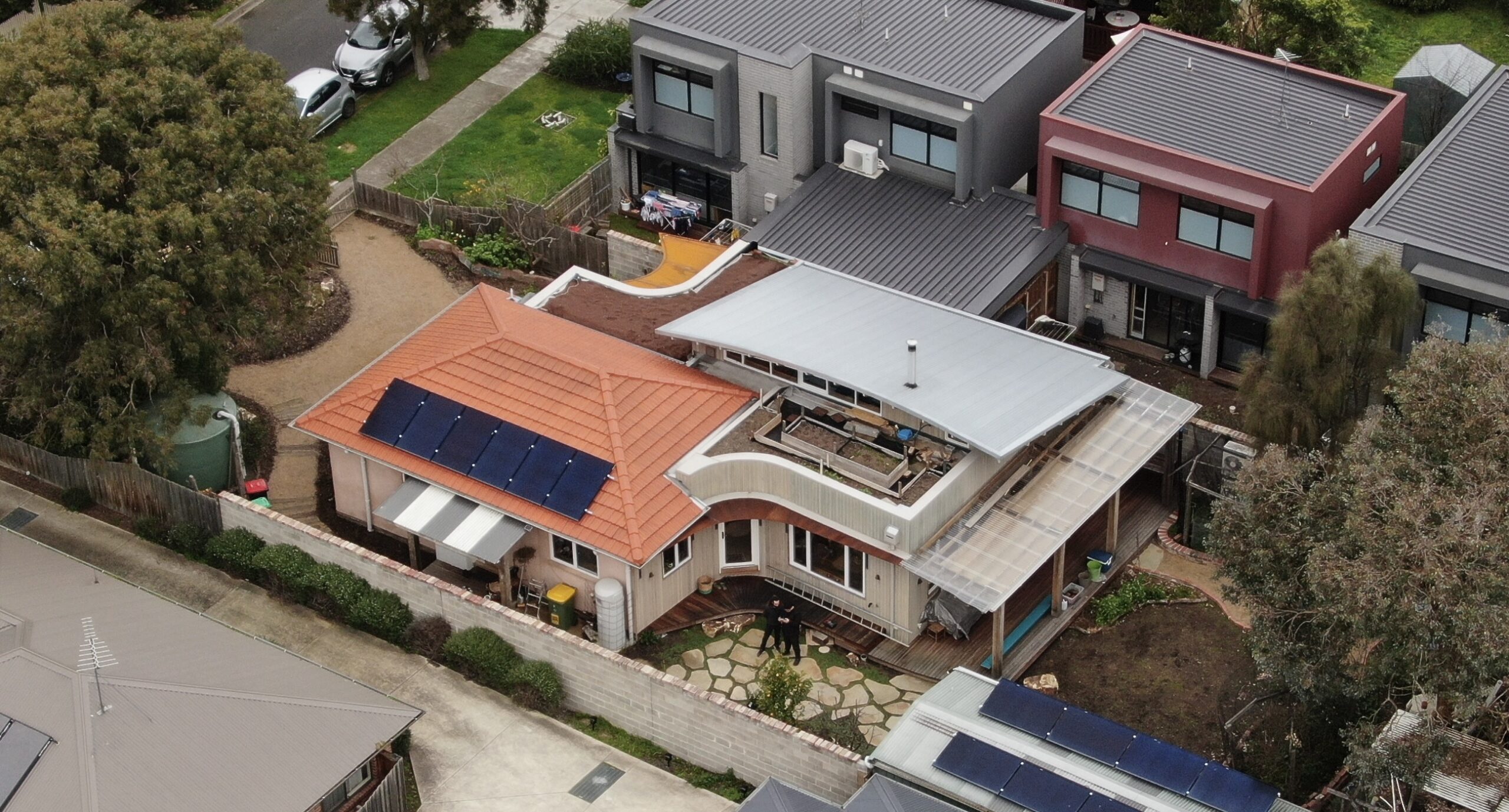
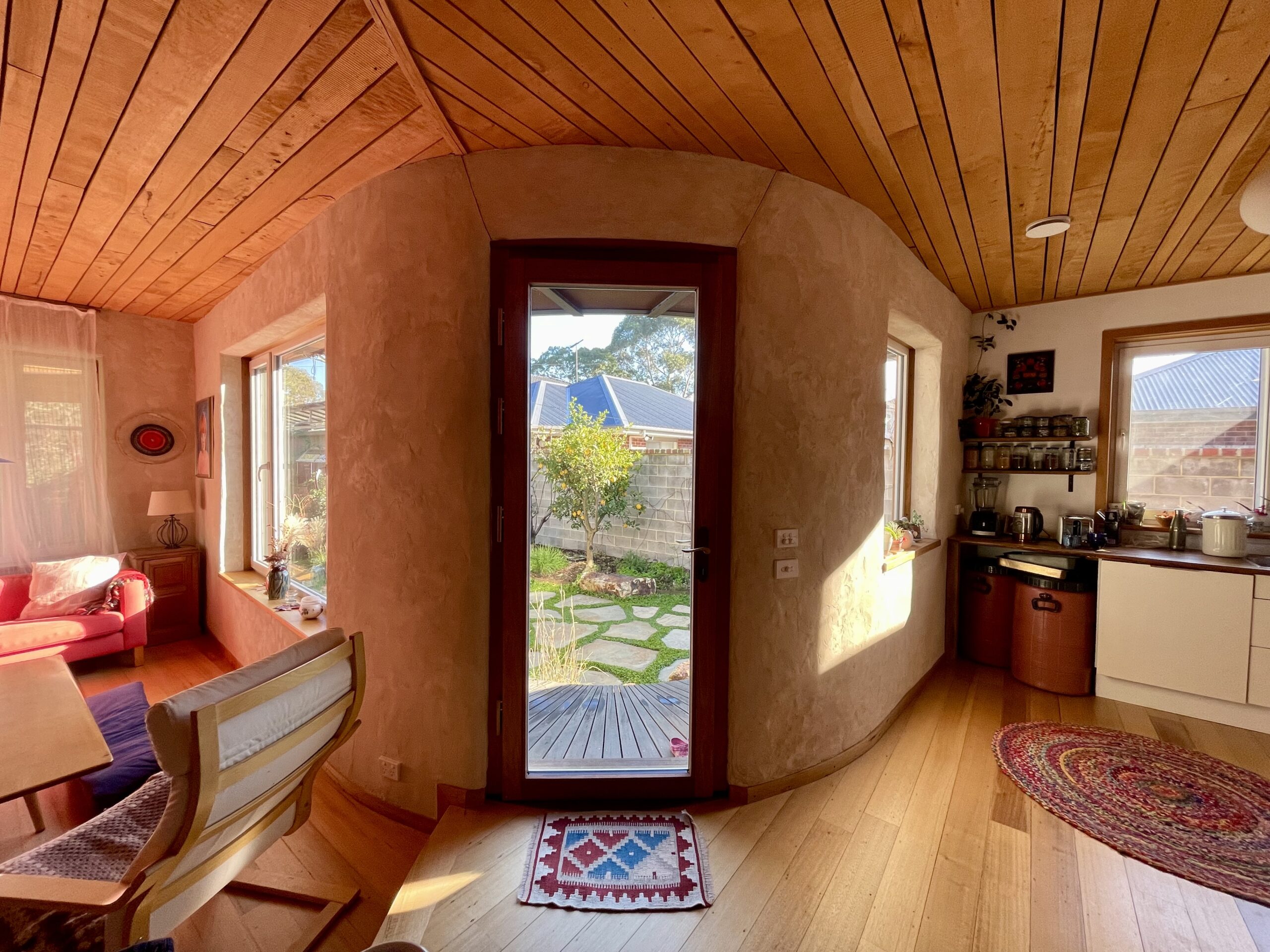
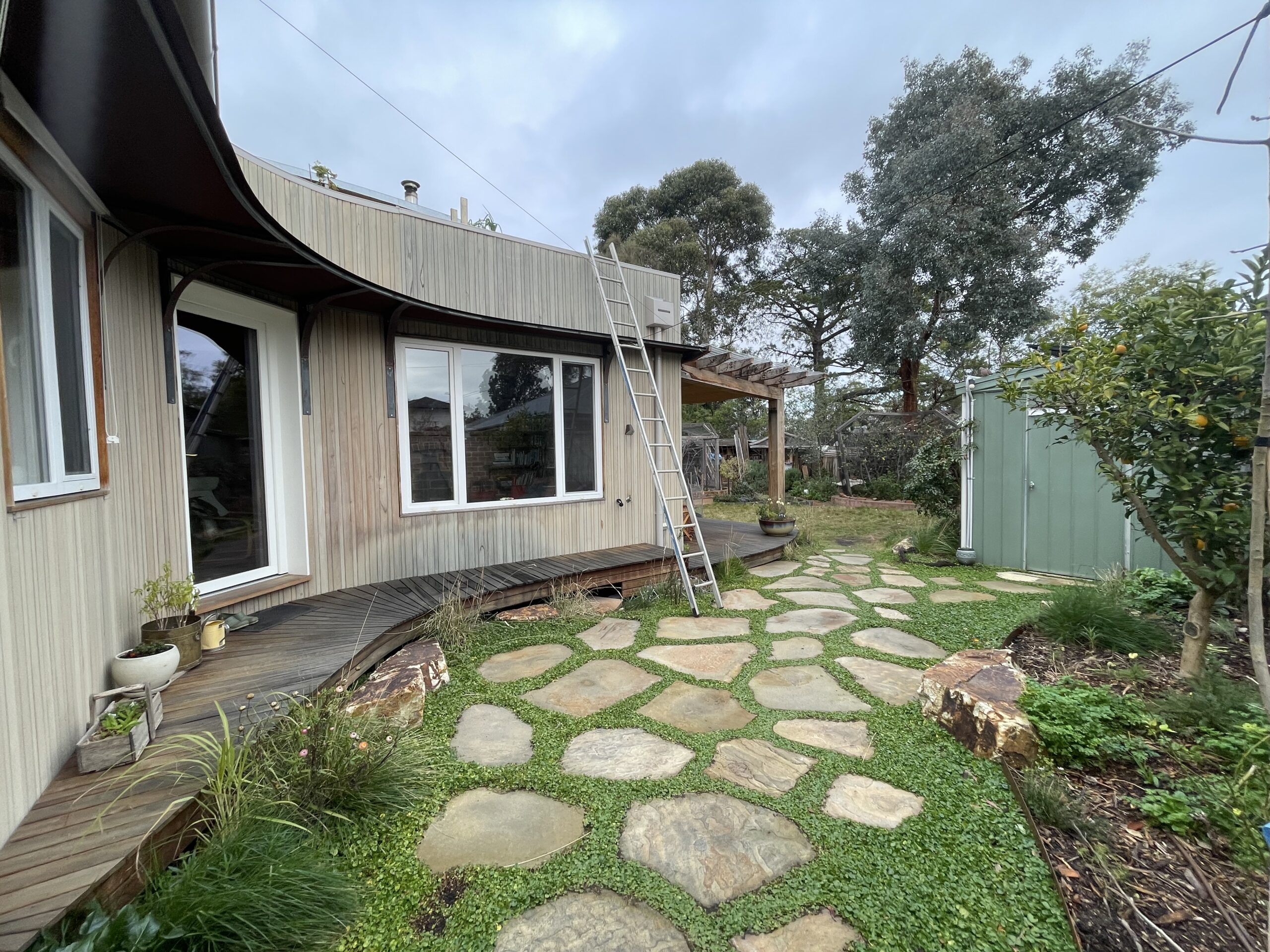
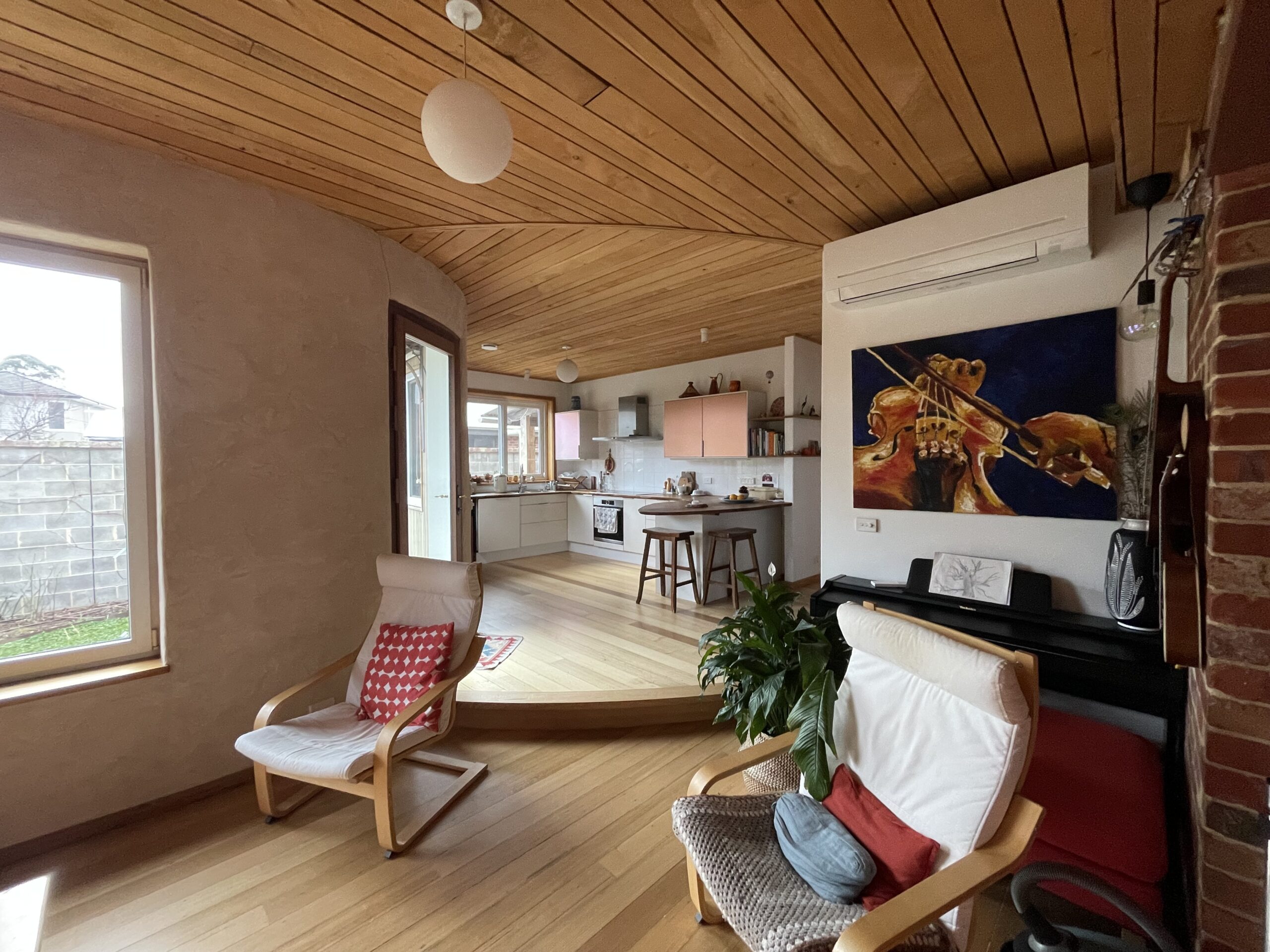
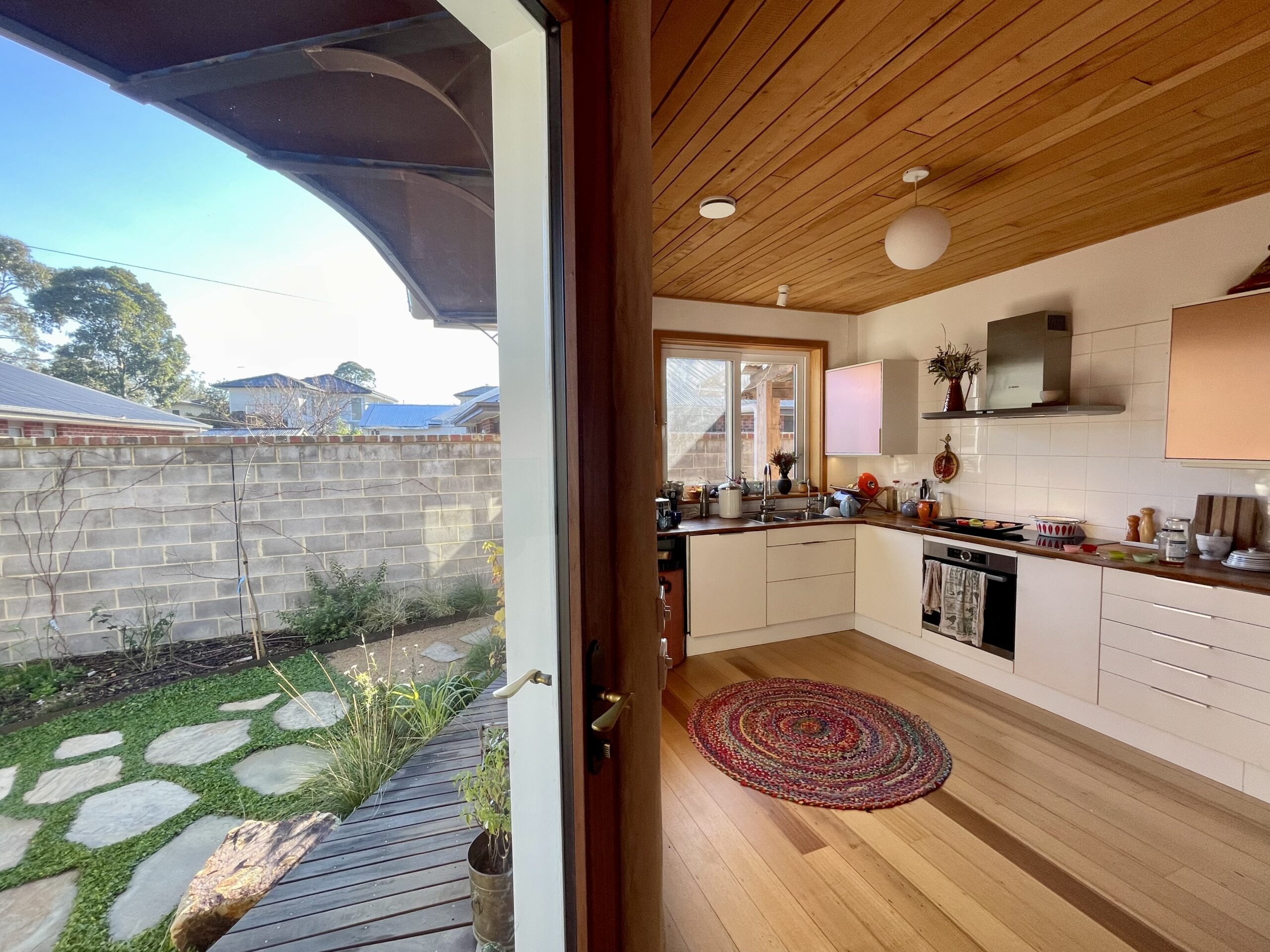
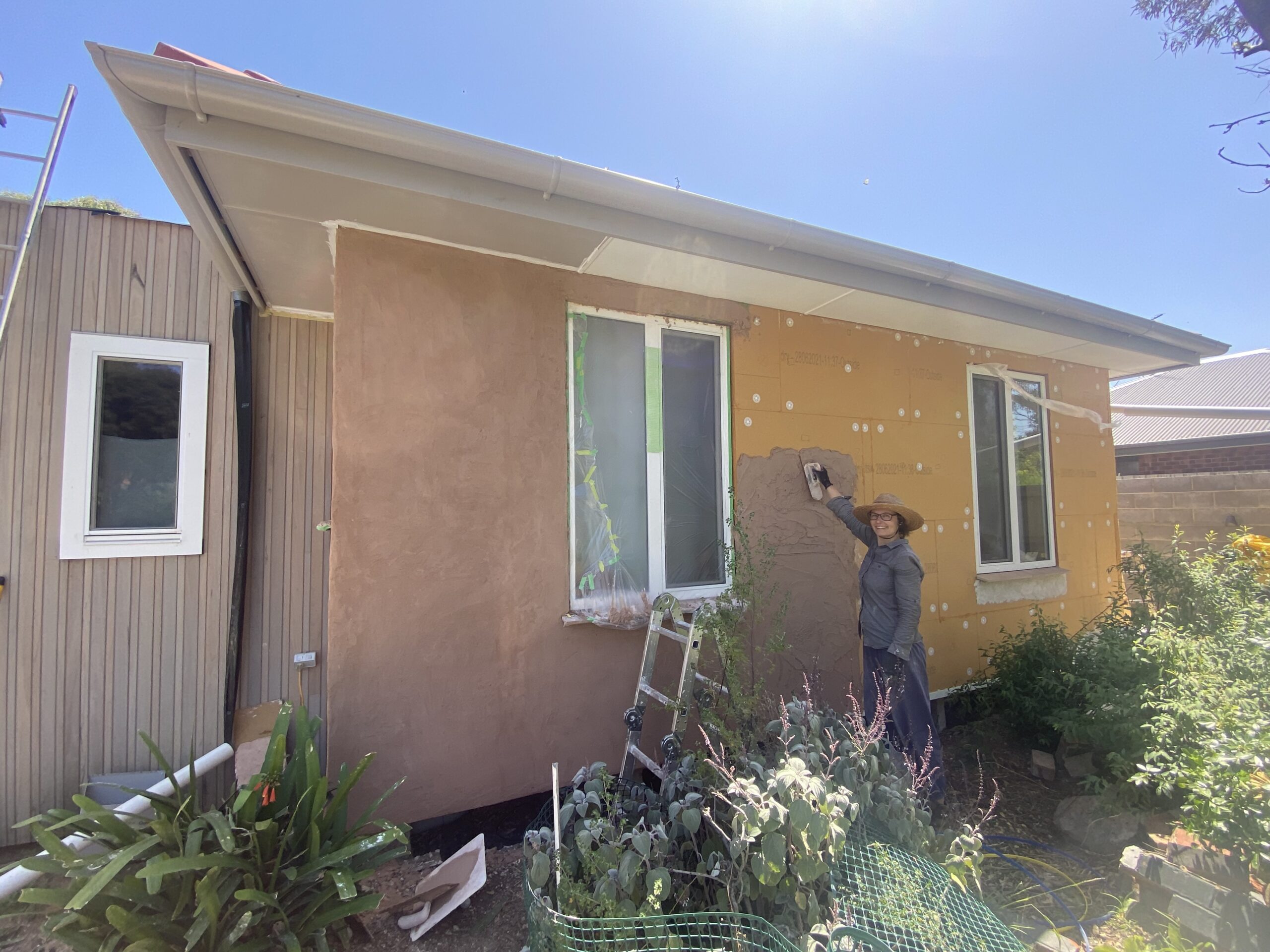
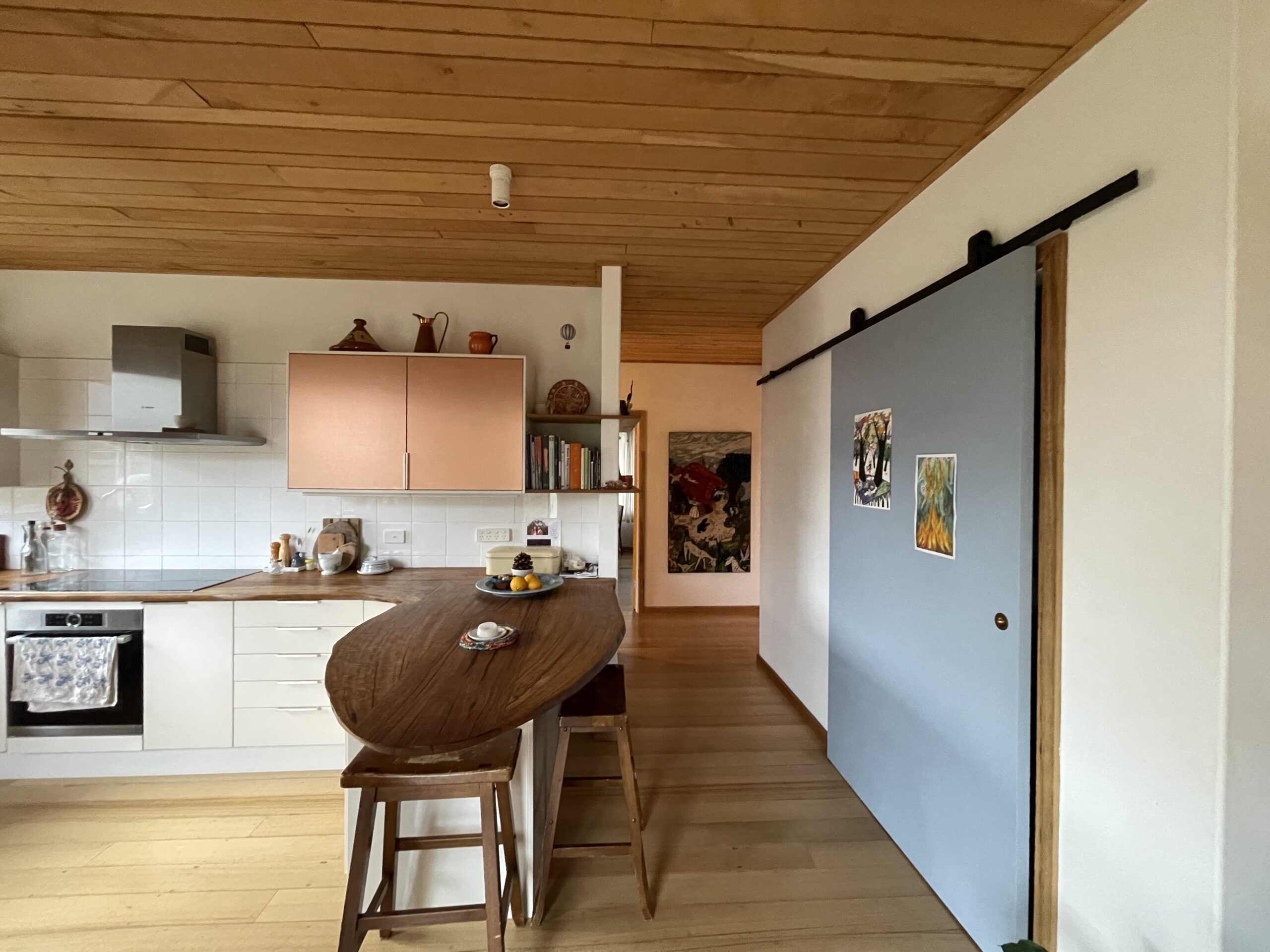
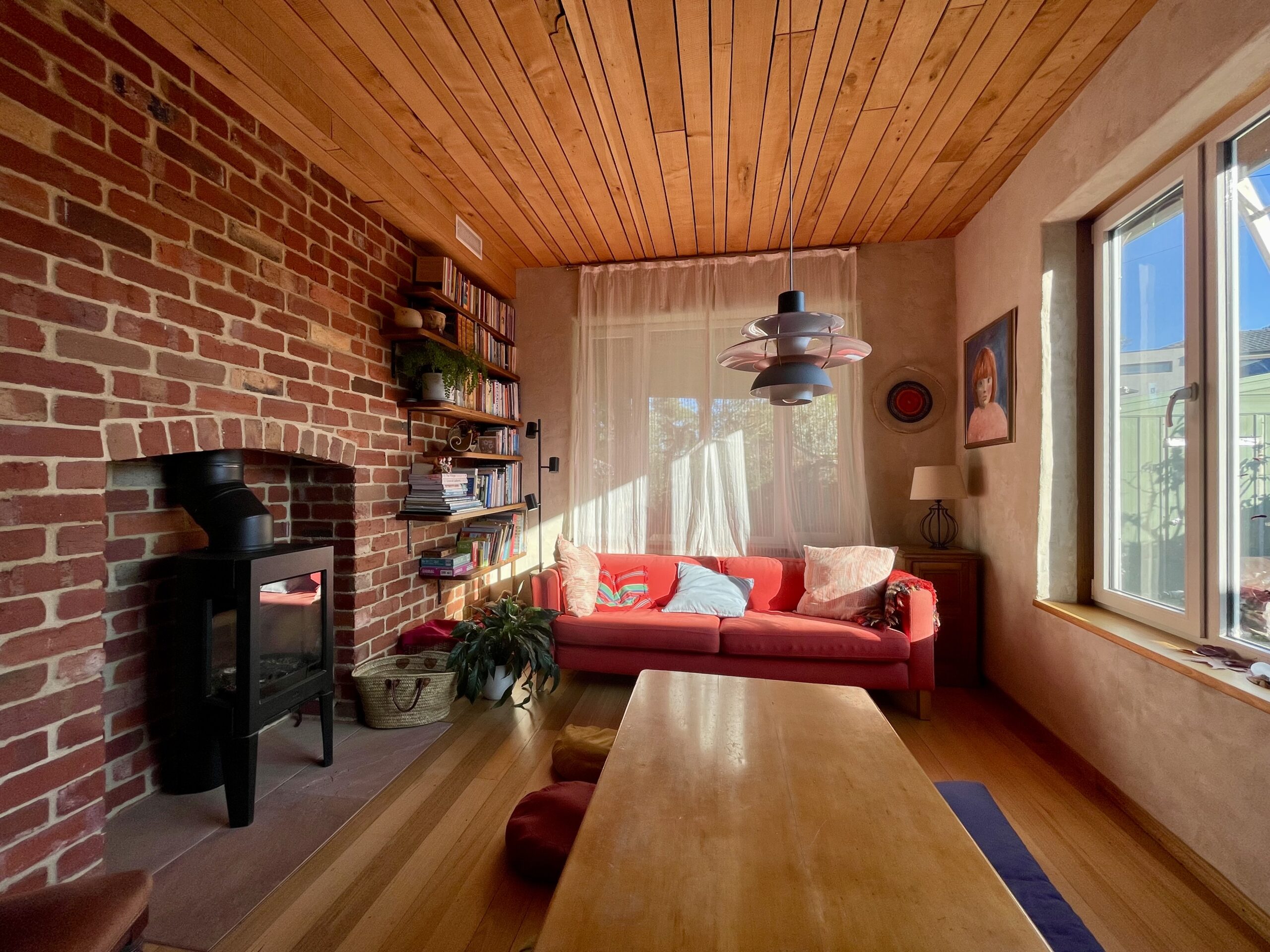
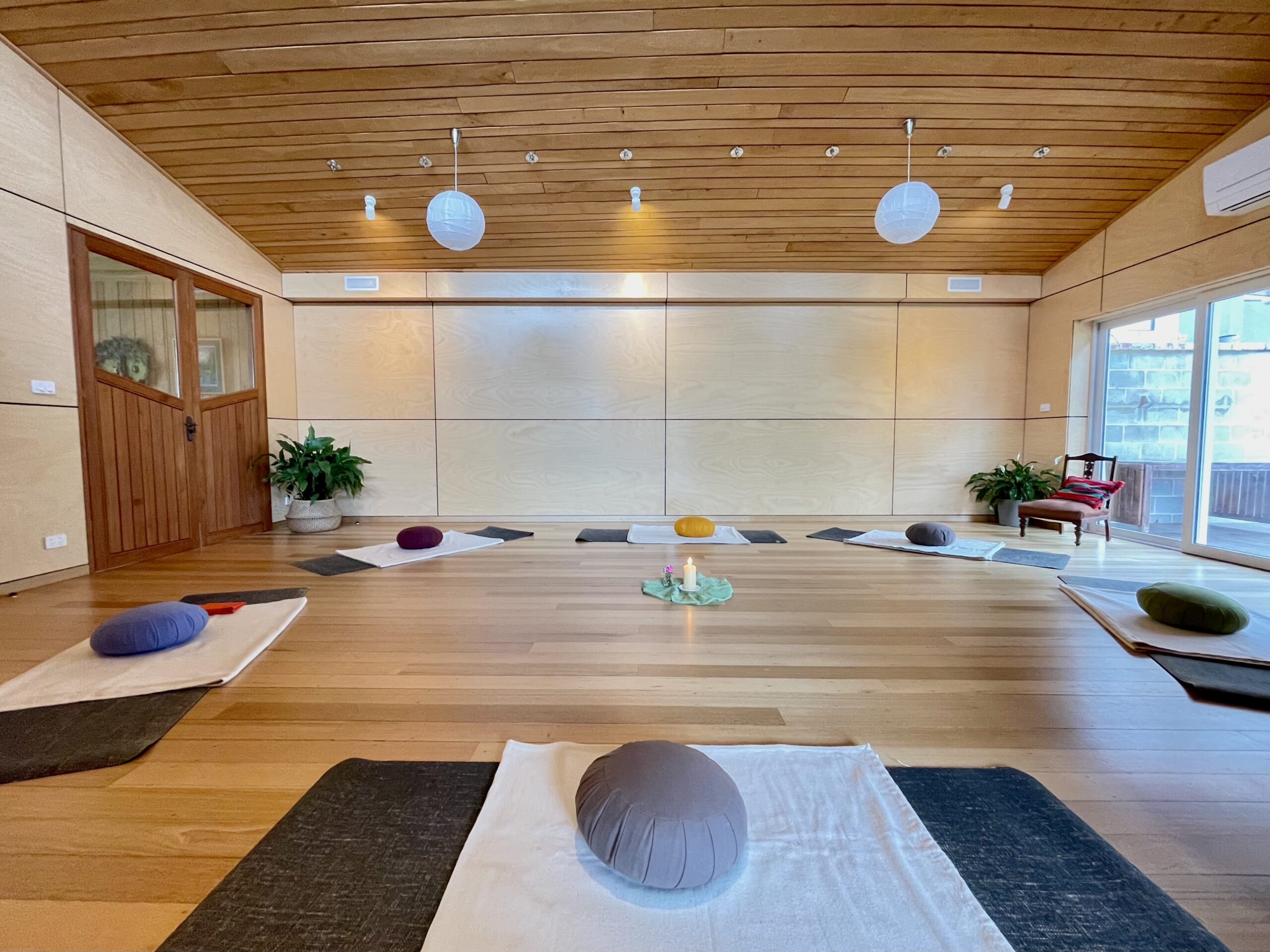
By reorienting the living spaces toward the north, we maximised natural light and winter solar gain, which the original house lacked. The design features a dedicated 50 sqm multipurpose studio space with a high, curved ceiling, intended for yoga, dance, and community use. We utilised a palette of natural and recycled materials, including recycled brick, lime render, wood fibre board wall insulation, recycled timber flooring, external timber cladding, and locally-sourced macrocarpa cladding for ceilings and walls.

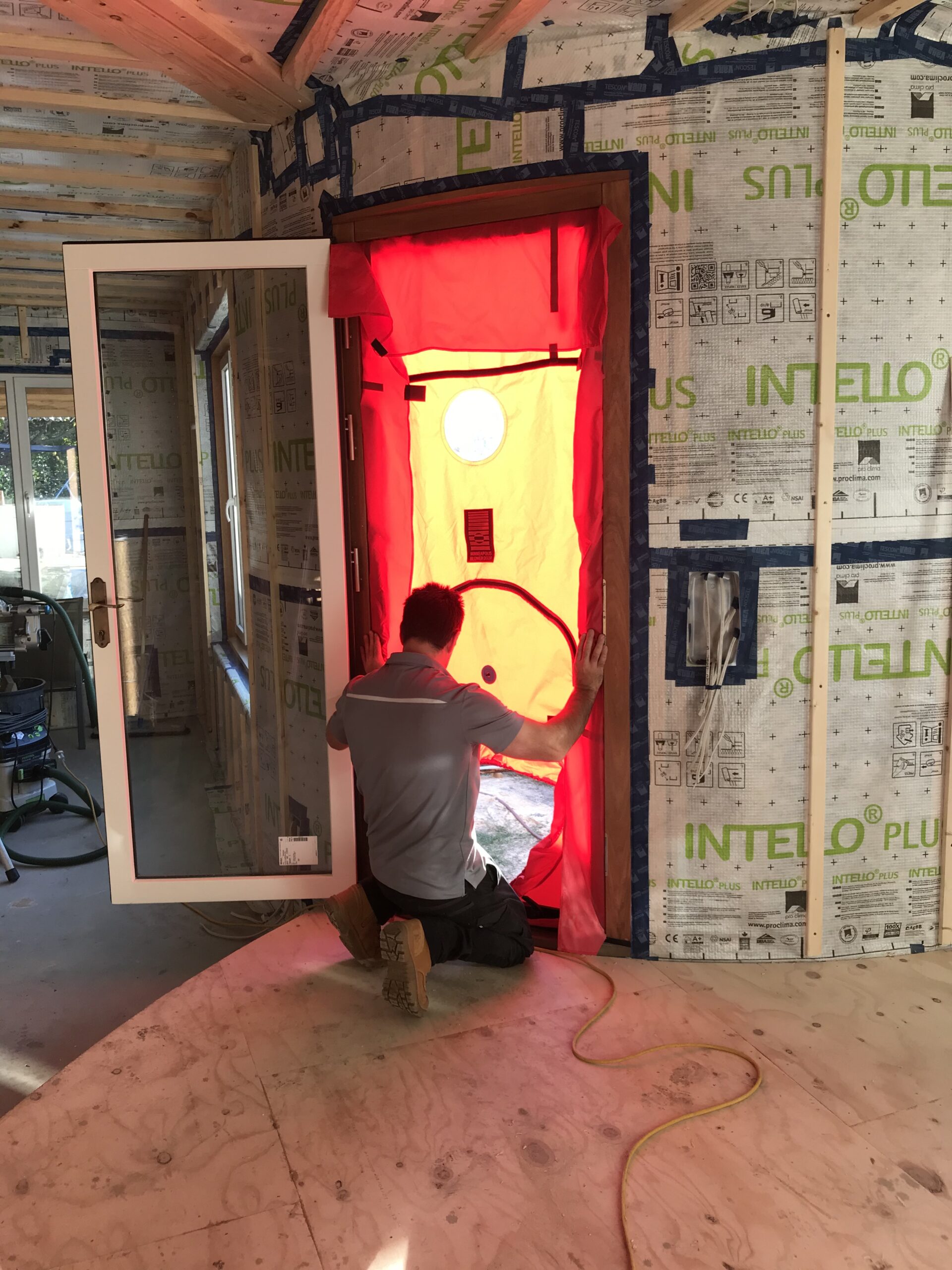
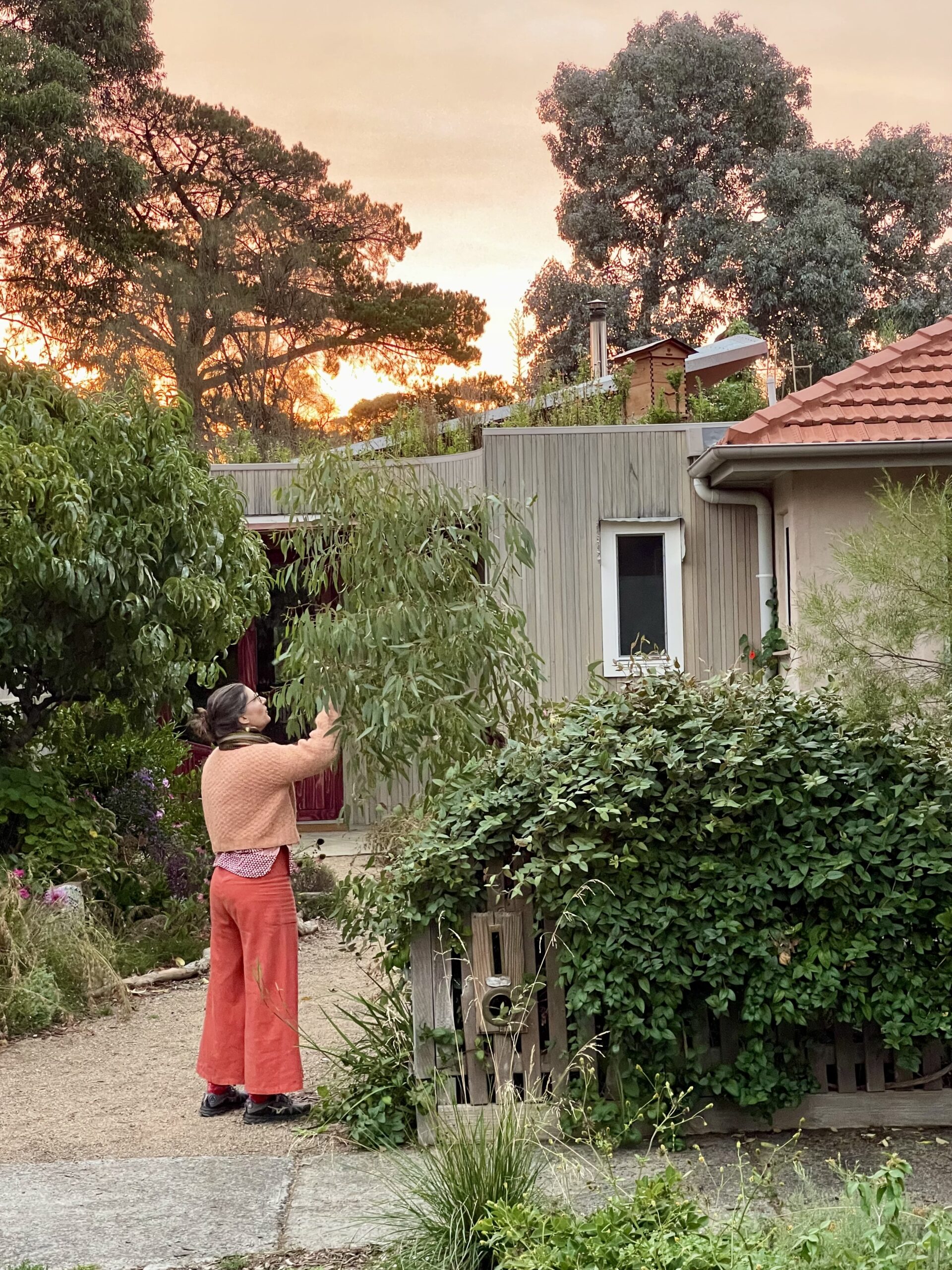
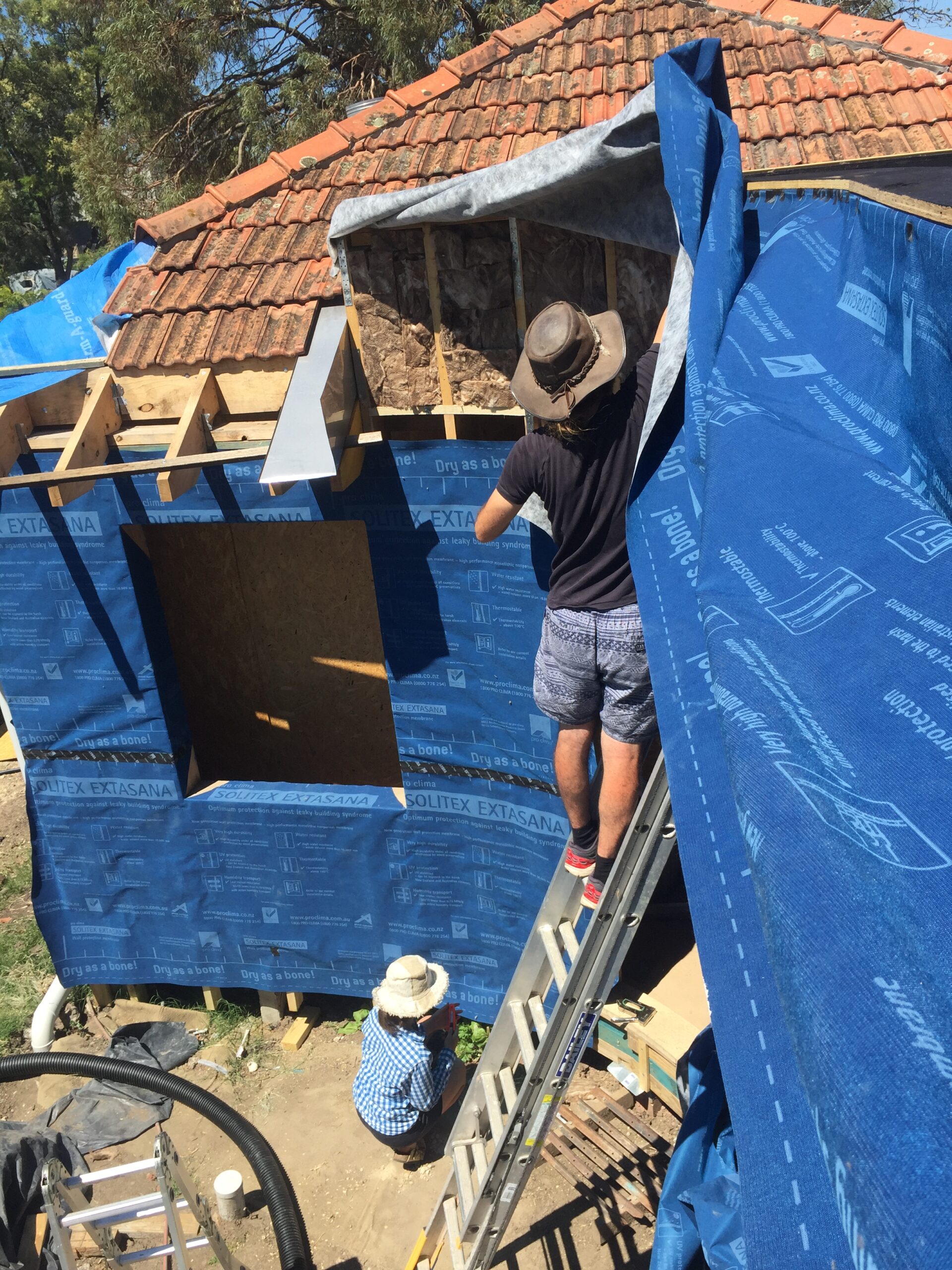
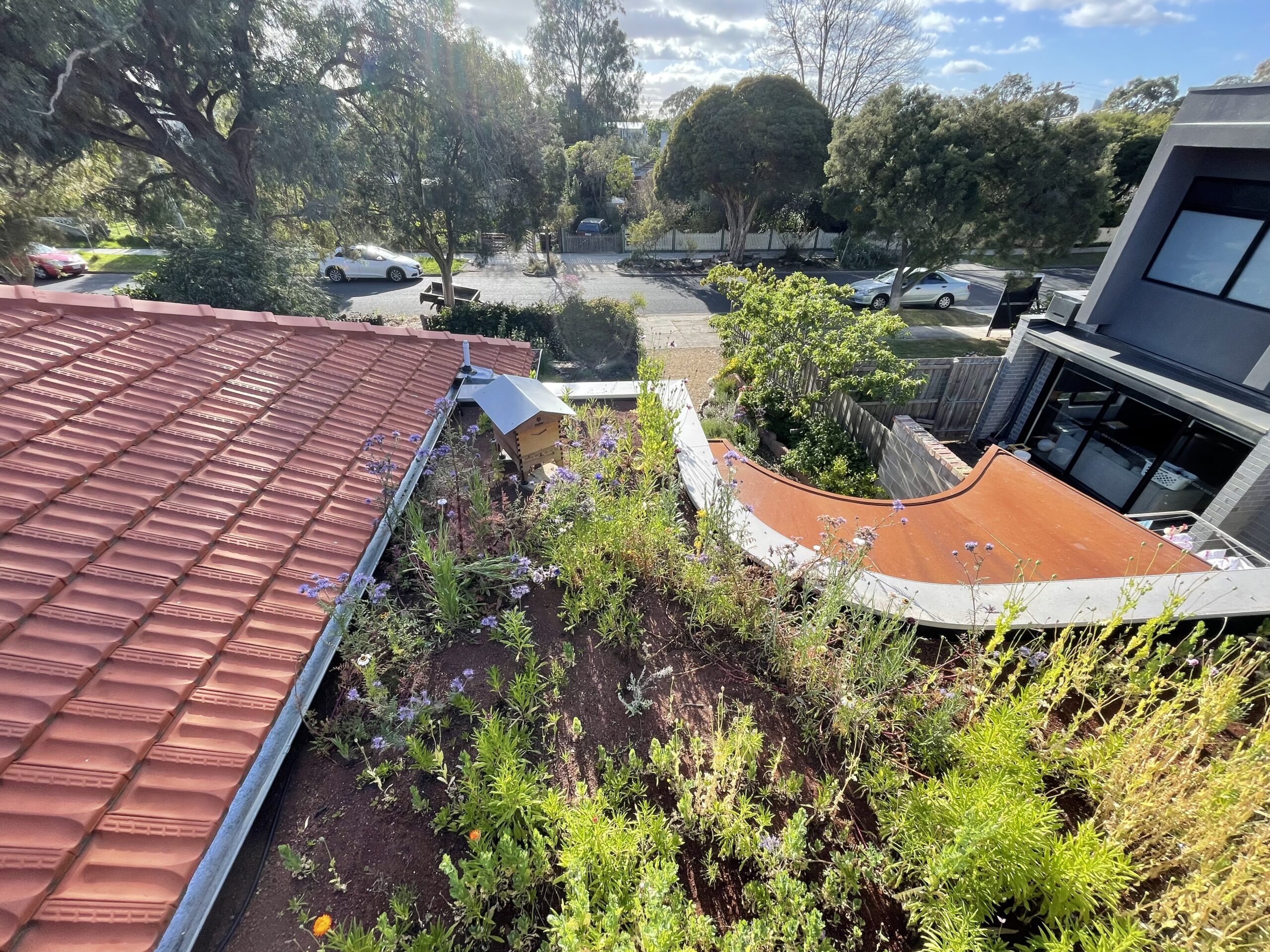
The home is built with Passive House principles for energy efficiency, featuring a continuous airtight layer and a Heat Recovery Ventilation (HRV) system to ensure healthy air quality and thermal stability. We used high-level R7.0 ceiling insulation and R4.0 for walls, supported by double-glazed windows and doors. The property is powered by a solar PV system, includes 10,000L of rainwater storage, and features 32 sqm of native and productive green roof, including a designated space for beehives.
Q & A

What motivated you to build or retrofit sustainably?
The primary motivation was to transform a "leaky" and uncomfortable house into a healthy, high-performing home while adhering to a sustainable budget. In practice, this meant choosing to reuse as many existing elements of our home as possible, including the kitchen, and a significant portion of the existing home structure. We aimed to significantly reduce our energy footprint by creating a high-performance home through environmentally responsible practices, yet achieving this often proves exorbitantly costly. While a primary goal was to "tread lightly" by prioritising low-impact, natural, and recycled materials that offer long-term durability and end-of-life recyclability, we aimed to balance this idealism with pragmatism and creative thinking to ensure we were working within our means. We approached the notion of ‘sustainability’ in the most holistic sense—the goal was to sustain our family, our relationships, and our own well-being during the project, as much as to honour environmentally sustainable stewardship throughout the home’s lifecycle. Sustainability to us also meant creating a home that was, to the greatest extent possible, free from harmful materials, chemicals and substances. Wherever possible, we aimed to use natural, breathable materials.
While the project utilised a holistic "passive design" approach, the implementation of a Heat Recovery Ventilation (HRV) system combined with an airtight building envelope is the most significant upgrade we undertook, with marked benefits for energy efficiency, health, and comfort.
We wish we'd known that choosing to re-use our 10-year-old double-glazed PVC windows and doors (installed when we bought the home) would make them the weakest part of our home's insulation and airtight envelope! We felt good about reusing these elements, which we had chosen to install a decade earlier; however, the tradeoff became clear once we conducted our "blower door test": although ‘high-efficient’ in terms of glazing, these were definitely not built with airtightness in mind, and certainly not at passive house standards. If we had our time again, we would likely choose to sacrifice the re-use of these elements in our own building to maintain the same level of airtightness as the rest of our building envelope.
Our project has never really ‘ended’, and we don’t foresee that it ever will; building a home is an ongoing project of custodianship, experimentation, adaptation—and living. Given that, we have many ideas and hopes for the future, including installing a solar battery, increasing rainwater storage capacity, and installing a stairway up to the roof garden!
Back to 2026 Homes
Type: Passive House or EnerPHit, Standalone house/townhouse, Studio
Project: Renovation or extension
Architect: Softloud Architects
Designer: Alvyn Williams
Builder: Martin Brothers Building
Size: 142m²
Energy Rating: Passive House (EnerPHit, uncertified)
Bedrooms: 2
Bathrooms: 1

Sustainability Features

Building Materials & Envelope

Draught-proofing/air sealing
High-performance insulation
Double or triple-glazed windows
Sustainable or low-impact materials
Recycled or reused materials
Other

Heating, Cooling and Ventilation

Passive heating/cooling (north-facing glazing, cross ventilation, thermal mass, shading, etc.)
Heat pump (reverse-cycle) heating/cooling
Mechanical ventilation with heat recovery (MVHR) system

Energy and Appliances

Rooftop solar PV
Energy monitoring/smart home systems
Efficient lighting (LED, daylighting, solar skylights)
Heat pump hot water
Electric cooktop - induction/ceramic
Other energy-efficient appliances

Water & Waste Systems

Water-efficient fixtures
Rainwater tanks
Greywater system
Other

Landscape & Biodiversity

Native garden
Permaculture garden
Edible garden
Beehives
Wildlife-supporting habitat

Climate Resilience

Bushfire
Heatwave

Accessible & Flexible Design Features

Design for flexible use
Universal design for accessibility
Share this home:

Related Homes

Home tours delivered to your inbox

Step inside sustainable homes across Australia and get practical ideas you can use in your own