
Hillcrest House

Cannagal,
North Manly,
NSW
Online home tour

About this home

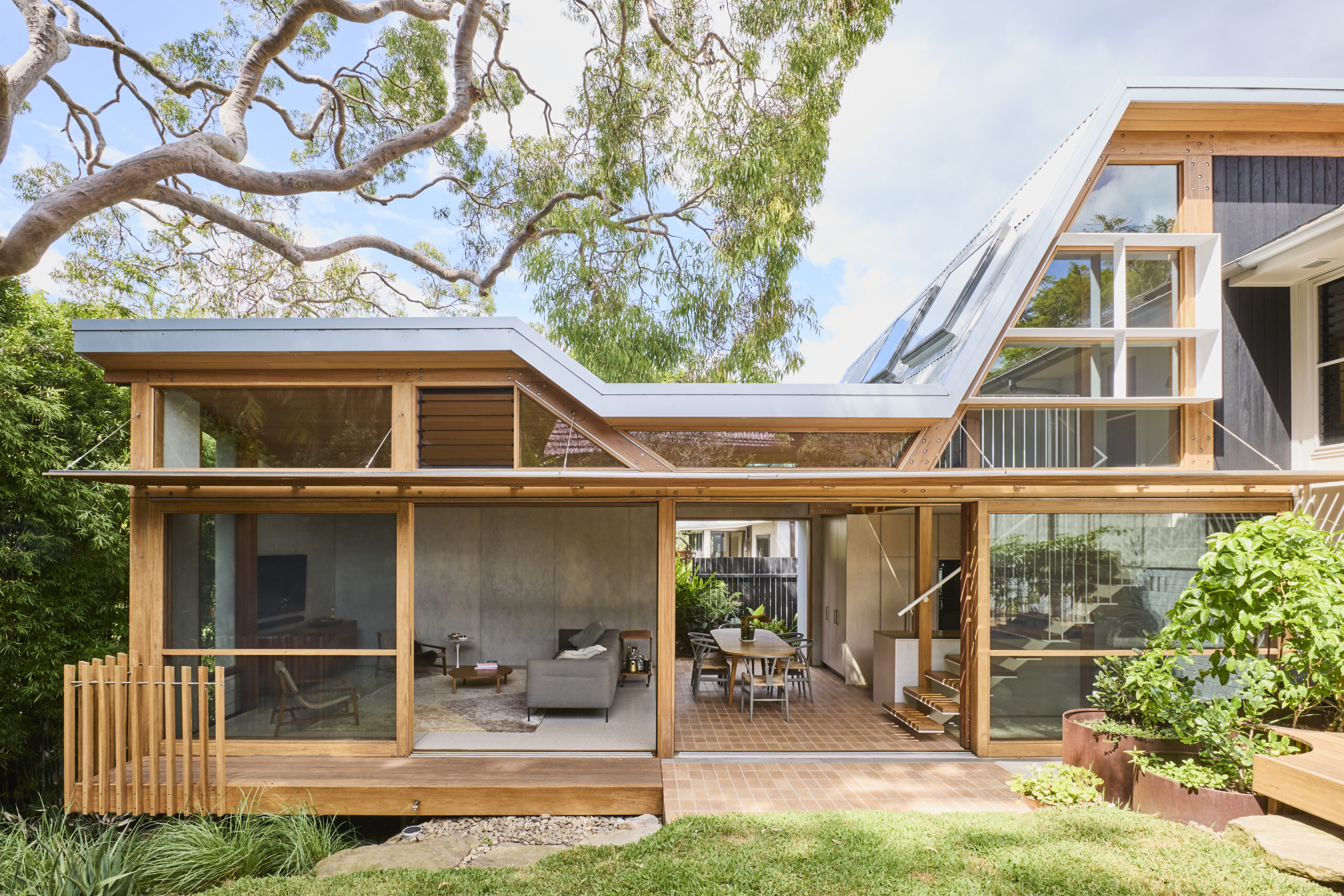
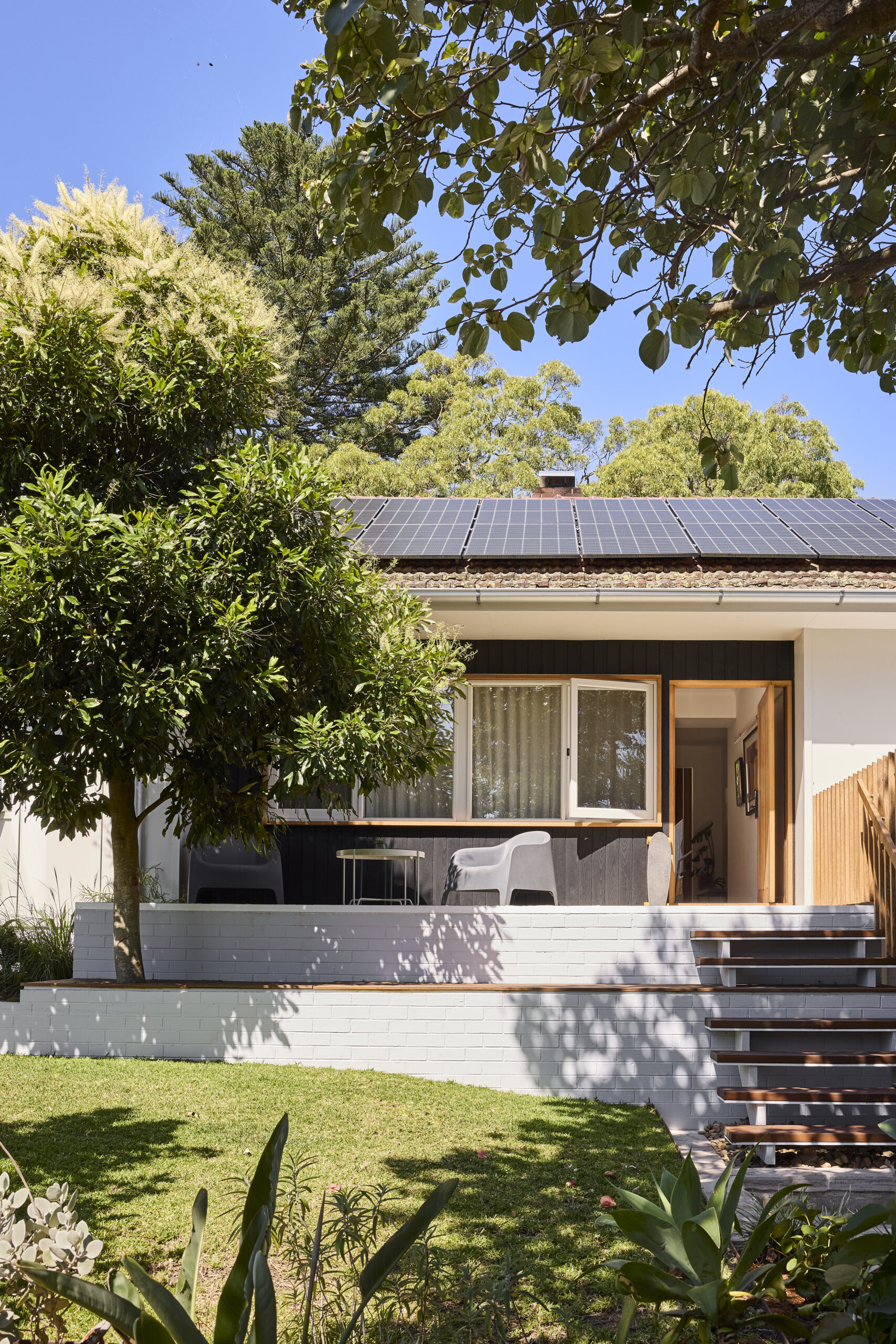
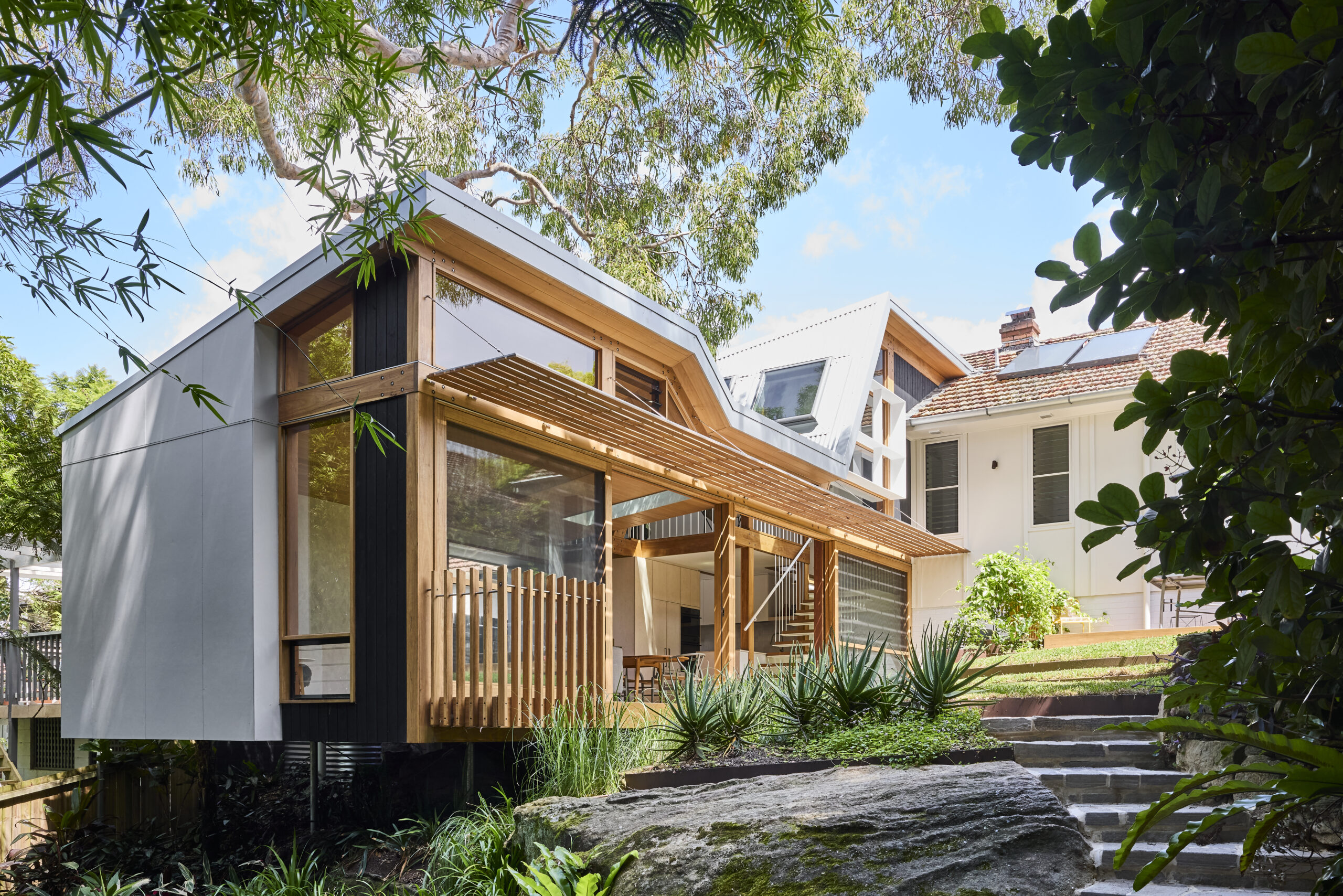
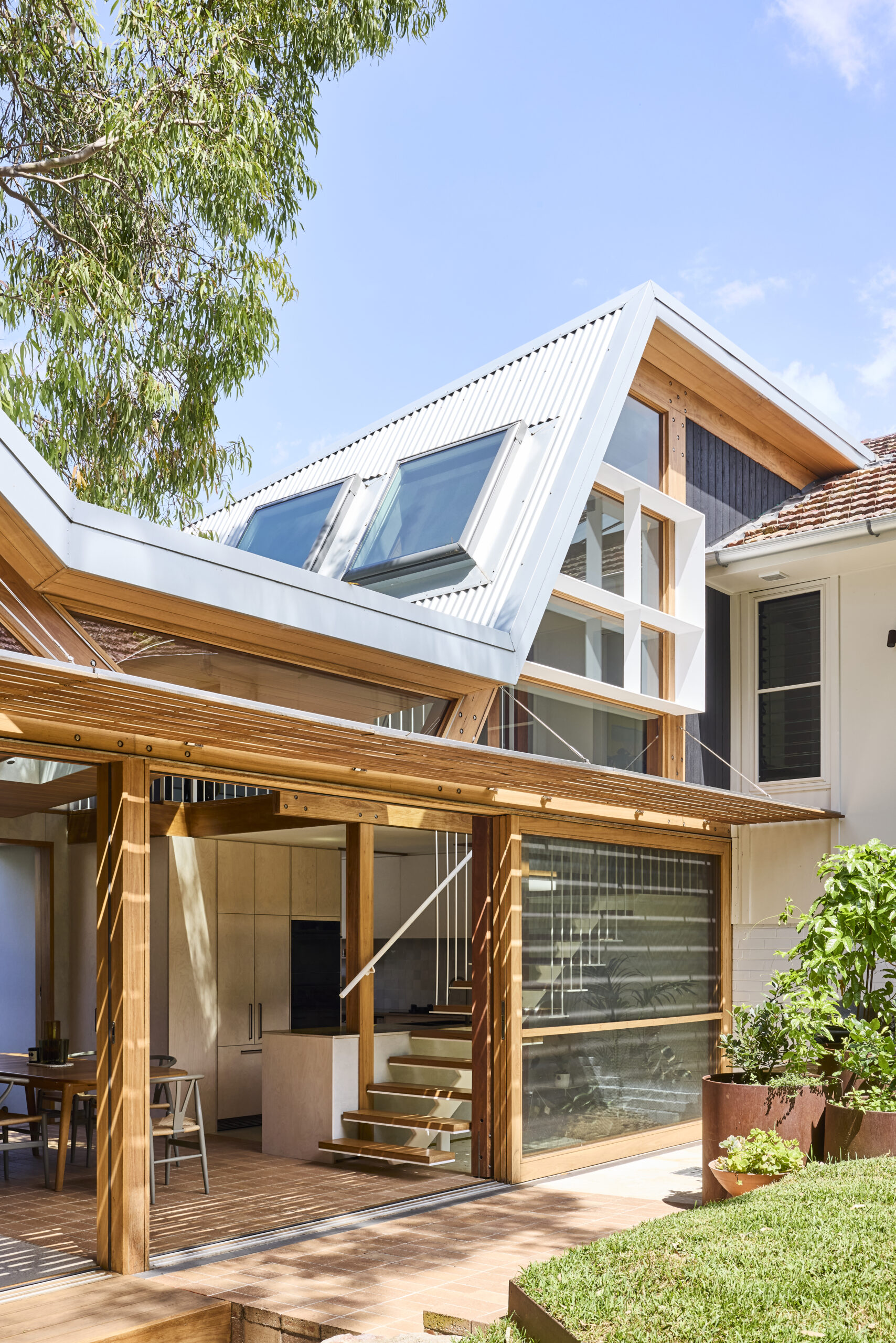
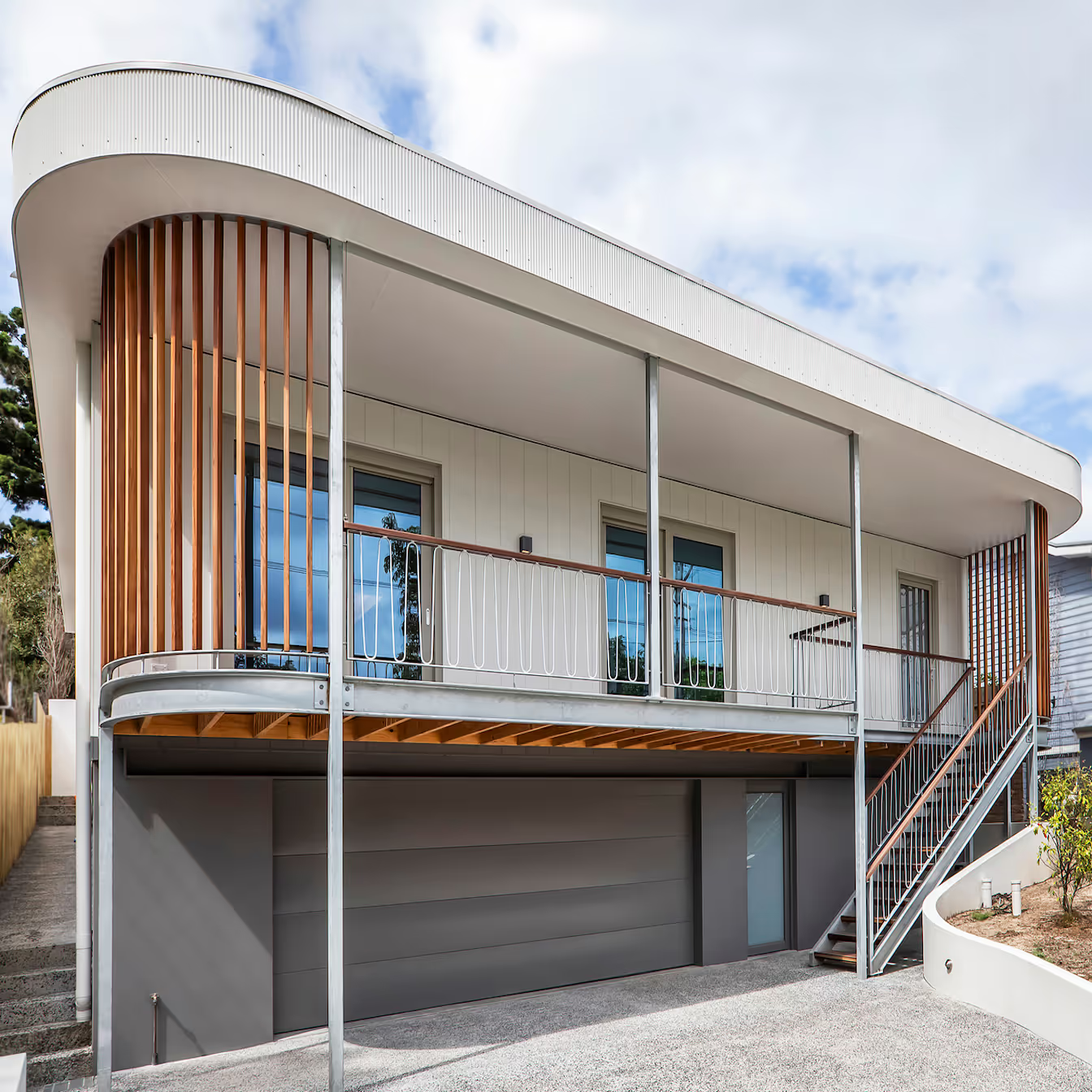
Hidden in suburban North Manly, Hillcrest House reveals the quiet art of suburban renewal. Brent Yttrup Architectures' thoughtful intervention transforms a modest post-war home into a light-filled sanctuary where a majestic gum tree takes centre stage. The architect's own, owner-built home deftly navigates a challenging site to achieve privacy and intimate connections with nature.

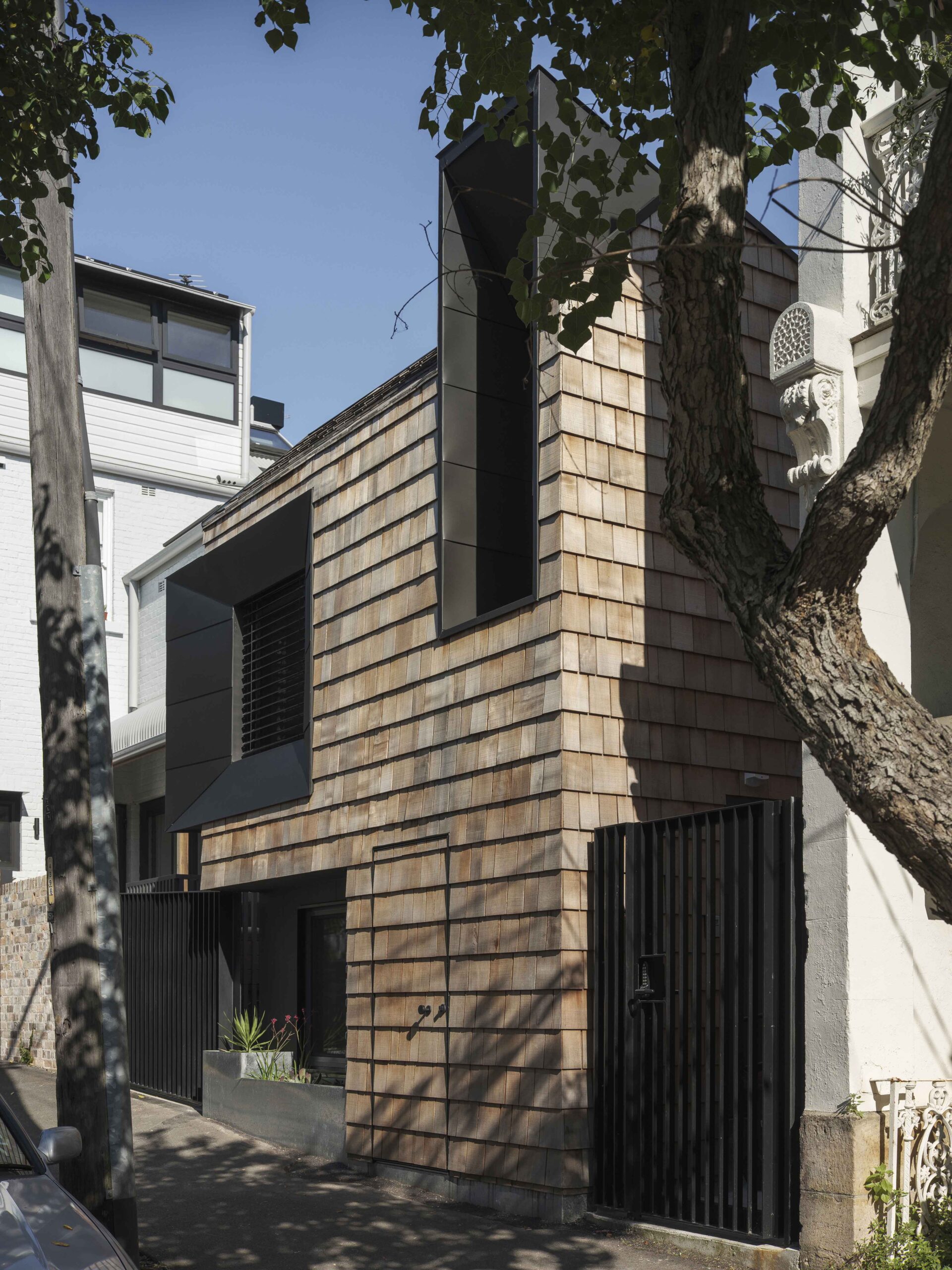
The public benefit of this project lies in its exemplary approach to suburban adaptation, particularly in managing the challenges of increasing density. Where others saw insurmountable problems - with three apartment buildings overlooking the site, which were immediately visible upon entering through the home's original front door (a deal-breaker for many prospective buyers) - they saw an opportunity.

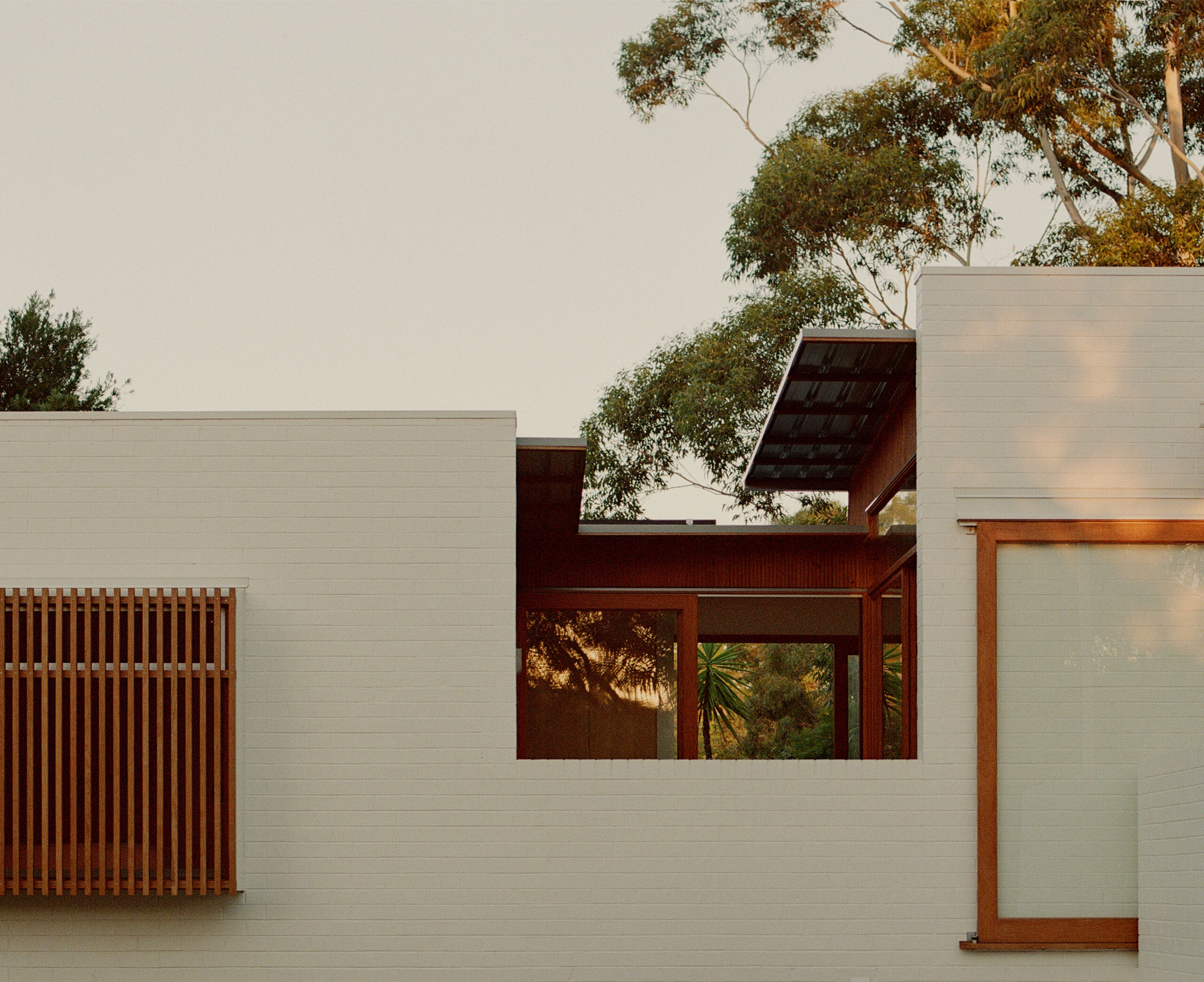
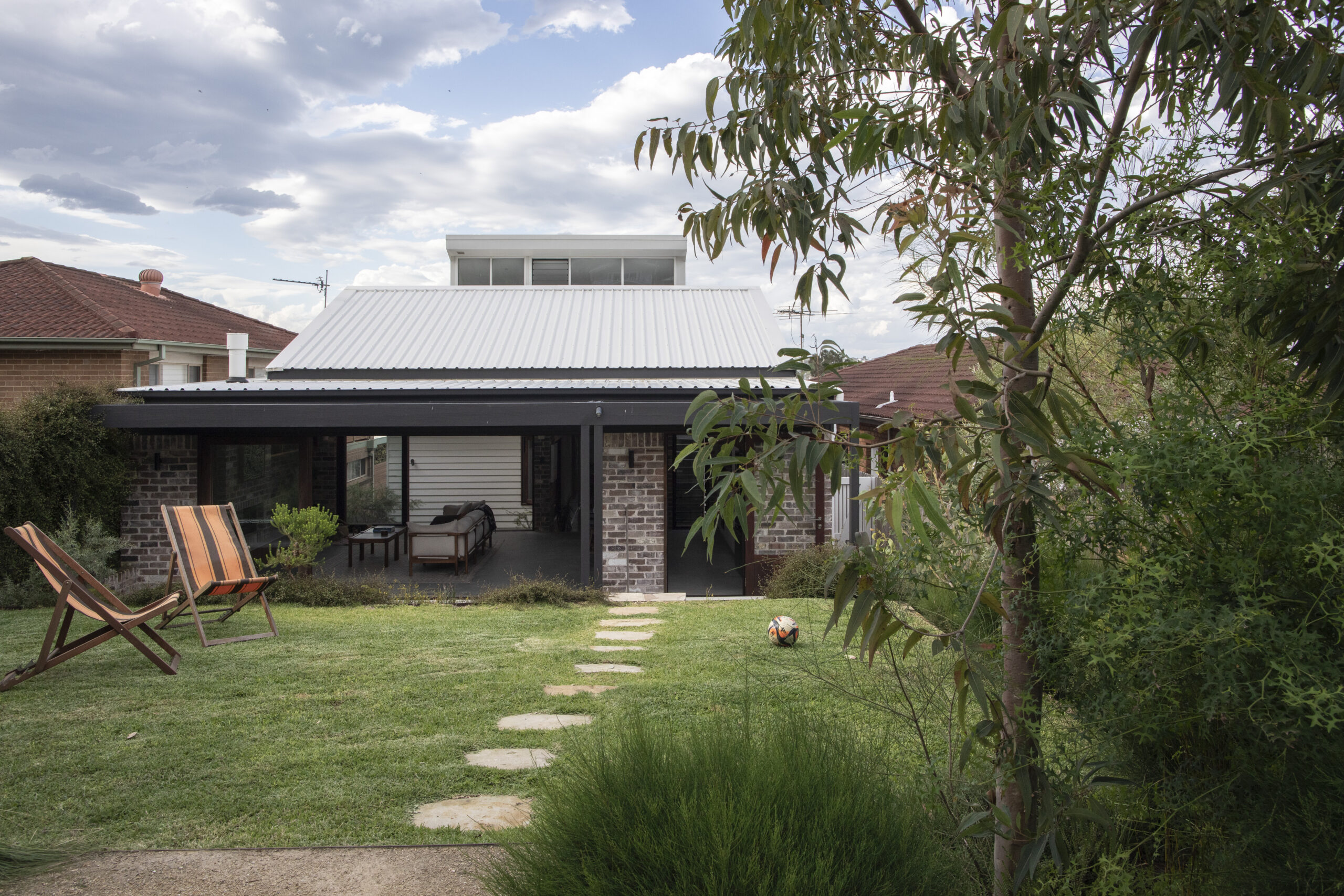
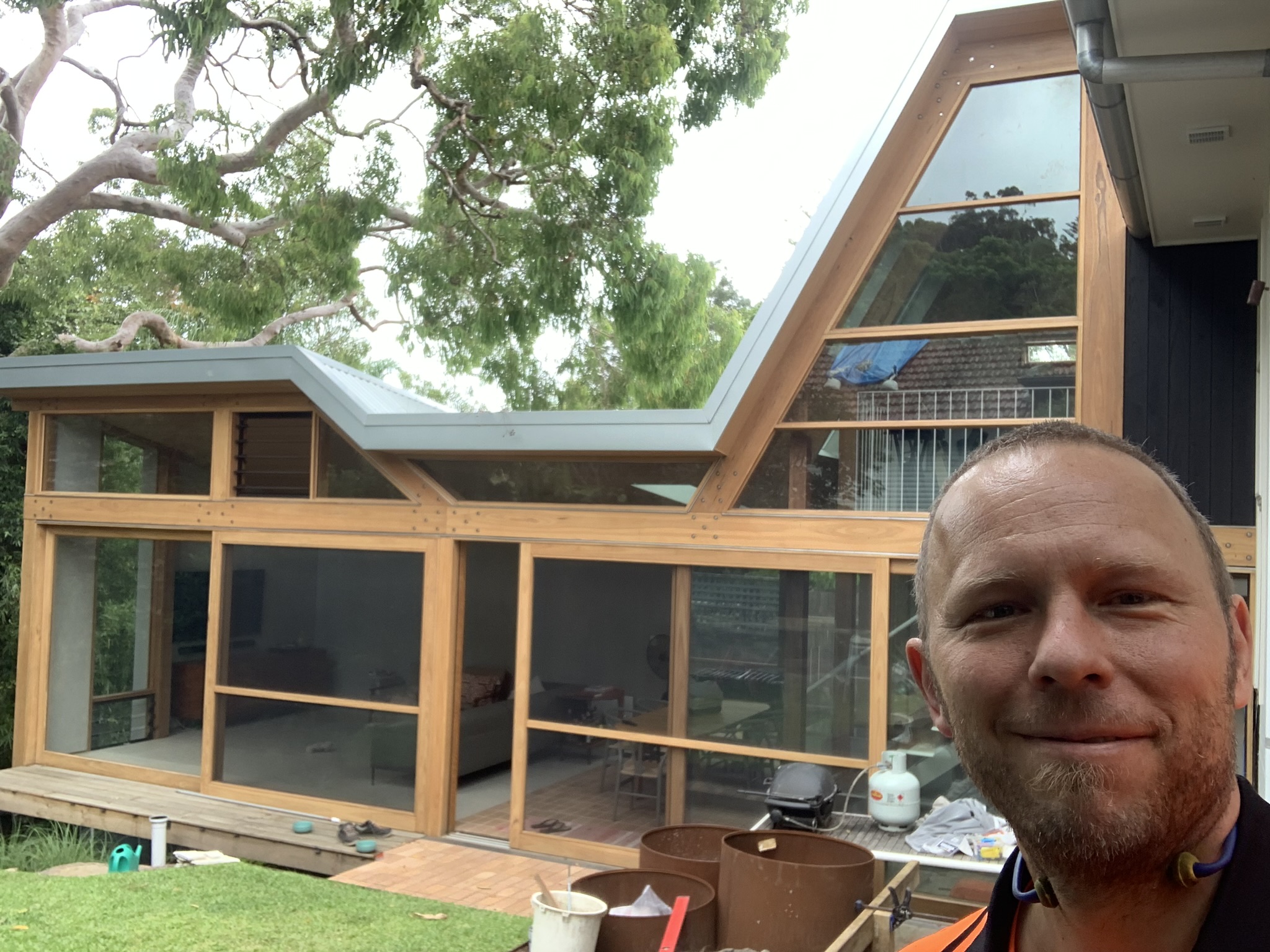
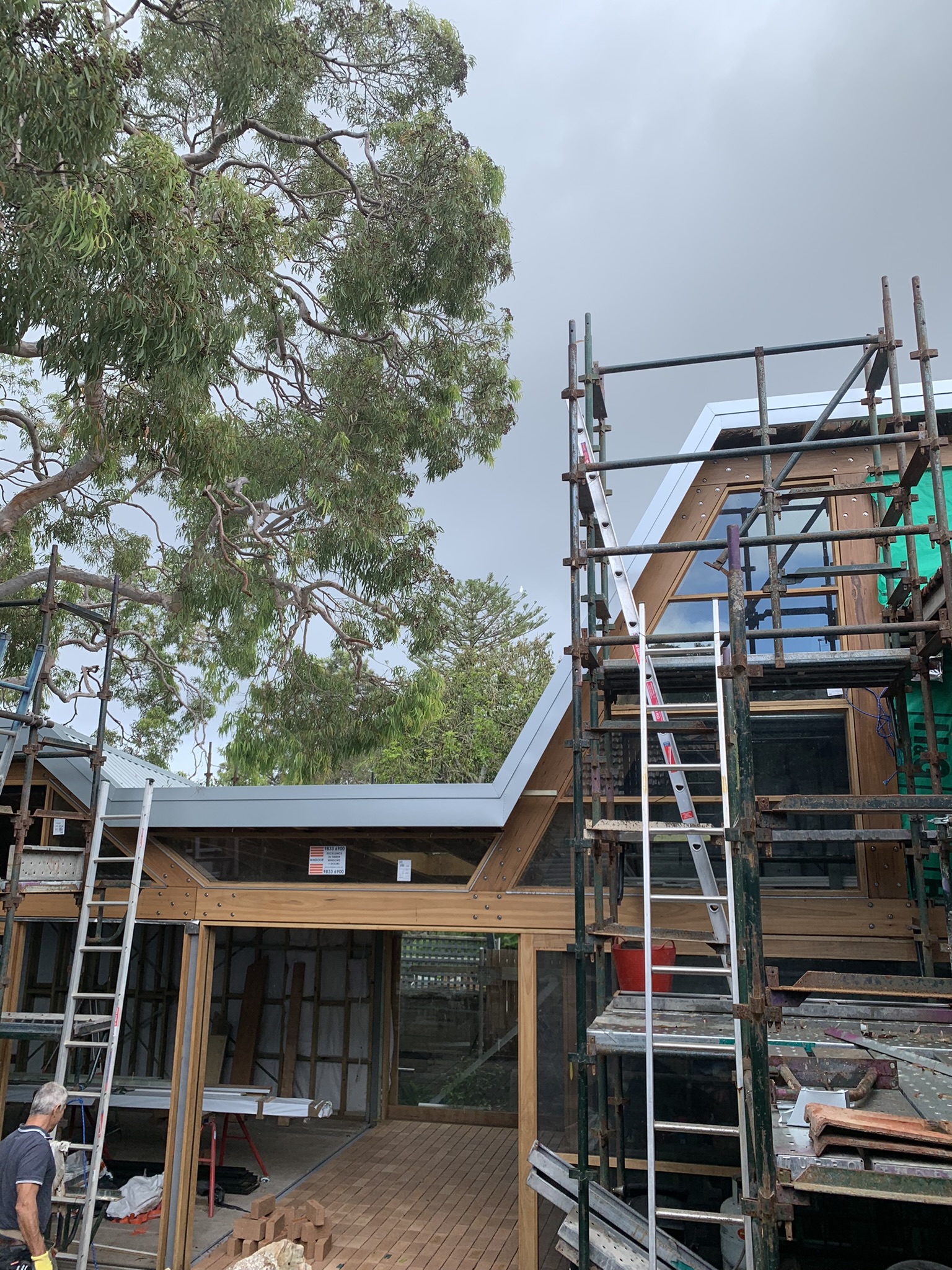
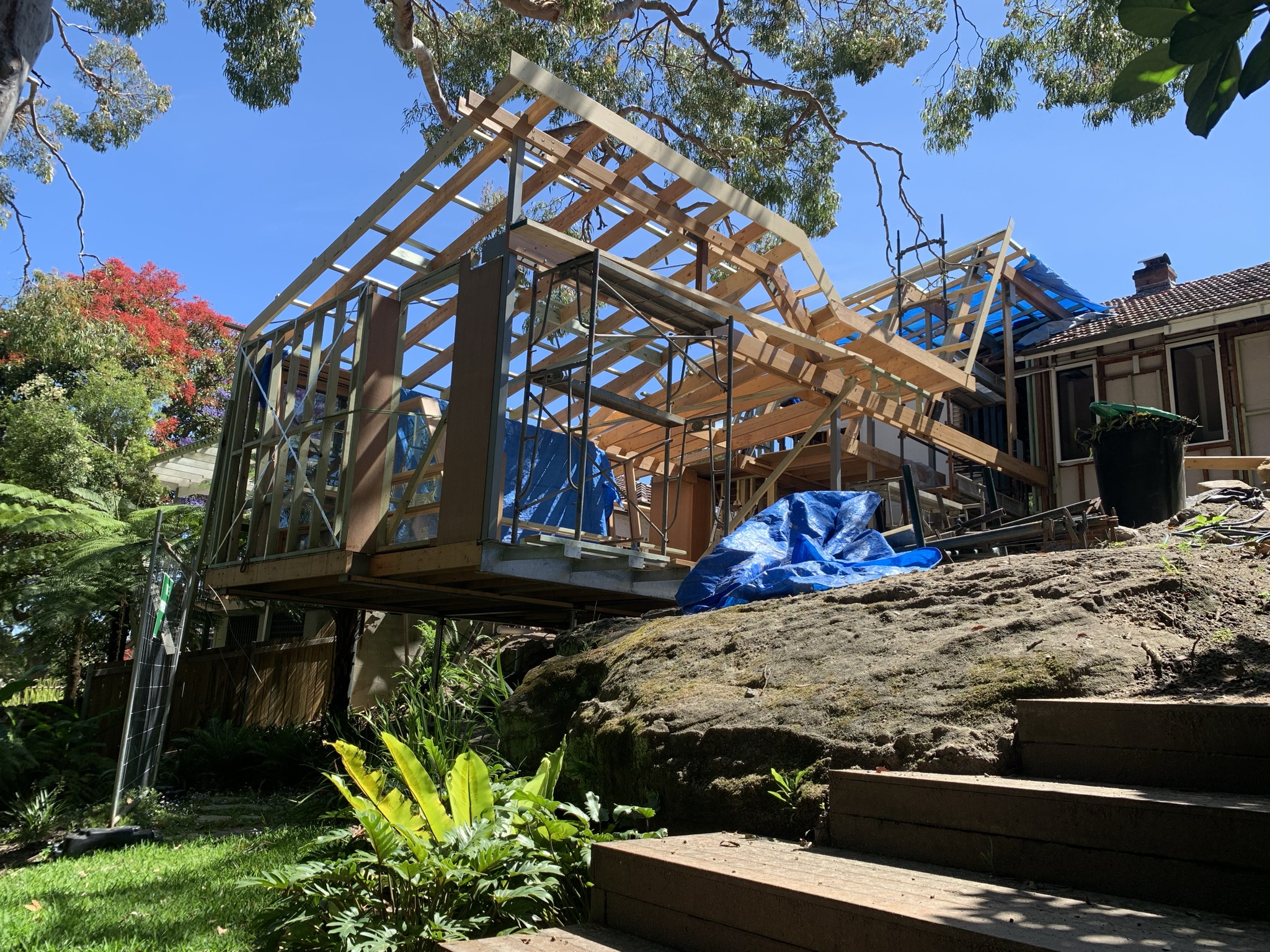
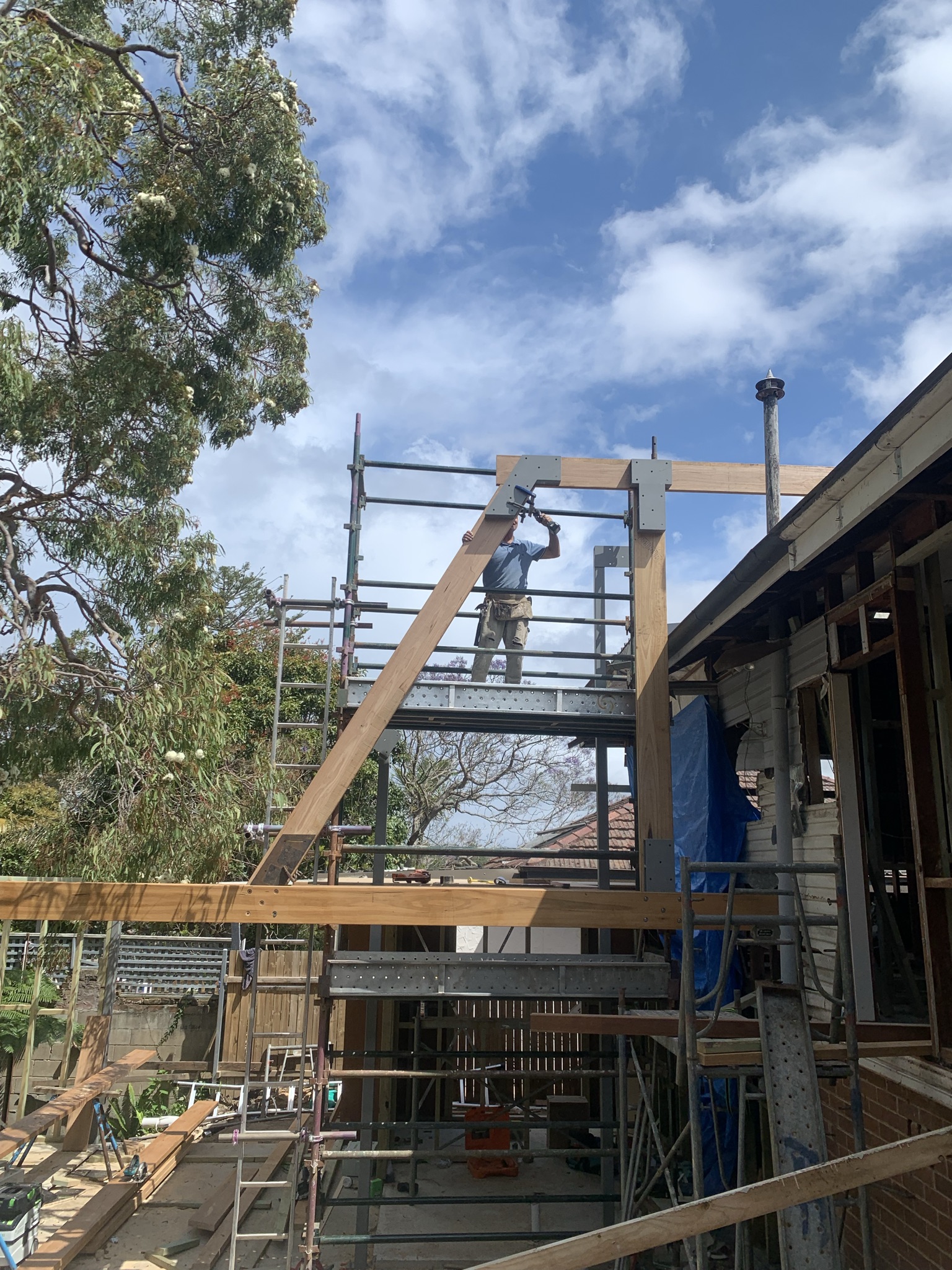
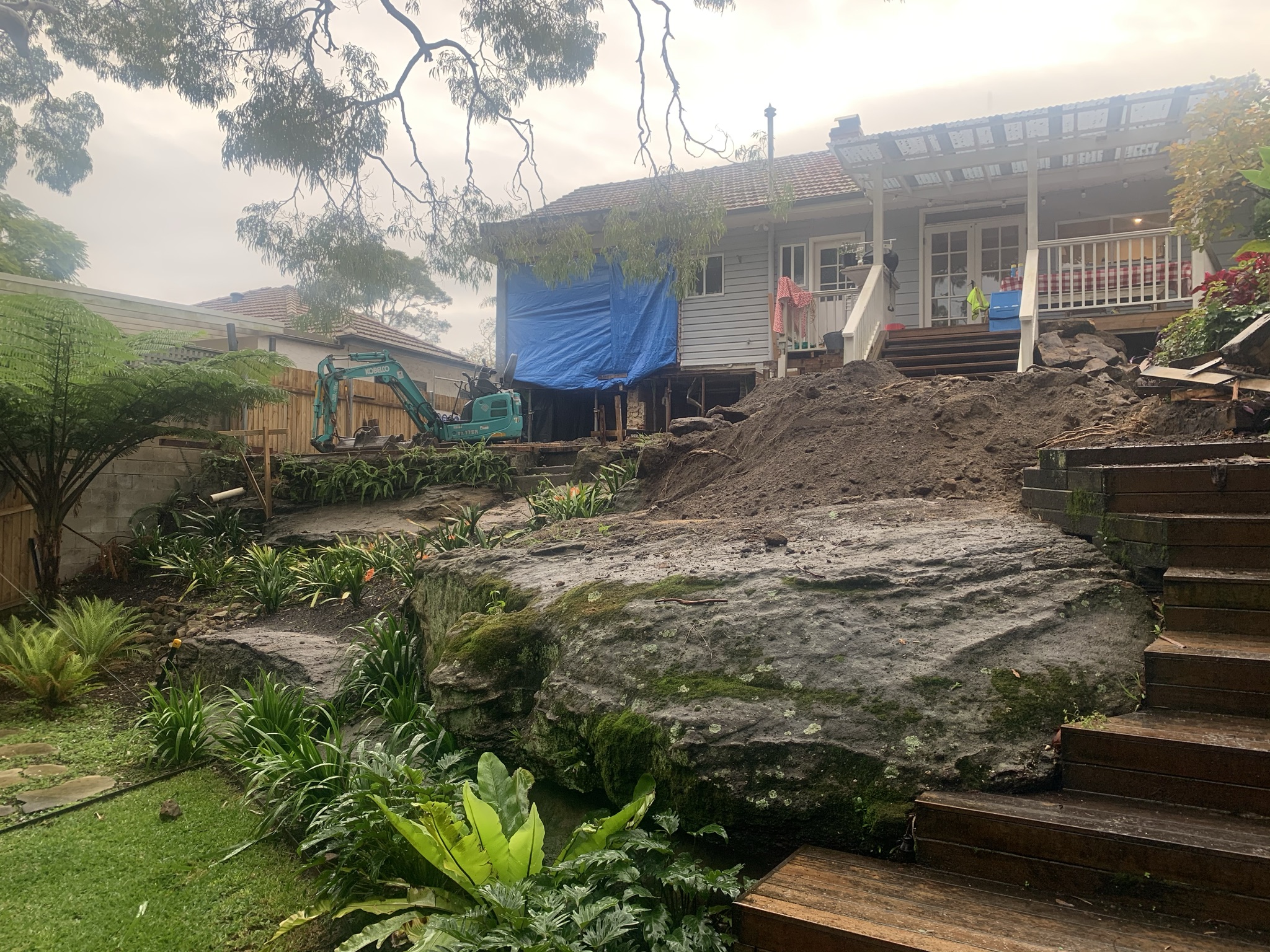
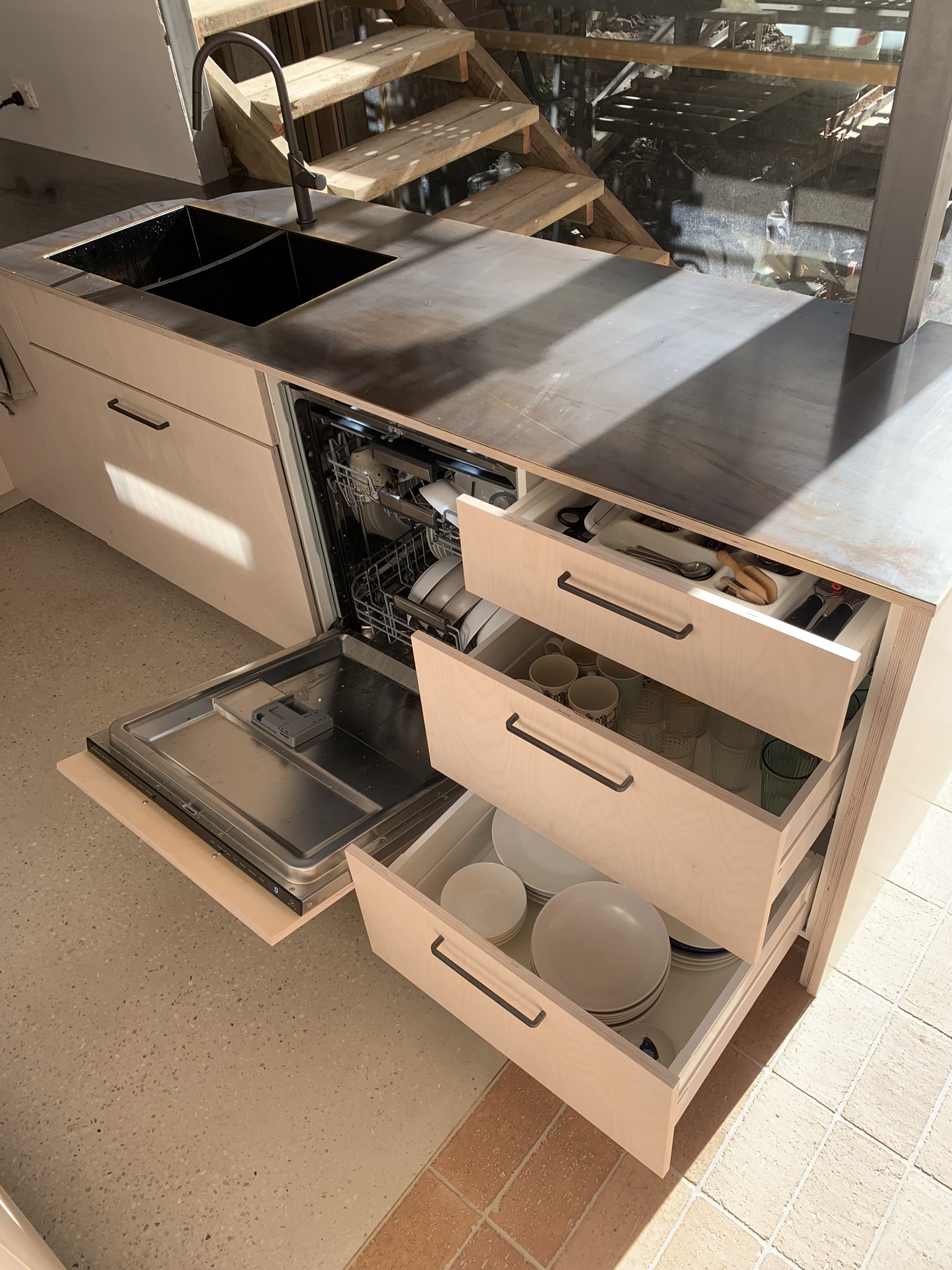
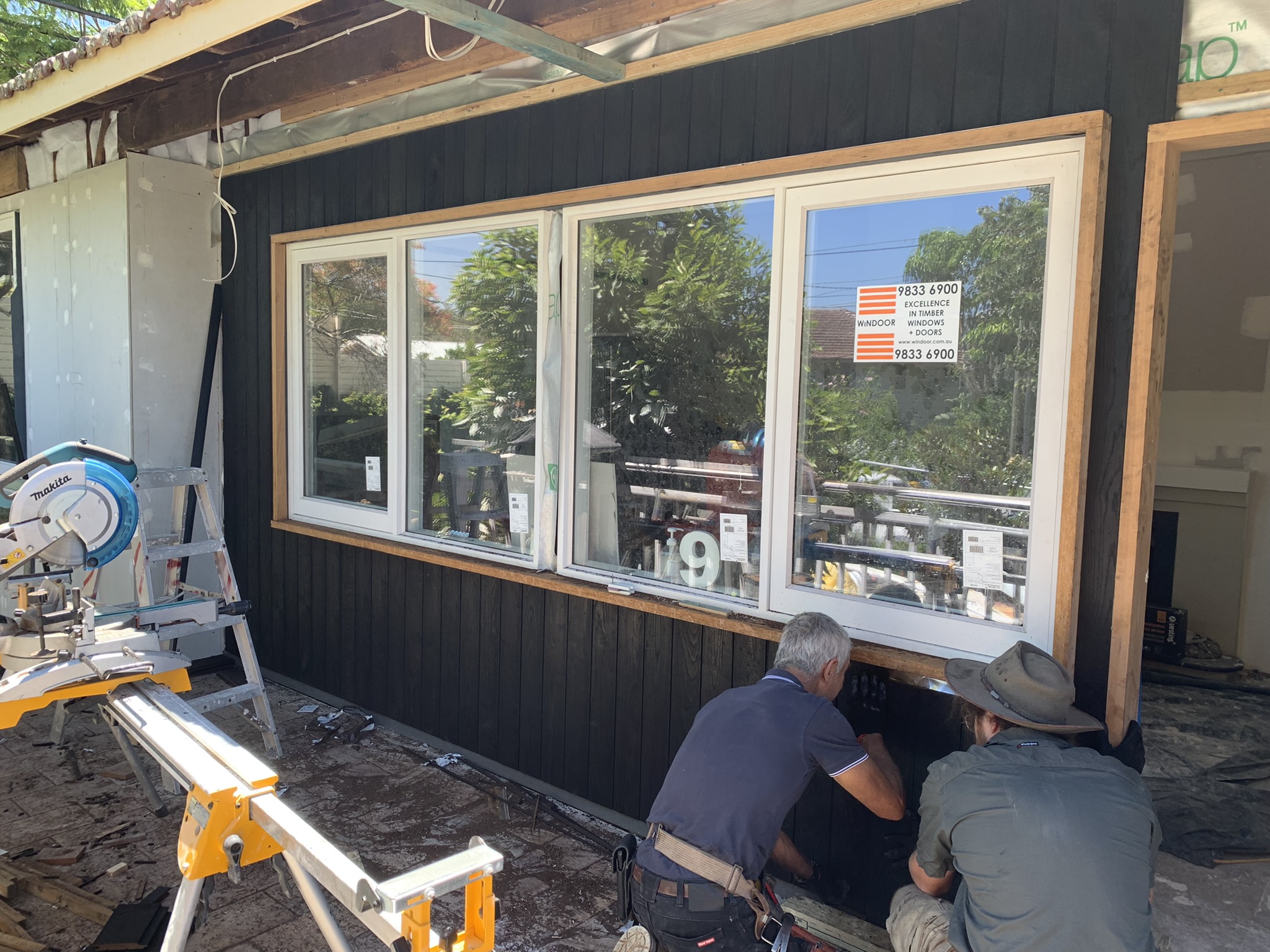
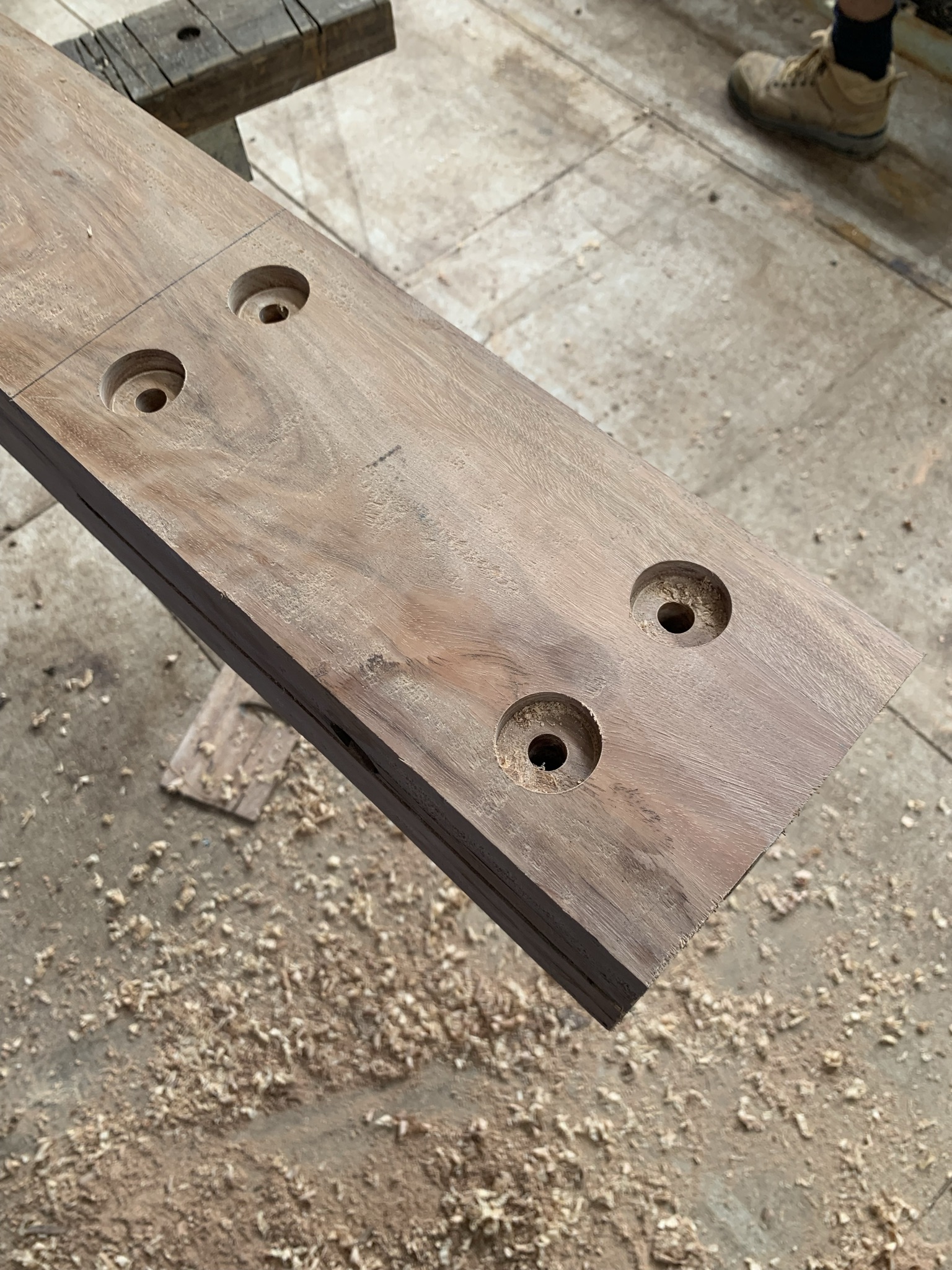
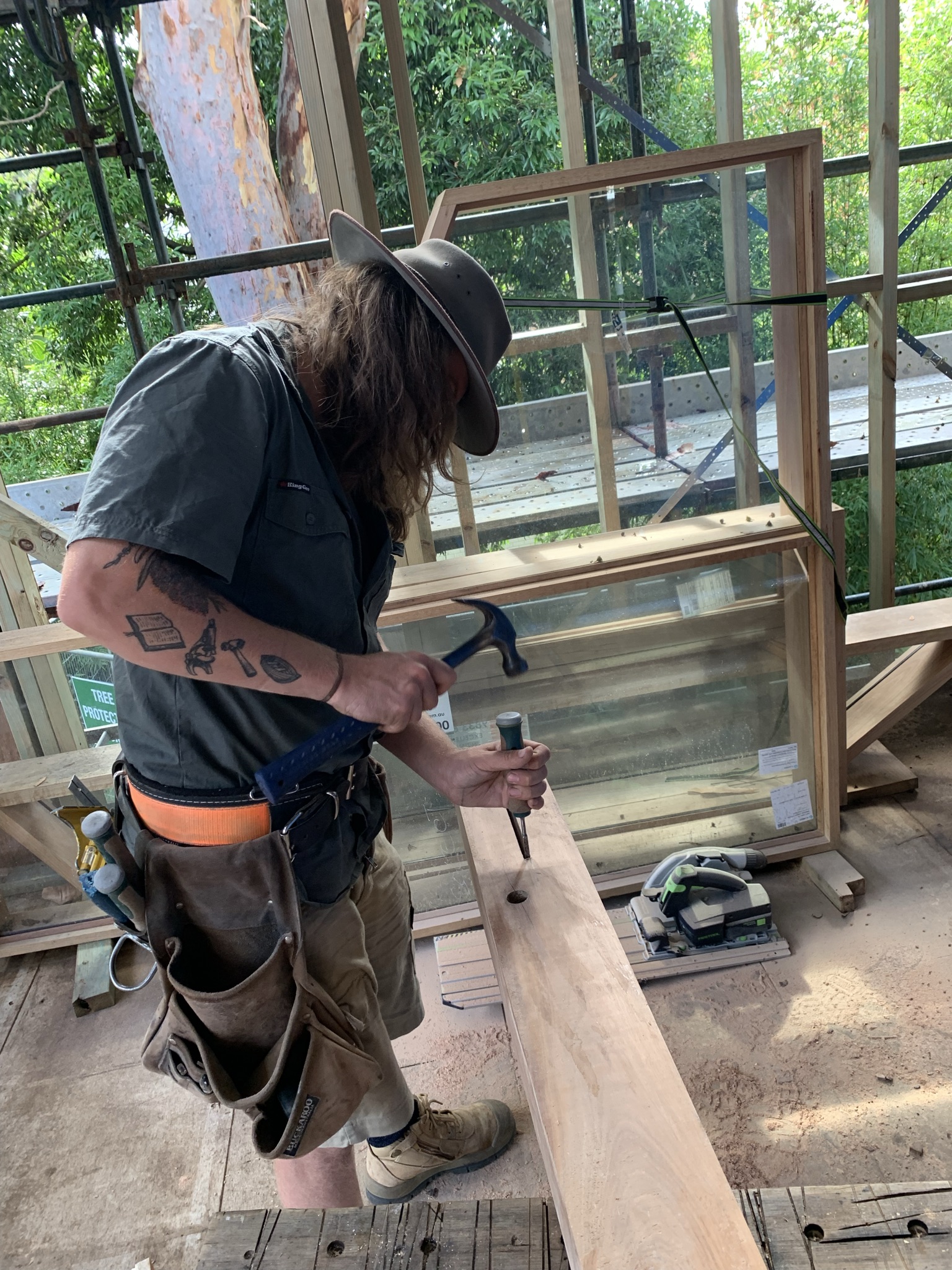
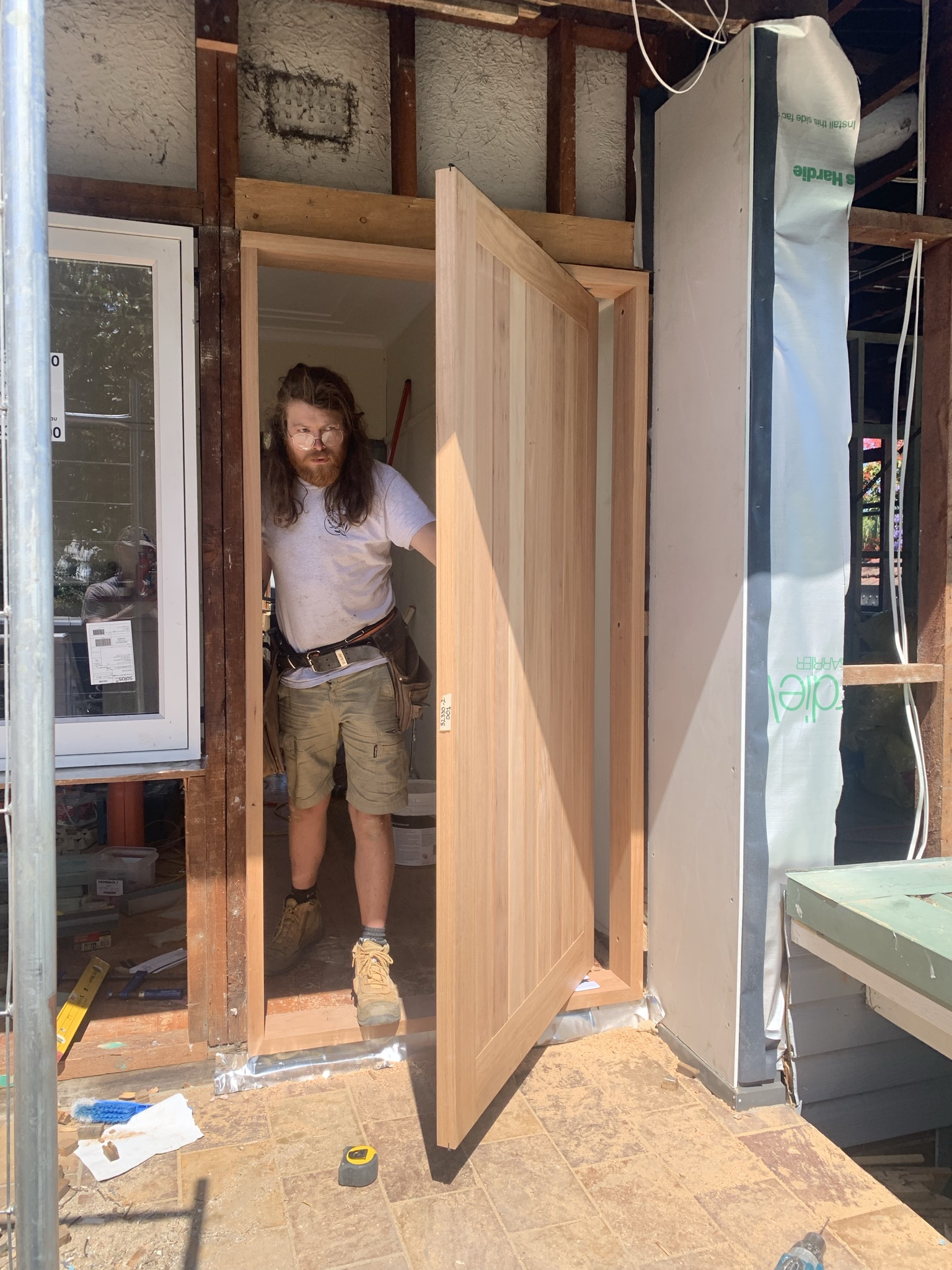
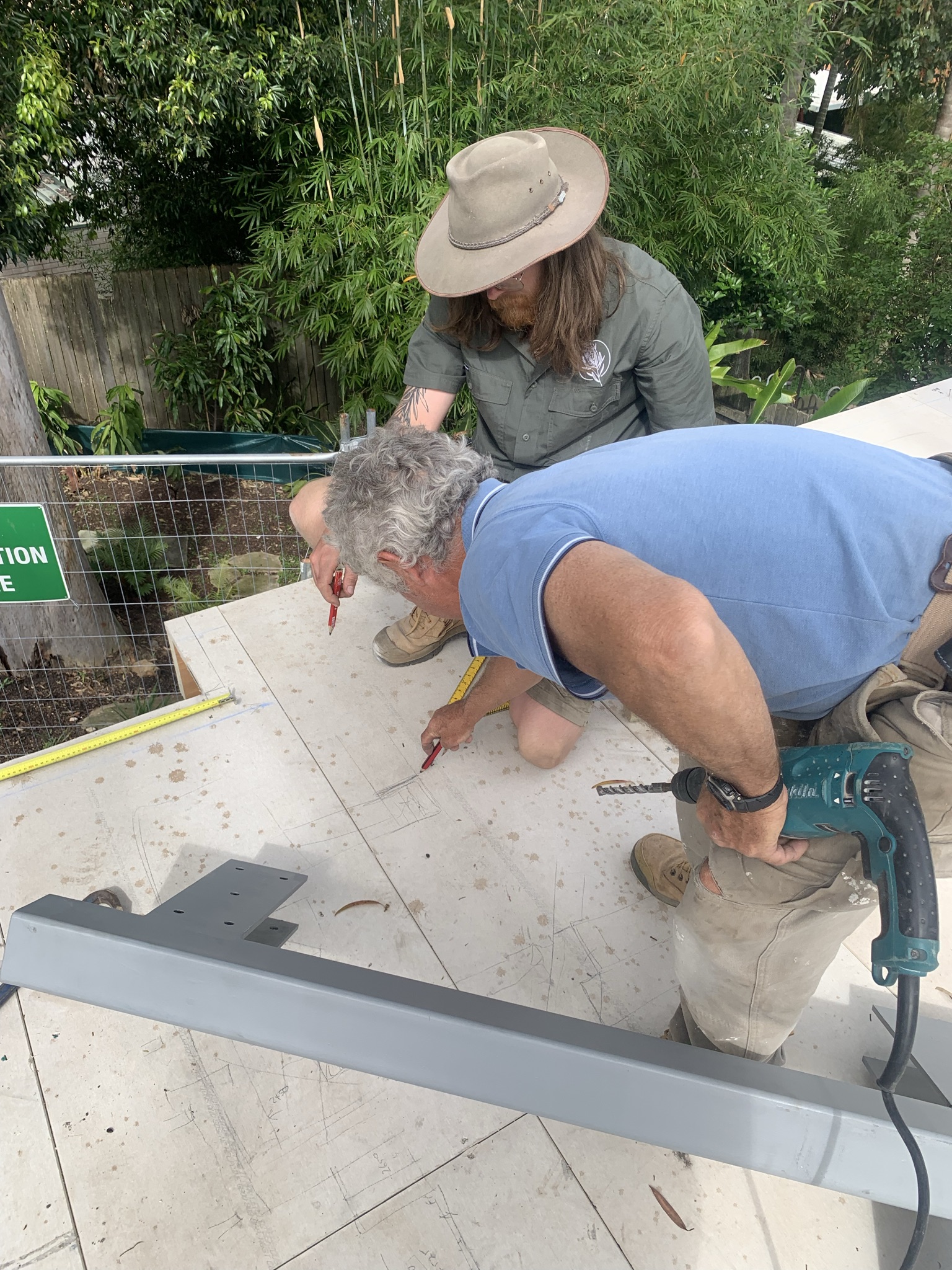
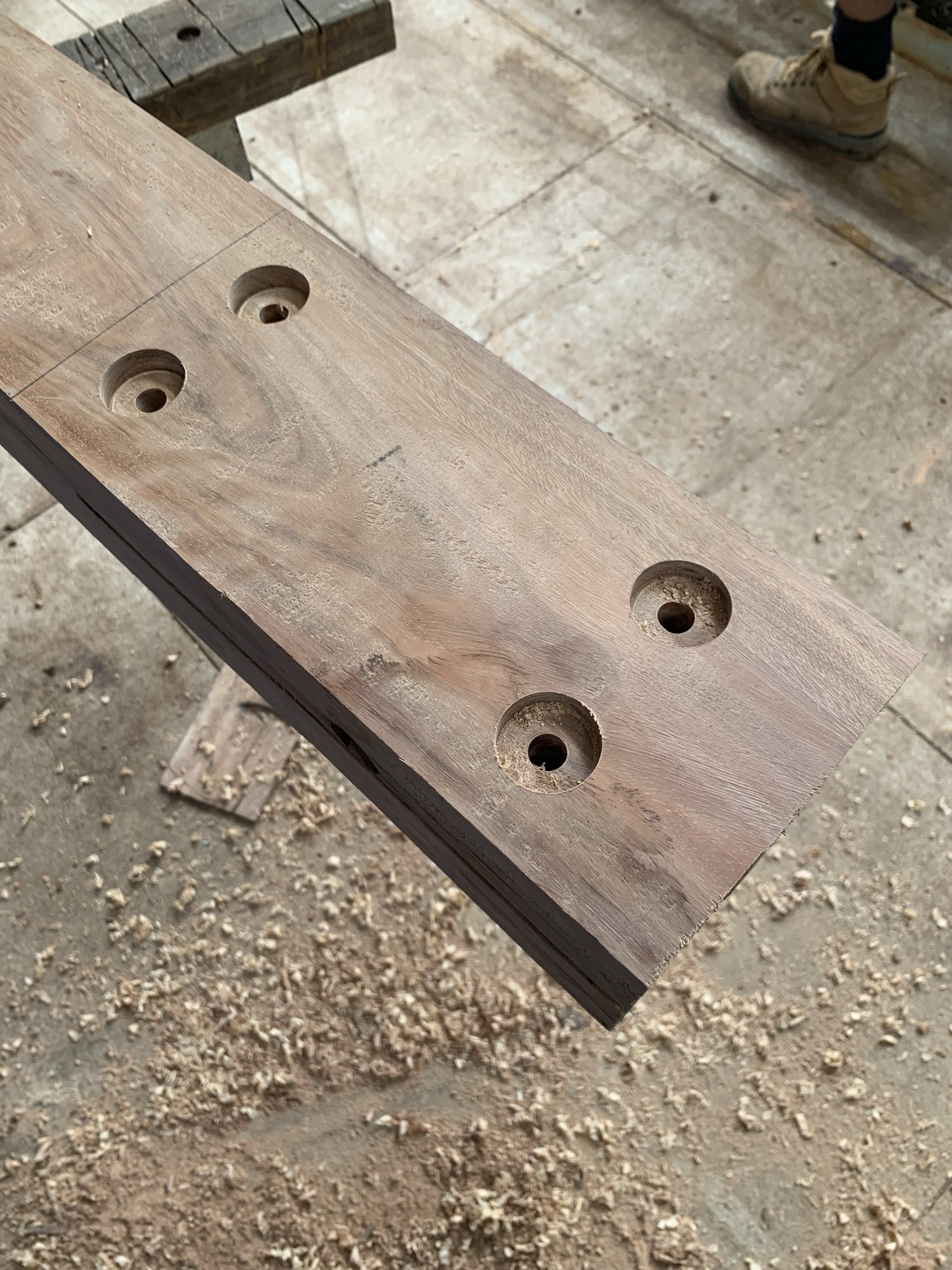
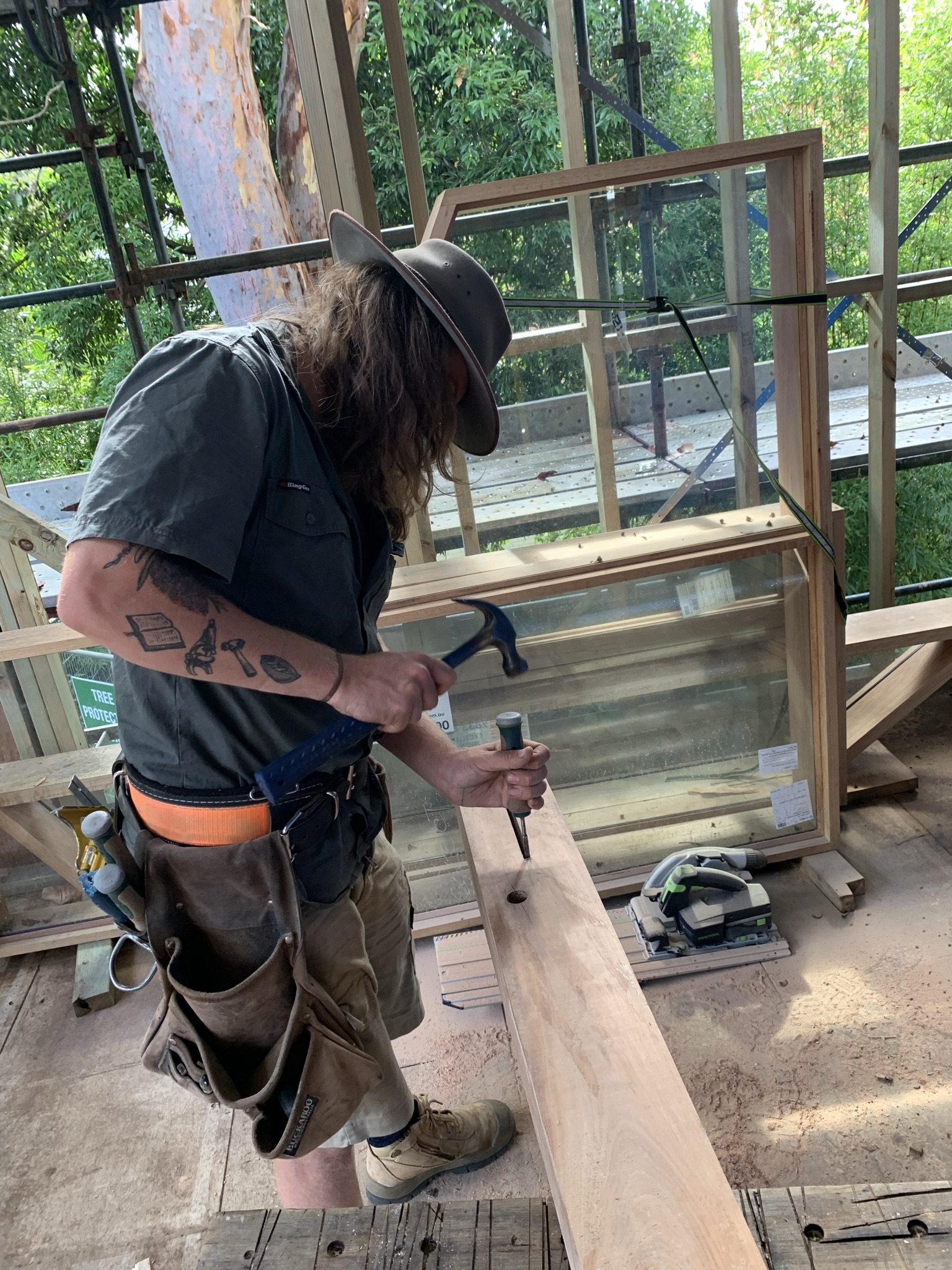
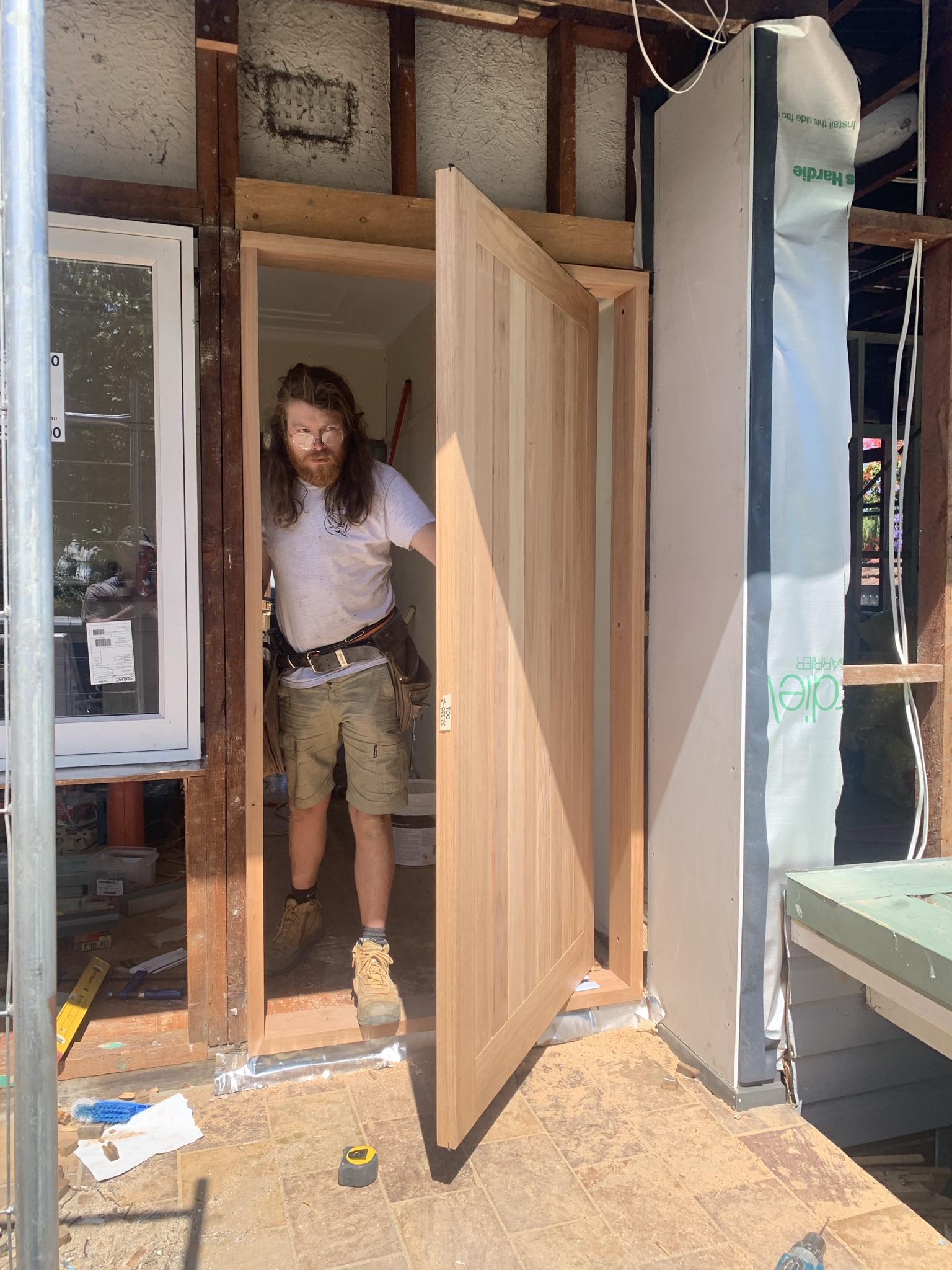
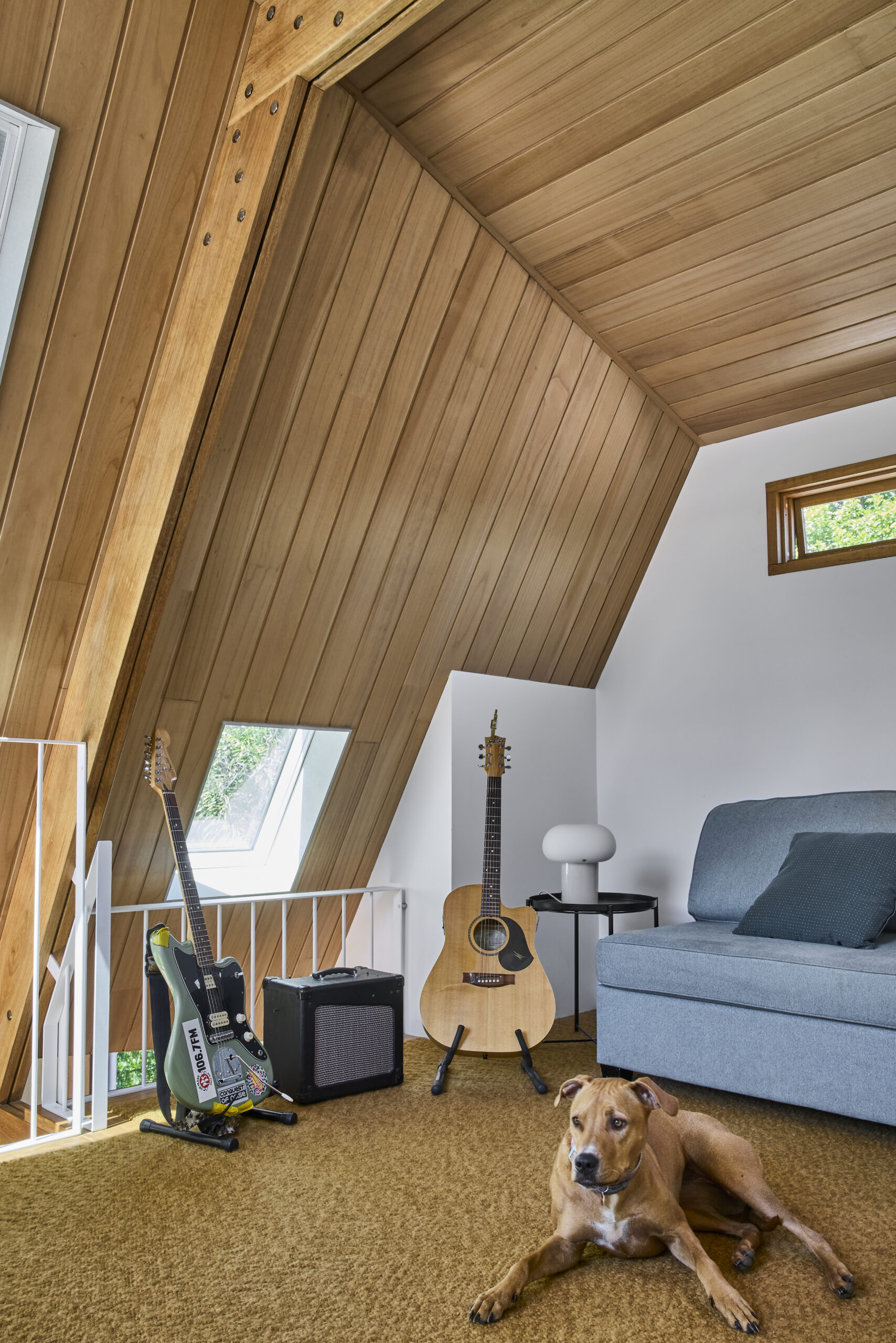
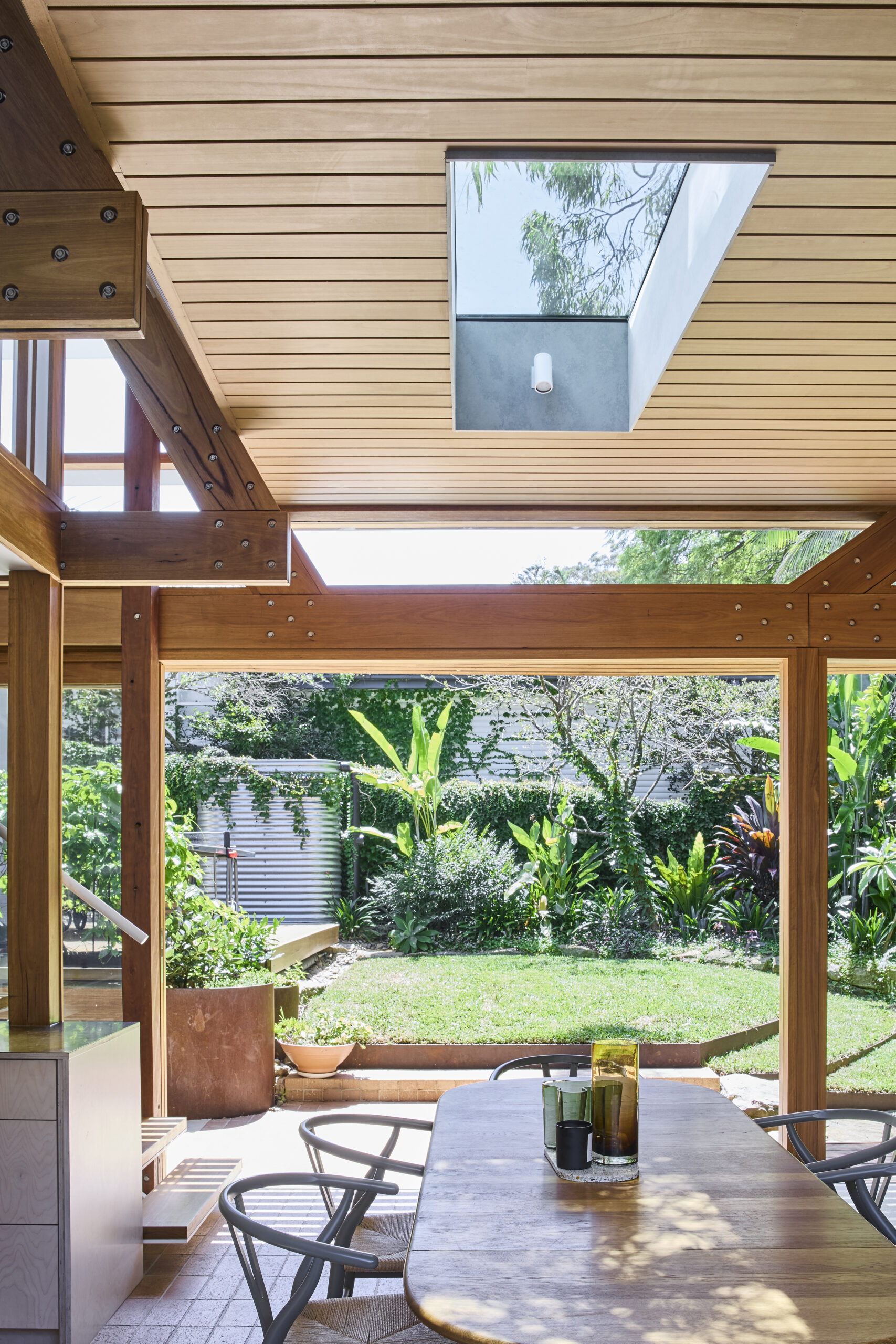
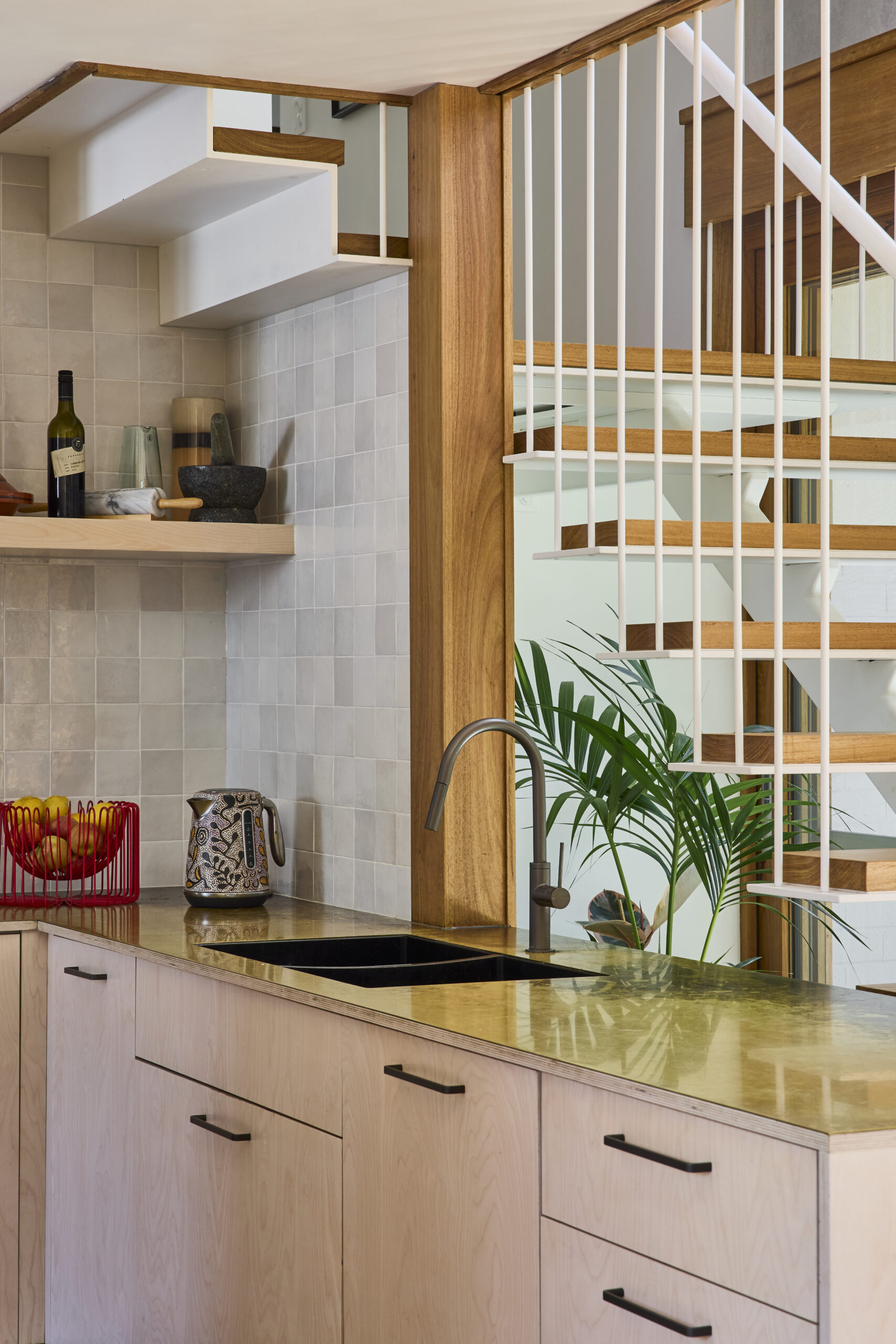
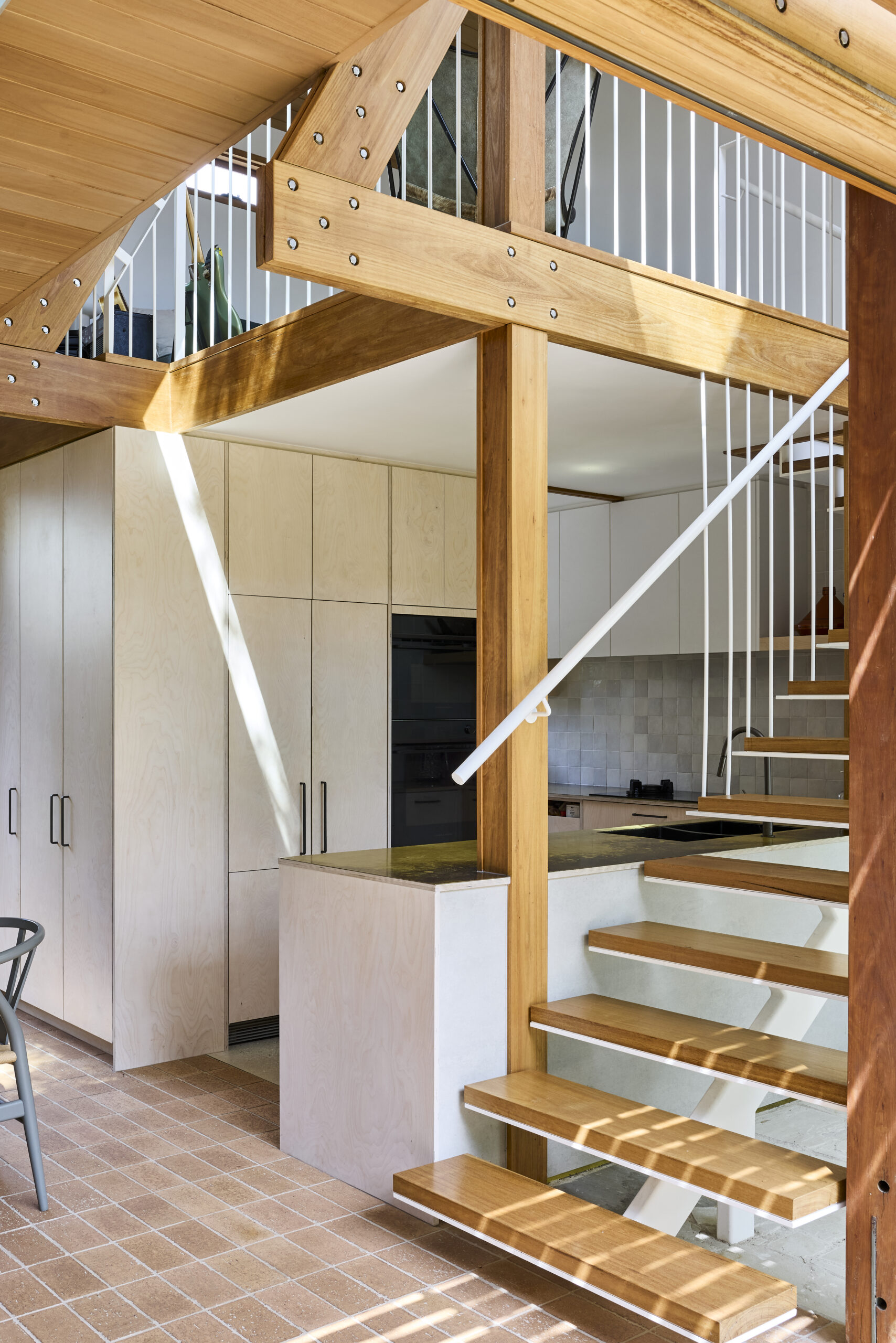
The home's timber-framed extension sits atop a rock outcrop. The "crow's nest" music studio emerges through the canopy, while below, spaces flow effortlessly from the compact kitchen to garden gathering spots. Local blackbutt timber executed with master craftsmanship features throughout. The design demonstrates how environmental performance can be achieved without aesthetic compromise, integrating solar passive principles with considered material choices.

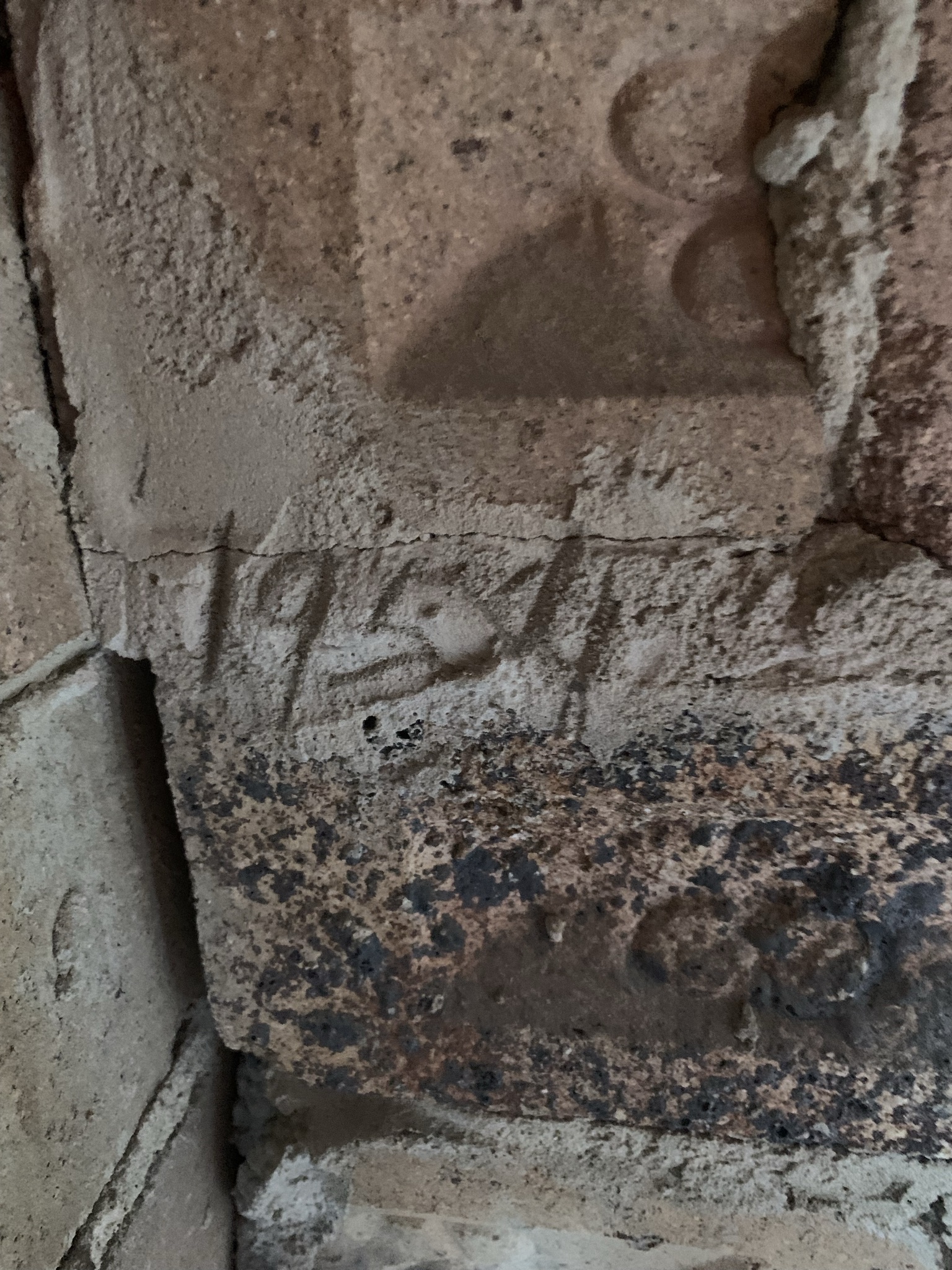
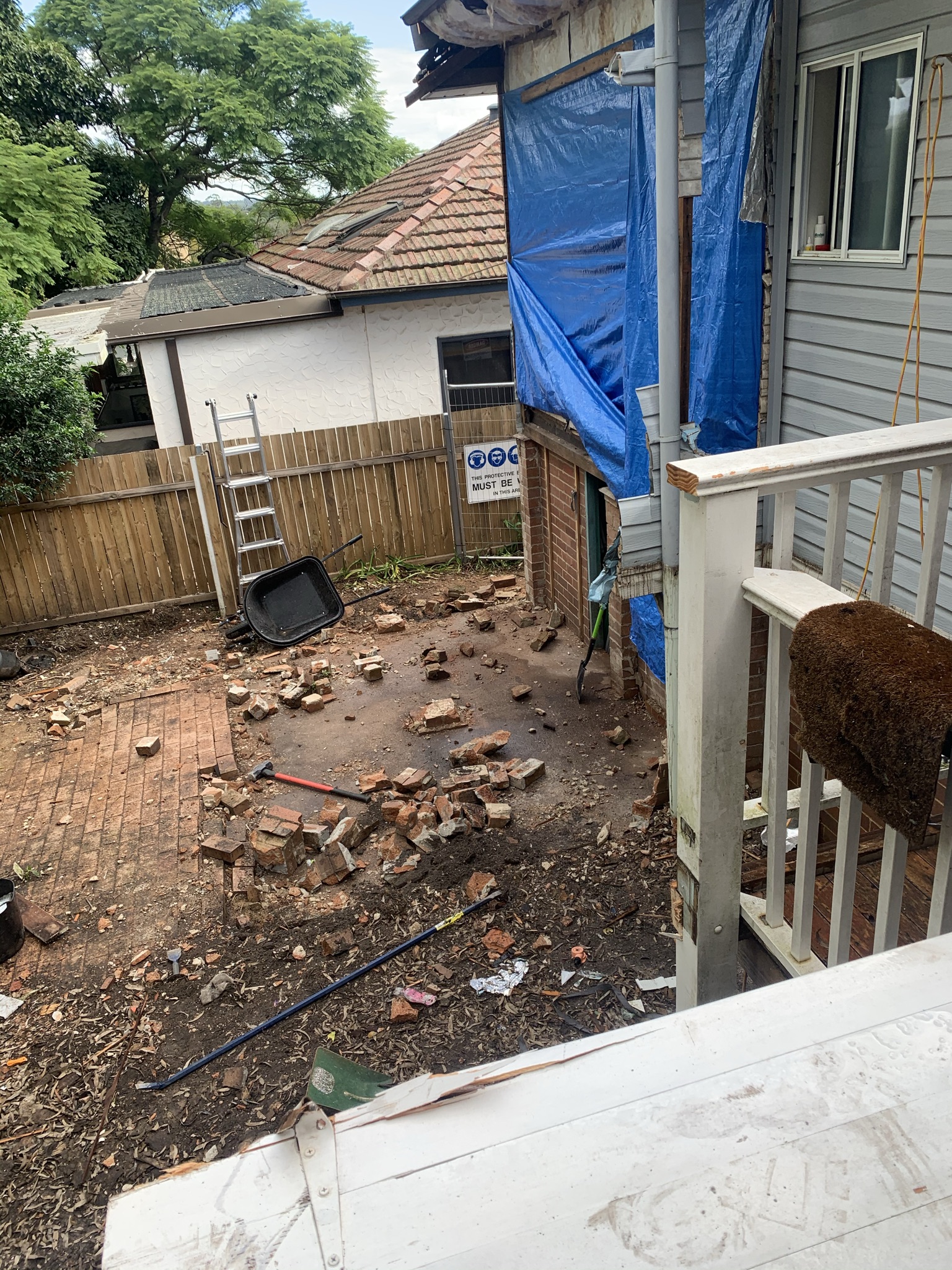
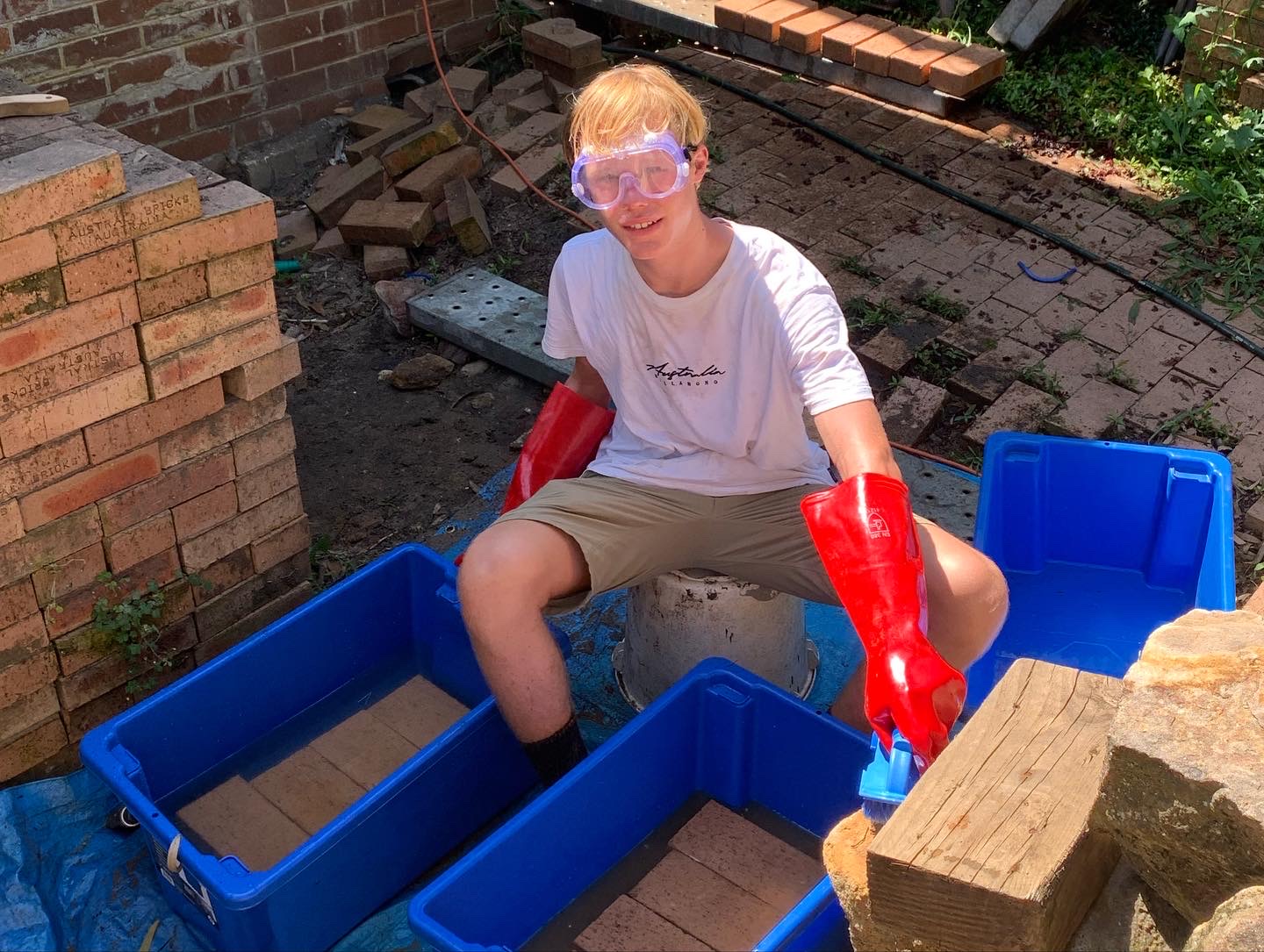
Sustainability is embedded throughout. The extensive use of locally sourced blackbutt timber, deliberately specified in greater quantities than structurally required, creates significant carbon storage. The passive solar design minimises energy requirements with precisely calculated eaves and cross-ventilation pathways. The recycling of existing bricks for flooring demonstrates commitment to material reuse.

Shortlisted for the 2025 AIA Sustainability Award, NSW, here is proof that with skilled architectural thinking, our suburban heritage can be preserved and reimagined for contemporary life, creating homes that enhance private amenity and neighbourhood character through sensitive adaptation rather than demolition.
Q & A

What motivated you to build or retrofit sustainably?
Climate concerns, health and comfort.
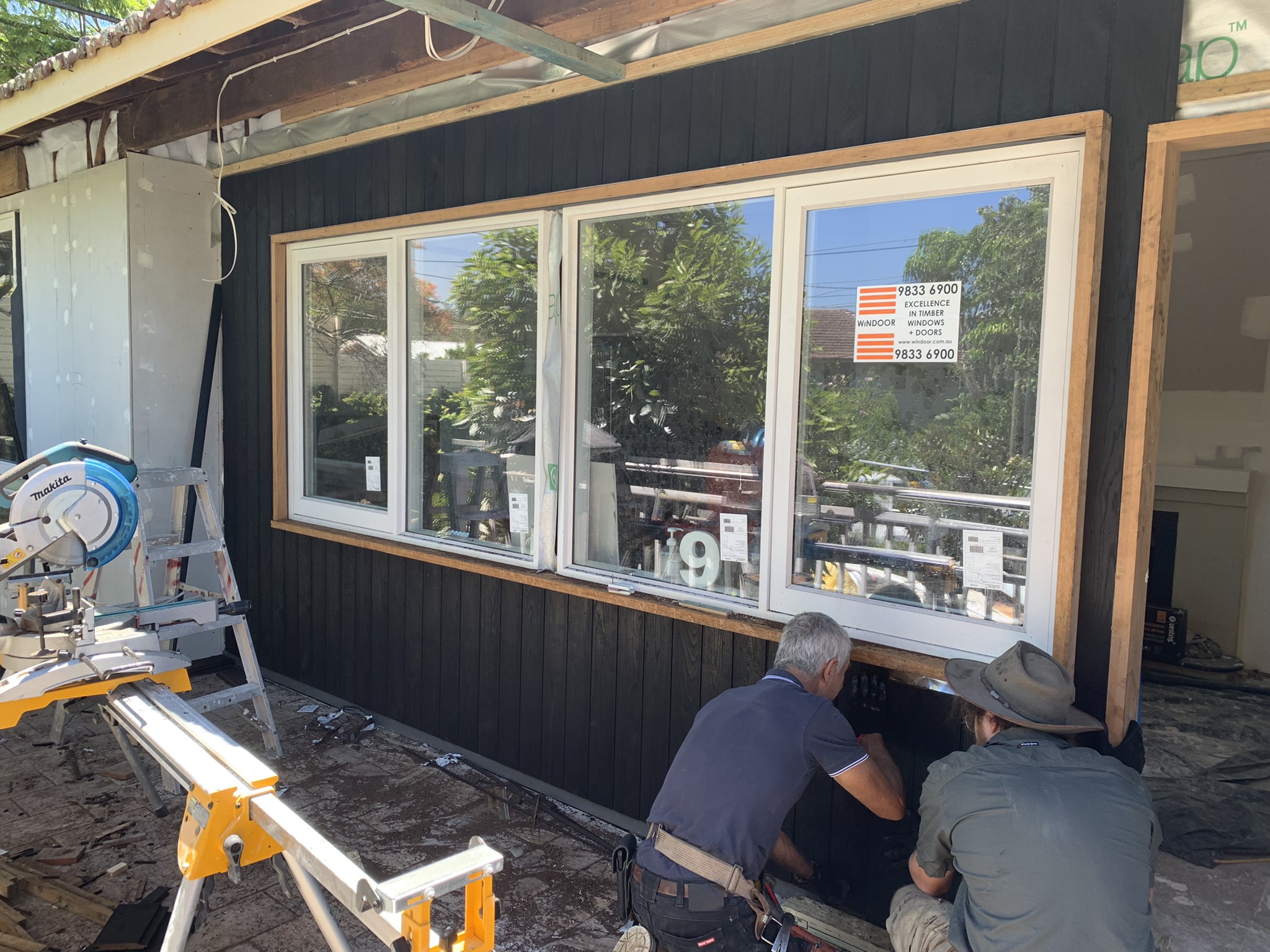
Solar passive, site responsive design, including double glazing where possible, with strategically placed windows to capture cooling breezes, meant the house was comfortable all year round. Summer cooling was just from overhead fans, whilst supplementary heating in winter to top up the thermal gain received during the day was minimal, meaning energy bill savings.
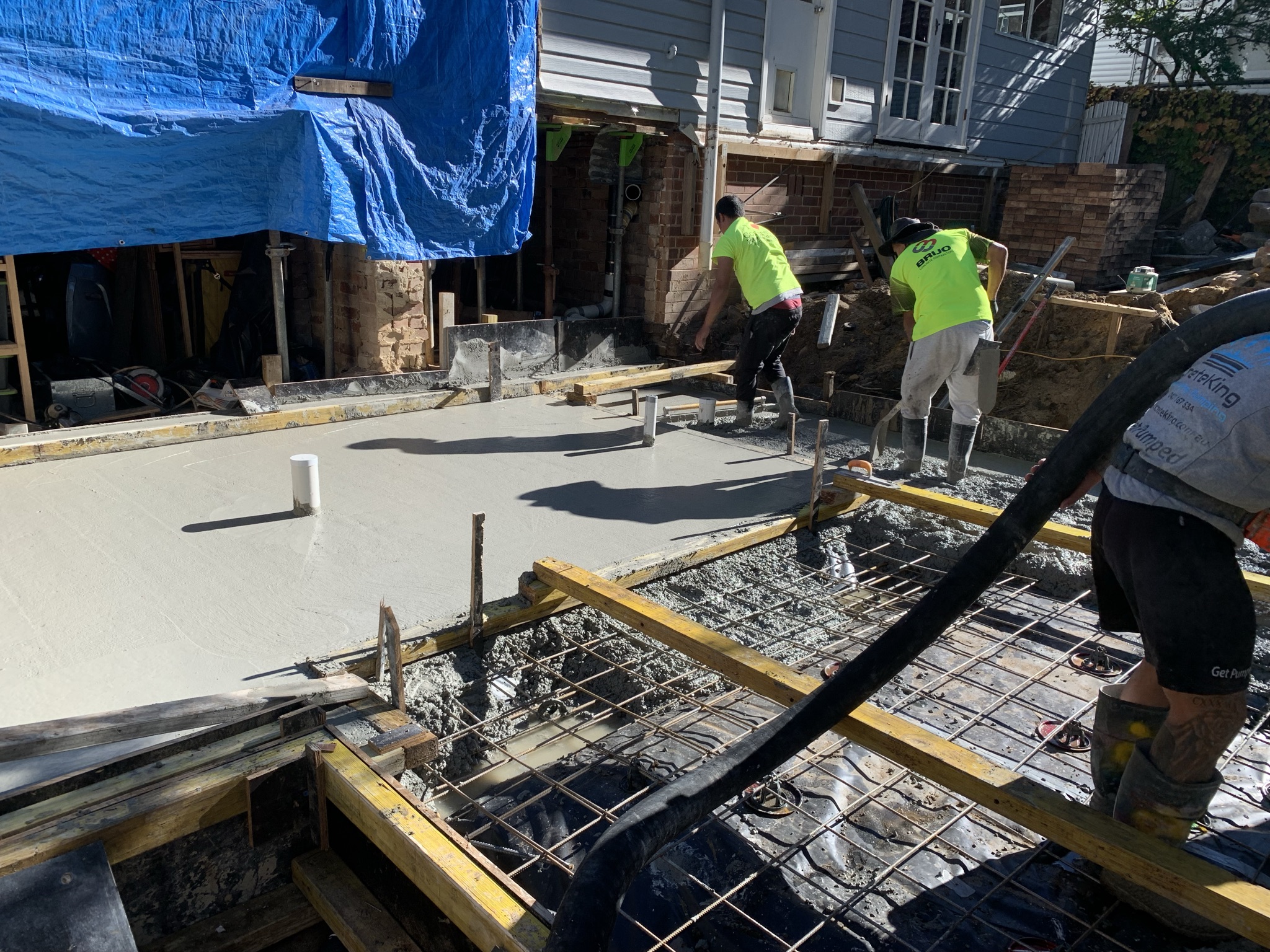
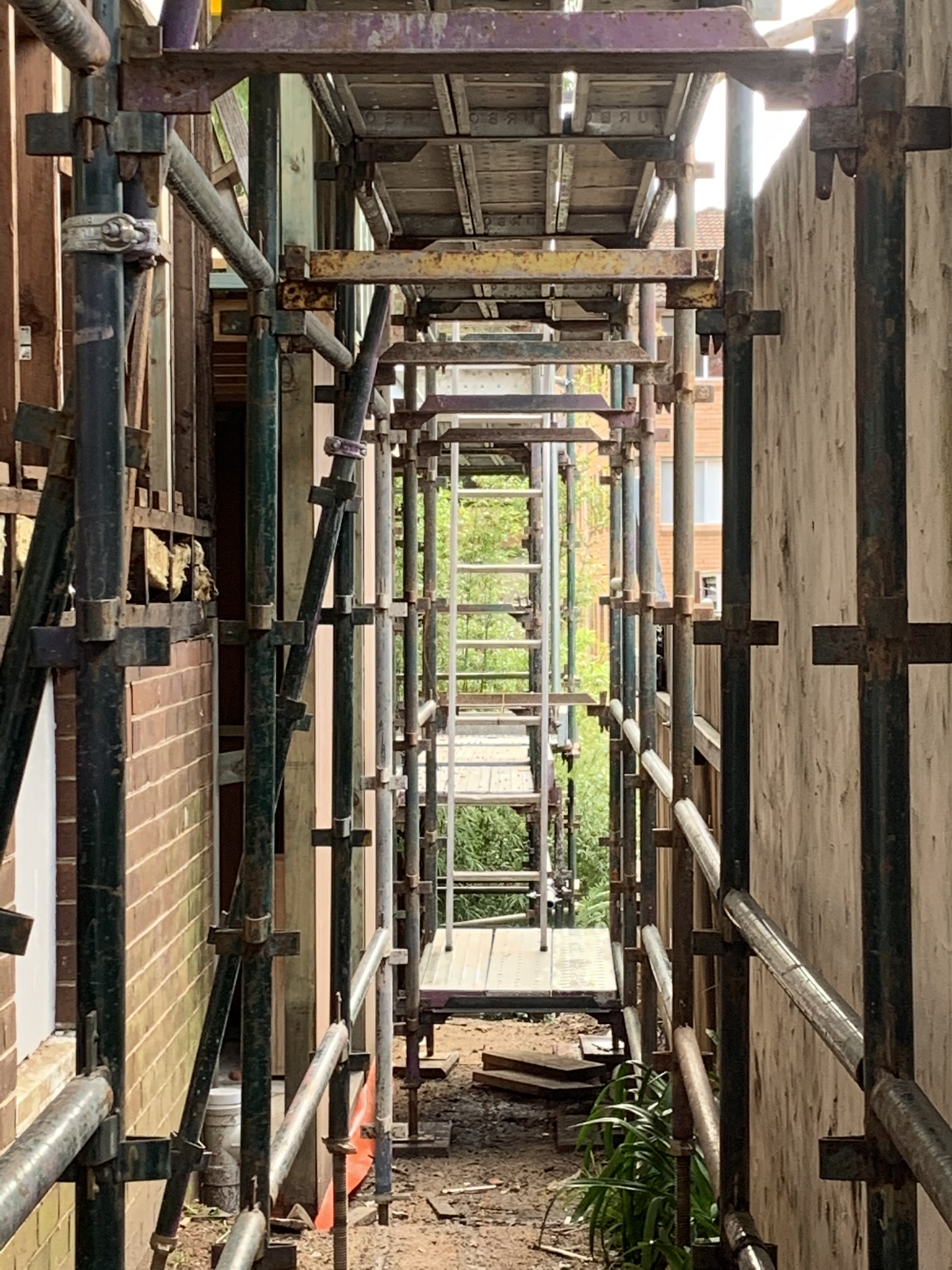
The density and hardness of the rock was something that would have been good to know. Layers of unexpected iron stone meant that rock removal was difficult, and way more time consuming than programmed.Unfortunately, getting a clear picture of the latent conditions under the ground is difficult, so if no contingency can be allowed for tougher than expected excavation, designing a house for a rocky site could avoid excavation entirely.We understood the risk, but the reward was fitting the "crows nest" hang-out space, which became one of the favorite rooms in the house, so it was worth it in the end.
My dream future project is a home that is 100% electric, and features enough onsite power generation and storage to cover the energy needs of the house, as well as the charging of 2 electric vehicles (another dream I'm not at yet), captures it own water and treats it's own waster to create an autonomous lifestyle that could be totally disconnected from the grid.
Type: Standalone house/townhouse
Project: Renovation or extension
Architect: Brent Yttrup Architecture
Designer: Brent Yttrup
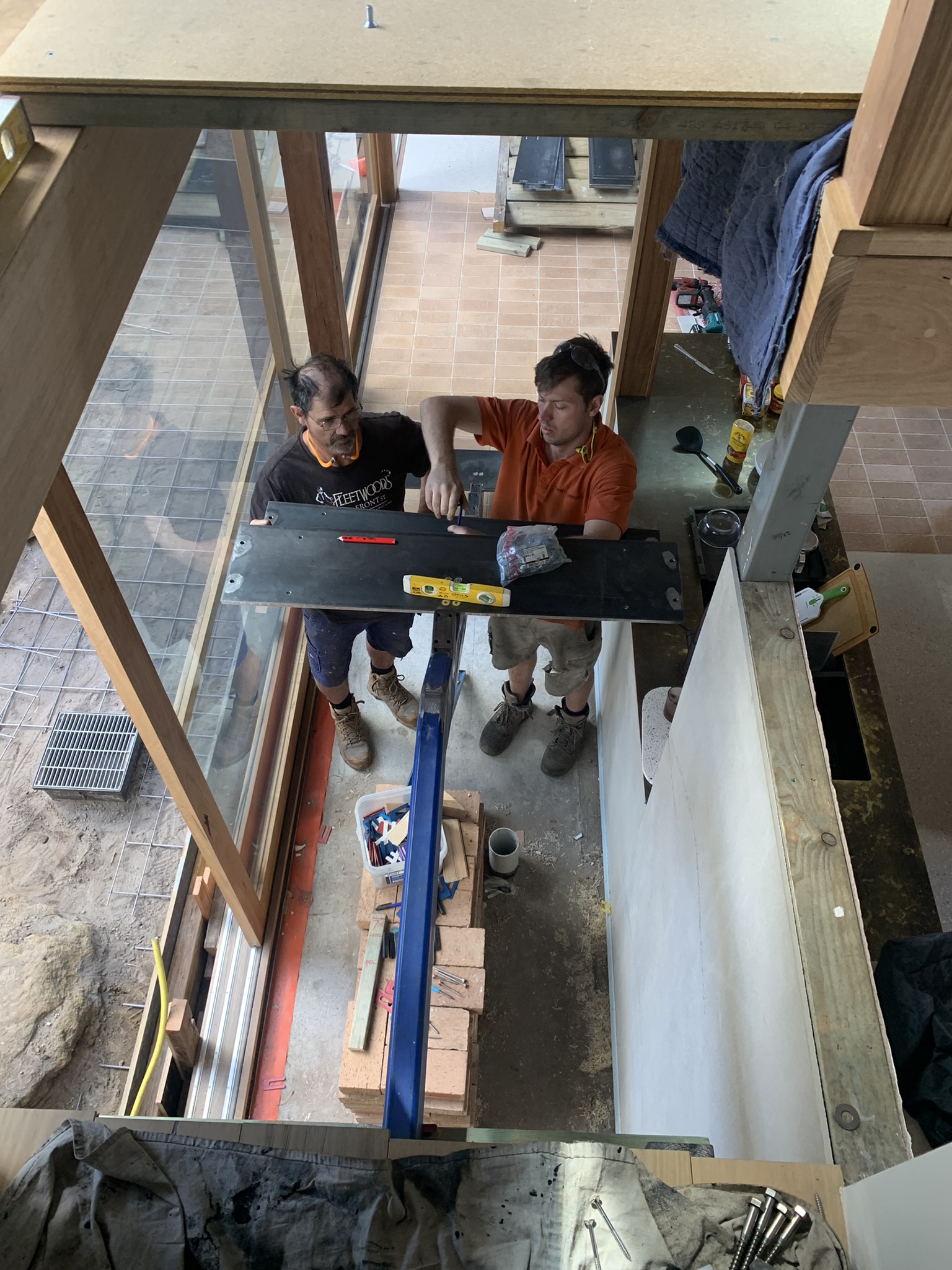
Builder: Brent Yttrup (Owner Builder)
Size: 163m²
Energy Rating: BASIX
Bedrooms: 3
Bathrooms: 2

Sustainability Features

Building Materials & Envelope

Draught-proofing/air sealing
High-performance insulation
Double or triple-glazed windows
Sustainable or low-impact materials
Recycled or reused materials

Heating, Cooling and Ventilation

Passive heating/cooling (north-facing glazing, cross ventilation, thermal mass, shading, etc.)
Ceiling fans

Energy and Appliances

Rooftop solar PV
Battery storage
Energy monitoring/smart home systems
Efficient lighting (LED, daylighting, solar skylights)
Solar thermal hot water
Electric cooktop - induction/ceramic

Water & Waste Systems

Water-efficient fixtures
Rainwater tanks

Landscape & Biodiversity

Native garden
Edible garden
Wildlife-supporting habitat

Climate Resilience

Flood
Bushfire
Heatwave

Accessible & Flexible Design Features

Design for flexible use
Design for multigenerational living or dual occupancy
Share this home:

Related Homes

Home tours delivered to your inbox

Step inside sustainable homes across Australia and get practical ideas you can use in your own