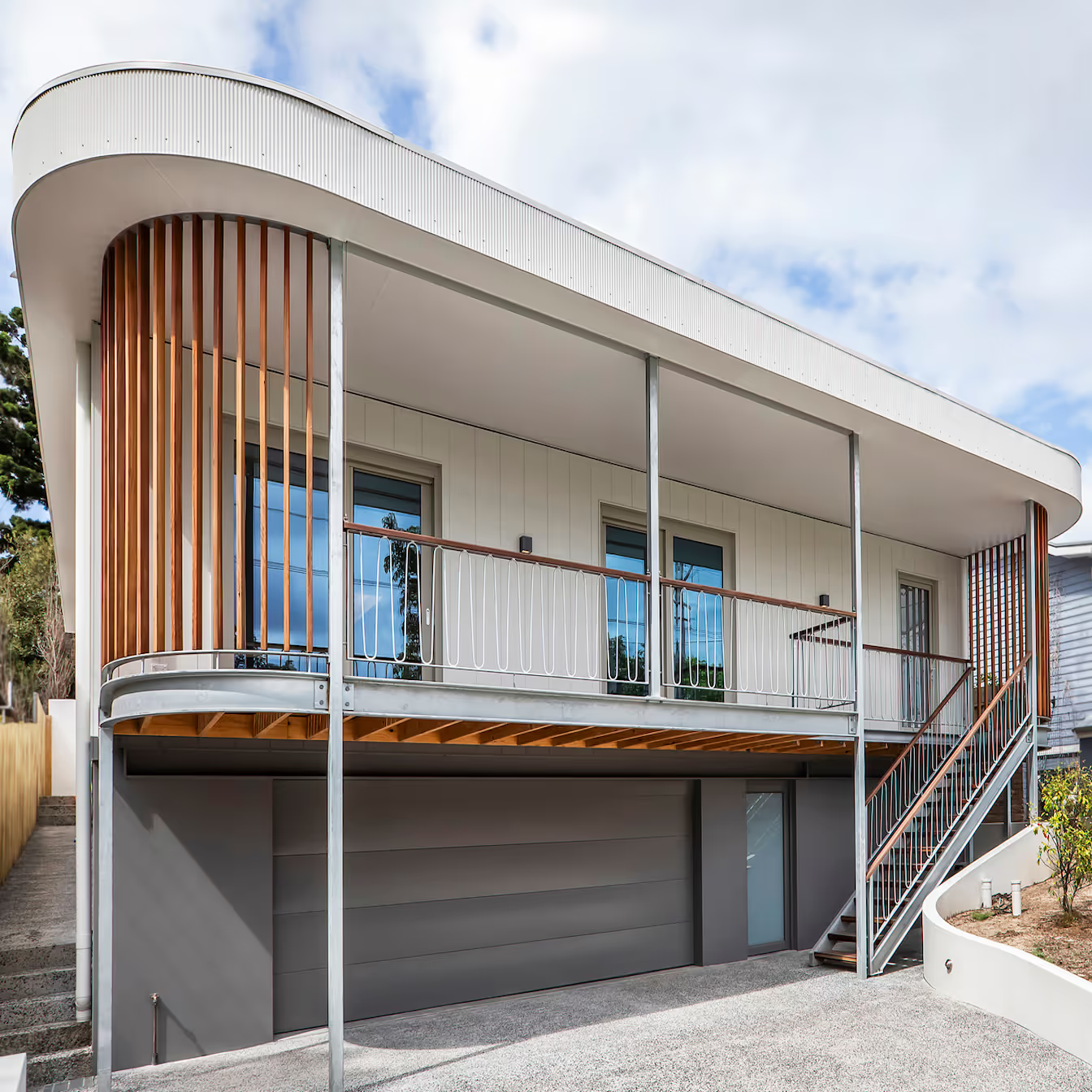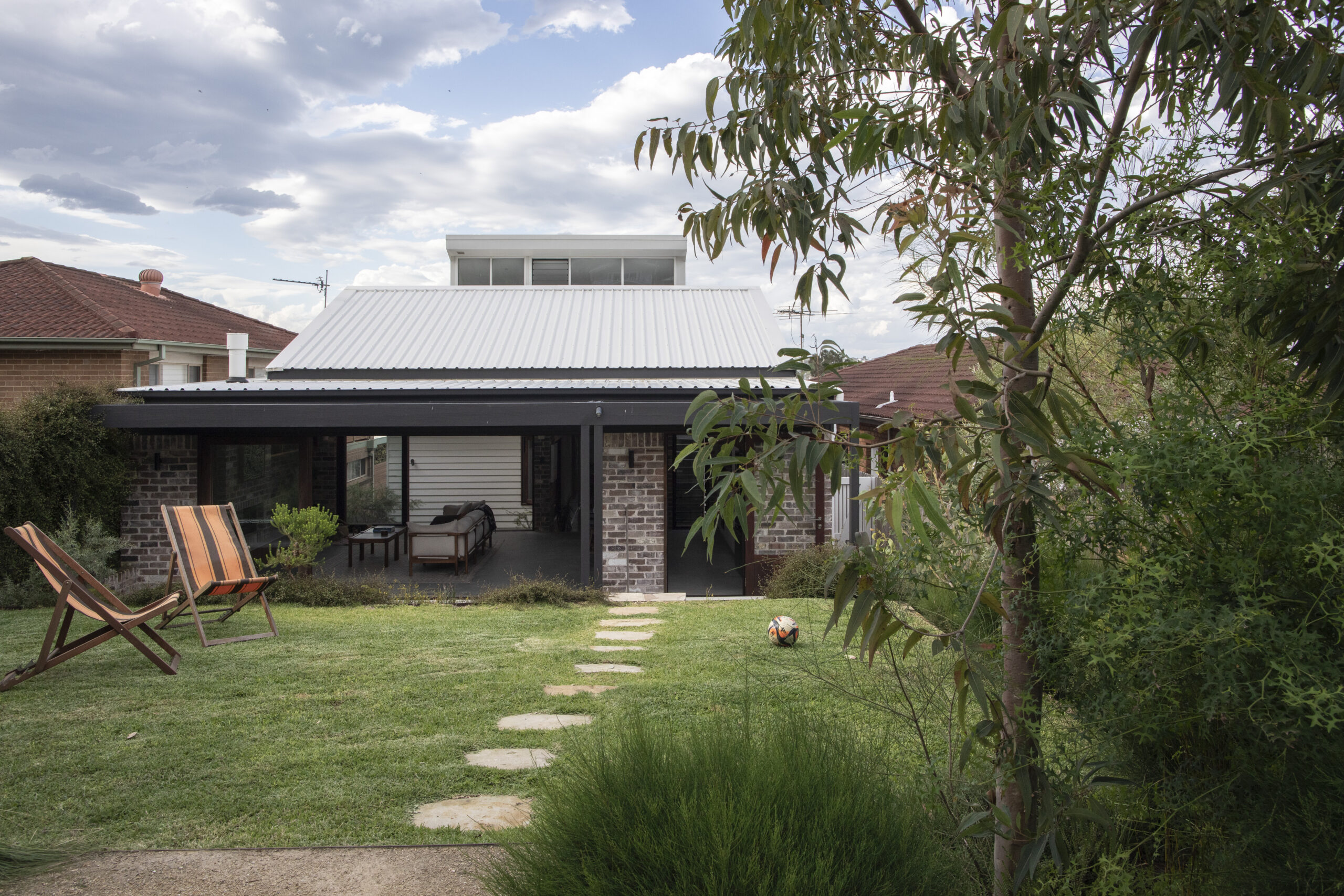
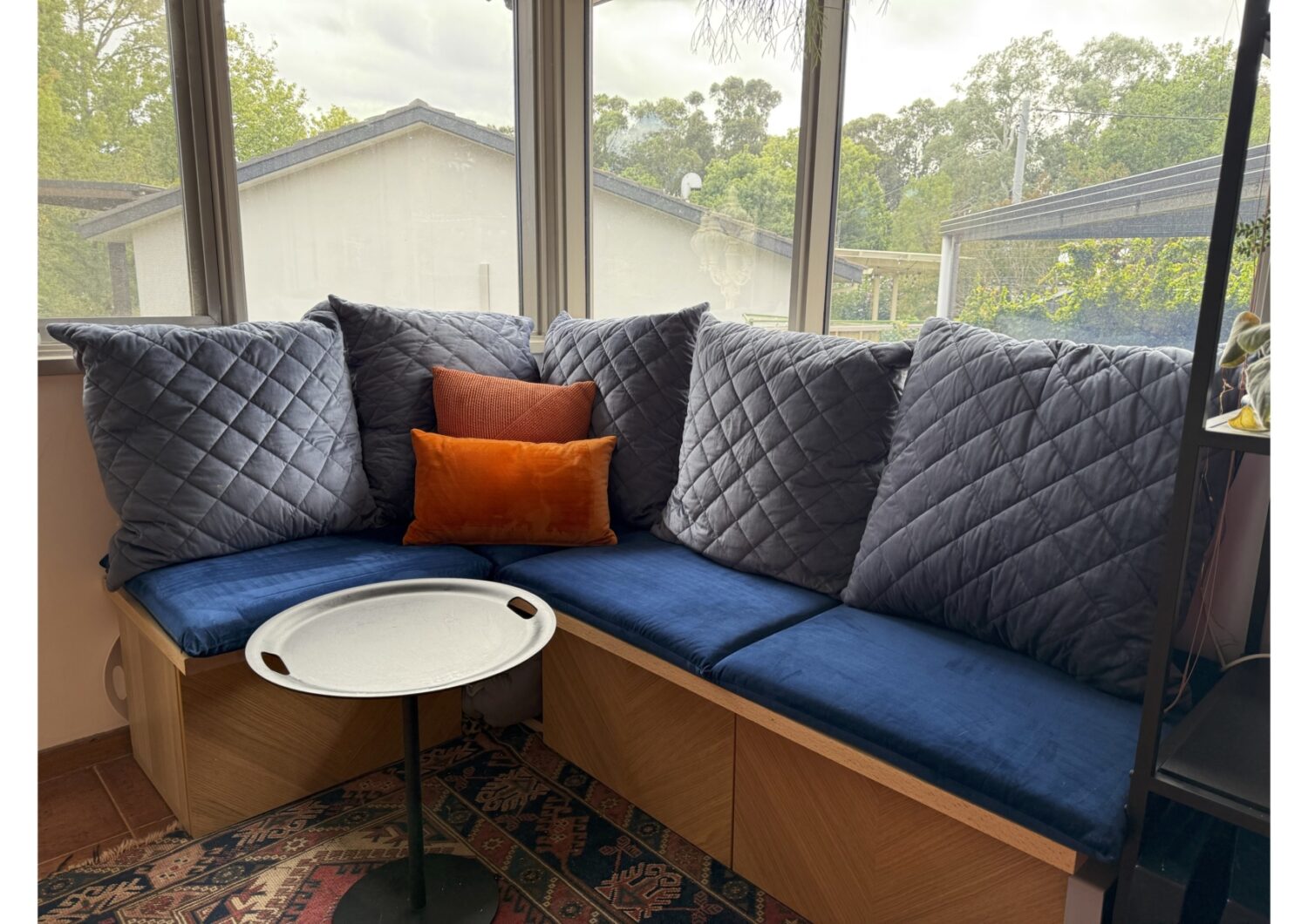
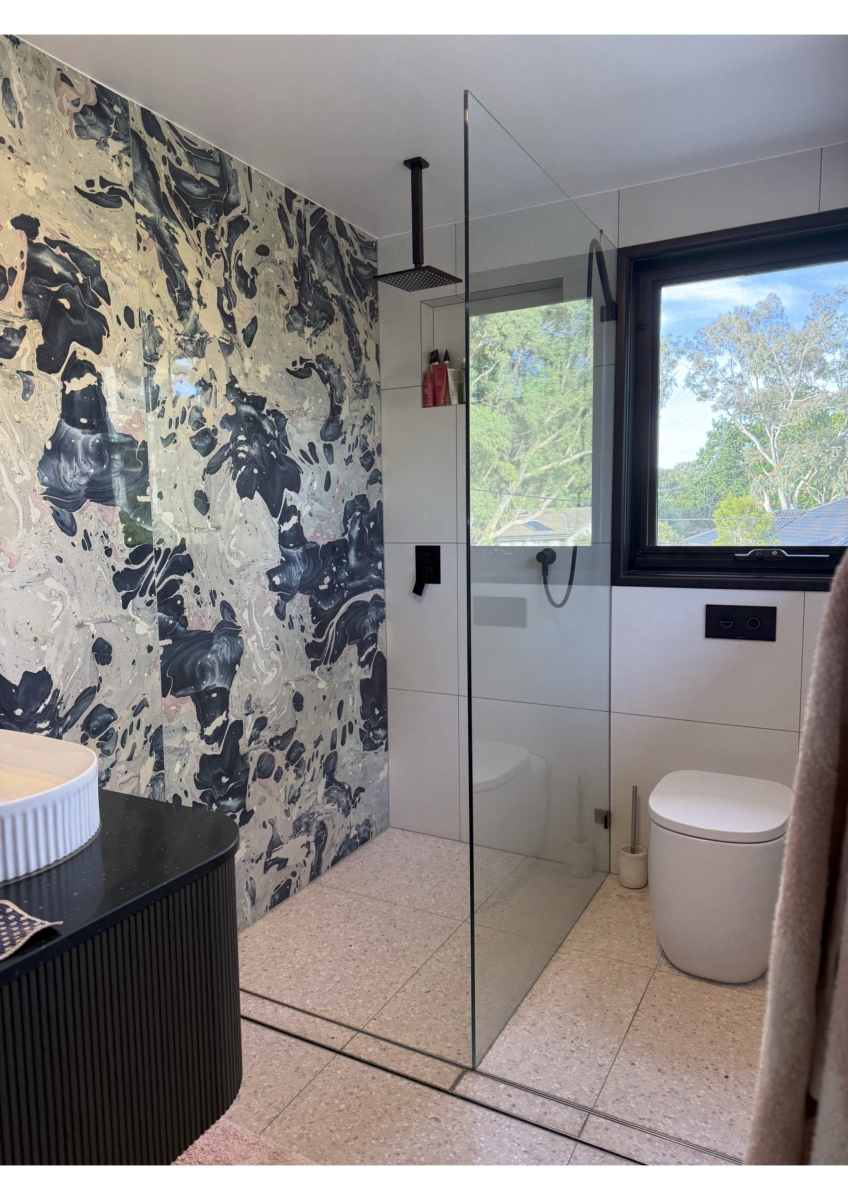
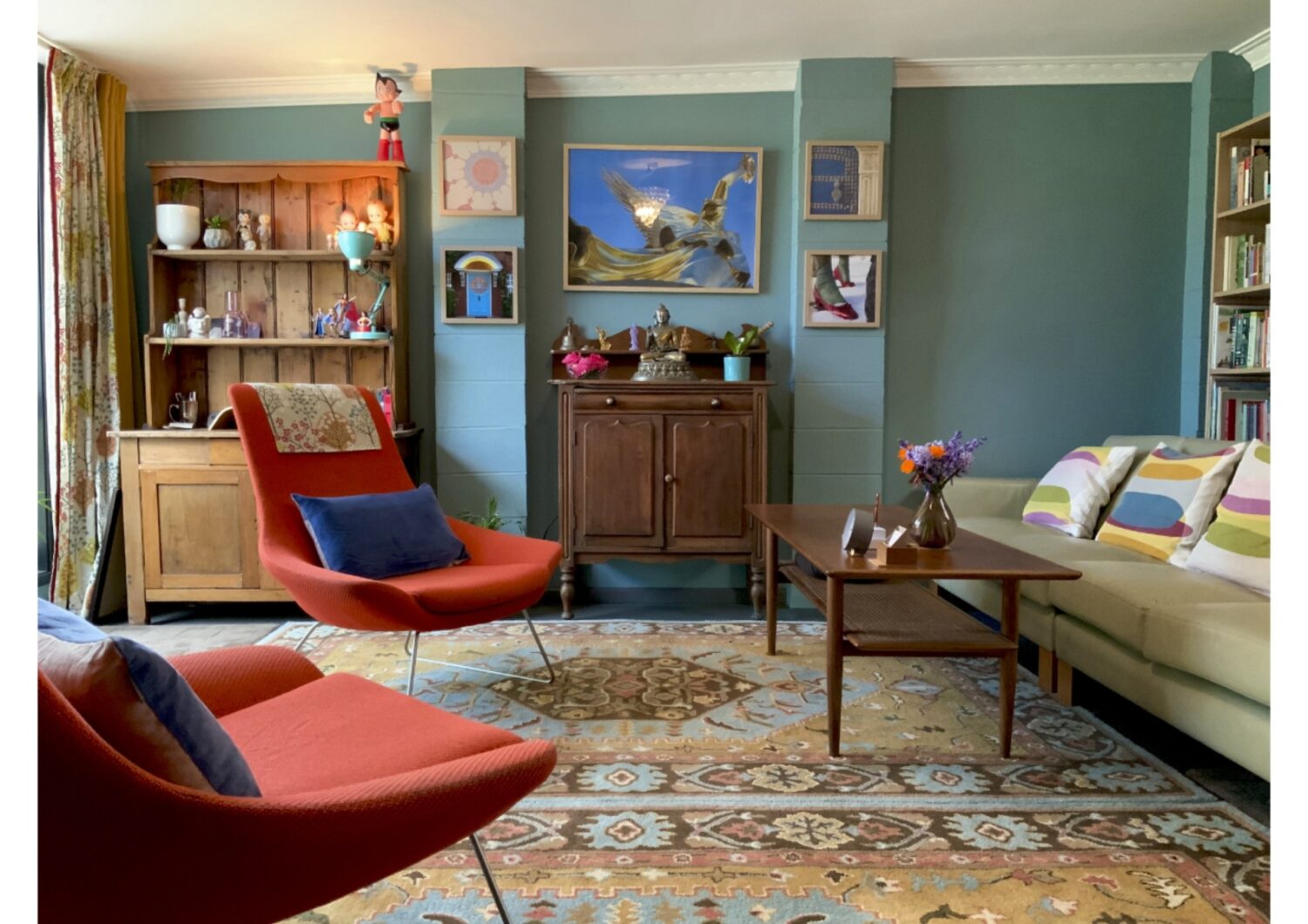

Our house was built in 1964, as a Stegbar display home with three bedrooms. In the 1970s an upstairs extension of three bedrooms and a bathroom were added, with two of the downstairs bedrooms becoming a large living area.
Caught up in a sheep dip contamination scandal in the early 2000s, our house was part of an ACT government buyback scheme which was then rescinded as further testing showed there wasn’t any contamination. The person who then bought it used it as an office and garden decoration storage shed and no-one lived here for 20 years until we bought it virtually derelict in 2019.
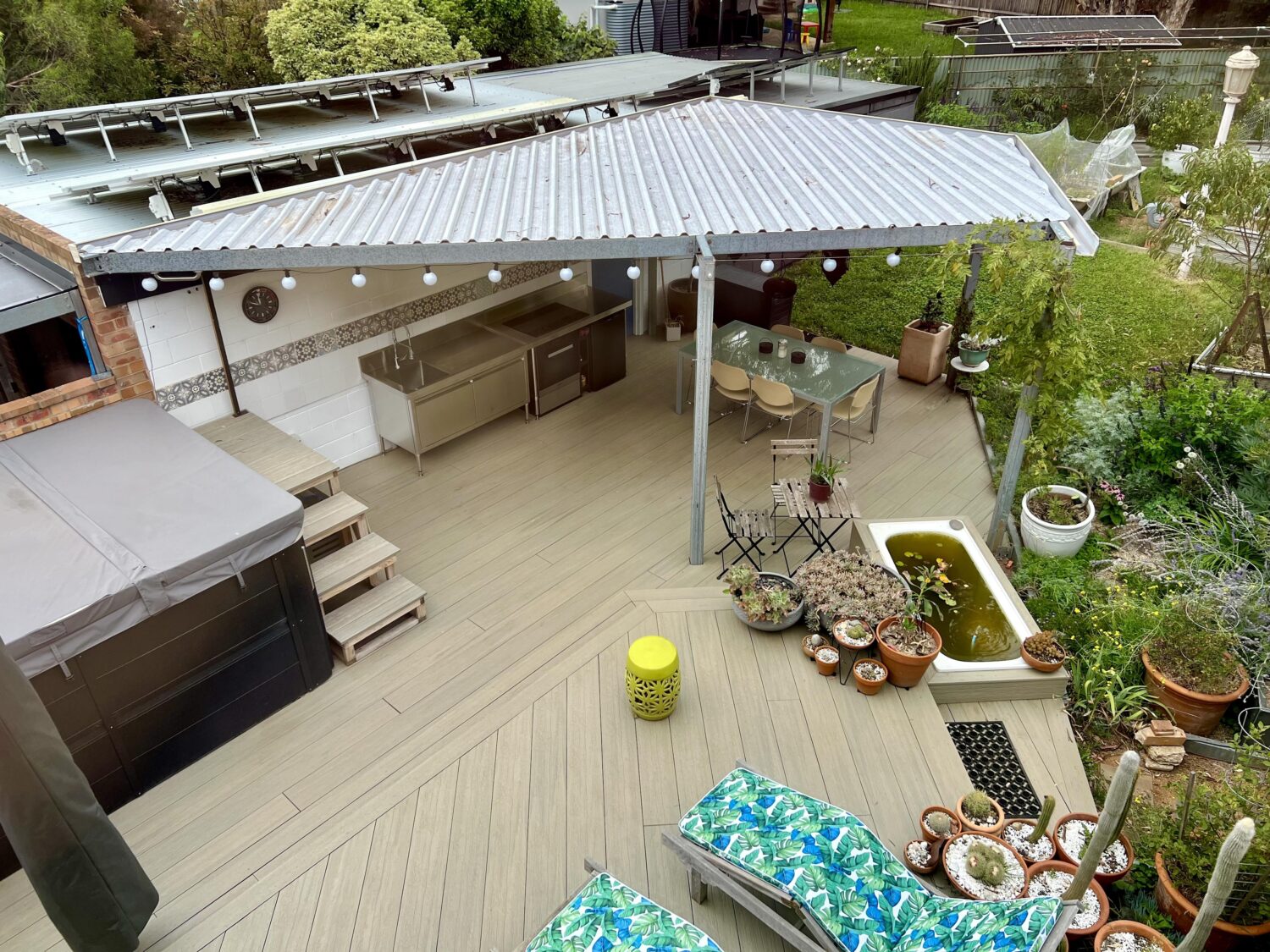
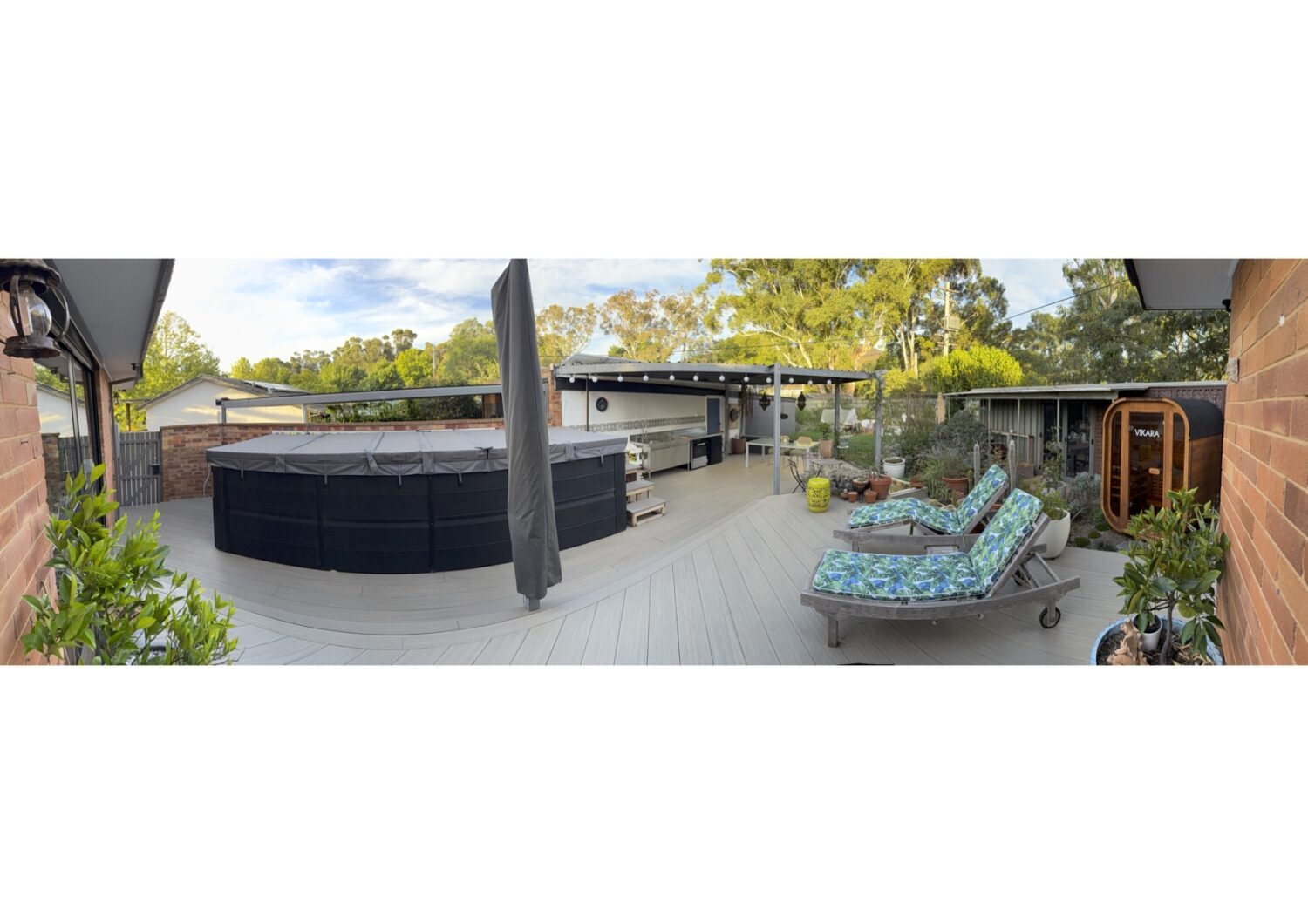
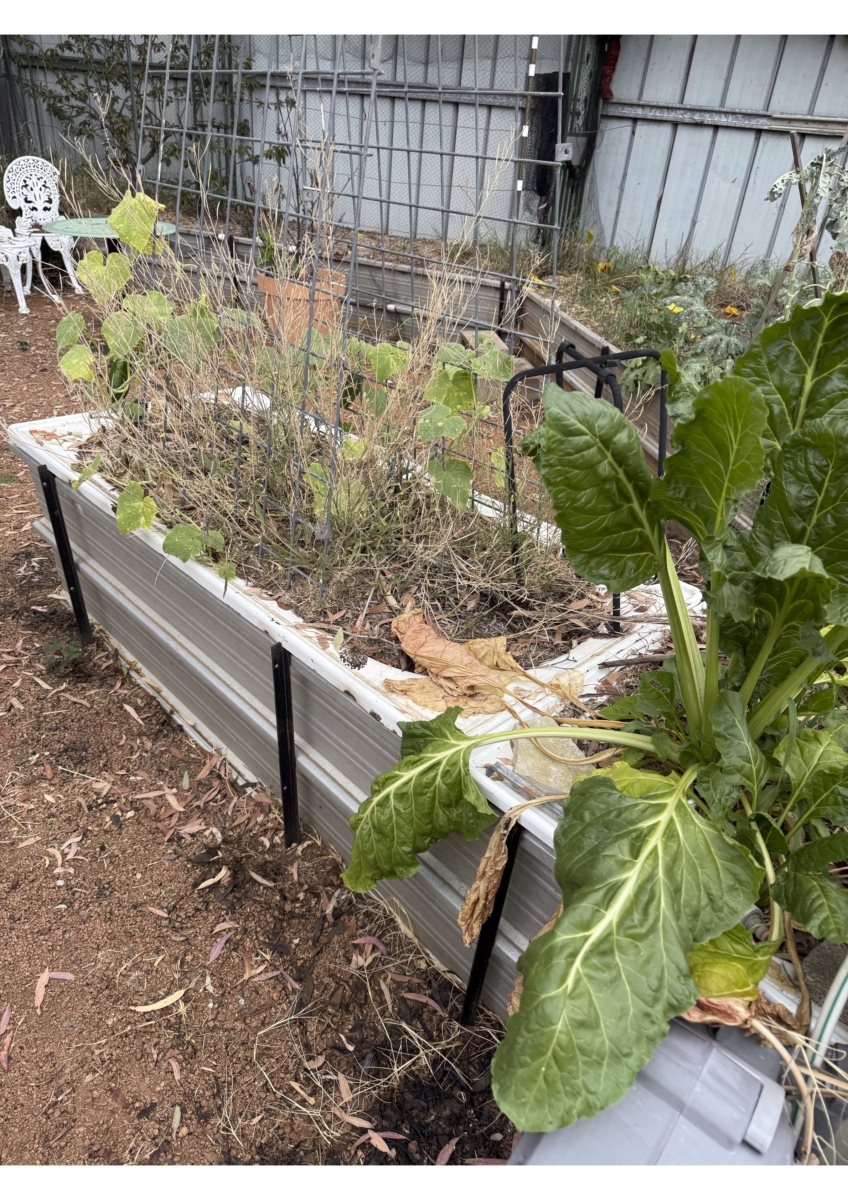
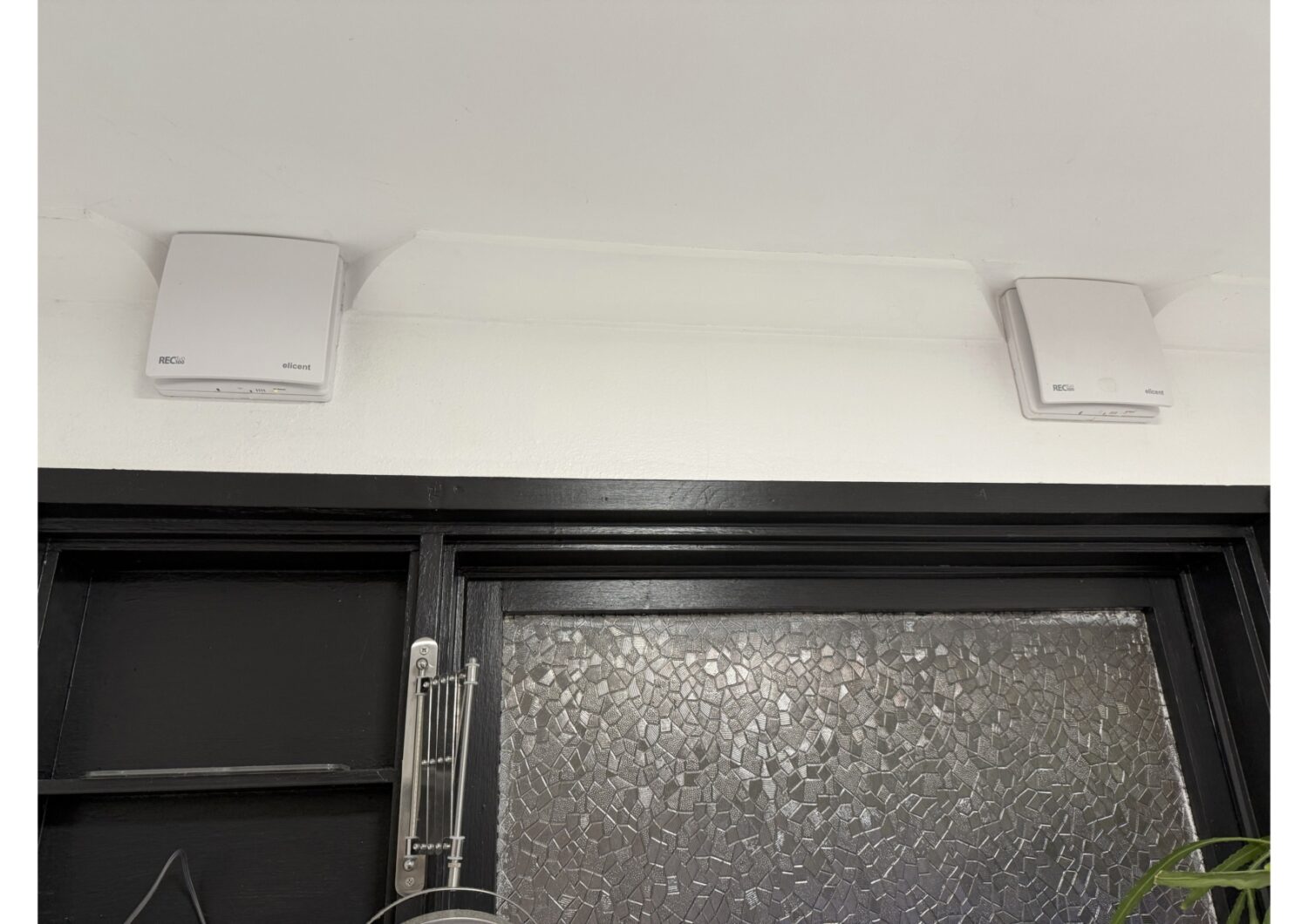
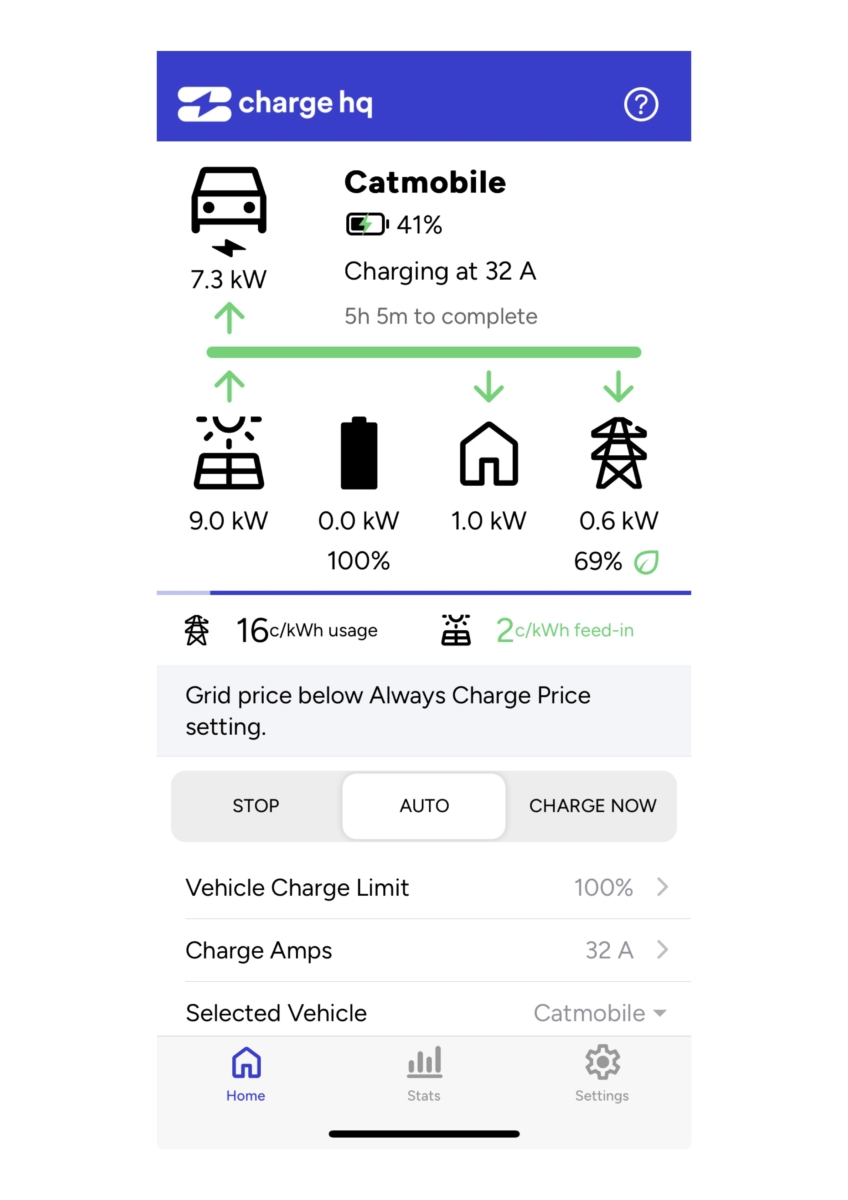
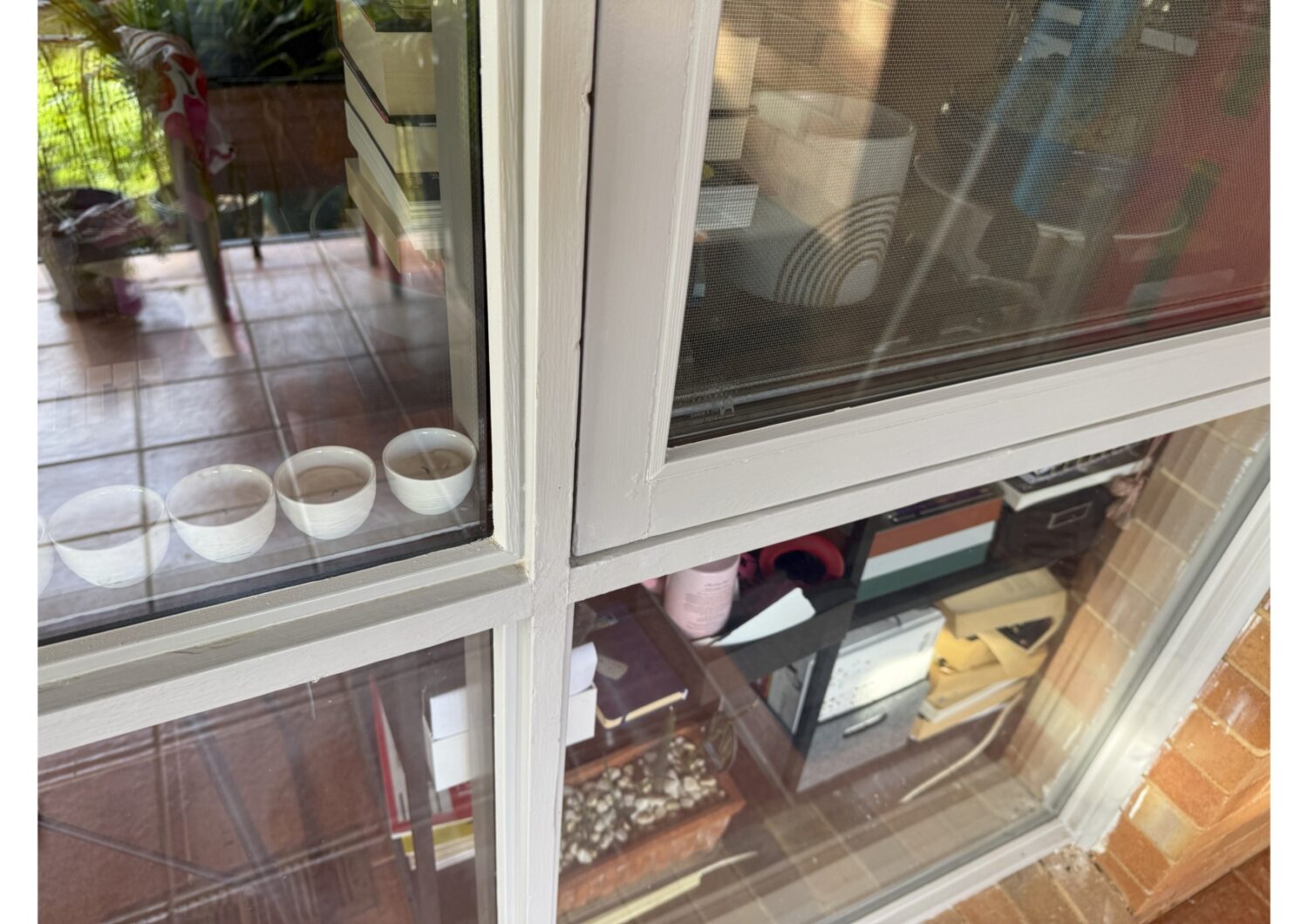
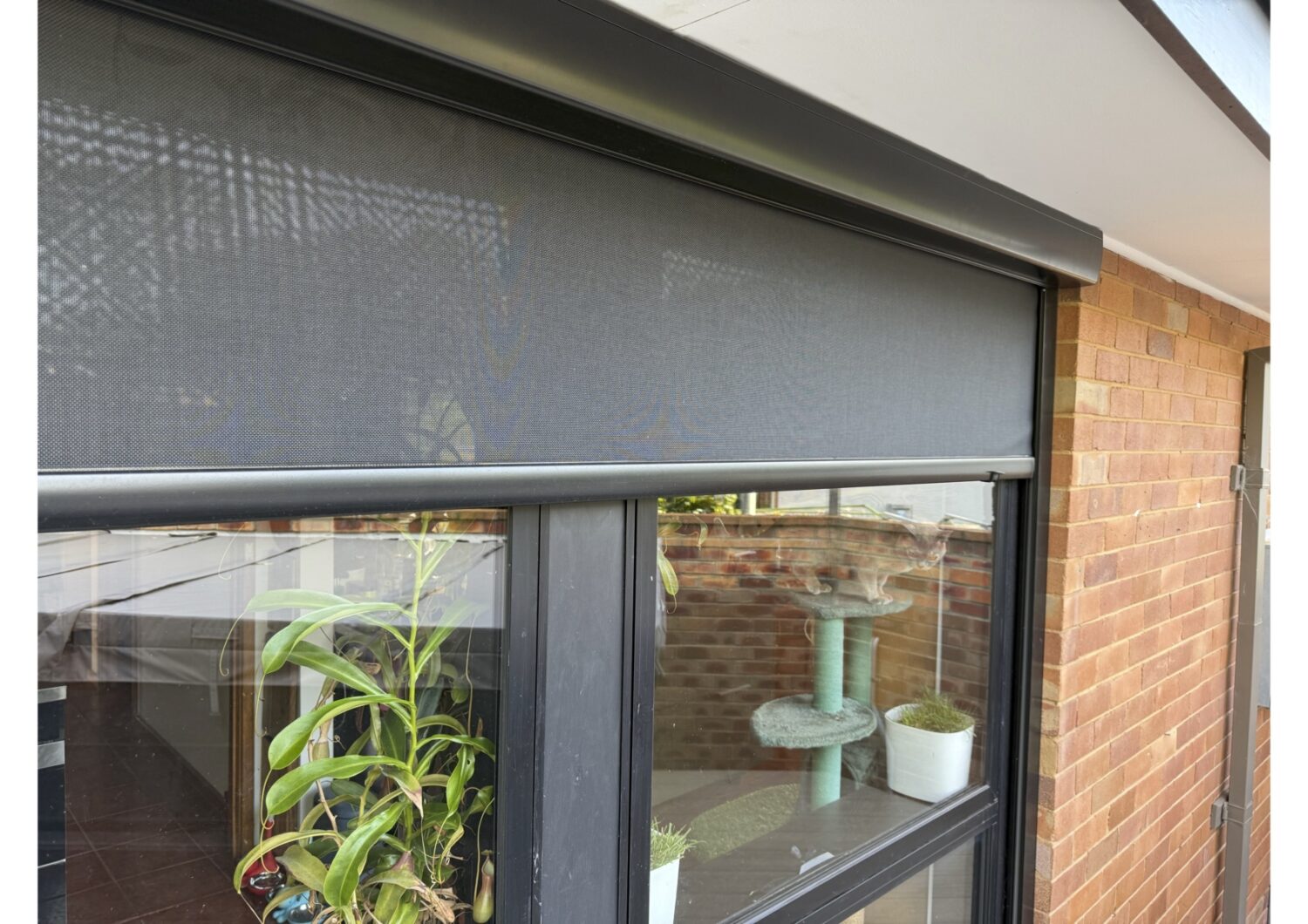
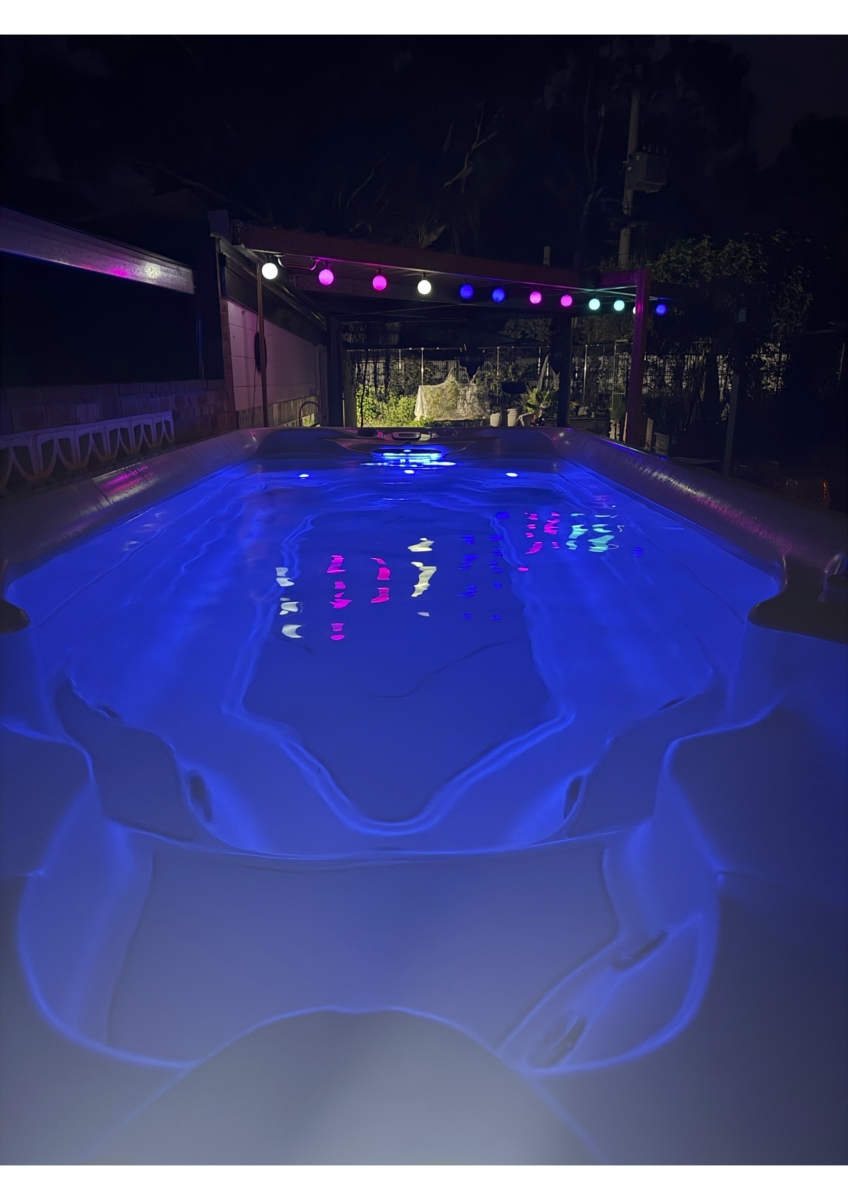
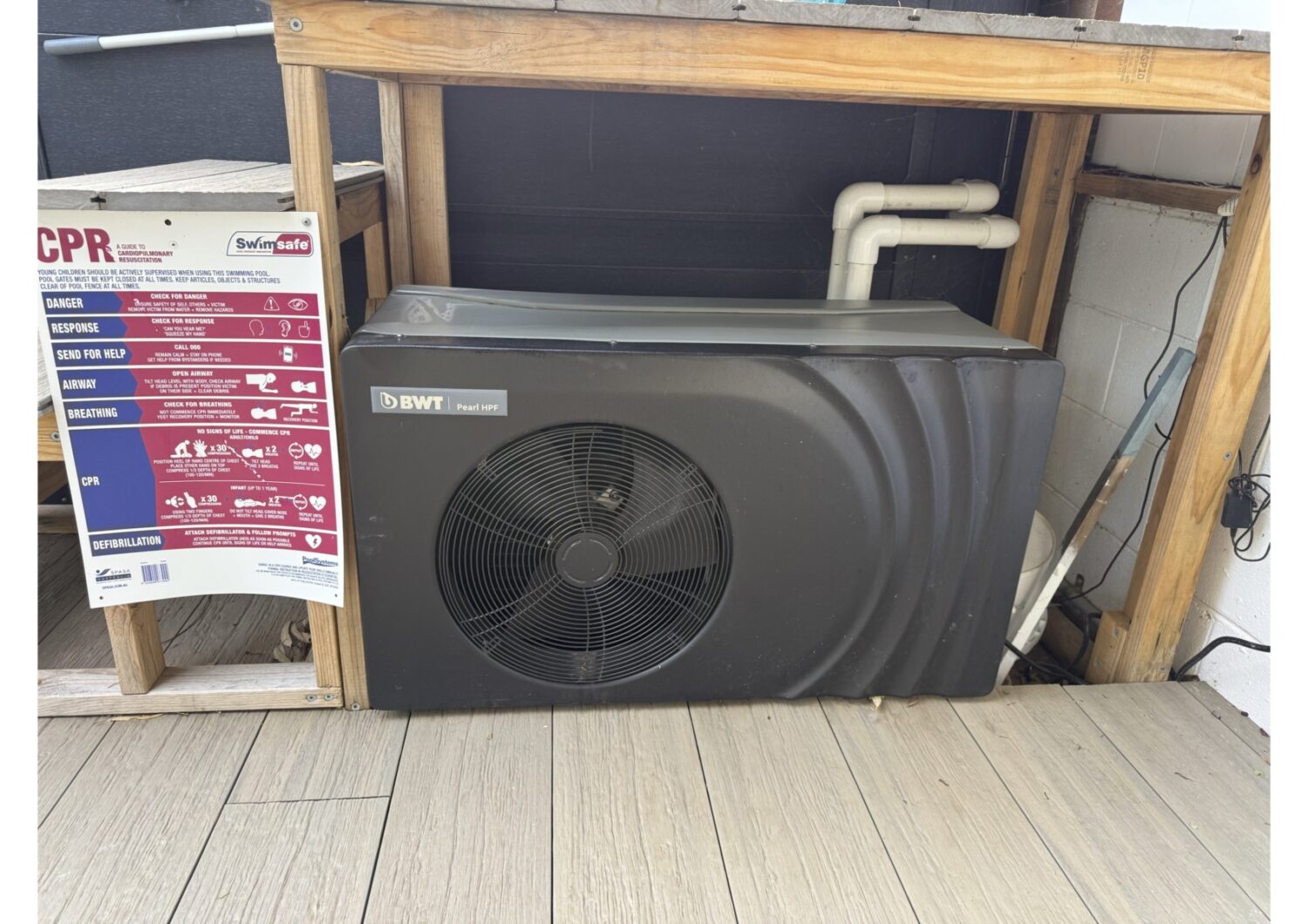
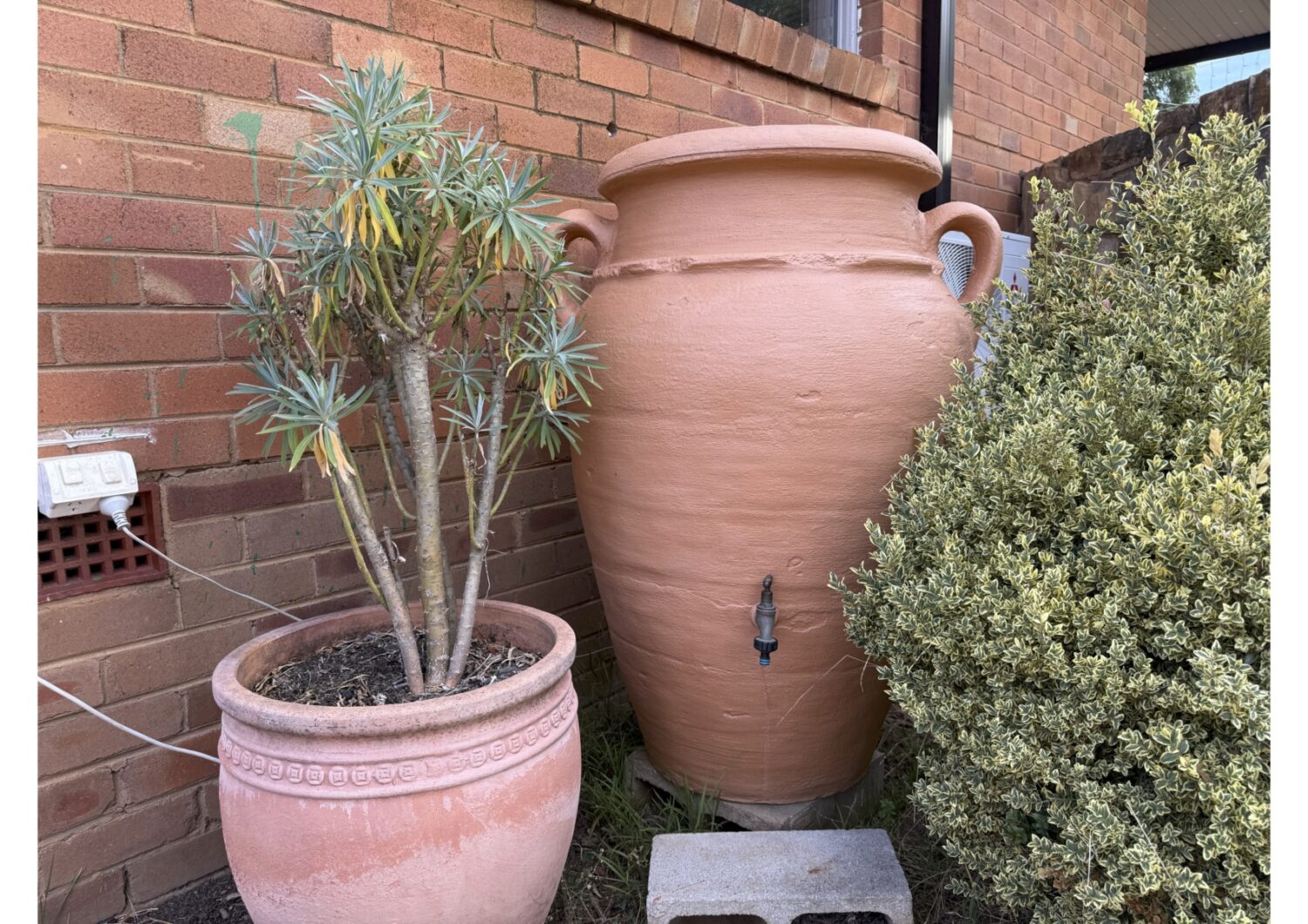
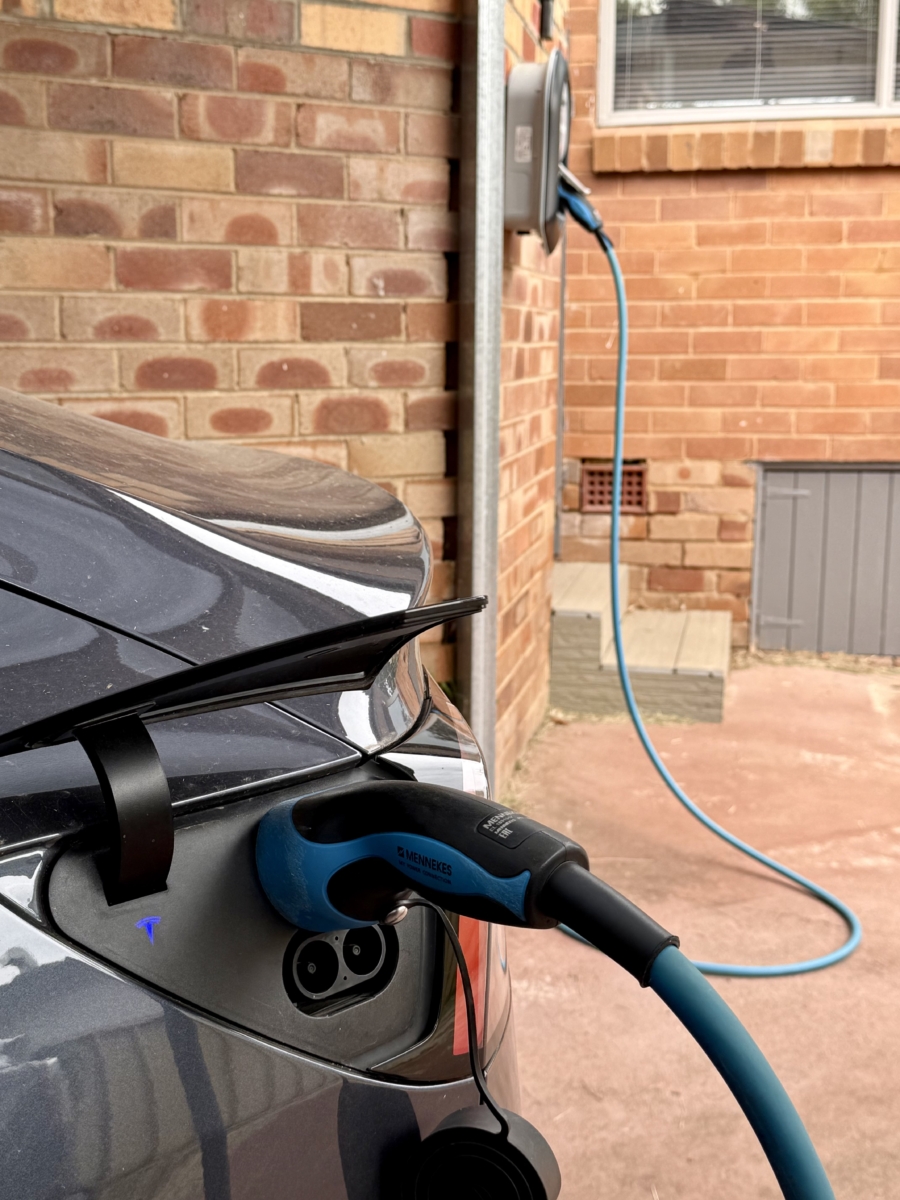
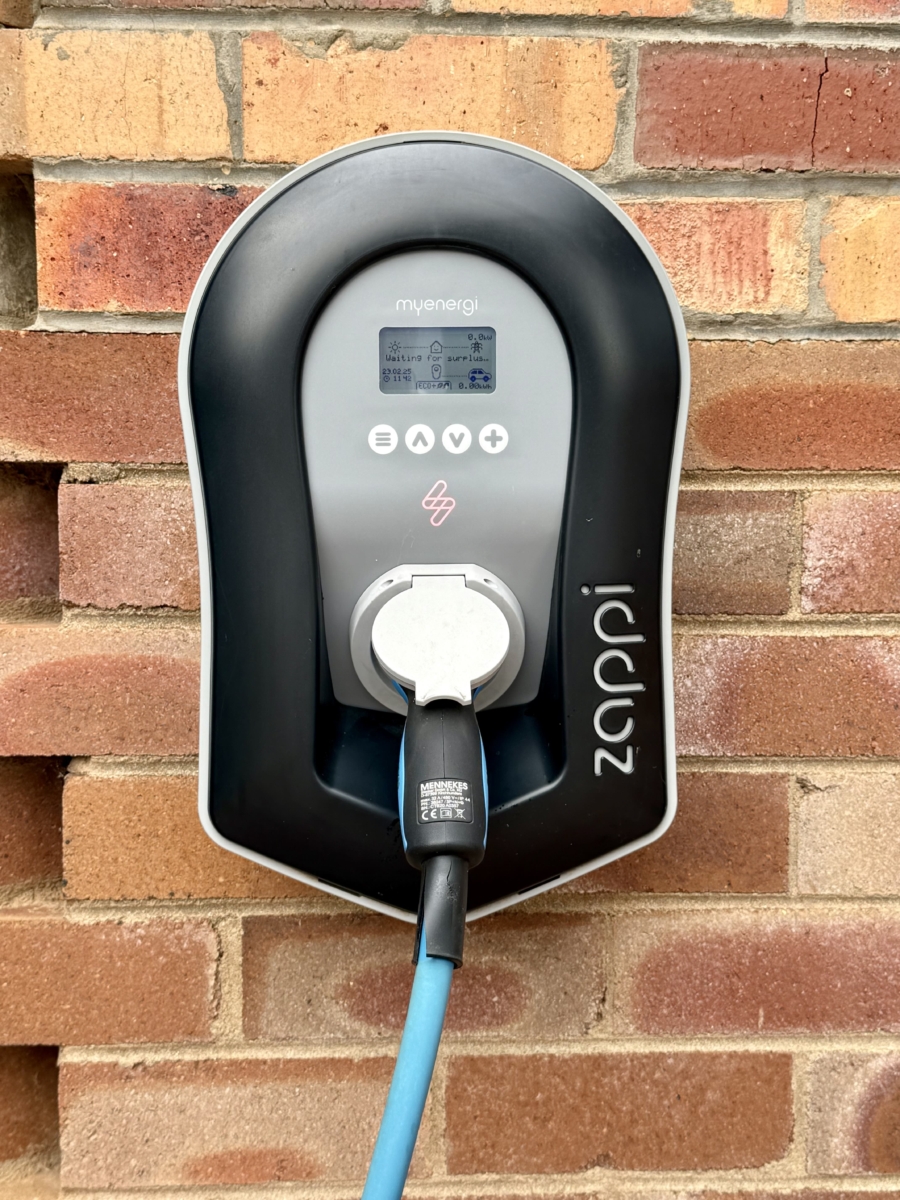
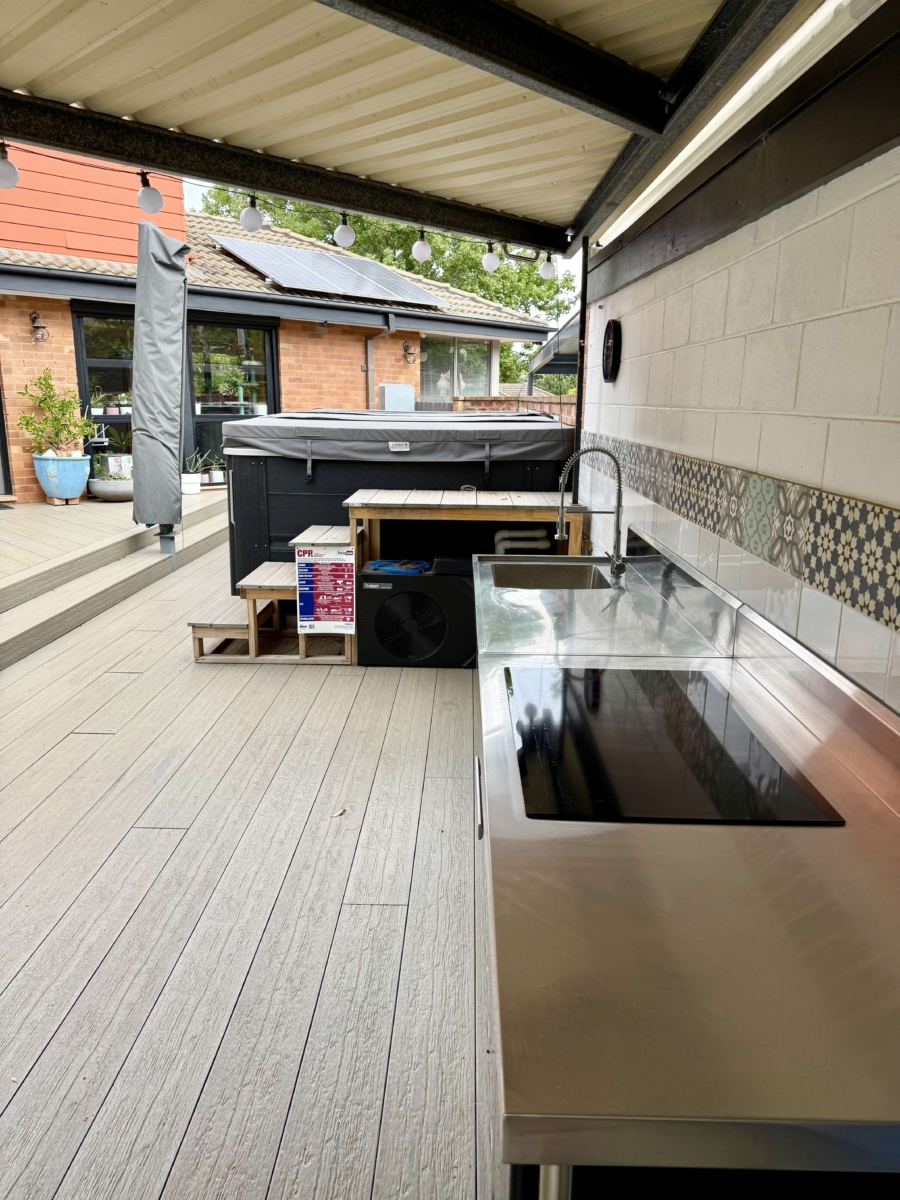
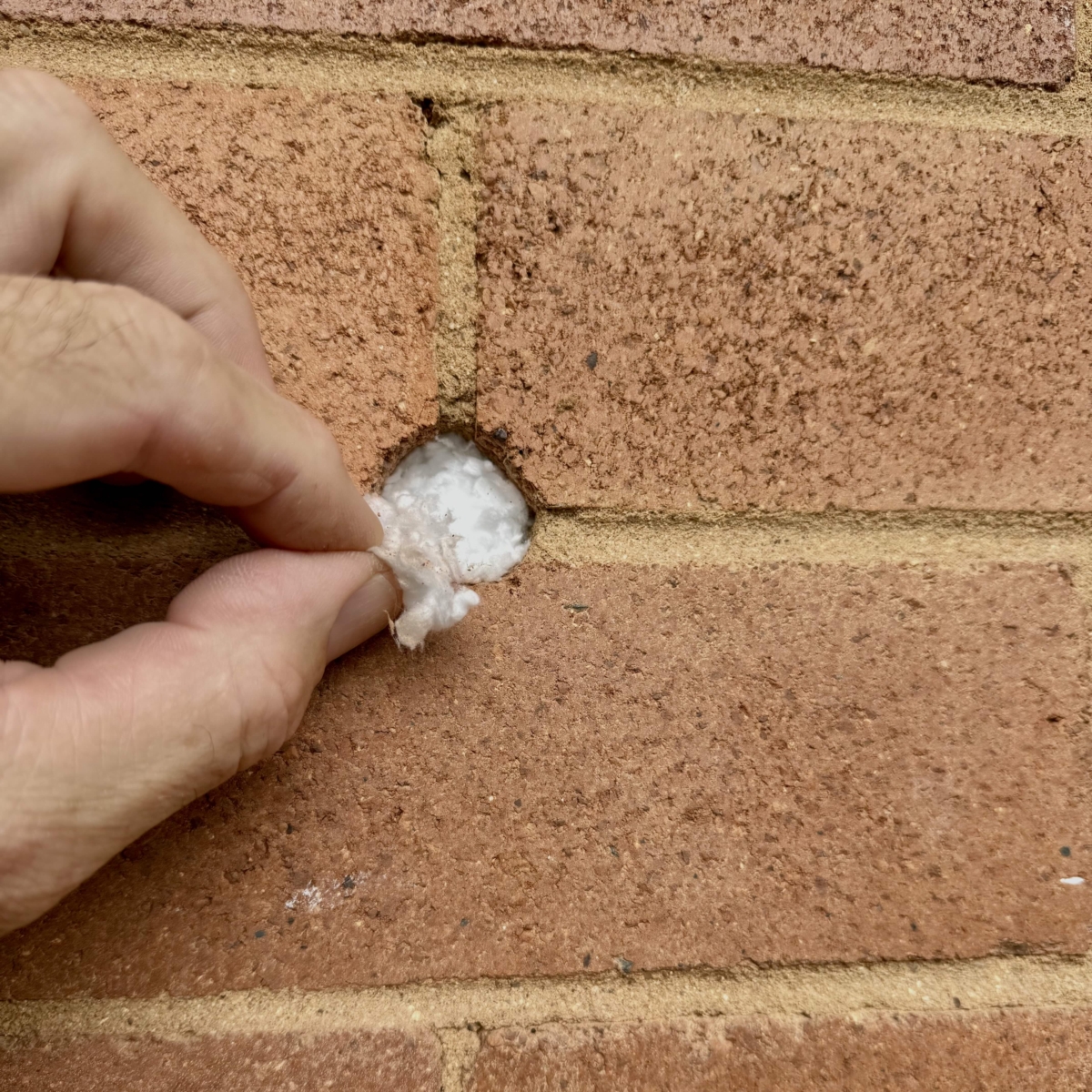
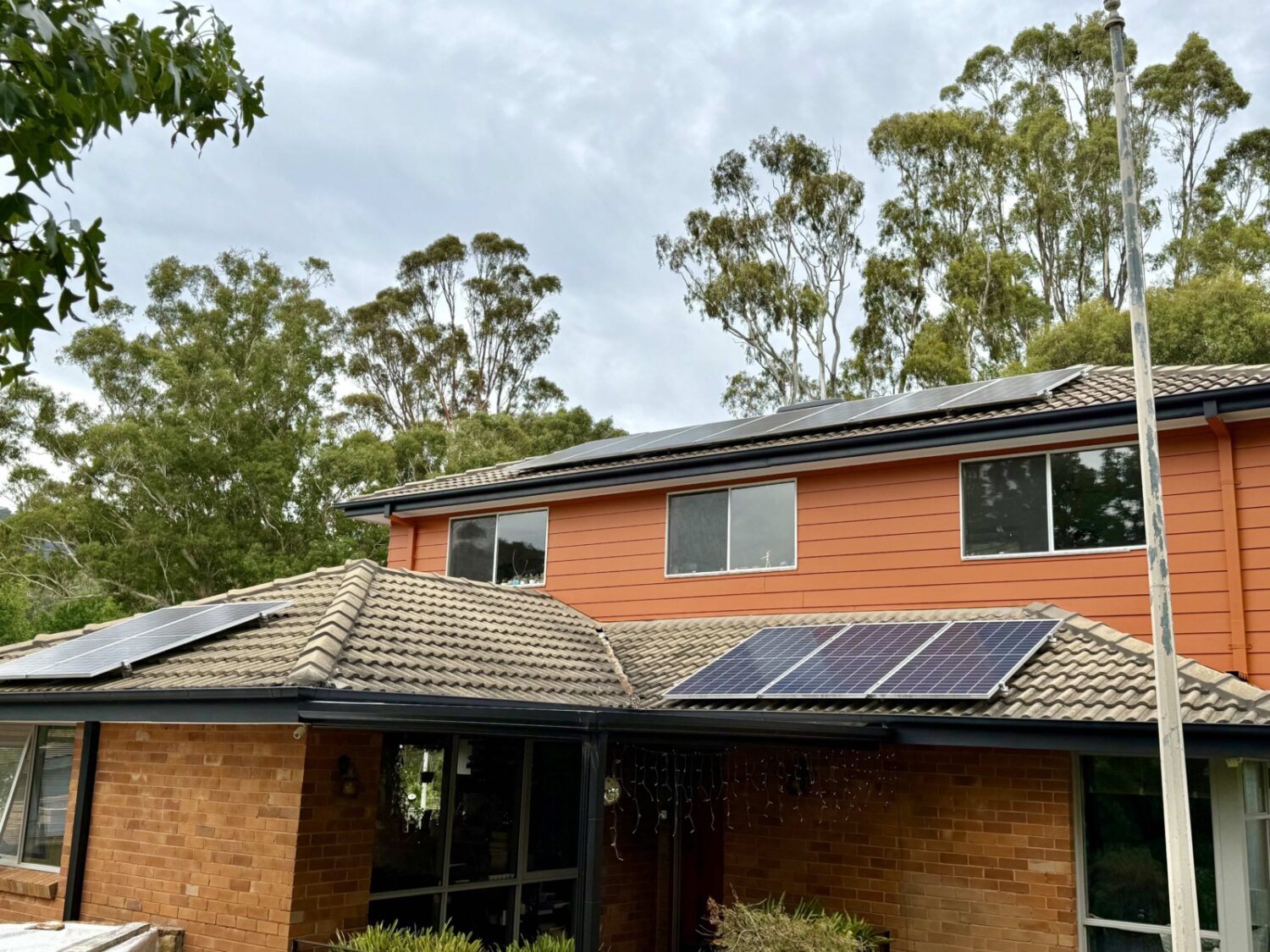
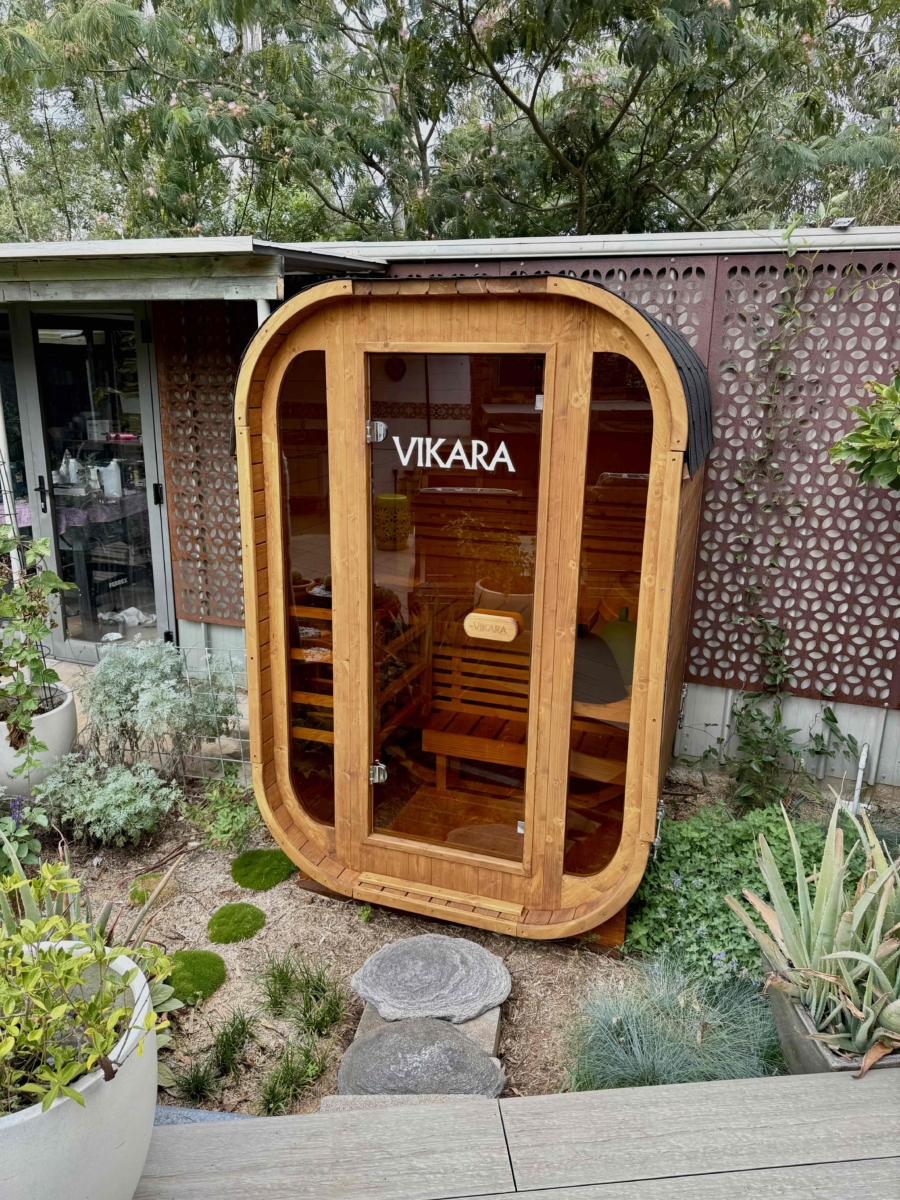
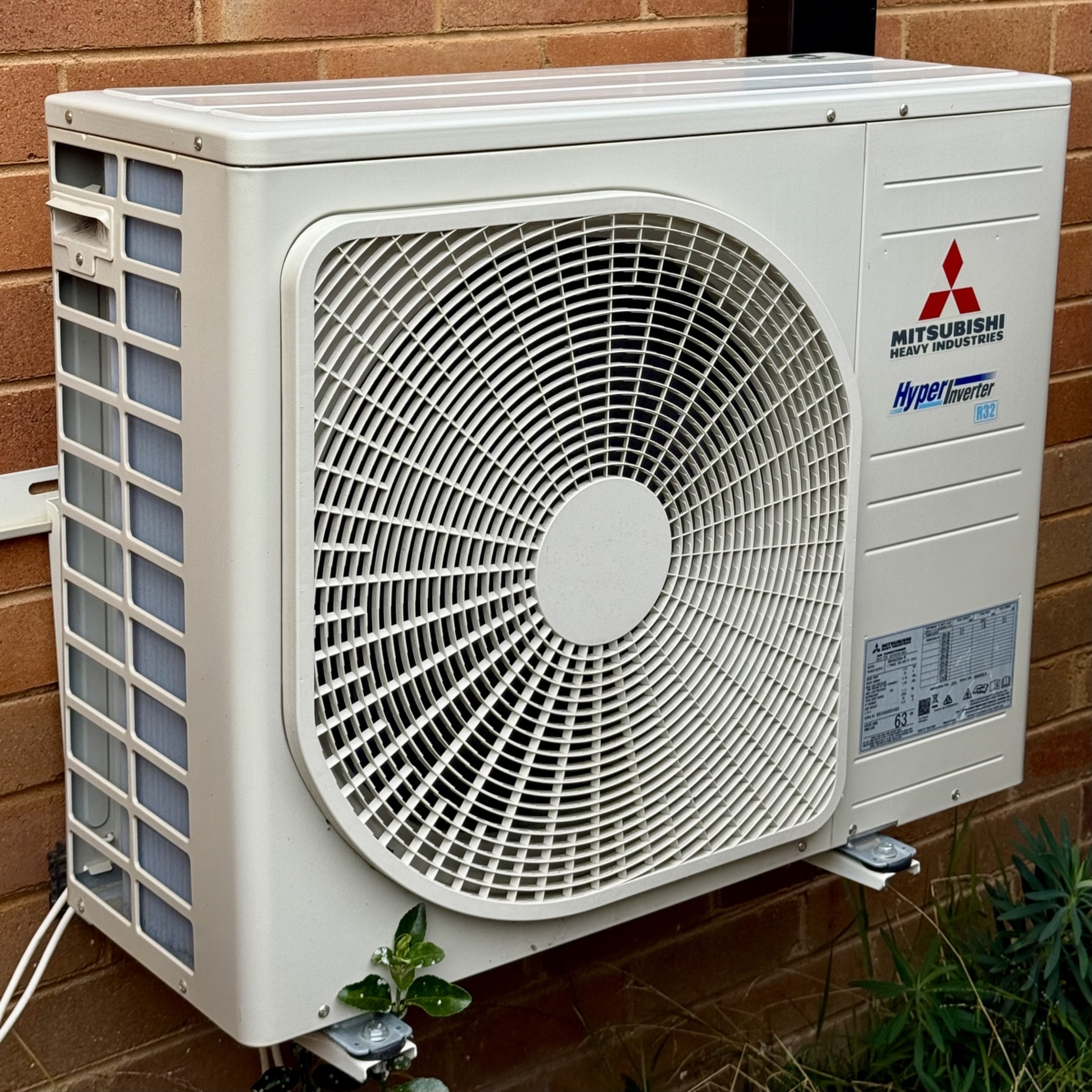
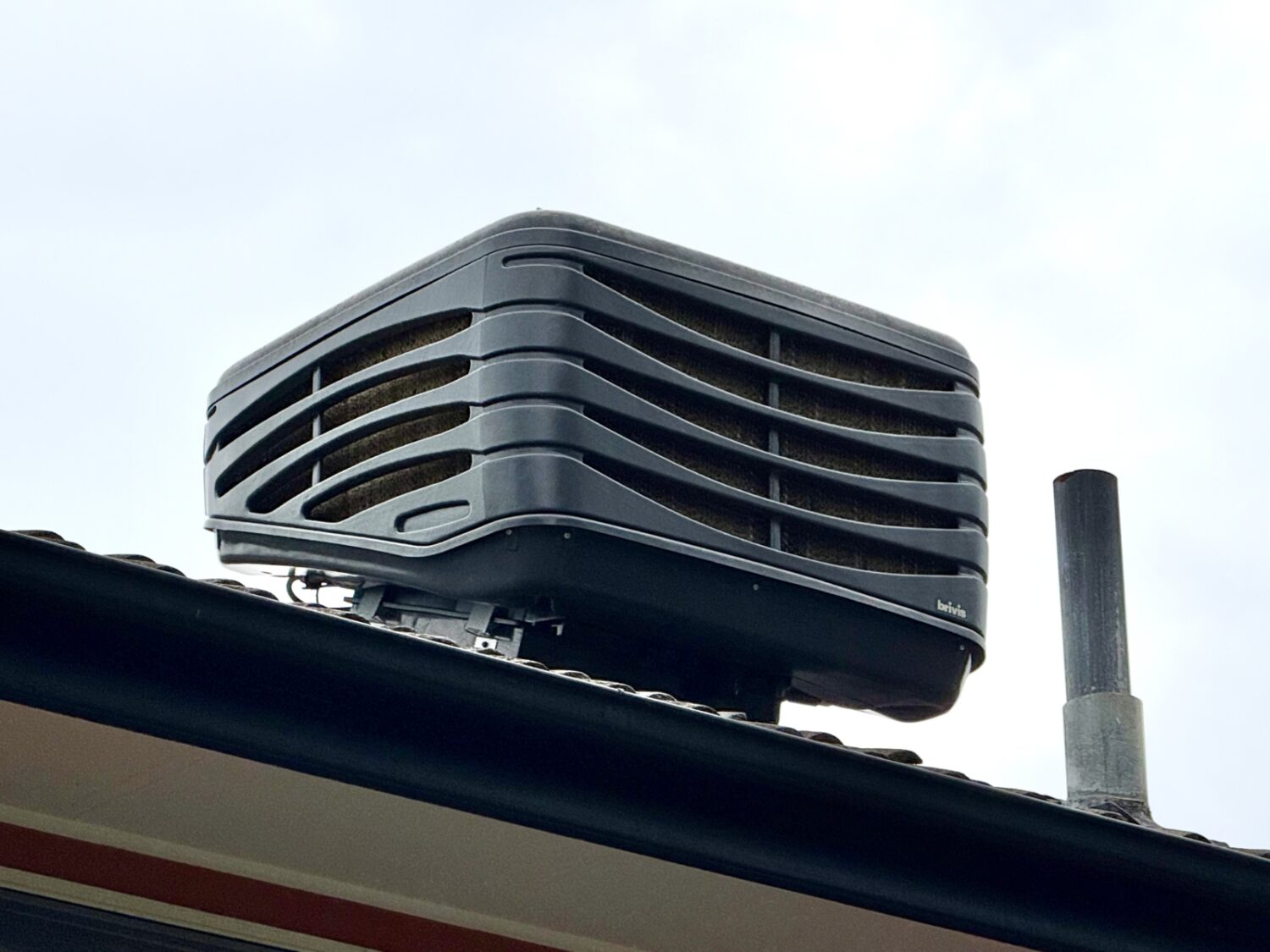
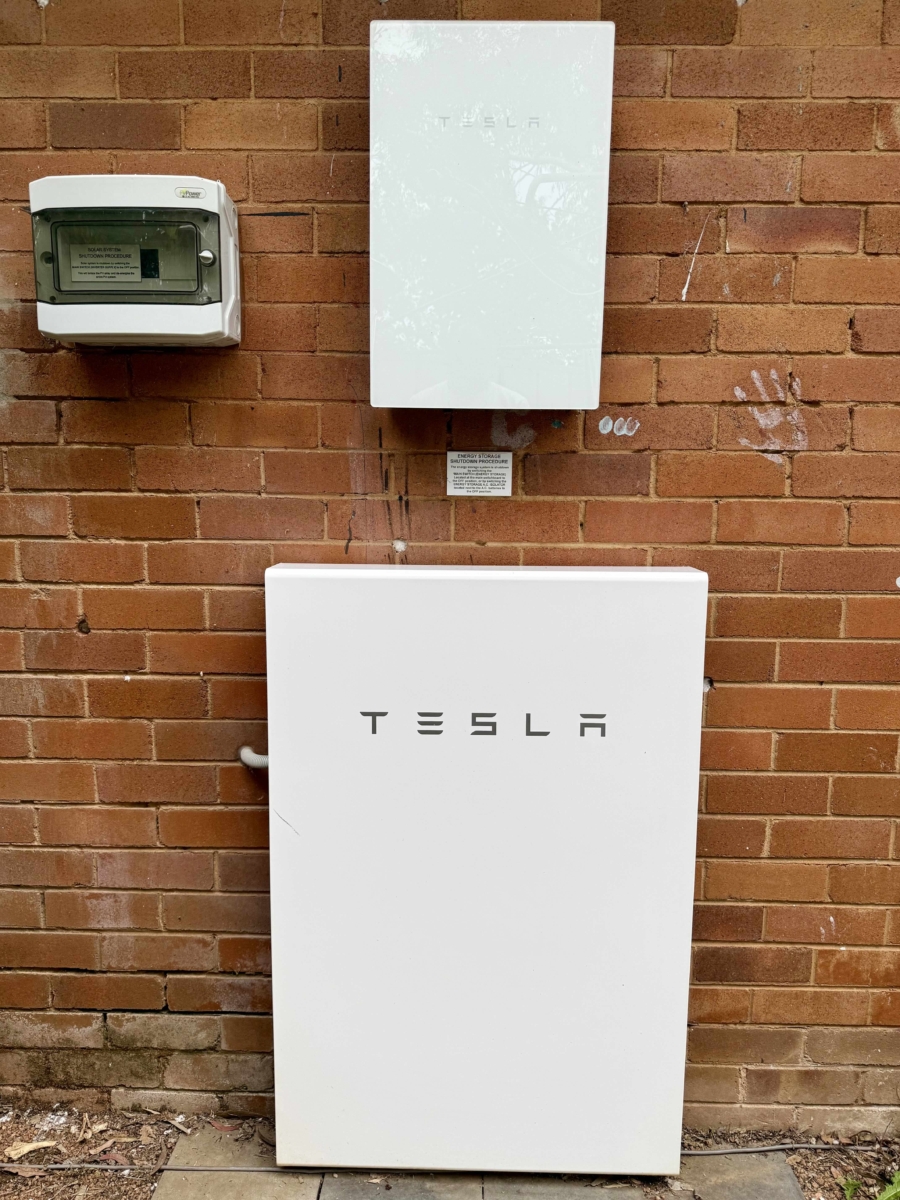
We were determined to bring it back to its former glory: we pulled out the oil heating, installed reverse cycle heating/cooling both in the main house and in the work studio and gym, installed PV panels on the main house and studio along with a battery, installed EV car charging for our two EVs, insulated the ceiling and walls, retro fitted double glazing to the original timber Stegbar windows downstairs, and put an evaporative cooler upstairs. Our most recent upgrades include a swim spa heated with a heat pump, a full electric outdoor kitchen to replace the old gas barbecue, and a tiny two person sauna that runs off the battery. We have 10 fruit trees, and four wicking beds for growing vegetables.
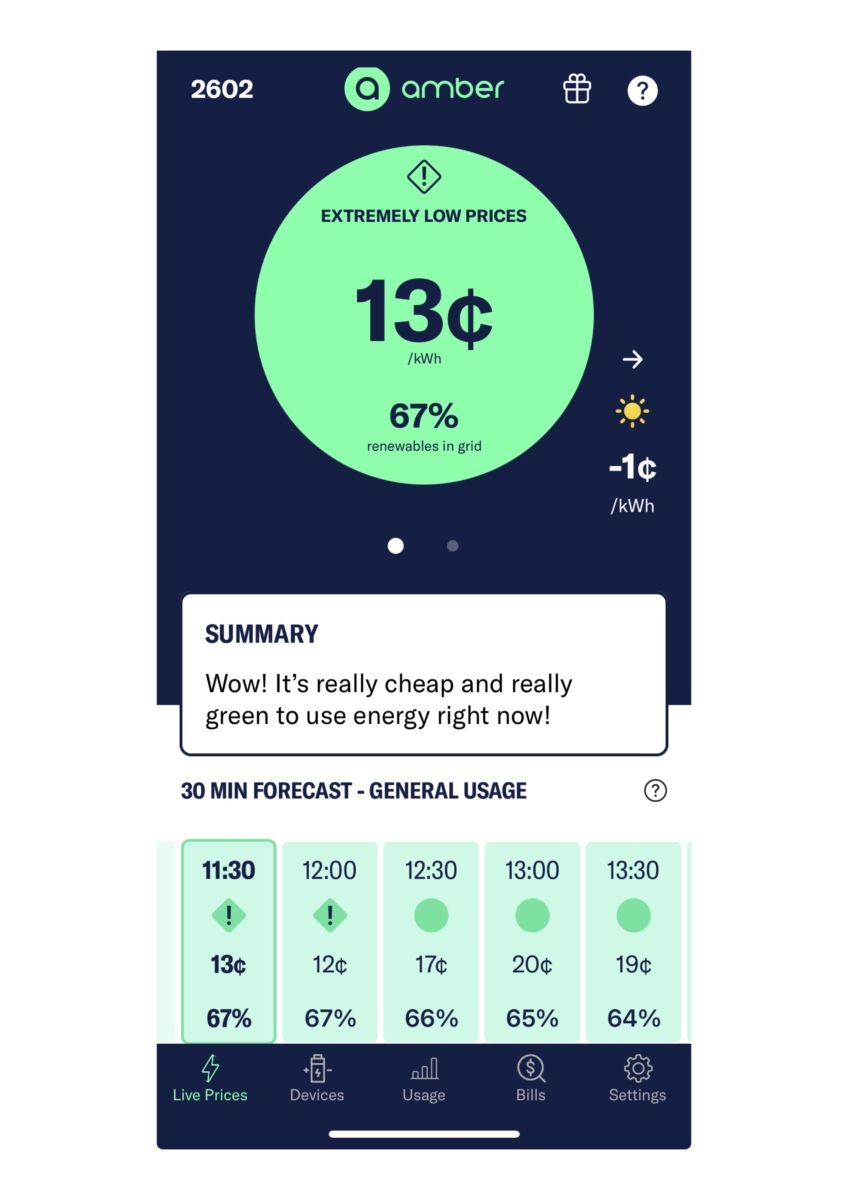
We are signed up to Amber to get access to wholesale electricity pricing, allowing us to sell to the grid at more than 200 times the usual FIT when prices spike. Our average FIT for the last 12 months is 44.3c/kWh. In the last six months, since adding extra panels, we’ve earned $155 at the same time as supplying all of our power needs including cars, spa, sauna, office space, house, and gym.