
HawthornHaus

Wurundjeri,
Hawthorn,
VIC
Online home tour

About this home

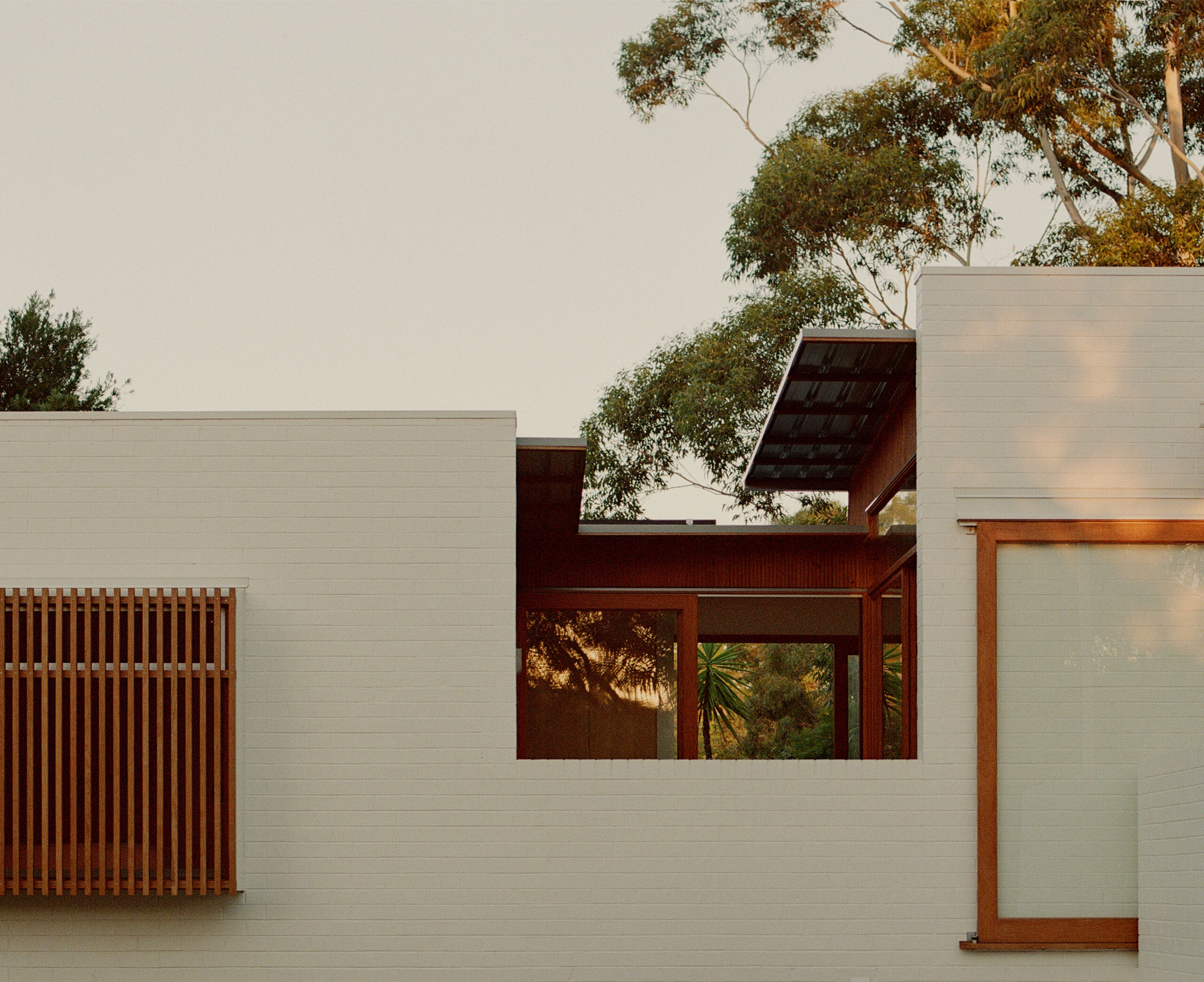
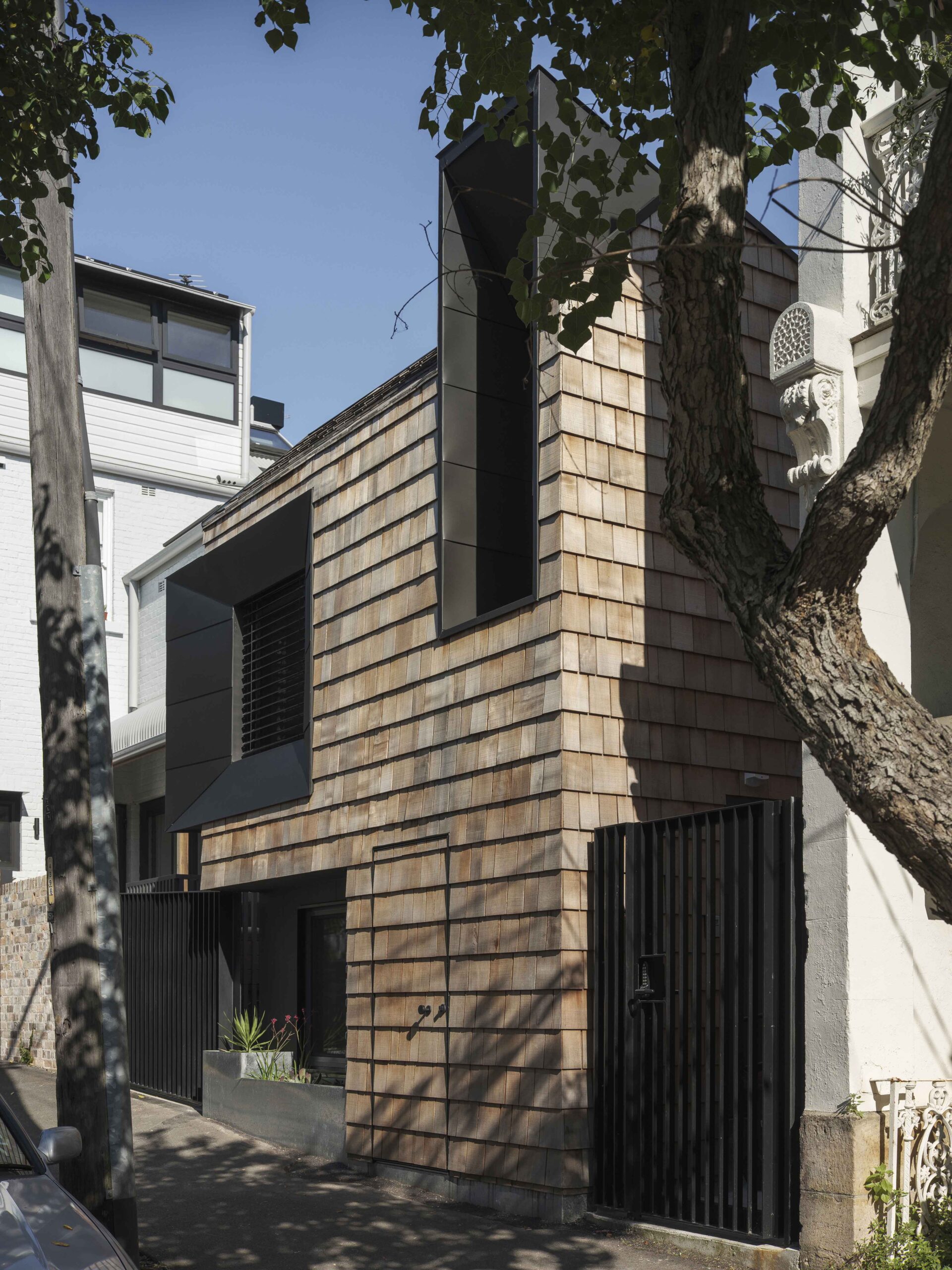
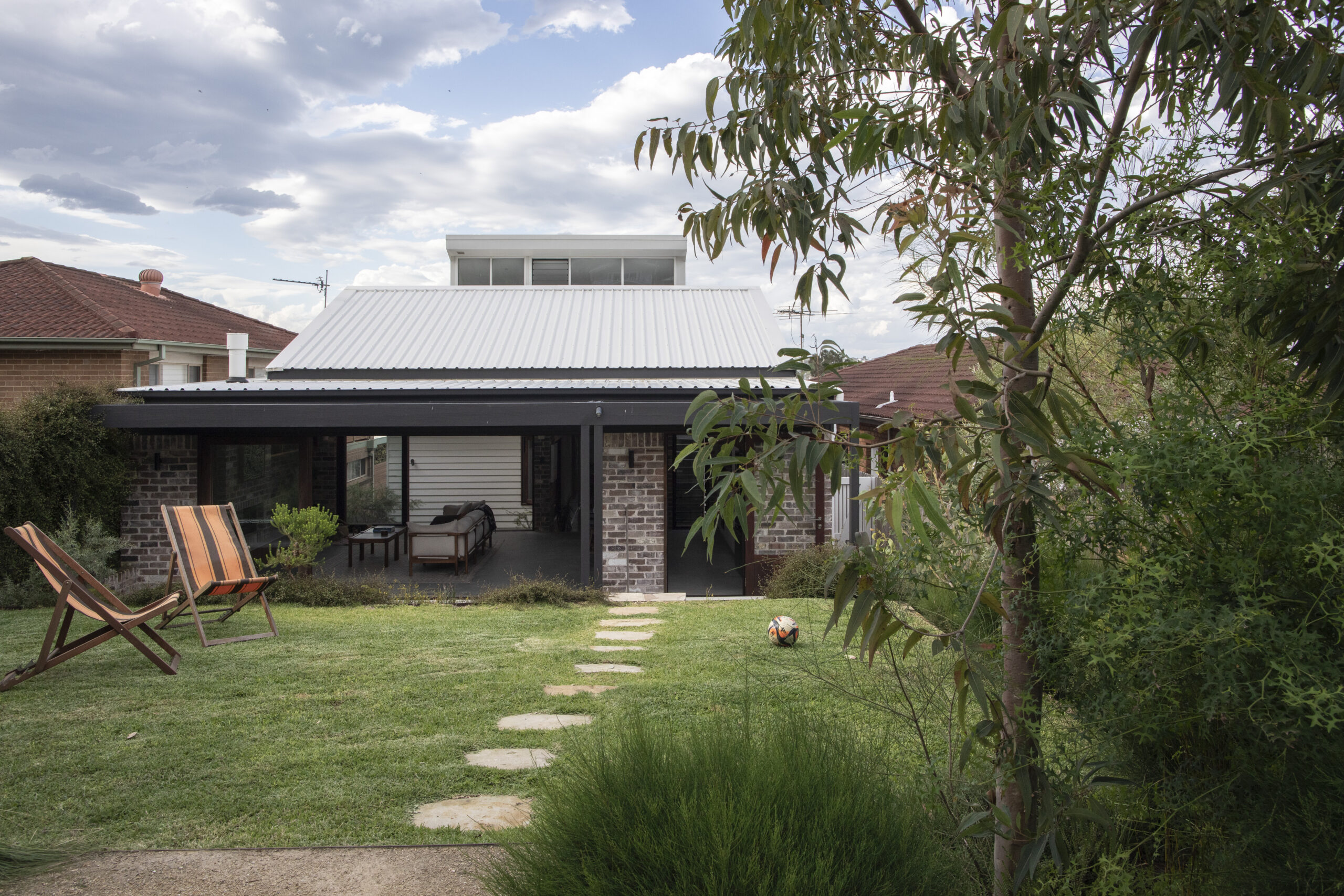
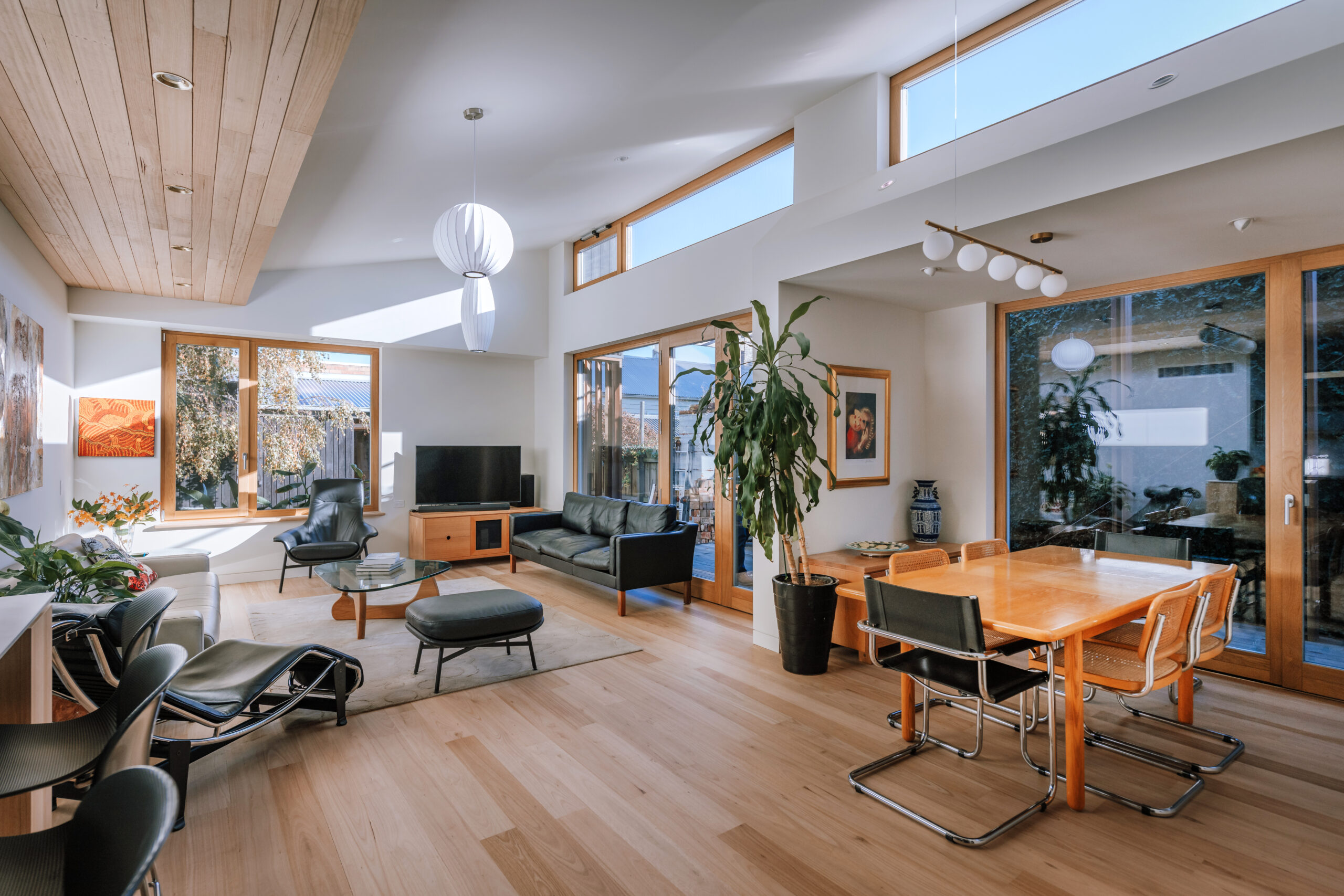
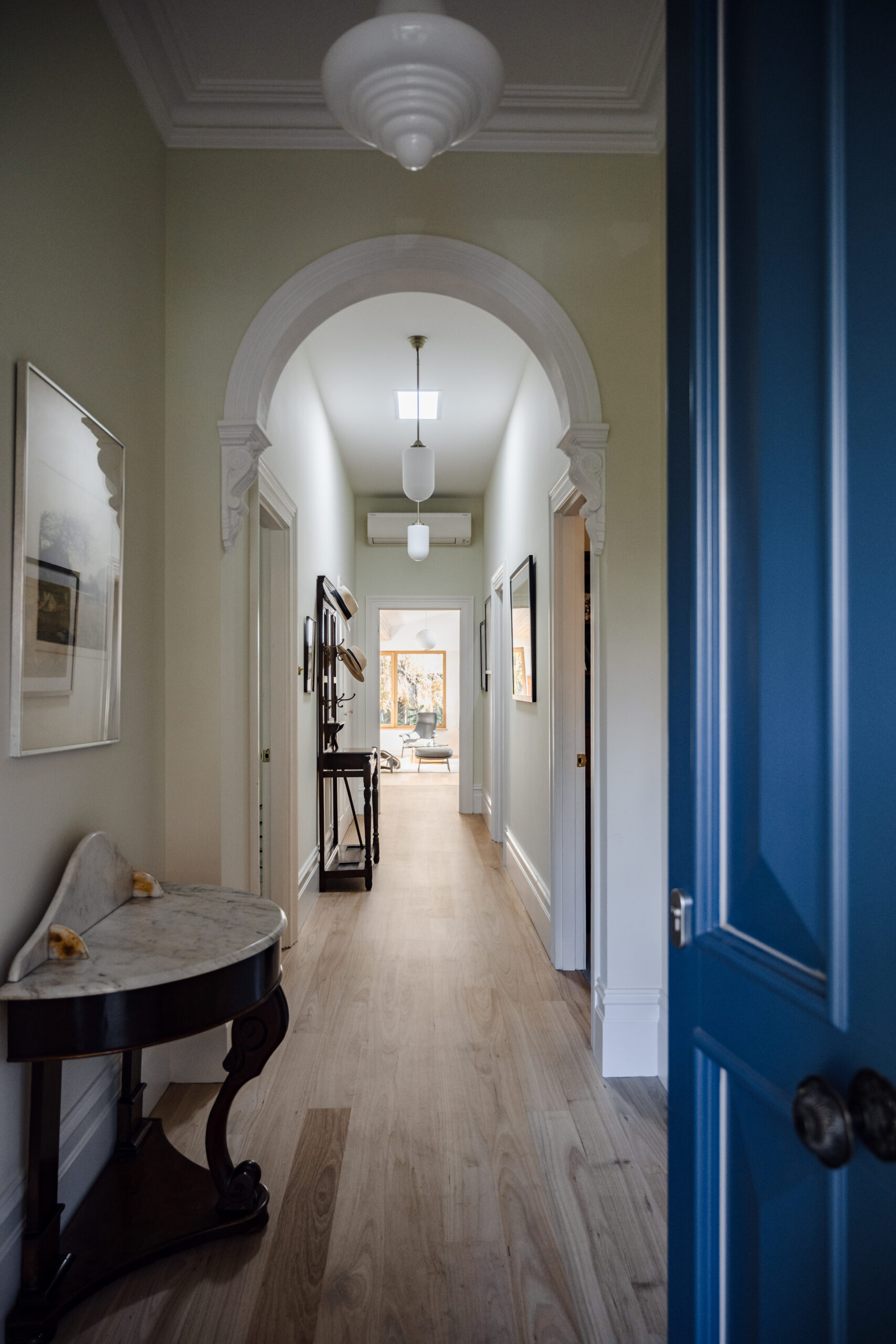
HawthornHaus is a PassiveHouse retrofit-renovation of an 1890 timber cottage, with a poor 1980’s extension, in a heritage overlay area. The project aim was to create an attractive, healthy, sustainable, energy efficient and resilient all electric home fit for the 21st century.

More than 25 tonnes of carbon has been saved by recycling construction materials and minimising waste, as well as minimising cost. Use of low embodied energy, low V.O.C. materials and timber has been maximised throughout, while steel has been eliminated and only a minimal amount of “green concrete” was used, to minimise the embodied carbon footprint.

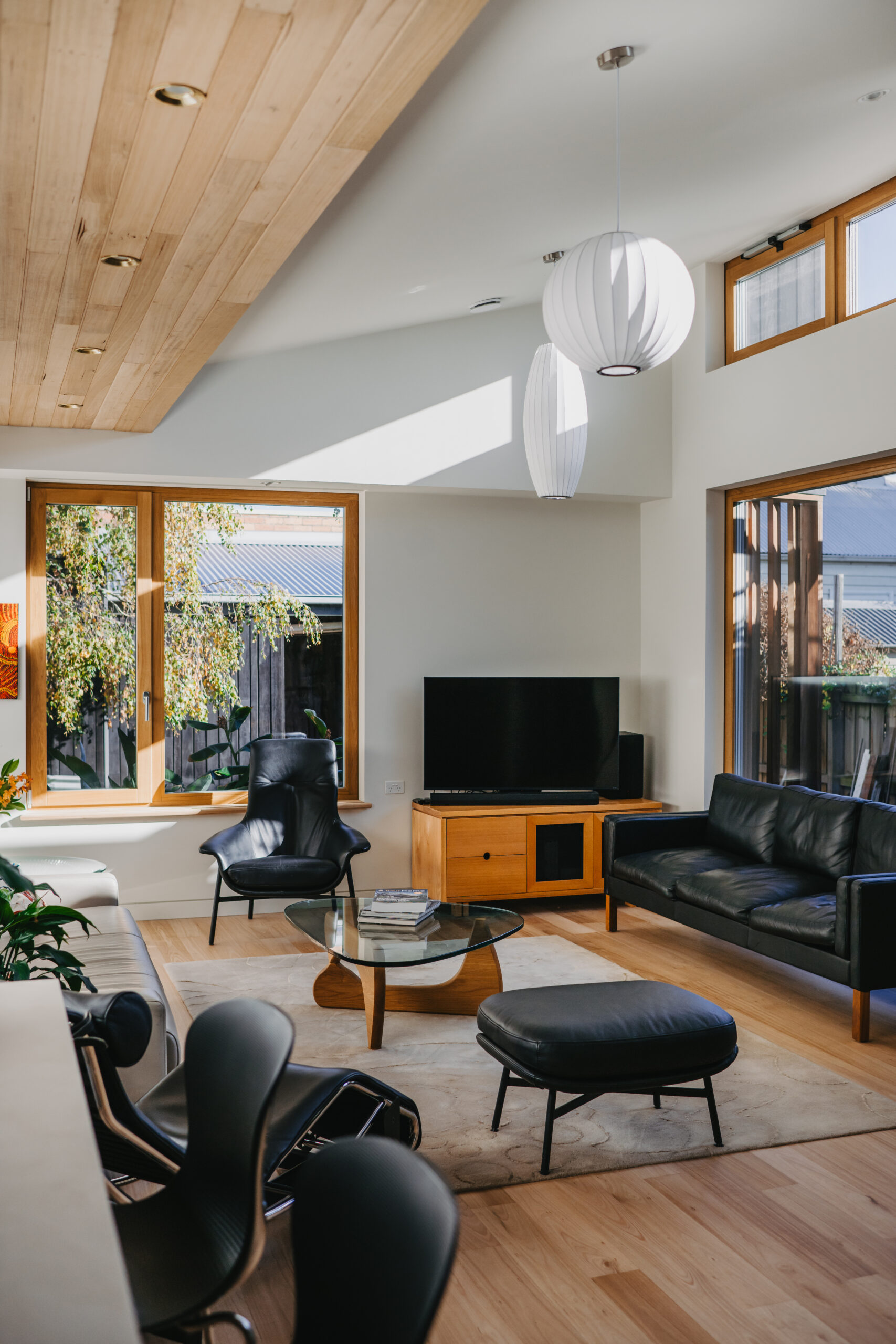
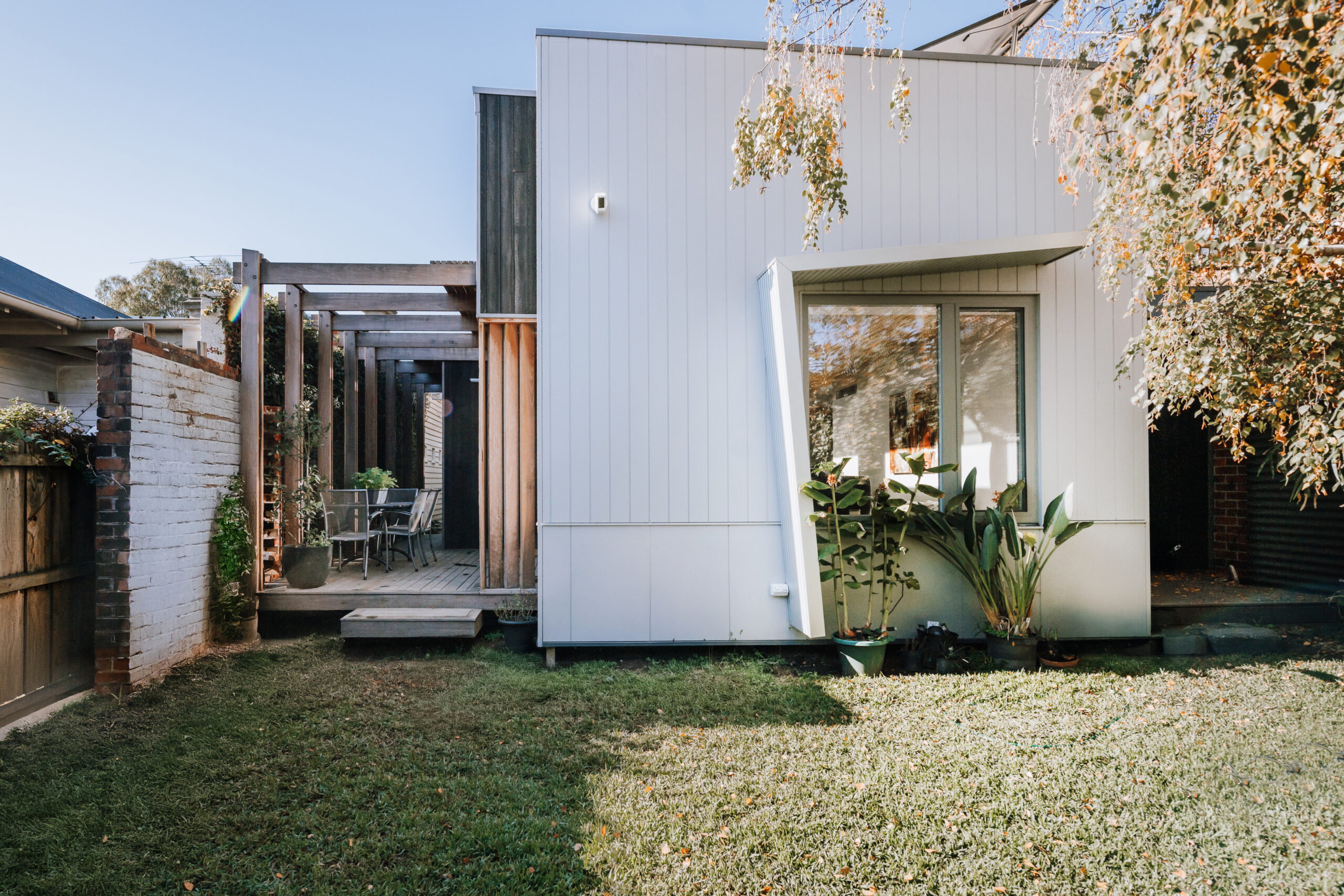
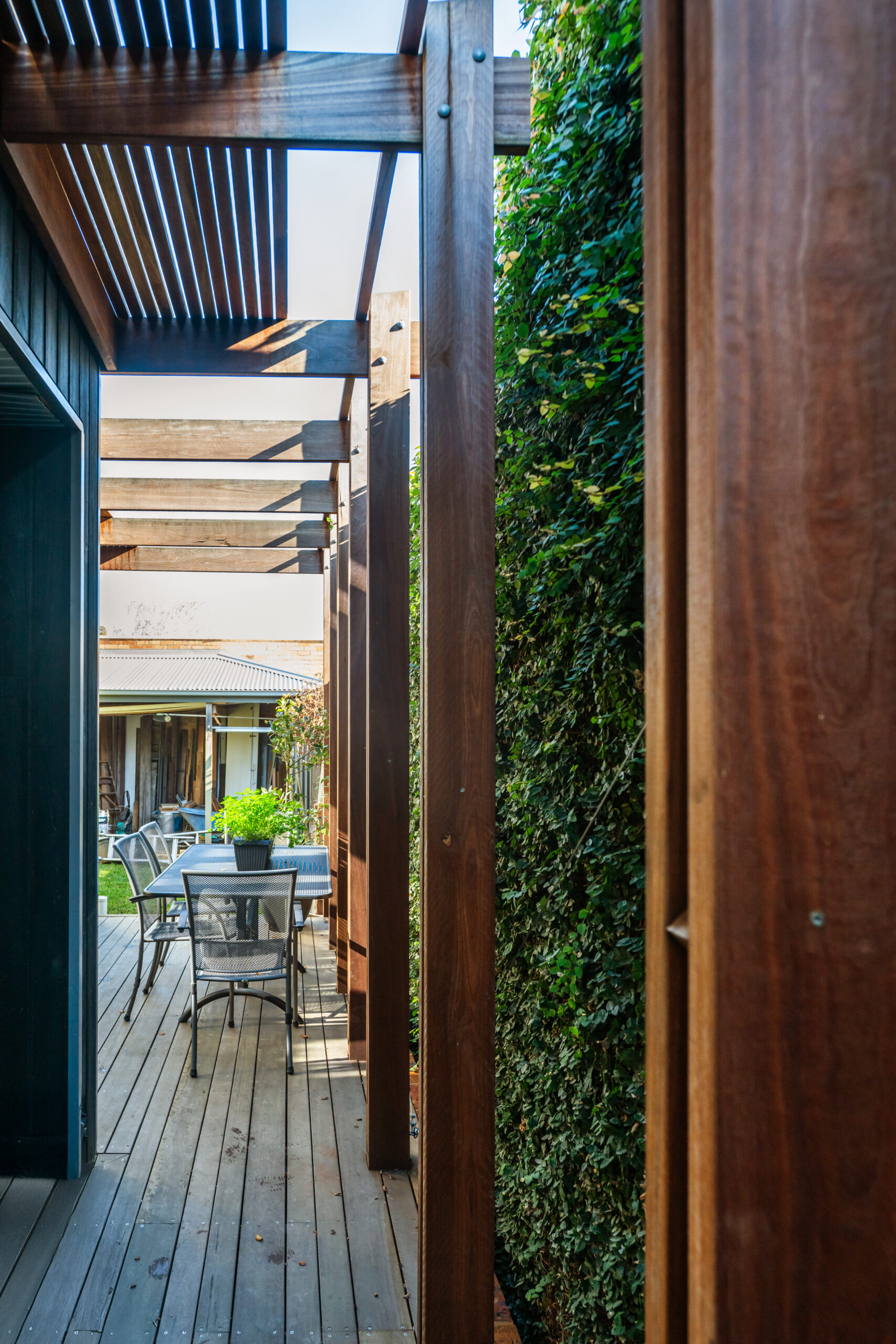
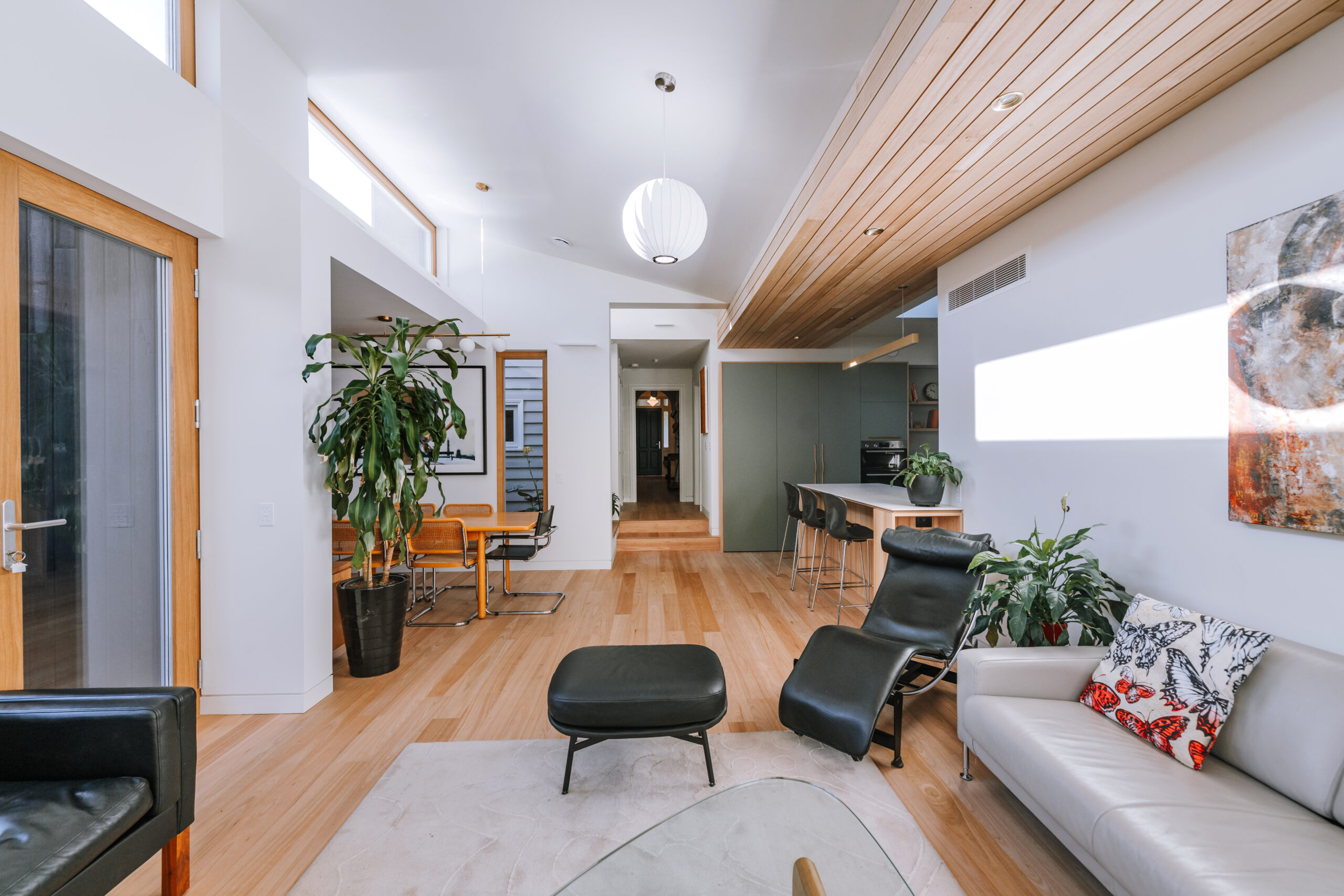
Timber/alu windows are triple glazed with openable clerestory windows for night purging. Living areas are designed to capture winter sun and exclude summer sun. Natural light has been maximised and all rooms have access to nature. A mature Silver Birch has been saved to shade the west elevation and an existing green wall on the north boundary has been salvaged to enhance the views from the north facing windows.

The highly insulated, airtight thermal envelope and heat recovery mechanical ventilation [HRV] system ensure that the temperatures remain comfortable and the internal air quality is great. The HRV system provides constant filtered fresh air.

Compared with the original house, the annual energy costs have been reduced by over $3,000. A battery has recently been added to the 6.6kW solar array, which will make the home close to net zero.
Q & A

What motivated you to build or retrofit sustainably?
A comfortable, healthy, energy efficient, low maintenance "down-size" home that would be resilient and fit for the 21st century.
Air-tightness. This, together with insulation and high performance windows, made the house comfortable and energy efficient. It made the heat recovery mechanical ventilation system necessary in order to provide constant fresh filtered air, which in turn greatly improved indoor air quality and comfort. Air tightness also required a higher standard of build quality. Air tightness combined with "getting off gas" made the greatest change to health [indoor air quality] and energy efficiency, enabling the 6.6kW solar array to meet most of the household energy needs and a resulting saving of over $3,000 per annum in energy bills.
Wish we had known more about battery installation regulations, as well as alternative battery systems and technologies. Not all batteries are equal and many systems do not provide backup protection or are compatible with EV charging. Batteries mounted externally on a habitable room wall [living rooms and bedrooms] require a non combustible wall cladding. The standard industry approach is to fix cement sheeting over timber cladding and weather boards, which is typically really ugly.
We have achieved our dream upgrade. However, I am sharing the research and learnings with others.
Type: Passive House or EnerPHit, Standalone house/townhouse
Project: Renovation or extension
Architect: Nilsen Associates
Designer: Charles Nilsen
Builder: Coy's Constructions
Size: 190m²
Energy Rating: PassiveHouse
Bedrooms: 3
Bathrooms: 2

Sustainability Features

Building Materials & Envelope

Draught-proofing/air sealing
High-performance insulation
Double or triple-glazed windows
Sustainable or low-impact materials
Recycled or reused materials
Other

Heating, Cooling and Ventilation

Passive heating/cooling (north-facing glazing, cross ventilation, thermal mass, shading, etc.)
Heat pump (reverse-cycle) heating/cooling
Mechanical ventilation with heat recovery (MVHR) system

Energy and Appliances

Rooftop solar PV
Battery storage
Energy monitoring/smart home systems
Efficient lighting (LED, daylighting, solar skylights)
Heat pump hot water
Electric cooktop - induction/ceramic
Other energy-efficient appliances

Water & Waste Systems

Water-efficient fixtures
Rainwater tanks

Landscape & Biodiversity

Edible garden
Wildlife-supporting habitat

Climate Resilience

Flood
Heatwave

Accessible & Flexible Design Features

Design for multigenerational living or dual occupancy
Share this home:

Related Homes

Home tours delivered to your inbox

Step inside sustainable homes across Australia and get practical ideas you can use in your own