
Comfy 1910 Cottage

Muloobinba,
Hamilton,
NSW
This home will be open for in-person tours on the 17th May 2026

About this home

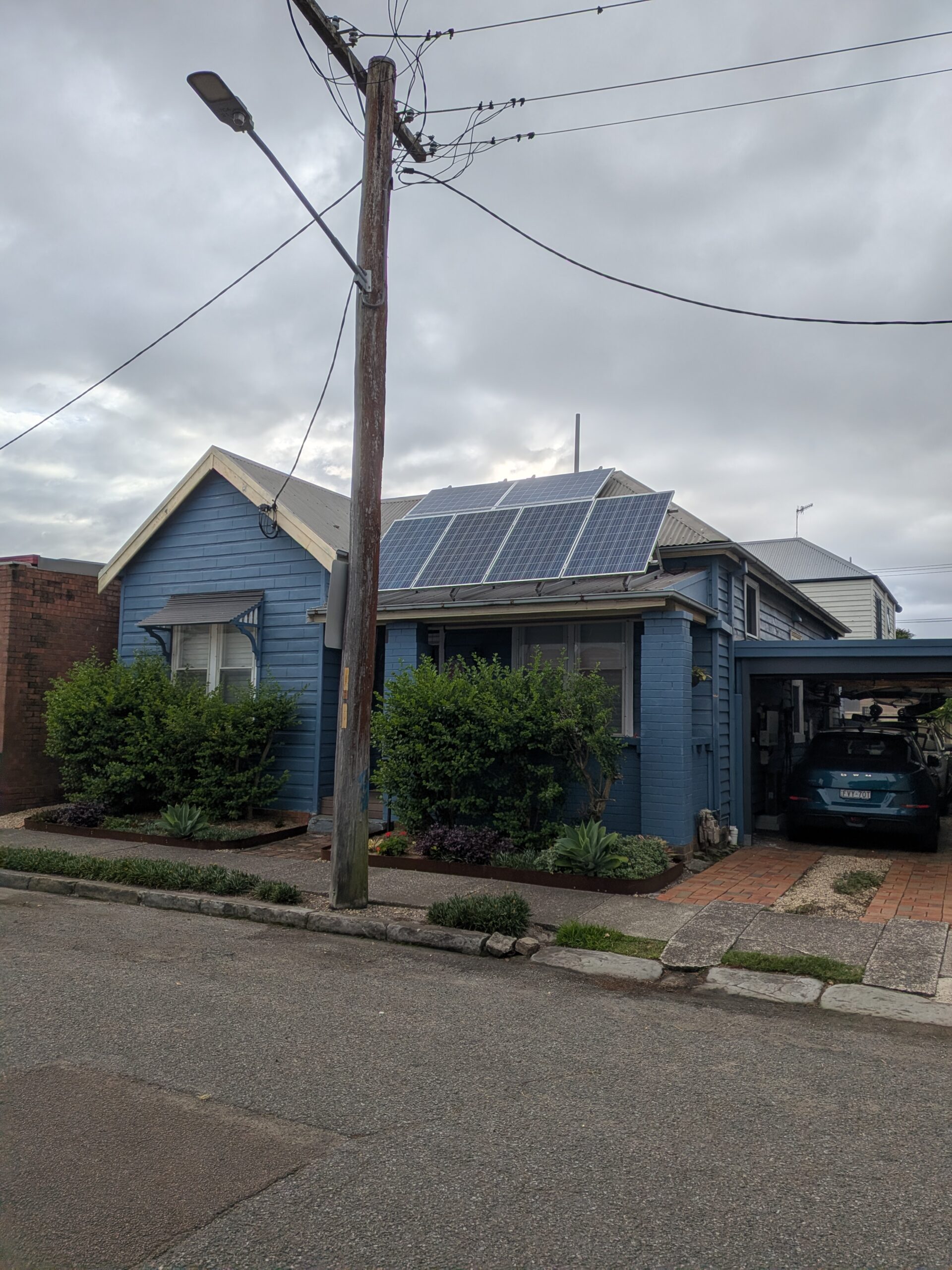
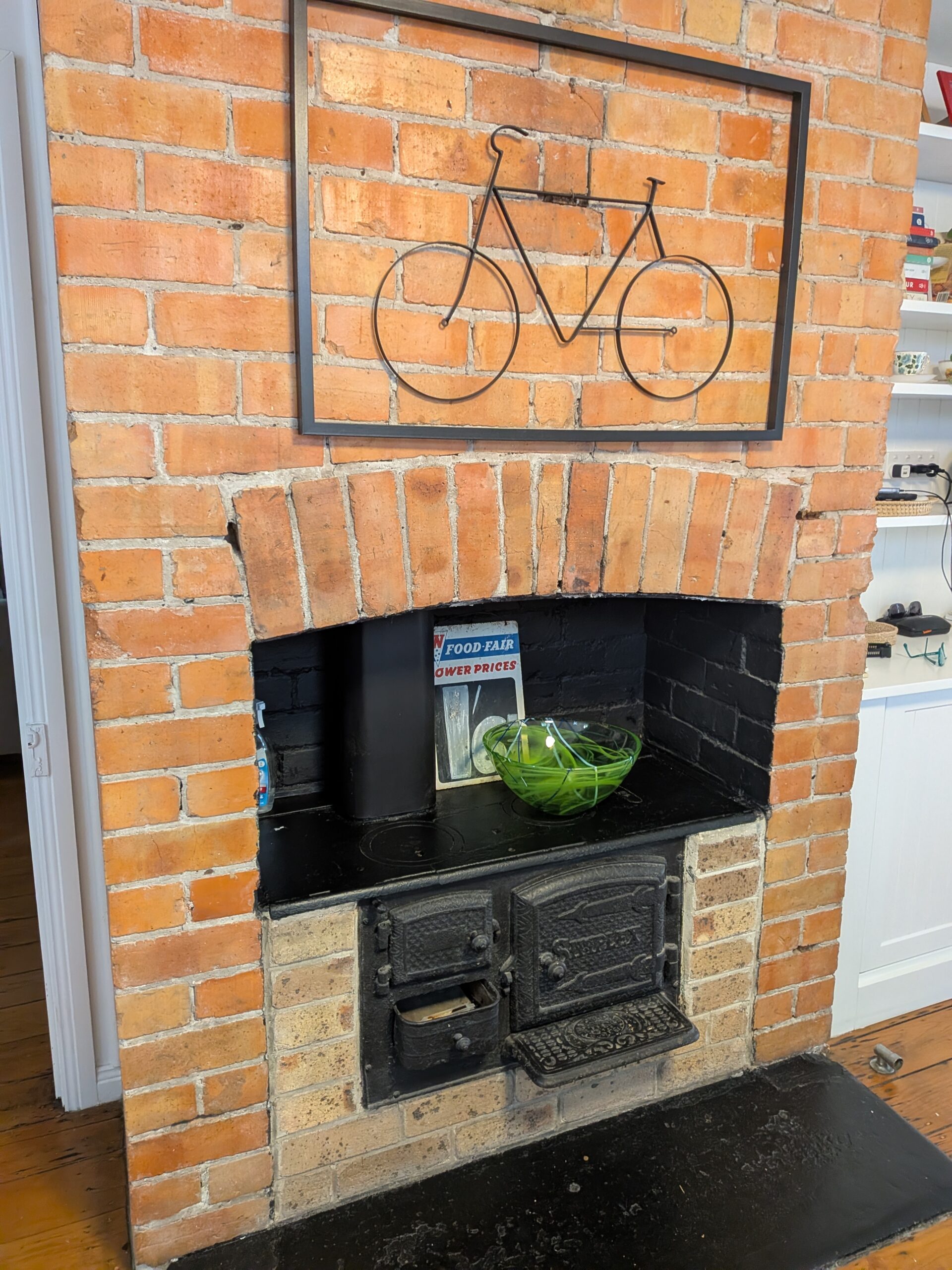
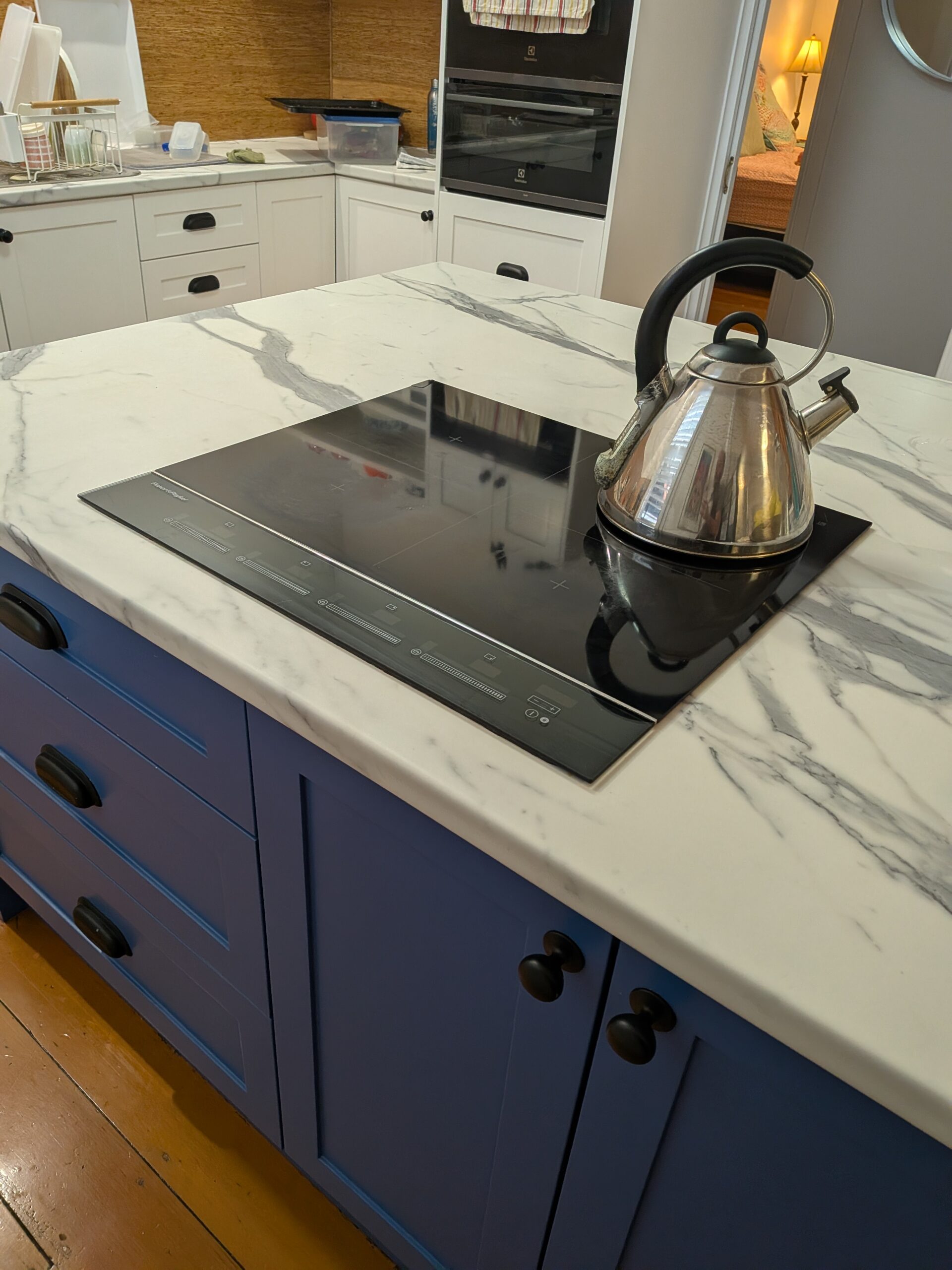
Our place was the typical 1910 draughty, weatherboard, 3 bedroom, inner city Newcastle house. It has been transformed to a well insulated, comfortable dwelling. We have electrified all our appliances and power the house and 2 electric vehicles mostly off solar.

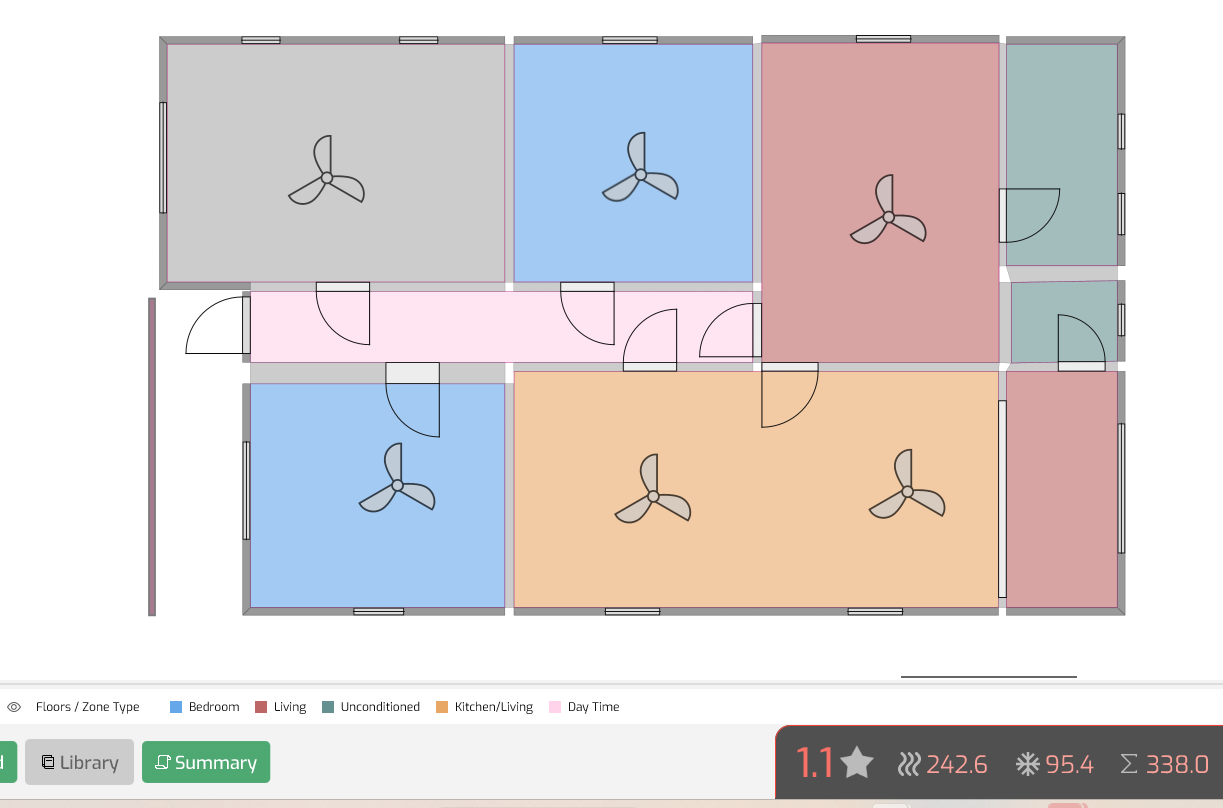
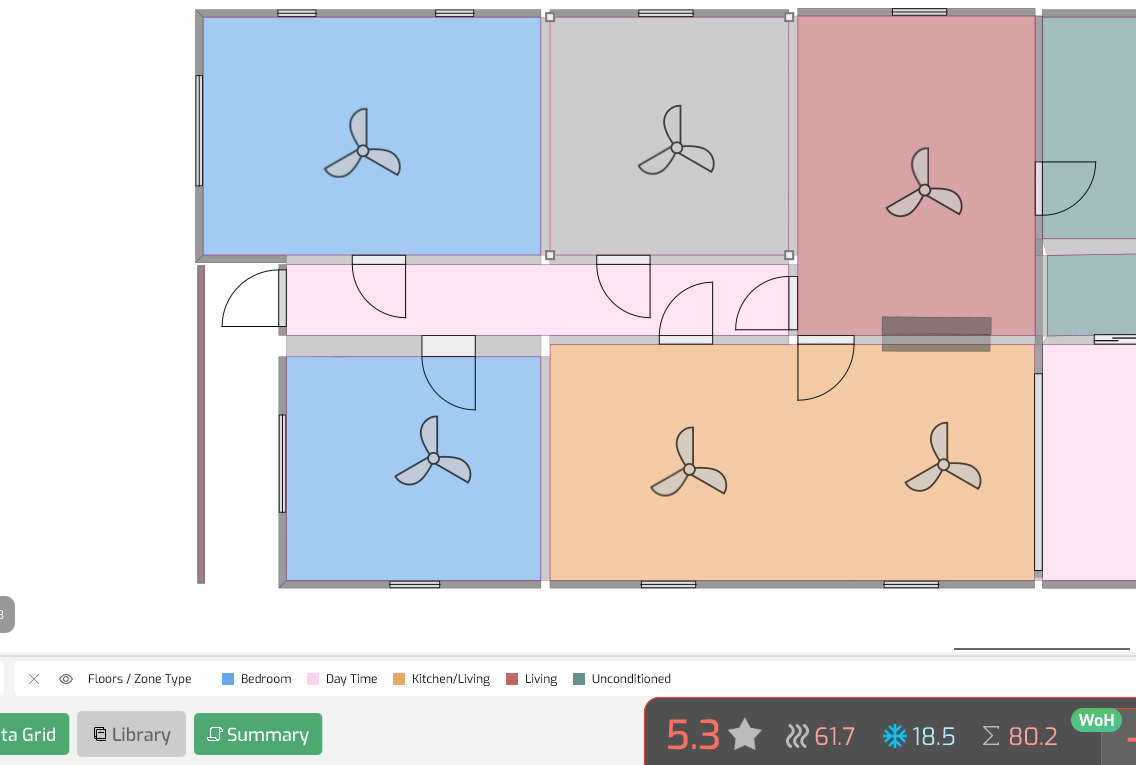
We have used the NatHERs rating tool to model the proposed changes to the dwelling. The changes that had the largest decrease in energy usage (and biggest increase in comfort) for the least cost have been adopted. Using this methodology the NatHers star rating has increased from 1.1 stars to 5.3 stars.

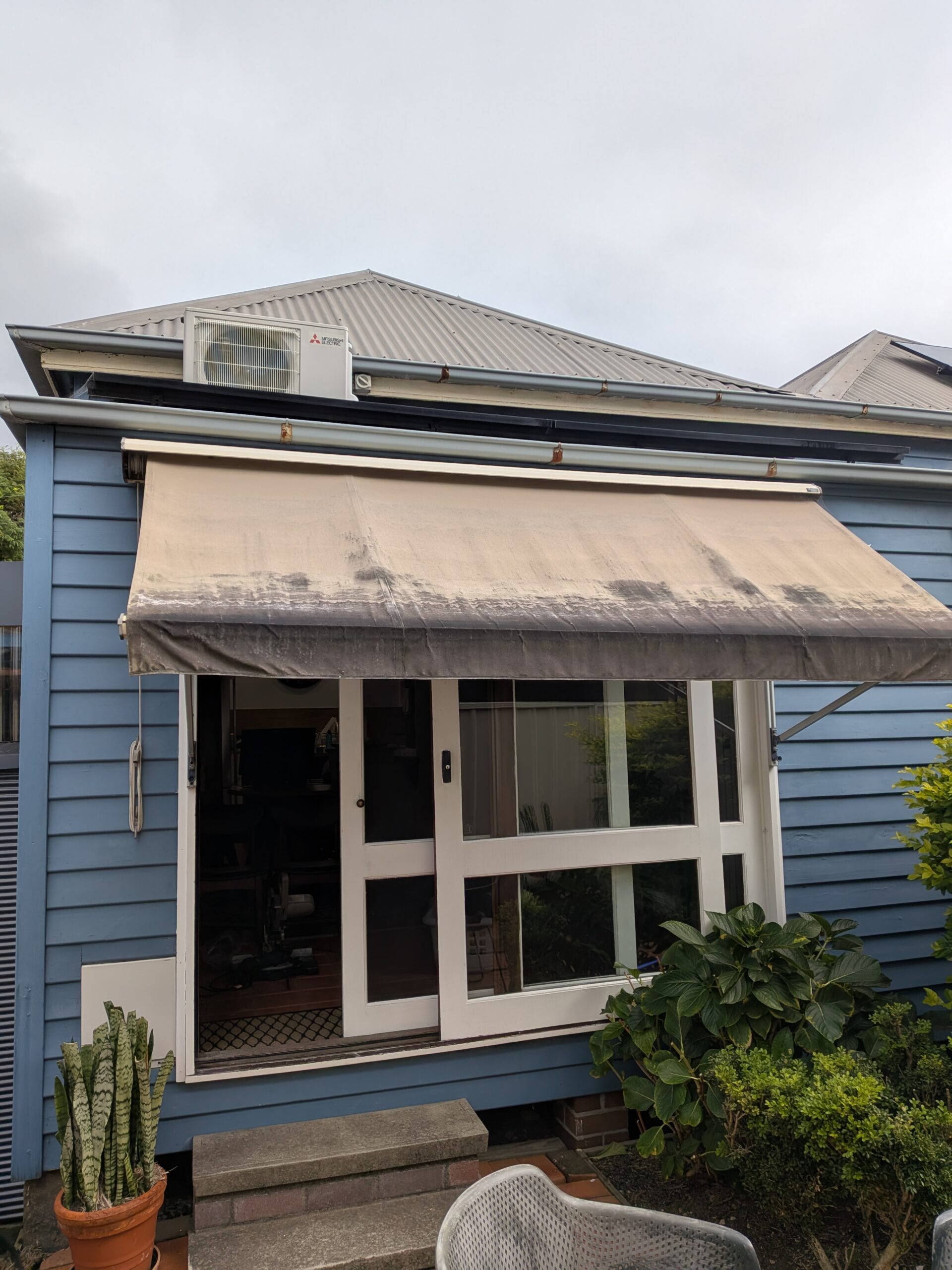
We have largely overcome poor orientation and the building practices of 115 years ago by sealing up gaps, insulating walls, floors and ceilings. The summer heat is kept out by external shading and we fit external clear acrylic window coverings and internal blinds in winter to retain keep the heat in.
The floorplan is typical of the era with all the rooms coming off a central doorway. We are able to use all the doors we have to physically zone the sections of the house we choose to heat or cool.
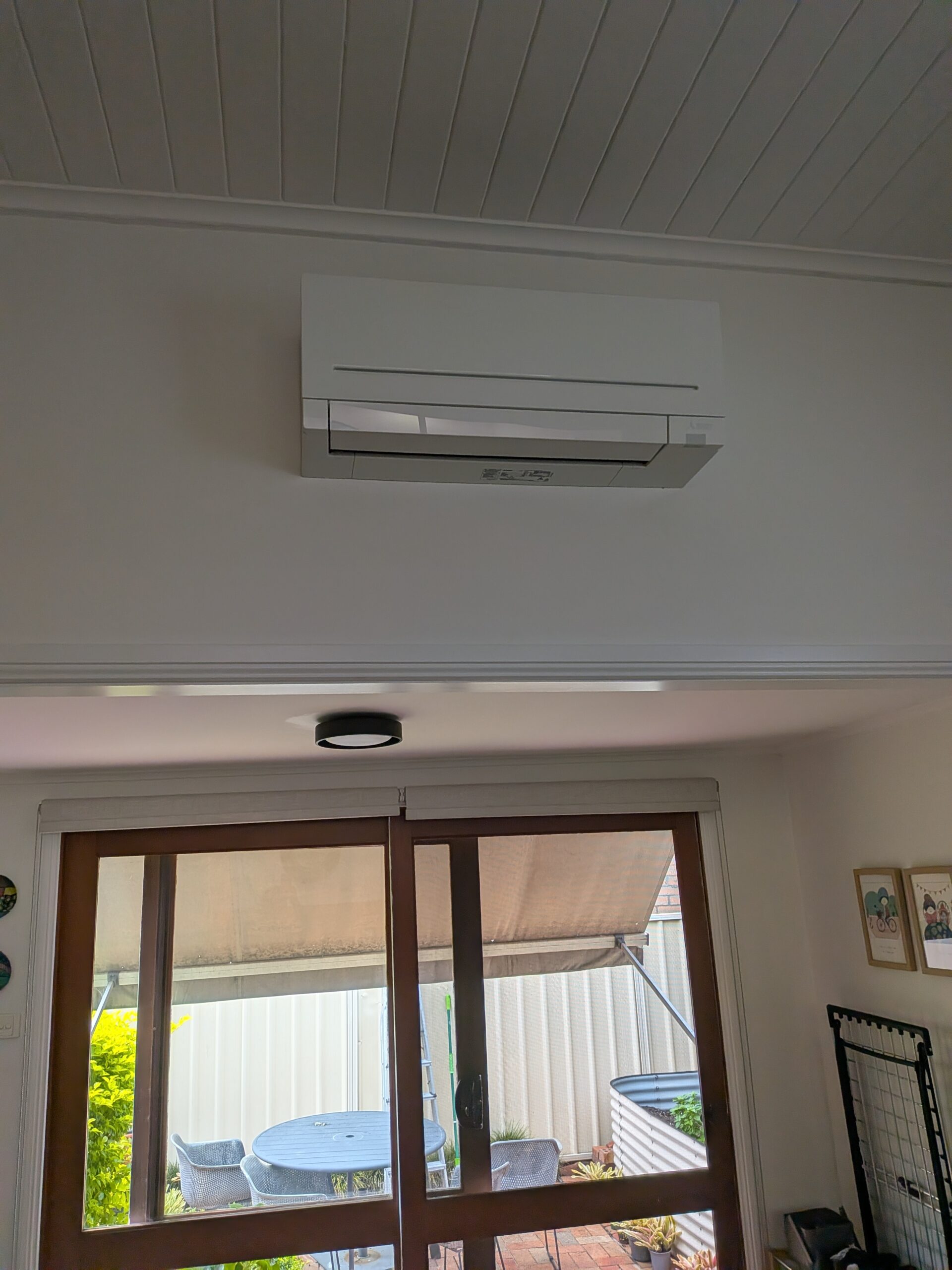
We use 3 x split system air conditioners and ceiling fans to push the heat and cool around the house.

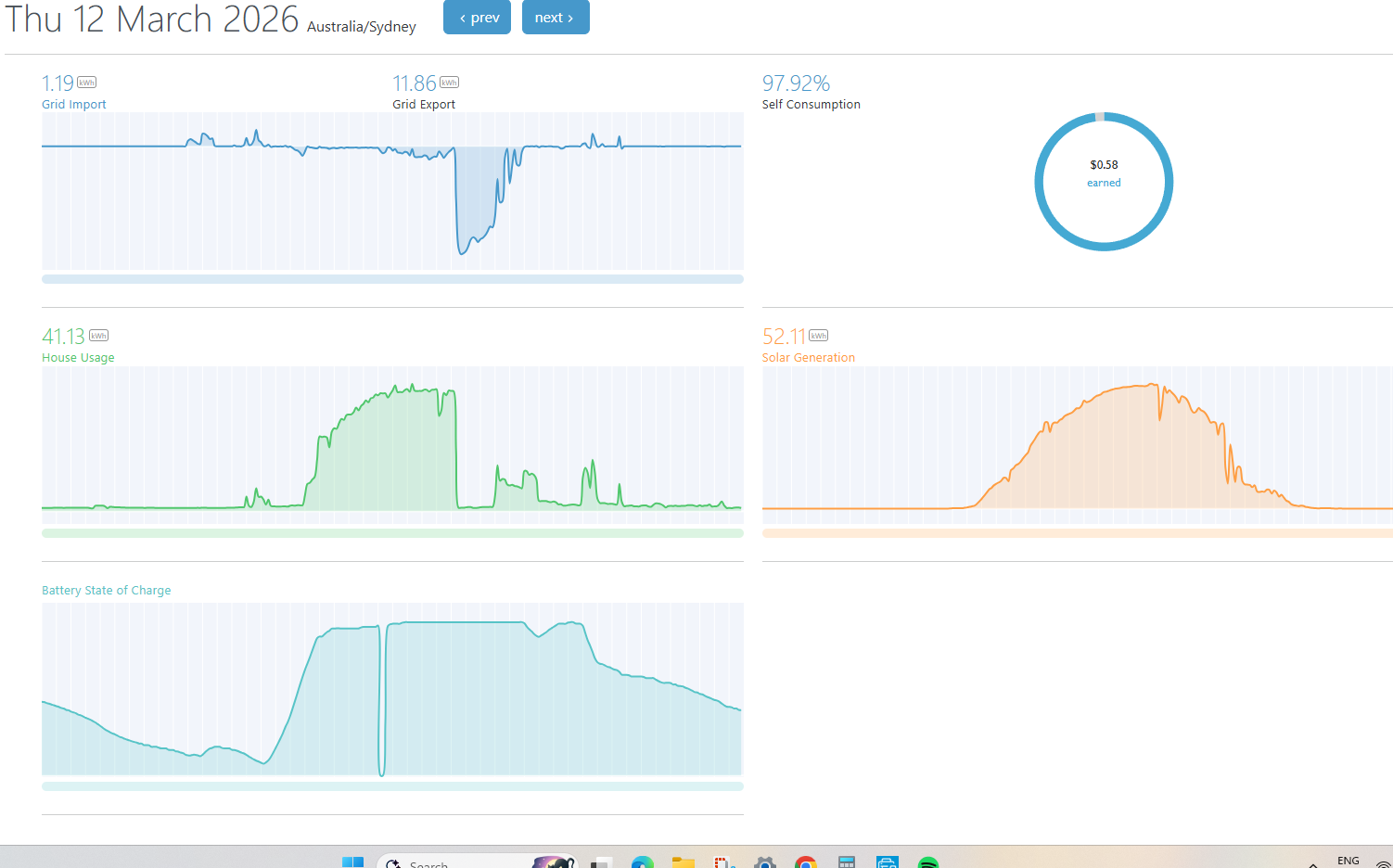
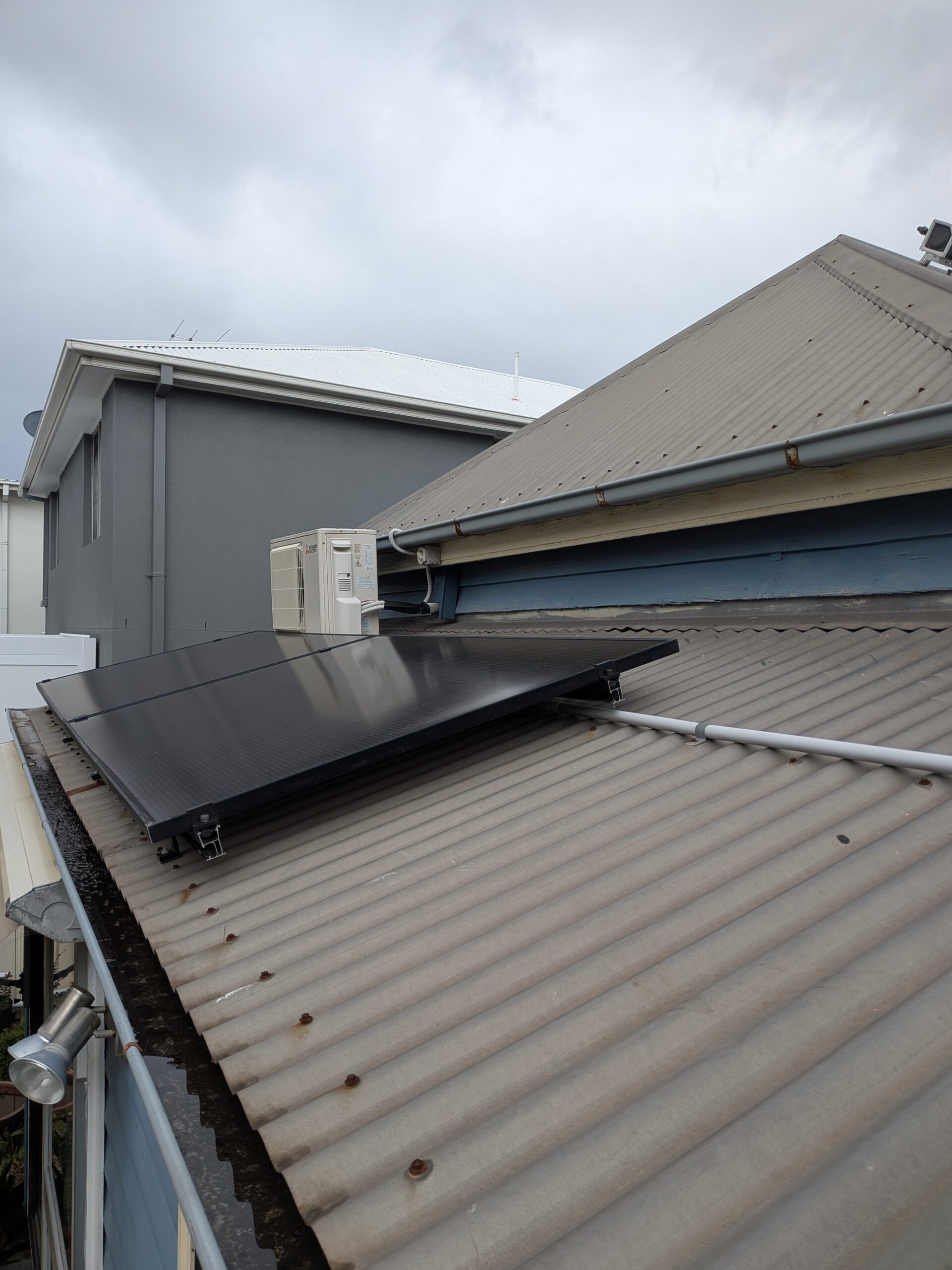
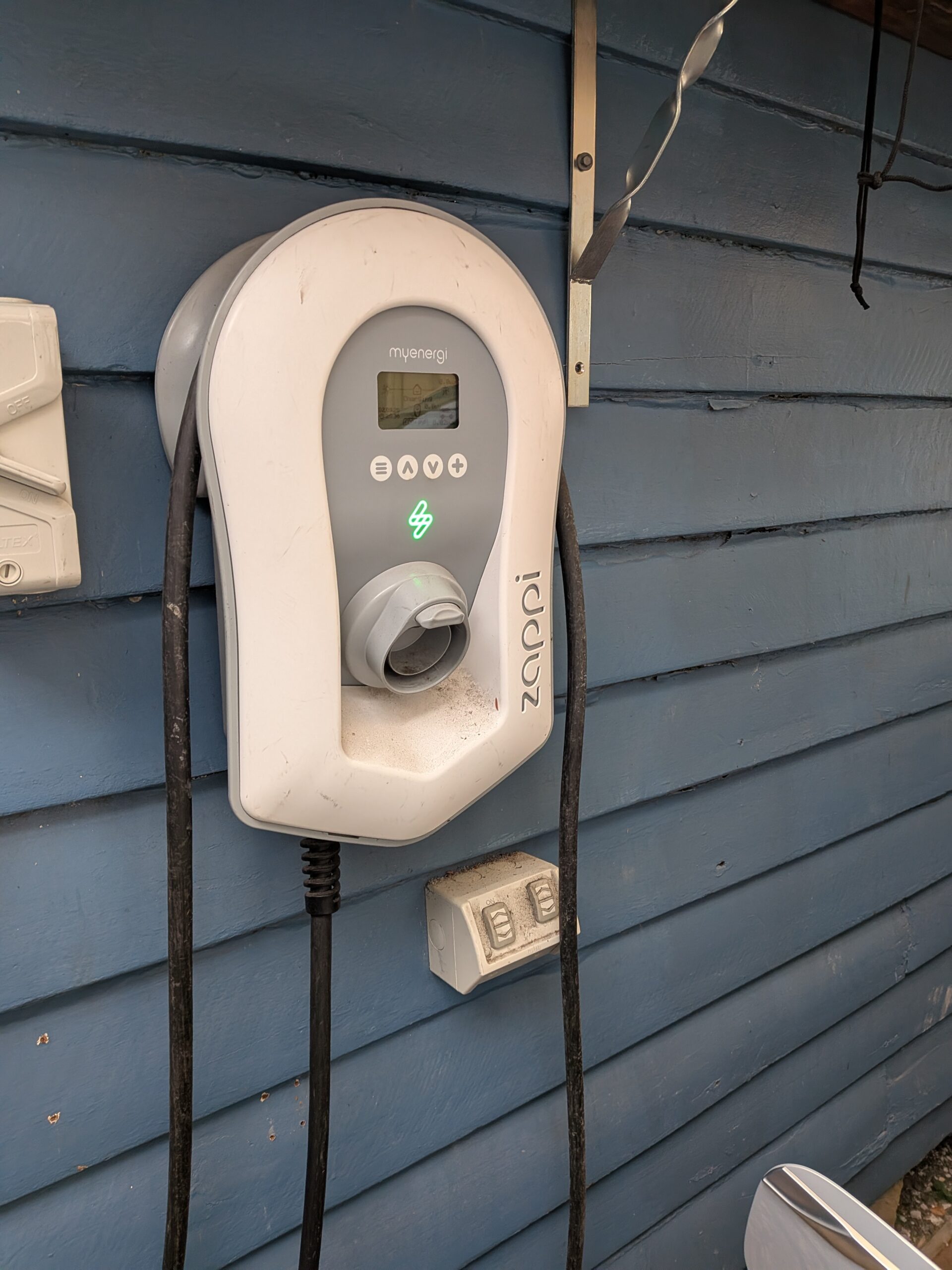
A 10 kw solar system with 5 kwh battery is enough to power our home for the majority of the year. Any surplus solar is fed into our EVs by a solar aware charger. We generally self consume around 90% of our solar production.

Q & A

What motivated you to build or retrofit sustainably?
The initial priority was to reduce running costs. As the project evolved we appreciated the increasing levels of comfort each change made.
Underfloor insulation. Our house is on piers and had a leaky timber floor. We put in Expol undefloor insulation and the cold breezes whistling around our feet in winter disappeared.
We put on our first solar PV system in 2008. At the time we got 2kws of solar and we couldn't imagine we would ever need a larger system. We allowed the installer to put the sysytem in the centre of our roof which made it impossible to easily expand the system. In 2024 we had to remove the original system and expand to 10kws.
Vehicle to GridWe have limited yard/garage space and don't want it filled with a large home battery. At the same time we have around 110 kwhs of battery in our 2 EVs which are idle alot of the time.We are keenly following the market and regualtory changes in vehicle to grid options and would like to install one in the near future.
Back to 2026 Homes
Type: Standalone house/townhouse
Project: Home retrofit
Size: 125m²
Energy Rating: 5.3 NatHERS
Bedrooms: 3
Bathrooms: 1

Sustainability Features

Building Materials & Envelope

Draught-proofing/air sealing
High-performance insulation

Heating, Cooling and Ventilation

Passive heating/cooling (north-facing glazing, cross ventilation, thermal mass, shading, etc.)
Ceiling fans
Heat pump (reverse-cycle) heating/cooling

Energy and Appliances

Rooftop solar PV
Battery storage
Dedicated wall-mounted EV charging
Energy monitoring/smart home systems
Efficient lighting (LED, daylighting, solar skylights)
Solar thermal hot water
Electric cooktop - induction/ceramic

Water & Waste Systems

Landscape & Biodiversity

Climate Resilience

Heatwave

Accessible & Flexible Design Features

Share this home:

Related Homes

Home tours delivered to your inbox

Step inside sustainable homes across Australia and get practical ideas you can use in your own