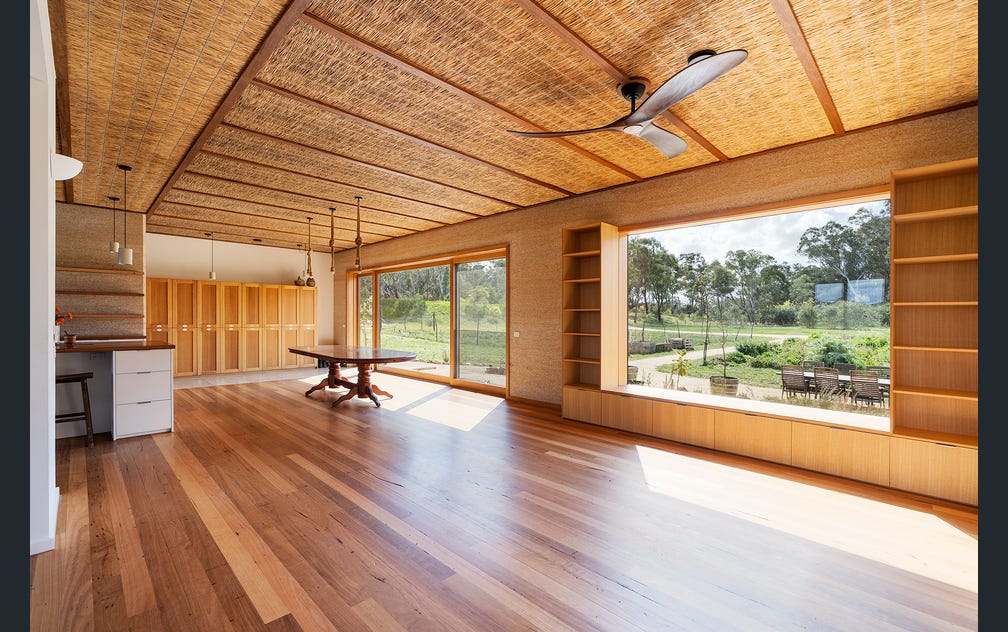

Hempcrete Co-living Passive House in Castlemaine
The vision for the Open Field House was to create a home that:
1. Allows multiple families and individuals to live together, with a balance of communal facilities and private space
2. Integrates seamlessly with the permaculture systems of a semi-off grid homestead: gardens, orchards and water systems
3. Supports a net zero transition by using almost no energy to heat and cool, and avoiding materials with high embodied energy such as concrete
4. Is resilient to the effects of climate change: heatwaves, droughts, floods, and resource scarcity
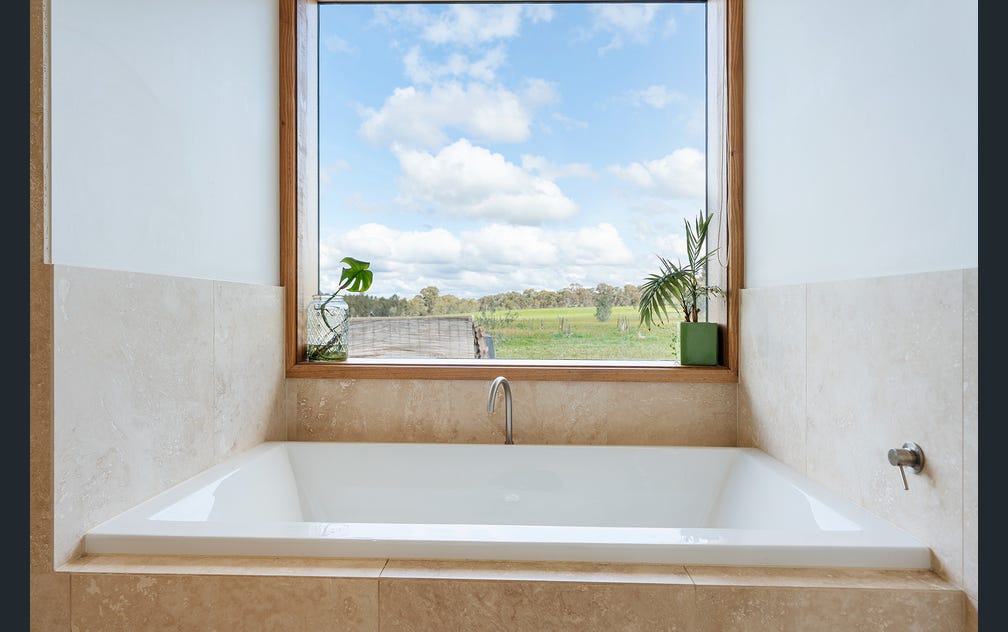
5. Creates a calm and healthy sanctuary for its occupants, with rich, natural, recycled and local materials that are breathable and chemical-free
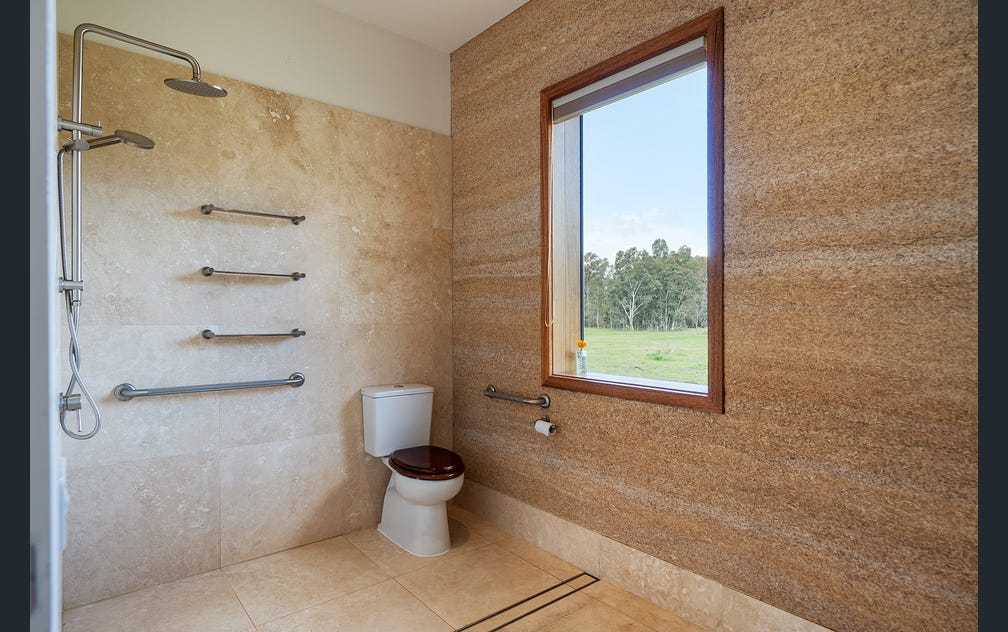
6. Provides universal accessibility, making the house safer and easier for people with disabilities or injuries, older people, and families with young children
7. Is viable within current laws, building standards, council regulations, zoning and financial systems.
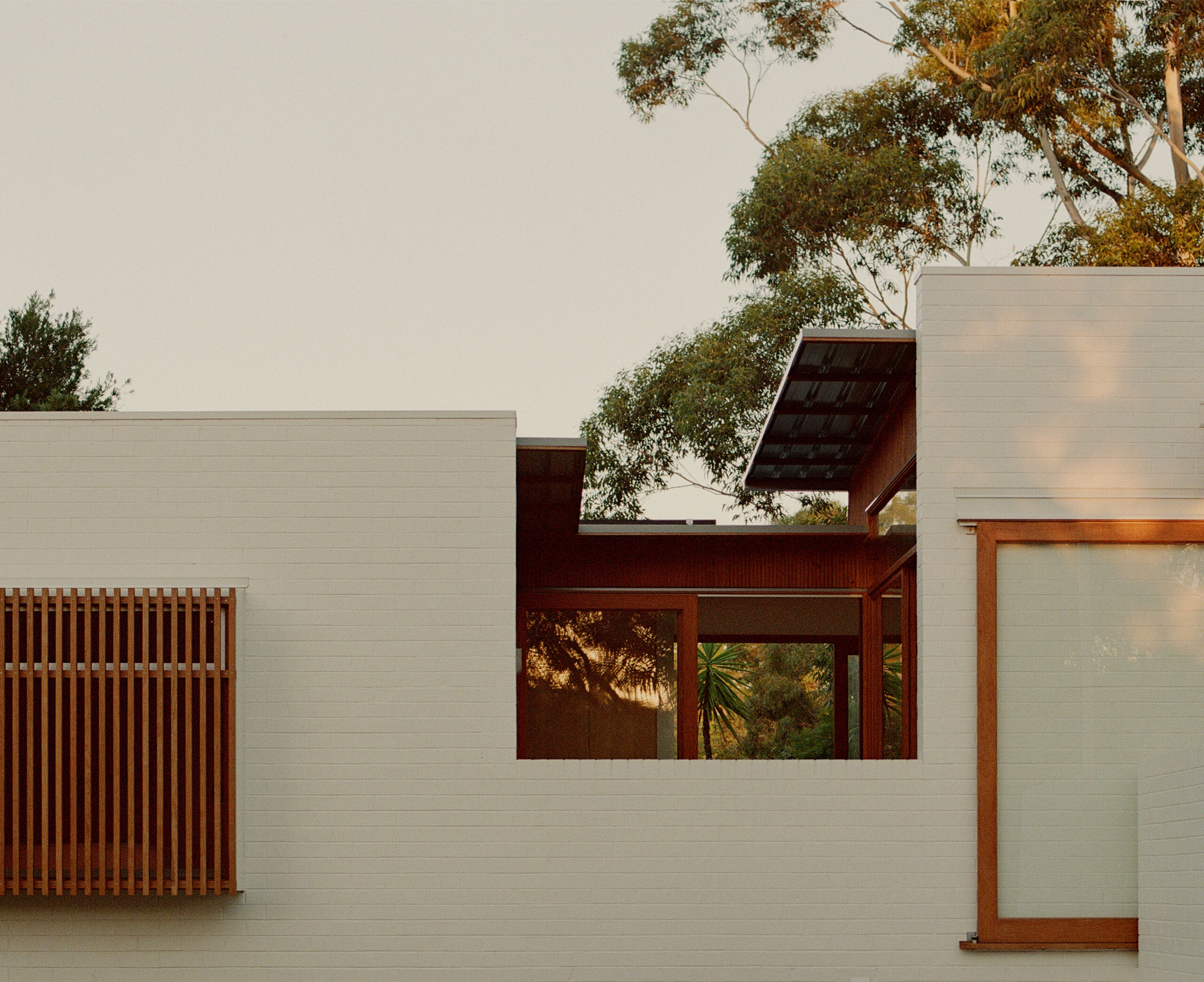
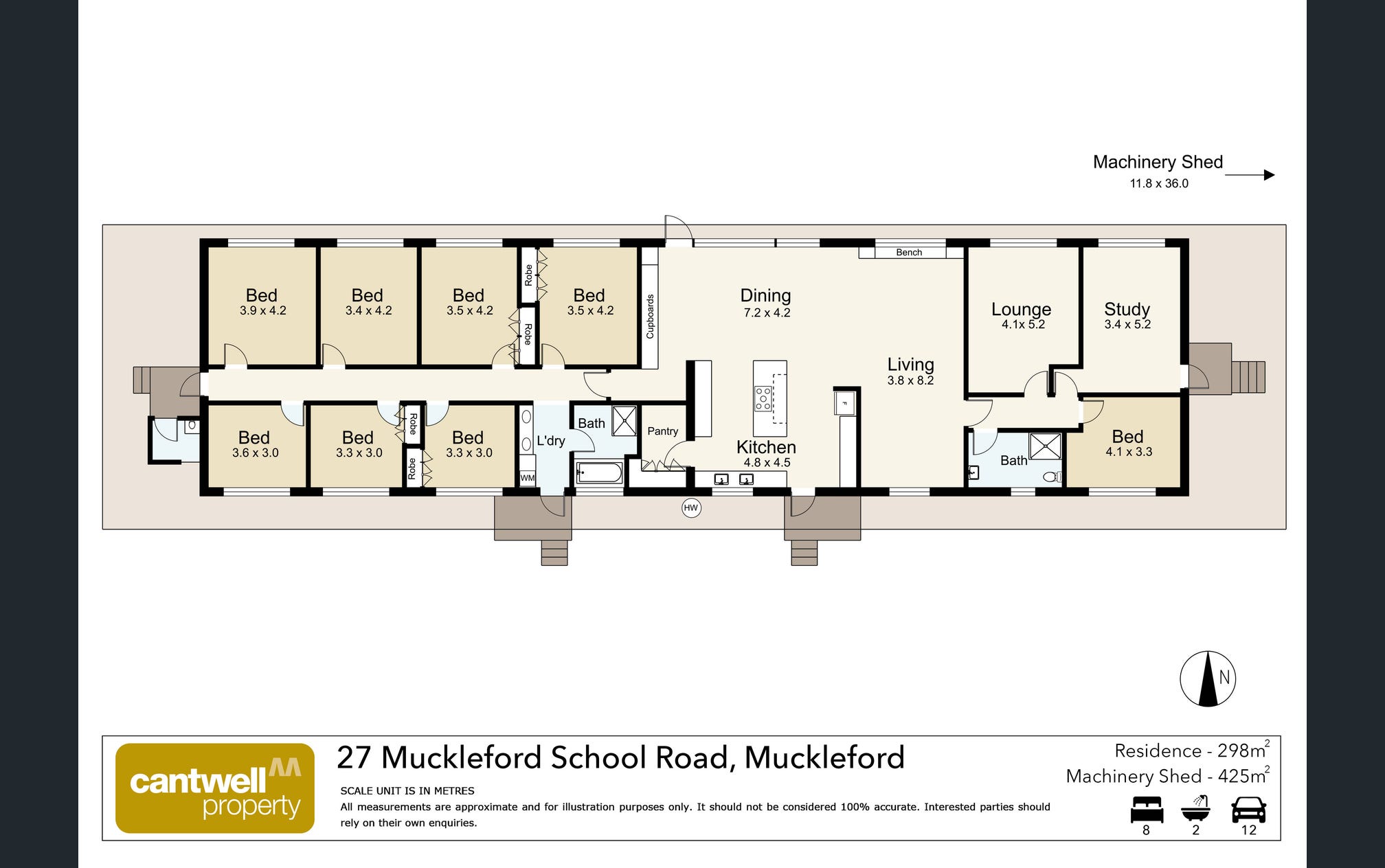
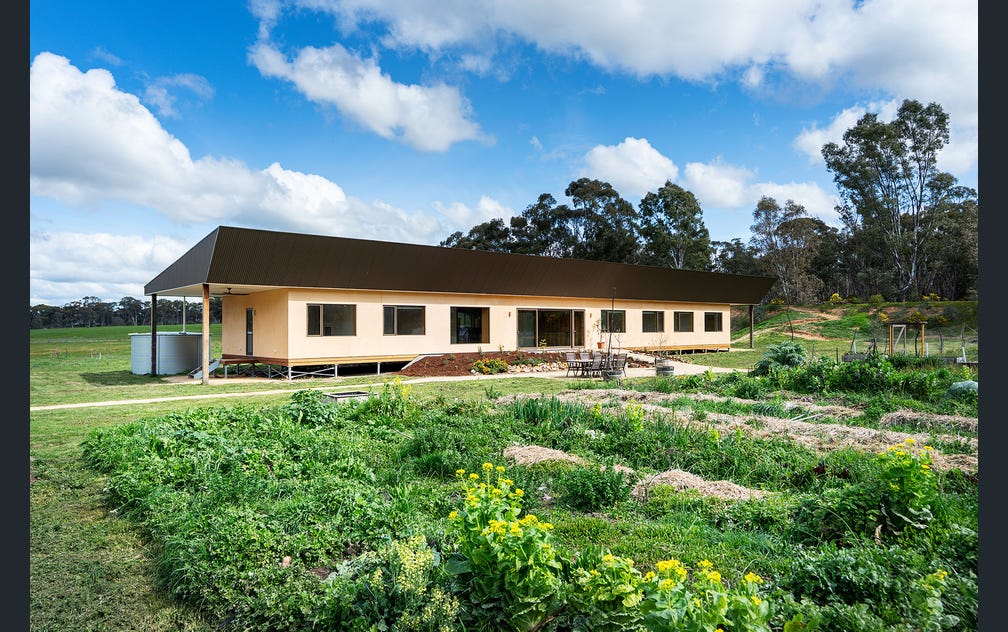
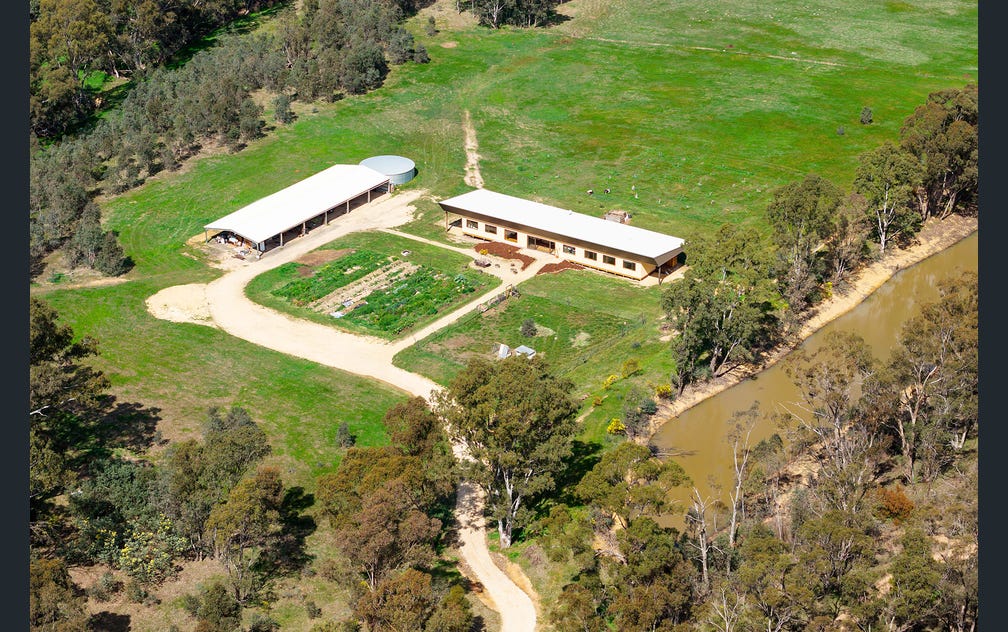
The result was a wheelchair-accessible rectangular hempcrete home built according to Passive House principles, with eight to ten bedrooms and the capacity to house 10 to 15 residents. One of the home's most unique sustainability features is that it can house so many people. Open Field residents use about 30 square metres per person, rather than the current Australian average of 90 square metres per person, meaning a massive reduction in the resources required.
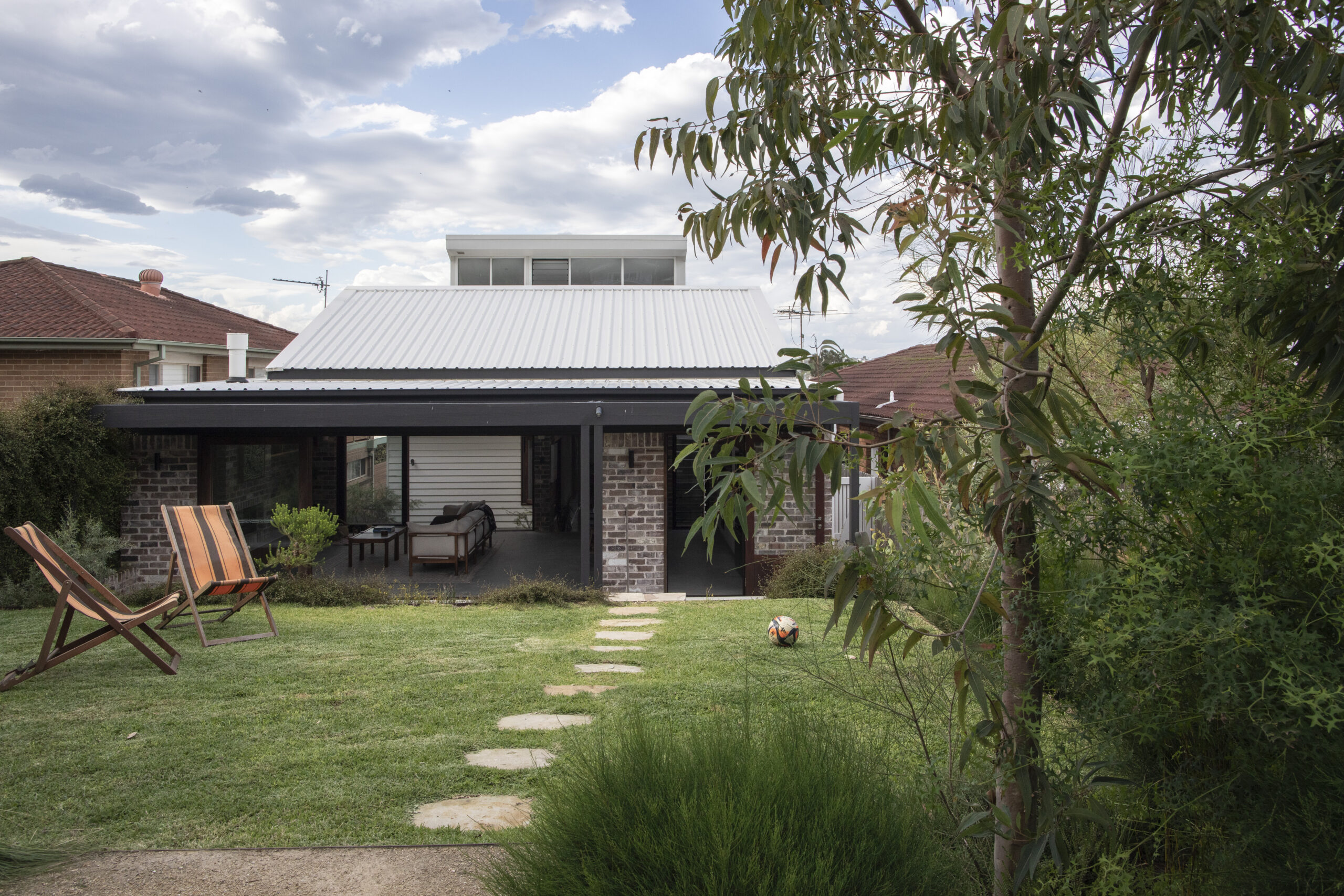
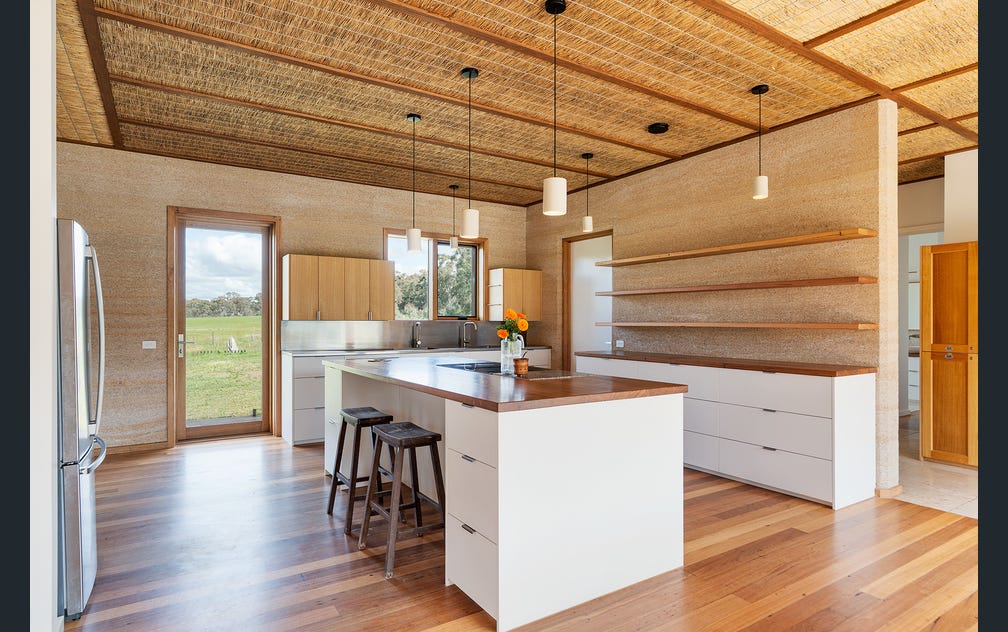
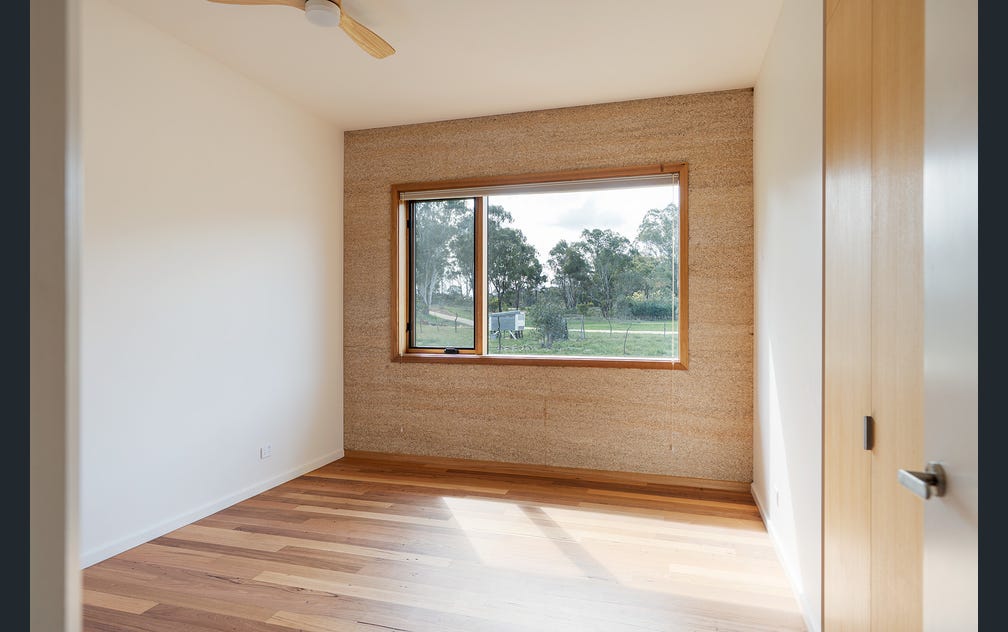
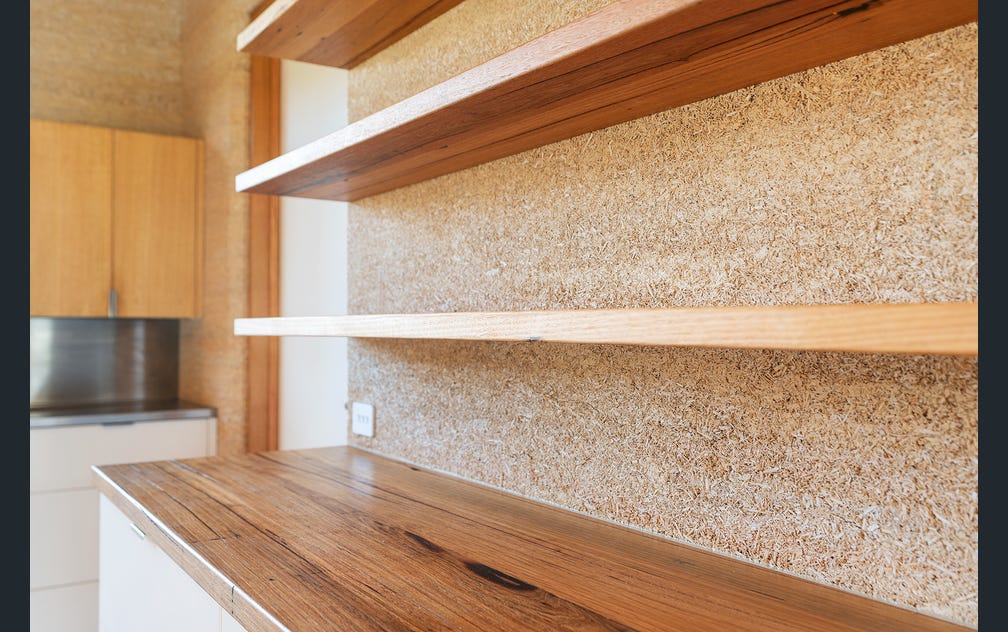
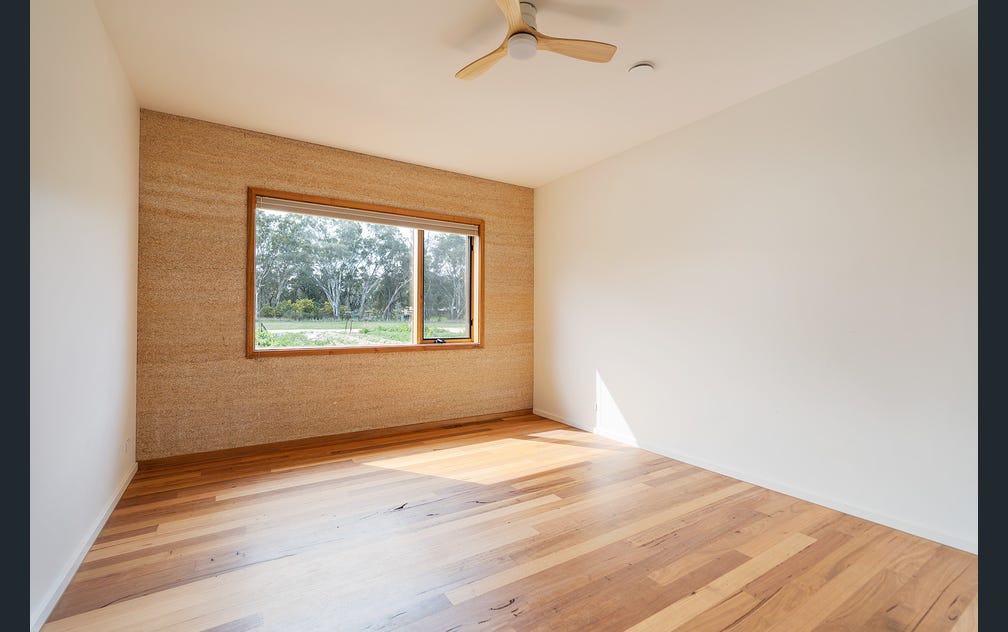
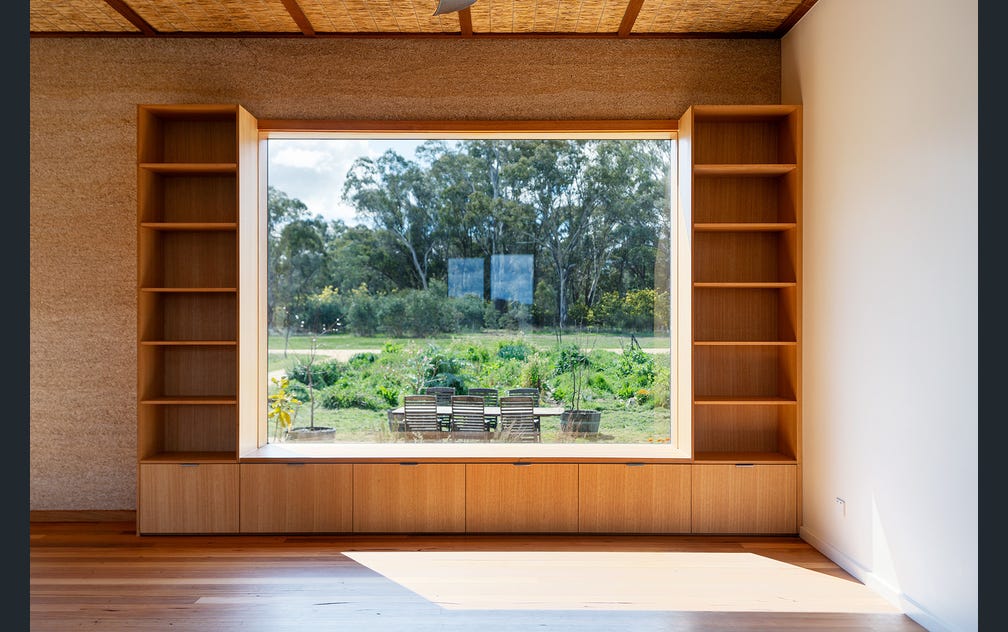
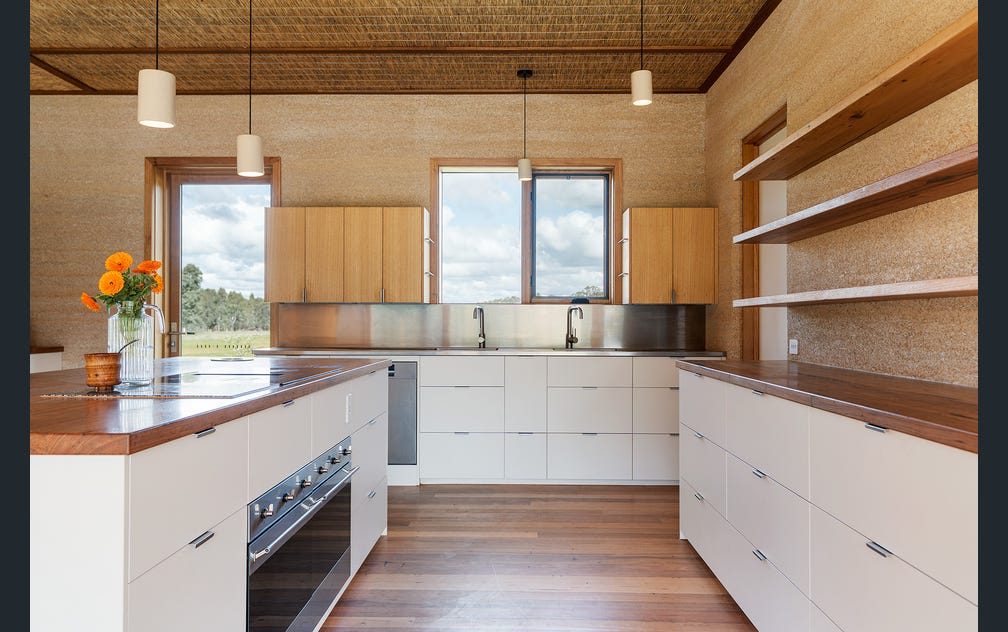
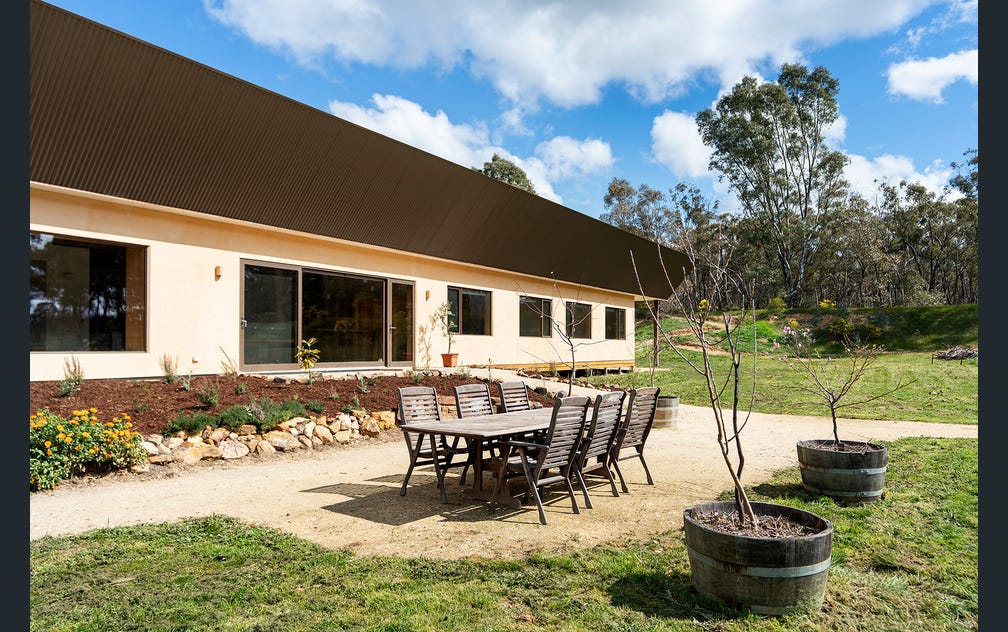
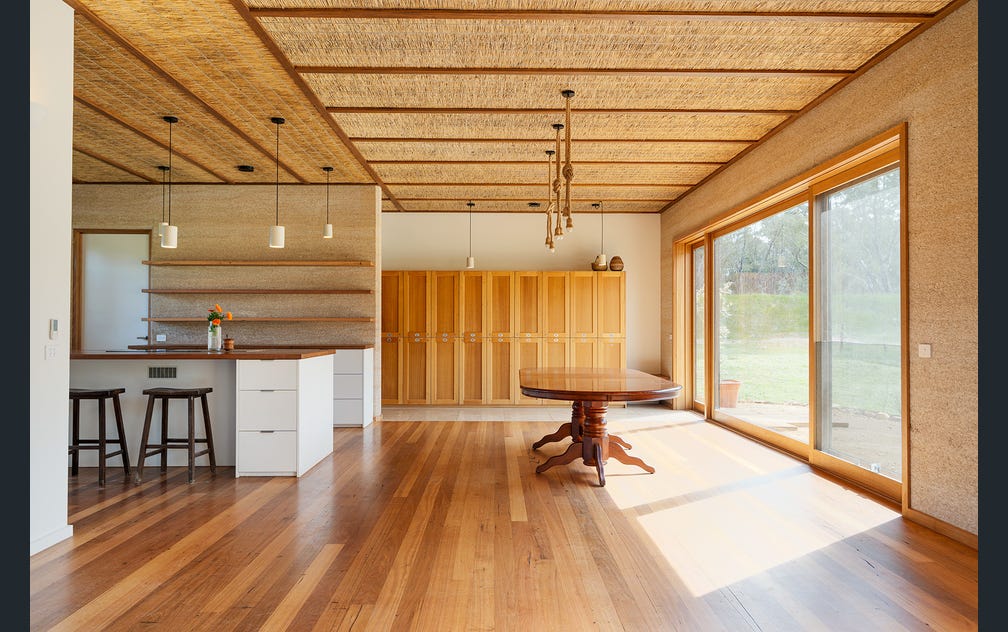
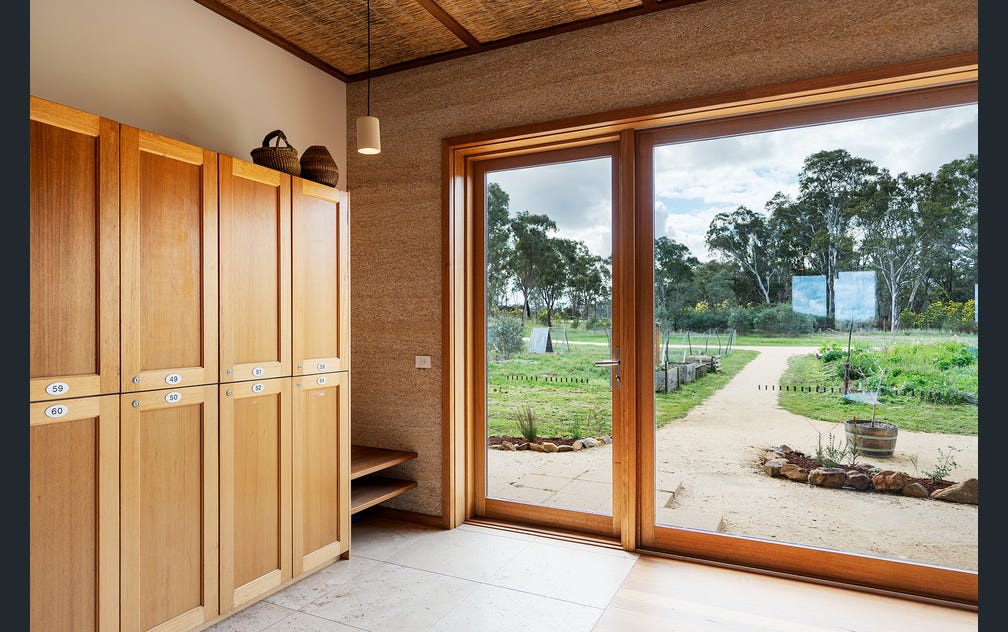
Large north-facing windows fill the house with natural light, maximising energy efficiency and connecting to the gardens and bush beyond. All bedrooms and the main bathroom open off a single hallway on the west side of the house, forming a private, quiet residents’ wing. On the east side, the large kitchen, pantry, living areas, study, guest room and accessible bathroom make up the public communal space. We built the handcrafted hempcrete walls ourselves with the help of friends, volunteers and a hempcrete specialist. We chose to leave the internal walls unrendered Other sustainable and resilient features include:
> Passive solar orientation excludes summer sun while welcoming deep winter light
> Zehnder ComfoAir 450 Mechanical Ventilation Heat Recovery system delivers continuous fresh, filtered air
> Airtight breathable membranes, thermal mass hempcrete walls, and high-grade insulation (R8.0 ceiling, R5.0 floor, R4.0 walls)
> Year-round stable temperature, humidity, and fresh air
> NatHERS rating of 8.2 stars (effective 9.1 with Passive House systems), placing it in the top 0.2% of homes nationwide
> Double glazed Miglas windows
> Surecraft steel stumps - reduction in concrete use (high embodied energy), termite proof, also increasing flood resilience
> Hempcrete - bushfire resilient, moisture regulating, thermally stable, insulative, mould-free material
> Estimated to use just 15% of the energy of a conventional home
> Expansive large dam (30-million-litre capacity) with underground ring main servicing orchard, chickens, and a productive market garden, fostering local food self-sufficiency and resilience
>200,000L of rainwater storage, 1,000m2 of rainwater catchment
> A biological septic system irrigates an orchard of 60 fruit and nut trees
> Composting toilets